10 Lifesaving Skills Everyone Should Have & 10 You Should Leave to the Professionals
How to Save a Life
You might know how to perform CPR, but how many other lifesaving skills do you have under your belt? Would you know what to do in the event of a severe allergic reaction? What about if someone who couldn't swim fell into the water? Or how to use a fire extinguisher when a small fire starts? While not every emergency can be handled by just any bystander (and shouldn't be), it's still useful knowledge to know what to do when a person is in need. From the Heimlich Maneuver to knowing how to recognize the signs of a stroke, here are 10 critical skills everyone should know in the event of an emergency, along with 10 situations where it's best to leave it to the professionals.
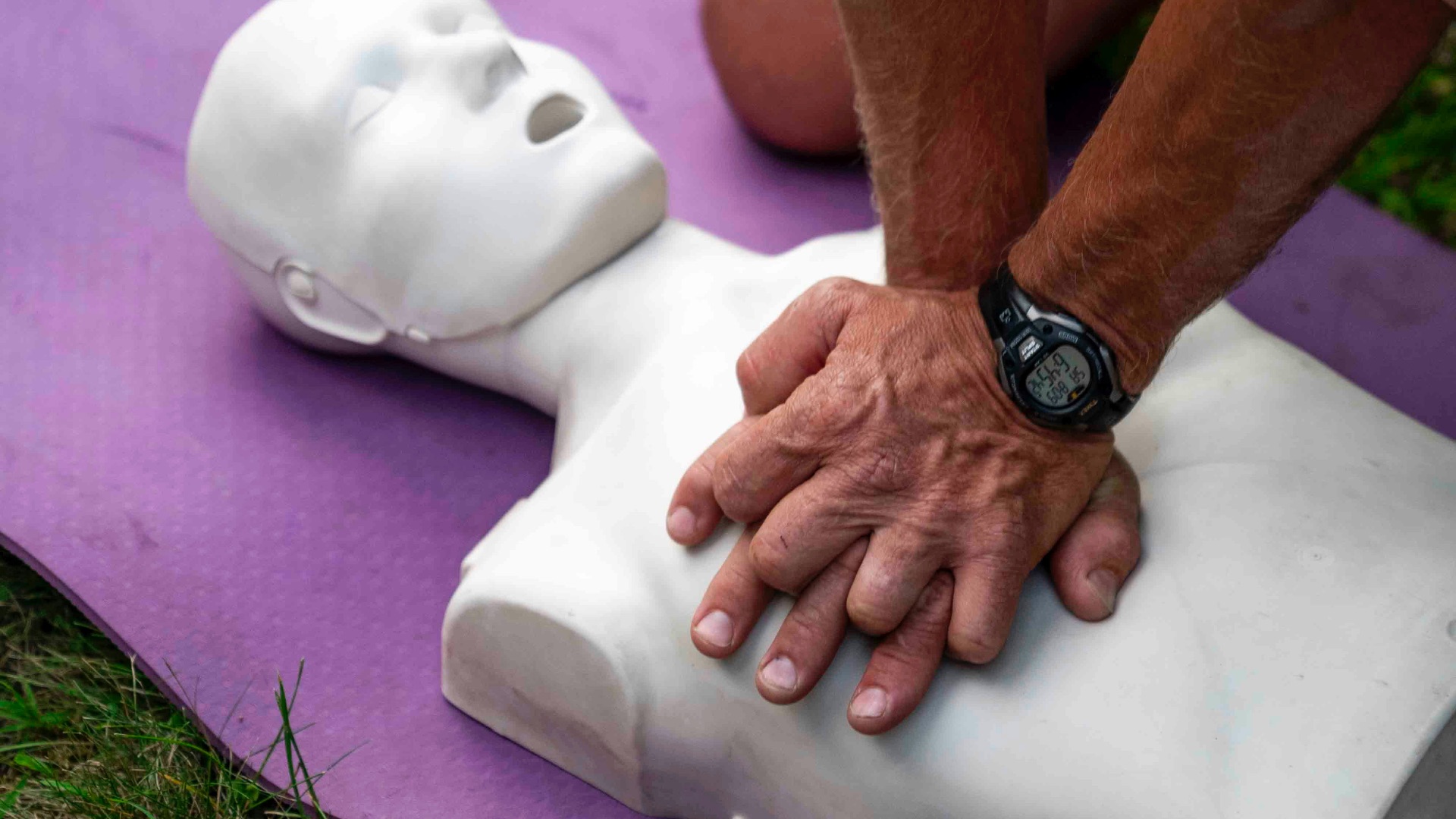
1. CPR
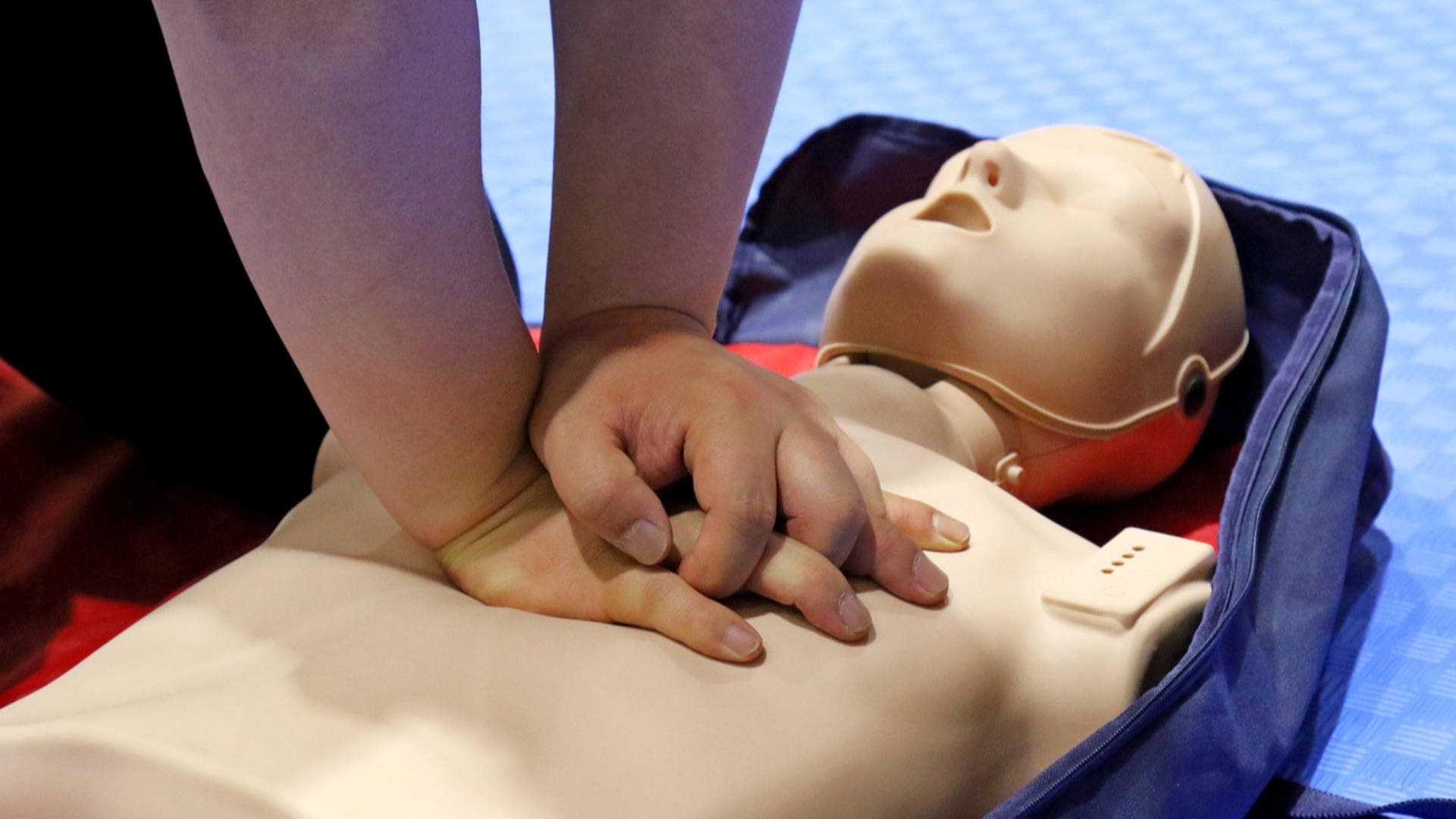
Because cardiac arrest can happen to anyone, anywhere, without warning, cardiopulmonary resuscitation is one of the most valuable skills you can learn. Thankfully, you don't need medical training to perform effective chest compressions, and many community centers offer certification classes that take just a few hours to complete. Once you're certified, acting fast and starting compressions before paramedics arrive can significantly increase a person's chances of survival.
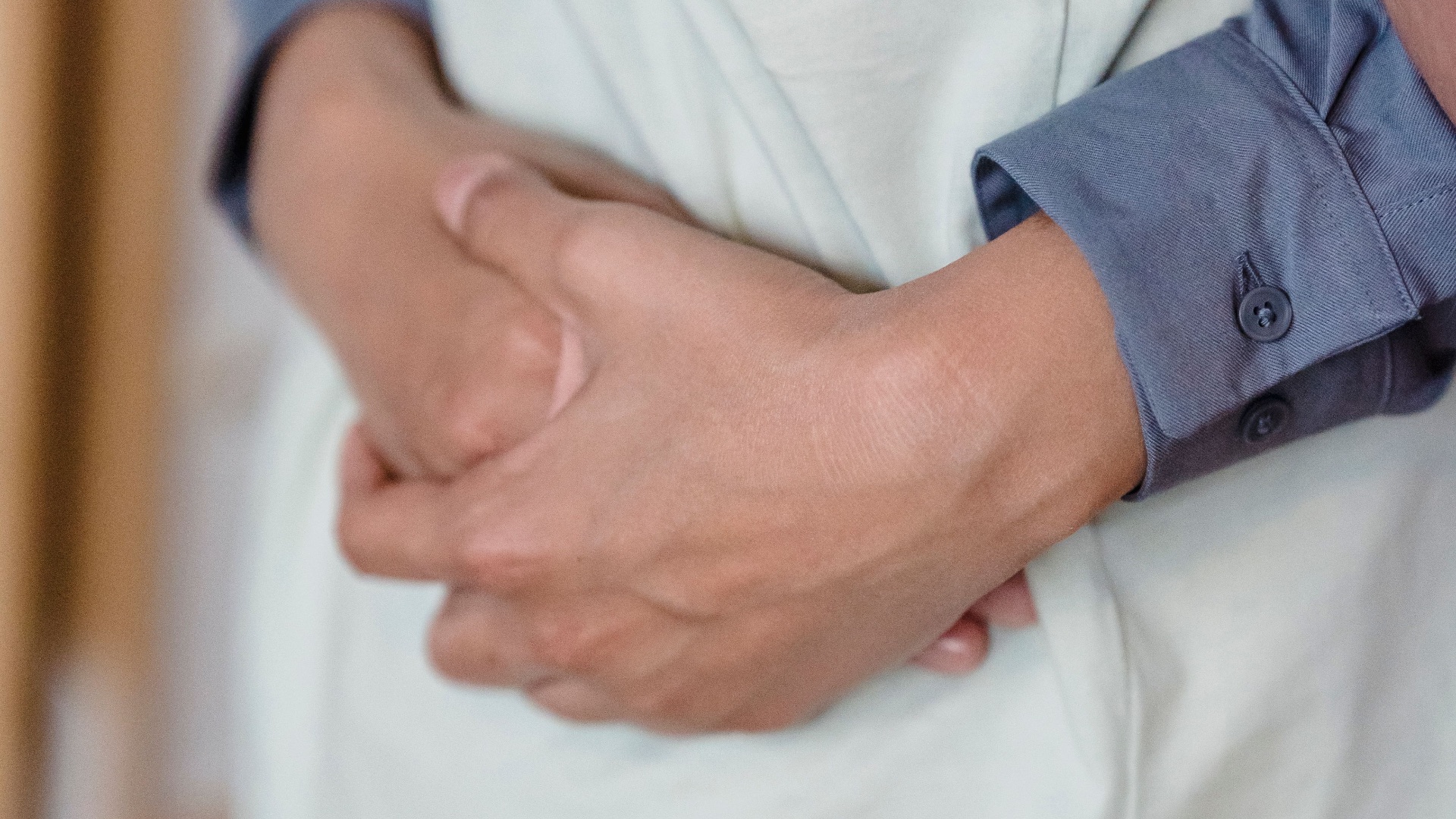
2. The Heimlich Maneuver
Choking incidents unfortunately happen more often than people realize, which is why when it does happen it can be extremely alarming. But just like CPR, you'll need to act fast when someone starts choking, so it's important to learn how to properly perform the Heimlich Maneuver on both adults and children. It's a skill that takes only a few minutes to learn but stays with you for a lifetime.
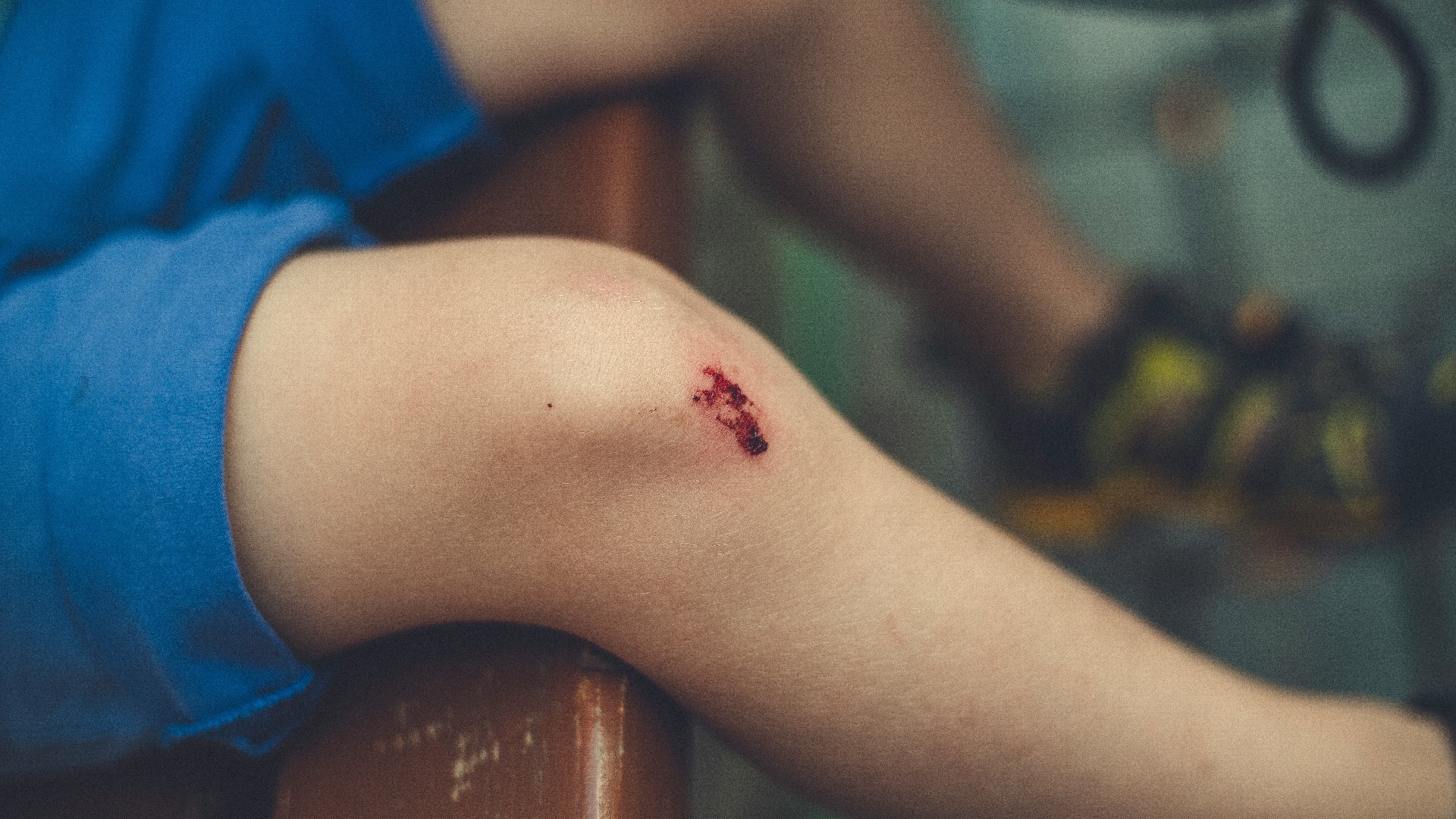
3. Basic Wound Care
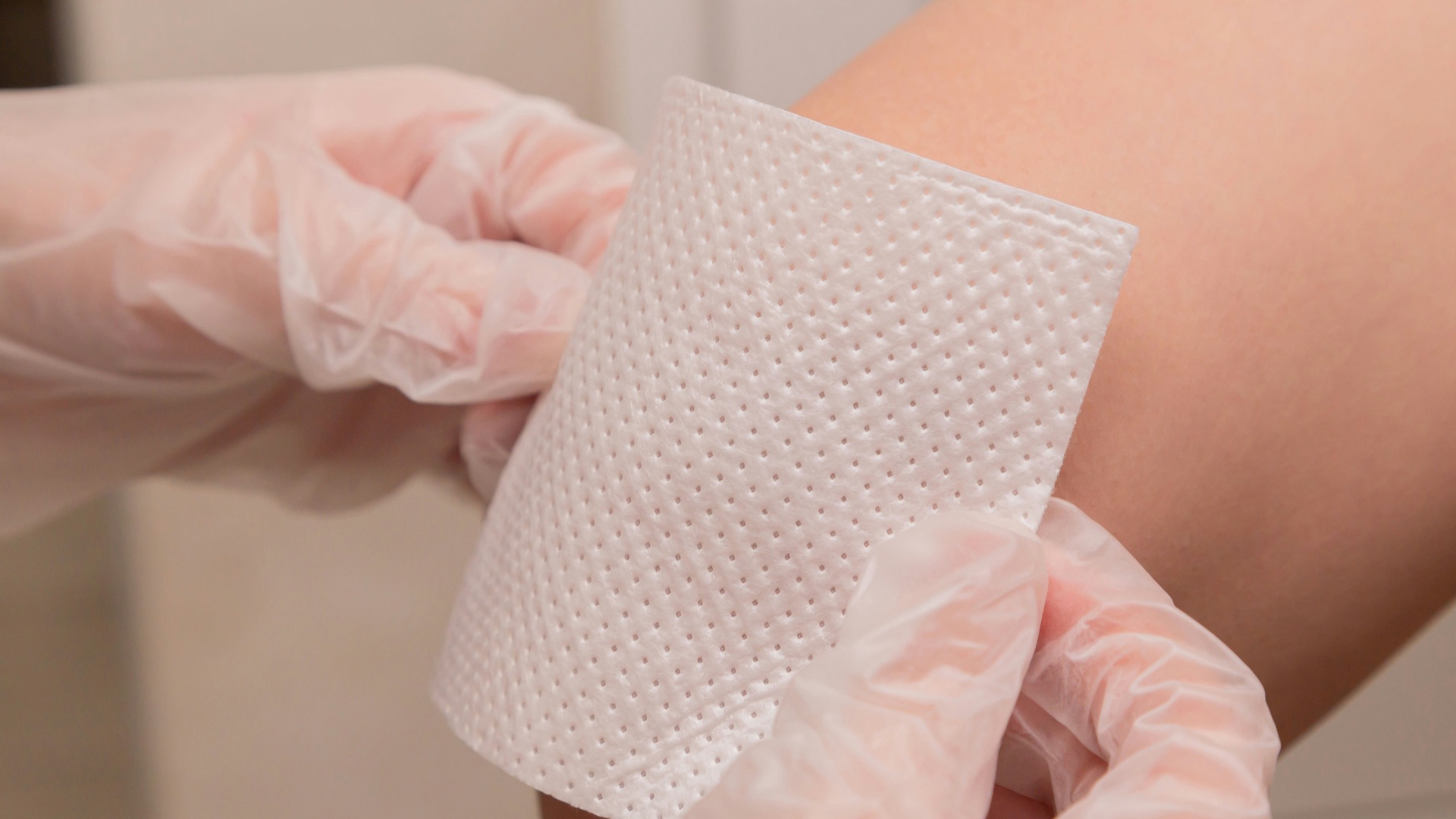
Knowing how to clean and dress a wound properly can help prevent infection and stop excessive bleeding before it becomes potentially life-threatening. Remember the three most important steps: apply direct pressure, elevate the injured area, and use a clean bandage; if you have disinfectant on your hands, use that, too. This kind of basic first aid comes in handy far more often than you might expect, from kitchen accidents to hiking mishaps.
4. Recognizing the Signs of a Stroke
How do you recognize if someone is suffering from a stroke? Remember the acronym FAST (Face, Arms, Speech, Time): look for signs such as facial drooping, slurred speech, and arm weakness. The faster you spot the signs, the faster you'll be able to get someone medical help within the crucial window that affects recovery. Every minute matters when it comes to stroke treatment, so this knowledge alone can help preserve someone's quality of life.
 Another-anon-artist-234 on Wikimedia
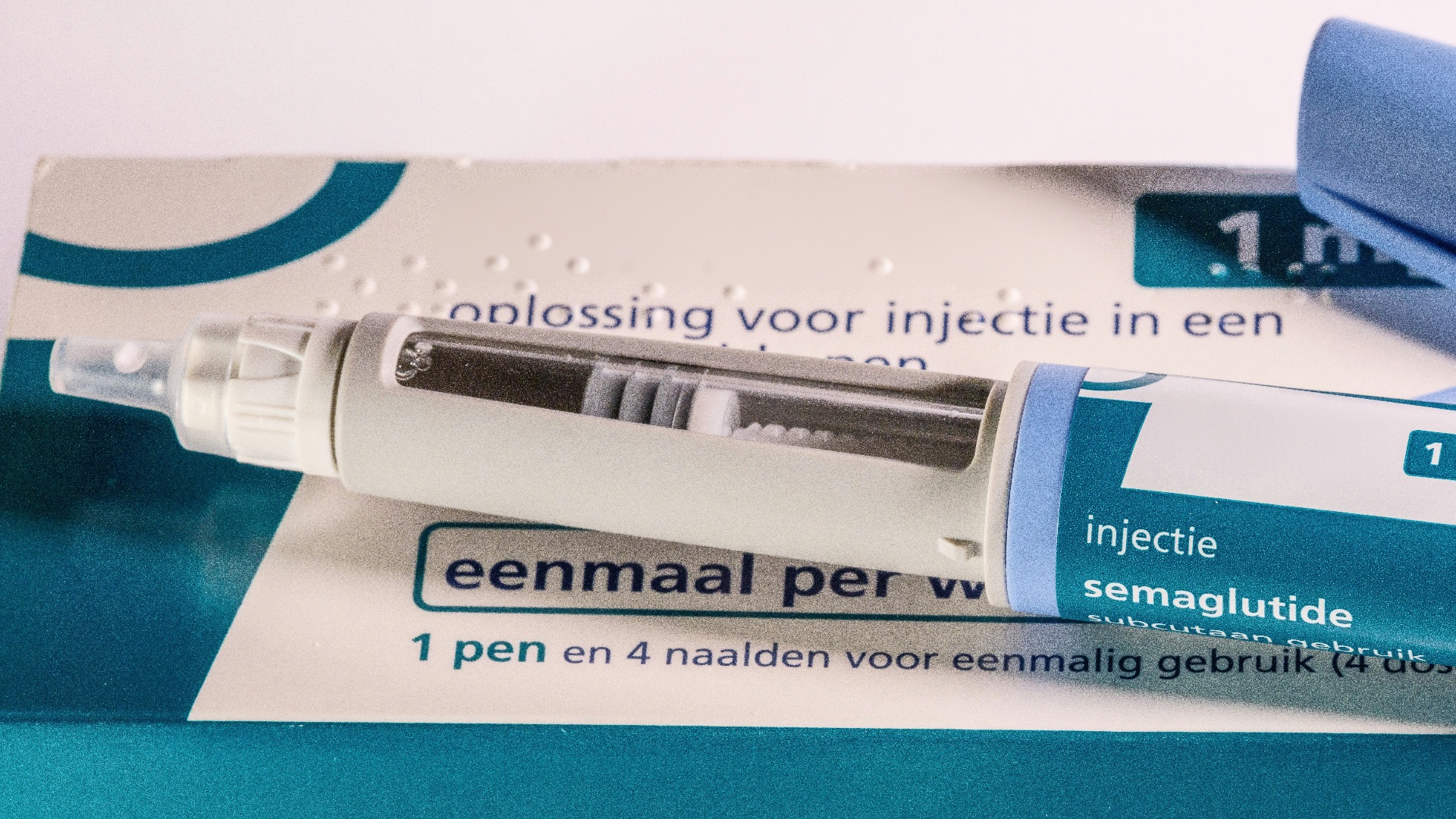
5. How to Use an EpiPen
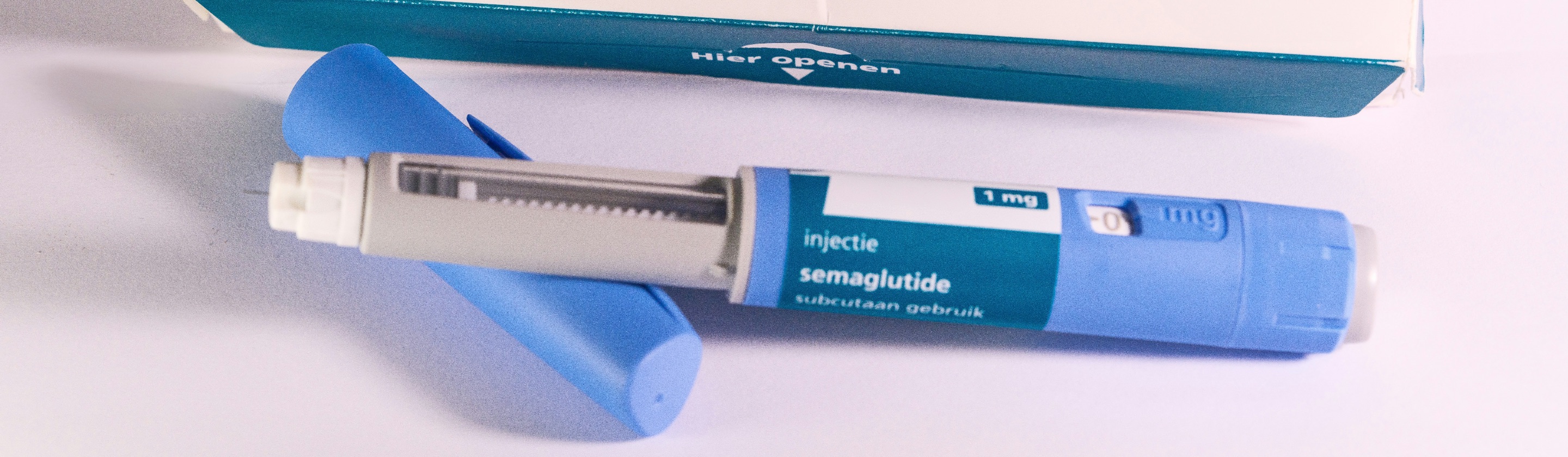
Severe allergic reactions can escalate within minutes, and knowing how to administer an EpiPen could mean the difference between life and death. The device itself is designed to be simple to use as well, even for someone without medical training, as long as you understand where to inject it and how long to hold it in place. Familiarizing yourself with this tool ahead of time means you won't be hesitating when the moment comes.
6. Swimming and Basic Water Rescue
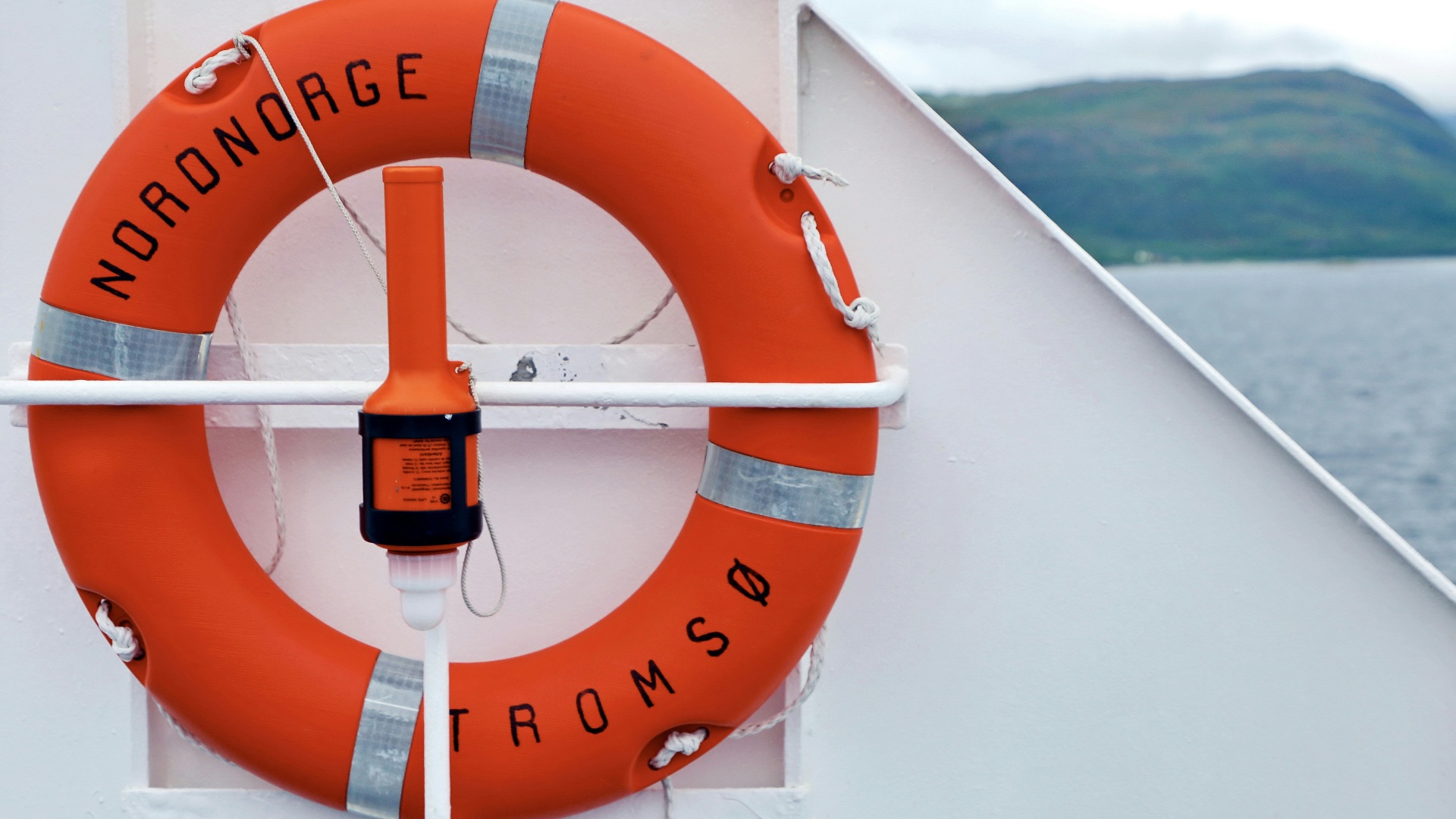
Drowning can happen silently and quickly, so learning how to swim and understanding basic rescue techniques gives you the tools to help someone in distress without putting yourself at unnecessary risk. Contrary to what you might think, even if you're a strong swimmer, reaching or throwing an object to a struggling swimmer is often safer than just jumping in yourself. These skills are especially useful if you spend a lot of time near pools, lakes, or the ocean.
7. How to Control Severe Bleeding
Knowing basic first aid is one thing, but understanding how to control more severe wounds is another. Make sure to always apply enough pressure to the area; it can prevent someone from bleeding out before help arrives. Many organizations now offer "Stop the Bleed" courses that teach these exact techniques in under an hour. This is a skill that has become increasingly relevant given how often it comes up in accidents and mass casualty events alike.
8. Basic Fire Safety and Extinguisher Use
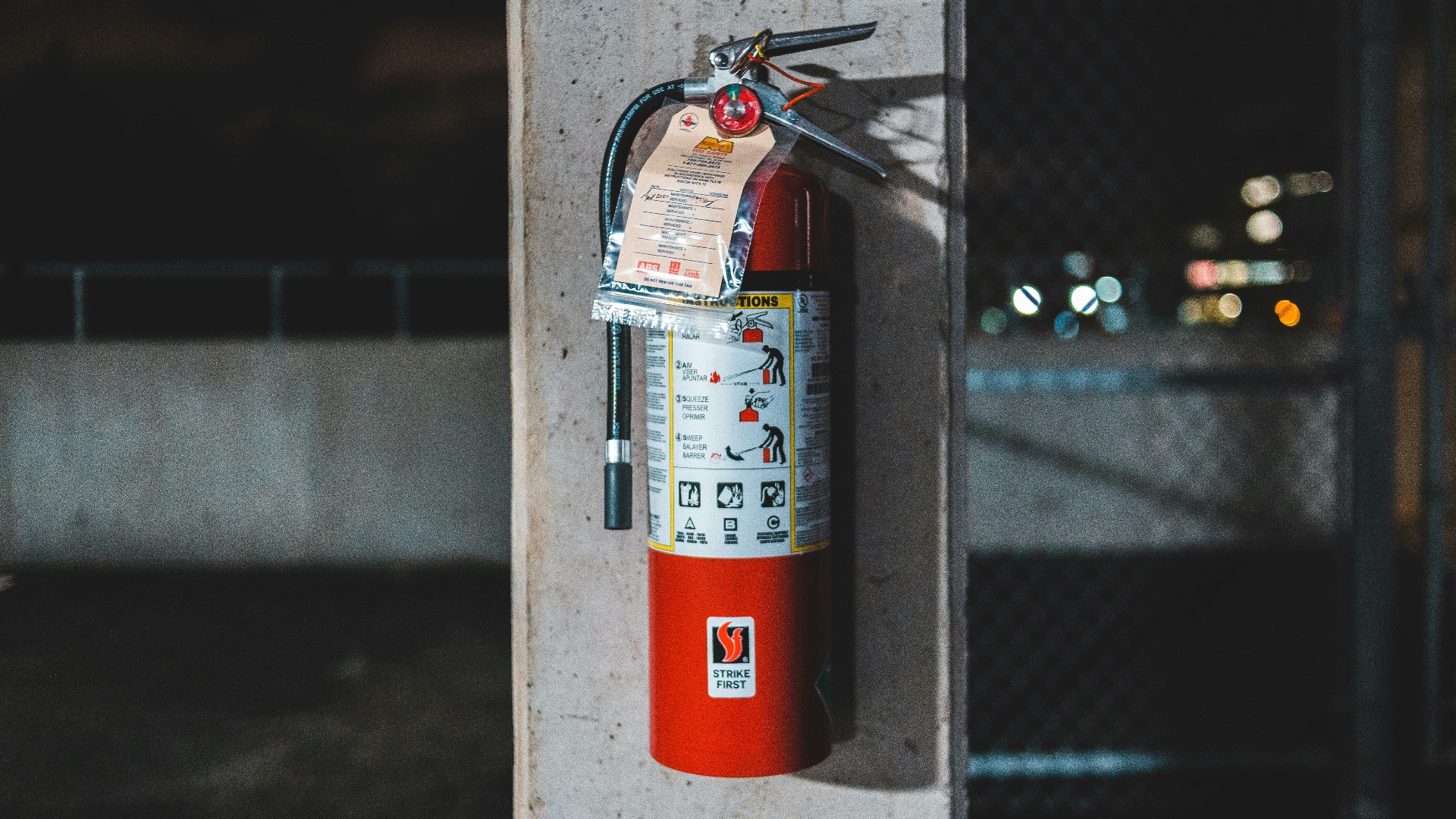
When a fire erupts, you don't want to be standing there not knowing what to do. Understanding how to use a fire extinguisher correctly, including the classic PASS method of pulling the pin, aiming low, squeezing the handle, and sweeping side to side, can help prevent a small fire from turning into a disaster. However, it's also key to know when to fight a fire versus when to evacuate; when the flames get too hot, it's time to leave it to the professionals.
9. Recognizing and Responding to Overdose Symptoms
With overdose rates climbing across many communities, knowing how to recognize the signs, such as slowed breathing or unresponsiveness, and how to administer naloxone can save a life in a matter of minutes. Naloxone kits are becoming more widely available, and many pharmacies now offer them without a prescription. Having this knowledge on hand, even if you never expect to need it, puts you in a position to help someone during an emergency. You never know if it might happen to someone close to you.

10. Basic Vehicle Emergency Skills
Knowing how to safely pull over during a tire blowout or jump-start a battery can keep you and your passengers out of harm's way when you're out on the road. These skills also come with the added benefit of helping a stranded stranger who might not have access to roadside assistance, or may not know how to do it themselves. Remember to always keep the necessary tools, like jumper cables and a basic emergency kit, in your trunk, as you'll never know when you might need them.
Now that you know which 10 lifesaving skills are worth having under your belt, it's time to flip the script. Let's now look at some emergencies that call for far more specialized training, and ones you shouldn't attempt to resolve yourself.
1. Structural Firefighting
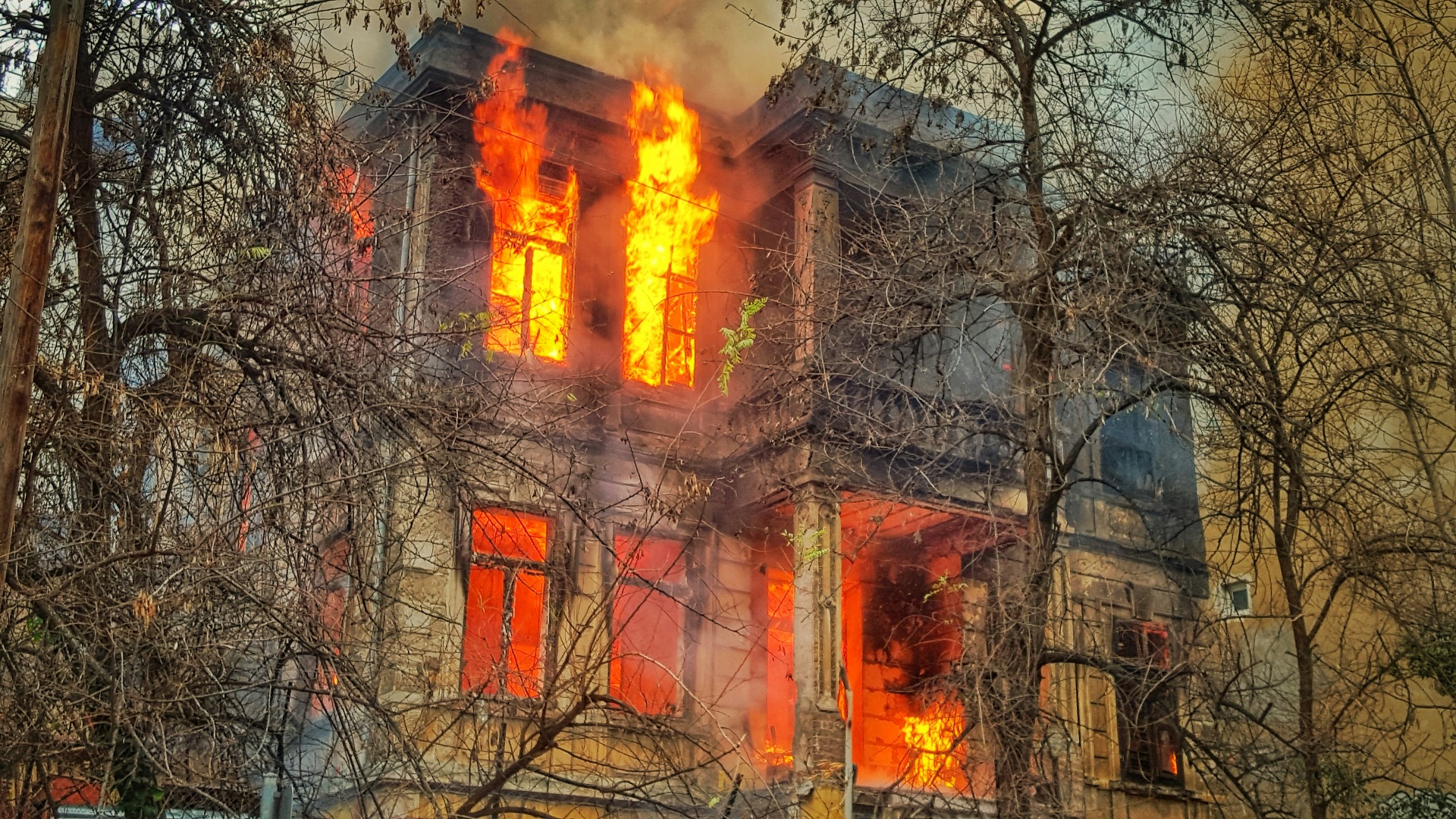
Battling a house fire involves far more than knowing how to use an extinguisher; otherwise, we would have no need for firefighters! Extreme fires require specialized gear, breathing apparatus, and an excellent understanding of how fire behaves in enclosed spaces, which is why experts train for years to read smoke patterns and predict flashovers, skills that not just anyone could learn. Attempting to enter a burning structure without this specialized training could put both your life and the lives of others at serious risk.
2. Swift Water Rescue
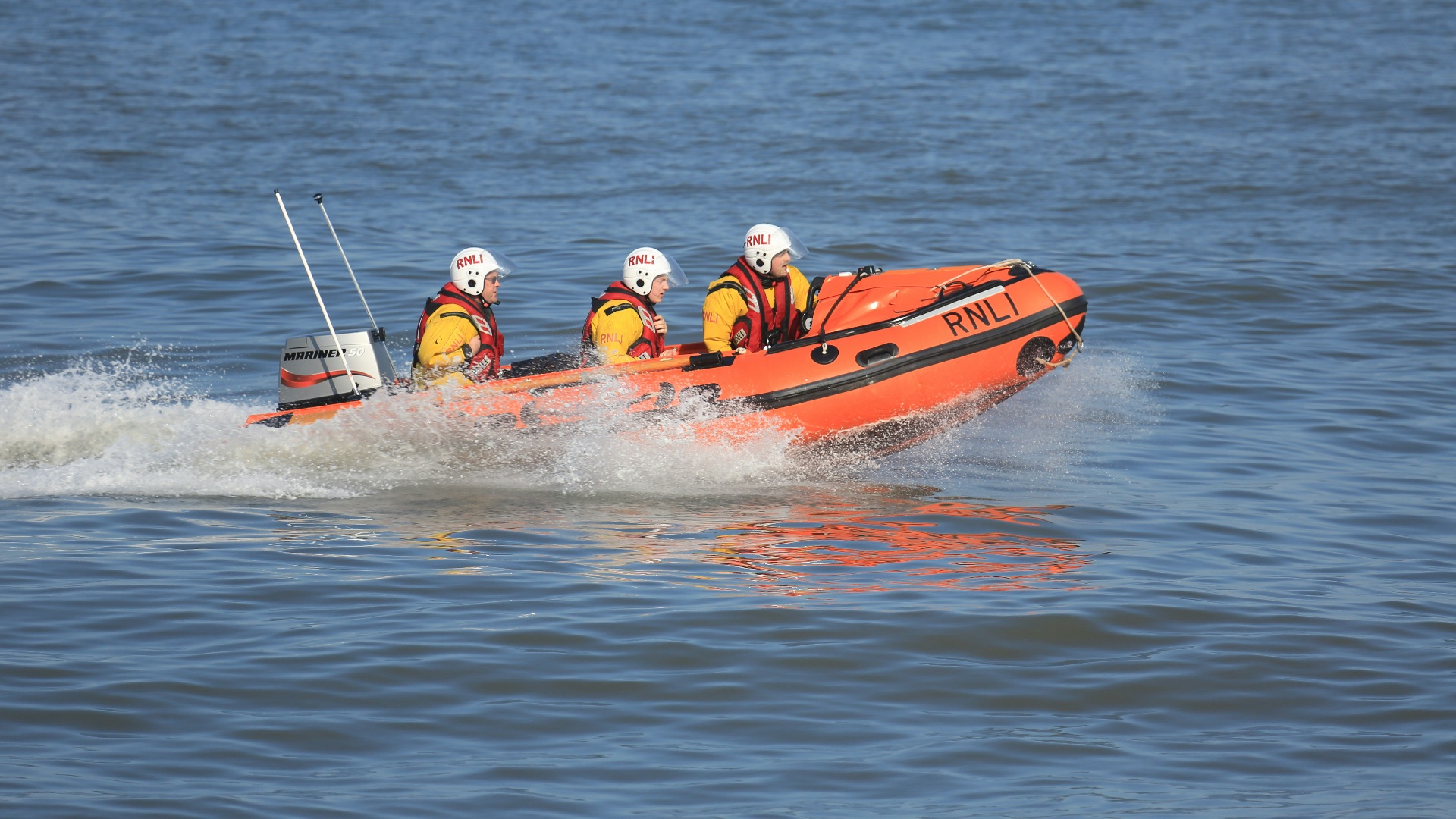
Fast-moving water, whether from a flooded river or a storm surge, creates currents that can overpower even strong swimmers within seconds. That's why trained rescue teams use specialized equipment, from rescue boards to boats designed specifically for these conditions, to help save those in need. Jumping into swift water to help someone without this training will, more often than not, result in something far worse.
3. High-Angle or Confined Space Rescue
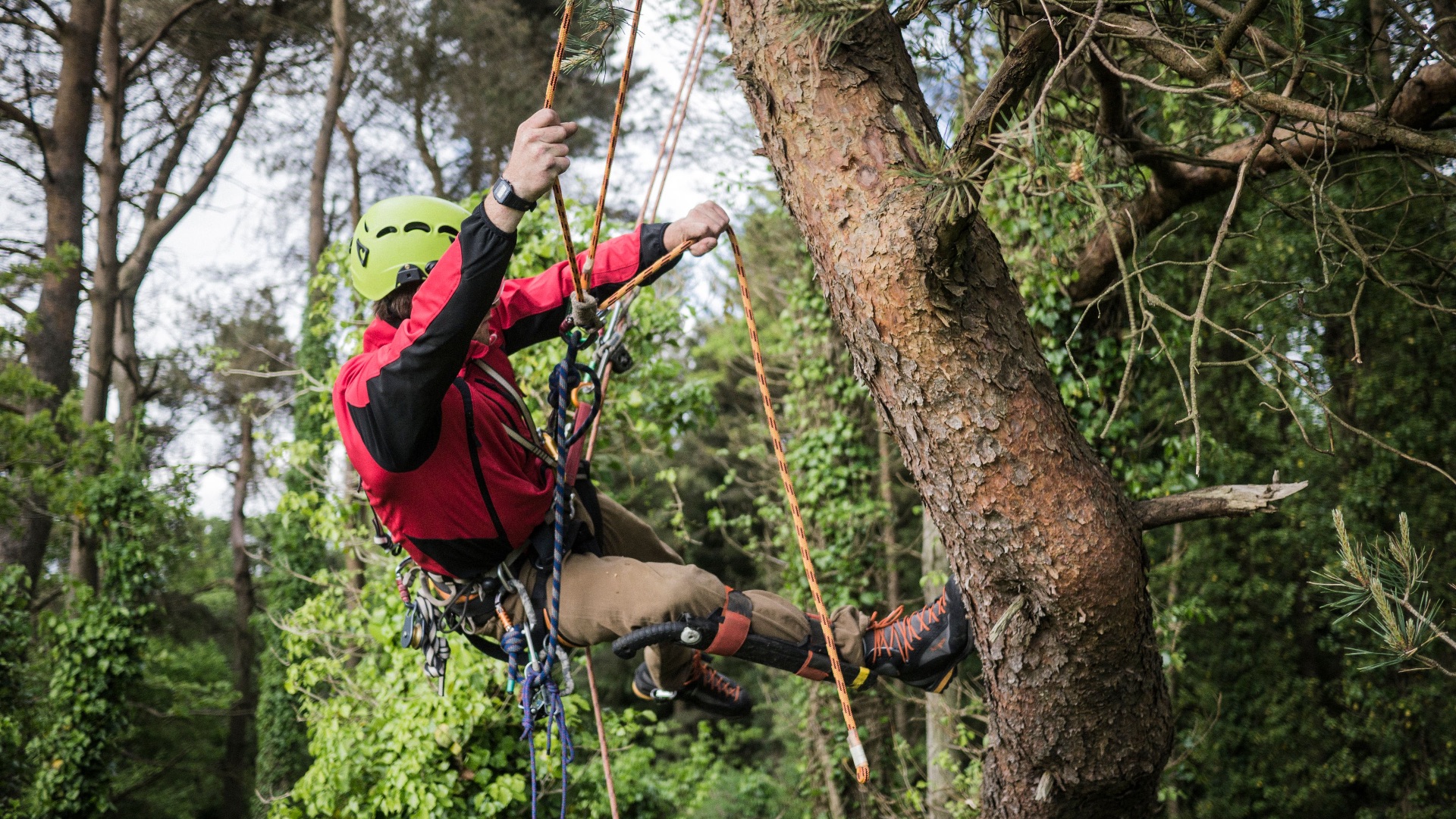
Rescuing someone trapped in a collapsed structure, a deep trench, or on the side of a cliff requires technical rope skills and equipment that most people simply don't have. It doesn't help, either, that these situations often involve unstable environments where one wrong move can trigger a secondary collapse or fall. Professional rescue teams train extensively for these scenarios because the margin for error is so slim, so you should never attempt it on your own.
4. Hazardous Materials Response
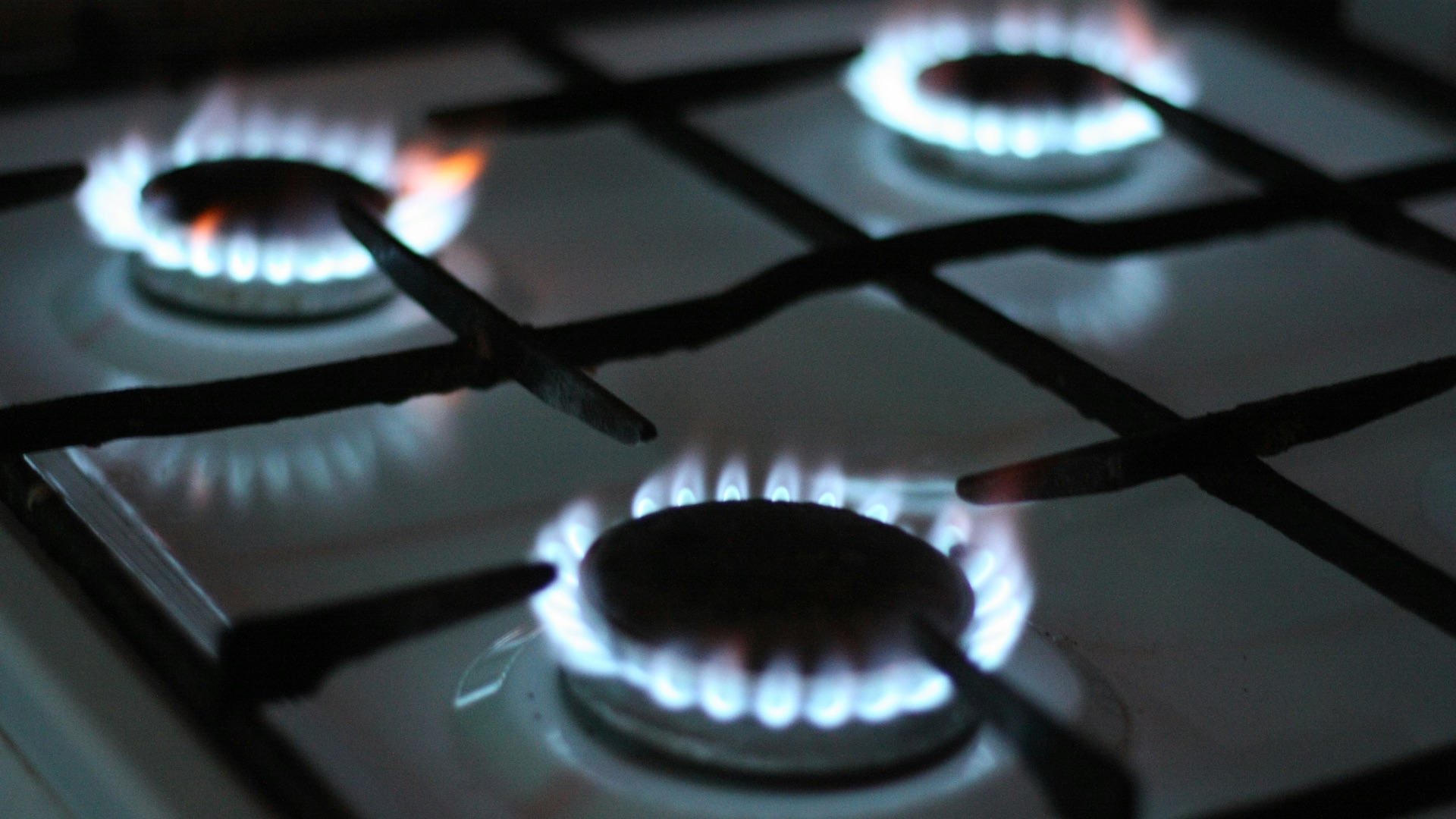
Chemical spills, gas leaks, and other hazardous material incidents require protective gear and containment procedures that go well beyond what an untrained bystander could safely manage. Even identifying the specific substance involved often requires specialized detection equipment, which means it's not a skill that just anyone can pick up. Professionals in this field understand not only how to neutralize the immediate danger but also how to prevent long-term environmental and health consequences.
5. Advanced Trauma Care
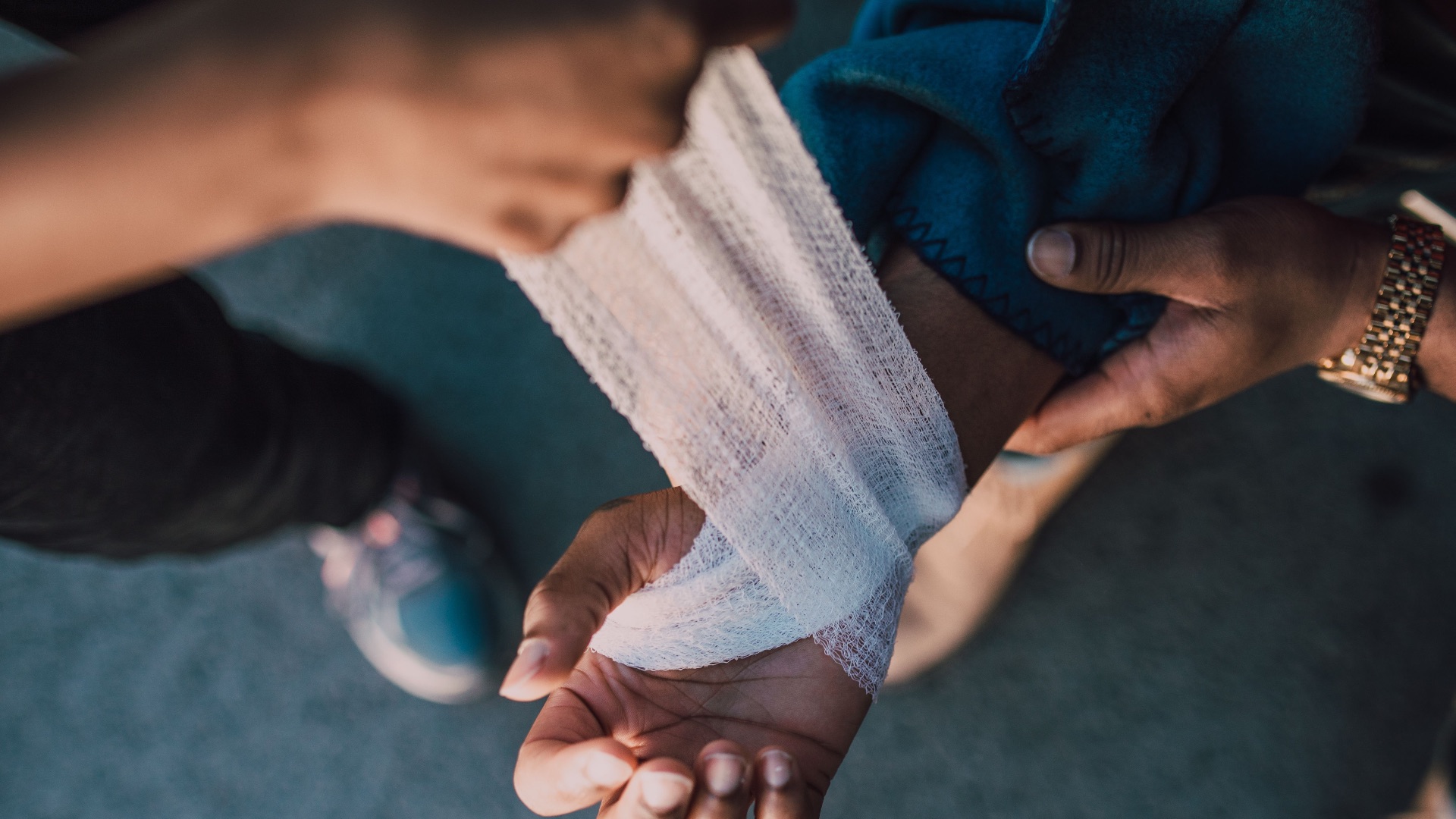
While basic first aid can stabilize a person until help arrives, advanced trauma care is something you should always leave to the professionals. Paramedics and emergency room staff are trained to make split-second decisions based on years of clinical experience, and they'll know exactly what to do for which accidents and injuries. Attempting to treat someone incorrectly might only worsen their condition, so make sure the person in need always gets professional medical help.
6. Hostage or Crisis Negotiation
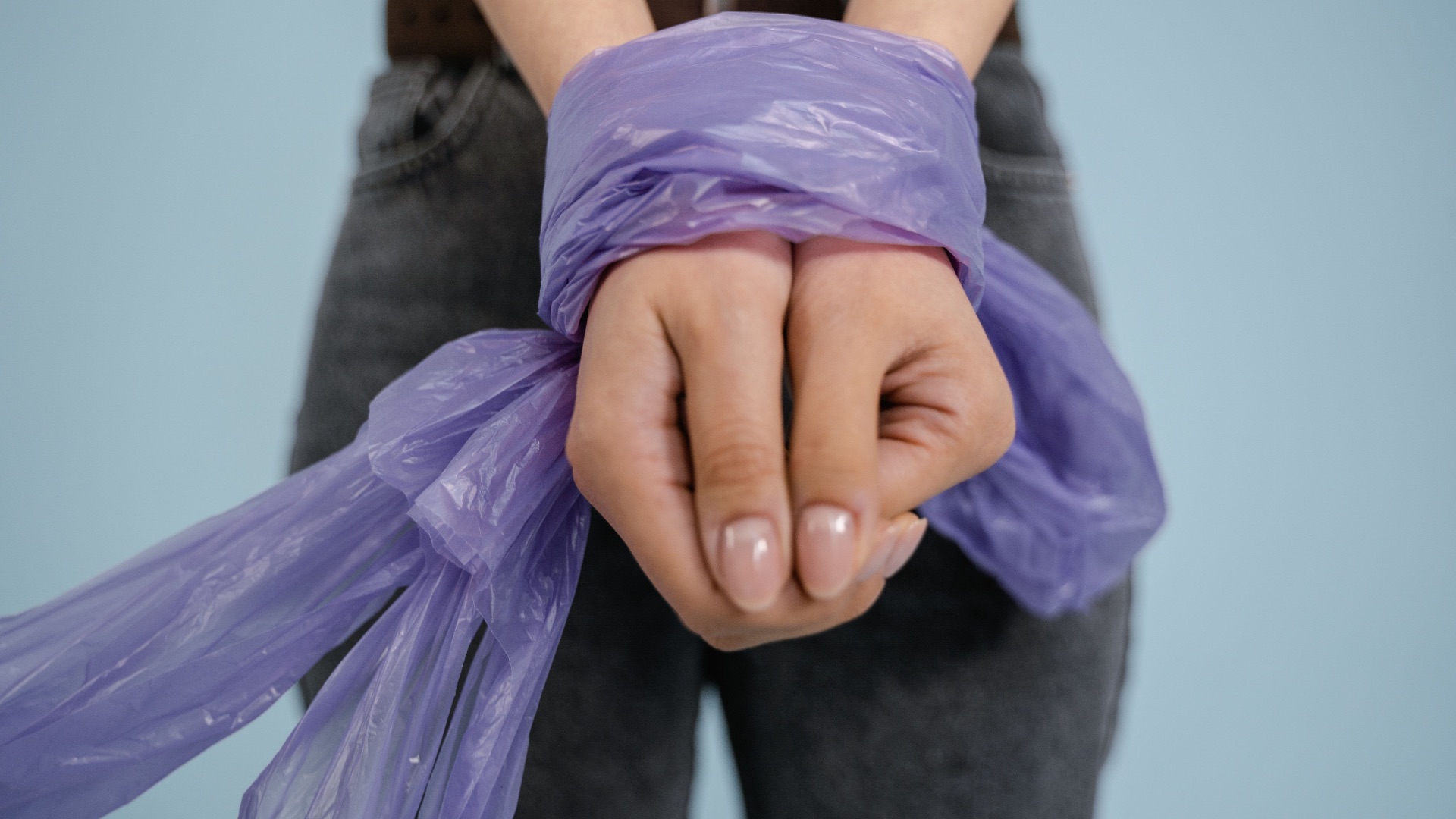
Talking someone down from a dangerous situation, whether it involves a hostage scenario or an individual in crisis, also requires specialized training and techniques. Negotiators study human behavior extensively to understand how to de-escalate tension without provoking a violent reaction, so unless you're a certified mediator yourself, this is not something to toy with. You might only end up making things far worse.
7. Search and Rescue in Wilderness Areas
Finding a lost hiker or camper in a vast wilderness area requires knowledge of tracking, navigation, and search patterns that most people never learn. Search and rescue teams also use special tools, like thermal imaging, trained dogs, and grid search techniques, so that everything is safely handled and mapped out. No matter how much you're willing to help, wandering into unfamiliar terrain to search on your own might only put you at risk, too.

8. Disposal and Handling of Explosives
It's no surprise that handling suspected explosive devices demands years of specialized training. Even seemingly minor mistakes in this field can have catastrophic consequences, which is why these situations should always be left to the professionals. If you ever come across a suspicious device yourself, the safest thing you can do is alert the authorities and tell everyone to stay away from the area.
9. Deep Sea or Cave Diving Rescue
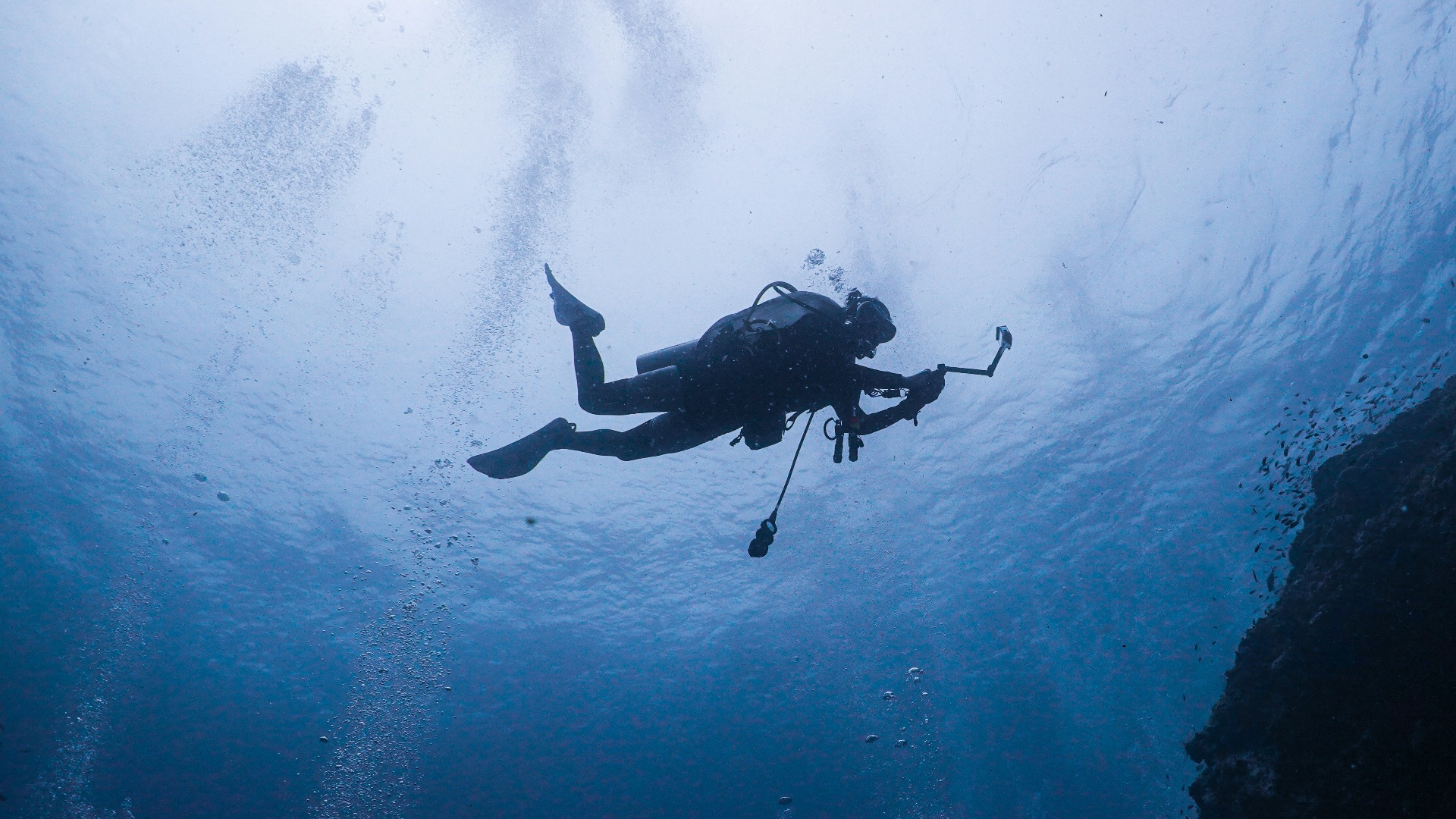
Rescuing someone trapped underwater in a cave system or at significant ocean depths involves technical diving skills and specialized equipment that the average person usually doesn't have. These environments are extremely unforgiving as well, and even experienced professional divers may get caught in the current if they're not careful. Attempting a rescue yourself in these conditions without proper training may therefore only spell out disaster.
10. Handling Downed Power Lines
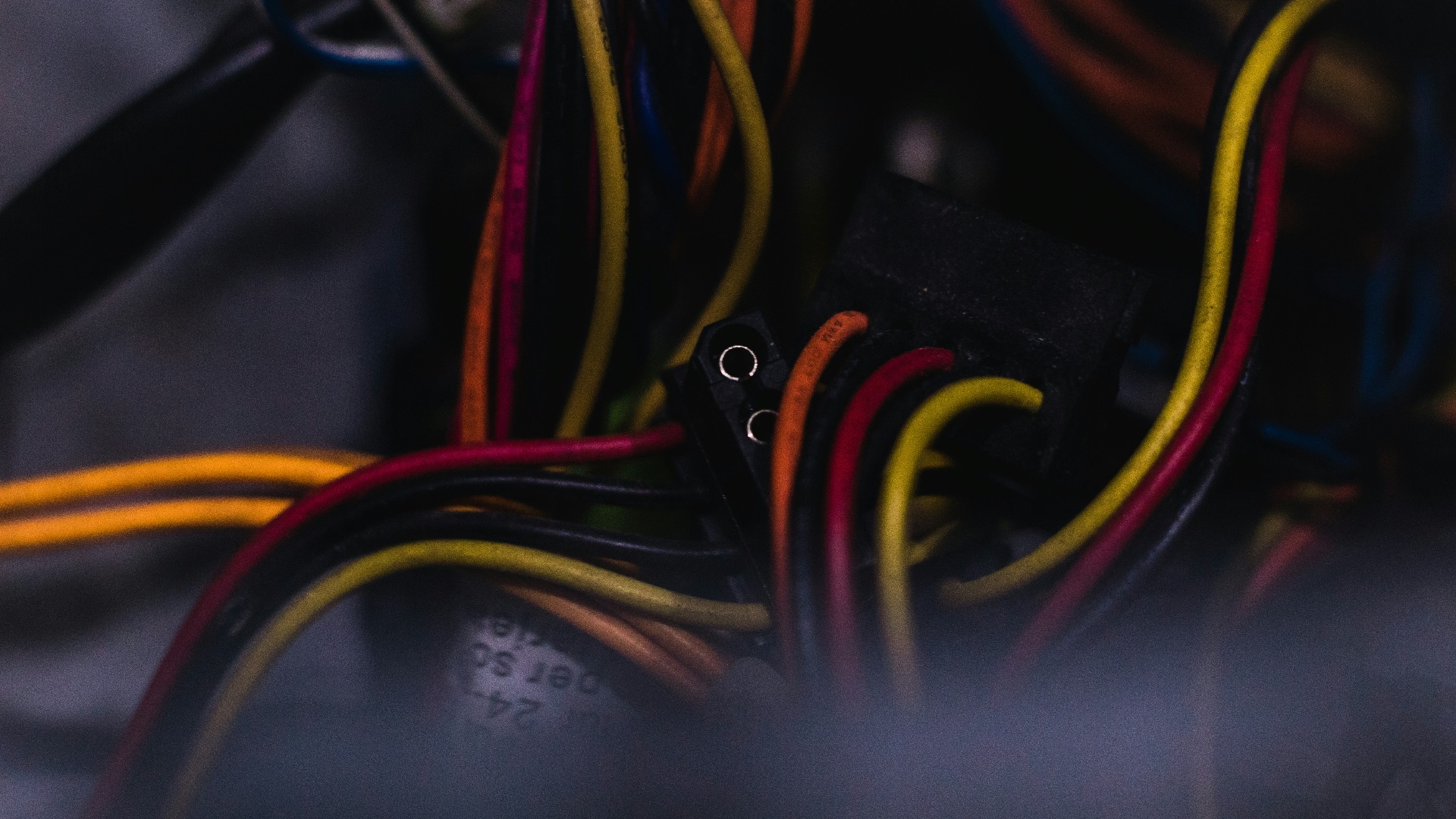
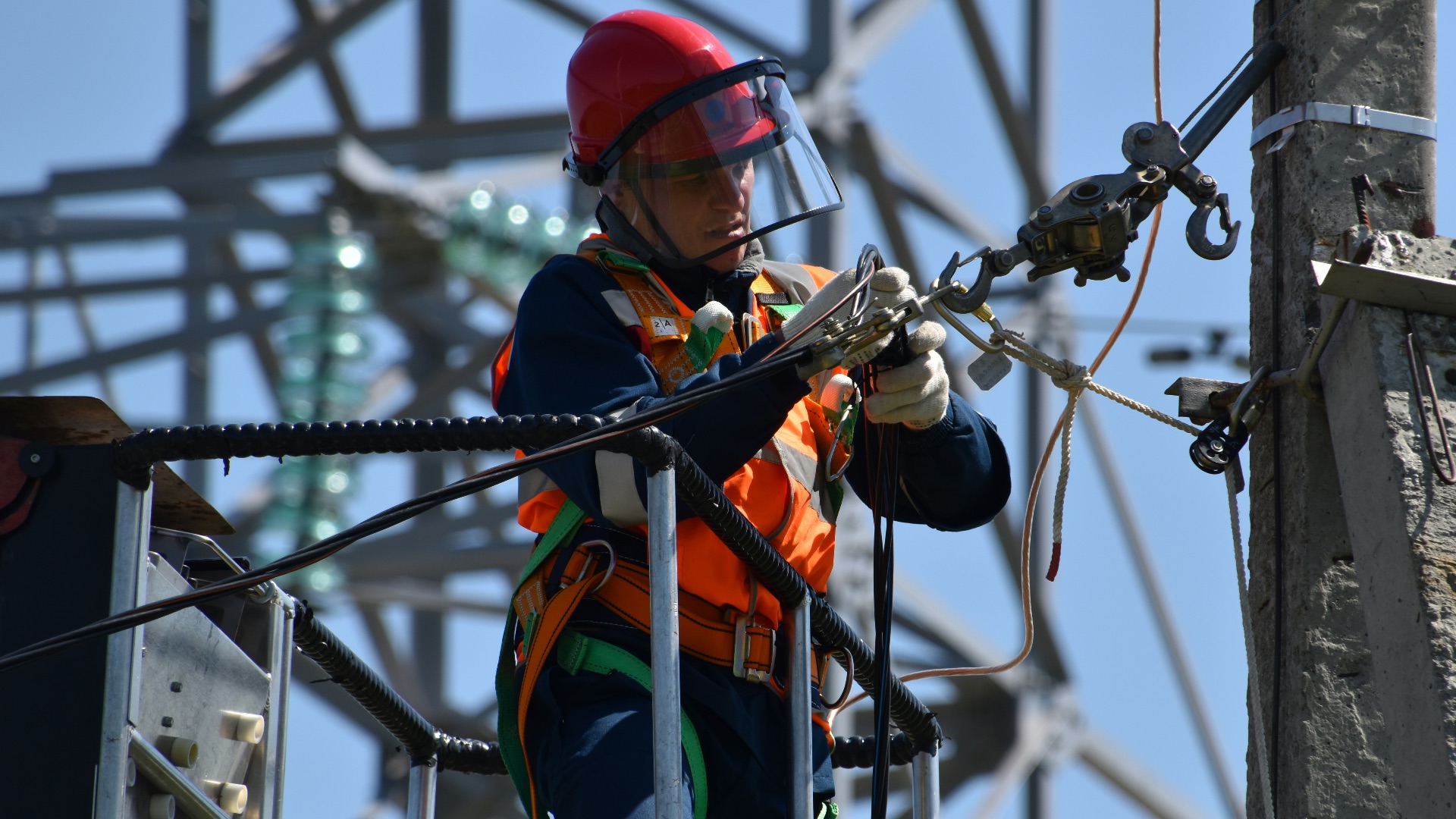
Downed power lines can carry enough voltage to be lethal, even if they don't look dangerous. Utility workers use specialized tools and protective gear to handle them, so if you ever encounter one, the smartest move is to stay far away and contact the appropriate emergency services immediately. Never, ever touch a downed power line yourself.
KEEP ON READING