

Low Fat Doesn't Always Mean Low Sugar
Walking through the grocery store, it's easy to assume that a food labeled "low fat" is automatically the healthier choice, but nutrition labels tell a more complicated story. When some fat is removed from a product, manufacturers may add sugar or other ingredients to maintain flavor and texture. That doesn't mean every low-fat food is a poor choice, and sugar itself isn't something you need to fear, but it does make the nutrition facts worth checking.
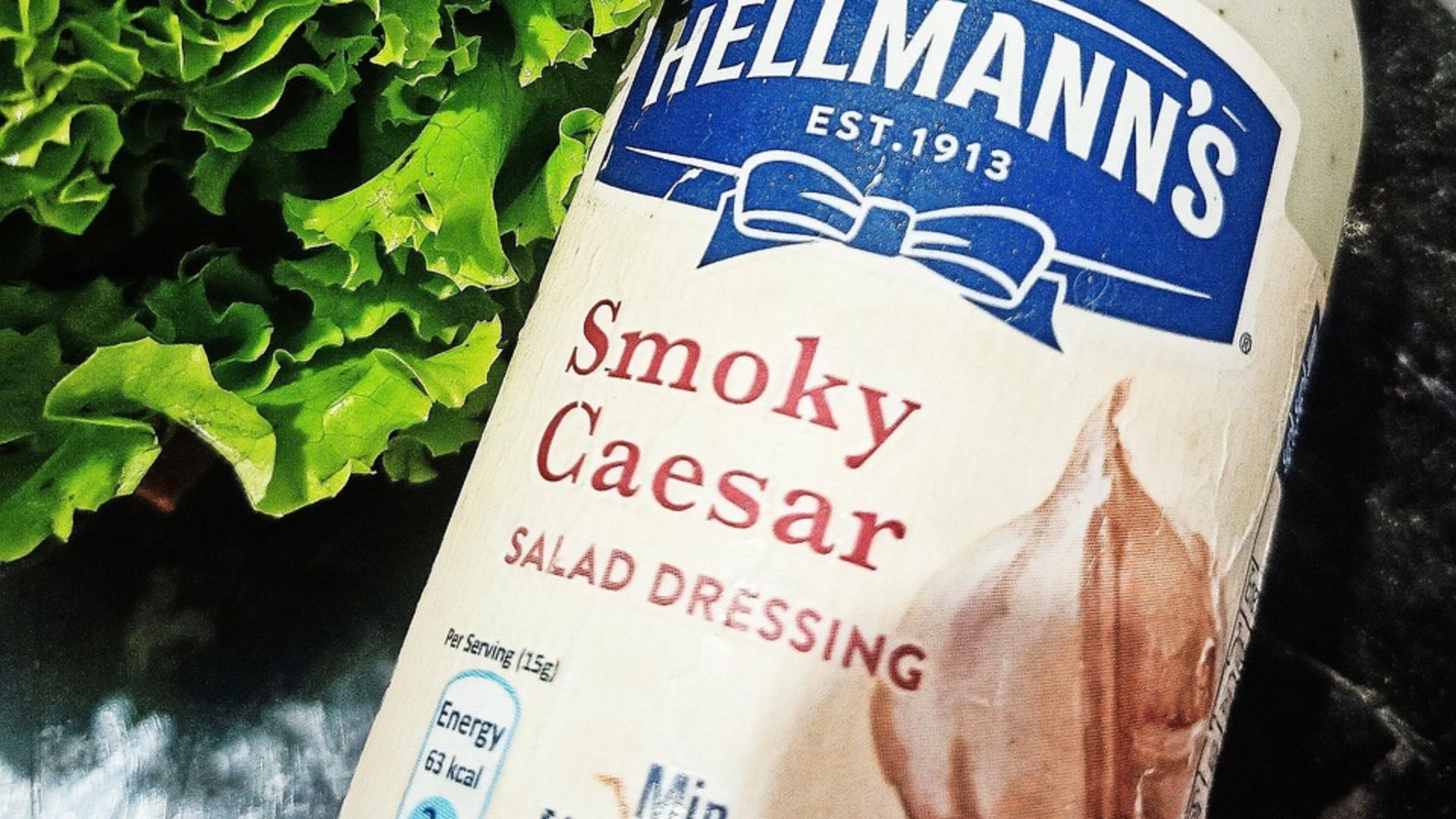
1. Low-Fat Yogurt
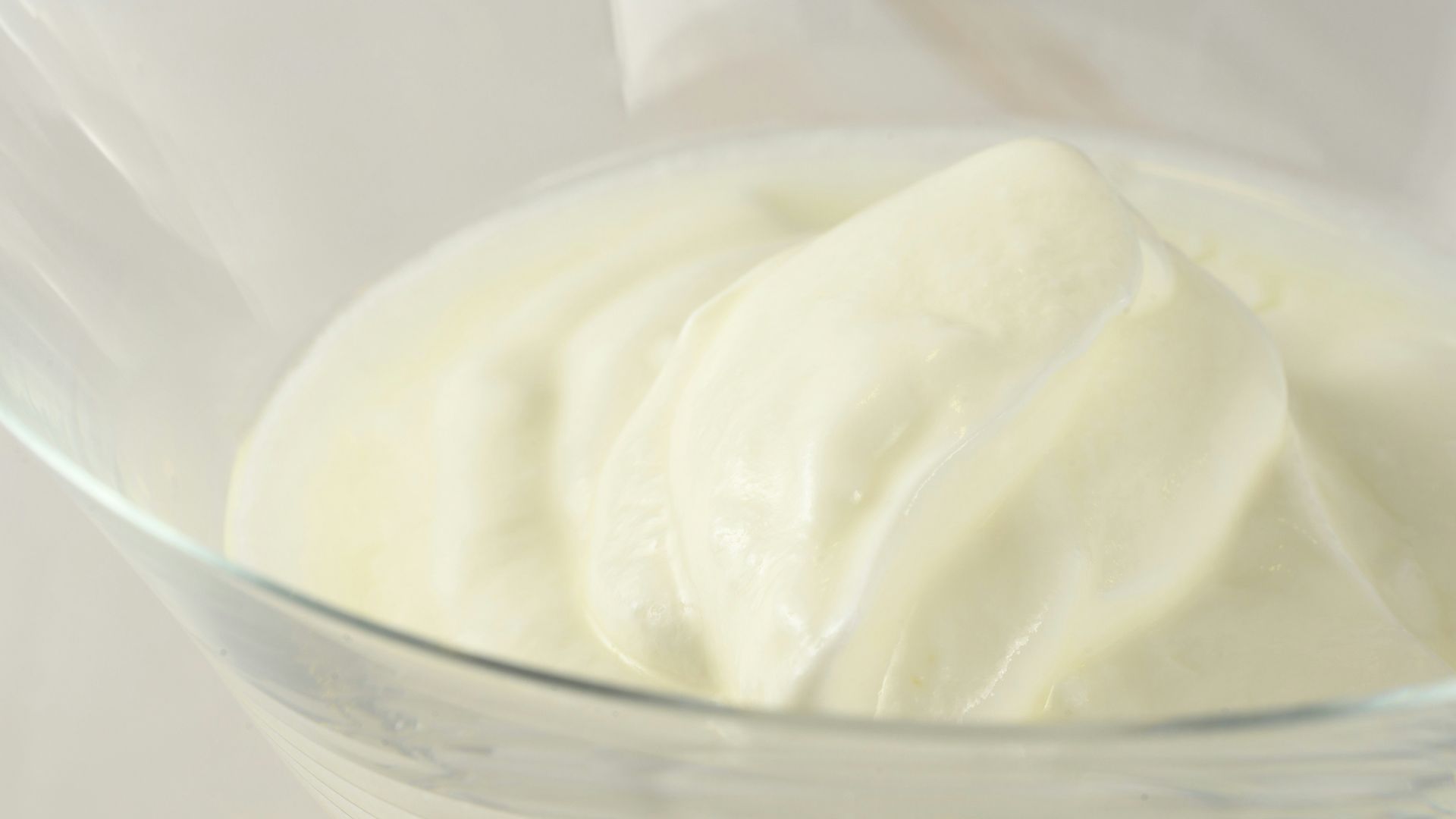
Low-fat yogurt isn’t inherently unhealthy, especially when it packs protein and calcium. However, flavored yogurts can sneak in a lot of added sugar. Strawberry, vanilla, peach, and other sweet flavors tend to use sugar or sweetened fruit preparations for flavoring.
2. Flavored Greek Yogurt
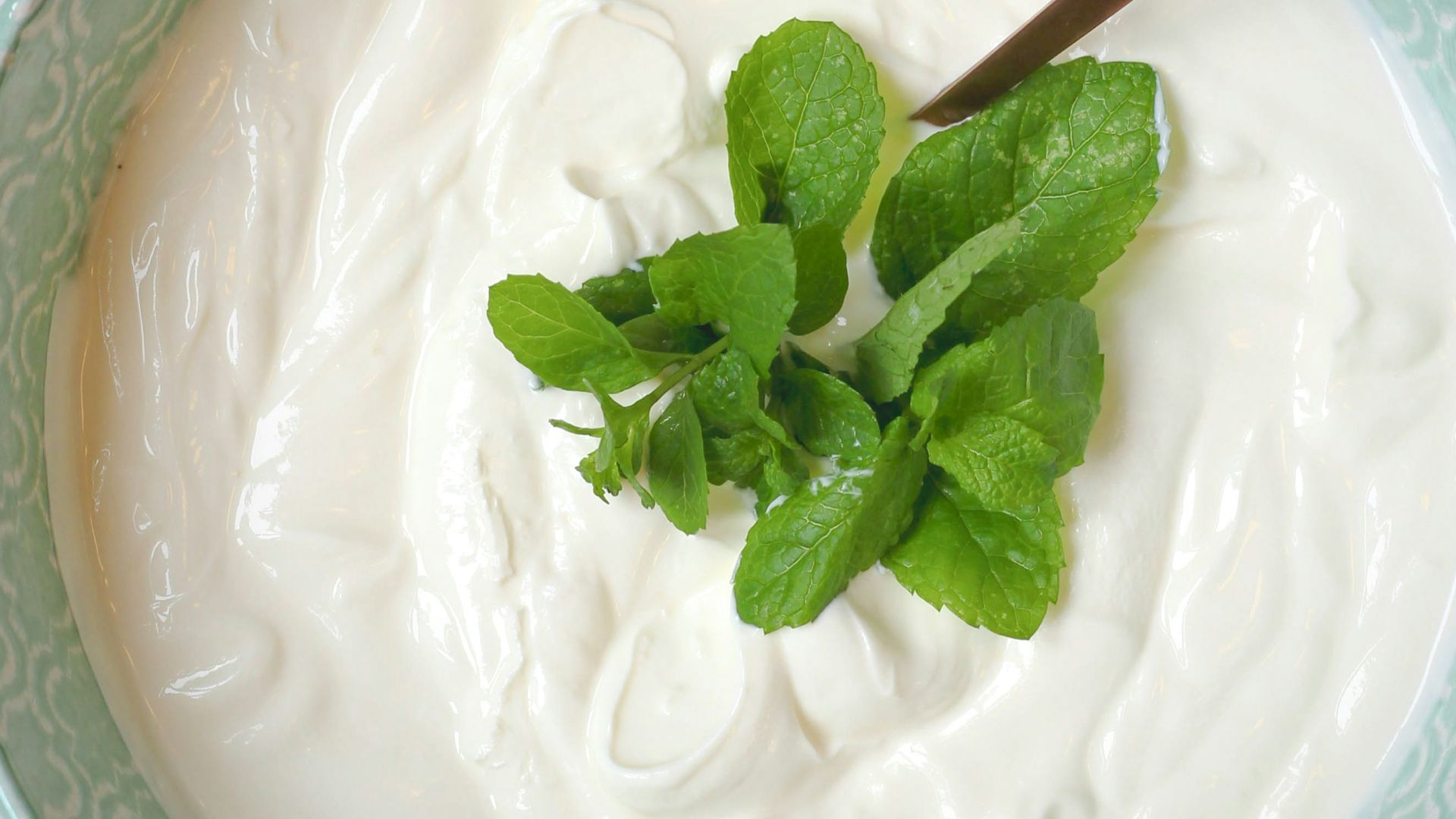
Greek yogurt has become popular as a healthy, protein-packed staple. Don’t be fooled when flavored versions pack much more sugar than plain Greek yogurt. Bottom-shelf varieties with fruit mixed in, dessert-style yogurts, and heavily sweetened flavors all push sugar levels higher.
 micheile henderson on Unsplash
3. Low-Fat Chocolate Milk
Chocolate milk has less fat than whole-milk chocolate flavors, but that doesn’t automatically make it low in sugar. Chocolate always comes with added sugar, and some brands have surprisingly high amounts per serving. You may also want to check the serving size since some packages list a smaller amount than what you may normally pour into a glass.

4. Reduced-Fat Peanut Butter
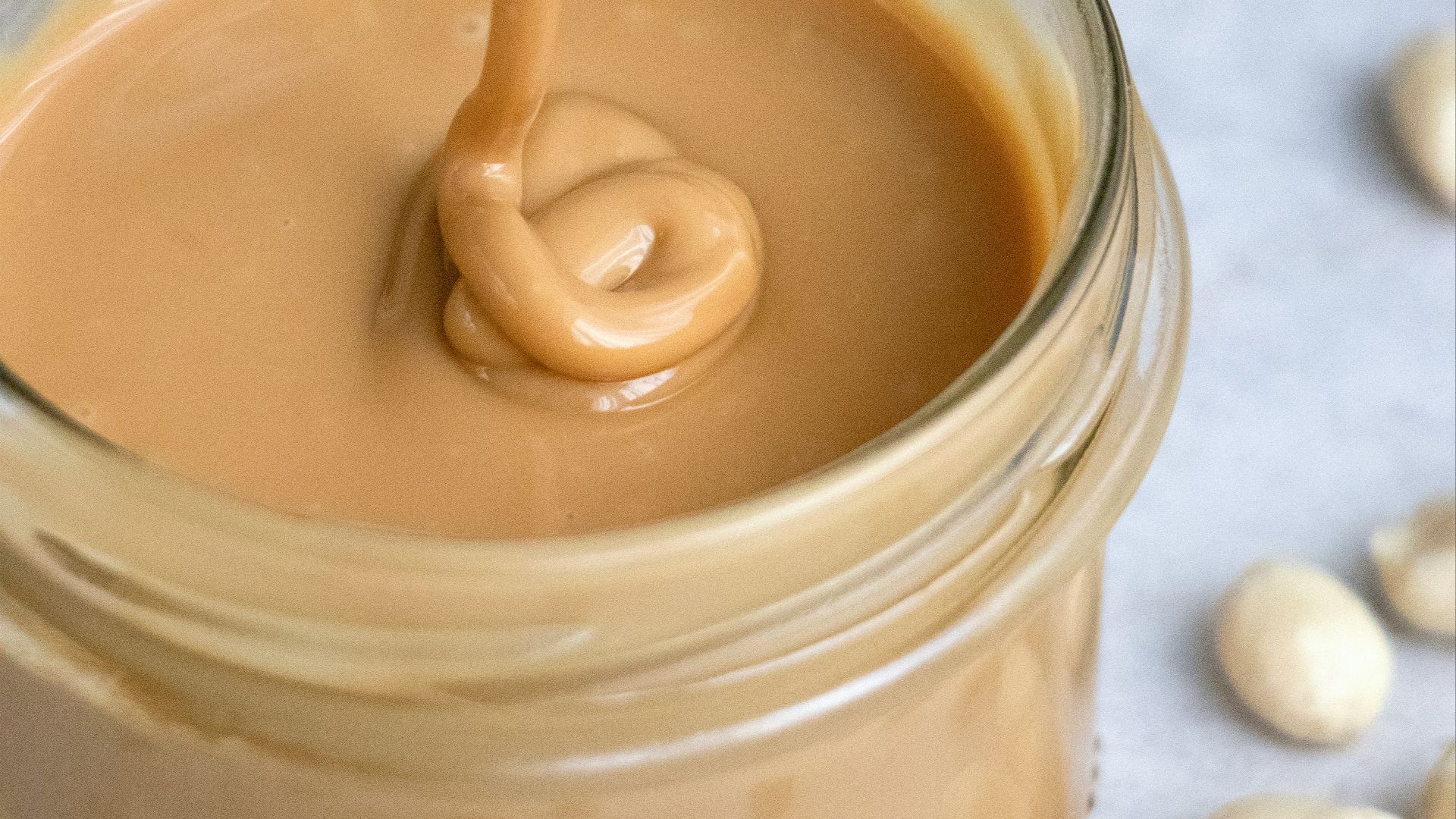
Reduced-fat peanut butter may seem like the healthy alternative by default, but when manufacturers take out some of the fat, it can alter the product. Often, added sugars and other ingredients are used to make up for the difference in flavor and texture. Not everyone should eat regular peanut butter, but comparing the ingredient lists can help you see if reduced-fat is actually better for you.
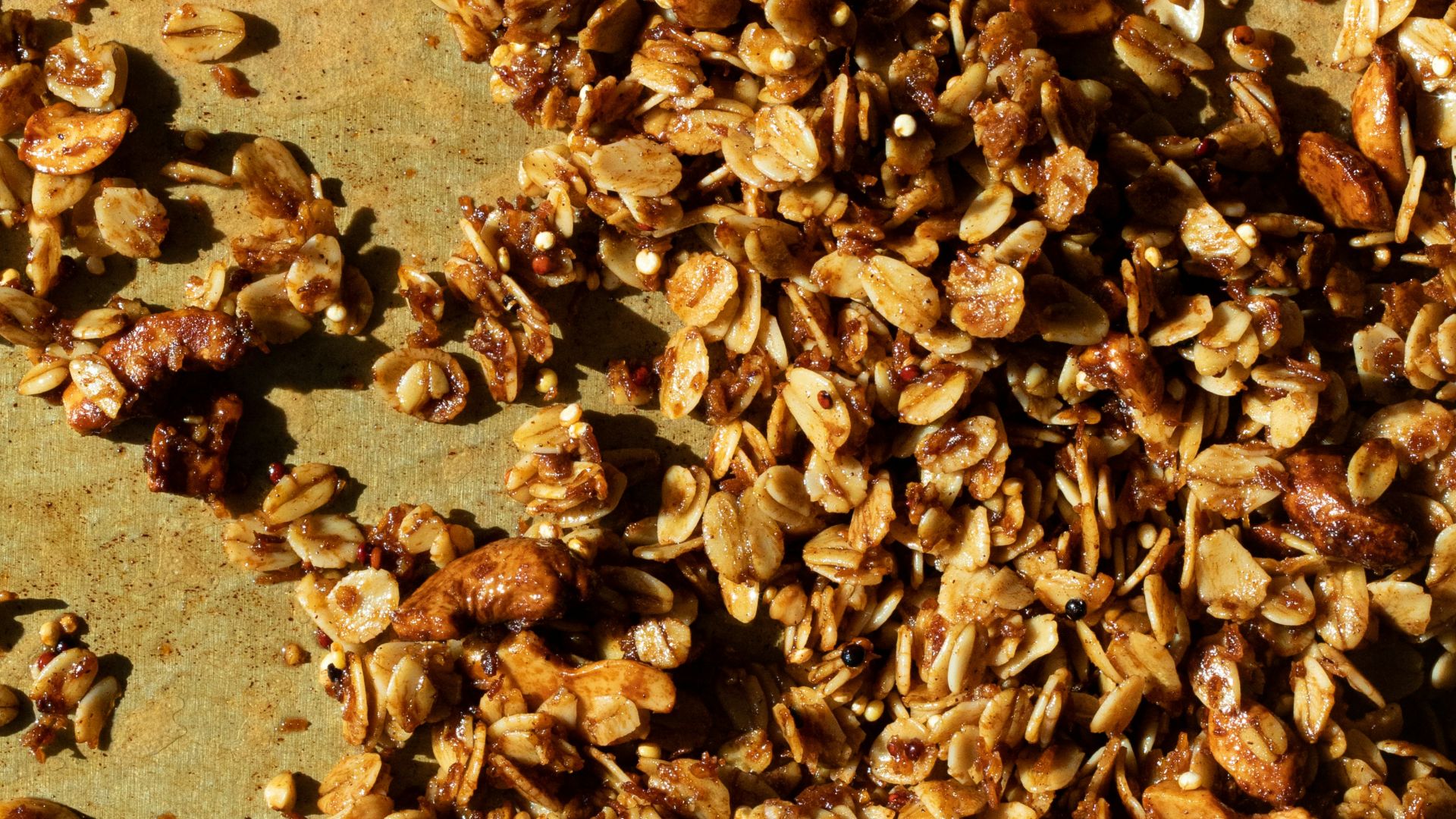
5. Low-Fat Granola
Granola has a healthy reputation since it often includes oats, nuts, seeds, and dried fruit. Unfortunately, sweeteners are still liberally added to many low-fat granolas, and taking out some fat doesn’t mean the total sugar content is low. Scan the ingredient list and look for sugar, syrup, honey, or other sweetener near the top of the list.
6. Low-Fat Cereal
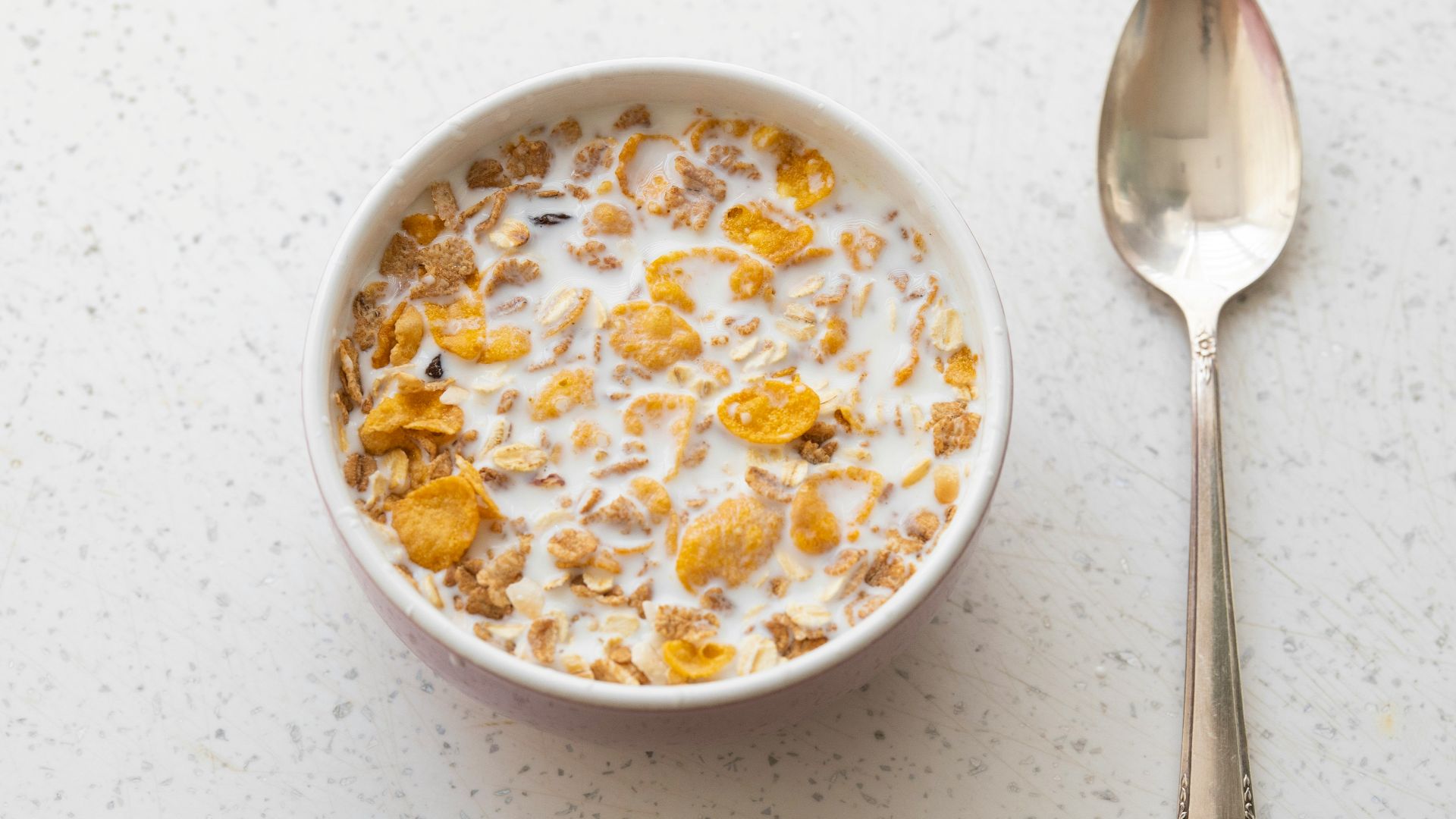
Cereal can be low in fat but still include high quantities of added sugar. Children’s varieties and cereals that contain frosting, chocolate, or fruit flavors are frequently loaded with sugar. Comparing labels is always a better option than relying on health claims on the front of the box.
7. Fat-Free Salad Dressing
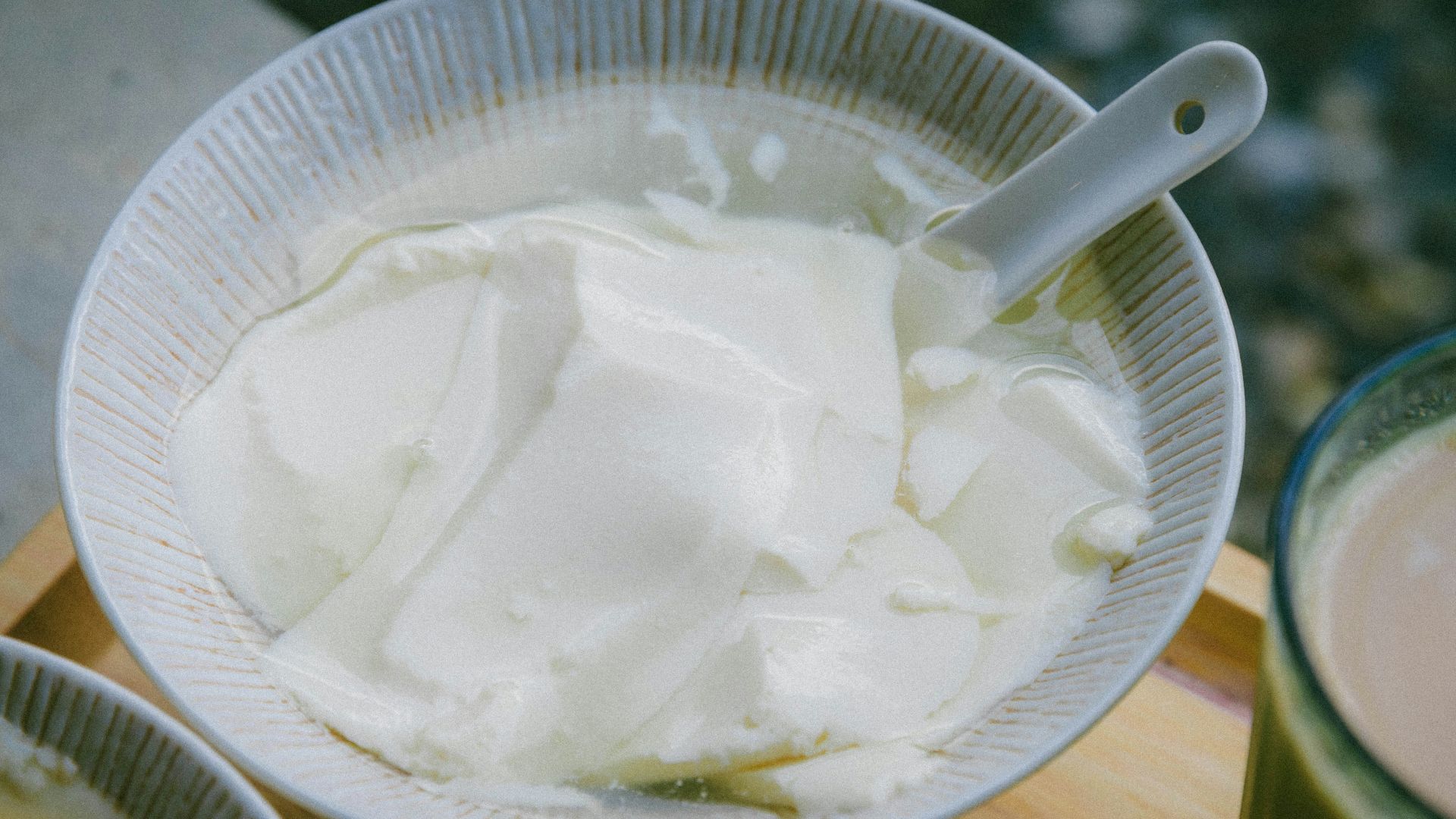
Fat-free salad dressing is another example that seems unlikely at first glance. You’d think removing fat and oil would automatically make it healthier, but many manufacturers use sugar or other sweeteners to add flavor. If you have the choice between multiple dressings, compare added sugar and ingredient lists rather than assuming fat-free is better.

8. Low-Fat Fruit Yogurt Drinks
Fruity yogurt drinks that you can drink are convenient, but the flavored varieties tend to include added sugar on top of the milk and fruit sugar that’s already present. It also allows you to down a serving much quicker than you would eat a cup of yogurt.
9. Low-Fat Muffins
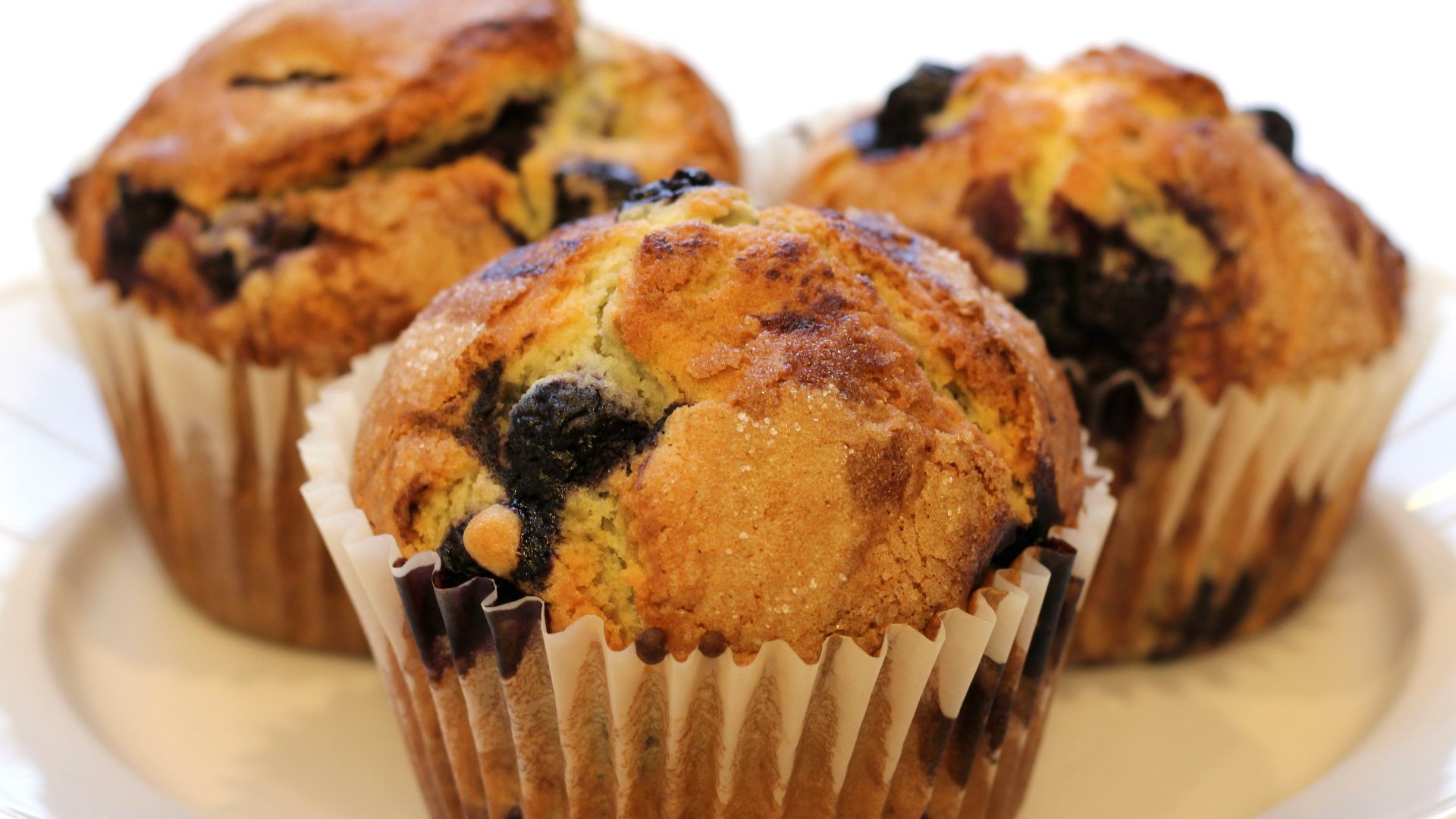
Just because a muffin is low fat doesn’t mean it isn’t sweet. Sugar doesn’t magically vanish when the fat content is reduced. Grocery-store muffins are often packed with added sugar, sweetened fruit, glazes, or toppings that increase the total.
10. Reduced-Fat Cookies
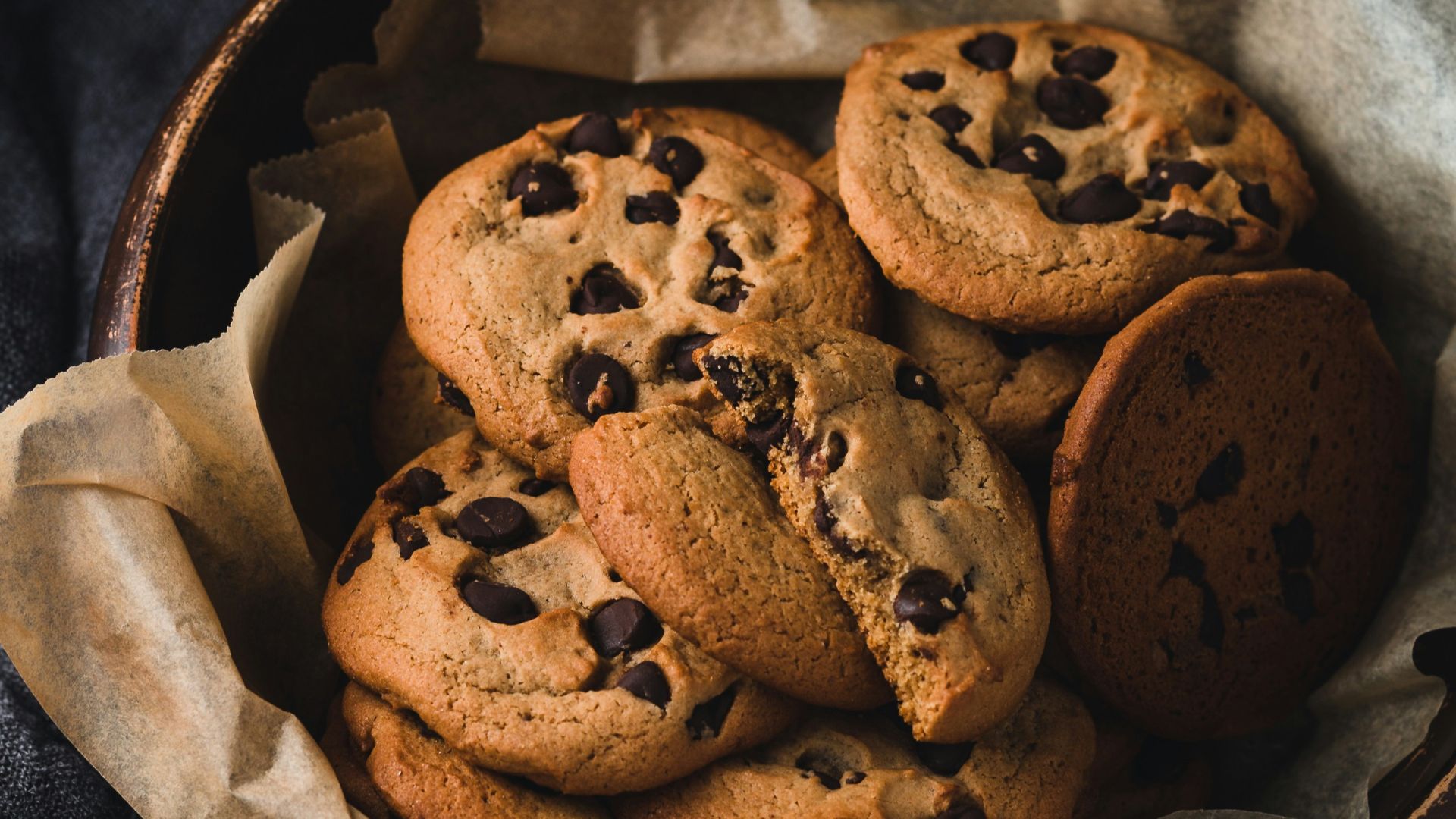
Highlighting reduced-fat on a cookie package will make you think you’re picking a better option. Cookie manufacturers aren’t going to let you down on taste, though, so sugar can still be prominent in cookies even if the fat is reduced. Take a look at the full nutrition panel before deciding a reduced-fat cookie is the healthier choice.
11. Low-Fat Ice Cream
Ice creams that are low-fat or labeled light can have less fat than their competitors, but don’t fool yourself into thinking they aren’t sweet. Sugar is still often a major ingredient, and depending on the brand, it could account for a significant portion of the carbohydrates. They aren’t off-limits if you’re watching your sugar, but the word light doesn’t tell you everything.

12. Fat-Free Pudding Cups
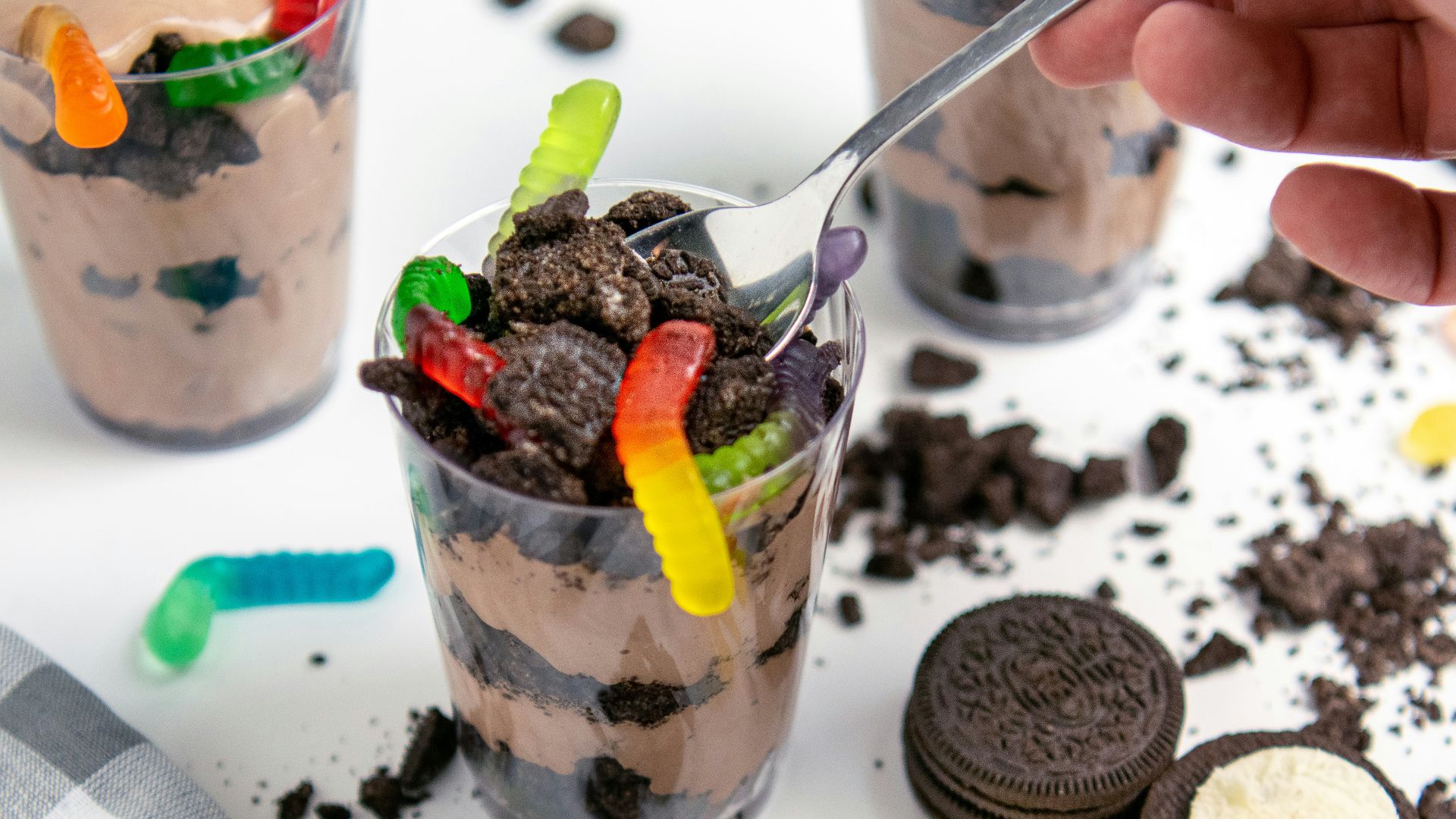
Fat-free pudding can have almost no fat, but it can still be a dessert loaded with sugar. Sugar and other sweeteners can carry a lot of the load regarding flavor, especially in chocolate, vanilla, and caramel puddings. When comparing different pudding cups, look at the added sugar before moving on from the nutrition facts.
13. Low-Fat Pancake Mix
Some pancake mixes are made to create pancakes with very little fat in the mix. Don’t assume that means no added sugar. Keep in mind sugar can still be added to the dry mix, and it’s often added by people through toppings as well.

14. Low-Fat Instant Oatmeal
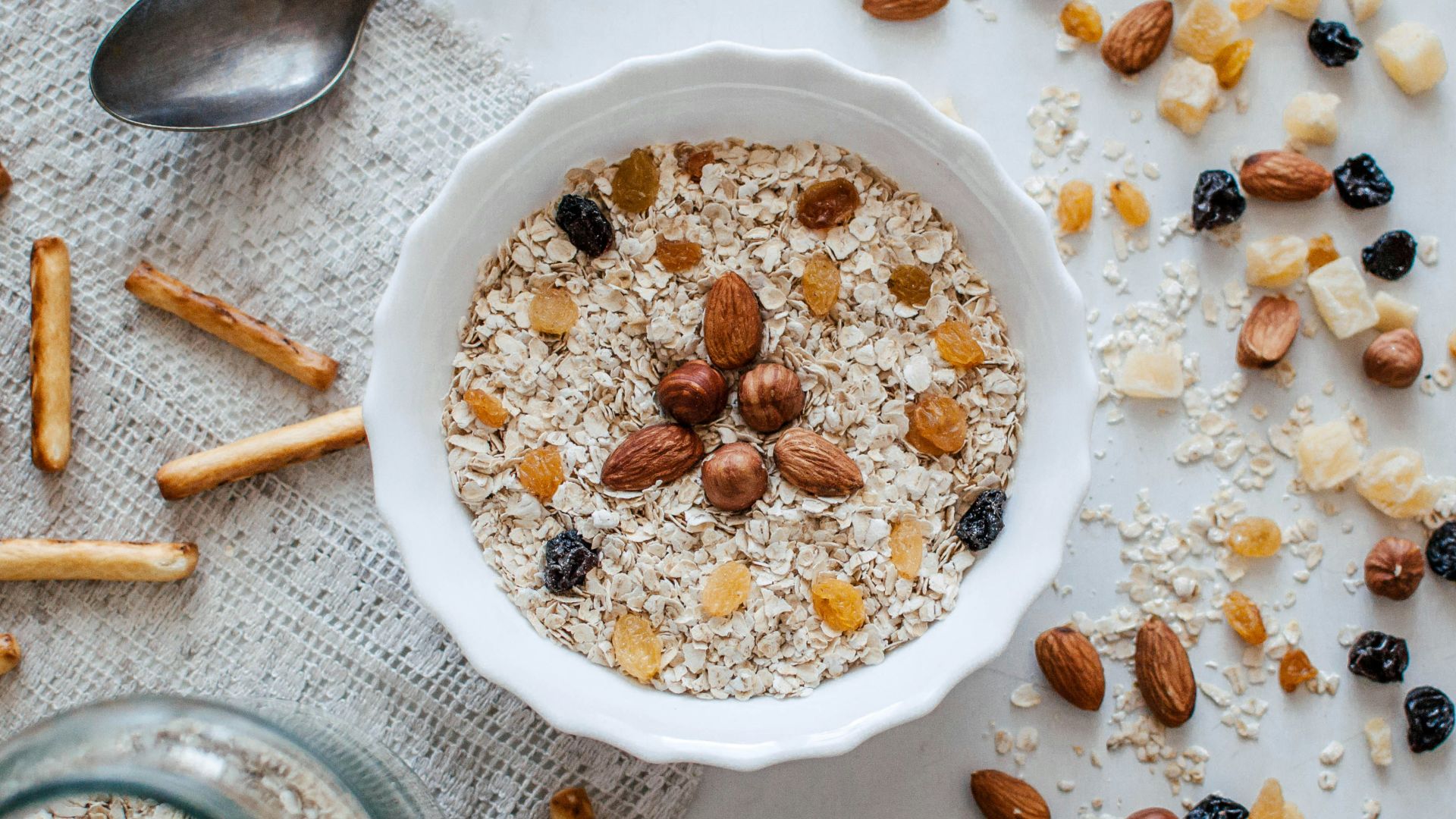
Oatmeal by nature isn’t high in fat, but instant oatmeal packets are often mixed with added sugars. Brown sugar, maple, cinnamon, fruit, and other flavors may sound healthy or natural, but they all make the packets sweeter. Prepare plain oats yourself and know exactly what you’re adding.
15. Low-Fat Breakfast Bars
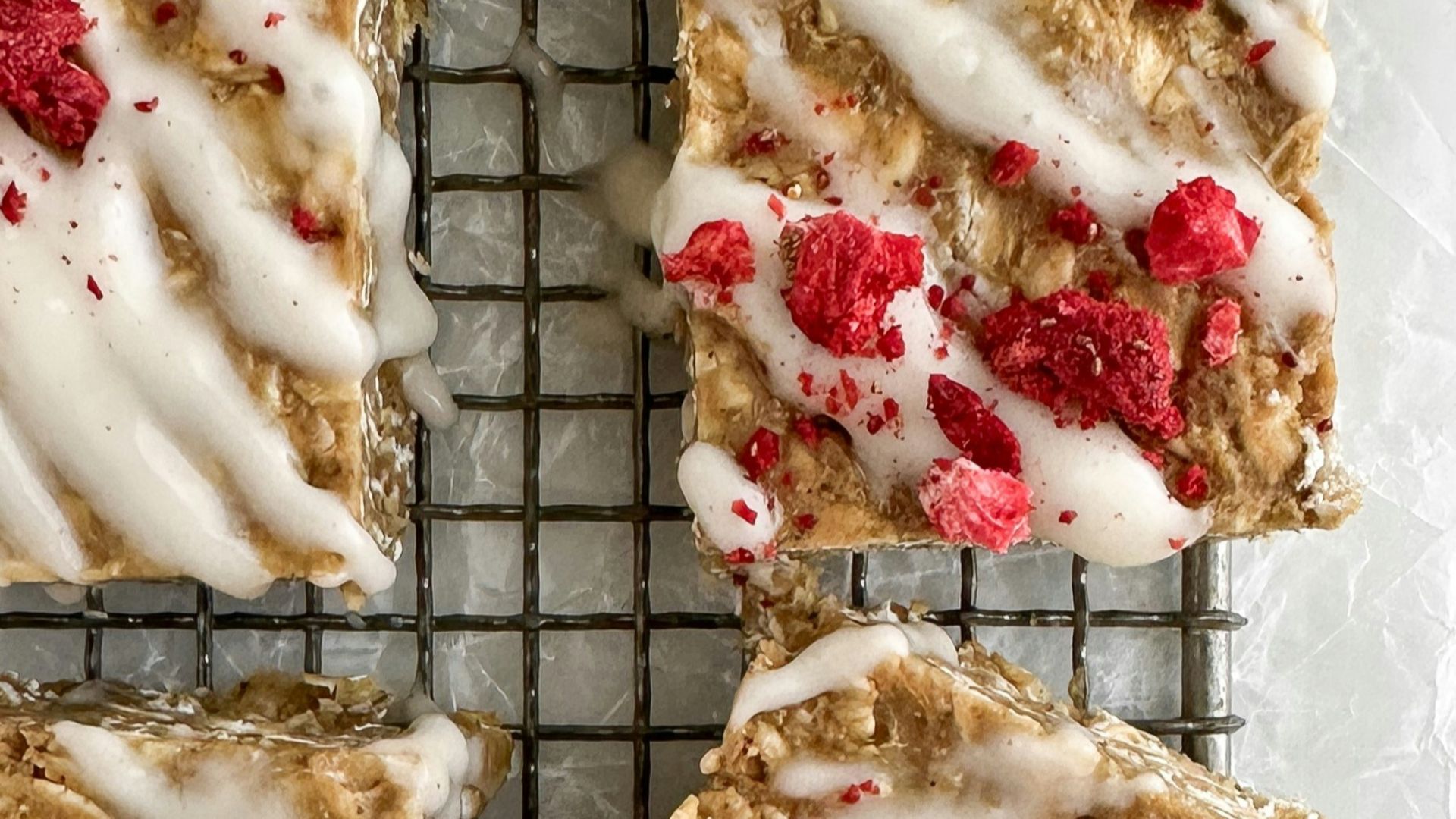
Breakfast bars are typically marketed as on-the-go breakfasts for busy mornings. Many low-fat breakfast bars contain syrups, added sugar, honey, or concentrated fruit that increase sweetness.
16. Low-Fat Fruit Snacks
Fruit snacks are another example that can trick you because they’re fruit-flavored. Just because it says it’s peach-flavored doesn’t mean it has peaches inside. Many are sweetened products with very little to do with fruit.
17. Fat-Free Flavored Coffee Creamer
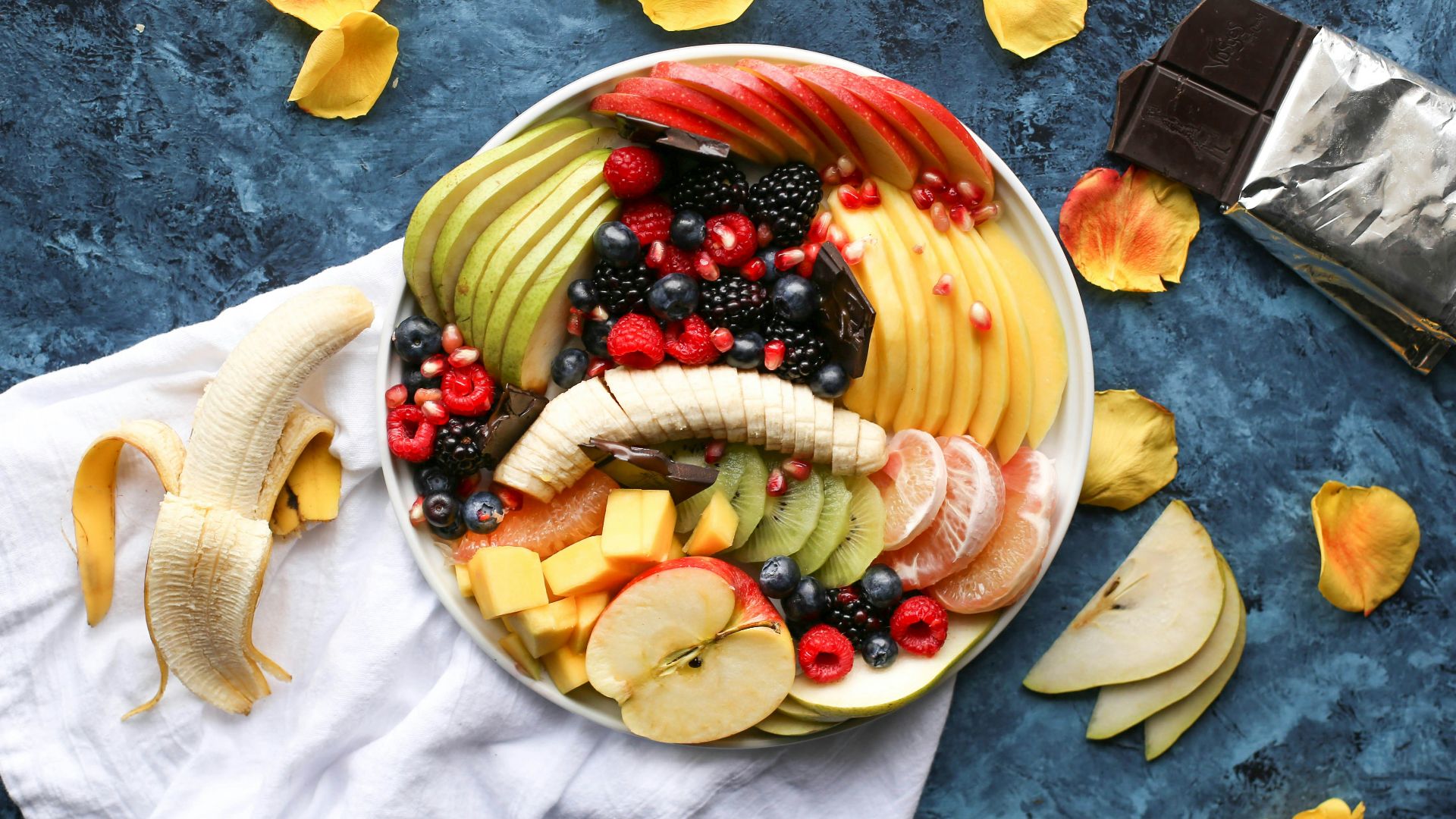
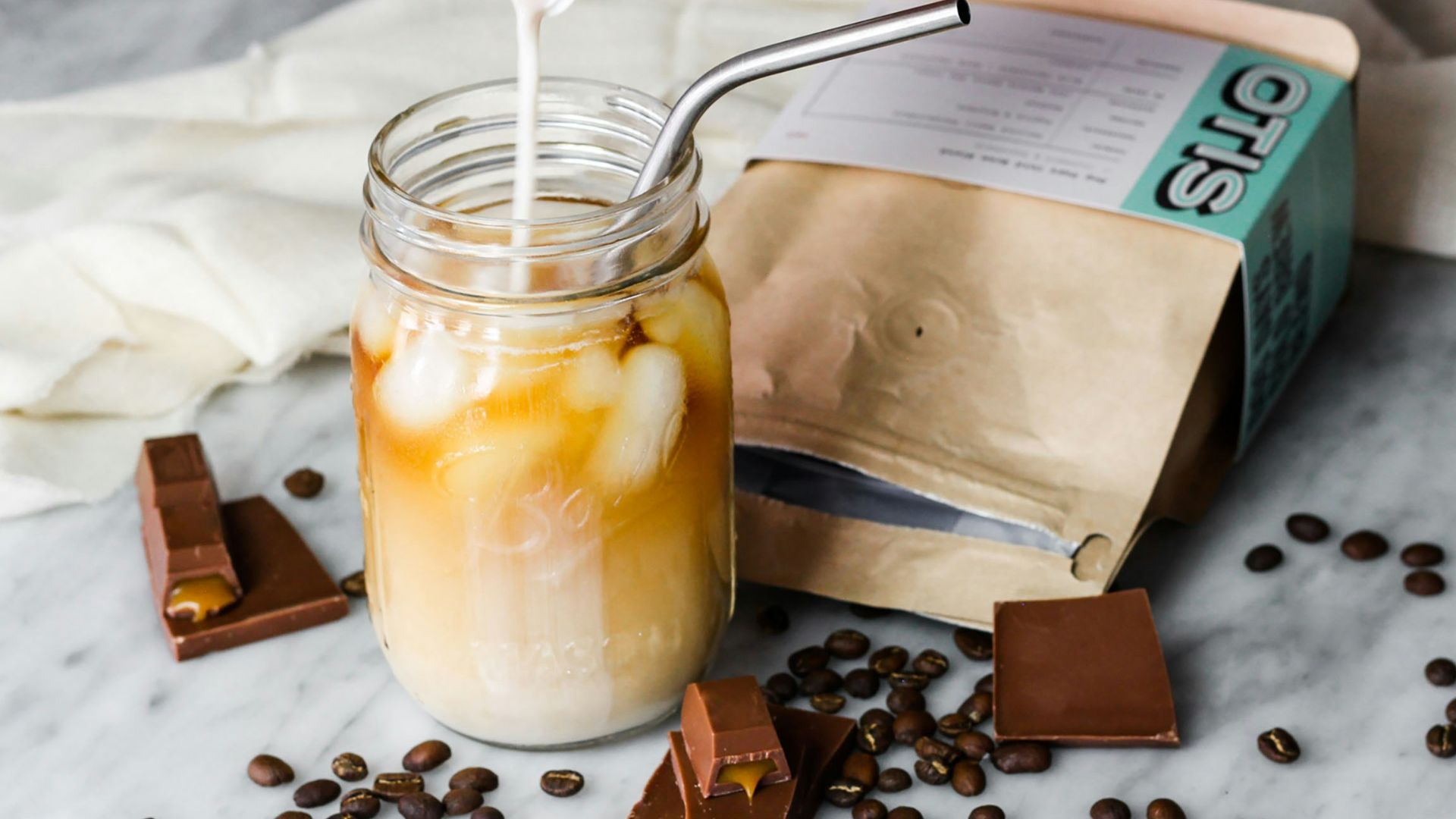
Coffee creamer without fat can be deceptively sweet. To still provide a creamy, coffee-enhancing flavor without fat, many manufacturers use added sugars or other ingredients that get costly when you use multiple servings. Many serving sizes are much smaller than what you may pour into your mug, so keep that in mind when looking at the label.
18. Low-Fat Frozen Yogurt
Frozen yogurt is typically seen as a lighter alternative to ice cream. Like other yogurts on this list, sugar is often used to keep a sweet flavor and creamy texture when companies reduce the fat. Toppings can also add sugar, so it’s important to look at both the base product and what you plan to mix in.

19. Low-Fat Applesauce
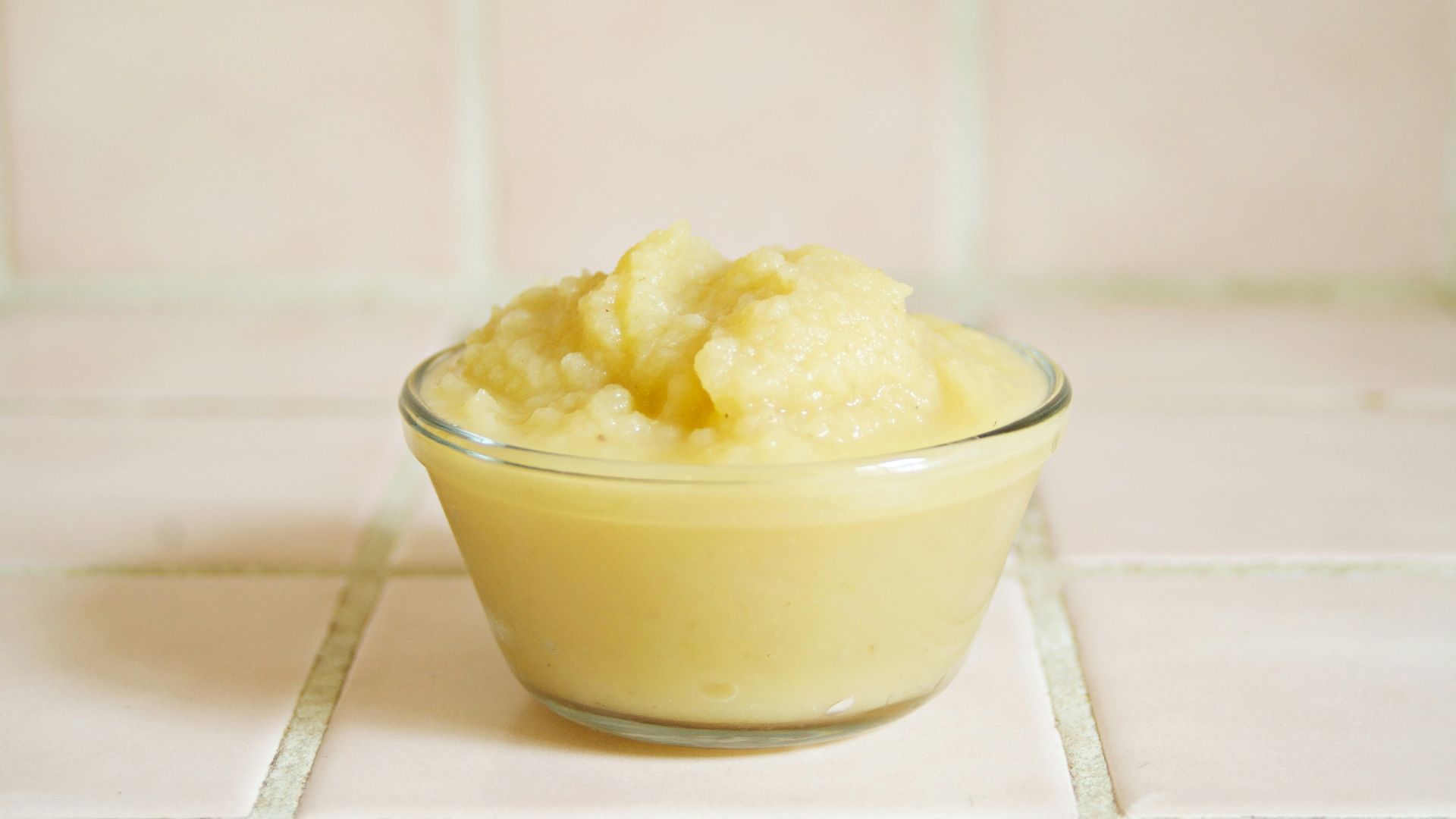
Apples contain sugar, so unsweetened applesauce will list naturally occurring sugars on the nutrition facts. Reduced-sugar versions and low-fat applesauce may include added sweeteners, especially if it’s flavored. The ingredient list will quickly reveal if you’re just getting apples or apples plus sugar.
20. Low-Fat Breakfast Cereals With Dried Fruit
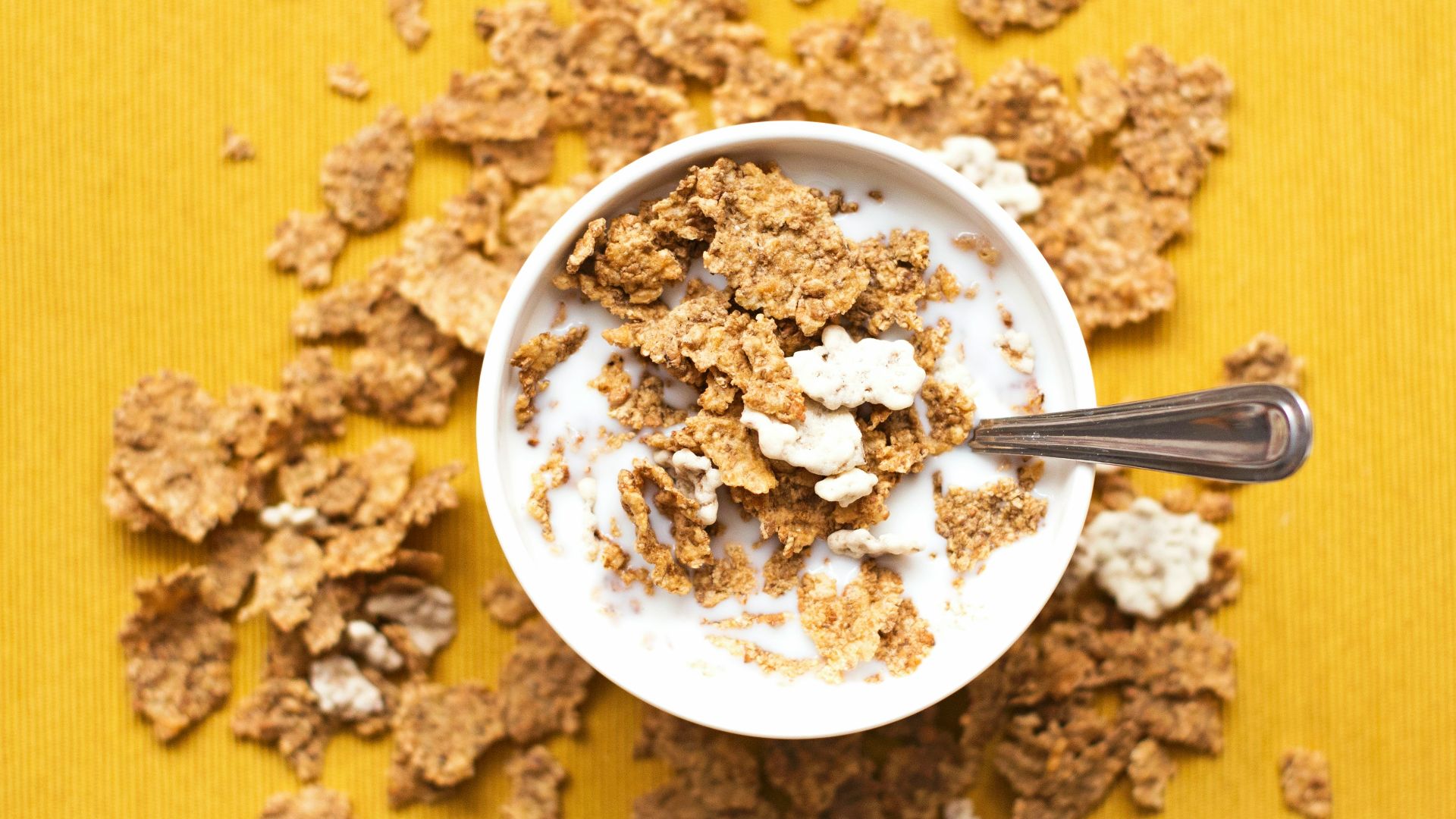
Cereals with raisins, cranberries, dates, or other dried fruits may seem healthy, but they contain more sugar than your brain may initially tell you. Some brands also add sugar, syrup, or sweet coatings to the dried fruit, combining natural sugars and added sugars.
KEEP ON READING


20 Things Your Body Is Secretly Doing Right Now