
The Truth About Anxiety
You're probably familiar with the common symptoms of anxiety. You know that your heart can race or palpitate. You know that your hands might shake, or your voice might go tinny, or you might get lightheaded and even nauseous. But when you're on edge, your body's fight-or-flight system actually affects you far beyond the obvious signs you'd expect. For example, did you know that you could be so nervous that things start tasting differently, or that you could smell scents that aren't there? As you'll see, anxiety has a knack for showing up in places you'd never think to look. Here are 20 bizarre ways it puts you through the wringer.

1. Make You Feel Detached from Your Body
Depersonalization is one of the stranger effects of anxiety: you feel like you're watching yourself from outside. Your hands might feel like they don't belong to you, or you might think your reflection looks unfamiliar. Unsettling as it is, it's your brain's attempt at protecting itself from overwhelming stress.

2. Distort Your Sense of Reality
Similar to depersonalization, derealization makes the world around you feel foggy and bizarre. Objects might look off, sounds can seem distant, and even familiar places might suddenly feel strange—just as if you stepped inside a dream. Derealization is one of the more disorienting anxiety symptoms, and it can be difficult to "get out" of it.

3. Cause Phantom Smells
Phantosmia, the sensation of phantom smells, can sometimes show up in periods of high stress. For example, you might smell something burning, even if there's no fire nearby. Researchers believe it's because anxiety can affect how your brain processes sensory information, which means it can sometimes cause you to hallucinate smells.

4. Make Your Vision Blur or Tunnel
Anxiety can mess with your eyesight, too. You might, for example, end up with blurry vision or a tunnel-like effect. This happens because your body redirects blood flow and focus toward perceived threats, and this sometimes affects your sight. Some people may also see floaters or experience light sensitivity.
5. Trigger Random Muscle Twitches
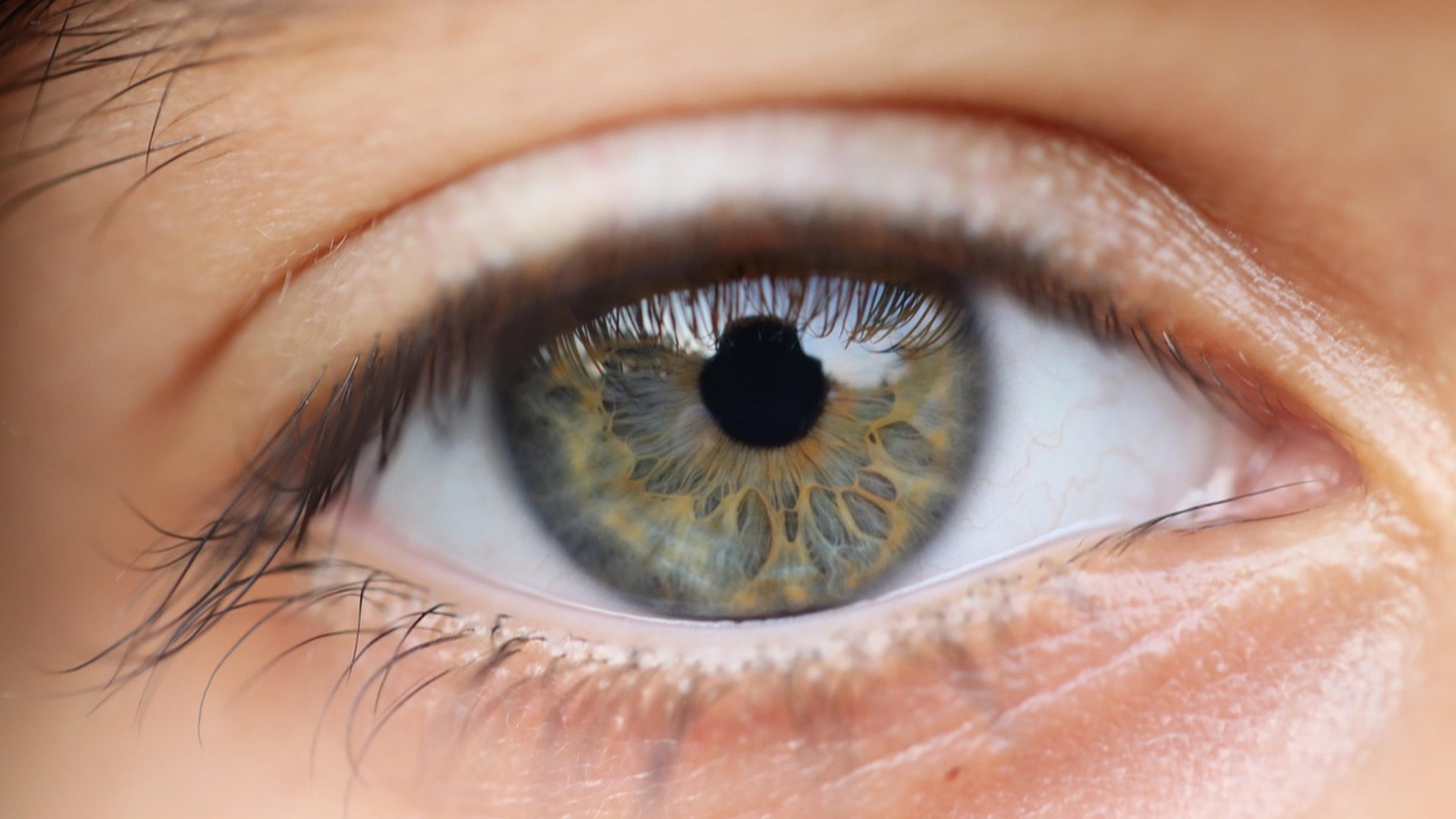
Sudden, involuntary muscle twitches are another fairly common anxiety symptom. Your eyelid might start twitching, or you might suddenly feel a jolt in your leg even while sitting still. These twitches happen because your nervous system is on high alert, and that heightened state can sometimes cause your muscles to misfire.
6. Make Food Taste Different
Believe it or not, anxiety can actually alter your sense of taste, too. Something normally flavorful might suddenly taste bland or even metallic. This happens for two reasons: your stress hormones affect saliva production, and anxiety can momentarily interrupt your brain from processing sensory input like flavor. If you've ever lost your appetite during moments of high stress, this could explain it.

7. Cause Random Numbness or Tingling
Anxiety can also cause numbness or tingling sensations, such as in your fingers, lips, or face. The reason for this is that anxiety can lead to hyperventilation. While it can feel alarming, rest assured that this symptom typically fades once your breathing returns to a normal rhythm.
8. Make You Forget Simple Words
Ever had an important job interview and your mind blanked? Annoying as it is, word-finding difficulty is a frustrating anxiety symptom that can leave you fumbling mid-sentence. Stress makes your brain more focused on detecting threats, and that can temporarily interfere with memory retrieval and language processing.

9. Cause Random Chills or Hot Flashes
During anxious episodes, you might suddenly feel chilly or way too hot. Blame it on the stress: it activates your sympathetic nervous system, which can throw off your body's ability to regulate temperature. You might find yourself reaching for a sweater one minute and fanning yourself the next.

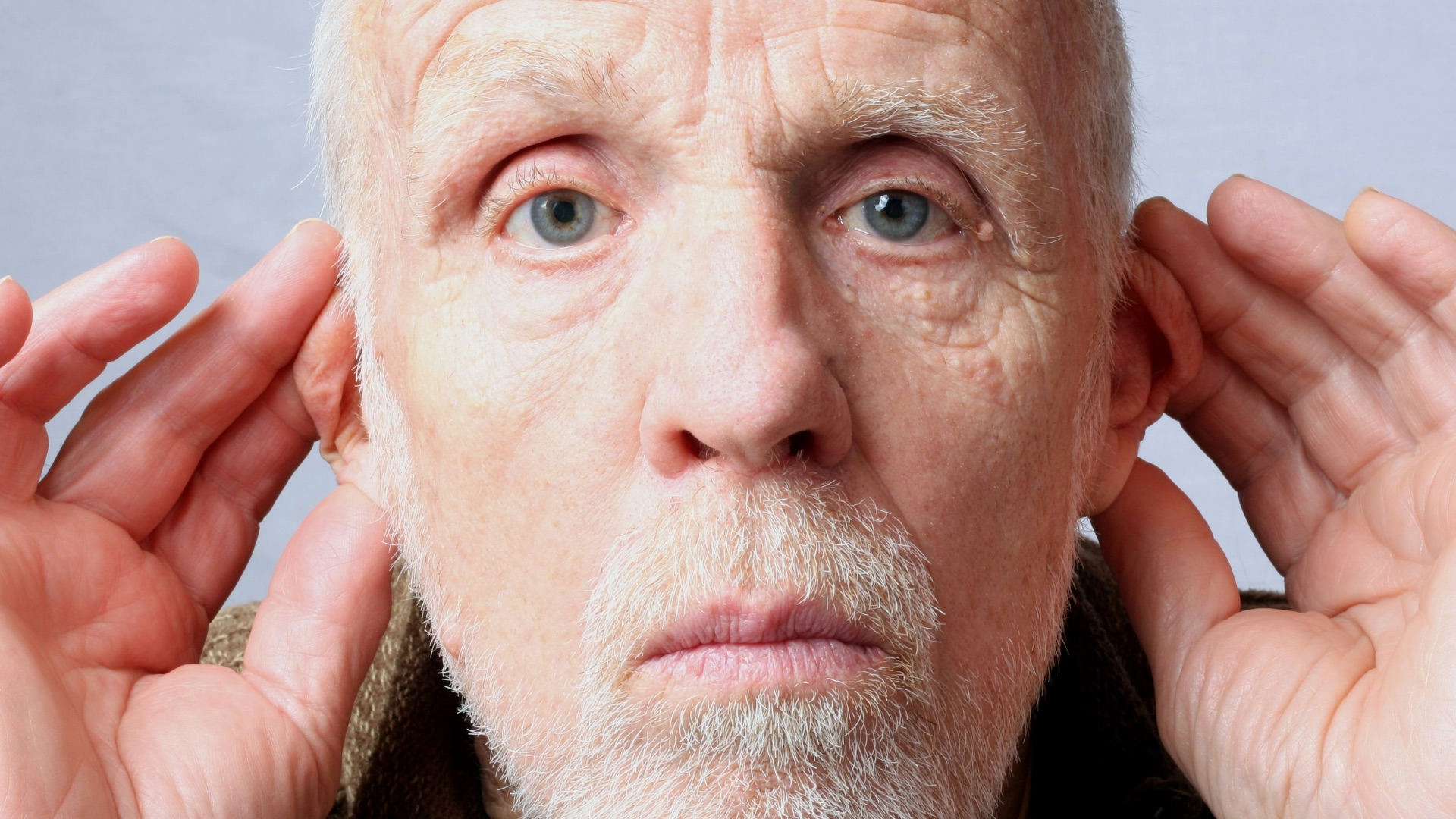
10. Make Your Ears Ring
Hear ringing in your ears? It could be a problem with your ears, but it could also be anxiety. Stress hormones can affect blood flow, which can make you more aware of sounds your ears produce naturally. For people who regularly deal with tinnitus, anxiety may only make the ringing feel louder.
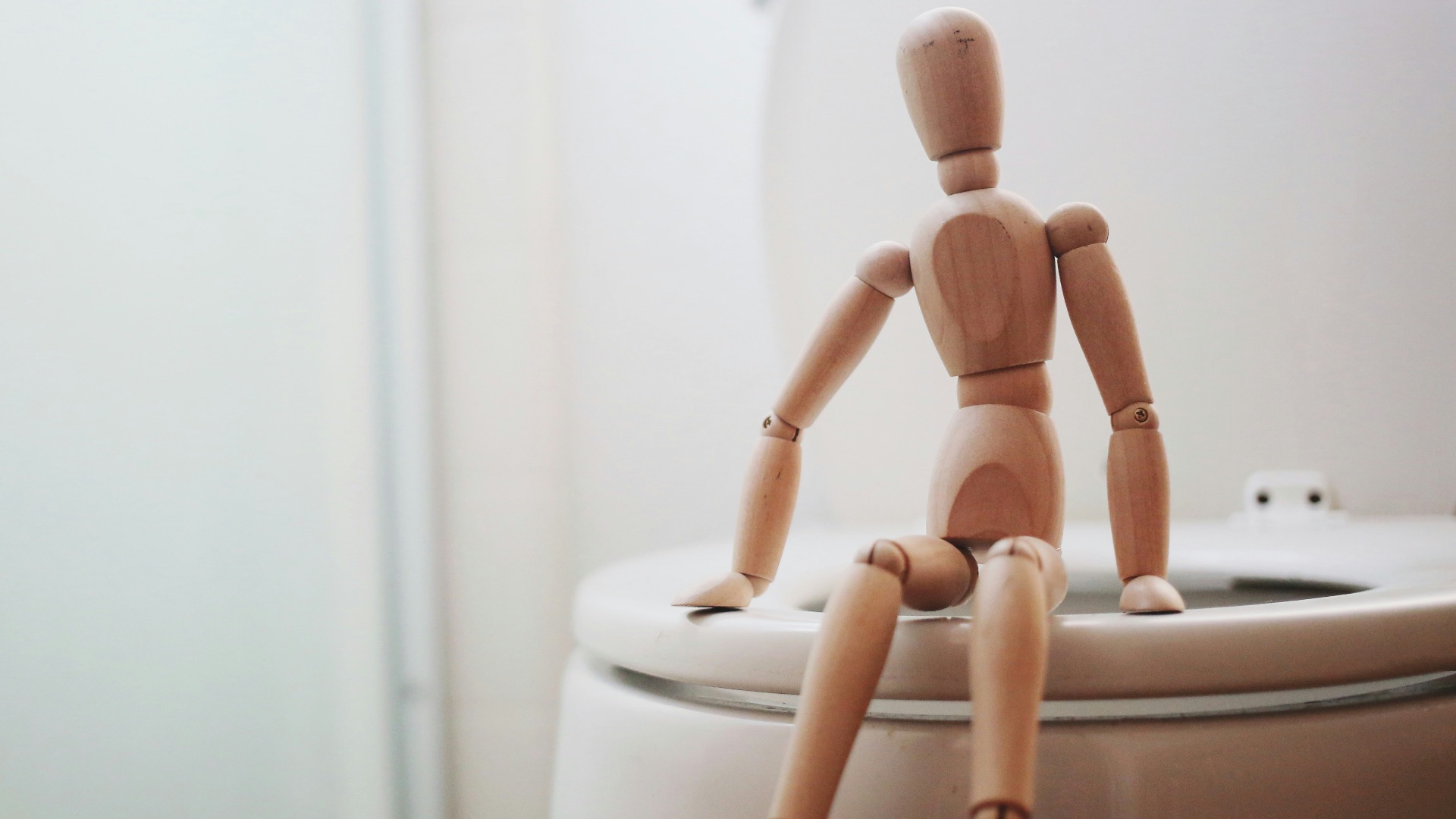
11. Trigger Sudden, Urgent Bathroom Trips
The mind-body connection is real, and it can send you sprinting to the bathroom whenever you're nervous. Stress hormones speed up intestinal contractions, so keep that in mind next time you have a big event planned. You might want to use the loo first.
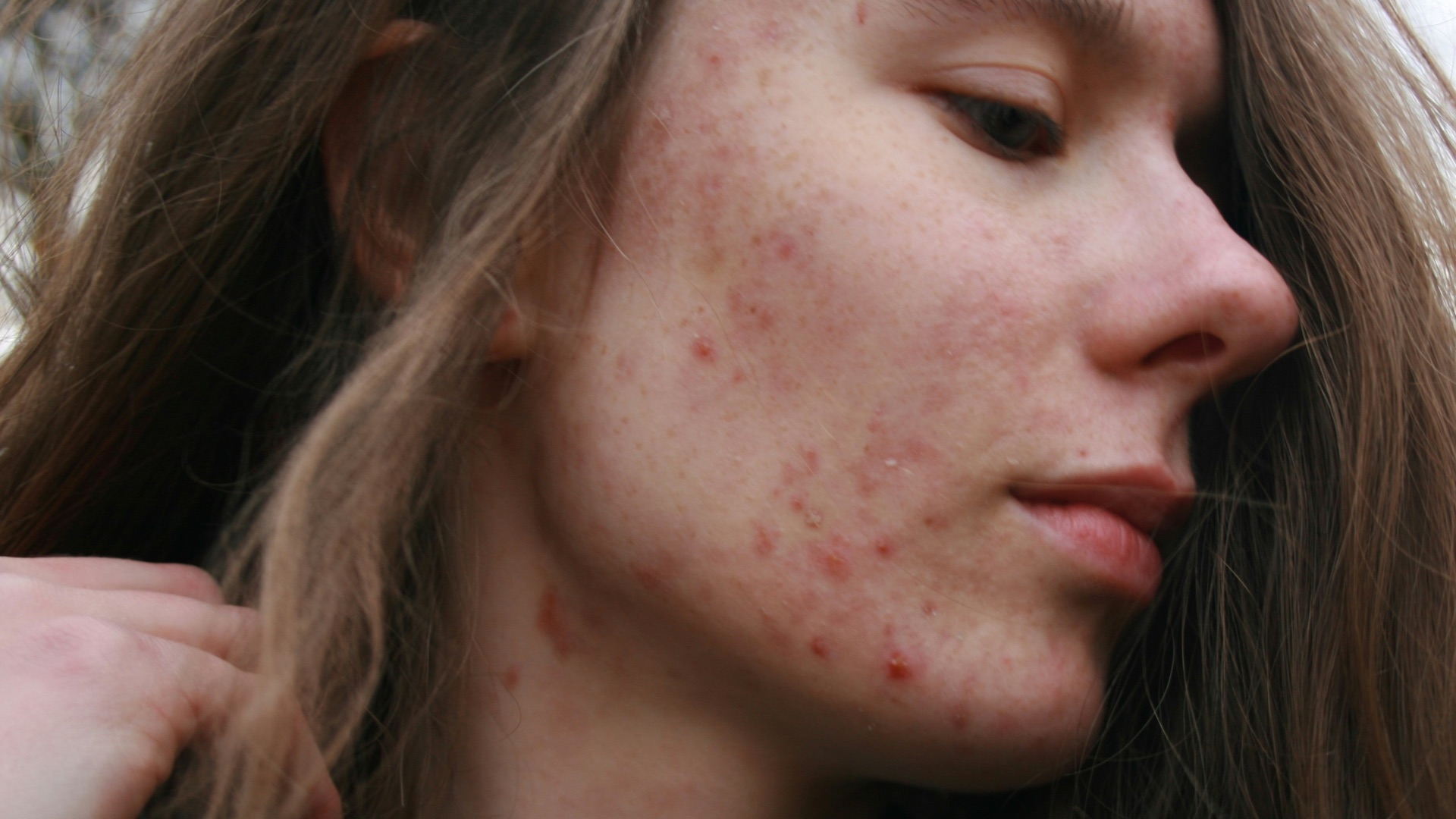
12. Cause Skin Breakouts
If you're always breaking out, it might be due to anxiety. Elevated cortisol levels increase oil production, which clogs pores and allows breakouts to form. This is why you might notice your skin acting up whenever you're stressed, even if you normally have clear skin.
 Barbara Krysztofiak on Unsplash
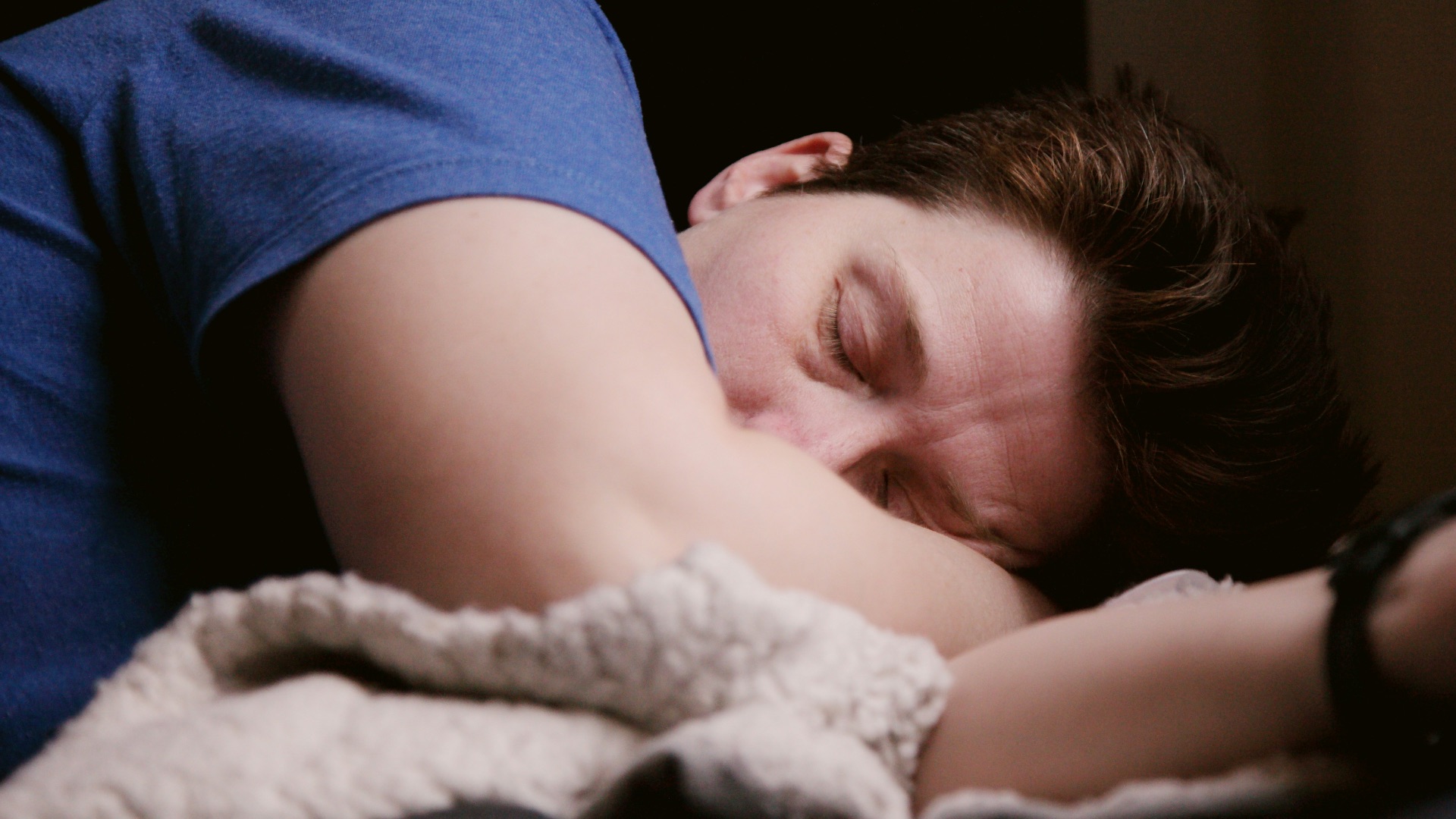
13. Make You Grind Your Teeth
Teeth grinding can also flare up during anxious periods, and you probably won't even know you're doing it until your next check-up at the dentist. Worse yet, anxiety keeps your jaw muscles tense even while you sleep, which means you could be mashing your teeth together without even knowing. Keep it in mind: over time, this habit can wear down tooth enamel.
14. Cause Random Itching
Unexplained itching might sound like a strange symptom, but it's real. When you're anxious, your body releases histamine, the same chemical involved in allergic reactions, which can make your skin feel itchy. You might feel like something crawling on your skin, even when nothing is actually there.

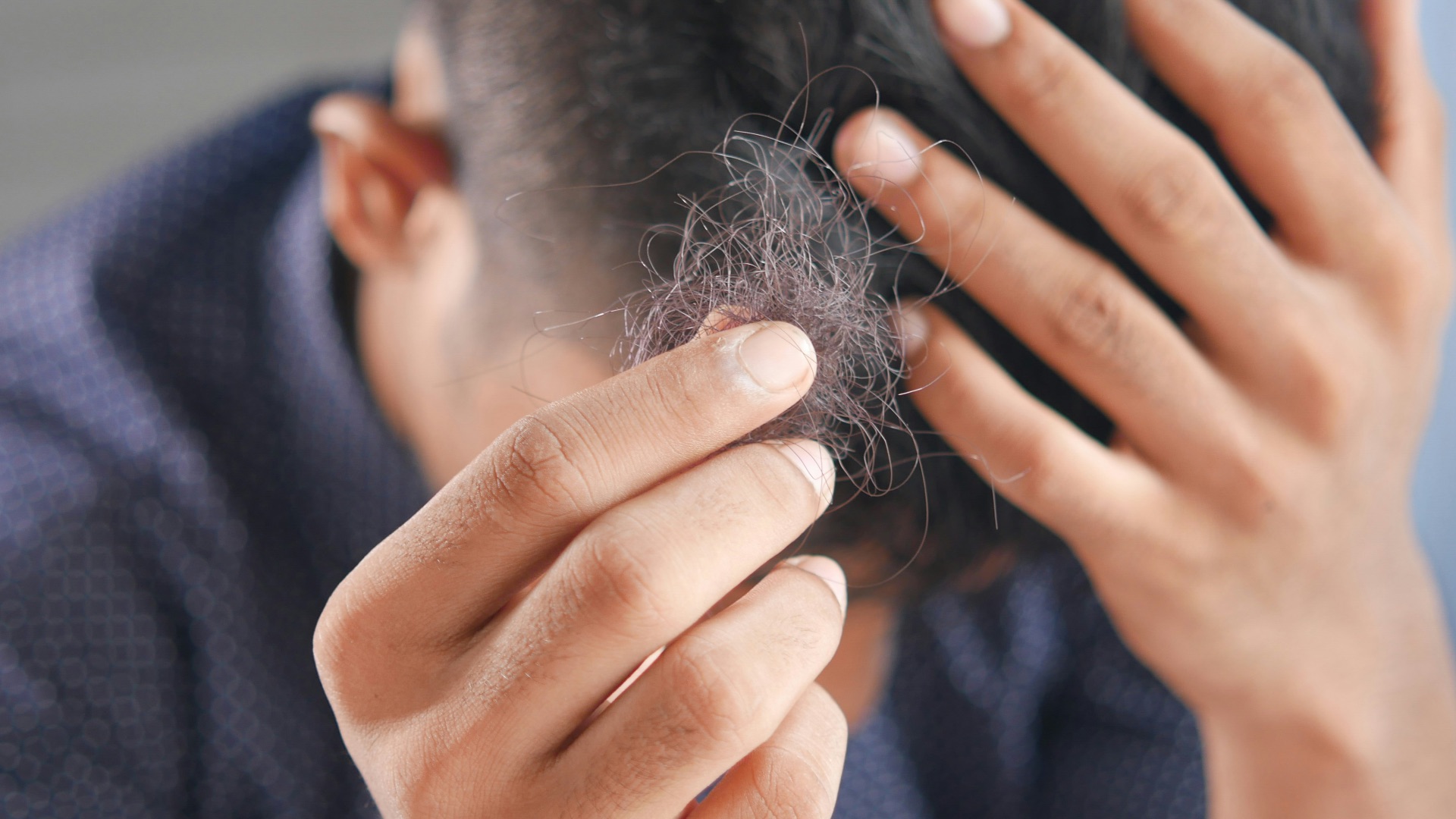
15. Make Your Hair Fall Out
Chronic anxiety can also lead to noticeable shedding. Known as telogen effluvium, this symptom may catch many people off guard because hair loss often shows up months after the stressful event has already come and gone. Thankfully, this type of hair loss is usually temporary. (Phew.)
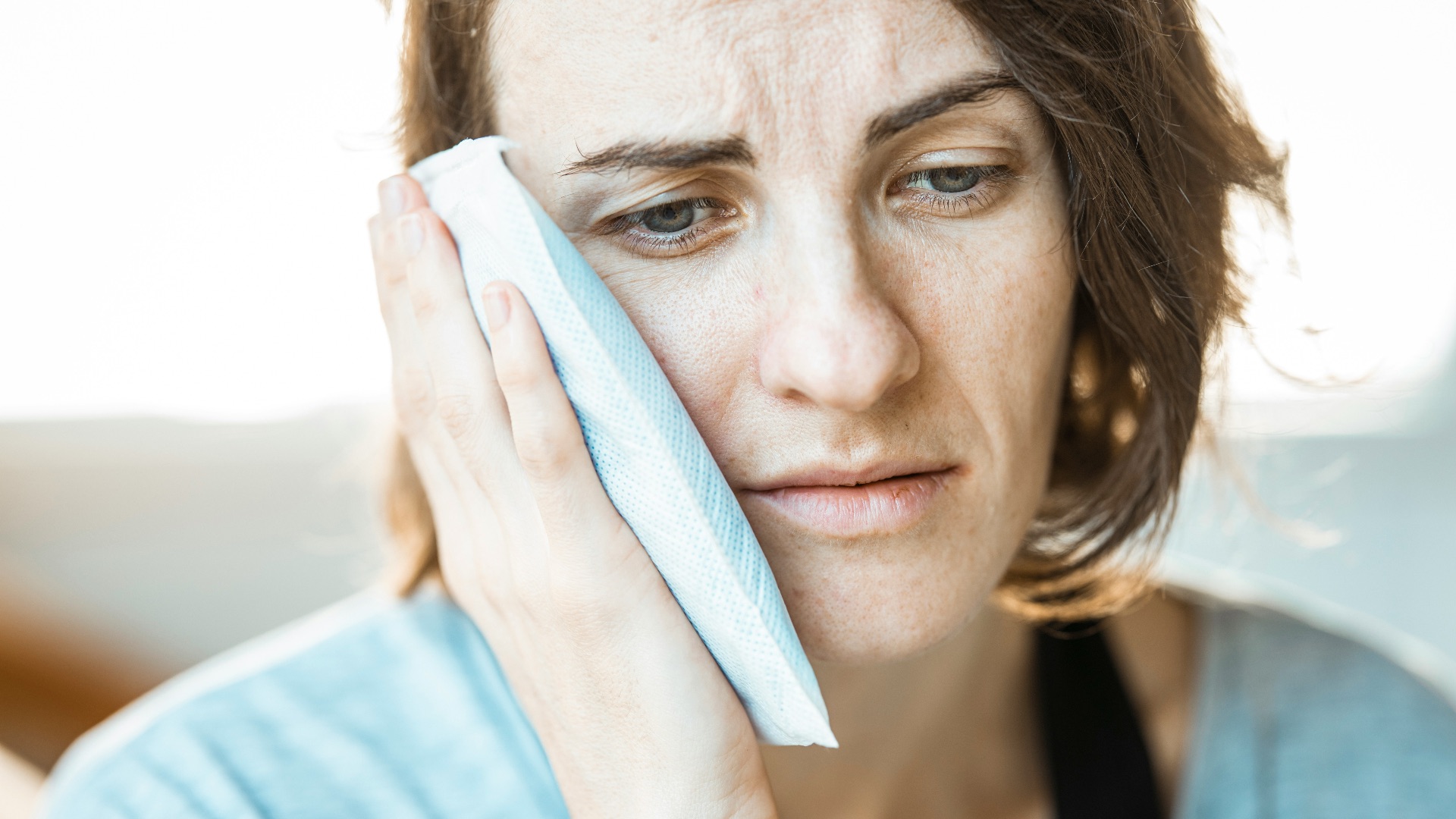
16. Cause Jaw and Neck Pain
Muscle tension from anxiety doesn't only stay in your shoulders. In fact, it frequently spreads to your jaw and neck as well. This tension can build gradually until you suddenly feel a deep ache whenever you turn your head or open your mouth wide. Interestingly, physical therapists often trace this back to stress when they see it in patients.
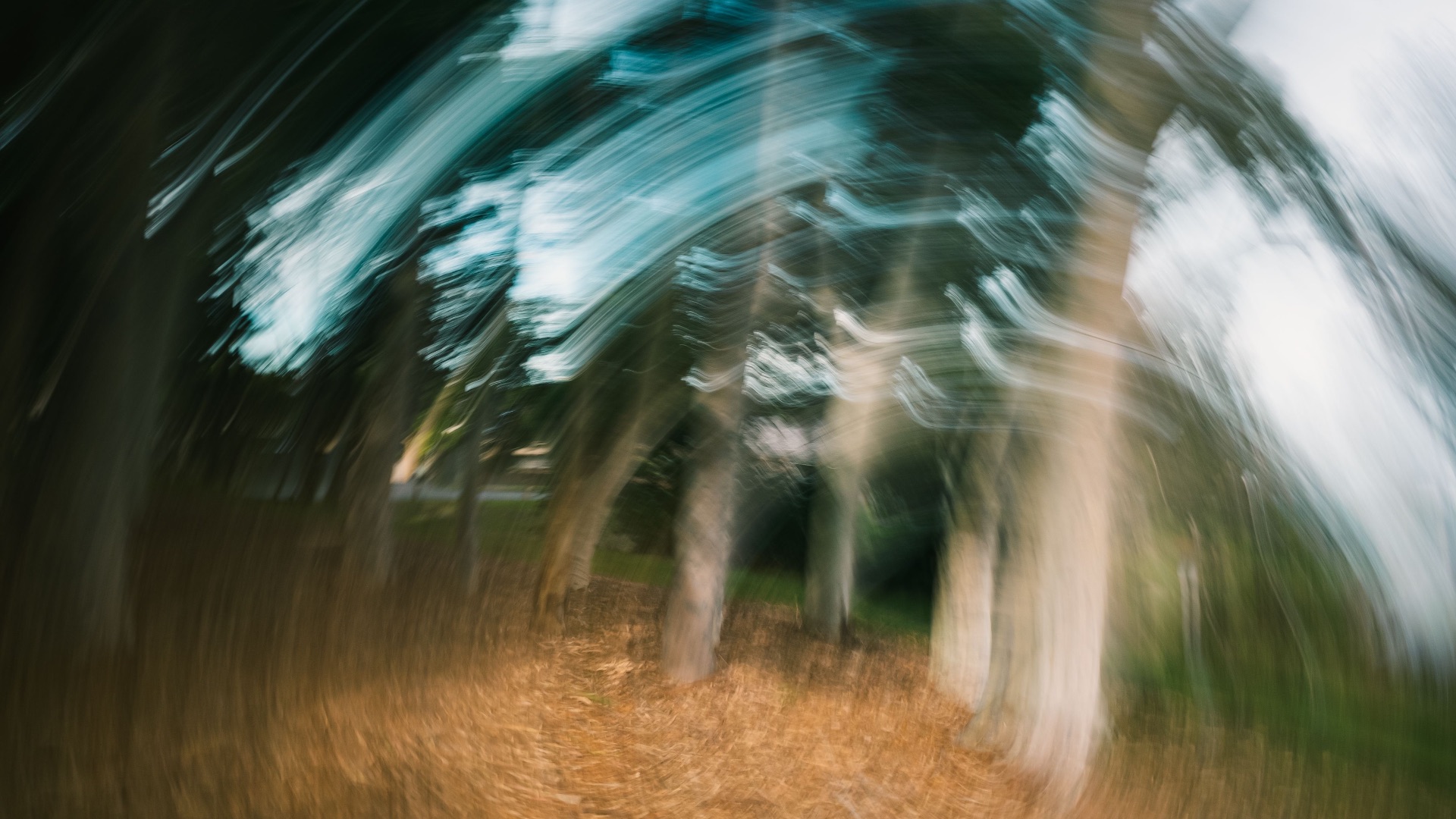
17. Disrupt Your Sense of Balance
When you're anxious, you might suddenly feel dizzy, and it's because anxiety can affect blood pressure and breathing patterns. Both play a role in your sense of spatial orientation. Some people may experience this more in crowded or open spaces, which only makes the anxiety all the more overwhelming.
18. Make Your Voice Shake or Crack
Anxiety can also cause tension to build up in your throat and vocal cords. Your stress hormones cause your muscles to tighten, including the small muscles that control your voice, which causes it to waver. This symptom tends to show up at the worst of times, too, such as during public speaking!

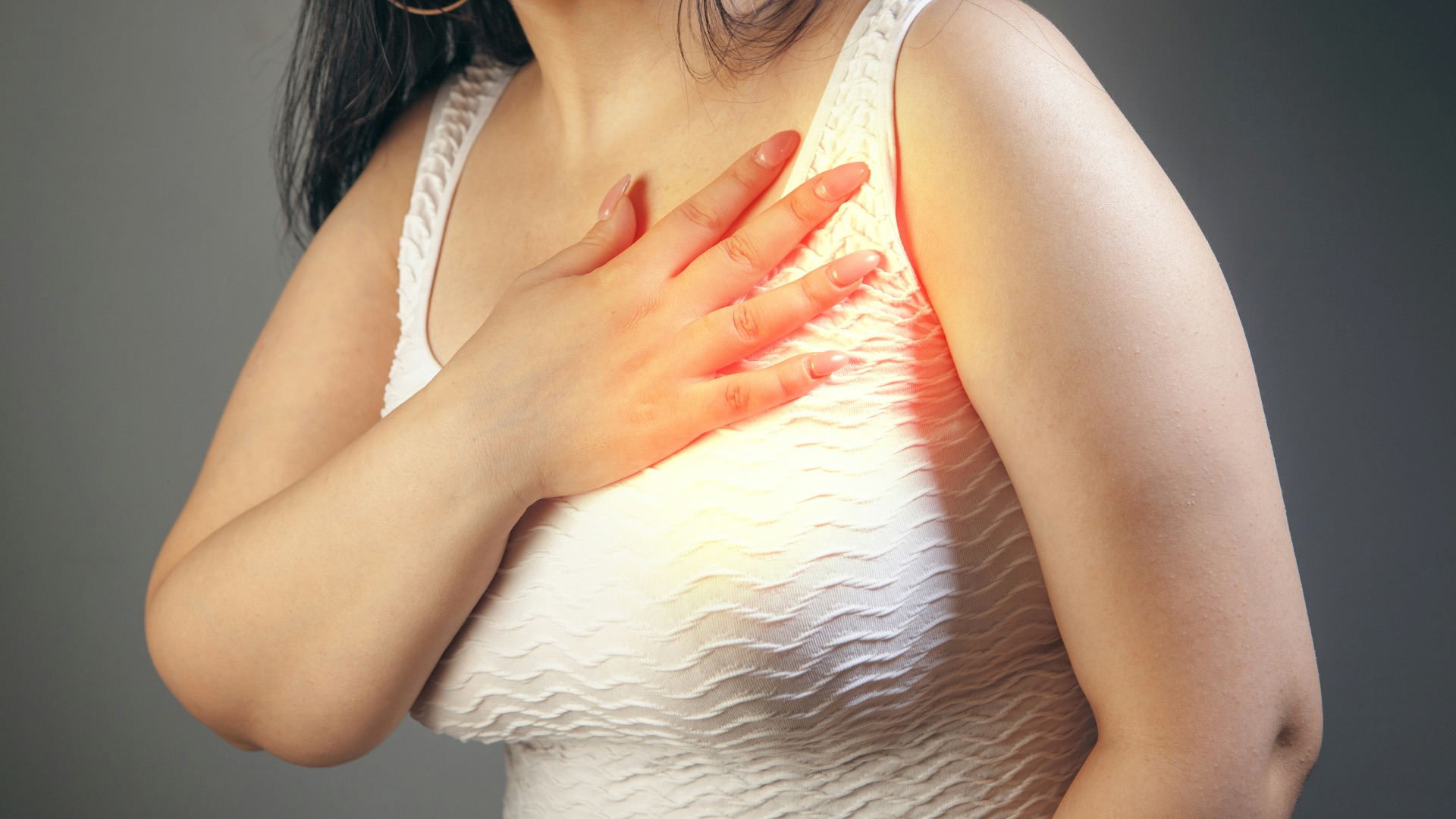
19. Cause Chest Tightness
If your chest feels tight when you're anxious, don't be alarmed; it's rarely due to an actual problem with your heart. Instead, this pressure happens because hyperventilation can cause those muscles to tense up, and the more you focus on it, the worse it usually gets.
20. Affect Your Menstrual Cycle
For those who menstruate, anxiety can throw off cycle regularity, intensify cramps, or even delay your period altogether. The reason for this is that chronic stress affects the part of your brain responsible for regulating hormones tied to your cycle. The next time you miss a period, it may be because you're constantly on edge. Always make sure to schedule an appointment with your doctor if you experience any new or unusual symptoms!
KEEP ON READING



20 Ways to Deal With Your Sweet Tooth
20 Low-Impact Exercise Ideas For People Over 50