20 False Things Doctors Used To Believe About the Human Body
Medicine Has Had Some Very Strange Ideas
Modern medicine looks like an exact science, but it was built on centuries of trial and error, observation, and plenty of ideas that turned out to be completely wrong. Before doctors had microscopes, medical imaging, germ theory, or a clear understanding of human anatomy, they often had to explain illness using whatever knowledge was available at the time. Some mistaken beliefs lasted for hundreds or even thousands of years, while others survived well into the 20th century. Here are 20 false things doctors used to believe about the human body.
1. The Body Was Controlled by Four Humors
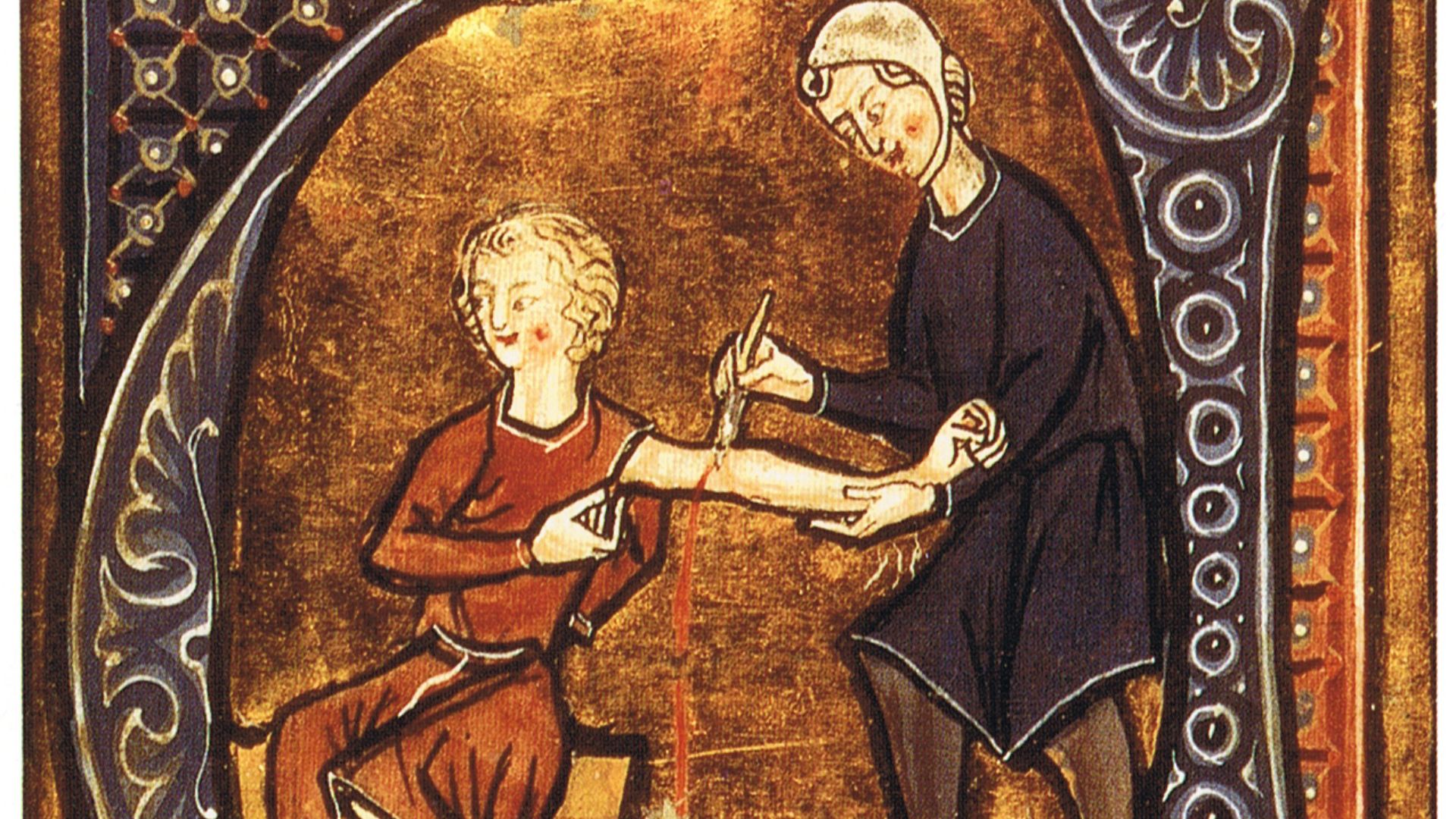
For centuries, many physicians believed health depended on balancing four bodily fluids called blood, phlegm, yellow bile, and black bile. Every illness, mood, and personality trait could supposedly be traced back to having too much or too little of one of them. Doctors tried to restore balance using treatments such as purging, dieting, and bloodletting. The theory dominated Western medicine for more than a thousand years despite having no real biological basis.
2. Bloodletting Could Cure Almost Anything
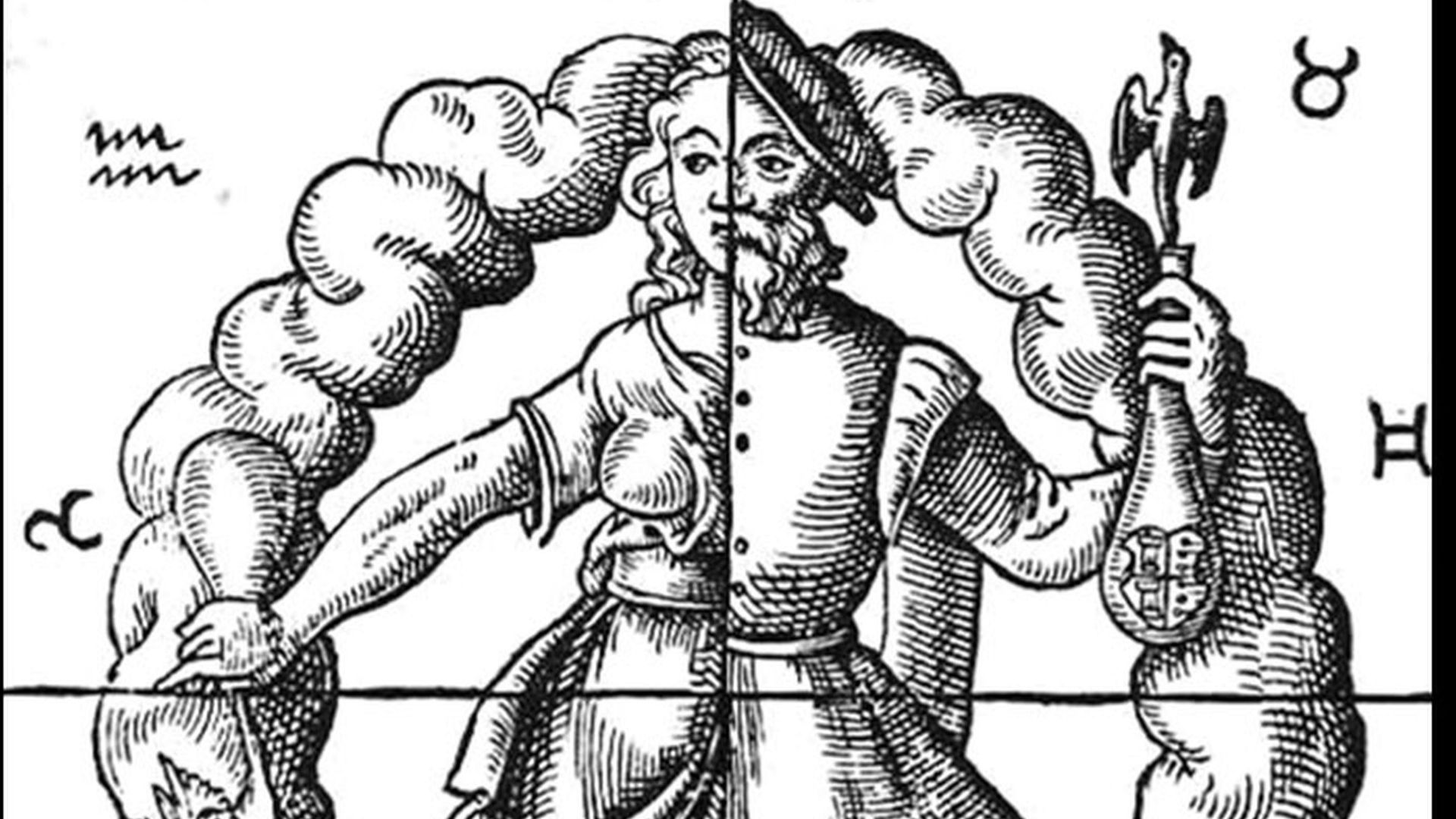
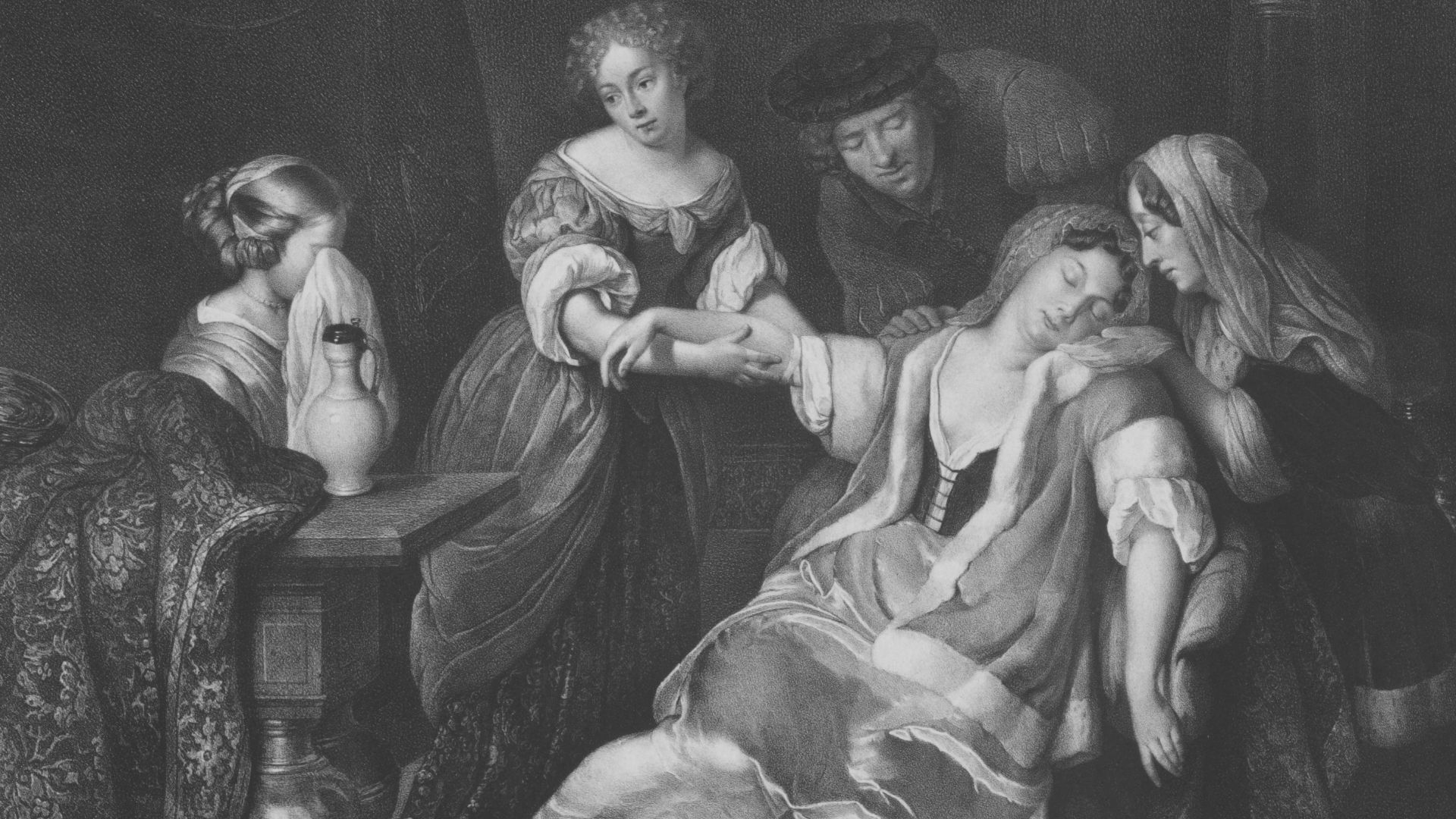
If you visited a doctor a few centuries ago, there's a good chance losing some blood would have been part of the treatment. Physicians used leeches, knives, and other tools to drain blood from patients suffering from everything from fever to headaches. The practice came from the belief that excess blood could throw the body's humors out of balance, but in reality, removing blood often weakened people who were already seriously ill.
 The New York Public Library on Unsplash
3. The Heart Created Blood From Food
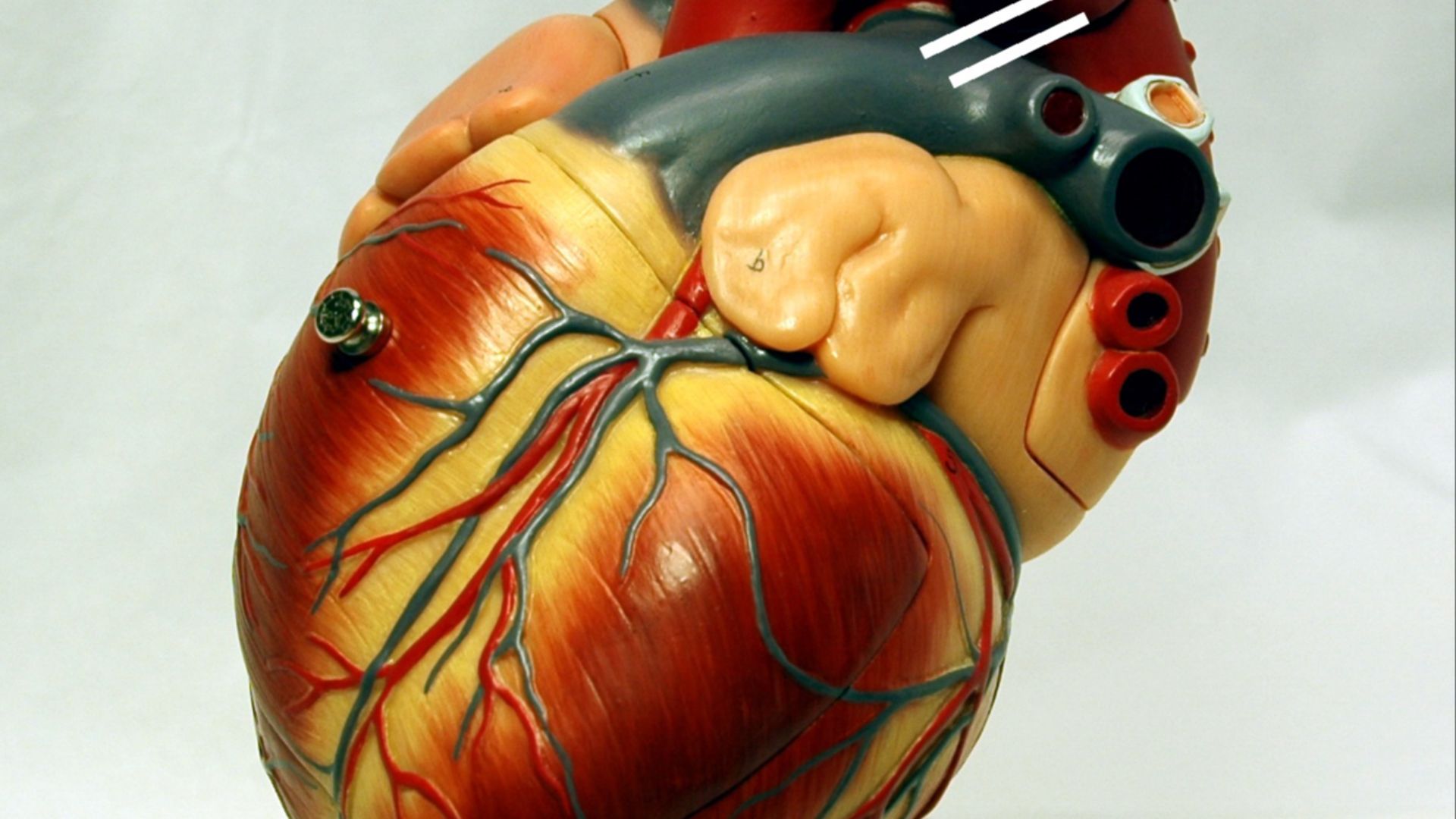
Ancient physician Galen believed the liver produced blood from digested food and that the body continuously used that blood up. According to this model, blood didn't circulate around the body in a closed system as we know today. It wasn't until the 17th century that it was demonstrated that the heart pumps blood through a continuous circulation. That discovery overturned a medical idea that had been taught for roughly 1,400 years.
4. The Womb Could Wander Around the Body
Ancient Greek medicine sometimes blamed women's health problems on a supposedly mobile uterus. Physicians believed the womb could move through the body and press against other organs, causing symptoms ranging from fainting to breathing problems. This idea helped contribute to the later concept of "hysteria," a diagnosis disproportionately applied to women.
5. Bad Smells Caused Disease
Before germ theory became widely accepted, many doctors believed illnesses such as cholera and plague were spread through foul-smelling air known as miasma. Sewers, garbage, rotting matter, and unpleasant odors were considered dangerous because the smell itself was thought to cause sickness. Cleaning up filthy environments sometimes genuinely reduced disease, which made the theory seem convincing, but the real benefit came from removing contaminated water, waste, insects, and other sources of infection.

6. Ulcers Were Mainly Caused by Stress
For much of the 20th century, doctors commonly blamed stomach ulcers on stress, personality, spicy food, and excess stomach acid. Patients were often advised to relax, change their diets, and take medications that reduced acid production. Researchers eventually demonstrated, however, that the bacterium Helicobacter pylori was the cause of most ulcers.
7. Babies Couldn't Feel Pain Like Adults
Well into the 20th century, some physicians believed newborn babies had an underdeveloped nervous system and therefore experienced little or no meaningful pain. As a result, certain surgeries on infants were sometimes performed with inadequate anesthesia. Research eventually showed that newborns absolutely do experience pain and can have strong physiological responses to it.

8. Mental Illness Came From Bad Character
People with depression, anxiety, psychosis, and other mental health conditions were once viewed as weak, immoral, lazy, or lacking self-control. Even medical professionals sometimes treated psychological symptoms as character defects rather than genuine health problems rooted in brain chemistry, trauma, and biology. That old attitude didn't just misunderstand the brain; it also created enormous stigma for patients.

9. Masturbation Caused Serious Disease
During the 18th and 19th centuries, some doctors blamed masturbation for an astonishing variety of problems. Medical books warned that it could supposedly cause blindness, insanity, epilepsy, weakness, infertility, and even death. Elaborate devices and treatments were developed to prevent people from engaging in it, even though it's a completely natural and healthy activity.

10. Teething Could Kill Babies
For centuries, teething was blamed for fever, diarrhea, seizures, and even infant deaths. Doctors sometimes cut children's gums to help teeth emerge, a painful procedure known as gum lancing. Because infant mortality was high and teething happened during the same vulnerable period of childhood, the two became closely associated. While we now know teething can cause discomfort and mild symptoms, it's not linked to the serious infections once attributed to it.

11. Smoking Could Be Good for Your Health
It seems unbelievable now, but cigarettes were once advertised with imagery and endorsements involving physicians. Some doctors believed smoking could aid digestion, calm nerves, or relieve throat irritation, and tobacco companies eagerly encouraged those ideas. As evidence connecting smoking to lung cancer, heart disease, and other illnesses accumulated, the medical consensus changed dramatically.

12. The Appendix Had No Purpose
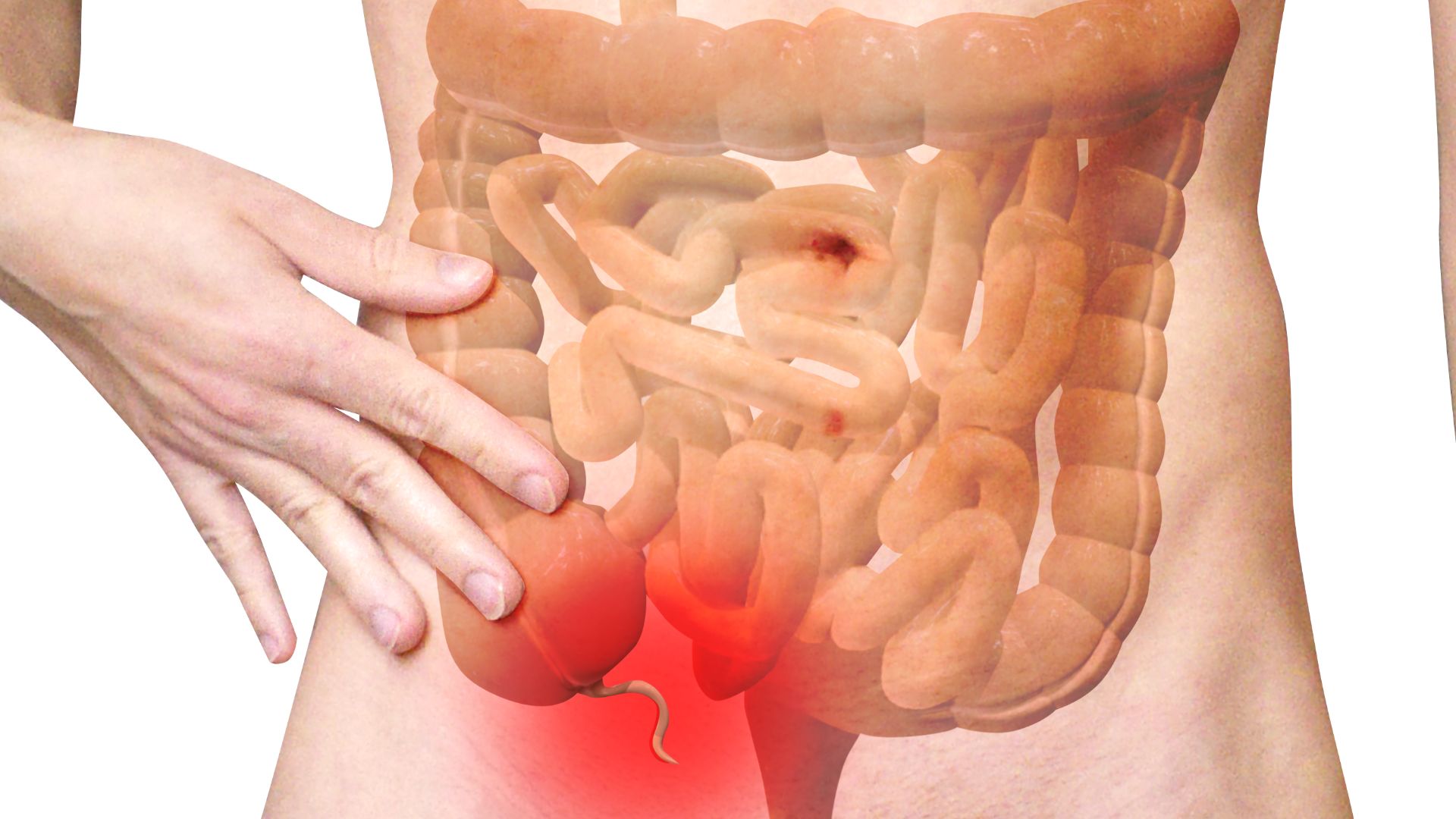
For years, the appendix was often described as a useless evolutionary leftover with no meaningful role in the human body. Since people can live perfectly well without one, that explanation seemed reasonable enough. Research has since suggested the appendix contains substantial immune tissue and may help support beneficial gut bacteria. You don't need it to survive, but calling it completely pointless isn't giving it enough credit.
13. Adults Couldn't Grow New Brain Cells
Scientists once believed humans were born with essentially all the brain cells they would ever have. It was thought that once neurons died, they were permanently gone and could never be replaced. Later research, however, found that new neurons are produced in certain areas of the adult brain, particularly the hippocampus.

14. Fever Always Needed to Be Eliminated
Doctors once commonly treated fever itself as the enemy rather than recognizing it as part of the body's immune response. Aggressive cooling methods and medications were often used because higher temperatures were assumed to be inherently harmful. We now know that mild and moderate fevers can help the immune system respond to infection, although very high temperatures or certain situations still require medical attention.

15. Children's Bones Were Basically Smaller Adult Bones
Early medicine didn't understand how different a growing child's skeleton is from that of an adult. Doctors eventually learned that children have growth plates and more flexible bones, which means fractures can behave very differently in younger patients, and certain injuries that might be straightforward in adults can affect future growth when they occur in children. Pediatric orthopedics exists partly because kids aren't simply miniature grown-ups.
 BHLNZ - Biodiversity Heritage Library NZ on Unsplash
16. Epilepsy Was Caused by Supernatural Forces
Seizures were misunderstood for much of human history, and supernatural explanations often filled the gap. People with epilepsy were sometimes believed to be possessed, cursed, or affected by divine forces, beliefs that occasionally influenced medical thinking as well. Neurology eventually established that seizures result from abnormal electrical activity in the brain. That understanding transformed epilepsy from a mysterious affliction into a condition doctors could investigate and treat scientifically.
17. Women's Hearts Behave the Same as Men's
For decades, cardiovascular research focused heavily on male patients, which encouraged doctors to treat male patterns of heart disease as universal. However, women can experience different symptoms, risk profiles, and treatment outcomes, and classic crushing chest pain isn't the only possible warning sign of a heart attack. Greater inclusion of women in medical research has thankfully helped expose those differences, but medicine is still correcting gaps created by treating the male body as the default.

18. Stomach Acid Was Strong Enough to Keep the Stomach Germ-Free
Because stomach acid is extremely harsh, doctors once assumed bacteria couldn't survive there for long. That belief helped make the idea of a bacterial cause for ulcers seem ridiculous when it was first proposed. H. pylori proved otherwise by adapting remarkably well to the stomach's environment and living in its protective mucus layer. Sometimes the human body manages to surprise even people who study it for a living.

19. Rest Was Always Best After a Heart Attack
Heart attack patients were once routinely kept in bed for weeks because doctors feared physical activity might place dangerous stress on the recovering heart. Over time, research showed that carefully supervised movement and cardiac rehabilitation could actually improve recovery and reduce complications associated with prolonged inactivity. Patients today are often encouraged to become mobile much sooner, depending on their condition.

20. The Tongue Had Separate Taste Zones
For decades, textbooks taught that different parts of the tongue were responsible for specific tastes, with sweetness at the tip and bitterness near the back. The idea came from a misinterpretation of early research rather than a true map of how taste works. In reality, taste receptors for sweet, salty, sour, bitter, and umami are distributed across much of the tongue rather than divided neatly in different taste sections.

KEEP ON READING