
The First Half Second Is Not Yours
Fear is one of the few things your body handles without consulting you. A door slams behind you and the response is well underway before you've turned around, which is the entire point of the design. The sequence runs on a schedule, with some of it finishing in milliseconds and some of it still working on you twenty minutes later. Almost all of it evolved for a threat you were expected to fight or outrun. Here's 20 things happening while you stand there feeling foolish.
1. The Amygdala Jumps the Queue
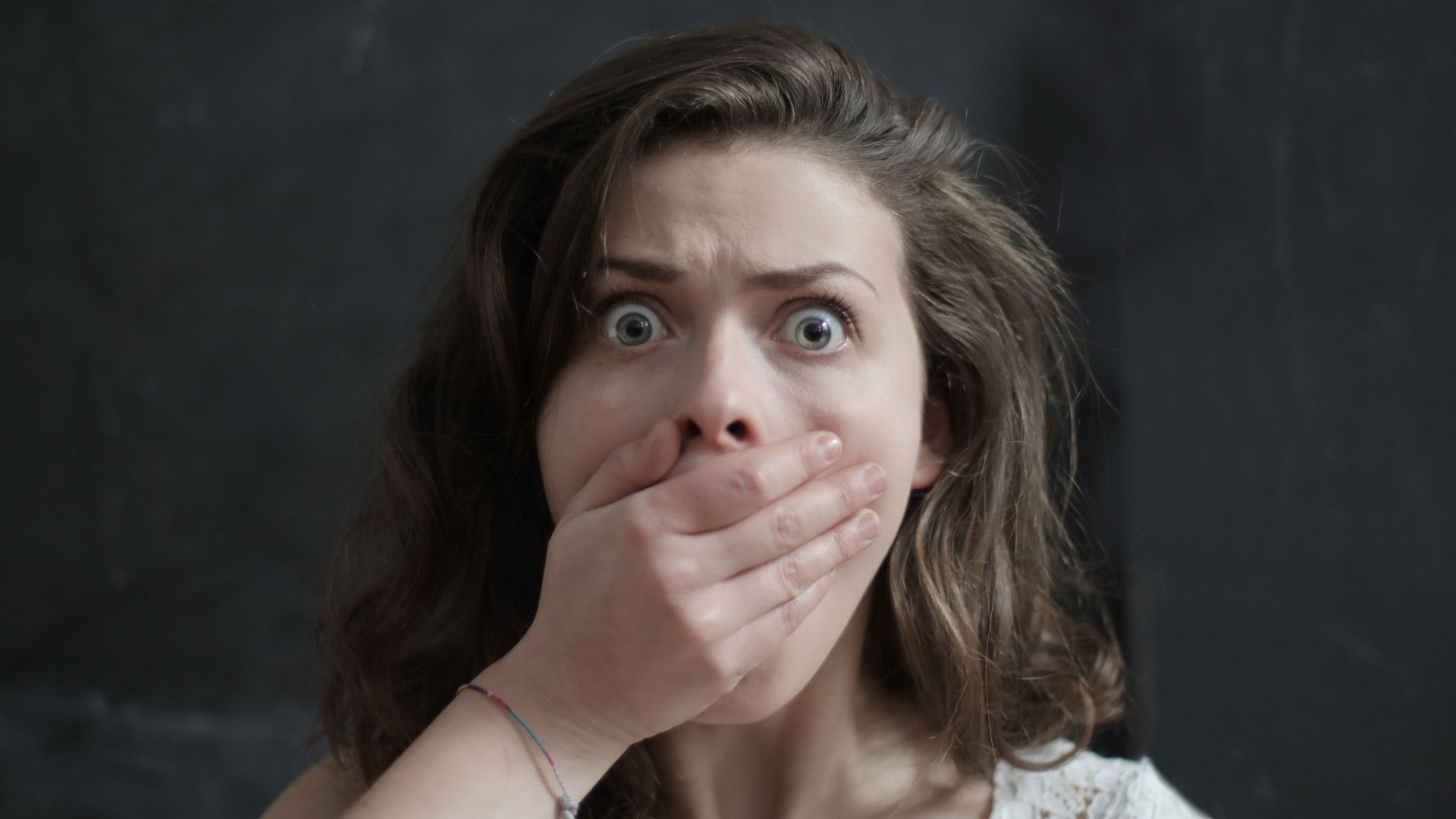
Sensory information takes two routes into the brain. Joseph LeDoux's work mapped the short one, which runs from the thalamus straight to the amygdala and skips the visual cortex entirely. That's why you're already reacting to the shape on the floor a beat before you register that it's a garden hose.
 BUDDHI Kumar SHRESTHA on Unsplash
2. You Flinch
The startle reflex fires roughly 40 milliseconds after a loud noise, starting with a blink and moving down through the neck and shoulders. Your head drops and your arms pull in toward your body. None of it involves a decision on your part.

3. You Stop Moving
Before you run anywhere, you go still. A structure in the midbrain called the periaqueductal gray holds you in place for a fraction of a second while the threat is assessed. Prey animals do the same thing, and for the same reason, since movement is what gets noticed.

4. Your Vagus Nerve Lets Go
Your heart is normally held at a moderate pace by constant vagal braking. That brake comes off first, which is why your heart rate climbs within a beat or two, well before any hormone could have traveled there. The chemical part of the response is still seconds away at this point.

5. Adrenaline Enters the Blood
The hypothalamus signals down the sympathetic chain to your adrenal glands, which release adrenaline and noradrenaline straight into the bloodstream. They reach the heart and lungs within a couple of seconds. Most of what follows is those two hormones finding their receptors.

6. Your Heart Works Harder
Heart rate can climb from 70 to over 120 in a few seconds, and each contraction gets stronger, so cardiac output roughly doubles. The pounding you feel in your chest and throat is a real change in force.
7. Blood Leaves Your Skin
Vessels near the surface clamp down and redirect blood toward the large muscles of your legs and arms. Your face goes pale and your fingers go cold within seconds. Less blood at the surface also means less bleeding if something opens you up.
8. Your Pupils Widen
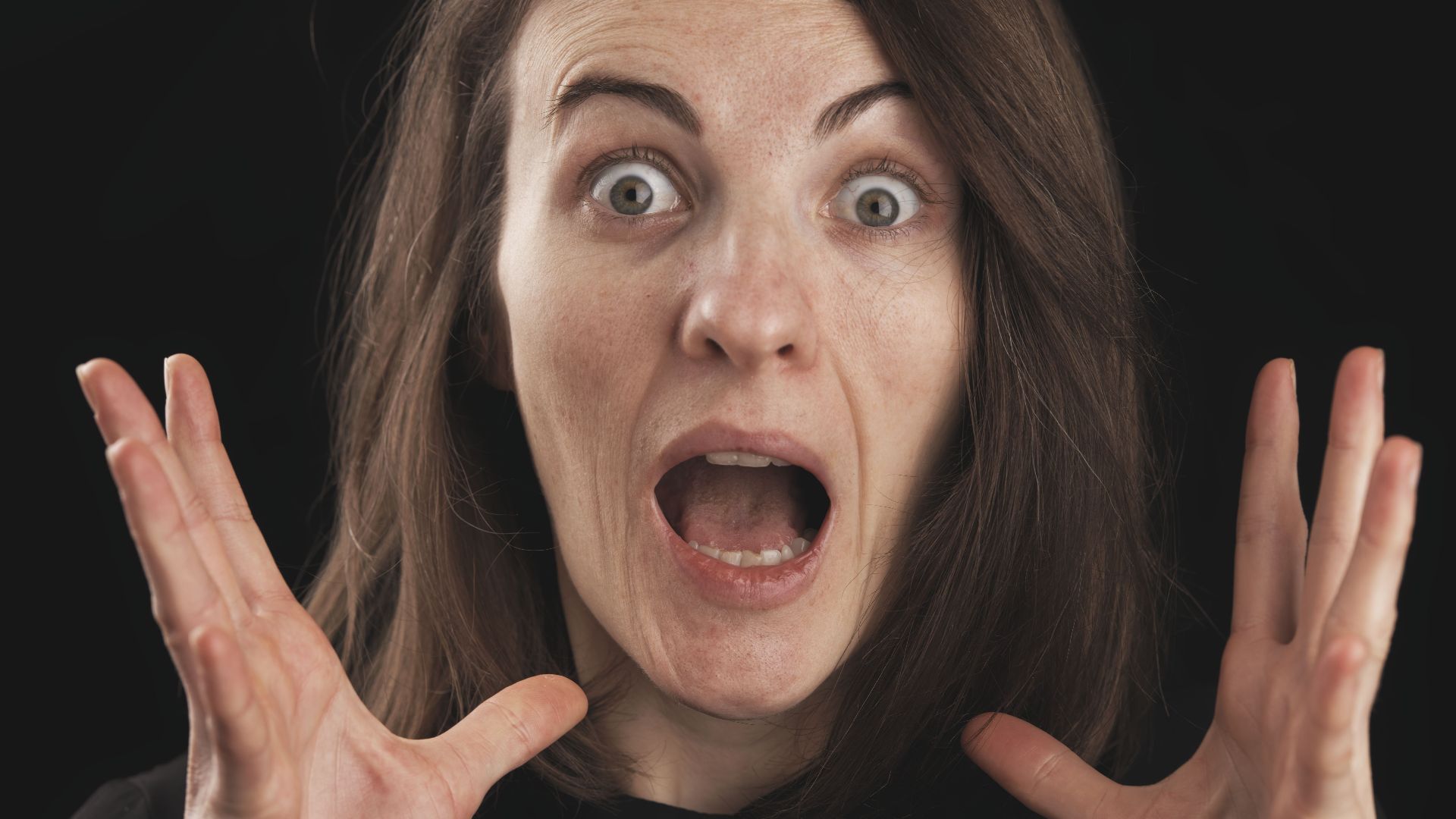
Adrenaline pulls the iris open to let in more light, and depth of field drops as a side effect, so close objects blur a little. The change is fast enough that other people can watch it happen in your eyes.

9. Your Airways Open
The smooth muscle around your bronchial tubes relaxes and the passages widen. Breathing gets faster and shallower at the same time. Overbreathing is what produces the tingling lips and the lightheadedness people often mistake for the fear itself.
 PublicDomainPictures on Pixabay
10. Your Liver Dumps Sugar
Stored glycogen breaks down and floods your bloodstream with glucose, all of it aimed at muscle that may need to work immediately. Insulin release drops at the same moment so the sugar stays available. Your blood glucose can rise noticeably within a minute.
11. Your Spleen Contracts
The spleen holds a reserve of red blood cells and squeezes some of them into circulation when sympathetic nerves fire, which buys you a little extra oxygen per beat. The effect is dramatic in seals and dogs and fairly modest in people.
12. Your Blood Prepares to Clot
Levels of clotting factors including von Willebrand factor rise within minutes of a scare, and platelets become easier to activate. The body is hedging against an injury that hasn't happened. This is one reason acute stress is hard on people with existing heart disease.
13. Your Palms Sweat
The sweat glands on your palms and soles respond to emotion rather than heat, which is a separate system from the one that cools you down. The response starts within a second or two. Polygraph machines are built around measuring exactly this change in skin conductance.

14. Your Hair Stands Up
Tiny muscles at the base of each hair contract and pull it upright. On a cat this puffs up the coat and makes the animal look bigger. On you it produces goosebumps and a wave of prickling across the arms and scalp.

15. Digestion Stops
Blood flow to the stomach and intestines drops sharply, and the muscular contractions that move food along slow to a crawl. Saliva production shuts off, which is where the dry mouth comes from. The churning sensation people describe as butterflies is the gut reacting to being abandoned mid-task.
 Priscilla Du Preez 🇨🇦 on Unsplash
16. Pain Stops Registering
Endogenous opioids released during acute stress raise your pain threshold for a while. Henry Beecher documented this among wounded soldiers at Anzio, many of whom refused morphine despite serious injuries. It's also why people finish a fight before noticing the cut on their hand.

17. Your Attention Narrows
Perception collapses onto the source of the threat and drops most of the periphery. Elizabeth Loftus documented the version of this that shows up in witnesses, who remember the weapon in vivid detail and can't describe the face holding it. You lose information you'd swear you were looking at.
18. Your Thinking Brain Loses Ground
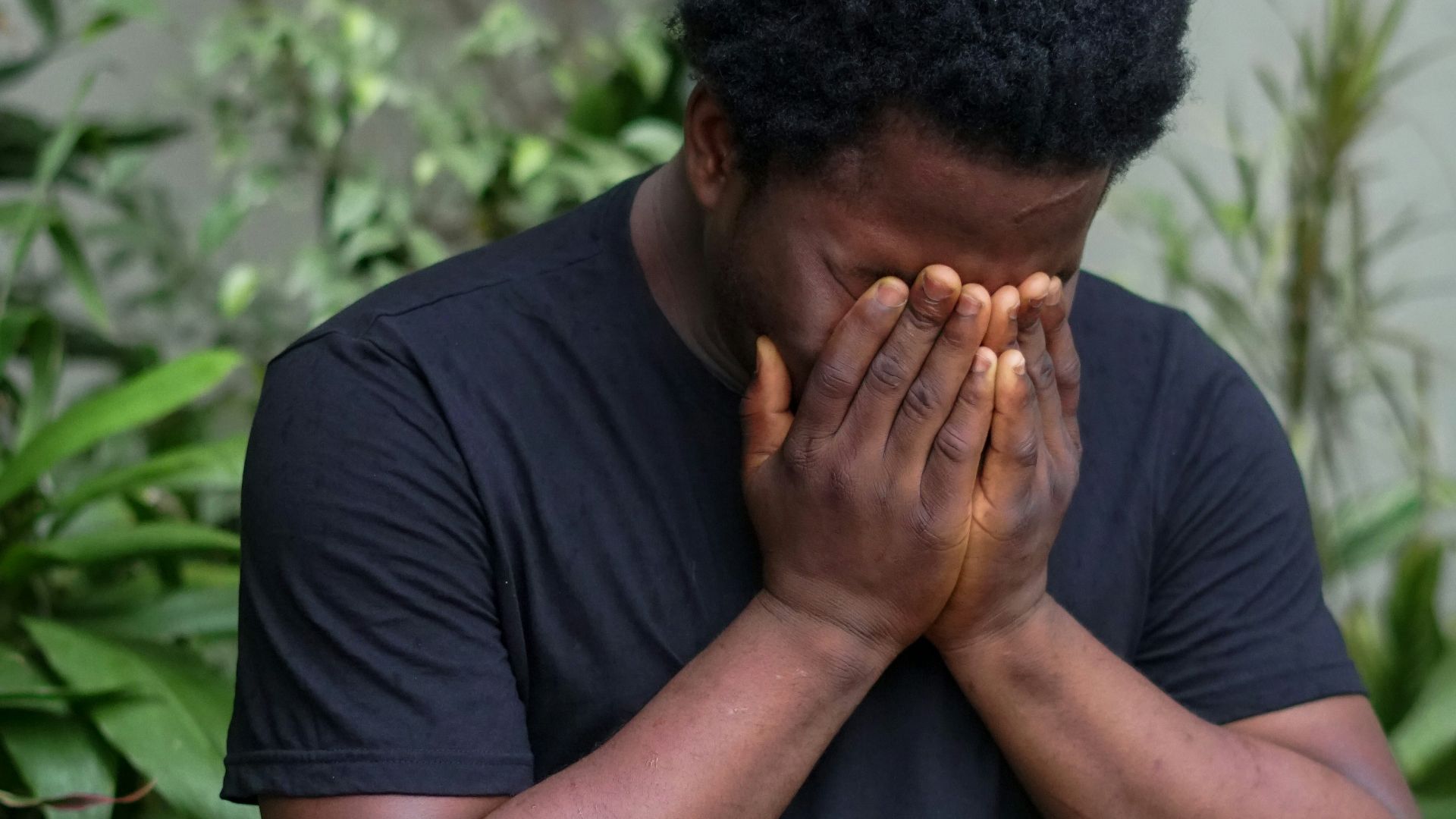
Amy Arnsten's research at Yale describes how high levels of noradrenaline and dopamine weaken prefrontal cortex function. Working memory suffers first, which is why people forget the exit they've used a hundred times. The slower, more deliberate part of you is offline for a bit.
19. Cortisol Shows Up Late
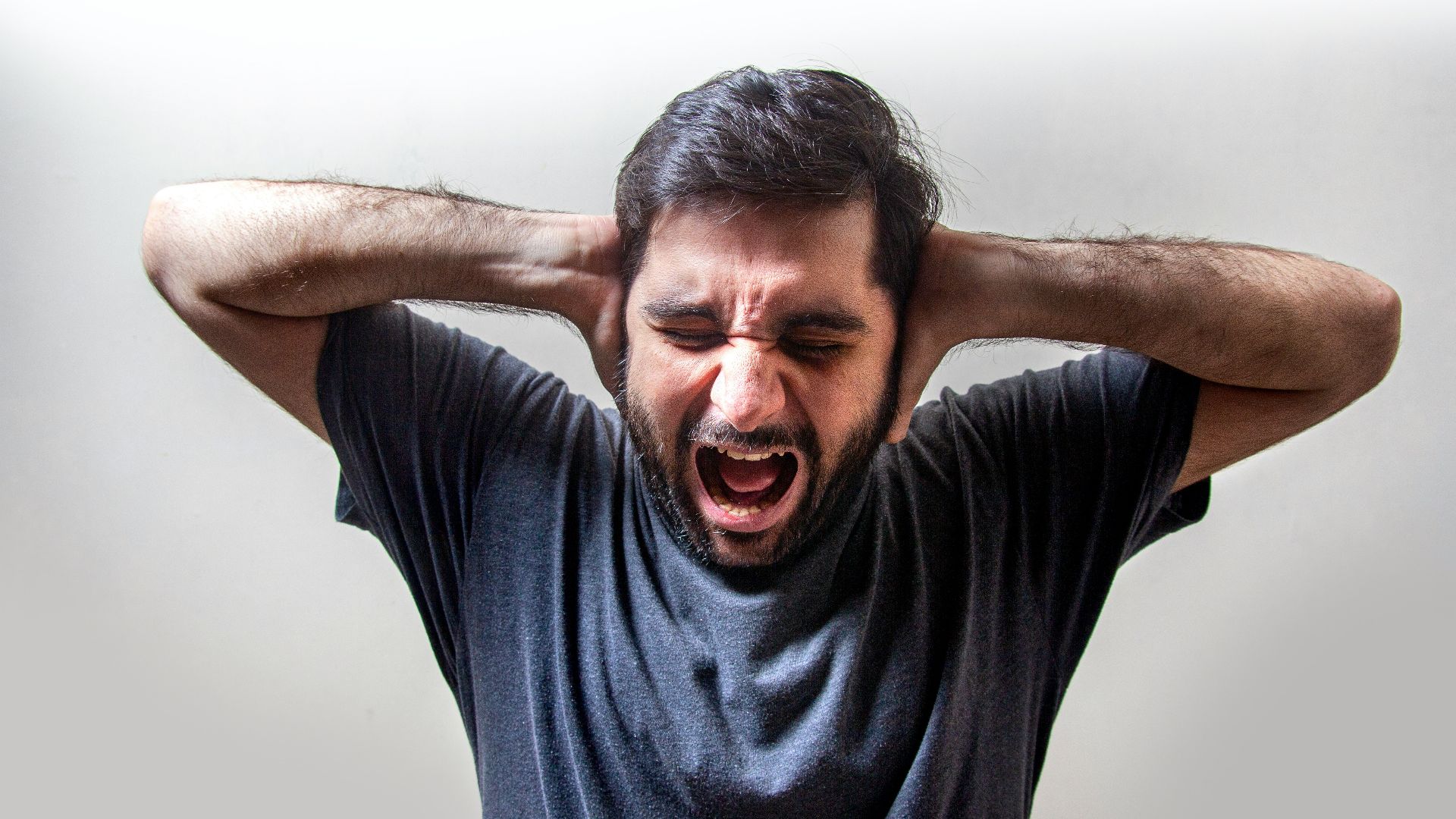
The hormonal chain from the hypothalamus to the pituitary to the adrenal cortex takes far longer than the nerve signals did. Cortisol peaks around fifteen to twenty minutes after the scare, long after you've decided the noise was the cat. That lingering shaky feeling is mostly this.
20. The Memory Gets Burned In
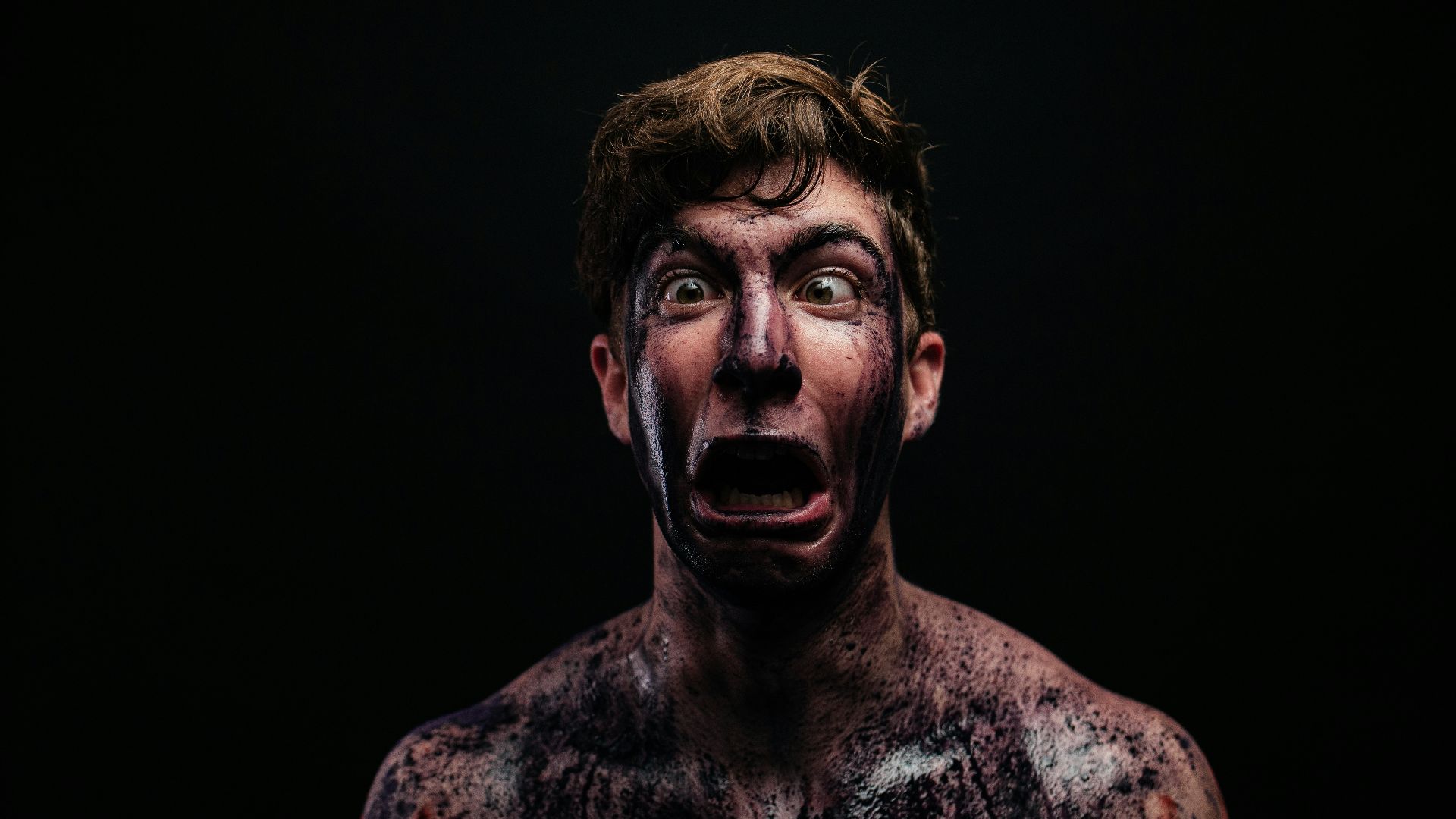
Noradrenaline acting on the amygdala tells the hippocampus to encode this one heavily, which is why frightening moments stay sharp for decades. Those memories also feel like they happened in slow motion. David Eagleman tested the slow-motion idea by dropping volunteers off a tower, and found the effect lives in the recording rather than the eyes.

KEEP ON READING


20 Natural Ways You Can Boost Your Immune System
20 Ways To De-stress & Relax After Work
The 10 Most Common Diseases & The 10 Most Rare