Telltale Clues
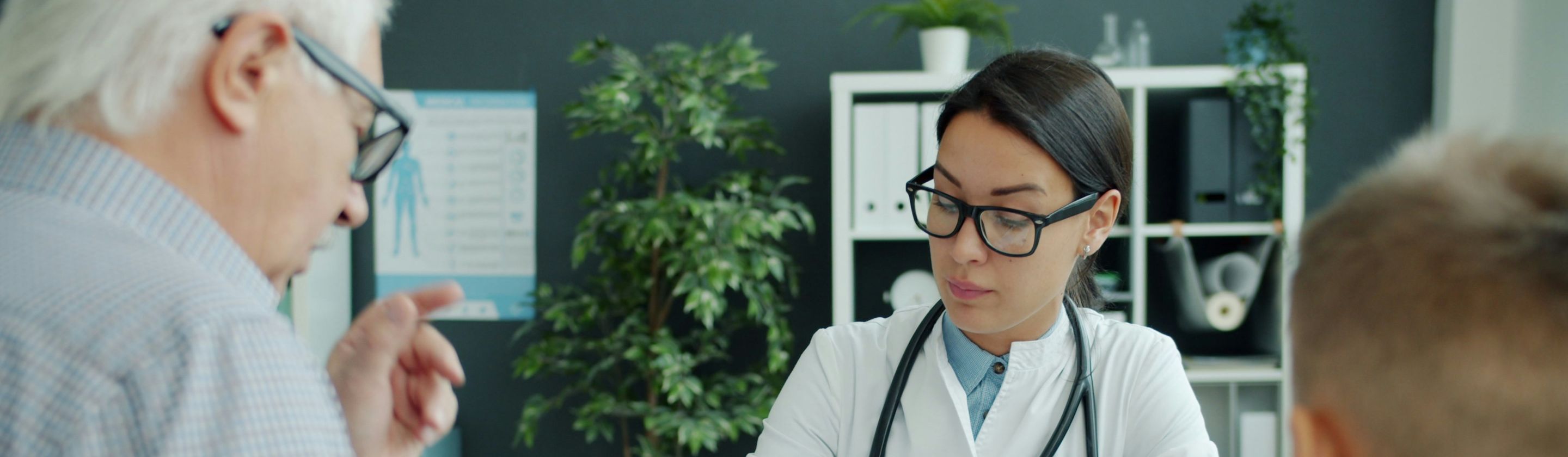
You might think it's easy to tell when you have an infection, but you'd be surprised: most people brush off the abnormal symptoms they experience. But the longer your infection goes untreated, the worse your condition may get, and your immune system, strong as it is, can't fight off everything. If you suddenly develop a fever, have swollen lymph nodes, or experience night sweats, it might be time to see a doctor. Here are 10 warning signs you may be dealing with an infection, and 10 things you should do immediately.

1. You Develop a Fever
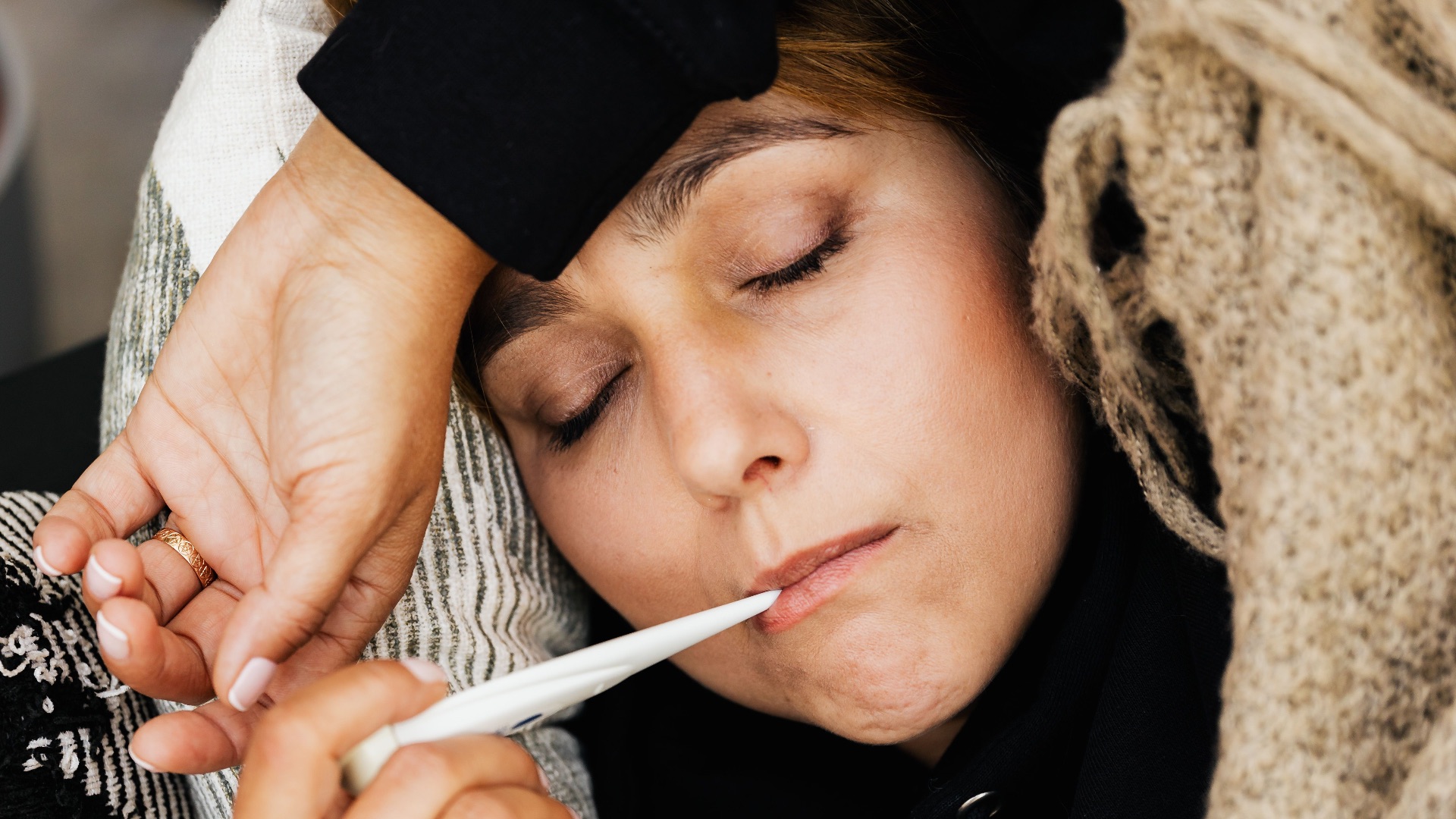
A fever is one of the most common signs that your immune system has been activated, and anything around 100°F (37.8°C) or higher is considered a fever, though body temperature may vary from person to person. While a minor rise in temperature isn't automatically dangerous, you should seek immediate medical care if it hits or exceeds 103°F (39.4°C).
 https://kaboompics.com/ on Pexels
2. Chills or Shivering Set In
A developing infection can also cause chills. Because your body has to quickly adjust its temperature regulation as your immune response kicks in, you might alternate between getting the shivers and feeling overheated. Feeling unusually cold is also among the symptoms doctors watch for when evaluating something potentially more serious.

3. You're Suddenly More Exhausted Than Usual
When your immune system is working overtime, it's no surprise you'll also feel abnormally drained. Fatigue may arrive alongside fever, aches, and other symptoms as well, depending on what's causing the illness. If your condition rapidly worsens, don't simply blame it on a busy week.

4. Your Lymph Nodes Become Swollen
If you feel tender lumps around the neck, under the jaw, in the armpits, or around the groin, those may be your lymph nodes enlarging in response to an infection. These painful nodes can appear suddenly and can remain swollen even after you're feeling better. Always check in with a doctor if they continue growing, become hardened, or don't go away.
 Kateryna Hliznitsova on Unsplash
5. Your Skin Turns Red, Warm, or Swollen
A wound that becomes increasingly red and tender may be a developing infection. Look for signs such as swelling, drainage, redness, or skin that's warm to the touch. Keep in mind that some bacterial skin infections can progress quickly, so never ignore spreading inflammation.

6. A Racing Heart
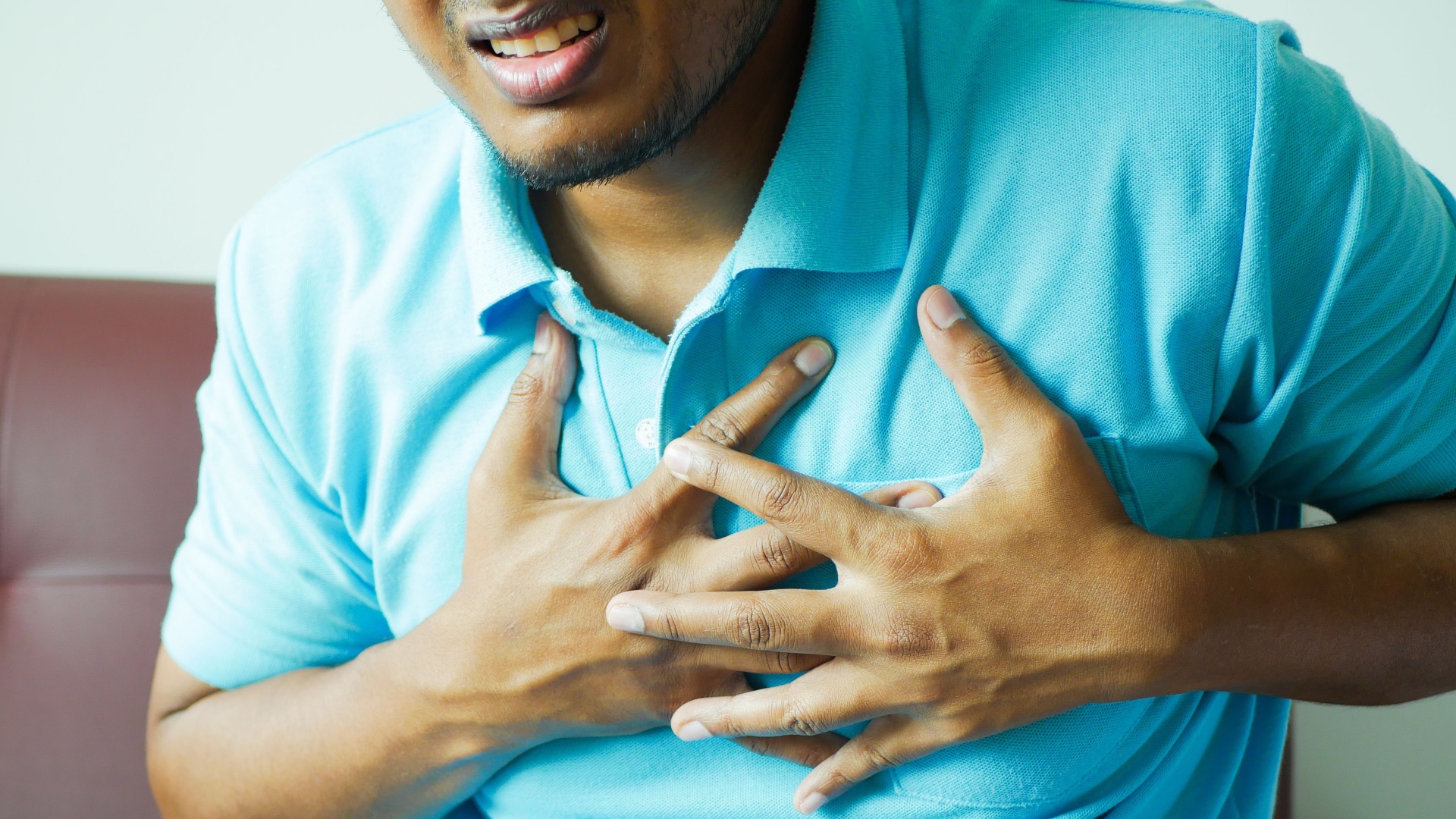
Your heart can race for many reasons, including your body's stress response. But an elevated heart rate becomes concerning when it appears with symptoms such as fever, shortness of breath, or clammy skin. An infection that isn't addressed quickly can turn into sepsis, a life-threatening condition that requires immediate medical attention.
7. You Lose Your Appetite
When you're fighting an infection, food may seem far less appealing; you've probably experienced this effect when you've had a cold. Loss of appetite often comes with other symptoms as well, such as fever, fatigue, or muscle aches. A sustained drop in appetite is especially worrisome, so never ignore the signals your body gives you.
 https://kaboompics.com/ on Pexels
8. Night Sweats
You might assume you're sweating because of a fever, but waking up drenched in sweat is usually a sign that your body is fighting a serious infection. While occasional perspiration isn't always concerning, repeated or unexplained night sweats, especially alongside other concerning symptoms, are worth paying attention to.

9. You Experience Pain in Unusual Areas
Infections often create symptoms around the part of the body that's affected, meaning you'll usually experience tenderness around an infected wound. Keeping that in mind, you should always be wary of new or unexplained pain. If the discomfort becomes severe, seek immediate medical care.

10. You Feel Confused or Short of Breath
If you feel disoriented, confused, or short of breath, take these symptoms seriously; they could signal something life-threatening. This is even more likely if you already have an existing or suspected infection, or if you've recently had surgery. Never "wait and see" if these symptoms resolve on their own, or you may miss your window.
Of course, recognizing a possible infection is only the first step. While you might already have an idea of what to do, here are the steps you should always remember to take:

1. Check Your Temperature
Instead of guessing your temperature, use a thermometer. Write down the reading and note down the date and time, especially if you'll be monitoring your symptoms for the next several days. Tracking the pattern of your fever can give a healthcare professional valuable information.

2. Start Drinking More Fluids
It's much easier to become dehydrated when you're ill or have an infection, so make sure to sip water or other appropriate fluids regularly. If you're unable to keep fluids down or you're showing signs of significant dehydration, seek prompt medical care.

3. Give Yourself Time to Rest
Trying to maintain your normal routine when you're unwell can leave you feeling more exhausted. Your body is already working overtime trying to fight an infection, so let yourself rest and recover while monitoring how your symptoms develop.

4. Pay Attention to Where Symptoms Are Concentrated
Take note of what's actually happening to your body and pay attention to the symptoms you're experiencing. If you can't keep track, note it down or have someone do it for you. Being able to describe where symptoms started and how they've changed can give a doctor useful clues.

5. Keep a Record of Symptoms
Again, not only should you take stock of the symptoms you're getting, but you should also keep a record of them. More than just giving medical professionals valuable information, keeping track of your condition also allows you to monitor whether the illness is improving or worsening.

6. Limit Contact with Others When Appropriate
If your symptoms might be caused by a contagious respiratory or gastrointestinal illness, avoid close contact with others until you're better. Always make sure to wash your hands regularly and refrain from sharing personal items. You don't want your loved ones getting infected, too.

7. Consider Testing for Common Respiratory Illnesses
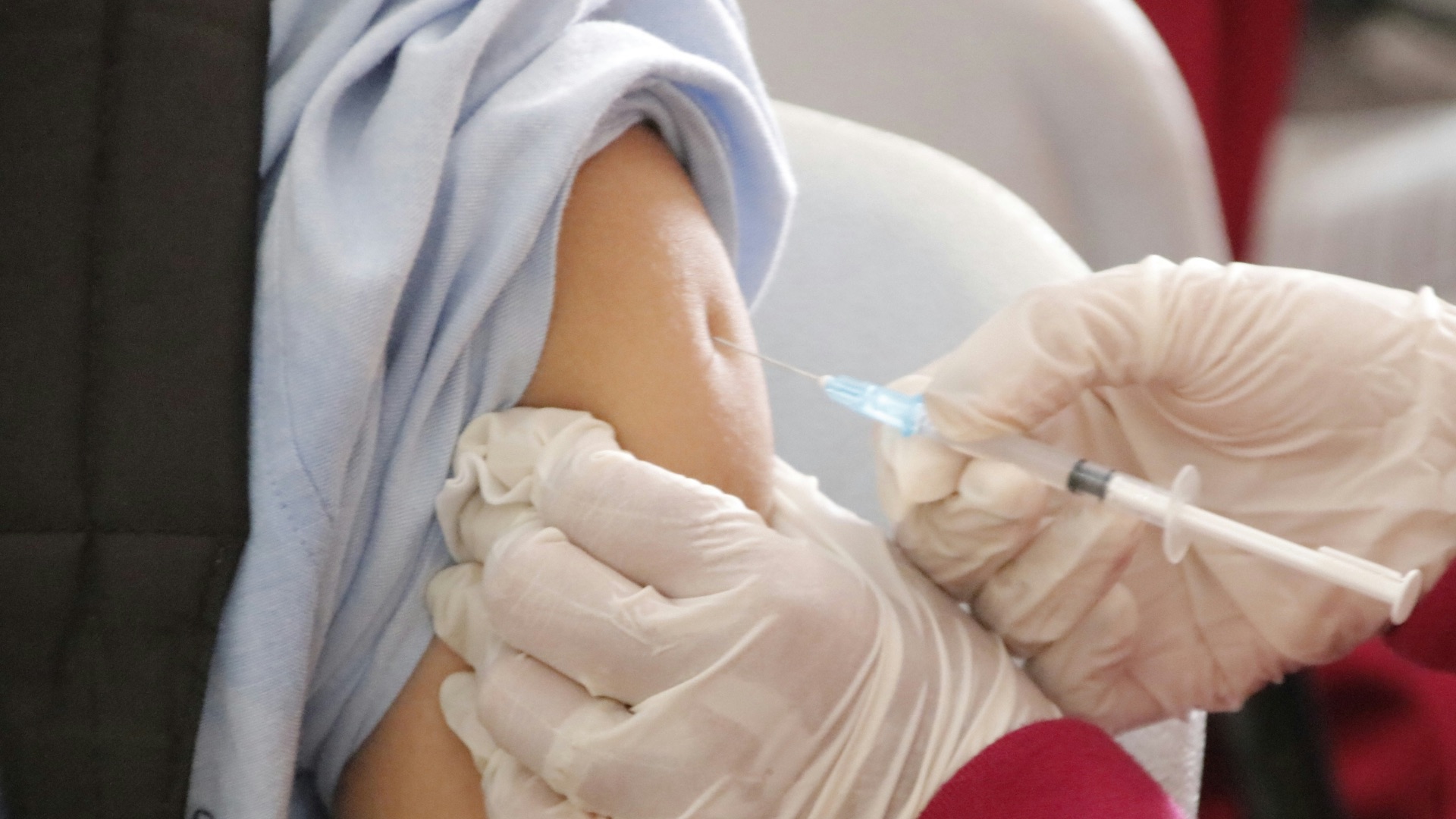
If you suspect you have the flu or COVID-19, get yourself tested, especially if you're someone (or live with someone) with a higher risk of developing severe illness. It's also best to get vaccinated to reduce your chances of future infections.
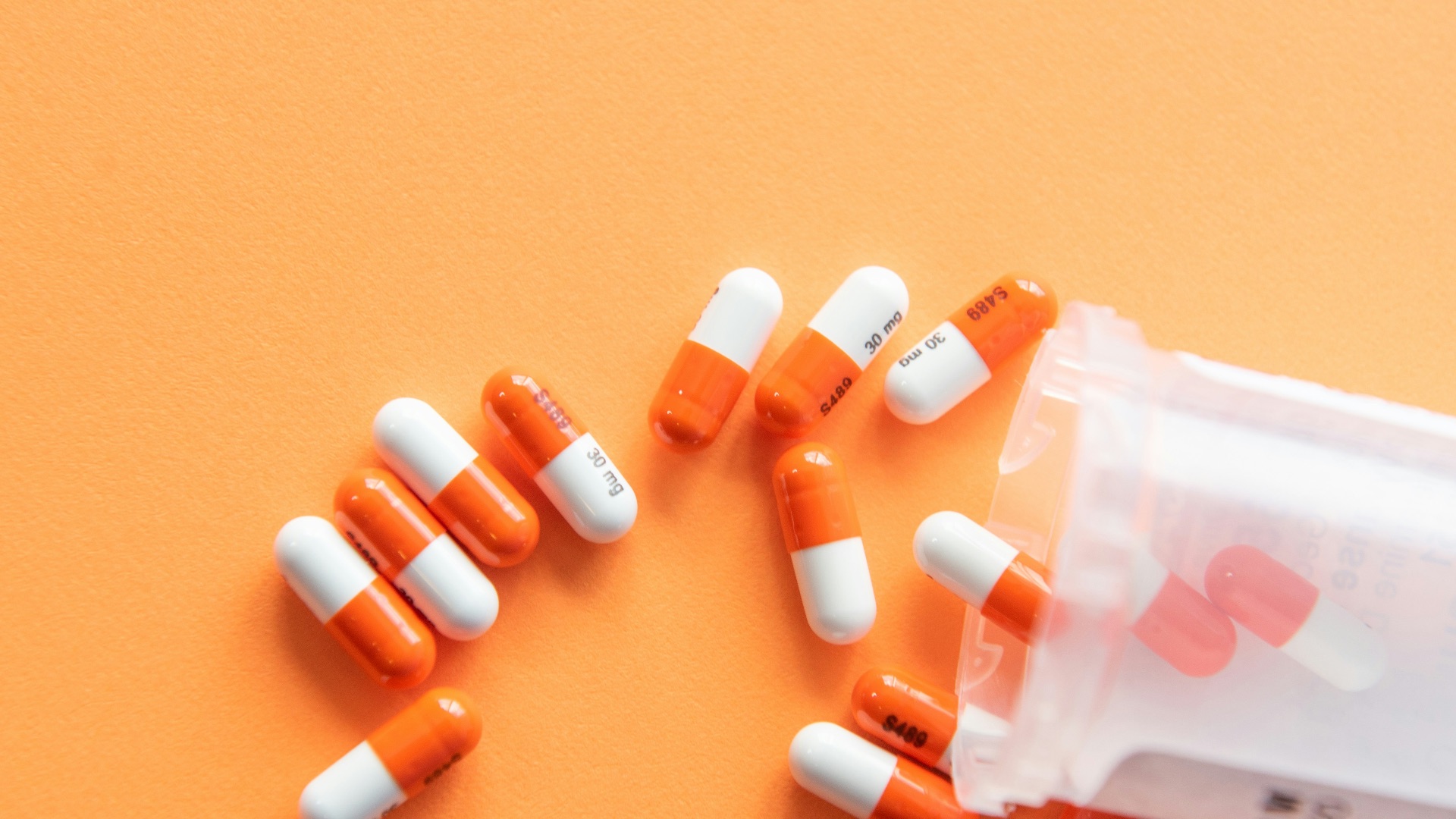
8. Don't Start Leftover Antibiotics
Antibiotics might seem like a miracle treatment, but they don't work for some illnesses. Never take antibiotics without a doctor's instruction, and always follow the dosage and plan according to a healthcare professional's prescription. Remember to always finish the entire course.
 Christina Victoria Craft on Unsplash
9. Seek Medical Care If Things Get Worse
Symptoms that persist or rapidly worsen require immediate medical guidance. This is especially important for people who are pregnant, immunocompromised, or living with health conditions that increase their risk of complications. Never put off an infection that's clearly getting worse.
 National Cancer Institute on Unsplash
10. Know When It's an Emergency
If you experience symptoms such as severe shortness of breath, racing heart, confusion, or extreme pain, head to your nearest emergency room. An infection that rapidly deteriorates your body may signal something severe and potentially life-threatening, so act fast.

KEEP ON READING

20 Things Your Body Is Secretly Doing Right Now