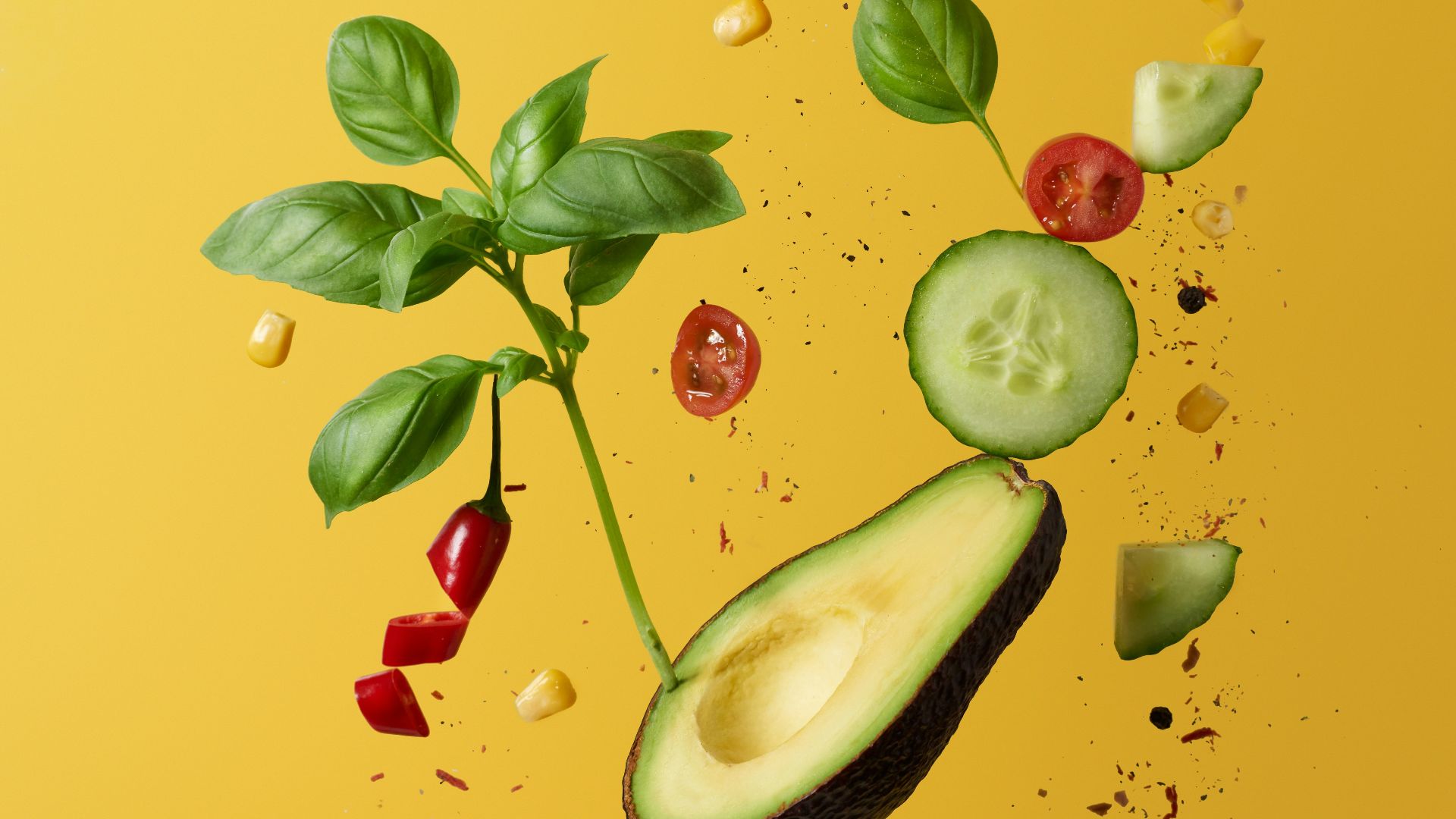
Your Plate Might Be Getting a Little Too Predictable
Having a rotation of a few dependable meals makes life easier, especially when you're busy, but eating the same foods day after day can leave some nutritional gaps. Different foods provide different combinations of vitamins, minerals, fiber, protein, healthy fats, and plant compounds, so variety can help you cover more bases. You don't need to overhaul your entire grocery cart every week, either. Sometimes adding a new fruit, changing your usual grain, or rotating your vegetables is enough to make your diet noticeably more diverse. Here are 20 signs you need more variety in your diet.

1. You're Tired More Often Than Usual
Persistent fatigue can have dozens of causes, but nutrition is one of the possibilities worth considering. Iron, vitamin B12, folate, carbohydrates, protein, and other nutrients all play roles in keeping your energy levels up. If your diet revolves around a limited number of foods, you may not consistently get enough of everything your body needs.

2. You're Getting Constipated Regularly
A repetitive diet can easily become a low-fiber diet, particularly when fruits, vegetables, legumes, and whole grains don't appear very often. Different plant foods provide different types of fiber that help support regular bowel movements. If constipation has become a frequent issue, taking a closer look at the variety of plants you eat may be worthwhile.

3. Your Hair Seems to Be Thinning
Hair naturally sheds, but noticeable or persistent thinning can sometimes occur when your body isn't getting enough of certain nutrients. Protein, iron, zinc, essential fatty acids, and several vitamins are involved in normal hair growth.

4. Your Nails Have Become Brittle
Nails that suddenly split, peel, or break more easily can occasionally provide clues about your overall nutrition. Iron, zinc, protein, and other nutrients contribute to healthy nail growth, and an overly restrictive diet can make deficiencies more likely. Nail changes alone don't prove anything, but they're worth paying attention to when other symptoms appear too.

5. You're Getting Mouth Sores
Recurring cracks around the corners of your mouth or frequent sores inside it can sometimes be associated with nutritional deficiencies. Low levels of iron and certain B vitamins are among the possible contributors. If your meals rarely change, expanding the foods you eat can help provide a broader range of these nutrients.

6. Your Skin Has Become Unusually Dry
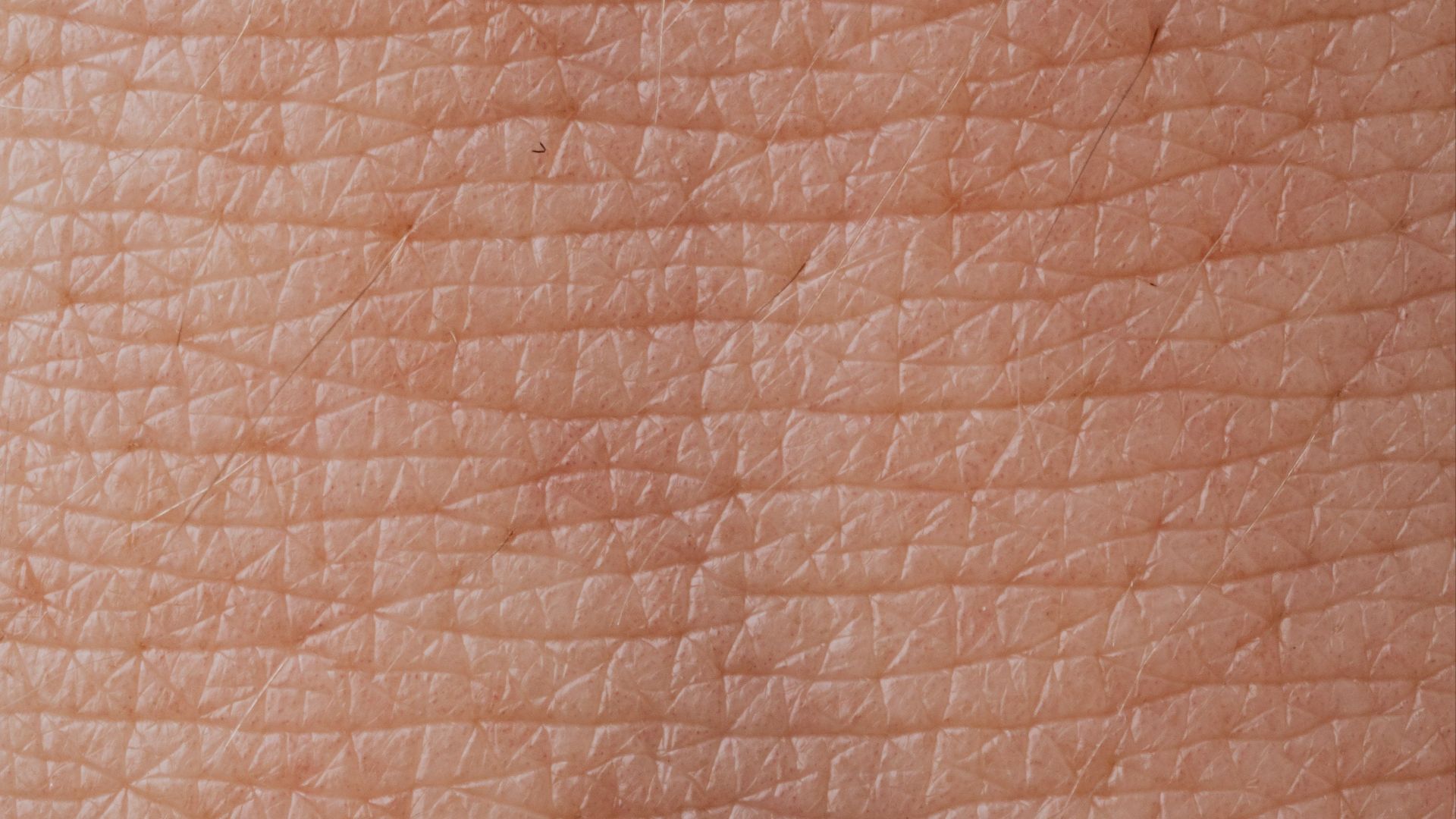
Dry skin isn't automatically a diet problem, especially during winter or in dry climates. However, healthy skin relies on nutrients including essential fatty acids, vitamins, minerals, and adequate hydration. Someone eating a particularly narrow or low-fat diet might be missing foods that help support the skin barrier.
 https://kaboompics.com/ on Pexels
7. You're Bruising More Easily
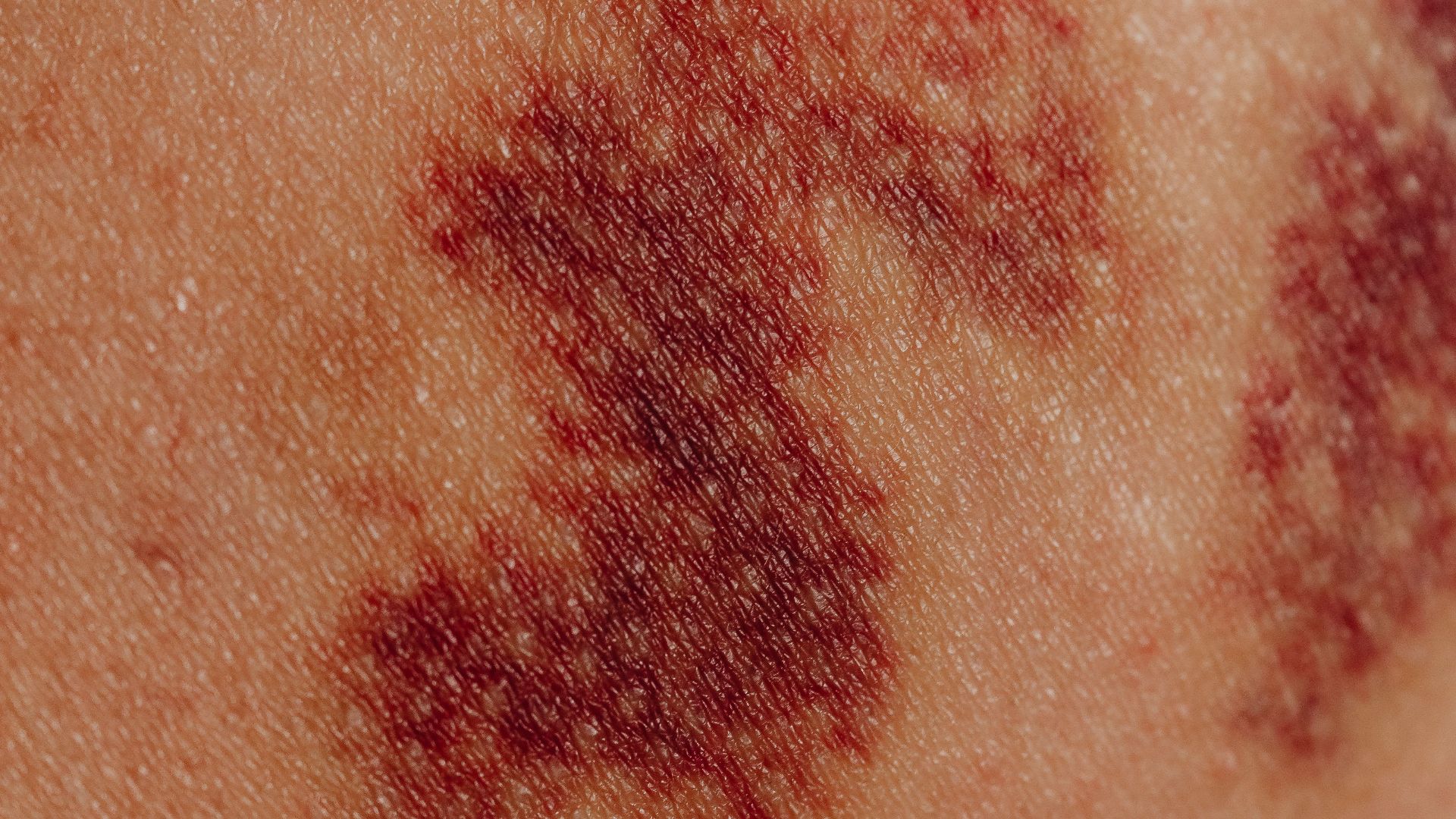
Finding unexplained bruises more often than usual deserves attention. Vitamin C and vitamin K both contribute to processes involved in healthy blood vessels and clotting, although easy bruising can have many other causes. Persistent or unexplained bruising should be evaluated medically, especially if the change is new.
 https://kaboompics.com/ on Pexels
8. Small Cuts Seem to Heal Slowly
Healing damaged tissue requires quite a nutritional team effort. Your body uses protein, vitamin C, zinc, and other nutrients to repair wounds, so inadequate intake can potentially slow that process. If even minor injuries seem unusually stubborn, your diet may be one factor worth discussing with a healthcare provider.

9. You Keep Getting Muscle Cramps
Muscle cramps aren't always caused by what you eat, but nutrition and hydration can sometimes play a role. Potassium, magnesium, calcium, sodium, and adequate fluids are all involved in normal muscle function. Eating a wider range of fruits, vegetables, legumes, dairy foods, nuts, seeds, and other nutrient-rich choices can make it easier to cover those bases.

10. You Feel Weak During Workouts
If workouts that once felt manageable suddenly leave you struggling, your body may not be getting enough fuel or certain nutrients. Carbohydrates help supply exercise energy, while protein, iron, electrolytes, and other nutrients support performance and recovery. An overly limited diet can make it harder to meet all of those needs consistently.

11. You're Getting Sick More Frequently
Your immune system depends on adequate nutrition, including protein, zinc, selenium, vitamins A, C, D, E, and several B vitamins. No individual food will totally prevent you from catching a cold, but a varied diet helps supply the nutrients involved in normal immune function.

12. You Feel Dizzy or Lightheaded
Occasional lightheadedness can happen for plenty of reasons, from dehydration to standing up too quickly. Low iron, vitamin B12, folate, insufficient calorie intake, and other nutritional issues can also contribute in some cases. That being said, repeated dizziness deserves medical attention.

13. You're Having Trouble Concentrating
Brain fog isn't a medical diagnosis, but it's a familiar feeling when concentrating suddenly requires more effort than usual. Inadequate calories, iron, vitamin B12, omega-3 fats, and other nutritional factors can sometimes affect cognitive function or energy. A diet with more whole grains, produce, healthy fats, protein sources, and other varied foods may help ensure you're not repeatedly missing key nutrients.

14. Your Tongue Looks Sore or Unusually Smooth
It may sound like an oddly specific symptom, but changes to the tongue can occasionally accompany nutrient deficiencies. Low iron, folate, or vitamin B12, for example, may sometimes be associated with soreness or changes in its appearance. Persistent tongue changes are something to bring up with a healthcare professional.

15. You're Experiencing Tingling in Your Hands or Feet
Pins and needles can happen simply because you sat in an awkward position, but recurring tingling is a different story. Certain vitamin deficiencies, including vitamin B12 deficiency, can affect nerve function and produce numbness or tingling. Since neurological symptoms can have many causes, ongoing sensations like these should be medically evaluated.

16. Your Bones Seem More Fragile
You generally won't feel a nutrient deficiency developing inside your bones, which is part of what makes bone health easy to overlook. Calcium, vitamin D, protein, magnesium, and other nutrients help support bone strength over time. A restrictive diet that repeatedly excludes major sources of these nutrients can make meeting your needs more difficult.

17. You're Feeling Cold All the Time
Some people naturally run colder than others, but suddenly feeling chilled more frequently can occasionally be associated with anemia or inadequate calorie intake. Iron, vitamin B12, folate, and sufficient overall nutrition all play roles in processes related to healthy red blood cells and energy production. A noticeable change in your tolerance for cold is worth discussing with your doctor.

18. Your Digestion Has Become Unpredictable
One day you're constipated, another day you're bloated, and your stomach never seems quite settled. While digestive symptoms can have many causes, eating a very limited selection of foods may mean your gut isn't receiving much variety in dietary fiber. Gradually introducing different plant foods can help diversify your fiber intake, although persistent digestive problems should be properly investigated.

19. Your Appetite Has Changed
Nutritional imbalances can sometimes affect appetite, although there are many medical, emotional, and lifestyle factors that can do the same thing. A diet that's too restrictive may also leave meals less satisfying because you're repeatedly missing adequate protein, fiber, fat, or overall energy. Significant appetite changes, especially alongside unexpected weight changes, deserve medical attention.

20. Several Small Symptoms Are Showing Up at Once
One cracked nail or tired afternoon probably doesn't tell you much about your diet. When fatigue, digestive trouble, skin changes, weakness, or other symptoms begin piling up together, however, it may be worth examining whether your meals are providing enough nutritional diversity. Rather than chasing one supposed superfood, aim for a broader mix of fruits, vegetables, whole grains, proteins, healthy fats, nuts, seeds, and legumes.