
The Organ You Wear
Skin is the one organ you can inspect yourself, which is probably why everyone thinks they already know how it works. It does a lot more than hold you together. It picks up chemical signals, carries its own bacteria, and has nerves that exist only to report an itch. Dermatologists build whole careers on things that never come up in a biology class. Here's 20 facts about the largest organ you own.

1. It Outweighs Your Brain
The average adult carries about eight pounds of skin across roughly twenty-two square feet. That makes it the heaviest organ in the body by a comfortable margin, ahead of the liver and far ahead of the brain. Laid flat, it would cover most of a queen-sized mattress.

2. You Shed a Layer Every Month
Thirty to forty thousand skin cells fall off you every minute. The whole outer epidermis replaces itself in about four weeks, meaning the surface you have today isn't the one you had in the spring. That adds up to roughly a pound of you leaving per year.
3. Wet Fingers Wrinkle on Purpose
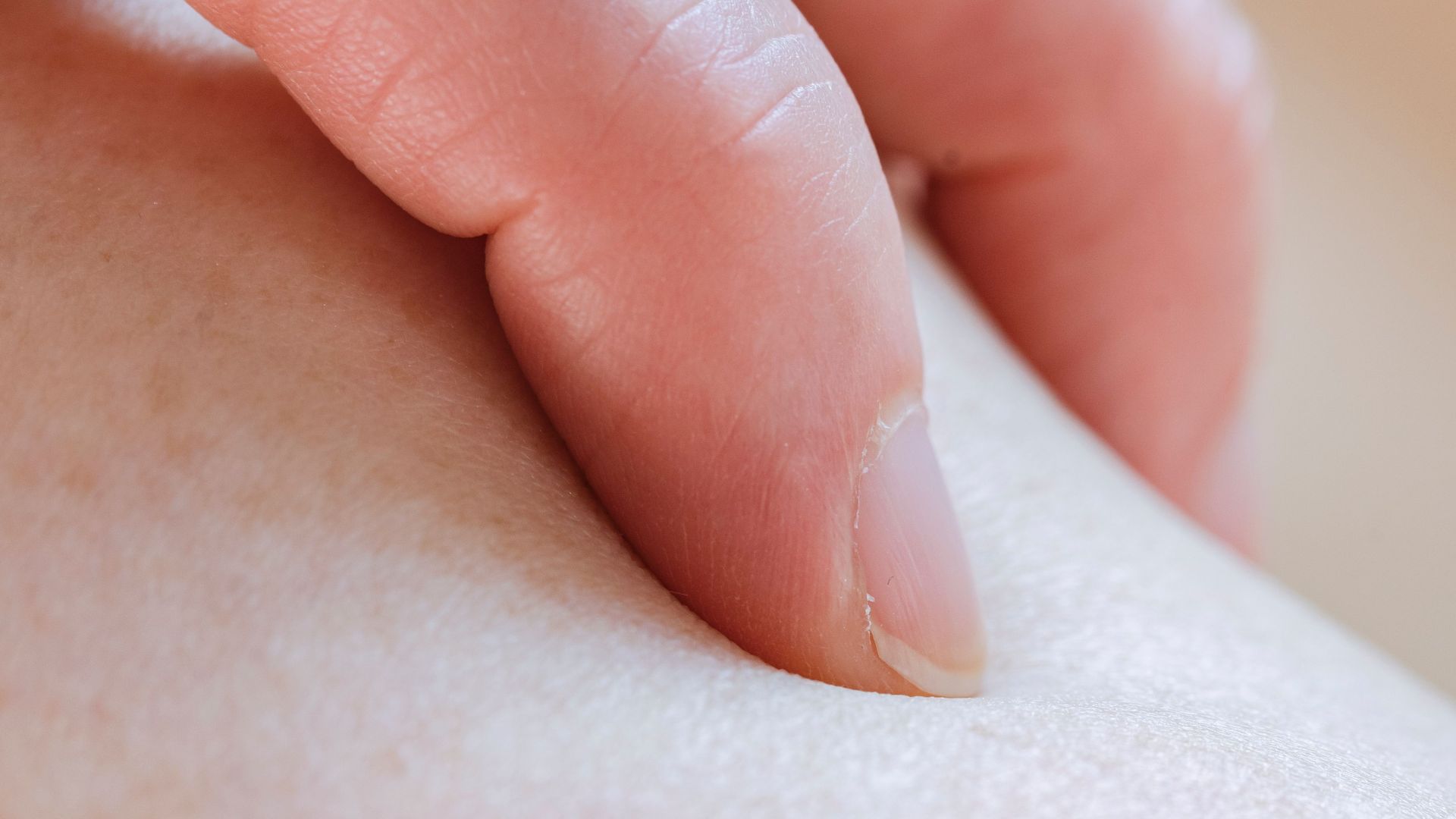
Pruning has nothing to do with water soaking in. Your nervous system triggers it by constricting blood vessels under the surface, and people with certain nerve damage in their hands don't prune at all. Newcastle University researchers found in 2013 that wrinkled fingers grip wet objects better than smooth ones.

4. Goosebumps Are Leftover Fur
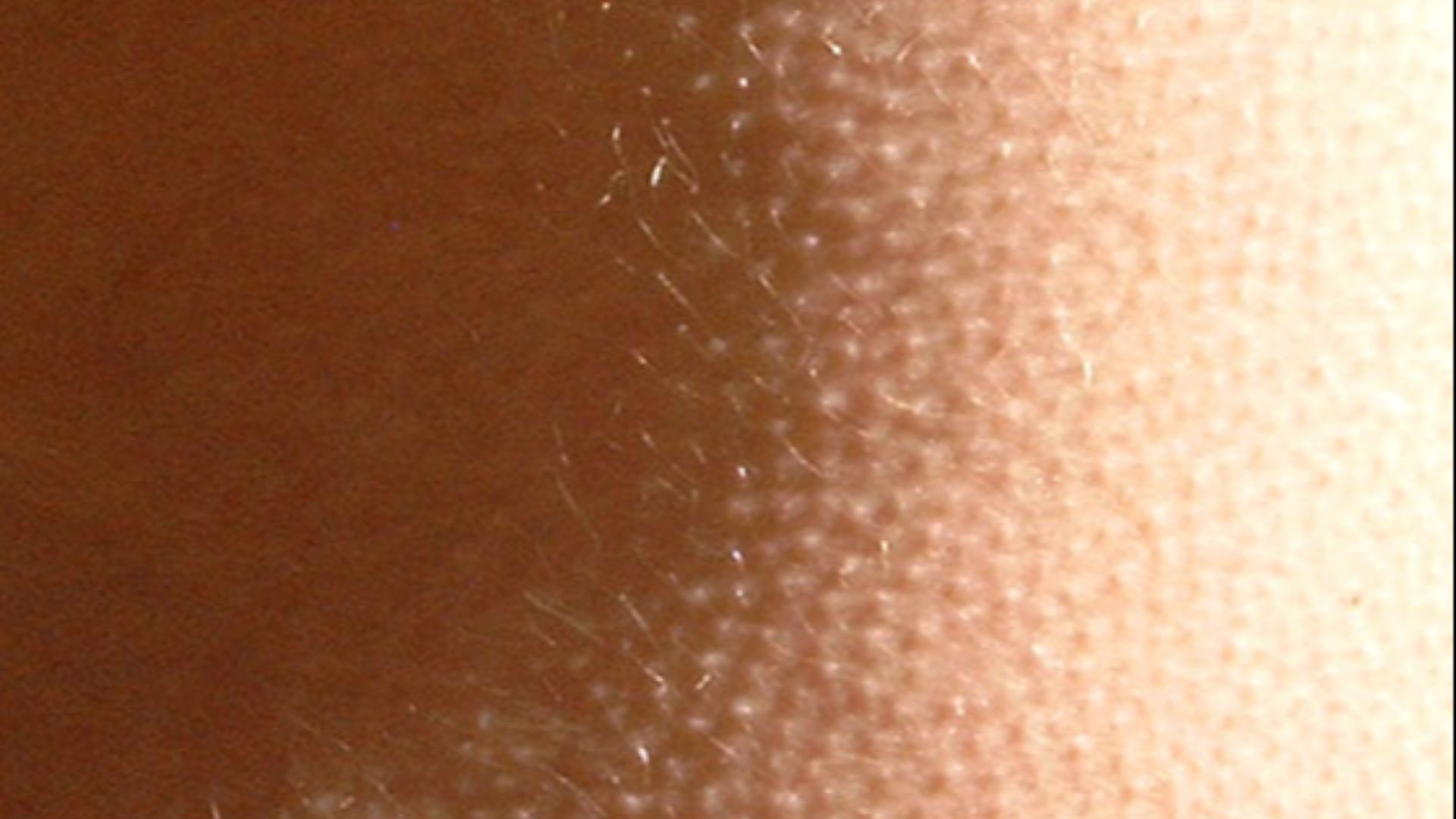
Small muscles called arrector pili sit at the base of every hair and yank it upright when you're cold or startled. On an animal with a real coat, that traps warm air or makes the animal look bigger to a predator. On you it accomplishes absolutely nothing.
5. Your Fingerprints Predate You
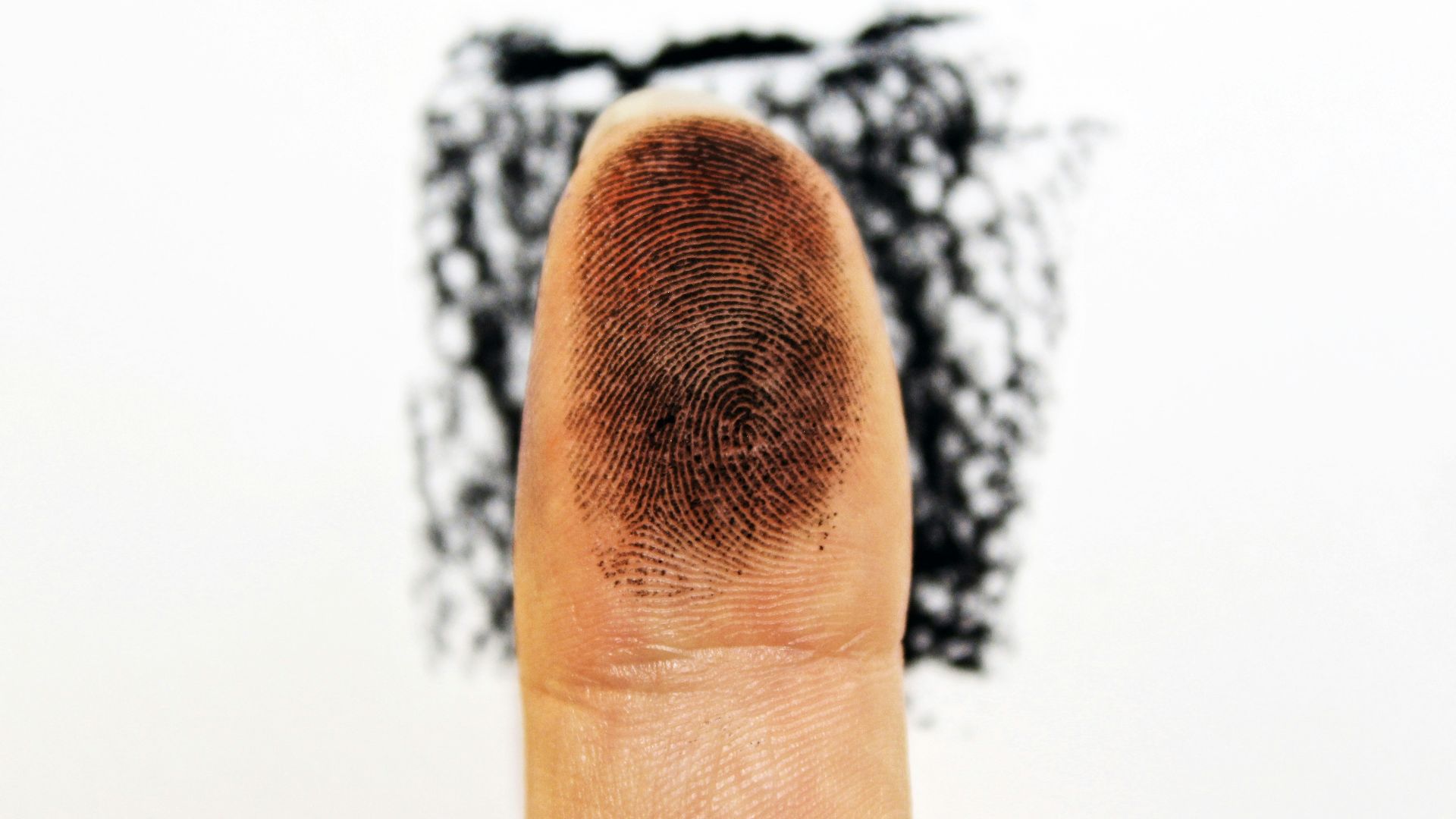
Ridge patterns form in the womb between weeks ten and twenty-four, shaped in part by how the fetus presses against the amniotic sac. Identical twins share DNA and still end up with different prints, since the pressure and position differ for each. Once set, the pattern only ever grows in scale.
6. Koalas Could Frame You
Koala fingerprints resemble human ones so closely that experts struggle to separate them under a microscope. Both species arrived at the trait independently, tens of millions of years apart, most likely for gripping. Australian police have floated the idea of koala prints confusing a crime scene, though no case has ever hinged on it.

7. Itch Has Its Own Wiring
For decades itch was treated as a weak version of pain running the same pathways. Researchers have since isolated nerve fibers that carry itch and nothing else, plus a dedicated relay in the spinal cord. Scratching works by flooding those circuits with a competing pain signal.

8. Your Skin Can Smell
Keratinocytes carry olfactory receptors, the same protein family your nose relies on. A team at Ruhr University Bochum showed in 2014 that one of them, OR2AT1, responds to a synthetic sandalwood compound by accelerating wound healing. Your arm isn't perceiving odor, but the hardware is sitting right there.

9. Tattoos Stay Put Because of Immune Cells
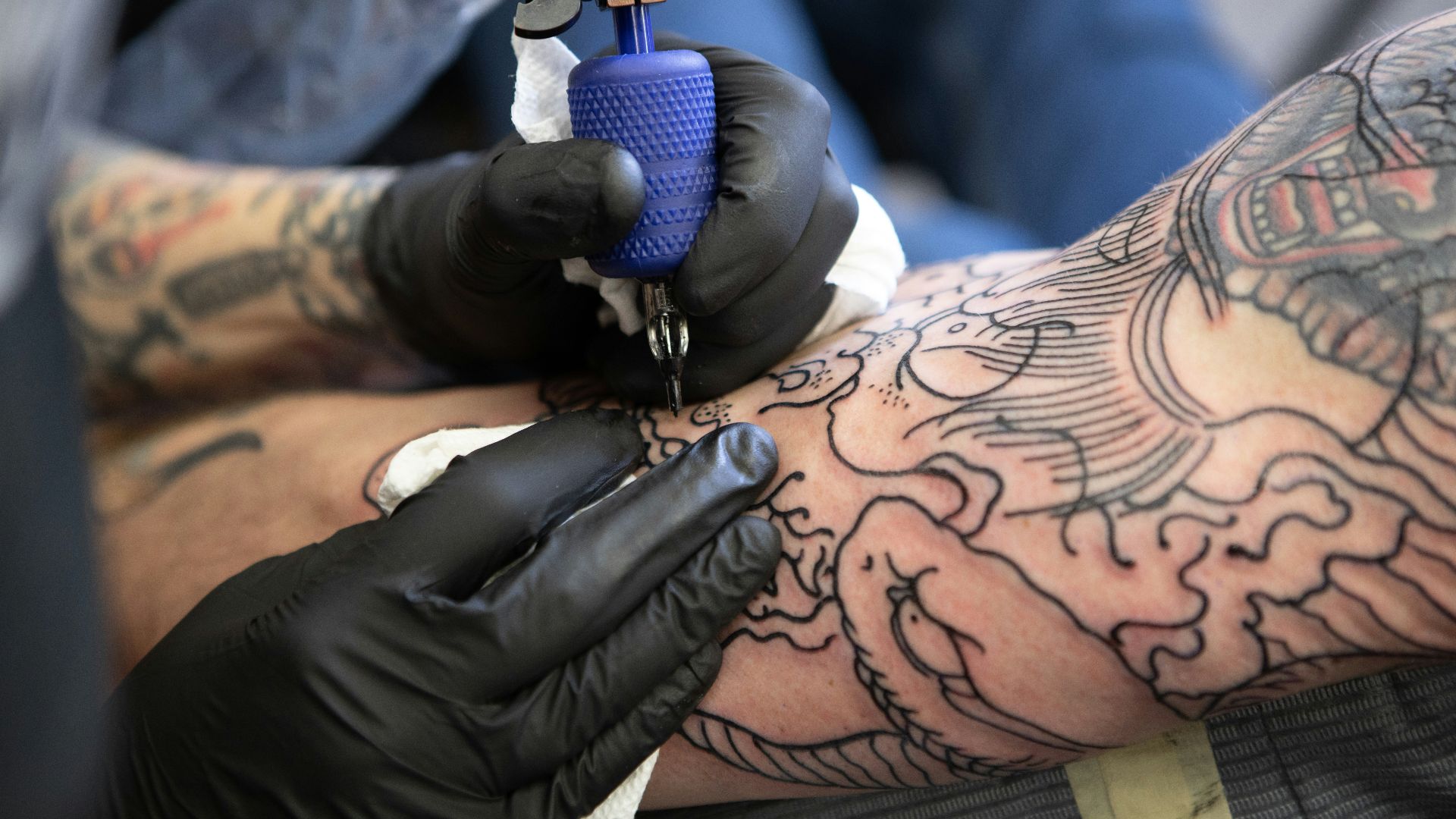
Ink doesn't just sit inertly in the dermis waiting out the decades. Macrophages swallow the pigment, and when one of them dies a replacement arrives and eats the same particles again. French researchers traced that cycle in mice in 2018, which explains how a tattoo outlasts the cells holding it.
10. Everyone Has Invisible Stripes
Alfred Blaschko mapped a system of lines across the human body in 1901 by tracing how skin cells migrate during embryonic development. Nobody can see them under normal conditions. Certain rashes and genetic conditions follow the lines exactly, which is when a person discovers the pattern they've had all along.
11. There Are Mites on Your Face
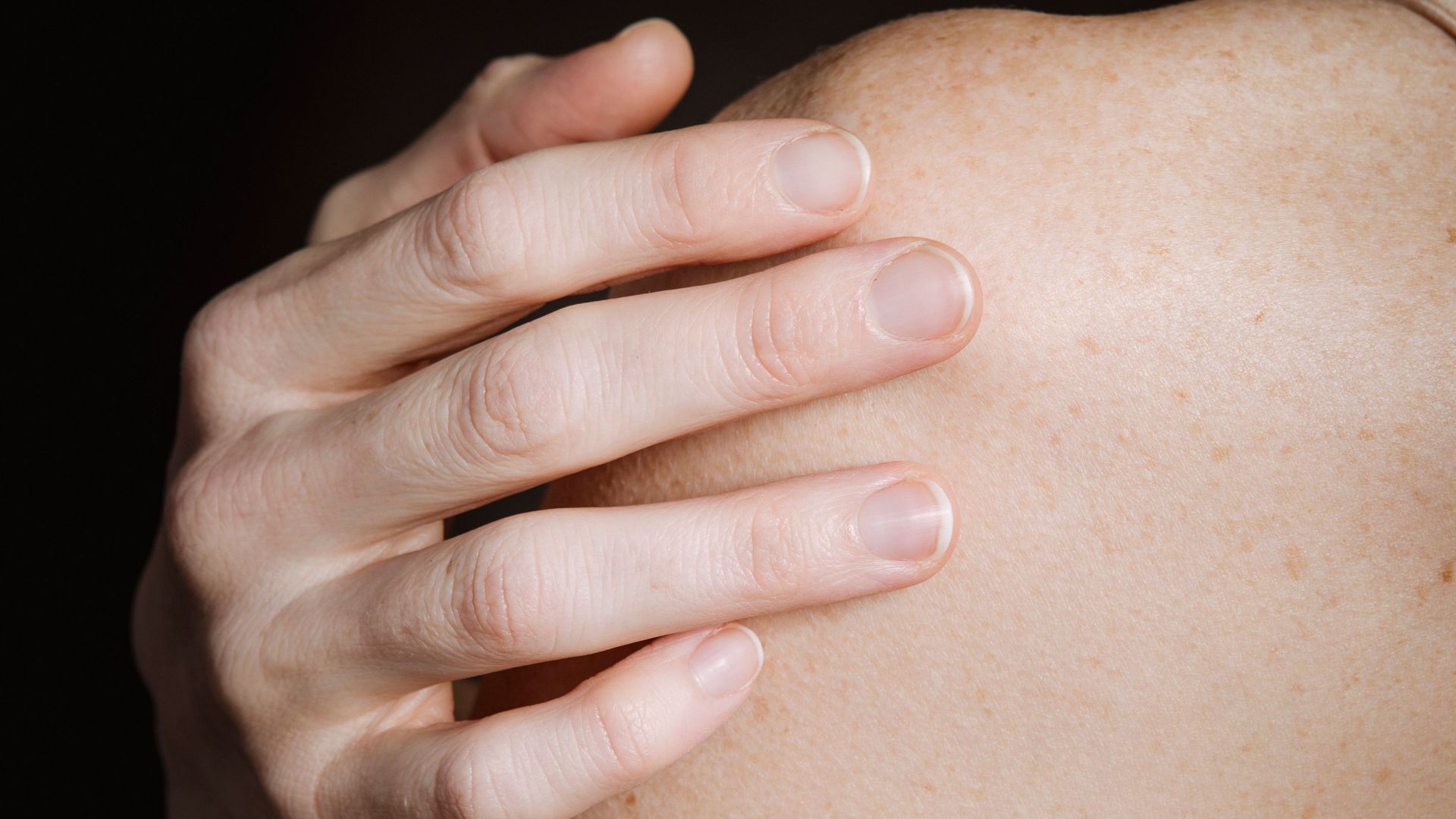
Demodex folliculorum lives in the follicles of nearly every adult human, clustered around the nose, cheeks, and eyelashes. You inherited yours from whoever held you as an infant. The species has no excretory opening, so waste builds up inside the mite until it dies.
12. Sweat Has No Smell
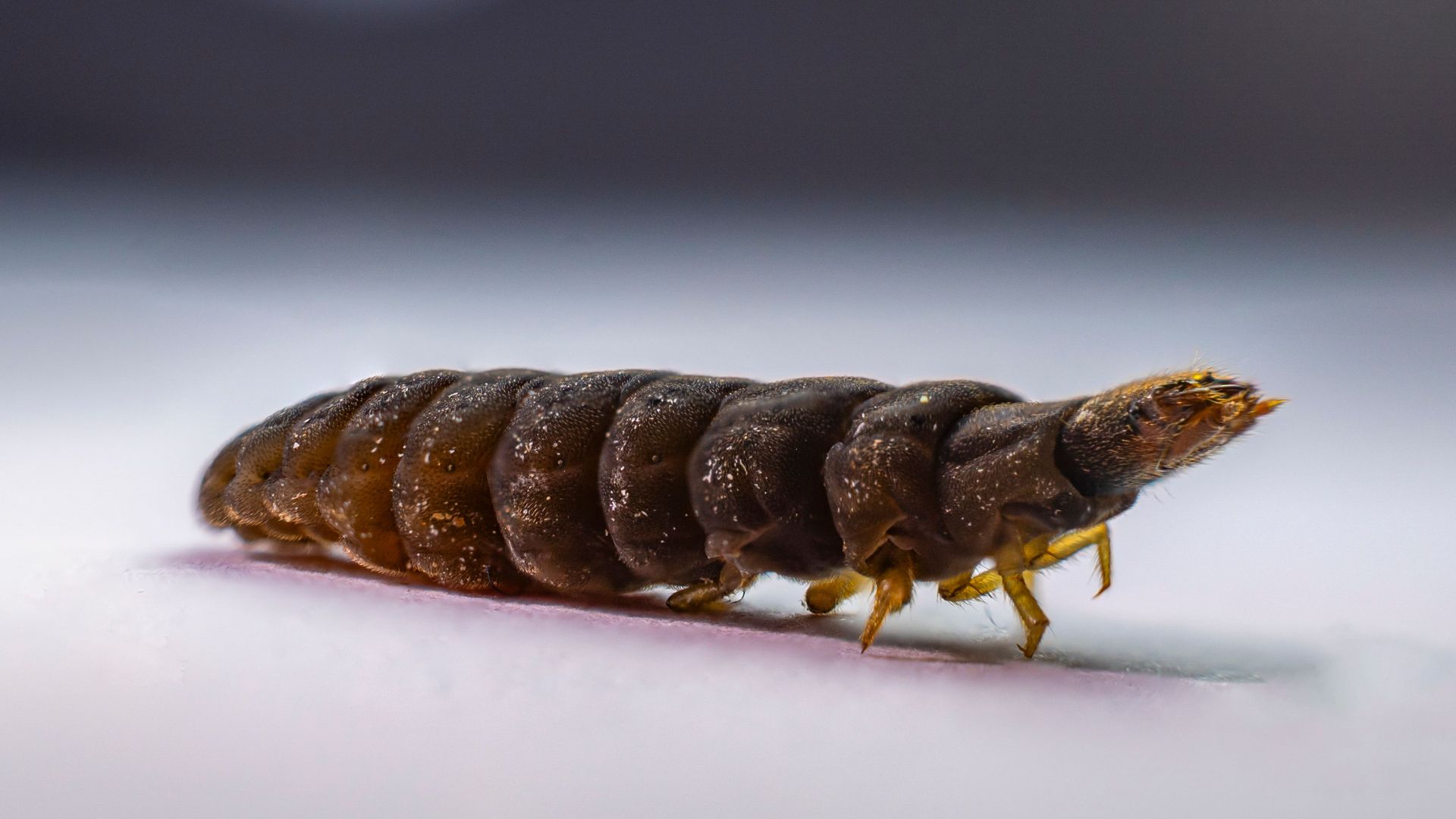
What leaves the gland is close to odorless. The bacteria living on your skin break down the compounds in it, and their byproducts are what you notice hours into a hot day. Apocrine glands in the armpits and groin put out a richer secretion, which gives the local bacteria more to work with.

13. Thickness Varies Twentyfold
Eyelid skin runs about half a millimeter, thin enough that you see red when you close your eyes facing the sun. The soles of your feet reach four millimeters. Everything else falls between, thickening or thinning over the years based on how much friction it takes.
14. Fingertips Detect Nearly Nothing
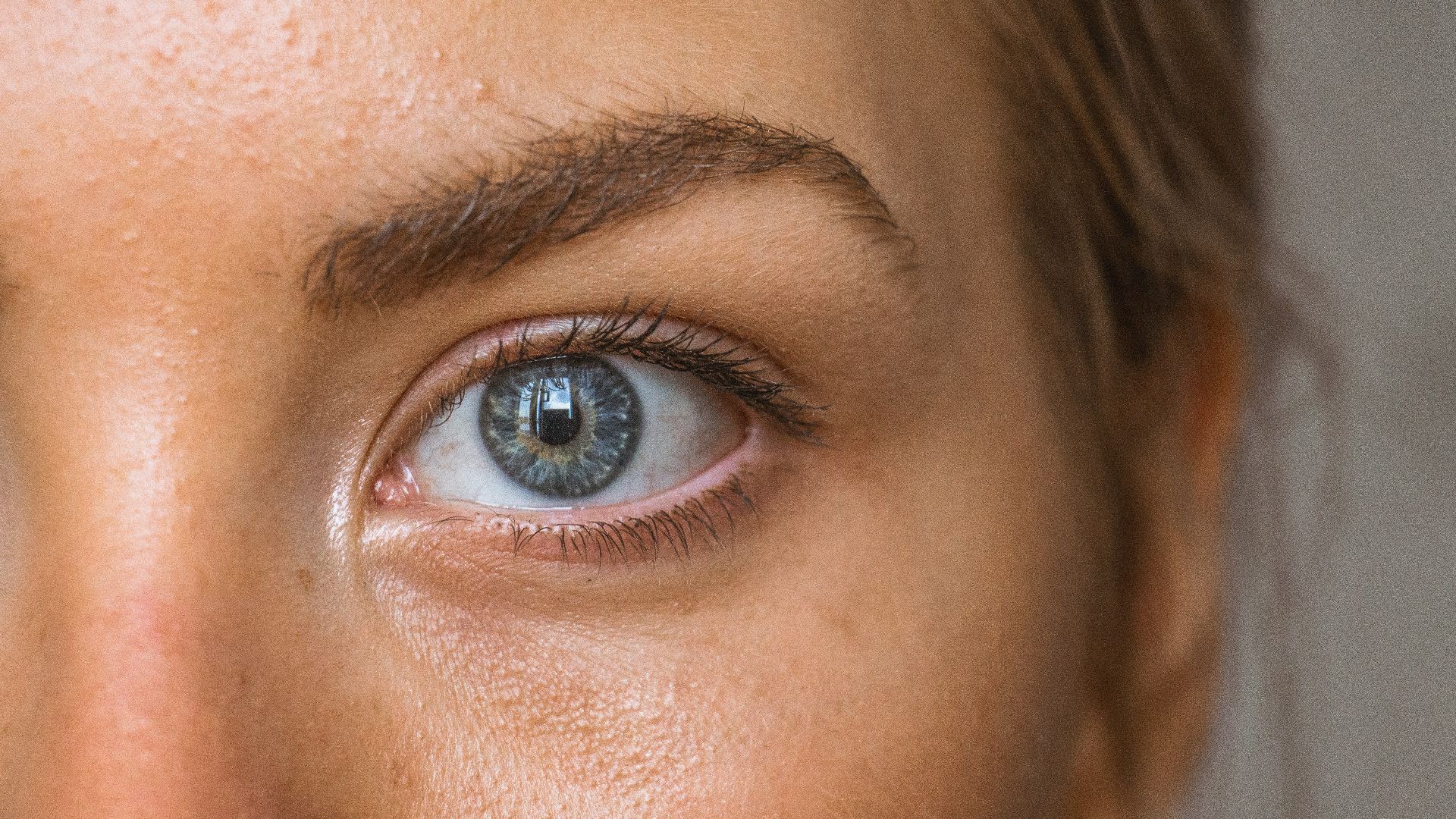
A fingertip can register a ridge thirteen nanometers tall, according to work done at KTH Royal Institute of Technology in Stockholm in 2013. Scale that up and it's the difference between a flat road and one with a house sitting in the middle of it. Motion does most of the work, since a still finger picks up far less than a sliding one.
15. Your Skin Emits Light
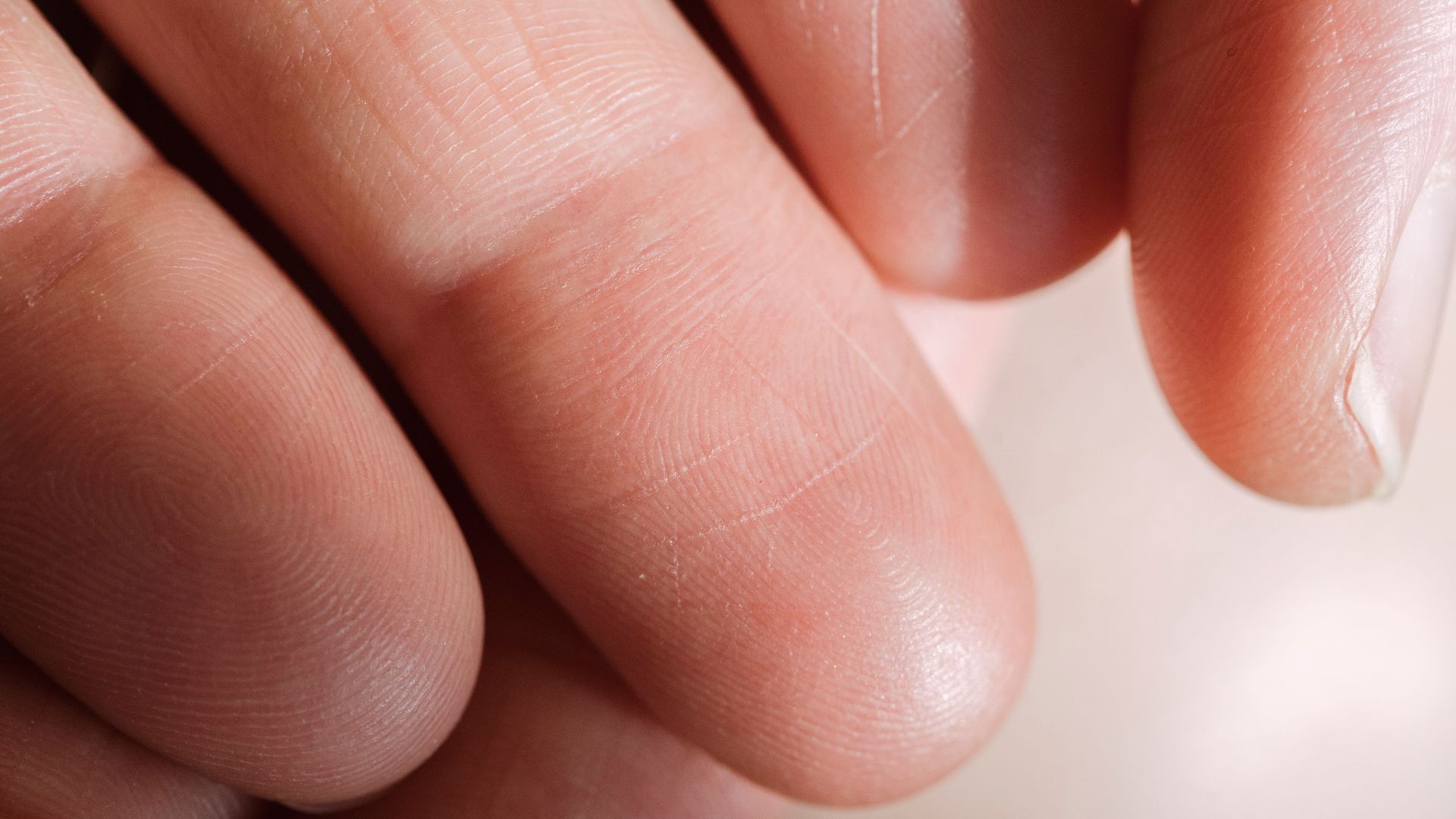
The human body gives off a faint glow in the visible spectrum, a byproduct of metabolic reactions that generate free radicals. Japanese researchers captured it in 2009 with specialized cameras and found the emission peaks in the late afternoon. It's roughly a thousand times too dim for the human eye.
16. It Manufactures a Hormone
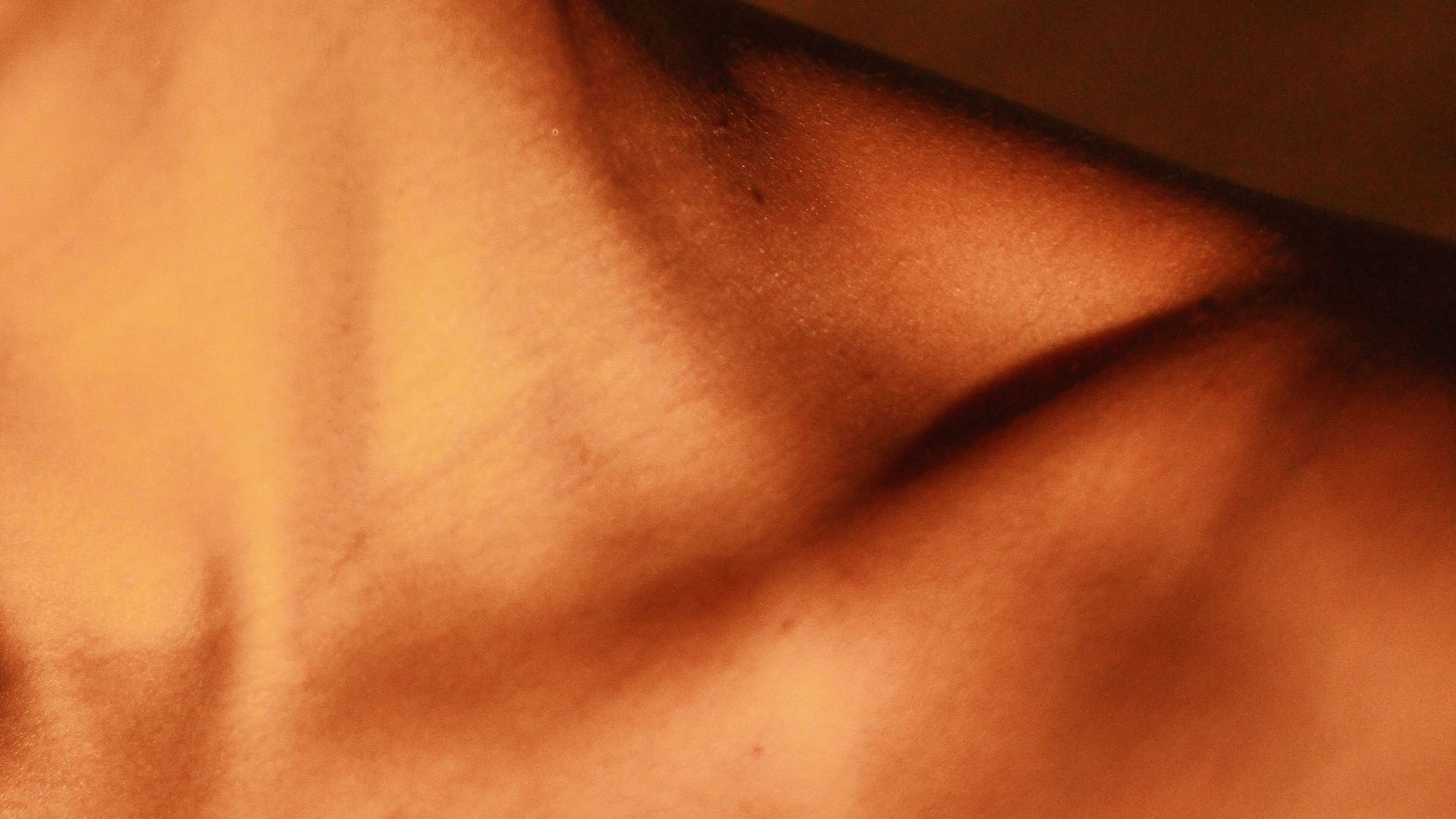
Vitamin D isn't a vitamin in any meaningful sense. UVB radiation converts a cholesterol derivative in your skin into a precursor, and the liver and kidneys finish the job into a hormone governing calcium and bone growth. Skin is the only place in the body where that first conversion can happen.

17. Melanin Works as a Parasol
Pigment inside skin cells doesn't scatter randomly. Melanin granules gather on the side of the nucleus facing the surface and form a cap over the DNA underneath. Everyone's cells do this, regardless of skin tone.
18. Your Stomach Blushes Too
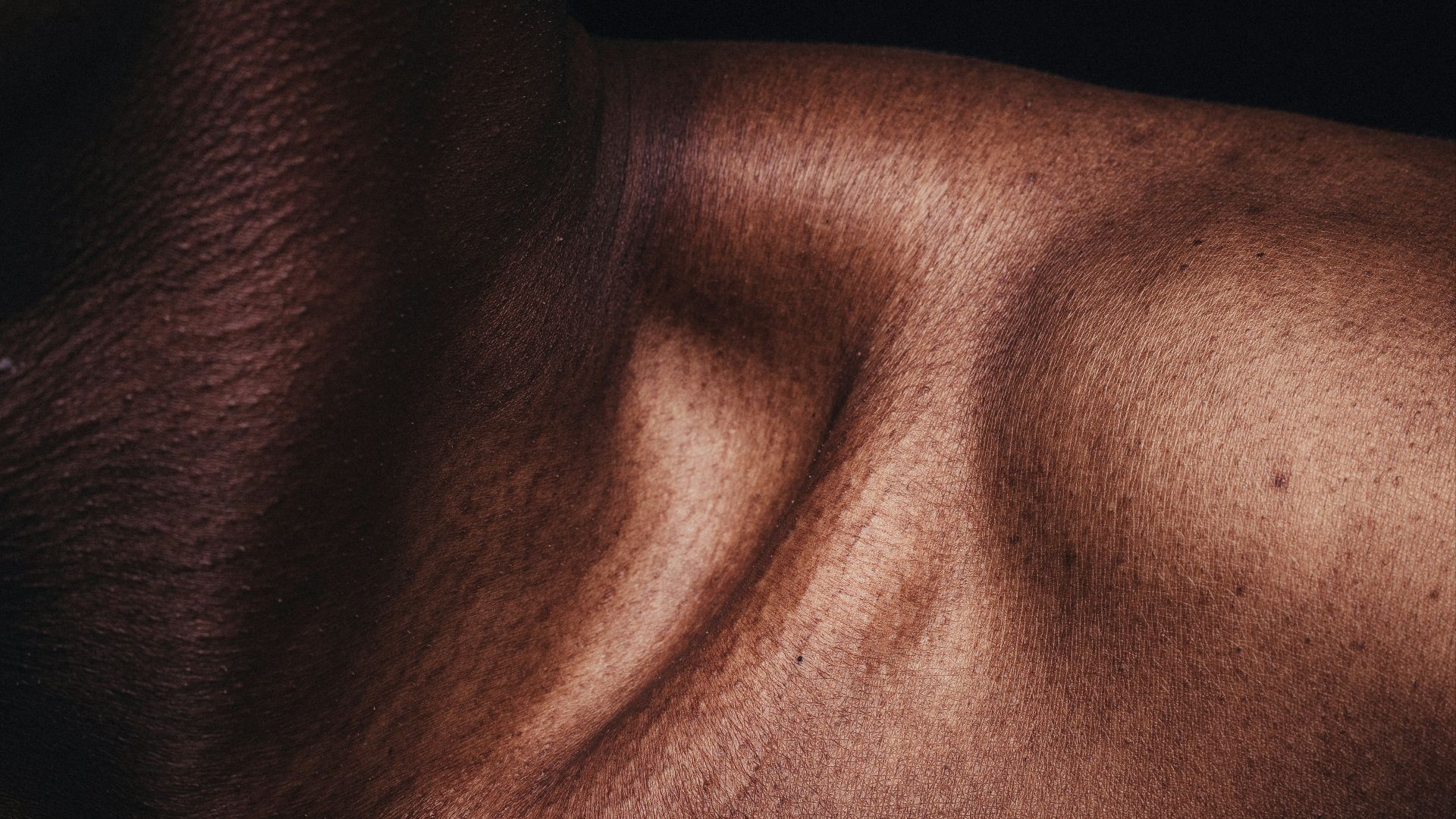
Two researchers in the 1940s spent years observing a patient with a surgical opening into his stomach and watched the lining flush red when he felt embarrassed or angry. Darwin had guessed at internal blushing a century earlier with nothing to support it. The vascular response that colors your face runs through tissue nobody will ever see.
19. It Hosts About a Thousand Species
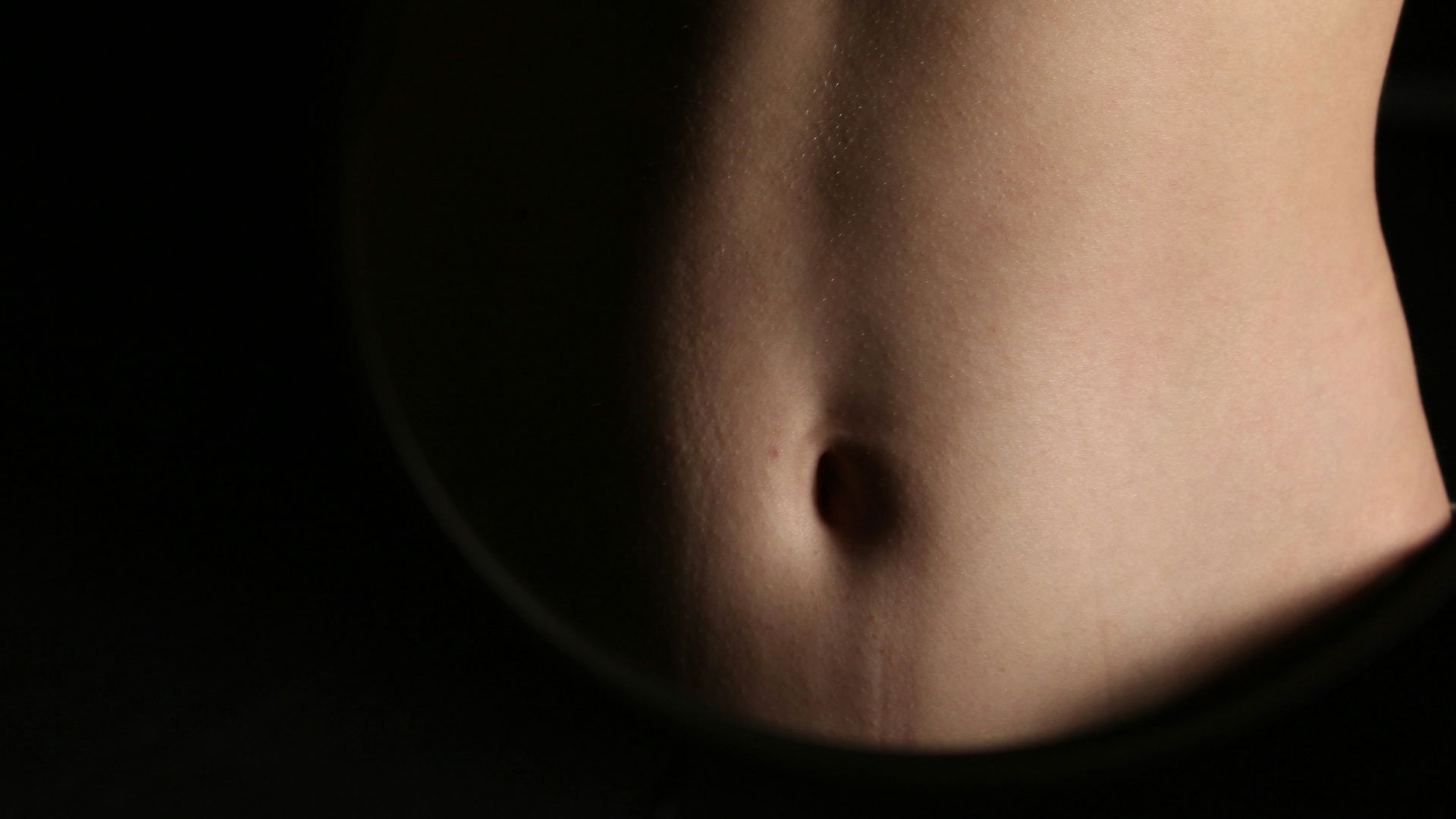
Bacteria, fungi, and viruses divide up your skin according to terrain. An oily forehead attracts a different population than the dry stretch of a forearm. Of all the real estate available, the forearm turns out to be among the most biologically diverse.
20. Fetal Skin Heals Without Scars
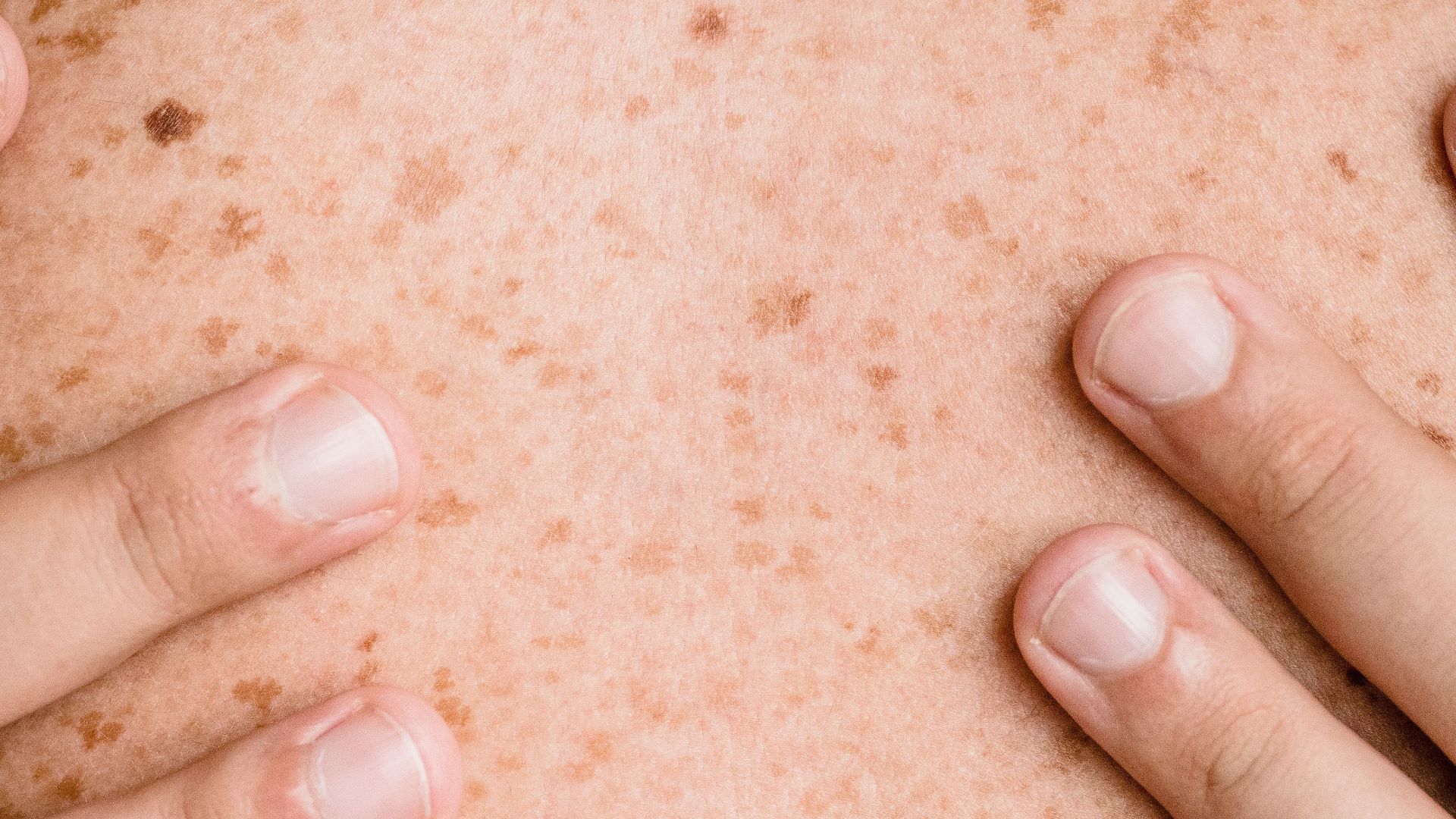
A wound to fetal skin before roughly the third trimester closes and leaves nothing behind at all. The tissue regenerates rather than patching itself with collagen the way adult skin does. Surgeons operating in utero have taken advantage of this, and scar researchers have spent years trying to figure out how to copy it.

KEEP ON READING



20 Ways to Deal With Your Sweet Tooth

20 Low-Impact Exercise Ideas For People Over 50