Some Things Never Get Easier
Doctors see people on some of the hardest days of their lives, and that means that their biggest upsets aren’t always pet peeves. Sometimes they're situations that make treatment difficult, while others are moments that just hurt to watch. From preventable problems to familiar faces returning, these are the very 20 things physicians would gladly go their entire careers without having to deal with.
 Mix and Match Studio on Pexels
1. Someone Who Waited Too Long
One of the worst things for a doctor is seeing someone stumble into an appointment, months deep into an issue. Doctors know people sometimes hope a worrying symptom will disappear on its own. What they hate is discovering that someone endured severe pain, bleeding, or another concerning change for months before finally seeking help.

2. A Familiar Patient Coming Back Sicker
Recognizing someone from old appointments can usually be comforting. However, it’s very different when they come back because their condition has worsened or a disease has made its way back into their lives. Doctors are professionals, but familiarity doesn't make bad news easier to handle.

3. Someone Who Can't Afford Medication
A prescription doesn't do much when the patient can't pay for it. That’s not their fault, and doctors know that. Physicians may be able to suggest alternatives, assistance programs, or cheaper medications, but those options aren't always enough. Watching money determine someone's access to treatment is nothing short of deeply frustrating.

4. A Patient Apologizing For Being Sick
Some people say sorry for taking up a doctor's time, and they tend to repeat themselves when their symptoms are minor. That's difficult for any good doctor to hear; figuring out whether something’s serious is exactly why appointments exist. No one should feel embarrassed for asking for help.
5. Someone Hiding Symptoms
Doctors have heard every awkward detail imaginable, but patients don’t know that. To them, it’s potentially their first time dealing with something like this. The problem is that when you leave out bleeding, symptoms, or bowel changes, that can make diagnosis harder. Professionals would much rather hear an embarrassing truth than work with an incomplete story.
 https://kaboompics.com/ on Pexels
6. An Exhausted Caregiver
There absolutely exists a phenomenon called caregiver fatigue—and doctors hate to see it. Sometimes the person accompanying the patient looks almost as unwell as the one receiving treatment. Caring for a spouse, parent, or child around the clock can gradually drain someone, and doctors know caregivers need support, too.

7. Someone Who Stopped Treatment
Feeling normal again can make medication or even follow-up appointments seem unnecessary. Unfortunately, plenty of treatments need to continue even after symptoms disappear. It’s not wise to quit medication cold turkey, either. Physicians hate watching an improving patient undo their progress.
8. A Patient Who's Been Misled
Internet advice can sound convincing when it's packaged confidently, but the best thing is to speak with an actual professional. Doctors always meet people scared by false claims or because they fell into the trap of unproven remedies they found online. Correcting misinformation gets particularly upsetting when it delays useful treatment.
9. Someone Afraid to Admit They Didn't Understand
Let’s be honest, medical terminology gets confusing quickly. Some patients don’t want to be a bother, though, so they nod through an explanation. The thing is, doctors would prefer another five minutes of questions over having someone leave without understanding their care.
10. A Terrified Child
Even routine care can look frightening through a child's eyes. Seeing a young patient cry or panic over a needle doesn’t get any easier. Even if they have a professional bedside manner, compassionate doctors aren’t immune to that stuff.

11. Someone Who's Been Ignoring Their Needs
Caregivers are excellent at arranging appointments for other people while neglecting themselves. By the time they show up, they've been living with symptoms for far longer than they should have. Doctors can spot that a mile away, and they’d rather see self-care treated as a responsibility than a luxury.

12. A Patient Who Thinks Being in Pain Makes Them Weak
Being in pain is sort of like crying—it doesn’t make you weak! But some people minimize discomfort because they pride themselves on being tough. That attitude only prevents doctors from understanding how significantly an illness or injury is affecting your life.
13. Someone Too Scared to Hear Their Results
Waiting for test results can be scary enough that avoiding the phone sounds like the best play. The thing is, ignoring follow-up messages can't change whatever the test found. Doctors hate watching fear become another barrier between a patient and the care they need.

14. A Patient Blaming Themselves
Illness can inspire an exhausting search for something the patient “did wrong,” but while behavior can influence certain risks, disease isn't always a punishment for bad choices. Doctors always have to remind people that assigning blame isn't the same thing as finding useful treatment.

15. Someone Who Has No One Waiting For Them
Seeing a burned-out caregiver is one thing. But hospitals reveal loneliness in ways most people rarely see. An older adult might arrive alone. Someone may face difficult news without family. Another might not have anyone to drive them home. Treatment addresses the body, but doctors still notice a lack of support.
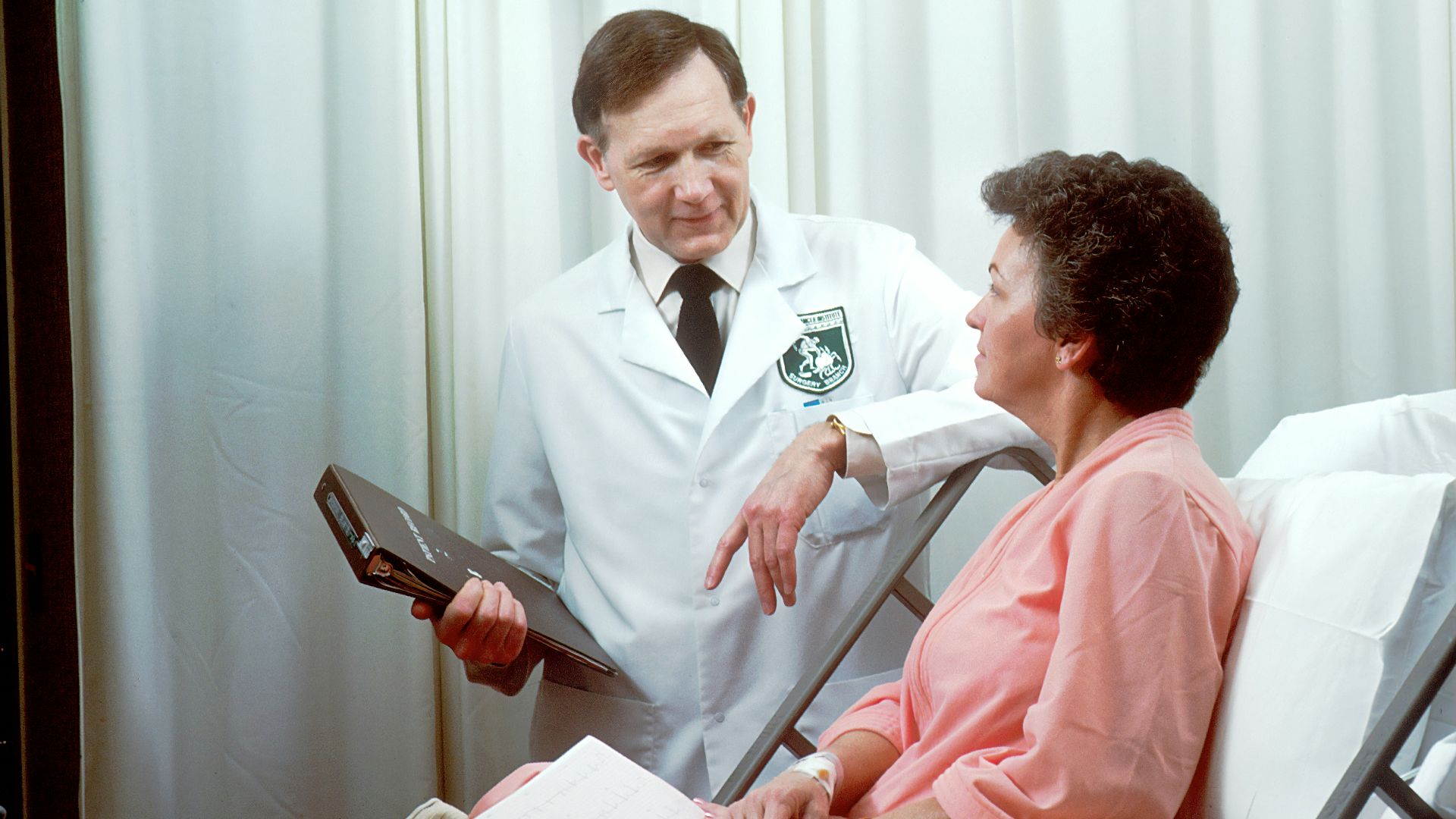
16. A Patient Who Dismisses Changes as “Aging”
Getting older brings changes, sure, but age shouldn't automatically explain every new problem. Patients sometimes normalize persistent fatigue or dramatic weight changes because they assume that's all aging is. The reality is that doctors would rather investigate a change than have someone live through their suffering.
 National Cancer Institute on Unsplash
17. Someone Terrified of Being Judged
Patients will sometimes hum and haw before discussing their weight, substance use, mental well-being, or other sensitive topics. It’s normal, of course—they're expecting criticism. That fear, however, can make an already vulnerable appointment much harder. A good doctor wants accurate information, not a perfect patient.

18. A Person Trying to “Tough Out” an Injury
An injured knee or back can seem manageable, but give it a few weeks. All it takes is a little bit of compensating to create additional problems. Some patients keep working or lifting through significant pain, and doctors often wish they had arrived before persistence turned one problem into several.
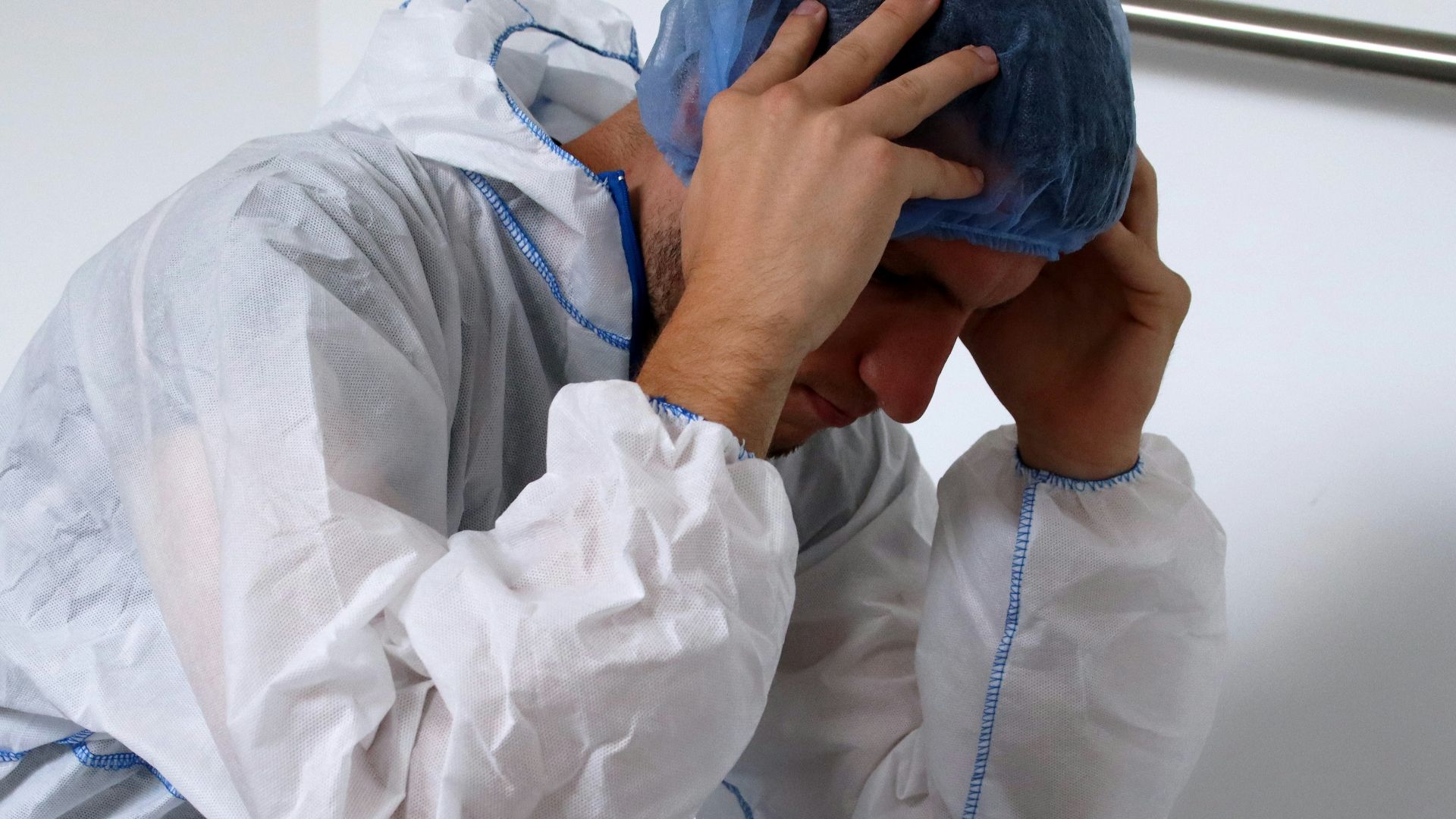
19. Someone Losing Hope
Repeated appointments, tests, treatments, and setbacks can wear down even the most resilient of people. Doctors notice when a once-chatty patient withdraws or sounds defeated. Medicine may be their profession, but watching someone's optimism disappear is still heartbreaking.

20. A Patient They Can't Fix
Perhaps the hardest part of medicine is accepting that knowledge has its limits. There are illnesses doctors can manage but not cure, injuries they can't fully reverse, and patients whose lives they can't save. Those are the reminders that someone in a white coat is still a person, too.
KEEP ON READING

20 Strange Facts About Human Skin

20 Things Doctors Hate Seeing In Patients

20 Signs You Need More Variety in Your Diet