How Good Are Your Home Habits?
You probably think you're on top of your game. You sweep regularly, you vacuum twice a week, you take out the trash before it overflows. But here's the thing: the grimiest places in your home are the spots you never think to pay attention to. When was the last time you cleaned out your coffee machine or wiped down all the handles and switches? Make sure you're not making any of the bad household habits on this list—over time, unkempt routines could attract mold or pests.
1. Keeping a Humid Room Closed Up
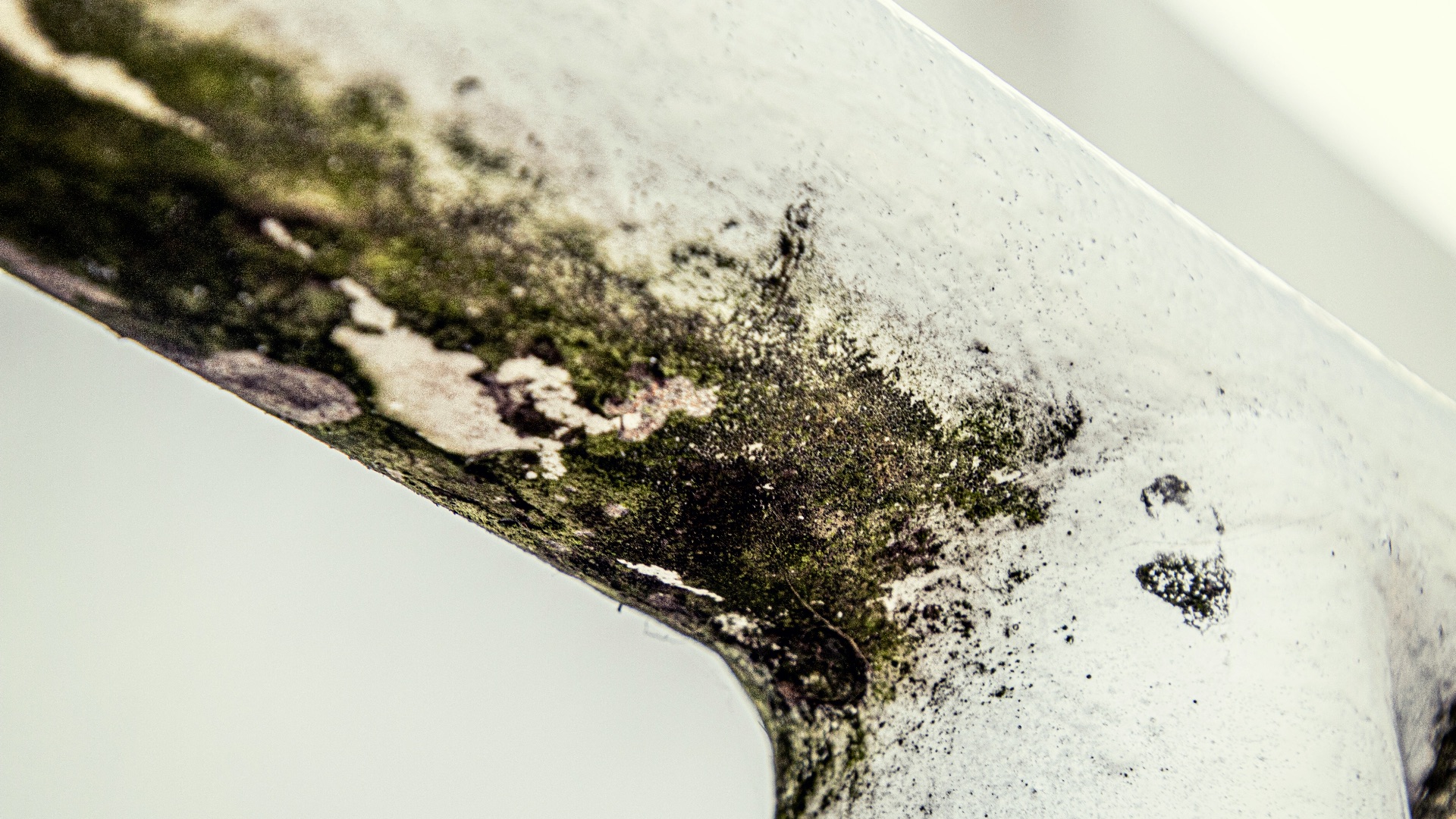
Whether you're having a steamy shower or simmering a stew, both activities add a lot of moisture to the air. Over time, lingering condensation can lead to mold growth, especially without proper ventilation. Bathrooms, basements, and other closed spaces are especially at risk.
2. Cleaning with Harsh Products
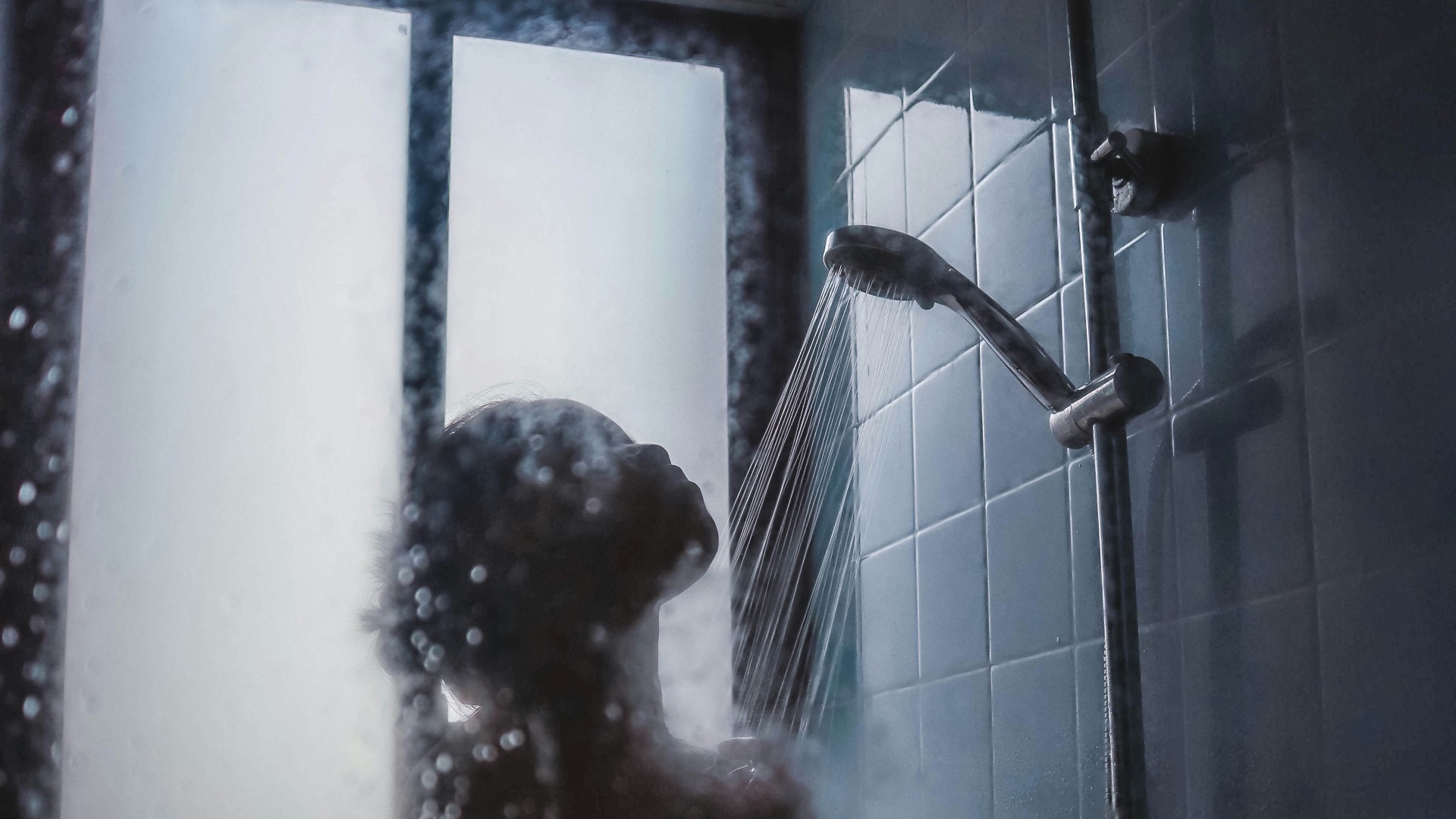
Bleach and ammonia are great at deep-cleaning (so long as you don't use them together), but they can also release vapors that irritate your eyes, nose, and lungs, especially in rooms without much airflow. You should never let those fumes stay trapped indoors.
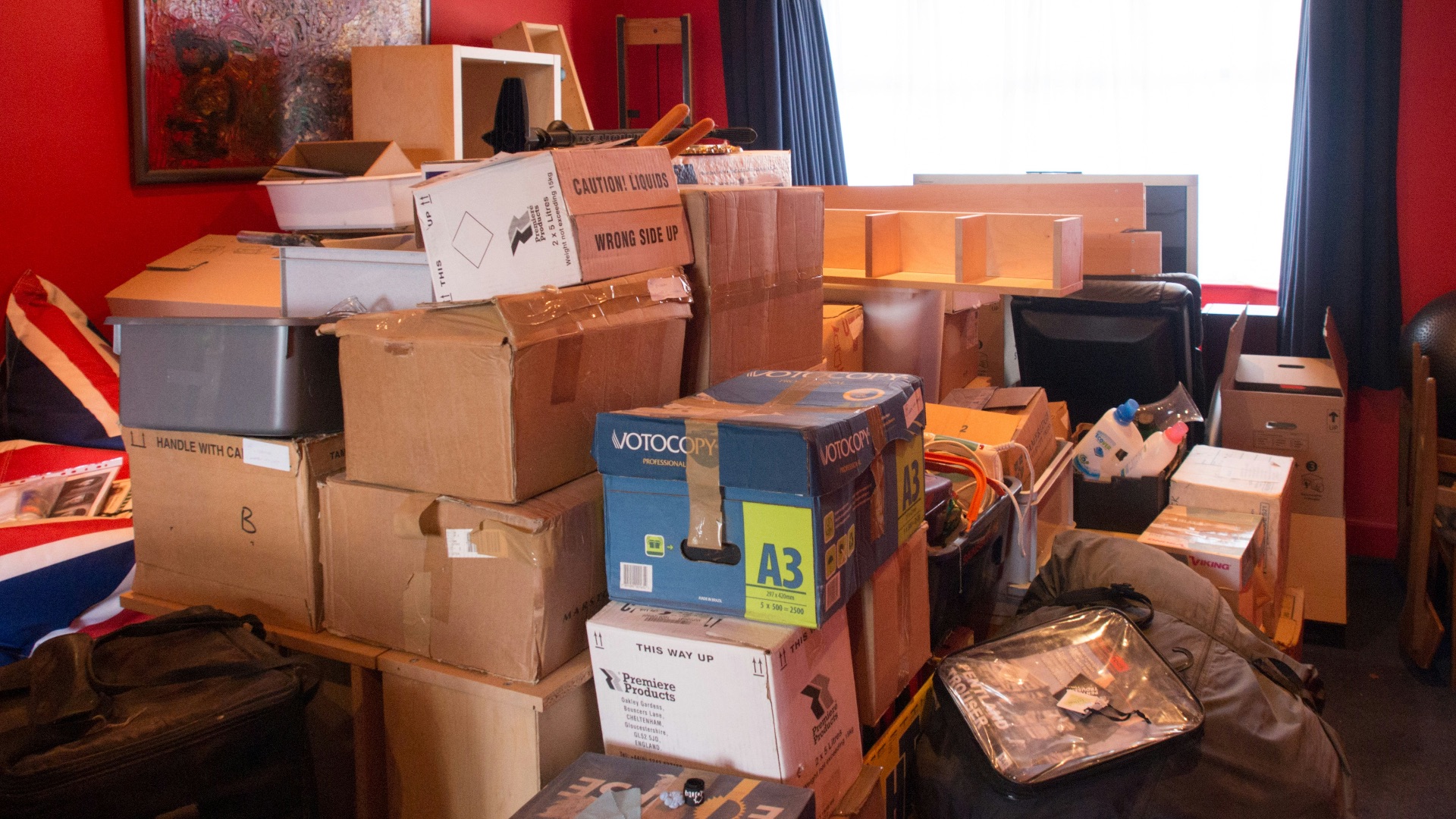
3. Letting Clutter Pile Up
It's easy to let things pile up. But the longer you leave things be, the more dust can settle and provide hiding places for insects or rodents to nest. Clutter may also make you miss moisture, droppings, mold, or other issues developing behind them.
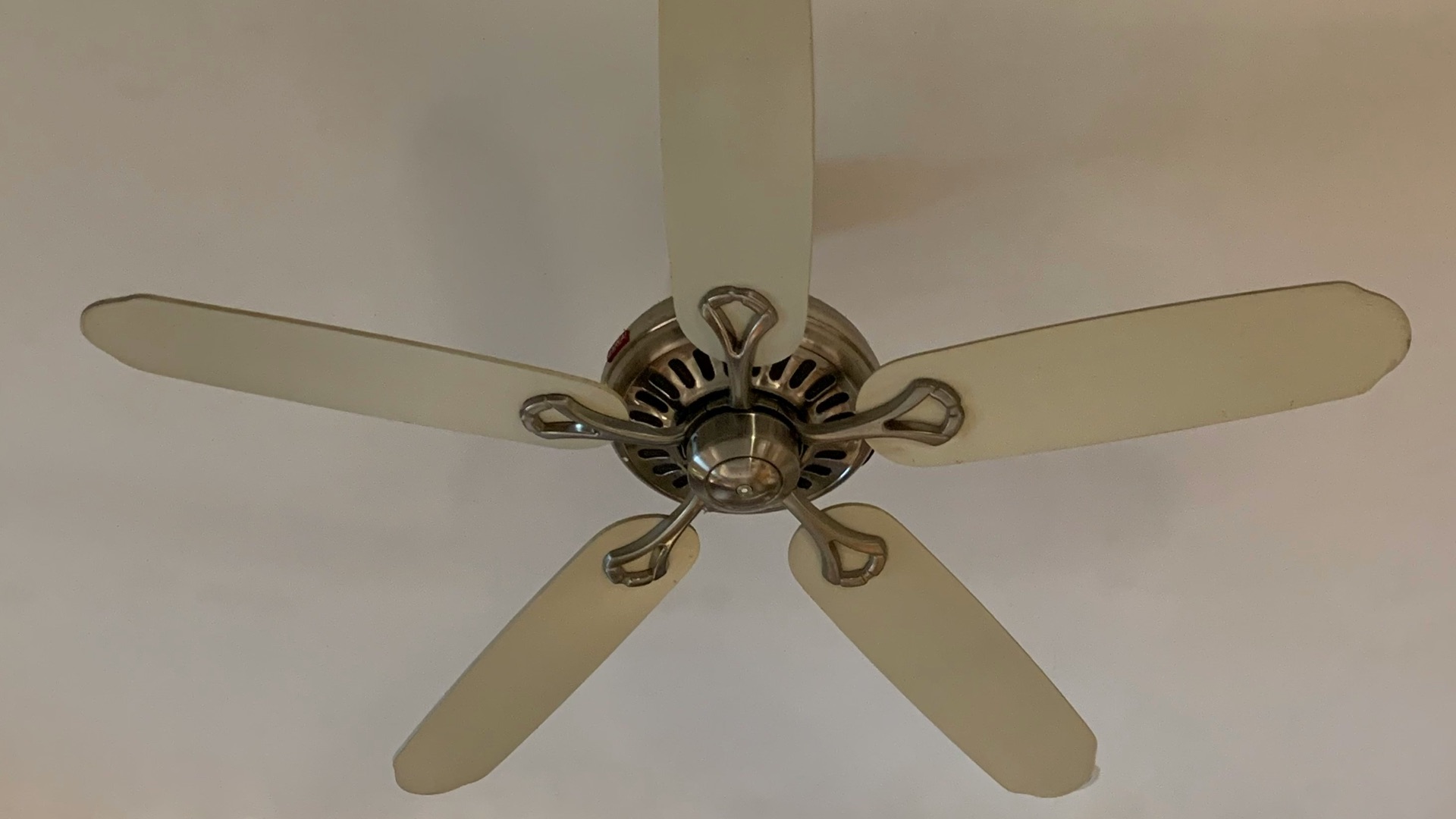
4. Rarely Dusting Overlooked Surfaces
Sure, you might wipe your coffee table every day, but what about your ceiling fans? Your blinds? The tops of cabinets? Remember: household dust can contain pollen, pet allergens, and dust mite material, so if you're not regularly cleaning these overlooked surfaces, that might explain why your nose is always so sensitive.
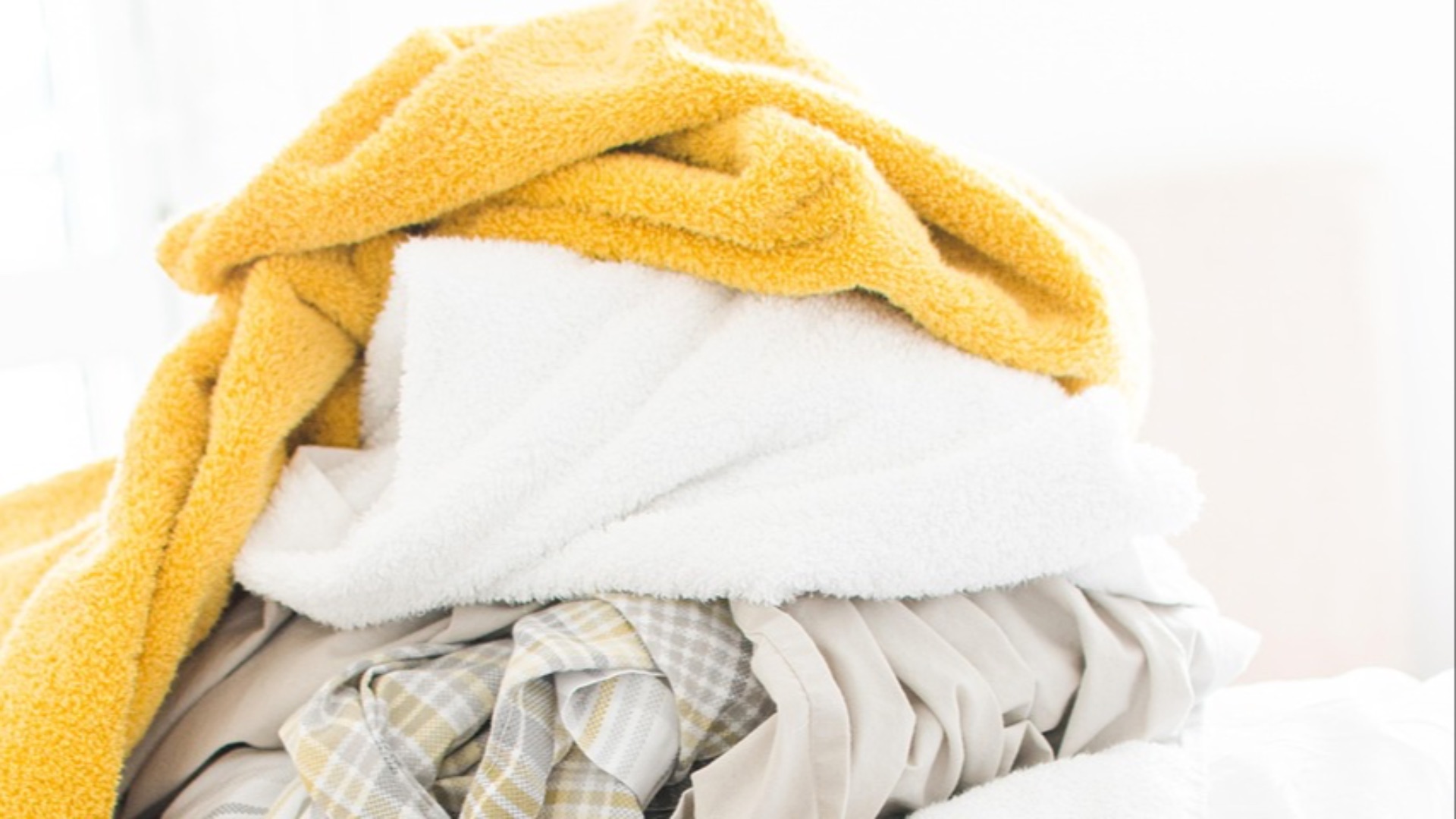
5. Leaving Wet Towels in a Heap
Your house isn't a hotel, and that means you shouldn't be tossing your damp bath towels onto the floor in a heap. Moist fabric can develop unpleasant odors, but more than that, it can encourage microbial growth. You probably wouldn't want to use them again!
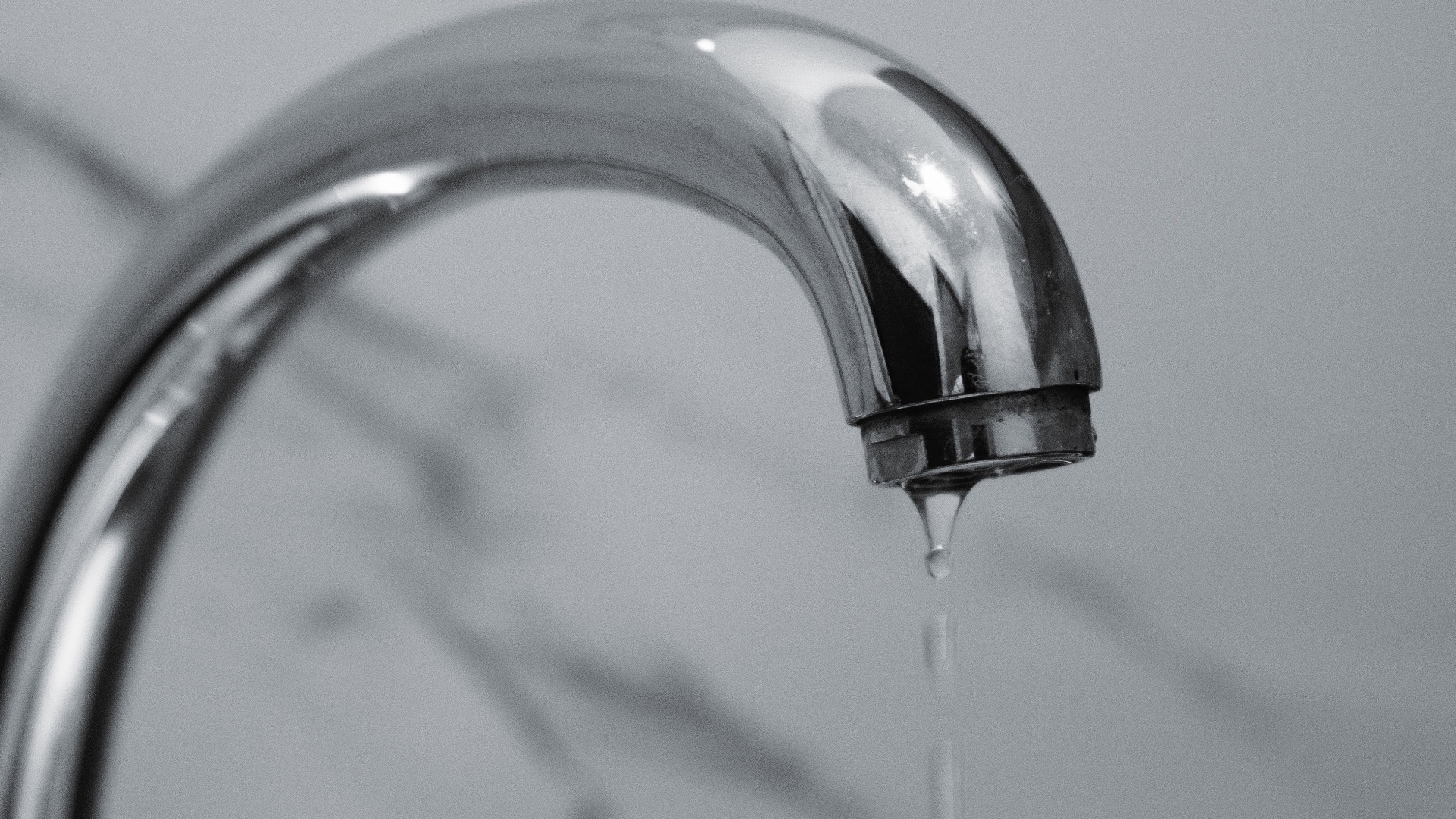
6. Ignoring Small Plumbing Leaks
A slow drip beneath the sink may seem harmless. Unfortunately, moisture can soak into cabinets, drywall, or other materials, and you might not catch on before it's too late. Addressing leaks promptly helps prevent damp areas from becoming suitable places for mold to grow.
7. Not Washing Your Bedding Hot or Often Enough
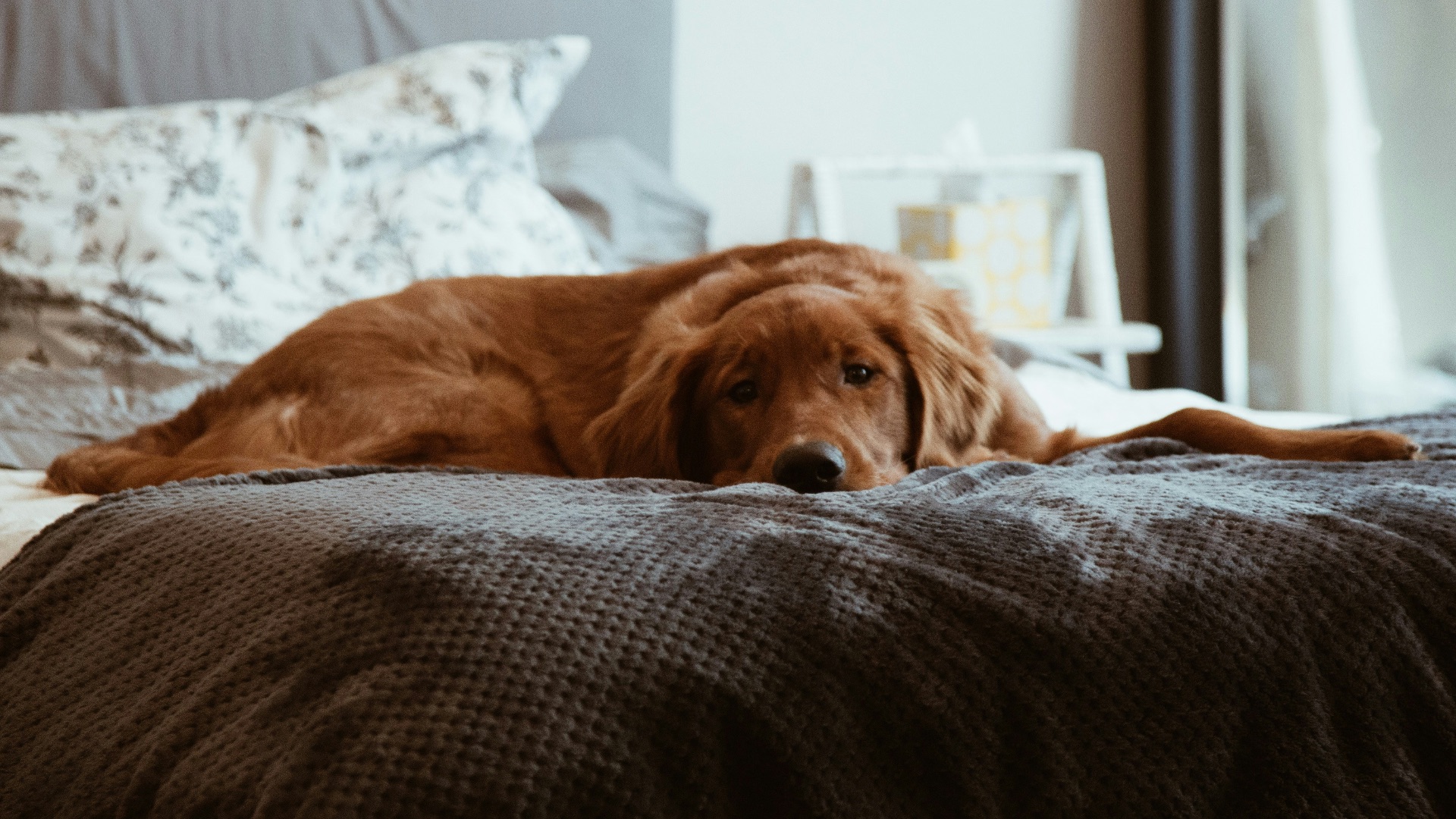
You probably don't want to think about it, but your sheets and pillowcases collect a lot of grime. Leaving them unchanged for long stretches allows that buildup to remain in close contact with your skin and face every night. If you're sensitive to allergens or share your bed with pets, it's best to launder your bedding regularly.
8. Forgetting About the Kitchen Sponge
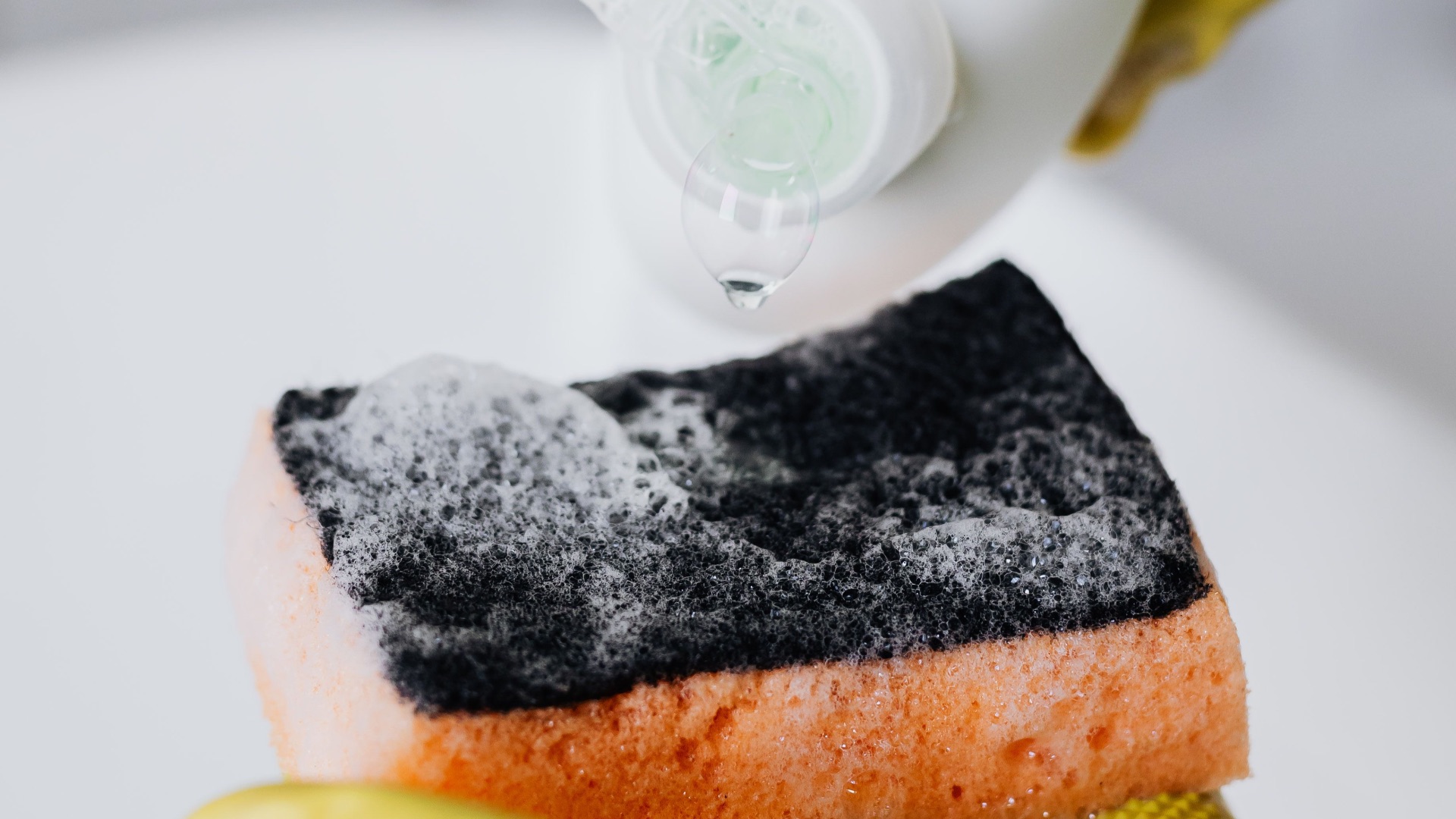
Did you know your kitchen sponge (yes, the one you use to wash dishes) can be dirtier than a toilet seat? It's unsurprising, then, that continuing to use an old, smelly sponge can spread unwanted microbes around and even inside your body. It's a reminder to swap out that yellow square!
 https://kaboompics.com/ on Pexels
9. Wearing Outdoor Shoes Everywhere
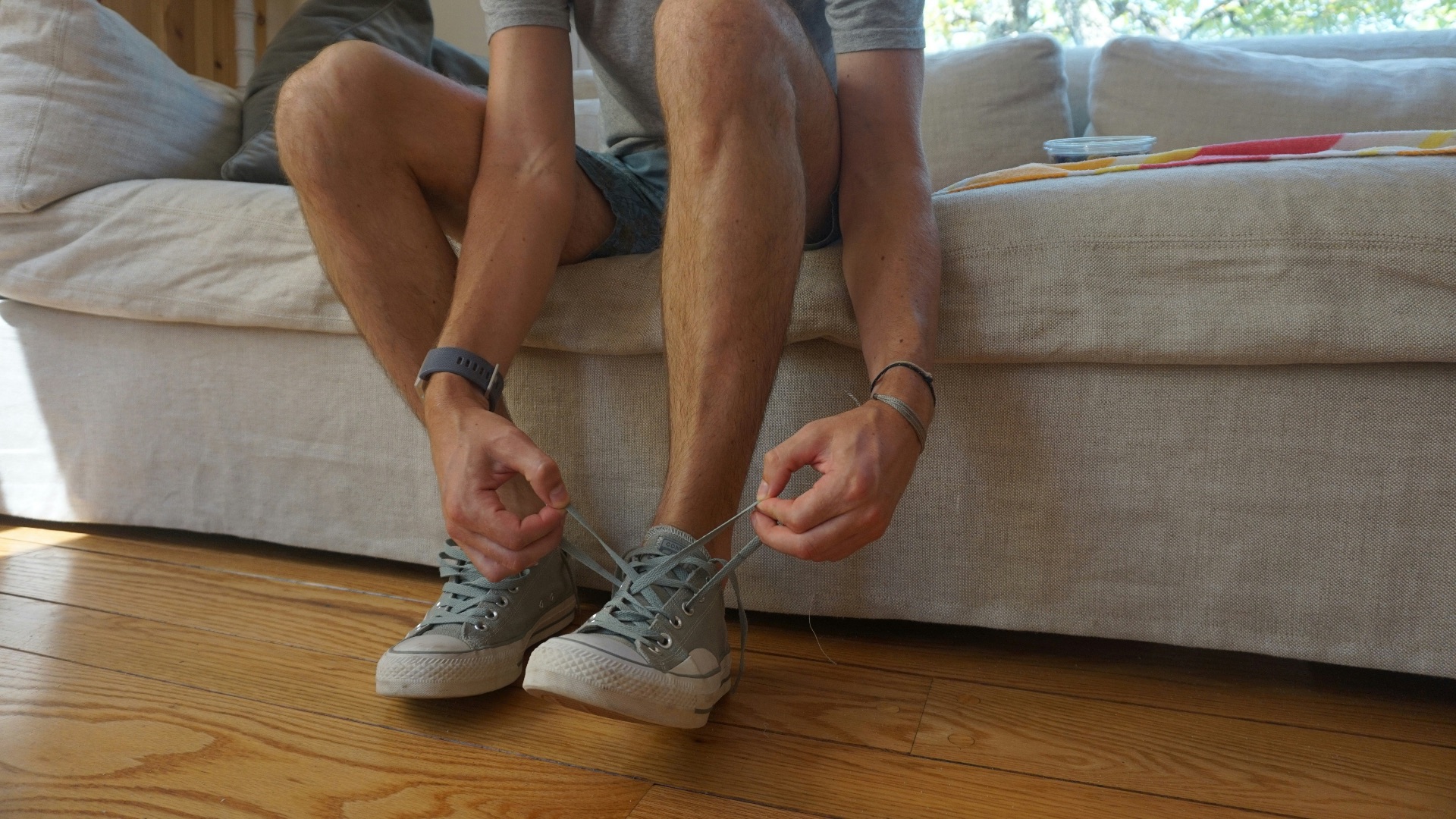
If you're used to stomping around the house with your outdoor sneakers, it's time to cut the habit. Shoes can bring in pretty much everything you've walked through directly onto household floors, and that's a lot of gunk you probably don't want to think about. Do yourself a favor and swap into indoor shoes at the door.
10. Putting Off HVAC Filter Changes
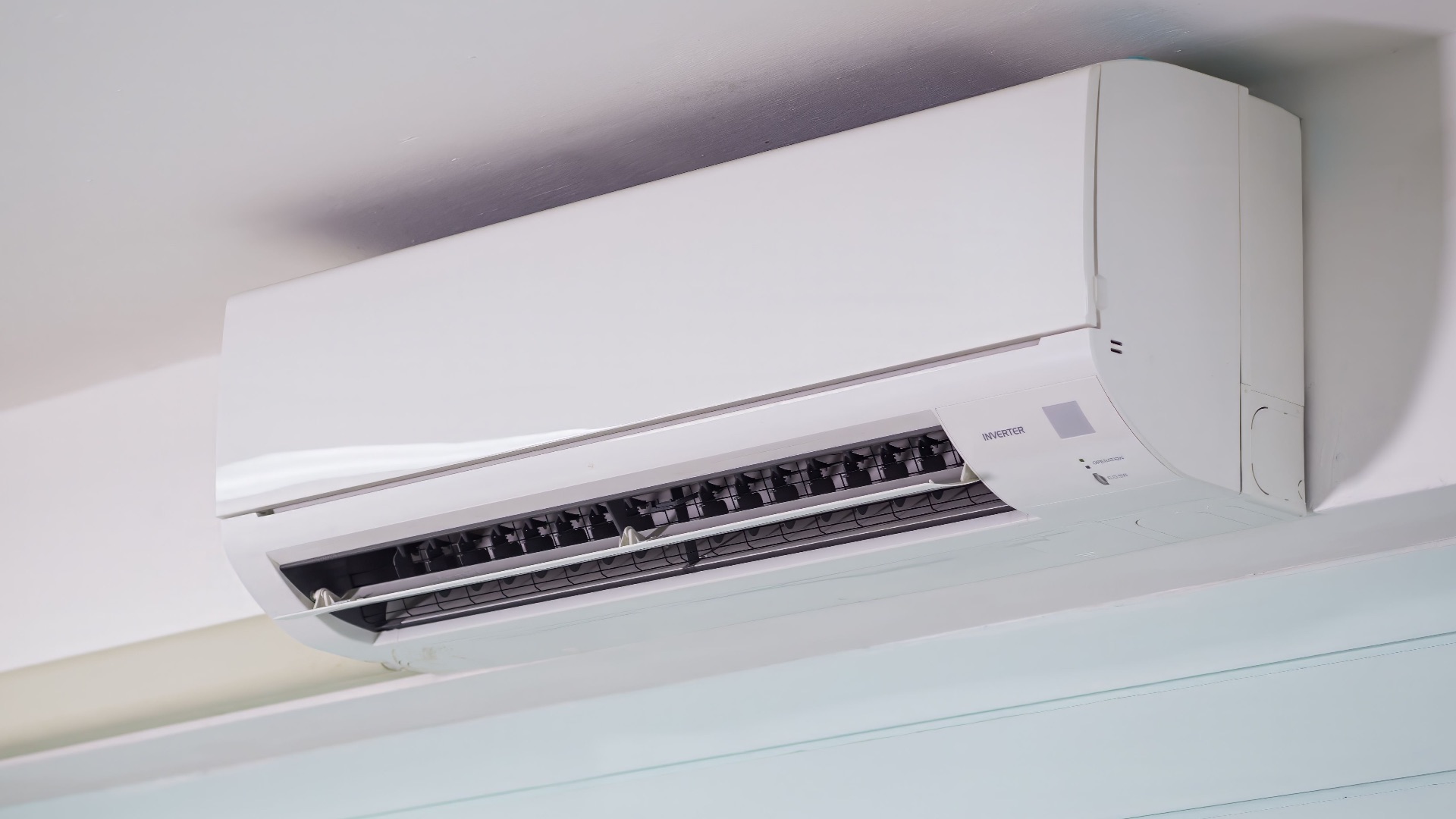
Heating and cooling systems circulate large volumes of air. Despite that, their filters are often forgotten, and one that's overdue for replacement may become trapped with dust and debris, which can affect effective airflow. Never wait until the filter looks terrible to swap it out.
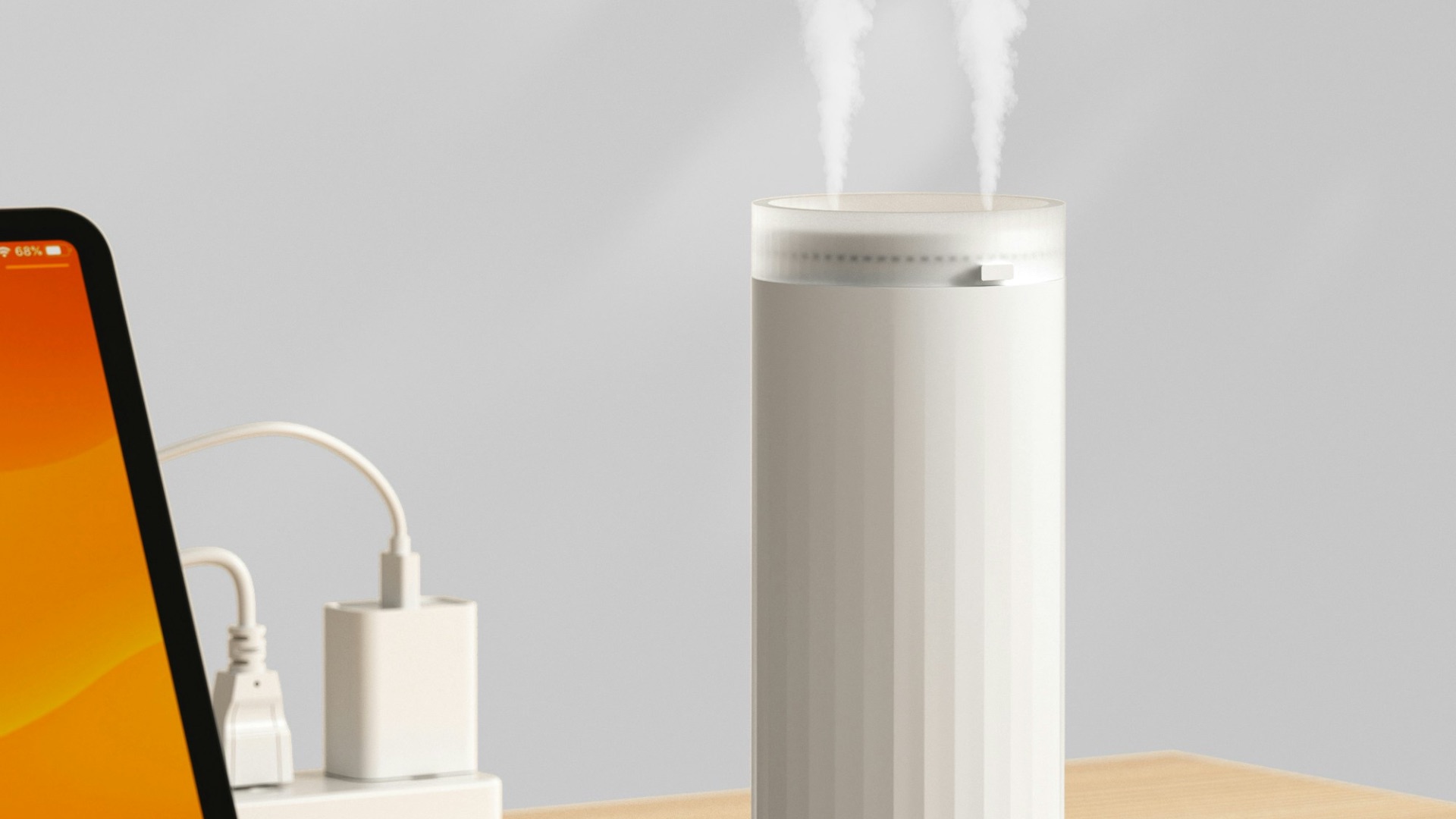
11. Running a Dirty Humidifier
A humidifier needs more attention than you think. Without regular cleaning, residue and microbial growth can develop inside the unit—then be dispersed into the air. It's also possible to over-humidify a room, which can create a separate moisture problem.
12. Letting the Trash Can Get Filthy
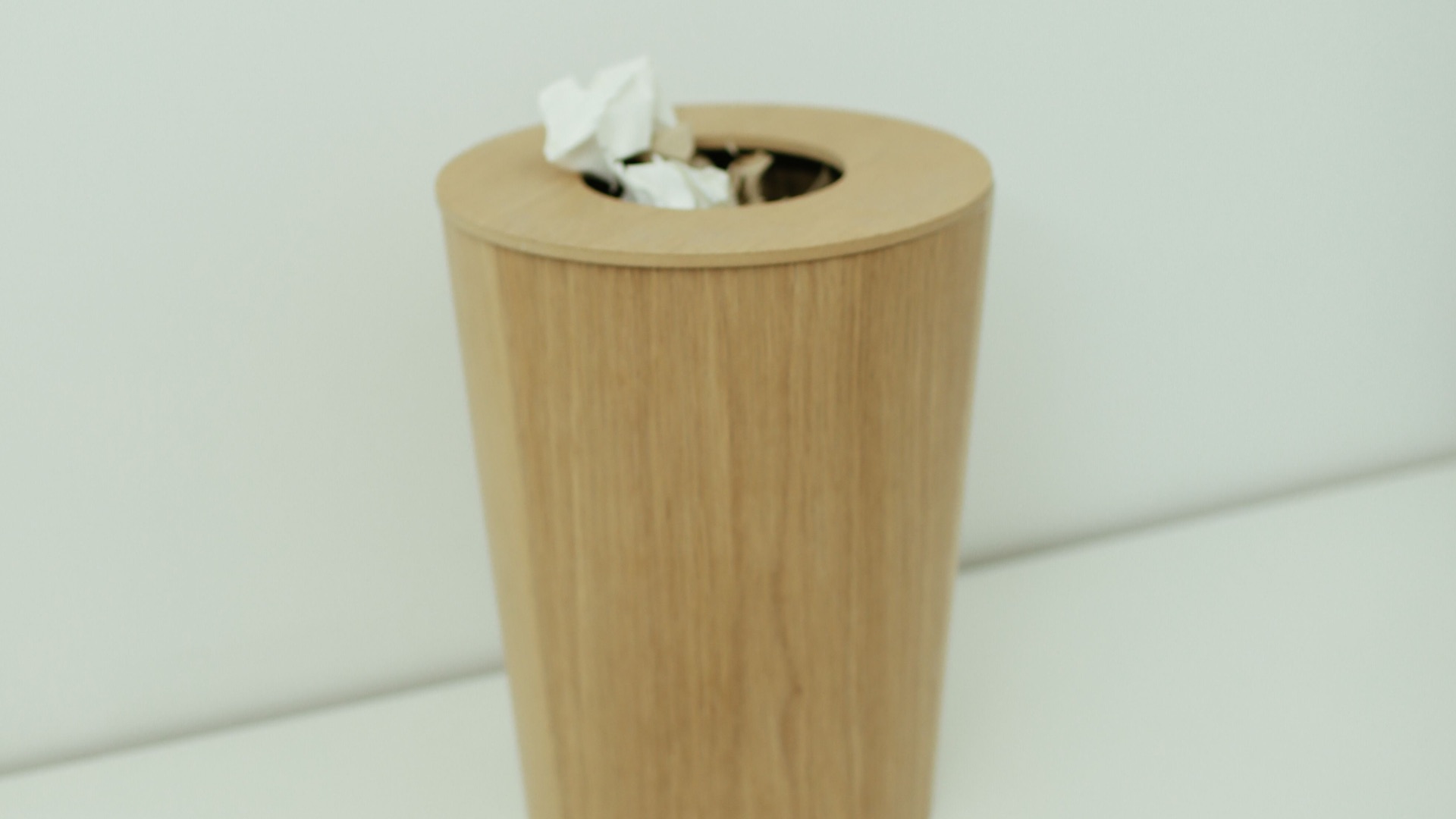
We know, we know: taking out the trash is enough work. But changing the garbage bag doesn't automatically mean the bin itself is clean. Everything from leaks to food residue can collect along the bottom or under the rim, which can create unpleasant odors and attract pests. Even if you don't want to, wash the container periodically.
13. Using the Same Cutting Board
How often do you deep-clean your board? Preparing raw meat and then using the same surface for uncooked foods can transfer harmful microbes. If you have a wooden one, deeply worn grooves can also become harder to clean thoroughly when they collect residue. Unless you regularly sanitize your cutting boards, make sure to use separate ones for cooked and raw foods.

14. Forgetting to Clean Refrigerator Handles and Switches
If you can't remember the last time you sanitized your refrigerator handles, taps, remote controls, and light switches, do it now. You might not see visible grime, but bacteria can still collect from repeated contact. Giving these areas an occasional wipe is especially important in kitchens where you're constantly handling uncooked food.
15. Leaving Water Sitting in Appliance Reservoirs
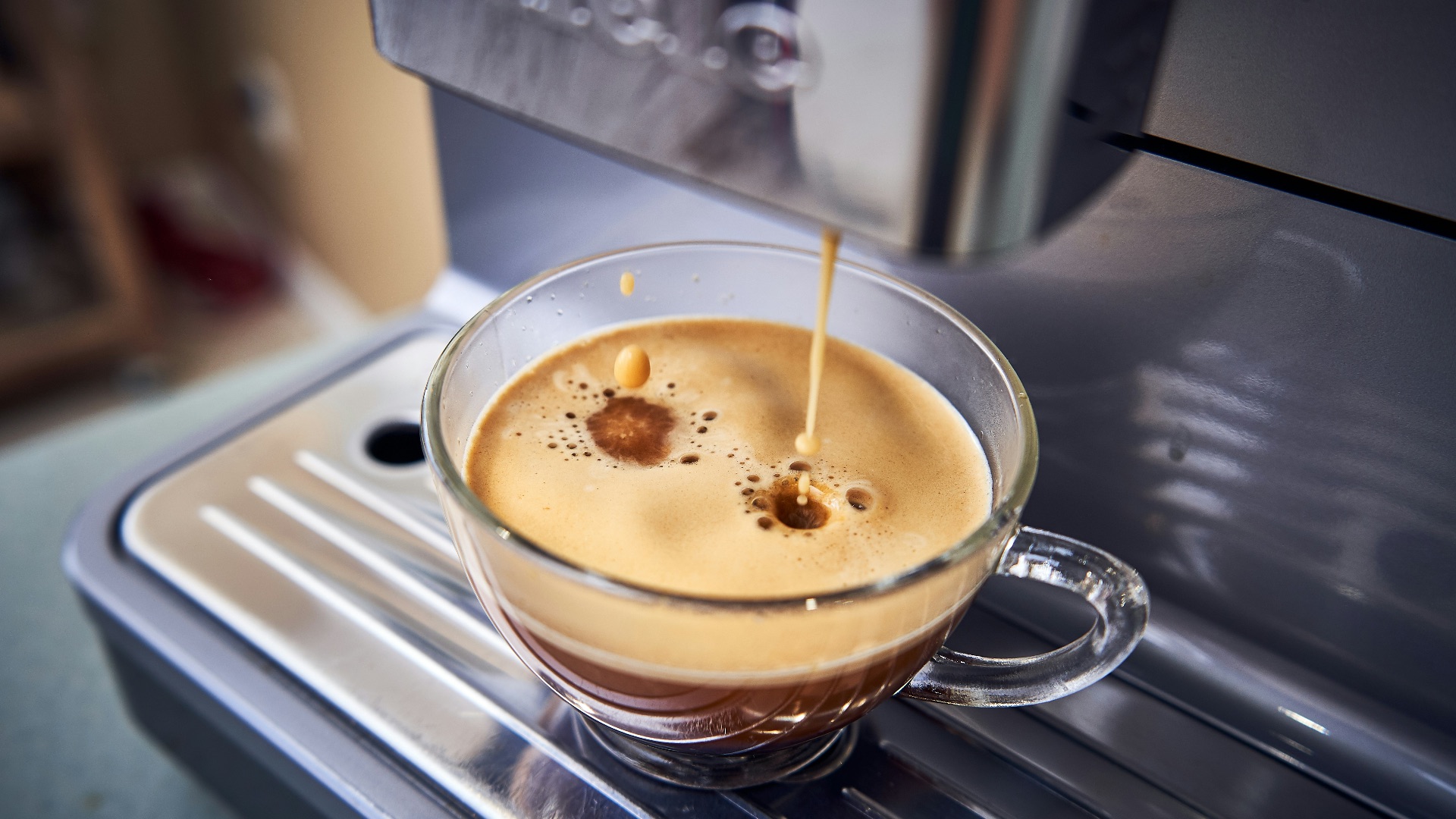
You might constantly refill your coffee machine without ever emptying and cleaning it properly. But all that standing water and internal residue can cause problems over time. To avoid that, make sure to always follow the appliance's cleaning and descaling instructions.
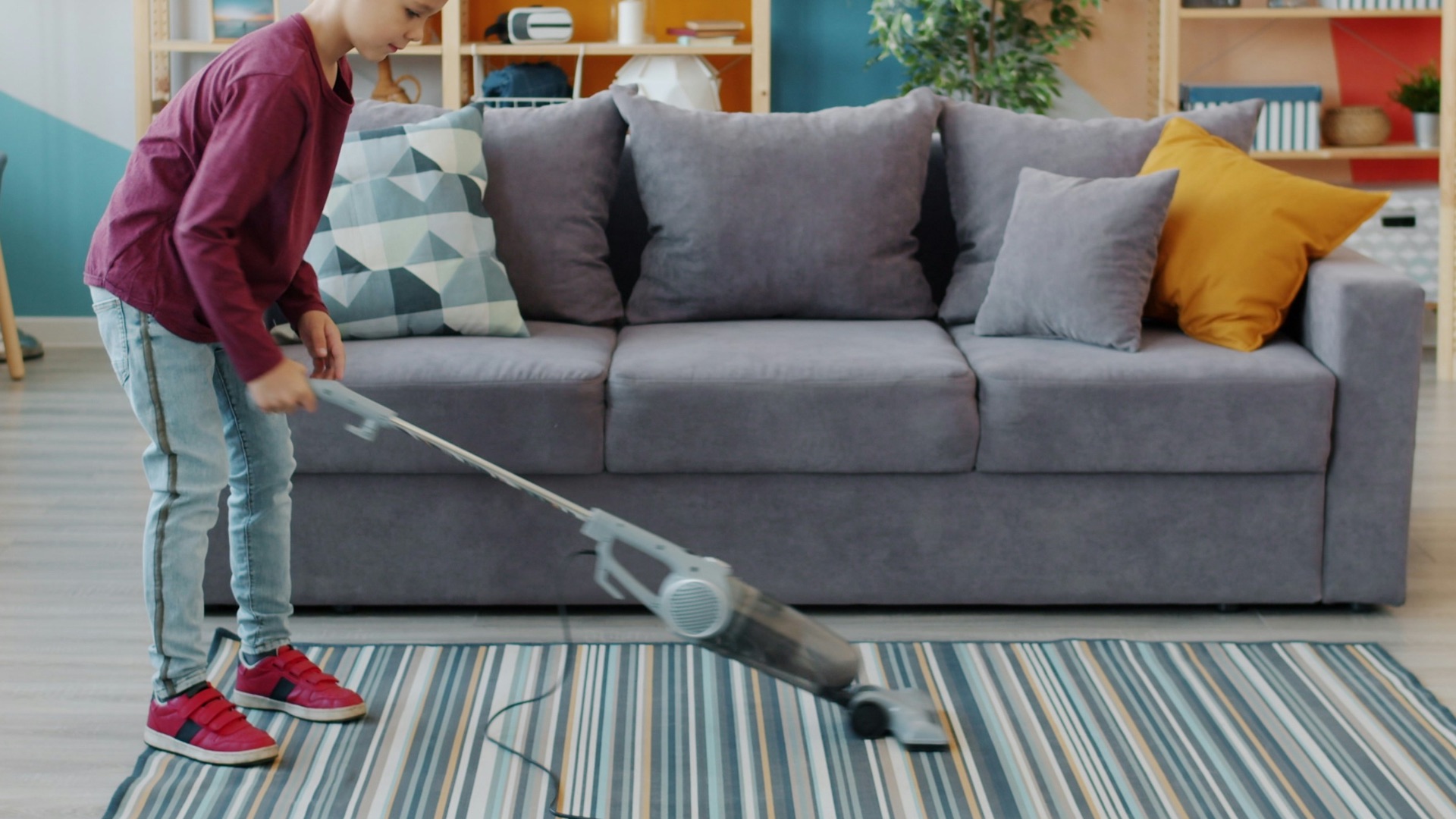
16. Never Cleaning Under Large Furniture
If the vacuum never makes it beneath the sofa or bed, those areas can accumulate dust bunnies, pet hair, food debris, and worse—signs of pests. Even if it's troublesome, remember to thoroughly clean underneath your furniture from time to time so you have a chance to remove buildup before it gets bad.
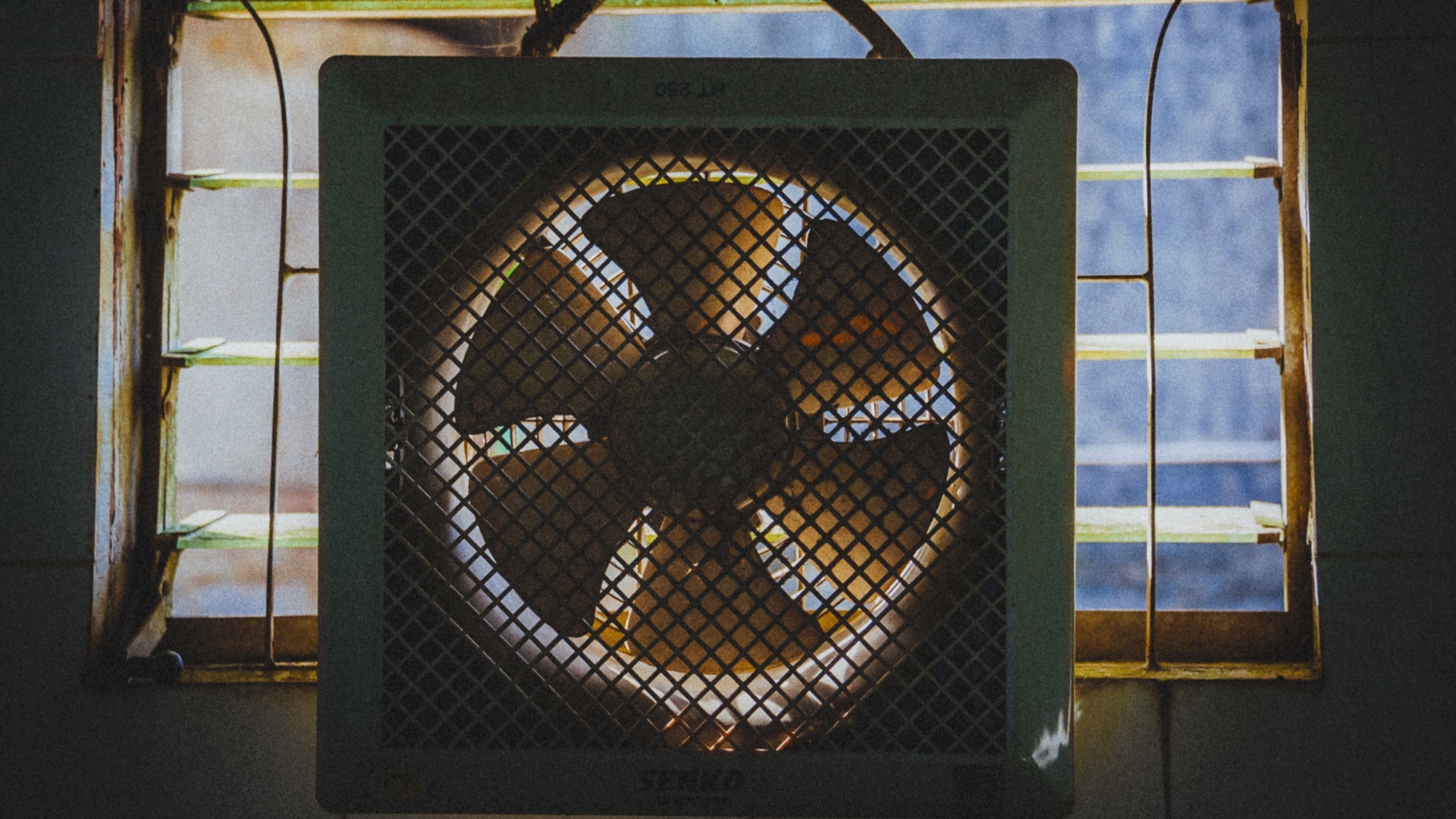
17. Leaving Bathroom Exhaust Fans Dirty
Running the bathroom fan is a good habit, but it won't do as much good if its grille and interior are covered in dust. As we've mentioned, accumulated debris can reduce airflow, which means the fan won't be able to remove humid air after steamy showers effectively.
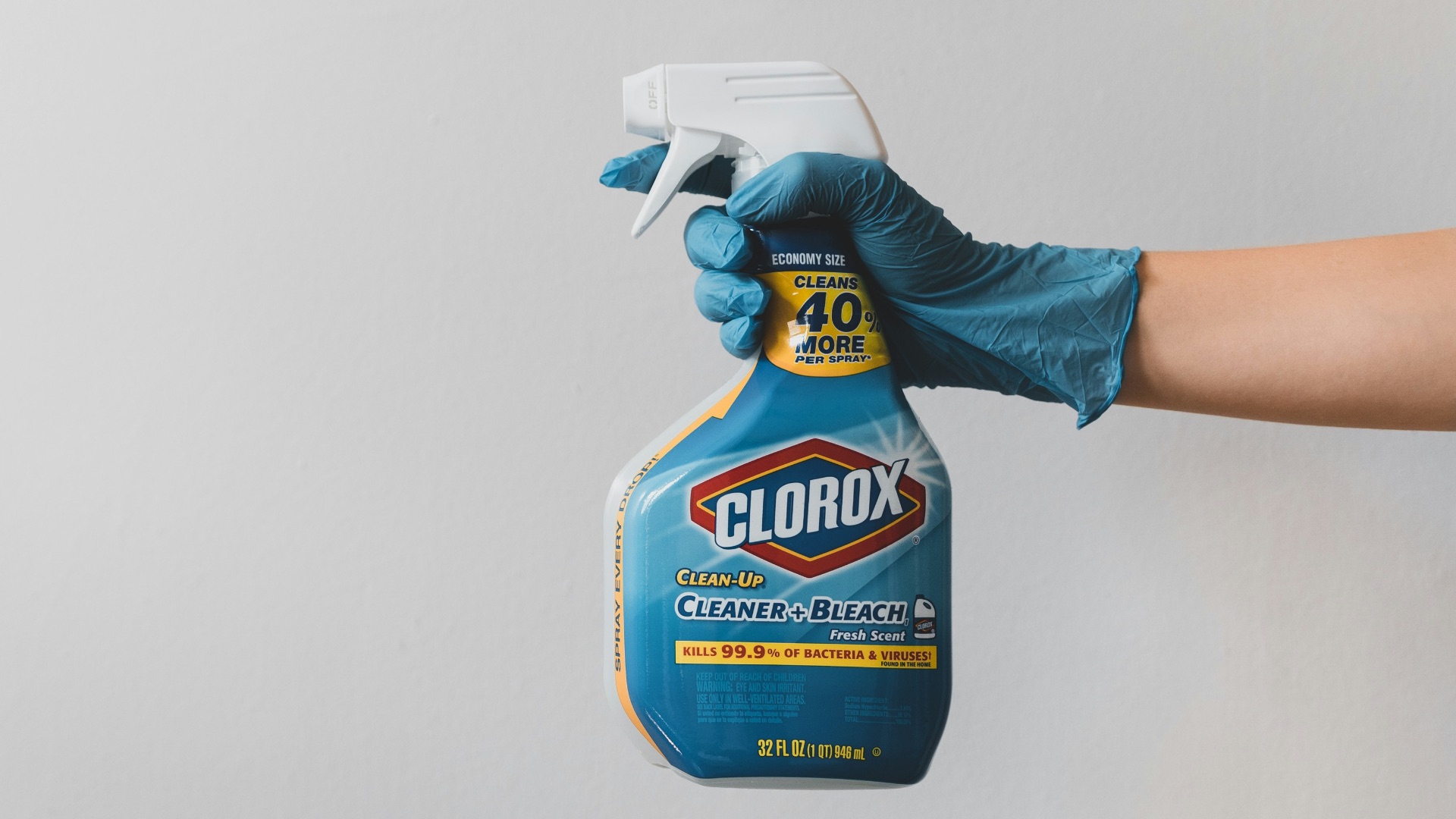
18. Mixing Cleaning Products
You'd assume that combining household cleaners might give you extra cleaning power, but it can be dangerous—even fatal. Certain products can react with one another and release harmful gases, so always be careful about which ones you're using together. Unless a manufacturer explicitly says you can, keep your cleaners separate and follow their labels.
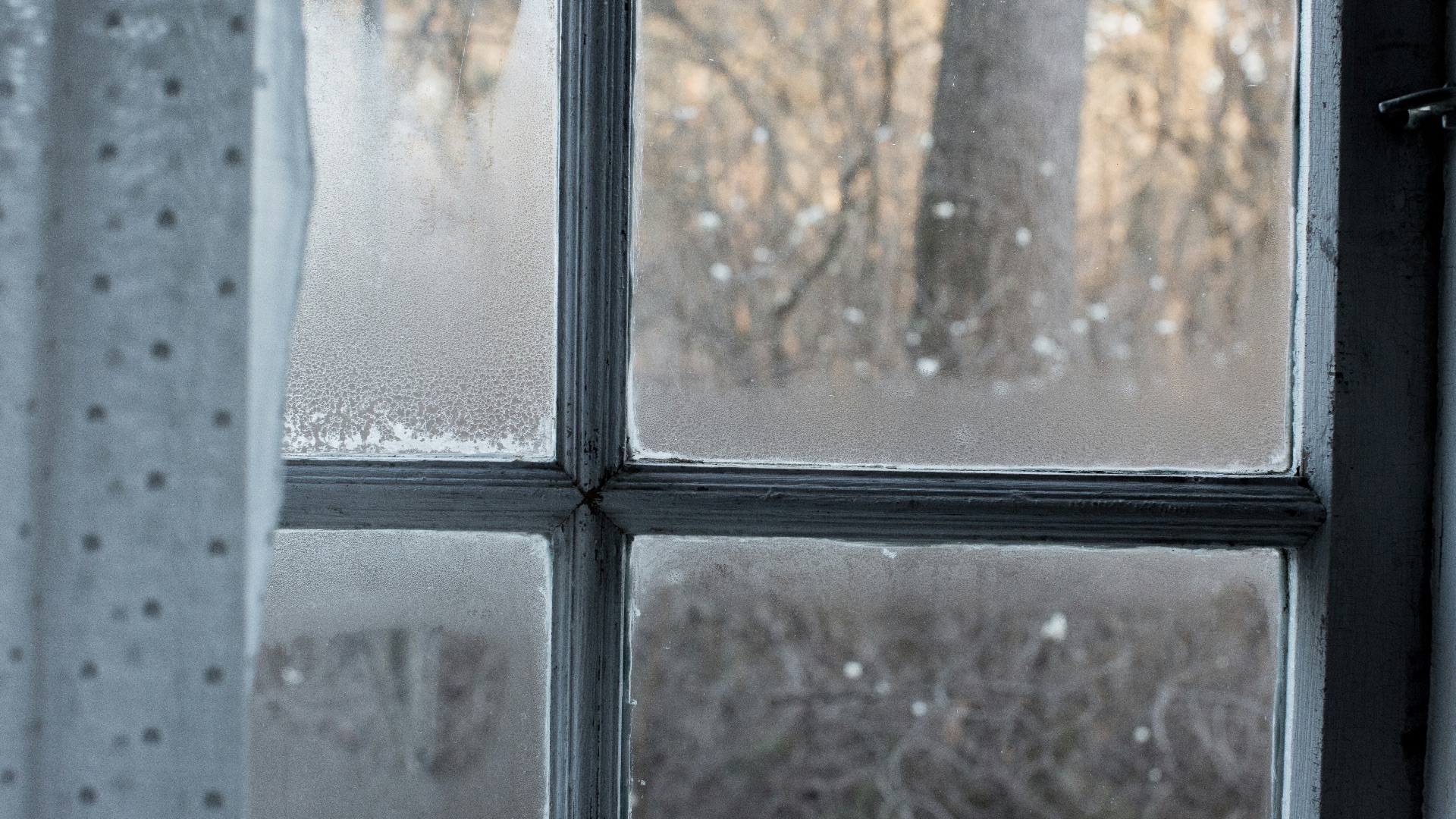
19. Ignoring Condensation on Windows
Water repeatedly collecting along windows can be an early sign that indoor humidity is too high or that ventilation needs attention. Sure, you can simply wipe away the droplets, but that won't address the actual problem. Persistent moisture can eventually support mold growth, so don't ignore it.
20. Leaving Pet Areas Too Long Between Cleanings
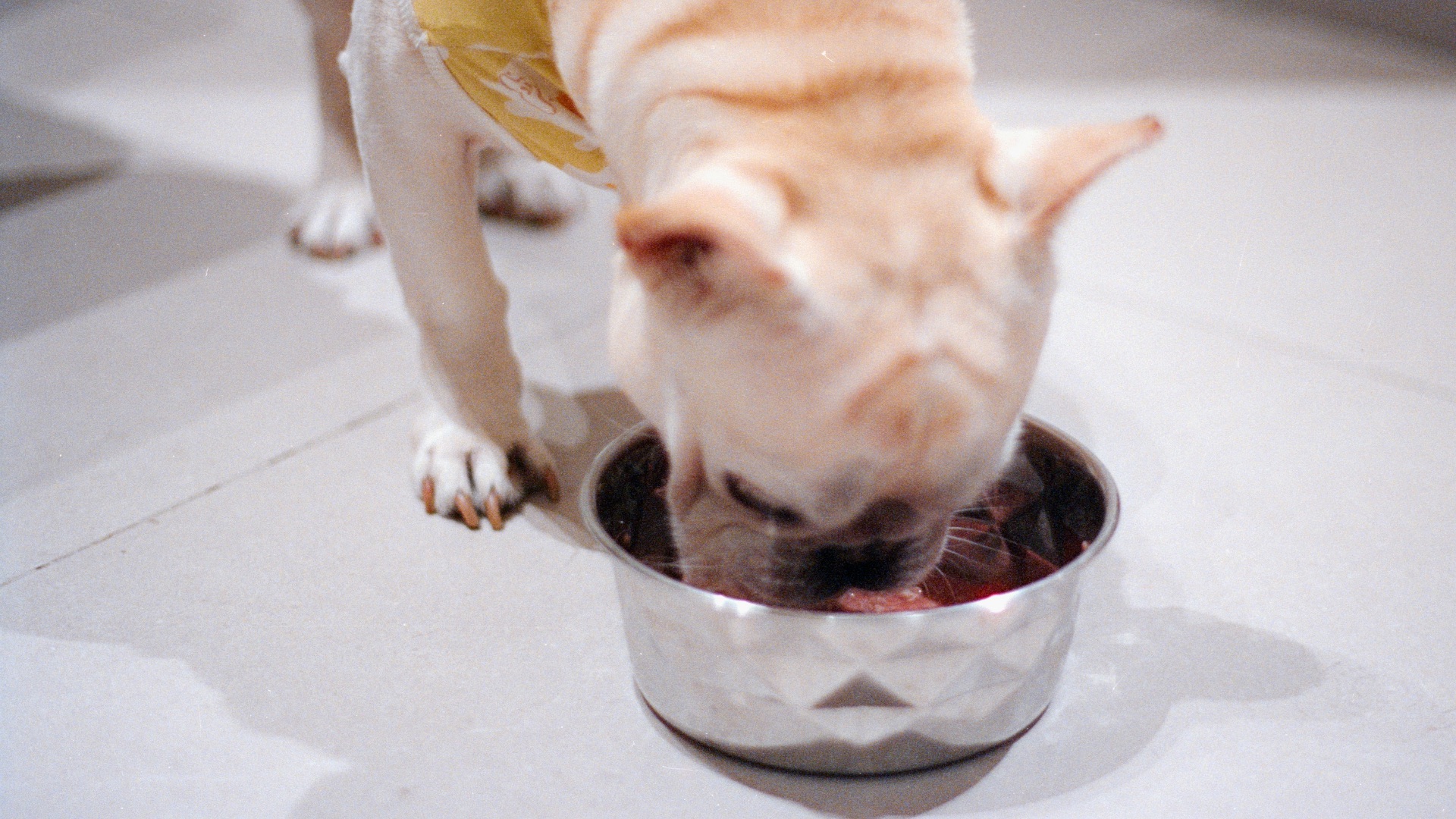
No one said owning a pet was easy! So, make sure to always thoroughly rinse food bowls, water dishes, litter areas, and bedding; dander and waste can accumulate quickly if you don't. Regular cleaning also helps control odors, pests, and unnecessary microbial buildup while making the space healthier for both you and your pet.