
What Your Body Notices First
The National Kidney Foundation estimates around 37 million American adults have chronic kidney disease, and roughly nine in ten of them have no idea. Function can drop by half before anything feels wrong, which is why the signs below tend to show up later than anyone would like and why most of them could easily be something else entirely. A blood test for creatinine and a urine test for albumin are how this actually gets caught, and both are cheap and routine. Here's 20 things worth mentioning to a doctor, particularly if diabetes or high blood pressure runs in your history.
1. Foamy Urine
Healthy urine can bubble a little from the force of hitting water. What matters is foam that lingers in the bowl after a flush, more like beer head than bubbles. That usually means protein is slipping through filters built to hold onto it, which is the earliest measurable sign of kidney damage there is.

2. Swollen Ankles and Feet
Sock elastic leaving a deep ring by the end of the day is worth paying attention to. When kidneys stop clearing sodium efficiently, fluid backs up and gravity puts it in the lowest place available. Press a thumb into the swelling, and if the dent stays for a few seconds, that's the kind worth reporting.

3. Puffiness Around the Eyes
Waking up with puffy eyes and no explanation is one of the earlier signs, particularly in younger people. Losing large amounts of protein in urine drops the protein level in blood, and fluid moves into loose tissue where there's nothing holding it back. The skin around the eyes is about the loosest tissue on the body, so it shows up there before it shows up anywhere else.

4. Getting Up to Pee at Night
One trip is normal at plenty of ages. Two or three, when that used to be zero, can mean the kidneys have lost some ability to concentrate urine overnight. Prostate issues and untreated diabetes cause the same thing, so this one needs a doctor to sort out rather than a guess.

5. Urinating Noticeably Less
Output dropping off without a heat wave or a stomach bug to explain it points the other direction from the last one. Less urine can mean less blood is getting filtered in the first place. A sudden drop over a day or two is worth a same-week call rather than a wait-and-see.

6. Blood in the Urine
Urine that comes out pink or cola-colored needs evaluation, and not next month. Intact kidneys keep blood cells out of urine, so their showing up means something is letting them through. Infections and stones cause this too, which is still a reason to get it looked at.

7. Fatigue That Sleeping Doesn't Touch
Kidneys produce erythropoietin, the hormone that tells bone marrow to make red blood cells. When that production falls off, anemia follows, and the tiredness that comes with it doesn't respond to a good night's sleep or a weekend off. People hand years of this to their job or their age before anyone thinks to check a blood count.

8. Trouble Concentrating
Waste products that kidneys normally clear will build up in blood and affect how the brain works. It shows up as losing the thread mid-sentence or reading a paragraph three times. Anemia compounds it by delivering less oxygen to the brain, and the two together get mistaken for burnout constantly.
 christopher lemercier on Unsplash
9. Itching With No Rash
Persistent itching on the back or arms with nothing visible on the skin is common in advanced kidney disease. Phosphorus and other minerals build up when filtration slows, and the itch is one result. It runs worse at night, doesn't respond much to moisturizer, and can get severe enough to interfere with sleep.

10. A Metallic Taste in Your Mouth
Food starts tasting like tin, and meat is usually the first thing people go off of. Urea accumulating in the body changes taste, and it's one reason kidney patients lose weight without trying. Plenty of people describe the taste as pennies, and it usually arrives before they notice anything else on this list.

11. Breath That Smells Like Ammonia
Urea in saliva breaks down into ammonia, which is why breath can take on a smell somewhere between urine and window cleaner. Partners and dentists tend to notice it before the person living with it does. This one comes late in the process and is not a subtle sign.

12. Appetite Falling Off
Not being hungry for a day is nothing. Weeks of pushing food around a plate, especially with a metallic taste alongside it, is a different situation. Waste buildup suppresses appetite, and the weight comes off slowly enough that people credit it to stress.

13. Nausea, Particularly in the Morning
Morning nausea with no other cause turns up regularly in declining kidney function. It comes from the same waste accumulation behind the taste changes and the appetite loss. Vomiting on top of that brings on dehydration, which puts further strain on kidneys already having a hard time.

14. Muscle Cramps
Cramps in the calves and legs come from electrolytes going out of balance, especially calcium and phosphorus. Low calcium in particular makes muscles fire when they shouldn't. Cramping that shows up regularly, without a change in exercise or heat, deserves bloodwork rather than more bananas.

15. Restless Legs at Night
That crawling, have-to-move sensation in the legs at bedtime shows up far more often in people with kidney disease than in the general population. The exact mechanism isn't settled, though iron handling and nerve irritation both appear to be involved. It wrecks sleep, which then gets blamed for the fatigue.

16. Shortness of Breath
Two separate problems can cause this. Fluid the kidneys aren't clearing can collect in the lungs, and anemia means the blood carries less oxygen per breath. Getting winded on a flight of stairs that never used to register is the version most people notice first.

17. Blood Pressure That Won't Come Down
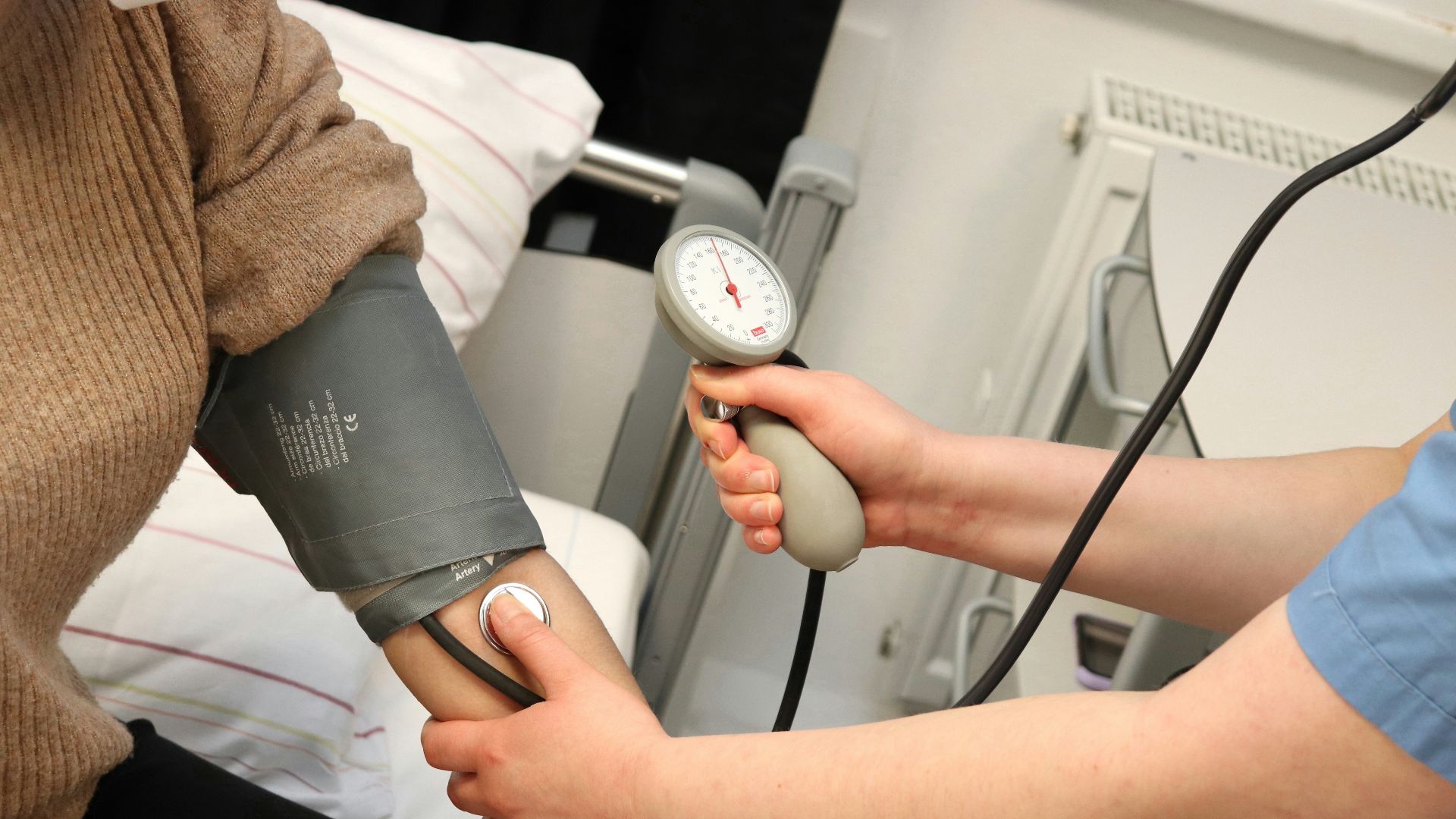
Kidneys help regulate blood pressure, and damaged ones tend to drive it up. High pressure then damages them further, which is a loop worth interrupting early. Pressure that stays high on two or three medications is a common way kidney trouble first announces itself.
18. Feeling Cold All the Time
Anemia leaves people cold when nobody else in the room is, particularly in the hands and feet. It often arrives alongside fatigue and gets filed away as an anamoly. Being the person in a sweater while everyone else is comfortable is worth raising with a doctor.

19. Pain in Your Flank or Lower Back
Kidneys sit under the lower ribs toward the back, higher than most people picture. Pain there, especially on one side with a fever, points more toward stones or infection than slow decline. Chronic kidney disease is usually painless, which is exactly why it goes unnoticed.

20. A Change on Routine Bloodwork
Rising creatinine or a falling eGFR on an annual panel is the most reliable warning on this list, and the only one that shows up before symptoms do. Ask for the urine albumin-to-creatinine ratio as well, since protein in urine often appears earlier than a change in blood values. If you have diabetes or high blood pressure, both tests should be happening every year.
KEEP ON READING

20 Warning Signs Your Kidneys Are Under Stress



20 Strange Facts About Human Skin