Your Tastes Are Genetically Pre-Determined
If you've ever wondered why you love a food that someone else can't stand, genetics may have something to do with it. Your genes influence the taste receptors and sensory systems that help you detect sweetness, bitterness, saltiness, sourness, and other flavors, which means two people can eat the same meal and have noticeably different experiences. Environment, culture, habits, age, and even what you ate as a child also matter, so your DNA isn't the only factor at the dinner table.

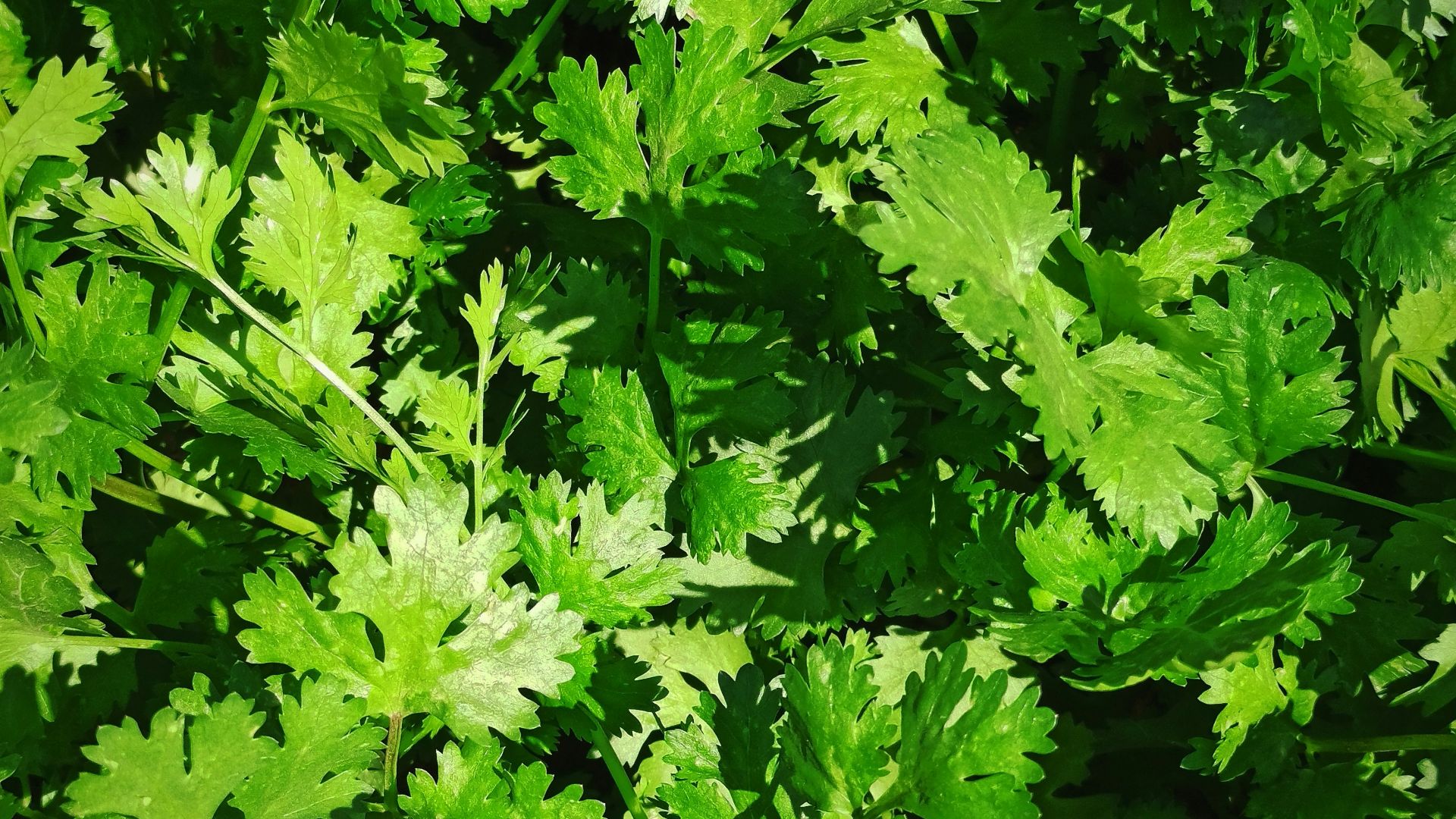
1. Cilantro Can Taste Like Soap
Cilantro can taste like soap to some people, which appears to have a genetic component. Some gene variations involving smell receptors can influence how strongly people perceive the odors of natural compounds known as aldehydes, which are found in cilantro. As smell plays such a big role in flavor, this can cause some people to taste soap rather than a fresh herb.
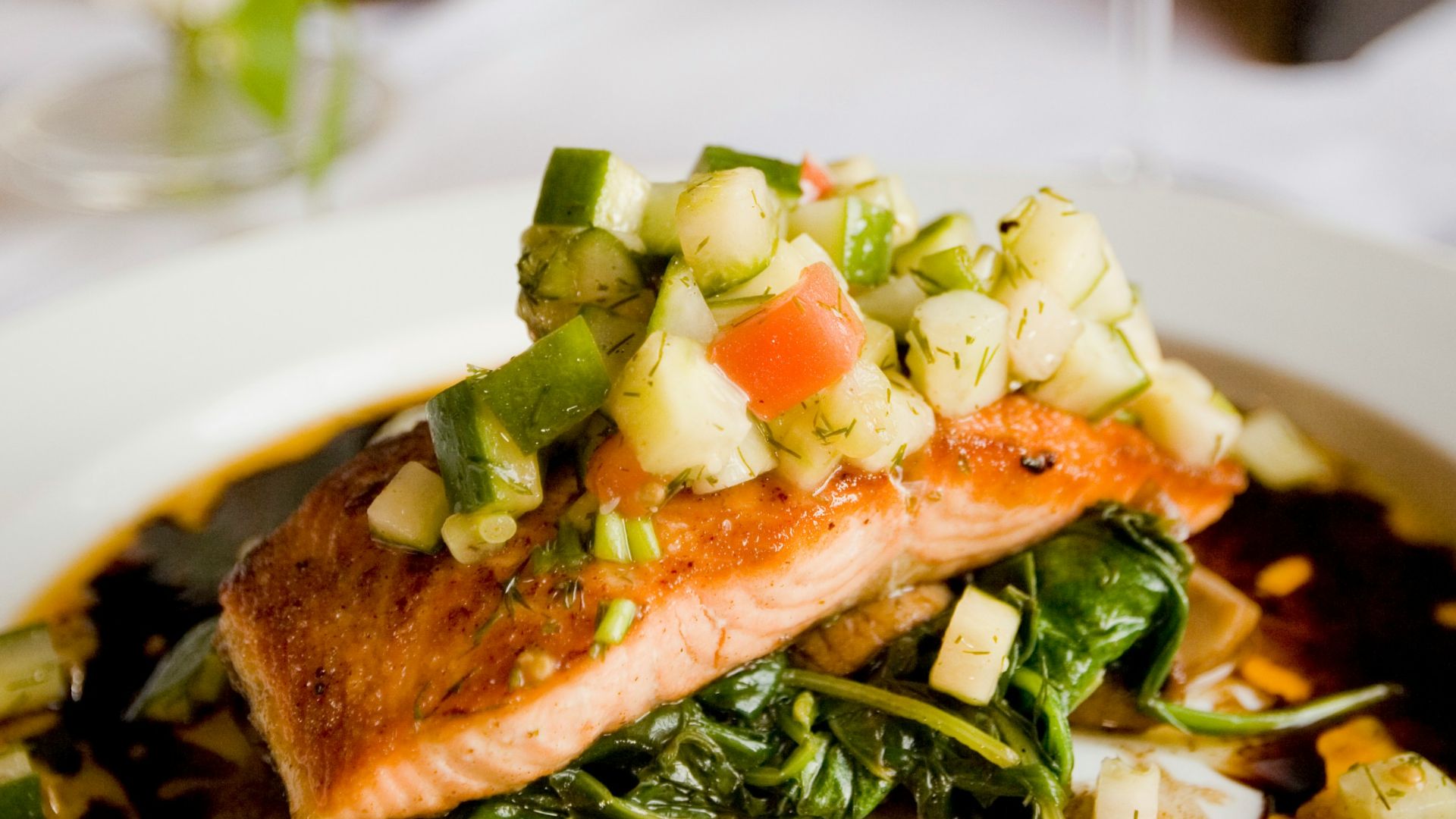
2. Broccoli May Taste Much More Bitter
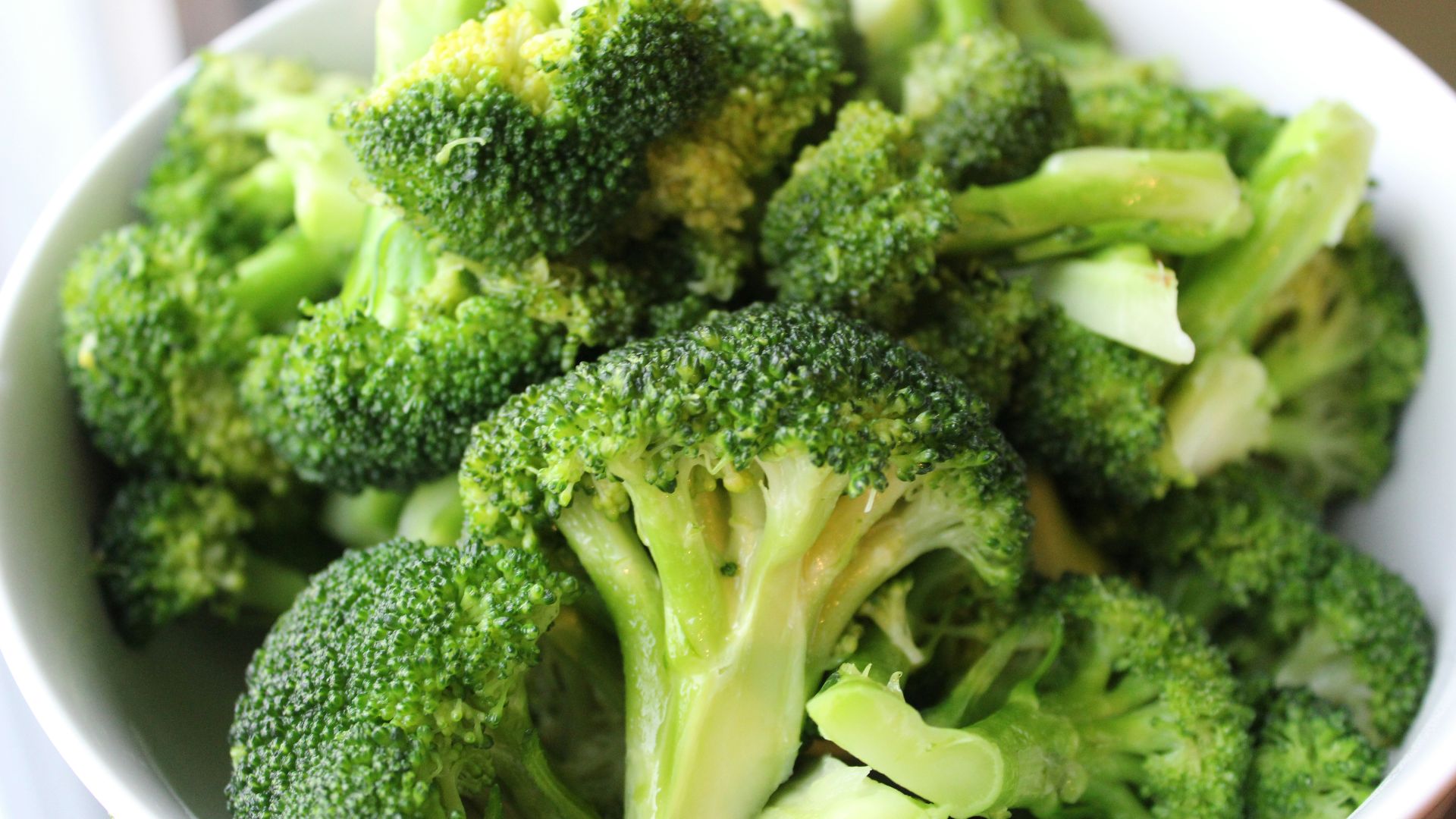
Broccoli is chock-full of natural compounds that trigger your bitter-taste receptors. Genetics may play a role in your perception of broccoli since people vary in how strongly they perceive certain bitter compounds. If broccoli tastes especially harsh to you while someone else thinks it's perfectly mild, your genes could be part of the reason.
 Tyrrell Fitness And Nutrition on Unsplash
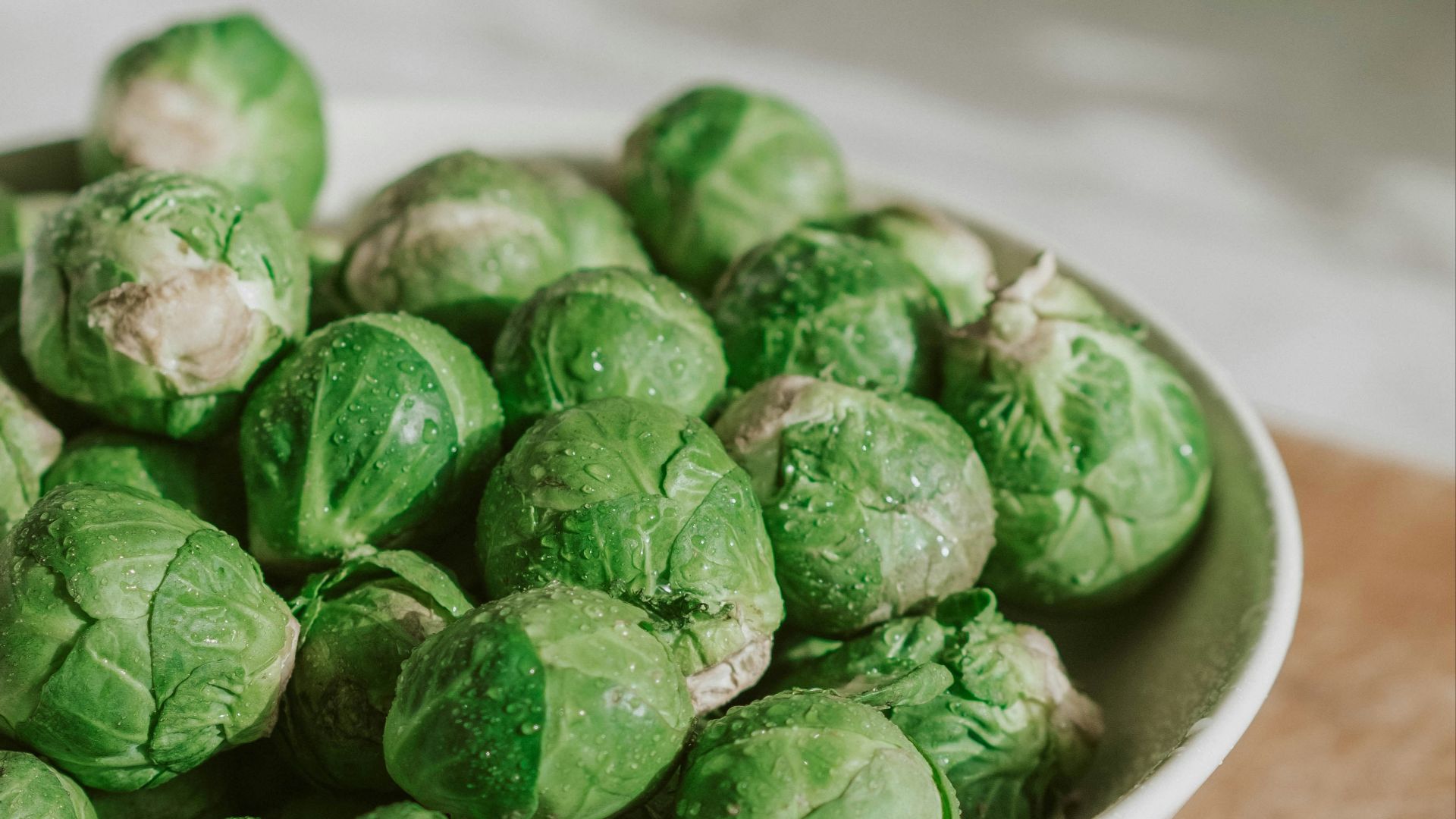
3. Brussels Sprouts Can Be Genetic Trouble
Much like broccoli, Brussels sprouts contain naturally occurring compounds that can trigger bitterness in those who are extra sensitive to certain flavors. Some gene variations can cause those compounds to taste stronger, which may be why some people love Brussels sprouts and others want them nowhere near their plate.
4. Coffee's Bitterness Can Feel Different
There are multiple bitter compounds found in coffee, so your taste buds will partially determine how you feel about the drink. Genes can influence your perception of coffee’s bitterness, but smell genes can also play a role in how complex and enjoyable it tastes to you.

5. Sweetness Isn't Experienced Equally
Variations in taste receptor genes can play a role in how sensitive you are to sweetness. Everyone has two versions of the sweetness gene, so you and a friend can eat the same bowl of ice cream and have one person taste more sweetener than the other. That variation may influence how much sugar someone prefers in foods and drinks, although environment and repeated exposure matter too.

6. Saltiness Can Vary From Person To Person
Saltiness is also thought to be affected by genetic differences. There are several systems within your body that allow you to recognize and process salty flavors. If one person tends to use more salt on food than someone else does, their taste buds may naturally crave more saltiness.

7. Certain People Are Super Tasters
Some individuals are incredibly sensitive to all sorts of taste qualities and are often referred to as “supertasters.” Variations in multiple genes can result in higher taste bud density as well as heightened sensitivity to certain bitter substances. Supertasters may find some vegetables, alcoholic beverages, coffee, and other strongly flavored foods much more intense than people with lower taste sensitivity.
8. Drinks Can Taste More Bitter
Several aspects of alcohol’s flavor are actually impacted by your genes. Genetics can impact how you taste and smell bitterness, sweeteners, and certain compounds that give hard drinks their aroma. Someone who finds alcohol to be extremely bitter may actually be sensing those flavors more strongly than others.

9. Spicy Food Can Feel More Intense
Genetics can play a role in the sensation you feel when eating something spicy. Remember that spicy isn’t technically a taste, but your genes can still influence how your brain perceives and reacts to chili peppers and other spicy foods.

10. Fatty Foods May Feel Different
Studies suggest that genetics can impact how we perceive fat as well as how sensitive we are to fatty foods. For example, some people may be more sensitive to the texture that fats leave behind in your mouth, while others might find fatty foods significantly more pleasing. However, food preferences are complex, so there is no single gene that controls how many fries you eat at a restaurant.
 Diego Arenas de Rodrigo on Unsplash
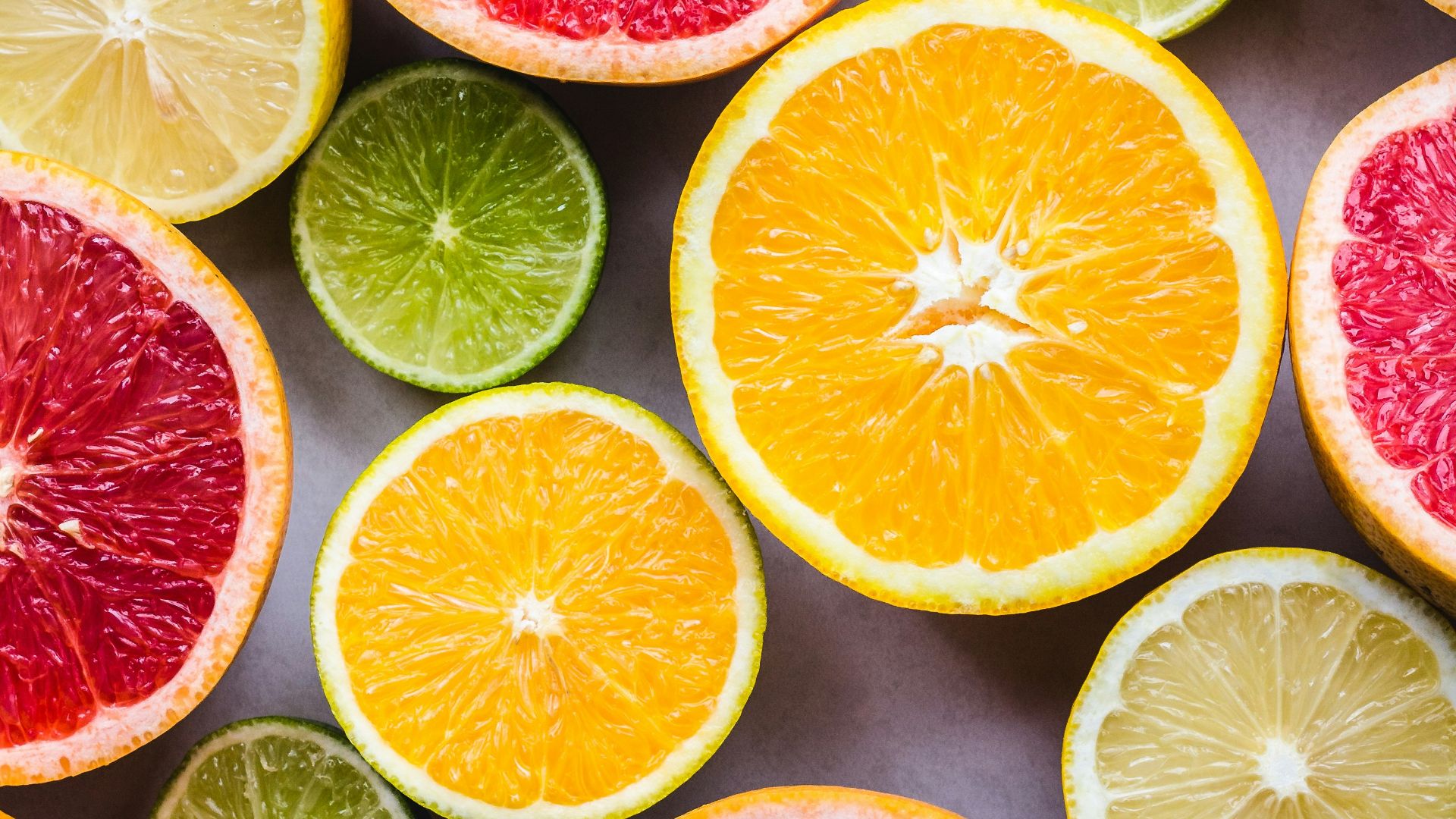
11. Grapefruit Can Taste Extra Bitter
Grapefruit contains compounds that can trigger your bitter taste receptors as well as substances that are detected by gene variations associated with increased bitterness. Someone may find grapefruit too bitter for their liking if their genetic makeup causes these compounds to be stronger.
12. Some People Notice Bitterness In Dark Chocolate More
Dark chocolate tends to be more bitter than milk chocolate since it contains fewer sweeteners and more cocoa solids. Certain gene variations can influence how strongly you perceive the bitterness in dark chocolate. Not everyone will react to dark chocolate the same way, especially since your preferences can change with added sugar and time.

13. Certain Genes Affect How You Smell Food
Your sense of smell greatly influences how you perceive the flavor of food. There are thousands of smell genetic variations that can influence how you detect certain odors. As a result, your genetic makeup can affect whether a food seems wonderfully fragrant, barely noticeable, or downright unpleasant.

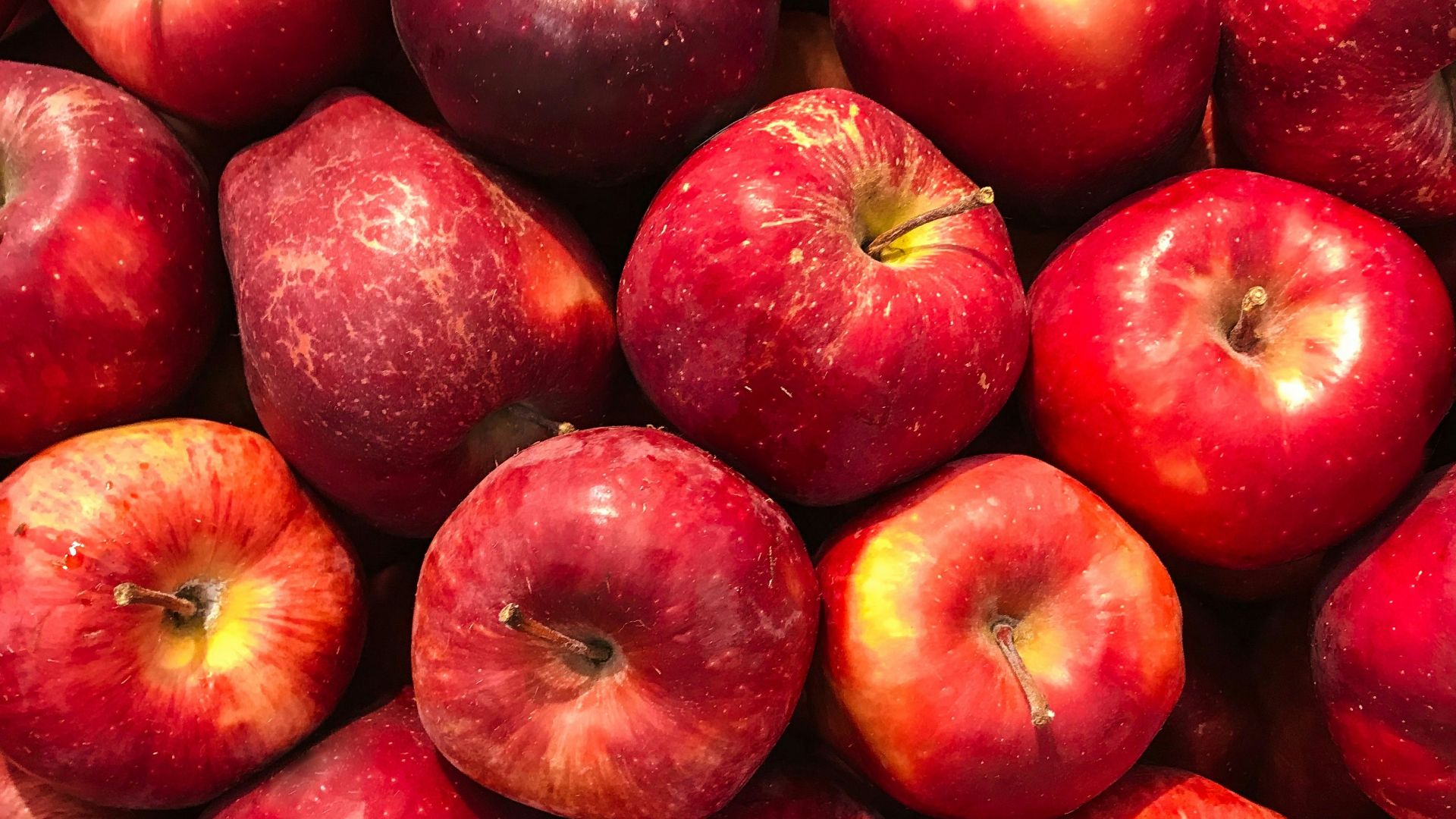
14. Apples Can Seem Sweeter To Some People
Like most fruits and foods in general, there’s more to how sweet an apple tastes than the actual sugar content. Genetics can play a role in your taste buds’ ability to detect sweetness. That's one reason two people can share the same apple and disagree about whether it's wonderfully sweet or disappointingly bland.
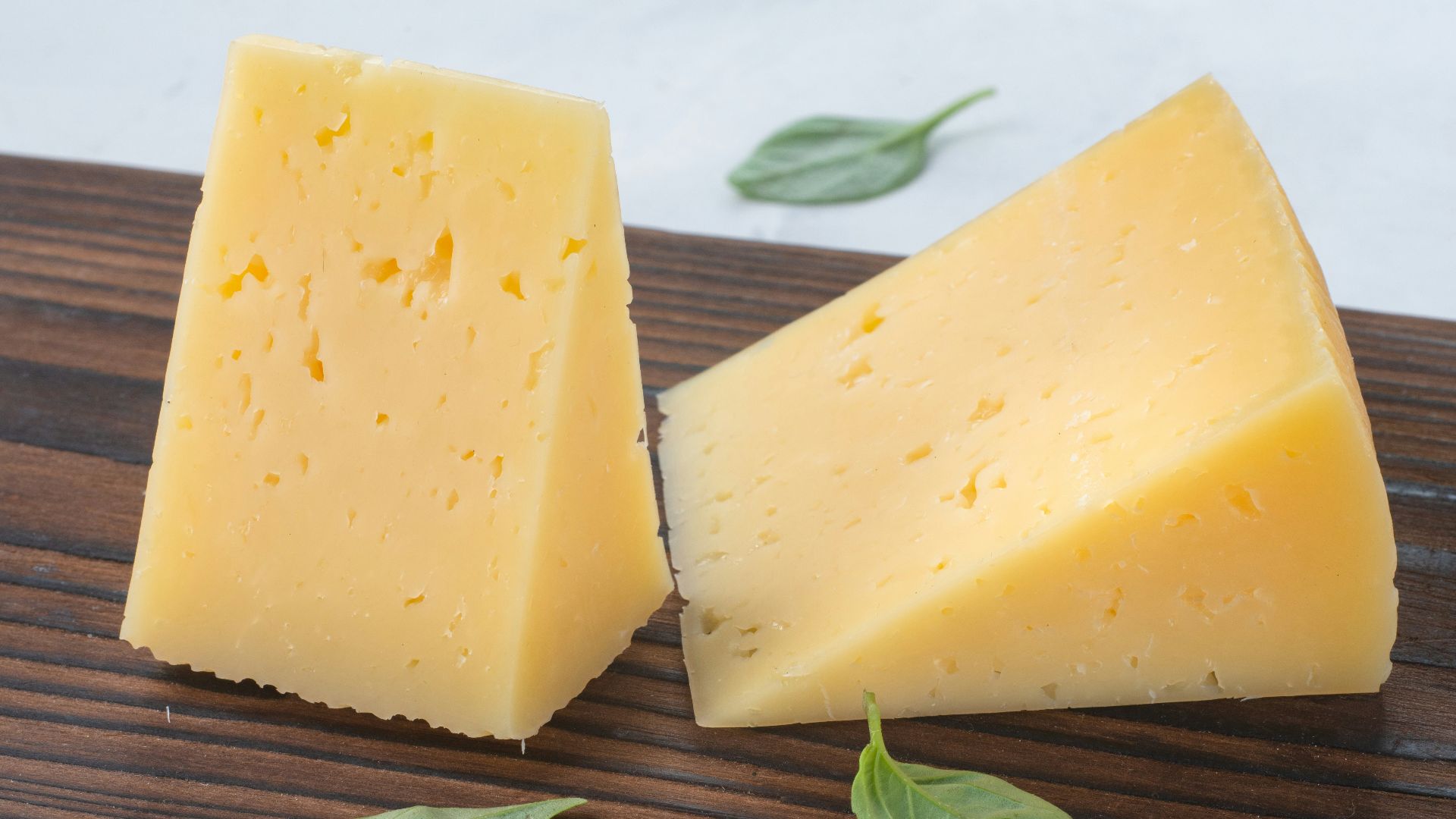
15. Cheese Can Have A Stronger Flavor
Your genetic code can influence how cheese smells and tastes through multiple receptors. Aged cheeses are usually more pungent than mild cheese varieties, so someone who loves sharp cheddar may perceive the cheese aroma more strongly.
 David Foodphototasty on Unsplash
16. Certain Greens May Taste Surprisingly Metallic
Certain greens can have particularly bitter or sulfur-like qualities. Genetic differences in taste and smell perception may make those notes more noticeable for certain people. What seems metallic, sharp, or unpleasant to you could therefore register as mild or barely noticeable to someone sitting across the table.

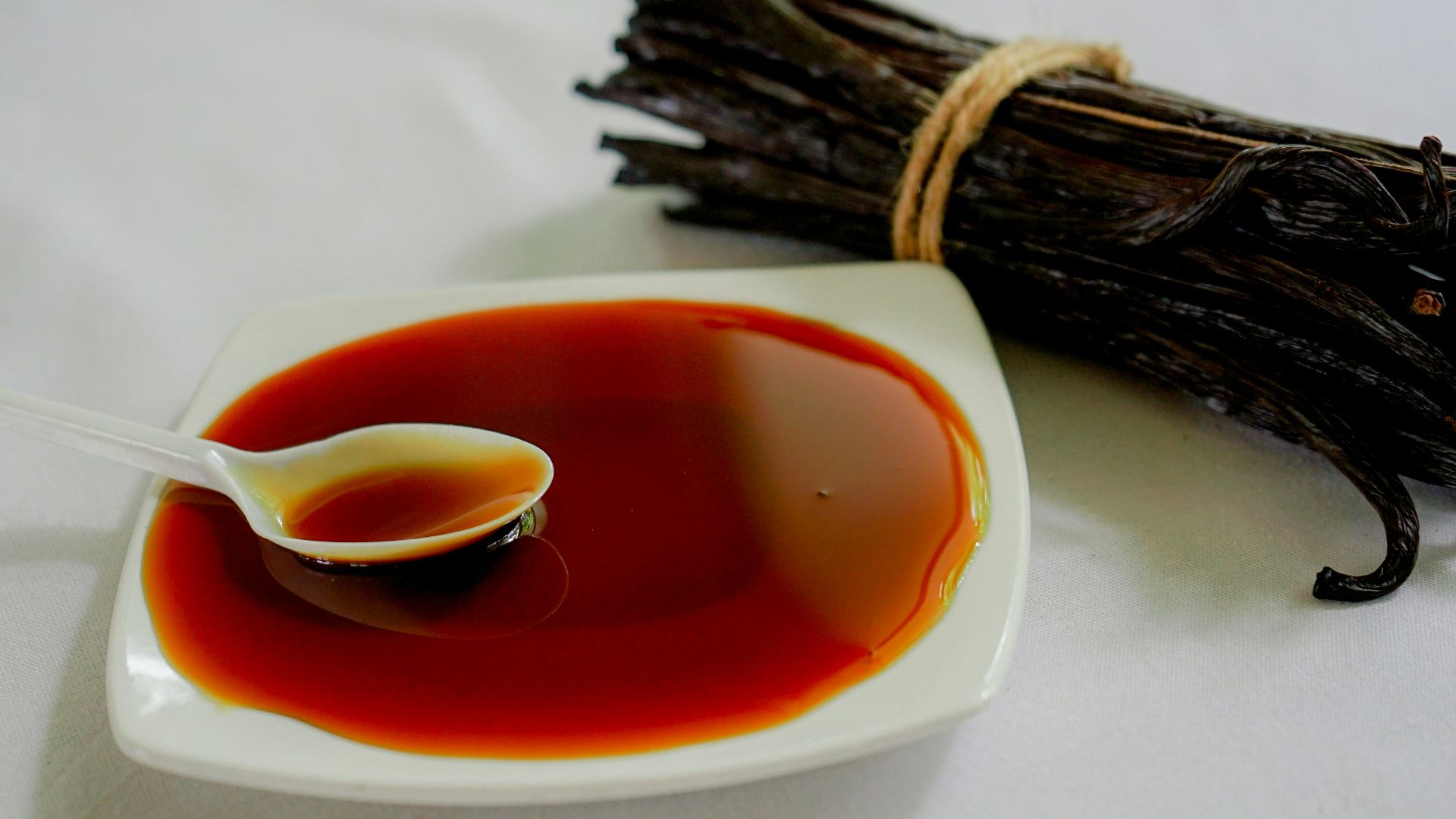
17. Vanilla Can Smell Different To Different People
Vanilla smells and tastes sweet to many people, but genetics can play a role in how you perceive its aroma. Everyone has genetic variations that influence how we detect smells. Vanilla can taste rich and sweet to one person but slightly less sweet to another person due to smell genetics.
18. Some People Are More Sensitive To Sourness
While sourness is determined by how many acids a food contains, some people are more sensitive to sour flavors than others. There are genetic variations that influence how we taste and process acidic foods. Exposure plays a role in this as well since some people develop a liking for sour foods.

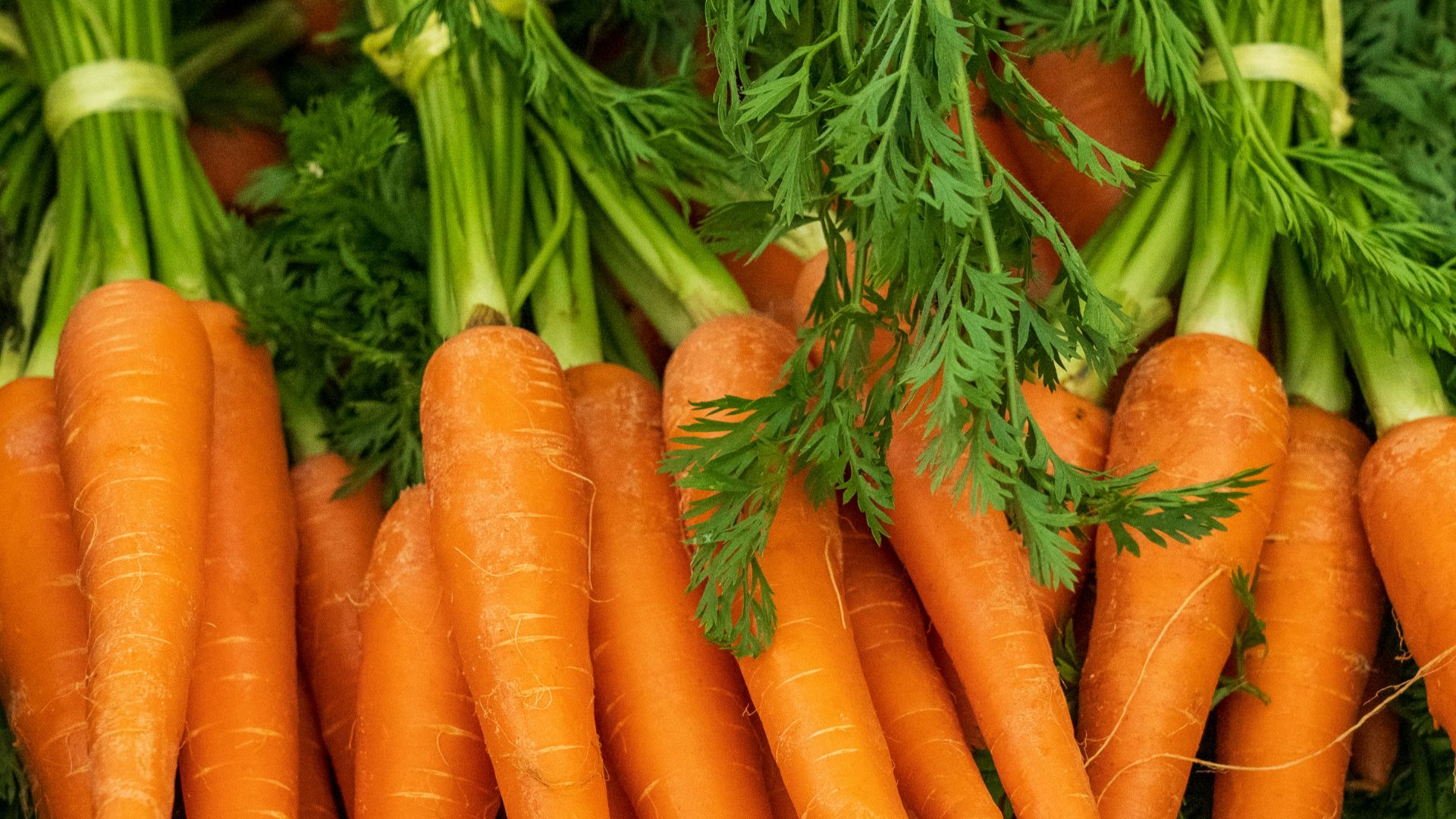
19. Carrots Can Have Different Levels Of Sweetness
Carrots contain natural sugars as well as various aromatic compounds. Not only can genetics influence how sweet your carrot tastes, but also how you perceive its aroma. Cooking can also affect how sweet carrots taste.
20. Your Overall Food Preferences Can Have A Genetic Component
You may have heard that our genes contain a list of likes and dislikes when it comes to food. While this isn’t true, our taste and smell receptors and sensitivities can influence how we perceive certain foods. Your upbringing, culture, experiences, health, and repeated exposure then add their own influence, leaving you with a very personal relationship with food.
KEEP ON READING



10 Pre-Workout & 10 Post-Workout Tips To Follow