

Spinning, Spinning, Spinning
Ever stood up suddenly and felt like the world was tilting beneath your feet? As it turns out, it's not only physically spinning yourself round and round that can make you dizzy. In fact, the reasons can range from as simple as skipping lunch to as complicated as an inner ear issue, which is why it's important to chat with a doctor if lightheadedness or balance problems start abruptly or come on with other symptoms. With that said, here are 20 things that might make you feel dizzy.

1. Standing Up Too Quickly
As we've mentioned, getting out of bed or rising from a chair too fast can cause orthostatic hypotension, or a response where your blood pressure temporarily drops. For a few seconds, you may feel lightheaded, and you may even notice your vision dimming. It's also especially common when you're dehydrated or have been sitting or lying down for a long time.

2. Not Drinking Enough Water
When you don't drink enough water, you're more likely to experience low blood pressure and dizziness. Other signs and symptoms may appear, too, like fatigue, a dry mouth, or darker urine. It's a reminder to always stay well-hydrated.

3. Going Too Long Without Eating
Skipping meals can leave some people feeling shaky, weak, or dizzy; this is typically due to their blood sugar falling lower than usual. If you take certain diabetes medications, you might be even more susceptible to hypoglycemia, although anyone is bound to feel poorly after going a long time without food.

4. An Inner-Ear Problem
Your ears aren't only responsible for hearing—they also contain structures that play a major role in maintaining your balance. Inflammation, infection, or other disturbances may therefore trigger vertigo, nausea, and difficulty walking steadily. Worse yet, the sensation can be intense even when you're sitting still.

5. Turning Your Head a Certain Way
It's not just standing up too quickly that can make the world spin. In fact, even rolling over in bed or bending down can make you dizzy, and it could be due to BPPV, or benign paroxysmal positional vertigo. This sudden condition happens when the tiny calcium particles within your inner ear shift, interfering with normal balance signals.

6. Motion Sickness
If you've ever felt sick while riding in a car or a boat, you probably already know you're prone to motion sickness. Even certain video games can trigger dizziness! As for why this happens, it's because your eyes and inner ears are sending conflicting information about movement. Nausea, sweating, headache, and general discomfort often accompany the sensation.

7. Being Too Hot
Have you ever come out of a steamy shower feeling dizzy? Spending too long in intense heat can make blood vessels widen while your body loses fluids through sweat. That combination may lower blood pressure enough to leave you dizzy, weak, or faint. Be careful: these symptoms can be early warning signs of heat exhaustion.

8. Drinking Alcohol
Alcohol can also affect your balance. Even before you've had one too many, your coordination and spatial awareness may already be impaired. It doesn't help, either, that alcohol usually causes dehydration as it's a diuretic.

9. Certain Medications
Medications are known for causing all kinds of side effects, and dizziness is just one of many. From blood pressure drugs to certain seizure medications, various prescriptions can make you lightheaded or unsteady. If you experience this after starting or changing a dose, it's worth discussing with a healthcare professional.
 Christina Victoria Craft on Unsplash
10. Anxiety or a Panic Attack
Anyone who's ever experienced an anxiety or panic attack will know that it can alter your breathing, heart rate, and awareness of physical sensations. Feeling faint or dizzy, again, is only one of many symptoms you might have. It can feel particularly alarming because the symptoms may come on suddenly and be extremely intense.

11. Anemia
Anemia occurs when your blood doesn't carry enough oxygen to the body's tissues. Along with dizziness, you may also feel tired, weak, or short of breath. Iron deficiency is a common cause of anemia, but it's best to chat with a doctor about the cause than diagnose yourself.

12. A Migraine
Contrary to what you might think, migraines don't always involve the splitting headache people talk about. Vestibular migraine, for example, can produce vertigo, imbalance, and sensitivity to motion with or without head pain. Episodes can last anywhere from minutes to hours.

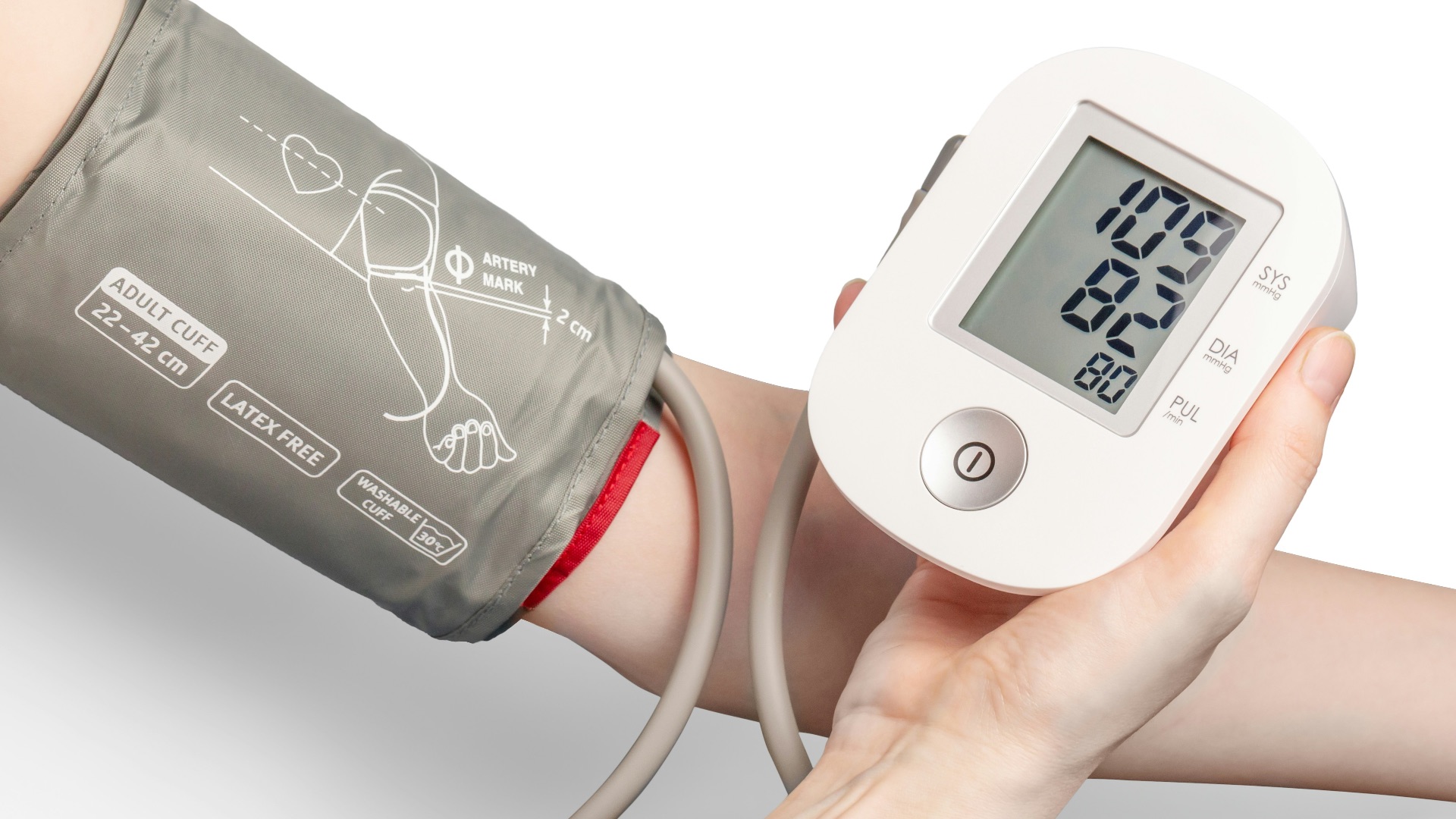
13. Low Blood Pressure
We've already covered some conditions that can trigger low blood pressure, but hypotension itself can bring on alarming symptoms. Dizziness, of course, is one; weakness, blurred vision, and nausea are some of the others. Medication, heart problems, and other conditions can contribute to unusually low readings.
14. An Irregular Heart Rhythm
Your heart needs to maintain an effective rhythm to pump blood properly to the rest of your body. If it beats irregularly, you might experience dizziness, shortness of breath, or a sensation that your heart is fluttering or pounding. If symptoms come on suddenly and are accompanied by severe chest pain, seek medical attention immediately.

15. A Drop in Blood Sugar
As we've covered, skipping meals can cause low blood sugar, and hypoglycemia can cause lightheadedness along with many other symptoms, chief among them shakiness and a rapid heartbeat. Keep in mind that severe drops can be dangerous, so anyone at risk should know their recommended treatment plan and warning signs.

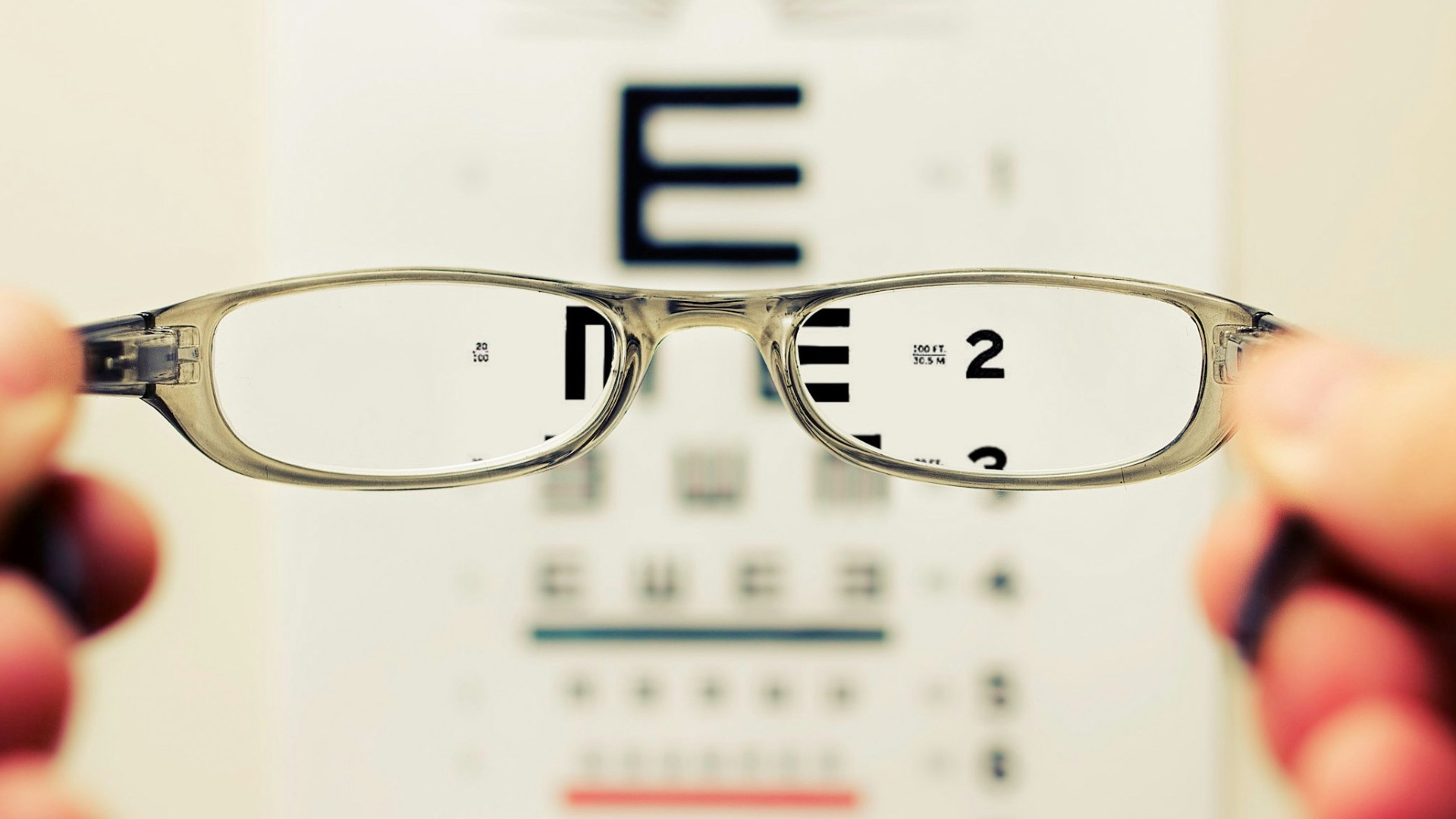
16. Problems with Your Vision
Your brain relies heavily on visual information to orient you. It's why an old (or new) eyeglass prescription or eye strain can sometimes leave you feeling disoriented. You're more likely to notice these symptoms when walking, reading, or moving through busy surroundings.
17. An Ear Infection
You already know that problems with your inner ear can cause dizziness, so it shouldn't come as a surprise that infections can affect your balance as well. Depending on the location and severity, your symptoms may be severe, and you may even experience reduced hearing or fluid drainage. Your balance only gets worse as the inflammation spreads.

18. Lack of Sleep
A night or two of poor sleep can affect more than your concentration. In fact, it can make you feel unstable. Sleep deprivation can also worsen conditions such as migraines and anxiety, which will only double the dizziness and lightheaded feeling.

19. A Concussion
Concussions can be extremely dangerous. A significant strike to the head can cause dizziness, but it can also bring on much more worrisome symptoms. In particular, watch out for any new neurological symptoms after a head injury, and speak to a doctor right away.
 https://kaboompics.com/ on Pexels
20. A More Serious Neurological Problem
As you've seen, most episodes of dizziness aren't serious, but that doesn't mean you should take the symptom lightly. Case in point: sudden severe dizziness can occasionally signal a stroke or another neurological problem. That's why you should always seek emergency medical evaluation if lightheadedness begins abruptly or is accompanied by other alarming signs.
 https://kaboompics.com/ on Pexels
KEEP ON READING


20 Things Your Body Is Secretly Doing Right Now