

Everyday Choices Can Lower Your Risk
Kidney stones can form for several reasons, including dehydration, dietary patterns, certain medical conditions, medications, and inherited factors. Because different stones require different prevention strategies, there isn’t one perfect plan for everyone, especially if you’ve already experienced them. Still, consistent hydration, sensible food choices, and personalized medical guidance can significantly reduce the likelihood that painful stones will develop or return. Here are 20 ways to prevent kidney stones.
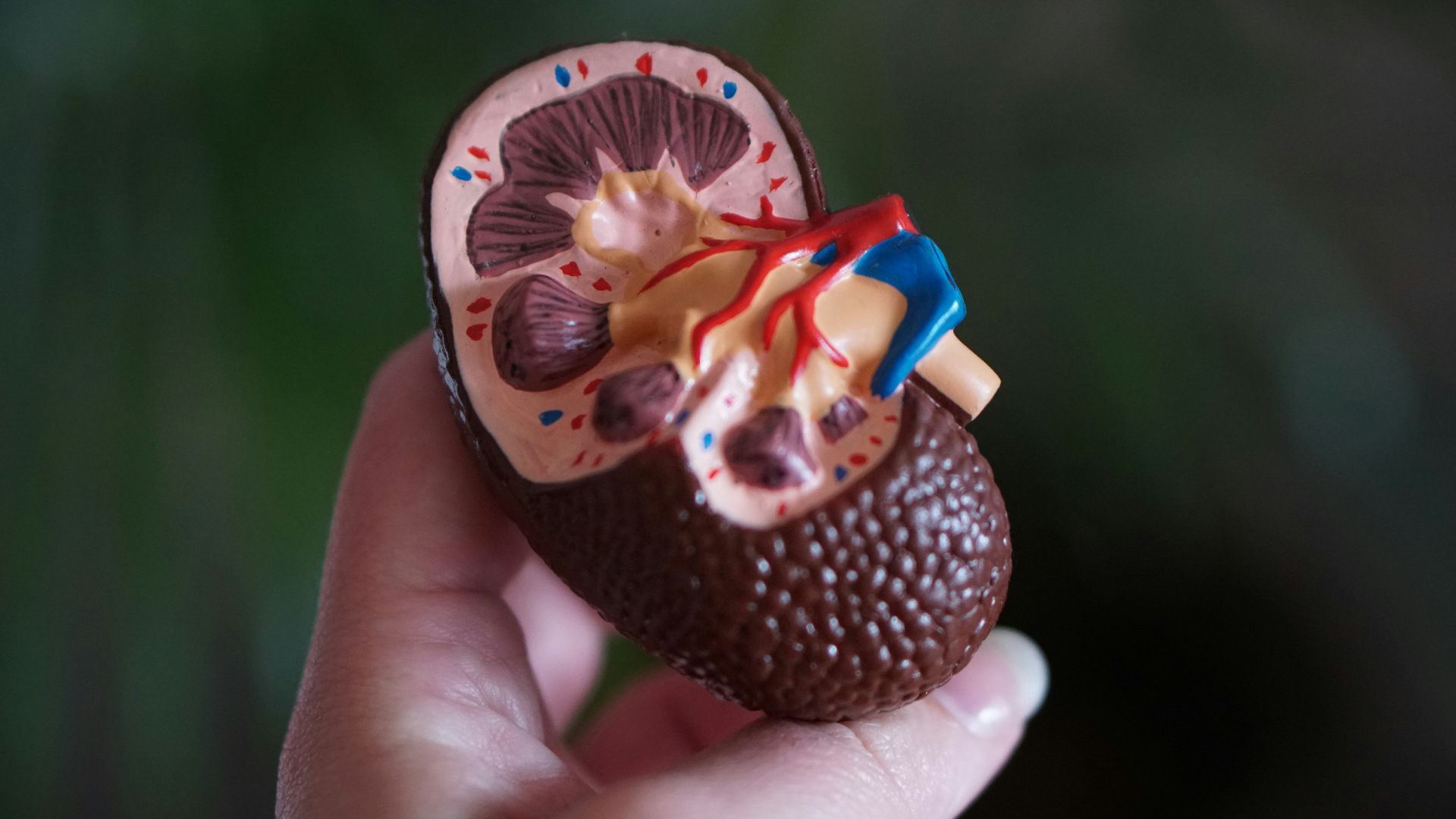
1. Drink Water Throughout The Day
Drinking enough water dilutes the minerals and salts in your urine, making them less likely to collect into stones. Rather than consuming a large amount at once, spread your water intake across the entire day. Your doctor may recommend a specific fluid target if you’ve previously formed stones or have another medical condition.

2. Increase Fluids During Hot Weather
Your body loses more water through sweat when temperatures rise, particularly if you’re exercising or working outdoors. Unless you replace those fluids, your urine can become more concentrated without you immediately noticing. Keep water nearby during warm weather and drink regularly instead of waiting until you feel extremely thirsty.

3. Replace Fluids After Exercise
Physical activity is beneficial for your overall health, but a sweaty workout can leave you temporarily dehydrated. Replenish fluids during and after exercise, especially following long or intense sessions. Anyone who has been told to restrict fluids because of heart, kidney, or liver disease should follow their medical team’s instructions instead.

4. Keep Your Sodium Intake Under Control
A high-sodium diet can increase the amount of calcium released into the urine, which may encourage calcium stones. Processed meats, canned soups, frozen meals, fast food, and salty sauces are common sources.

5. Don’t Eliminate Dietary Calcium
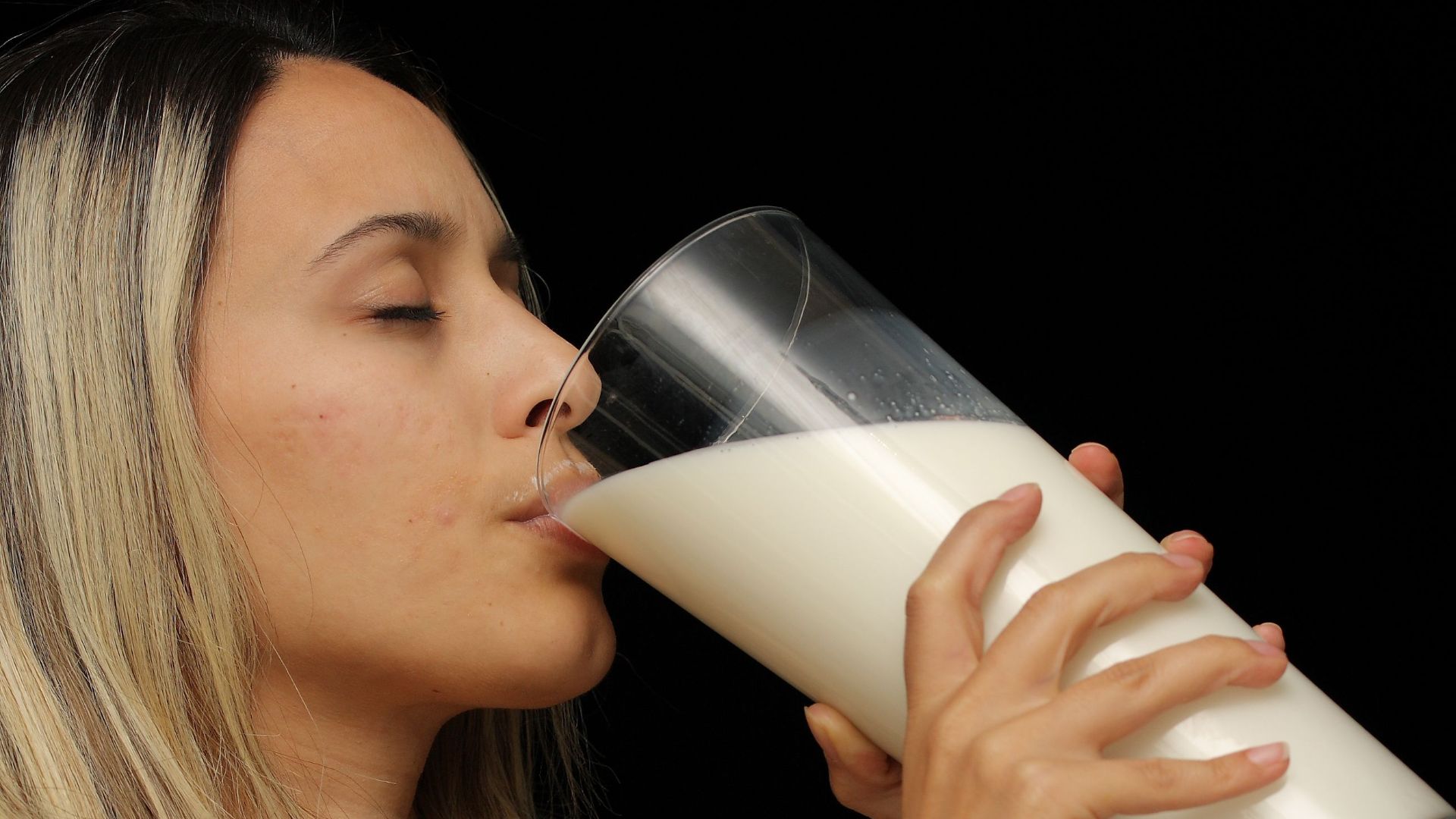
Although most kidney stones contain calcium, eating too little calcium may actually raise the risk of calcium oxalate stones. Calcium from food can bind with oxalate in the digestive system before it reaches your kidneys. Include appropriate portions of dairy foods or other calcium-rich options unless your doctor advises a different approach.
6. Discuss Calcium Supplements First
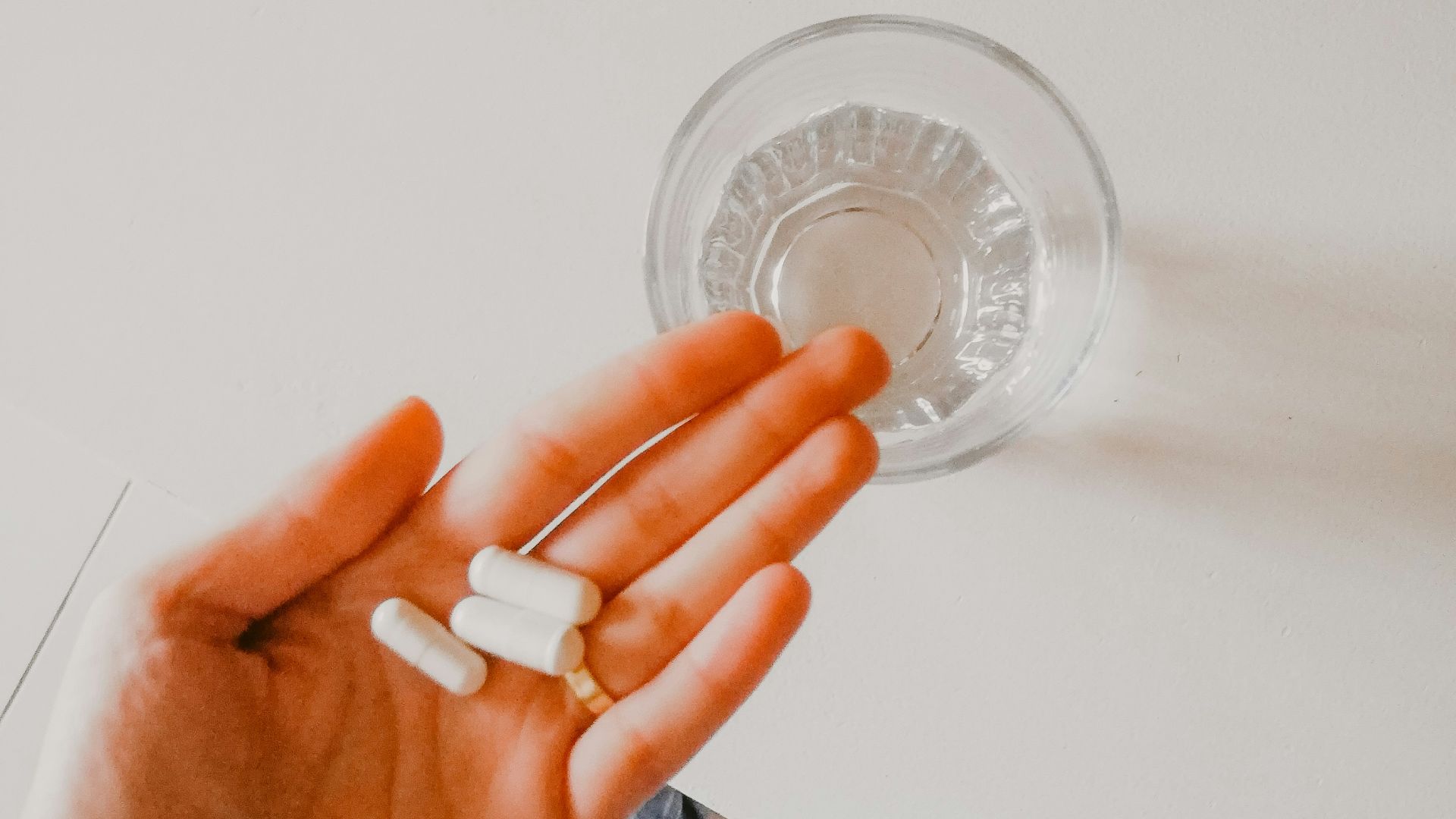
Calcium supplements don’t always affect stone risk in the same way as calcium naturally found in food. Speak with a doctor or dietitian before starting, stopping, or changing a calcium supplement.
7. Learn Which Type Of Stone You Form
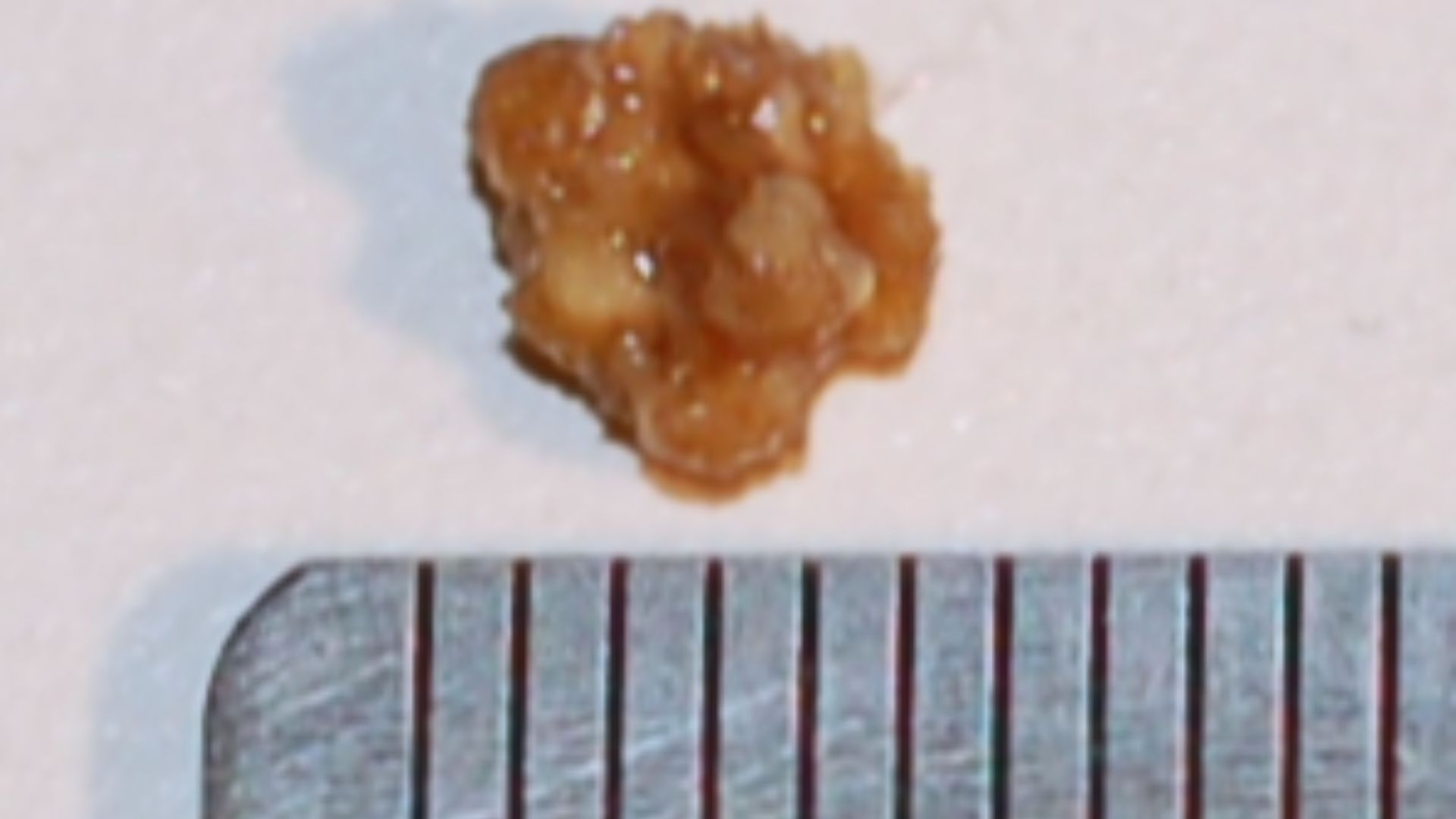
Calcium oxalate, calcium phosphate, uric acid, struvite, and cystine stones don’t share the same causes. If you pass a stone, your health care team may be able to send it for laboratory analysis.
8. Complete Recommended Urine Testing
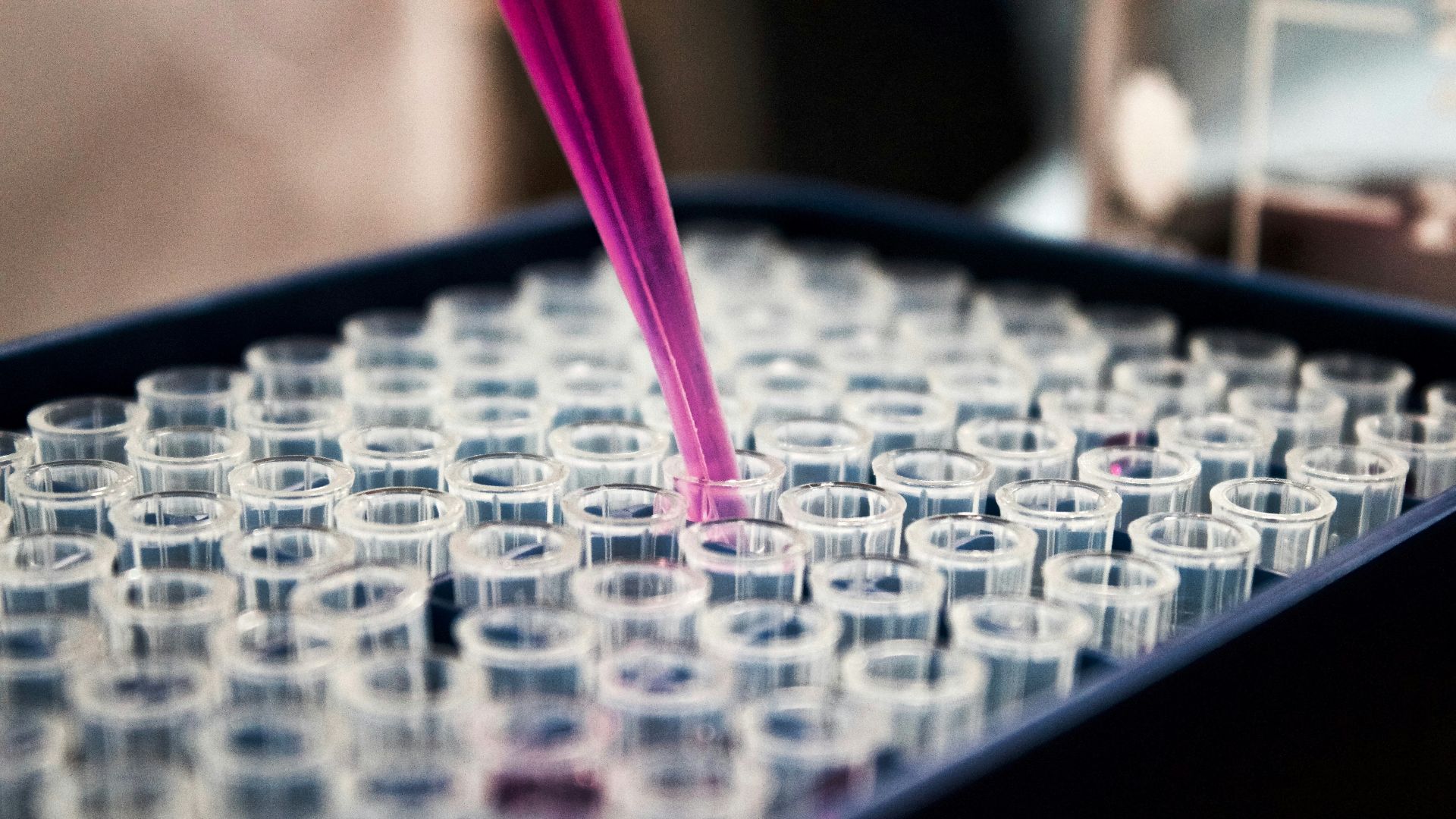
People with recurring stones may benefit from one or more 24-hour urine collections. These tests can measure urine volume, calcium, sodium, oxalate, citrate, uric acid, and other factors connected with stone formation.
9. Limit High-Oxalate Foods When Necessary
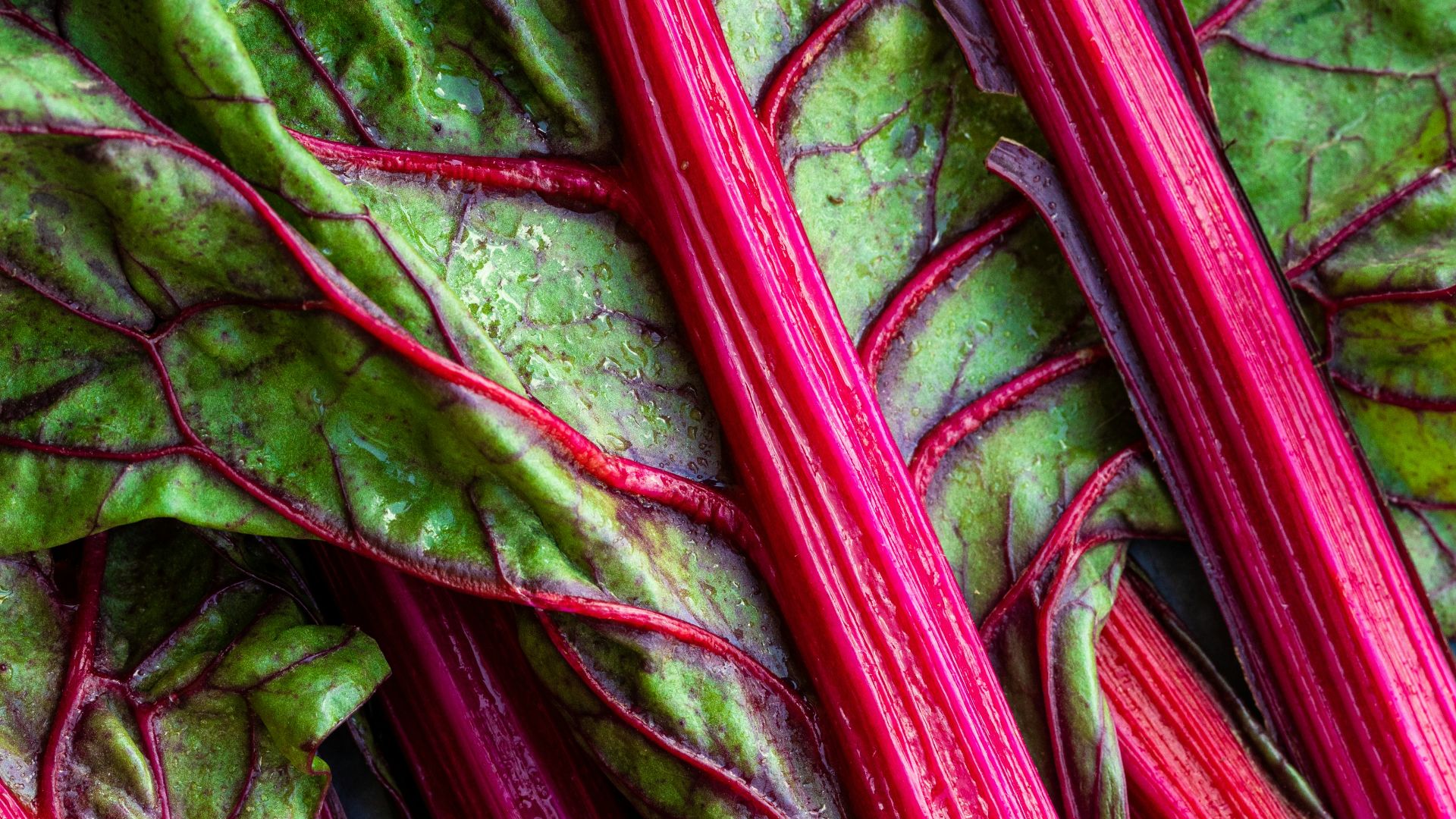
People who form calcium oxalate stones may be advised to reduce foods that are especially high in oxalate. Examples can include spinach, rhubarb, wheat bran, almonds, and certain other nuts.
10. Pair Oxalate With Calcium-Rich Foods
Eating calcium alongside an oxalate-containing food can help the two substances bind together in the digestive tract. A dietitian can suggest balanced combinations that provide adequate nutrition without pushing calcium or oxalate intake to extremes.

11. Moderate Portions Of Animal Protein
Large amounts of red meat, poultry, seafood, organ meats, and other animal proteins can affect urine chemistry in ways that promote certain stones. Uric acid stone formers may be particularly sensitive to diets high in animal-derived purines.

12. Add More Plant-Based Meals
Replacing some meat-centered meals with plant-based options may reduce reliance on animal protein while increasing your intake of produce. However, certain beans, nuts, and plant foods contain substantial oxalate, so stone type still matters.

13. Eat More Fruits And Vegetables
Many fruits and vegetables provide potassium and compounds that may support healthier urine chemistry. Increasing produce intake may be especially useful for people whose urine contains low levels of citrate, a natural inhibitor of some stones.
14. Consider Citrus As Part Of Your Diet
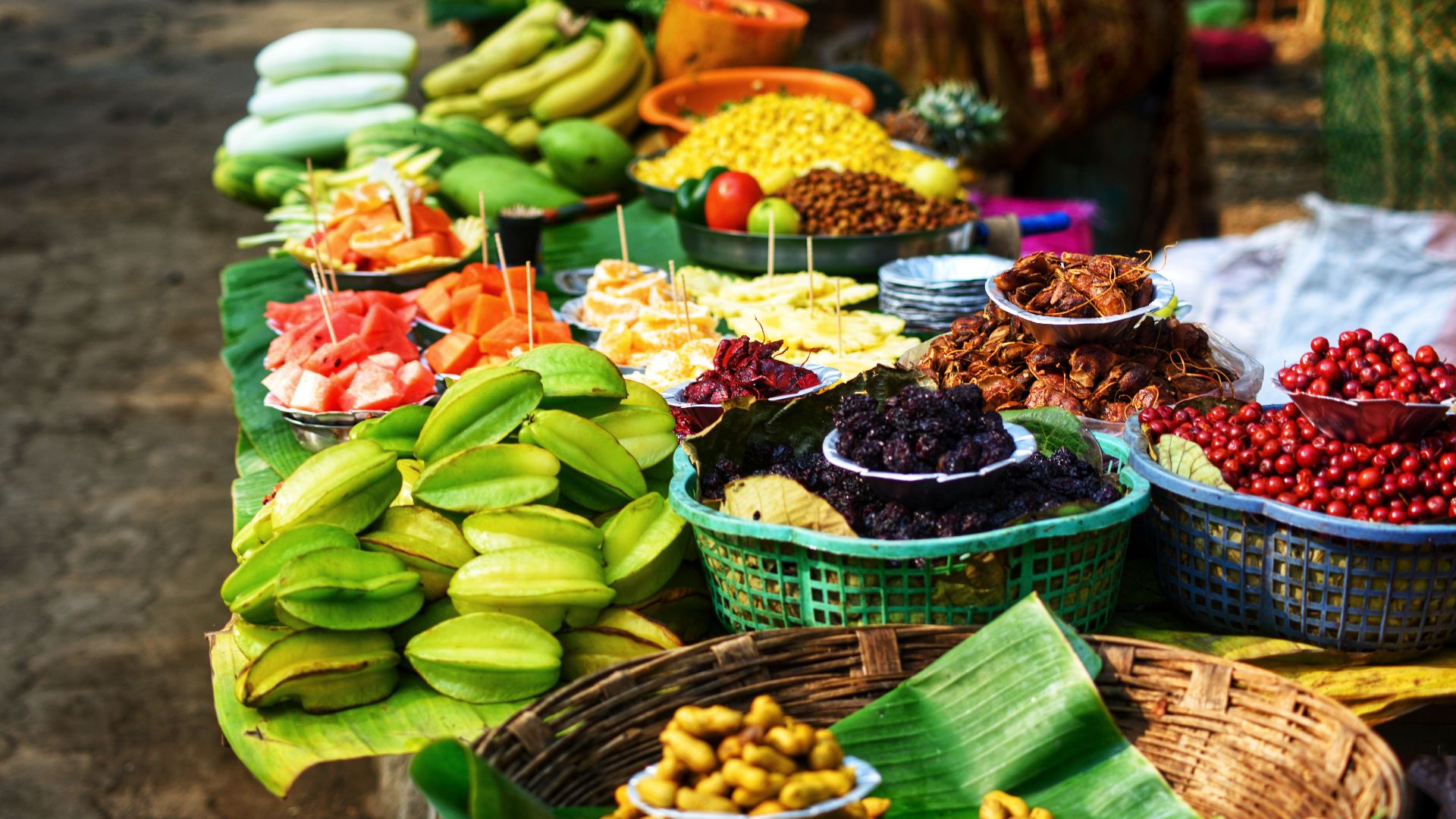
Lemons, limes, oranges, and other citrus fruits contain citrate, which may help prevent certain crystals from growing and joining together. Adding lemon or lime juice to water can also make regular hydration more appealing.

15. Cut Back On Sugary Drinks
Regularly consuming large quantities of sugar-sweetened beverages has been associated with a greater risk of kidney stones. Water should usually be your main drink, with other beverages chosen according to your health needs.

16. Maintain A Healthy Body Weight
Excess body weight and gradual weight gain are associated with a higher likelihood of developing kidney stones. Sustainable habits involving nutritious meals, suitable portions, sleep, and regular activity are safer than extreme dieting.

17. Manage Digestive Conditions Properly
Inflammatory bowel disease, chronic diarrhea, and some digestive surgeries can change how the body absorbs fluids, calcium, and oxalate. These changes may substantially increase the risk of particular kidney stones.
18. Review Medications And Supplements
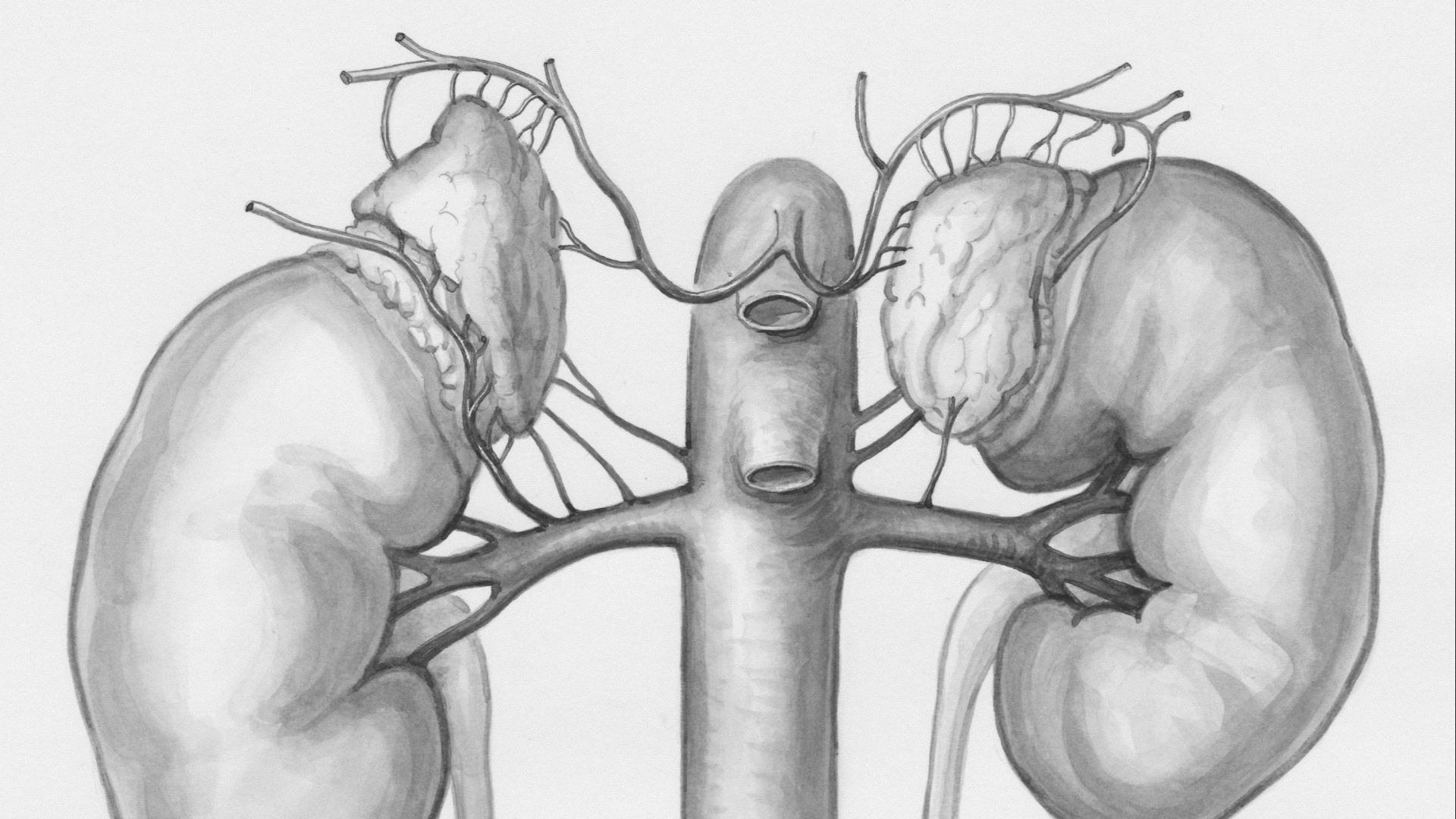
Certain prescription drugs, over-the-counter products, and supplements can contribute to stone formation in some people. High doses of vitamin C, for example, may increase urinary oxalate under certain circumstances.

19. Take Preventive Medication As Directed
Dietary changes aren’t always enough for people who repeatedly develop stones or have significant abnormalities in their urine. Depending on the cause, a doctor may prescribe medication such as a thiazide diuretic, potassium citrate, or a drug that lowers uric acid.

20. Seek Personalized Medical Guidance
Anyone with recurring stones, a strong family history, one functioning kidney, frequent urinary infections, or related health problems should receive professional guidance. Severe pain, fever, vomiting, difficulty urinating, or blood in the urine also requires prompt medical attention.

KEEP ON READING



20 Natural Ways You Can Boost Your Immune System

20 Ways To De-stress & Relax After Work
The 10 Most Common Diseases & The 10 Most Rare