From Icy Sea Baths To Electric Belts
The Victorian era brought big changes to medicine, sanitation, and public health, but everyday wellness advice still involved plenty of guesswork. People often trusted a treatment because a doctor recommended it, an advertisement made bold promises, or it caused an immediate change in how they felt. Some popular habits, such as regular exercise, fresh air, cleanliness, and better nutrition, really could support a person’s health, even when Victorians didn’t understand the science behind them. Other treatments involved addictive drugs, poisonous ingredients, or procedures that could leave a sick person feeling even worse. These 20 practices show what Victorians tried when they wanted to feel stronger, calmer, cleaner, or better protected from disease.
 Miami U. Libraries - Digital Collections on Wikimedia
1. A Cold Dip
Doctors promoted the “sea cure” before Queen Victoria’s reign, and it remained popular throughout the 19th century. Bathers believed cold seawater could strengthen the body, improve circulation and calm the nerves. A trip to the coast also meant walking along the shore, resting away from home, and breathing cleaner air. Those simple benefits may have helped more than the freezing plunge itself.
 Aleksandra Boguslawska on Unsplash
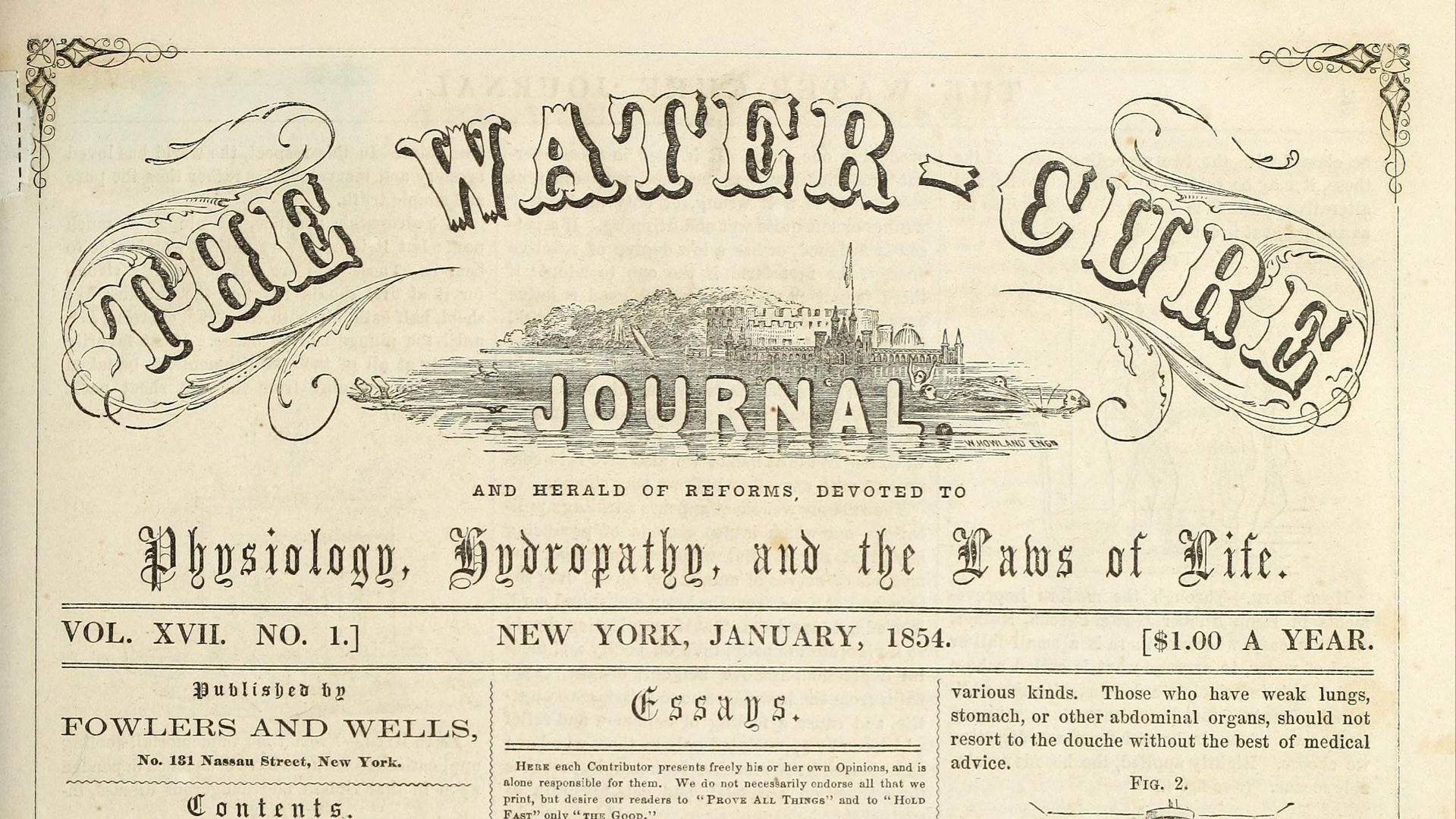
2. The Water Cure
Hydropathy made water a full daily health routine rather than just a quick bath. Patients might soak in cold water, stand under powerful showers, wrap themselves in wet sheets, or consume large amounts of H2O. The strict schedule encouraged rest, movement, and healthier habits, so some patients may have felt better, depending on what they were suffering from.
 Internet Archive Book Images on Wikimedia
3. Mineral Water
Victorian spa visitors didn’t only bathe in natural spring water. They believed different minerals could ease digestive problems, skin complaints, gout, tiredness, and weakness. Some people stayed in spa towns for weeks while following a carefully planned routine.

4. Avoiding Foul-Smelling Air
Many Victorians believed diseases such as cholera spread through miasma, which they described as poisonous air rising from sewage, garbage, and rotting material. The theory didn’t correctly explain how infections spread. Still, cleaner streets, better airflow, and improved drainage made many homes and communities healthier.

5. Fresh Air
People with tuberculosis and other long-lasting illnesses were often told to leave crowded cities and spend time in the open air. These routines could improve comfort, nutrition, and general strength during a long illness, but they couldn’t remove the bacterial infection that causes tuberculosis.

6. Turkish Baths
Victorian Turkish baths used several rooms filled with hot, dry air, followed by washing, massage, and a cool rinse. Supporters believed heavy sweating opened the pores, improved circulation, eased pain, and cleared harmful material from the body.
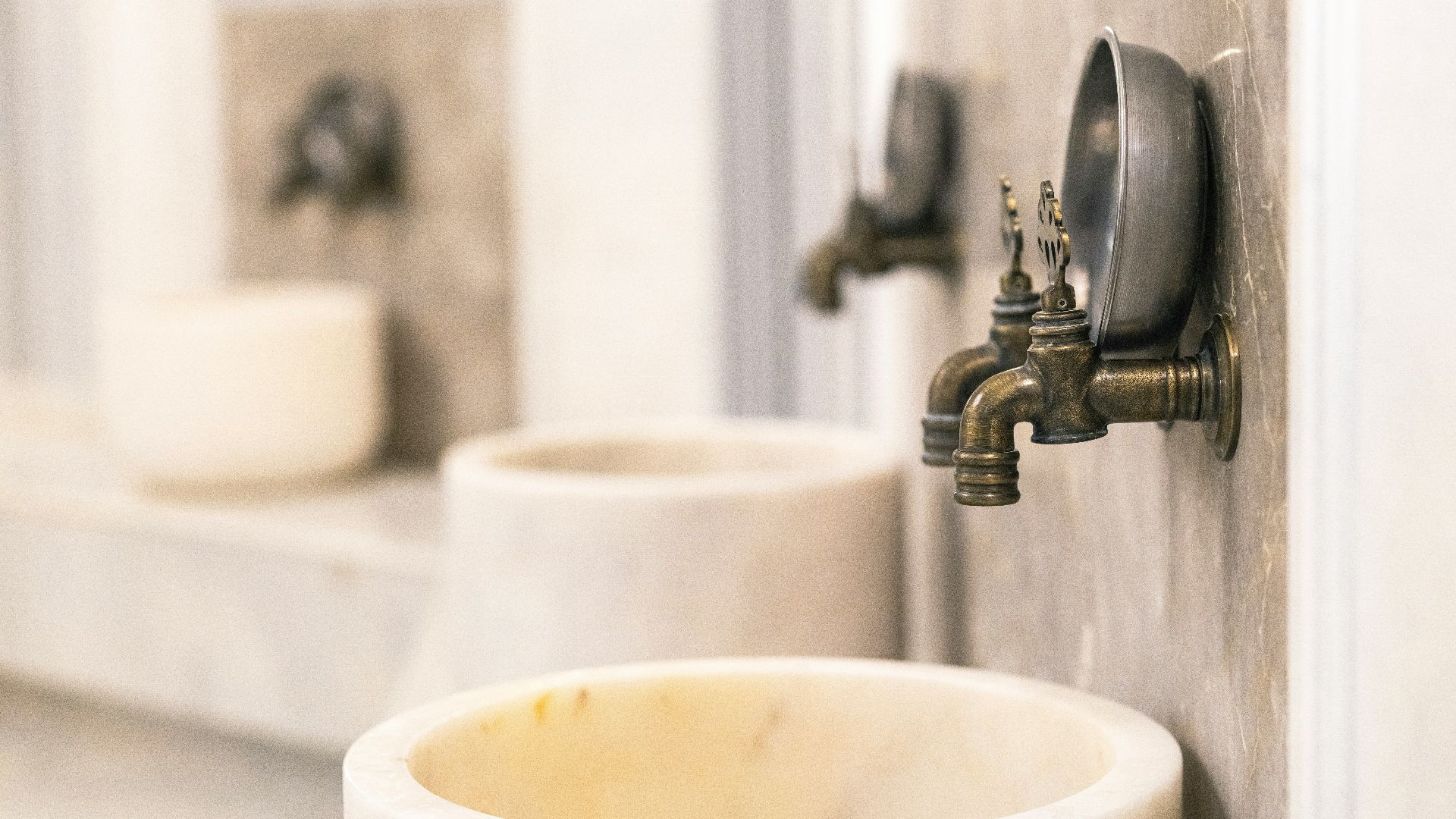
7. Cod Liver Oil
Cod liver oil was often given to children with rickets and to people who seemed thin, weak, or poorly fed. Victorians didn’t know about vitamin D, but the oil contains it and could help treat rickets caused by a deficiency. Unfortunately, the thick texture, strong fishy smell, and lingering taste made every spoonful difficult to swallow. Even so, this was one Victorian remedy that did have real medical value.
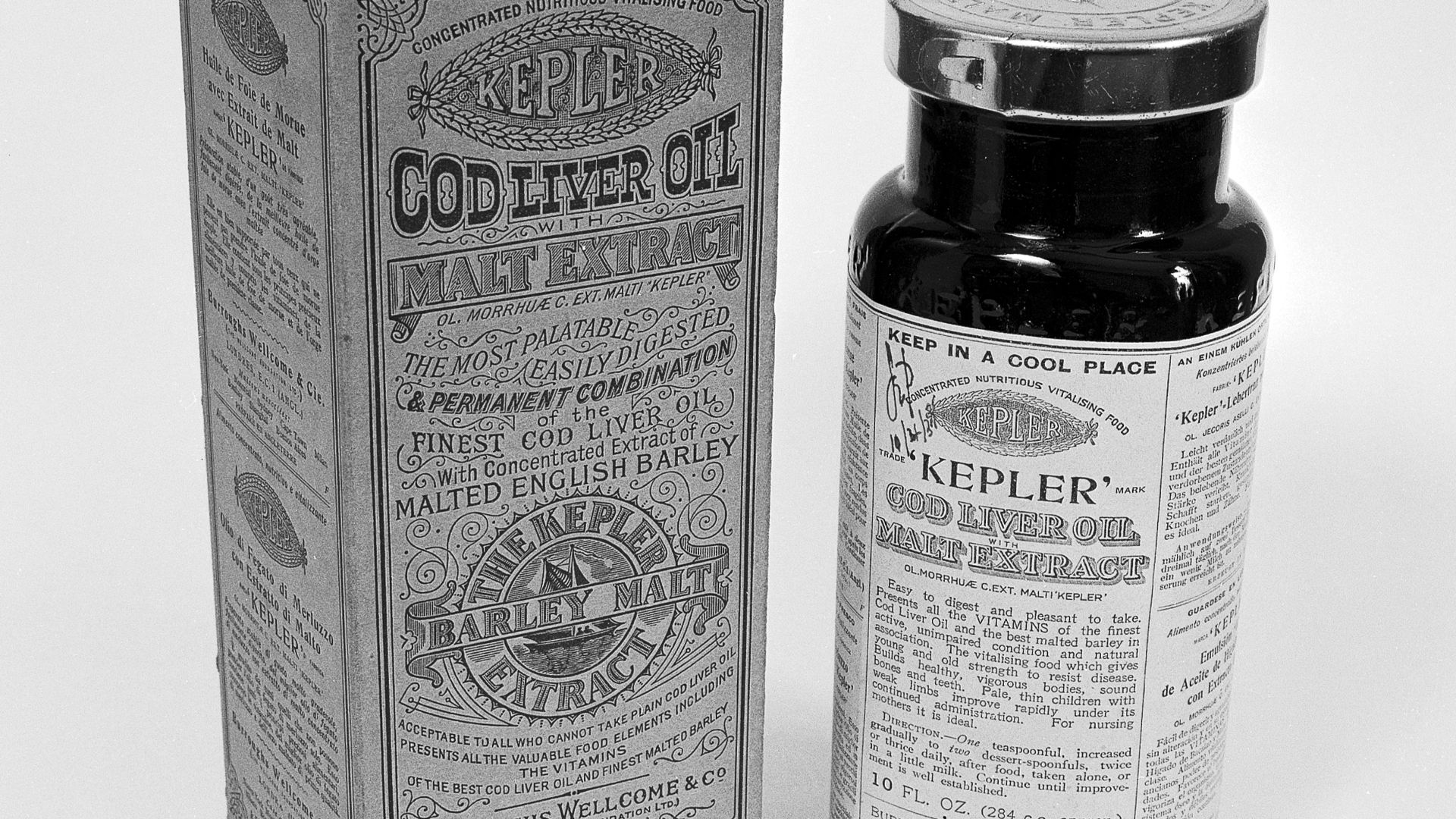
8. Taking A Tonic
Tonics, bitters, syrups, and elixirs promised relief from headaches, sleeplessness, indigestion, weak nerves, tiredness, and countless other complaints. Some of these medicines contained alcohol, opium, or other powerful drugs. A quick burst of energy or a change in mood could make the product seem effective, but the illness behind those symptoms could remain completely untreated.
 Miami U. Libraries - Digital Collections on Wikimedia
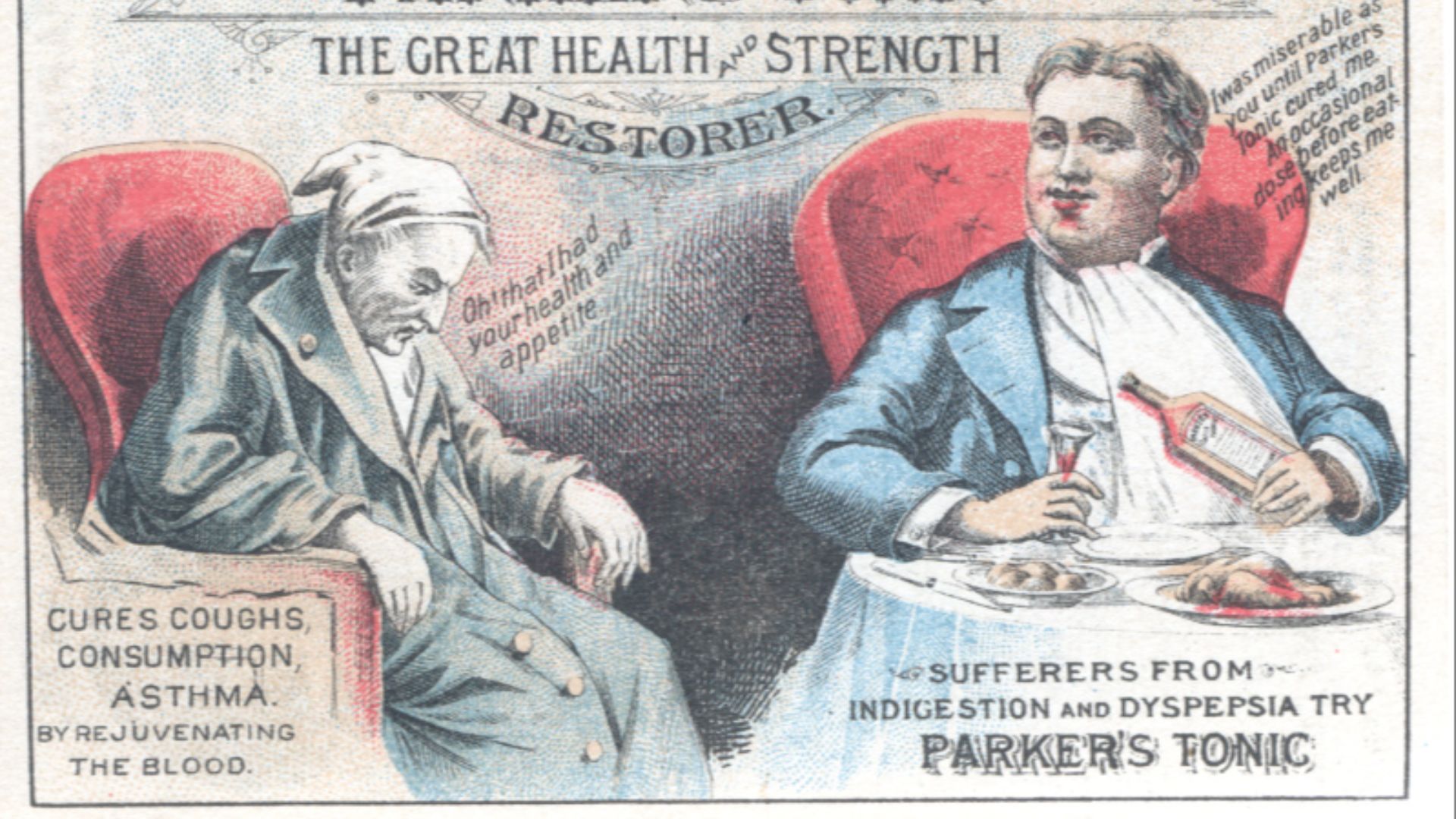
9. Laudanum
Laudanum was a mixture of opium and alcohol that many Victorian households kept close at hand. People used it for pain, coughing, diarrhea, sleeplessness, and menstrual discomfort. It could dull pain and reduce certain symptoms, but regular use also carried serious risks, including addiction, poisoning, and fatal overdose.
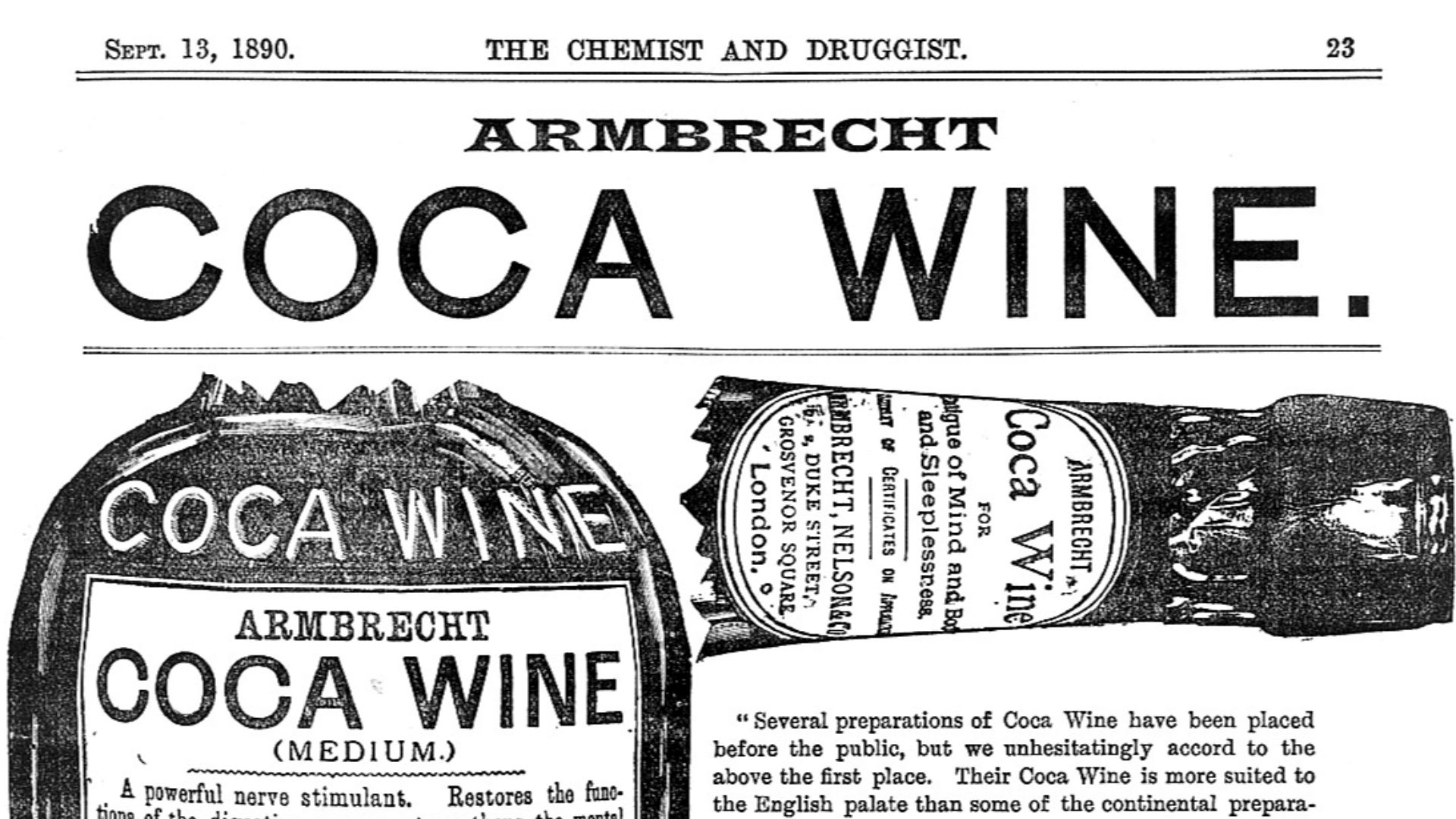
10. Coca Wine
Late Victorian consumers could buy wine mixed with coca leaves and advertised as a restorative drink. Sellers claimed it could help people dealing with exhaustion, nervous trouble, and mental or physical depression. The mix of alcohol and coca-based stimulants could create a noticeable burst of energy.
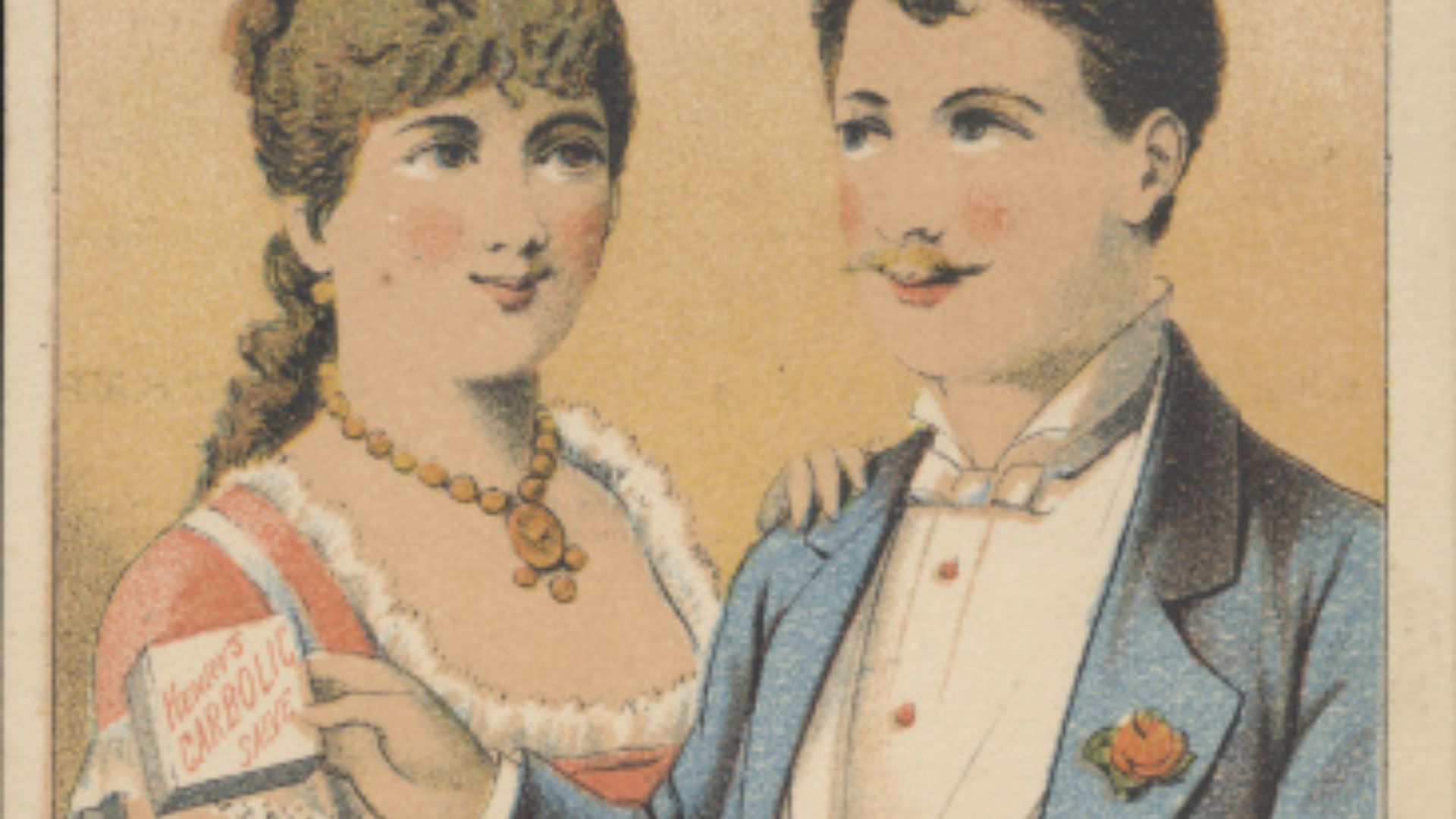
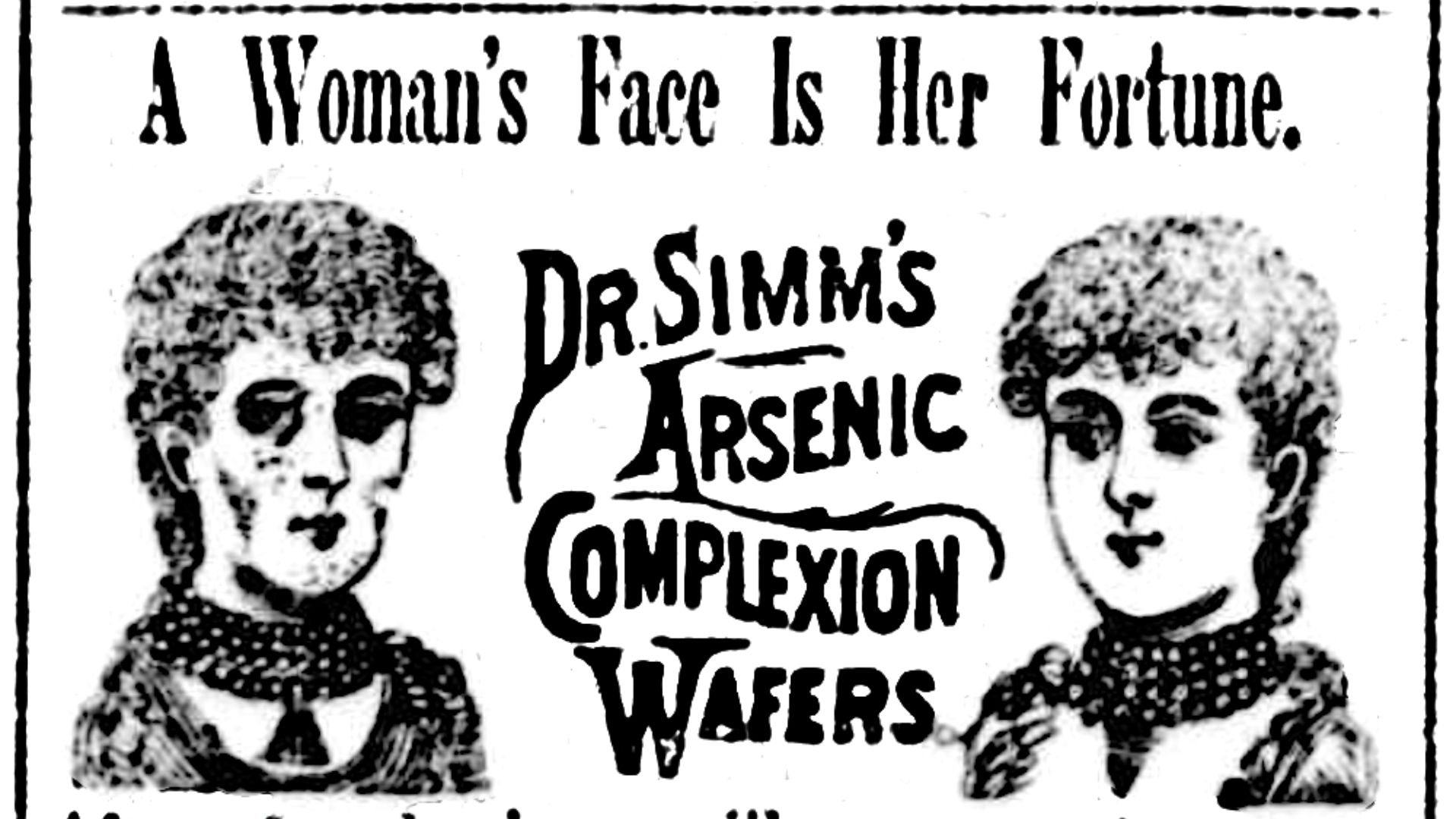
11. Arsenic Complexion Wafers
During the late Victorian period, some beauty products were sold as medicines that worked from inside the body. Arsenic complexion wafers promised clearer skin, fewer blemishes, and a fuller figure.
 The Helena Independent (newspaper) on Wikimedia
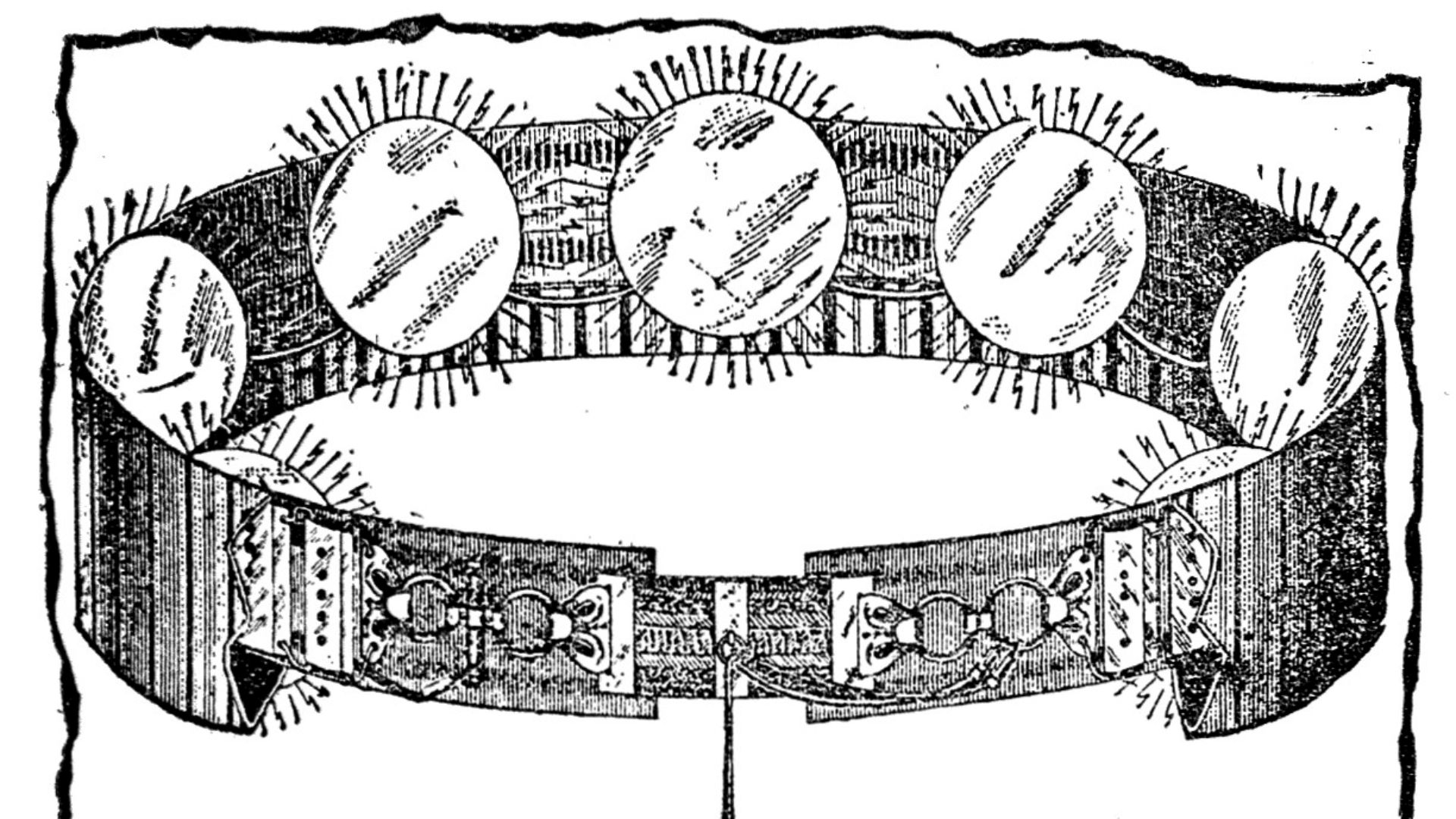
12. Electric Belts
At the time, electricity felt new, modern, and exciting, so it quickly became part of Victorian health advertising. Electric belts, corsets, brushes, and similar gadgets claimed to help nervous conditions, weakness, pain, digestive trouble, and intimacy problems. Some devices produced a small current or a tingling feeling that customers could notice right away, but that doesn’t mean they did anything.
13. Leeches
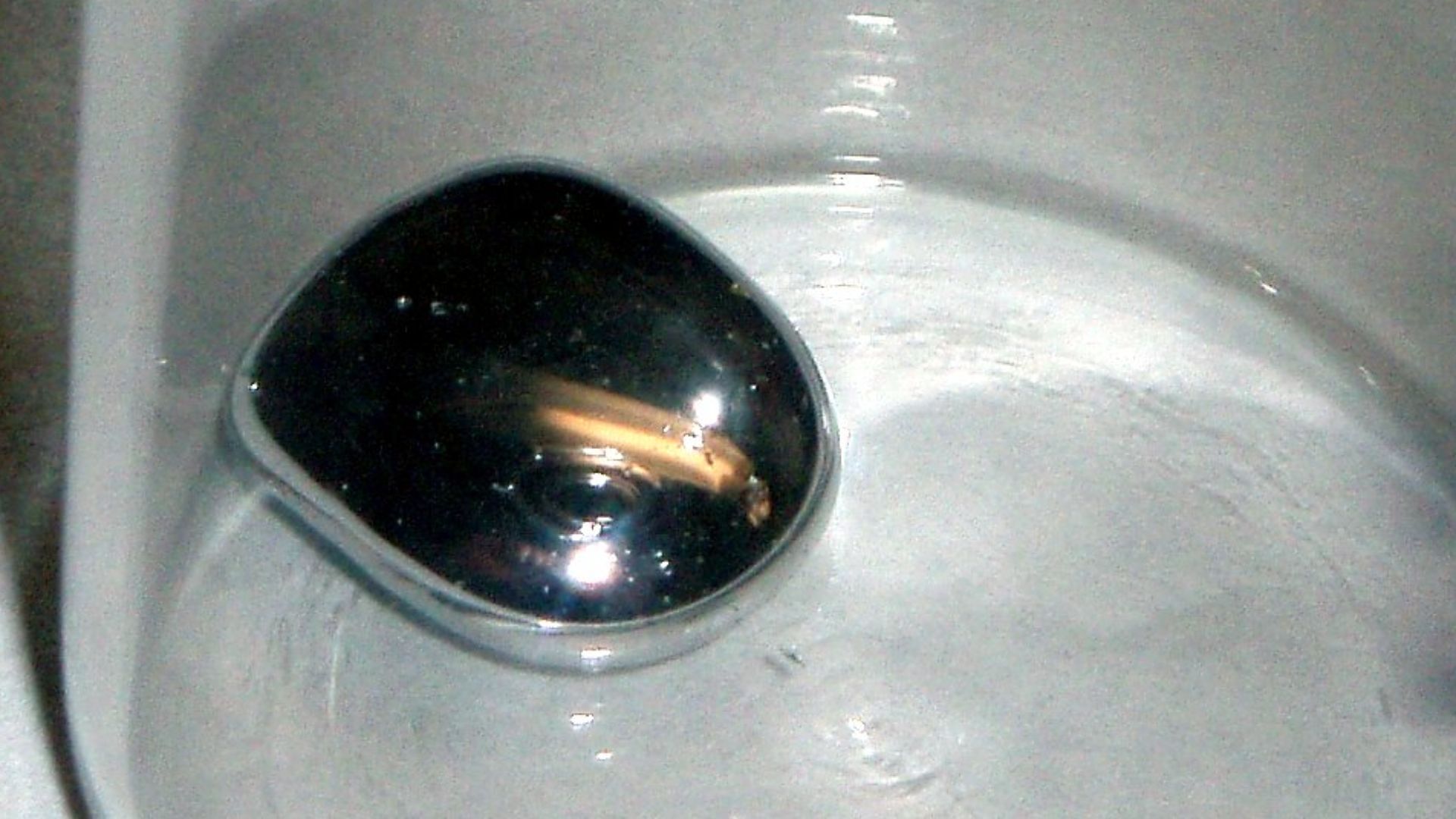
Bloodletting became less common during the Victorian era, but it didn’t vanish completely. It was believed that leeches could ease inflammation, fever, congestion, or an unhealthy imbalance inside the body. Leeches allowed them to draw blood from one specific area. Of course, the treatment could leave a patient even weaker.

14. Mercury-Based Medicine
Mercury compounds were used to treat syphilis, but also appeared in other medicines. Heavy salivation, sweating, and diarrhea could be seen as signs that the illness was leaving the body. In reality, Mercury treatment could damage the mouth, teeth, nerves, and organs, and in some cases, it could be deadly.
15. Medicinal Cigarettes
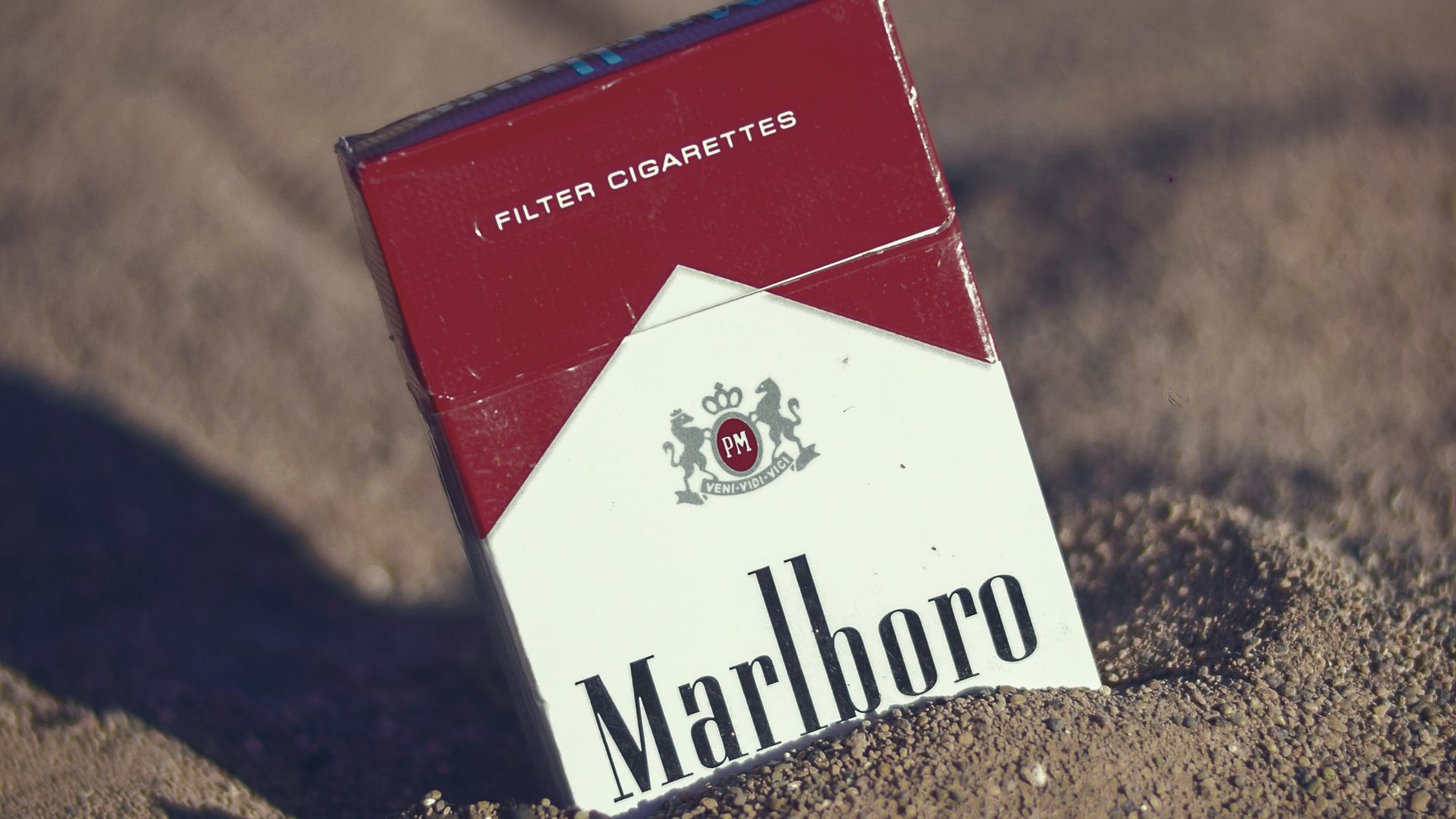
Late Victorian asthma sufferers sometimes breathed in fumes from burning mixtures containing stramonium, tobacco, lobelia, or other ingredients. Certain plant chemicals could briefly relax narrowed airways, which helps explain why some patients reported short-term relief. Unfortunately, the treatment also sent smoke directly into lungs that were already sensitive.
 mohammadreza artworks on Unsplash
16. The Rest Cure
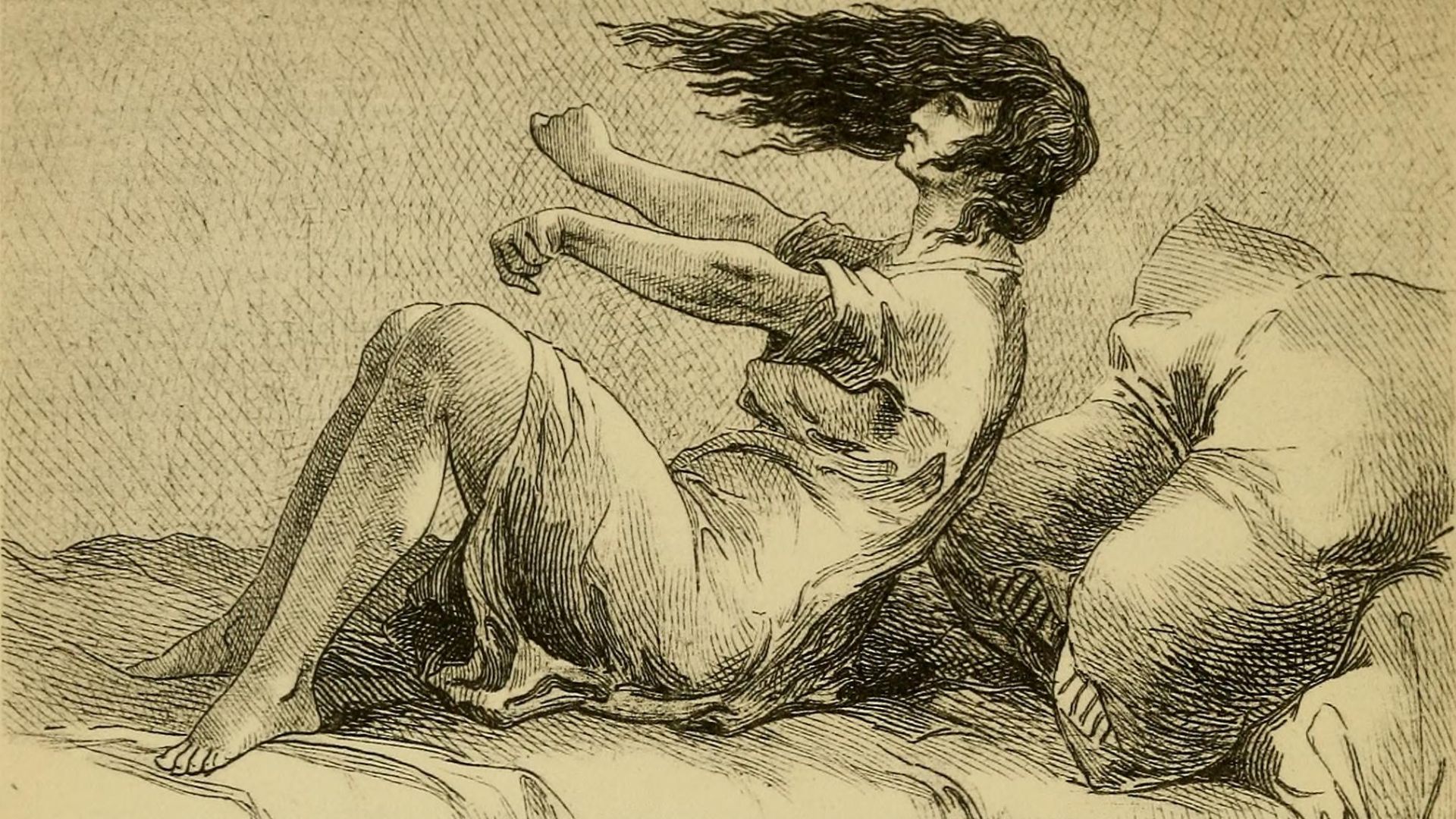
The rest cure was most often prescribed to women diagnosed with hysteria, neurasthenia, or nervous exhaustion. Treatment could include long periods in bed, isolation, heavy meals, massage, and electrical stimulation. Reading, writing, work, and family visits might also be limited. Doctors wanted patients to regain weight and strength, but many women found the lack of movement, independence, and mental stimulation deeply upsetting.
 Internet Archive Book Images on Wikimedia
17. Keeping The Skin Clean
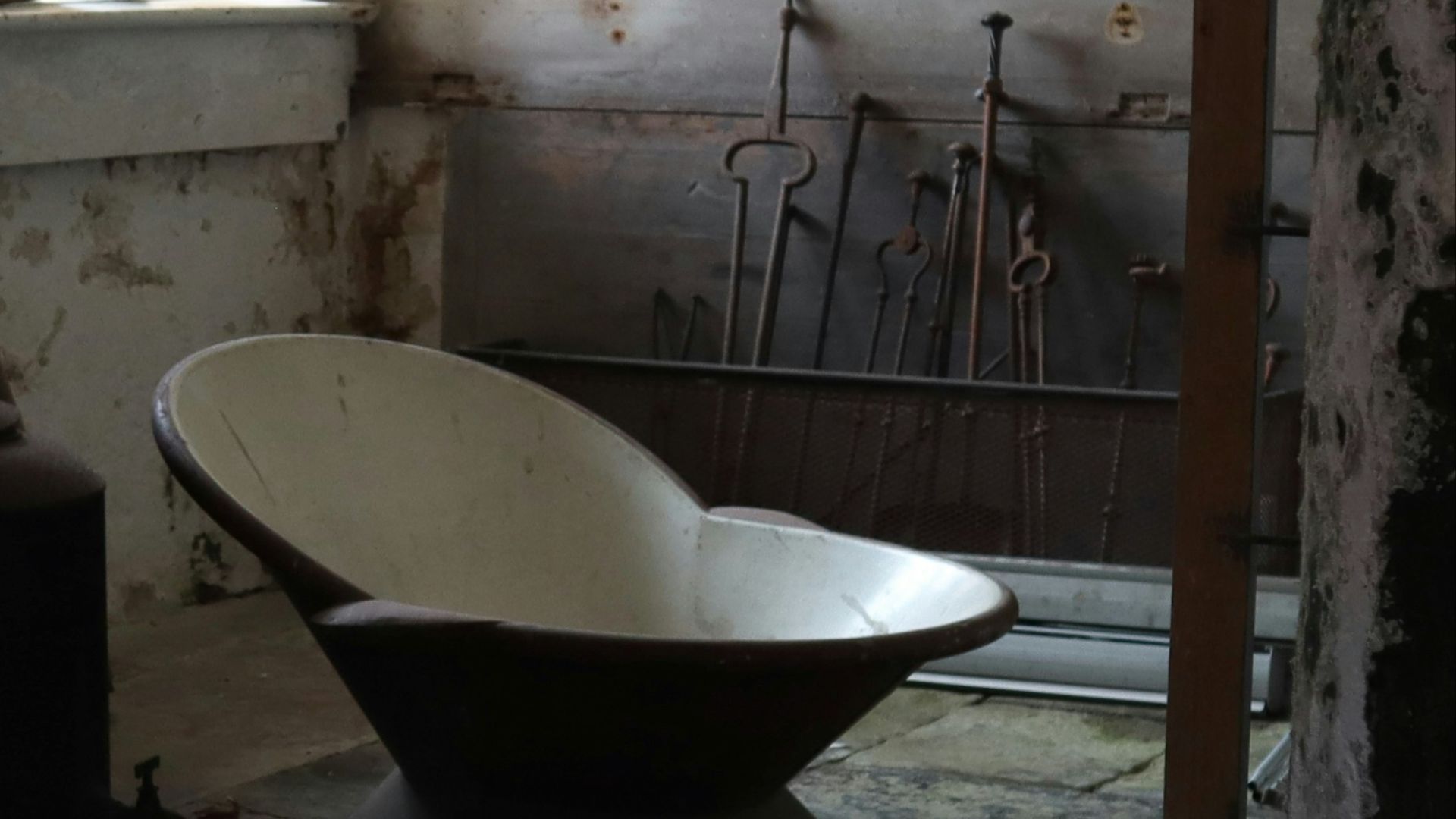
Victorian health writers believed clean skin helped the body release sweat and unwanted material. They encouraged bathing, soap, clean clothes, and vigorous washing to prevent blocked pores and illness. While they weren’t on the nose in terms of curing illnesses, better personal hygiene could reduce some infections, skin problems, and the spread of dirt through crowded homes.
18. Working Out
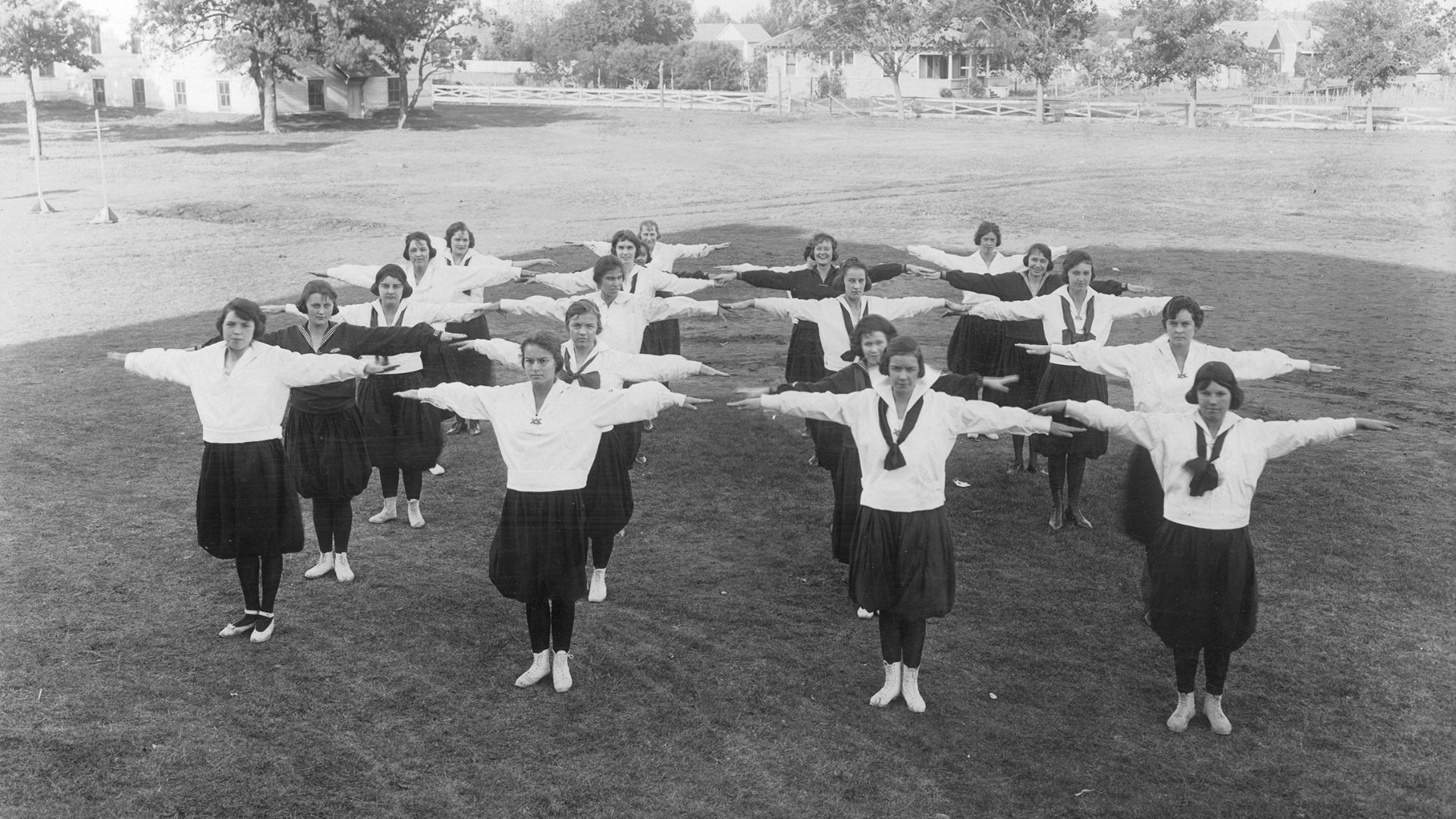
Walking, rowing, gymnastics, calisthenics, and dumbbells all became part of Victorian physical culture. Supporters believed regular exercise could improve posture, digestion, strength, and discipline. Some promoters promised more than exercise could deliver. Still, regular movement was one of the era’s more practical and useful health recommendations.
 University of Texas at Arlington Photograph Collection on Wikimedia
19. Vegetarian Diets
Organized vegetarianism grew in Victorian Britain for medical, religious, ethical, and financial reasons. Health reformers linked meat-free meals with better digestion, bodily purity, self-control, and protection from disease. Most Victorian vegetarians continued eating eggs and dairy, much like people who follow lacto-ovo vegetarian diets today.

20. Giving Up Alcohol
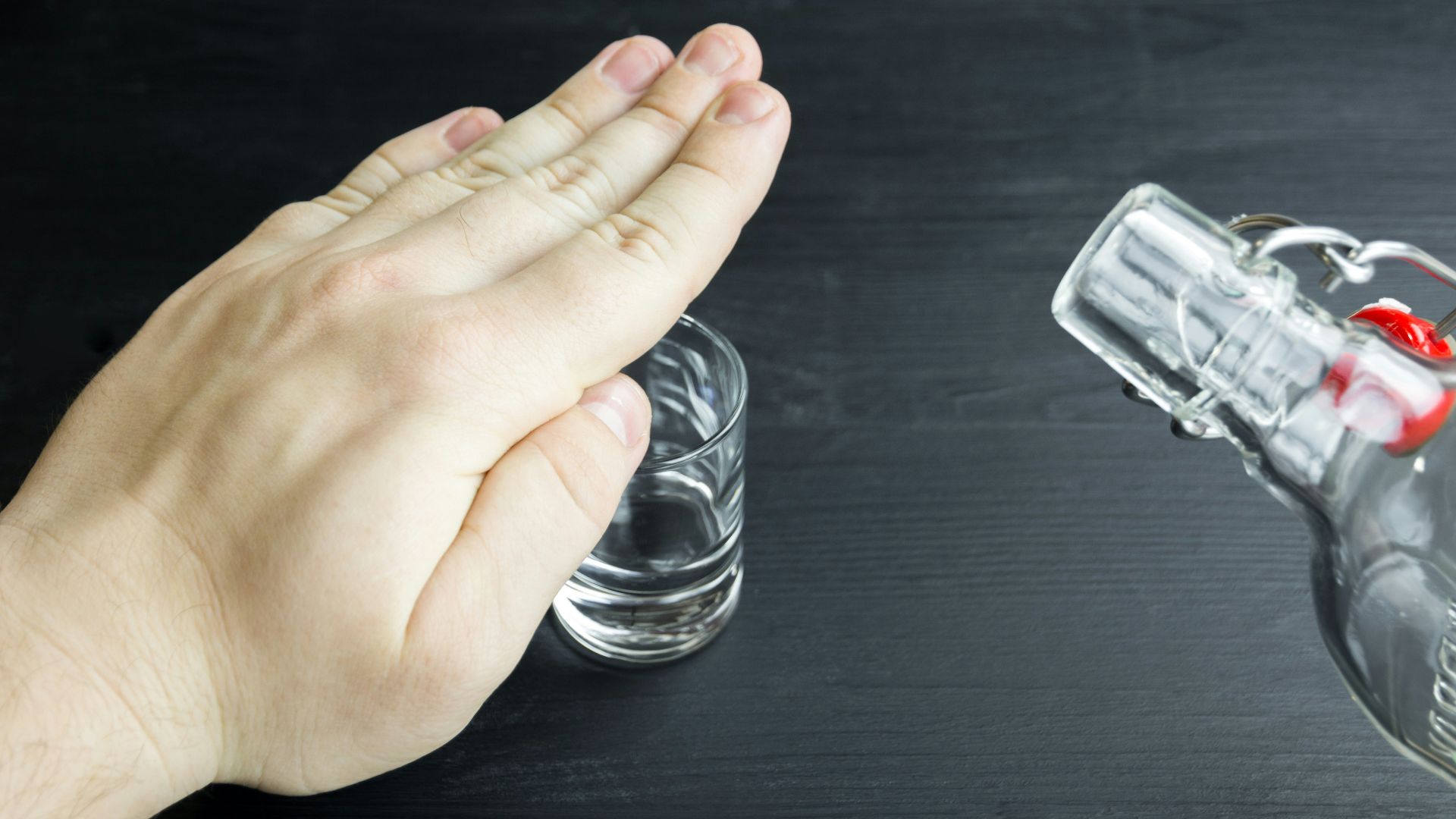
Temperance campaigners believed avoiding alcohol could improve health while protecting families from poverty, violence, and instability. Some groups supported drinking less, while teetotal organizations called for complete abstinence and encouraged lifelong promises. At the same time, doctors still prescribed wine or brandy for weakness and recovery, which made Victorian attitudes toward alcohol rather complicated.
KEEP ON READING

20 Ways To Tell If Someone Is Lying To You

20 Health Hazards Only Americans Need To Worry About

20 Signs Retirement Is Making You Age Faster

Goodbye, Sunshine: 20 Foods Loaded With Vitamin D