
Start Simple and Let Your Body Catch Up
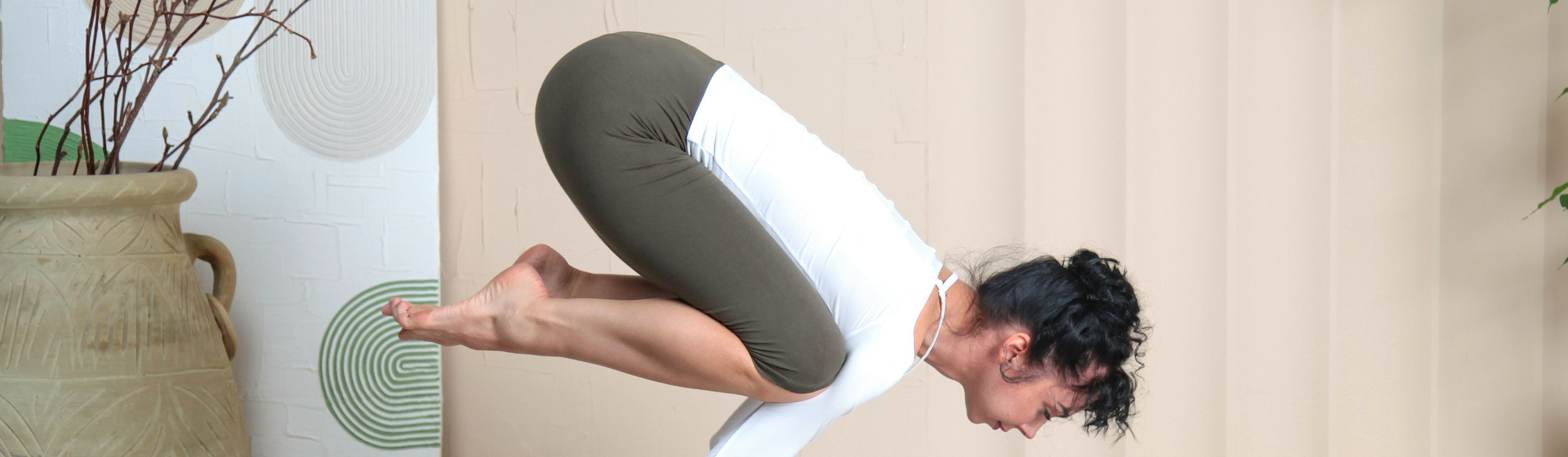
Yoga is supposed to be a calming, strengthening, and genuinely helpful practice, but not every pose is friendly for every body. Because it’s meant to be calming, it’s easy to assume that every position is beginner-friendly, but some place a lot of pressure on the neck, lower back, knees, or hamstrings, especially when you rush into them. We’re here to break down which poses can cause legitimate injuries and which ones are more than fine for even a first-timer.
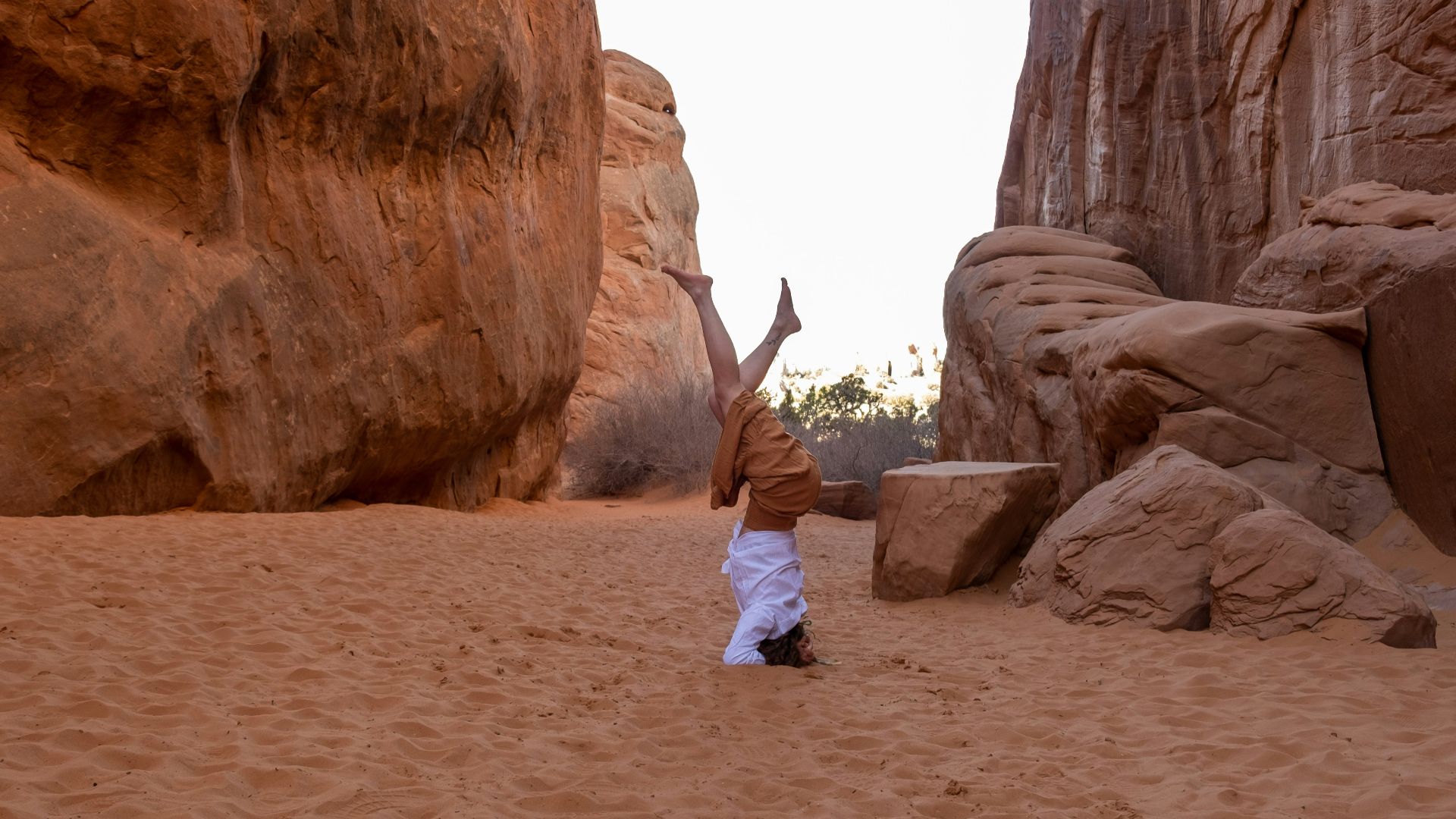
1. Headstand
Headstand may look impressive, but it takes a long time to perfect. If your alignment is even slightly off, you can strain the cervical spine or irritate existing neck issues. Beginners should avoid kicking up into this pose without a trained instructor; believing you can is different than actually doing it!
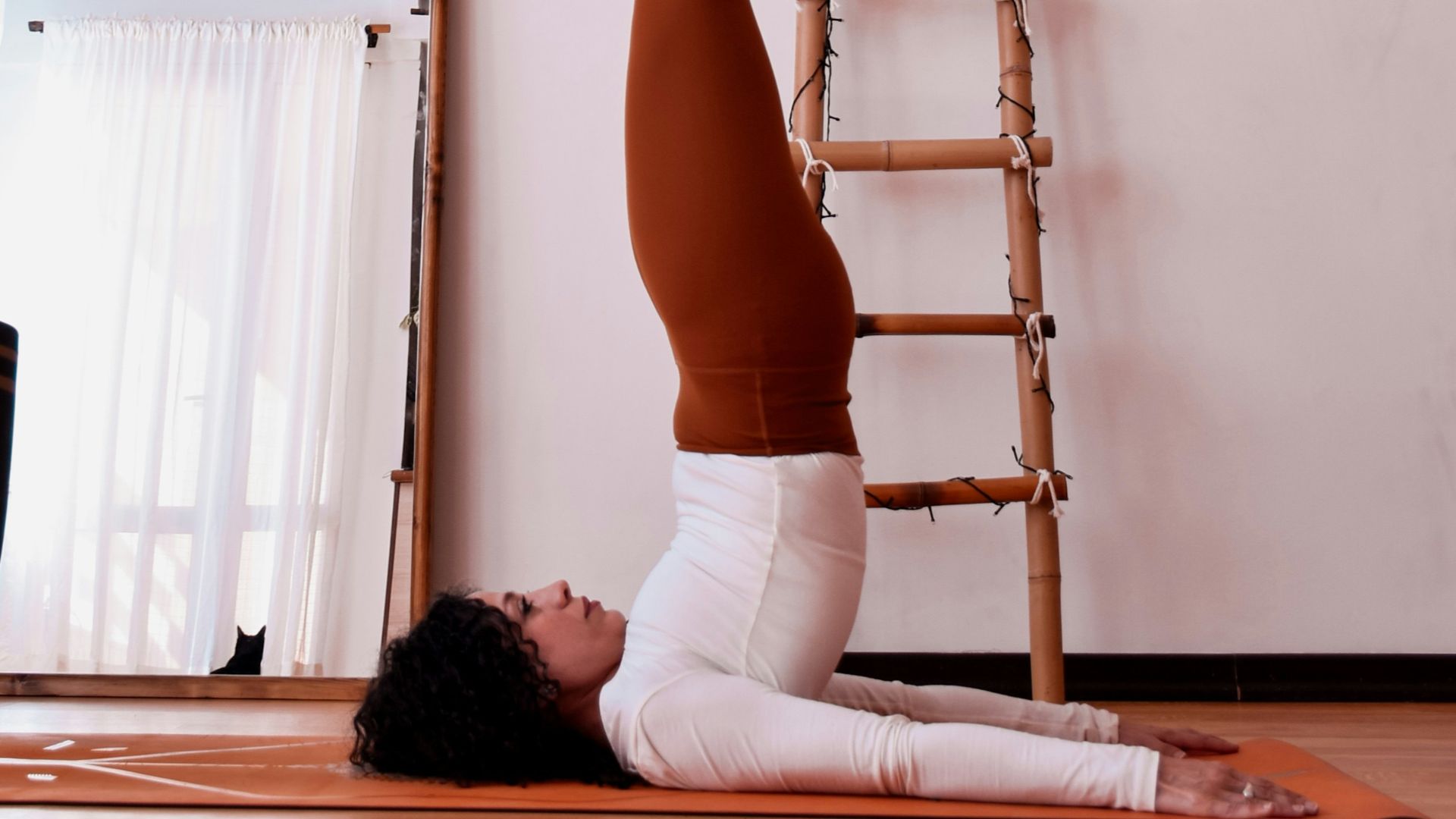
2. Shoulder Stand
Believe it or not, a shoulder stand can compress the neck when the body’s weight rolls too far onto the upper spine. That means anyone with tight shoulders or high blood pressure may find this pose especially risky. While it’s always better to use folded blankets under the shoulders, this still isn’t a pose you should force.
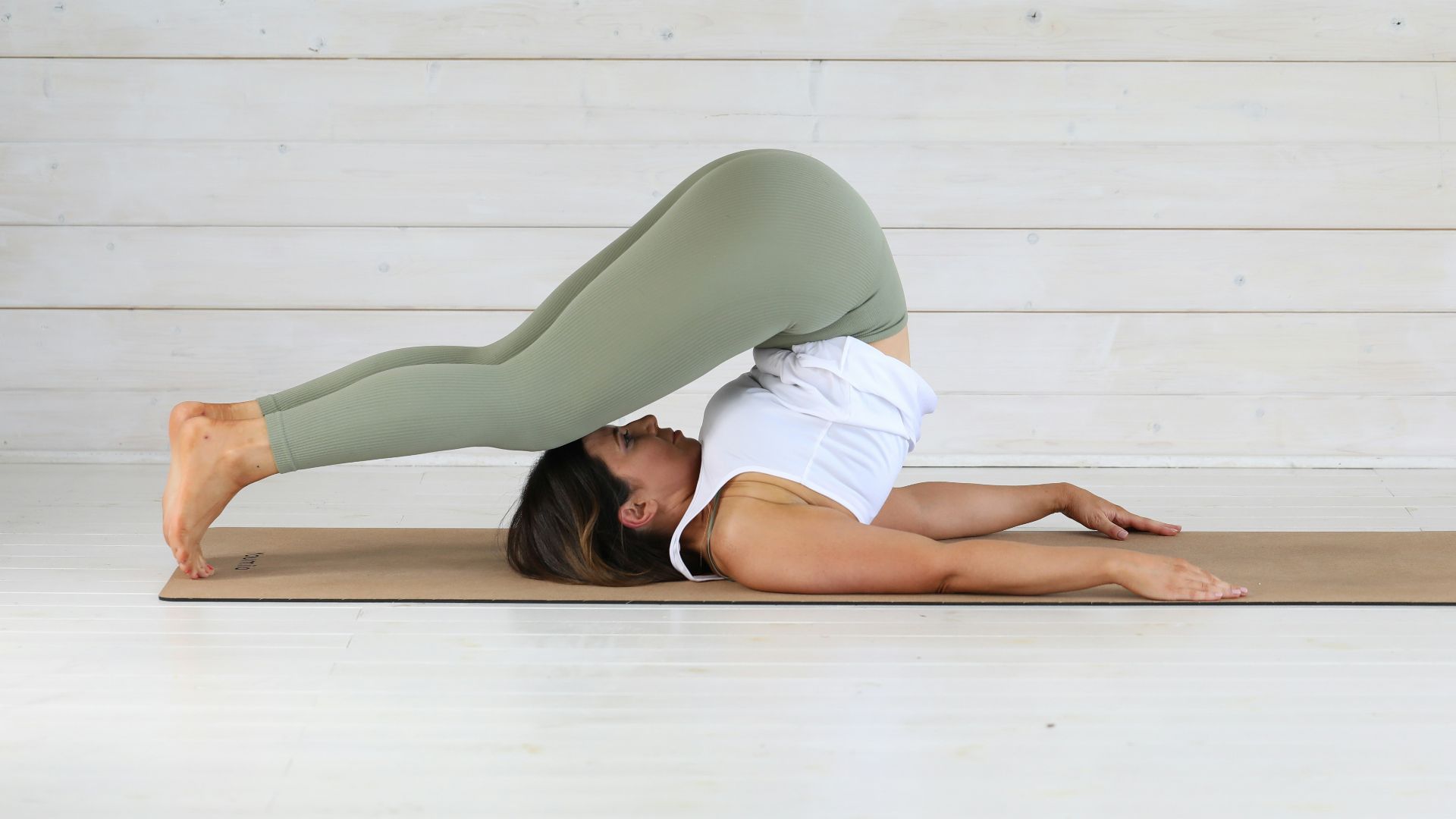
3. Plow Pose
Plow pose asks your spine, hamstrings, and neck to work in tandem, which sounds good until one of them doesn’t show up the way you want it to. This pose can be especially uncomfortable for anyone with disc problems, tight hamstrings, or a stiff upper back. Don’t force it if you can’t make it.
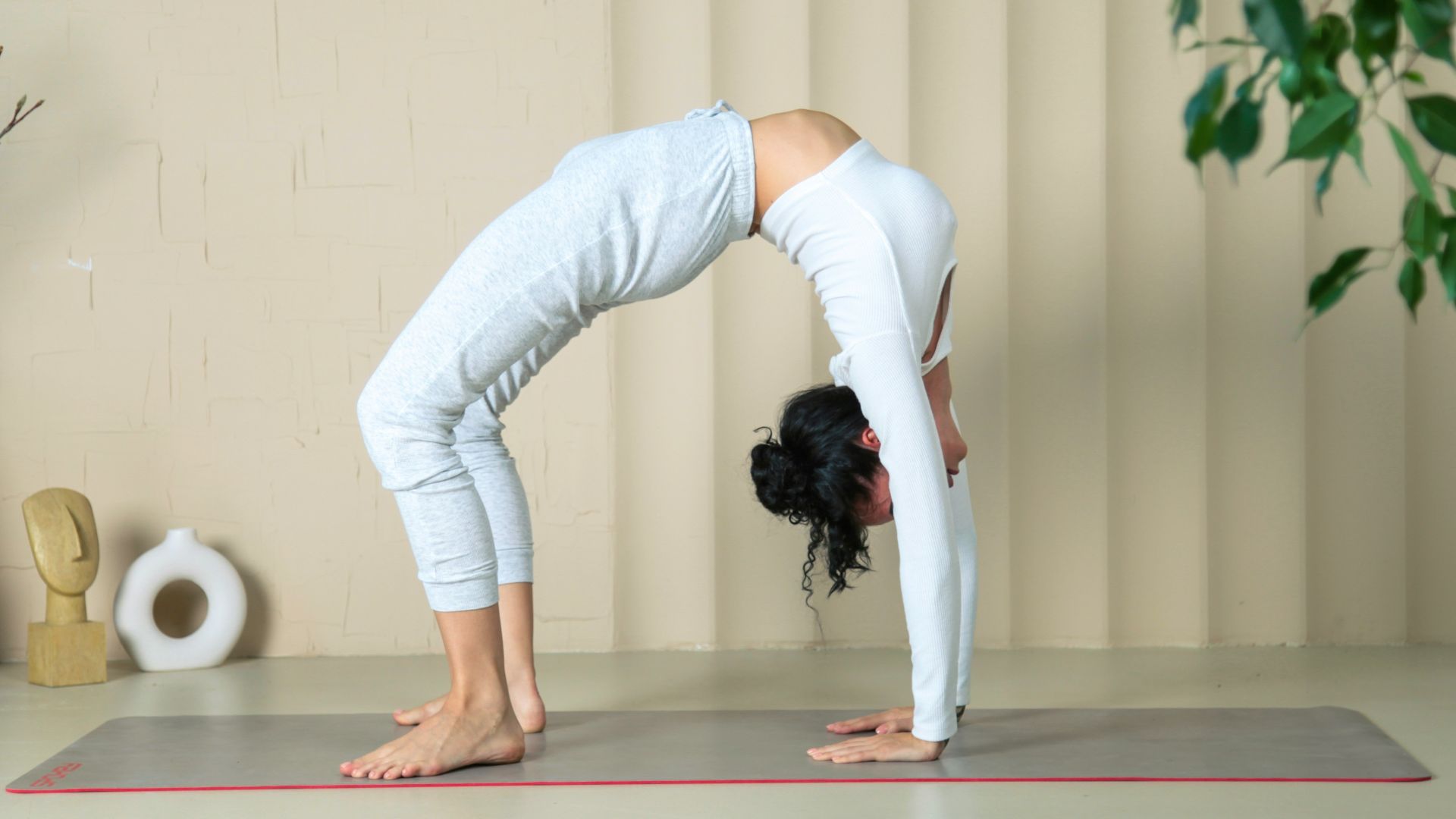
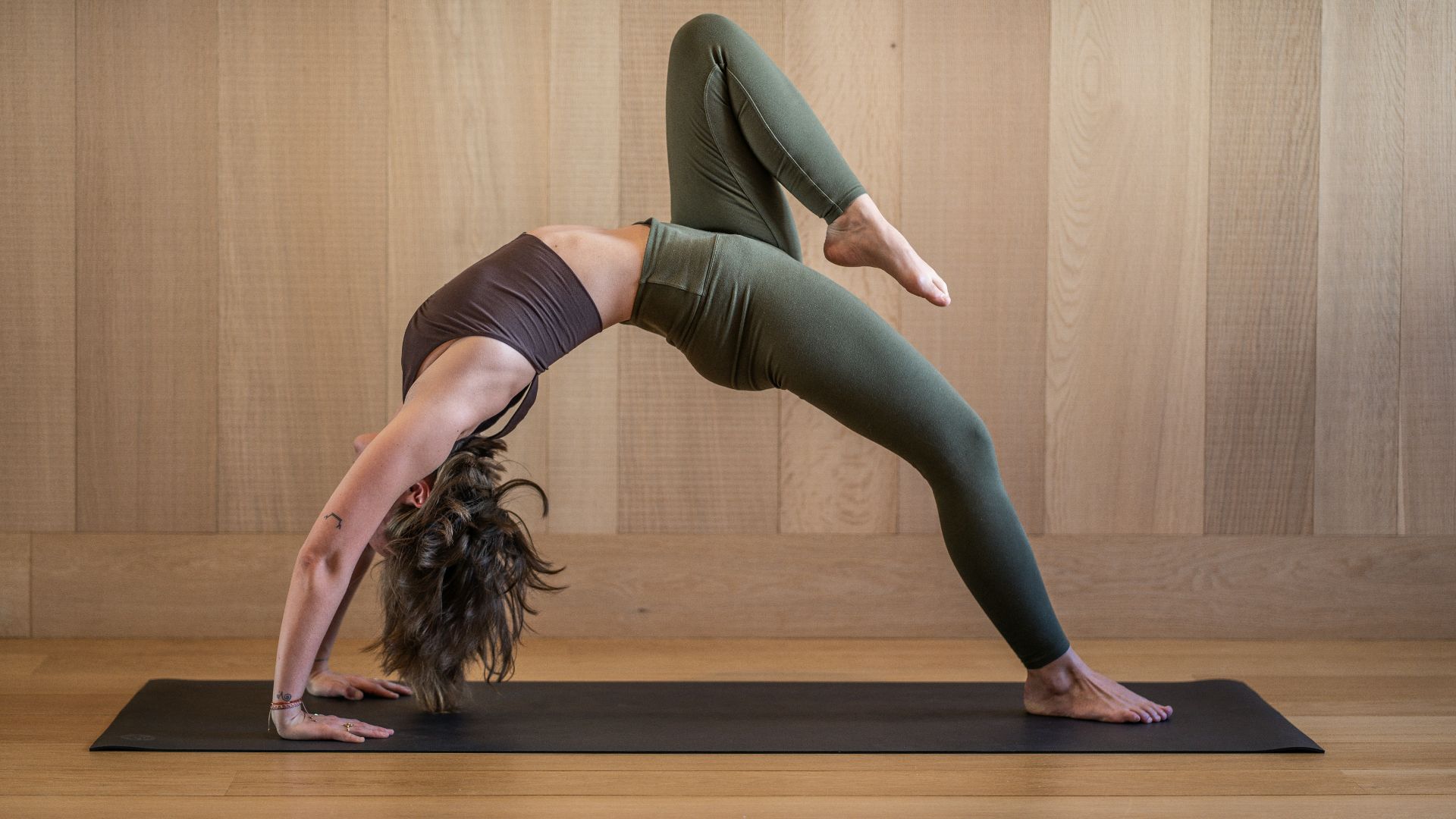
4. Wheel Pose
Wheel pose does a lot of good for the body. In a perfect world, it opens the chest and strengthens the arms, but it also places serious demand on the lower back, wrists, and shoulders. A bridge pose is often a safer starting point since it offers a similar bend without straining your joints.
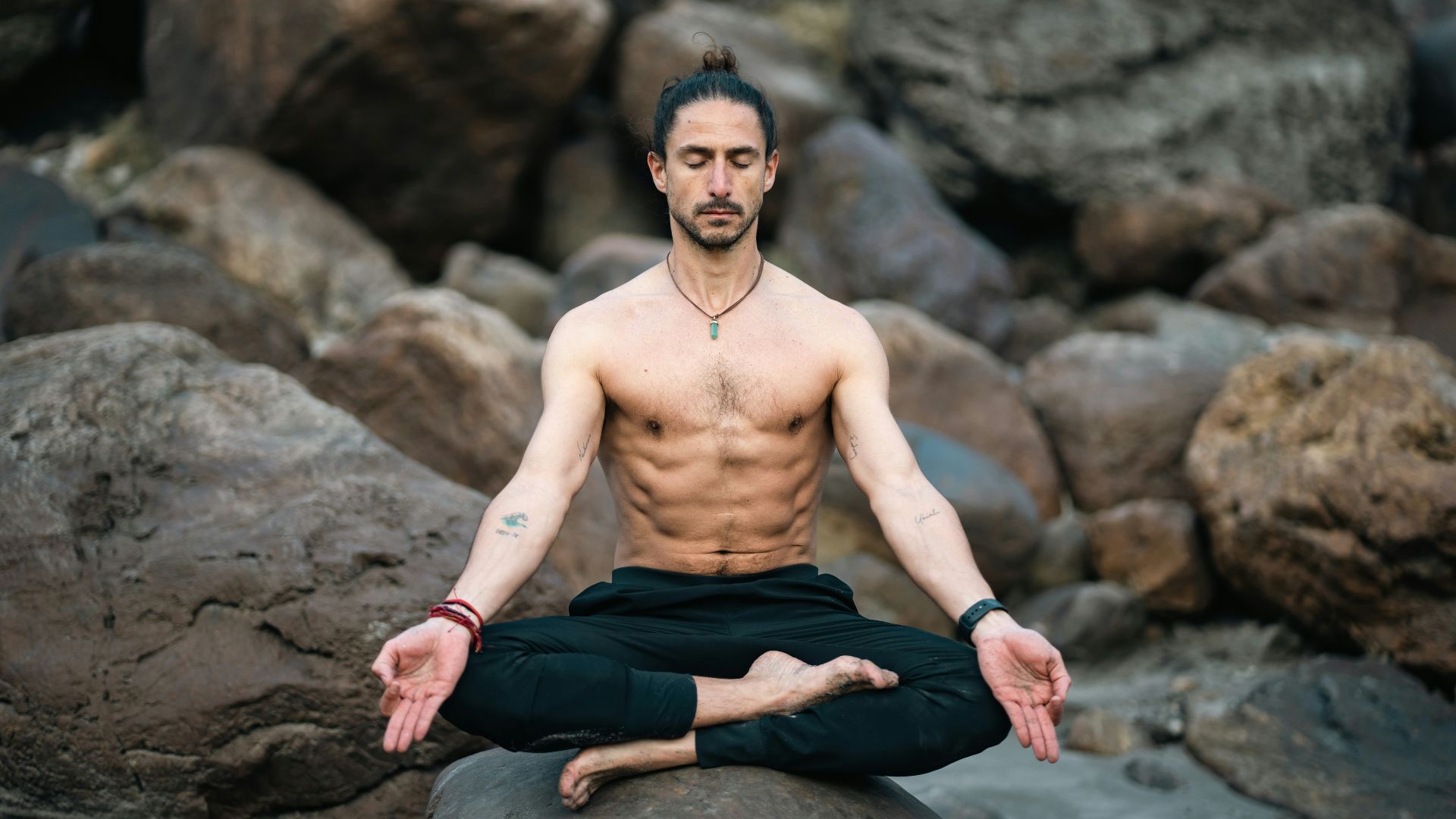
5. Full Lotus
When the hips don’t have enough rotation to support the position, your knees will feel it. Since this is such a tough pose to master, the problem usually happens when someone pulls the feet into place instead of letting the hips naturally open. If you feel pressure in the knees, your body is giving you a very big warning.
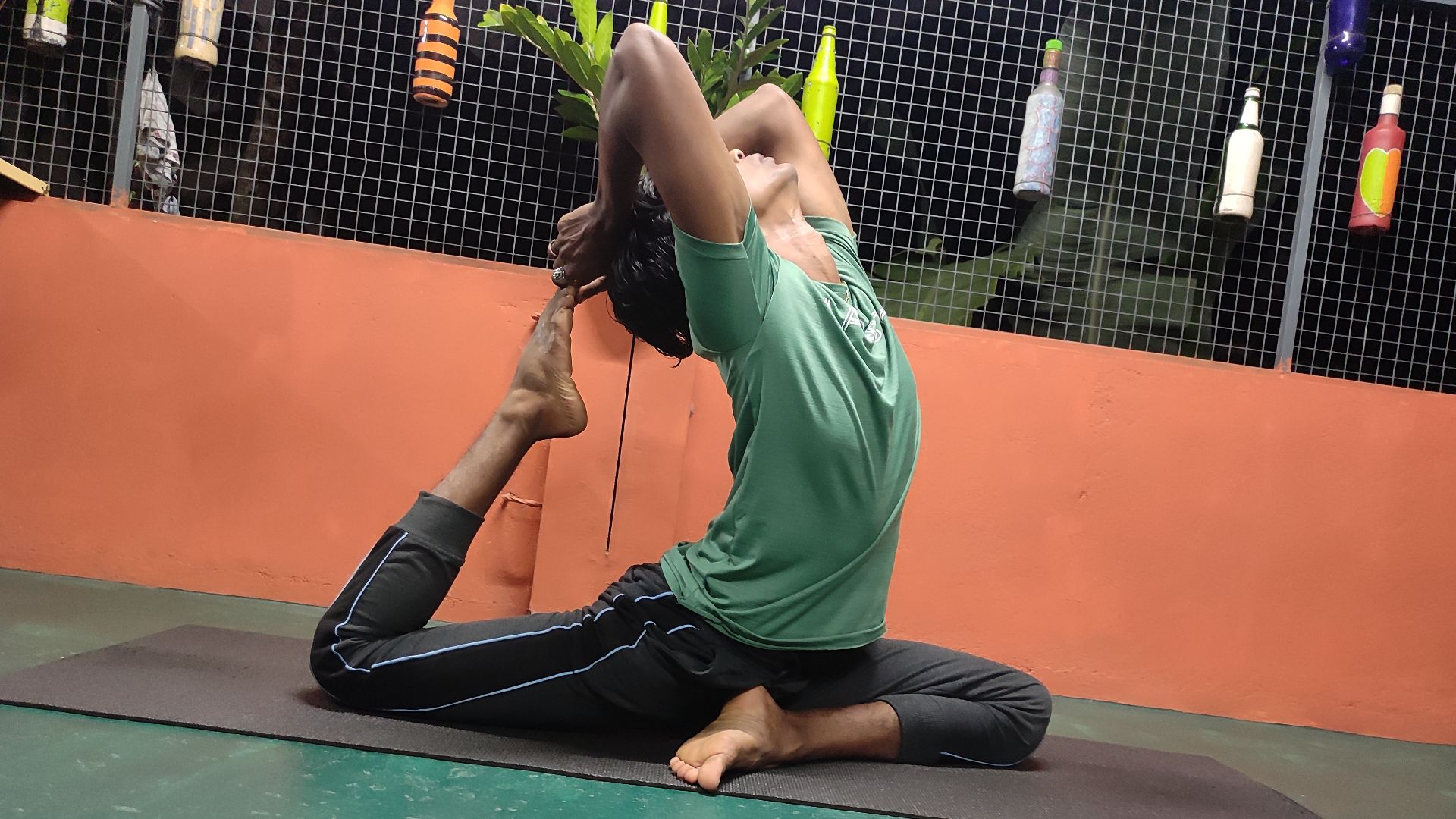
6. Pigeon Pose
Pigeon pose sounds adorable, and it is popular for tight hips, but it can also irritate the knee or sacroiliac joint. A sharp sensation in the bent knee is a sign to back off, not breathe through it—regardless of how many times you’ve been told to breathe through a strain. Many people do better with a figure-four stretch on their back because it targets the hips with less pressure.
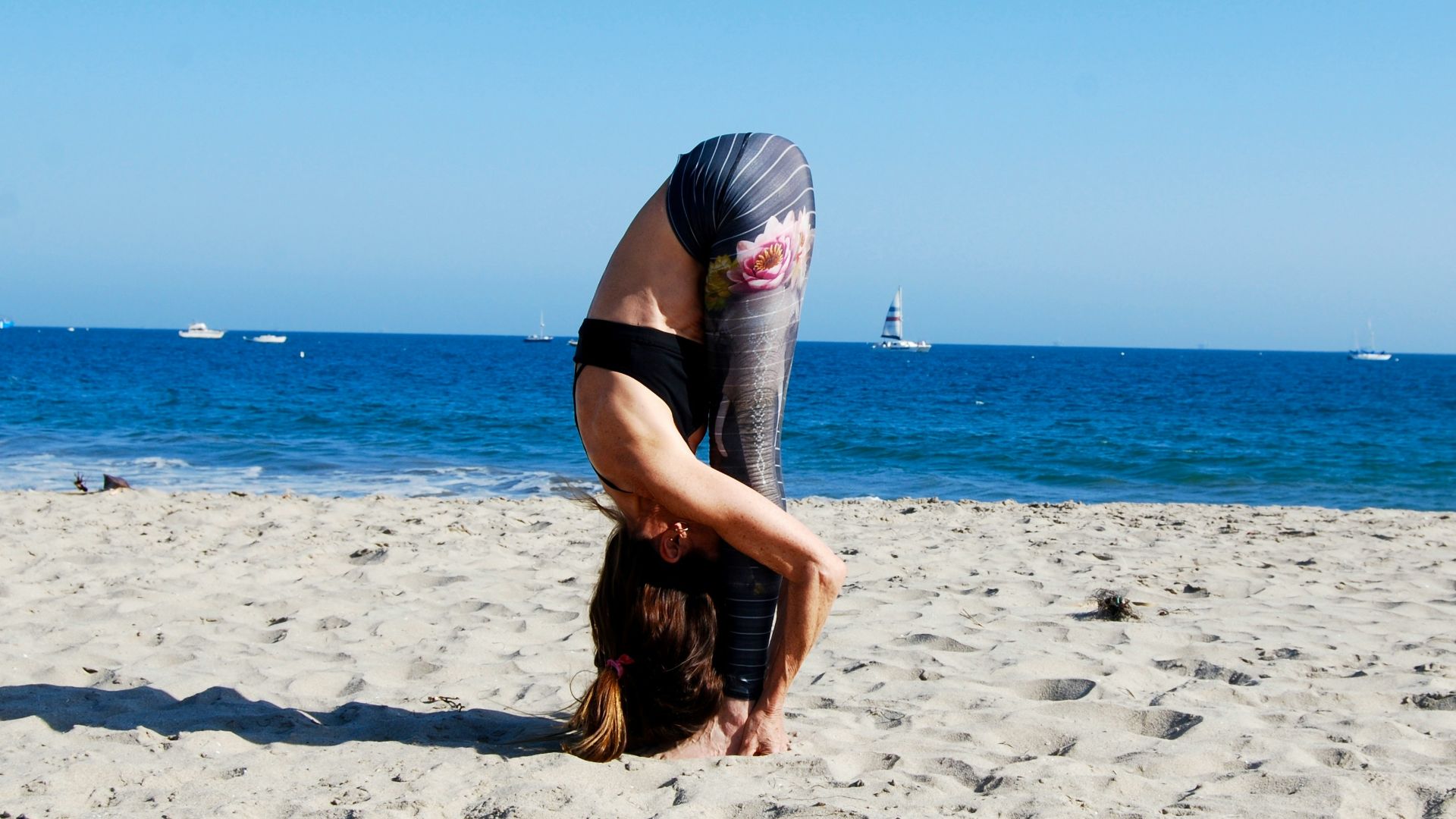
7. Forward Fold
The biggest issue with a forward fold is that it seems simple. The reality is that it can tug hard on the hamstrings and lower back when you lock your knees. Rounding deeply through the spine can also aggravate back pain, especially if you’re already plopped behind a desk for long hours during the day.
8. Chaturanga
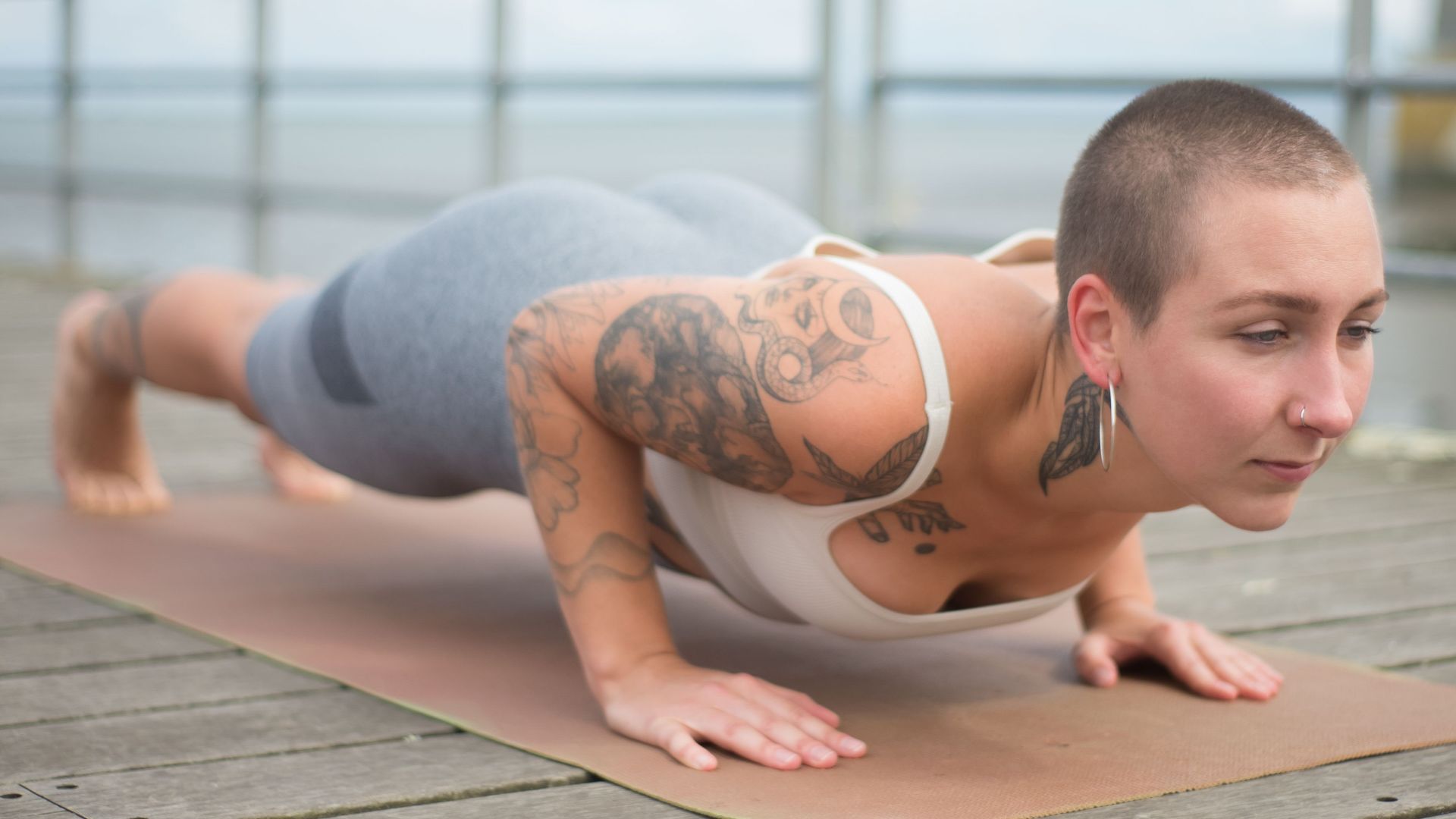
Chaturanga is meant to build strength, but that isn’t always the case. Most notably, poor form can make the shoulders and wrists pay for your hard work. Don’t forget that lowering your knees to the mat isn’t cheating—it helps you train the movement without causing serious shoulder pain.
9. Triangle Pose
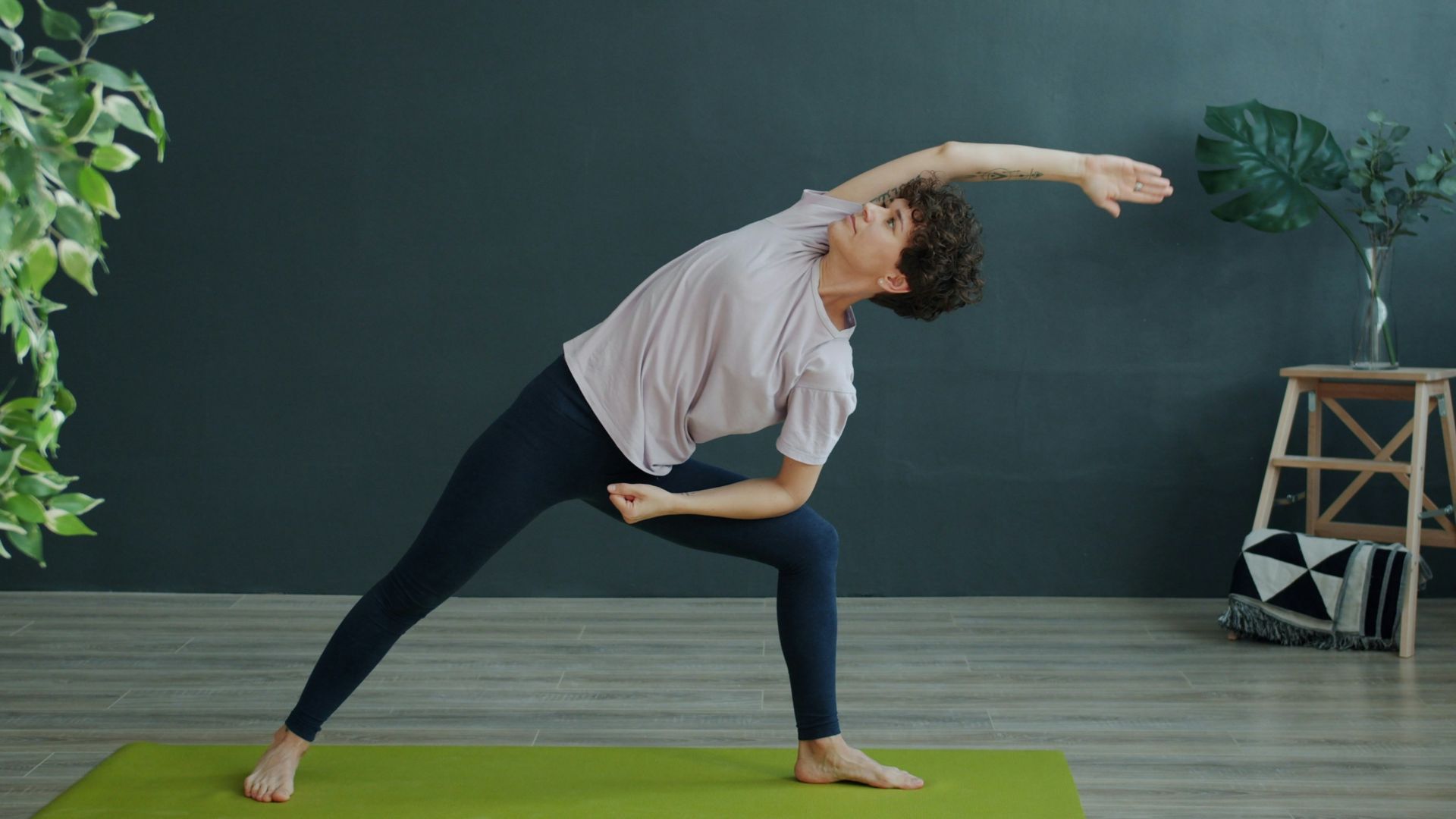
Reaching too far toward the floor in triangle pose can pull the body out of alignment. Long story short, if your top shoulder rolls forward or your lower back twists, the pose may stop being helpful and instead become irritating.
10. Hero Pose
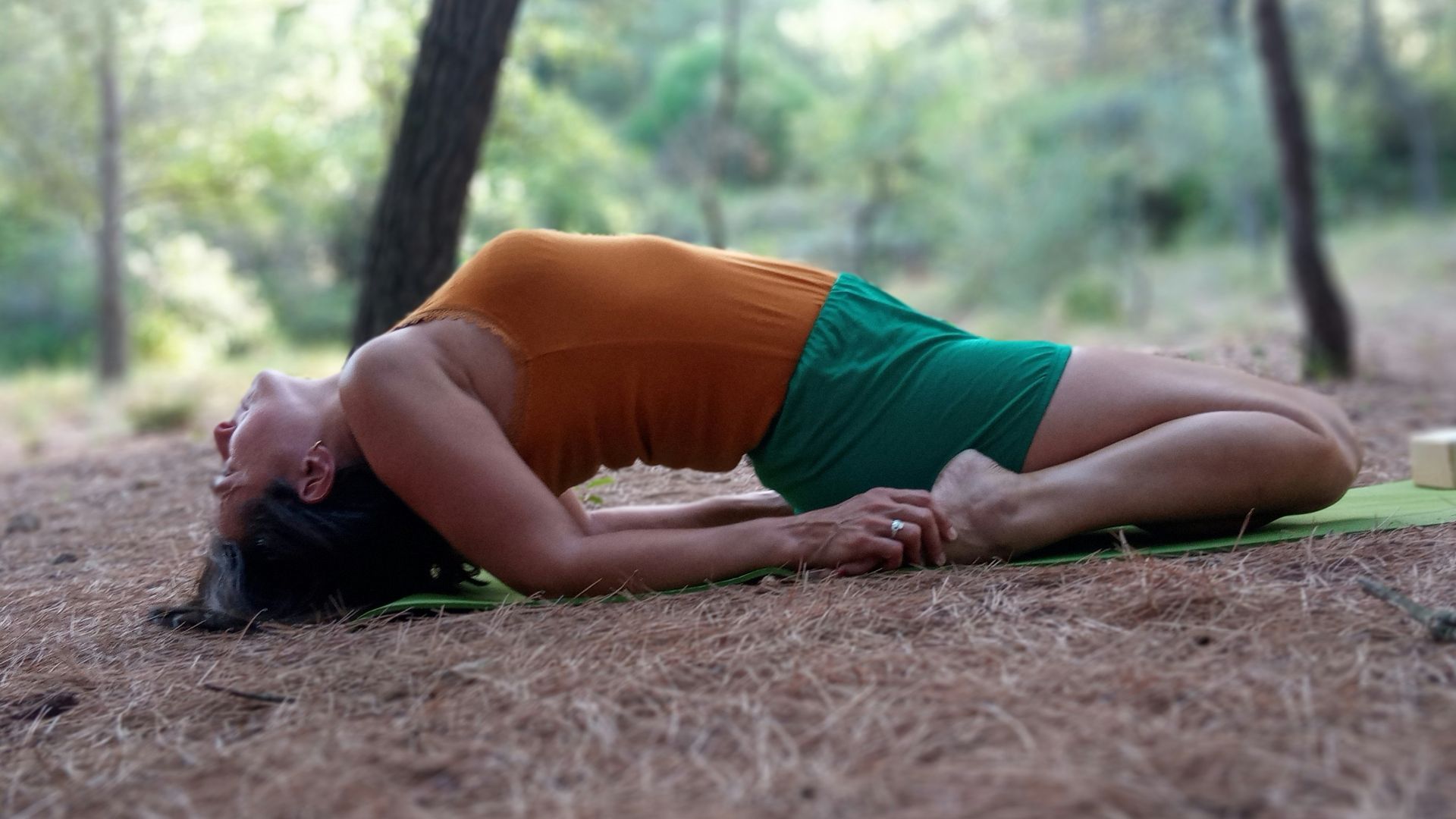
Trust us, you’ll feel anything but heroic if you try this one before you’re ready! Hero pose can be especially rough on the knees and ankles, and it’s even worse if you sit directly between your heels without support. Sitting on a yoga block or folded blanket can reduce strain, but knee pain is a clear sign to choose another pose.
Contrary to popular belief, yoga doesn’t need to start with pretzel-level flexibility! The best beginner poses help you build balance and get comfortable with your breath without asking too much from your joints. If you’re new to the practice, let’s dive into a few poses just about anyone can nail.
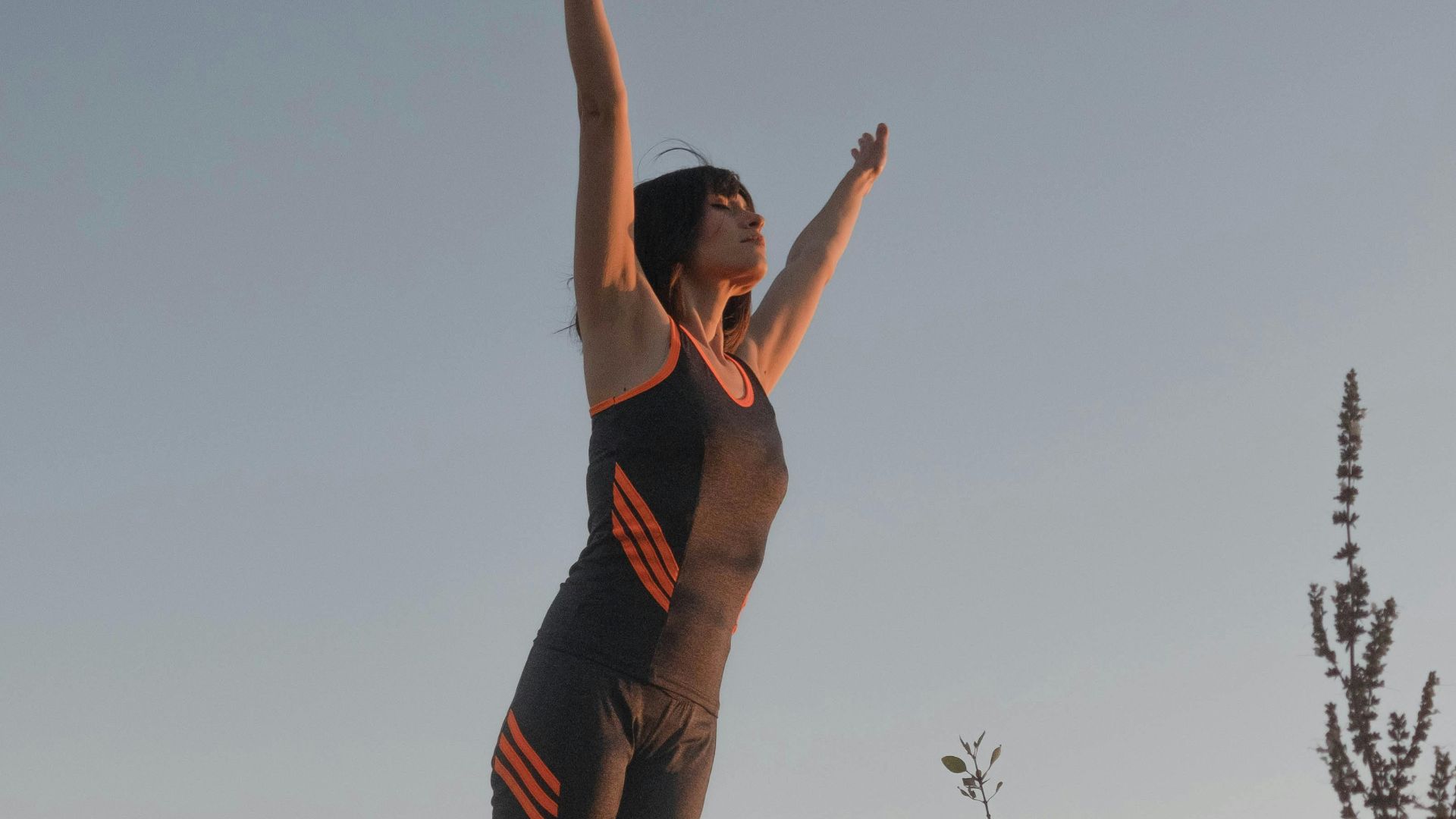
1. Mountain Pose
Mountain pose is one of the easiest ways to learn proper posture without doing anything complicated. All you need to do is stand with your feet hip-width apart, soften your knees, and let your arms rest naturally by your sides. It’s great for beginners because it’s more about being grounded than flexible.
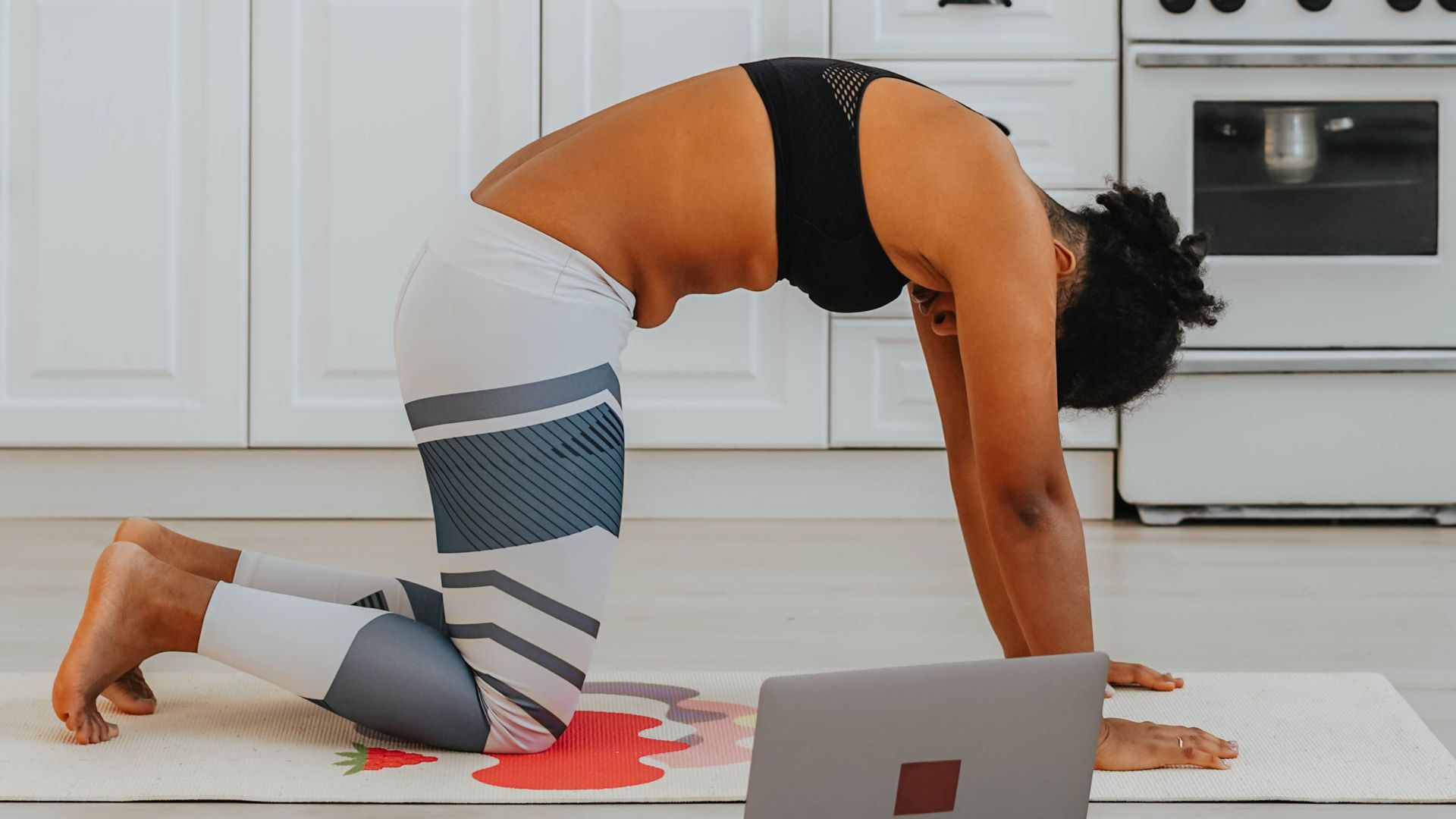
2. Cat-Cow Pose
Cat-cow warms up the spine without putting heavy pressure on the body, so it’s a gentle place to start. You start on your hands and knees, round your back as you exhale, then lift your chest slightly as you inhale. It’s especially useful after sitting at a desk; it helps your back feel less stiff.
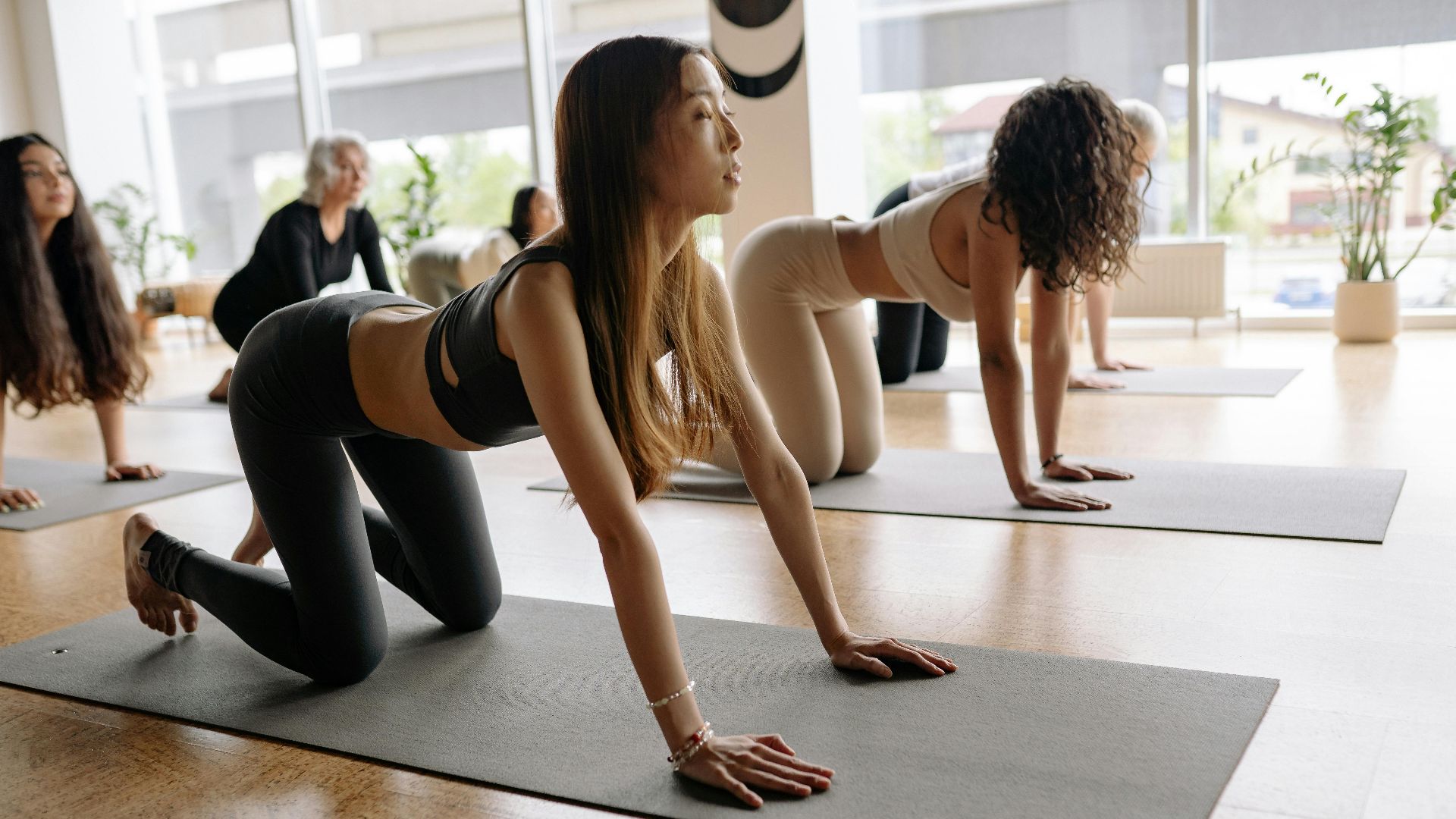
3. Tabletop Pose
Try not to get too nervous about this one; tabletop pose is beginner-friendly! Your wrists stay under your shoulders, your knees line up under your hips, and your back remains neutral. This one usually appears between other beginner movements, too, so learning it well is part of what makes the whole journey easier.
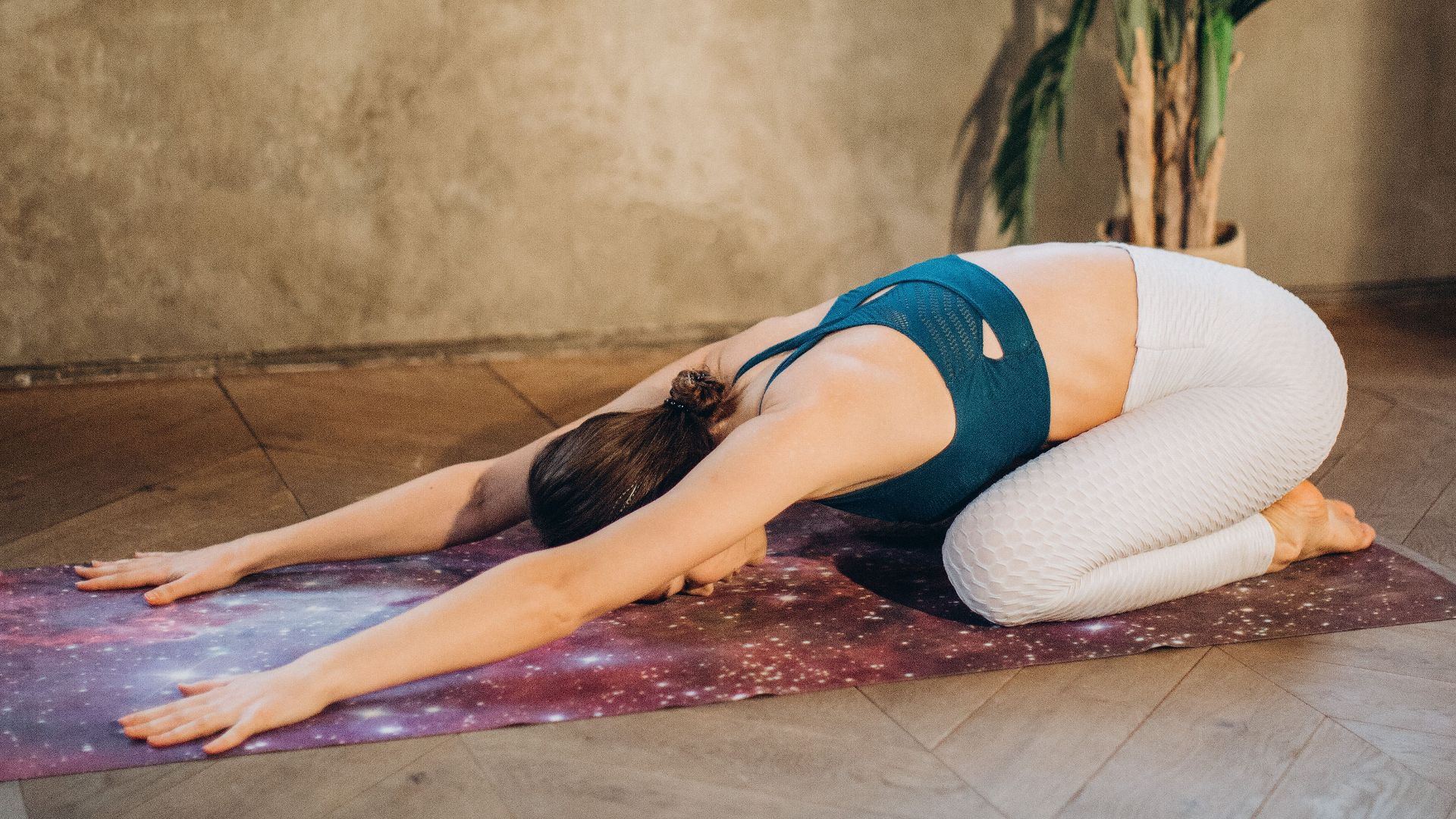
4. Child’s Pose
We all love a good child’s pose for a little R&R! Simply put, you sit your hips back toward your heels, lower your chest toward the mat, and stretch your arms forward. Make no mistake, it’s wildly helpful when you need a break during class.
5. Easy Pose
Well, you can’t get much easier than this one! Easy pose is a seated position that works well for breathing exercises or simply getting comfortable on the mat. You sit cross-legged with your spine tall, and your shoulders relaxed—that’s it. You can even use a folded blanket under your hips if the floor feels too firm on your backside.
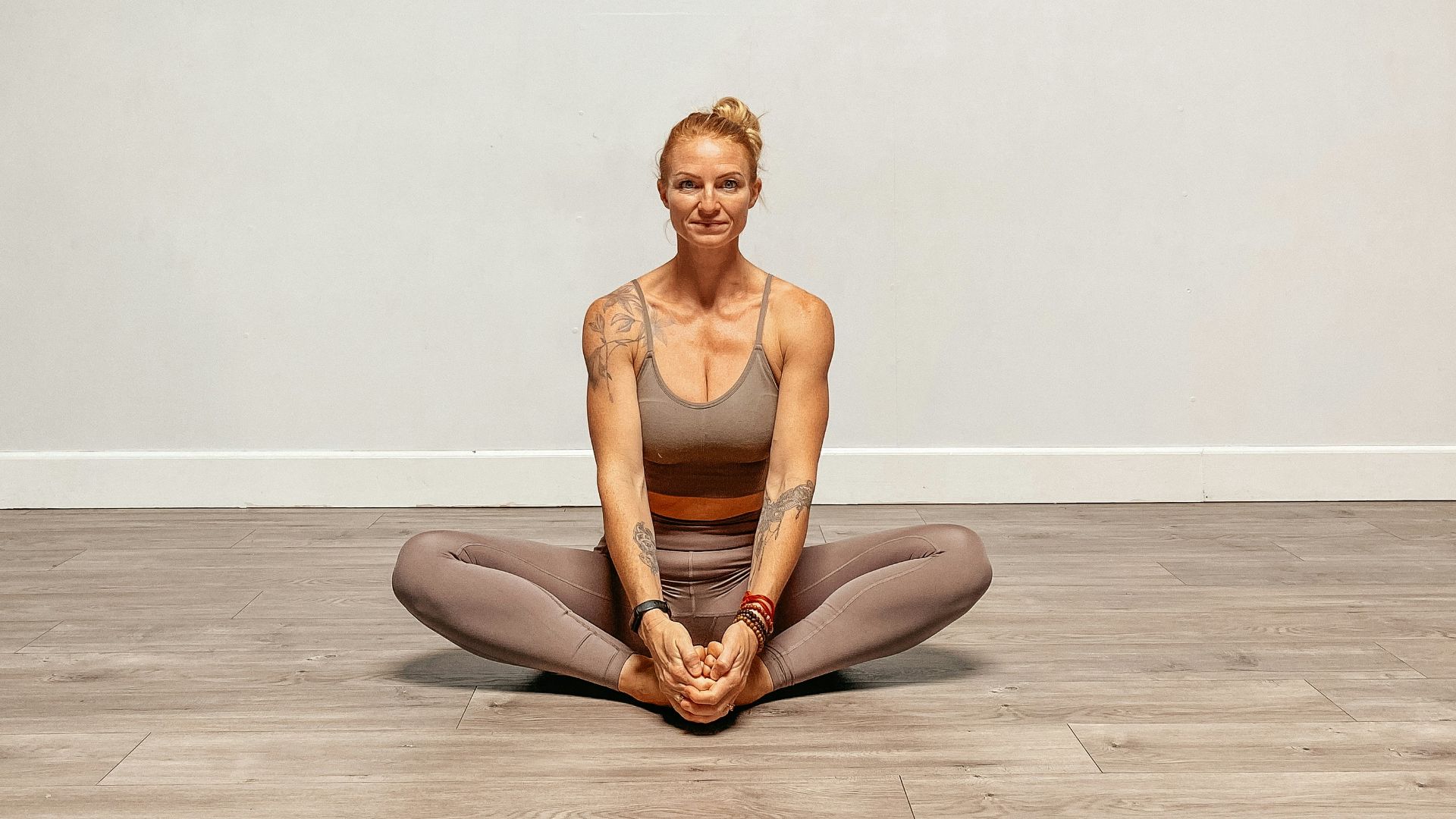
6. Staff Pose
Staff pose may look simple, but it’s actually doing a lot of work behind the scenes, namely, teaching you how to sit with control and awareness. You extend both legs in front of you, flex your feet gently, and place your hands beside your hips for support. It’s one of the best choices for beginners because you can bend your knees slightly without any guilt.
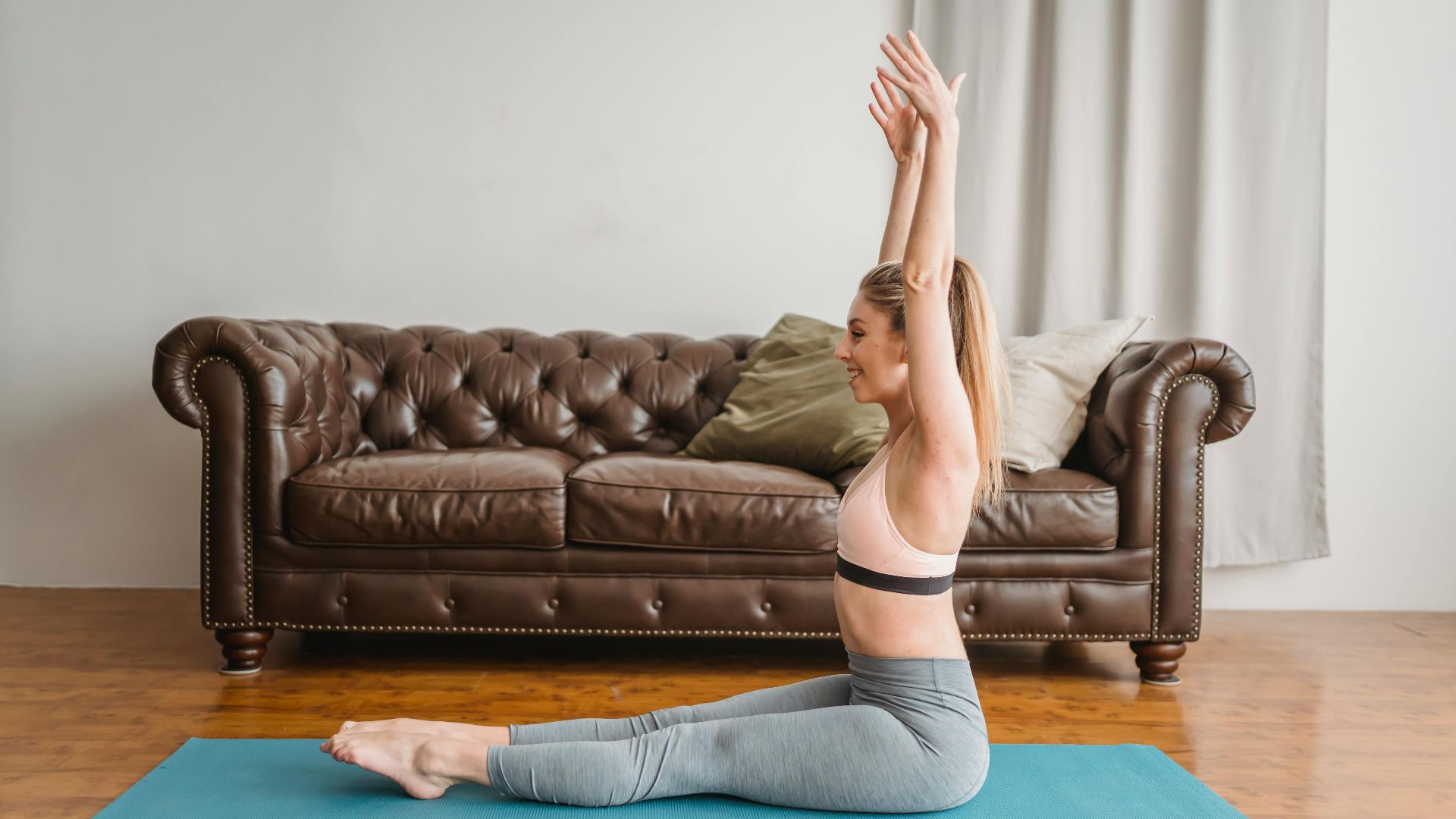
7. Seated Side Bend
Seated side bend gives your ribs, waist, and shoulders a gentle stretch while keeping you close to the floor. So, consider it a great option during your first class! You sit comfortably, place one hand on the mat, and reach the opposite arm overhead as you lean to the side. Best of all, this one’s also easy to modify.
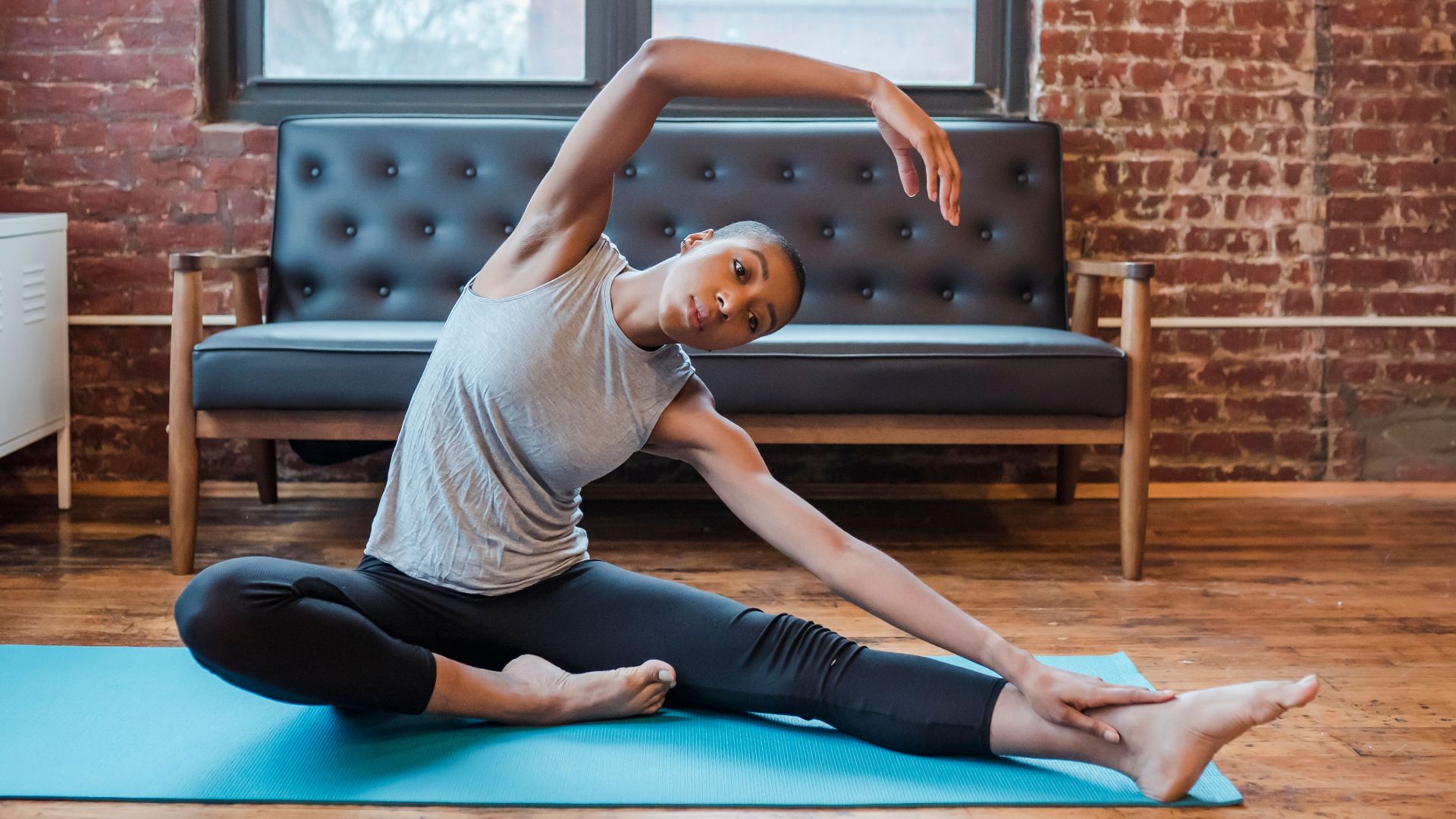
8. Knees-To-Chest Pose
Knees-to-chest pose helps release tension through the lower back and hips, but it also helps instill a sense of calm. You lie on your back, draw both knees toward your chest, and hold your shins or the backs of your thighs. A small rock is always encouraged, and it’ll do wonders for you after a long walk.
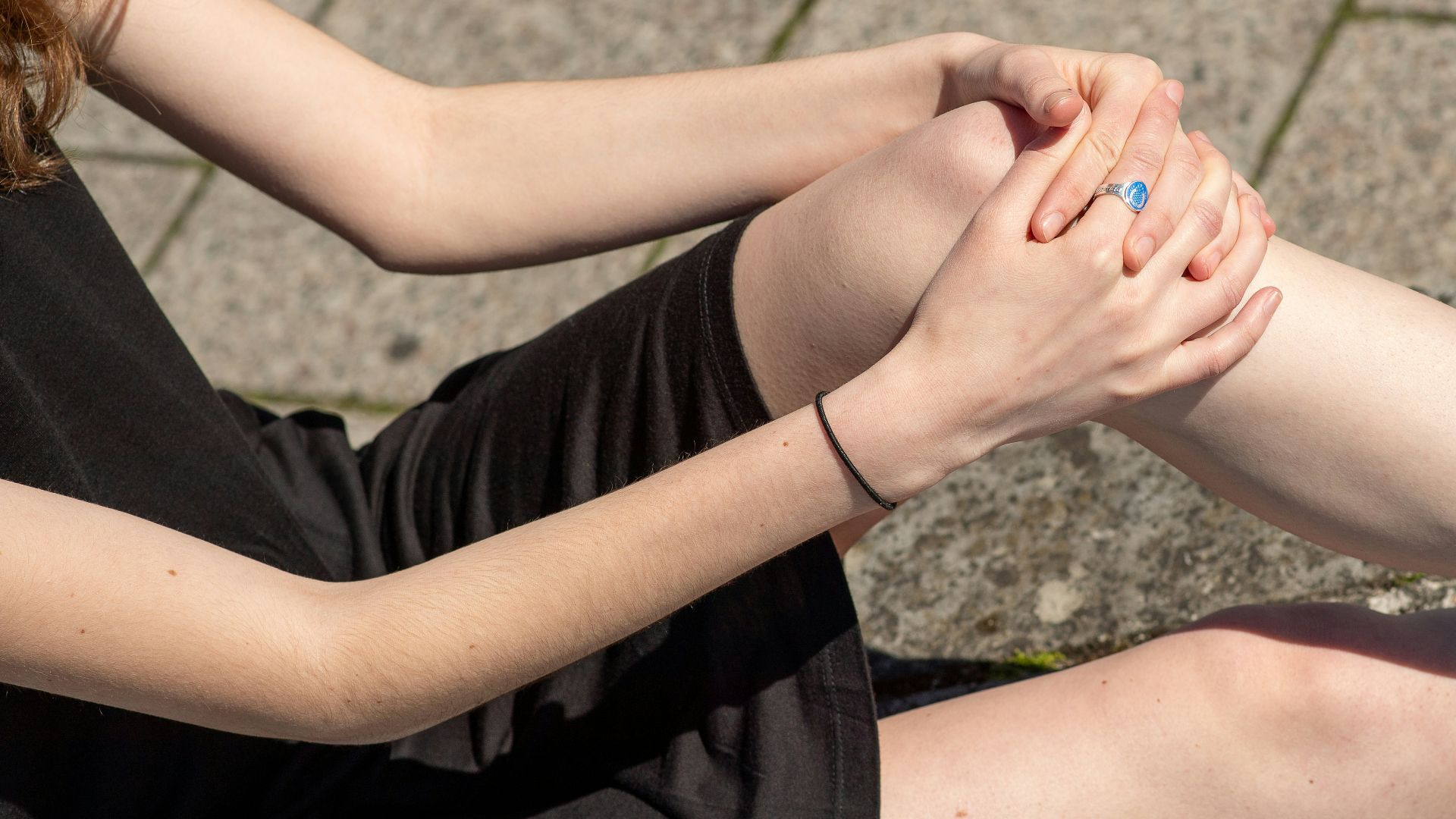
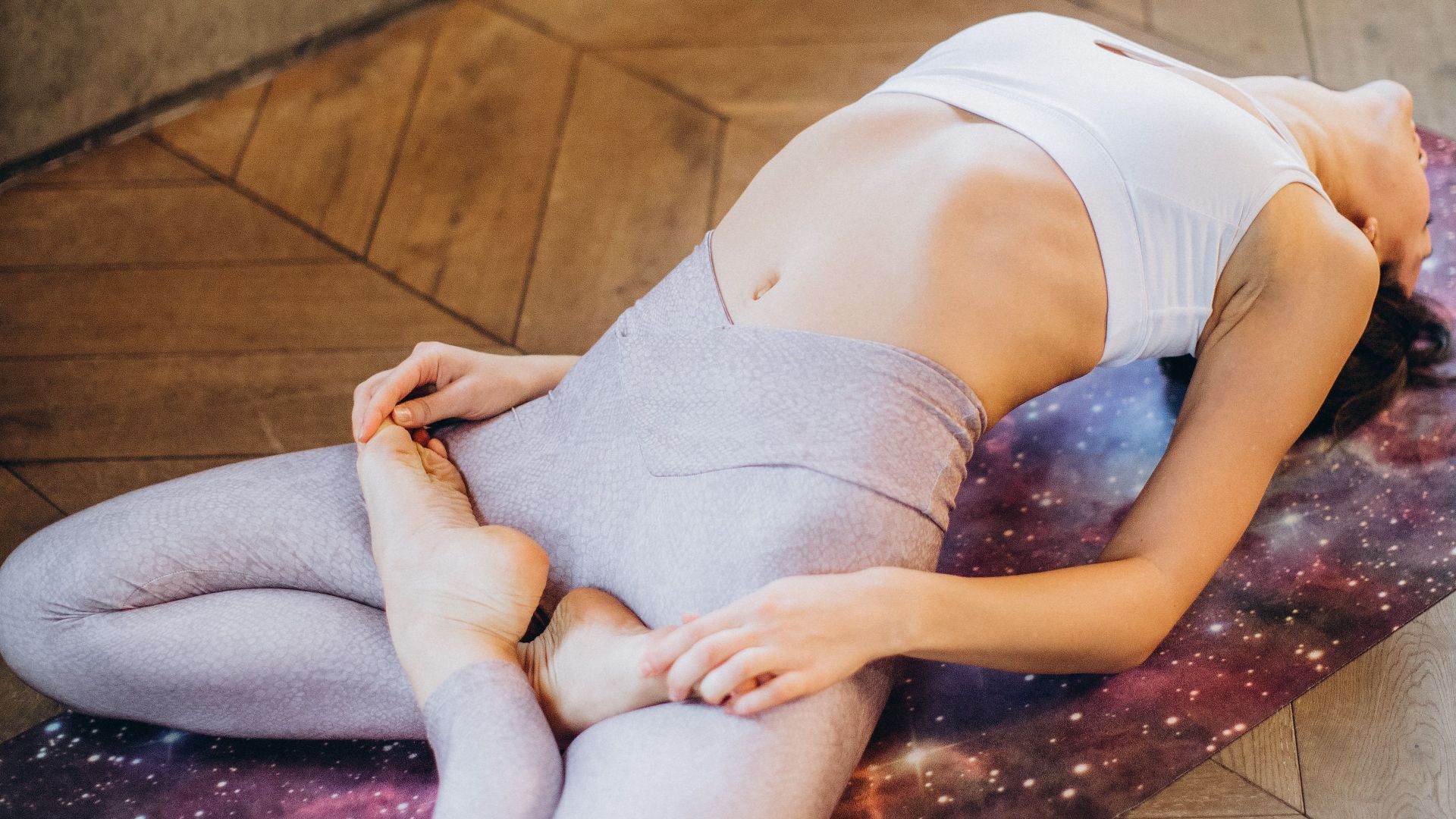
9. Reclined Butterfly Pose
Reclined butterfly pose opens the hips without asking you to do any of the advanced stuff, like balance, twist, or support your weight. You lie on your back, bring the soles of your feet together, and let your knees fall outward. Gravity does most of the work, so you hardly need to worry.
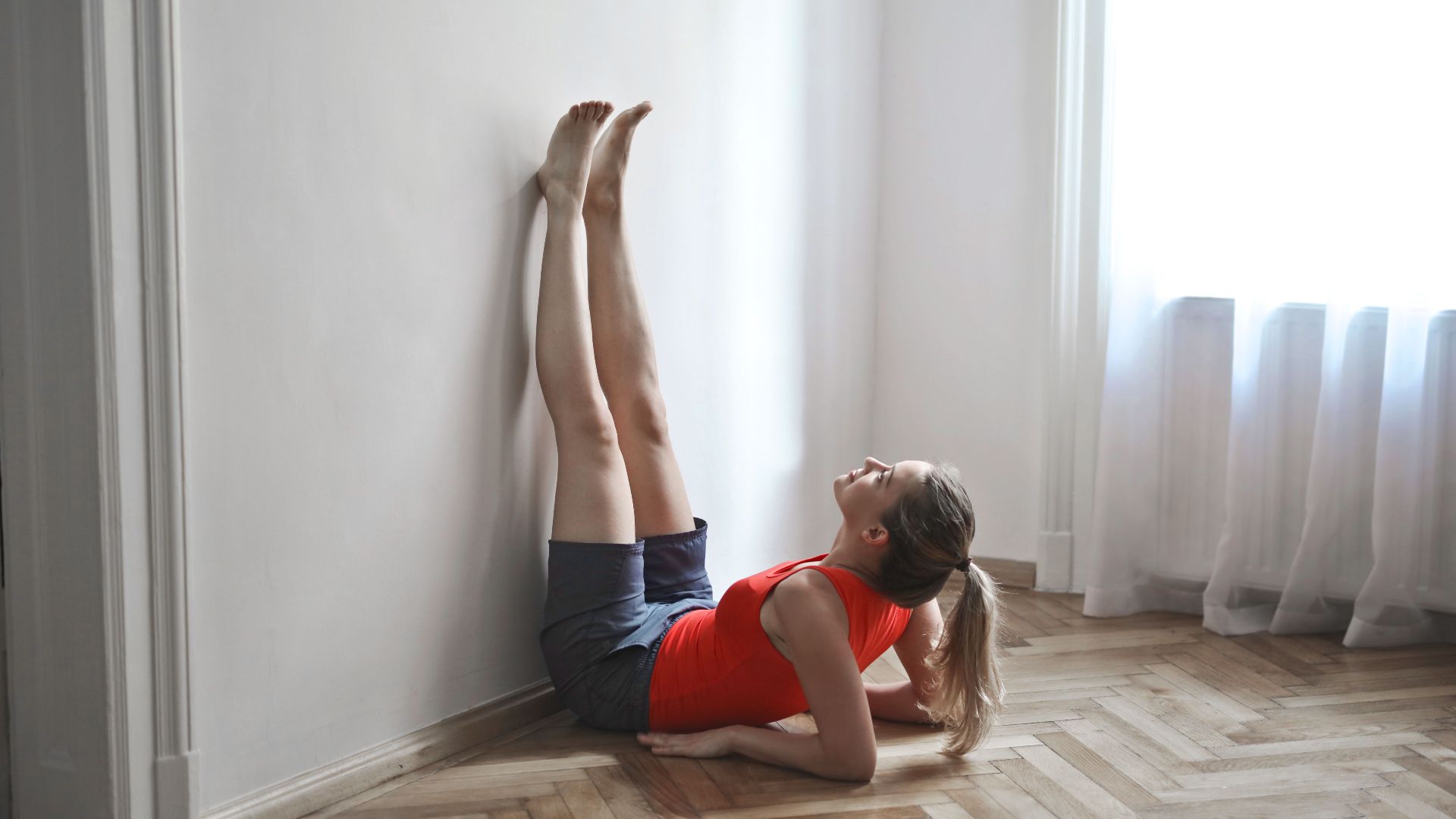
10. Legs Up The Wall
Did you know that you can do this gentle resting pose at home? You don’t even need that much setup! All you need to do is sit close to a wall, lie back, and extend your legs upward while keeping your hips as close or as far from the wall as feels comfortable. It’s a nice way to end a practice.
KEEP ON READING

20 Natural Ways You Can Boost Your Immune System
20 Ways To De-stress & Relax After Work

The 10 Most Common Diseases & The 10 Most Rare