Low-Effort Habits That Still Support Your Health
Healthy living so often feels like another job. You’re expected to wake up earlier, cook more, work out harder, and somehow stay cheerful through all of it. Real life rarely works this way, and the habits that stick are often the ones that don’t ask you to overhaul your established routine. Some healthy choices don’t even look like choices from the outside: resting, walking slowly, saying no, or listening to music. These everyday habits may look low-effort, but they can still support your sleep, stress levels, movement, nutrition, and overall well-being.

1. Sleeping In When You’re Worn Out
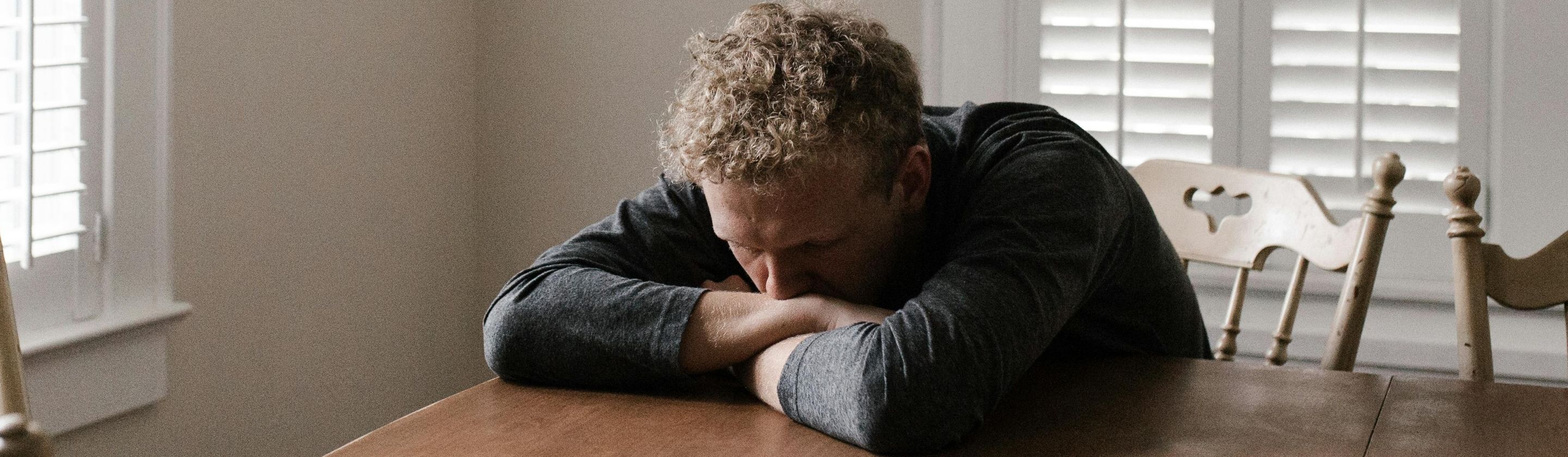
Sleeping in gets treated like a guilty pleasure, but sometimes your body needs more rest. Getting enough sleep supports your mood, focus, immune system, and overall health, so an extra hour can be a reasonable reset. The key is knowing the difference between catching up when you’re depleted and using sleep to avoid the day.

2. Taking A Short Nap
A short nap can feel like giving up in the afternoon, especially when there’s still plenty to do. When it’s brief and not too close to bedtime, though, it can help you feel more alert without throwing off your sleep later. Keep it short, keep it earlier in the day, and it can be quite useful.

3. Going For A Walk
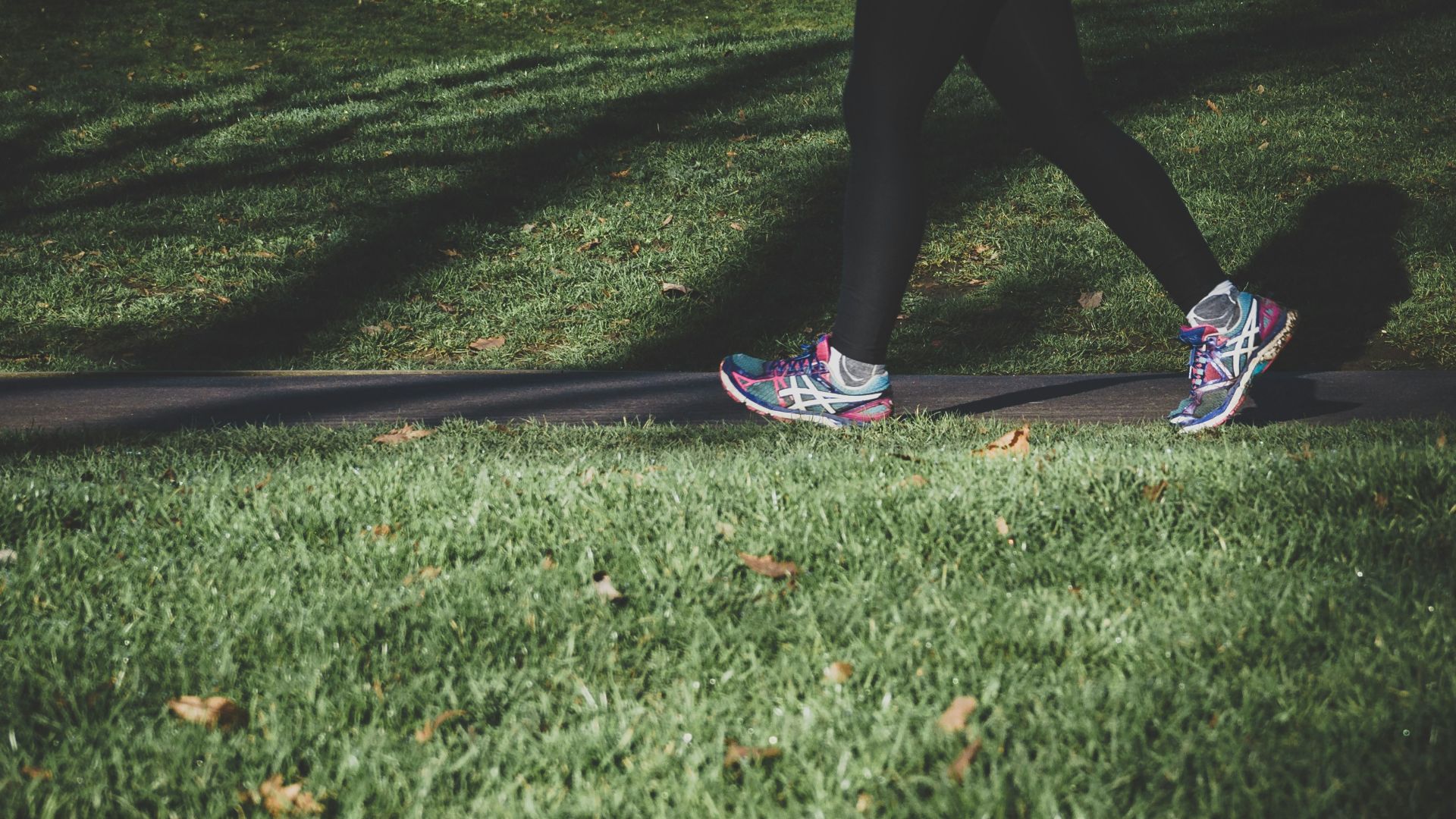
A gentle walk doesn’t need to look like a workout to be worth doing. Moving your body, getting outside, and breaking up a long stretch of sitting can all help. On days when a full workout feels unrealistic, a slow lap around the block still counts.
4. Taking Movement Breaks
Stretching while the kettle boils or pacing during a phone call barely feels like exercise. That’s exactly why it can be helpful: it’s easy to repeat, and it interrupts long stretches of sitting. Those little bursts of movement can make a stiff, sluggish day feel a bit more manageable.

5. Resting Instead Of Pushing Through
Skipping a workout can feel lazy when you’re trying to stay consistent. Rest, though, is part of taking care of your body, especially when you’re unusually sore, exhausted, or dealing with nagging pain. Pushing through those signs can backfire, while a day off gives your body time to repair.

6. Sitting And Breathing
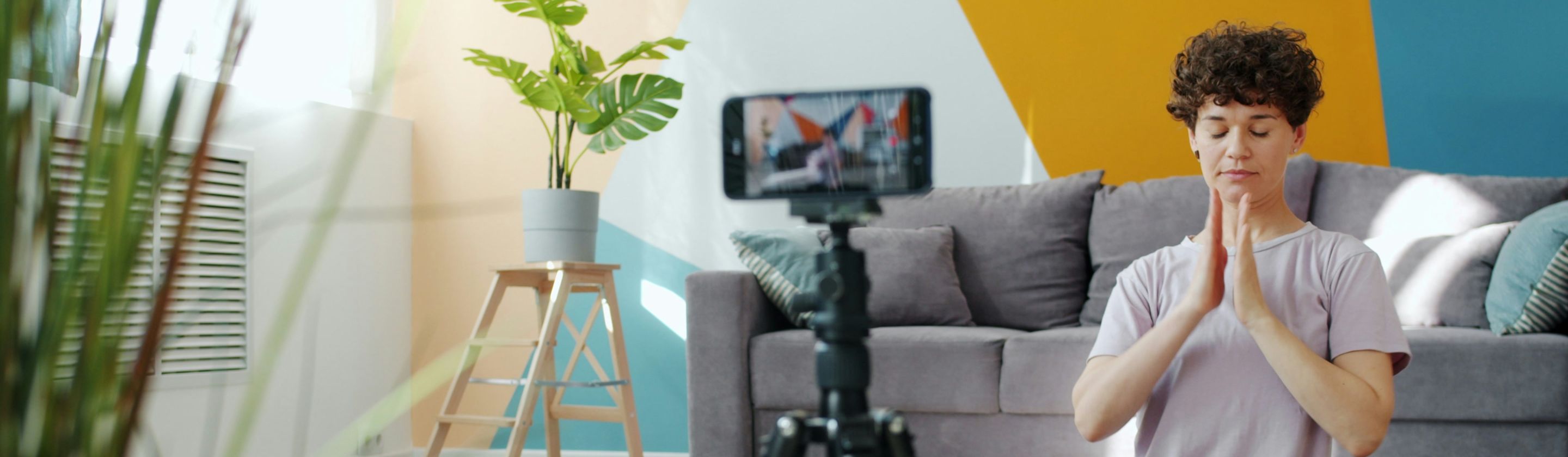
Sitting still for a few slow breaths may look like doing nothing, but it's especially useful when your day has been loud, busy, or irritating. Slow, steady breathing can help your body move away from stress mode and settle down a little.

7. Letting Your Mind Wander
Staring out the window doesn’t always mean you’re wasting time. Letting your thoughts drift can give your brain a break from constant concentration and make room for ideas to connect in the background. The benefit is much clearer when you’re actually letting your mind rest, not disappearing into an hour of scrolling.

8. Taking Breaks
A real break isn’t eating lunch over your keyboard while answering messages with your other hand. Stepping away from screens, work, or chores gives your mind a chance to recover during mentally demanding days. Even a short stretch, a few quiet minutes, or a little time outside can help the rest of the day feel less heavy.

9. Going Outside To Do Nothing
Outdoor time doesn’t have to involve hiking boots or a big plan. Sitting on a porch, standing in the sun, or wandering through a nearby park can help you feel calmer and more grounded after too much time indoors. Sometimes doing very little outside is enough to make your body feel like it has finally exhaled.

10. Listening To Music
Putting on music while you cook, clean, or relax can feel more comforting than productive. Still, music can help shift your mood, ease tension, and make ordinary tasks feel less draining when your energy is low. The right song won’t solve the whole day, but it can make the next few minutes easier.

11. Watching Something Funny
A funny show or ridiculous video can look like pure procrastination. In small doses, laughter can help relieve tension and give your body a short break from stress. It won’t erase bigger problems, of course, but it can take the edge off.

12. Reading On The Couch
Reading on the couch looks wonderfully low-effort: soft clothes, quiet room, no obvious productivity. That kind of calm is part of the appeal. Reading gives your attention a steadier place to land than a feed full of alerts, headlines, and arguments you didn’t need to see.

13. Saying No To Plans
Turning down plans can feel uncomfortable if you’re used to being available for everyone. Healthy boundaries protect your time, energy, budget, and mood, which makes it easier to show up when you actually have the capacity. You don’t have to vanish from your social life to admit that you need some “you time.”

14. Hanging Out Without A Plan
Not every social moment needs dinner reservations, outfits, or a group itinerary. Sitting with a friend, running errands together, or chatting on the porch still supports connection. Low-pressure time can be easier to keep, especially when everyone is tired.

15. Buying Frozen Or Canned Produce
Frozen vegetables and canned beans get treated like backup options, but they can make healthy eating much more realistic. They’re fast, often affordable, and useful on nights when fresh produce isn’t available. Choose options without heavy sauces, excess sodium, or sugary syrups when you can.

16. Keeping Meals Simple
A healthy meal doesn’t need to look like it came from a cooking show. Rice, beans, eggs, frozen vegetables, canned tomatoes, tuna, soup, or a quick grain bowl can still give you a practical mix of nutrients on a tired weeknight.

17. Drinking Coffee
Coffee gets treated like a bad habit, especially when it’s the first thing you reach for in the morning. For many adults, moderate caffeine can fit into a healthy routine. Pay attention to your own body, since too much can affect sleep, anxiety, digestion, or that jittery afternoon feeling.

18. Chewing Sugar-Free Gum
Chewing gum may seem like a tiny, fidgety habit, but sugar-free gum can have an oral-health upside. It helps increase saliva, which can support your mouth after meals when brushing isn’t realistic. It still doesn’t replace brushing or flossing, but it can be a useful habit.

19. Keeping Water Within Reach
Leaving a water bottle on your desk, nightstand, or coffee table is low-effort in the best way. When water is nearby, you’re more likely to sip without having to remember yet another task. Making the healthier choice easier is often what helps it stick.

20. Taking A Warm Shower Before Bed
A warm shower before bed can feel like a small comfort, and it may also help with winding down. When it’s timed before sleep, it can help your body relax into nighttime mode. It’s simple, soothing, and much better for your bedtime routine than getting pulled into late-night scrolling.