Mouse Infestation: 10 Things You Should Know About House Mice & 10 Tips to Get Rid of Them
Mouse Infestation: 10 Things You Should Know About House Mice & 10 Tips to Get Rid of Them
Unwelcome Guests
If you've spotted a mouse darting across your kitchen floor or noticed small droppings near your pantry, you're not alone; mouse infestations are one of the most common household pest problems in the United States. And that's no surprise, given that these rodents reproduce quickly and can slip in even through the tiniest gaps. If you're at your wits' end trying to get to the root of the problem, it might help to know some useful facts about house mice and the best ways to get rid of them. Let's take a closer look.
1. They're Not Just a Rural Problem
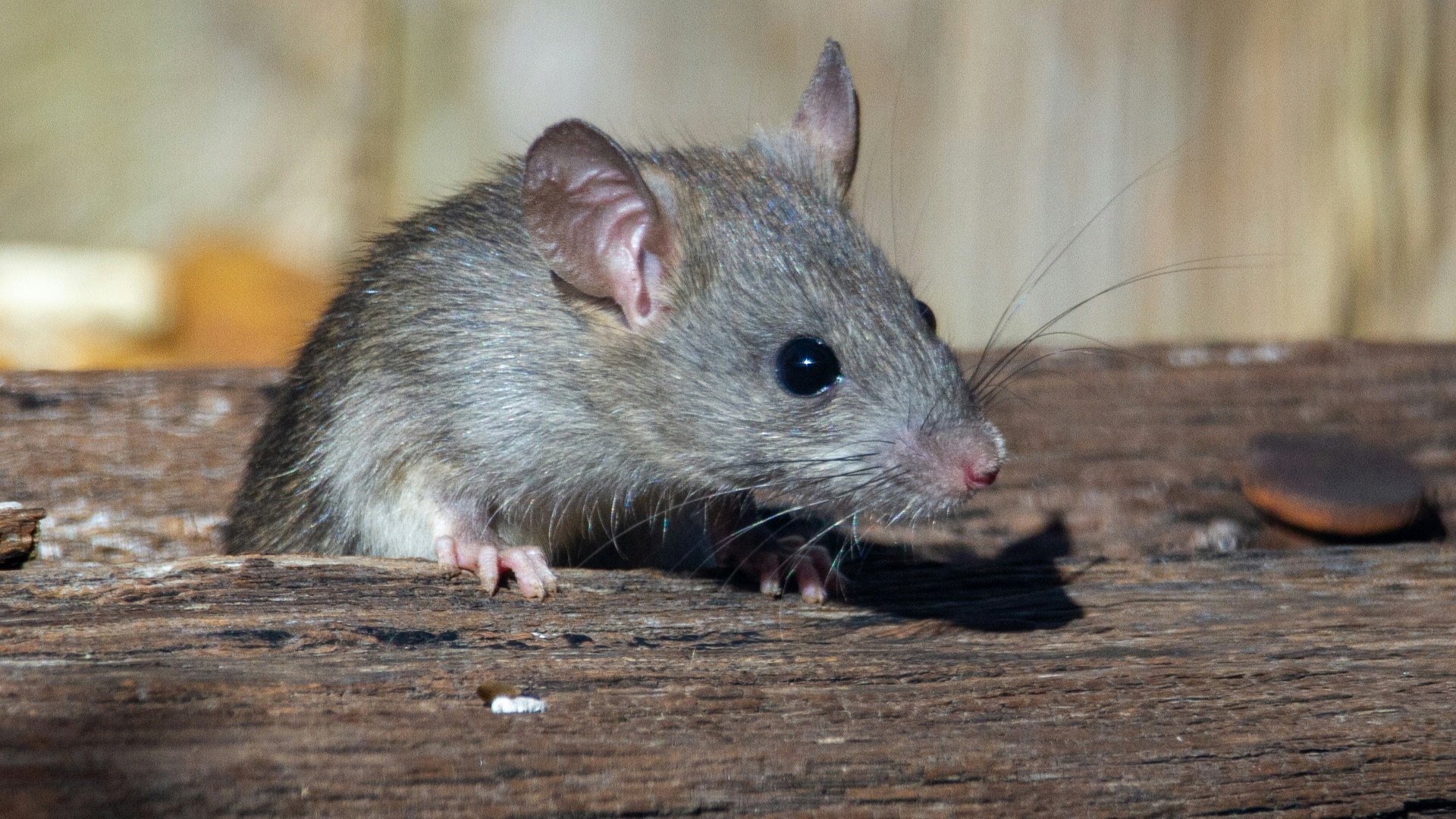
House mice thrive just as easily in cities and suburbs as they do in the countryside. Wherever there's food, warmth, and shelter, mice will find a way to make themselves comfortable. Urban and suburban homes are actually prime targets because of the abundance of food waste, cluttered spaces, and easy entry points.

2. They Reproduce at an Alarming Rate
A single female house mouse can give birth to anywhere from five to ten litters per year, with each litter containing four to twelve pups. That means a small mouse problem can become a full-blown infestation within just a few weeks if left unchecked. Understanding this reproductive cycle is one of the key reasons why acting quickly matters so much.

3. They Can Squeeze Through Tiny Gaps
One of the most surprising things about house mice is how little space they need to enter a building. A mouse can fit through a hole or gap as small as a quarter of an inch—roughly the size of a pencil eraser. This is why even homes that appear well-sealed can still end up with unwanted residents.
4. They're Primarily Nocturnal
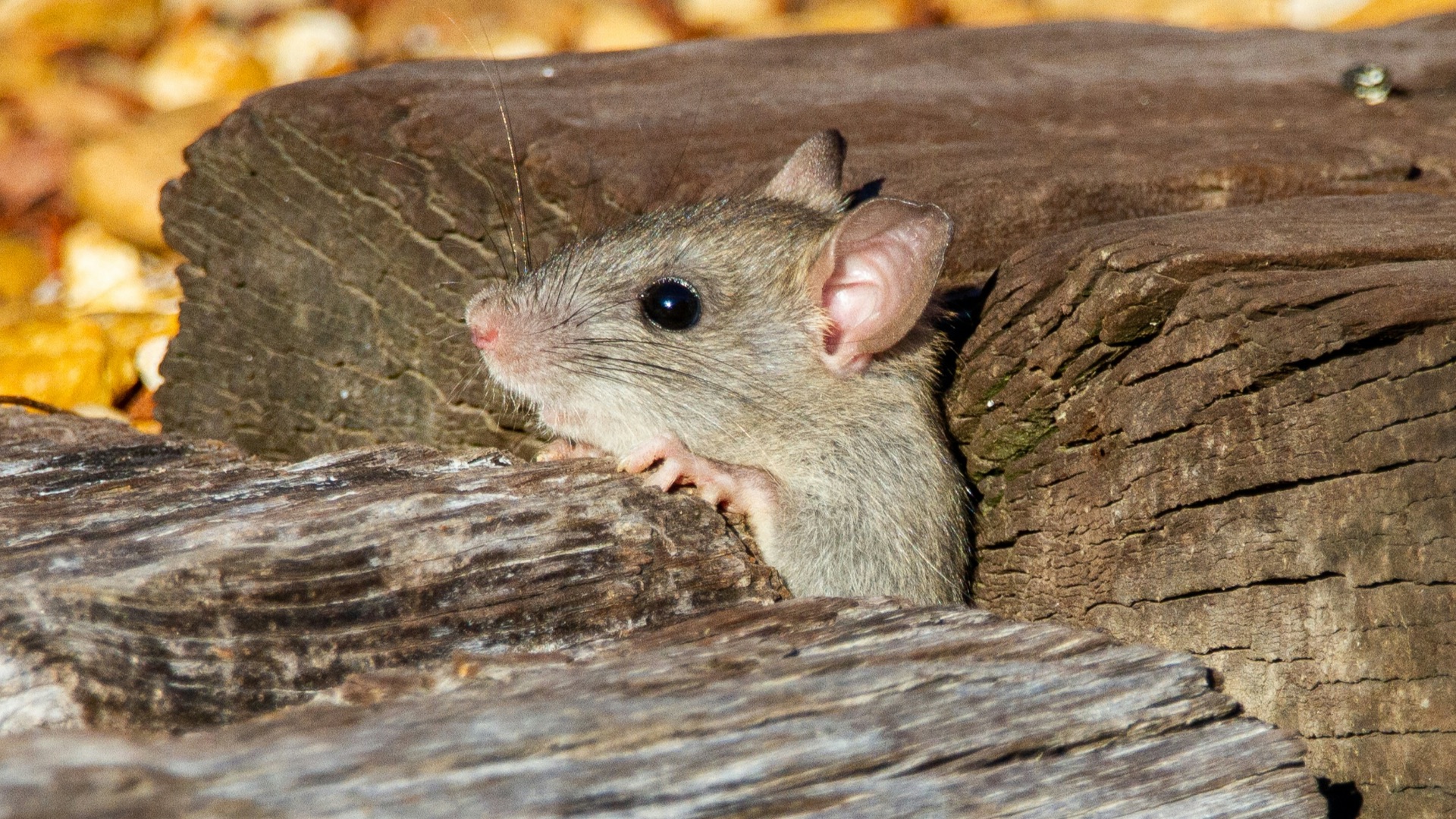
House mice are most active during the night, which is why you're more likely to hear them than see them, at least at first. Scratching sounds in the walls, rustling near food storage areas, and chewed packaging discovered in the morning are all classic signs of nighttime activity. If you do spot a mouse during daylight hours, it can actually indicate that the population has grown large enough that competition for resources is pushing some individuals out earlier.

5. They Contaminate More Than They Eat
The direct damage mice do by eating your food is actually minor compared to the contamination they leave behind. Mouse droppings, urine, and fur can spread bacteria such as salmonella and trigger allergic reactions in sensitive individuals. A mouse that runs across a countertop leaves behind more than footprints, which is why sanitation after an infestation is just as important as removal.

6. Scratching Sounds Can Point to Their Location
If you hear scratching, scurrying, or rustling inside walls or ceilings, mice may be moving through hidden spaces. These sounds are often more noticeable at night when the house is still and silent. Keeping close attention to where the noises come from can help you identify likely nesting or travel areas.
7. They Can Cause Structural Damage
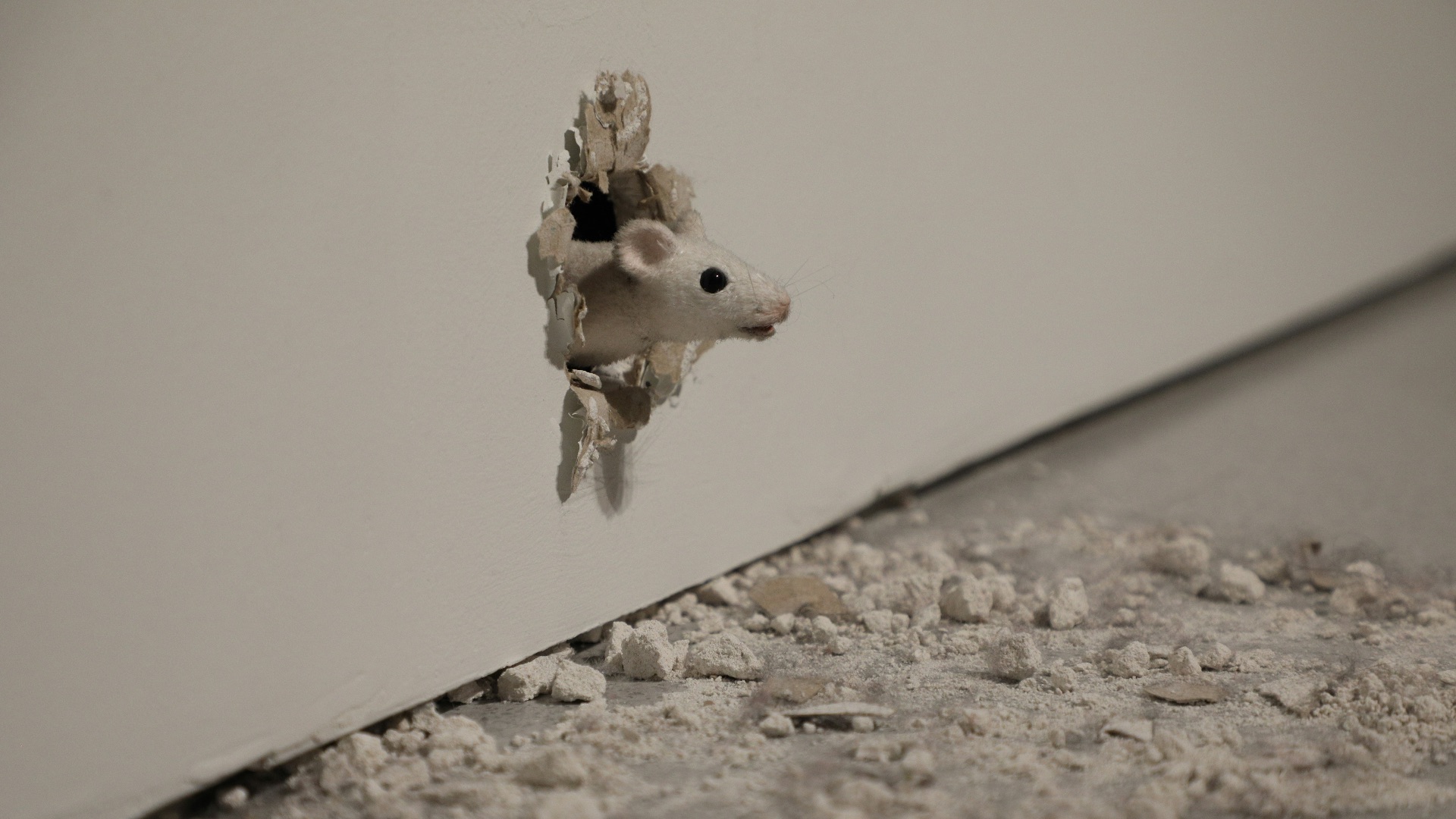
Beyond the health concerns, mice are capable of causing real damage to a home over time. Because they have teeth that continue growing, they'll gnaw through insulation, wood, and even electrical wiring, which can create a fire hazard if left unaddressed. The cost of repairing that kind of damage often far exceeds what it would have taken to deal with the infestation earlier.

8. They Have Poor Eyesight But Excellent Other Senses
House mice rely far more on their senses of smell, hearing, and touch than on their vision, which is quite limited. They tend to travel along walls and fixed routes, using their whiskers to navigate in the dark, which is why mousetraps placed along baseboards and wall edges tend to be far more effective than those set in open spaces. Their strong sense of smell also makes certain scents, like peppermint oil, somewhat off-putting to them.

9. Not All Signs of Mice Are Obvious
Beyond droppings and chewed food packaging, mice leave behind more subtle evidence of their presence. Grease marks or dark smudges along walls and baseboards are caused by the oils in their fur as they repeatedly travel the same routes. You might also notice small, shredded materials like paper, fabric, or insulation gathered in corners, which are signs of an active nesting site nearby.

10. They're Different from Rats
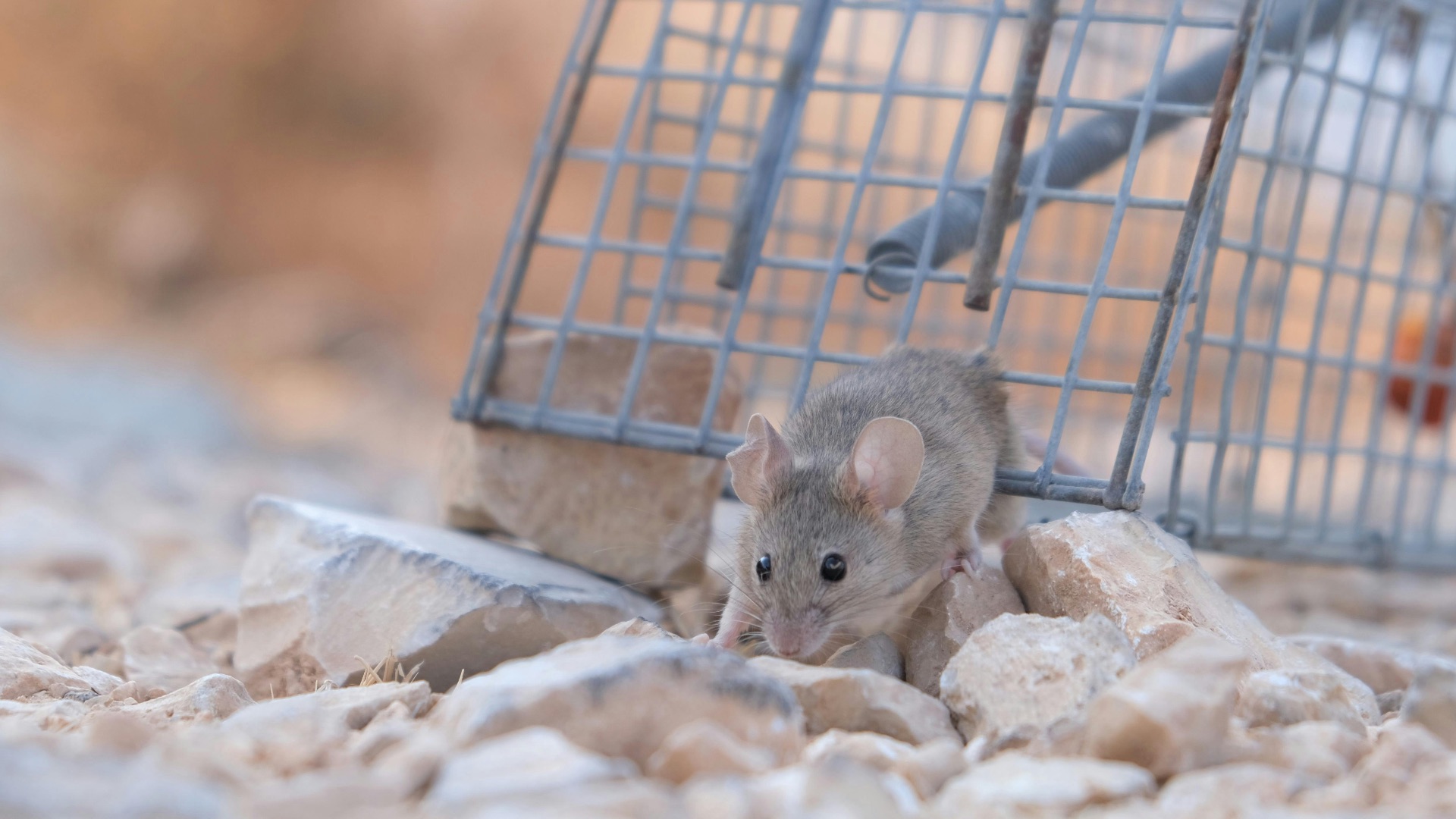
It's worth knowing that house mice and rats are distinct species with different behaviors, sizes, and habits. House mice are small, typically weighing less than an ounce, with pointed snouts and large ears relative to their body size. Rats are considerably larger, more cautious, and often harder to trap, so correctly identifying which rodent you're dealing with will shape your approach to getting rid of them.
Now that you have a clearer picture of what you're dealing with, it's time to talk about what you can actually do about it. Here are 10 tips to follow to get to the bottom of the infestation.

1. Seal Every Entry Point You Can Find
The most effective long-term solution to a mouse problem is making it impossible for them to get inside in the first place. Walk the perimeter of your home and look for gaps around pipes, vents, windows, and the foundation, then seal them with steel wool, caulk, or hardware cloth. Mice can chew through soft materials like foam or rubber, so it's important to use something they can't gnaw through.

2. Set Snap Traps Along Wall Edges
Classic snap traps remain one of the most effective and humane ways to reduce a mouse population quickly. Place them perpendicular to the wall with the bait end facing the baseboard, since mice naturally run along edges rather than crossing open spaces. Check and reset traps daily, and wear gloves when handling them to avoid leaving a human scent that might make mice wary.

3. Use Bait Strategically
Peanut butter is widely considered the best bait for mousetraps because it's aromatic, sticky, and difficult for a mouse to grab without triggering the mechanism. But chocolate, hazelnut spread, small pieces of nesting material like cotton balls, and even cough drops can also work well as alternatives. Use only a small amount of bait so the mouse has to work for it, which increases the chances of a successful trap.
 Corleto Peanut butter on Unsplash
4. Eliminate Food Sources
Mice are opportunistic feeders, and an accessible food supply is one of the biggest reasons they'll stay in your home. Store all pantry items, including pet food and birdseed, in airtight containers made of glass or hard plastic that mice can't chew through. Don't leave dirty dishes in the sink overnight, and make sure trash cans have tight-fitting lids.

5. Declutter Your Storage Areas
Reducing clutter removes the safe nesting spots that make your home attractive to mice beyond just food access. Go through basements, garages, and closets and clear out cardboard boxes, old newspapers, and any soft materials that mice could shred for bedding. Switching to plastic storage bins with secure lids is a practical way to make these areas far less hospitable.

6. Avoid Leaving Pet Food Out Overnight
Pet food can be a steady food source for mice, especially when bowls are left out after bedtime. To avoid this, after feeding your pets at the usual set times, make sure to store extra food in sealed containers. Clean up spilled kibble around bowls, storage bins, and feeding stations so it doesn’t keep attracting pests.

7. Take Out Trash Regularly
Trash cans can tempt mice, especially when they contain food scraps, greasy packaging, or strong odors. Always remember to use cans with tight lids and take garbage out before it overfills. Outdoor bins should also be kept closed and positioned away from entry points when possible.

8. Don't Rely Solely on a Cat
While cats can certainly catch mice, counting on a pet cat as your primary pest control strategy isn't the most reliable approach. Not all cats are natural hunters, and a determined mouse population will often find ways to avoid areas where a predator is present. Cats work best as a supplementary deterrent rather than a standalone solution, especially if the infestation has already taken hold.

9. Clean Up After Every Catch
Sanitation is a critical step that people often skip once the trapping seems to be working. Dead mice and their droppings can carry hantavirus and other pathogens, so always wear gloves and a mask when cleaning up, and use a disinfectant spray rather than dry sweeping. Thoroughly cleaning nesting areas also removes pheromone trails that can attract other mice to the same spots.
10. Call a Professional If the Problem Persists
If you've tried multiple methods and still have signs of mouse activity after two weeks, it's worth calling a licensed pest control professional. Professionals can assess the full scope of the infestation, identify entry points you may have missed, and use treatments that aren't available to the general public. Some infestations are simply too established to handle effectively without expert help.

KEEP ON READING