
What You Eat First Thing Matters More Than You Think
Breakfast has a disproportionate influence on how the rest of your day goes, and not just in terms of energy. What you eat first thing sets the tone for your blood sugar, your hunger patterns, and your ability to focus through the morning. Most people have no idea their breakfast is working against them because the symptoms don't always look like what you'd expect. A crash doesn't always feel like a crash. Here's 10 signs your breakfast is spiking your blood sugar, and 10 better choices to make instead.

1. You're Hungry Again Within Two Hours
If you ate a full breakfast and you're already hungry before lunch, your meal was likely heavy in fast-digesting carbohydrates and light on everything else. A spike in blood sugar is followed by a sharp drop, and that drop is what triggers hunger before your body actually needs more fuel.

2. You Feel a Surge of Energy Followed by a Slump
That mid-morning wall most people hit around 10 a.m. is often a textbook blood sugar crash. If you felt wired right after eating and then foggy an hour later, your breakfast sent your glucose too high and your body overcorrected.

3. You Need Coffee to Function After Already Eating
If you genuinely cannot get through the morning without coffee even after a full meal, your breakfast probably isn't sustaining you. Caffeine can mask a blood sugar dip, which is why the crash feels manageable until it doesn't.

4. You Have Trouble Concentrating Before Lunch
The brain runs on glucose, but it needs a steady supply rather than a sharp spike and drop. If your focus deteriorates noticeably in the late morning, the problem often traces back to breakfast rather than how much sleep you got or how stressful your morning was.
 Sebastian Herrmann on Unsplash
5. You Feel Anxious or Irritable for No Clear Reason
Blood sugar drops trigger cortisol and adrenaline as the body tries to stabilize glucose levels, and that hormonal response can feel like anxiety or irritability without an obvious cause. If you notice it improving after you eat something, blood sugar is likely involved.

6. You Crave Something Sweet by Mid-Morning
A craving for sugar a few hours after breakfast is often the body asking you to repeat the cycle, not a sign that you need more food. The spike from a carbohydrate-heavy breakfast creates a preference for more fast energy, which is how cereal at seven becomes a handful of candy at ten.
7. Your Breakfast Is Almost Entirely Carbohydrates
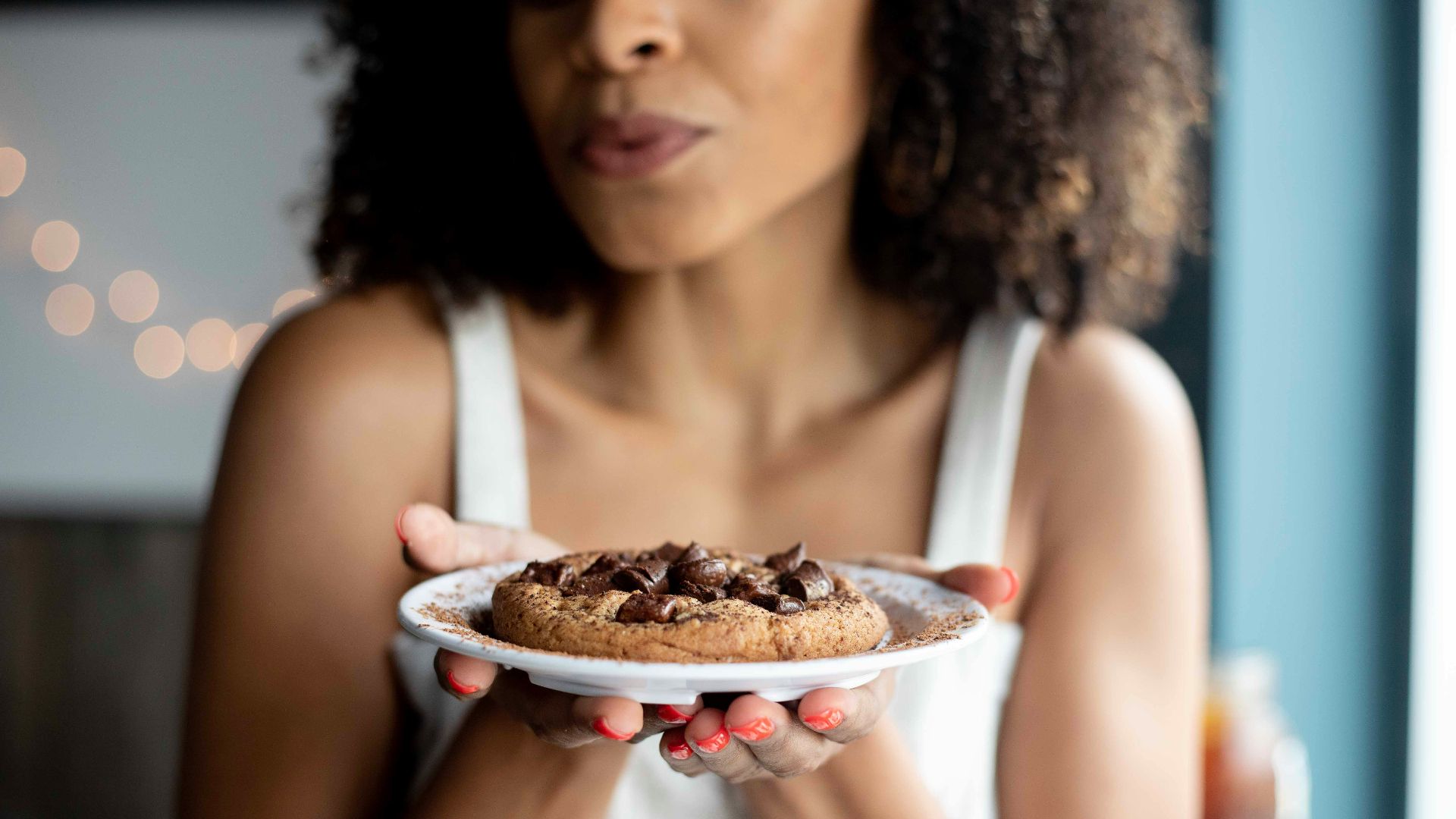
Toast, juice, cereal, a bagel, or flavored oatmeal eaten alone is a breakfast built almost entirely on fast-digesting carbohydrates with little protein or fat to slow absorption. A meal like that moves through your system quickly and sends blood sugar up in a hurry.

8. You Skip Breakfast and Overcompensate Later
Skipping breakfast and then eating a large carbohydrate-heavy meal when hunger becomes urgent is its own version of the same problem. The body's glucose response is sharper after a fast, which means a late, rushed breakfast can spike blood sugar more aggressively than a modest early one would.

9. You Eat Fruit Juice Instead of Whole Fruit
Juice is essentially liquid sugar with the fiber removed, and fiber is what slows glucose absorption in the first place. A glass of juice raises blood sugar faster than the whole fruit it came from, and it does so without providing the satiety that chewing actual food creates.

10. You Feel Fine at Breakfast but Terrible by Late Morning
Sometimes the sign isn't dramatic. You eat, you feel okay, and then somewhere between nine-thirty and eleven everything goes sideways in a low-grade way. That quiet deterioration is often the tail end of a blood sugar spike that peaked an hour earlier and has been sliding since.
Here are 10 breakfast choices that give your blood sugar a better start to the day.

1. Eggs
Eggs are high in protein and fat and contain essentially no carbohydrates, which means they have almost no effect on blood sugar and keep you full for hours. Two or three eggs in any form, cooked in butter or olive oil, is one of the most stabilizing breakfasts you can eat.

2. Greek Yogurt With No Added Sugar
Plain full-fat Greek yogurt is high in protein and far lower in sugar than the flavored versions, which are often closer to dessert than breakfast. Add a handful of nuts or berries if you want something more substantial, and you have a meal that holds you through the morning.
 micheile henderson on Unsplash
3. Avocado on Whole Grain Toast
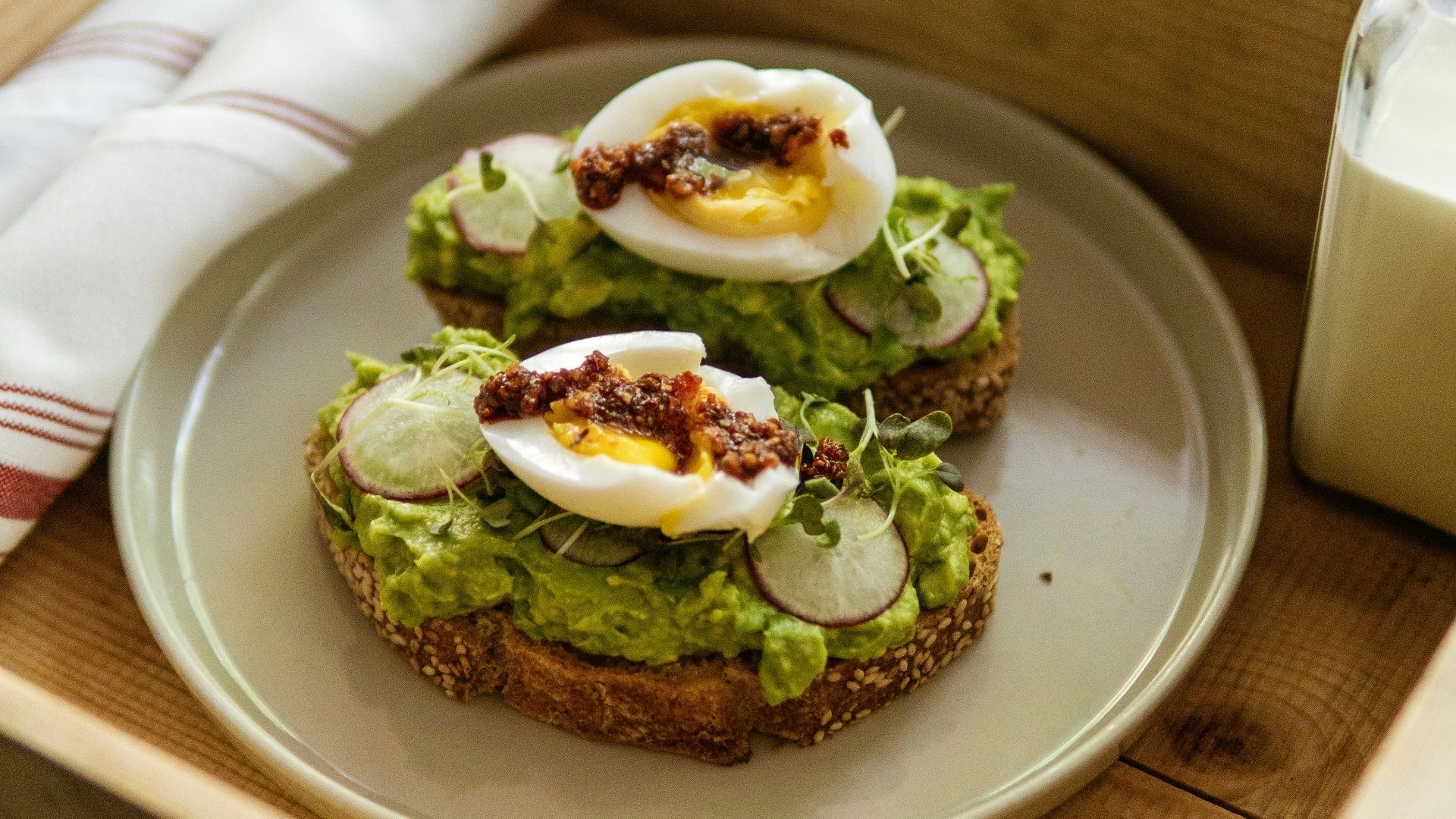
The fat in avocado slows the digestion of the carbohydrates in the bread, blunting the glucose response significantly. Choose a dense whole grain bread rather than anything light and airy, since more fiber means a slower rise.
4. Smoked Salmon and Cream Cheese
Smoked salmon is protein and fat with no carbohydrates, and it pairs well with cream cheese on a small piece of rye bread if you want something to hold it. It keeps blood sugar notably stable well into the afternoon.

5. A Vegetable Omelet
Adding vegetables to eggs increases fiber and micronutrients without adding meaningful sugar or starch. Spinach, peppers, mushrooms, and onions all work well and turn a basic egg breakfast into something that sustains energy for hours without a crash.
 Bakd&Raw by Karolin Baitinger on Unsplash
6. Nuts and Nut Butter
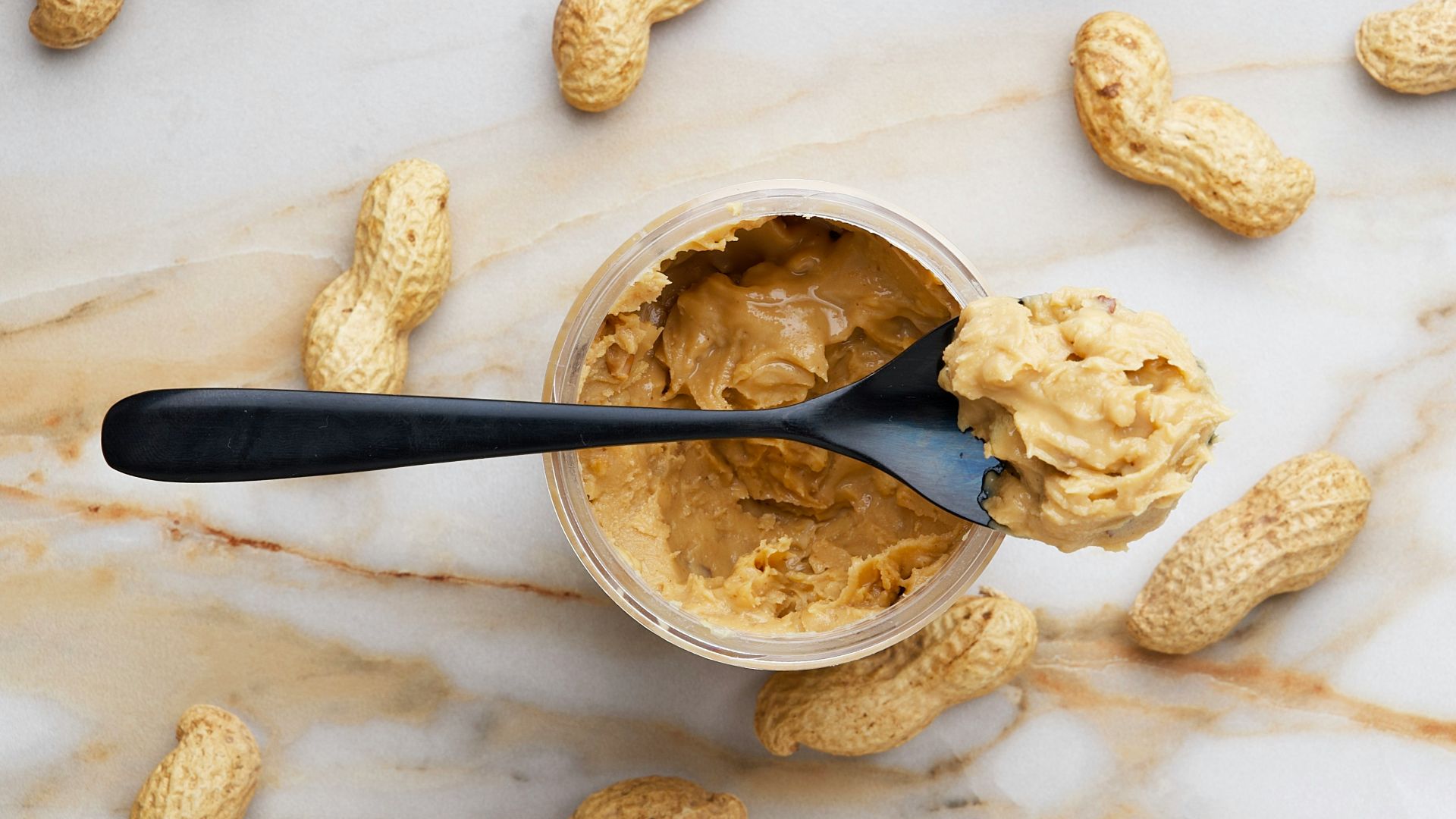
A handful of almonds or a spoonful of natural nut butter adds protein and fat that significantly slows how quickly any carbohydrates you eat are absorbed. Nut butter on whole grain toast is a far more stable option than jam or honey on white bread.
 Corleto Peanut butter on Unsplash
7. Cottage Cheese With Berries
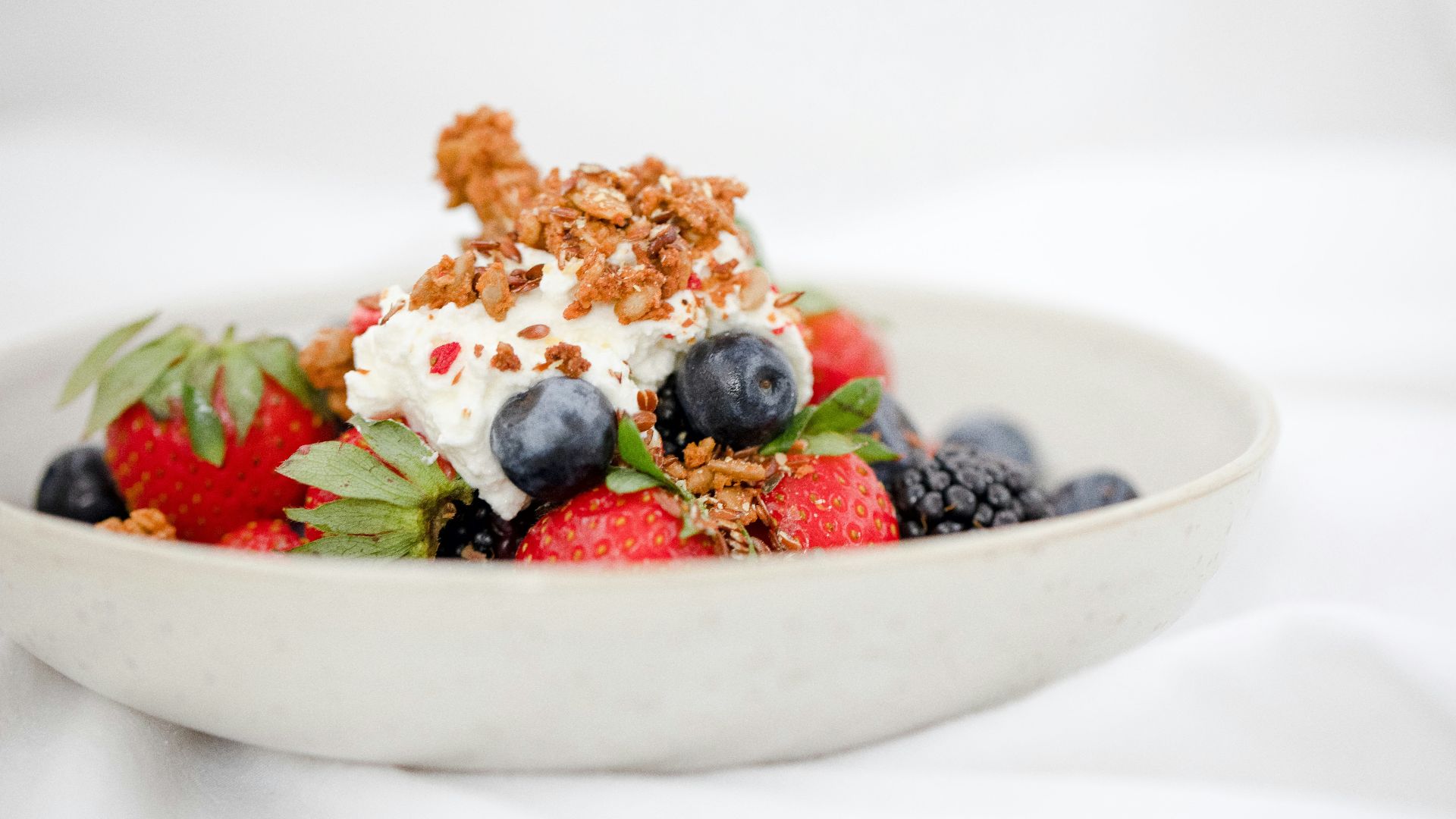
Cottage cheese is high in protein and low in carbohydrates, and pairing it with berries adds fiber without a significant sugar load. It digests slowly and doesn't ask much of your blood sugar regulation first thing in the morning.
 Bakd&Raw by Karolin Baitinger on Unsplash
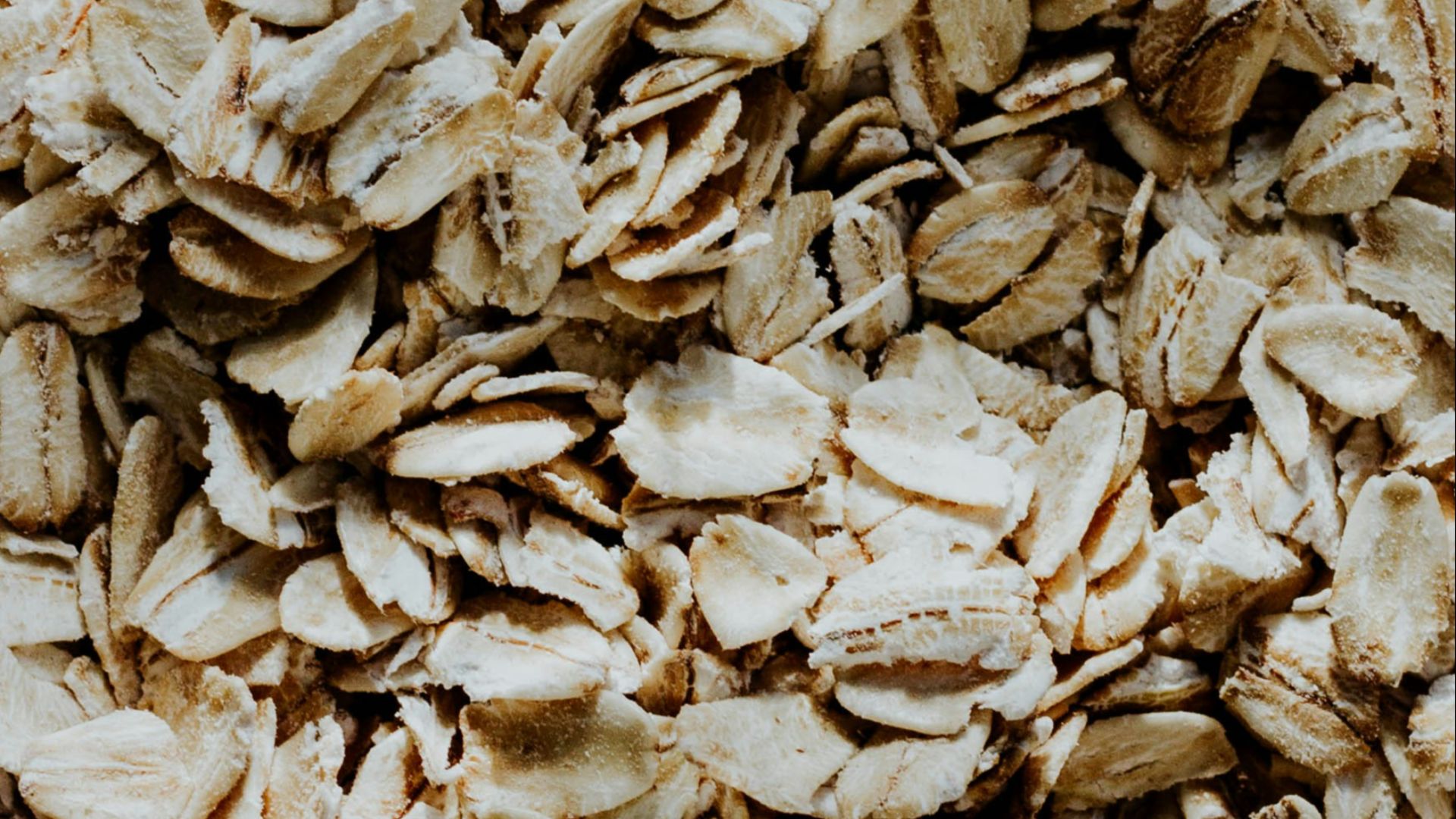
8. Whole Oats With Protein Added
Steel-cut or rolled oats are better than instant because they contain more intact fiber, which slows absorption. Adding protein powder, nut butter, or eggs on the side turns oatmeal from a moderate blood sugar raiser into a balanced meal.
9. Leftovers From Dinner
There is nothing wrong with eating last night's dinner for breakfast, and it's often the most nutritionally complete meal you can have in the morning. Protein, vegetables, and fat is a better start than most things marketed as breakfast food.
 David Todd McCarty on Unsplash
10. Water Before Anything Else
Drinking a full glass of water before coffee or food improves insulin sensitivity and gives your digestive system a better baseline. It costs nothing and makes a measurable difference in how your body handles glucose from whatever you eat next.

KEEP ON READING
20 Things That Can Make You Short of Breath

20 Things That Happen To The Body When Someone Dies