10 Reasons to Get Braces When You're Young & 10 Why It's Best to Wait Until You're Older
10 Reasons to Get Braces When You're Young & 10 Why It's Best to Wait Until You're Older
Choosing the Right Time for Braces
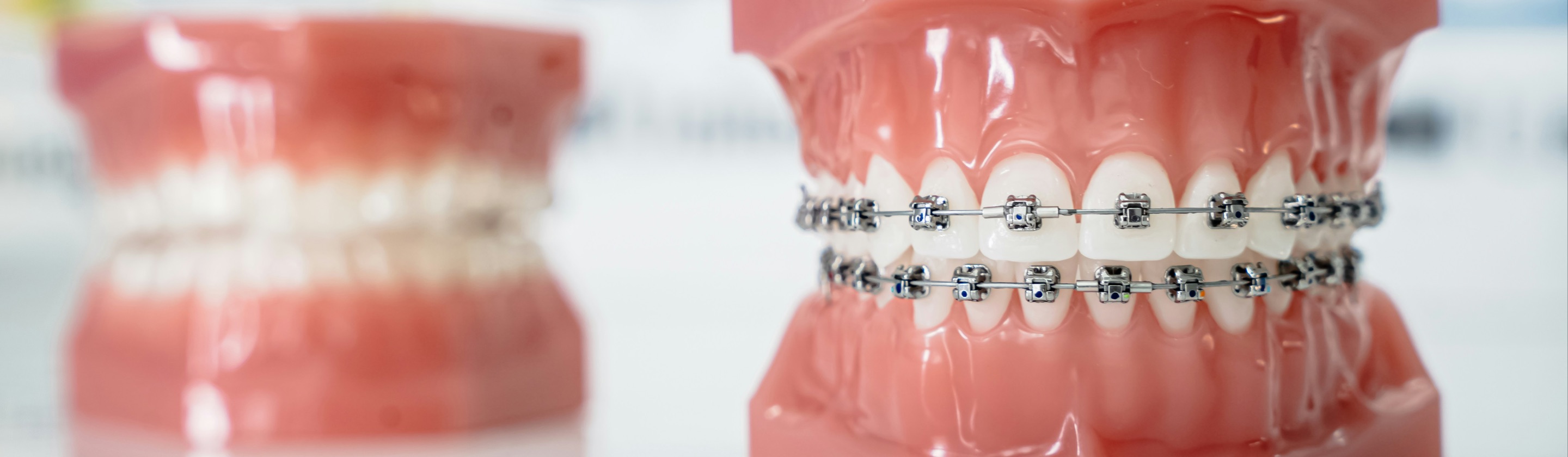
No one likes getting braces, but we can't deny that they can make a dazzling smile. And contrary to what you might think, the best time to get them isn't always when you're young; in fact, some people actually benefit from orthodontic treatment when they’re older, once their teeth and jaw have finished developing and they're more prepared for the responsibility. Before you make your appointment (for you or your child), let's take a look at both sides of the argument.
1. Younger Teeth Are Often Easier to Move
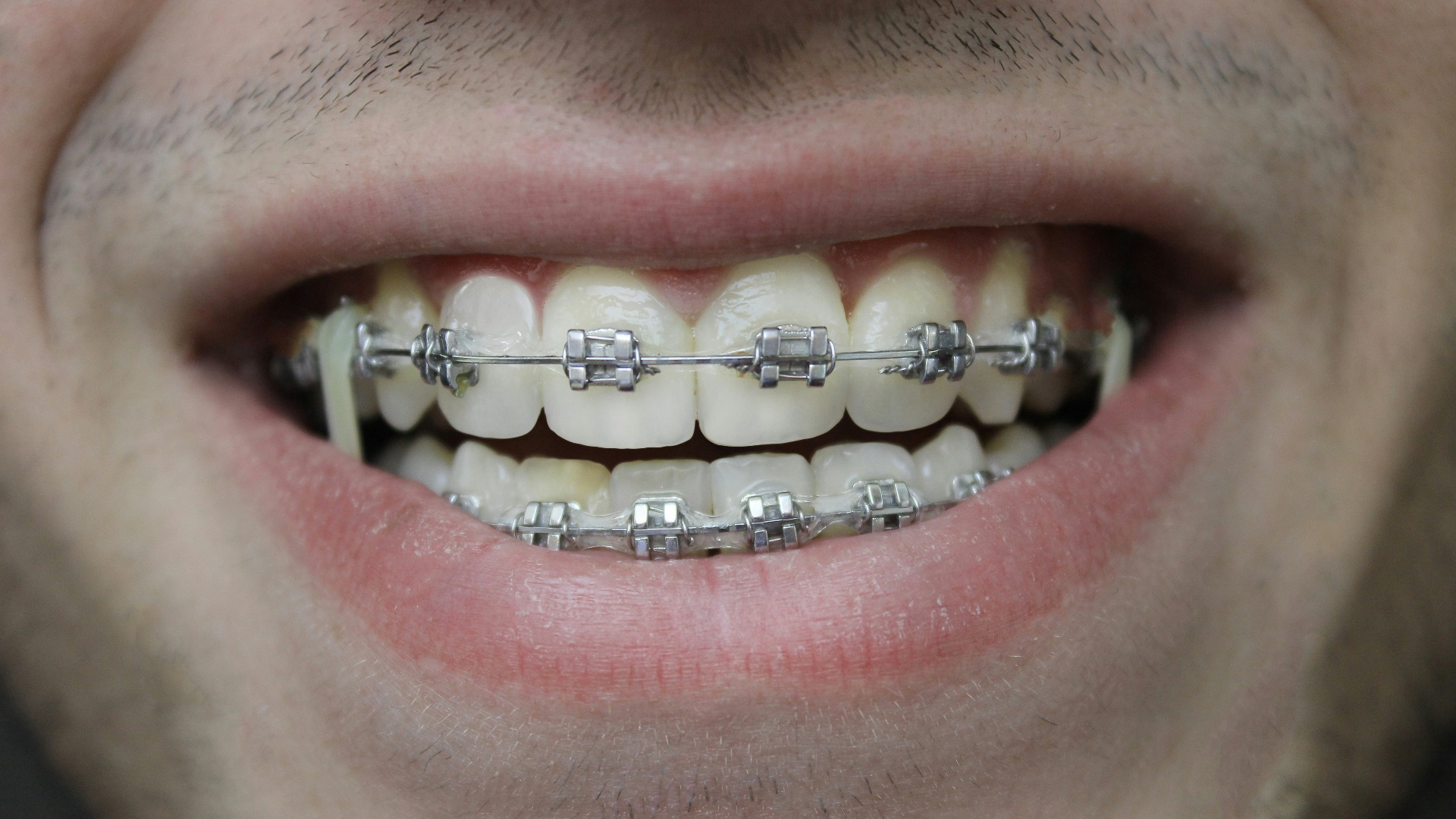
When you're young, your jaw and facial bones are still growing, which can make orthodontic treatment more responsive. Teeth may shift more easily because the surrounding bone is still developing. This doesn’t mean braces are effortless, but it can sometimes make the process smoother than it might be later in life.

2. Early Treatment Can Guide Jaw Growth
Some orthodontic problems involve more than crooked teeth, especially when the upper and lower jaws don’t fit together well. Getting braces or other orthodontic appliances at a younger age can help guide jaw development while growth is still happening. This can sometimes reduce the need for more complicated treatment in the future.

3. It Can Help Prevent More Serious Bite Problems
A bite problem that seems minor in childhood can become more noticeable as permanent teeth come in. Treating certain issues early may help prevent overcrowding, uneven wear, or difficulty chewing later on. When an orthodontist catches these concerns at the right stage, treatment can be more preventive rather than corrective.
4. Young Patients May Have More Flexible Treatment Options
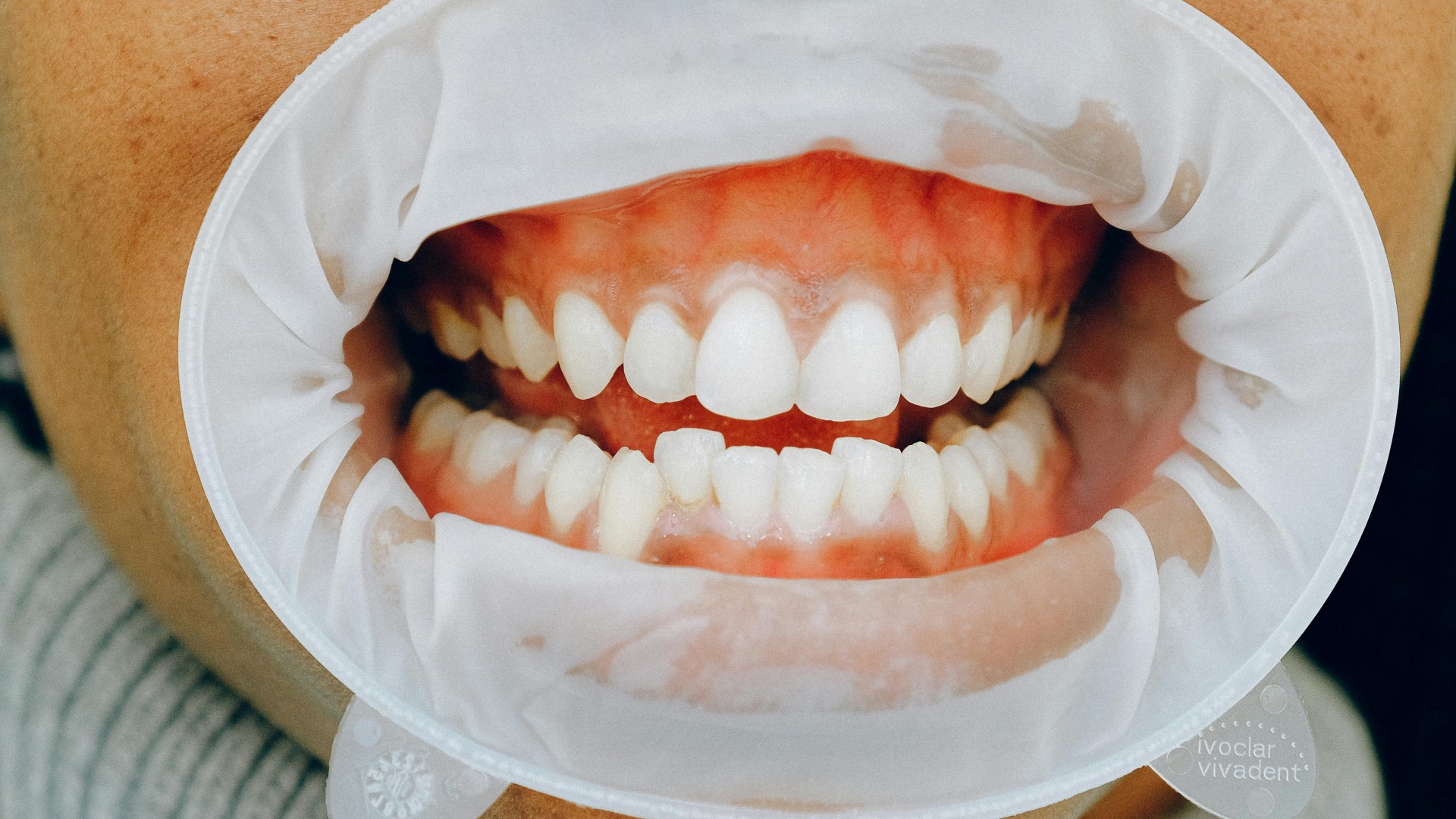
Children and teens often have access to treatment approaches that work best while the mouth is still developing. For example, expanders, space maintainers, or growth-guiding appliances may be useful before adulthood. These options aren’t always available or as effective once facial growth is complete.
5. Braces Can Boost Confidence During Teen Years
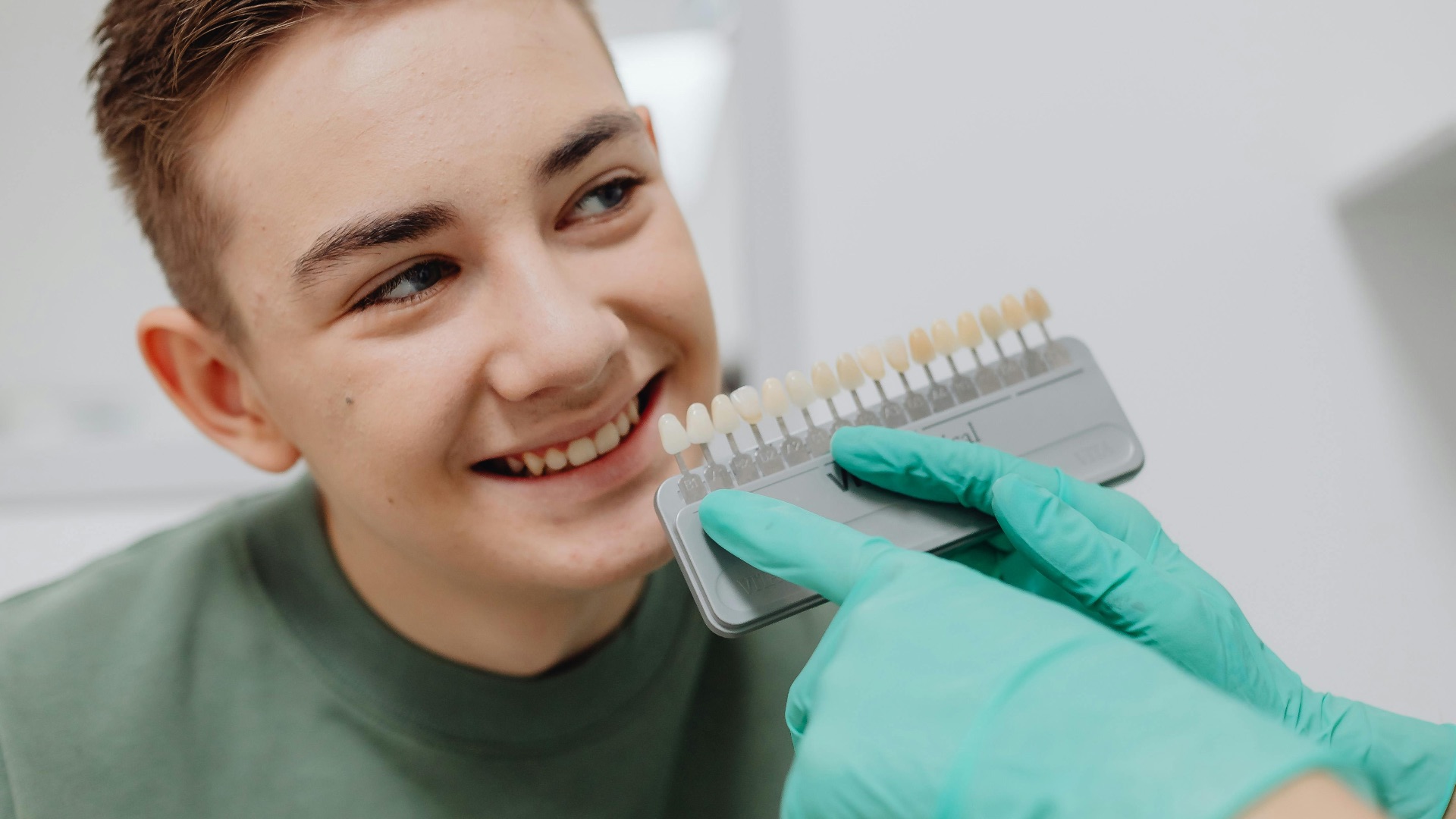
Sure, wearing braces might make you self-conscious, but many younger kids and teens also feel more self-conscious about crowded teeth, gaps, or a noticeable bite issue. Starting treatment earlier can therefore help them feel more comfortable with their smile as they move through school, activities, and social situations. While braces themselves can take some adjustment, knowing that progress is happening can be encouraging.

6. Parents Can Help Keep Treatment on Track
Younger patients often have support from parents or guardians who can help with appointments, hygiene, food restrictions, and retainer reminders. That extra structure can make it easier to follow the orthodontist’s instructions. Good support at home can make a major difference in how smoothly treatment goes.
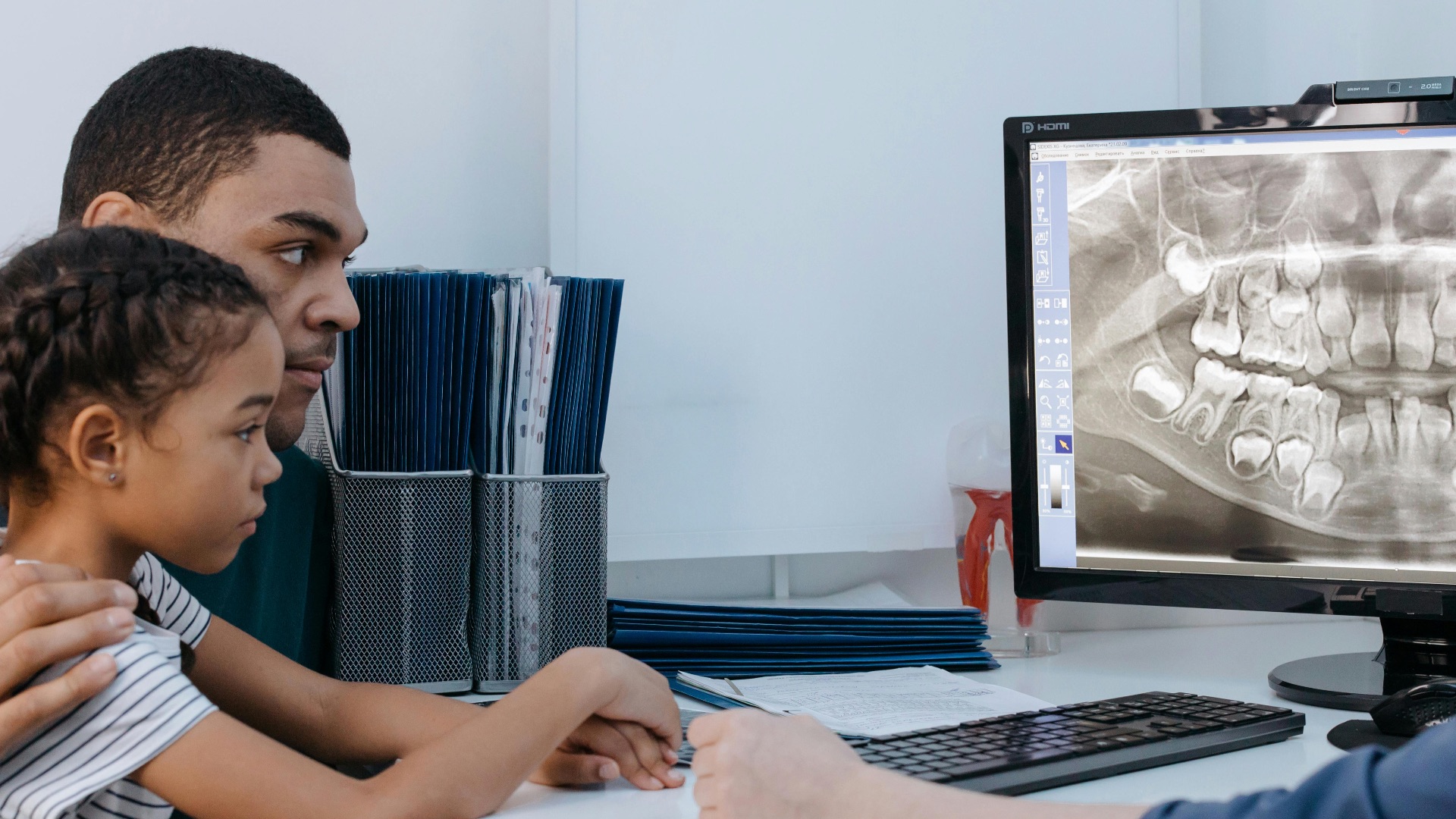
7. It May Be Easier to Fit Into a School Routine
For many kids and teens, orthodontic appointments become part of the normal school-year schedule. They may already have family support for transportation and regular checkups. While appointments can still be inconvenient, they may be easier to manage before adult work schedules and other responsibilities take over.

8. Early Braces Can Improve Oral Hygiene Long-Term
Crowded or overlapping teeth can make brushing and flossing more difficult. Straightening teeth earlier may help a young person build better cleaning habits before plaque and gum issues become bigger concerns. A well-aligned smile can be easier to maintain, especially when good habits start young.
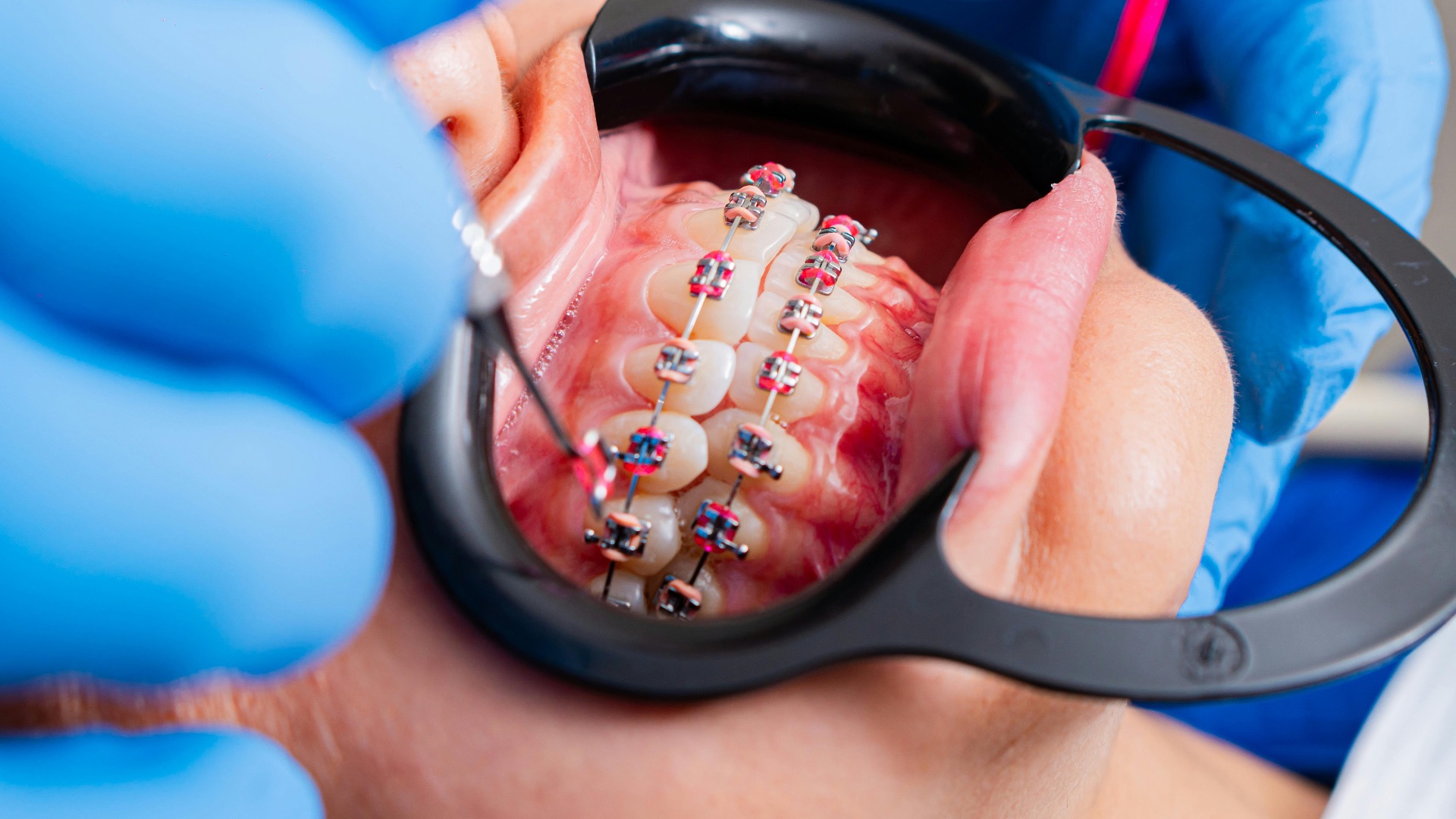
9. Treatment Can Be Finished Before Major Adult Milestones
Getting braces young may mean they’re removed before college, full-time work, weddings, or other adult life events. This can be appealing if you’d rather not deal with orthodontic treatment during a busier or more public stage of life. Finishing earlier can also give you more time to enjoy the results.
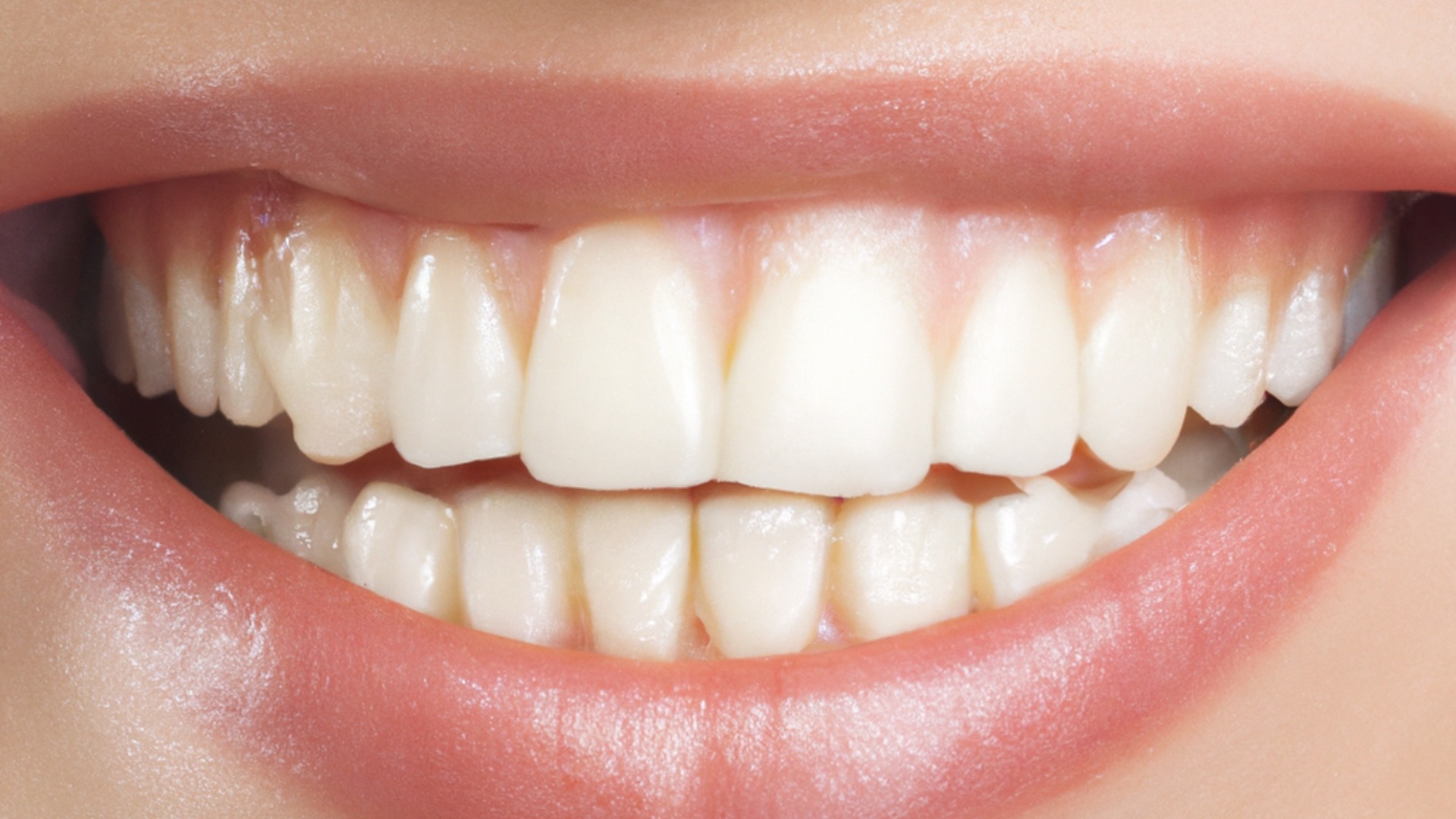
10. It Can Normalize the Experience
Braces are common among children and teenagers, which can make the process feel less intimidating. If friends or classmates are also wearing braces, a young person may feel less alone during treatment. That sense of normalcy can make the experience easier to accept and adjust to.
Yet, even though early orthodontic treatment has real advantages, it isn’t always the best choice for every person. Some patients are better served by waiting until they’re older, especially if their teeth are still developing. Let's take a look at the other side of the coin.

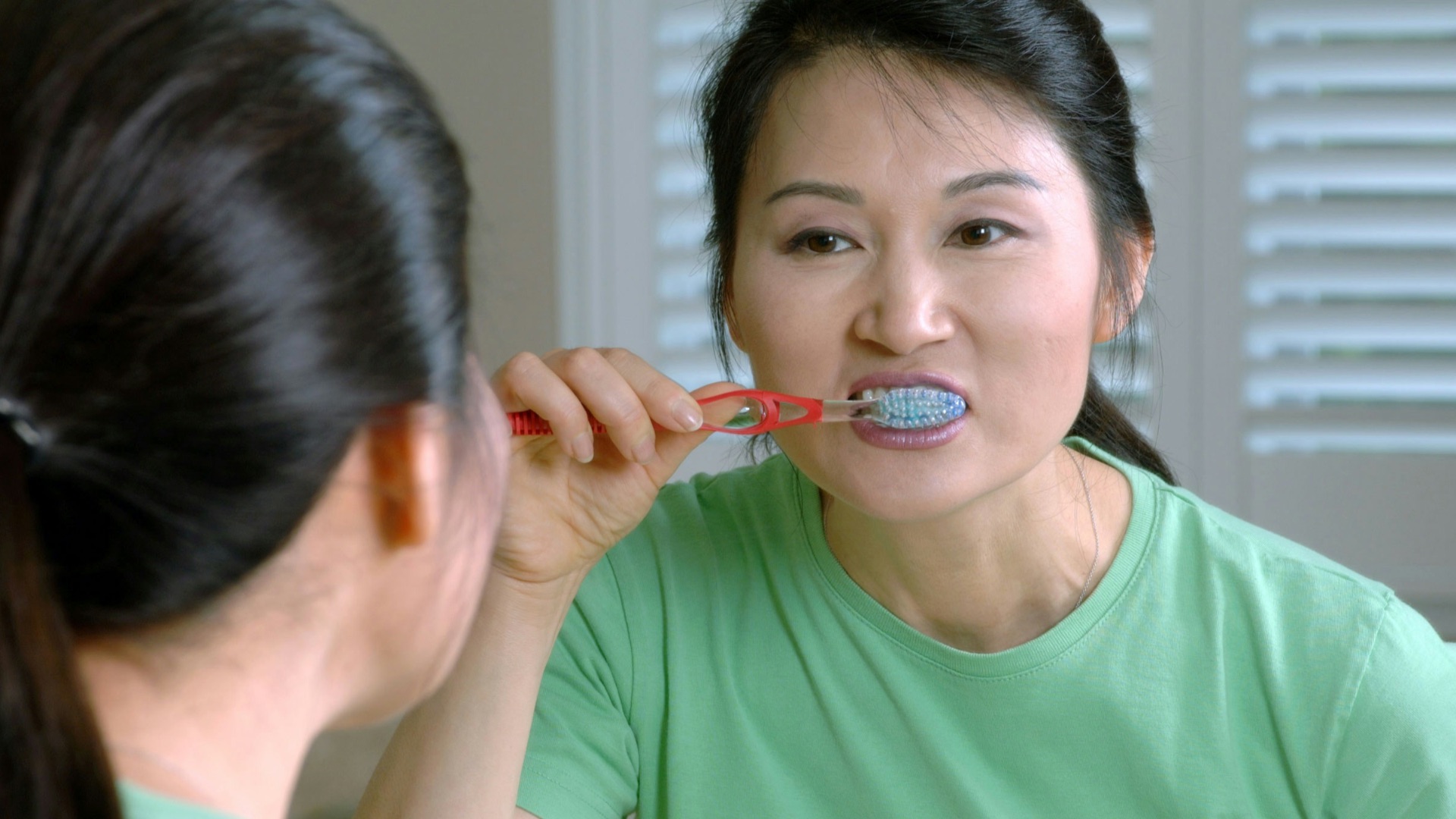
1. You May Be More Responsible with Treatment
Braces require careful brushing, flossing, and attention to what you eat. Older patients may be better prepared to follow instructions and take the process seriously. When you understand what’s at stake, you’re more likely to protect your teeth and avoid unnecessary delays.
 National Cancer Institute on Unsplash
2. Waiting Can Avoid Starting Too Early
Not every child who has slightly crooked teeth needs braces right away. Sometimes it’s better to let more permanent teeth come in before beginning full treatment. Starting too soon can occasionally mean a longer overall orthodontic process than necessary.

3. Adult Teeth May Be Easier to Evaluate
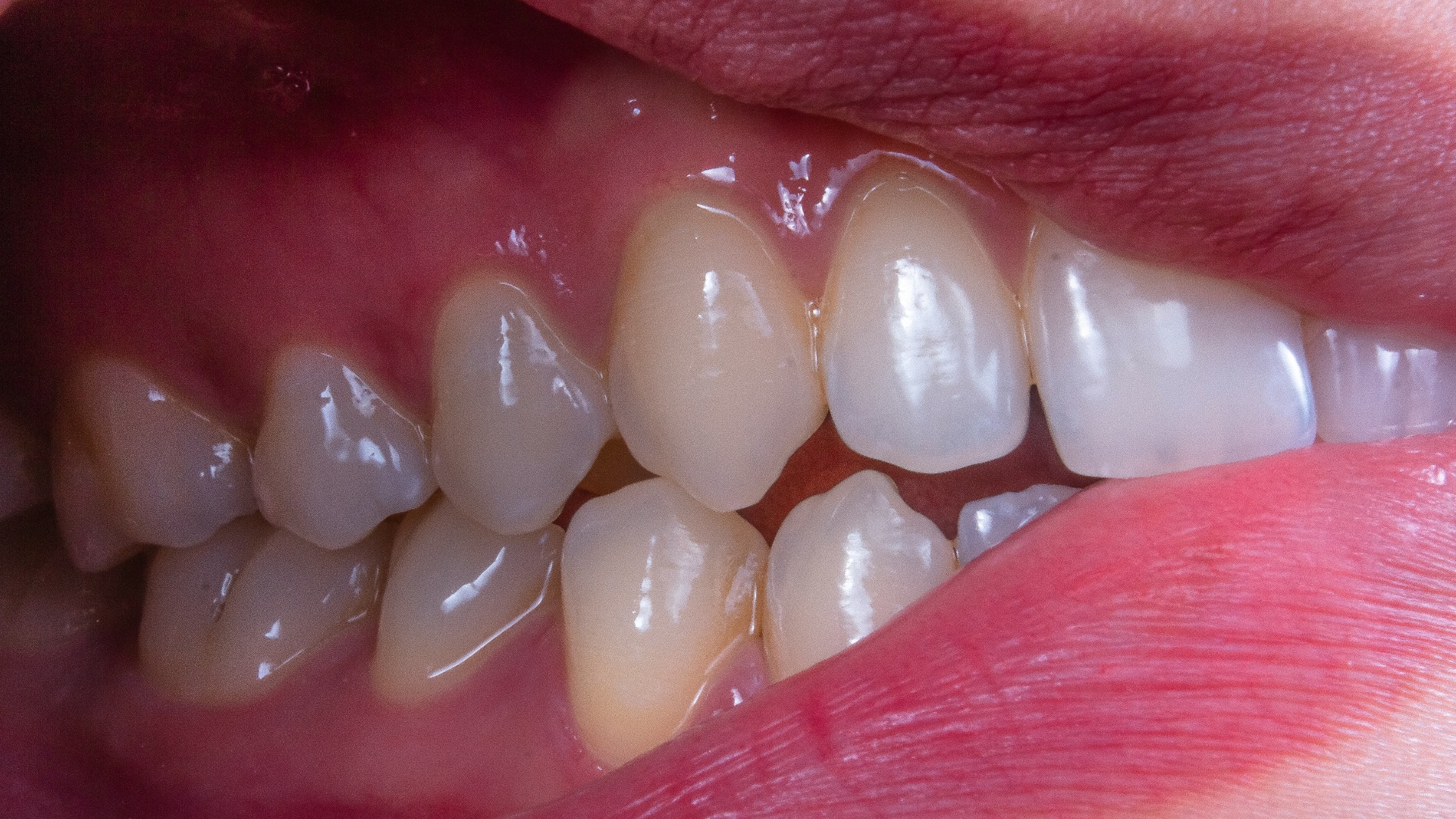
Once most or all permanent teeth have erupted, an orthodontist can get a clearer picture of the final alignment and bite. This can make treatment planning more precise. Waiting may reduce guesswork because the orthodontist is working with a more complete dental structure.

4. Older Patients Can Make Their Own Decisions
When you’re older, you can be more involved in choosing whether braces are worth it for you. You may also have a stronger opinion about treatment type, appearance, cost, and timing. Being part of the decision can make you more committed to seeing it through.

5. There May Be More Cosmetic Options Available
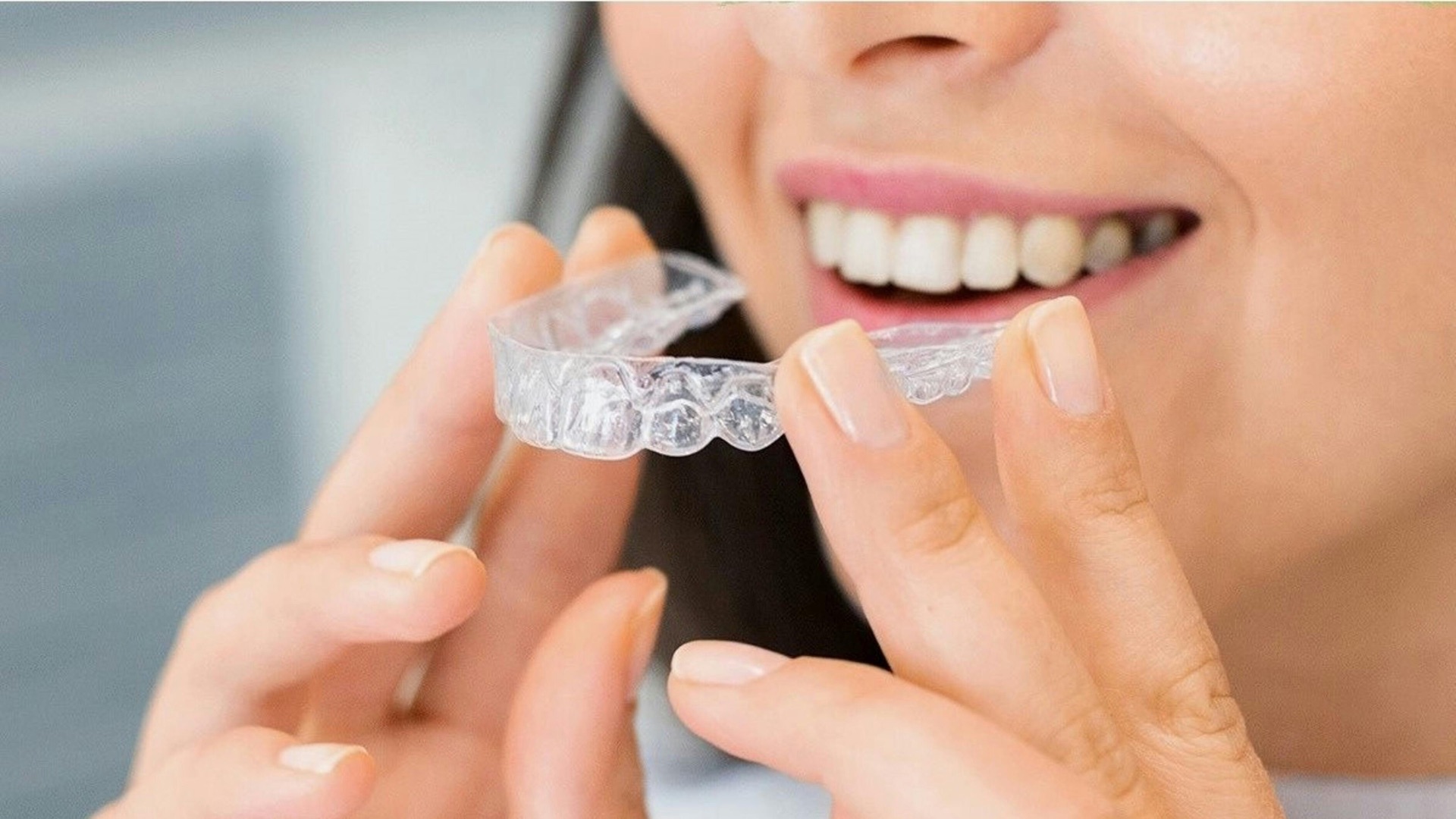
Older teens and adults often care more about how orthodontic treatment looks. Waiting may allow you to consider options like clear aligners, ceramic braces, or other less noticeable approaches if you’re a good candidate. These choices can make treatment feel more manageable in social or professional settings.
6. Financial Planning May Be More Realistic
Orthodontic treatment can be expensive, and not every family is ready for that cost during childhood. Waiting until you’re older may give you or your family more time to plan, compare payment options, or use insurance benefits strategically. A better financial setup can reduce stress throughout treatment.

7. You May Be More Motivated to Maintain Results
Retainers are a long-term part of keeping teeth straight after braces. Older patients may better understand that skipping the retainer can undo months or years of treatment. That motivation can make it easier to protect the final result.
8. Some Problems Become Clearer with Age
Certain alignment issues don’t fully reveal themselves until the mouth has developed more. Waiting can help an orthodontist see whether a problem is improving, staying the same, or getting worse. This can lead to a treatment plan that’s better matched to what’s actually happening.
9. Lifestyle Timing Might Be Better Later
Childhood and teenage years can already be packed with school, sports, travel, and family responsibilities. Some people may prefer to wait until they have a steadier schedule and can commit to appointments without constant disruption. Choosing a better time can make the overall experience feel less stressful.

10. You May Appreciate the Results More
When you choose braces at an older age, you may have a clearer sense of why you want them. Whether it’s for comfort, confidence, easier cleaning, or a better bite, the outcome can feel more meaningful because you made the decision intentionally. That personal investment can help you stay patient through the process and take pride in the final result.

KEEP ON READING



20 Natural Ways You Can Boost Your Immune System

20 Ways To De-stress & Relax After Work
The 10 Most Common Diseases & The 10 Most Rare