
Know These and You'll Know More Than Most People Do
Most people go to the doctor, nod along at whatever numbers come up, and forget everything by the time they reach the parking lot. The context is usually missing, and nobody explains why a particular number matters. Understanding what your body is doing in measurable terms puts you in a better position to notice when something shifts and to have a real conversation when it does. Here are 20 health numbers worth taking the time to understand.

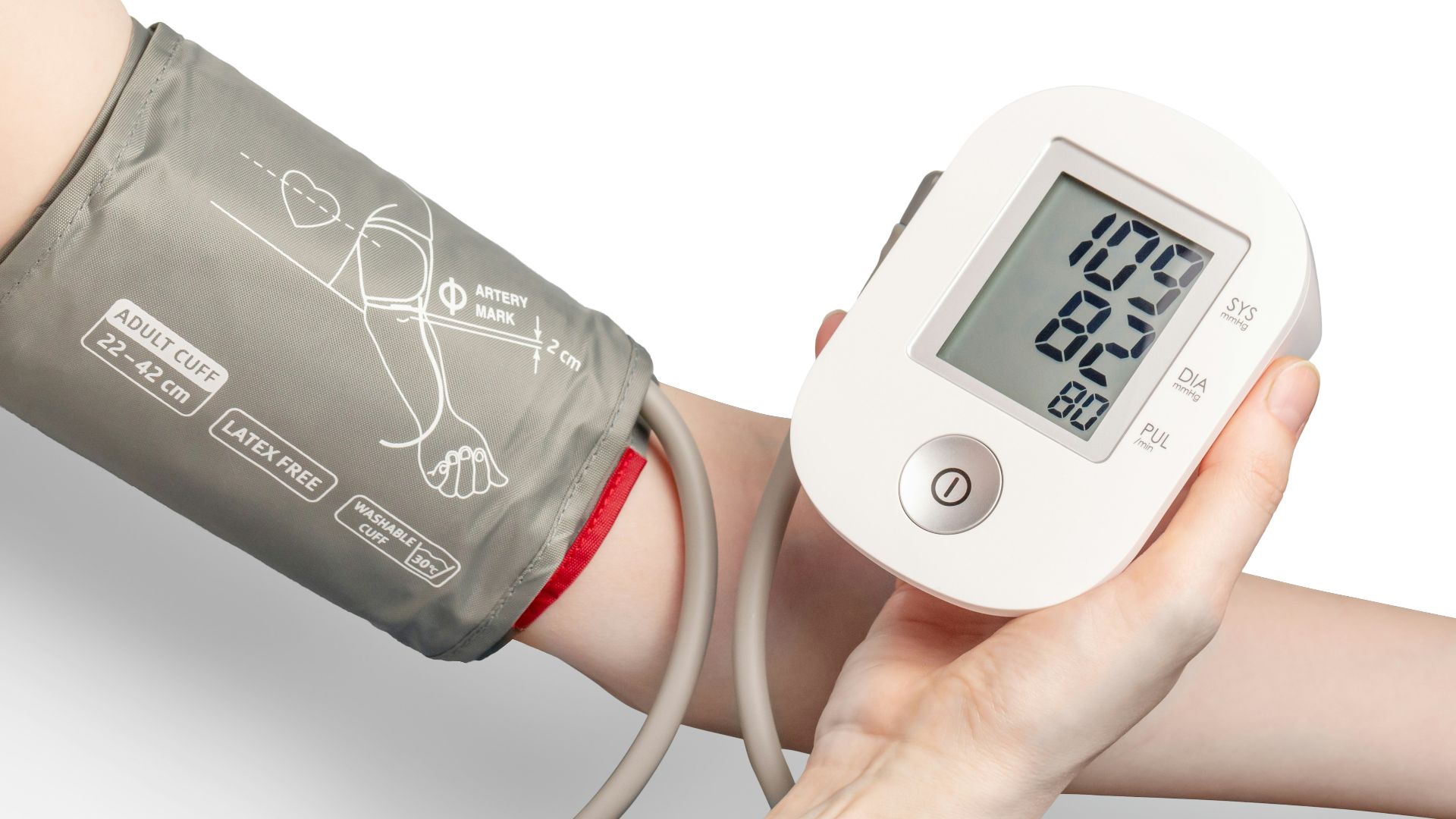
1. Blood Pressure: 120/80
The top number measures arterial pressure when your heart beats, and the bottom measures it at rest. A reading around 120/80 is considered normal, and anything consistently above 130/80 is worth discussing with a doctor. High blood pressure rarely causes symptoms, which is exactly what makes it dangerous over time.
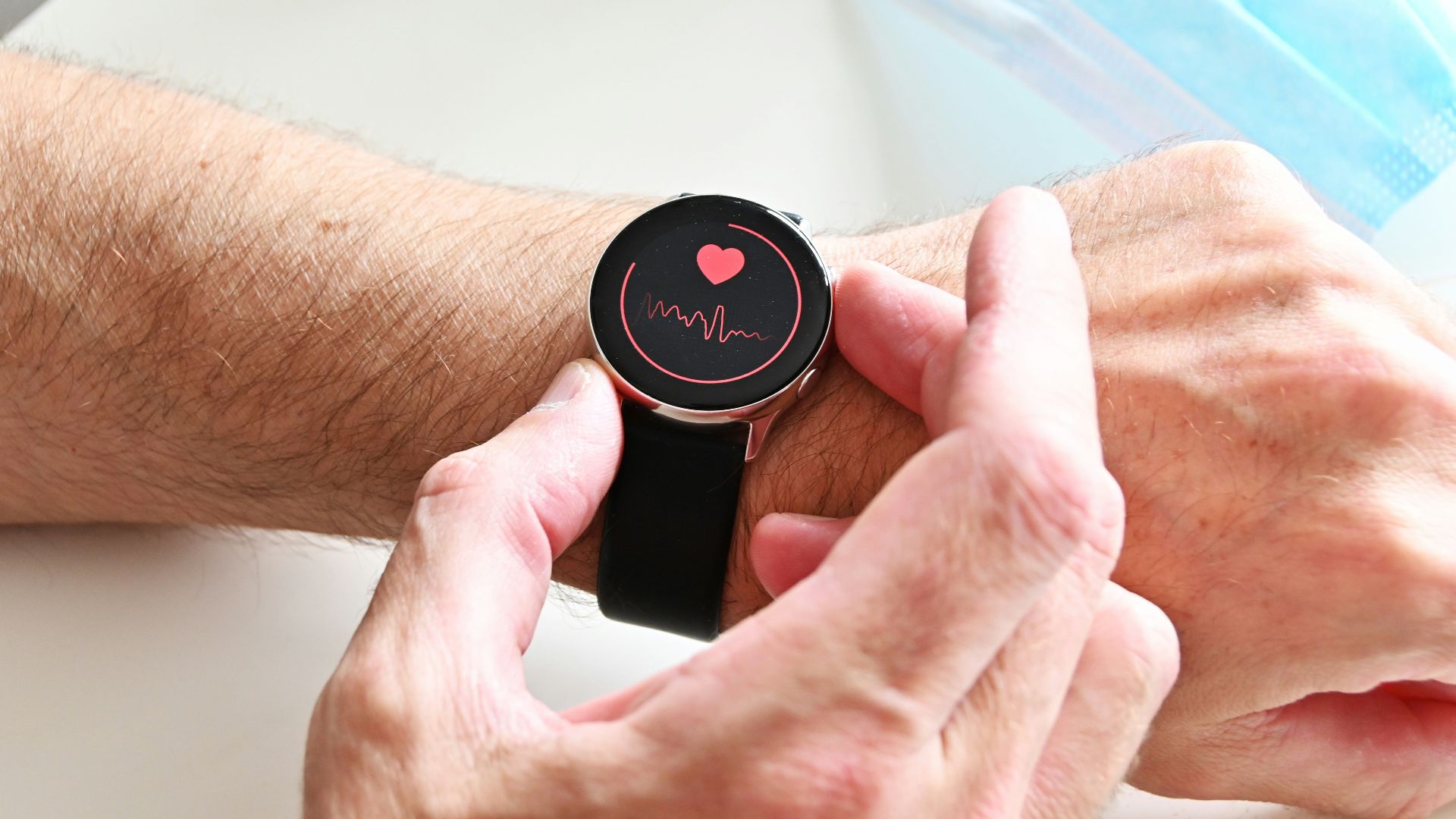
2. Resting Heart Rate: 60 to 100 BPM
A healthy resting heart rate falls between 60 and 100 beats per minute, with most fit adults toward the lower end. Checking it first thing in the morning gives the most accurate baseline, and a rate that's suddenly elevated can signal your body is fighting something off.
3. LDL Cholesterol: Under 100 mg/dL
LDL contributes to arterial plaque buildup over time, which is why most guidelines suggest keeping it below 100 mg/dL, with even lower targets for people with existing heart conditions. It's a useful starting point for understanding cardiovascular risk, though it doesn't tell the whole story on its own.

4. HDL Cholesterol: Above 60 mg/dL
HDL helps clear LDL from the bloodstream, so higher numbers are better here. Levels above 60 mg/dL are considered protective, while anything below 40 mg/dL in men or 50 mg/dL in women raises concern. Exercise is one of the most effective ways to improve this number.

5. Fasting Blood Sugar: Under 100 mg/dL
A fasting glucose reading below 100 mg/dL is normal, while 100 to 125 mg/dL suggests prediabetes. Blood sugar issues develop gradually and quietly, often for years before a formal diagnosis, so catching the trend early gives you real room to act.

6. HbA1c: Under 5.7 Percent
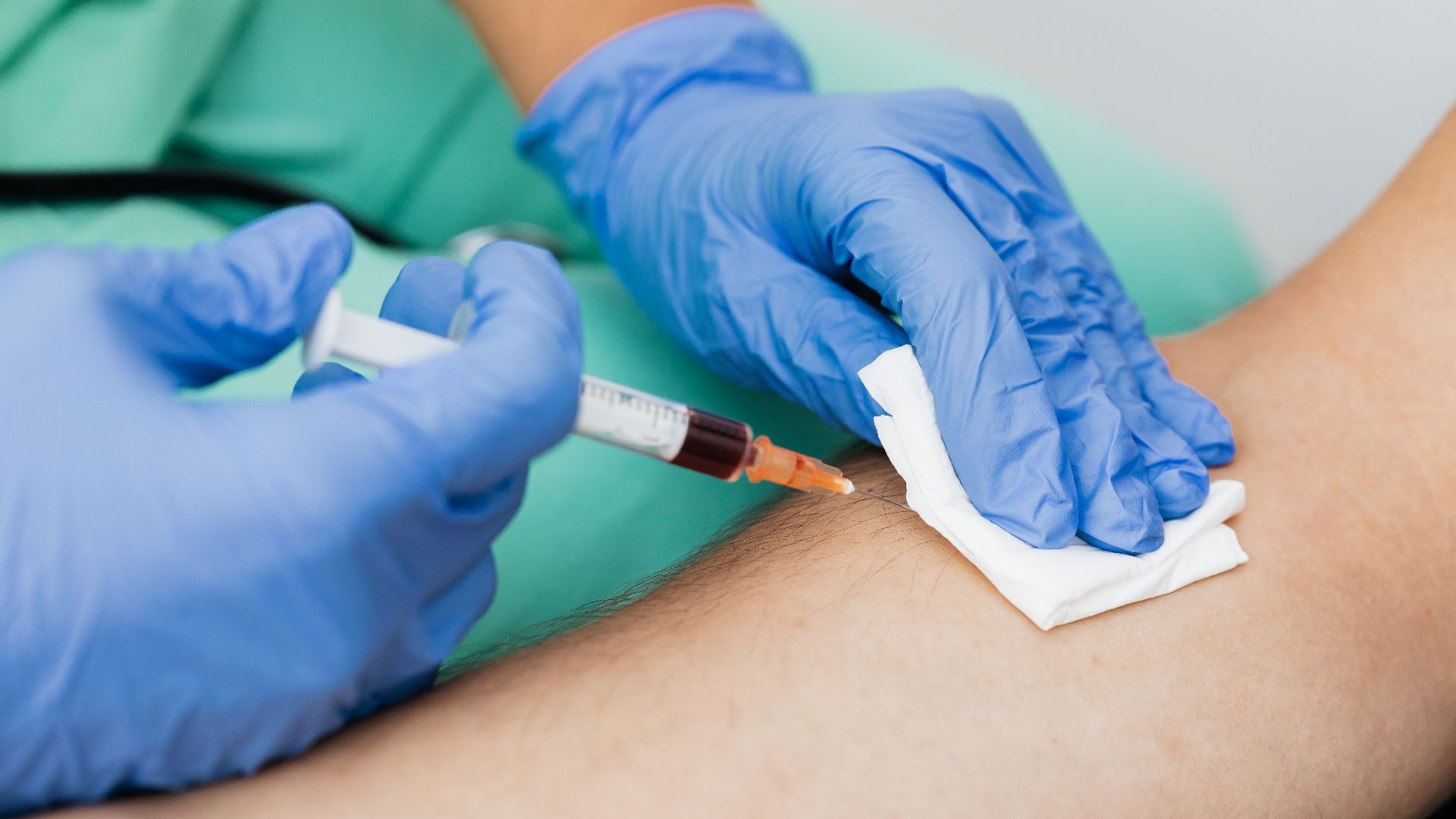
Where fasting blood sugar is a snapshot, HbA1c gives you a three-month average of blood glucose levels. A result below 5.7 percent is normal, while 6.5 percent or above indicates diabetes. It's one of the more useful single numbers in routine bloodwork because it reflects a pattern rather than a single moment.
7. BMI: 18.5 to 24.9
BMI doesn't account for muscle mass or fat distribution, and doctors are increasingly cautious about over-relying on it. Still, it remains a widely used screening tool, with the healthy range sitting between 18.5 and 24.9. It's worth knowing while understanding what it doesn't tell you.

8. Waist Circumference
Abdominal fat is more closely linked to cardiovascular and metabolic risk than fat stored elsewhere, making this number often more meaningful than BMI. A waist above 35 inches for women or 40 inches for men is a risk factor you can measure at home with a flexible tape.

9. Vitamin D: 20 to 50 ng/mL
Vitamin D deficiency is remarkably common and frequently goes undetected because the symptoms are vague. The healthy range is between 20 and 50 ng/mL, and a simple blood test tells you where you stand. Low levels are associated with fatigue, mood changes, bone loss, and a weaker immune response.

10. Ferritin: 12 to 150 ng/mL for Women, 12 to 300 ng/mL for Men
Ferritin measures your body's stored iron and is more informative than basic iron levels alone. Low ferritin can cause fatigue, hair loss, and poor concentration even when other blood counts look normal, which is why it often gets missed. Ask for it specifically if you feel persistently run down and routine labs haven't found an explanation.

11. TSH: 0.4 to 4.0 mIU/L
TSH tells your thyroid how hard to work, and levels outside the normal range produce symptoms that are easy to misattribute to stress or aging. Hypothyroidism is common and often goes undiagnosed for years. Knowing your baseline makes it easier to spot a shift if symptoms start to emerge.

12. VO2 Max
VO2 max measures how efficiently your body uses oxygen during exercise and is one of the strongest predictors of long-term health and longevity. Many fitness trackers now estimate it from heart rate data, and improving it even modestly over time is associated with meaningfully better outcomes.

13. Sleep: 7 to 9 Hours
Most adults need seven to nine hours for the body to do the repair work that only happens during sleep. Consistently sleeping under six hours is linked to increased risk across a wide range of conditions, from cardiovascular disease to cognitive decline, and it's a variable most people can actually improve.

14. Daily Steps
The research suggests meaningful benefits begin around 7,000 steps per day, not the oft-cited 10,000. The point is less about a specific target and more about recognizing that total daily movement is something you can track and influence. Most people significantly overestimate how much they move on a typical day.

15. Bone Density T-Score
A DEXA scan produces a T-score comparing your bone density to that of a healthy young adult. Above negative one is normal, while below negative 2.5 indicates osteoporosis. Bone density declines without symptoms, and knowing where you stand earlier leaves more room to respond.

16. Resting Respiratory Rate: 12 to 20 Breaths Per Minute
A healthy adult takes between 12 and 20 breaths per minute at rest, and a consistently elevated rate can signal anything from anxiety to cardiovascular or respiratory issues. It takes less than a minute to count, and most people never think to check it.

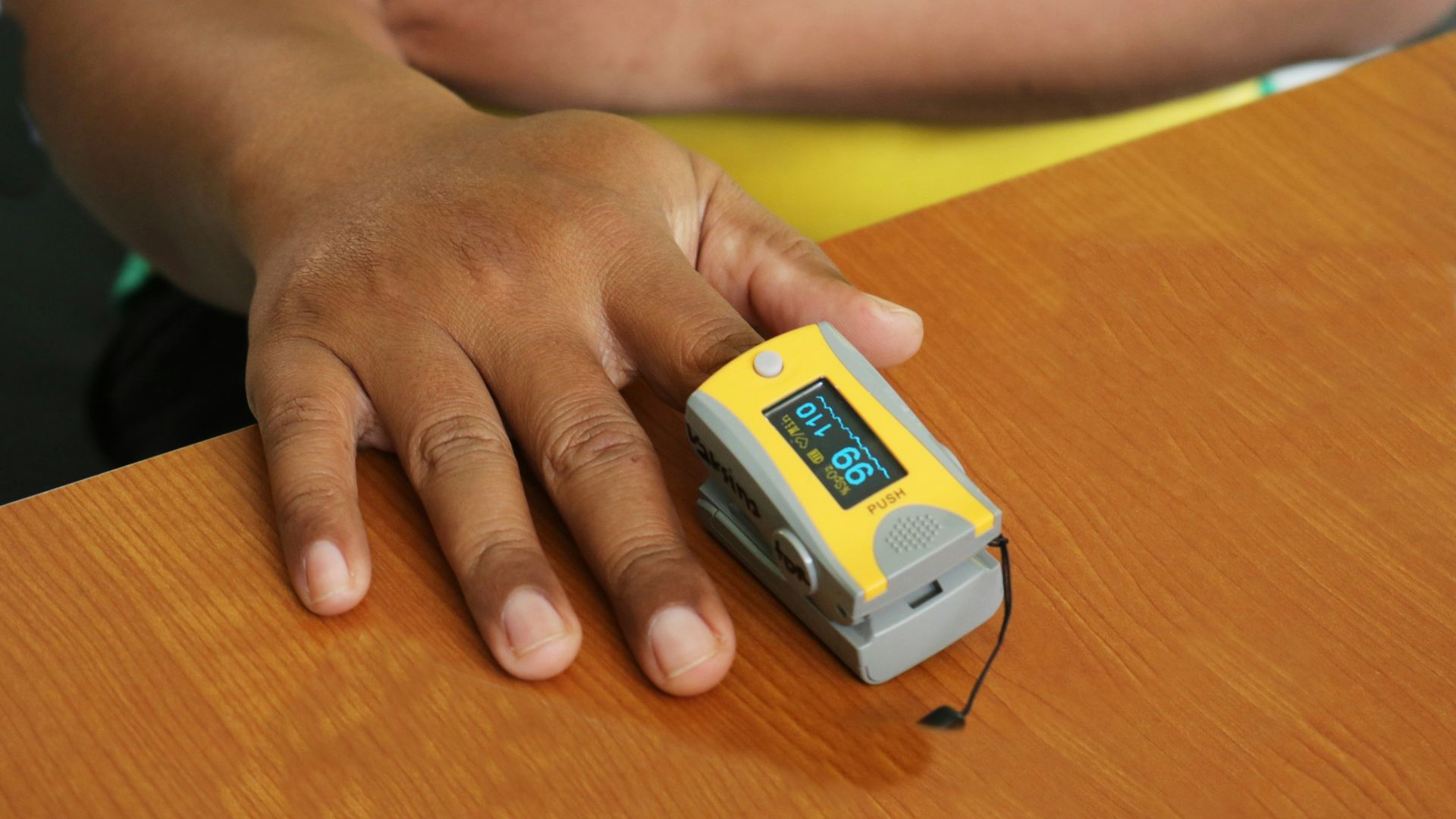
17. Blood Oxygen Saturation: 95 to 100 Percent
A healthy blood oxygen level sits between 95 and 100 percent, and affordable pulse oximeters make it easy to check at home. Readings below 92 percent warrant medical attention. It's most useful to check when you're sick or feeling unusually short of breath.
18. C-Reactive Protein: Under 1.0 mg/L
C-reactive protein is a marker of inflammation, and a high-sensitivity CRP test can reveal low-grade inflammation linked to cardiovascular disease, metabolic issues, and other chronic conditions. A level below 1.0 mg/L is considered low risk, while anything above 3.0 mg/L is worth investigating

19. Vitamin B12: 200 to 900 pg/mL
B12 is essential for nerve function, red blood cell production, and cognitive health, and deficiency is more common than most people expect, particularly in older adults and anyone who eats little or no meat. Fatigue, brain fog, and tingling in the hands or feet are easy to attribute to other things, which is why low B12 often goes undetected for years.

20. Your Baseline
Every number on this list means more when you know what's normal for you specifically. A single reading is a data point, but a series of readings over time is a pattern, and a pattern is what actually tells you something useful. The most valuable thing you can do is get these checked regularly enough that a change becomes visible before it becomes a problem.

KEEP ON READING



20 Ways To Get Your Vitamins And Minerals

20 Ways Doing Less Can Actually Improve Your Health