

Gritty Eyes
How often are you rubbing your eyes throughout the day or lubricating them repeatedly with eye drops? While prolonged screen use is one of the more common reasons people experience dry eyes, there are plenty of other causes, too; even spending time indoors in a poorly ventilated room can make your eyes feel overly sore and sensitive. Let's take a look at some of the most common causes of tired, gritty eyes, and what you can do for quick relief.

1. Too Much Screen Time
This one should come as no surprise: long hours on a computer, phone, or tablet can make dry eyes worse because people tend to blink less when they’re focused on a screen. Blinking spreads tears evenly across the eye, so fewer blinks can leave the surface feeling irritated and dry. You may notice this more at the end of the workday or after scrolling for a long stretch. Taking regular visual breaks can help your eyes recover before the discomfort builds.

2. Dry Indoor Air
Heated rooms, air conditioning, and low-humidity environments can cause tears to evaporate faster than usual. This is especially common in winter, in office buildings, or in homes where forced air blows for much of the day. Even if your eyes produce enough tears, dry air can make them disappear too quickly. The result is often a scratchy, burning feeling that gets worse the longer you stay in the same space.

3. Aging
Tear production often decreases with age, which is one reason dry eyes become more common later in life. The glands that help maintain a stable tear film may not work as efficiently as they once did. This doesn’t mean dryness is something you simply have to tolerate. It does mean that older adults may need more consistent eye care habits to stay comfortable.

4. Hormonal Changes
Hormonal changes can affect tear production and tear quality, particularly during pregnancy, menopause, or while using certain hormonal medications. Some people notice their eyes become more sensitive, dry, or irritated during these shifts. The change can be subtle at first, then become more noticeable during screen use or in dry environments. Because hormones can affect the body in several ways, it’s worth mentioning eye symptoms to a healthcare professional if they persist.

5. Certain Medications
Some medications can contribute to dry eyes, including antihistamines, decongestants, antidepressants, blood pressure medicines, and some acne treatments. These medications may reduce tear production or change how moisture is maintained on the eye surface. You shouldn’t stop taking a prescribed medication without talking to your doctor. However, knowing that a medication could be part of the problem can help you ask better questions and find safer relief options.

6. Contact Lens Wear
Contact lenses sit directly on the eye, so they can sometimes disrupt the tear film or increase irritation. Wearing lenses for long hours, sleeping in them when you shouldn’t, or using lenses that don’t fit well can make dryness more noticeable. Some people also become less tolerant of contacts over time. Switching lens types, adjusting wear time, or using approved rewetting drops may help, but ongoing discomfort should be checked by an eye care professional.

7. Allergies
Allergies can make the eyes itchy, watery, red, and inflamed, and that irritation may overlap with dryness. Rubbing your eyes can make the problem worse by disturbing the tear film and irritating the eye surface. Some allergy medications may also contribute to dryness, even while they help other symptoms. If your eyes feel both itchy and dry, the cause may involve more than simple tear shortage.

8. Wind, Smoke, and Pollution
Outdoor irritants like wind, smoke, dust, and pollution can dry out the eyes and make the surface feel inflamed. Wind increases tear evaporation, while smoke and airborne particles can irritate sensitive tissue. This can be especially uncomfortable for people who already have mild dry eye. Sunglasses or protective eyewear may help when you’re outside in harsh conditions.

9. Not Getting Enough Sleep
Lack of sleep can also leave your eyes feeling dry, strained, and more sensitive the next day. That's because when you don’t get enough rest, your eyes may not recover as well from screen use, environmental irritation, or the normal demands of the day, and need to work harder to stay lubricated. If your dry eyes are worse in the morning or after several late nights, your sleep habits may be part of the problem, so make sure you catch at least seven to nine hours of shuteye each night.

10. Medical Conditions
Some health conditions can raise the risk of dry eyes, including autoimmune diseases, thyroid disorders, diabetes, and rheumatoid arthritis. These conditions may affect tear production, inflammation, or the health of the eye surface. Dryness linked to an underlying condition may be more persistent than occasional irritation from screens or weather. When symptoms are frequent, painful, or paired with vision changes, it’s important to get medical advice.
Now that you have a better sense of what may be causing dry eyes, let's jump into how you can find relief.

1. Use Artificial Tears
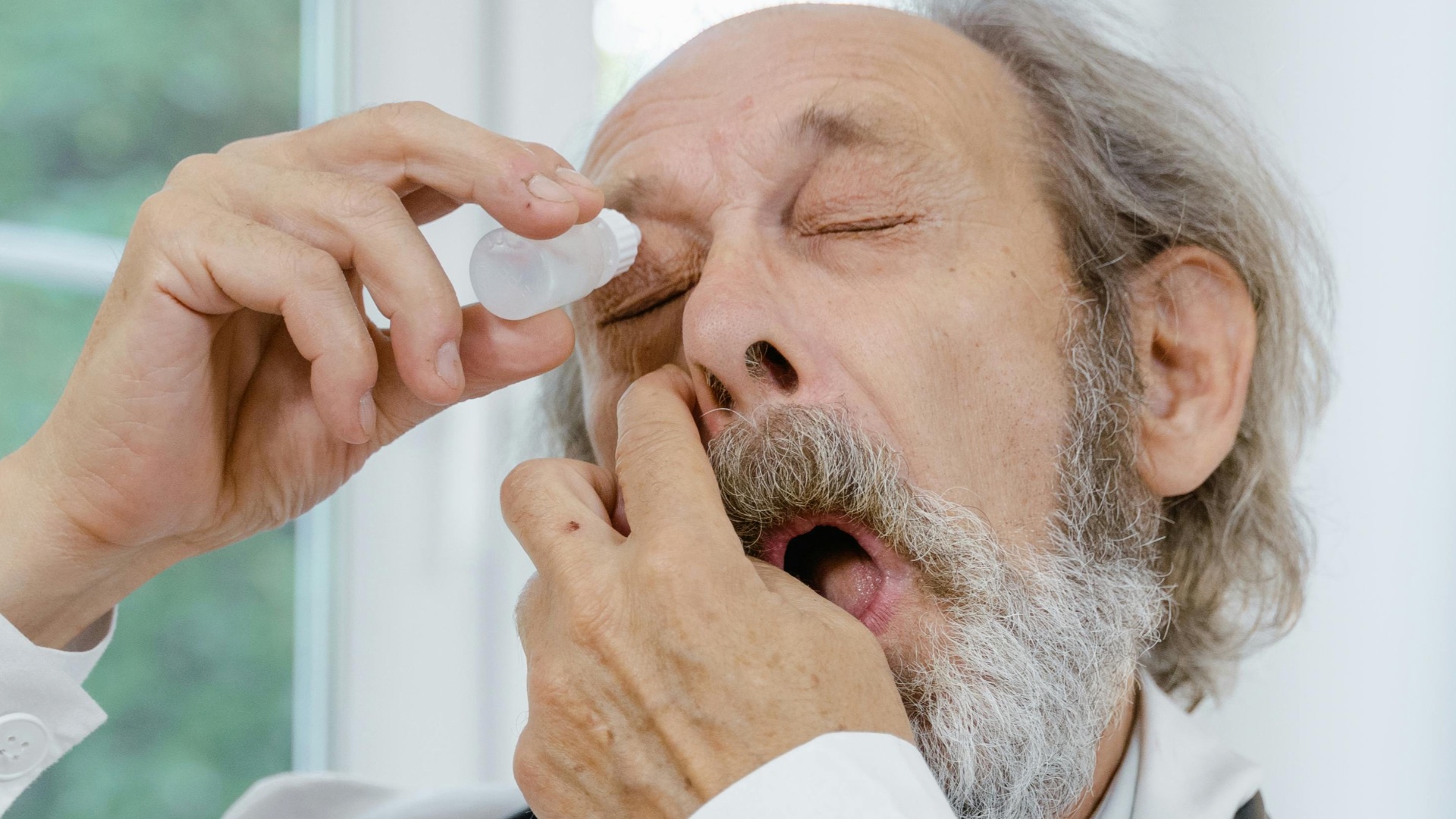
Artificial tears are often one of the fastest ways to soothe dry, irritated eyes. They help lubricate the eye surface and can reduce that gritty or burning feeling. Preservative-free drops may be a better choice if you need to use them often throughout the day. Avoid drops that only promise to “get the red out,” since they may not treat the dryness itself.
2. Try a Warm Compress
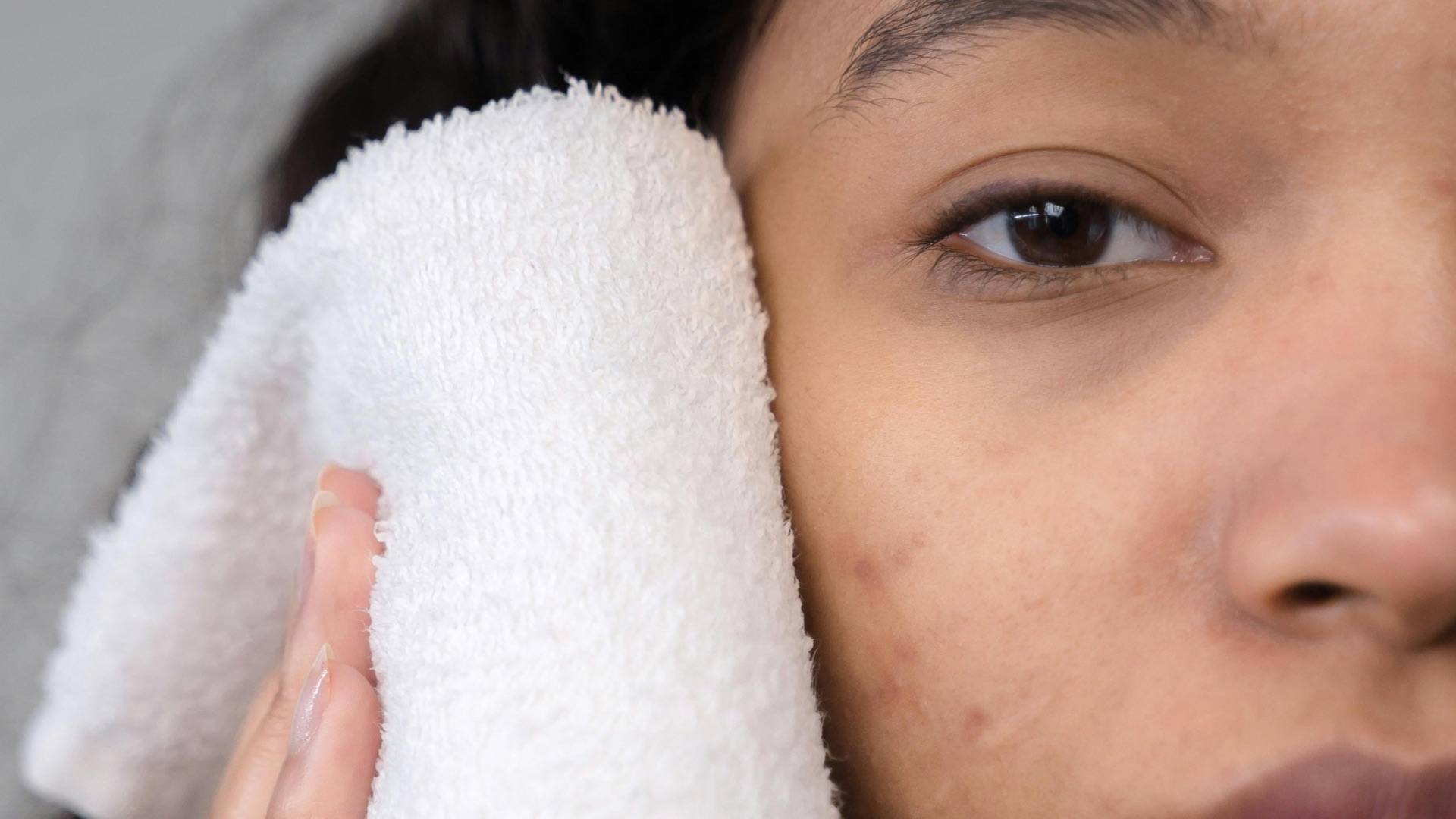
A warm compress can help if your dry eyes are related to clogged or sluggish oil glands in the eyelids. The warmth may loosen the oils that help keep tears from evaporating too quickly. Use a clean, warm compress over closed eyelids for several minutes, making sure it feels comfortable rather than hot. This can be especially useful when your eyes feel heavy, tired, or irritated.
3. Take Screen Breaks
Regular screen breaks give your eyes a chance to blink normally and refresh the tear film. A helpful habit is to look away from the screen at intervals and focus on something farther away. During these breaks, blink fully instead of half-blinking, which often happens during concentrated work. The goal is to keep dryness from building up before it becomes distracting.

4. Add Moisture to the Air
Using a humidifier can make indoor air less drying, especially during winter or in air-conditioned rooms. More moisture in the air can slow tear evaporation and make your eyes feel more comfortable. It’s also smart to keep fans, vents, and car heaters from blowing directly toward your face. Small changes to your environment can make a noticeable difference when dryness is triggered by airflow.

5. Drink Enough Water
Hydration alone won’t fix every case of dry eye, but it can support overall tear production and comfort. If you’re not drinking much water during the day, your eyes may feel worse along with other signs of dehydration. Caffeine and alcohol may also contribute to dryness for some people, especially when intake is high. A steady approach to hydration is a simple step that can support the rest of your eye care routine.

6. Give Your Contacts a Break
If your eyes feel dry while wearing contacts, switching to glasses for part of the day can bring relief. Contacts can become uncomfortable when the tear film is already unstable, and pushing through irritation may make symptoms worse. Rewetting drops made for contact lenses can help, but they need to be compatible with your specific lenses. If discomfort keeps returning, your eye doctor may recommend a different lens material or schedule.

7. Clean Your Eyelids Carefully
Gentle eyelid hygiene can help when dry eyes are linked to inflammation, debris, or oil gland issues along the lid margin. Use a method recommended by your eye care professional, such as a lid-cleaning wipe or a mild cleanser made for the eye area. Be careful not to scrub harshly, since irritated eyelids can make symptoms worse. Consistent cleaning may improve comfort over time, especially when paired with warm compresses.
8. Wear Sunglasses Outdoors
Sunglasses can protect your eyes from wind, glare, dust, and bright sunlight, all of which can worsen dry eye symptoms. Wraparound styles may offer extra protection on windy days. This is a practical step if your eyes feel worse while walking, biking, driving, or spending time near water or snow. Reducing exposure can help your tears stay on the eye surface longer.

9. Use Lubricating Ointment at Night
If you wake up with dry, scratchy eyes, a nighttime lubricating ointment may help protect the eye surface while you sleep. These products are thicker than regular drops, so they can blur vision and are usually best used before bed. They may be useful for people whose eyes dry out overnight or don’t fully close during sleep. Ask an eye care professional which option is appropriate if your morning symptoms are frequent.
10. Know When to See an Eye Doctor
Quick relief tips can help with mild or occasional dryness, but persistent symptoms deserve professional attention. See an eye doctor if you have ongoing pain, worsening redness, light sensitivity, discharge, blurred vision, or symptoms that don’t improve with basic care. Dry eye can have several causes, and the right treatment may involve prescription drops, lid treatments, punctal plugs, or care for an underlying condition. Getting checked can prevent the problem from becoming more uncomfortable or harder to manage.

KEEP ON READING