
Small Habits Can Create Long-Term Wear and Tear
Joint pain isn’t always caused by sports injuries or aging because many everyday activities quietly place repeated stress on the body over time. Simple routines like carrying bags incorrectly, sitting too long, or using poor posture during common tasks can gradually affect knees, wrists, hips, shoulders, and fingers. While healthy joints are designed to handle movement and pressure, repetitive strain and poor mechanics can increase discomfort or inflammation over the years. Paying attention to ordinary habits often helps people reduce unnecessary stress before it develops into chronic pain or stiffness.

1. Looking Down at Your Phone for Long Periods
Constantly tilting your head downward places added pressure on the neck and upper spine. Over time, this posture can contribute to stiffness, shoulder tension, and joint discomfort commonly called “tech neck.” Holding devices closer to eye level helps reduce strain during daily use.

2. Carrying Heavy Bags on One Shoulder
Using one shoulder to carry purses, backpacks, or work bags forces the body into uneven alignment. This imbalance can strain shoulder joints, neck muscles, and the lower back over time. Switching sides regularly or using balanced straps helps distribute weight more evenly.

3. Sitting for Hours Without Moving
Long periods of sitting reduce circulation and stiffen joints, especially in the hips and knees. Remaining in the same position too long may also weaken supporting muscles that help stabilize joints properly. Regular stretching and short walking breaks can improve mobility throughout the day.
 LinkedIn Sales Solutions on Unsplash
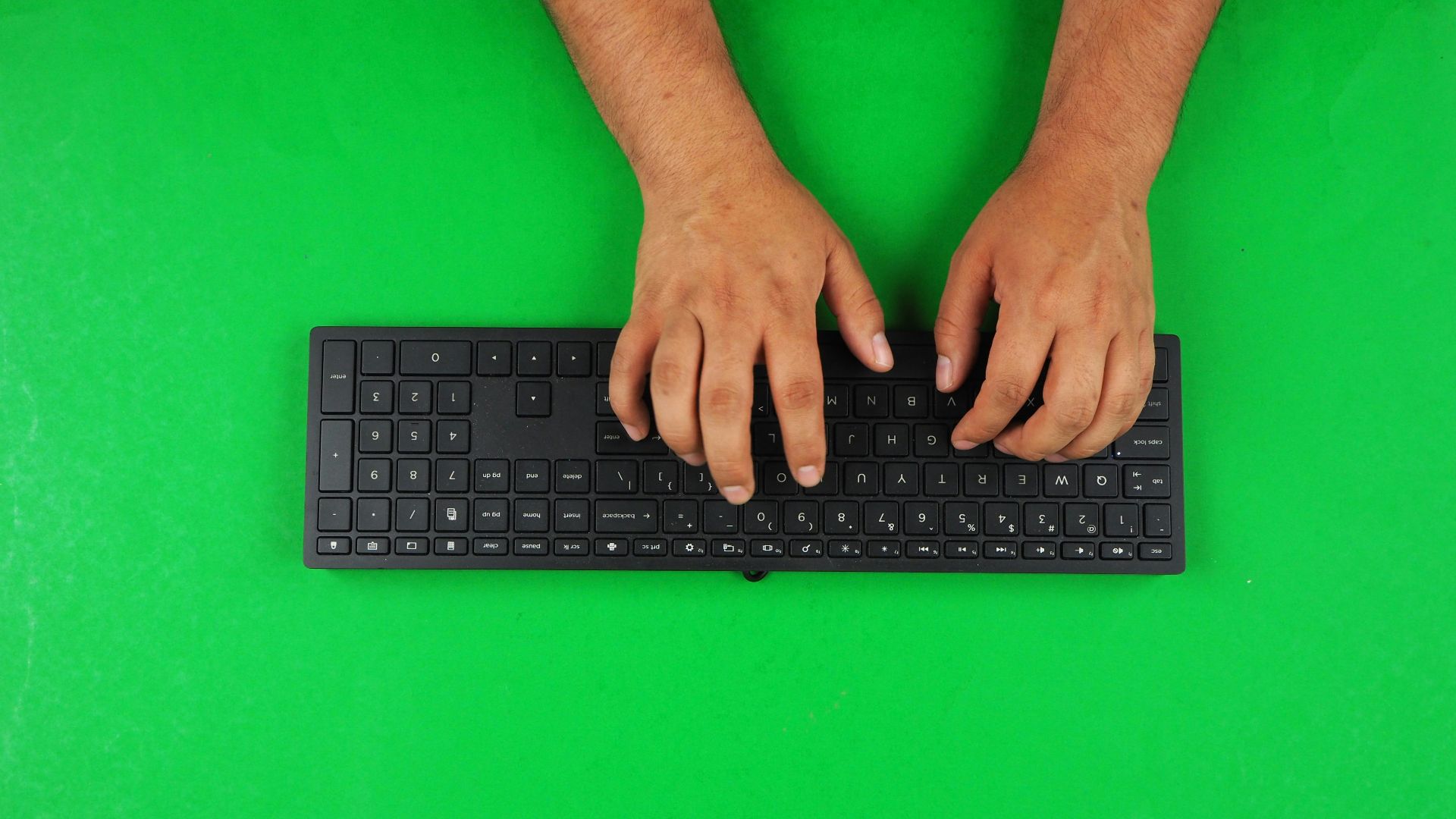
4. Typing With Poor Wrist Position
Incorrect wrist positioning during typing or gaming places pressure on tendons and joints in the hands and wrists. Repetitive movements combined with awkward angles may contribute to discomfort or repetitive strain injuries. Ergonomic keyboards and neutral wrist positioning can help reduce stress.
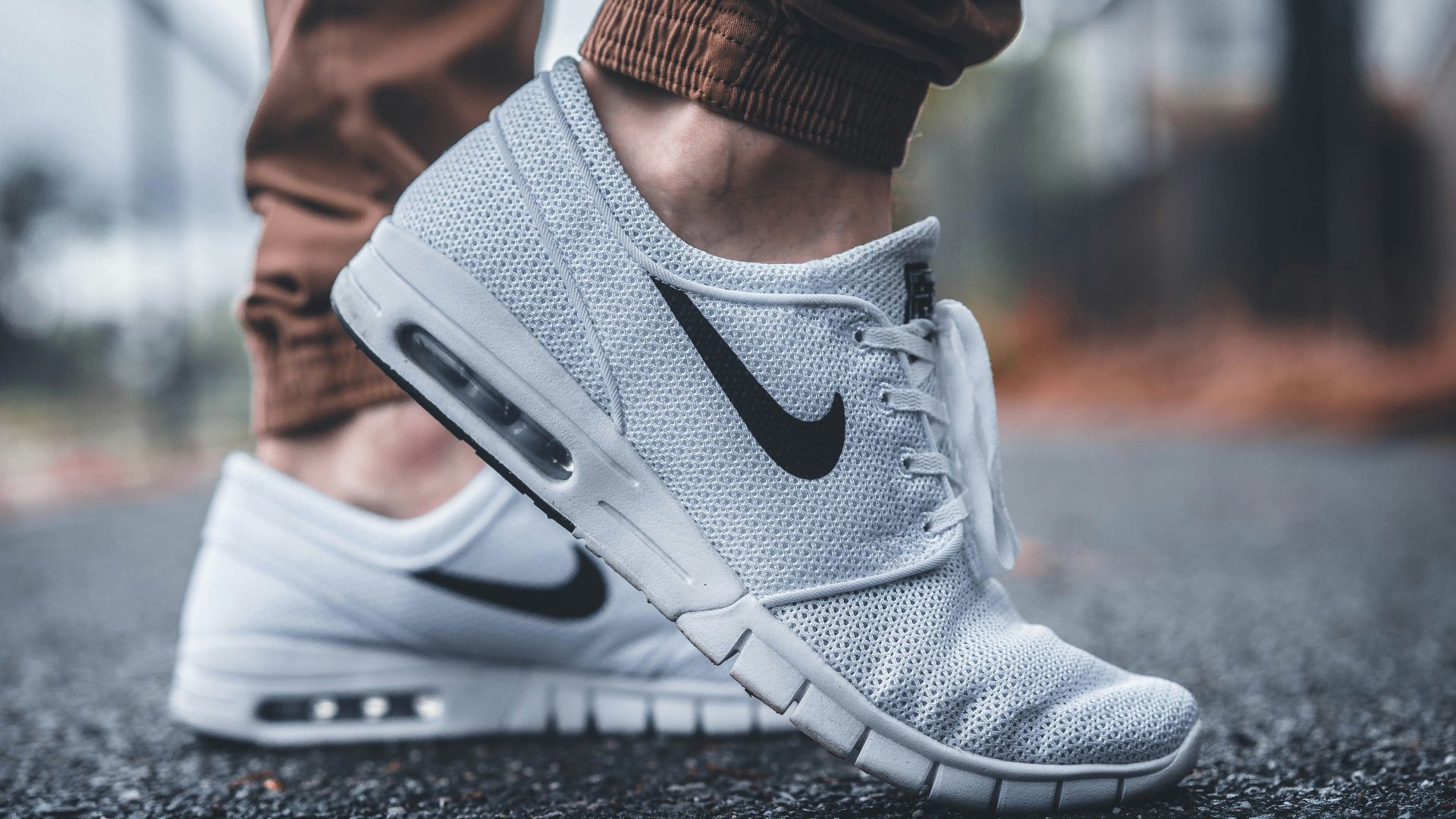
5. Wearing Unsupportive Shoes
Shoes without proper support affect how force moves through the feet, knees, hips, and lower back. Flat sandals, worn-out sneakers, and poorly fitted footwear can increase joint strain during everyday walking. Proper cushioning and arch support help improve alignment and shock absorption.
6. Kneeling Frequently Without Protection
Gardening, cleaning floors, or home repairs often involve extended kneeling on hard surfaces. Repeated pressure on the knees can irritate joints and surrounding tissues over time. Knee pads or cushioned mats help reduce direct stress during these activities.

7. Sleeping in Poor Positions
Sleeping posture affects joint alignment for several hours every night. Unsupported neck angles or twisted sleeping positions may lead to stiffness in the shoulders, hips, or spine by morning. Pillows that maintain neutral alignment can help reduce overnight strain.

8. Opening Jars Incorrectly
Twisting stubborn lids using awkward hand positions places stress on finger joints and wrists. Repeated gripping and forceful rotation can aggravate discomfort, especially for people already dealing with arthritis symptoms. Using jar-opening tools reduces unnecessary pressure on small joints.

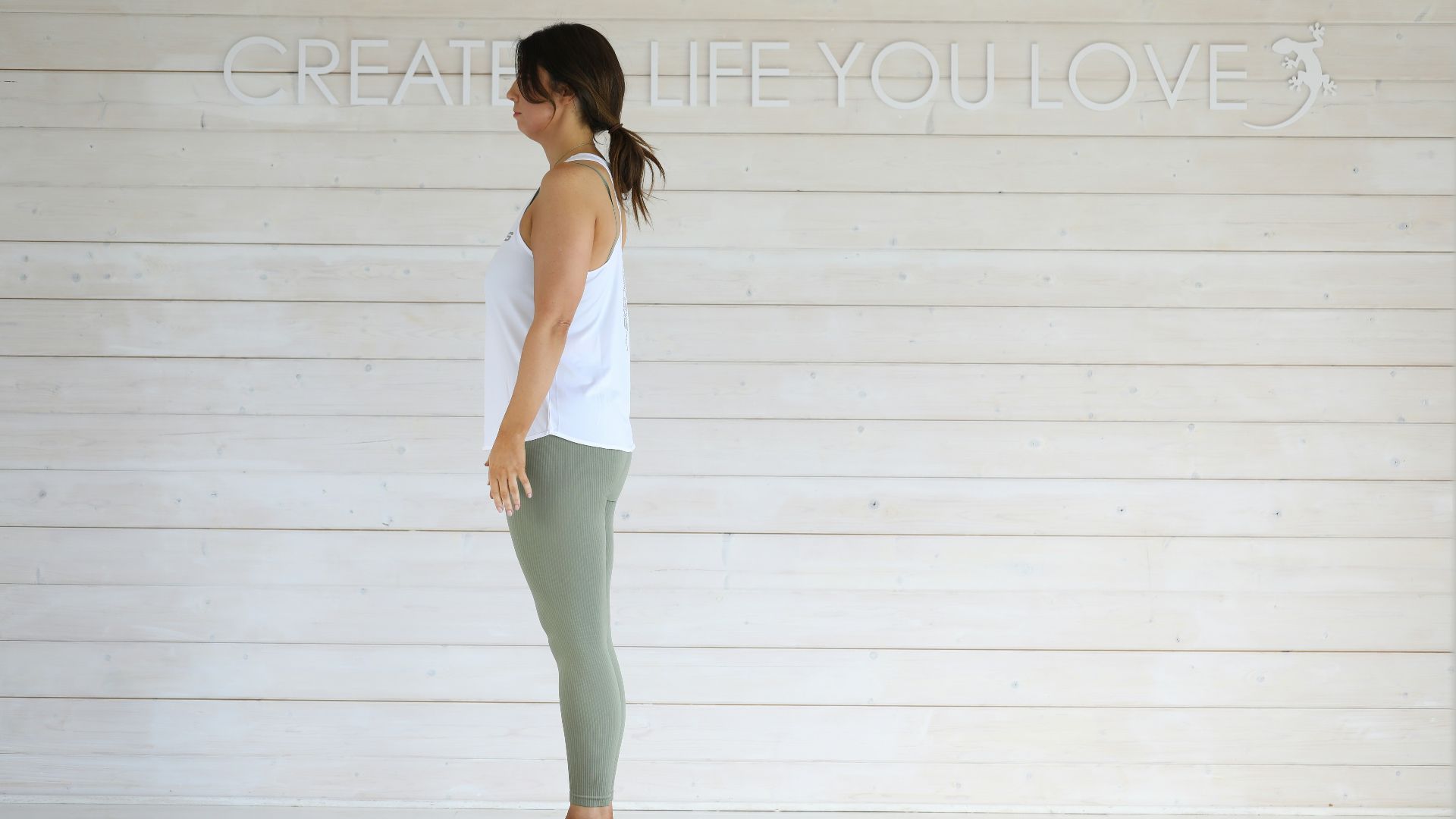
9. Standing With Locked Knees
Some people unconsciously lock their knees while standing for long periods, especially during work or waiting in lines. This posture reduces flexibility in the joints and increases pressure on the knees and lower back. Slightly bending the knees improves balance and reduces tension.
10. Using a Laptop at the Wrong Height
Working on laptops without adjusting screen height often causes poor posture in the neck, shoulders, and wrists. Hunching forward for extended periods creates strain across multiple joints simultaneously.

11. Repeatedly Climbing Stairs With Heavy Loads
Carrying groceries, laundry, or storage boxes upstairs adds extra force to the knees and hips. Repetitive heavy lifting while climbing increases joint compression with every step. Making shorter trips or using carts can reduce cumulative strain.

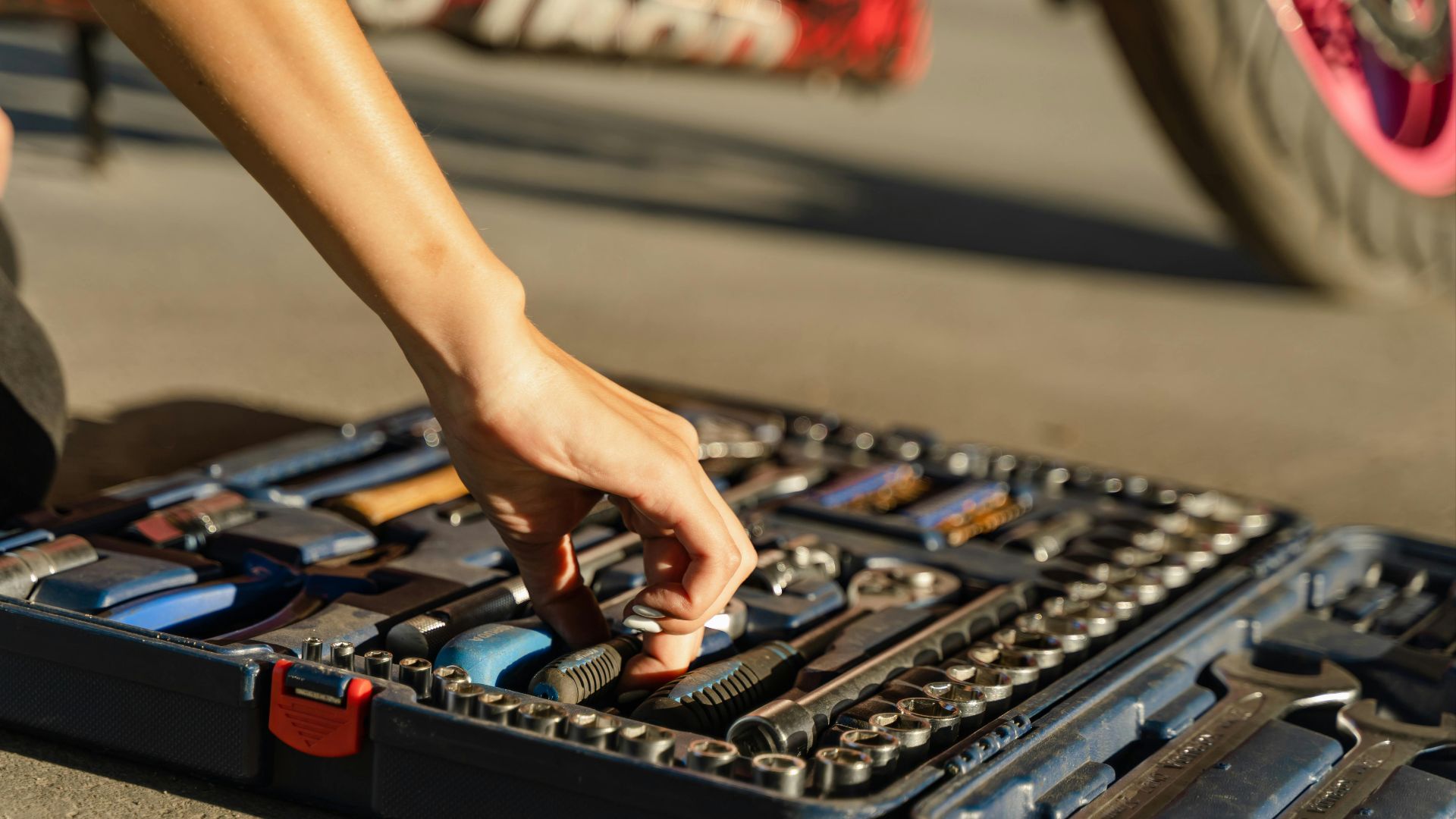
12. Gripping Tools Too Tightly
Household tools like scissors, screwdrivers, and kitchen utensils can stress hand joints when gripped too forcefully. Repetitive pressure may irritate tendons and finger joints during long tasks. Ergonomic handles and relaxed grip techniques help reduce discomfort.
13. Slouching While Driving
Poor driving posture places stress on the spine, hips, and shoulders, especially during long commutes. Sitting too far from the steering wheel or leaning awkwardly can gradually create stiffness and joint tension.

14. Squatting Incorrectly
Improper squatting mechanics place excessive pressure on the knees and lower back during lifting or household chores. Twisting while squatting increases joint stress even further.

15. Overusing Your Thumb While Texting
Frequent texting and scrolling place repetitive stress on thumb joints and tendons. Some people develop pain commonly referred to as “texting thumb” from constant small movements. Voice features and reduced repetitive motion can help prevent irritation.

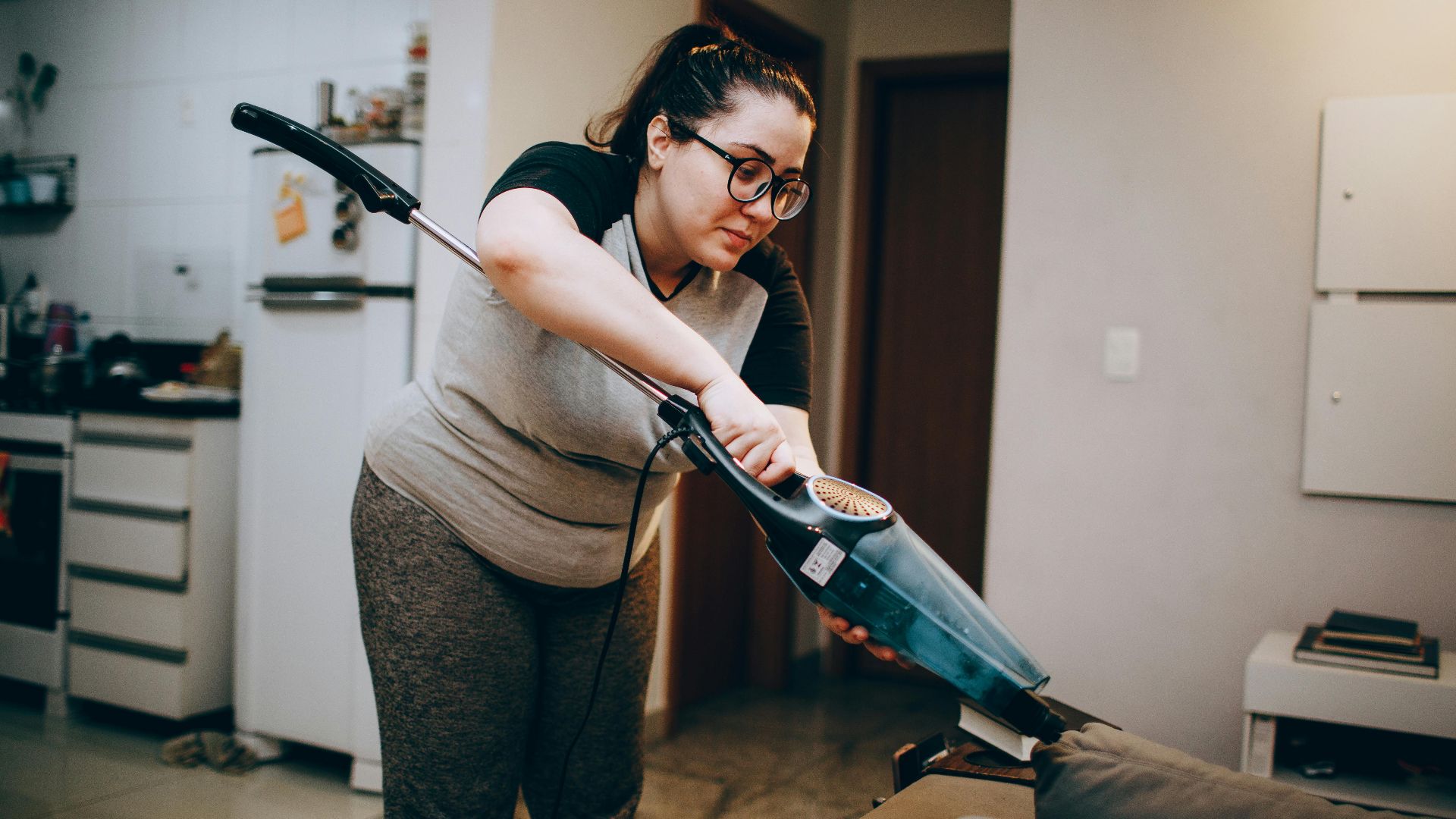
16. Vacuuming With Poor Posture
Vacuuming often involves repetitive pushing, twisting, and reaching movements that strain the shoulders and back. Using short, awkward motions can increase joint stress during longer cleaning sessions.
17. Ignoring Minor Joint Pain
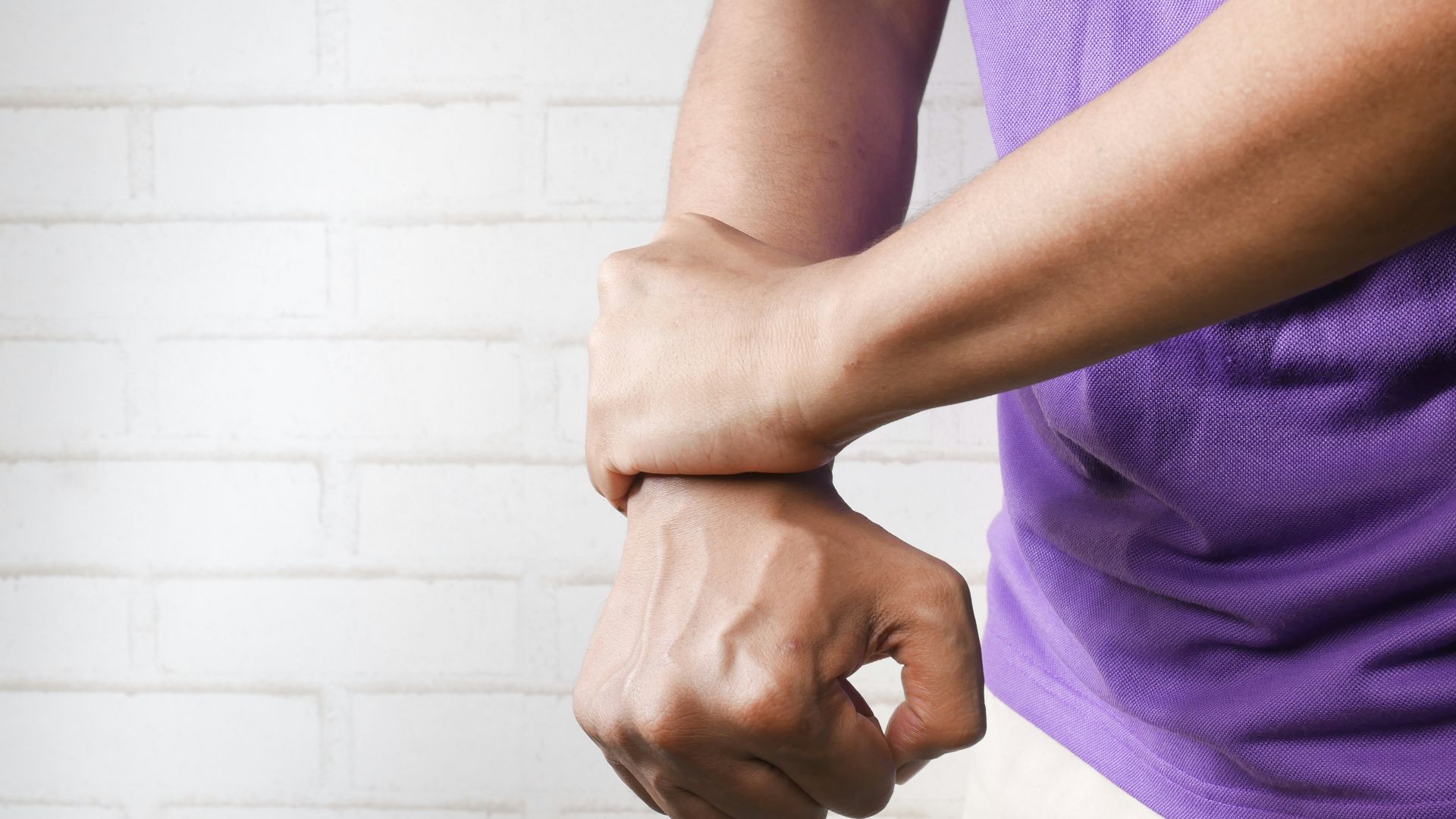
Many people continue repetitive activities despite early signs of discomfort or swelling. Small joint problems sometimes worsen when inflammation and strain go unaddressed for long periods. Paying attention to recurring pain helps prevent more serious issues later.
18. Carrying Children on One Hip
Parents and caregivers frequently carry children on the same side of the body out of habit. This uneven weight distribution strains the hips, lower back, and shoulders over time.

19. Using Poor Form While Exercising
Exercise benefits joint health overall, but incorrect technique can create unnecessary wear and strain. Movements performed with poor alignment increase pressure on knees, shoulders, and wrists.

20. Constantly Craning Your Neck Forward
Leaning forward toward screens, books, or workstations places extra stress on the neck and upper spine. Over time, this posture can contribute to stiffness, tension headaches, and shoulder discomfort.

KEEP ON READING


20 Signs You May Be Low on Vitamin D