
Smaller, Realistic Habits
Sleep can get weird with age. You may wake up at 4:45 a.m. for no clear reason, feel wide awake after a 3 p.m. coffee, or notice that a late bowl of chili now comes with a side of acid reflux. Some changes are normal, like the shifting of sleep patterns. Others, unfortunately, don't fall into this category. Pain, medications, bathroom trips, or sleep conditions can all play a role in your sleep quality, and they all deserve attention. Poor sleep is deeply annoying, especially when you've tried everything you can think of. If nothing's working, these 20 lifestyle upgrades can help make your nights calmer, steadier, and easier to manage as you age.

1. Keep a Steady Wake-Up Time
A regular wake-up time helps your circadian rhythm stay on track. Try getting up around the same time on weekdays and weekends, even after a rough night, so your body doesn’t keep guessing.

2. Get Outside in the Morning
Morning light helps tell your brain that the day has started. A walk around the block before work, coffee on the porch, or breakfast near a sunny kitchen window can all help support a steadier sleep rhythm.
 Inna Kapturevska_Ua on Unsplash
3. Turn Down the Lights After Dinner
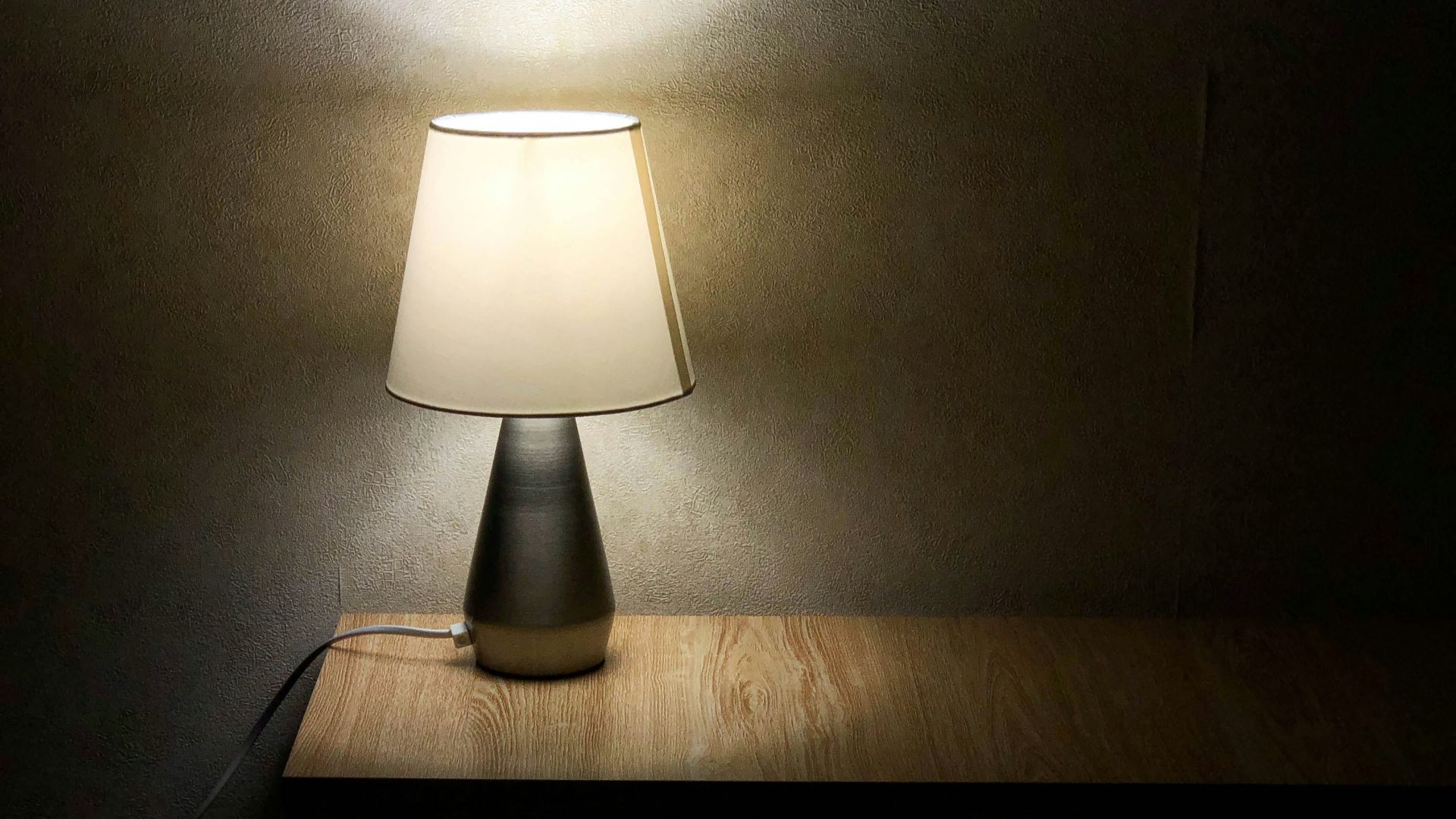
Bright lights at 9 p.m. can make your brain feel more awake than you want it to be. Swap overhead lighting for lamps, dim the bathroom light before bed, and try to keep blue light down to a minimum.
 Ochir-Erdene Oyunmedeg on Unsplash
4. Keep the Bedroom Cool
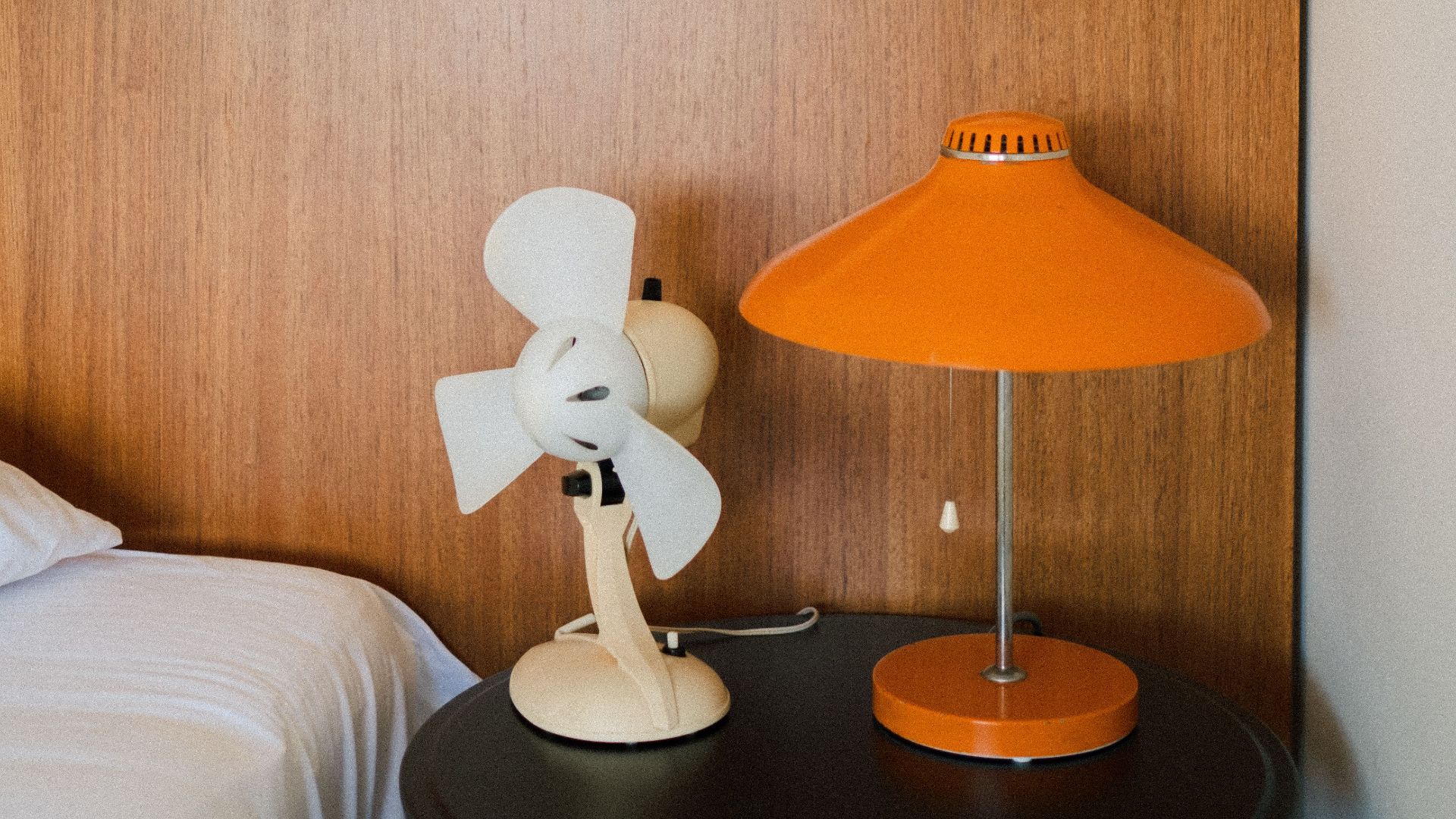
A warm bedroom can make sleep feel more restless, especially if you deal with night sweats or lighter sleep now than you did years ago. Try breathable sheets, lighter pajamas, or a fan near the bed so the room feels comfortable through the night.
5. Move Your Phone Away From the Bed
Phones make bedtime slippery. Charge your phone across the room, or leave it in the kitchen when you're tucking in for the night. Keeping it out of arm's reach can make it easier to skip the late scroll and actually settle down.

6. Give Yourself a Wind-Down Routine
A bedtime routine that you can complete even at your most exhausted can help tremendously. Wash your face, brush your teeth, set out tomorrow’s clothes, read a few pages, and let those same small steps tell your body that the day's over.

7. Get Your Steps In
Daily movement can support better sleep, especially when it becomes part of ordinary life. A 20-minute walk, light yard work, swimming, tai chi, or strength exercises at home can all help, even if you're not a fan of the gym.

8. Skip Hard Workouts Before Bed
A tough workout late at night can leave some people too alert for sleep. If evening is the only time you have, keep it gentler with stretching, slow yoga, or a quiet walk after dinner.

9. Set a Caffeine Cutoff
Caffeine can hang around longer than you expect, especially as sleep gets more sensitive with age. If you’re still awake at midnight, try cutting off coffee, black tea, cola, and energy drinks by early afternoon.

10. Be Careful With Evening Alcohol
Alcohol can make you feel sleepy at first, then leave you waking up later in the night. If you often find yourself awake around 2 or 3 a.m., try cutting back on evening drinks and see whether your sleep improves.

11. Eat Dinner Earlier
Late, heavy meals can make it harder to get comfortable in bed. A 6:30 p.m. dinner is often easier on sleep than a big meal at 9:30 p.m., especially if reflux or indigestion tends to show up after you lie down.
 Farhad Ibrahimzade on Unsplash
12. Keep Late Snacks Small
Some nights, you really do need a snack. Keep it light and easy like toast, yogurt, or a banana. Avoid the greasy, heavy snacks as much as possible.

13. Treat Reflux Like a Sleep Issue
Nighttime reflux can wake you up, irritate your throat, and make sleep feel choppy. Avoid your known triggers in the evening, stay upright after eating, and consider raising the head of your bed if reflux keeps occurring at night.

14. Keep Naps Short and Early
A nap can help after a bad night, especially if you’re dragging through the afternoon. Try keeping it earlier in the day and short enough that you won't have trouble falling asleep later on.

15. Save the Bed for Sleep
The bed works better when your brain links it with rest. Watching TV, answering emails, checking the news, or worrying there for an hour can teach your brain that your bed is another place to stay awake.

16. Stop Checking the Clock
Clock-checking can make a normal nighttime wake-up feel worse. Turn the clock away, keep your phone out of reach, and try not to calculate how much sleep you’ll get if you fall asleep right this second.

17. Try Relaxation Exercises
Relaxation exercises can help when your body feels tired, but your mind keeps working through tomorrow’s list. Slow breathing, gentle stretching, progressive muscle relaxation, or a body scan can make bedtime feel a little easier.

18. Add Calming Movement to Your Week
Yoga, tai chi, and mindfulness exercises can help some people feel less wound up around bedtime. They’re usually more useful as regular habits, maybe two or three times a week, than as a last-minute fix after a terrible day.

19. Ask About Ongoing Insomnia
If trouble falling asleep or staying asleep keeps happening, don’t just keep pushing through it. A clinician can talk with you about behavioral sleep support, including CBT-I. CBT-I looks at routines, stress patterns, and the anxious thoughts that often build up around bedtime.
 Solving Healthcare on Unsplash
20. Bring Up Snoring, Restless Legs, and Bathroom Trips
Loud snoring, gasping, restless legs, frequent bathroom trips, and daytime sleepiness can point to something beyond everyday bad sleep. These problems are common, and they’re worth discussing because the right treatment can make nights far less interrupted.

KEEP ON READING