
Balance Matters More Than Most People Realize
Good balance affects nearly every part of daily life, from walking safely on uneven ground to reacting quickly when you trip or shift direction suddenly. Certain forms of exercise help strengthen coordination, stability, and body awareness over time, while others can gradually increase injury risk when they're done carelessly or without proper recovery. Whether you're looking to stay steady as you age or simply move more confidently, these 20 exercises show how fitness habits can either support or challenge your balance.
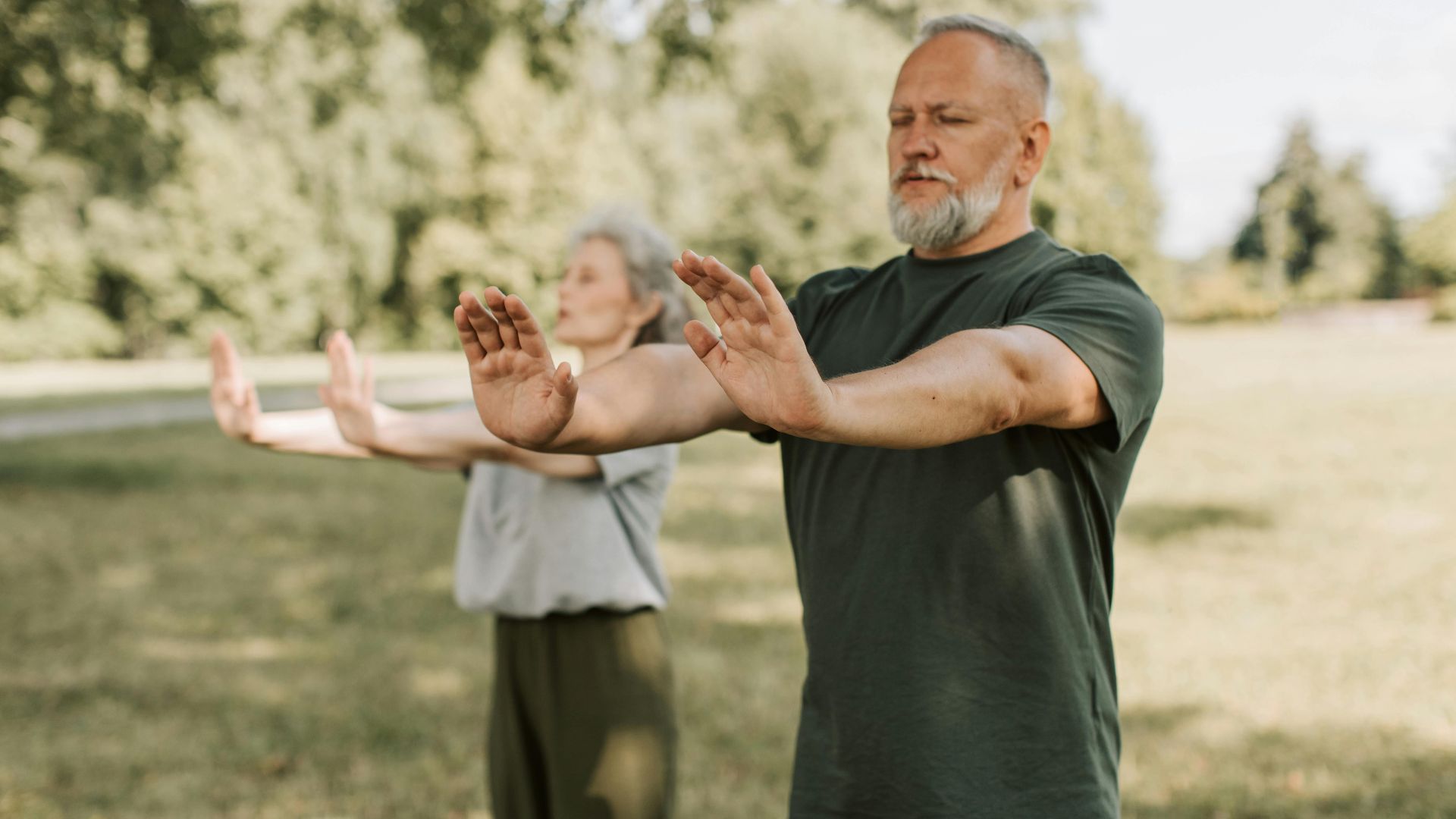
1. Yoga
Yoga improves balance by forcing you to control posture, weight distribution, and body alignment during movement. Poses like the tree pose and warrior III strengthen stabilizing muscles in the legs and core while improving coordination. Regular practice also helps increase flexibility, which supports smoother and safer movement overall.
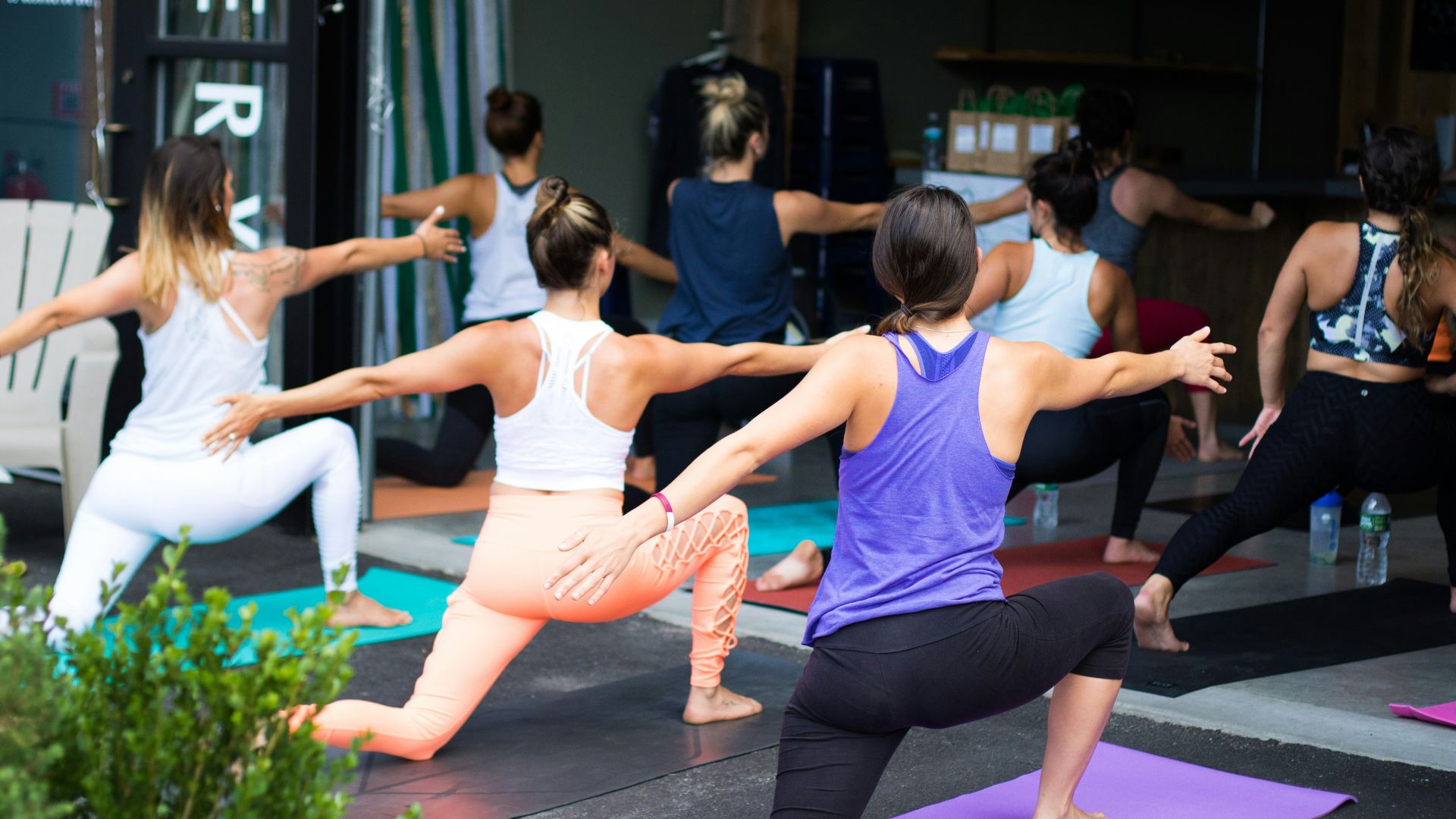
2. Tai Chi
Tai chi uses slow, controlled motions that train the body to remain stable during shifting movements. The practice is especially effective for older adults because it improves coordination and reduces fall risk over time. Since movements are deliberate and low-impact, it builds control without putting excessive strain on joints.
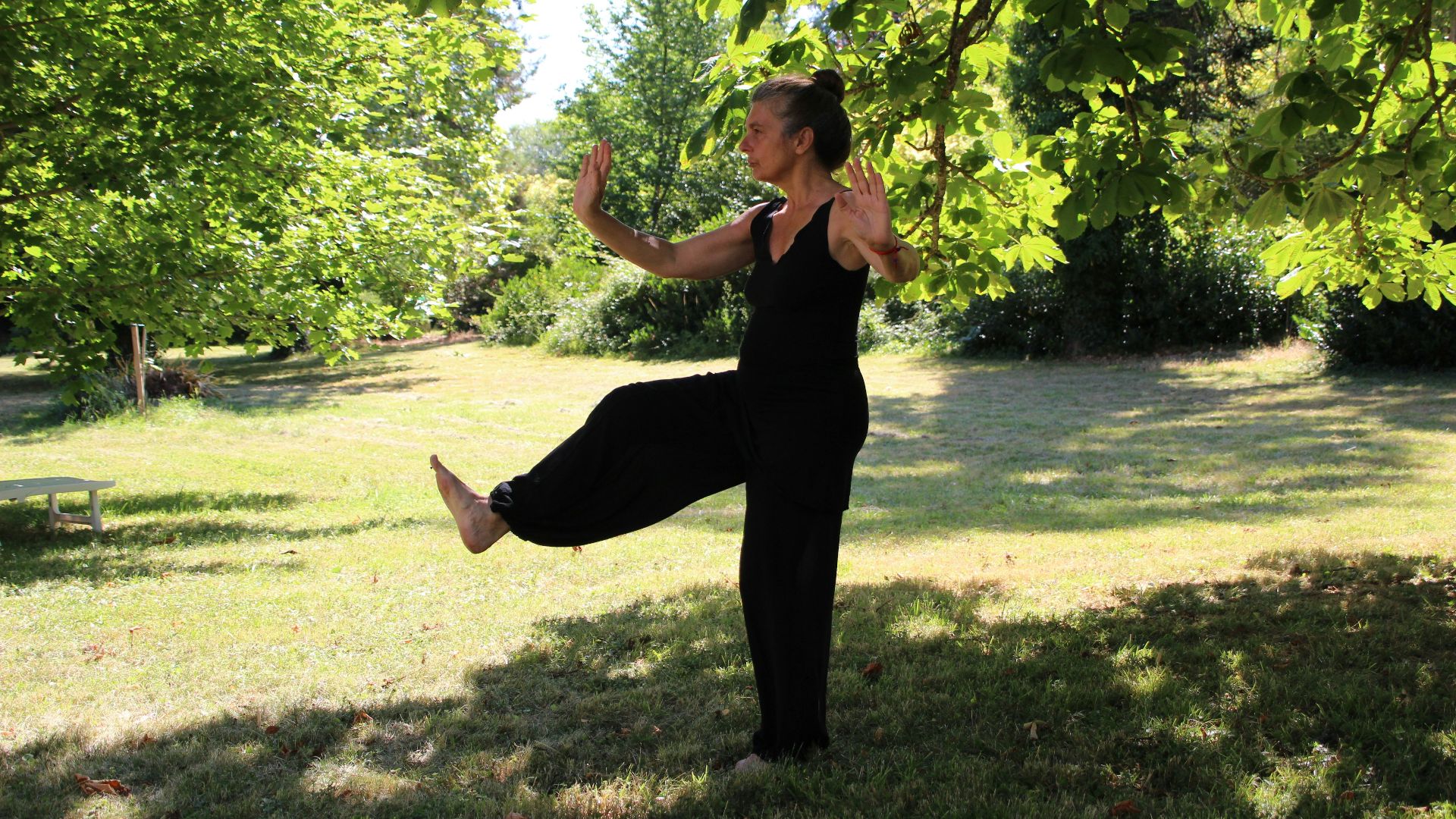
3. Pilates
Pilates focuses heavily on core strength, which plays a major role in maintaining balance and posture. Many exercises require controlled movement while stabilizing the spine and hips at the same time. Better core control often translates into steadier walking, standing, and athletic movement outside the gym.
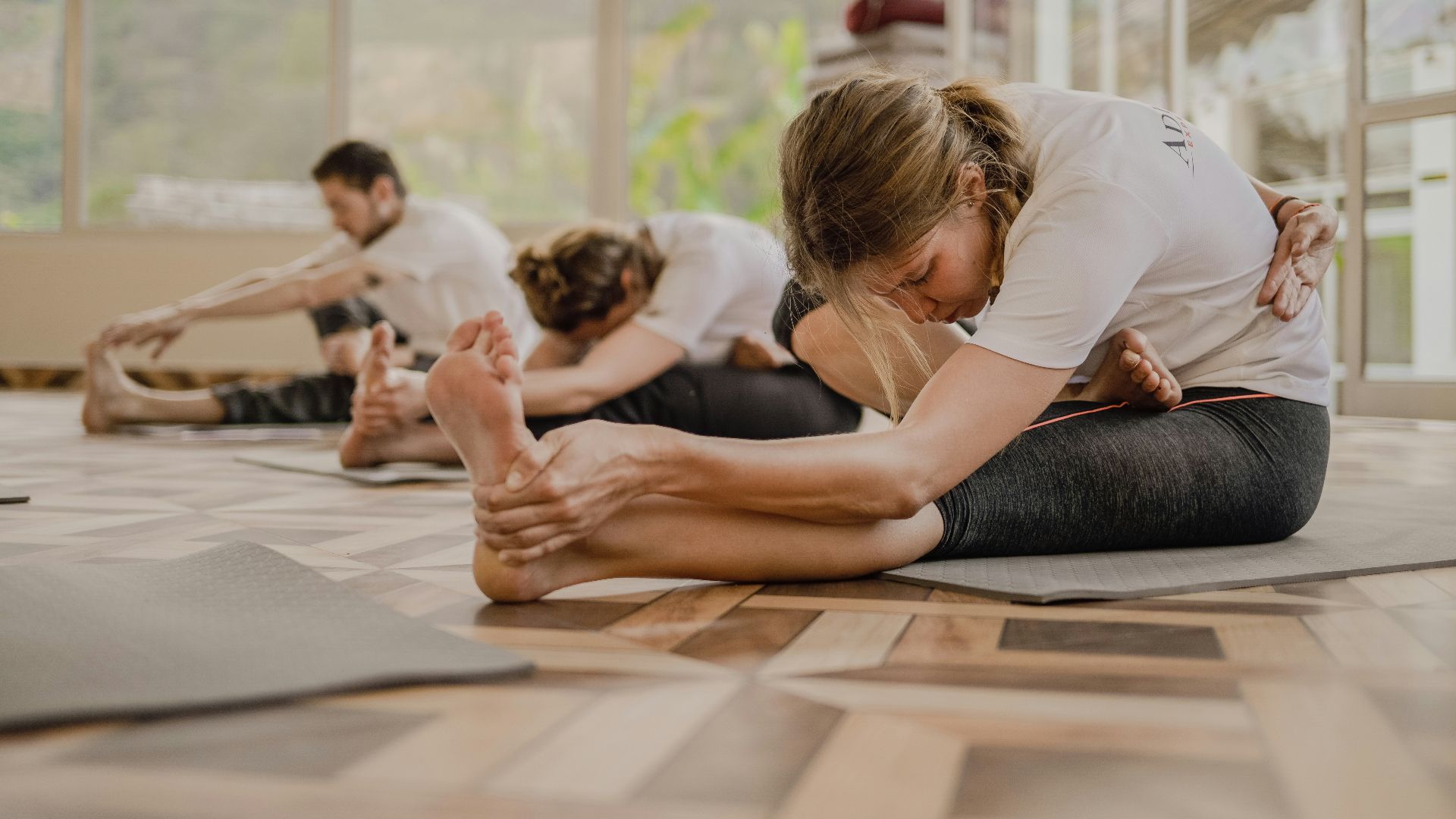
4. Single-Leg Strength Training
Exercises performed on one leg challenge the body to stabilize itself continuously during movement. Lunges, step-ups, and single-leg deadlifts all improve coordination while strengthening muscles around the hips, knees, and ankles. These movements also help correct muscular imbalances that can affect stability.
5. Dance Classes
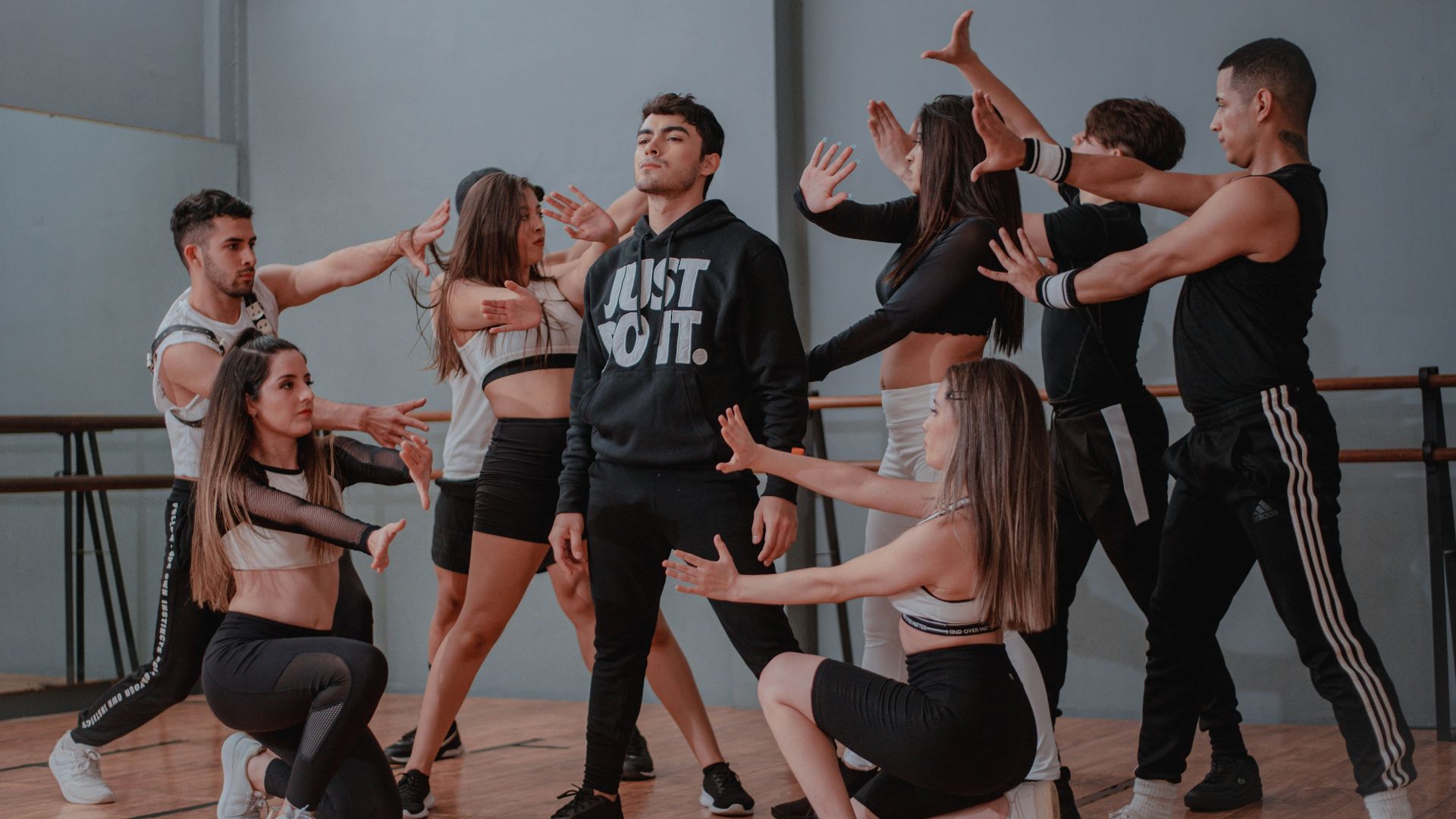
Dance strengthens balance because it combines rhythm, coordination, and directional movement in quick sequences. Styles like ballroom, salsa, and contemporary dance constantly force you to shift weight smoothly while staying upright. Over time, this improves body awareness and reaction speed naturally.
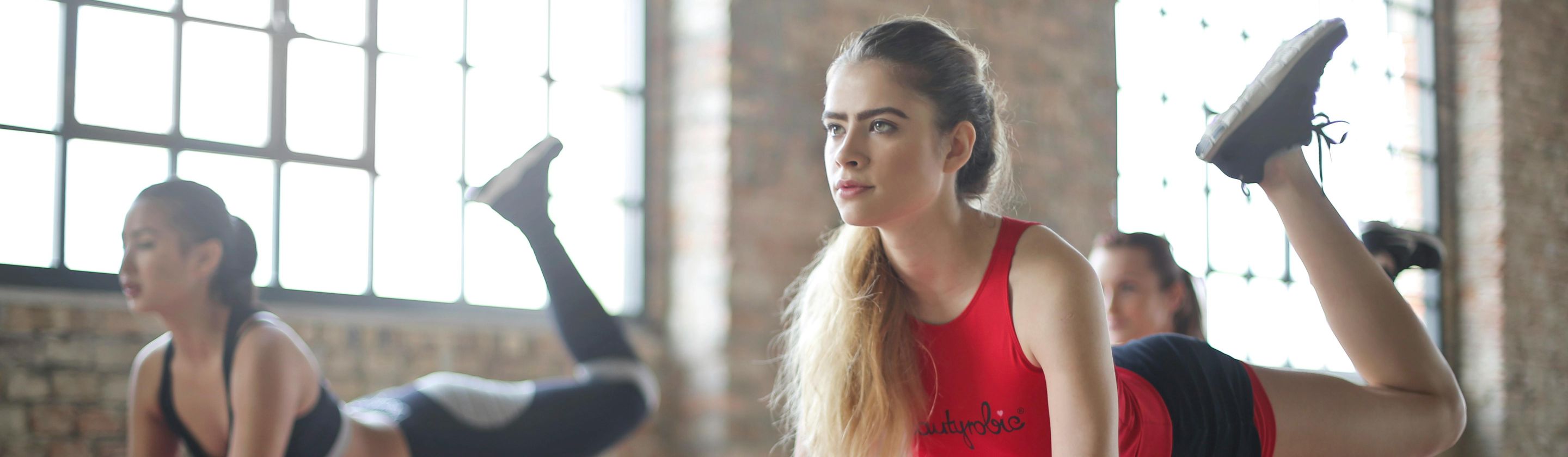
 Miguel Ángel Hernández on Unsplash
6. Balance Board Training
Balance boards create an unstable surface that forces stabilizing muscles to stay active constantly. Even simple standing exercises challenge the ankles, legs, and core to make quick adjustments. Athletes often use this type of training to improve coordination and reduce injury risk during sports.

7. Swimming
Swimming may not seem balance-focused at first, but it strengthens the core and improves full-body coordination effectively. Water resistance forces muscles to work evenly while reducing stress on joints.

8. Hiking On Uneven Terrain
Walking on trails, rocks, or uneven surfaces trains the body to react to unpredictable footing. The ankles and legs become stronger because they constantly adapt to changes in terrain. Hiking also improves spatial awareness, which helps you move more confidently in everyday situations.

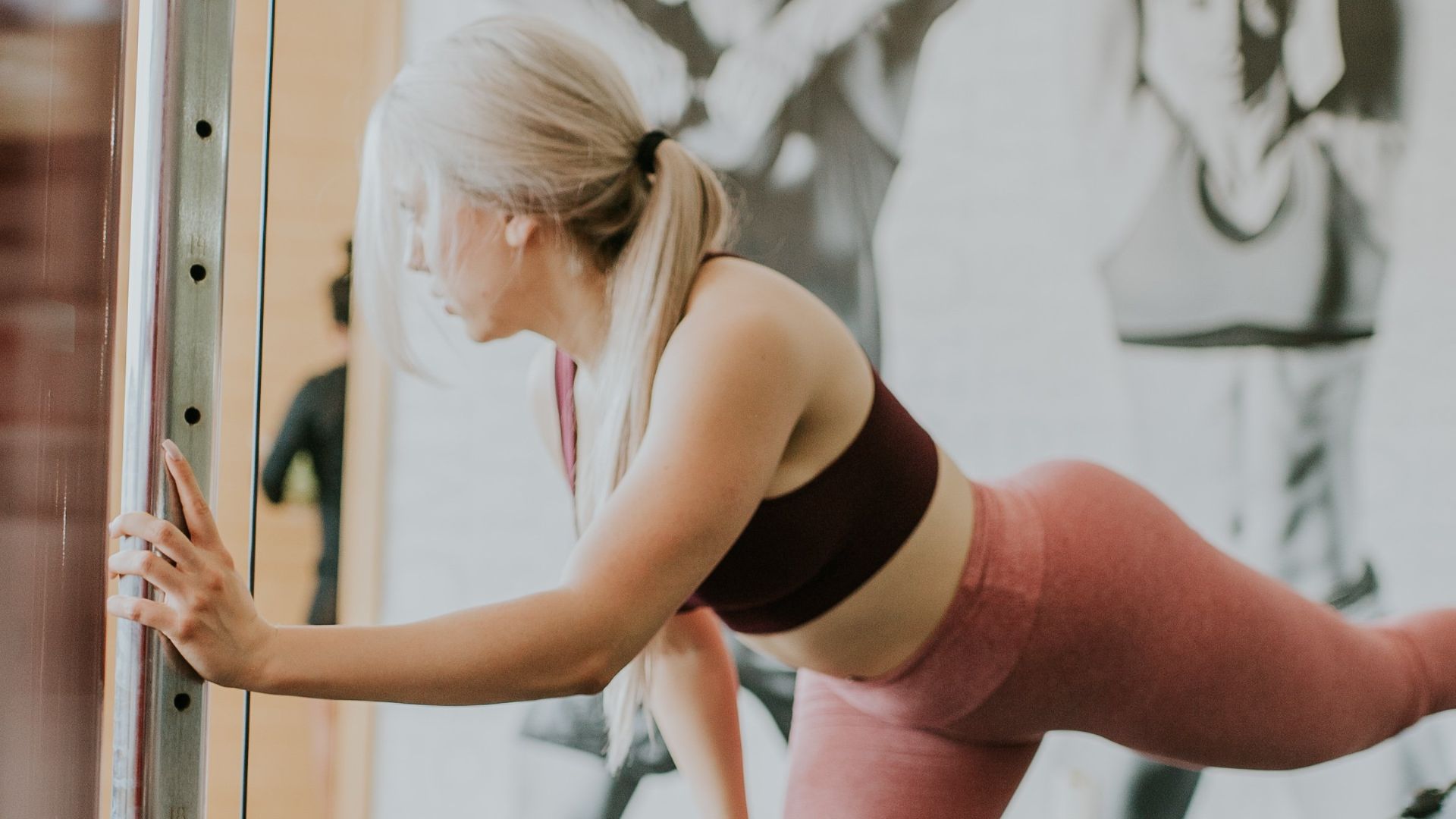
9. Barre Workouts
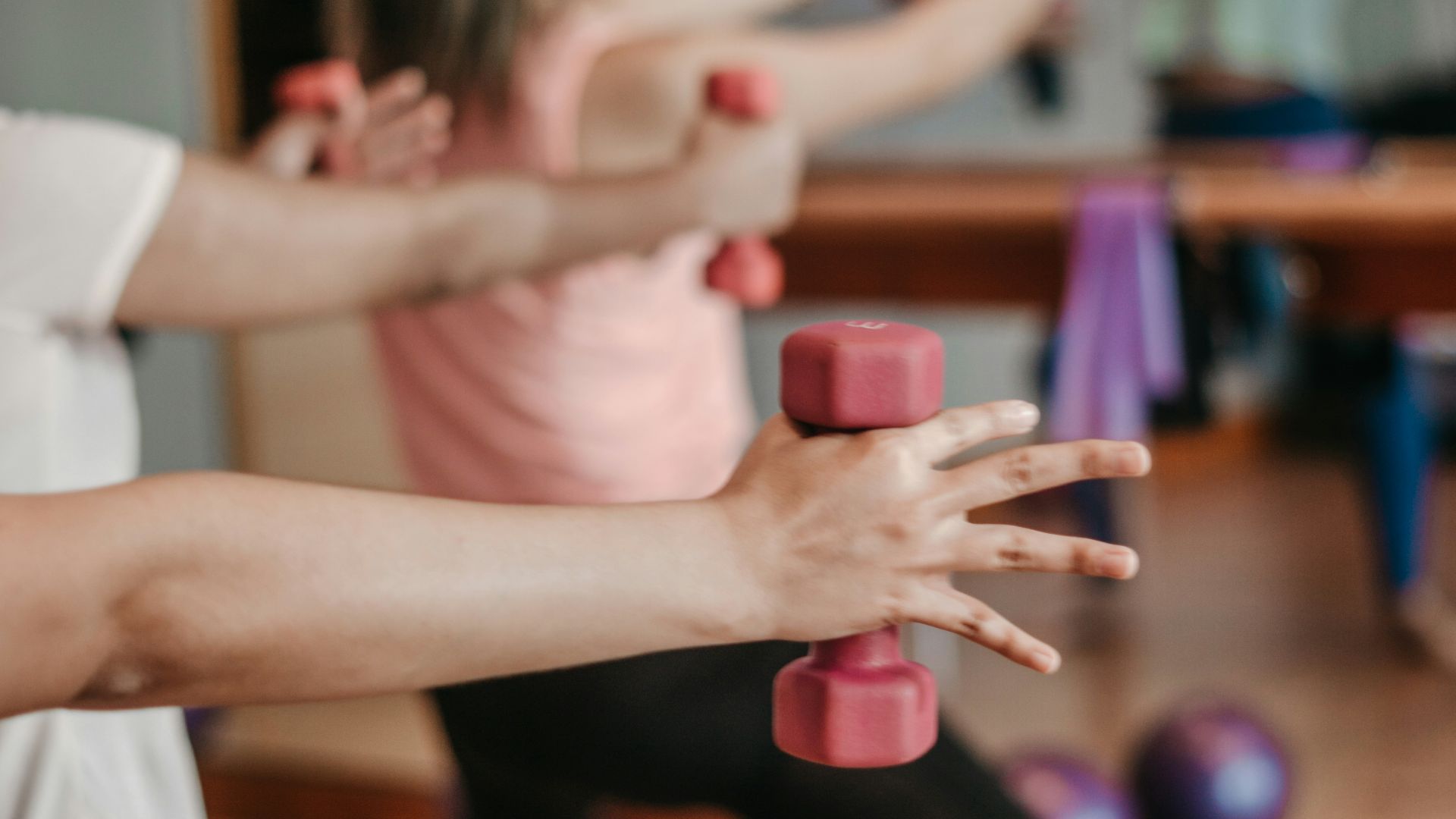
Barre workouts combine controlled movements, light resistance, and posture-focused exercises that challenge stability. Many routines include standing on one leg or maintaining difficult positions for extended periods.
10. Martial Arts
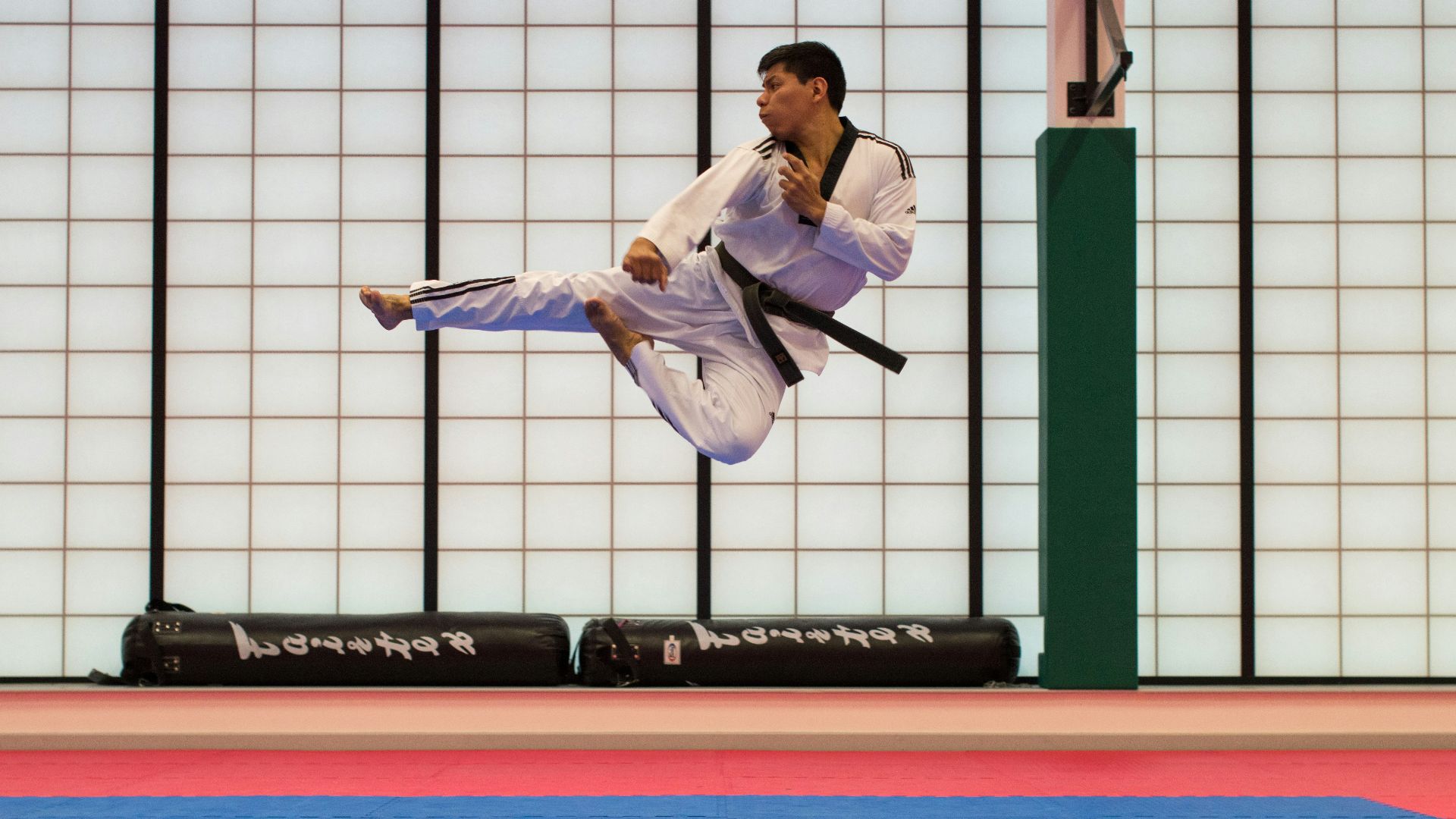
Martial arts training improves balance through footwork, controlled movement, and rapid directional changes. Disciplines like karate, judo, and taekwondo require strong posture and body control during both offense and defense. Repeated practice also sharpens reaction time, which helps prevent stumbles and falls.
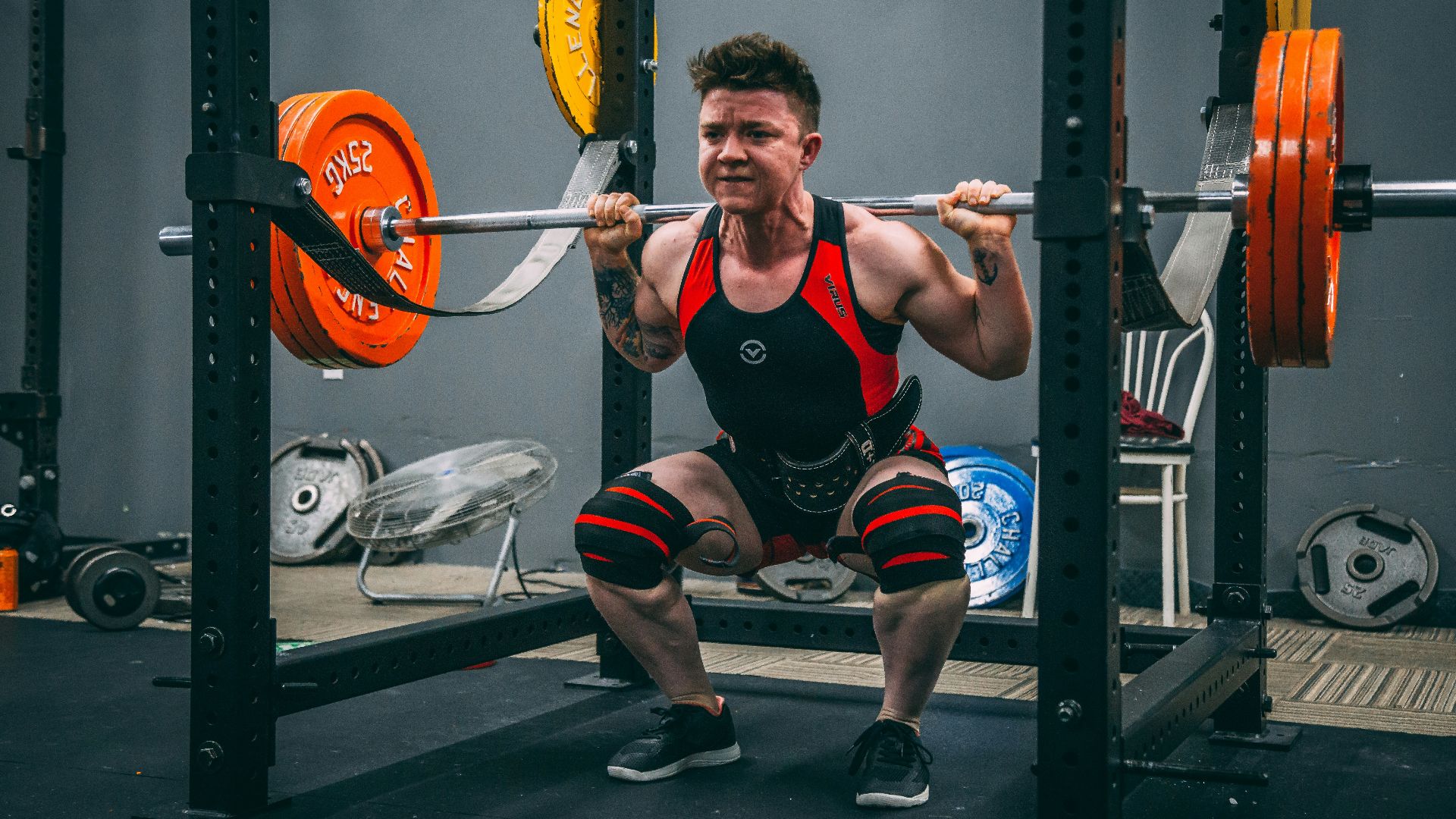
1. Heavy Weightlifting With Poor Form
Lifting extremely heavy weights without proper technique can place excessive strain on stabilizing muscles and joints. Poor posture during squats or deadlifts may eventually affect coordination and increase fall or injury risk. Fatigue also reduces body control, especially when exercises are rushed.
2. Overtraining Without Recovery
Exercising too often without allowing enough recovery time can weaken coordination and reaction speed. Exhausted muscles respond more slowly, making balance harder to maintain during movement. Chronic fatigue may also increase dizziness and instability during workouts.

3. Excessive Treadmill Use
Treadmills provide a flat, predictable surface that doesn't challenge stabilizing muscles very much. Spending all your walking or running time indoors can reduce your ability to react to uneven terrain outdoors.

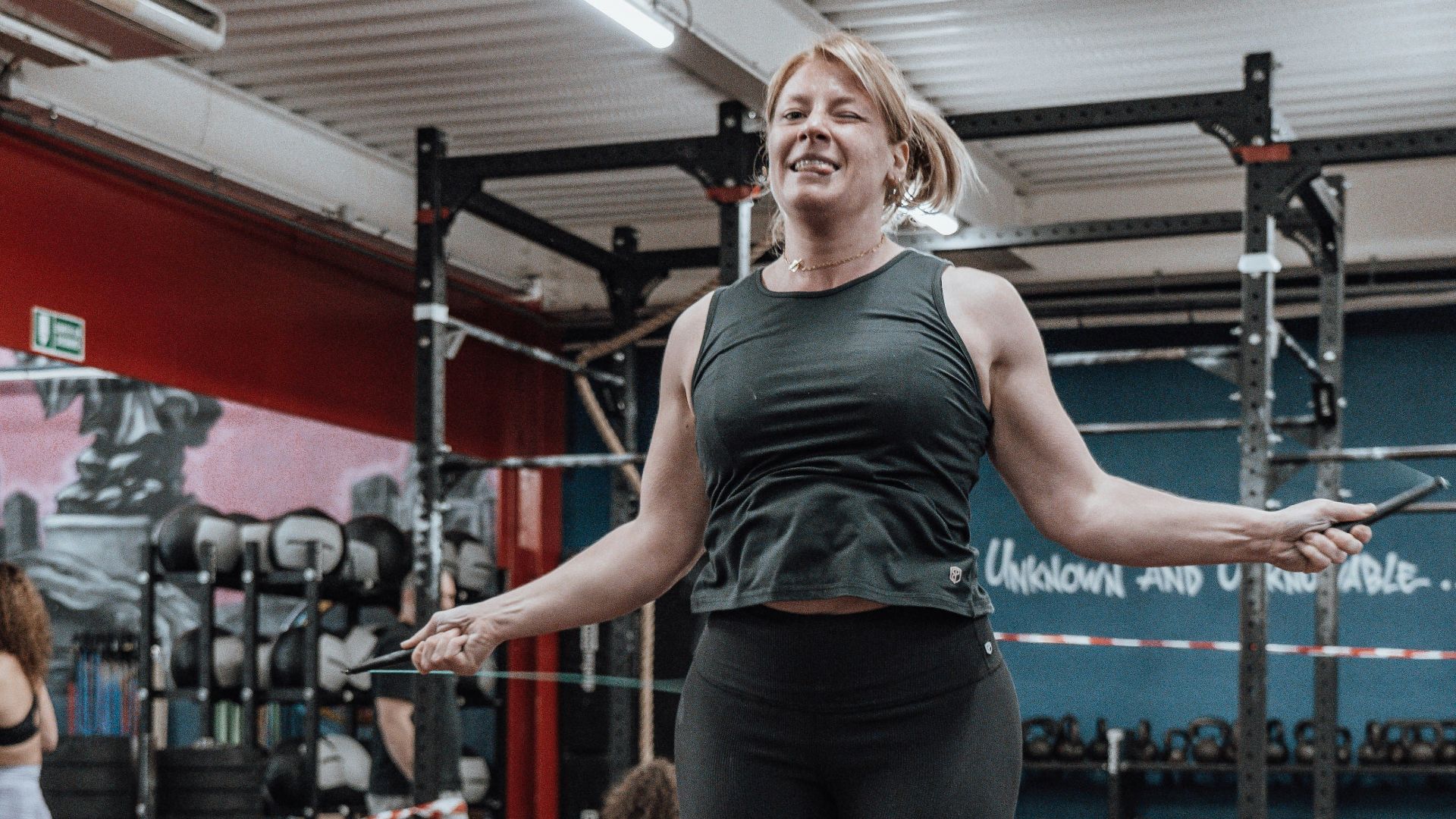
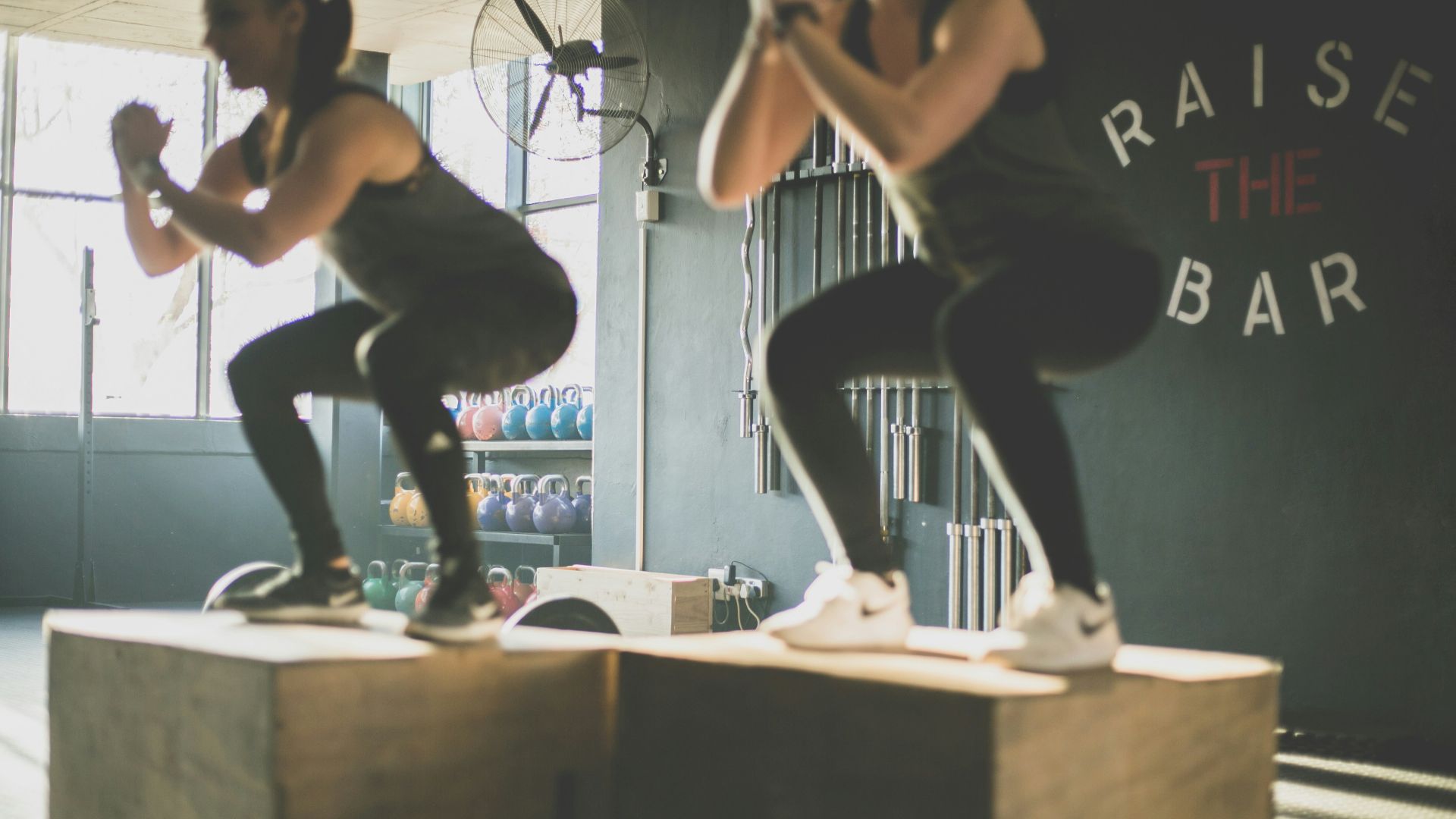
4. High-Impact Plyometrics Without Preparation
Explosive jumping exercises place heavy demands on coordination, landing mechanics, and joint stability. Without proper strength and technique, the body may struggle to control impact safely. Poor landings increase the likelihood of ankle sprains and knee injuries that affect long-term balance.
5. Contact Sports Without Protective Training
Sports like football and hockey involve sudden collisions that can disrupt balance through repeated impacts and injuries. Athletes who skip mobility and stability training may become more vulnerable to falls and coordination problems.

6. Cycling Exclusively
Cycling strengthens the legs effectively, but it doesn't challenge standing balance very often because the bike provides support. People who rely only on cycling for fitness may neglect stabilizing muscles needed for walking and posture control.

7. Exercising Through Dizziness
Continuing intense workouts despite dizziness or dehydration creates a serious balance risk immediately. Reduced hydration affects blood pressure and coordination, making falls more likely during movement. Ignoring these warning signs can lead to accidents both inside and outside the gym.

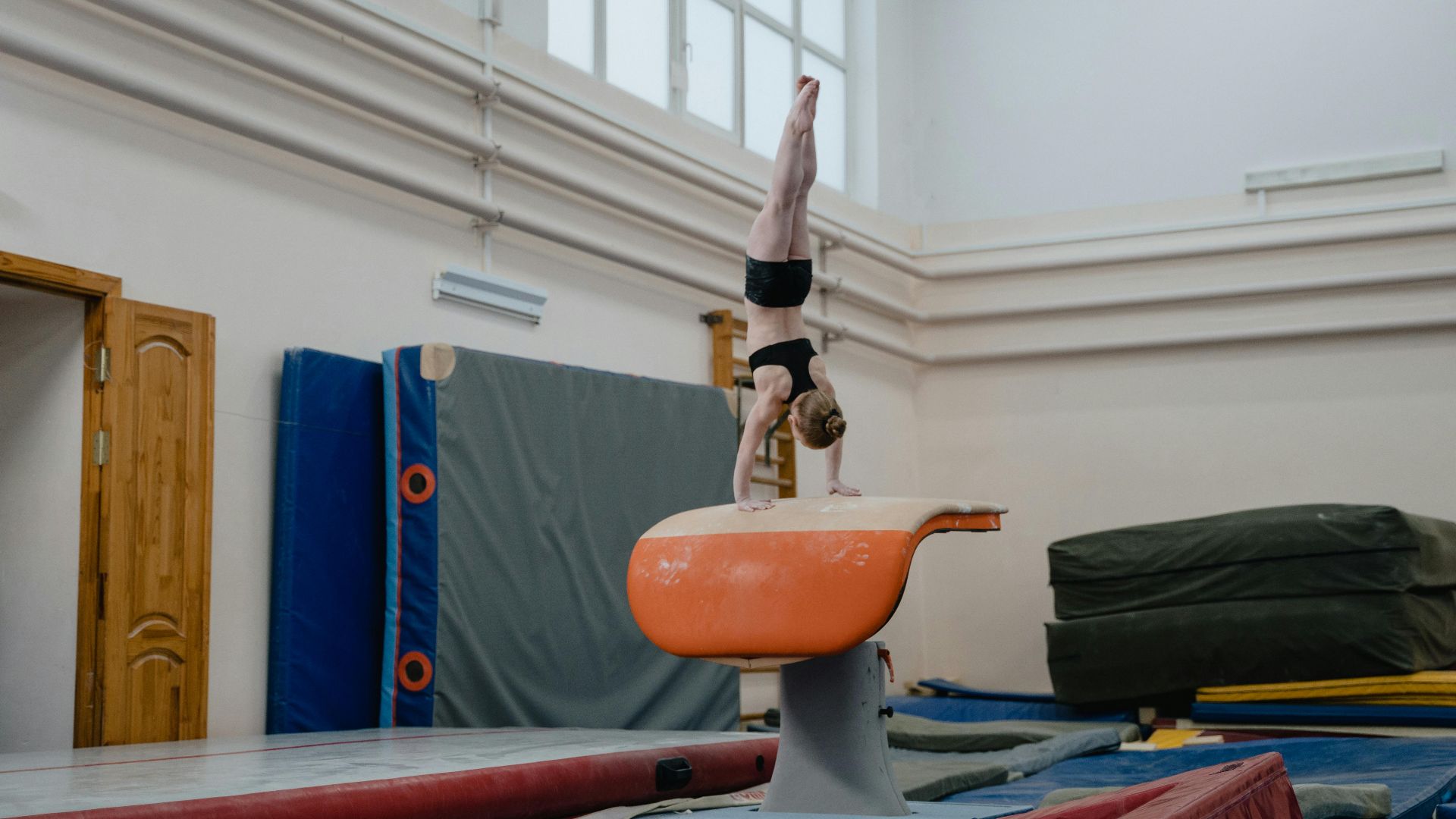
8. Poorly Supervised Gymnastics Training
Gymnastics requires exceptional balance, but unsafe coaching or rushed progression can create major injury risks. Attempting advanced flips or beam work without proper preparation increases the chance of falls and joint damage.
9. Wearing Improper Footwear During Exercise
Shoes with poor support or worn-out soles can interfere with balance during workouts surprisingly quickly. Slipping, unstable footing, and poor ankle support increase the risk of falls during strength or cardio sessions.

10. Extreme Fatigue Cardio Sessions
Long cardio workouts done past the point of exhaustion can reduce coordination dramatically. As muscles tire, posture begins to break down, and reaction time slows noticeably.
KEEP ON READING


10 Pre-Workout & 10 Post-Workout Tips To Follow