
Bright Choices Worth Your Plate
Vitamin C does a lot more than make oranges famous. It does a lot more than help your immune system, too! This humble vitamin helps support collagen production, antioxidant protection, and iron absorption—it’s a nutrient worth paying attention to. Before you dive headfirst into the pharmacy aisle for supplements, we have a few foods that pack a vitamin-rich wallop, so let’s explore which ones belong on your plate!

1. Guava
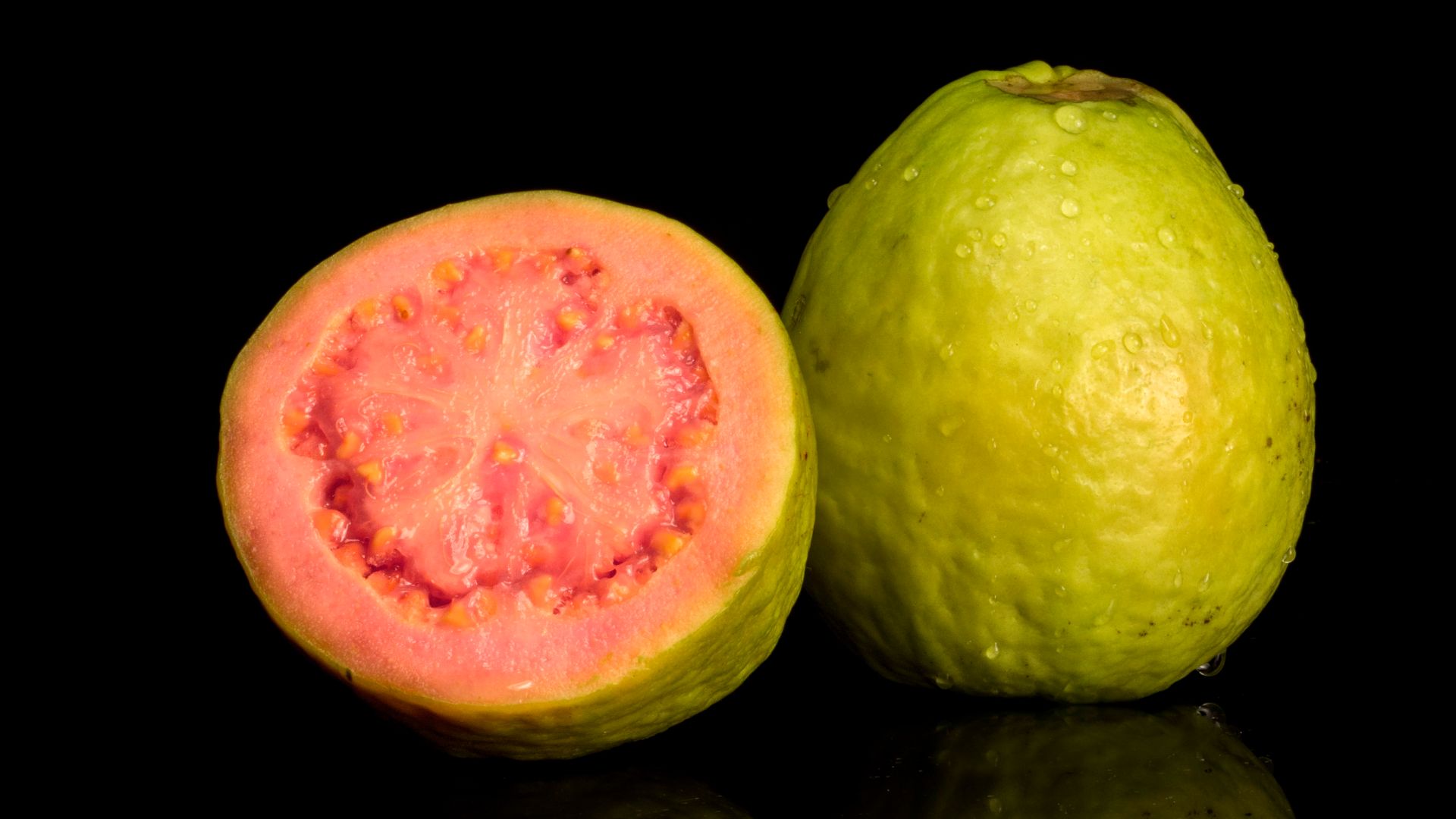
Guava doesn’t get the same spotlight as oranges, and we’re not sure why! It’s one of the strongest vitamin C choices you can find. In fact, one cup of raw guava can deliver several times the daily value, which makes it a serious win for a fruit that’s not only sweet, but easy to eat, too.
2. Red Bell Peppers
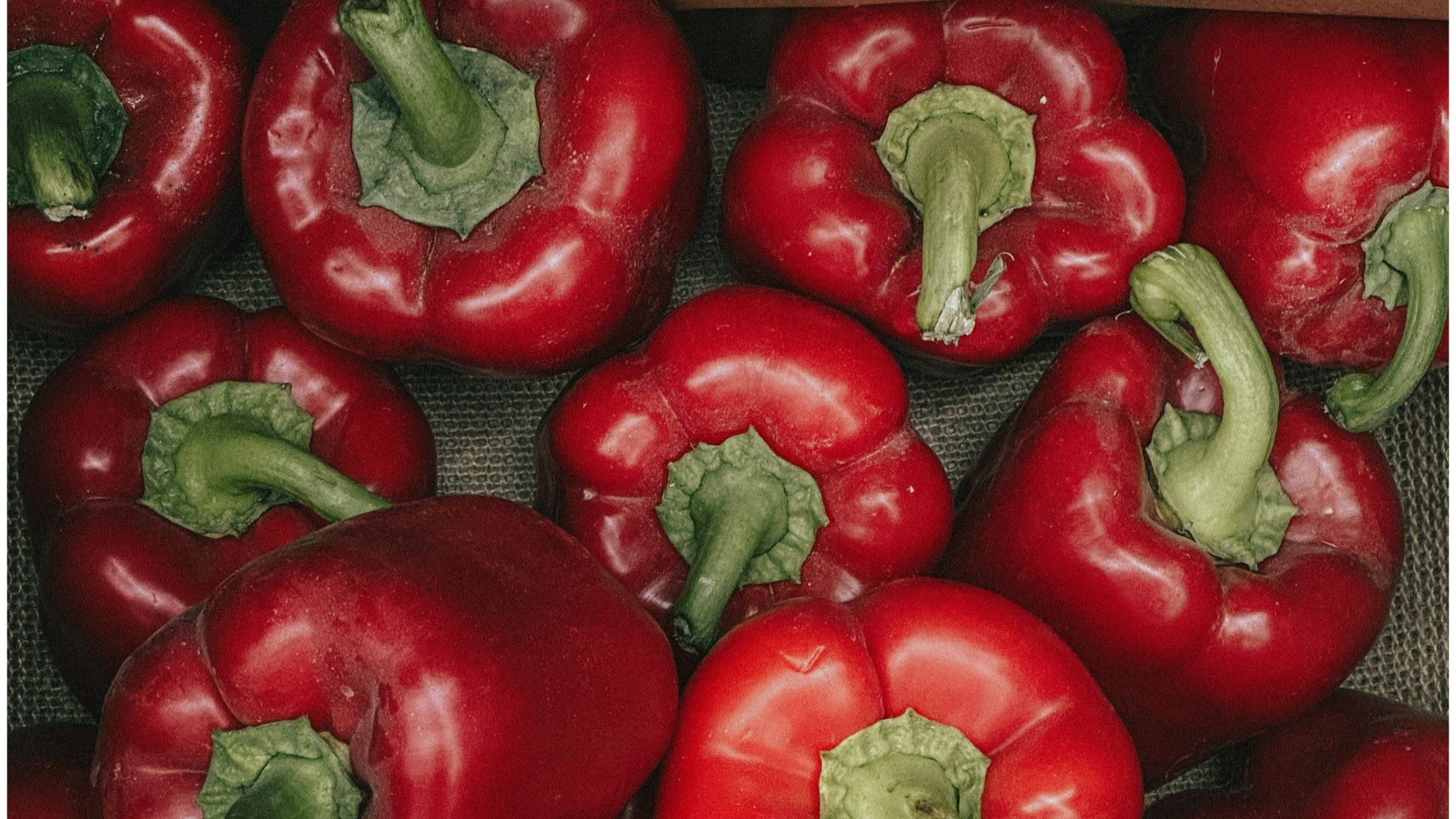
Red bell peppers bring plenty of crunch along with a standout amount of vitamin C, so think of it as a simple twofer. A medium raw red bell pepper can provide more vitamin C than many citrus fruits, and it also adds natural sweetness to salads, wraps, and grain bowls. (It doesn’t make a half-bad snack, either.)
3. Yellow Bell Peppers
Red peppers might not be your thing, and that’s okay—their yellow cousin is just as impressive because they’re also loaded with vitamin C. A large raw yellow pepper can pack a very high amount, making it a useful choice when you want a nutrient boost that doesn’t taste sharp or bitter.

4. Kiwi
Kiwi may be small, but it’s mighty, and it also doesn’t play around when it comes to vitamin C. One cup of sliced green kiwi offers a decent amount, and the fruit also brings fiber and a refreshing tart flavor. It’s the perfect partner in crime for yogurt bowls!

5. Strawberries
Strawberries are a familiar favorite that still manages to pull its weight nutritionally. One cup of sliced raw strawberries provides around a full day’s worth of vitamin C, depending on your needs. They’re easy to add to breakfast, too, so you’ll get a treat that starts the day right.

6. Oranges
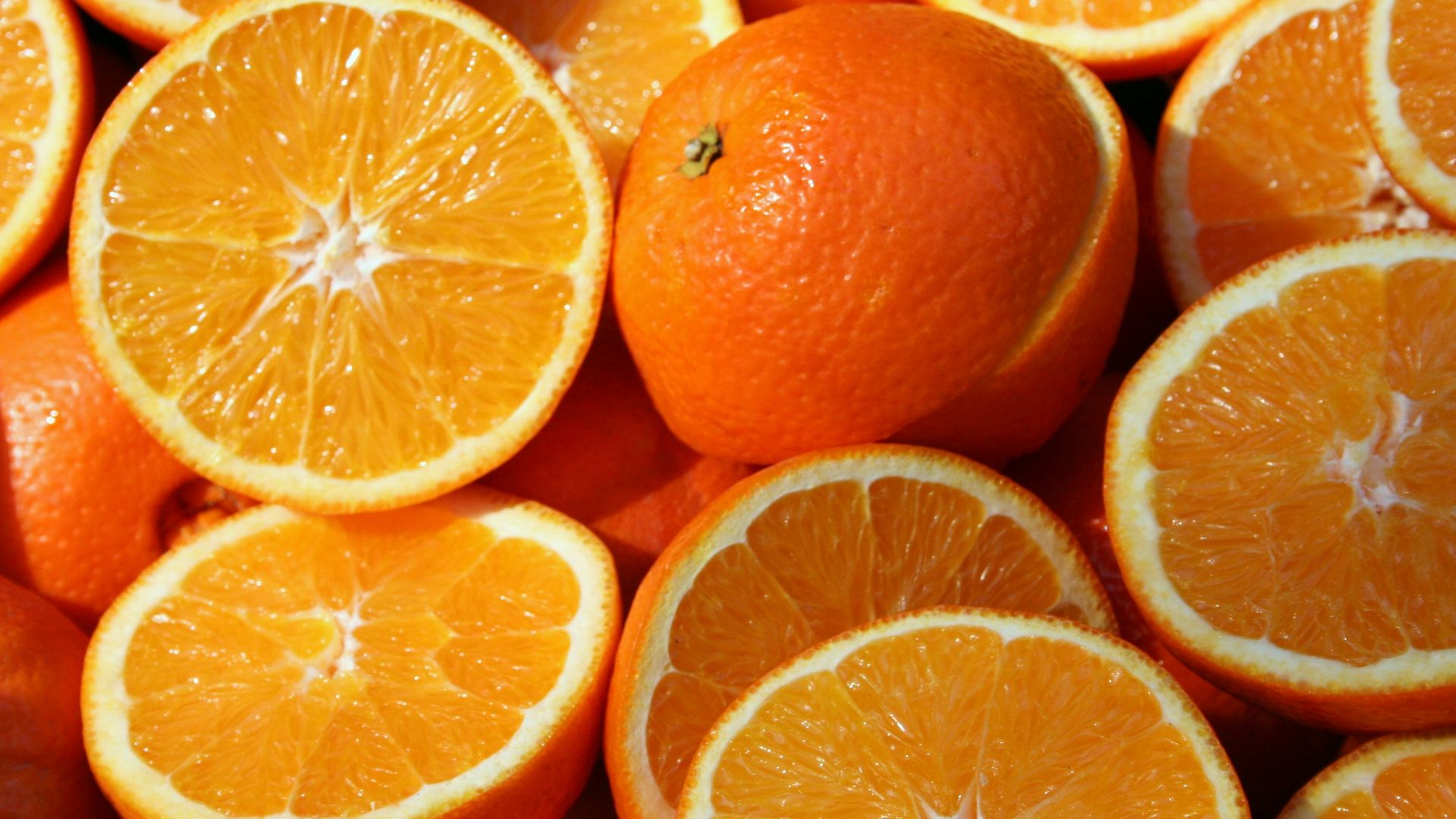
Well, if we’re going to talk about vitamin C, you know we’re talking about oranges! They earned their reputation for a reason, even if they aren’t the only star in the produce aisle. A cup of orange sections gives you a solid dose, along with juicy sweetness that works well at breakfast or as a quick snack. Just reach for the whole fruit when you can; it gives you fiber that juice doesn’t.
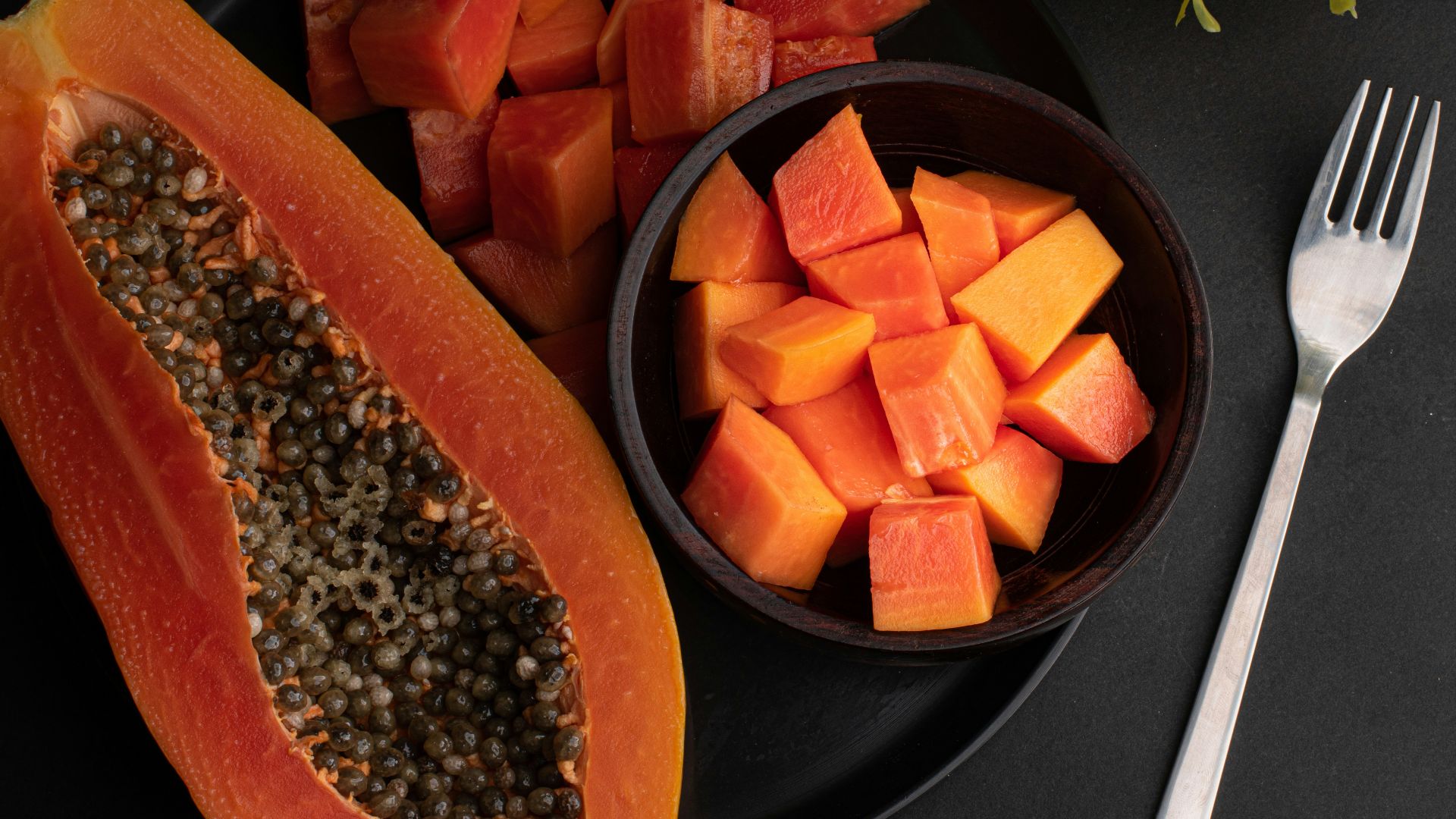
7. Papaya
Papaya is soft, sweet, and surprisingly strong in vitamin C. What else could you ask for? One cup of it comes close to the daily value, so don’t be afraid to get creative with it. Try it with a squeeze of lime, spoon it over Greek yogurt, or use it in a fruit bowl!
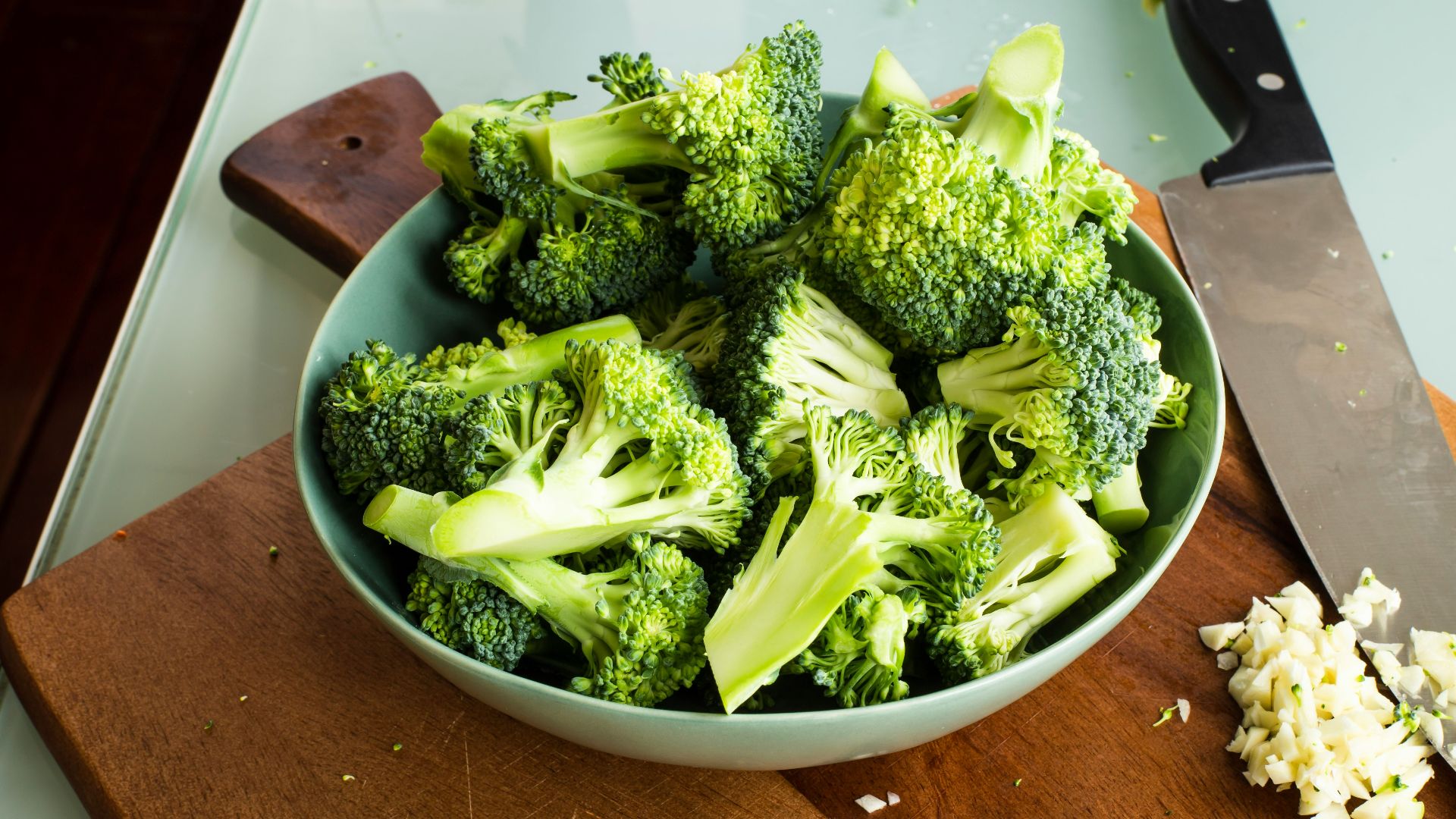
8. Broccoli
We’ve talked a lot about fruits, but plenty of veggies bring a lot to the table. Take broccoli—one cup of it cooked can provide more than the daily value, though gentler cooking methods help preserve more of the nutrient. It might not be your favorite, but once you season it or even add it to pasta, you’ll experience a whole new upgrade.
9. Brussels Sprouts
Brussels sprouts have taken a backseat in adulthood, especially after being forced on us in childhood. But it’s time to do away with any grudges; a cup of cooked Brussels sprouts offers a strong amount of vitamin C, plus fiber that helps make meals feel more satisfying.
 Sebastian Coman Photography on Unsplash
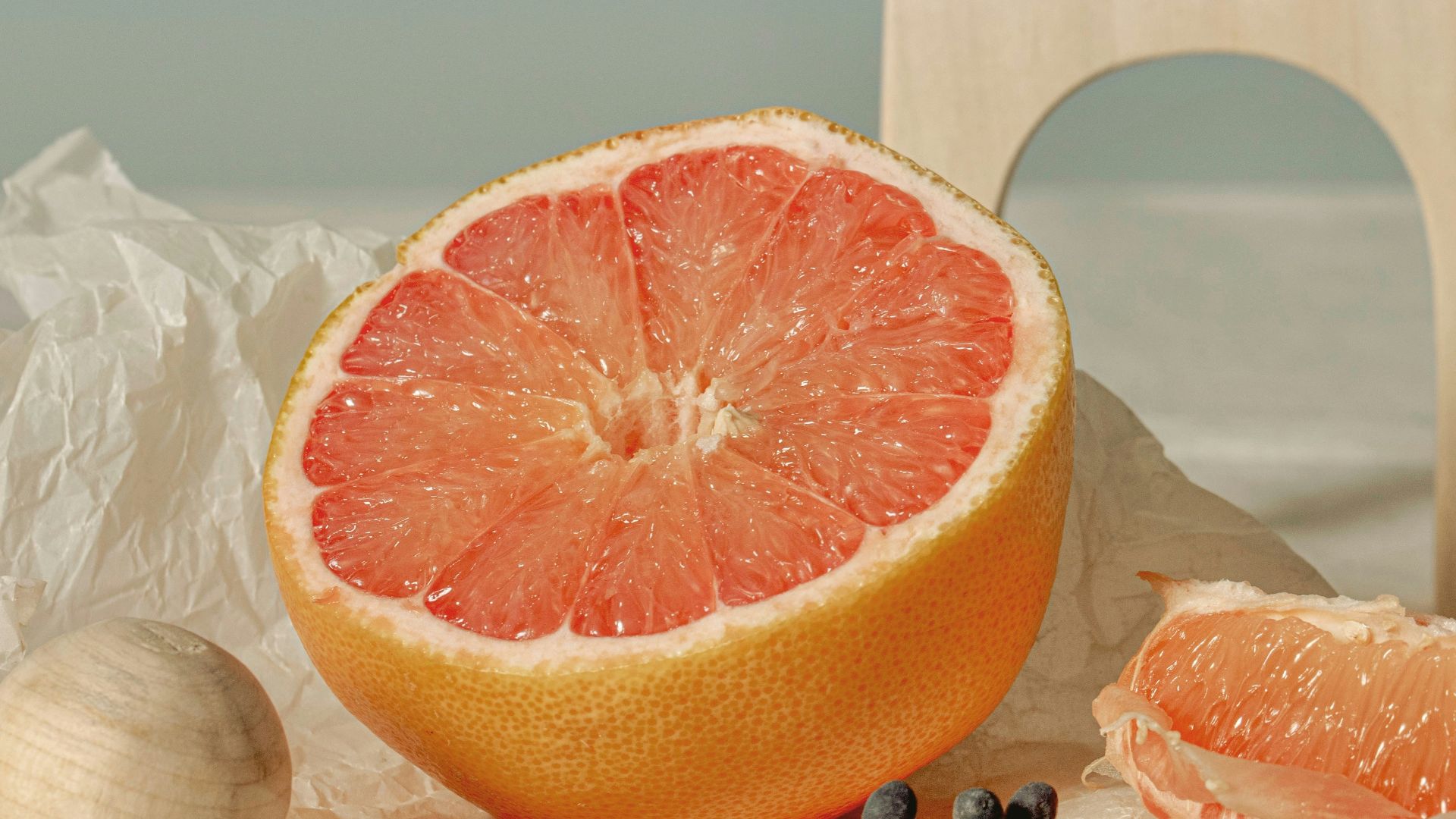
10. Grapefruit
What can’t grapefruit do? It not only gives you a bright citrus flavor, but it also comes with a dependable vitamin C boost. Pink and red grapefruit sections provide a meaningful amount in one cup, so you really can’t go wrong. Just check with your doctor if you take certain medications (grapefruit can interfere with some prescriptions)!
11. Pineapple
Pineapple is way more nutritionally useful than it gets credit for. A cup of fresh chunks can contribute a good amount of vitamin C, especially when you’re rotating different fruits through your diet. Plus, it doubles as a sweet or savory addition, so it lets you get creative in the kitchen.

12. Mango
Mango makes vitamin C feel like a treat, which makes sense when you remember just how mild and sweet it is. A cup of mango pieces can add a notable amount of vitamin C to your diet, along with a soft texture that goes down smooth.
 Desirae Hayes-Vitor on Unsplash
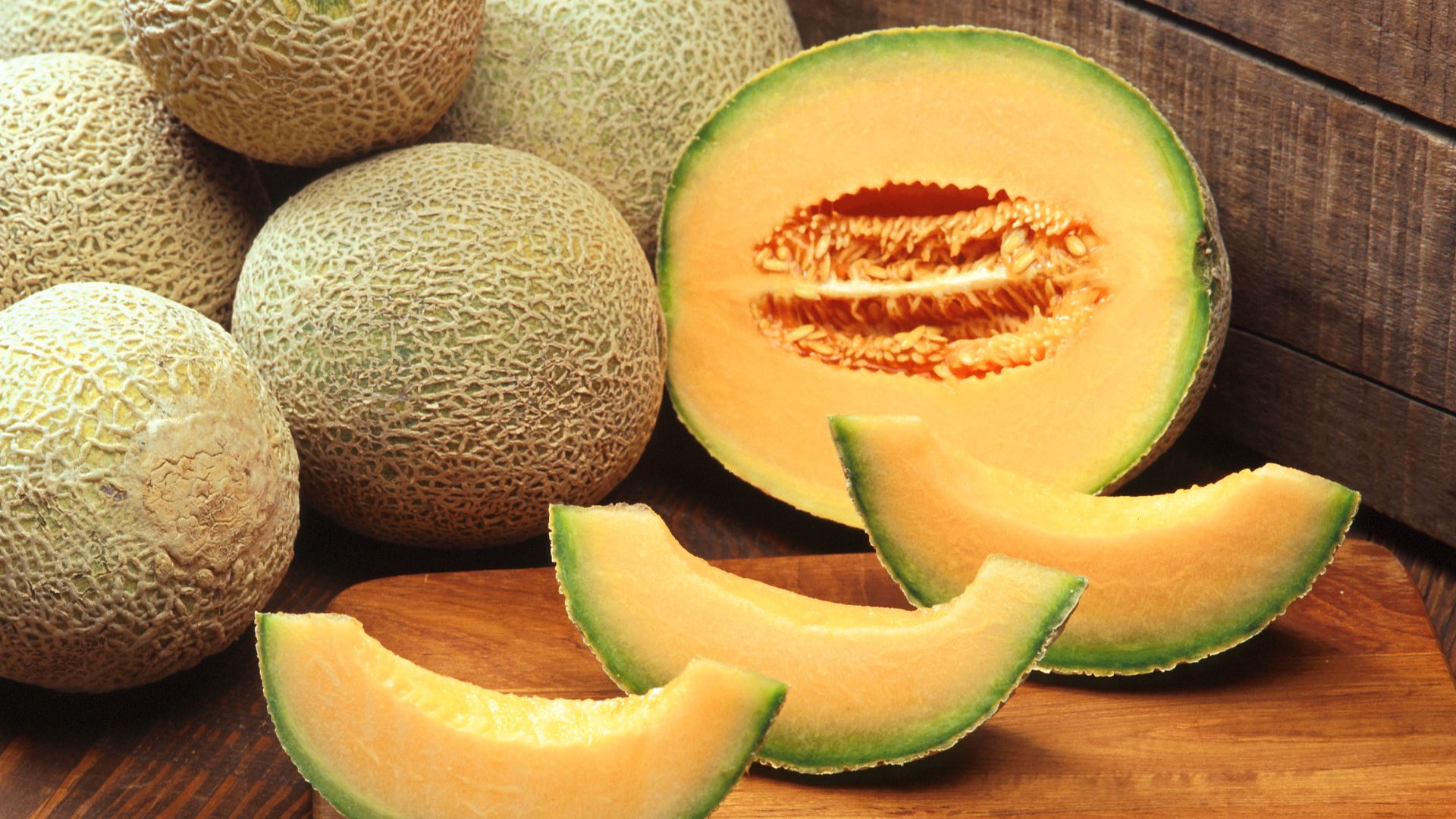
13. Cantaloupe
Cantaloupe is one of the most pleasant ways to bring more vitamin C into your day. It’s listed by the NIH as a good source of vitamin C, and it works especially well when you want fruit that isn’t too tart. While you might not score as much with cantaloupe as you would, say, an orange, it’s still a good addition to your meal plan!
 USDA photo by Scott Bauer. Image Number K7355-11. on Wikimedia
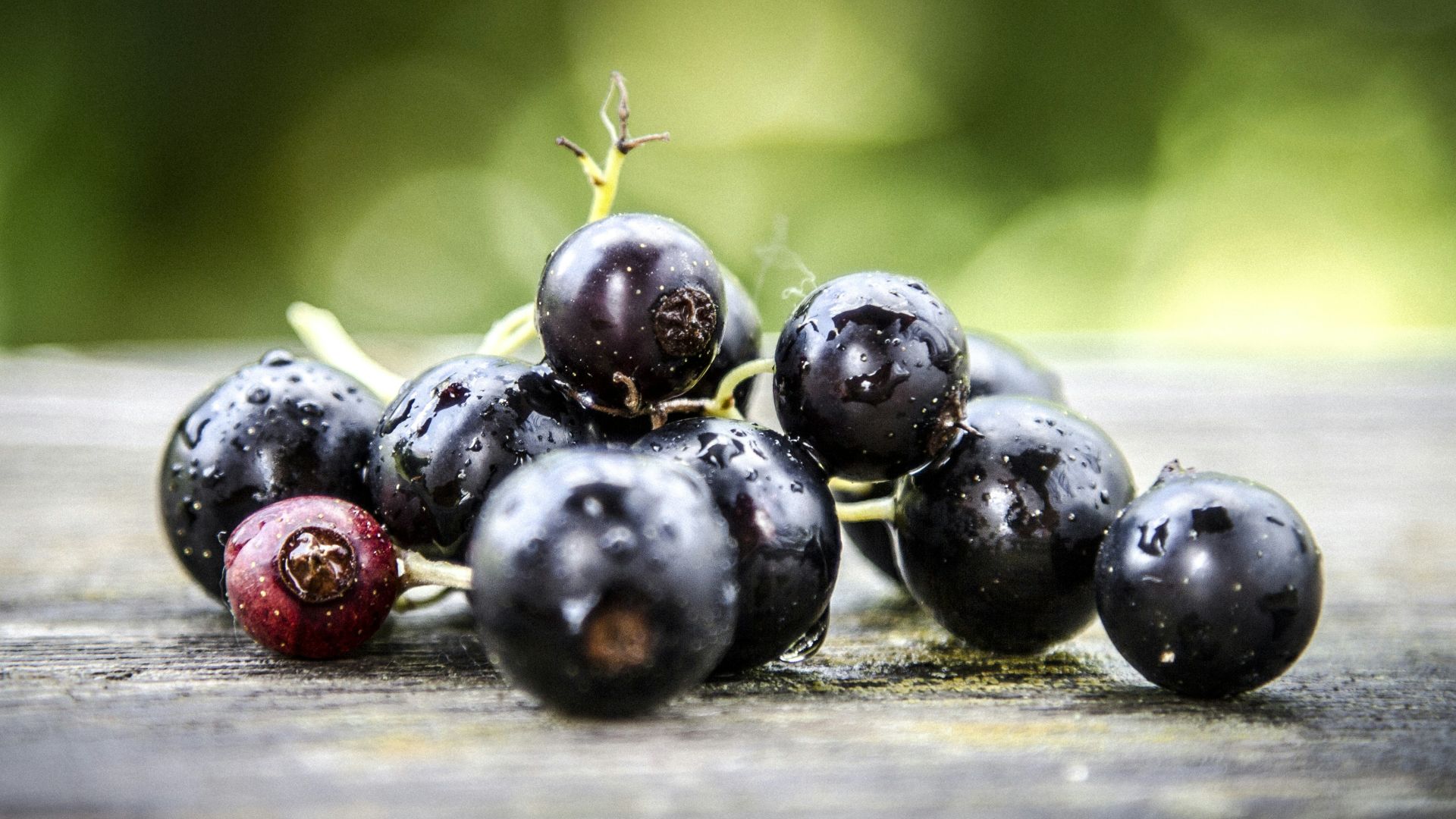
14. Black Currants
Black currants are tiny, but that’s no reason to count them out! They come with a surprisingly large vitamin C payoff, and one cup can provide well over the daily value. Since fresh ones aren’t everywhere, be sure to check the freezer section or use unsweetened varieties when you can find them.
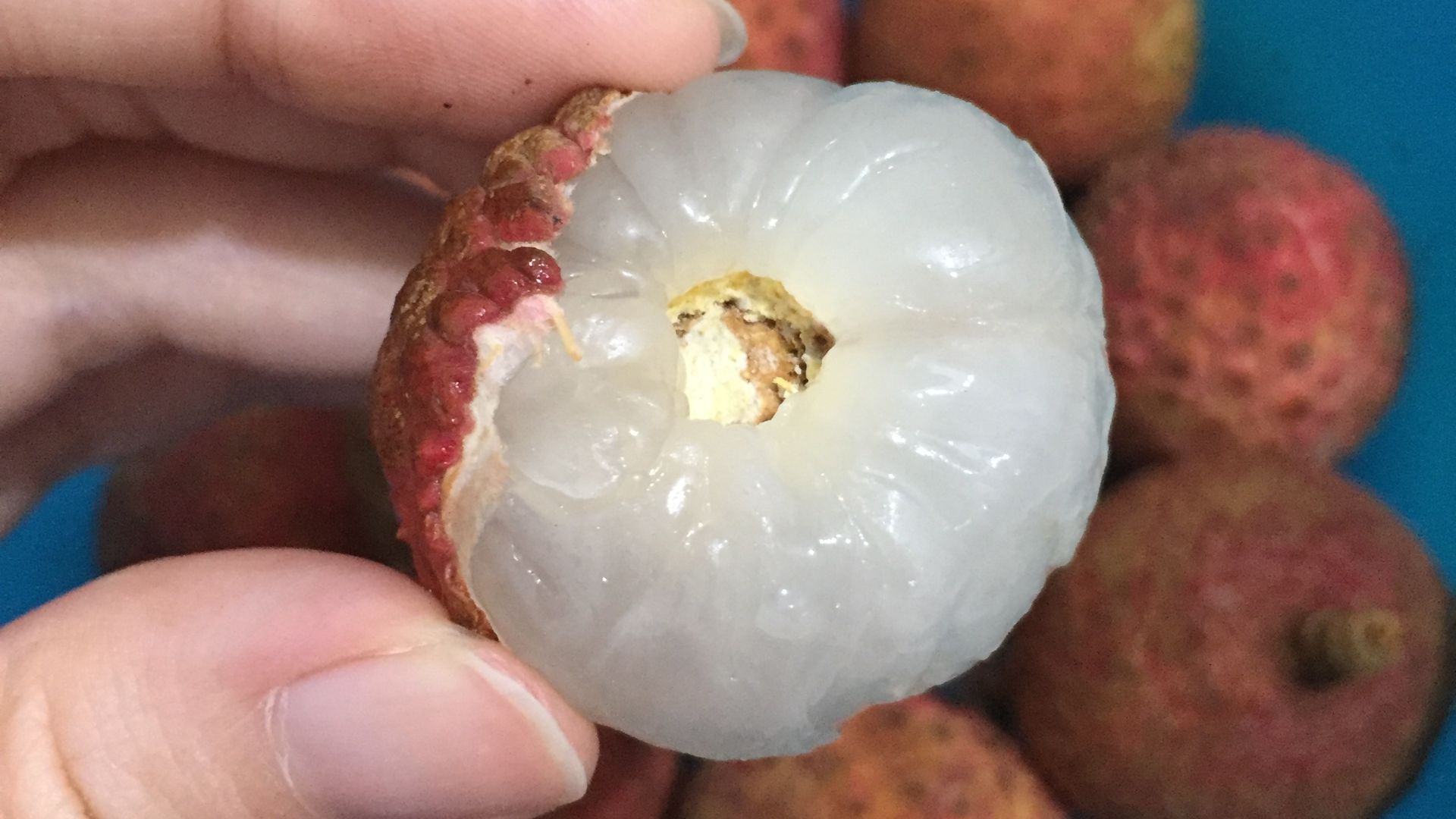
15. Lychee
Lychee offers two things in one little package: floral sweetness and strong vitamin C content. One cup can provide more than the daily value, making it a fun option when you want fruit that doesn’t taste like your everyday berry.
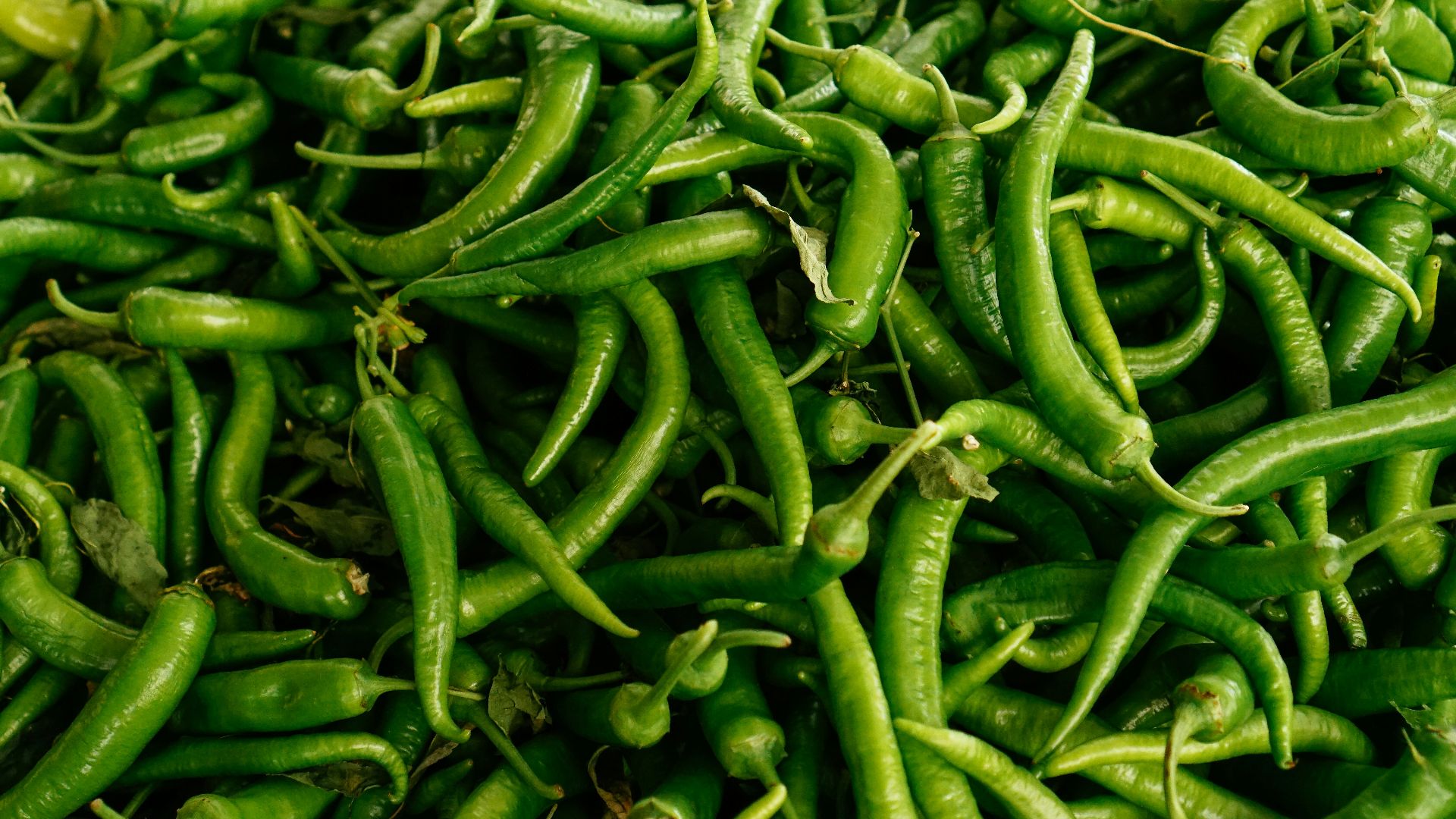
16. Hot Green Chili Peppers
Don’t worry, heat-lovers—we have something for you, too! All it takes is one raw pepper to bring a notable amount of vitamin C, though most people use them in smaller portions, given how spicy they are. However you use them, you’ll score flavor with a nice nutrient bonus.
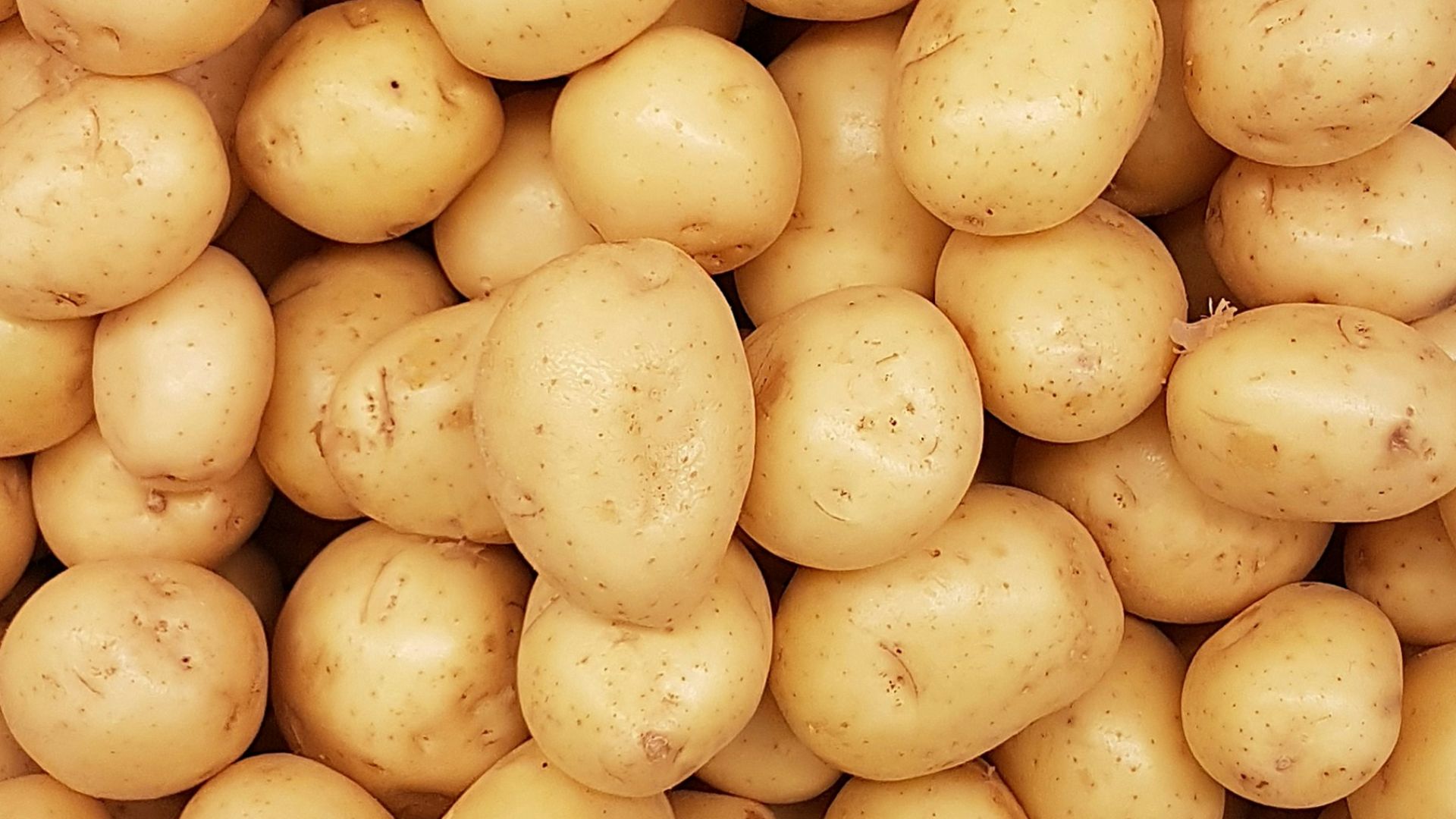
17. Potatoes
Potatoes might not sound like a vitamin C food at first, but don’t let them fool you. They’re affordable, filling, and pack enough vitamin C to make them worth the trip to the store. Plus, you can’t ask for a more versatile food.
18. Tomatoes
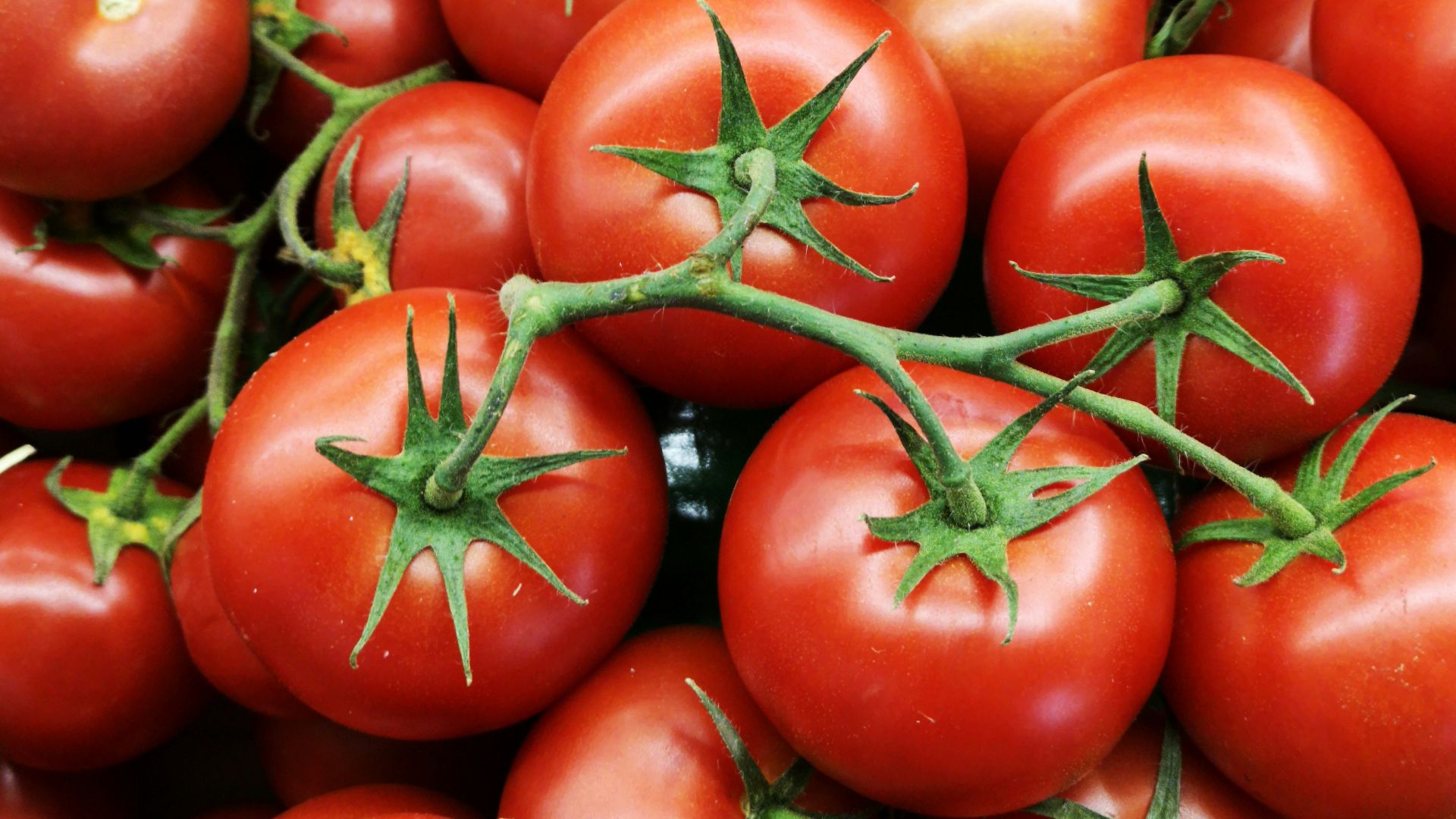
Fresh tomatoes, tomato sauce, and even simple salsas can help you add more of this nutrient to your diet! If you can brave the risk of canker sores, go for ripe tomatoes when they’re in season, and use canned tomatoes when fresh ones taste a little out of season.
19. Kale
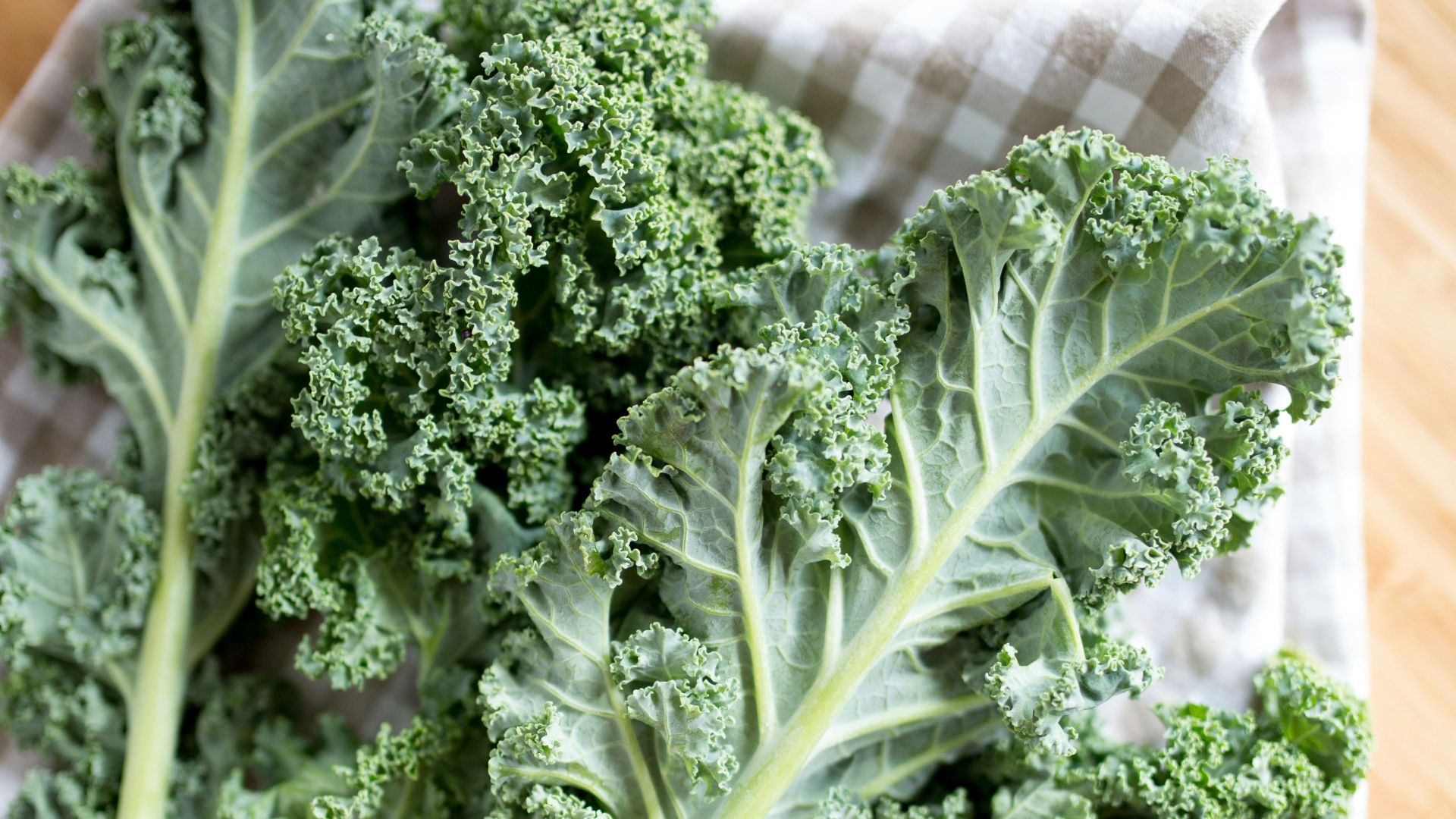
Kale is one of those leafy greens that actually earns the attention it gets, and you can count us among its fans. It contains vitamin C along with other nutrients, and is widely considered a super food! There’s no shame in chopping up this green over your typical iceberg lettuce.
20. Cauliflower
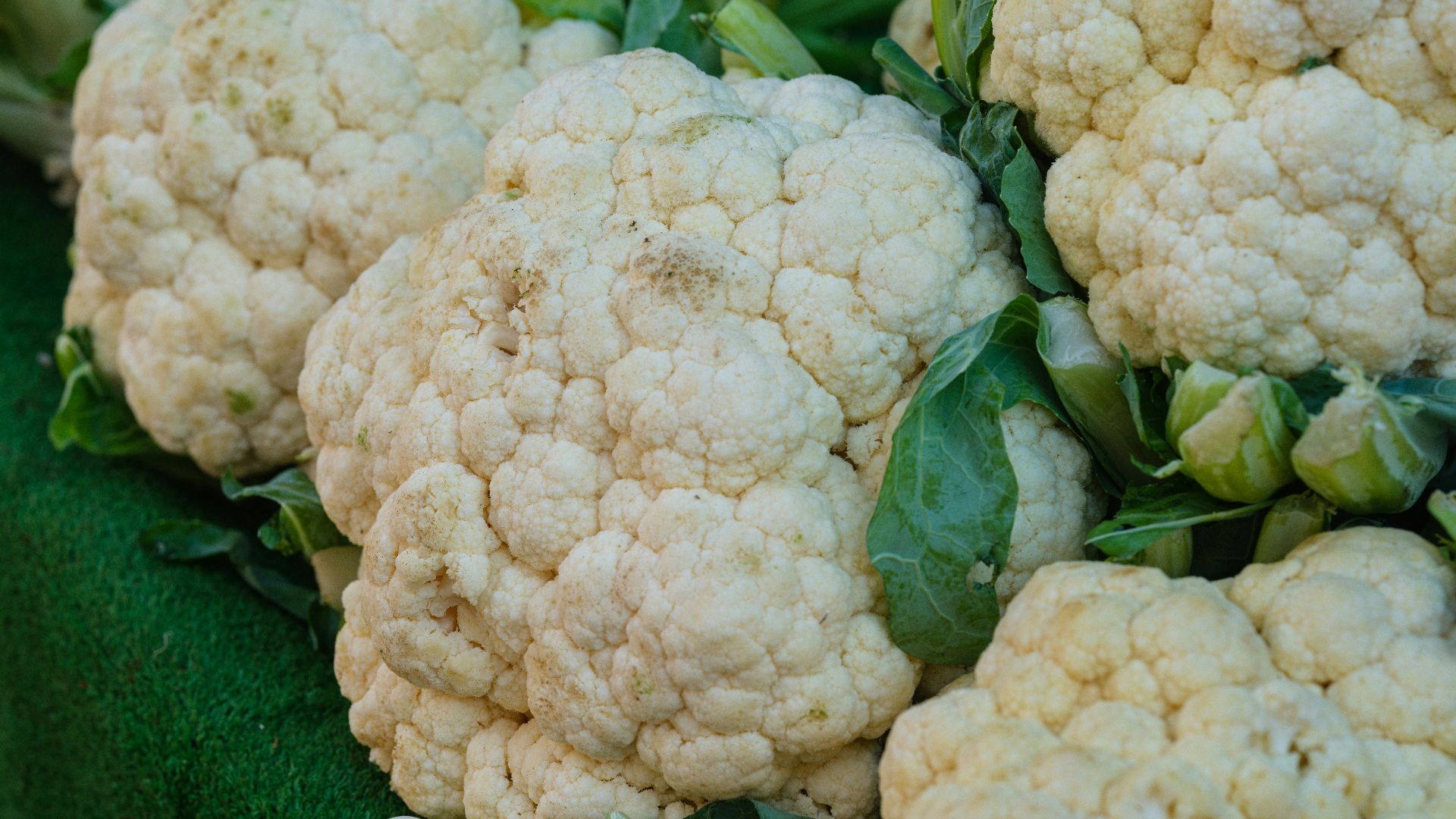
Cauliflower is mild enough to blend into plenty of meals, all while adding useful nutrition. Though it’s often dismissed for being bland, what it’s really missing is a little inspiration in the kitchen! Roast it, steam it, mash it—whatever you do, you’ll get a decent amount of vitamin C on your plate.