Foods That Help Skin Stay Healthy Over Time
Healthy skin after 50 depends on far more than expensive creams or complicated routines. Nutrition plays a major role because the skin naturally loses collagen, elasticity, and moisture with age, making certain vitamins, healthy fats, and antioxidants especially important. Foods that support hydration and reduce inflammation can also help skin appear smoother and more balanced over time. While no ingredient completely stops aging, many everyday foods genuinely support healthier-looking skin when they become part of a consistent diet. Here are 20 foods that keep your skin radiant after 50.
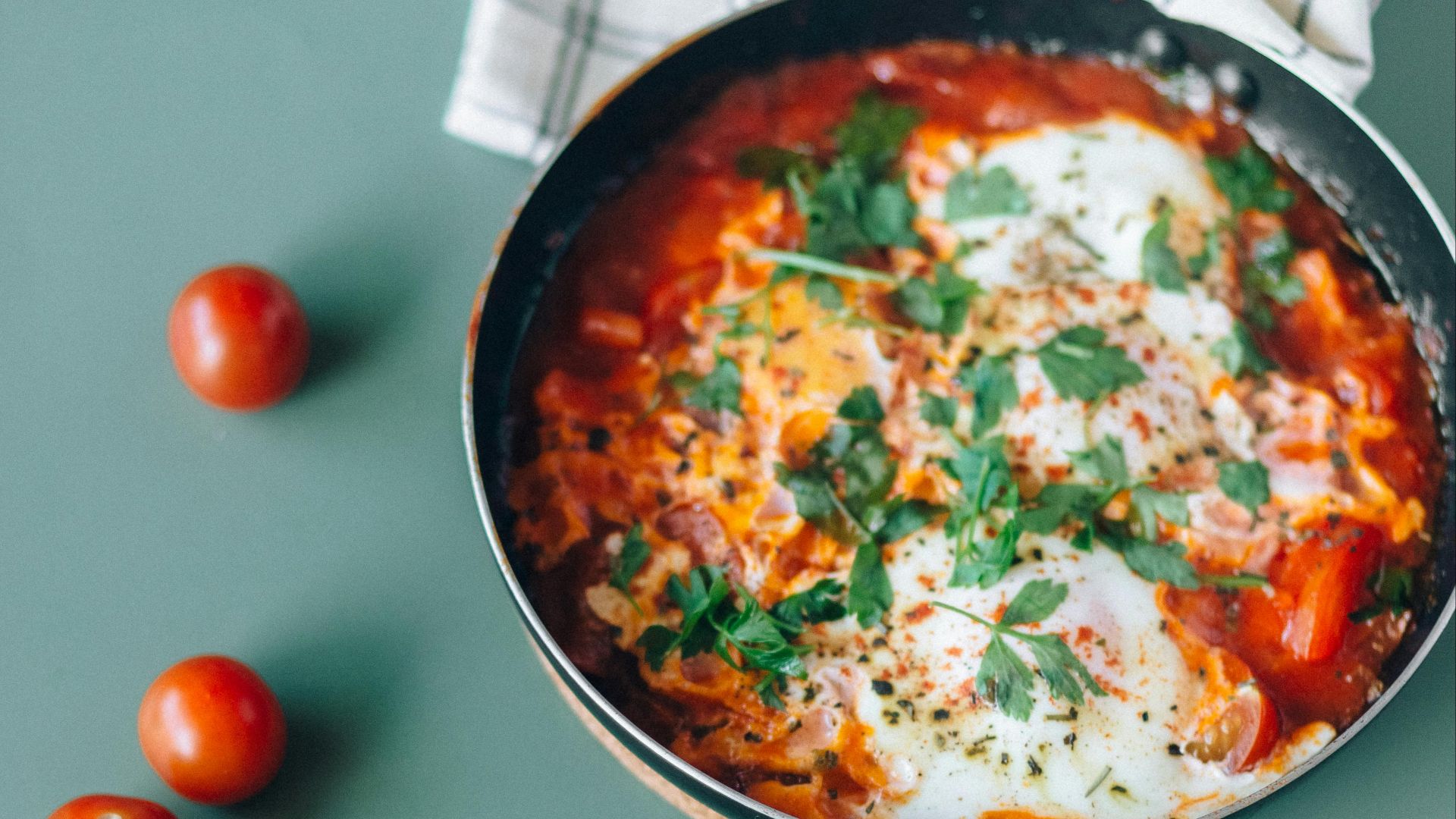
1. Salmon
Salmon contains omega-3 fatty acids that help support skin hydration and reduce dryness. The fish also provides protein and antioxidants that contribute to healthier skin structure. Regular consumption may help skin appear smoother and less irritated over time.
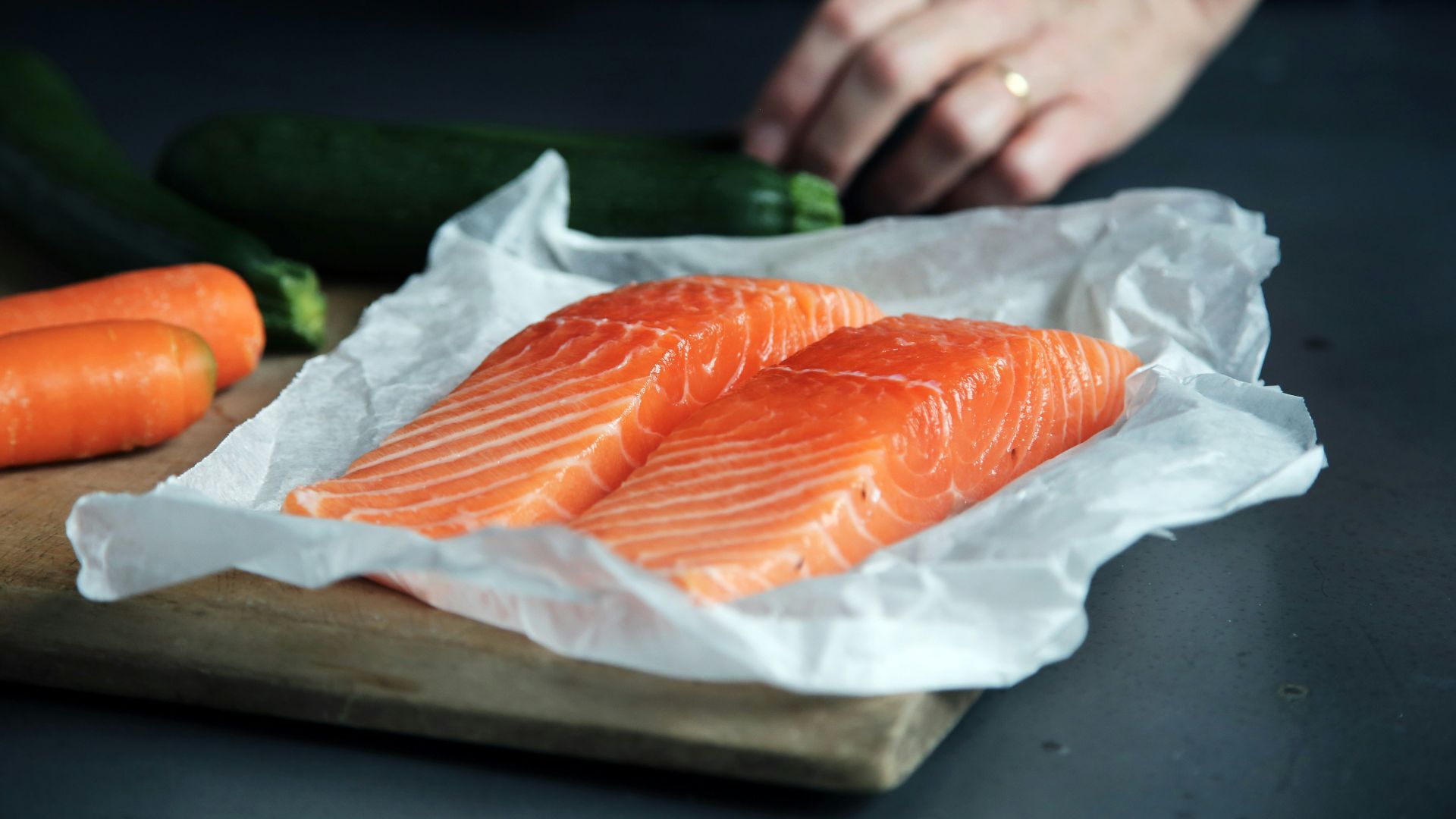
2. Avocados
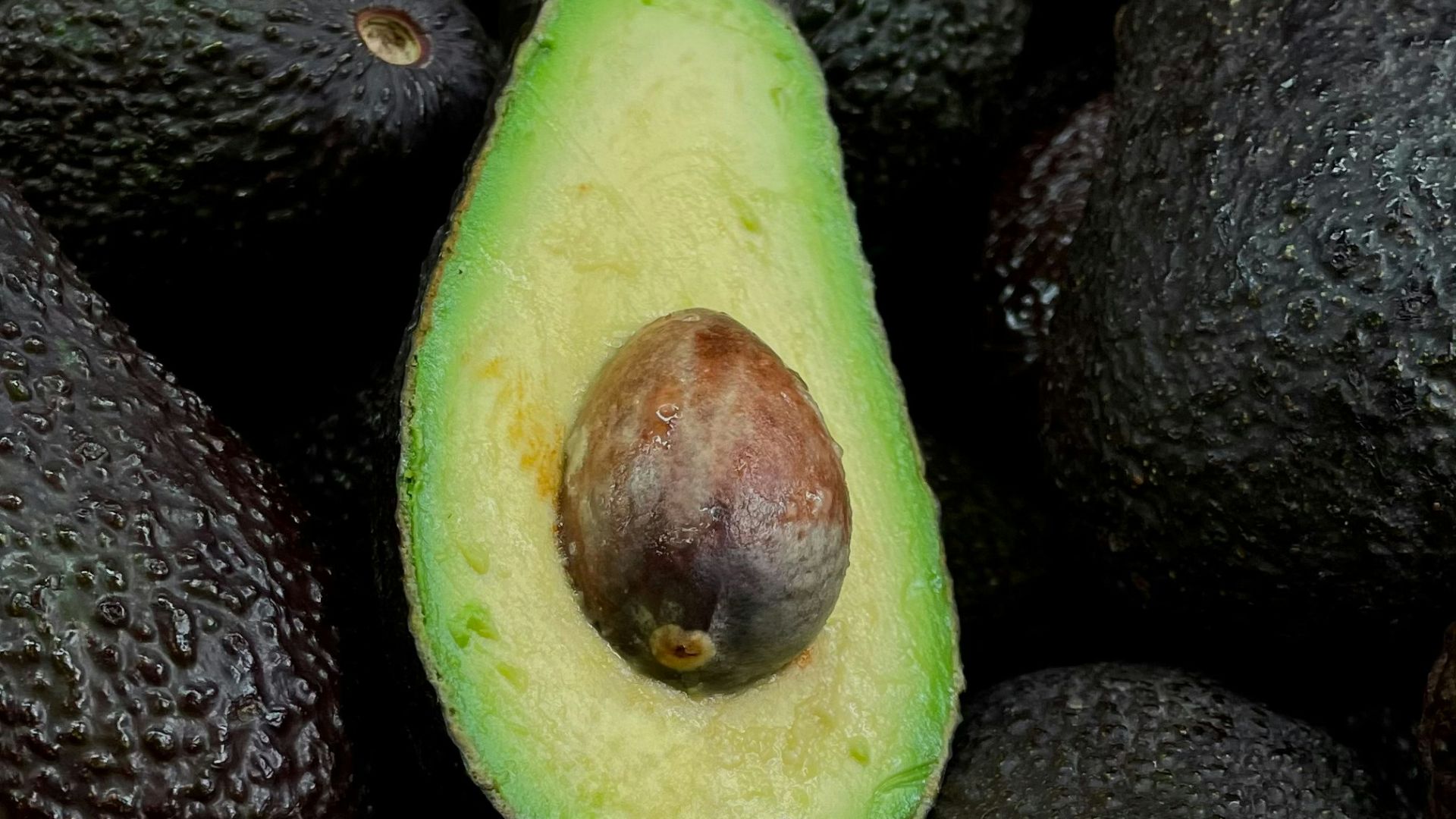
Avocados are rich in healthy fats that help maintain skin softness and elasticity. They also contain vitamin E, which supports protection against oxidative stress. Their natural oils can help skin look less dull and dehydrated.
3. Blueberries
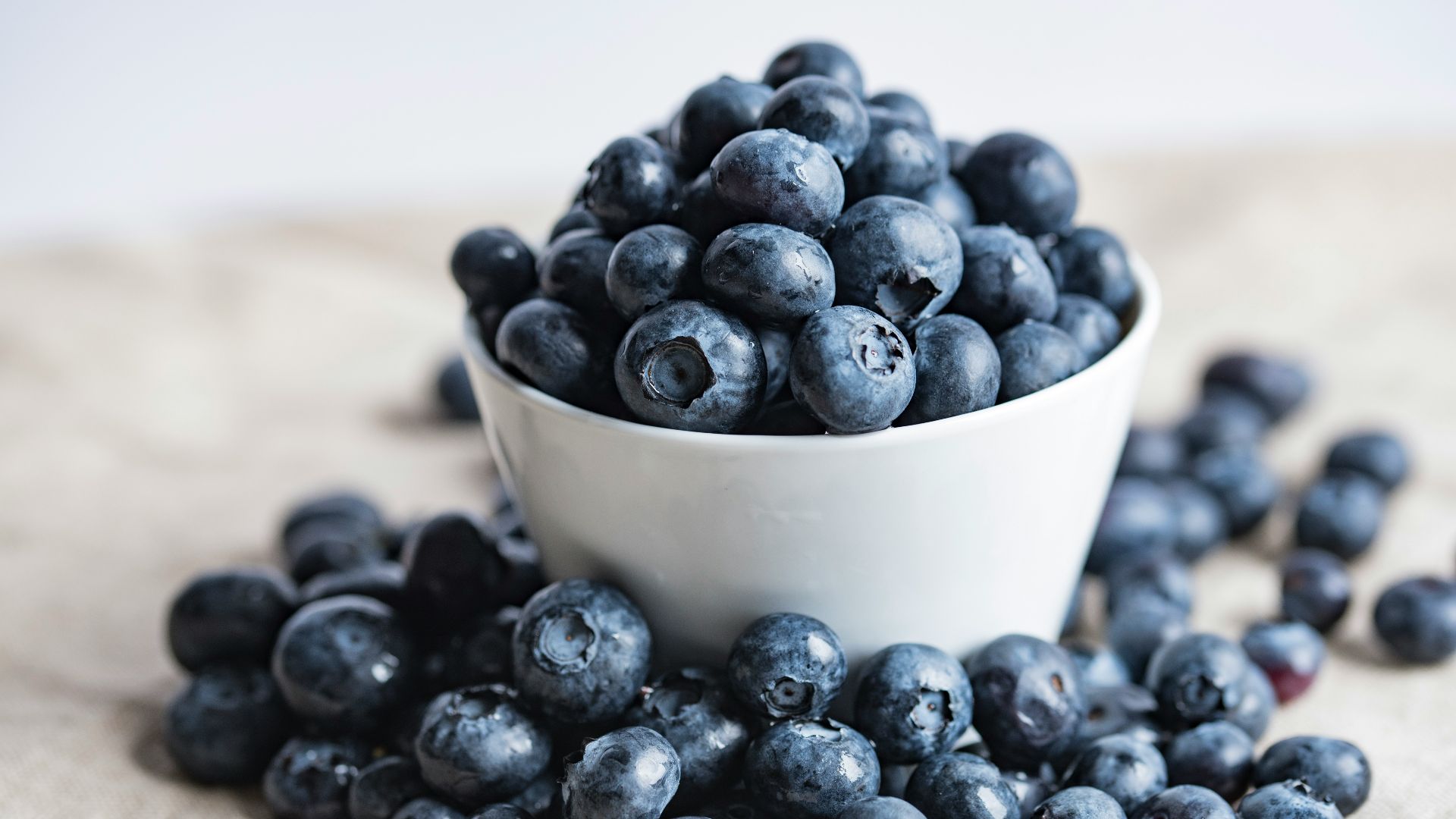
Blueberries provide antioxidants that help protect skin cells from environmental damage. Vitamin C in blueberries also supports collagen production, which naturally declines with age. Adding them regularly to meals may help maintain a brighter complexion.
4. Walnuts
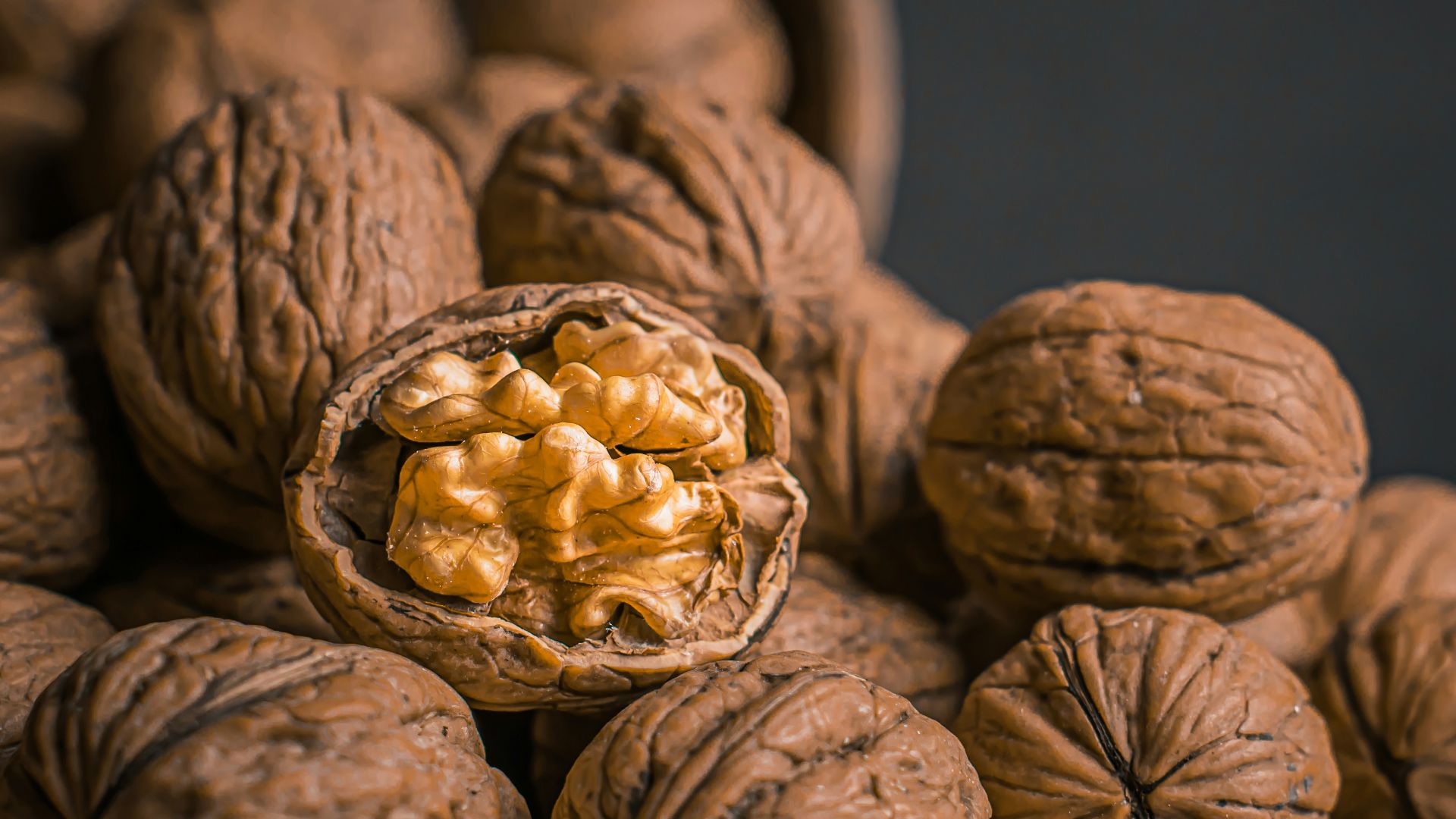
Walnuts contain omega-3 fats, zinc, and vitamin E, all of which support skin health. These nutrients help maintain the skin barrier and reduce excessive dryness. Compared to many other nuts, walnuts contain especially beneficial fatty acid profiles.
5. Sweet Potatoes
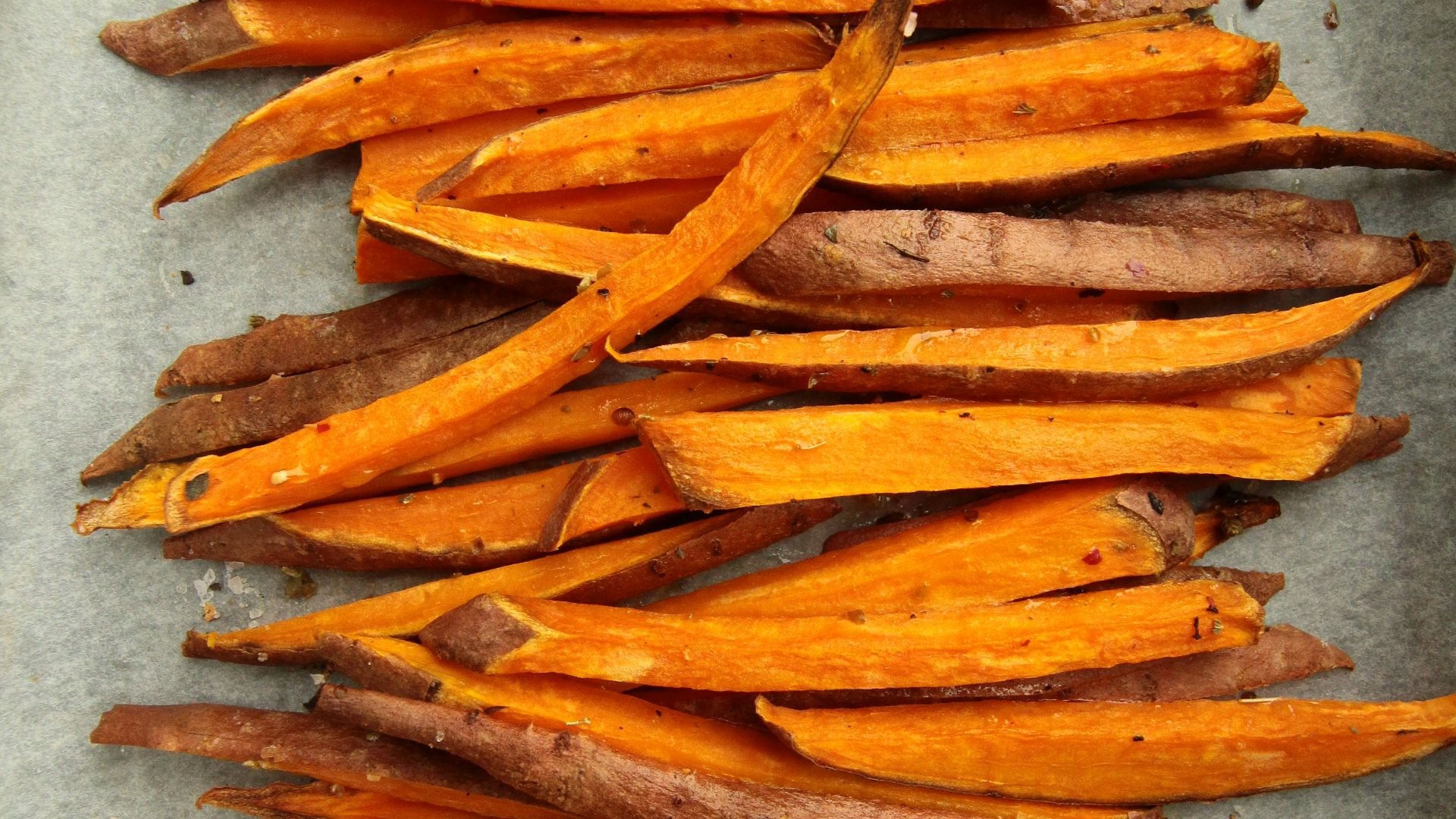
Sweet potatoes are packed with beta-carotene, which the body converts into vitamin A. This nutrient supports healthy skin turnover and may help improve skin texture. Their antioxidants also help protect against environmental stress.
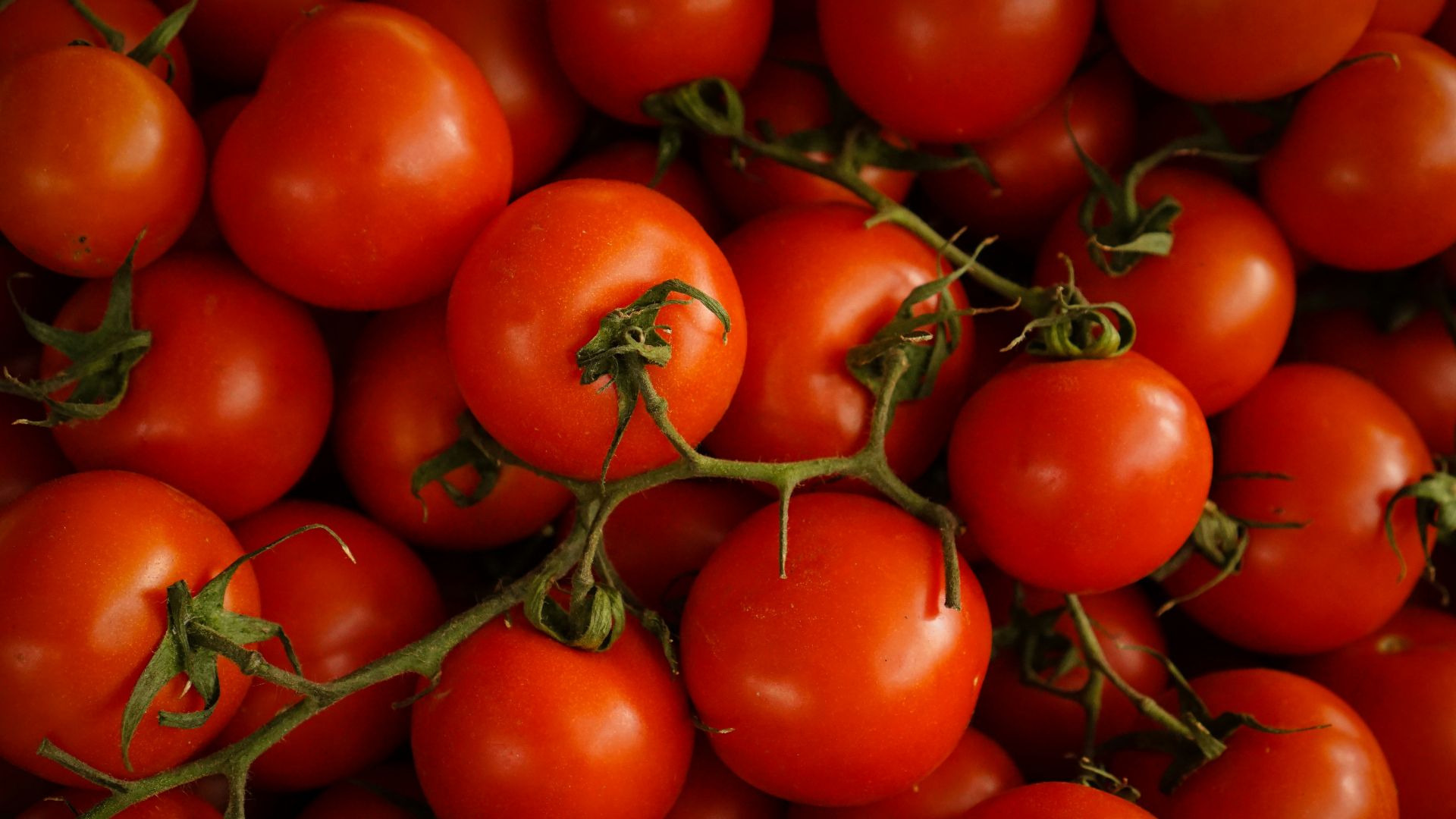
6. Tomatoes
Tomatoes contain lycopene, an antioxidant linked to skin protection against sun-related damage. Cooking tomatoes can actually increase lycopene availability in the body. They also contribute hydration because of their high water content.
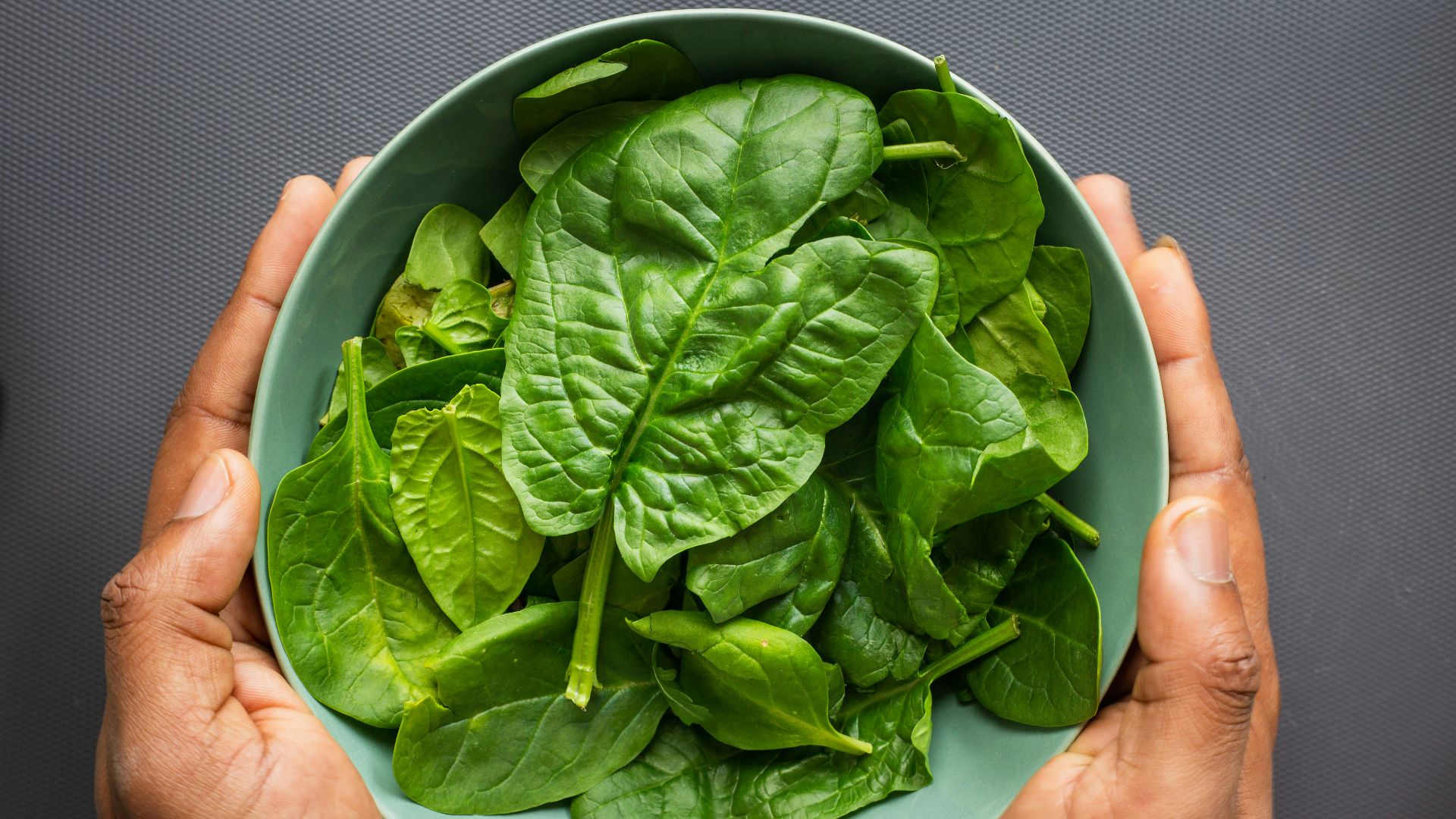
7. Spinach
Spinach provides vitamins A, C, and K, along with iron and antioxidants that support overall skin function. The leafy greens also contain water that contributes to hydration. Regular intake may help skin appear healthier and more refreshed.
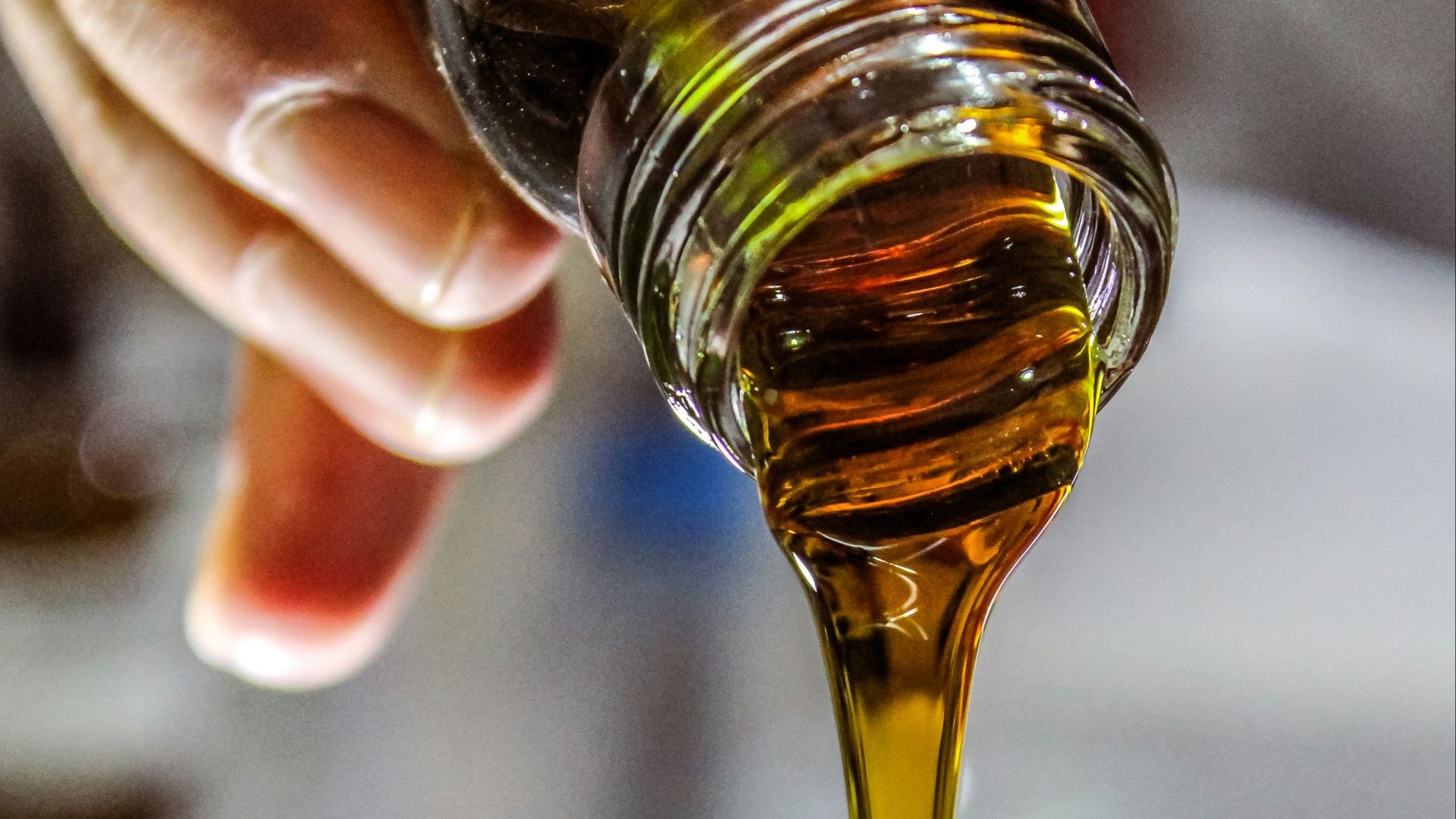
8. Olive Oil
Extra virgin olive oil contains healthy fats and antioxidants that support skin elasticity. Many Mediterranean diets associated with healthy aging include olive oil regularly. Small amounts used consistently may help combat dryness.
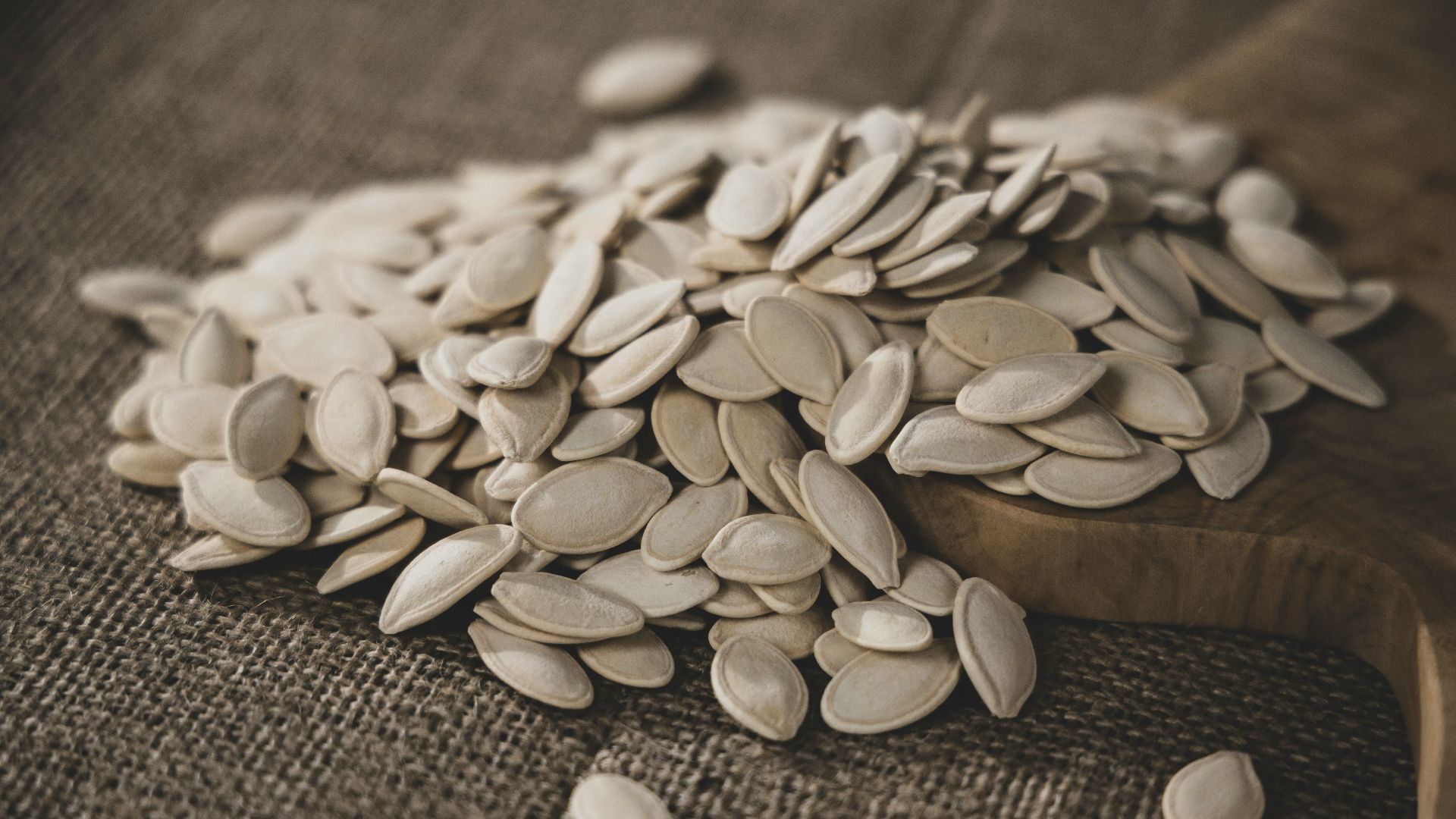
9. Pumpkin Seeds
Pumpkin seeds provide zinc, which supports skin repair and maintenance. They also contain vitamin E and healthy fats that contribute to smoother skin texture. Their nutrient profile makes them an easy addition to salads or snacks.
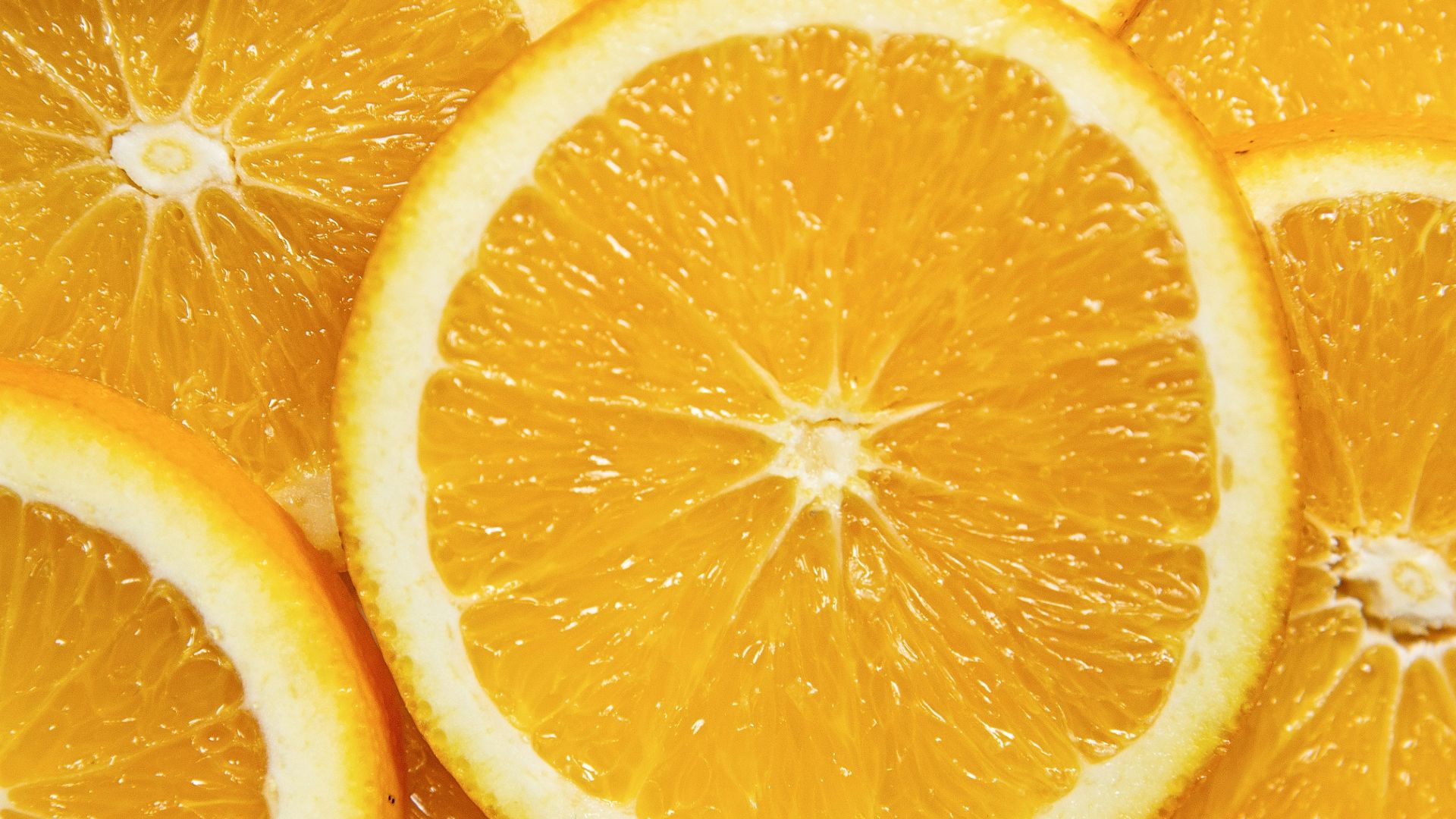
10. Oranges
Oranges are rich in vitamin C, which plays a major role in collagen production. The fruit’s water content also supports hydration from within. Citrus fruits may help skin maintain a firmer appearance over time.
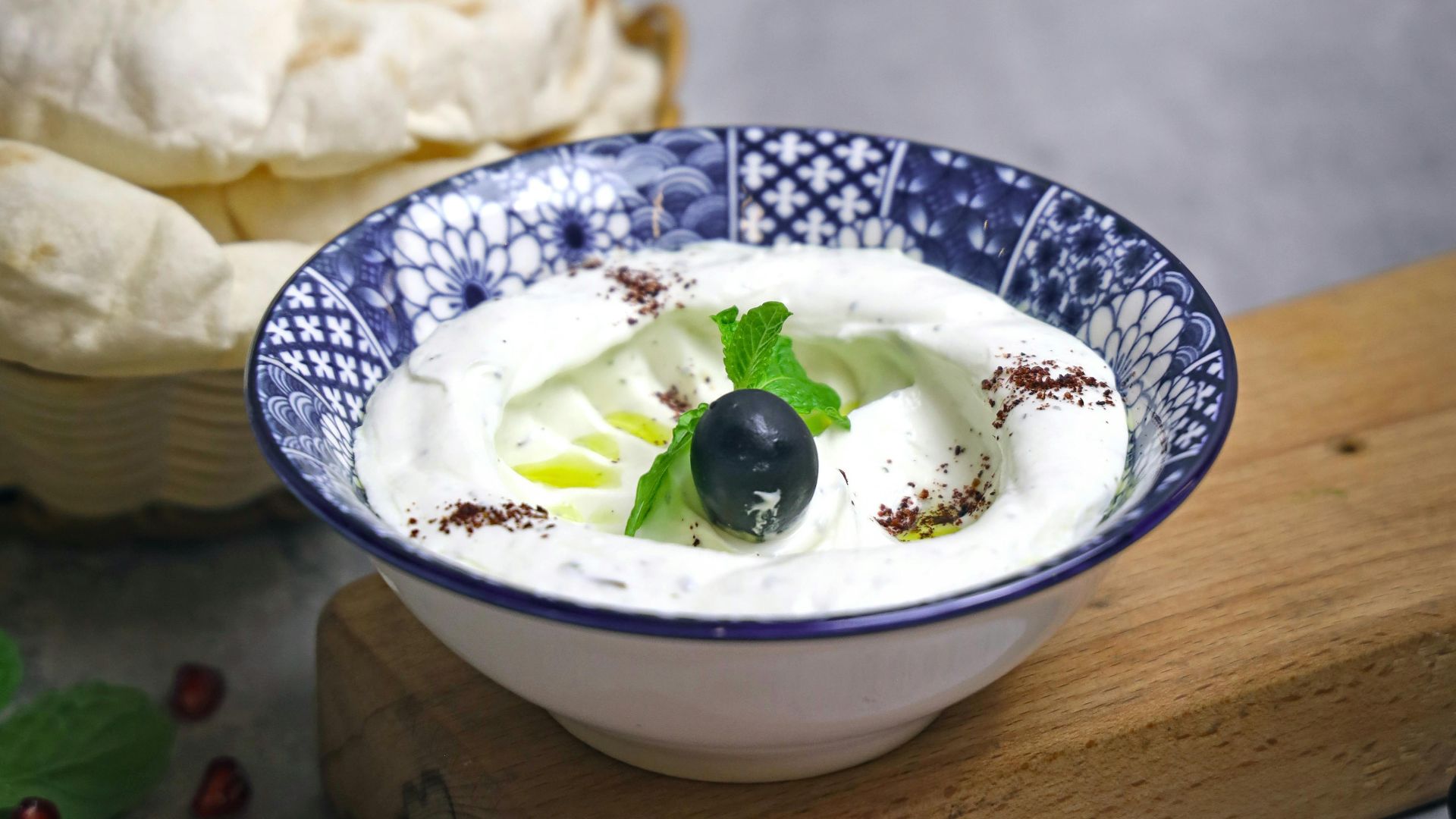
11. Greek Yogurt
Greek yogurt contains protein that supports tissue repair and skin structure. Some varieties also include probiotics that may help balance inflammation in the body. The creamy texture makes it easy to pair with antioxidant-rich fruits.
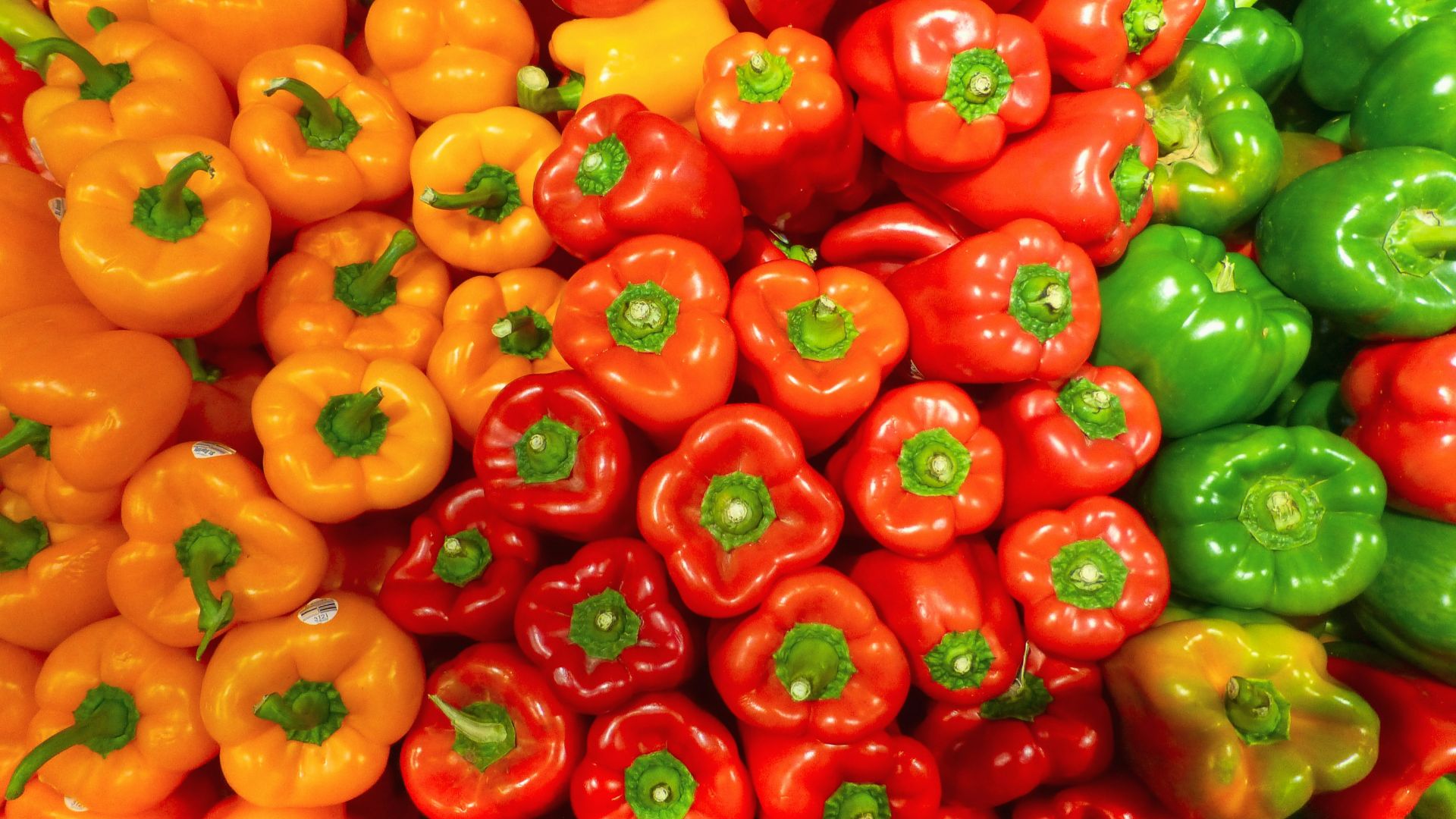
12. Bell Peppers
Red and yellow bell peppers provide large amounts of vitamin C and carotenoids. These nutrients support collagen formation and help protect skin cells from damage. Raw peppers often retain the highest vitamin content.
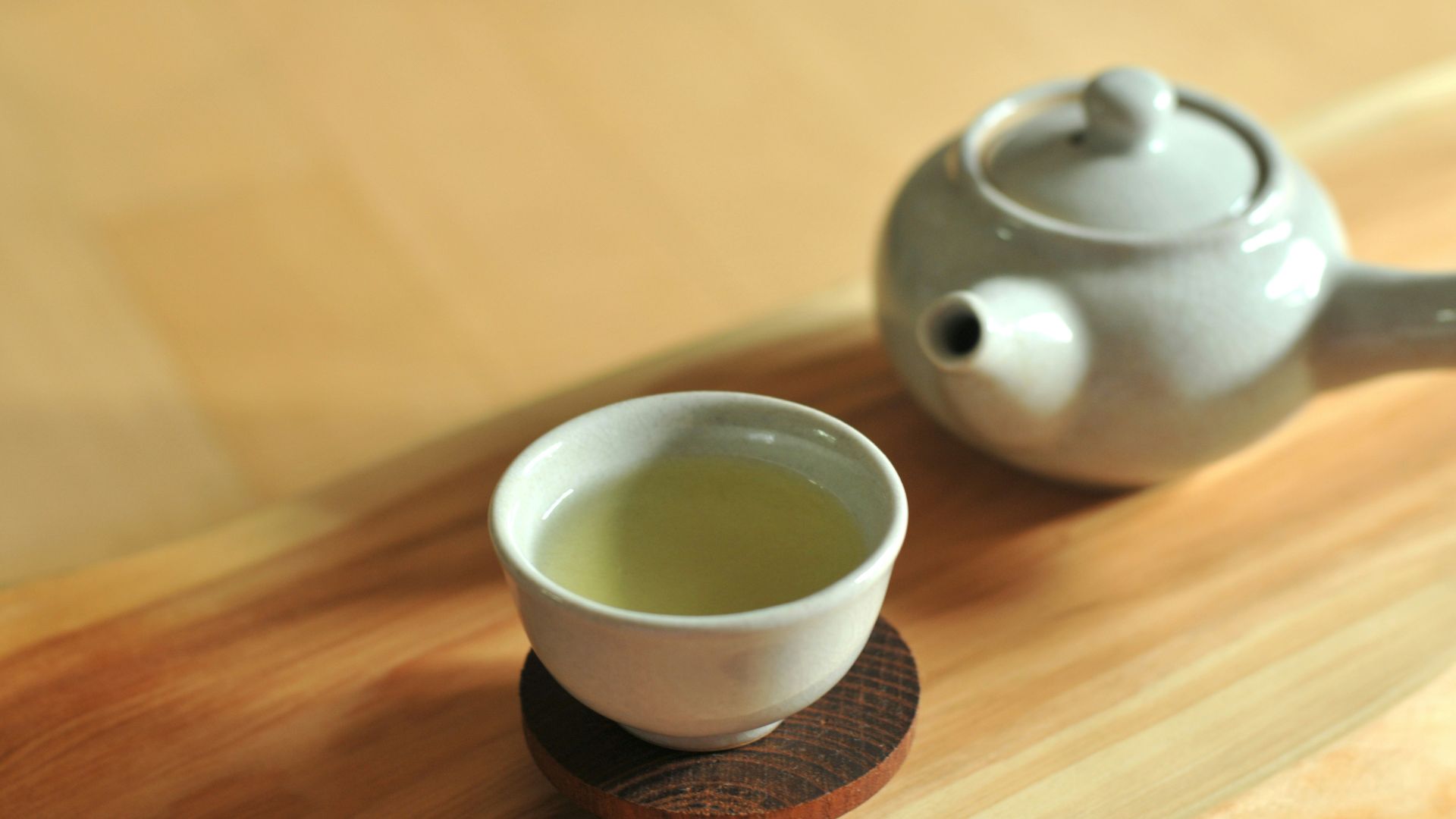
13. Green Tea
Green tea contains polyphenols that may help reduce inflammation and oxidative stress. Many studies have linked its antioxidants to healthier skin aging. Drinking it regularly may also support hydration when consumed without excessive sugar.
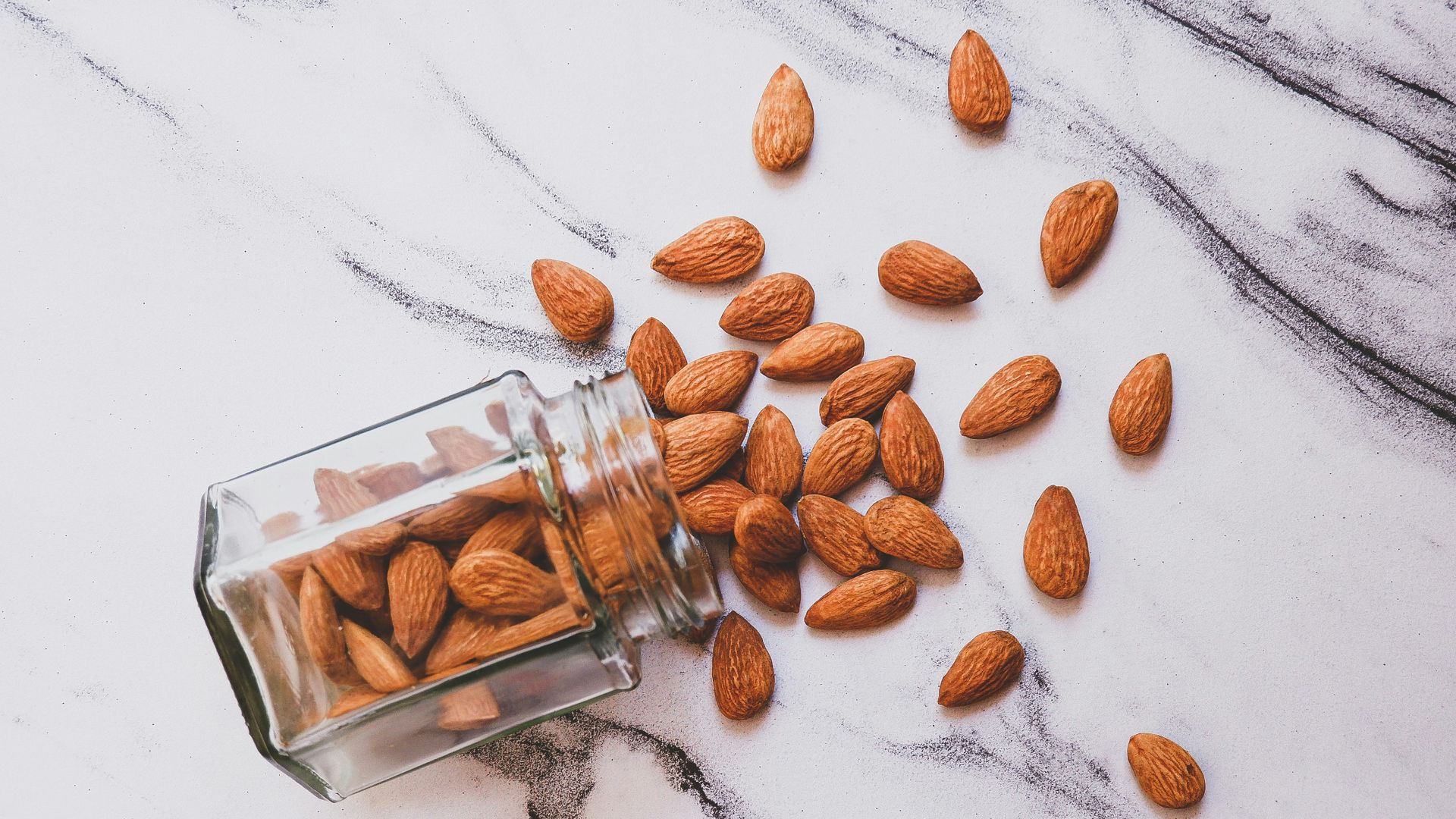
14. Almonds
Almonds are high in vitamin E, which supports skin protection and moisture retention. Healthy fats in almonds may also help improve skin softness. A small serving can provide a significant amount of daily vitamin E needs.
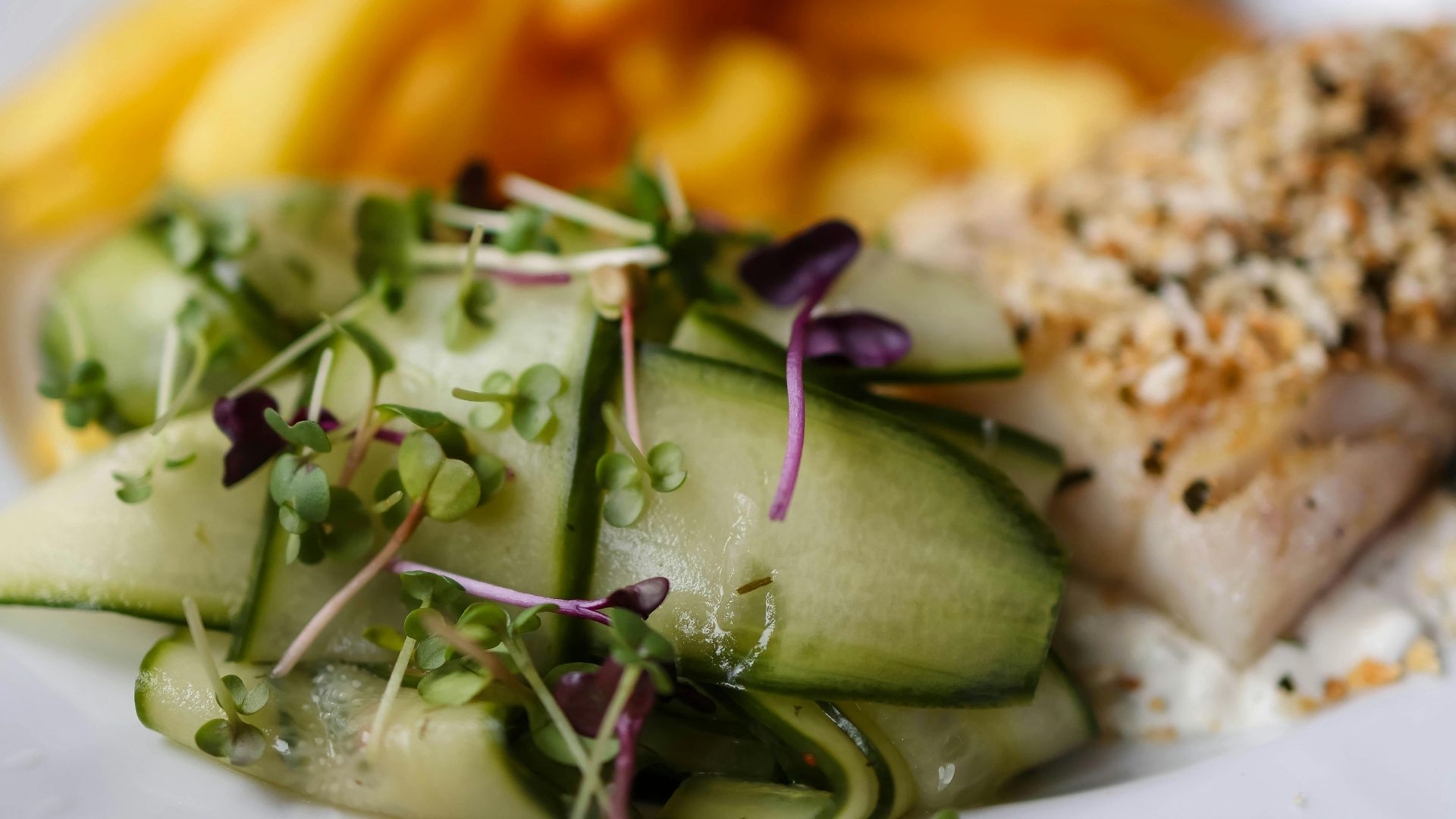
15. Cucumbers
Cucumbers contain a high percentage of water, making them useful for hydration support. They also provide small amounts of vitamin K and antioxidants. Their refreshing texture makes them easy to include in meals regularly.
16. Eggs
Eggs provide protein, biotin, and nutrients important for maintaining healthy skin structure. The amino acids in eggs support collagen and tissue repair. They’re also versatile enough to fit into many balanced diets.

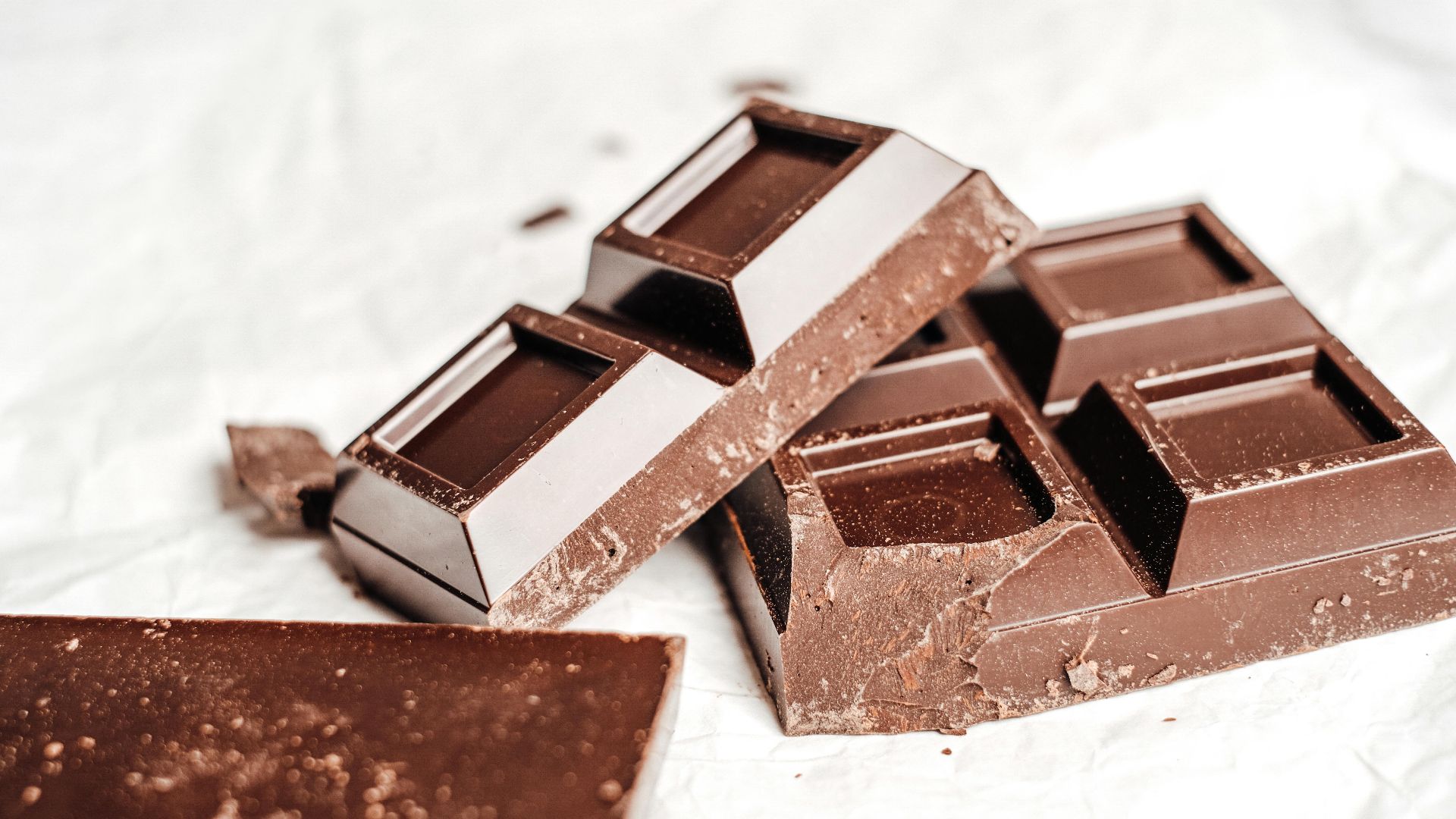
17. Dark Chocolate
Dark chocolate with high cocoa content contains antioxidants called flavanols that may support skin circulation. Moderate amounts may help skin maintain a smoother texture and moisture balance. Lower-sugar varieties generally provide the greatest benefits.
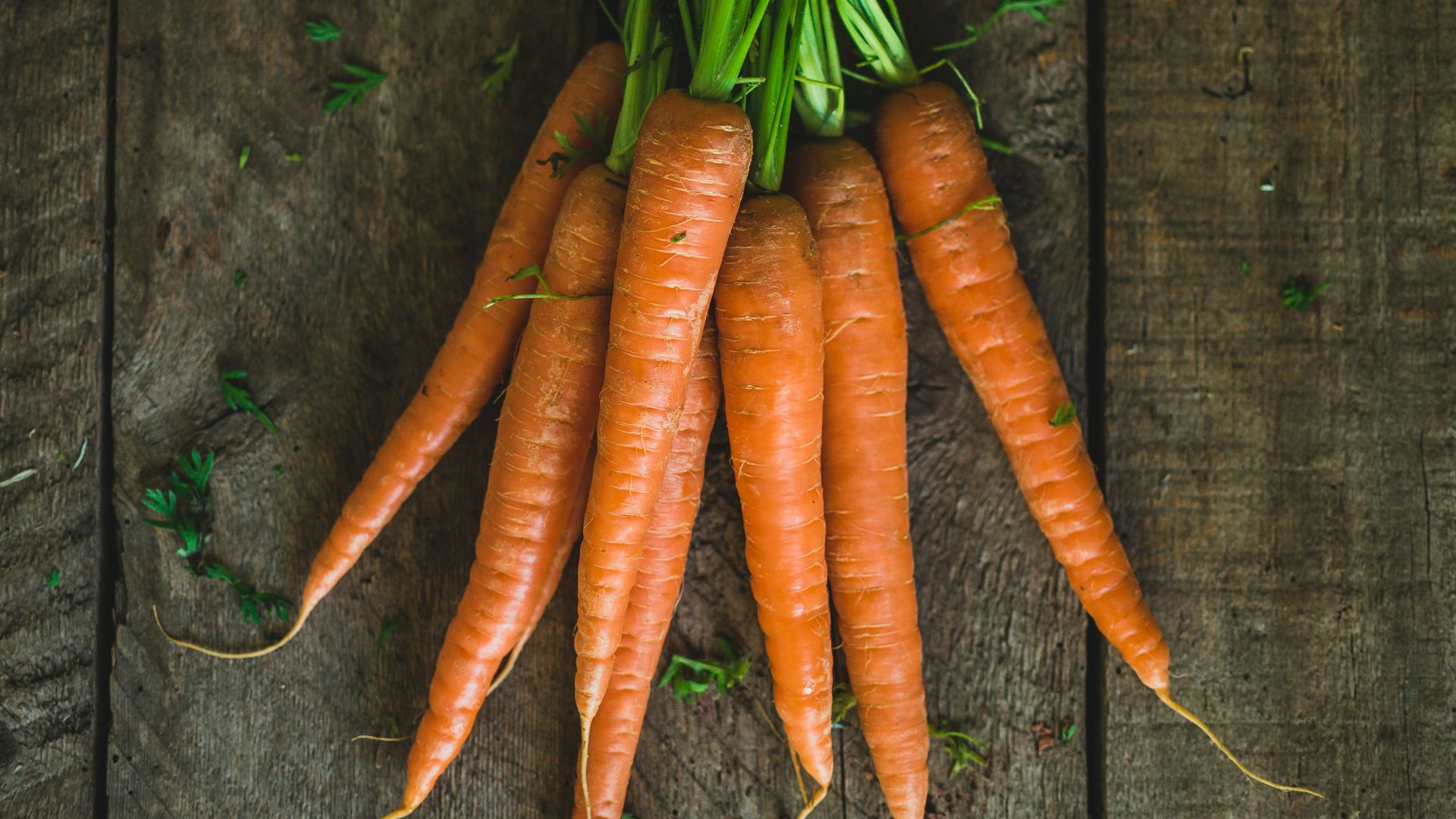
18. Carrots
Carrots are another excellent source of beta-carotene, which supports healthy skin renewal. Their antioxidants may help protect against environmental stressors. Raw and cooked carrots both provide useful nutrients for skin health.
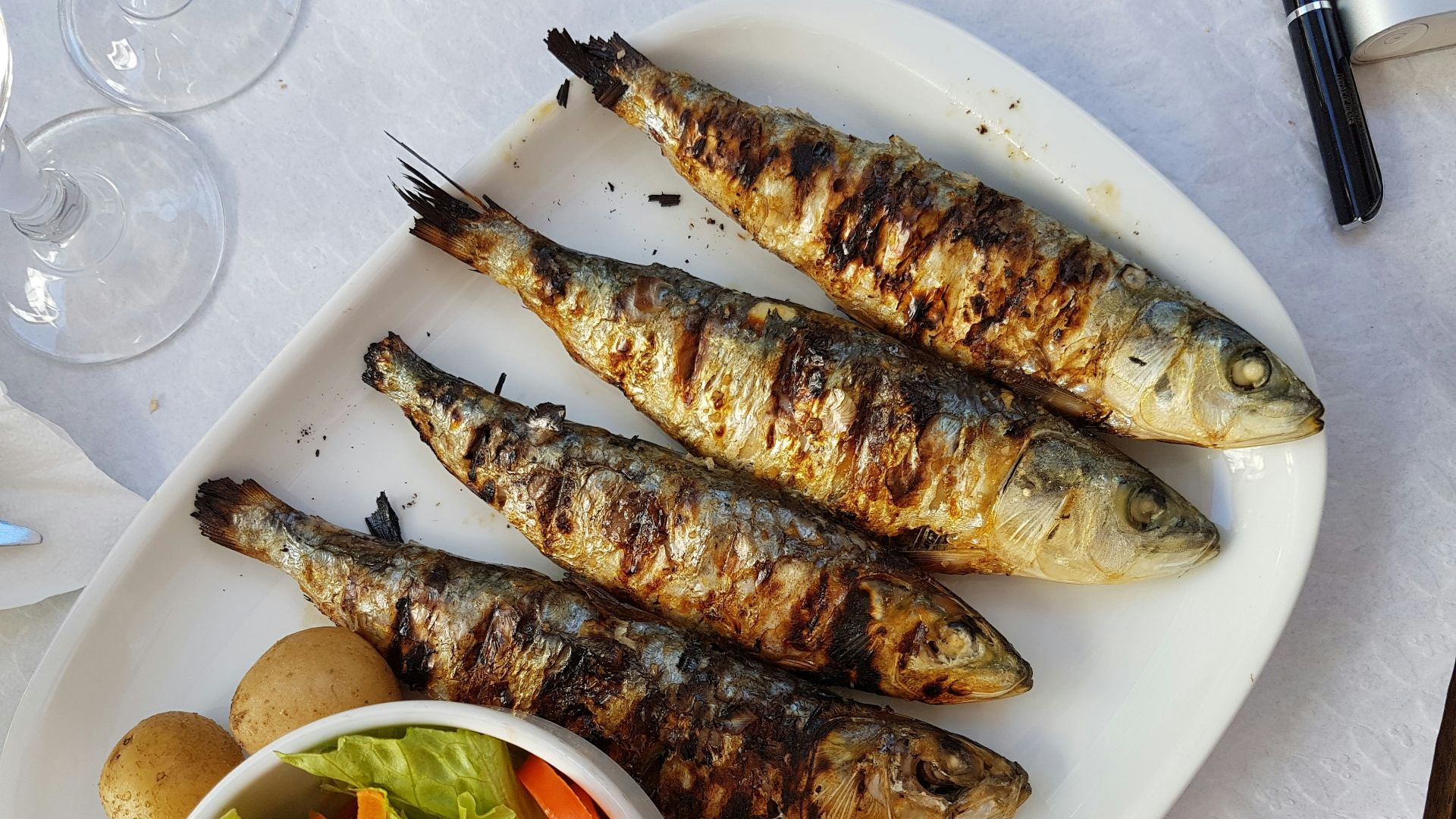
19. Sardines
Sardines contain omega-3 fatty acids, vitamin D, and protein that support aging skin. The fish also provides minerals that help maintain overall tissue health. Their nutrient density makes them particularly valuable despite their small size. While it's not an ingredient that can be added to every dish, it's worthwhile to find a few that allow you to enjoy its intense flavor and healthy skin benefits.
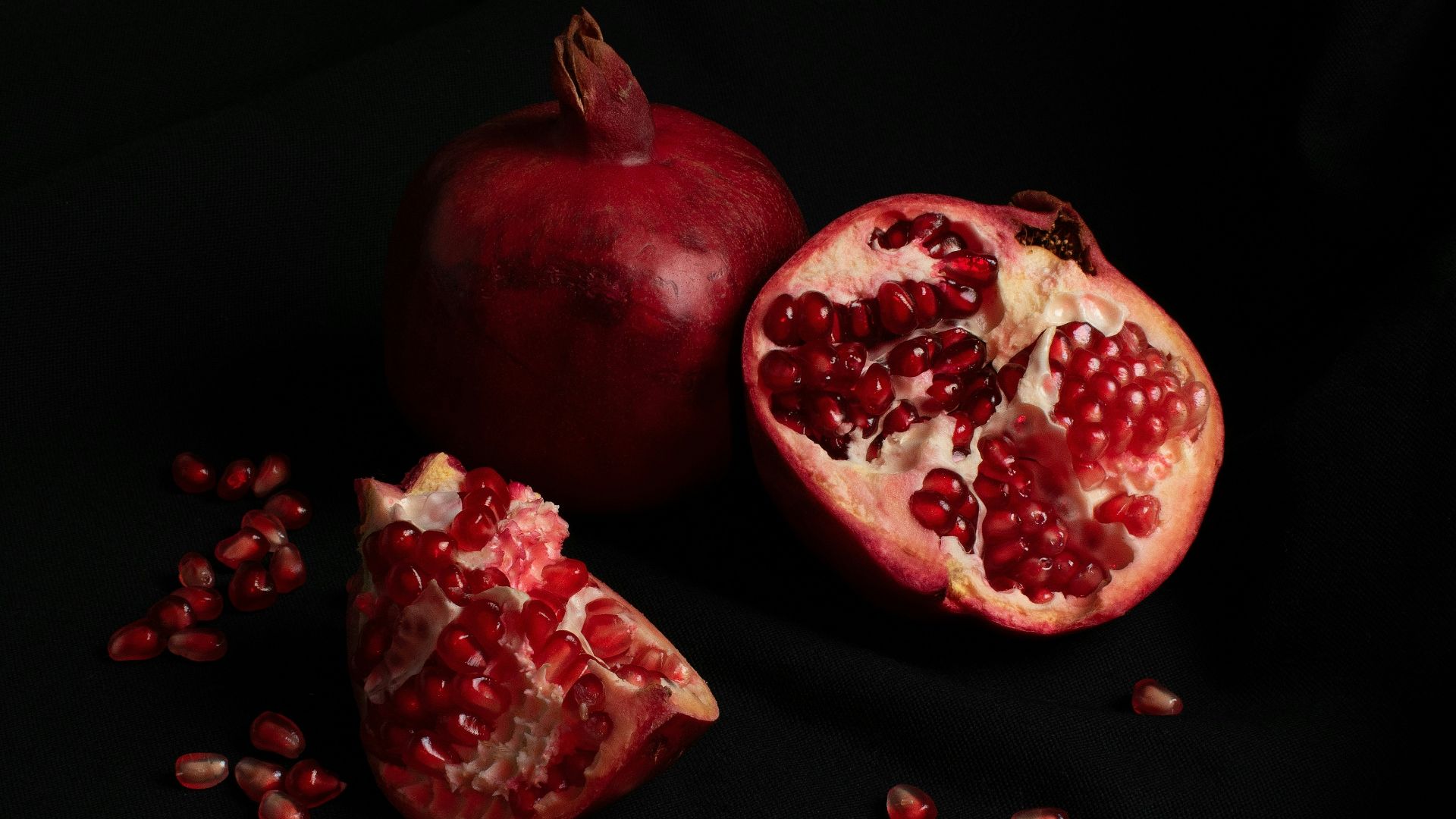
20. Pomegranates
Pomegranates contain antioxidants that may help support collagen preservation and reduce oxidative stress. The fruit’s compounds have been studied for their potential role in healthy aging. Fresh seeds also add hydration and texture to meals or snacks.
KEEP ON READING