Power Up Your Plate
Vitamin K may not get the same spotlight as vitamin C or vitamin D, but it plays a major role in helping your body. But how do you get it, exactly? What foods make the most sense when you’re trying to get your daily fill? Well, don’t you worry—we’re here to break down which leafy greens you should chow down on, and which other foods pack a surprisingly nutritious punch.

1. Natto
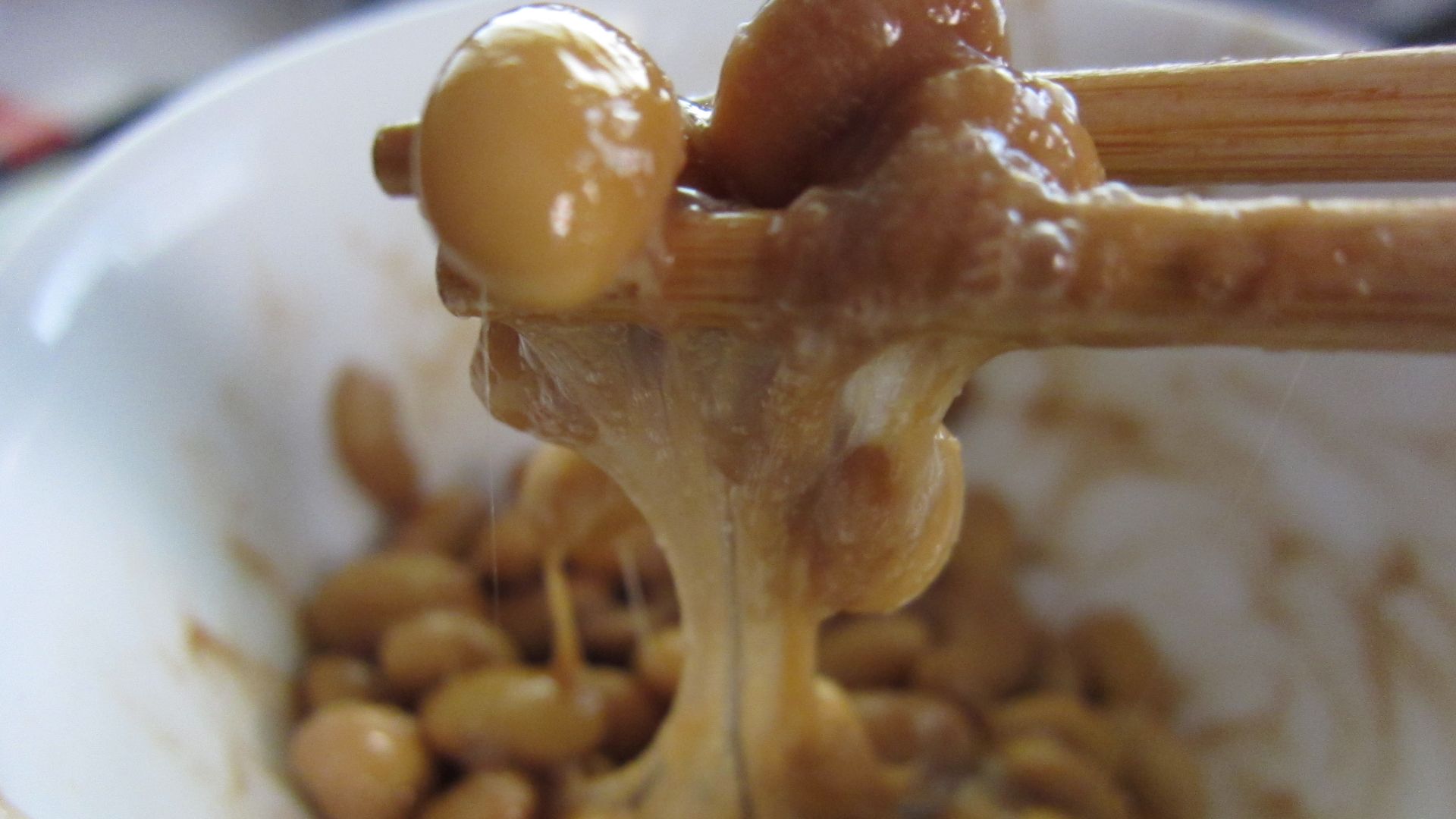
Natto is one of the richest food sources of vitamin K, especially vitamin K2. It’s a Japanese dish made from fermented soybeans, complete with a bold flavor that might take some getting used to, but is worth the first bite nevertheless! You can eat it over rice with green onions, soy sauce, or a soft-boiled egg for a traditional breakfast.
2. Collard Greens
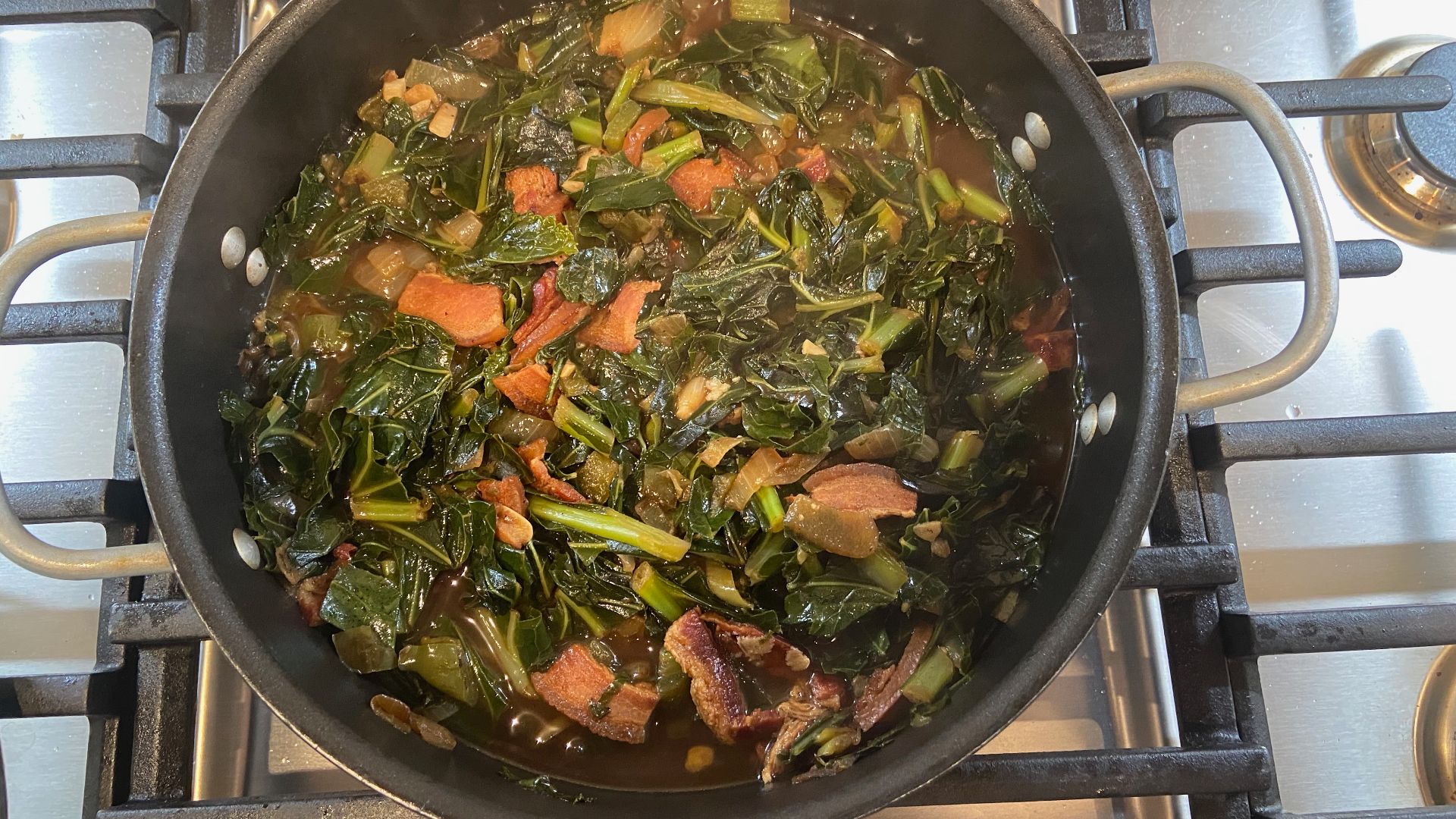
Collard greens never really get as much attention as their cousins, spinach and Brussels sprouts. We’re here to change that! They’re packed with vitamin K and bring a hearty texture that works well in both comfort food and lighter meals. They can be simmered with garlic, onion, and a splash of vinegar, or sliced thin and sautéed for a quicker side dish.
3. Turnip Greens
You thought turnips were the only thing on the table? It’s time to eat every piece of it! Turnip greens deliver a serious vitamin K boost, and they’re often more affordable than trendier leafy greens, too. Their slightly peppery flavor pairs nicely with beans, lemon juice, or a little olive oil, so don’t be afraid to experiment.
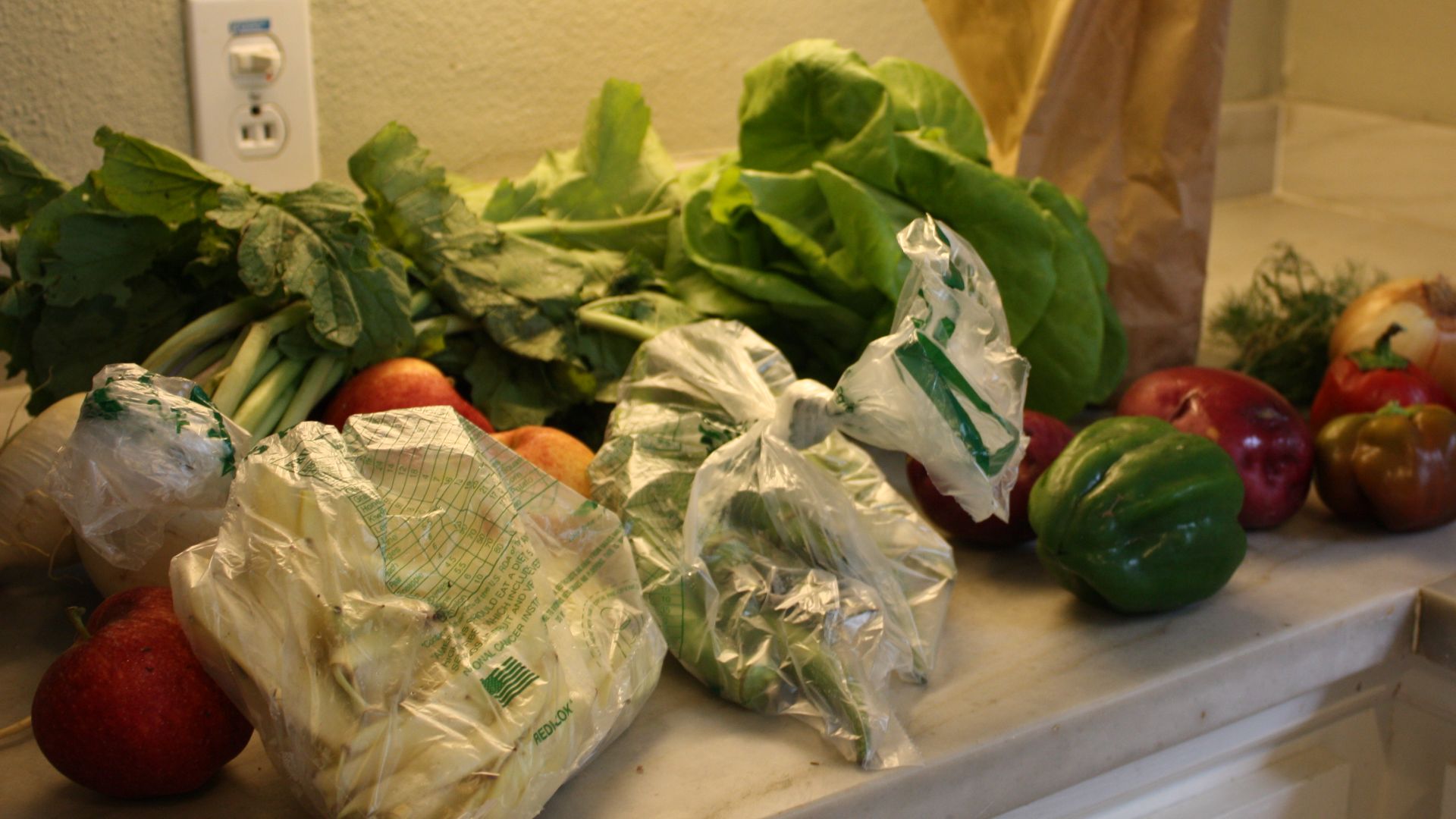 Kari Sullivan from Austin, TX on Wikimedia
4. Mustard Greens
Mustard greens are another one of those options that have been readily available this whole time! They pack a lively bite, along with an impressive amount of vitamin K that makes them worth adding to your rotation. Best of all, their flavor is bold enough that you won’t need much seasoning to make them tasty.
 Dinesh Valke from Thane, India on Wikimedia
5. Spinach
Spinach is a convenient vitamin K source because it’s easy to find fresh, frozen, or canned. So, you really can’t go wrong. You can blend baby spinach into smoothies, fold it into omelets, or stir frozen spinach into pasta sauce for a quick nutrition upgrade.
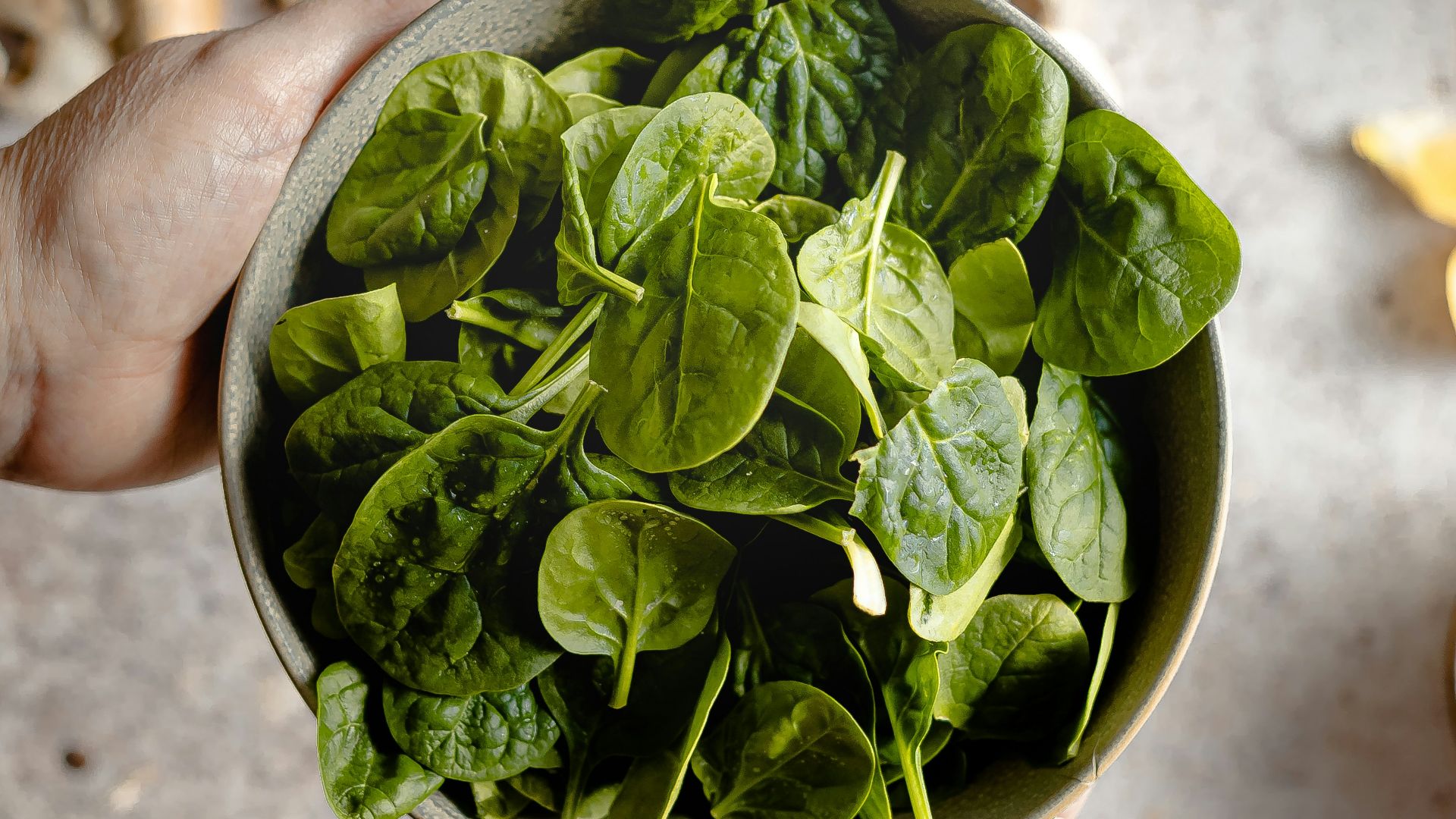 micheile henderson on Unsplash
6. Kale
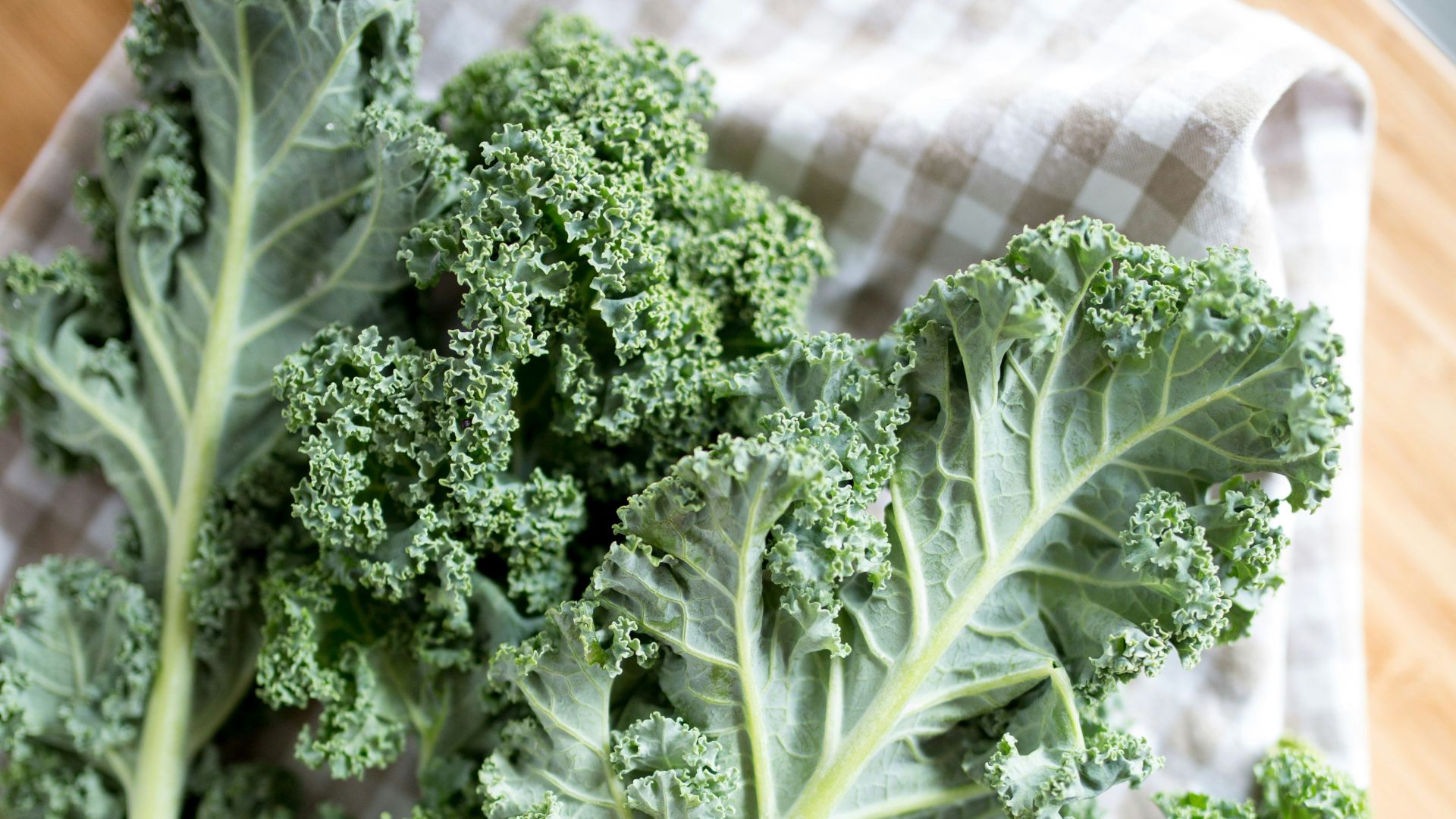
Hey, if spinach isn’t your thing, kale is literally the next best bet. It earned its reputation as a vitamin K heavyweight, but that’s just the tip of the leaf. It’s also rich in other nutrients like vitamin A and vitamin C, making it perfect with lemon juice for salads, baked into chips, or simmered into bean soup.
7. Swiss Chard
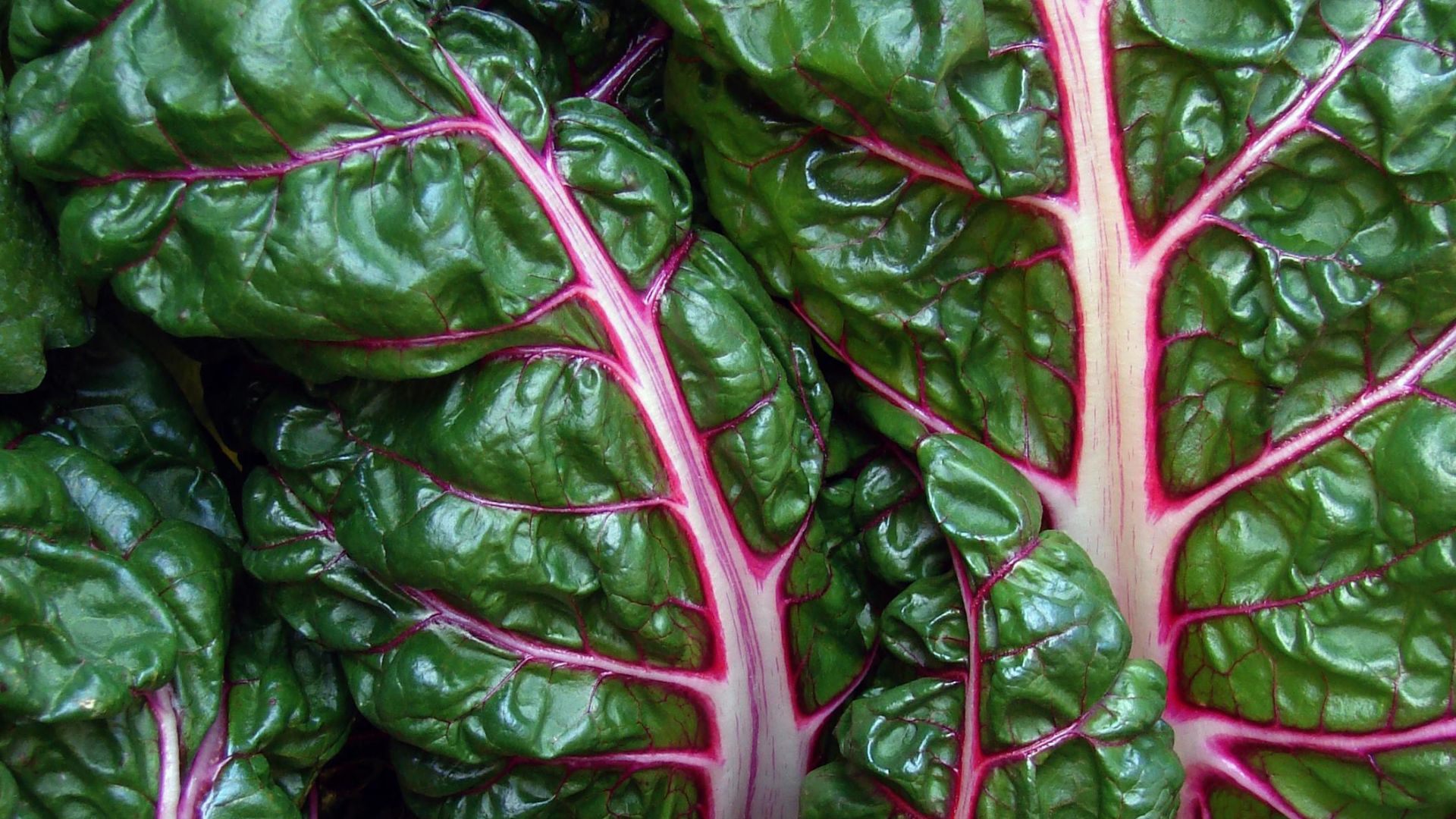
Swiss chard is like the unsung hero of leafy greens, even though it brings just as much vitamin K along. The leaves also cook quickly and taste great with garlic, olive oil, and a squeeze of lemon, so they can get tossed into almost anything. Don’t ignore the stems, either; they can be chopped first so they soften before the leaves go in!
8. Beet Greens
Beet greens are another one of those powerhouses that are often overlooked, but they’re loaded with vitamin K, too—and come attached to a vegetable you may already buy. Their flavor is earthy and mild, which also makes them easy to cook with onions or a small splash of balsamic vinegar.
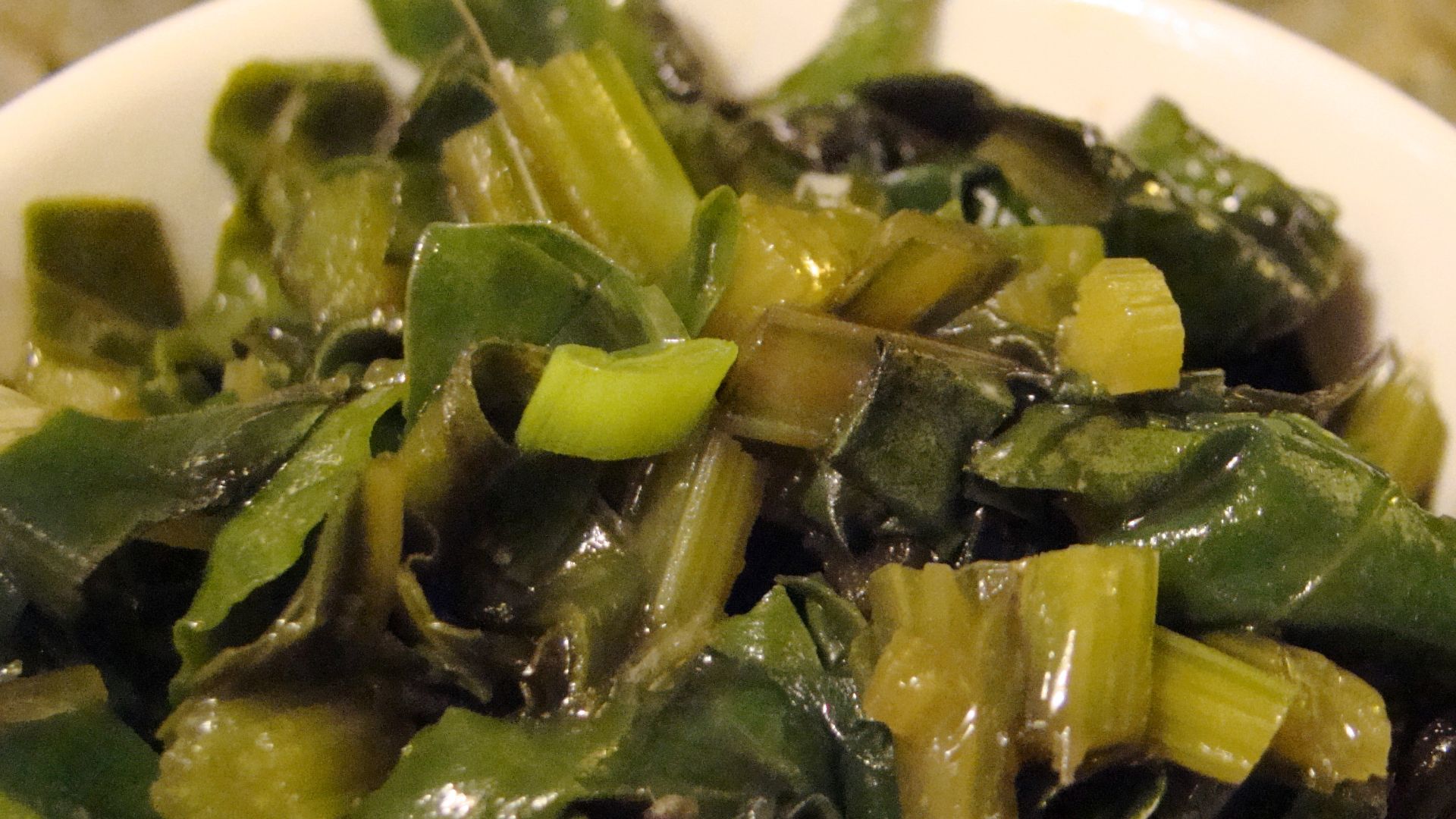 Vegan Feast Catering on Wikimedia
9. Broccoli
Broccoli is a familiar source of vitamin K that fits easily into weeknight meals, even if you don’t like it very much. But you do have options! You can steam it, roast it with garlic, chop it into slaw, or add it to a grain bowl with chicken and rice. You’ll not only score vitamin K, but you’ll also get fiber and vitamin C.
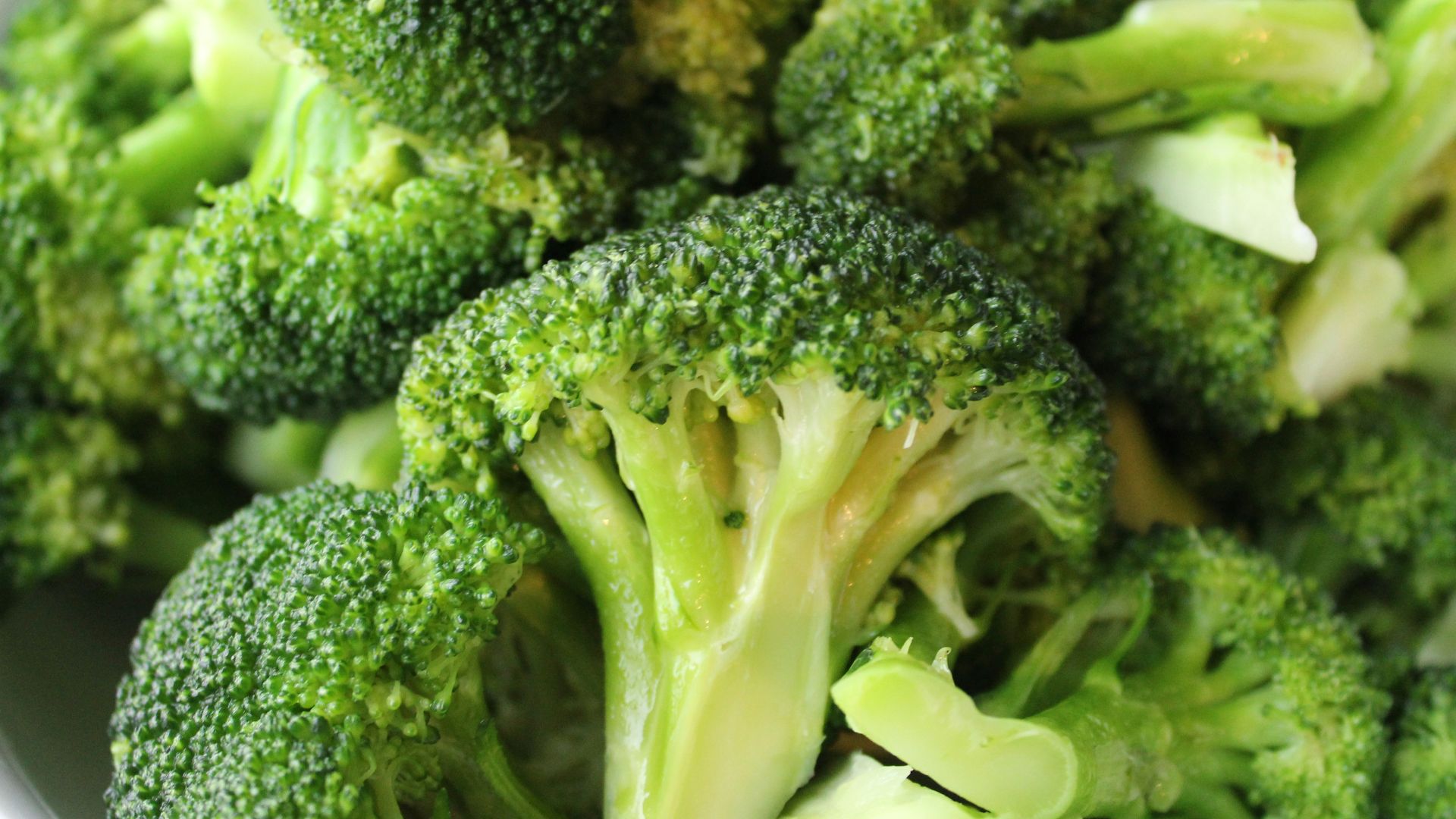 Tyrrell Fitness And Nutrition on Unsplash
10. Brussels Sprouts
Brussels sprouts earned a bad rap at the dinner table, but it’s time to turn things around. These little guys offer vitamin K in a compact, flavorful ball, especially when roasted. They also work well shredded into salads when you want crunch without leaning too heavily on lettuce.
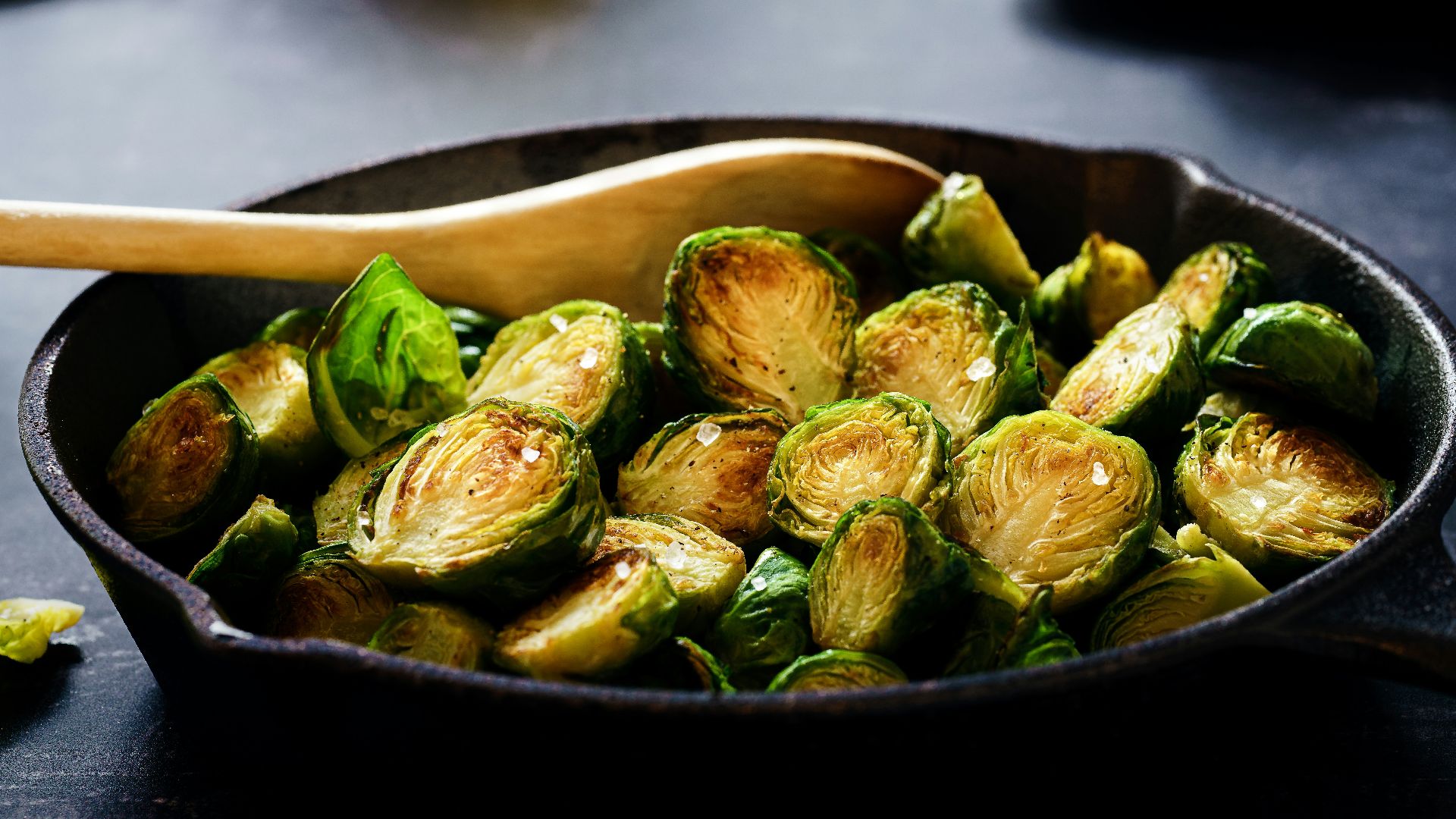 Sebastian Coman Photography on Unsplash
11. Asparagus
It might mean a smelly trip to the bathroom, but asparagus can help raise your vitamin K intake without making dinner complicated. Try them roasted with lemon zest, grilled alongside salmon, or even chopped into scrambled eggs. Just remember that the tender tips cook quickly, so keep an eye on them if you like a little bite left in the texture!
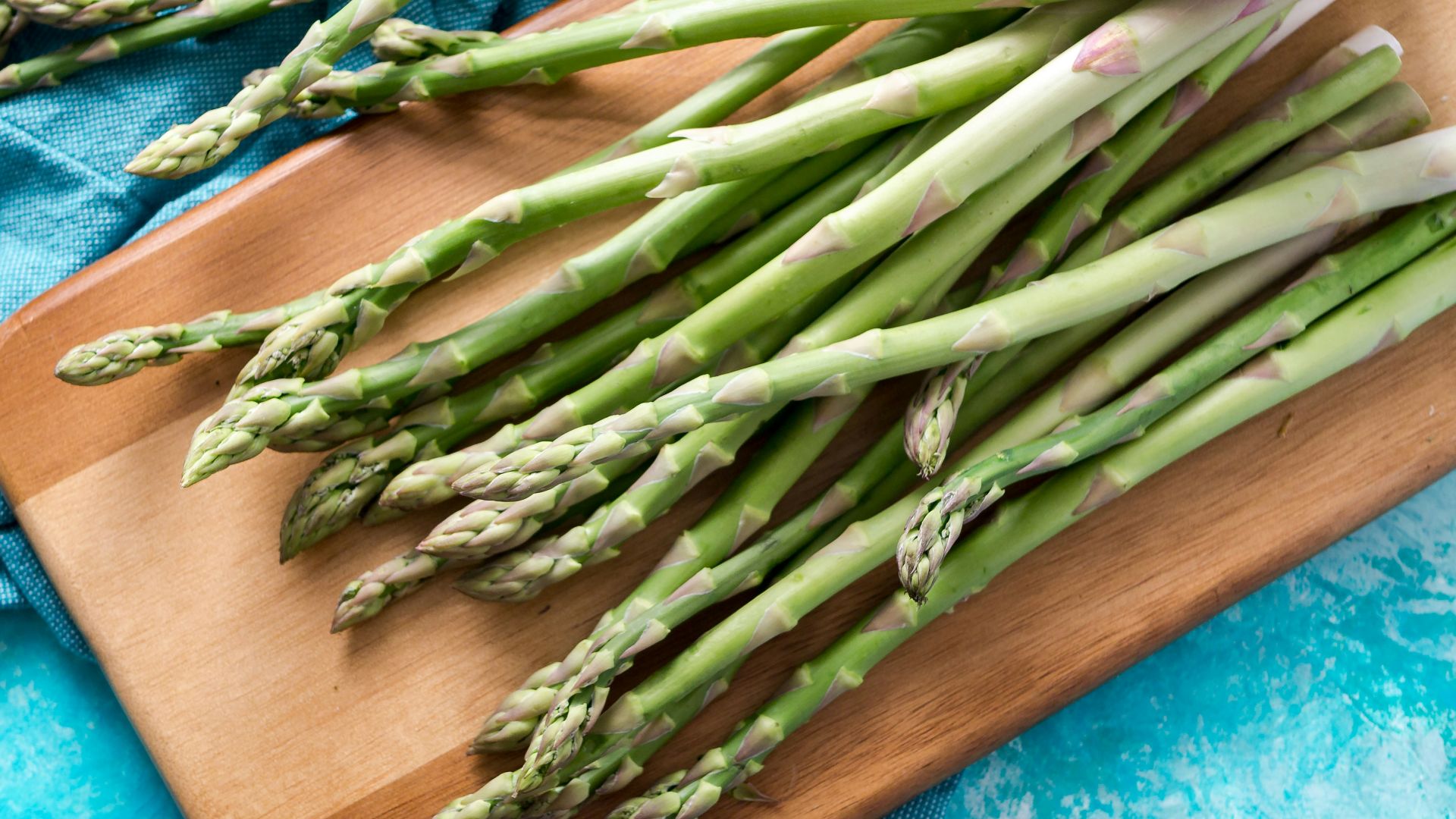 Christine Siracusa on Unsplash
12. Cabbage
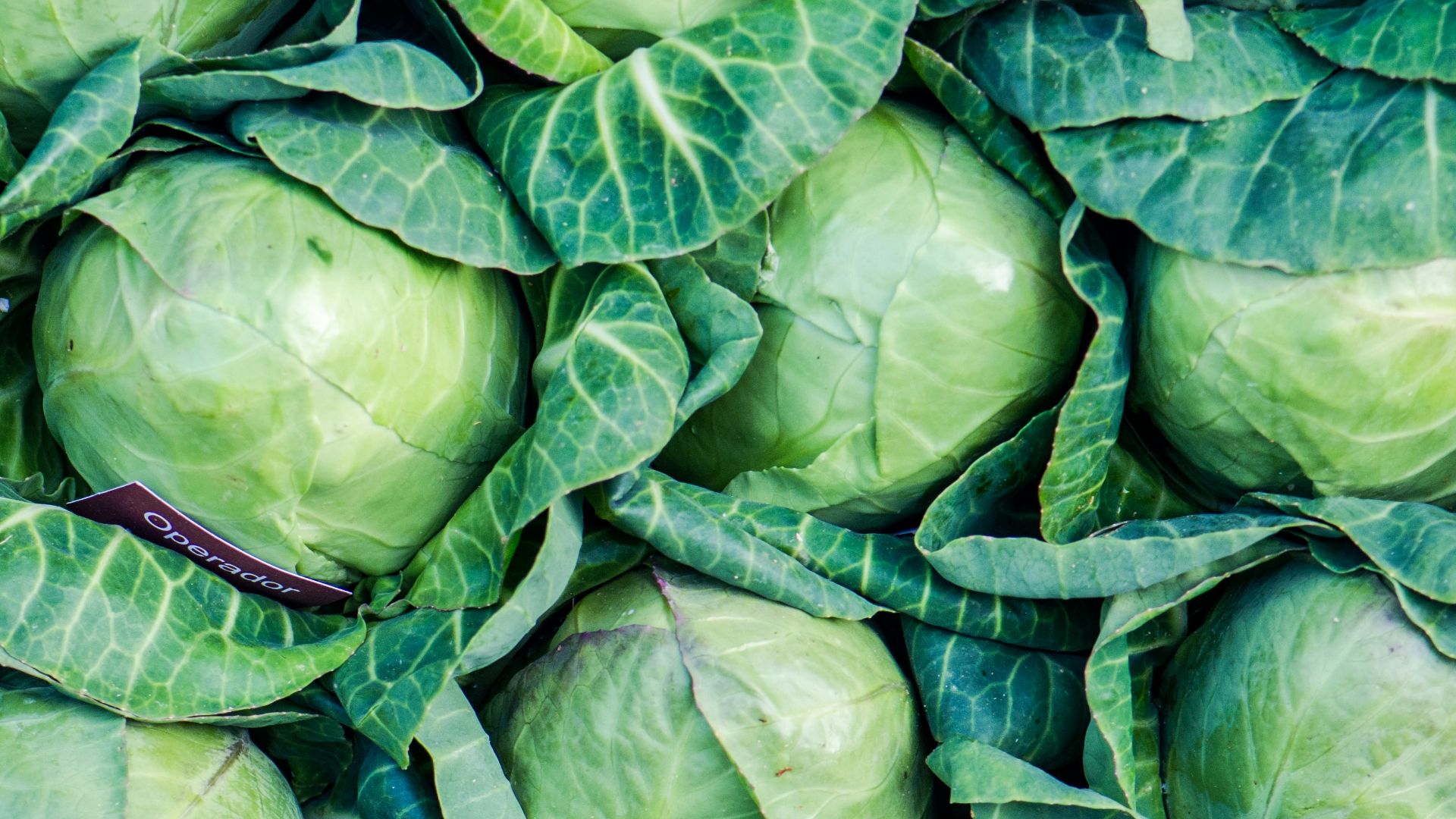
Cabbage contains vitamin K and offers plenty of flexibility, from crisp slaws to warm skillet dishes. Of course, we can’t forget about cabbage rolls, either! However you eat it, green cabbage can be shredded into tacos, sautéed with carrots, or added to soup. It also keeps well in the fridge, which makes it a practical choice when you’re trying to waste less.
13. Romaine Lettuce
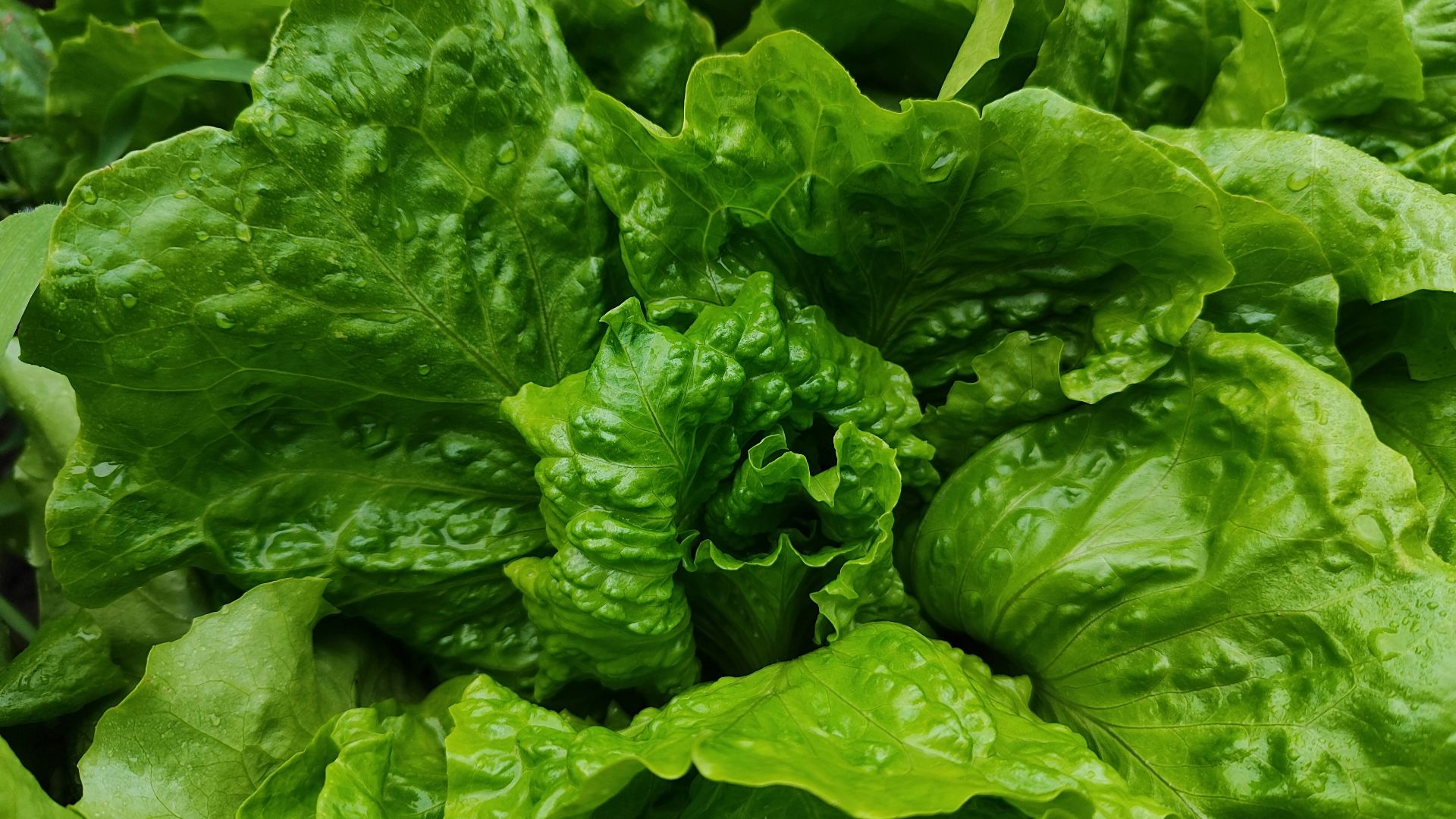
Romaine lettuce gives exactly the crisp vitamin K punch you’re looking for, all in a refreshing form that doesn’t need much prep! Keep in mind that darker lettuce varieties generally bring more nutrients than pale iceberg, so romaine is a smart everyday swap any day of the week.
14. Garden Cress
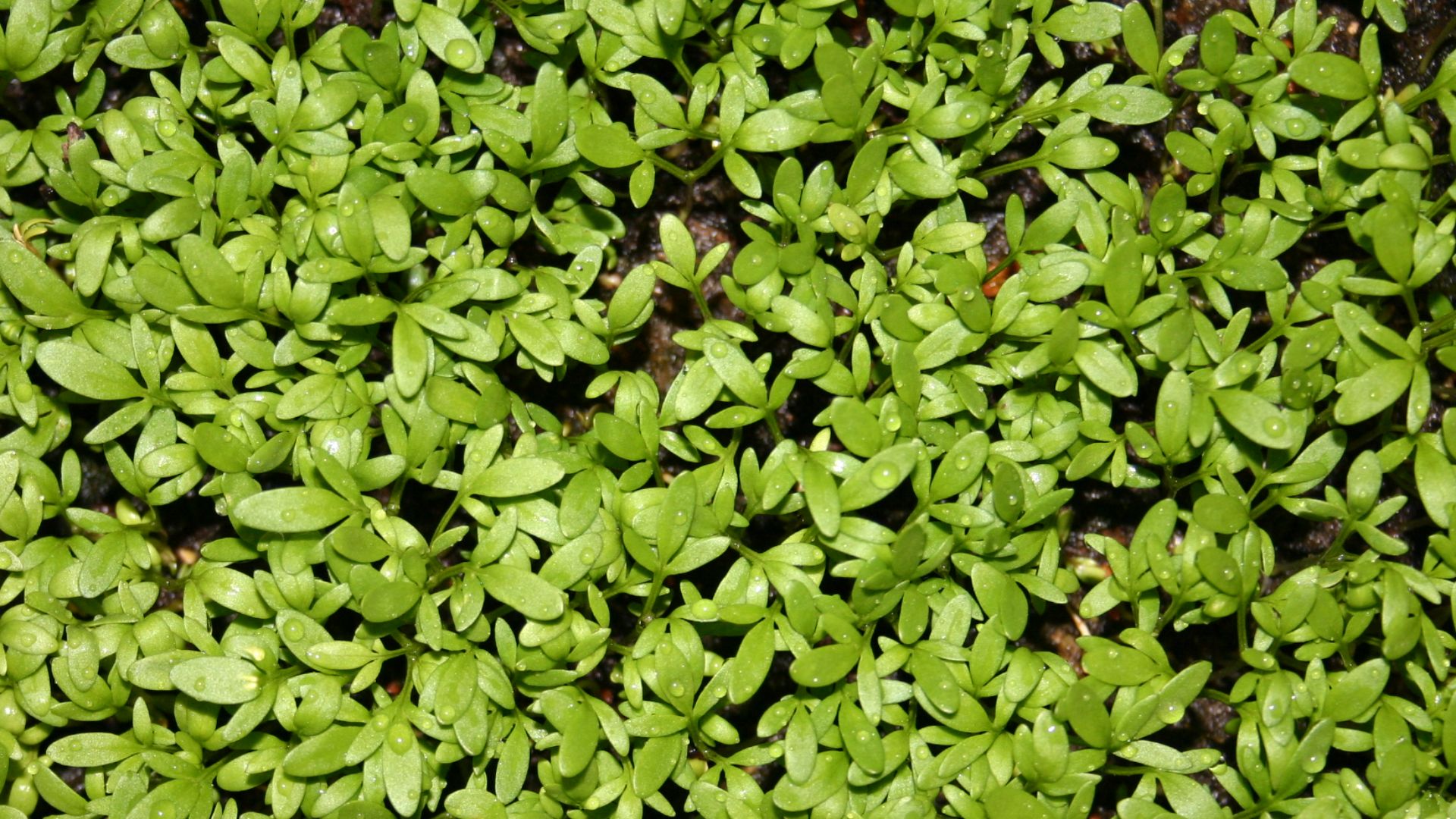
Garden cress is small but surprisingly rich in vitamin K, adding a peppery finish to even the simplest dishes. Do yourself a favor and try it sprinkled over avocado toast or creamy soups. One little thing to remember? Because the leaves are so delicate, it’s best used fresh.
15. Parsley
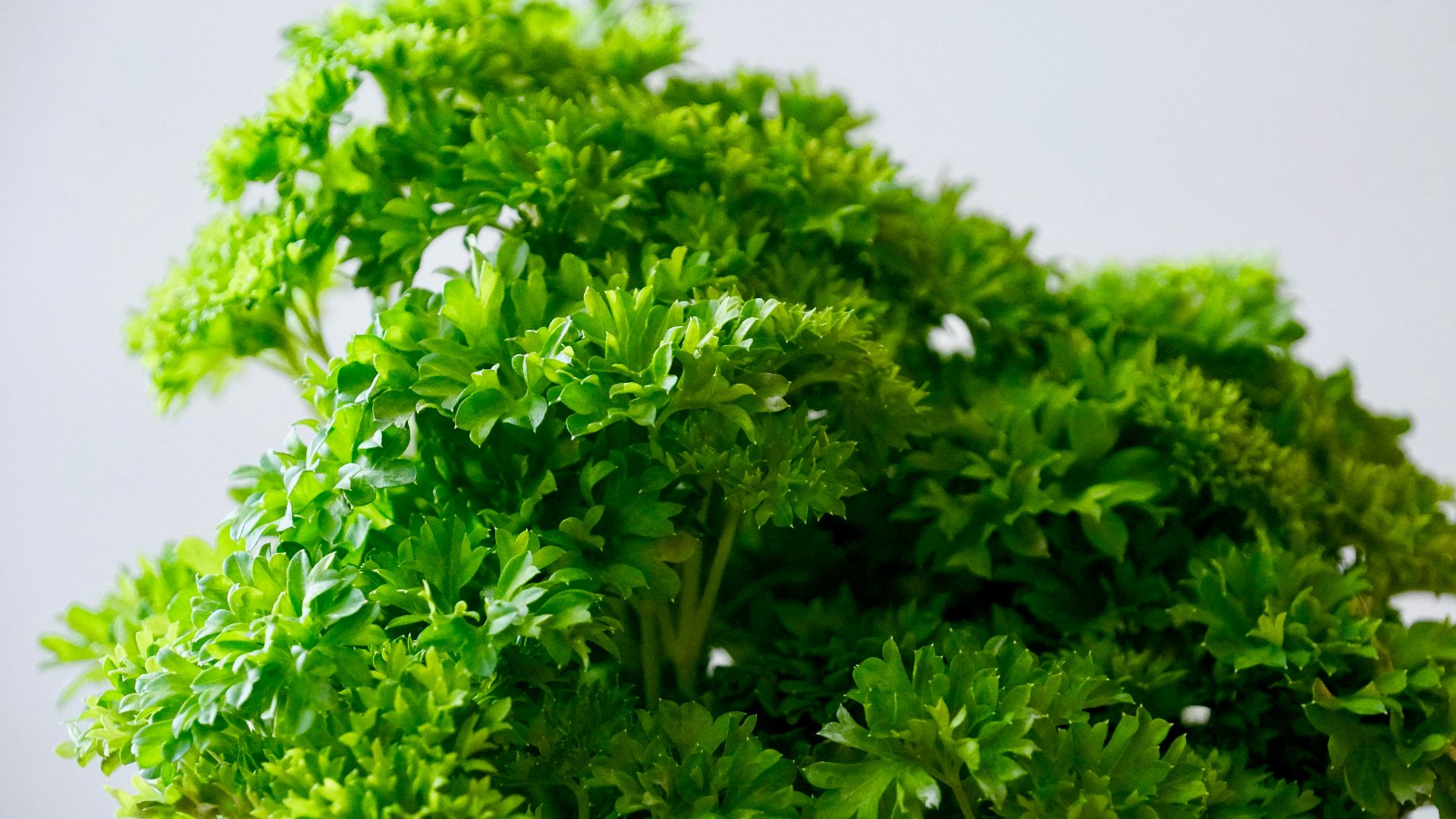
Don’t count out classic garnishes! Parsley is more than a topping; it contributes meaningful vitamin K when used generously. Chop it into tabbouleh, mix it into chimichurri, or stir a handful into your potatoes. Sure, a sprinkle is nice for color, but a good handful gives your meal much more to work with.
16. Edamame
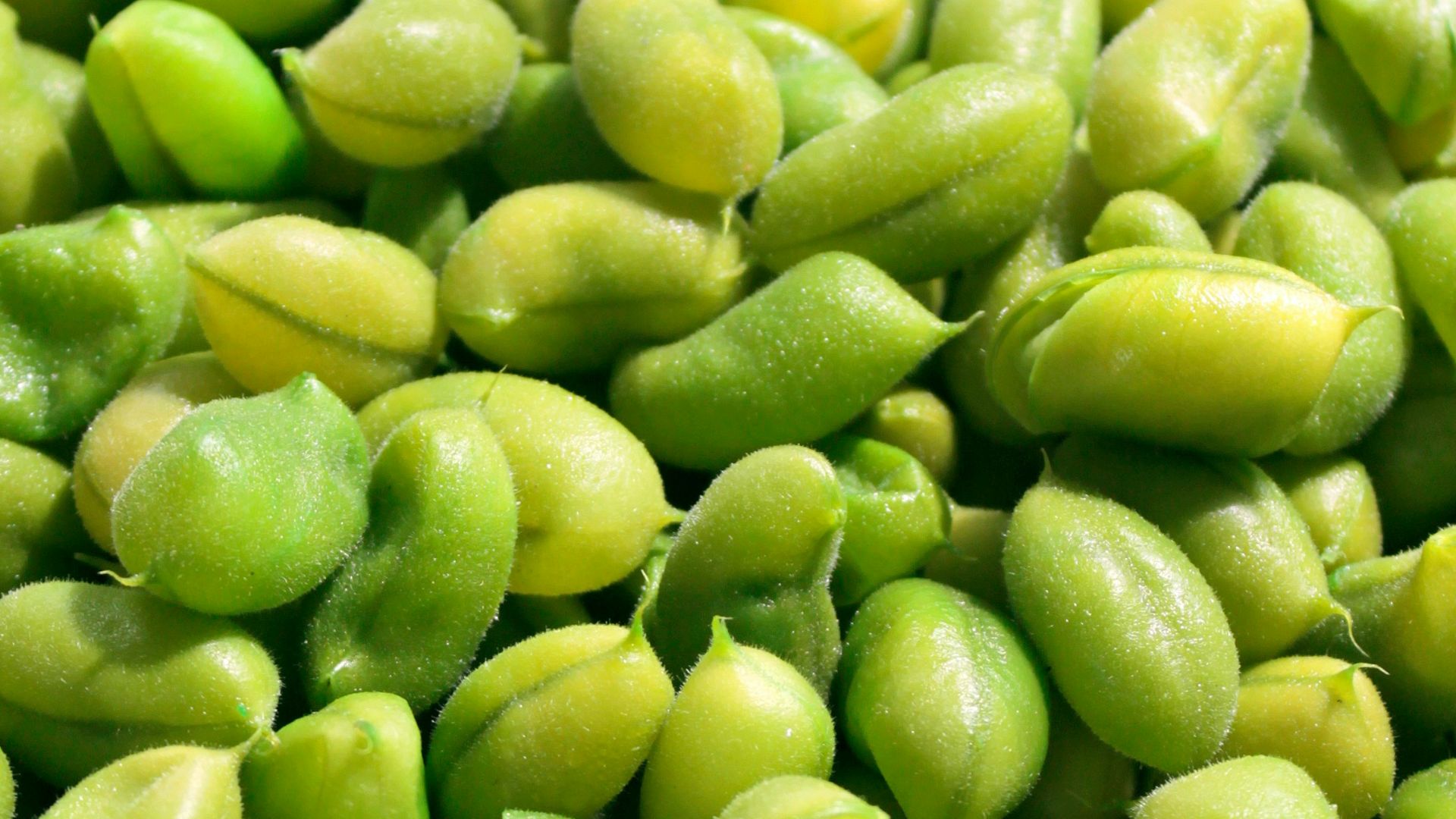
Edamame packs two things just about every body needs: protein and vitamin K. It’s versatile, too, so you can buy it frozen, steam it in minutes, and season it with a pinch of salt. Shelled edamame also fits neatly into simple side dishes, like rice bowls, salads, and noodle dishes.
17. Roasted Soybeans
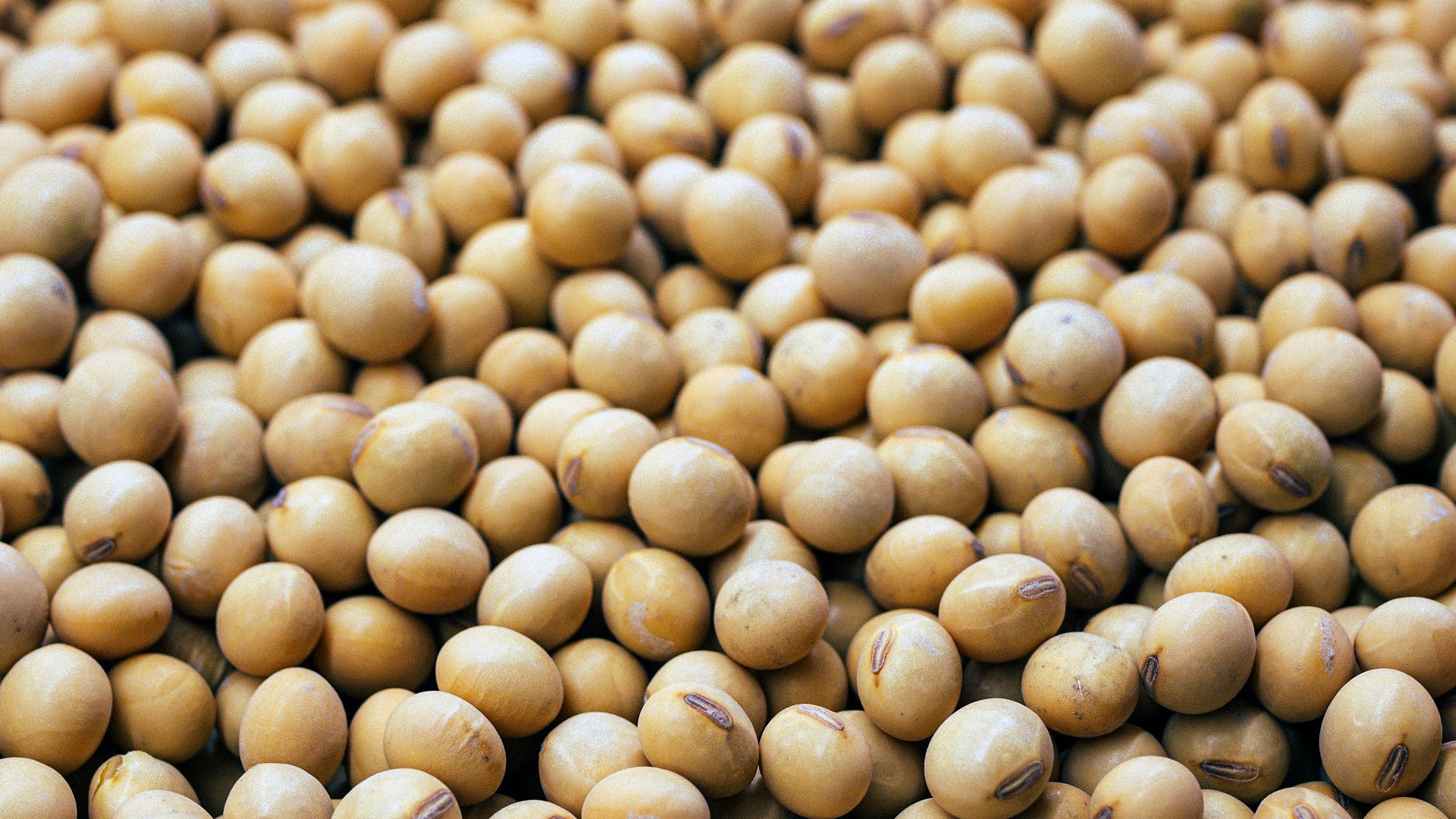
Want something snackable with vitamin K? Look no further than roasted soybeans!. They’re easy to pop into salads or eat by the handful instead of chips, so they’re great to reach for in a pinch. Just make sure you look for versions with simple seasonings if you’re trying to keep sodium in check.
 Daniela Paola Alchapar on Unsplash
18. Soybean Oil
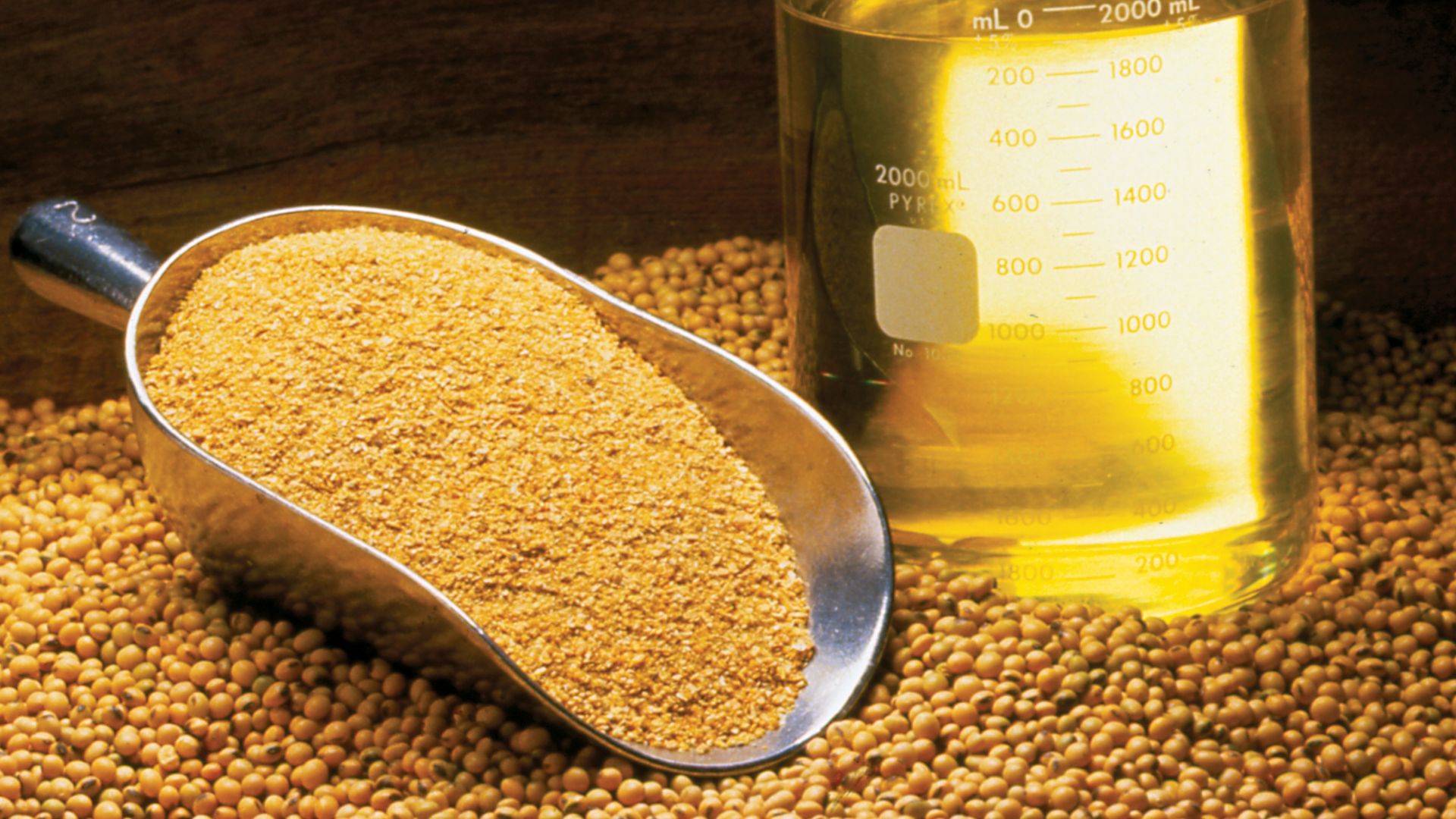
Soybean oil is a vitamin K-containing oil that often appears in salad dressings—and for good reason! You’ll also find it in many store-bought vinaigrettes, so checking the ingredient list can tell you when it’s part of your meal. Though you’ll score nutrients, oils are also calorie-dense; it’s best used thoughtfully rather than doused over greens.
 United Soybean Board on Wikimedia
19. Canola Oil
It’s true—canola oil has smaller amounts of vitamin K, but it’s still a useful part of regular cooking. It has a mild flavor, too, so it works for sautéing vegetables or whisking into homemade dressing. Not to mention, pairing vitamin K-rich vegetables with a little fat can also support absorption, since vitamin K is fat-soluble!

20. Prunes
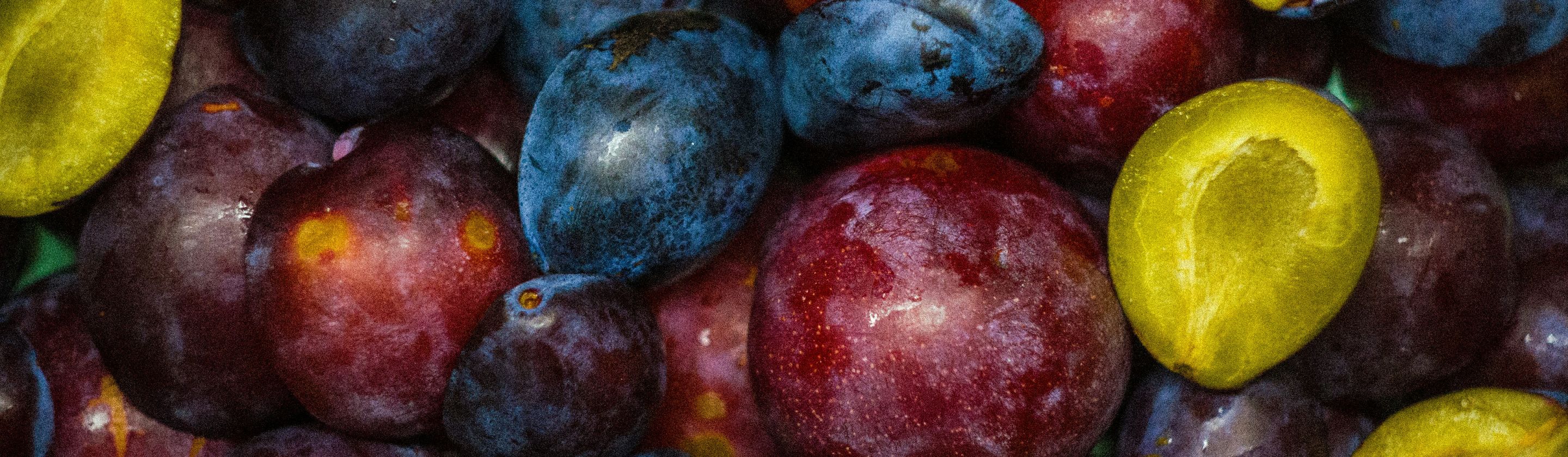
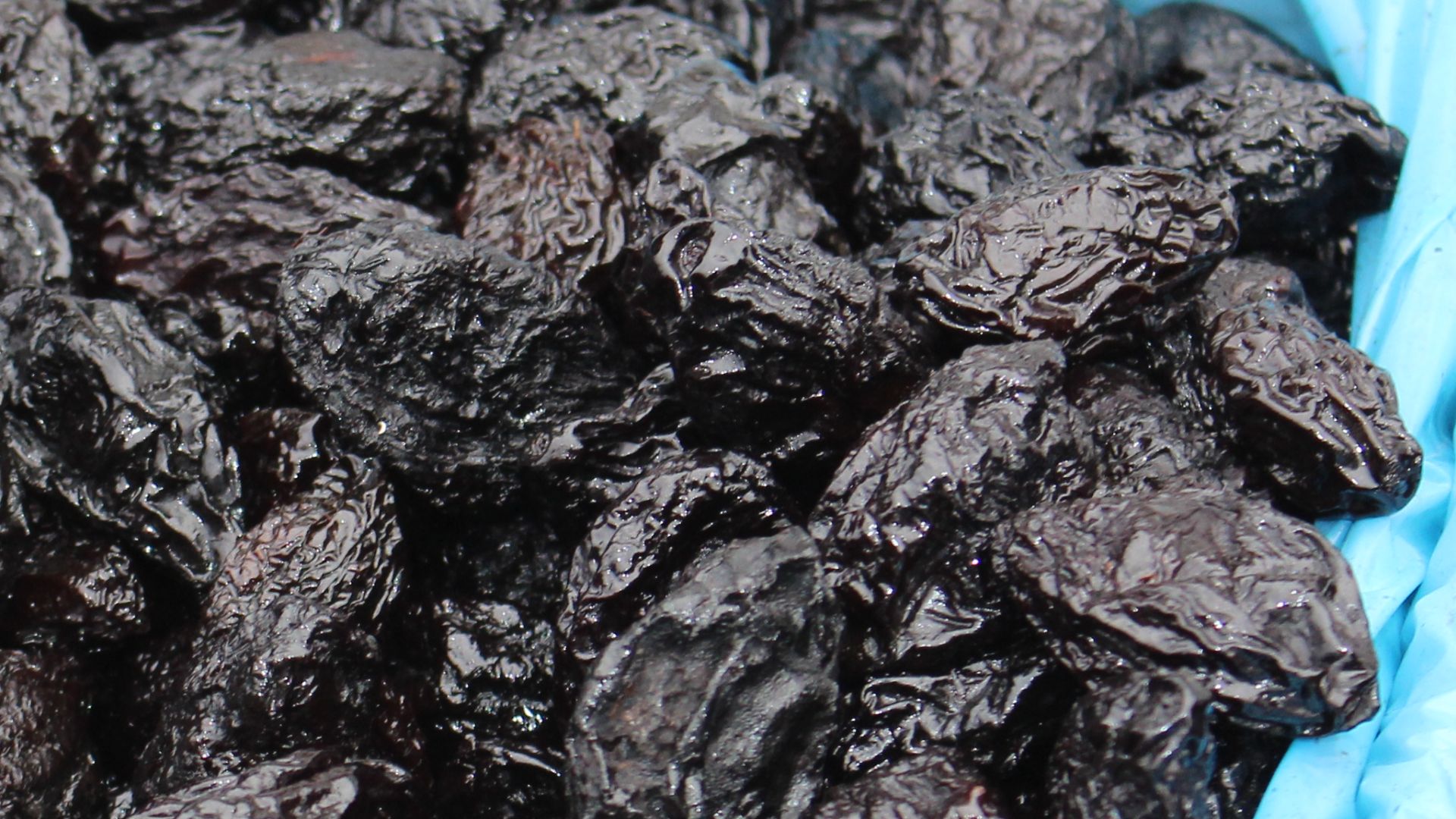
We know this is the ultimate grandma food, but she was probably onto something! Though they’re better known for supporting digestion, they also contain enough vitamin K to support working into your diet. Their natural sweetness also makes them useful when you want a nutrient-rich bite that still feels like a treat.
KEEP ON READING



10 Pre-Workout & 10 Post-Workout Tips To Follow