Why Sodium Deserves a Closer Look After 40
Everyone loves eating foods that are delicious, but as you get older, you need to be mindful of the fact that good food also isn't always the best for you. One particular thing you need to observe more closely is sodium. Too much can lead to bad news, and when you're watching your health, a little bit of extra care can go a long way. That's why we want to share 20 high-sodium foods you need to be extra mindful of when you're entering your 40s and above.
1. Deli Meats
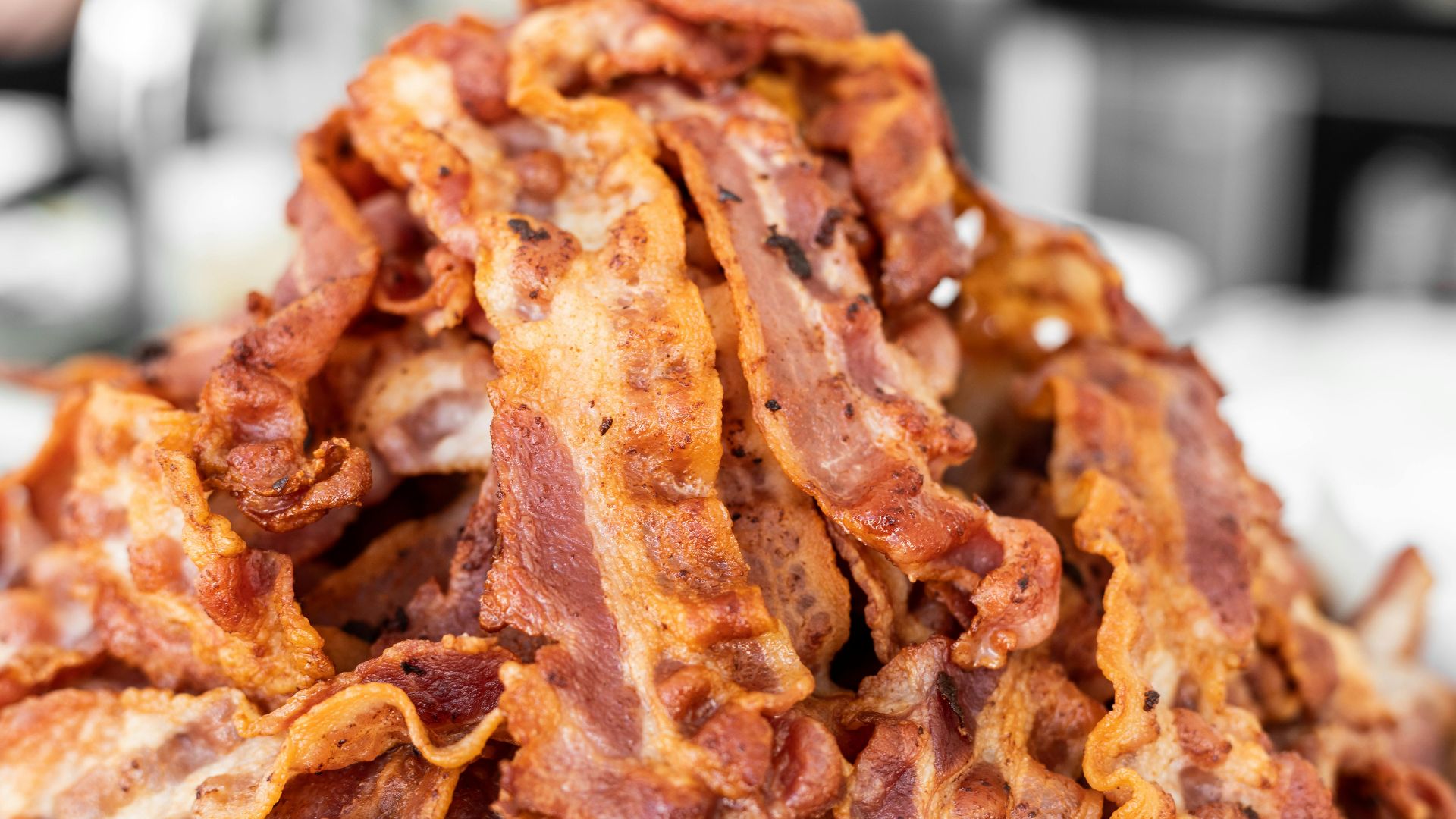
They might be key ingredients for a delicious sandwich, but when you're getting older and watching your sodium intake, deli meats can rack up your sodium count far too quickly. From turkey to ham, roast beef, and salami, these push sandwiches into salty territory you want to be careful of.
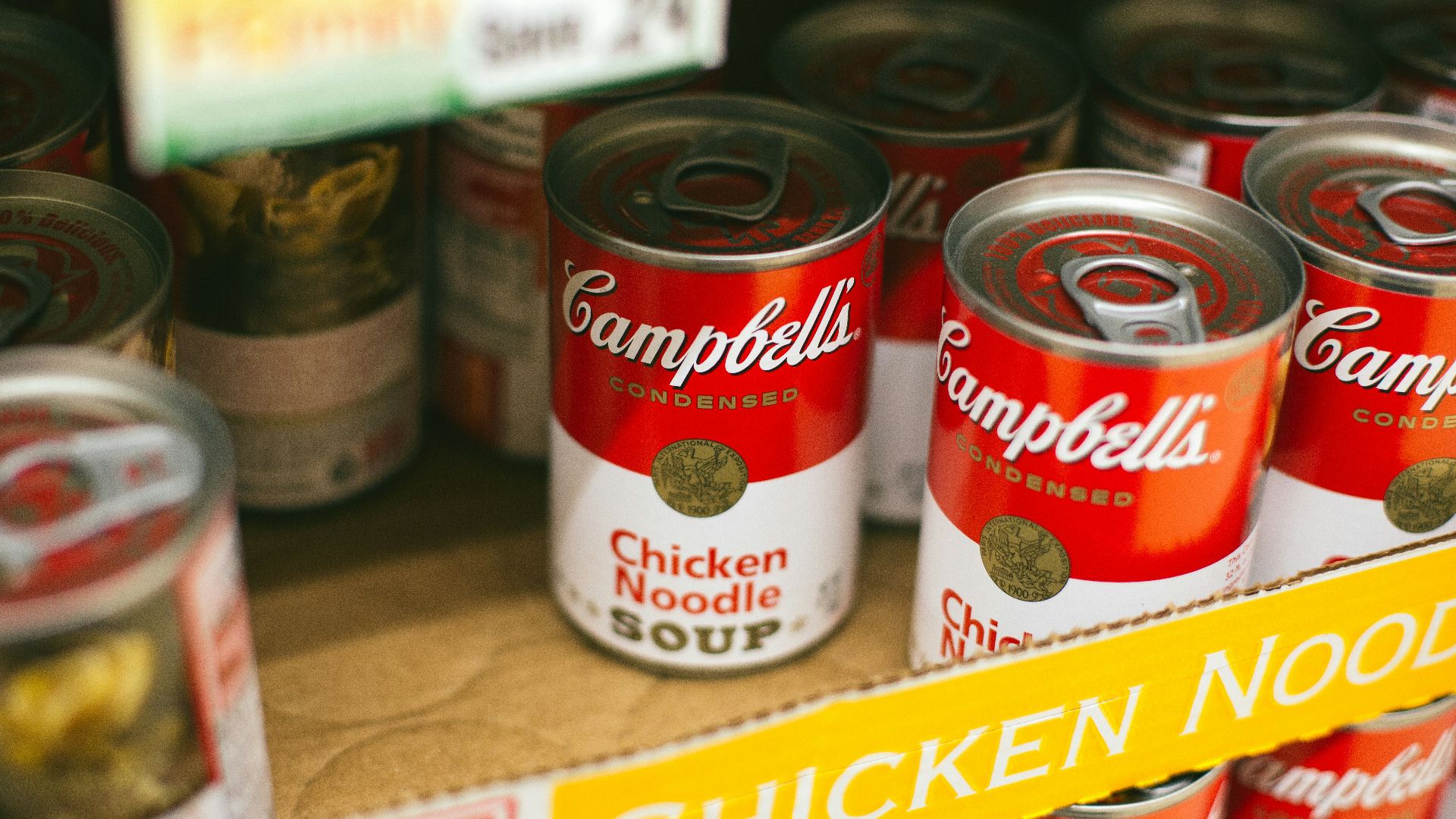
2. Canned Soup
Sure, canned soup can be useful when you're in a pinch, and they might be a cozy, quick meal when you want something warm, but take a look at their nutrition label. These can carry a surprising amount of sodium in just one single serving, so think about whether it's really worth the convenience.
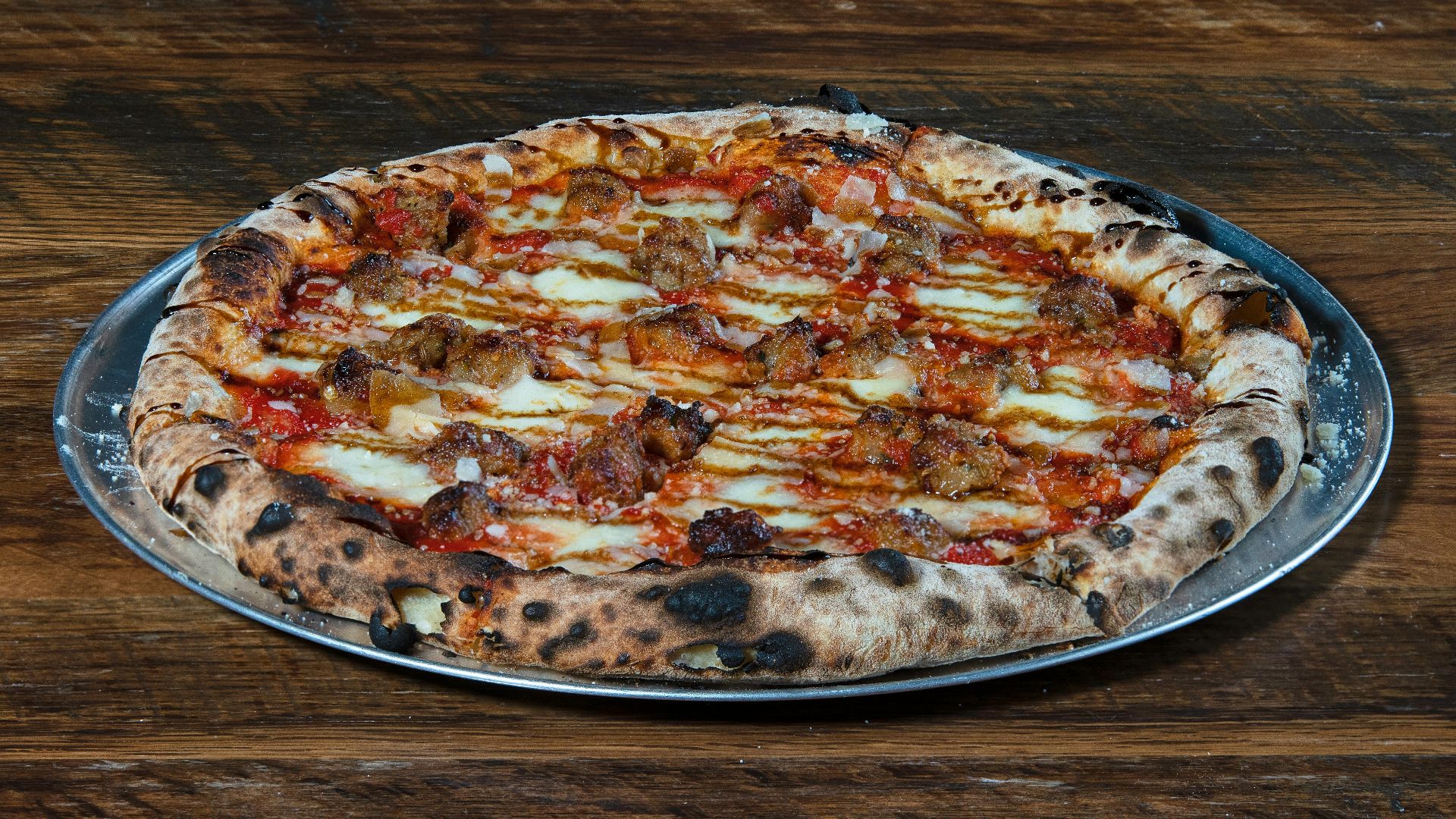
3. Frozen Pizza
One of the biggest culprits of sodium intake, frozen pizza is praised for being convenient, affordable, and tasty, but what they don't talk about enough is how salty it really is. The crust, cheese, sauce, and processed meats all contribute to its high sodium, which makes it dangerous to eat on the regular.
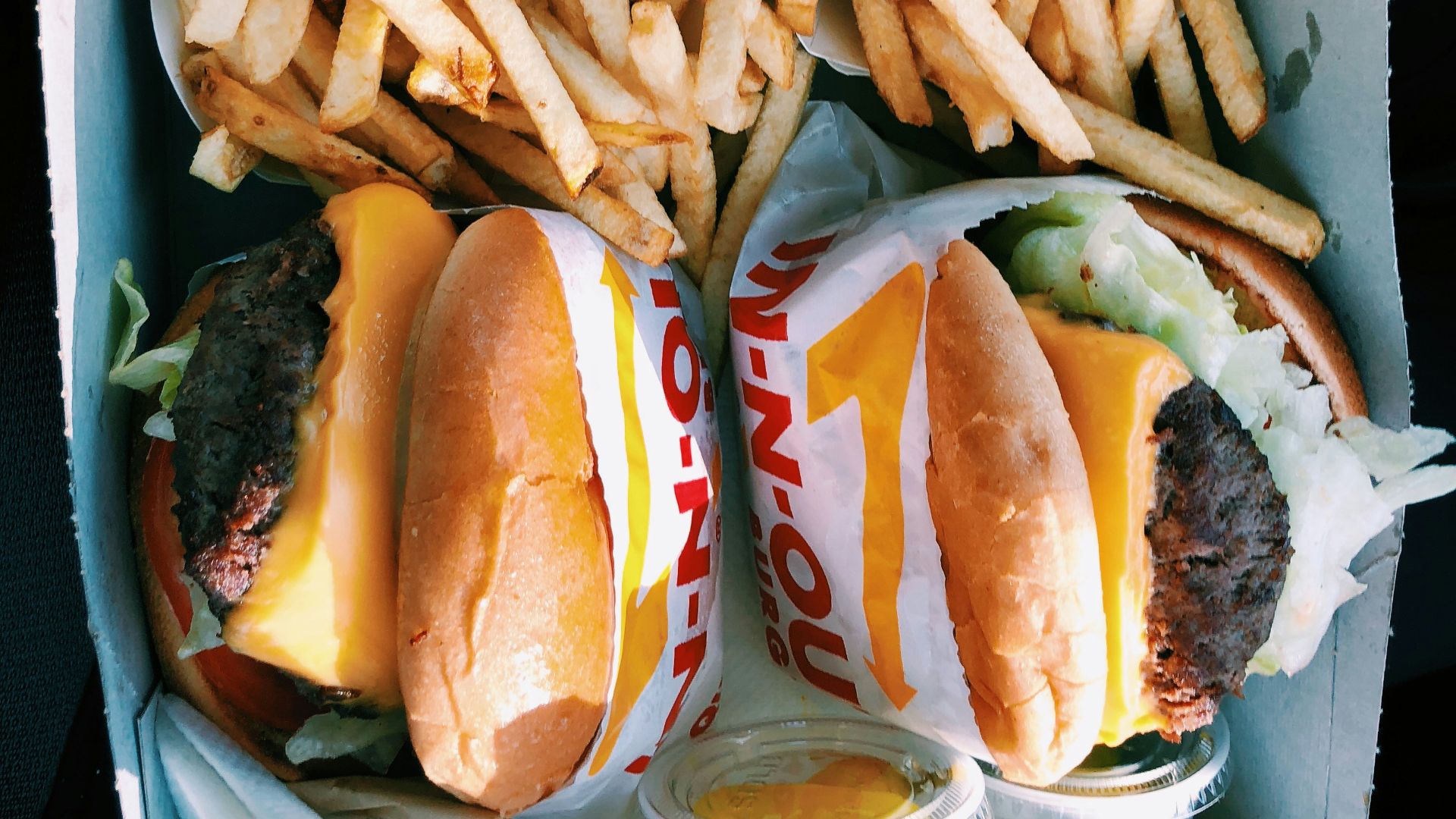
4. Fast-Food Burgers
We all know fast food is bad for you, but do you really know how unhealthy it is in the sodium department? Combining salty buns, seasoned patties, cheese, pickles, sauces, and sometimes bacon, by the time you count the fries, your sodium intake is already doing far too much.
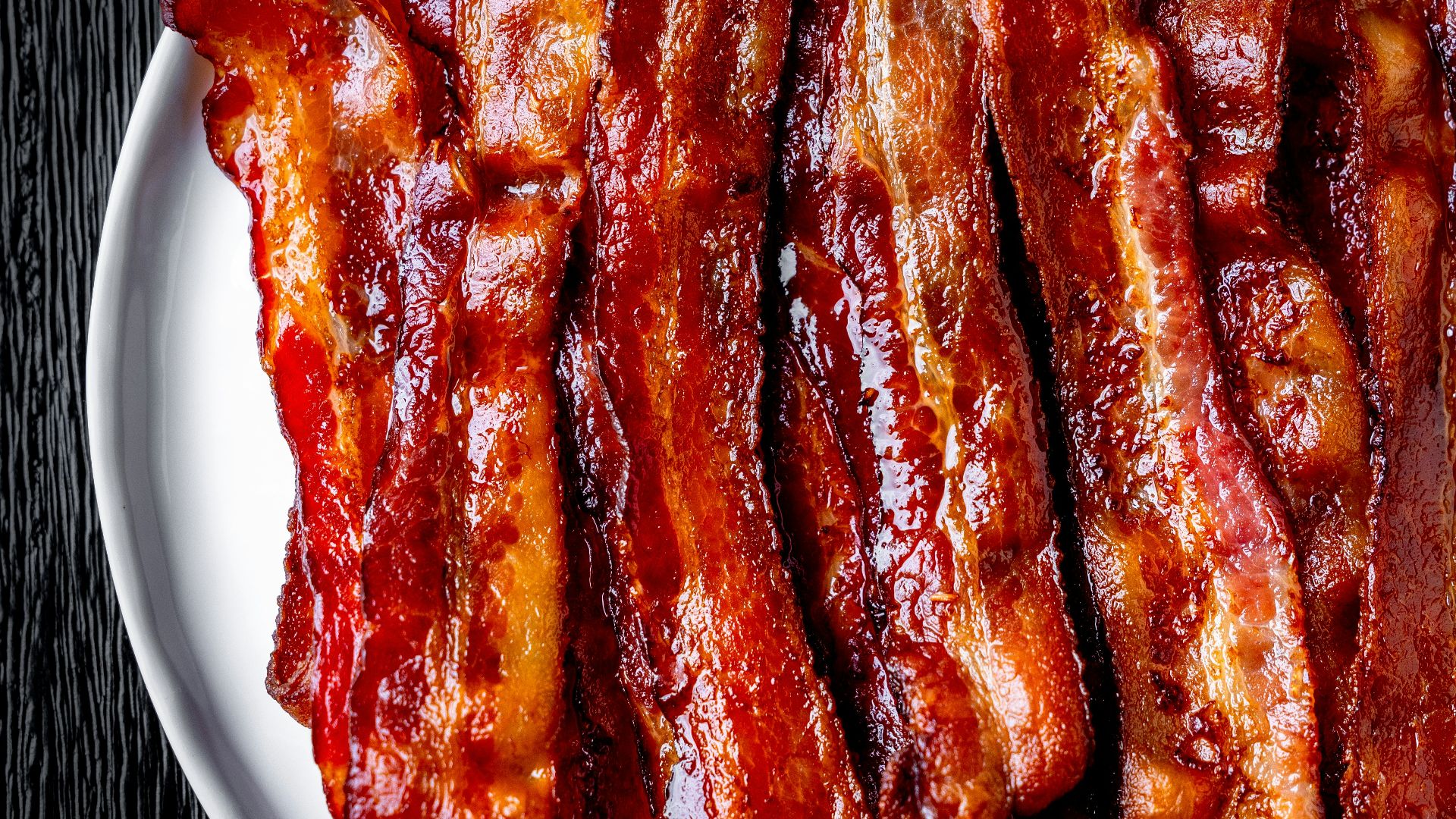
5. Bacon
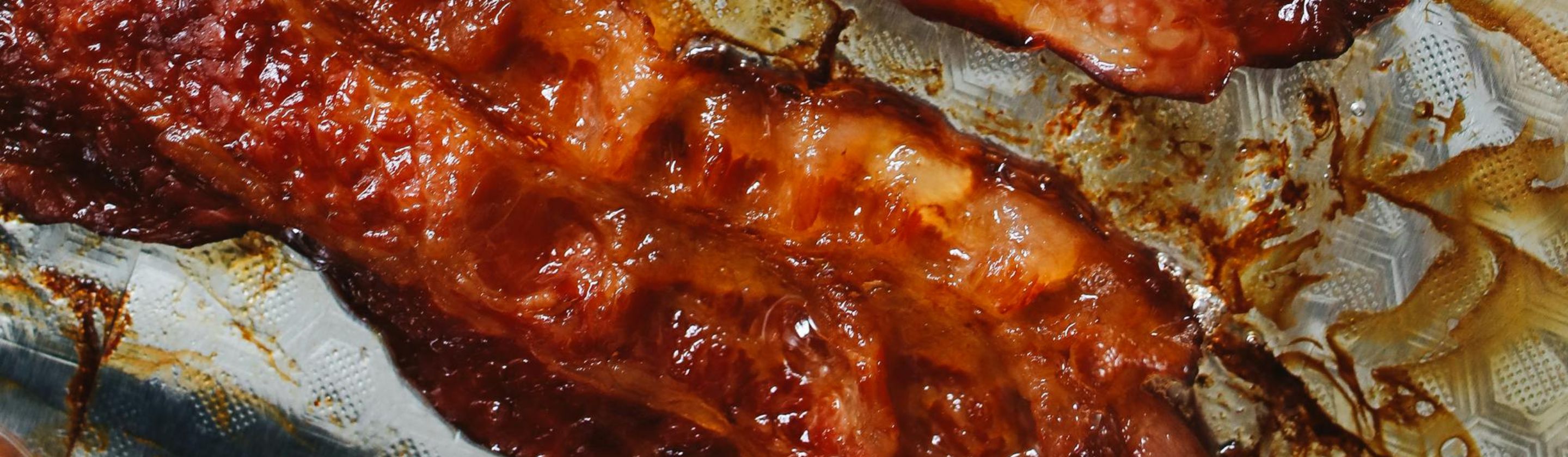
Ah, you've likely been waiting for this point to show up. Bacon is one of America's favorites because it's a tasty, flavorful addition to meals, but because it's cured, seasoned, and quite salty, a few strips brings concentrated sodium alongside saturated fat you don't want.
6. Sausage
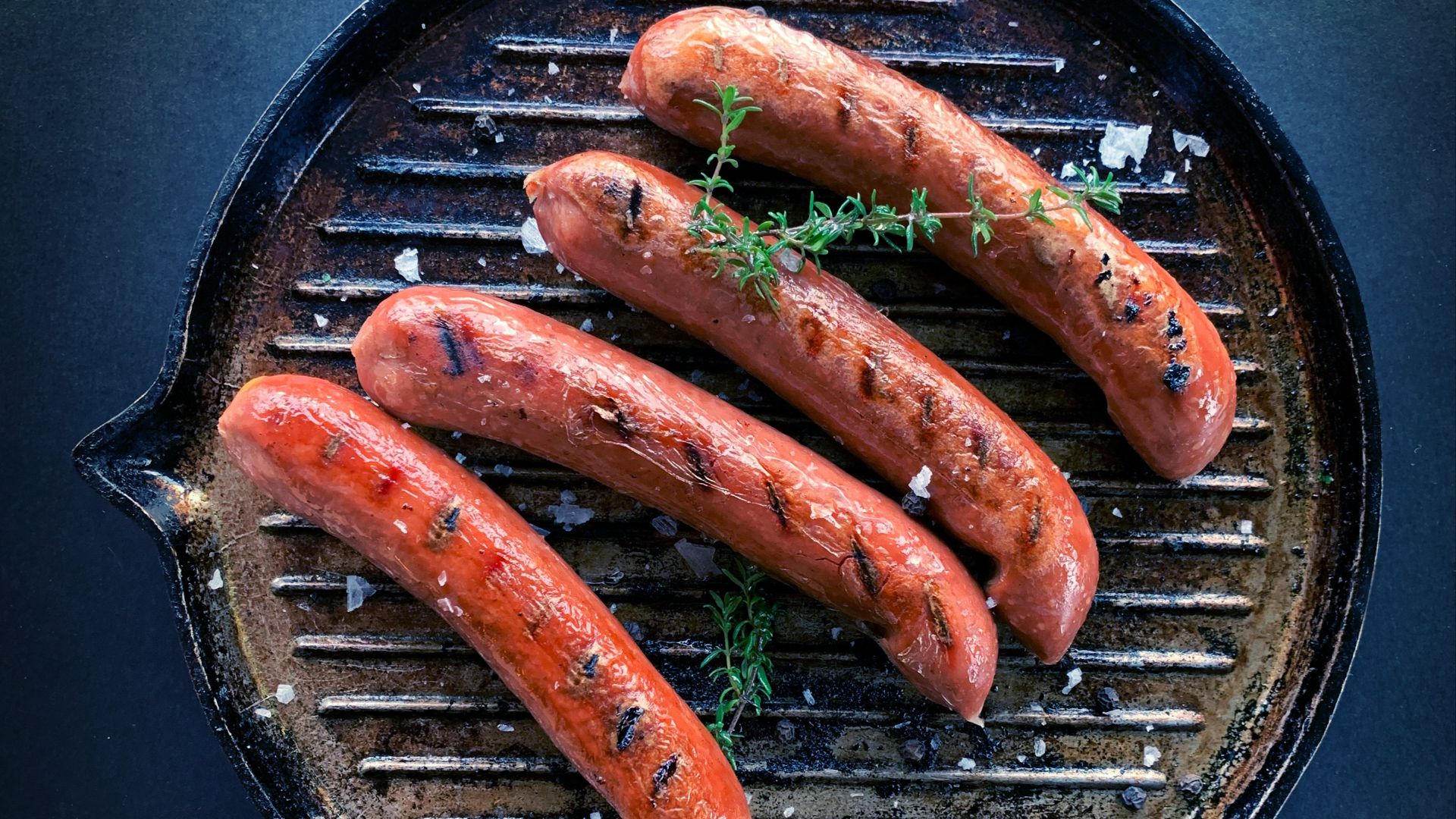
Another beloved breakfast choice that tends to be too sodium-heavy, sausages are served often in the morning, in pasta, in buns, and more, but should be carefully monitored. Many varieties are cured, smoked, or heavily seasoned, which makes them taste bold but also increases sodium.
7. Hot Dogs
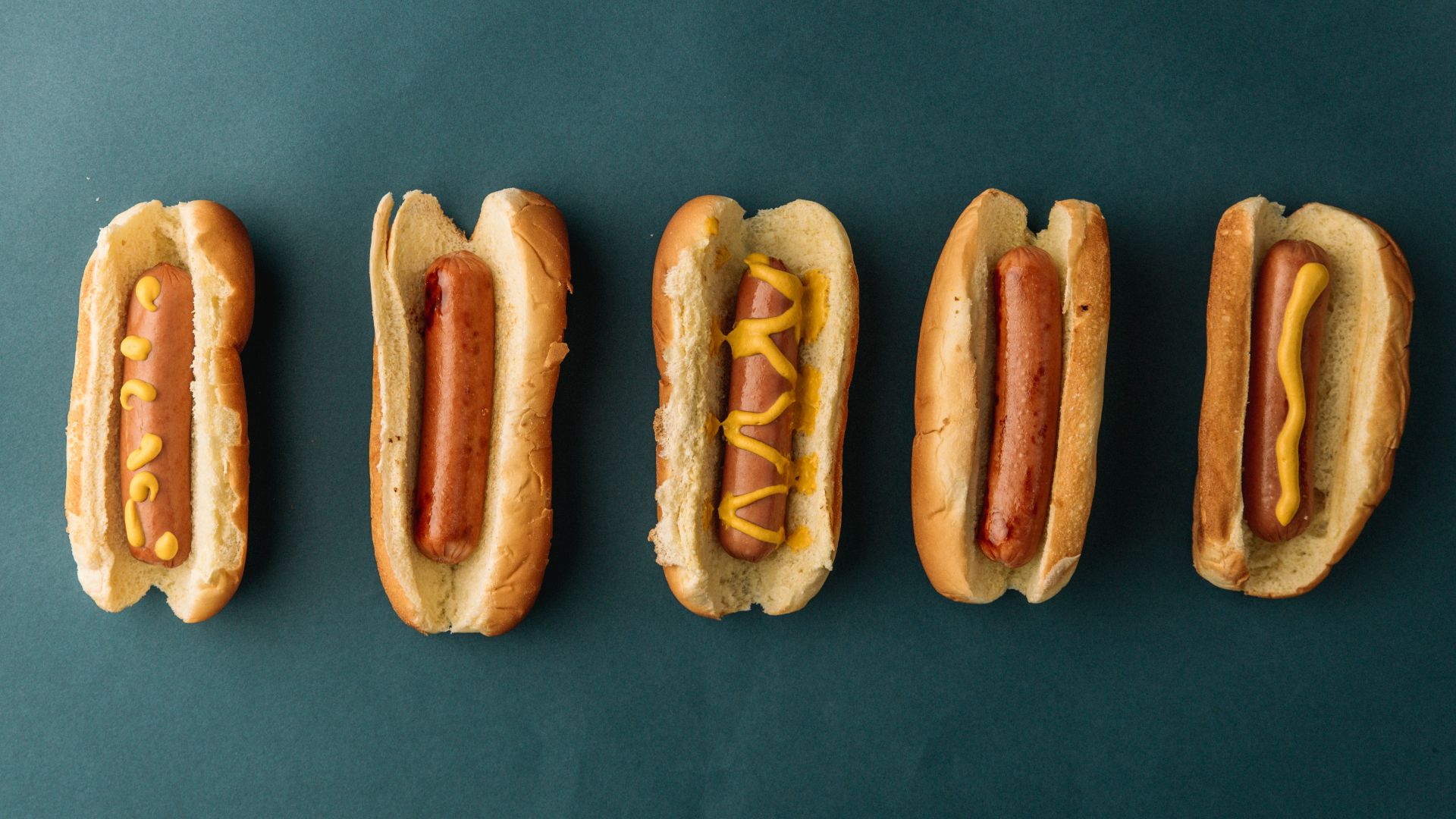
Hot dogs are small, but they certainly pack a lot of sodium into a few bites. And once you add a bun, relish, ketchup, mustard, chili, or cheese, the numbers can climb faster than expected. If they’re part of your summer routine, choose lower-sodium options if possible.
8. Pickles
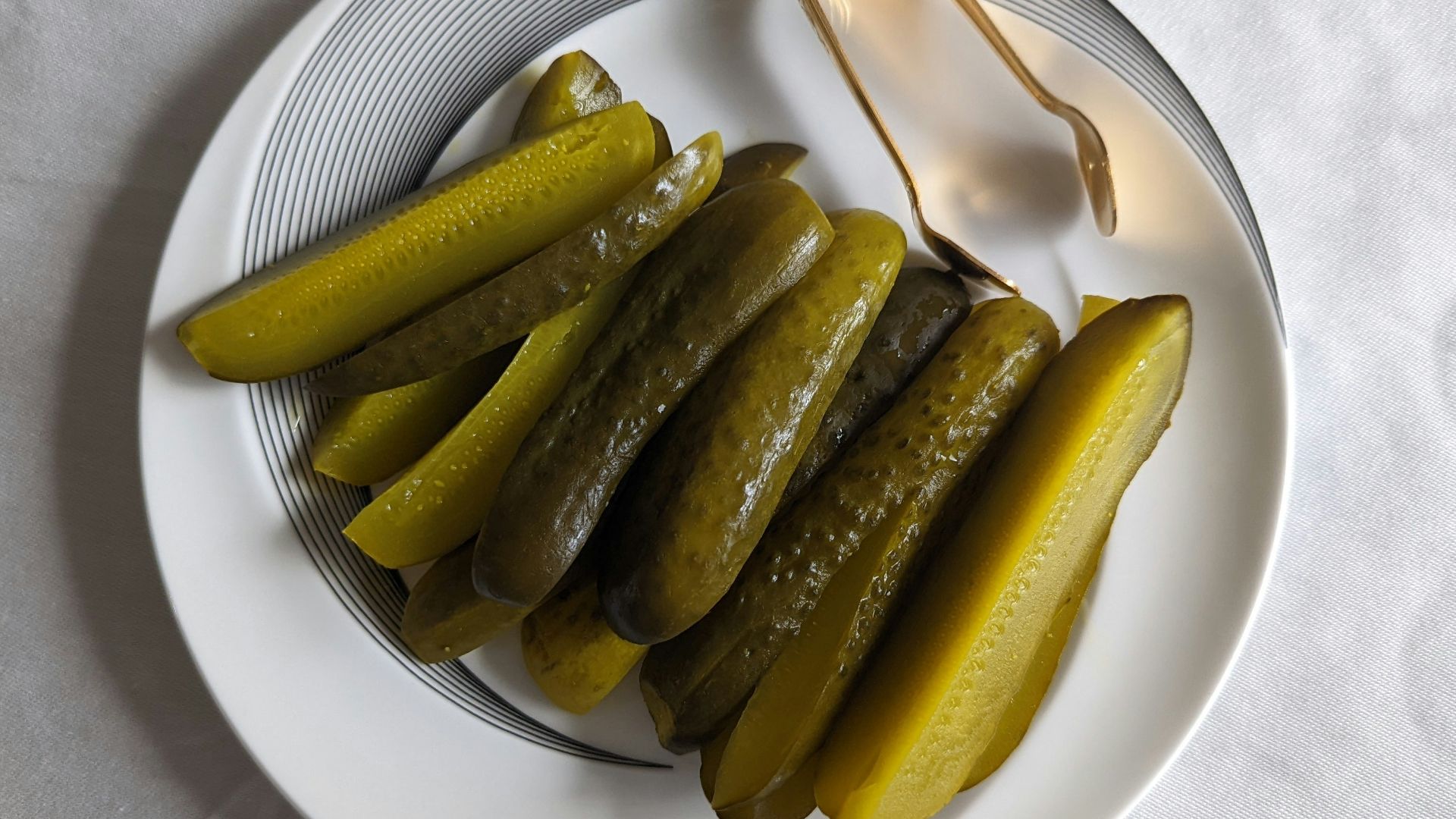
Just because pickles started out as cucumbers doesn't mean they're healthy to eat as you please. Once they're brined, just a few slices can add a noticeable sodium amount to any meal. It's okay to enjoy them as long as it's in moderation.
9. Pretzels
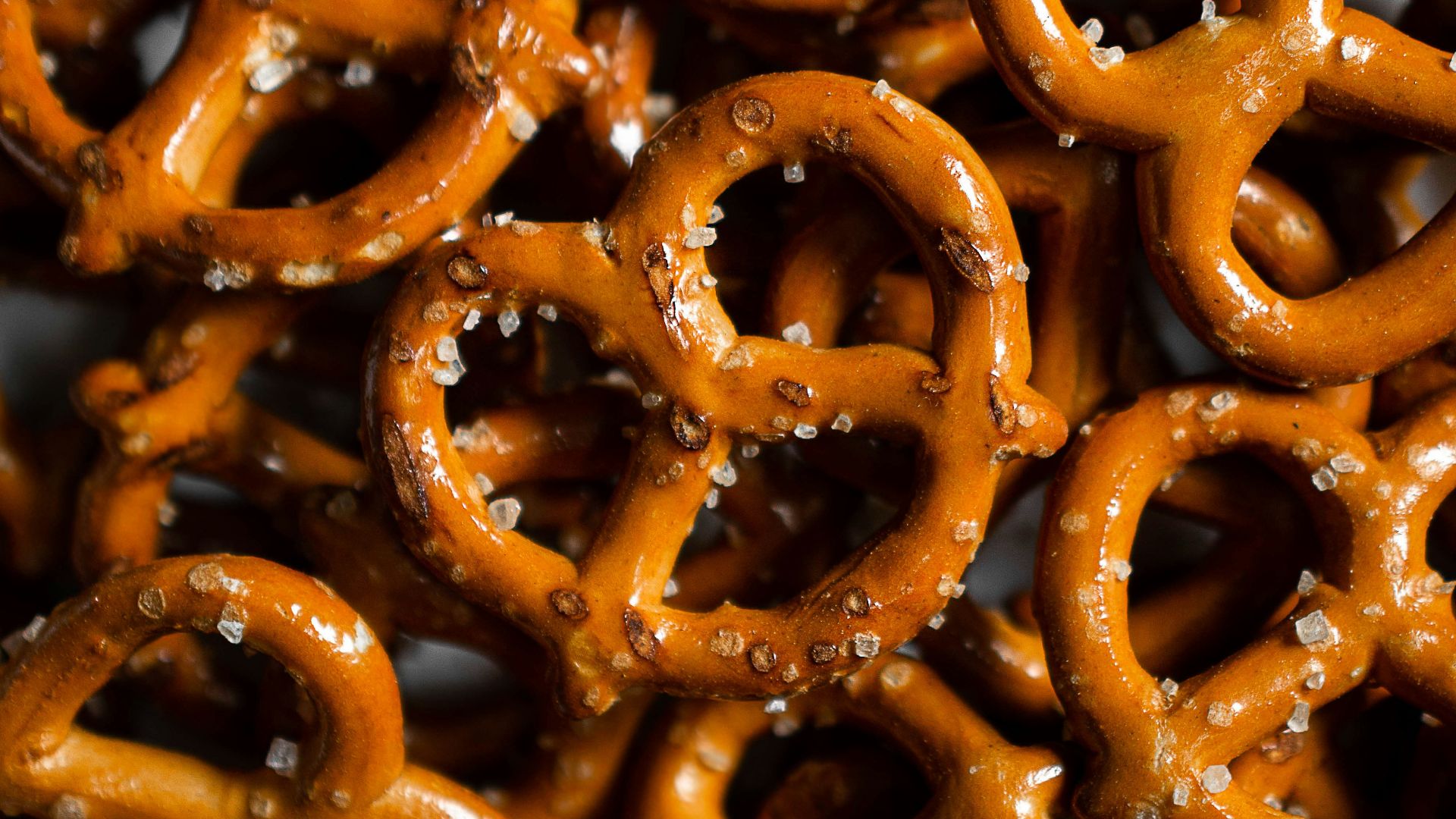
Pretzels often look like a lighter snack than chips, but it's not good to make assumptions without research. The truth is, the salt on the outside is only part of the issue, since the dough itself may contain sodium too. And if you munch on too many, you've added more to your sodium intake than intended.
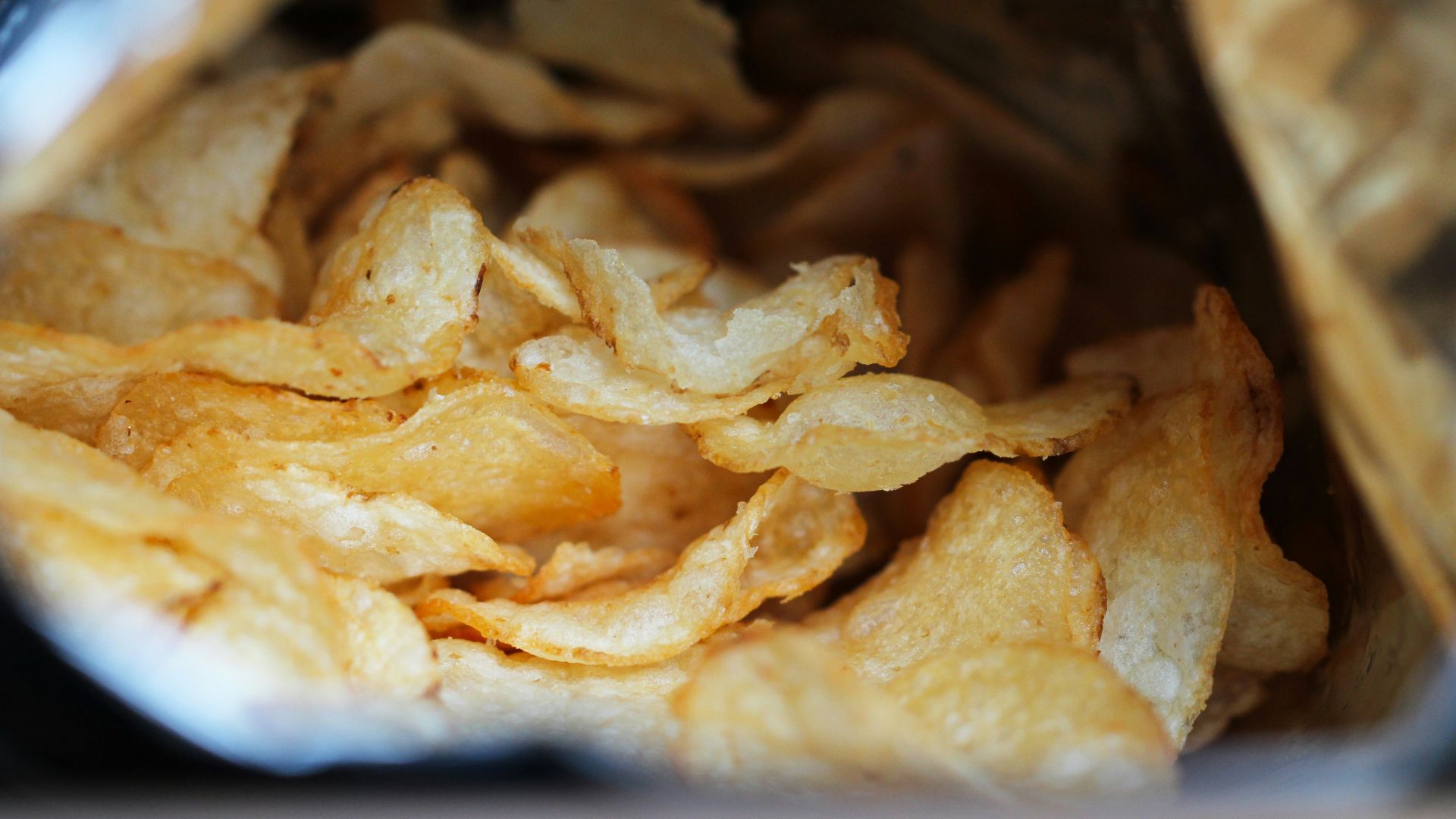
10. Potato Chips
One of the easiest snacks to overeat, potato chips have a bad rap because they're pretty much empty calories. Throw in the fact that they're high in sodium, they become especially dangerous to your diet. Because in real life, no one just stops at exactly 12 chips.
 Esperanza Doronila on Unsplash
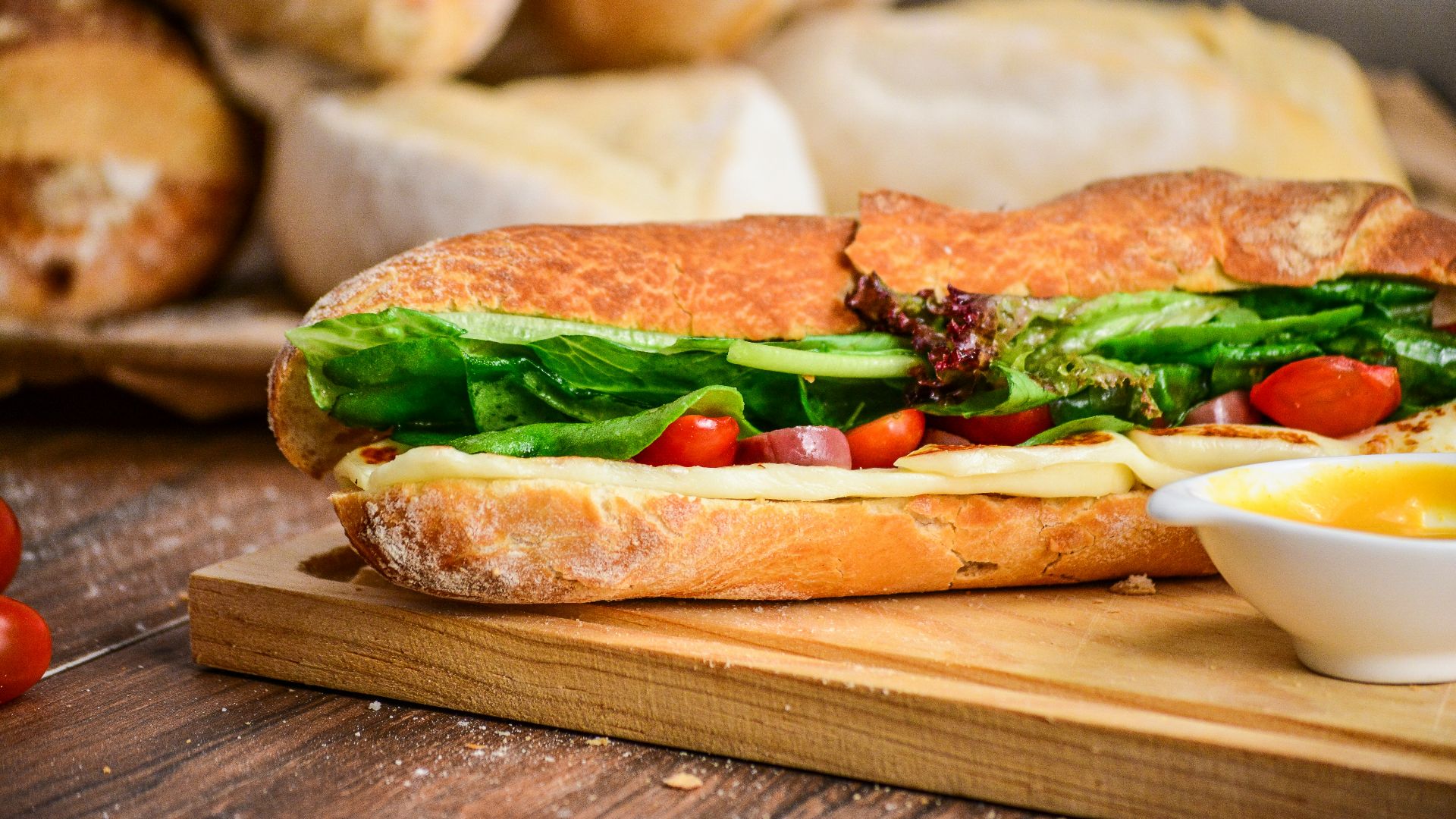
11. Restaurant Sandwiches
Restaurant sandwiches can be sodium traps because they bring together bread, deli meat, cheese, sauces, and pickled toppings. Even a sandwich that sounds fairly healthy often contains a lot more sodium than you’d expect.
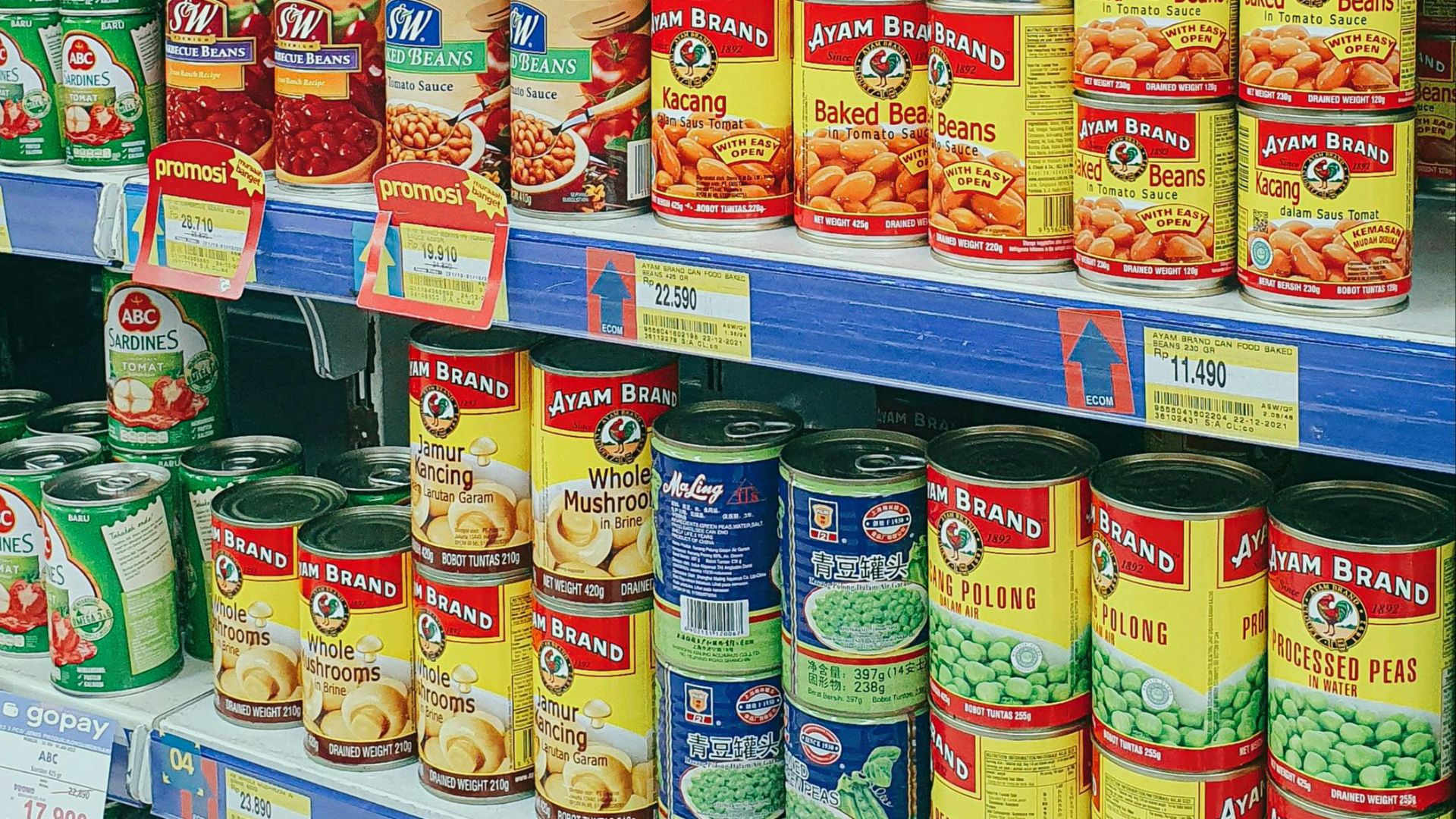
12. Canned Vegetables
Vegetables are of course healthy, but canned versions can sometimes come packed in salty liquid. Green beans, corn, peas, and mixed vegetables can all contain added sodium unless the label says otherwise, so be careful to look for “no salt added” cans, or rinse regular canned vegetables under water first.
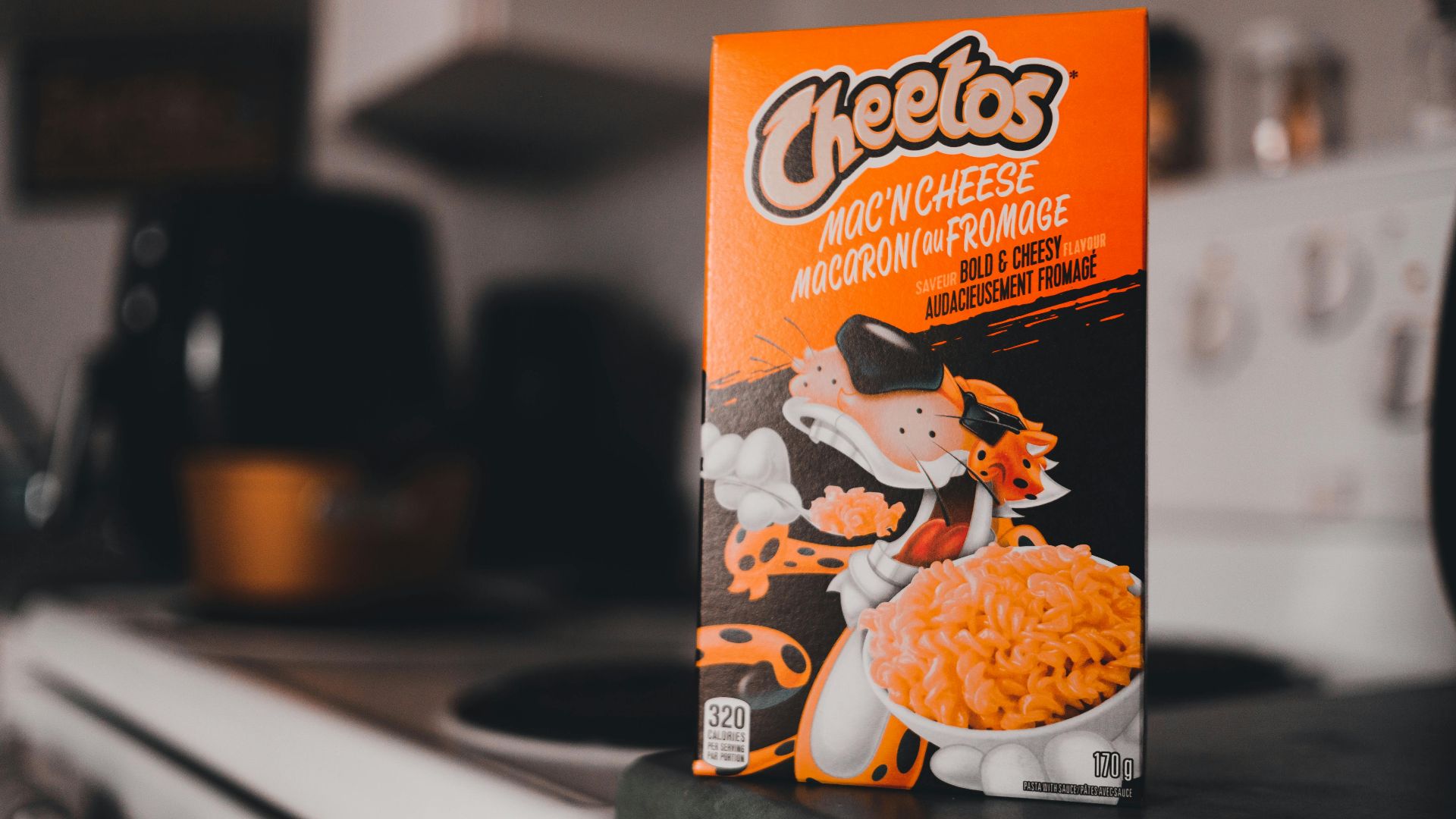
13. Boxed Macaroni and Cheese
Sure, these might be convenient and feel like comfort in a box, but that can lead you to make unhealthy decisions. Boxed mac and cheese is truthfully very high in sodium, with the seasoning packet leading the charge. When you're trying to be careful with your intake, this can definitely be a sneaky culprit.
14. Instant Noodles
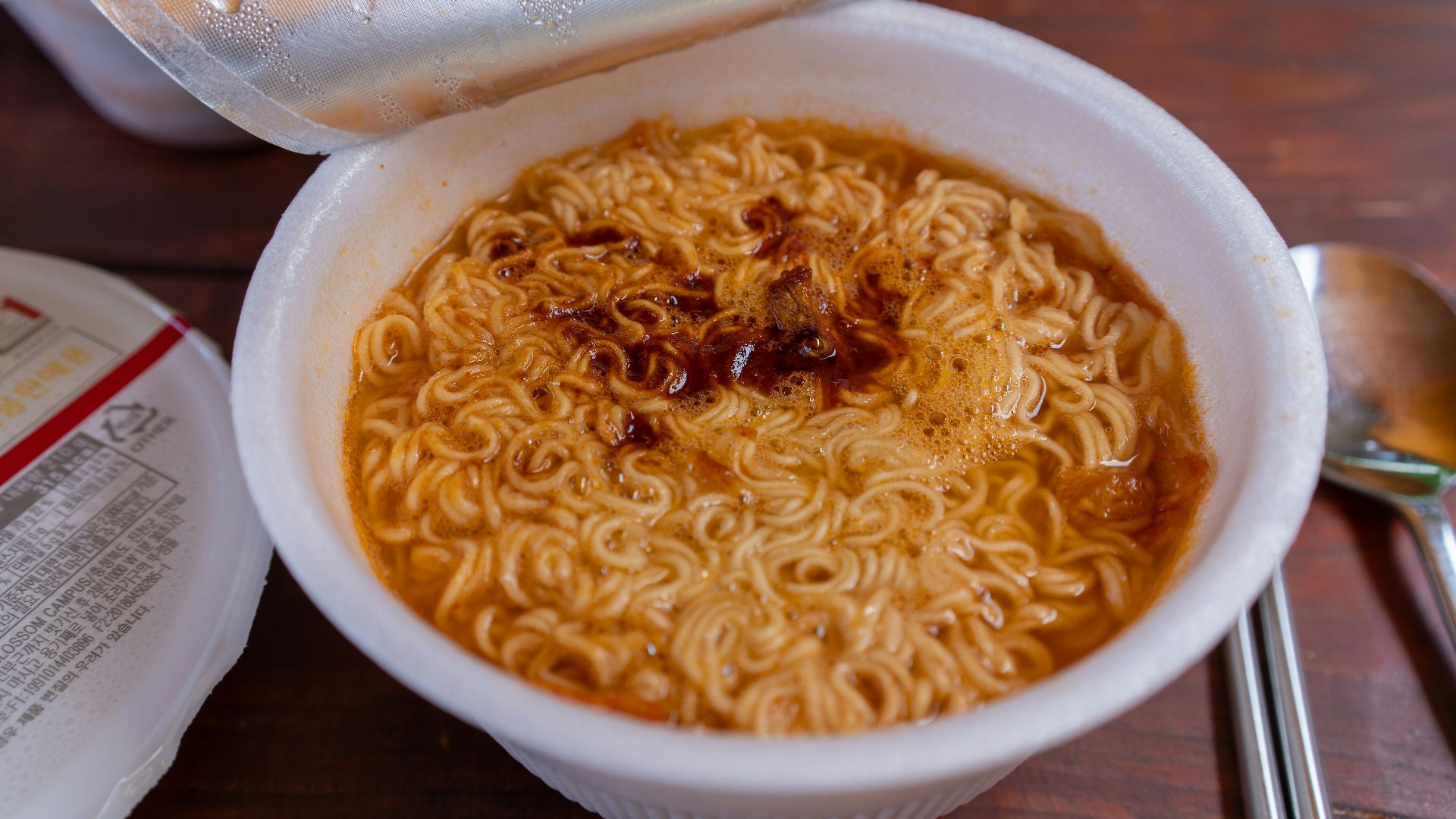
Instant noodles are famous for being cheap and fast, but the seasoning packet typically contains a large dose of sodium. The broth is usually where most of it hides, but don't count the noodles out either. It's the kind of food you definitely need to watch how often you eat.
15. Bottled Salad Dressings
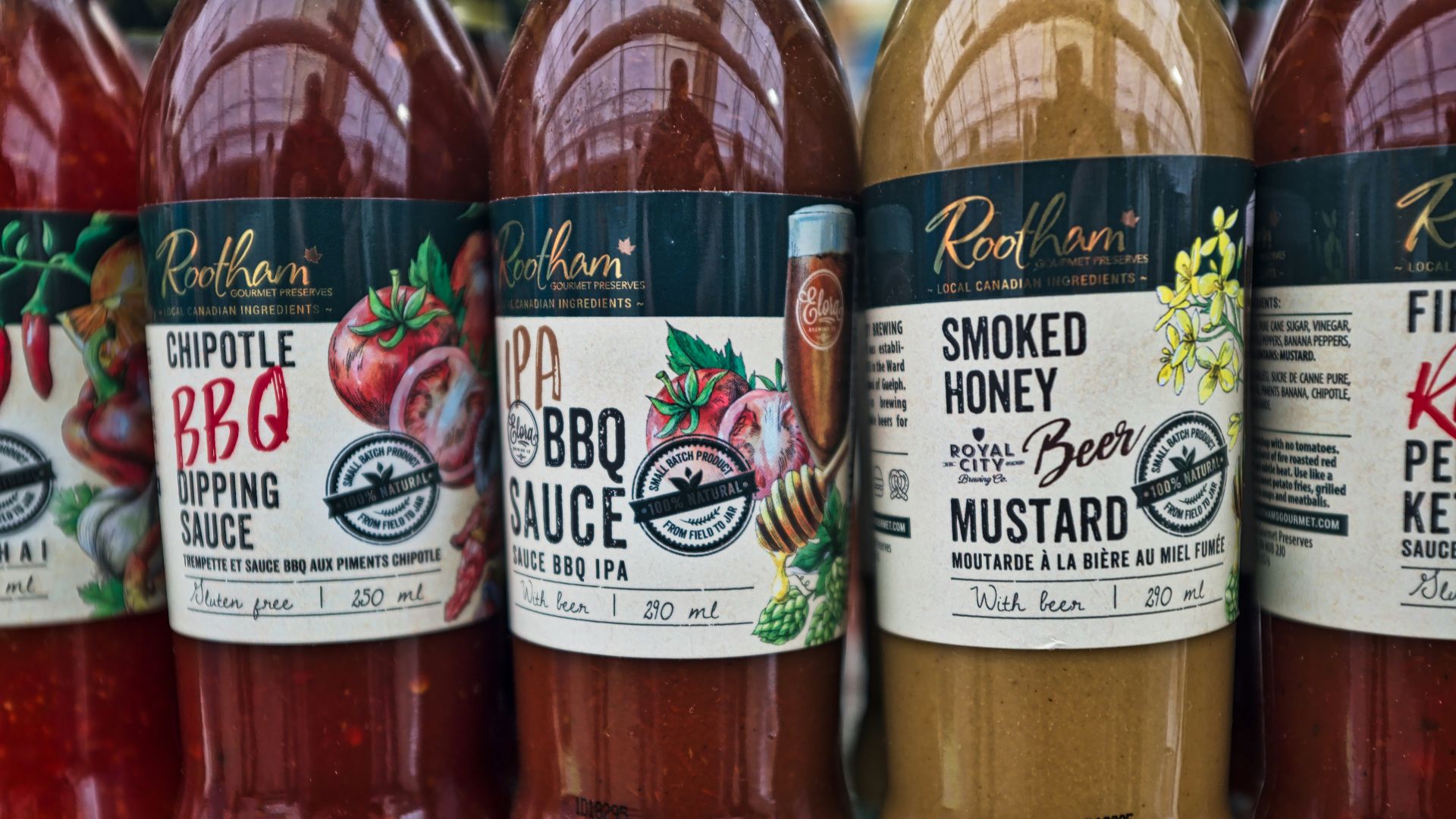
Salads are often labelled as healthy, but that really depends what you put into it. Because the moment you drown it all in salad dressing, you're not just upping your calorie intake, but your sodium, too. Ranch, Italian, Caesar, blue cheese, and vinaigrettes can all vary widely, so carefully read nutrition labels before using them.
16. Soy Sauce
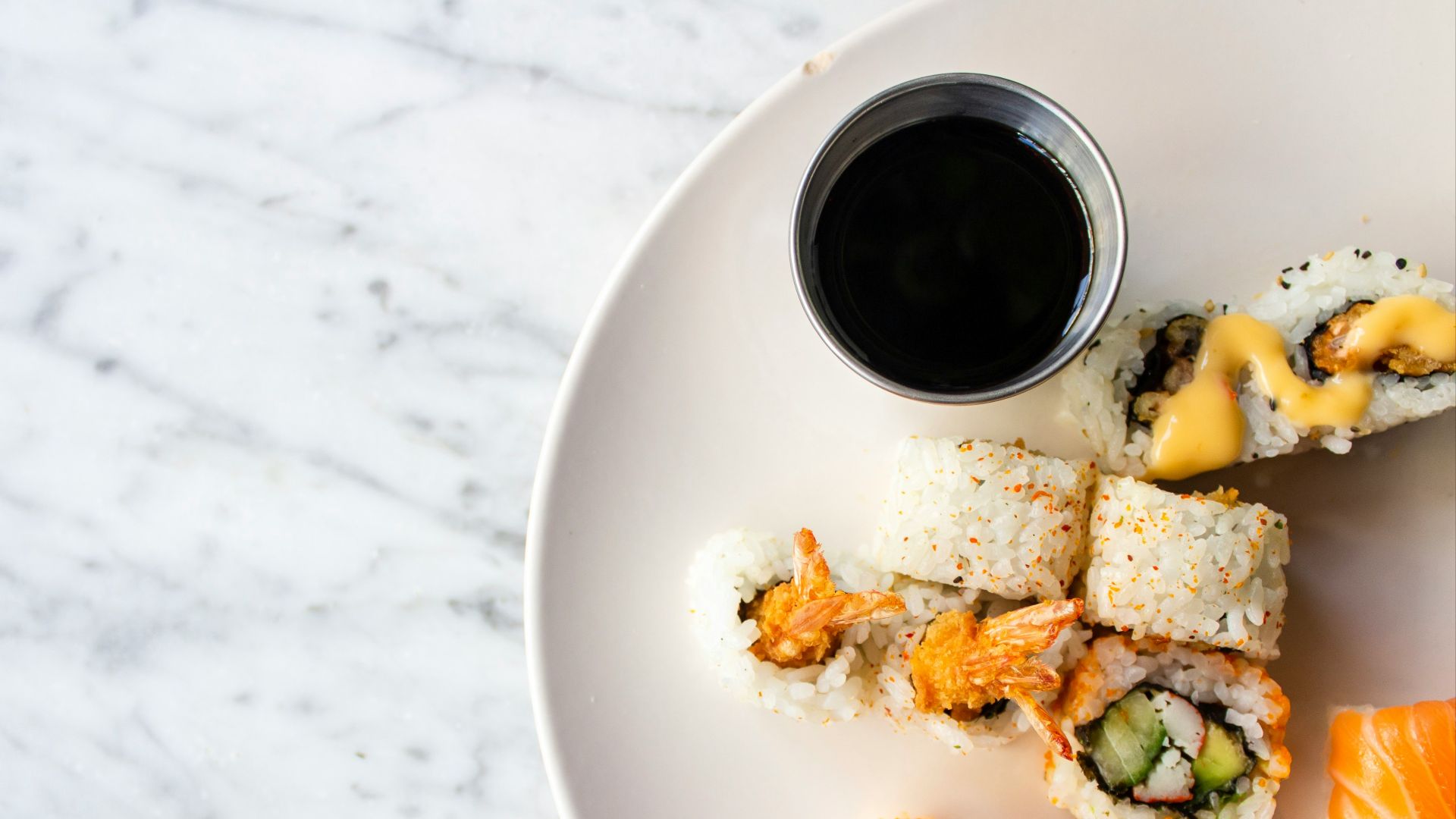
Soy sauce might be umami in a bottle, but it's definitely one of the saltiest condiments around. A little goes a long way, so use it sparingly. Even low-sodium soy sauce can still contain a meaningful amount, so “less” doesn’t mean “little.”
17. Packaged Rice Mixes
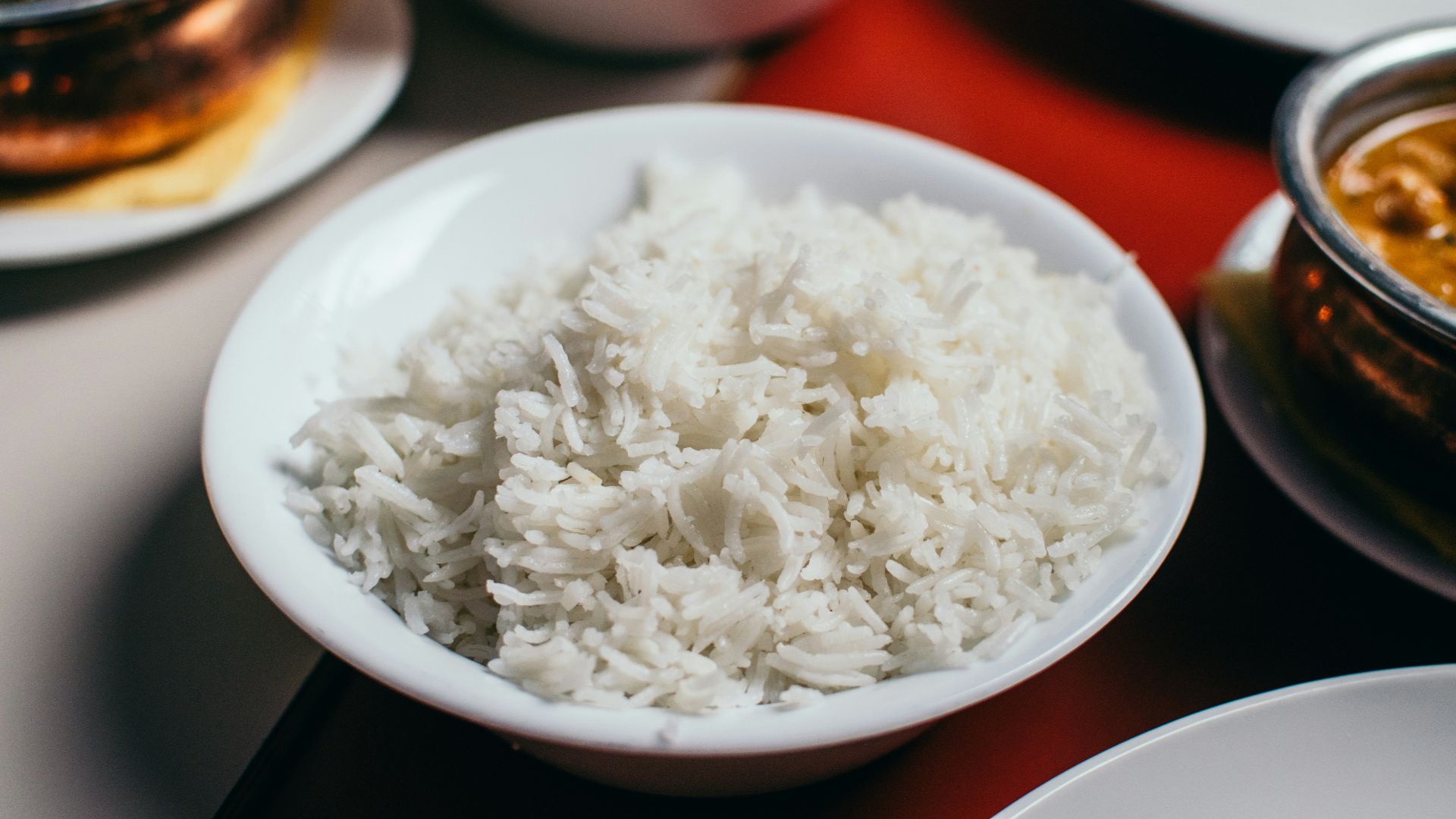
Don't be fooled by packaged products that seem easy; that convenience is usually hiding something! Take rice mixes for instance. The seasoning blend often does more than add herbs. Many include salt, bouillon, and flavor enhancers that raise the sodium level quickly.
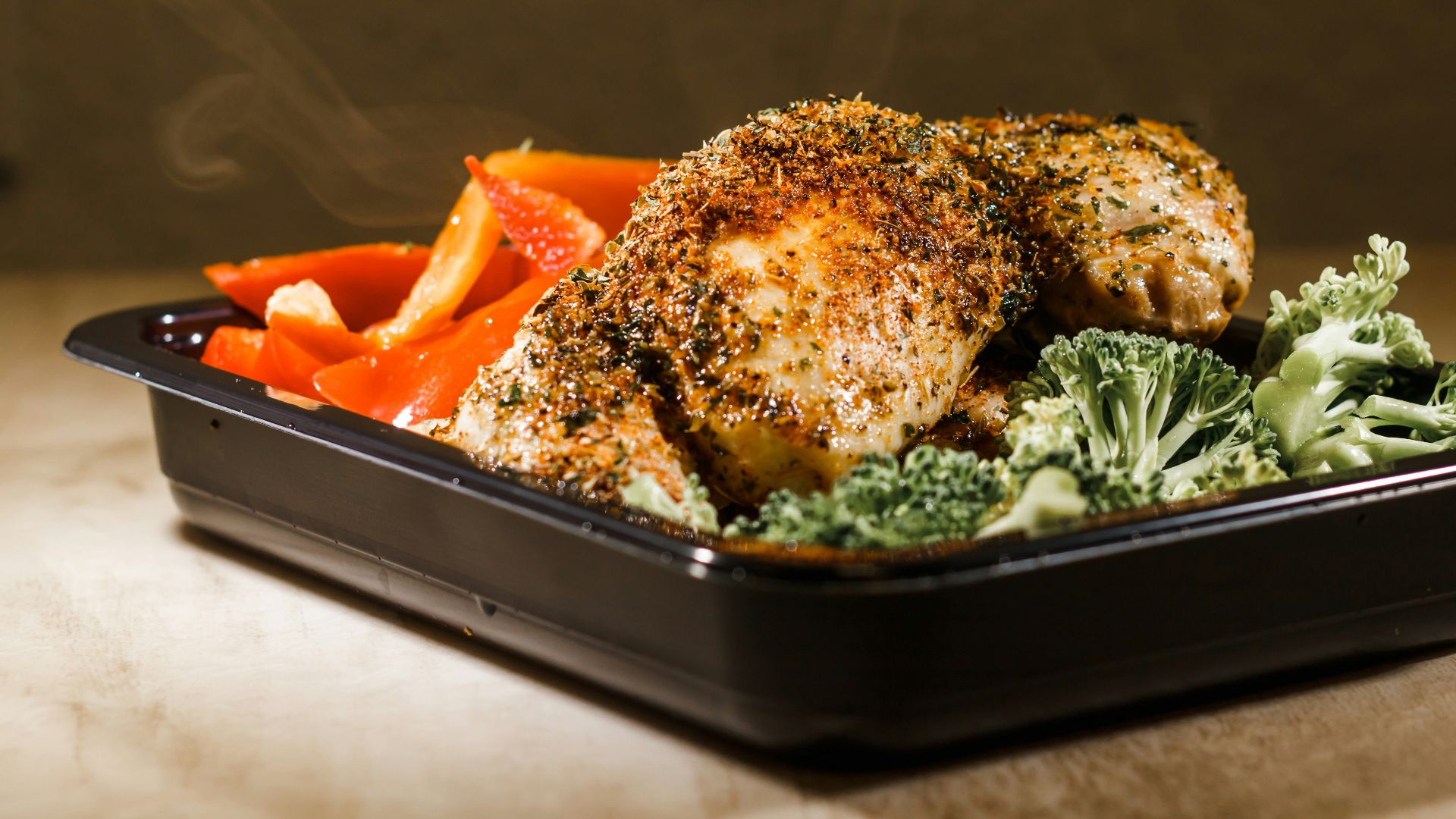
18. Frozen Dinners
Dinner might be ready in minutes, but it's not worth all that sodium it's hiding, especially when you're of older age. Meals with gravy, cheese sauce, breaded meats, pasta, or processed meats tend to be especially salty. Compare labels before buying, and look for meals with lower sodium, more fiber, and enough protein to keep you satisfied.
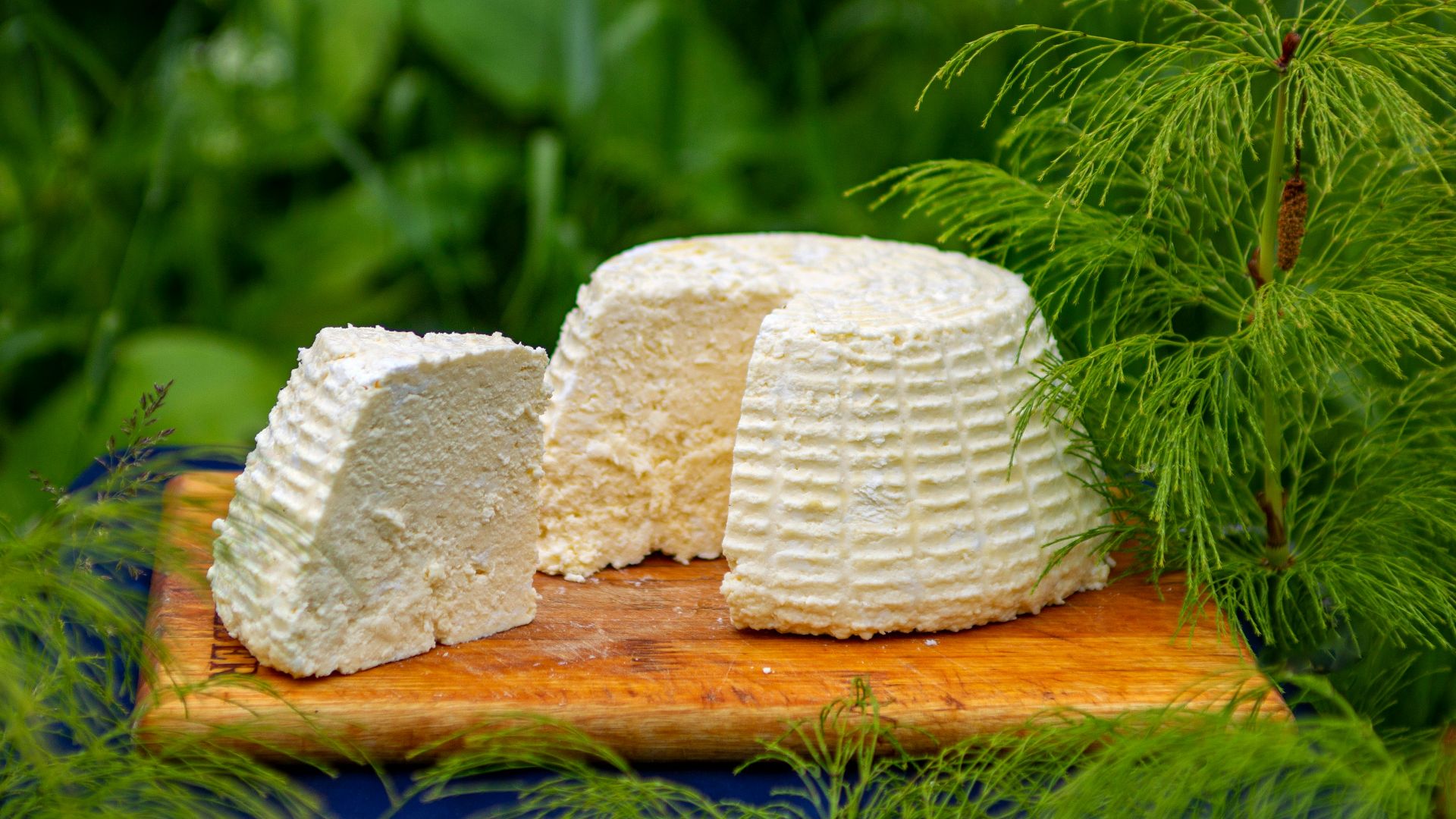
19. Cottage Cheese
Cottage cheese has plenty going for it, including protein, but it can also be unexpectedly high in sodium. Because it tastes mild, people don’t always think of it as a salty food, so if you eat it regularly, choose lower-sodium varieties and pair it with fruit, pepper, or fresh herbs instead of salty crackers.
 Aleksey Melkomukov on Unsplash
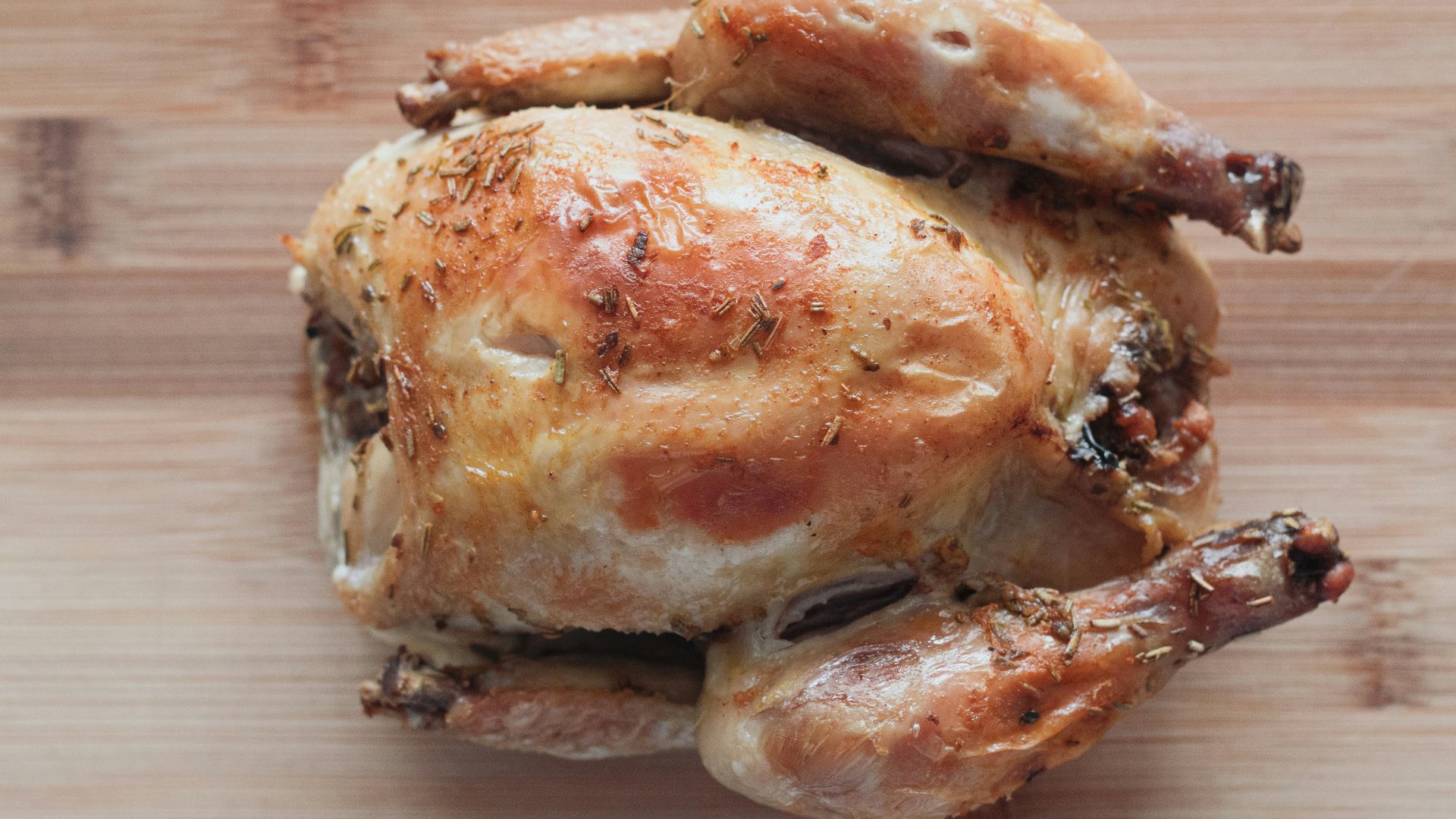
20. Store-Bought Rotisserie Chicken
Rotisserie chicken is a weeknight lifesaver, but many store-bought versions are seasoned or injected with salty solutions that can be bad news for your sodium intake. It’s still convenient, but you’re better off removing some skin, watching portions, and reducing how often you rely on it.
KEEP ON READING

20 Countries Where People Are the Most Active


20 Morning Habits Men Have That Women Should Adopt