Upgrading Your Step Count
Walking can feel almost too ordinary to call a health habit. It’s something we have to do, and hopefully, like to do, day in and day out. Still, the way you walk can change how your body feels, especially if you’re dealing with stiff hips, sore feet, tense shoulders, or a lower back that starts complaining before you’ve even hit the end of the block. A walk doesn’t need to be intense to be useful, and it doesn’t need to look like someone else’s workout to count. These 20 upgrades can help your daily steps feel more comfortable, more doable, and a little easier to come back to.
1. Walk With a Taller Spine
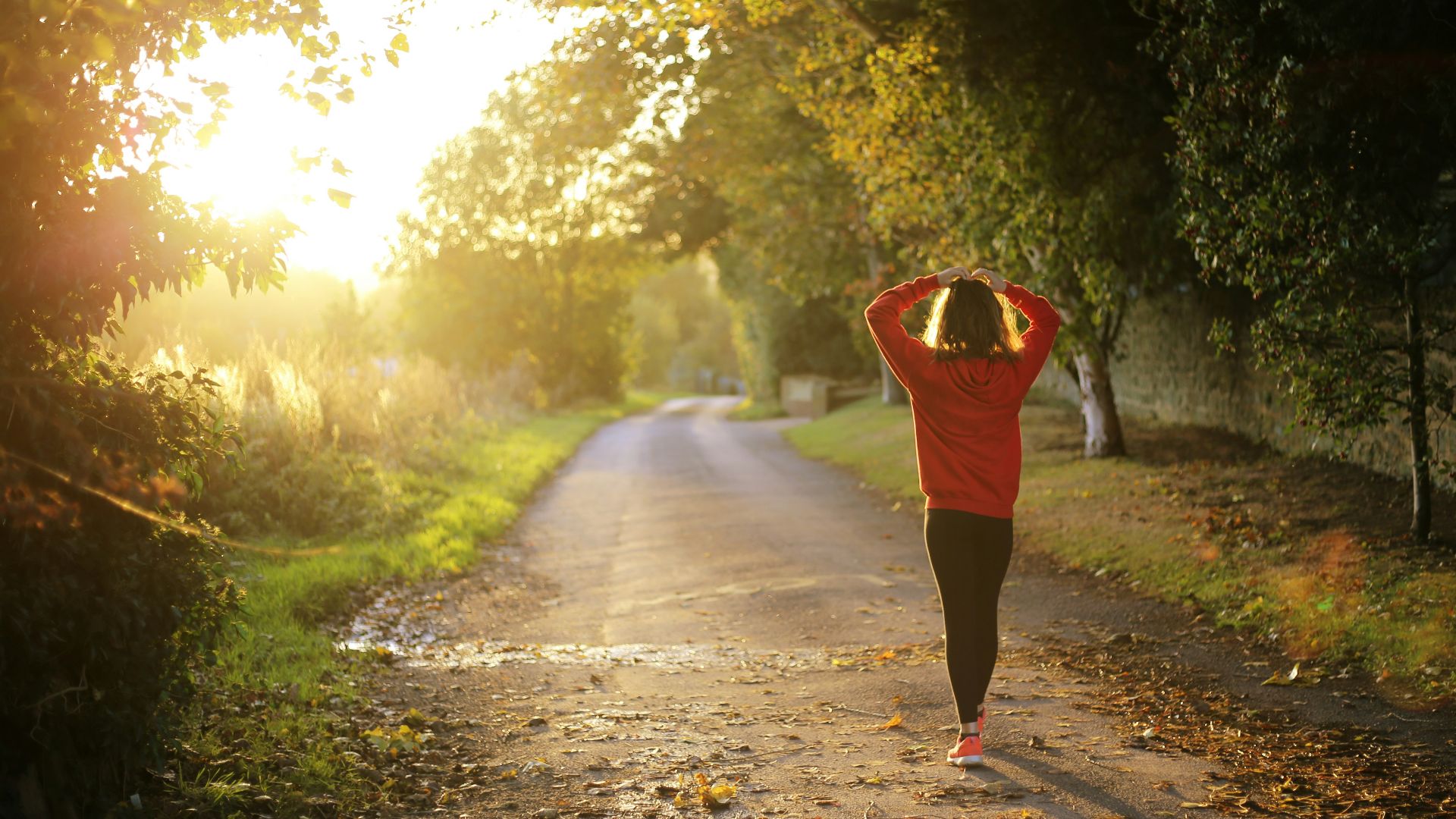
A taller posture can make walking feel easier on your neck, shoulders, and lower back. Keep your head lifted, your gaze a few steps ahead, and your shoulders sitting comfortably over your hips.

2. Let Your Foot Roll Forward
A smooth heel-to-toe roll can make each step feel softer and more controlled. Try landing lightly on your heel, moving through the middle of your foot, and pushing off through your toes without stomping or dragging.
3. Choose a Brisk Pace You Can Keep
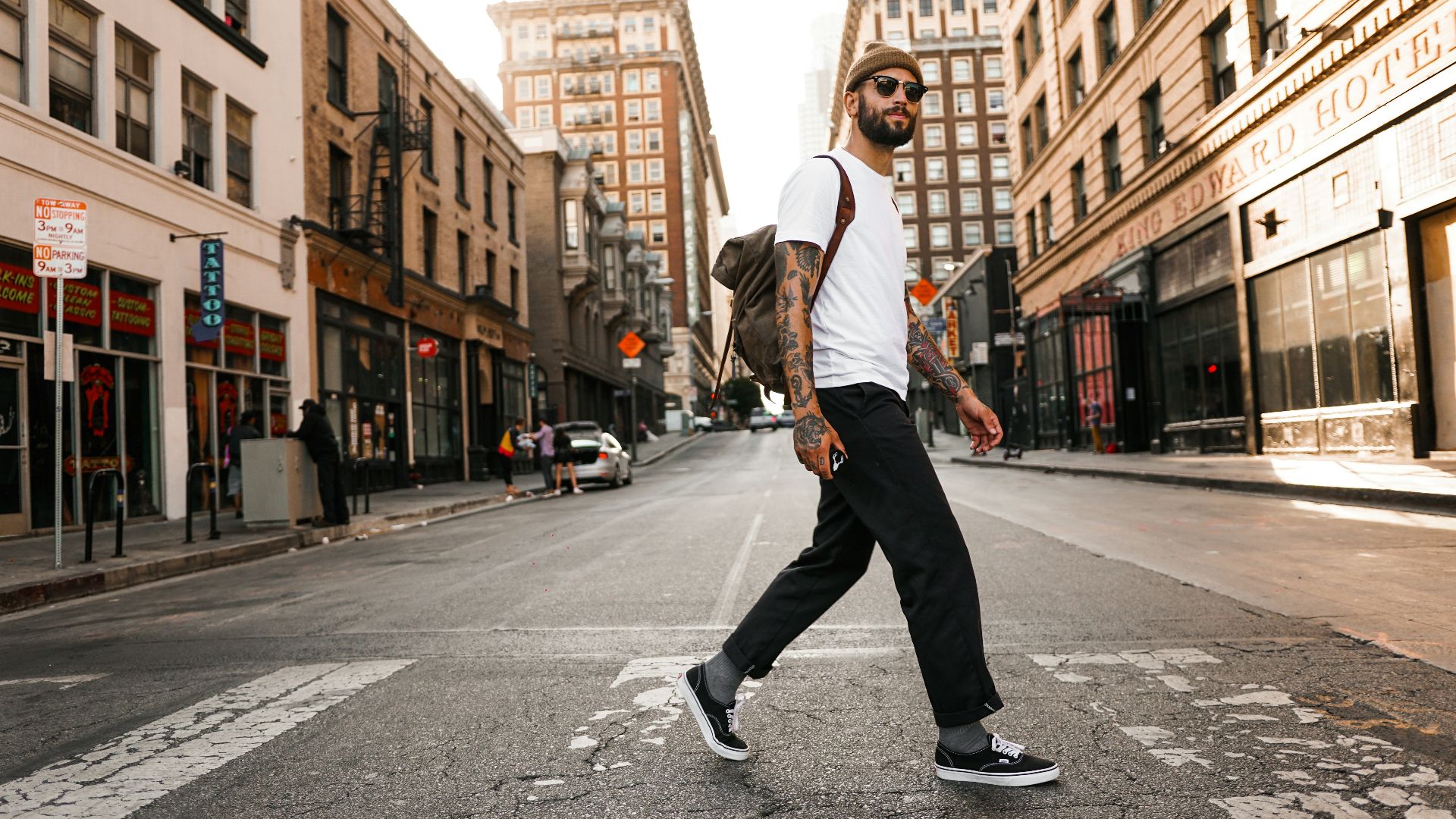
A brisk walk should leave you breathing a little harder while still able to speak in short sentences. That might mean a quick neighborhood loop before work, a faster lap around the park after lunch, or a few speed notches higher on the treadmill, if that’s your scenery of choice.
4. Let Your Arms Move Naturally
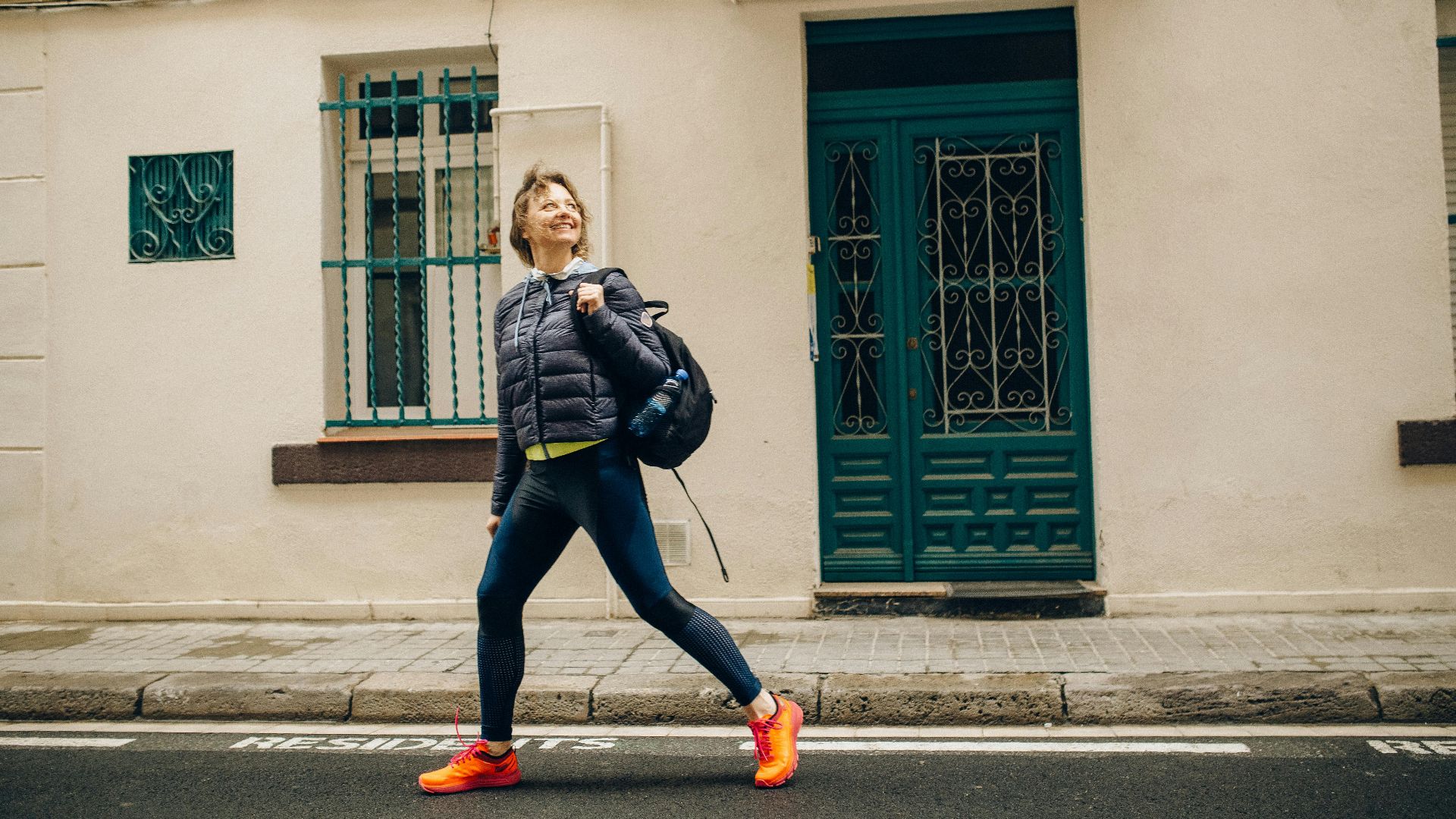
Your arms don’t need to pump like you’re chasing a bus or practicing for the Olympics. Keep your elbows slightly bent, your hands loose, and your arms swinging forward and back from the shoulders. This should happen naturally, as long as you don’t overthink it.
5. Shorten Your Stride
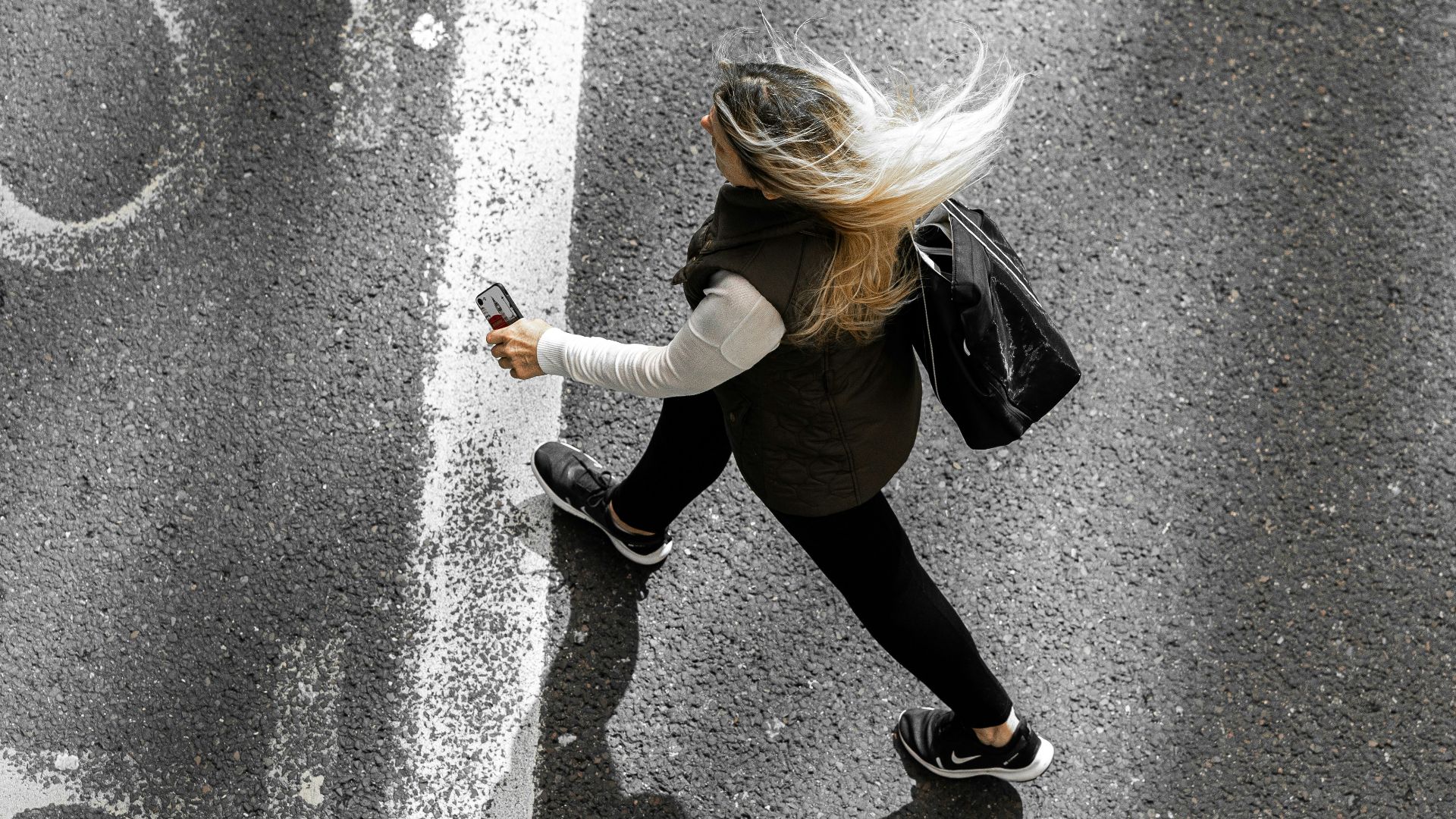
Long steps can make walking feel heavier, especially if your knees, hips, or lower back already feel sensitive. A slightly shorter stride helps your foot land closer to your body, which can make your steps feel a bit smoother.
6. Add a Small Hill
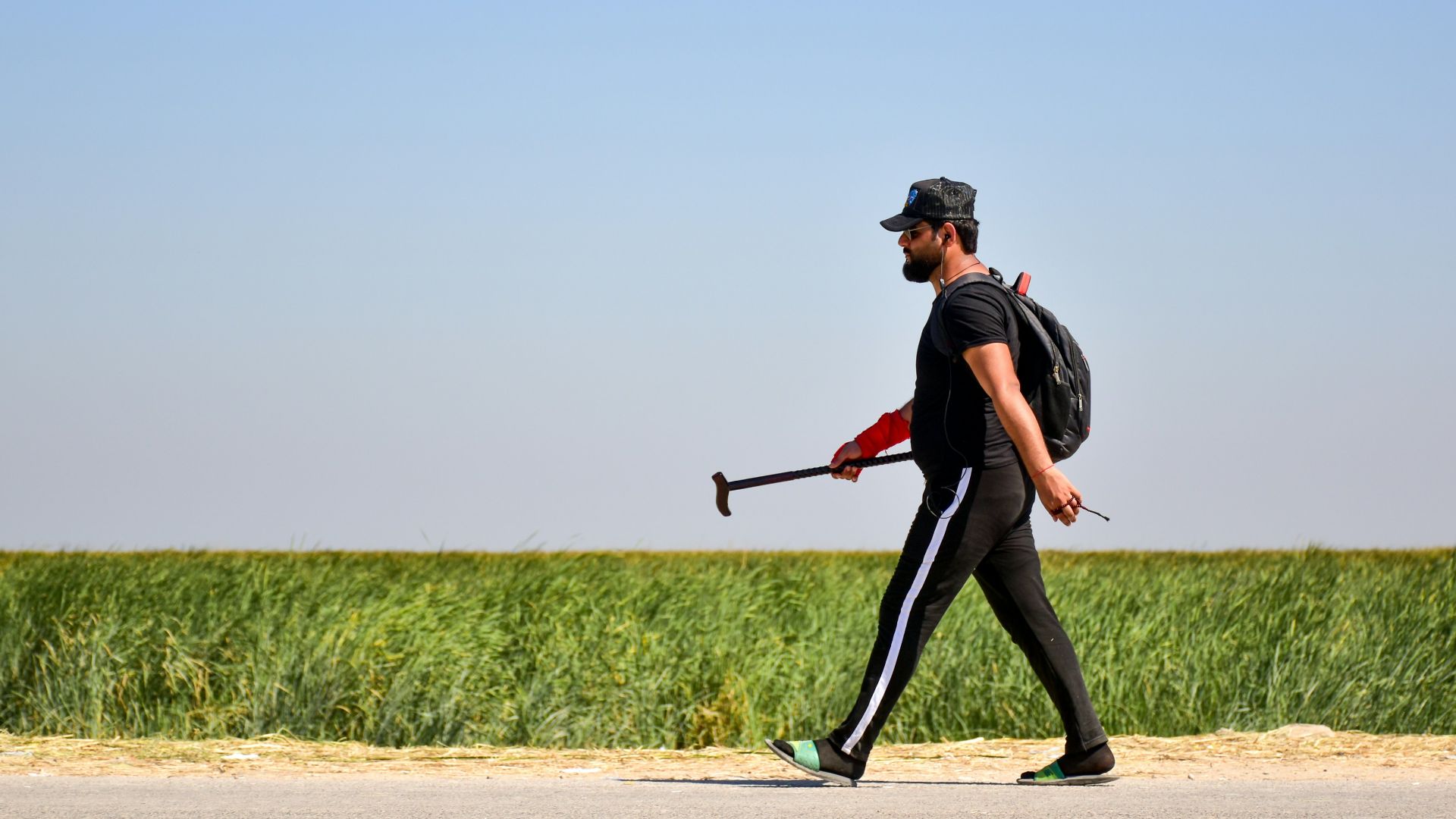
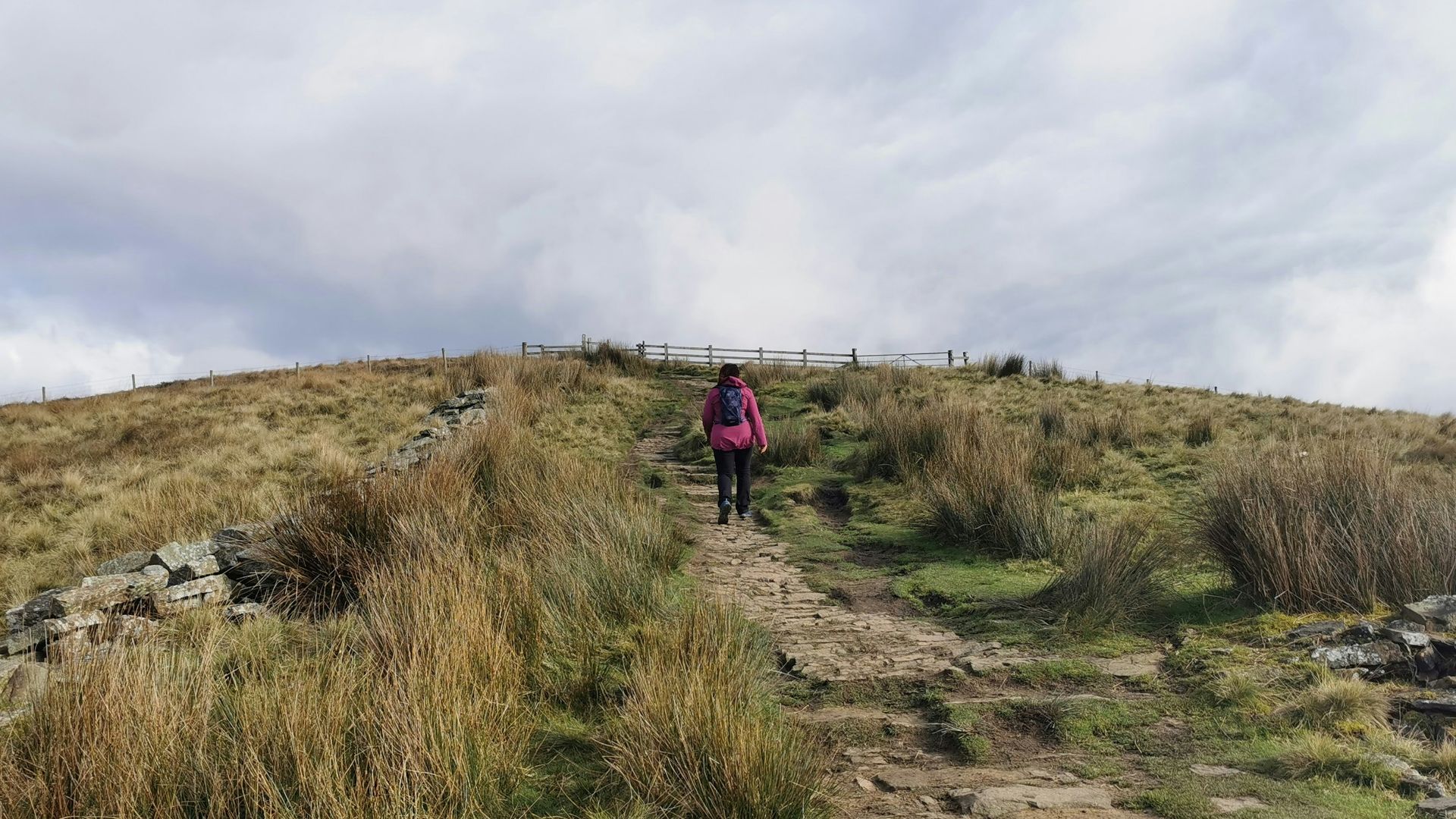
A mild incline can give your legs and heart more work without entering high-intensity training. Start with one gentle hill near your house, a sloped trail at the park, or a low treadmill incline, then add more only when it feels comfortable.
 Shell CampingwithStyle on Unsplash
7. Walk After Long Sitting Spells
A short walk after sitting for a while can help loosen stiff hips, backs, and shoulders. Even two or three minutes around the office, in the hallway, or in the kitchen can help your body feel less stuck after a laptop-heavy morning.

8. Take It Outside When You Can
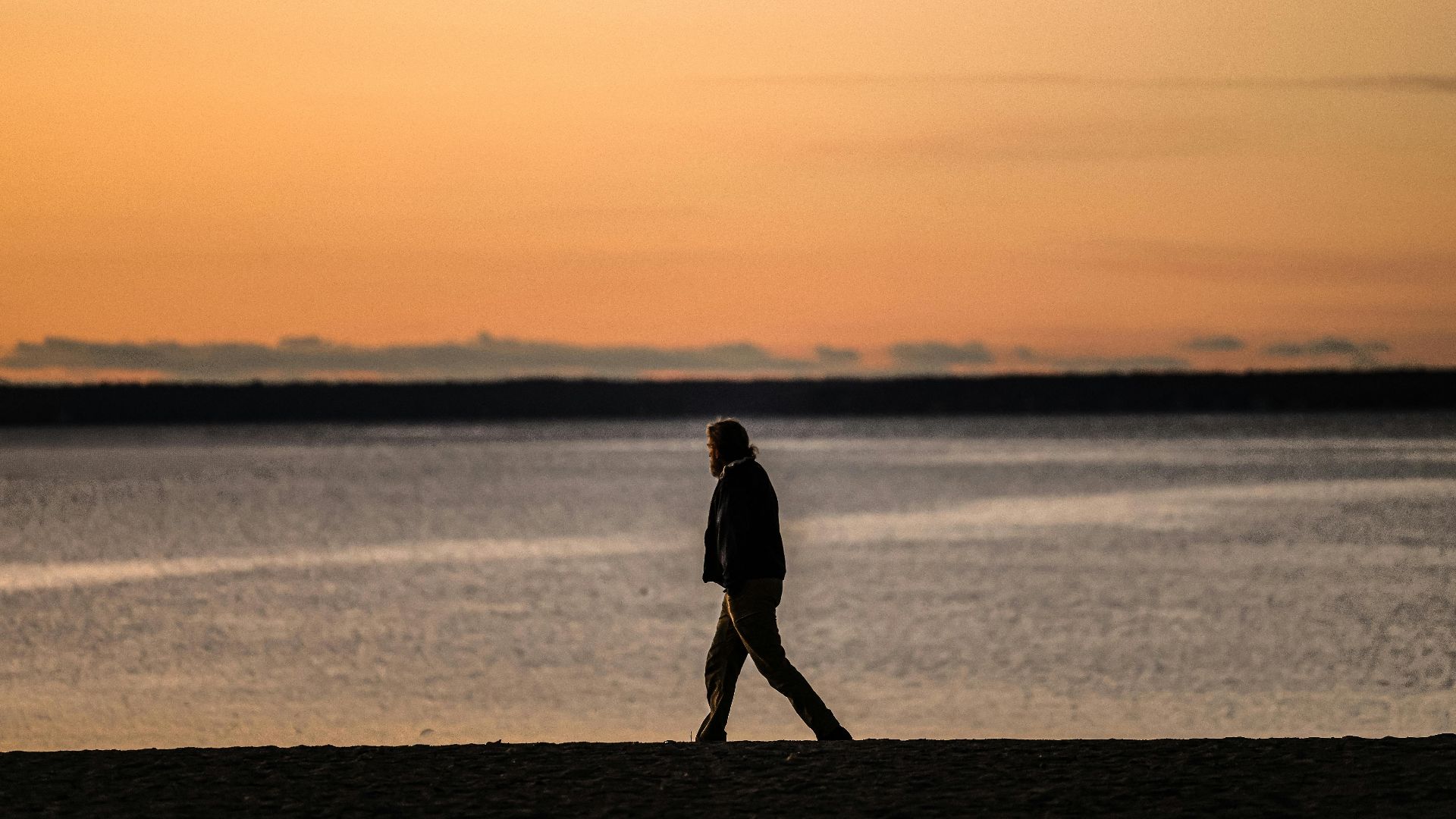
Outdoor walks often feel better because the scenery changes and the light changes with it. A tree-lined street, a quiet trail, or a waterfront path can make the same amount of movement feel a little more peaceful.

9. Wear Well-Fitting Shoes
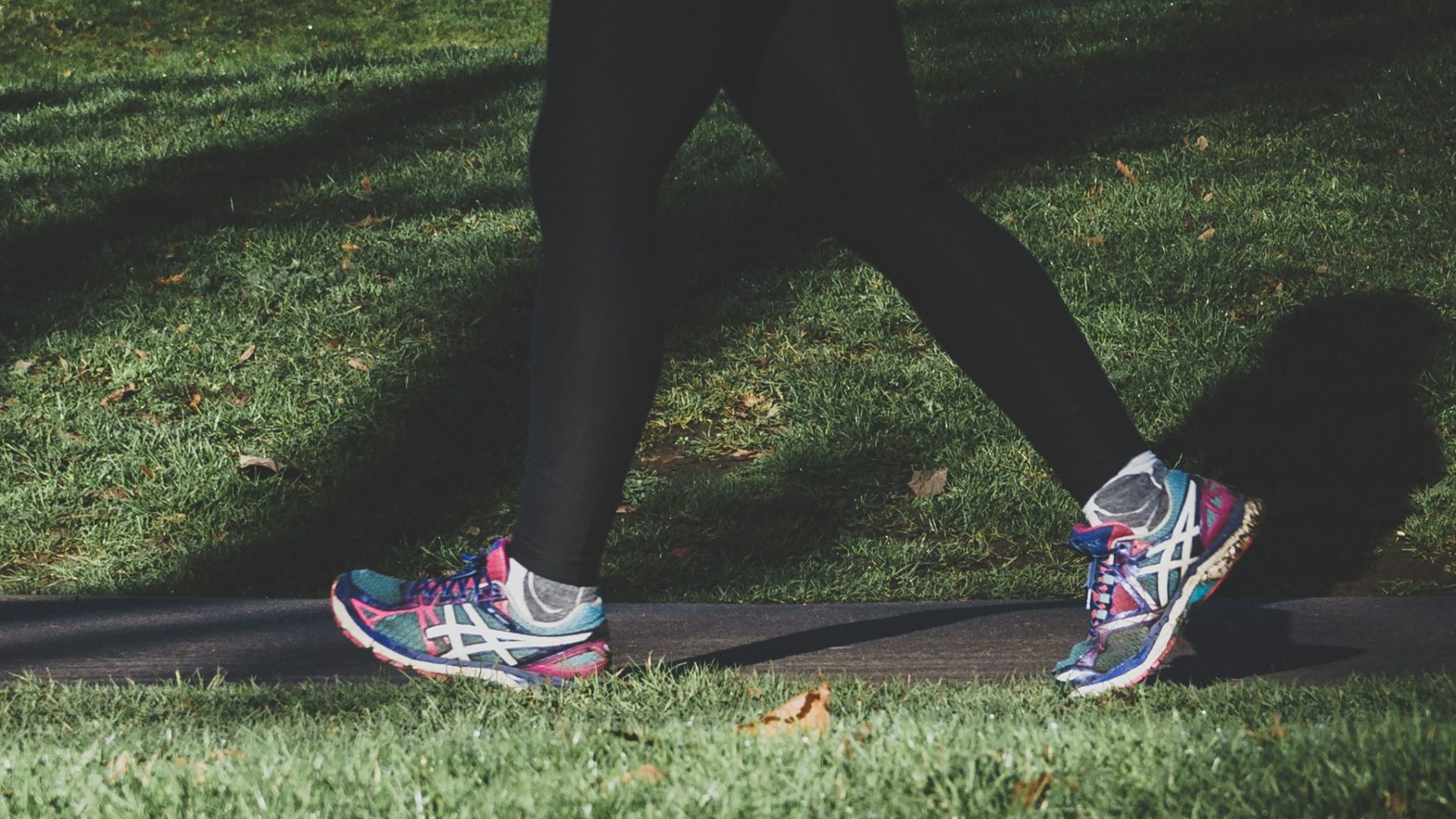
Walking shoes should feel cushioned, stable, and roomy enough for your toes. If your heels slip, your arches ache, or the soles look flattened and tired, your shoes may be making the walk harder than it has to be.
10. Ease Into the First Few Minutes
Starting slowly gives your body a chance to warm up before you move faster. Use the first block, the first song, or the first few minutes on the treadmill to settle in before picking up the pace.
11. Cool Down Before You Stop
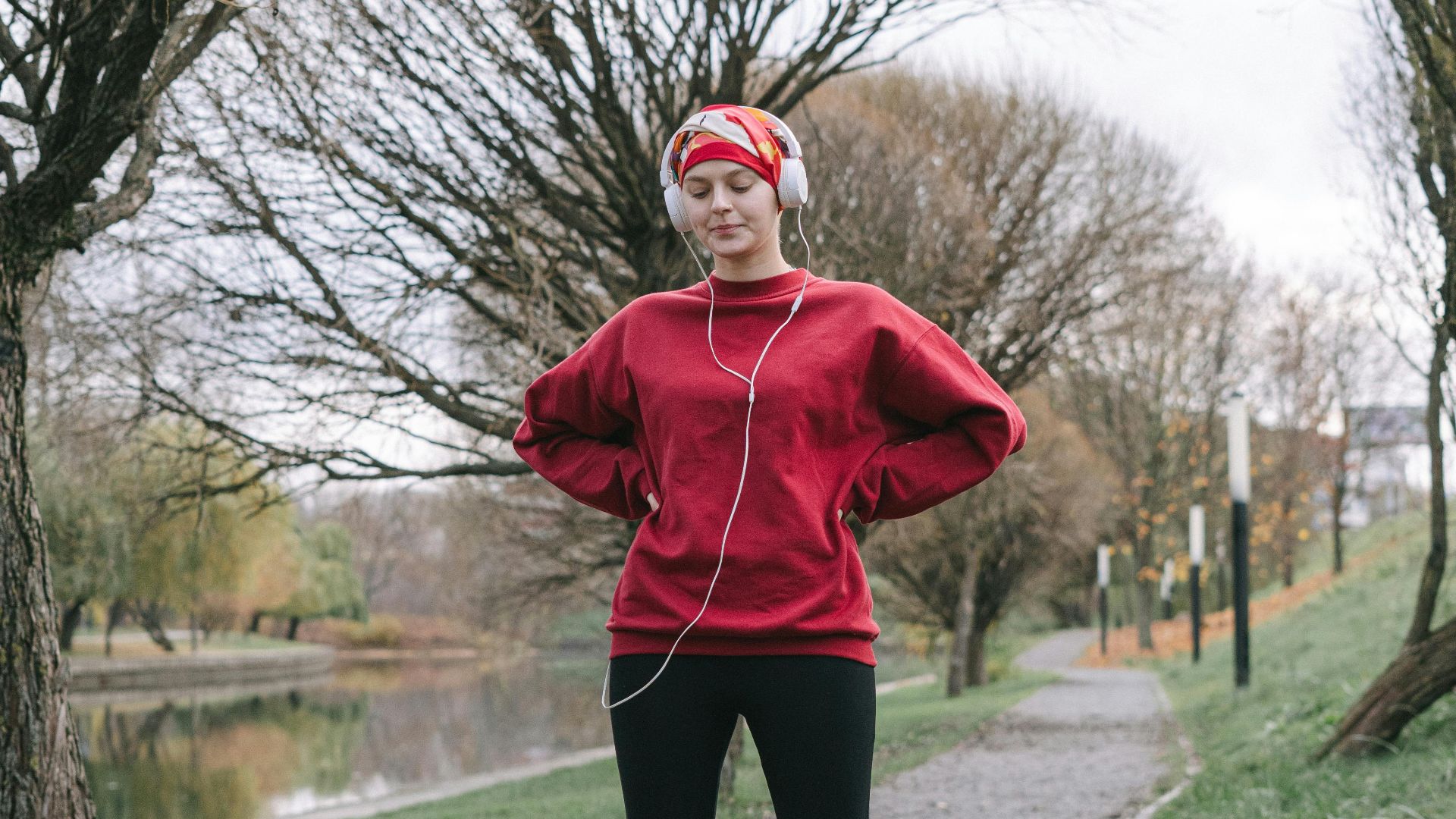
Ending with a few slower minutes can help your heart rate and breathing come down more gently. It also gives your calves, hamstrings, and hips a little time to relax before you go back to sitting.
12. Try Walking Poles
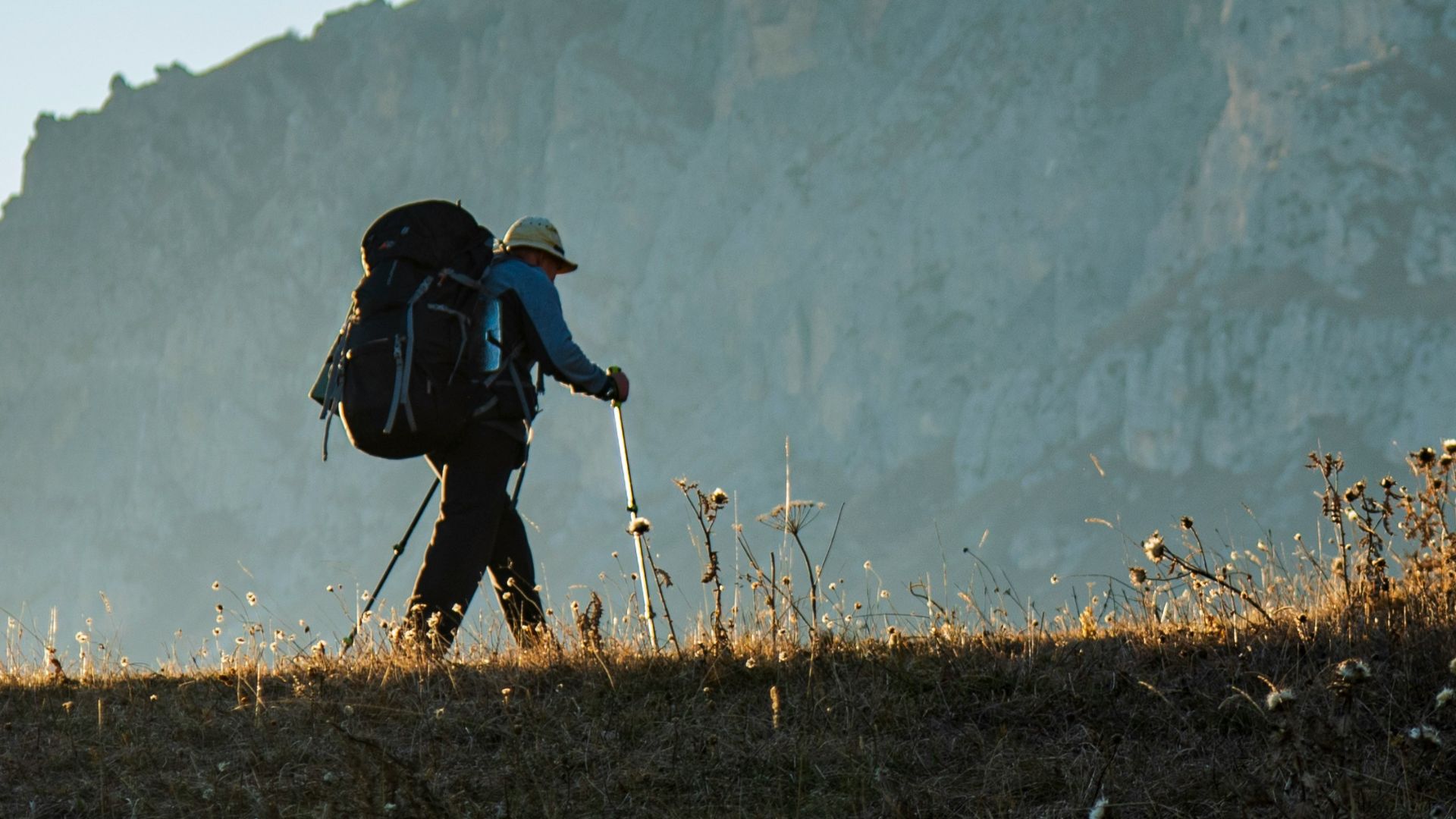
Walking poles can add support on uneven ground and help you engage your arms and shoulders. They’re especially useful on dirt paths, hilly routes, or longer walks where balance starts to matter more than speed.
13. Practice Backward Walking
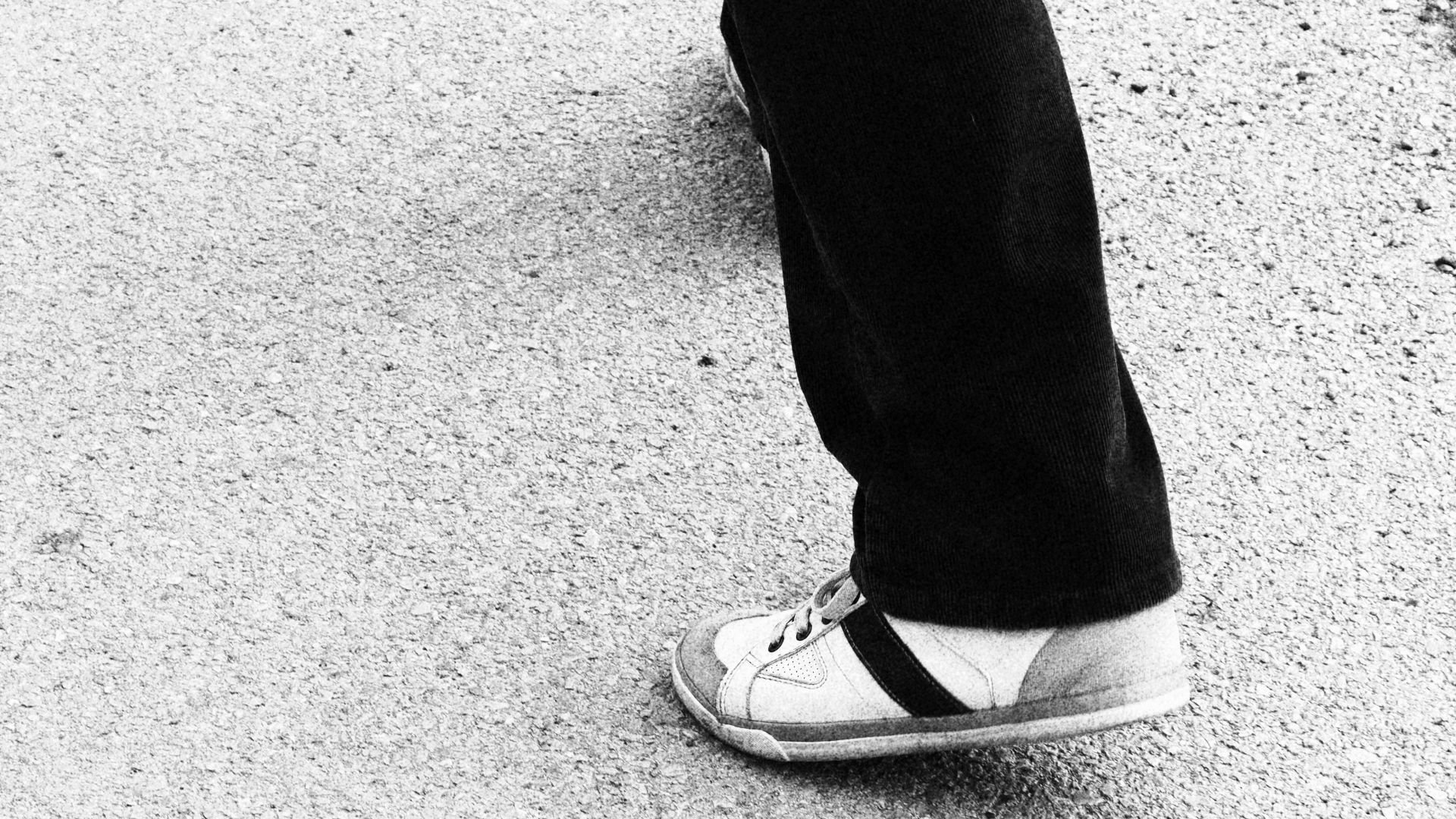
Short stretches of backward walking can challenge balance and coordination in a different way than regular walking does. Keep it slow, use a flat and clear surface, and try it near a wall, railing, or open gym space before taking it down the sidewalk.
14. Drink Water Before Longer Walks
Water matters more when the walk is long, hot, fast, or hilly. Have some before you leave, and carry a bottle if you’ll be out for a while, especially during a sticky summer afternoon or on a long weekend trail.

15. Build Distance Slowly
Adding too much distance at once can leave your feet, shins, or knees sore later. Add a few minutes at a time, or extend your route by one extra block, then see how your body feels the next day.
 Joel & Jasmin Førestbird on Unsplash
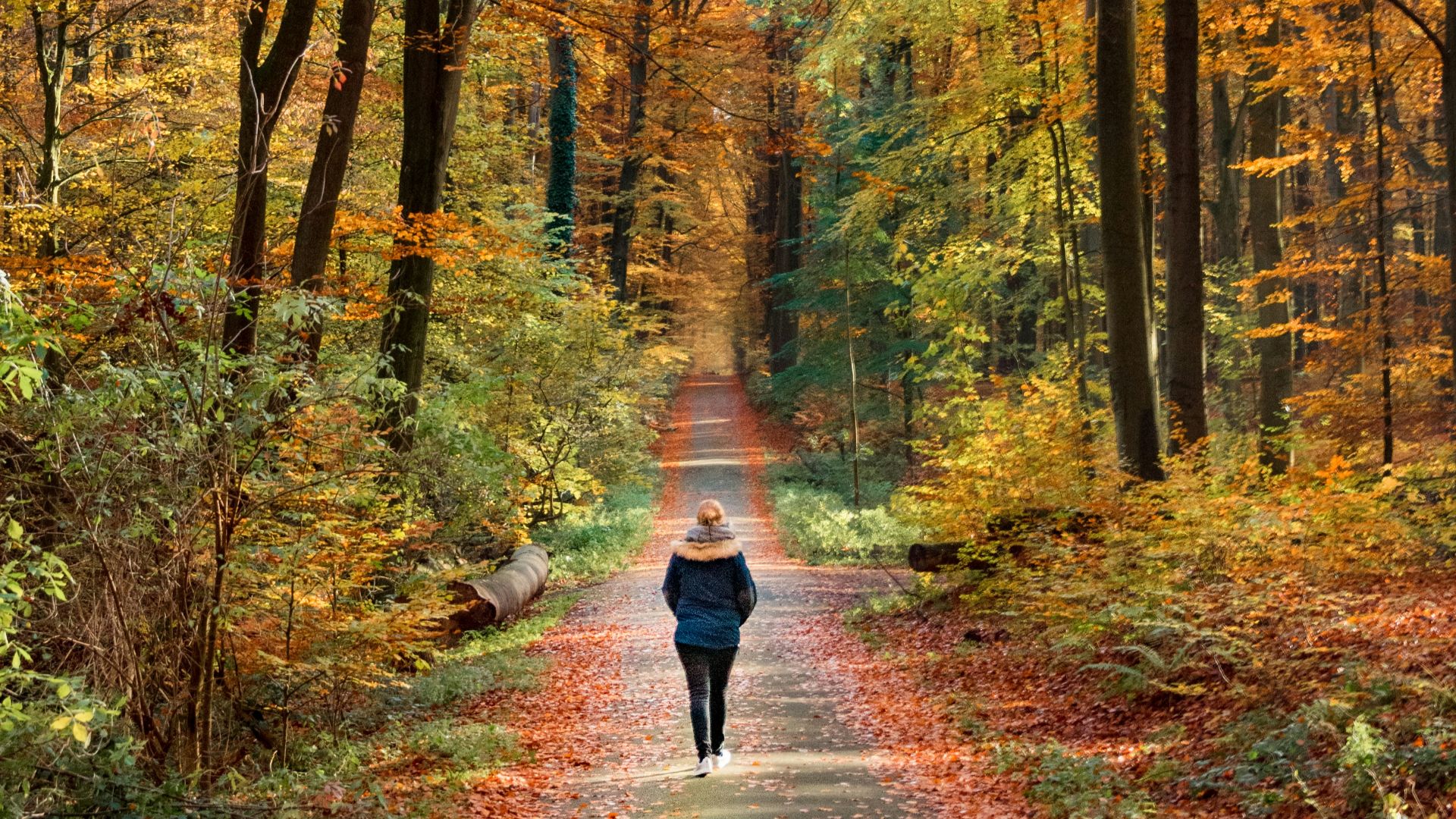
16. Walk in Daylight
Daylight walks can help you feel more alert, especially during darker months or long indoor workdays. A morning walk before emails or a late-afternoon walk before dinner lets you feel the sun on your face.
 Sébastien Goldberg on Unsplash
17. Relax Your Shoulders and Hands
Tension can sneak into your shoulders, jaw, and hands without you noticing. Drop your shoulders, loosen your fingers, and check in every so often if you catch yourself gripping your phone or keys too tightly.

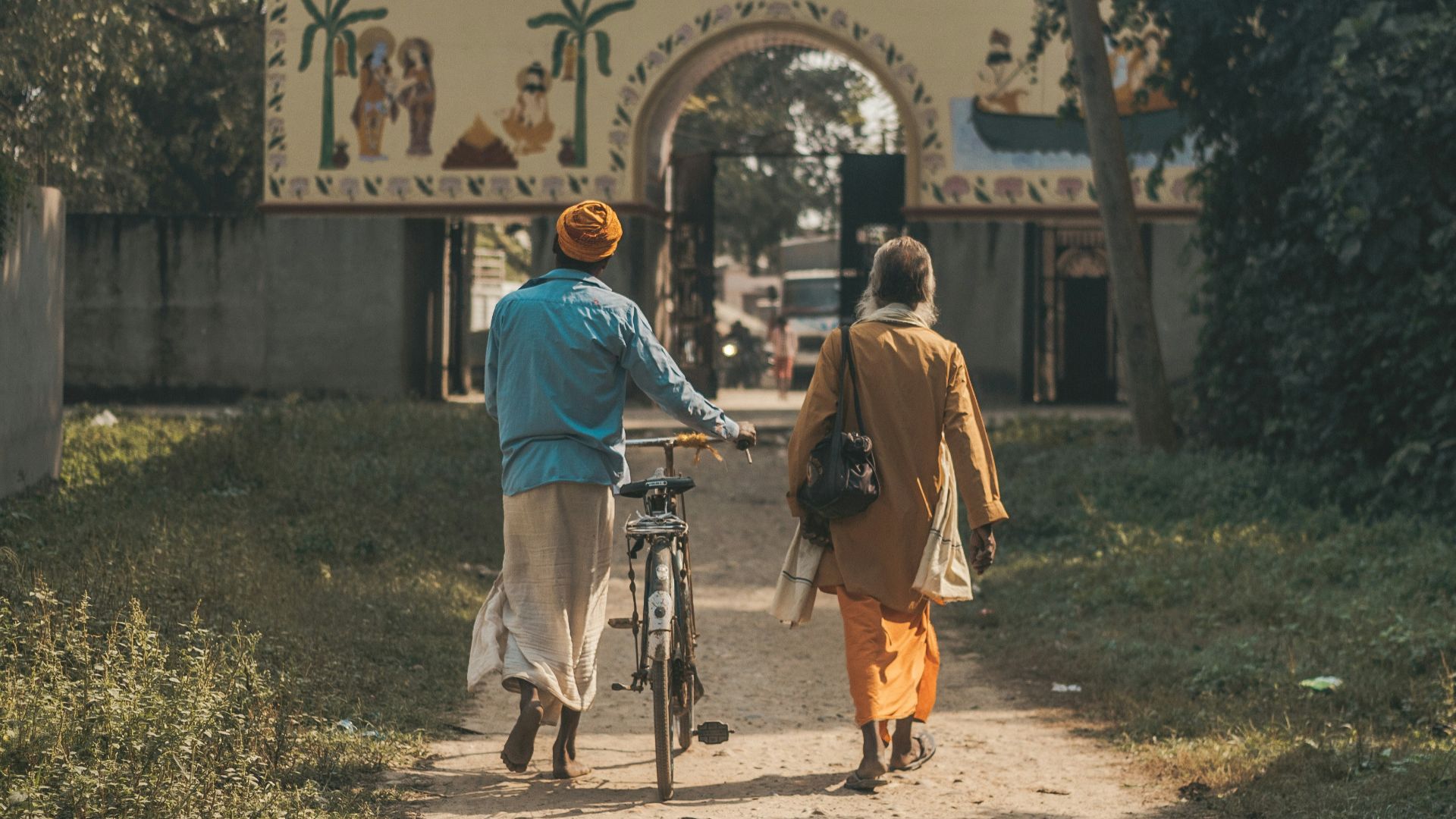
18. Walk With Someone
Walking with another person can make the habit easier to keep, as it feels more like an outing rather than your daily dose of exercise. A friend, neighbor, partner, or coworker can turn a short walk into a recurring plan that doesn’t feel so easy to skip.
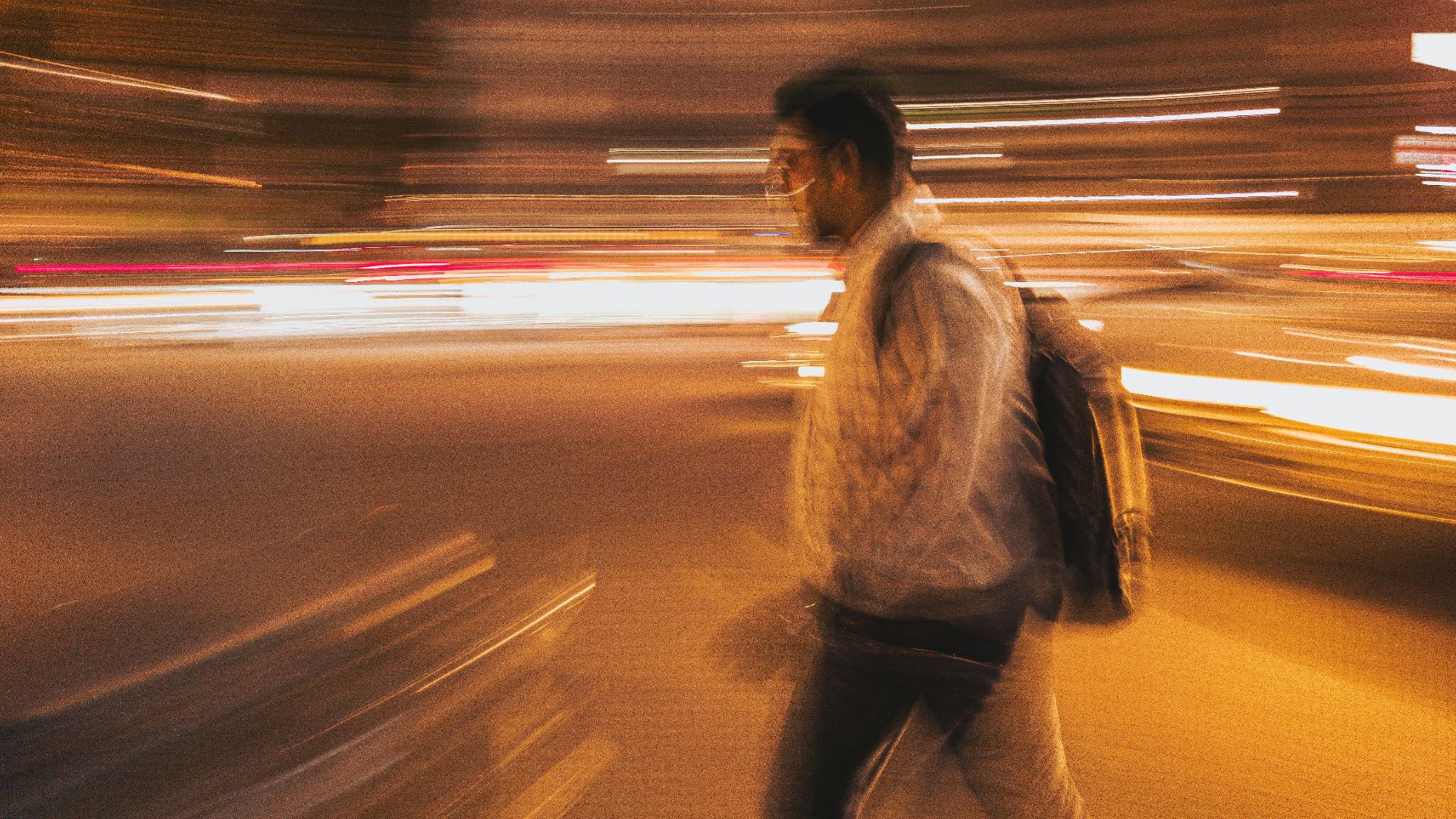
19. Add Shorter, Faster Bursts
Brief, faster intervals can make a familiar walk feel more energizing. Try walking faster for one minute, returning to your usual pace for one or two minutes, and repeating that pattern as much as you’re comfortable with.
20. Take a Short Walk After Meals
A light walk after eating may help you feel less sluggish and can support steadier post-meal blood sugar. Keep it easy after dinner, though, especially if you’ve eaten a larger meal.
KEEP ON READING