
Chemistry Has A Body
“No spark” sounds simple, almost tidy. It makes a fading connection feel like a personality mismatch or proof that the magic just isn't there. But attraction does not live in some sealed-off romantic chamber; it runs through sleep, stress, hormones, medication, and the general condition of the body carrying it around. Low desire can be tied to stress, anxiety, depression, fatigue, certain medicines, hormonal changes, alcohol use, and long-term health conditions, which is why a sudden or distressing change is worth taking seriously. Here are 20 things people blame on “no spark” that might have more going on underneath.

1. Being Too Tired To Flirt
Sometimes the missing spark is just a nervous system begging for a night off. If you are running on fumes, even a charming person across the table can feel like one more task.

2. Not Wanting To Be Touched
A lack of physical interest can look like emotional distance. But pain, stress, sensory overload, hormonal shifts, or past bad experiences can make touch feel complicated instead of romantic.

3. Feeling Flat On A Date
You can be sitting across from someone kind, funny, and attractive and still feel nothing. Depression and burnout can turn the volume down on everything, including desire, curiosity, and excitement.

4. Losing Interest After The First Few Weeks
People often blame this on the chase ending. Sometimes the early adrenaline wears off and reveals exhaustion, anxiety, medication side effects, or a mood issue that was being temporarily outrun.

5. Avoiding Intimacy
Avoidance can get mistaken for rejection very quickly. But if intimacy has started to feel physically uncomfortable, emotionally unsafe, or loaded with pressure, the body may be saying no before the mind can explain why.

6. Feeling Irritable Around Them
Irritation is not always a secret sign that you chose the wrong person. Poor sleep, chronic stress, pain, and fatigue can make even ordinary closeness feel like someone standing too near a bruise. Fatigue often shows up with low motivation, trouble concentrating, anxiety, irritability, and body heaviness.

7. Not Feeling Sexy
When you do not feel at home in your body, romance has a harder time getting through the door. Changes in weight, skin, hormones, medication, illness, or pain can make confidence feel strangely out of reach.

8. Dreading Physical Closeness
Sometimes people call it “no chemistry” because that sounds easier than saying something hurts. Vaginal dryness, erectile dysfunction, pelvic pain, and other sexual health issues can affect desire and make anticipation feel tense rather than exciting.

9. Needing Too Much Space
Everyone needs space, but sudden withdrawal can have roots beyond the relationship. Anxiety, overstimulation, grief, and chronic stress can make even affectionate texts feel like knocking at a locked door.

10. Feeling Numb During Good Moments
A beautiful dinner, a soft hand on your back, or a sweet message should land somewhere. When it does not, the issue might not be the person; it might be emotional numbness from depression, stress, or sheer overload.

11. Not Missing Them
Missing someone requires a little room in the brain. When work, caregiving, sleep debt, or survival-mode stress has taken over, there may not be much space left for longing.

12. Being Turned Off By Everything
When every little thing gives you the ick, it is worth pausing before blaming the relationship entirely. Sometimes the body is underfed, underslept, overmedicated, overwhelmed, or quietly fighting something.
13. Feeling Worse At Night
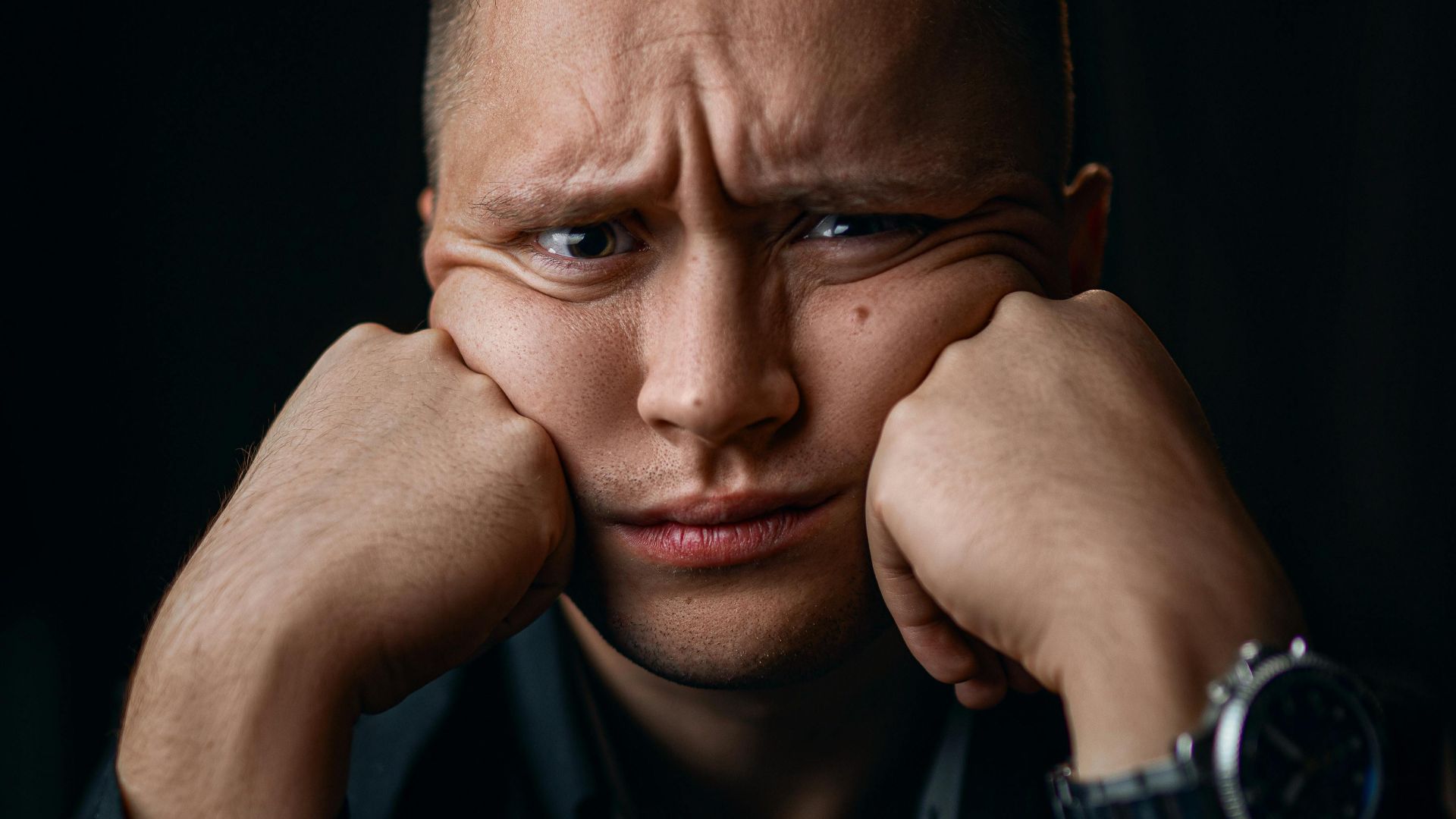
Evenings are supposed to be romantic, but they are also when the day finally collects its bill. If your mood crashes after sunset, the problem may be exhaustion, blood sugar swings, alcohol, loneliness, or anxiety finally getting loud.

14. Having No Interest In Sex
Low libido can feel personal inside a relationship, especially when one person wants closeness and the other keeps disappearing from it. But libido can be affected by physical health, mental health, aging, relationship stress, and medication, and it is often treatable.

15. Feeling Detached After Starting Medication
Medication can be life-changing and still come with side effects. Some antidepressants, blood pressure medicines, and other treatments may affect desire, arousal, or sexual function, so it is worth talking to a clinician before blaming the relationship or stopping anything suddenly.
16. Confusing Stress With Disinterest
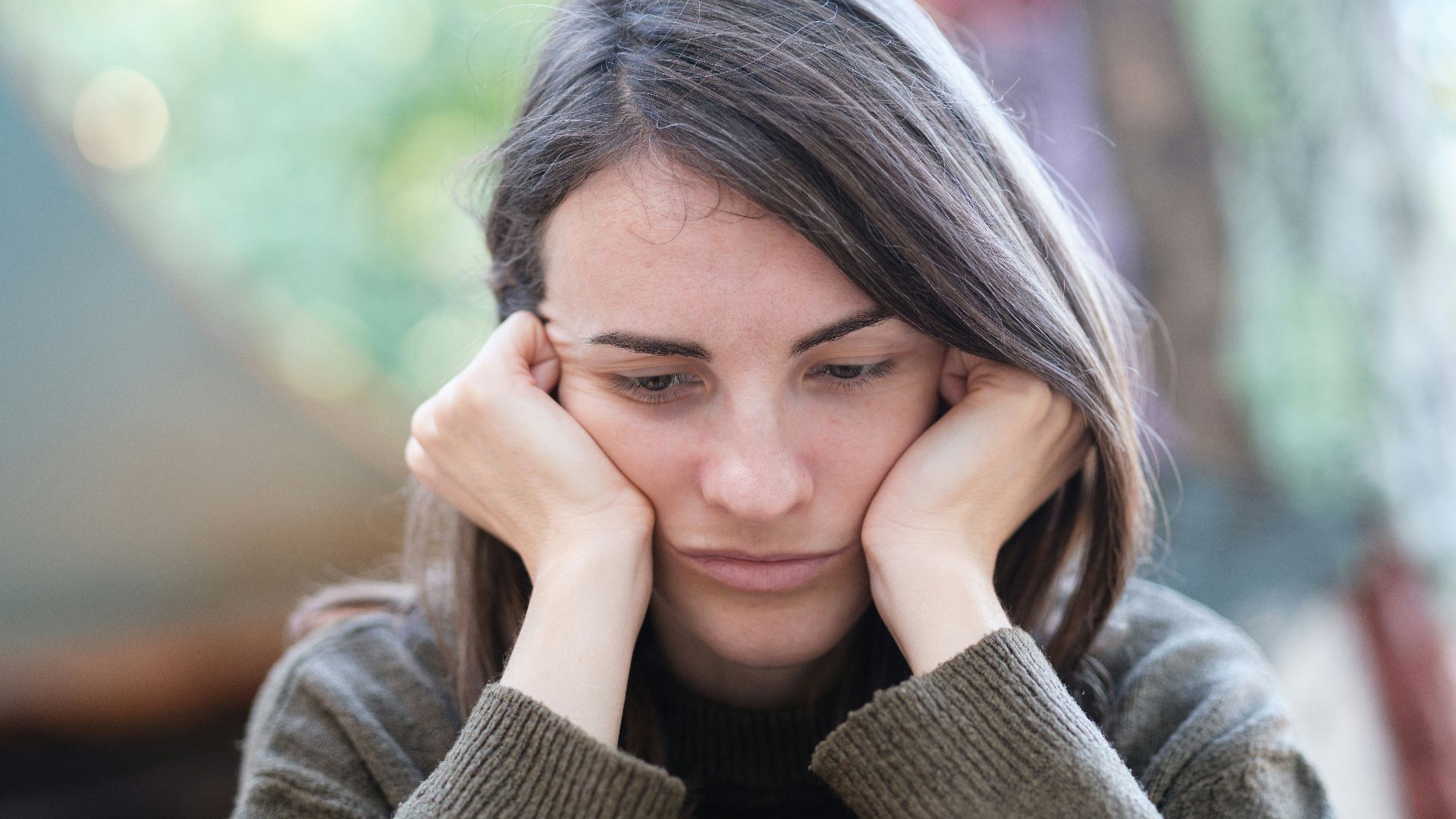
Stress can make romance feel like a luxury item you cannot afford. You may care deeply and still have no bandwidth for playful banter, date planning, slow kissing, or being emotionally available after a brutal week.
17. Feeling Different After Having A Baby
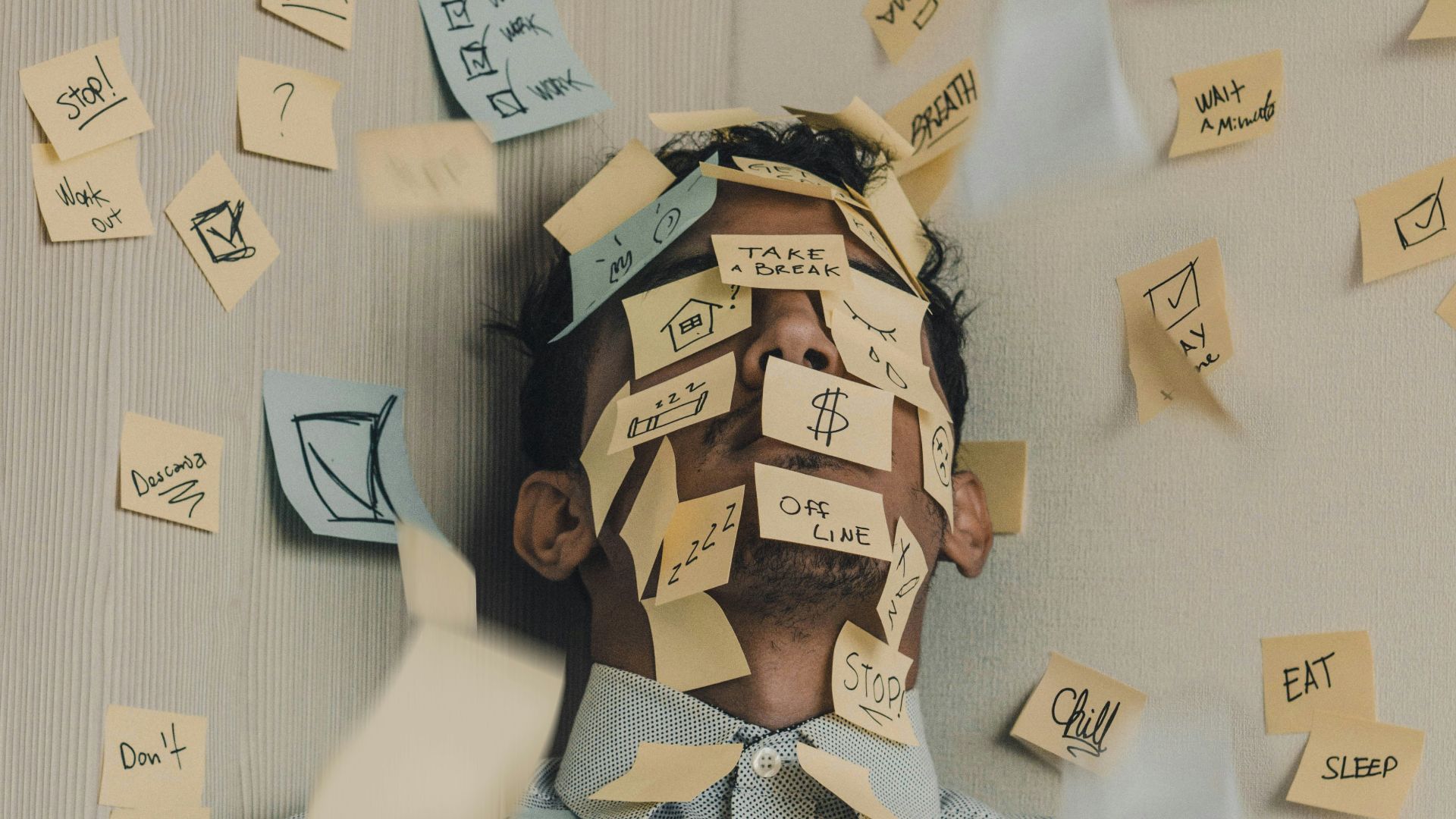
People love to talk about “getting back to normal” as if bodies and lives snap neatly into place. Hormonal changes, sleep deprivation, recovery, feeding, identity shifts, and constant responsibility can all change desire for a while.

18. Losing Drive With Age
A changing sex drive does not automatically mean love has gone stale. Hormonal shifts, menopause, lower testosterone, age-related health issues, and medication side effects can all play a role in attraction and desire.

19. Mistaking Brain Fog For Boredom
A boring connection and a foggy brain can feel weirdly similar. If you cannot focus, follow the conversation, or feel present, it may be sleep trouble, thyroid issues, anemia, depression, or another health concern asking for attention.
20. Assuming The Relationship Is The Problem
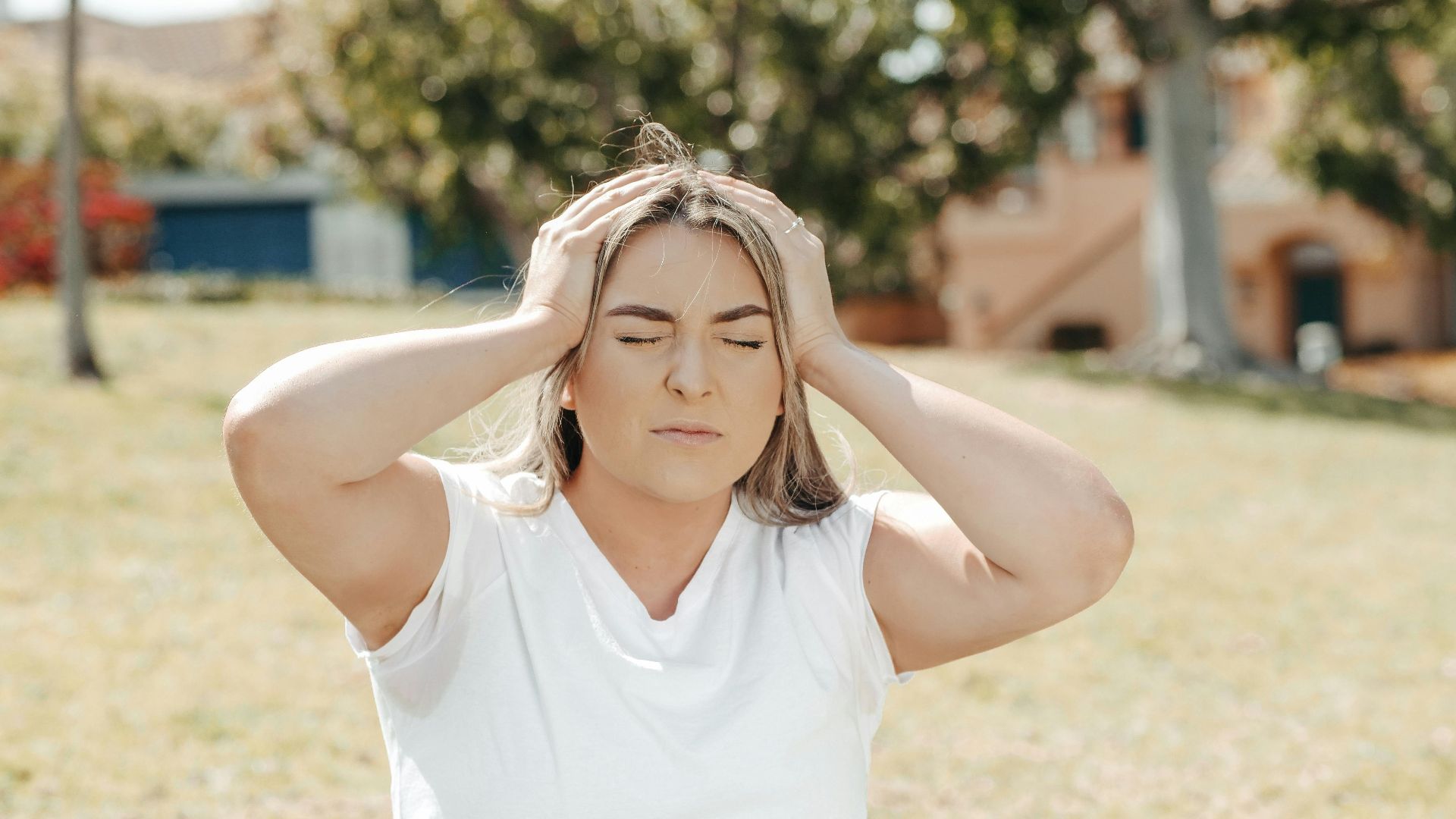
Sometimes the relationship really is the problem. But if the loss of spark is sudden, distressing, or happening across every part of life, it may be less about one person and more about your health needing a closer look.

KEEP ON READING


20 Natural Ways You Can Boost Your Immune System
20 Ways To De-stress & Relax After Work
The 10 Most Common Diseases & The 10 Most Rare