A Smarter Way to Stock
We know what you’re probably thinking: there’s no possible way to prepare for every little emergency that life throws your way. To an extent, you’re right, and we’re not advocating that you become a worrywart! But a well-stocked medicine cabinet doesn’t mean you’re expecting trouble around every corner; it simply means you’re ready when everyday annoyances show up uninvited. Come with us as we break down some of the smartest items that only the most prepared people think of.

1. A Reliable Pain Reliever
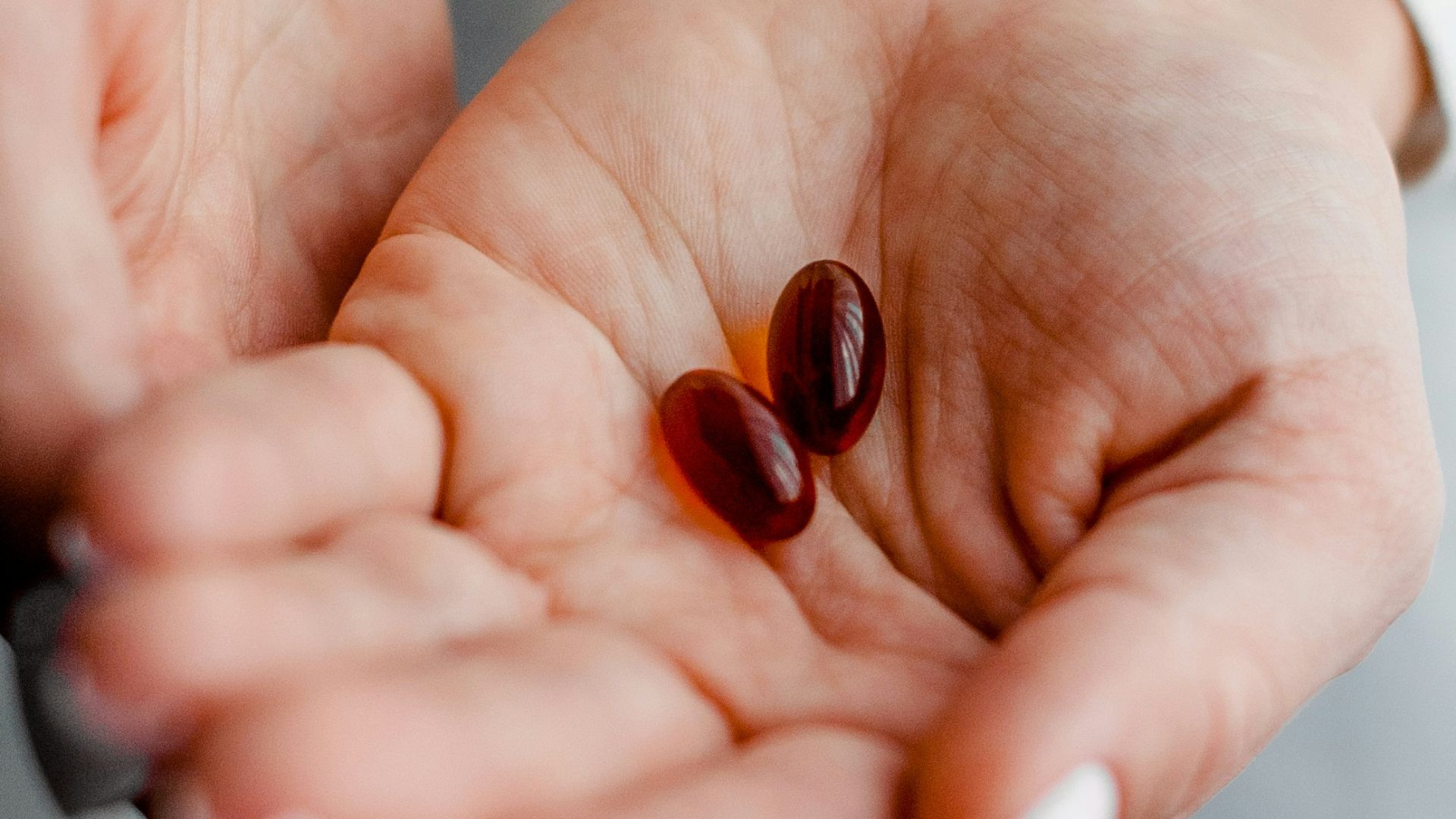
It’s wise to keep at least one trusted over-the-counter pain reliever available. You never know when headaches, body aches, or minor discomfort will show up, and you don’t even need to shell out that much money to stay prepared! Acetaminophen, ibuprofen, or naproxen can be helpful, but you should choose what’s safe for your health history and follow the label carefully.
 Kateryna Hliznitsova on Unsplash
2. A Digital Thermometer
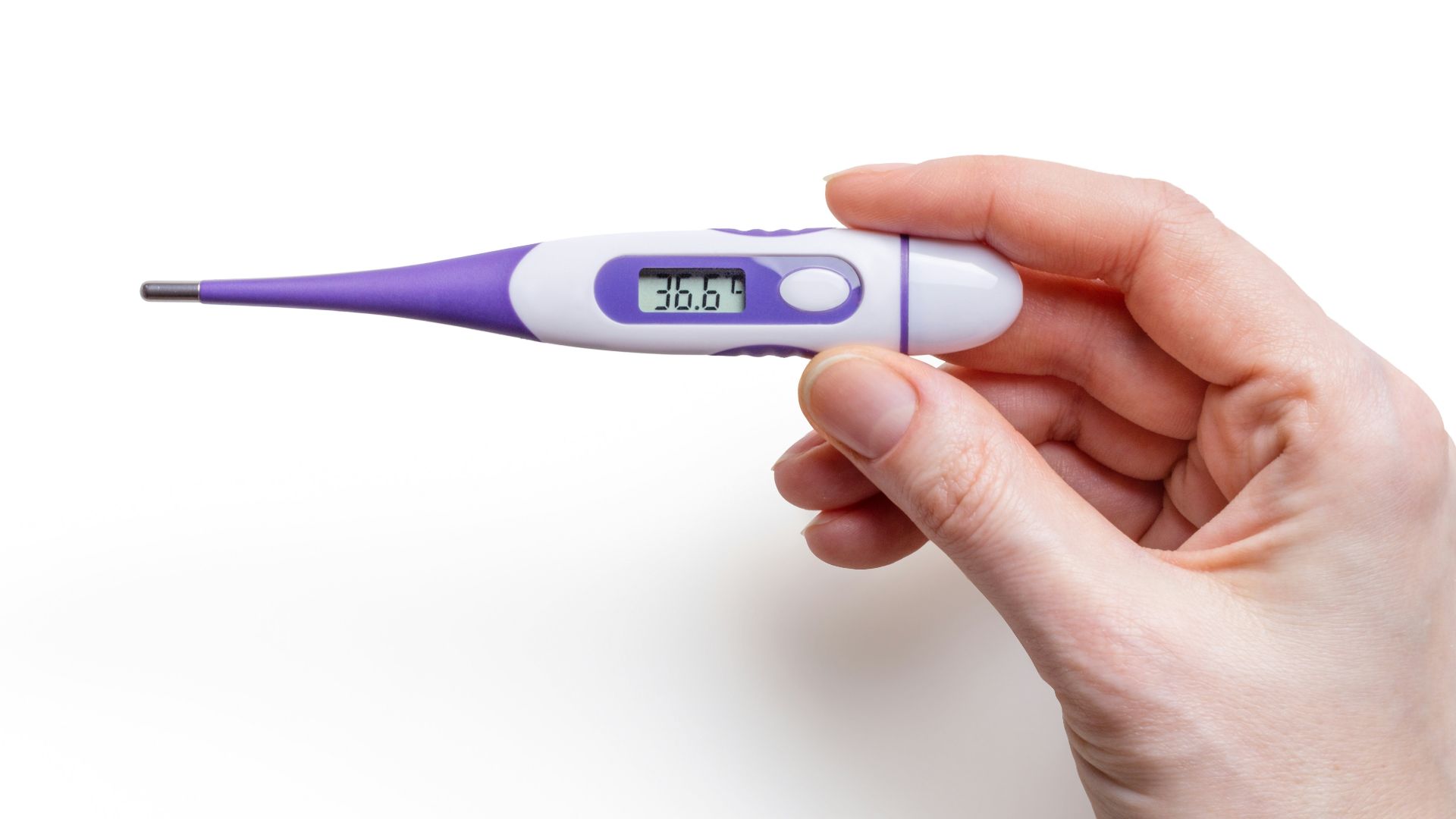
A thermometer is one of those items you don’t appreciate until someone suddenly feels warm. You know what that means: keeping a digital thermometer in the cabinet. It helps you check for a fever quickly instead of guessing by forehead-touching.
3. Adhesive Bandages
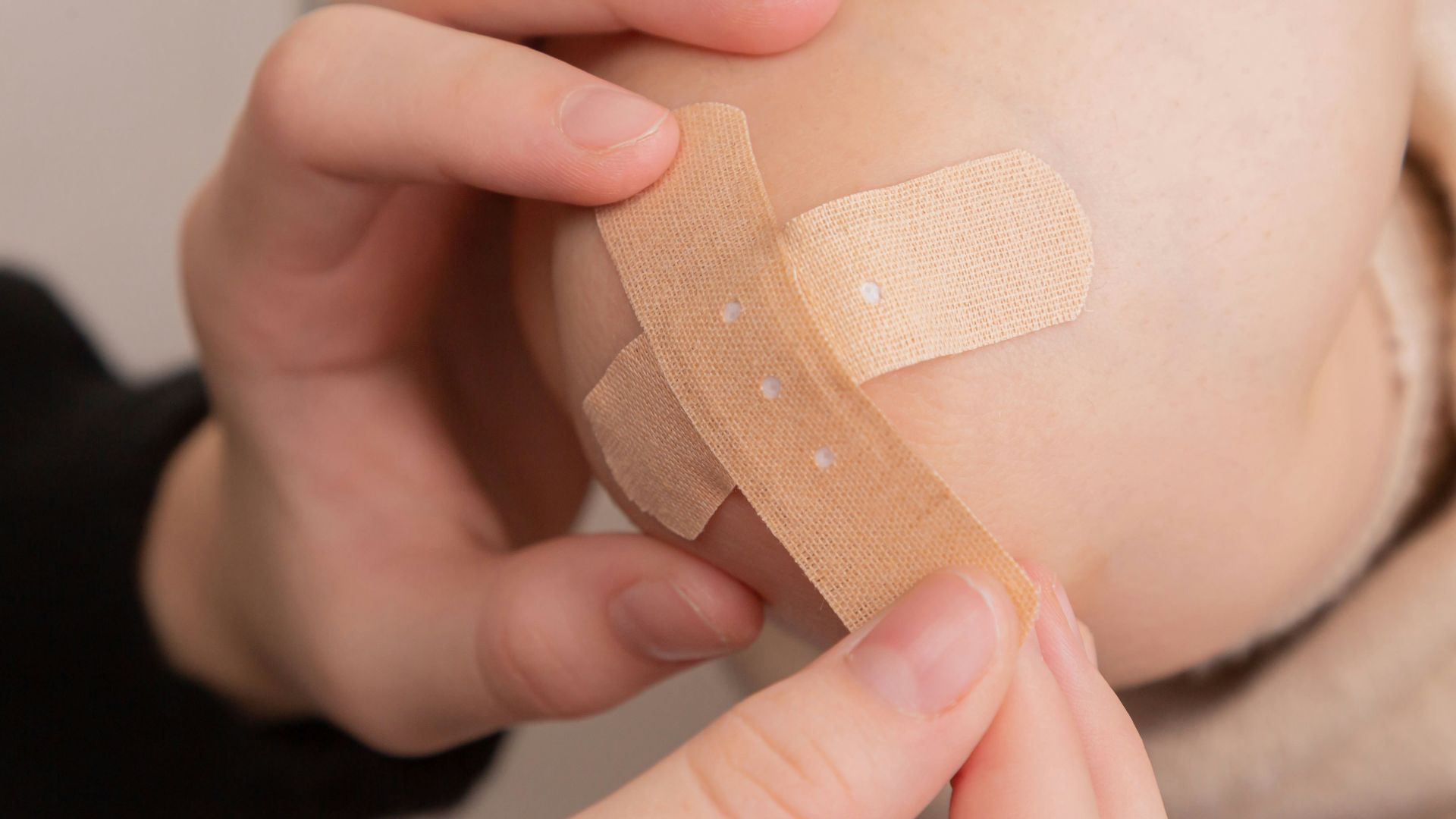
Small cuts and blisters have a way of appearing when we least expect them, so a prepared medicine cabinet should have adhesive bandages in several sizes. Waterproof options are also helpful, especially for hands that need to survive dishwashing or showering.
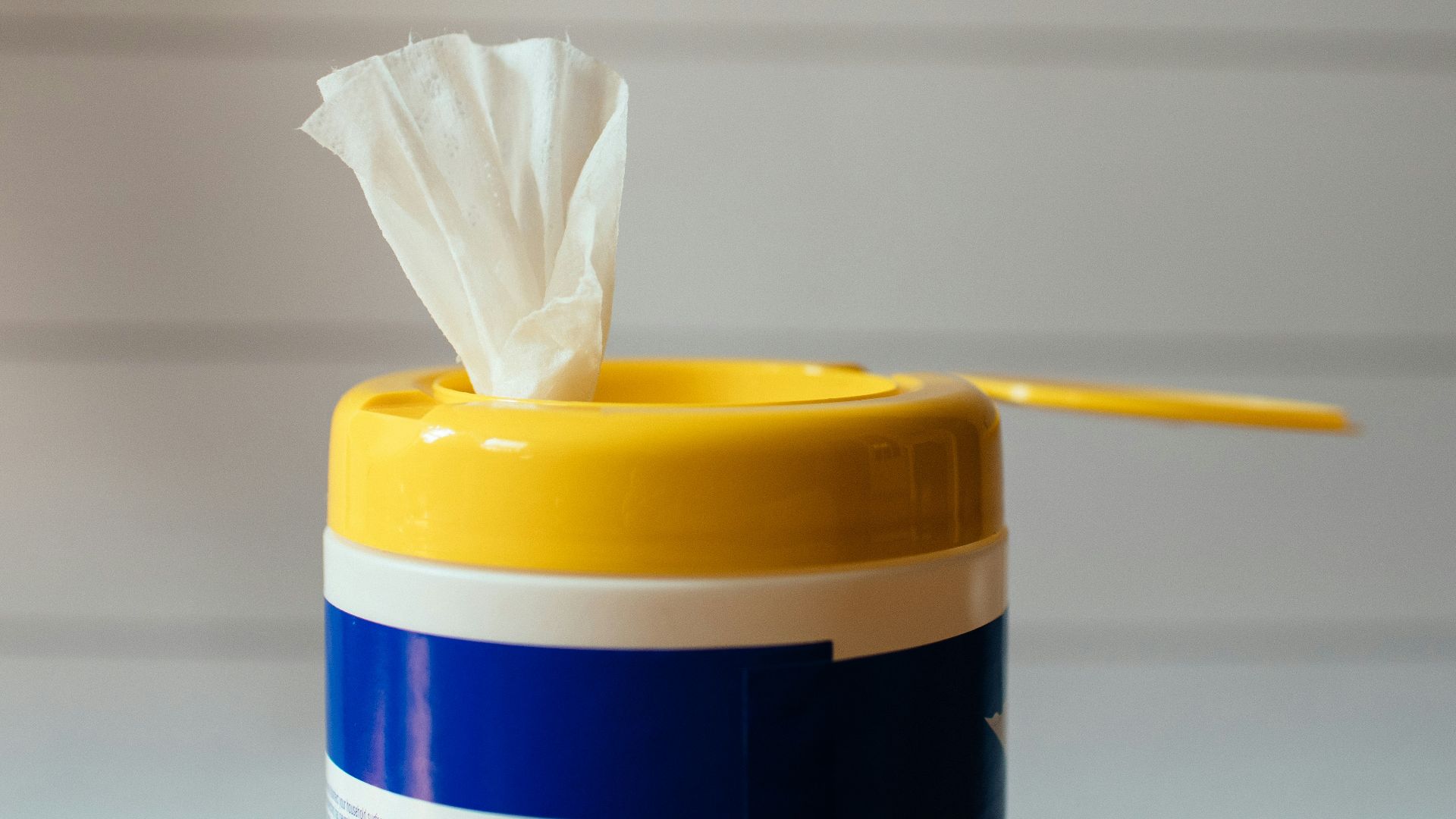
4. Antiseptic Wipes
Cleaning a minor wound properly is the first step before covering it with a bandage—and you won’t get far without antiseptic wipes. They’re not only convenient, but they’re also individually packaged, easy to grab, and less messy than liquid solutions.
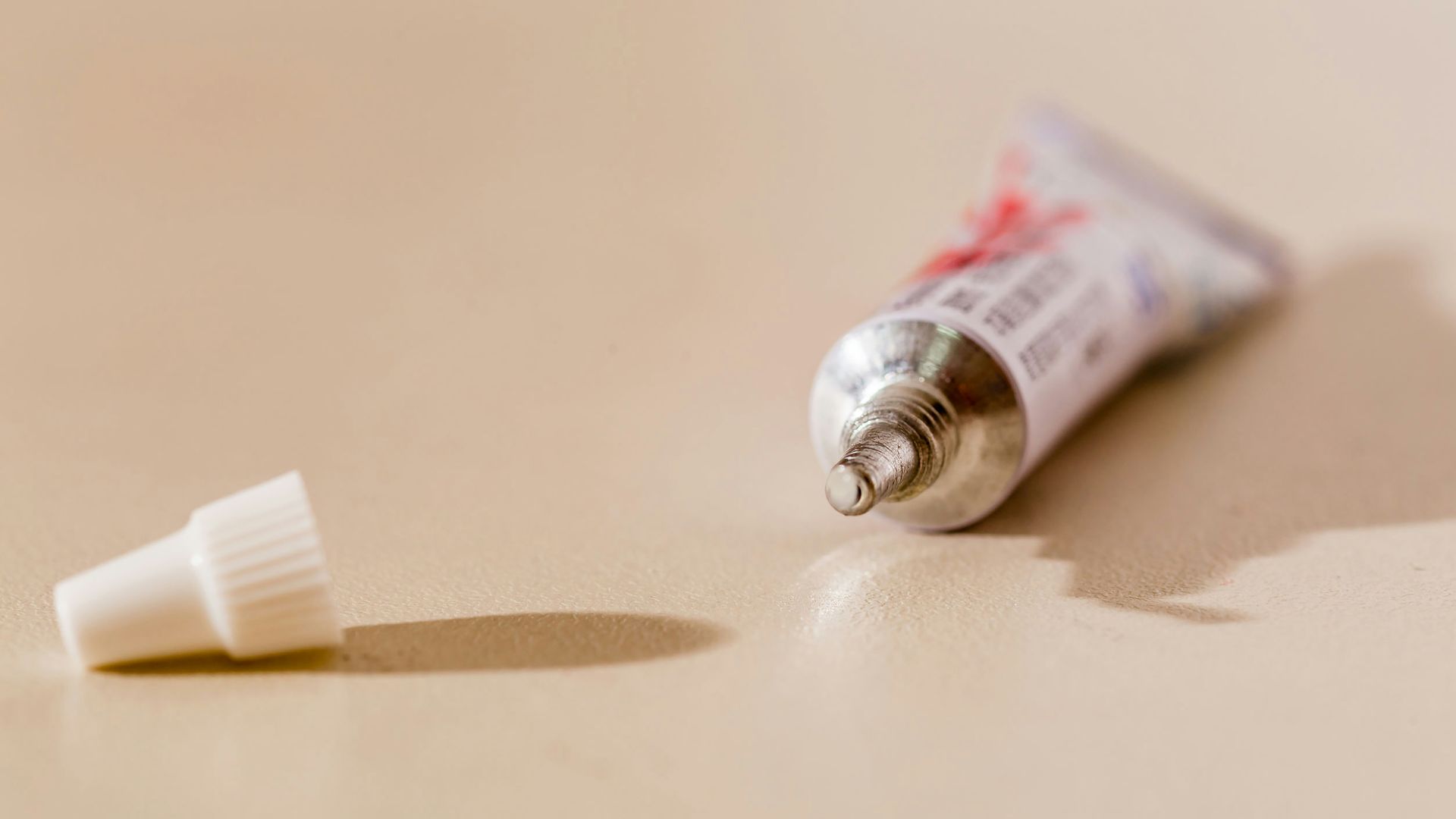
5. Antibiotic Ointment
While you don’t need a hospital above the toilet, you should definitely keep a small tube of antibiotic ointment to help protect minor cuts, scrapes, and burns after they’ve been cleaned. Just make sure you check the label for usage instructions, and stop using it if irritation or an allergic reaction pops up.
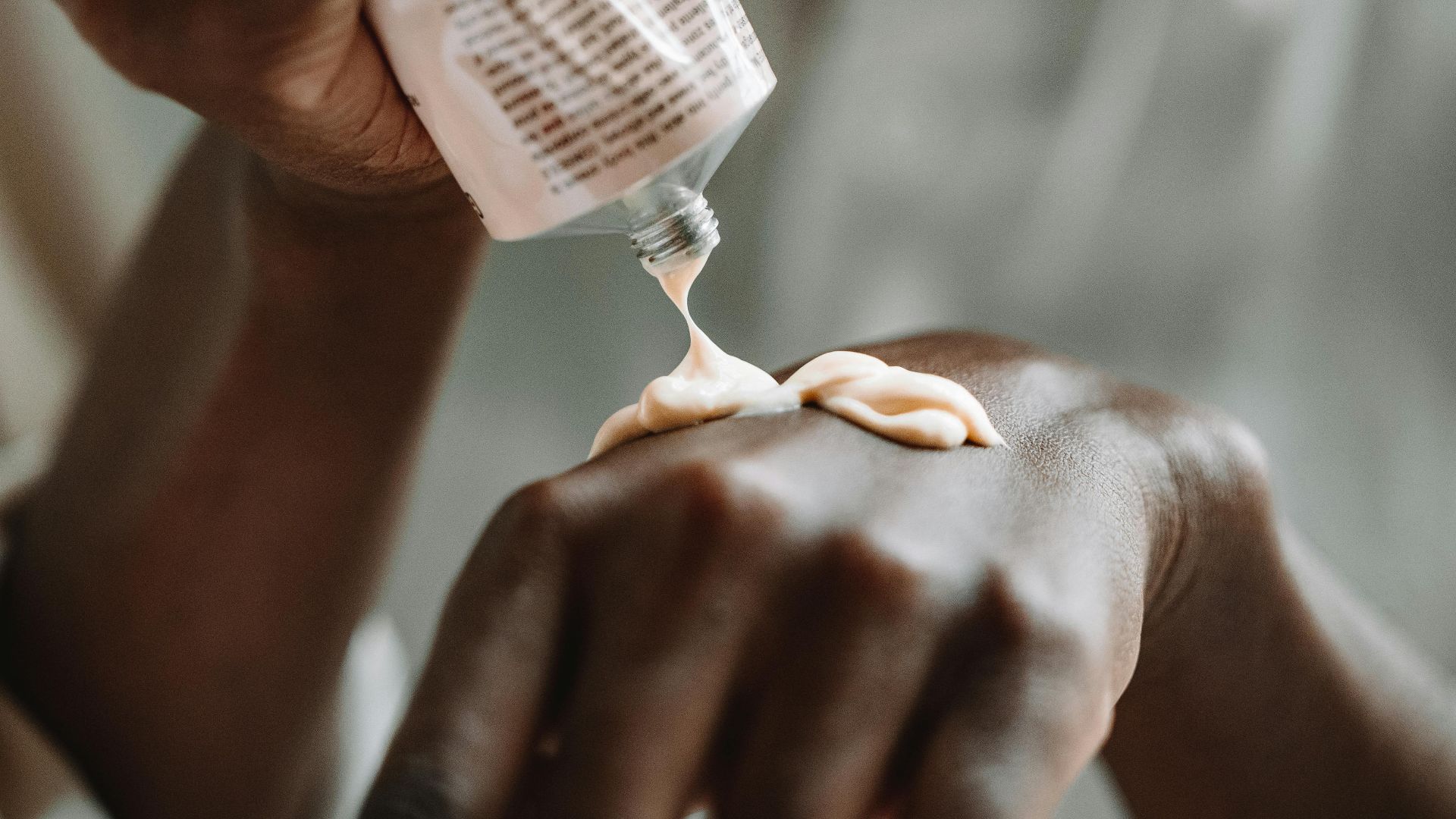
6. Hydrocortisone Cream
Itchy skin is never fun, but the only thing worse is when your cabinet has no way to alleviate the annoyance! Hydrocortisone cream can help calm mild rashes, insect bites, or skin irritation, so you might as well invest.
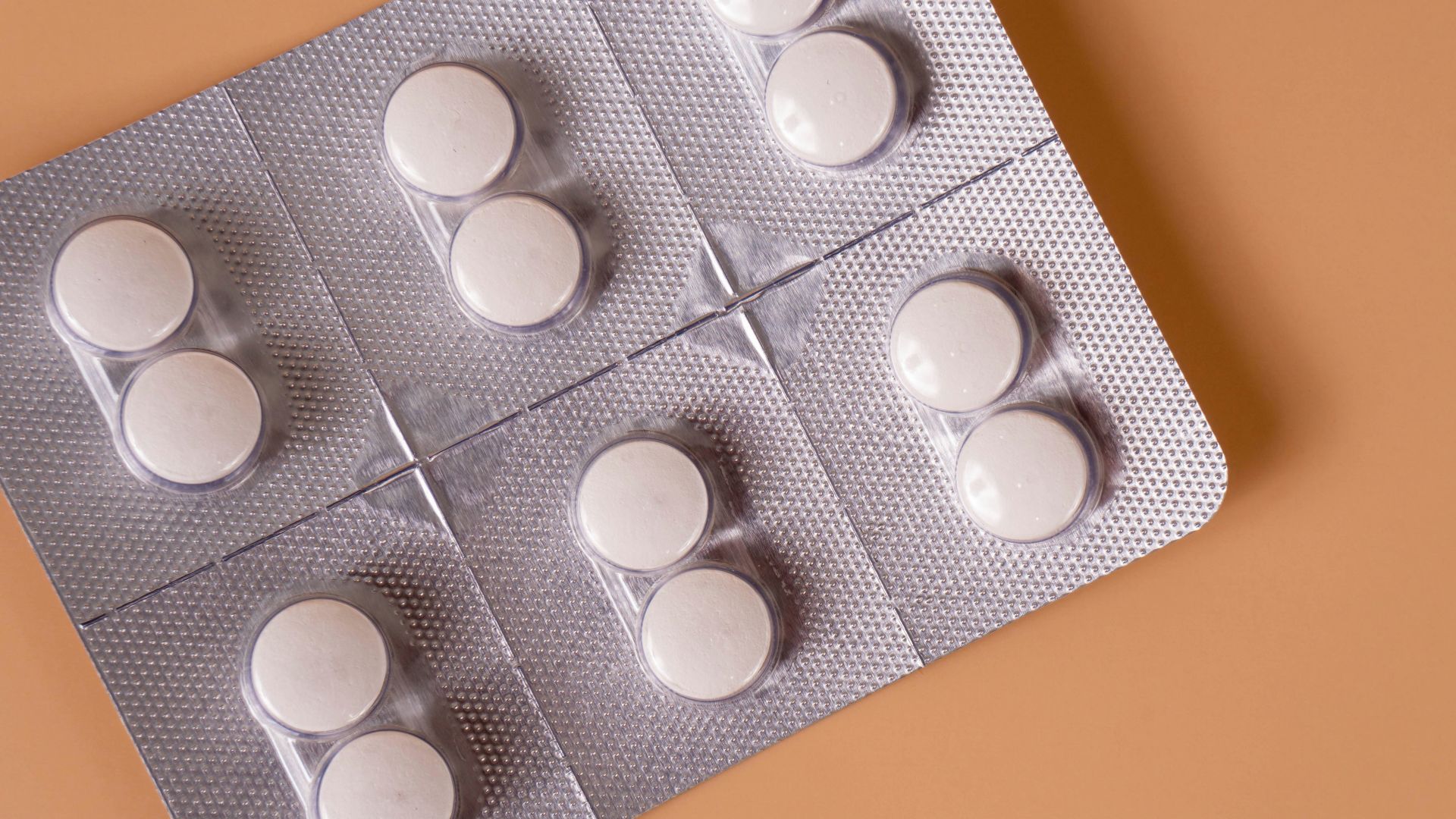
7. Antihistamines
Allergies rarely wait for a convenient moment, which is why antihistamines deserve a space. They can stop all those annoying symptoms in their tracks, like sneezing, itching, watery eyes, or hives, depending on the product.
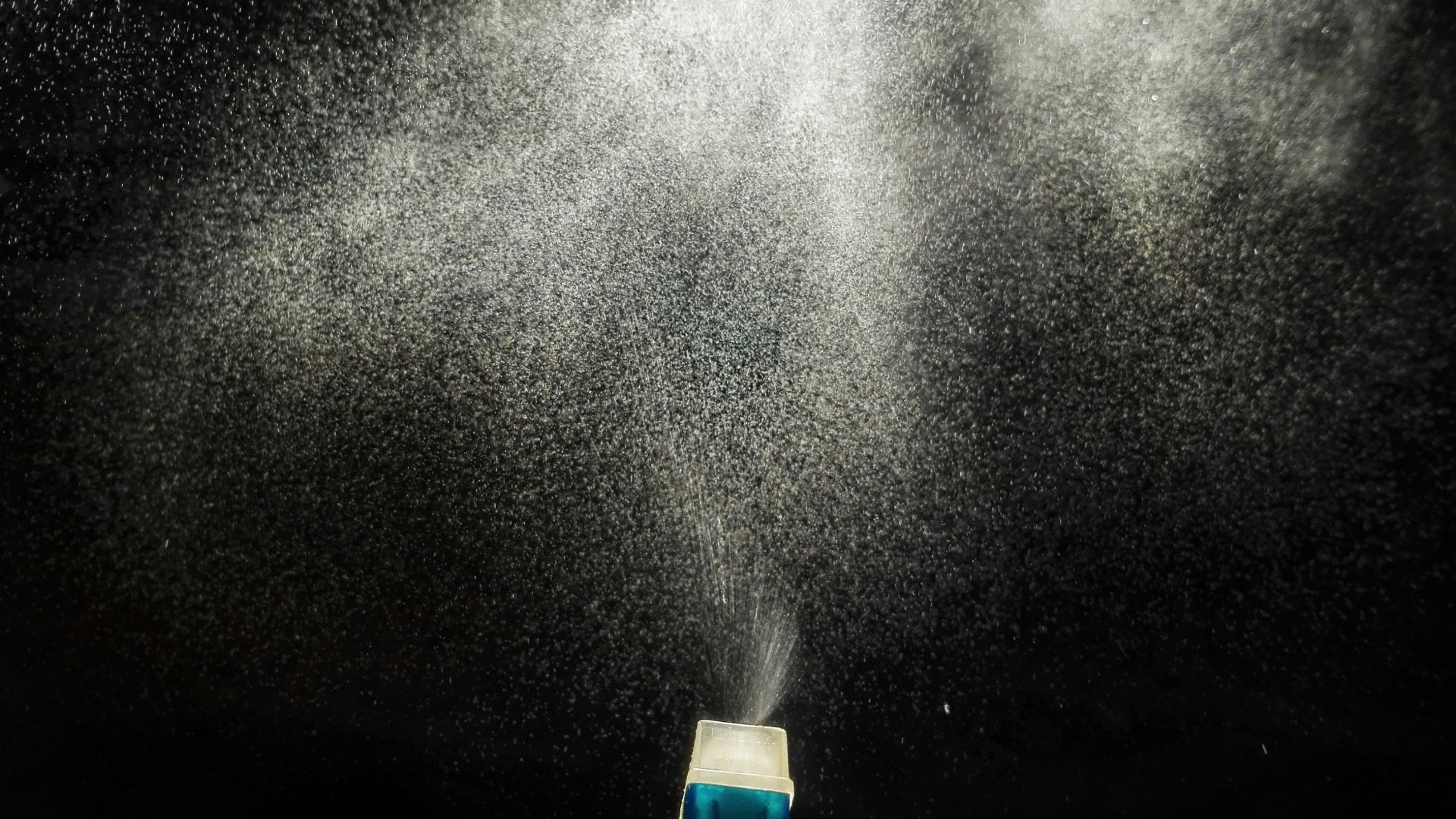
8. Saline Spray
Let’s all take a moment to appreciate how it feels to breathe without a stuffy nose! Okay, now let’s envision something even better: the right spray for when congestion does appear. Saline spray is a gentle option for nasal dryness, so long as you chat with your doctor first. Because certain products aren’t for everyone, especially those with high blood pressure, it’s smart to check with a pharmacist.
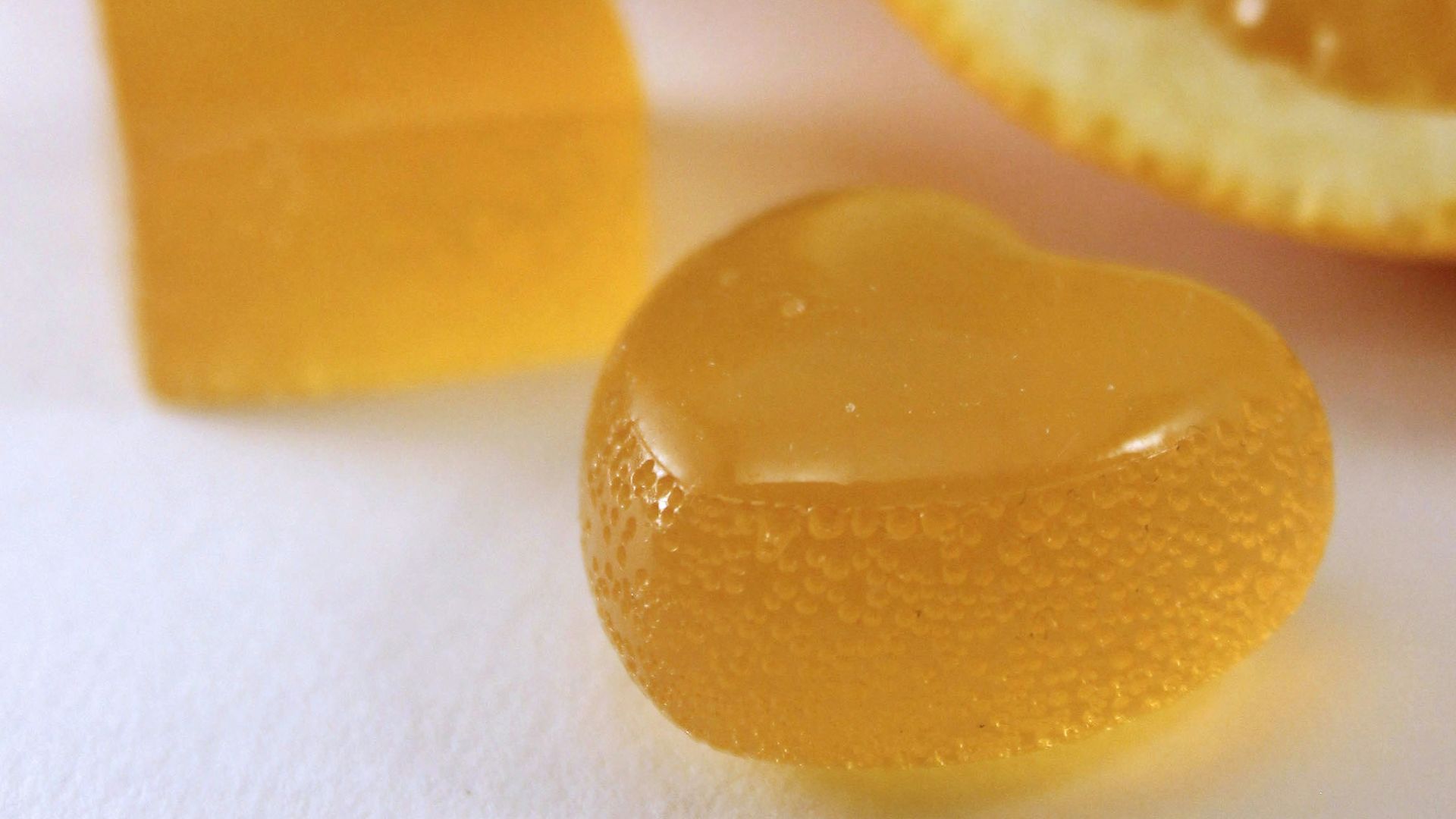
9. Cough Drops
Here’s something just about everyone can enjoy! Cough drops are small, affordable, and the biggest lifesaver when your throat starts acting up. The only things to remember are: choose sugar-free versions when needed, and avoid giving hard drops to young children (no choking risks here).
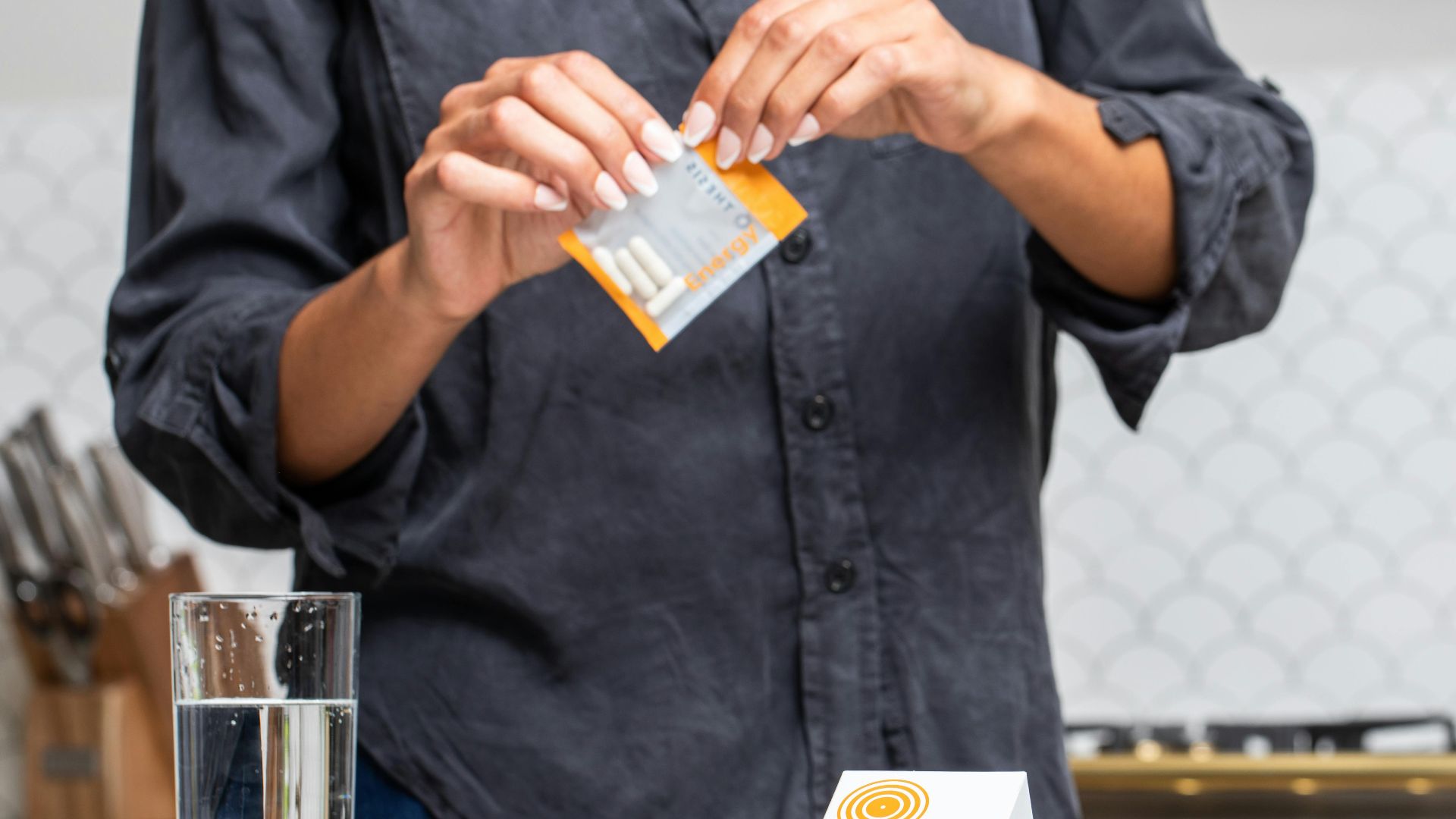
10. Electrolyte Packets
Vomiting, diarrhea, heavy sweating, or intense activity can leave you drained faster than expected. Luckily, all it usually takes is an electrolyte packet to help replace fluids and minerals. The last thing you want is to deal with dehydration, especially when you’re already under the weather.
11. Anti-Diarrheal Medicine
An anti-diarrheal medication can be useful for short-term relief when symptoms are mild. Sure, it’s not a pretty thing to think about, but it’s even uglier to get caught without something that stops the dam.
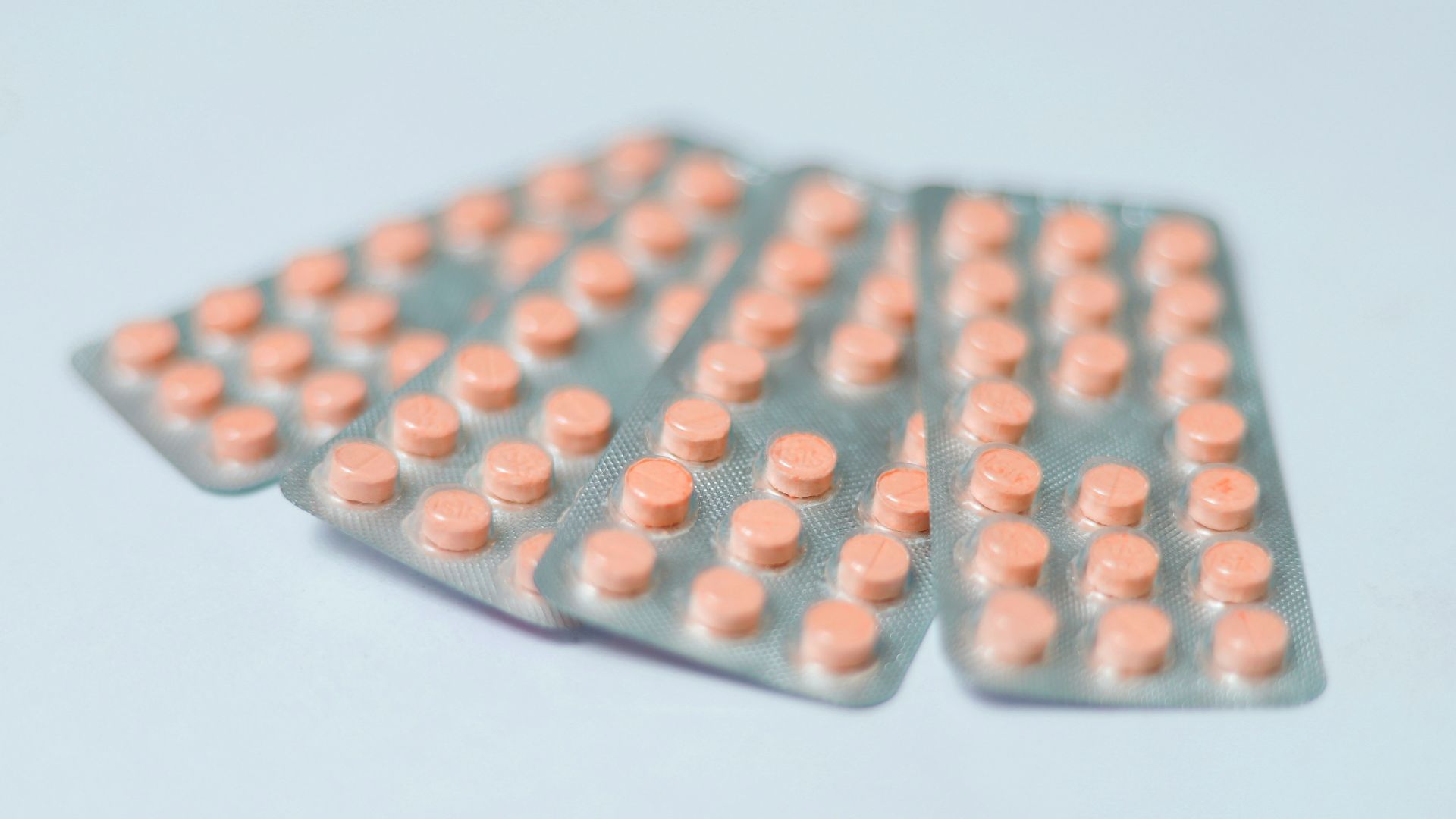
12. Antacid Tablets
Heartburn loves showing up in the middle of dinner, doesn’t it? That’s okay—antacid tablets can provide quick relief for occasional indigestion or discomfort. Luckily, they’re pretty readily available, and a pharmacist can also guide you on which one makes the most sense for your needs.
 Melany @ tuinfosalud.com on Unsplash
13. Tweezers
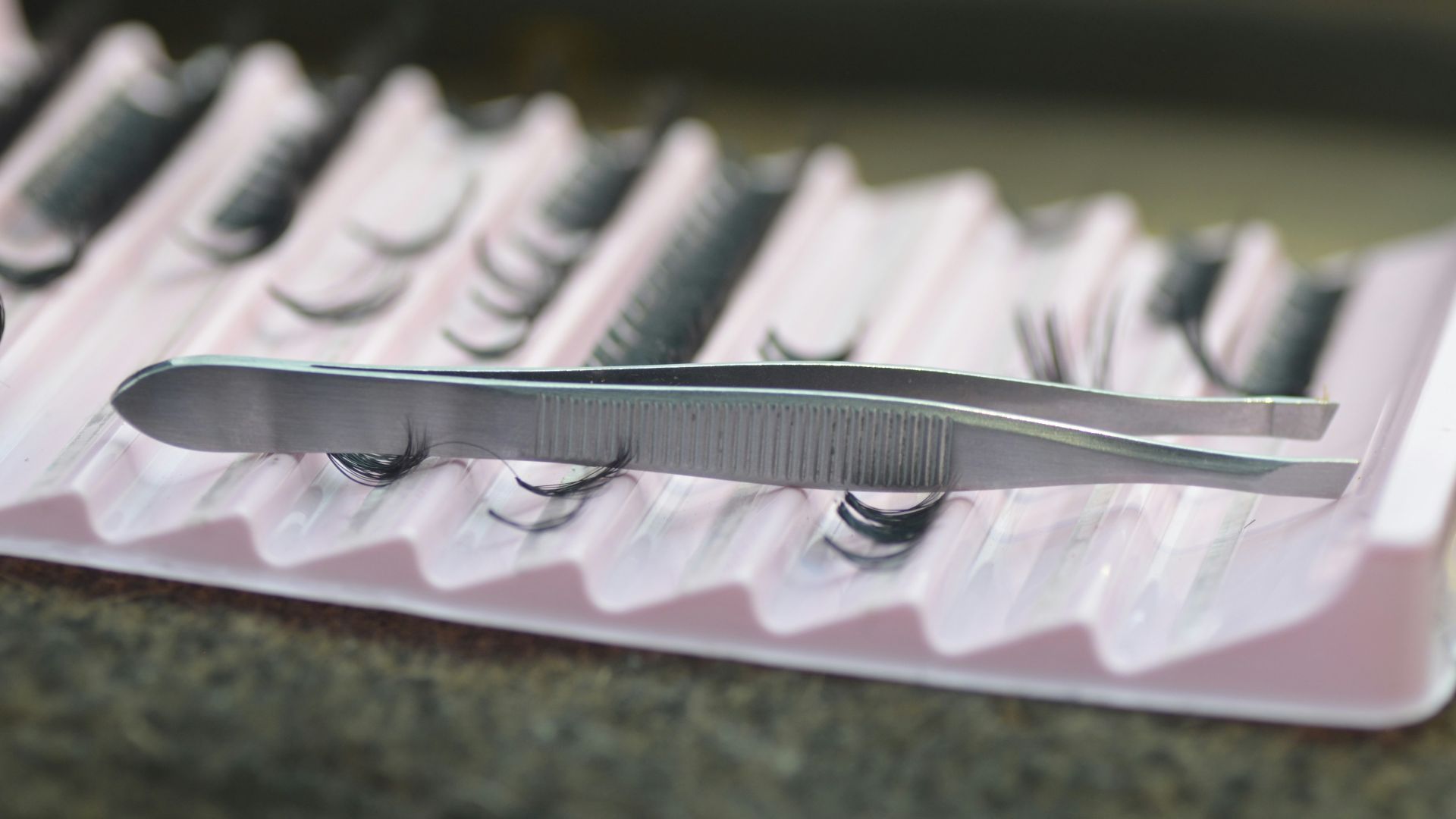
You know, the smartest cabinets aren’t only loaded with medication or bandages. Sometimes, all it takes is a small, simple tool! A clean pair can help remove debris from the skin before the area is washed and covered. Just make sure you dedicate them to first-aid use; sharing them with beauty routines can make hygiene a mess.
14. Medical Tape
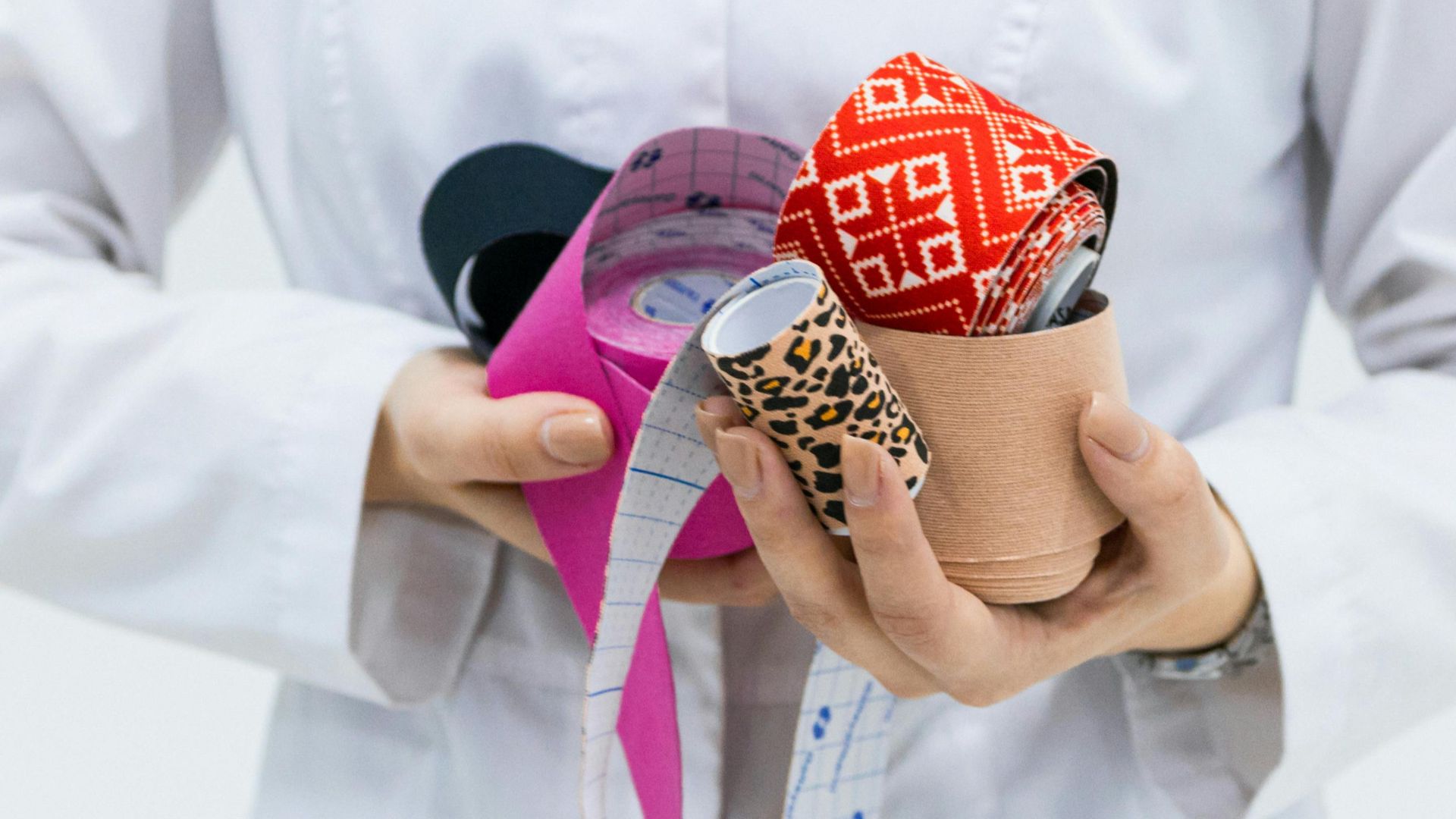
Bandages are helpful, sure, but sometimes you need something with a little more staying power. Medical tape can secure gauze, hold dressings in place, or help manage awkward areas. It’s easy to store and affordable, too.
15. Sterile Gauze Pads
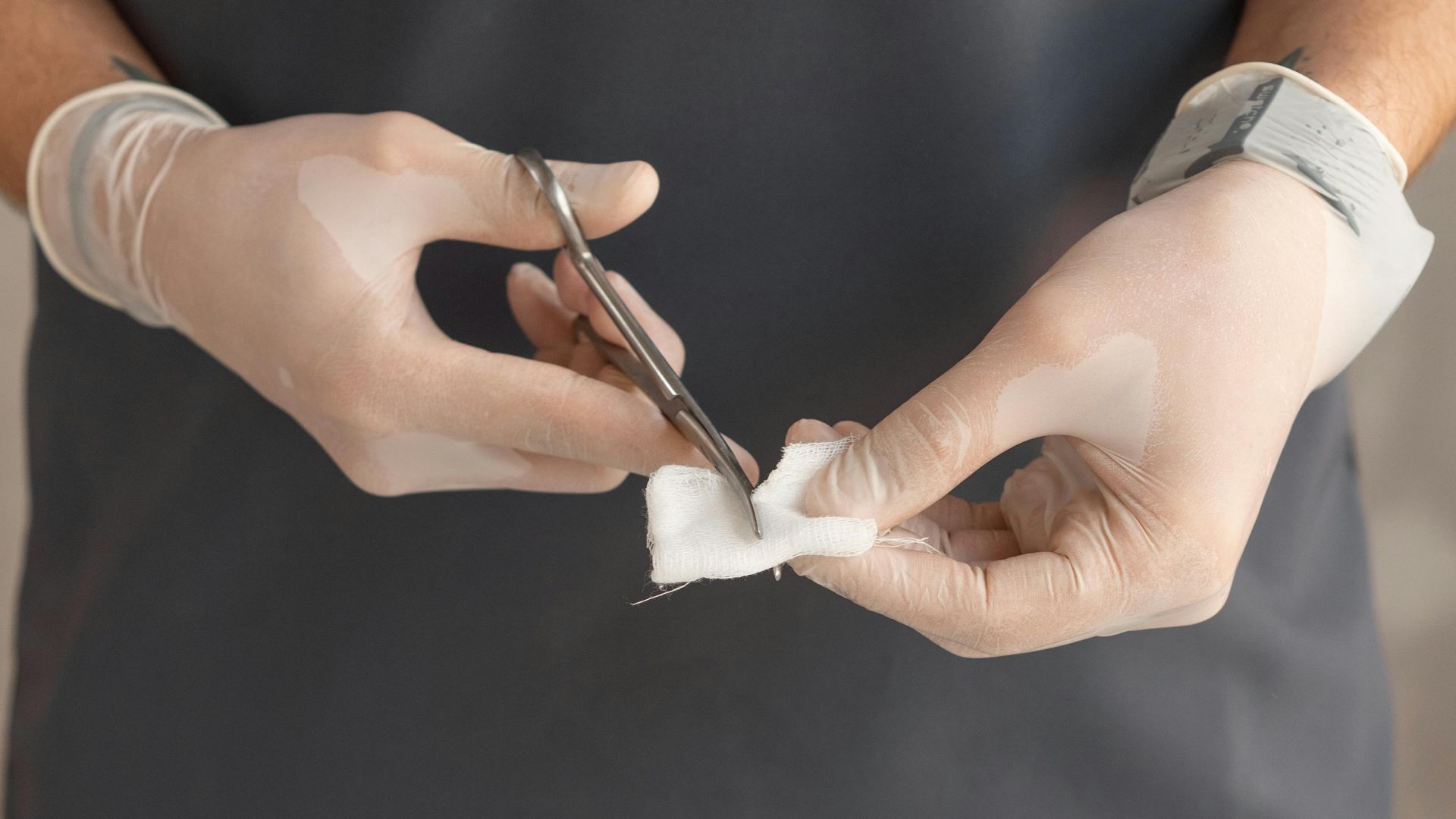
Gauze pads are a behind-the-scenes essential for cuts and scrapes. They help absorb fluid and protect the area while you decide whether you need professional care. The biggest tip, though? Store different sizes if you can—tiny gauze on a larger scrape is more decorative than practical.
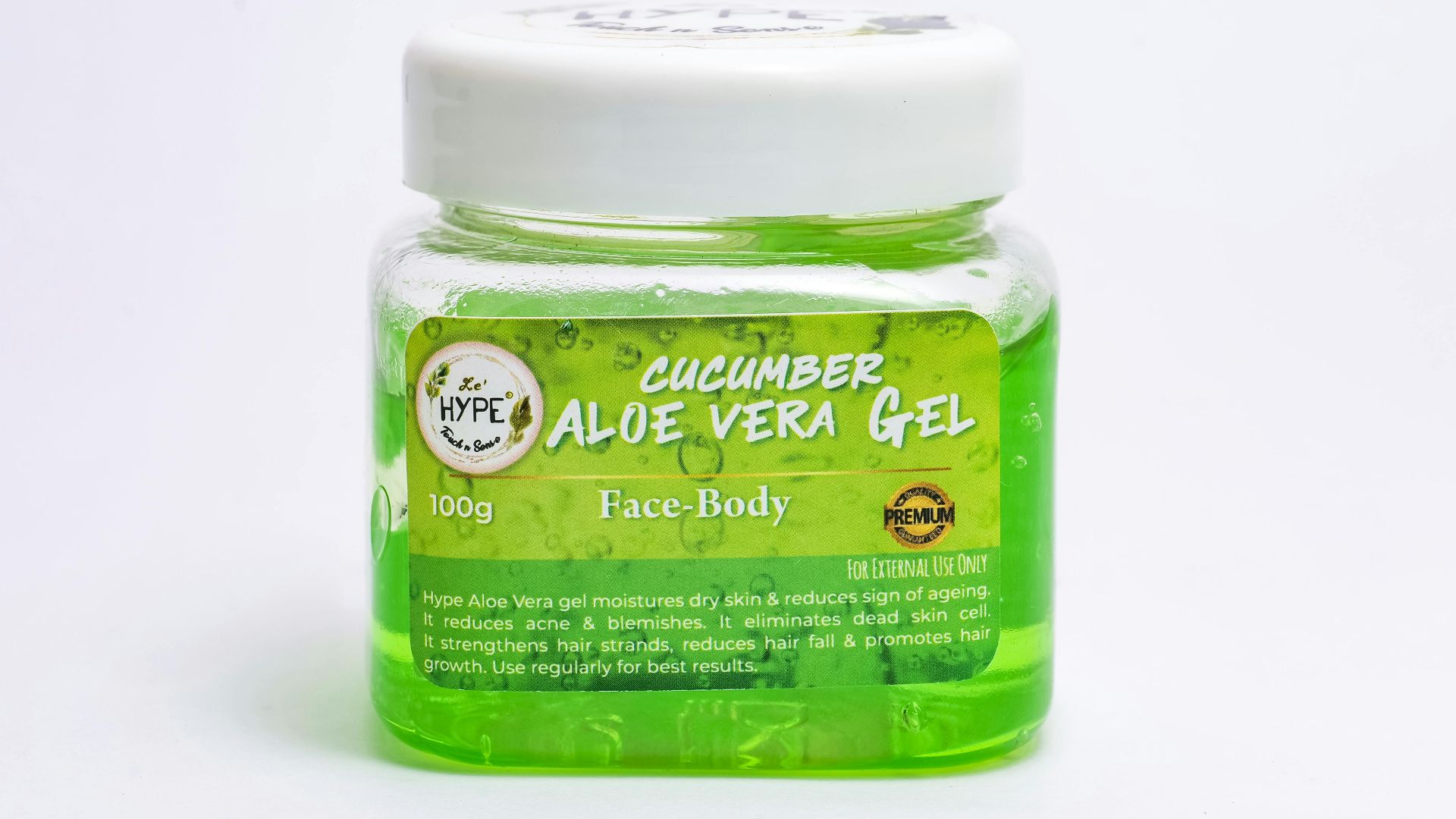
16. Aloe Vera
Minor burns are no joke, and injuries caused by cooking, styling tools, or hot surfaces can happen in seconds. Aloe vera helps cool and soothe mild burns (after running it under water, of course). While it won’t cure serious burns, it can be a lifesaver after a nasty sunburn.
17. Disposable Gloves
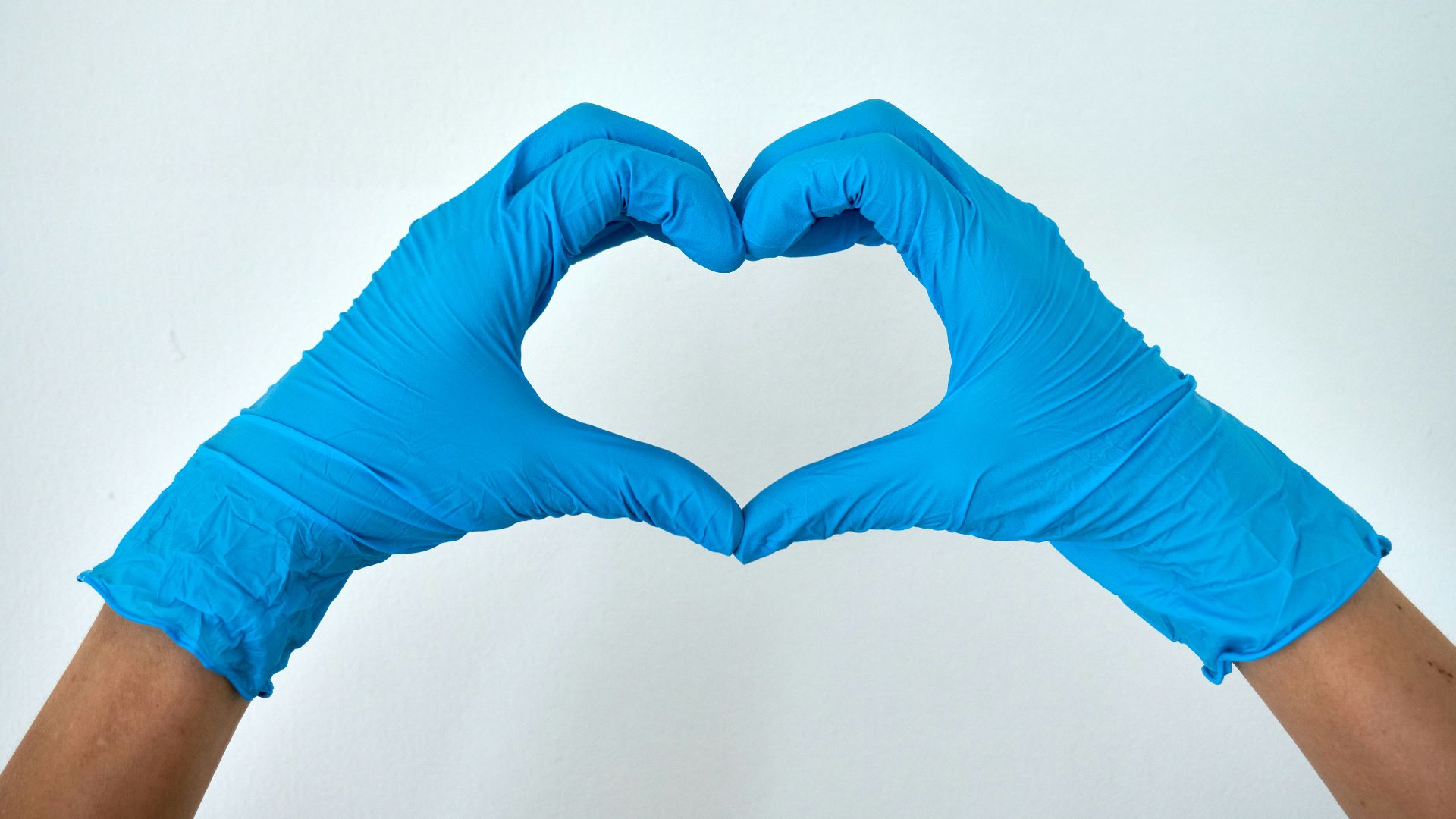
Disposable gloves are a thoughtful addition to any cabinet, especially when you’re helping someone dress a wound. They not only help reduce direct contact with blood, but they also keep both people safer. Nitrile gloves are a good option for many households!
18. Cold Packs
Why stick ice cubes on a bump when you could reach for your trusty cold pack instead? Instant cold packs don’t even require a freezer, while reusable gel packs are also practical—if you remember where you put them!

19. A Medication List
Prepared people keep important information where it can be found quickly. An important addition to any home is a current medication list that includes prescriptions, supplements, allergies, dosages, and emergency contacts.

20. Sunscreen
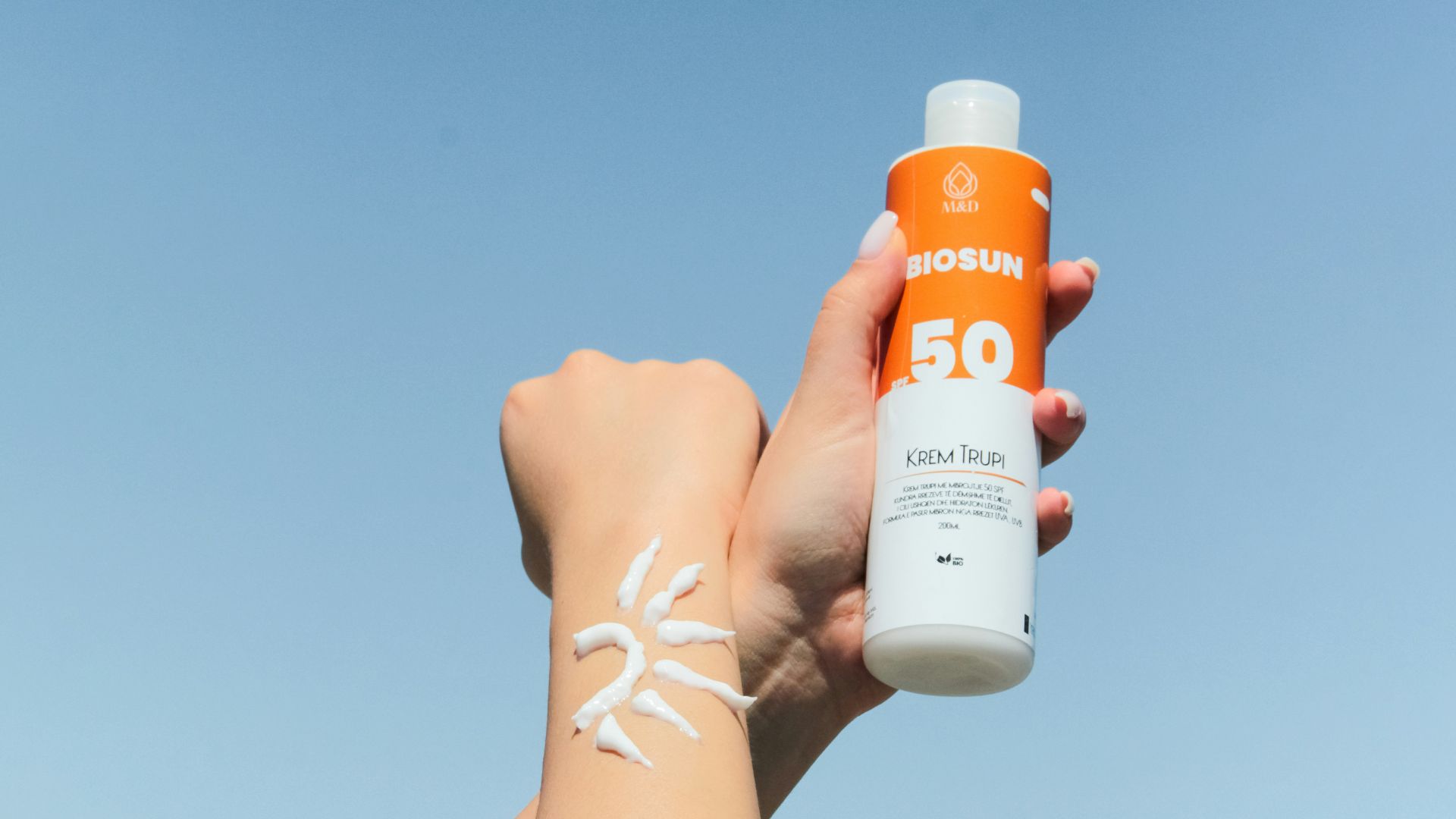
We don’t have to remind you about sunscreen, do we? We all know how important it is by now! Keeping broad-spectrum sunscreen nearby makes it easier to apply before any sunny little adventure. Do yourself a favor, though, and check the expiration date—old sunscreen isn’t the reliable friend it once promised to be.