
Freedom Has A Pulse
Being single is not one clean emotional state. Some days, it feels like fresh sheets, quiet mornings, and a nervous system finally taking a long breath. Other days, it can feel like eating dinner beside your own phone glow, wondering who would notice if you disappeared for a weekend. The body keeps score either way, because stress, sleep, movement, food, touch, and connection all leave fingerprints on health. Social connection is linked with better stress management, sleep, and overall well-being, while loneliness and isolation can raise health risks, so the real story is less about relationship status and more about how your single life is actually lived. Here are 10 ways being single can heal your body, followed by 10 ways it can stress it out.
 Antoni Shkraba Studio on Pexels
1. Your Sleep Can Finally Settle
When you sleep alone, there is no snoring, blanket theft, late-night scrolling beside you, or alarm set for someone else’s schedule. That kind of quiet can help your body sink into steadier rest, especially if past relationships came with tension, arguments, or mismatched routines.

2. Your Nervous System Gets More Room
A peaceful home can feel almost medicinal after a draining relationship. You are not bracing for a bad mood at the door, reading someone’s face for clues, or shrinking yourself to keep the peace.

3. You Can Eat Like Yourself Again
Single life can make food feel simple in the best way. You can cook what actually makes your body feel good, skip the performative dinner, and stop negotiating every grocery run around someone else’s cravings.

4. Your Workout Routine Can Become Yours
Without another person’s schedule pulling at the edges of your day, movement gets easier to protect. Regular physical activity supports physical and mental health, including heart health, brain health, and reduced symptoms of depression and anxiety.

5. You May Drink Less
Some relationships come with a lot of social drinking, late nights, and “just one more” habits that slowly become normal. Being single can give you a chance to notice what your body wants when nobody is nudging the next round.

6. Your Stress Hormones May Calm Down
A bad relationship can keep the body in a low-grade alarm state. Once you are out of it, you may notice fewer headaches, fewer stomach knots, and less of that wired, exhausted feeling that comes from always managing tension.

7. You Can Rebuild Your Energy
Single life gives you a cleaner read on what drains you and what restores you. A walk, a nap, a long shower, or a quiet Saturday can stop feeling selfish and start feeling like basic maintenance.
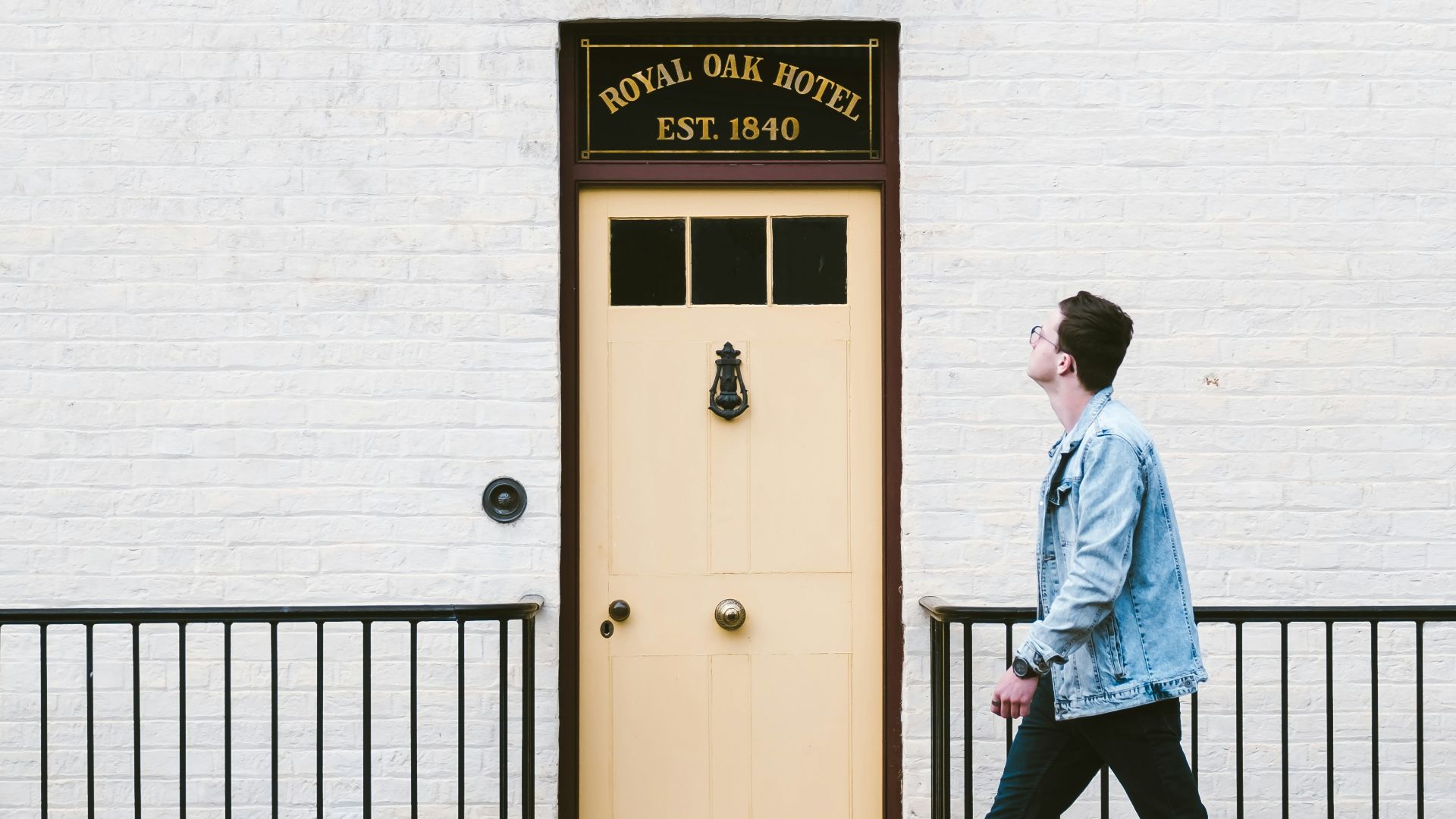
8. Your Body Image Can Soften
Without a partner’s comments, preferences, or silent judgments floating around, your body can become yours again. You may dress for comfort, strength, pleasure, or weather, not for approval.

9. You Can Listen To Pain Faster
When your time is your own, it can be easier to notice the knee that keeps aching or the fatigue that will not lift. You are not pushing symptoms aside to keep a household or relationship running smoothly.

10. Your Boundaries Can Become Physical
Boundaries are not just emotional. They show up in the jaw you stop clenching, the shoulders that drop, and the stomach that no longer flips when a certain name lights up your screen.
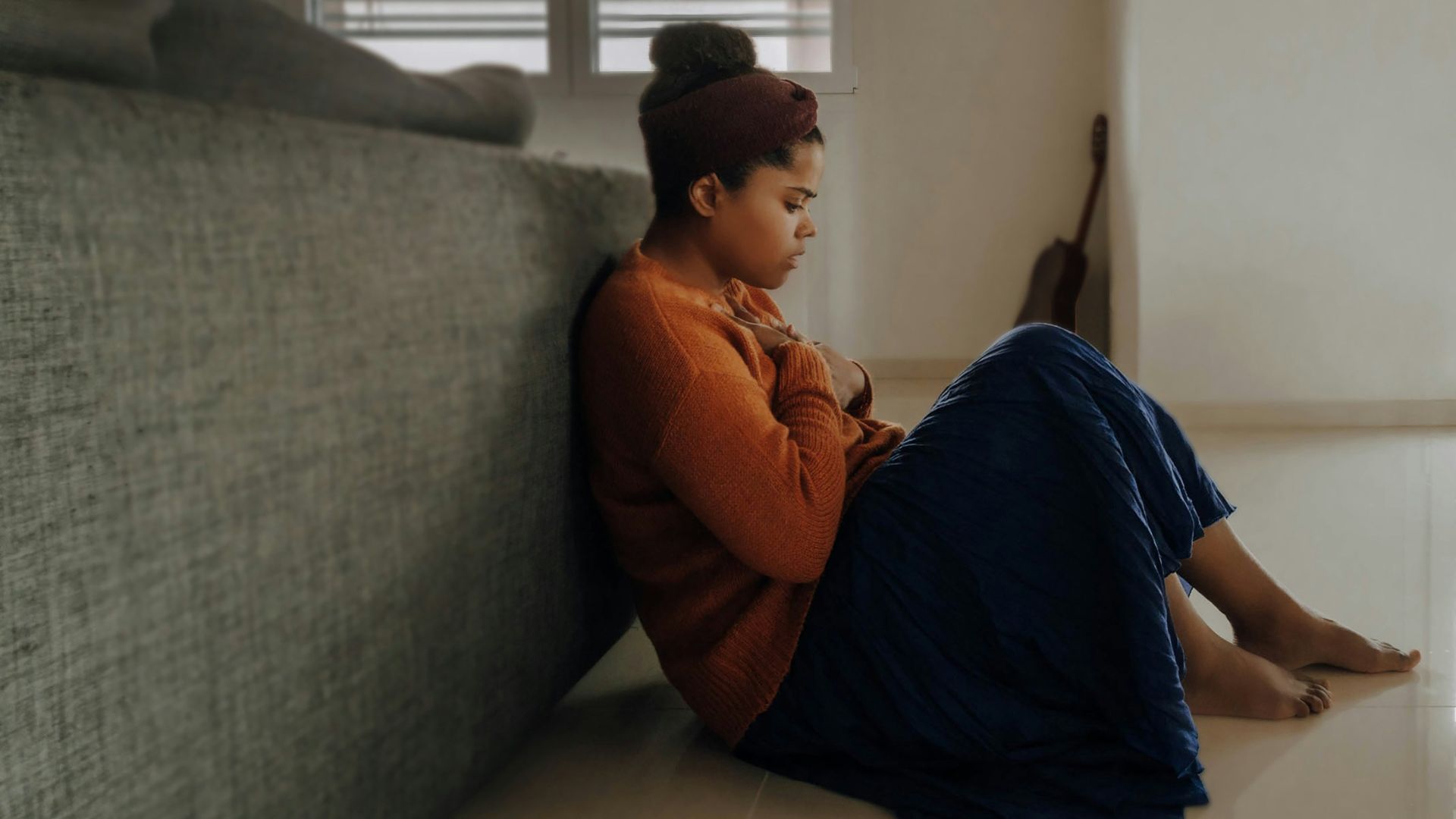
But single life is not automatically peaceful. When solitude turns into disconnection, the body can feel that, too. Here are ten ways being single can stress you out.

1. Loneliness Can Hit The Body Hard
Loneliness is not just a sad mood that passes through. The CDC notes that loneliness and social isolation are linked with serious mental and physical health risks, including depression, anxiety, heart disease, stroke, and dementia.

2. Stress Can Get Quieter, Not Smaller
When you are single, there may be no partner around to hear the sigh, catch the worry, or say, “Let’s figure it out.” Stress can become private, and private stress has a way of getting heavier because nobody else can help carry it.
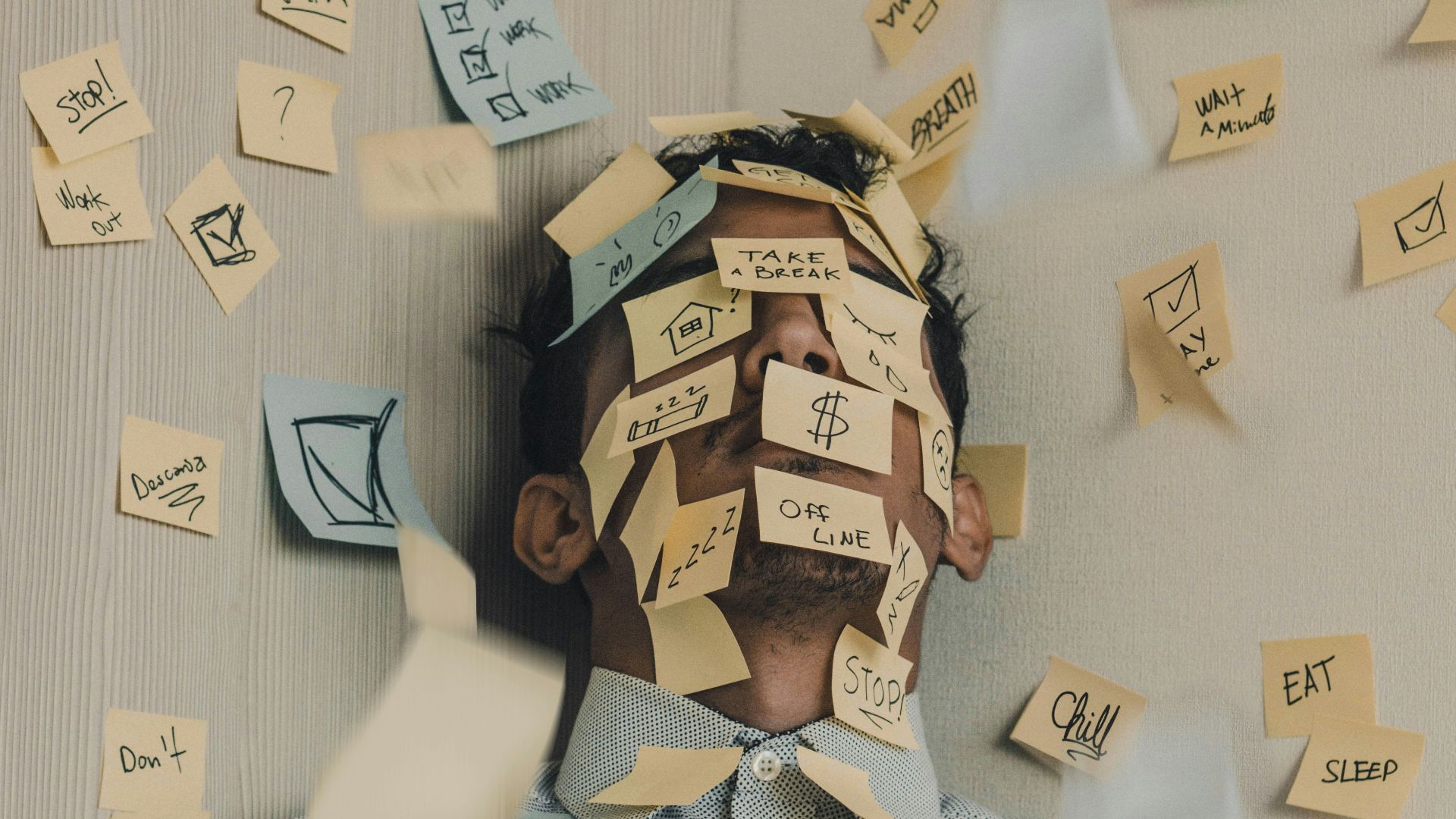
3. Sleep Can Get Messy
Sleeping alone can be restful, but it can also remove structure. No shared bedtime, no morning routine, and no one asking why the light is still on at 1:37 a.m. can make sleep drift later and later.
 Solving Healthcare on Unsplash
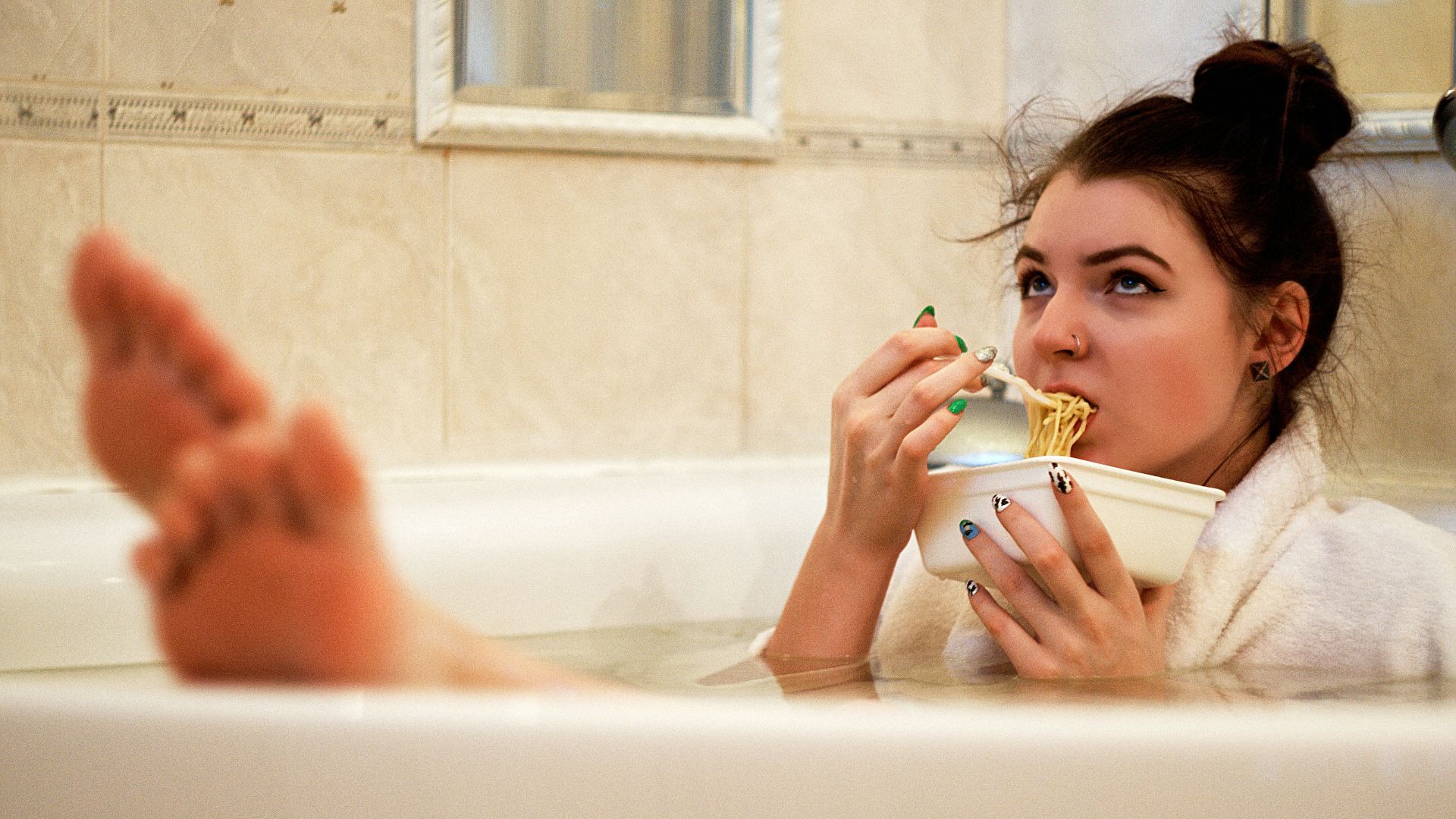
4. Meals Can Become An Afterthought
Cooking for one can be lovely, but it can also turn into cereal over the sink. When nobody is expecting dinner, meals may get skipped, rushed, or replaced by whatever takes the least emotional effort.
5. Touch Can Become Scarce
Human touch can be grounding, and single people may go long stretches without casual affection. No hand on the back, no couch leaning, no sleepy shoulder can leave the body craving comfort before the mind has words for it.

6. Movement Can Drop Off
A partner is not required for exercise, of course. Still, without shared walks, errands, plans, or gentle accountability, it can become surprisingly easy for the day to shrink down to a chair, a screen, and a few trips to the kitchen.

7. Medical Stuff Can Feel Easier To Avoid
It is one thing to ignore a weird symptom when someone else might notice. It is another thing when nobody is asking whether you made the appointment, picked up the prescription, or got the test result checked.

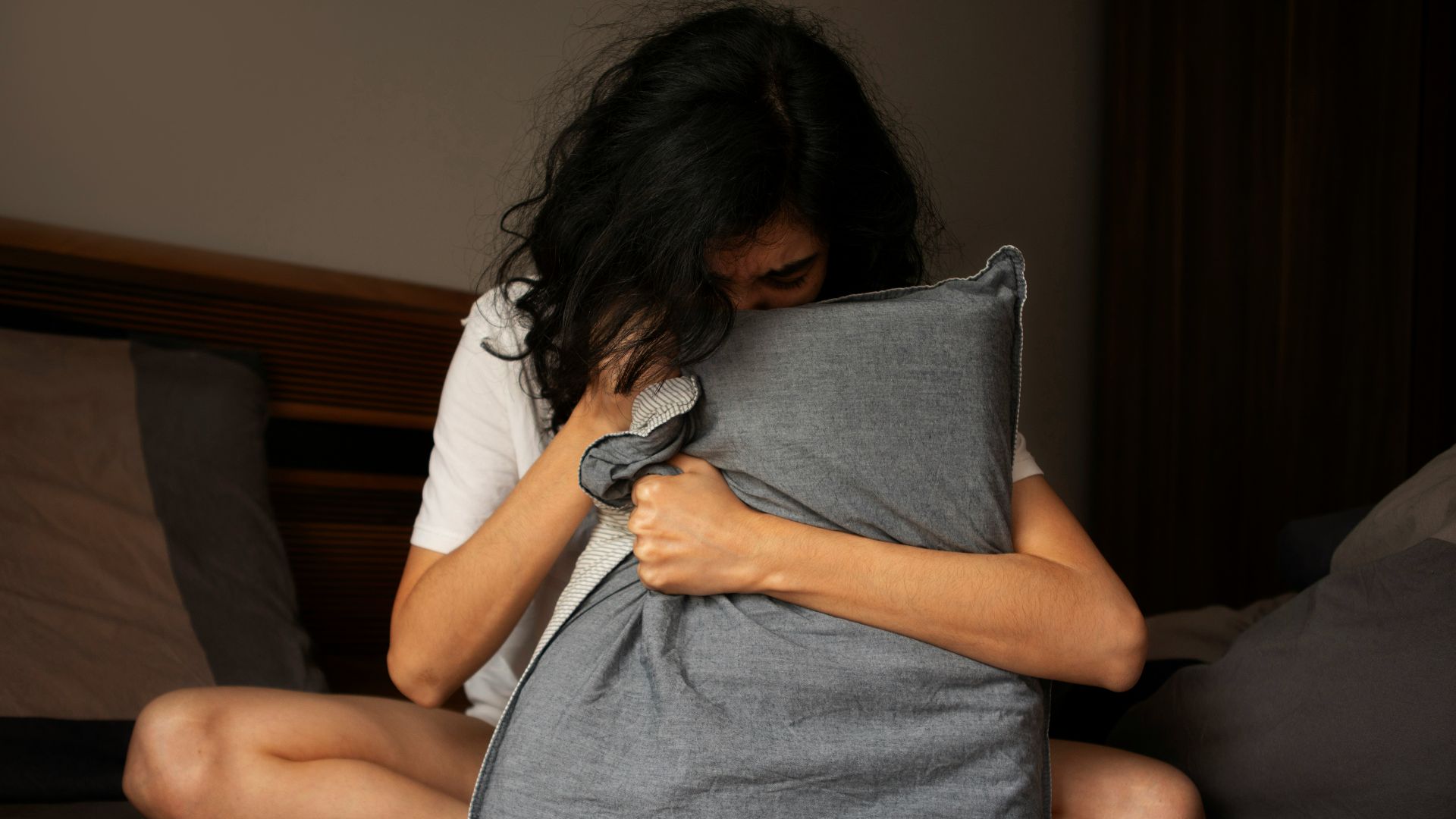
8. Anxiety Can Fill Empty Space
Quiet can heal, but too much unstructured quiet can turn into a room where every worry gets louder. A small concern can become a full-body spiral when there is no conversation to interrupt it.
9. Your Social Muscles Can Stiffen
Being single does not mean being isolated, but isolation can sneak in. The National Institute on Aging warns that social isolation and loneliness can put physical and mental health at risk, especially when time alone becomes the default instead of a choice.

10. Everything Can Feel Like Your Job
When you are single, nobody is automatically splitting the chores, the errands, the bills, the hard phone calls, or the bad news. Even independence can become exhausting when every practical and emotional task lands in the same pair of hands.
KEEP ON READING