Normal Is Not Always Fine
Women get told a lot of things are normal. Pain, exhaustion, mood swings, heavy bleeding, strange symptoms, being dismissed, being patient, and being told to wait it out can all get folded into the same tired script. Sometimes “normal” really does mean common, temporary, or harmless. Other times, it becomes a way of brushing aside something that deserves attention. Here are 10 things women get told are “normal” and 10 that deserve a second opinion.

1. Period Cramps That Disrupt Your Life
Mild cramps are common, and plenty of women know the routine of a heating pad, loose pants, and canceled plans. But pain that makes you vomit, miss work, faint, or count the hours until medication kicks in should not be waved away as just part of being a woman. Severe period pain deserves real evaluation, not a shrug.

2. Bleeding So Heavy You Plan Around Bathrooms
A heavy day or two can happen, but soaking through products quickly or needing backup protection all the time is not something to quietly endure. If your period controls your clothes, commute, sleep, or social life, that matters. “Normal for you” is not the same as healthy.

3. Being Exhausted All The Time
Life is tiring, and nobody needs a medical degree to know that work, family, stress, and poor sleep can drain a person. Still, constant exhaustion that does not improve with rest deserves more than another suggestion to drink water and go to bed earlier. Iron levels, thyroid issues, vitamin deficiencies, depression, and other conditions can hide behind ordinary tiredness.

4. Pain During Sex
Pain during sex is often minimized, especially when women are told to relax, use more lubricant, or give it time. Sometimes the solution is simple, but persistent pain should be taken seriously. You should not have to treat discomfort as the price of intimacy.

5. Mood Changes That Feel Unmanageable
Hormones can affect mood, and many women notice emotional shifts before a period, during pregnancy, after birth, or around perimenopause. But feeling out of control, hopeless, unusually angry, or deeply anxious is not something to dismiss as “just hormones.”
6. Sudden Weight Changes
Bodies change, and weight can move for plenty of normal reasons. But sudden gain or loss without a clear explanation should not be reduced to willpower, aging, or stress. A woman asking what changed deserves curiosity, not judgment.

7. Bloating That Never Really Goes Away
Bloating after a salty meal or around a period is familiar territory. Bloating that is persistent, painful, or paired with appetite changes, bowel changes, or feeling full quickly is different. It is worth asking for a careful look instead of accepting it as a permanent feature of your body.

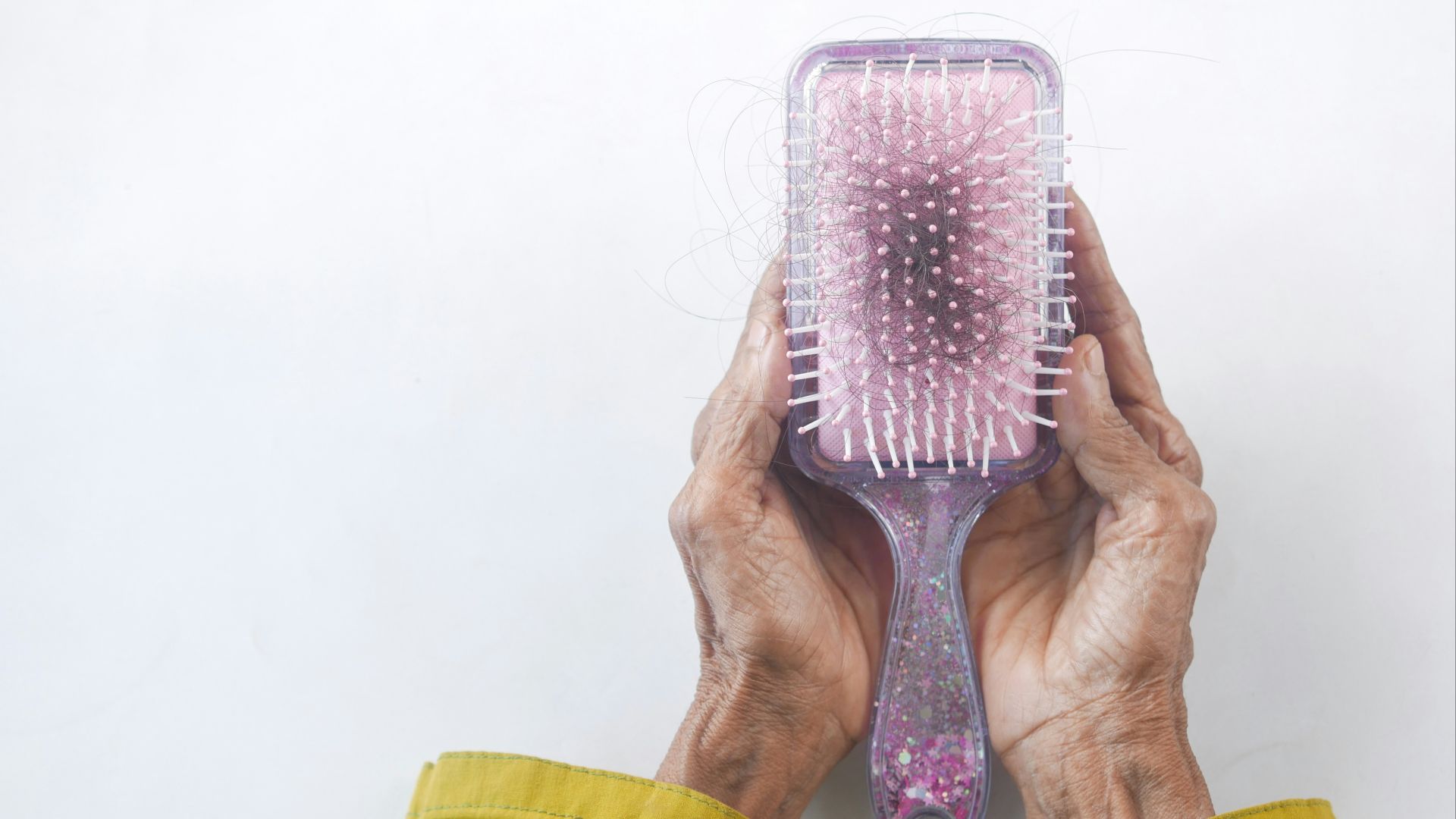
8. Hair Loss That Gets Brushed Off
Shedding hair can happen after stress, illness, childbirth, or hormonal shifts. But noticeable thinning, bald patches, or a sudden change in your hairline can feel alarming for a reason. It is not vanity to want an explanation.
9. Urinary Leaks After Pregnancy
Many women are told leaking after pregnancy is just what happens. Common, yes. Something you have to accept forever, no. Pelvic floor issues can often be treated, and women deserve more than a joke about crossing their legs before sneezing.

10. Doctors Not Taking You Seriously
Being dismissed in a medical setting is so common that many women start preparing their own evidence before appointments. They bring notes, dates, photos, and rehearsed sentences because they already expect resistance. That may be common, but it should never be treated as normal care.
When symptoms keep getting worse, keep coming back, or keep being explained away without real investigation, it is fair to push for more answers. Here are 10 things that deserve a second opinion.
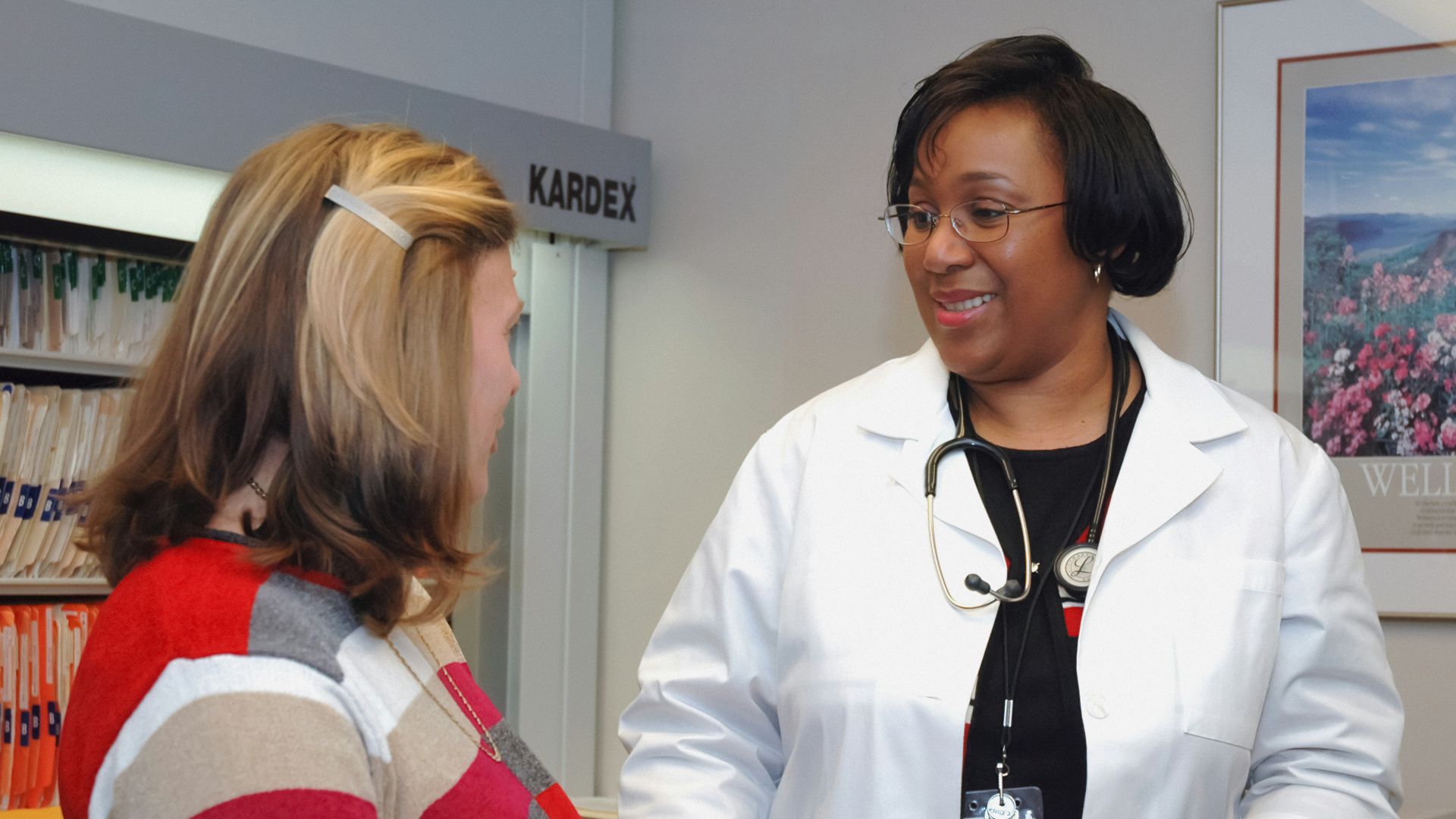 National Cancer Institute on Unsplash
1. Pain That Keeps Getting Worse
Pain that increases over time deserves attention, even if someone already told you it was nothing. Bodies do not usually escalate symptoms for no reason. A second opinion can help separate harmless discomfort from something that needs treatment.

2. A Diagnosis That Does Not Match Your Symptoms
Sometimes a diagnosis sounds neat on paper but does not fit your actual life. If the explanation ignores major symptoms, skips over your concerns, or depends on you pretending the problem is smaller than it is, keep asking. You are allowed to notice when the story does not add up.

3. Symptoms That Return After Treatment
Treatment should move things in the right direction. If the same symptoms keep returning, or if they come back stronger, that deserves another look. It may be the wrong diagnosis, the wrong treatment, or an underlying issue that was missed the first time.

4. Bleeding After Menopause
Bleeding after menopause should always be checked. It may turn out to be something manageable, but it is not something to explain away at home. A second opinion is reasonable if the first response feels rushed or casual.

5. A Breast Change You Can See Or Feel
A new lump, dimpling, nipple change, discharge, or skin change deserves prompt evaluation. Many breast changes are not cancer, but guessing is not a plan. If you are told not to worry without a clear exam or appropriate imaging, it is worth pushing further.

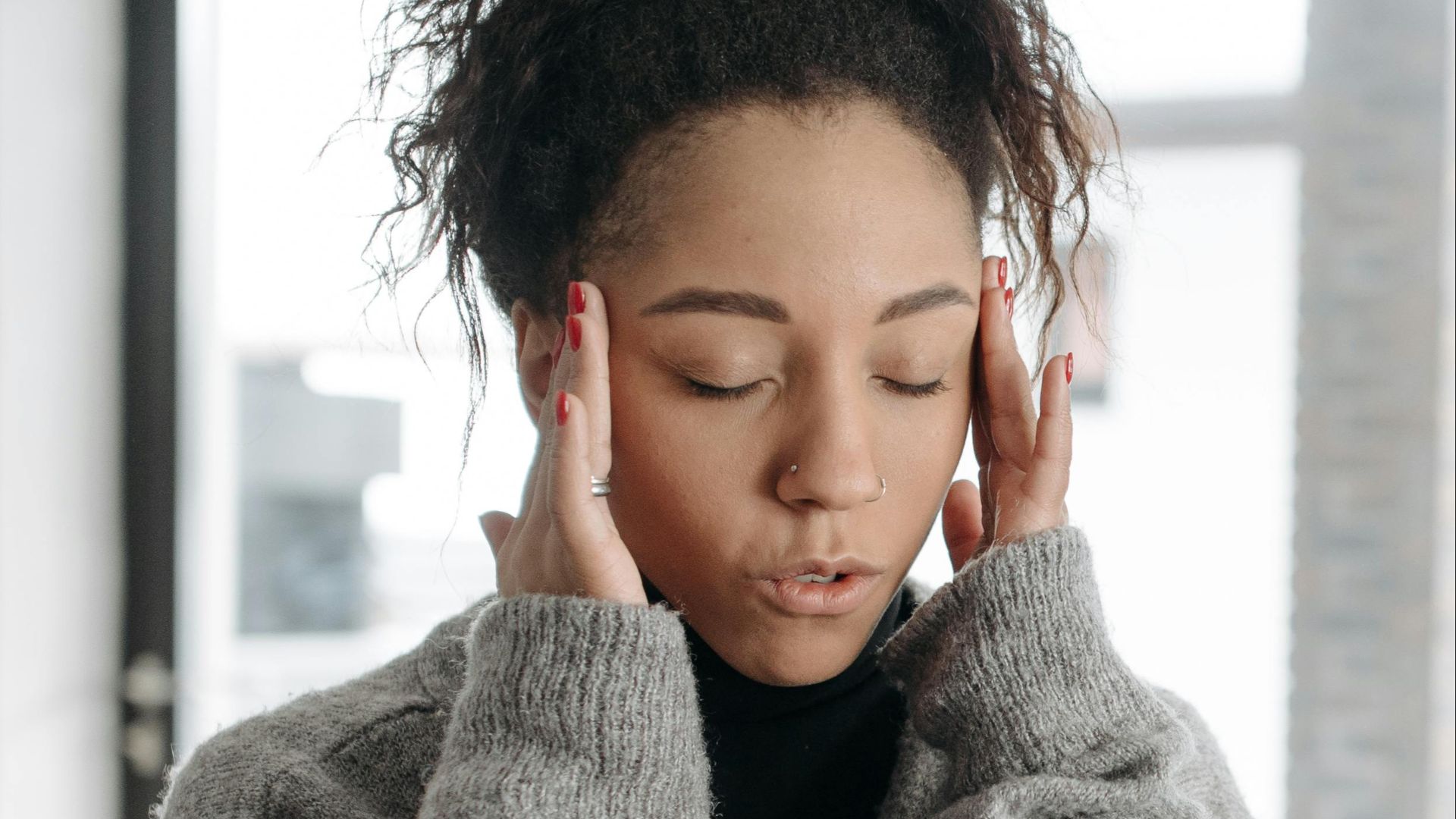
6. Severe Headaches That Are New For You
A headache pattern that suddenly changes deserves respect. That is especially true if the pain is intense, comes with vision changes, weakness, confusion, fainting, or trouble speaking. Even if it ends up being benign, it should not be brushed off as stress without proper care.
7. Shortness Of Breath Or Chest Pain
Women’s heart symptoms are too often misread as anxiety, indigestion, or overreaction. Chest pain, pressure, shortness of breath, unusual sweating, nausea, jaw pain, or sudden fatigue should be taken seriously. If your concern is dismissed and you still feel something is wrong, seek urgent care or another opinion.

8. Pelvic Pain With No Clear Answer
Pelvic pain can have many causes, and some are missed for years. Endometriosis, fibroids, cysts, infections, pelvic floor problems, and digestive issues can overlap in confusing ways. If the answer you get is basically “that happens,” it is not much of an answer.

9. Mental Health Symptoms After Birth
Postpartum depression, anxiety, rage, intrusive thoughts, and panic can be frightening, especially when everyone expects you to be glowing and grateful. These symptoms are treatable, and they deserve fast, compassionate care. If someone tells you to sleep when the baby sleeps and leaves it there, get another opinion.

10. A Doctor Who Makes You Feel Small
A second opinion is not only for lab results and scans. It is also for moments when a doctor talks over you, mocks your concern, refuses to explain options, or makes you feel embarrassed for asking questions. Good care should make you feel informed, not scolded.

KEEP ON READING

20 Ways Perimenopause Changes Fitness and Appetite


20 Unhealthy Obsessions People Have

20 Gut-Friendly Fermented Foods For Everyday Meals