
A Natural Lift Without the Crash
While caffeine is often the go-to for a quick energy boost, it’s not the only way to improve your mood or increase alertness. Many natural habits and lifestyle choices can have a longer-lasting and more balanced effect without the jittery side effects or energy crashes. By incorporating a mix of physical, mental, and environmental changes, you can support your mood in ways that feel steady and sustainable throughout the day. Here are 20 natural mood boosters stronger than caffeine.

1. Sunlight Exposure
Getting natural sunlight early in the day helps regulate your circadian rhythm and supports serotonin production. Even a short walk outside can improve alertness and mood more effectively than reaching for another cup of coffee. Consistent exposure also helps improve sleep quality and impacts how you feel. Making this a daily habit can create a noticeable shift in your overall energy levels.

2. Regular Exercise
Physical activity releases endorphins, which are known to elevate mood and reduce stress. Even moderate exercise like brisk walking can provide noticeable benefits without requiring a long-term commitment. Over time, it also improves overall energy levels and mental clarity. Staying consistent matters more than intensity when it comes to long-term results.

3. Deep Breathing
Focused breathing techniques can quickly calm your nervous system and reduce feelings of tension. Slow, controlled breaths help lower cortisol levels and bring your attention back to the present moment. This makes it a reliable way to reset your mood during stressful situations. You can practice it almost anywhere without needing any special setup.

4. Quality Sleep
Adequate sleep plays a critical role in emotional stability and energy levels. When you’re well-rested, your brain processes information more efficiently and handles stress better. Prioritizing sleep often has a more powerful effect than relying on stimulants. Creating a consistent sleep schedule can make this even more effective.

5. Hydration
Dehydration can lead to fatigue, irritability, and reduced concentration. Drinking enough water throughout the day supports both physical and mental performance. Even mild dehydration can affect mood, so staying hydrated is a simple but effective habit. Keeping water nearby can help you stay consistently hydrated without thinking about it too much.

6. Balanced Meals
Eating meals that include protein, healthy fats, and complex carbohydrates helps maintain stable blood sugar levels. This prevents the energy spikes and crashes that can affect your mood.

7. Listening to Music
Music has a direct impact on emotional state and can quickly shift your mood. Upbeat or calming tracks can either energize you or help you relax, depending on what you need. It’s an easy and accessible way to influence how you feel. Creating playlists for different moods can make this even more effective.

8. Social Interaction
Spending time with others can boost mood by increasing feelings of connection and support. Even brief conversations can make a difference in how you feel during the day. Positive social interactions are linked to improved mental health over time. Making time for regular check-ins can strengthen these benefits.
 Priscilla Du Preez 🇨🇦 on Unsplash
9. Mindfulness Practice
Mindfulness techniques help you stay present and reduce overthinking. Practices like meditation or simple awareness exercises can lower stress and improve emotional balance. With consistency, they can lead to lasting improvements in mood.

10. Fresh Air
Stepping outside for fresh air can improve both mental clarity and emotional state. Changes in the environment help break mental fatigue and provide a sense of reset. Even a few minutes outdoors can make a noticeable difference.

11. Laughter
Laughter triggers the release of endorphins and reduces stress hormones. Watching something funny or sharing a joke can quickly lift your mood. It also helps create a sense of ease and relaxation.
 OurWhisky Foundation on Unsplash
12. Gratitude Practice
Taking time to reflect on what you’re grateful for can shift your perspective. This simple habit helps focus attention on positive aspects of life. Over time, it can improve overall emotional resilience.

13. Aromatherapy
Certain scents, like lavender or citrus, are known to influence mood. Using essential oils or scented candles can create a calming or energizing environment. While subtle, the effect can still be noticeable.

14. Stretching
Gentle stretching helps release physical tension that can build up throughout the day. It improves circulation and can make you feel more relaxed and alert. Incorporating it into your routine supports both body and mind.

15. Journaling
Writing down thoughts and feelings can help process emotions more clearly. It provides an outlet for stress and can bring a sense of clarity. Over time, it becomes a helpful tool for self-reflection.

16. Nature Exposure
Spending time in natural settings has been linked to reduced stress and improved mood. Whether it’s a park or a quiet trail, being in nature can feel restorative. It also encourages a break from screens and daily pressures.

17. Cold Water Exposure
Brief exposure to cold water, such as a cool shower, can increase alertness and stimulate circulation. It activates the body in a way that can feel refreshing and energizing. Many people find it helpful as a quick reset.

18. Creative Activities
Engaging in creative work like drawing, cooking, or writing can improve mood. It allows you to focus your attention and express yourself in a constructive way.

19. Limiting Screen Time
Reducing time spent on screens, especially social media, can lower stress and comparison. Taking breaks from constant digital input helps your mind rest and can lead to improved focus and a more stable mood.

20. Acts of Kindness
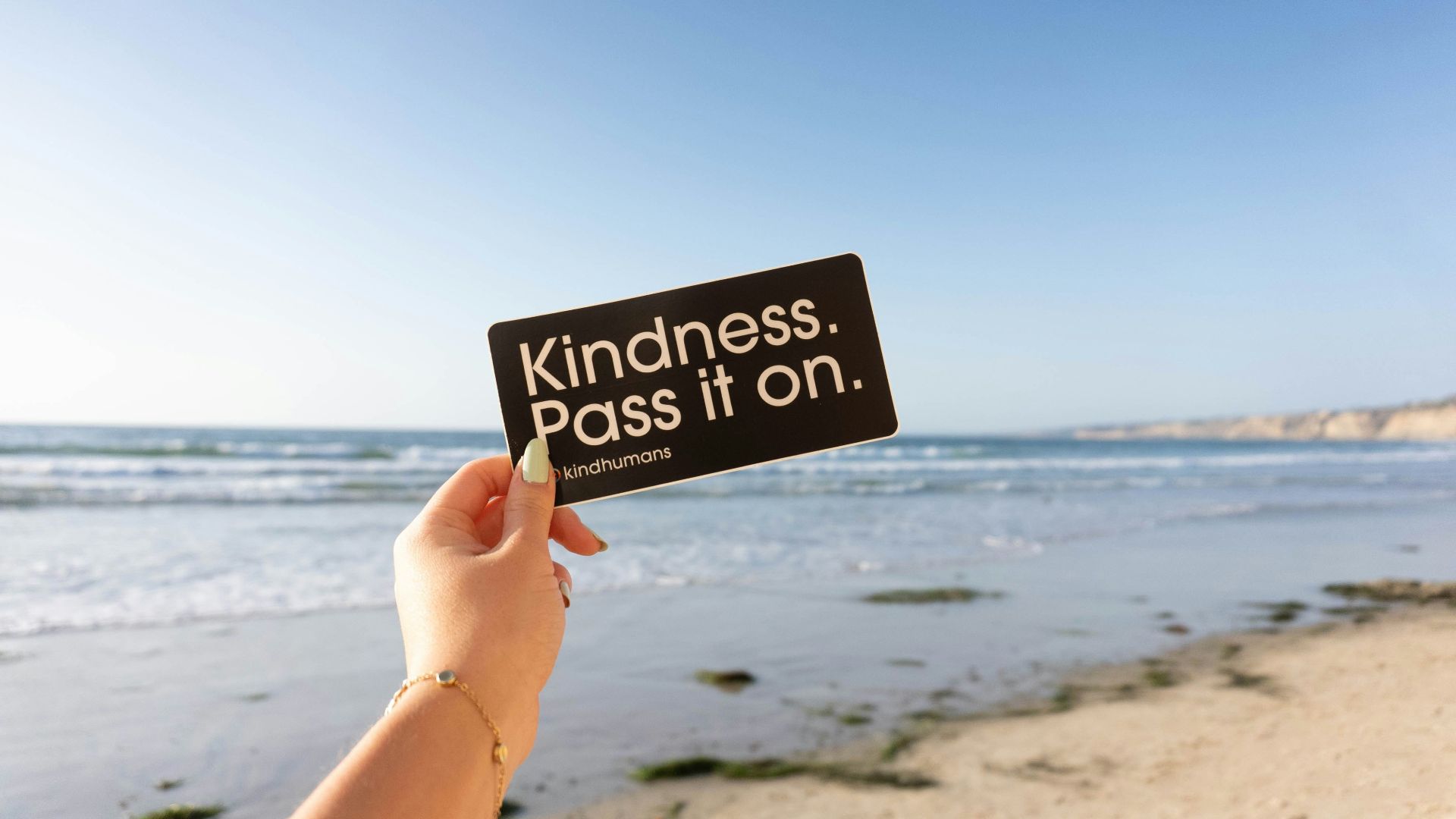
Doing something kind for someone else can create a strong sense of satisfaction. It reinforces positive social connections and boosts your own mood. Even small gestures can have a meaningful impact.