Your Liver Is Working Overtime
Your liver is one of the hardest-working organs in your body, responsible for filtering toxins, metabolizing nutrients, producing bile, and supporting hundreds of essential functions every single day. The problem is that many of the habits people consider harmless, or even healthy, can actually take a serious toll on liver health over time. From taking one too many Tylenol tablets to being sedentary for long periods, here are 20 surprisingly common ways you might be harming your liver without even realizing it.
1. Taking Too Much Acetaminophen
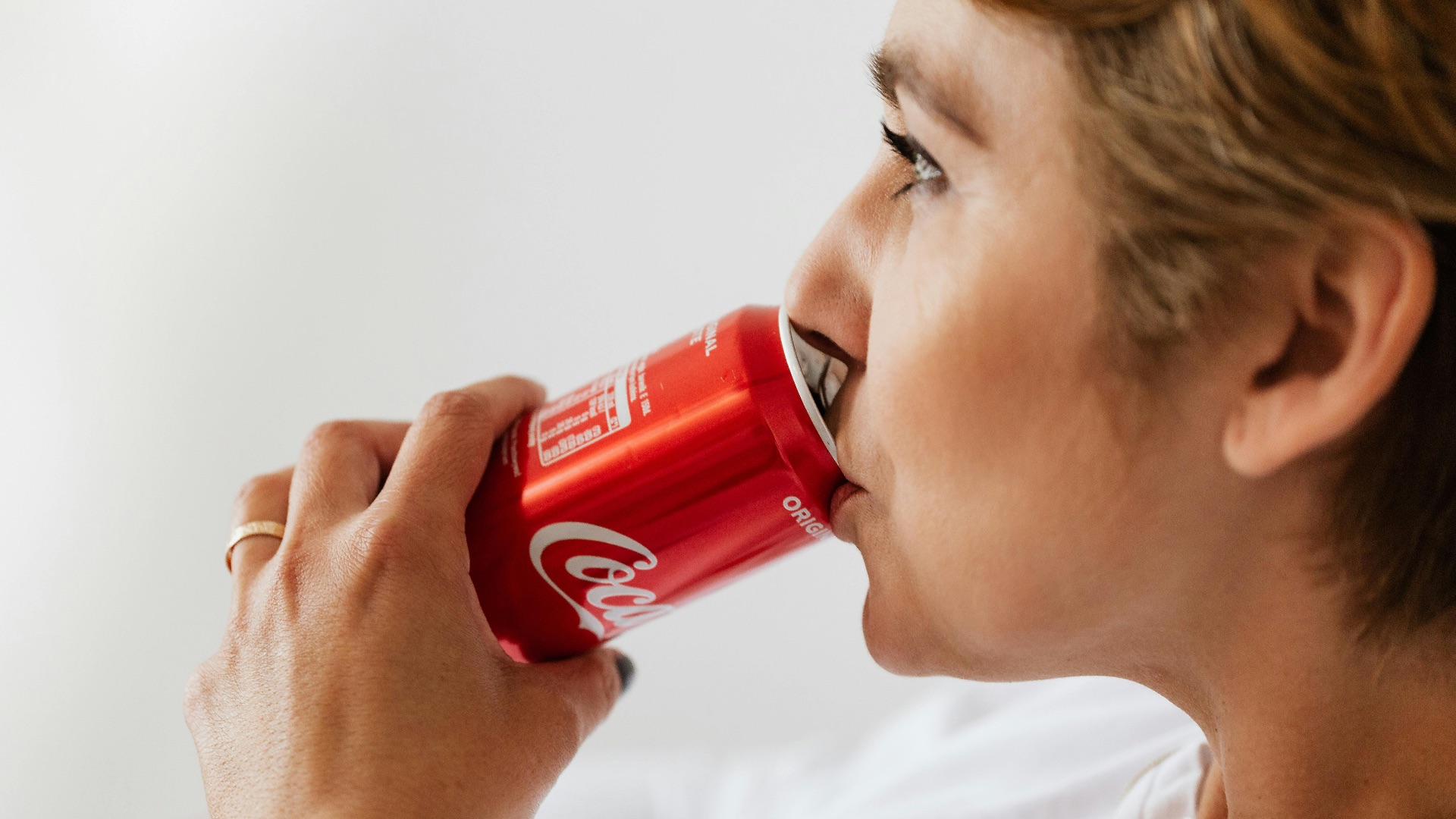
Acetaminophen, the active ingredient in Tylenol, is one of the leading causes of acute liver failure in the United States when taken in excess. The daily limit for healthy adults is generally 3,000 to 4,000 milligrams, but it's easy to exceed that when you're taking multiple products that contain it at once: think cold medicine, sleep aids, and pain relievers simultaneously. Always check labels carefully and talk to your doctor if you're regularly relying on acetaminophen for pain management.
2. Drinking Too Much Fructose
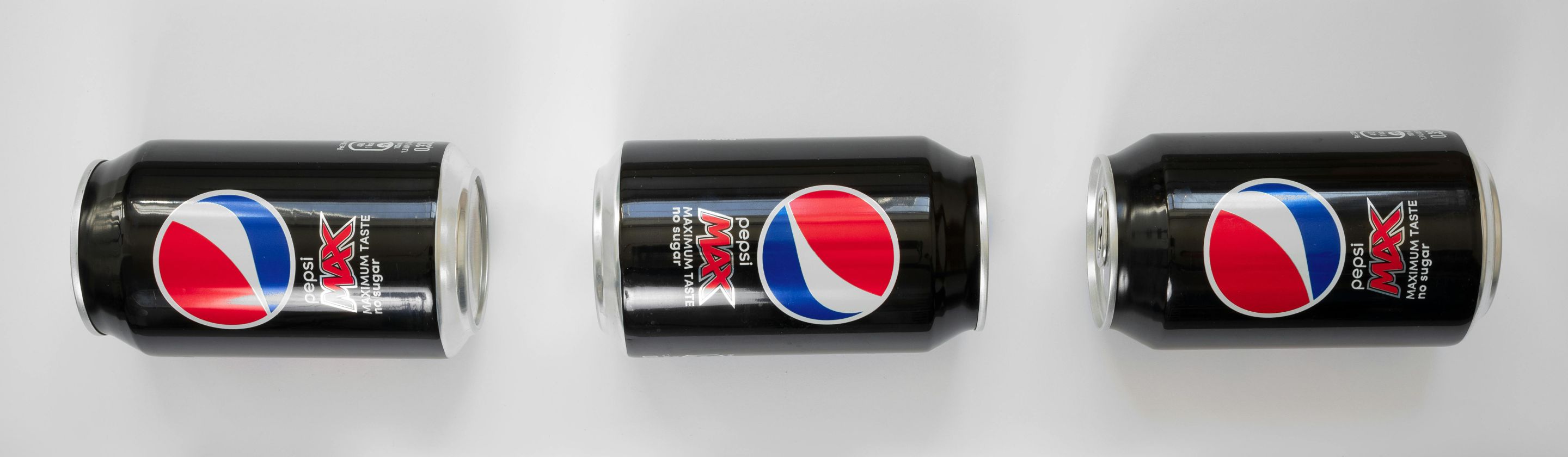
High-fructose corn syrup, found in sodas, sweetened juices, and many processed snacks, is processed almost exclusively by the liver, and consuming large amounts puts significant strain on it. Unlike glucose, which is distributed throughout the body for energy, fructose gets sent directly to the liver, where excess amounts are converted into fat. This buildup of fat can contribute to non-alcoholic fatty liver disease (NAFLD) even in people who drink little to no alcohol.
3. Skipping Sleep Consistently
Chronic sleep deprivation doesn't just leave you tired but also disrupts the liver's natural repair and detoxification cycles that occur during rest. Research has linked poor sleep to increased liver inflammation and a higher risk of developing fatty liver disease over time. Making sleep a priority isn't just good for your energy levels; it's a critical part of keeping your liver functioning properly.

4. Overloading on Supplements
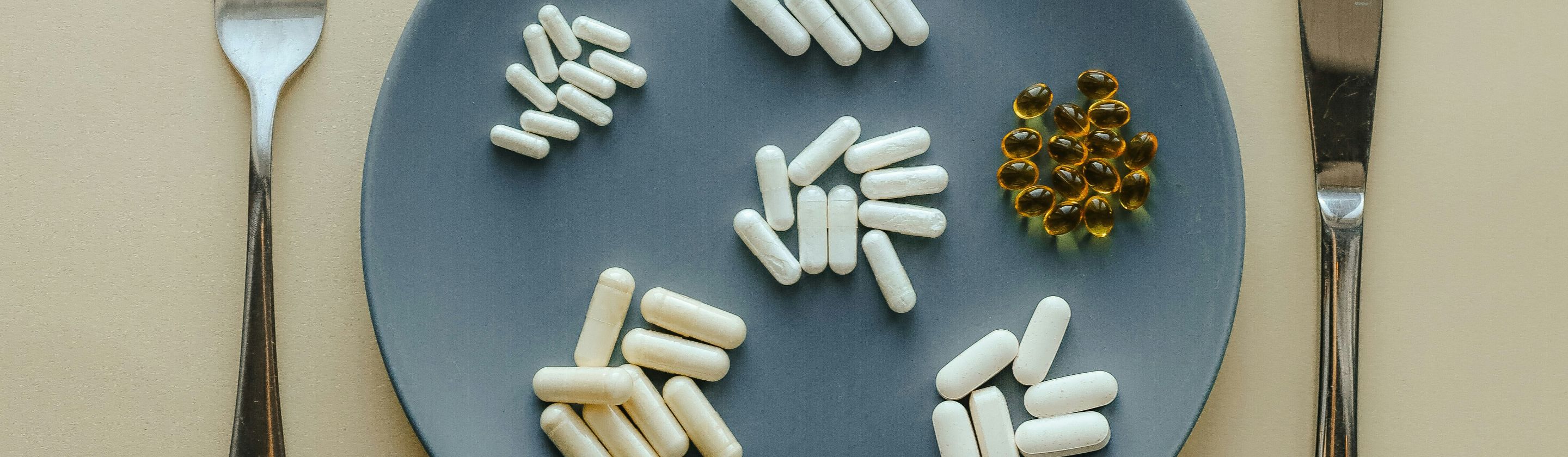
The supplement industry is largely unregulated, and many people assume that natural or herbal products are automatically safe for the liver, but that's not the case. Supplements like kava, green tea extract, high-dose vitamin A, and certain bodybuilding compounds have all been linked to liver damage, sometimes severe. Before adding any new supplement to your routine, it's worth checking with a healthcare provider to make sure it won't interfere with your liver health.
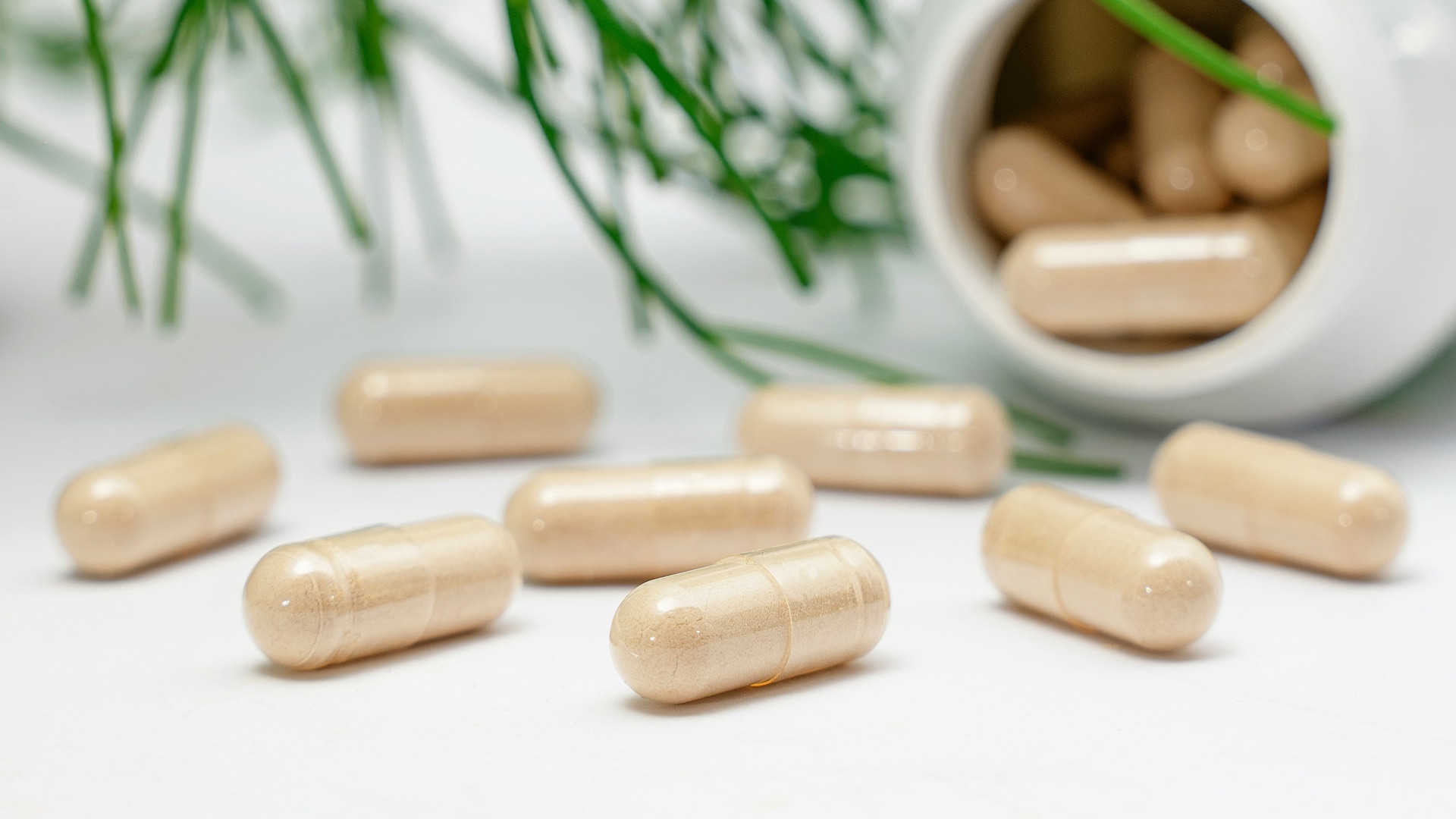 Supliful - Supplements On Demand on Unsplash
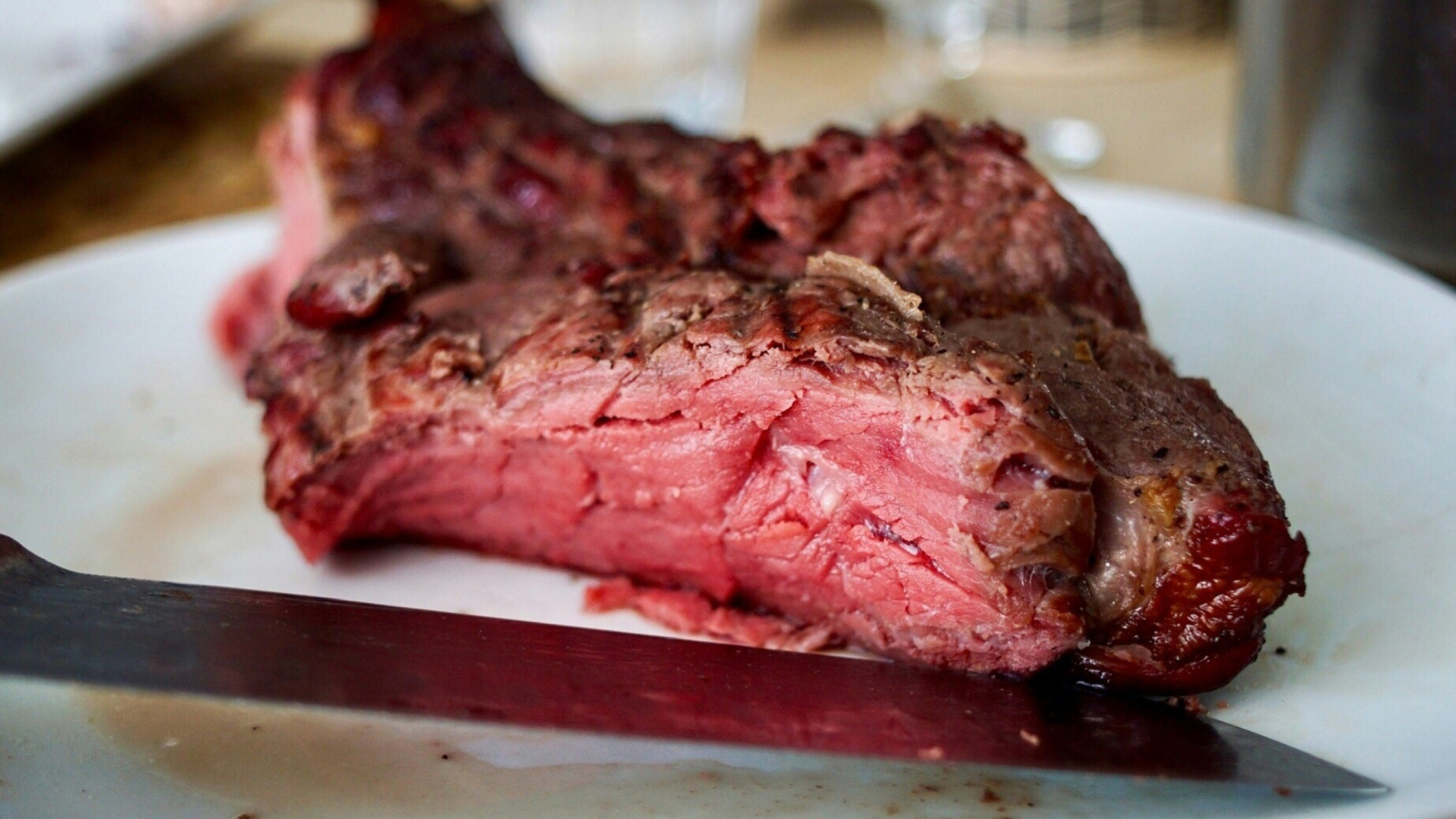
5. Eating a Diet High in Saturated Fat
A diet consistently heavy in saturated fats from sources like red meat, full-fat dairy, and fried foods can lead to fat deposits building up in the liver over time. The liver plays a central role in fat metabolism, and when it's overwhelmed by excess dietary fat, it can struggle to process and clear it efficiently. Swapping some of those saturated fats for unsaturated options like olive oil, avocados, and nuts is one of the simplest dietary changes you can make for your liver.
6. Drinking Alcohol More Than You Think
Most people are well aware that heavy drinking damages the liver, but what's less understood is that even moderate, consistent alcohol consumption can cause cumulative harm. The liver can only process about one standard drink per hour, and regularly exceeding that pace forces it to work harder than it's designed to. It's also easy to underestimate how much you're actually drinking, especially when restaurant pours and home cocktails tend to run larger than an official "standard drink."

7. Being Sedentary for Long Periods
A lack of physical activity is directly associated with an increased risk of non-alcoholic fatty liver disease, even in people who aren't overweight. Regular exercise helps the body burn fat more efficiently, which reduces the amount that accumulates in the liver. You don't need to become a gym regular overnight; even consistent walking has been shown to improve liver health markers over time.
8. Eating Highly Processed Foods Regularly
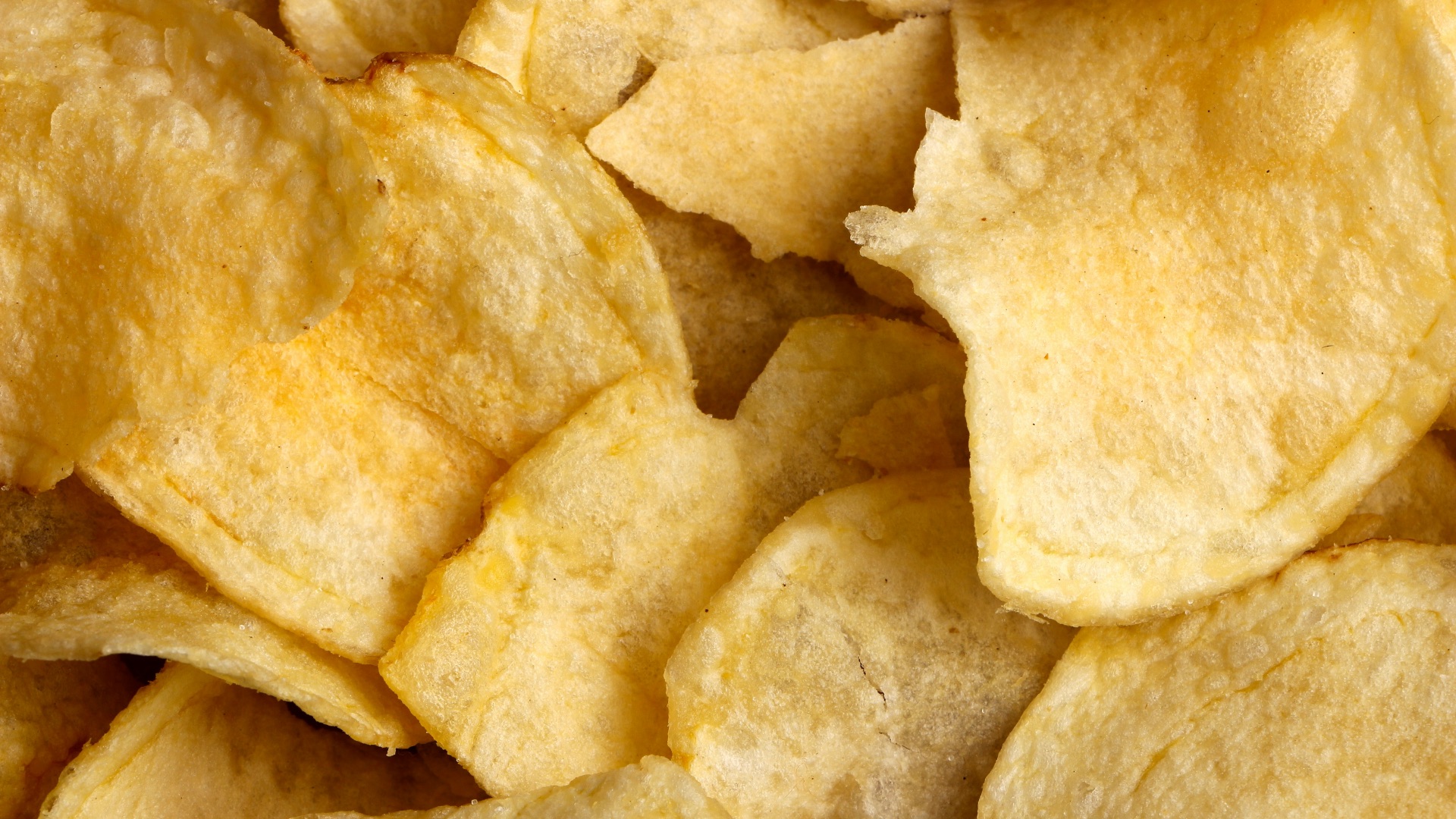
Ultra-processed foods are typically loaded with refined carbohydrates, added sugars, artificial additives, and unhealthy fats that force the liver to work harder to process and detoxify what comes through. Studies have found that diets high in ultra-processed foods are strongly associated with increased rates of fatty liver disease, independent of total calorie intake. The more whole, minimally processed foods you can incorporate into your diet, the less unnecessary stress you're placing on your liver.
9. Ignoring Uncontrolled Type 2 Diabetes
Poorly managed type 2 diabetes and insulin resistance are among the most significant risk factors for developing serious liver disease. When cells become resistant to insulin, the liver responds by producing more glucose and storing more fat, both of which contribute to liver damage over time. Keeping blood sugar levels under control through diet, exercise, and medication (if prescribed) is essential for protecting long-term liver health.

10. Sharing Needles or Personal Care Items
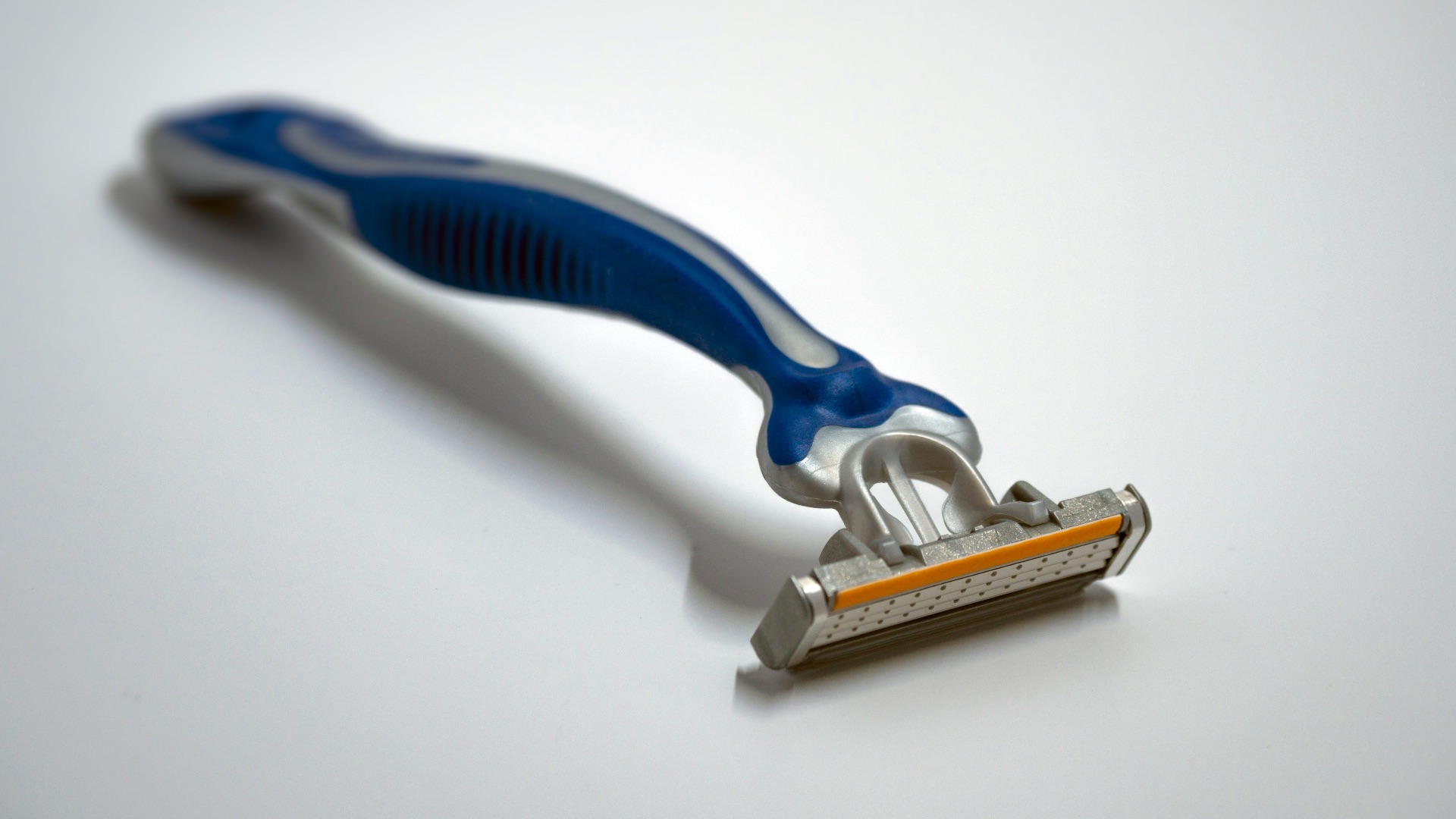
Hepatitis B and hepatitis C are both serious viral infections that can cause long-term liver damage, cirrhosis, and liver cancer if left untreated. Hepatitis C in particular is most commonly transmitted through shared needles, but hepatitis B can also spread through sharing razors, toothbrushes, or other items that may carry trace amounts of blood. Getting tested regularly, especially if you're at higher risk, is one of the most important steps you can take toward catching these infections early.
11. Taking Too Much Vitamin A
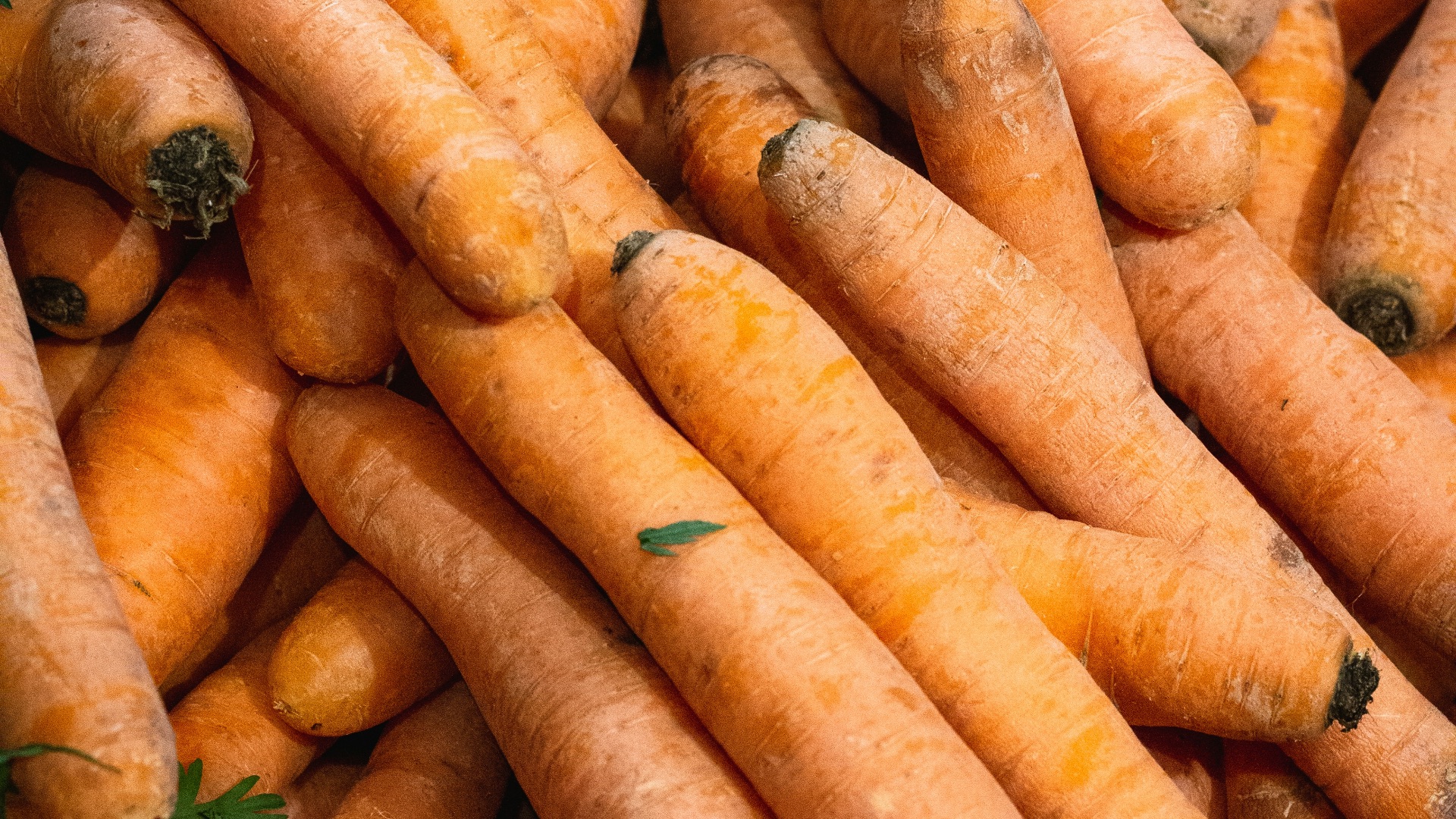
Vitamin A is an essential nutrient, but it's a fat-soluble vitamin, which means your body stores it rather than flushing out the excess, and those stores accumulate in the liver. Taking high-dose vitamin A supplements over a long period can lead to a condition called hypervitaminosis A, which causes liver inflammation and, in serious cases, irreversible liver damage. You likely don't need to supplement vitamin A at all if you're eating a reasonably varied diet, since it's abundant in foods like sweet potatoes, carrots, and leafy greens.
12. Drinking Energy Drinks Frequently
Energy drinks are a surprisingly underestimated source of liver stress, despite combining high doses of caffeine, added sugars, and herbal additives like niacin and guarana in quantities that go well beyond what other beverages contain. There have been multiple documented cases of energy drink-associated liver failure, particularly in people who consume them daily or in large amounts. If you rely on energy drinks to get through the day, it's worth considering what that habit is doing to your liver in the long run.

13. Using Recreational Drugs
Many recreational drugs, including cocaine, MDMA, and various synthetic substances, are known to be hepatotoxic, meaning they're directly toxic to liver cells. Even occasional use can trigger acute liver inflammation, and repeated exposure over time can lead to more serious and lasting damage. The risk is compounded when recreational drugs are combined with alcohol, which the liver is also trying to process at the same time.
14. Eating Moldy Food
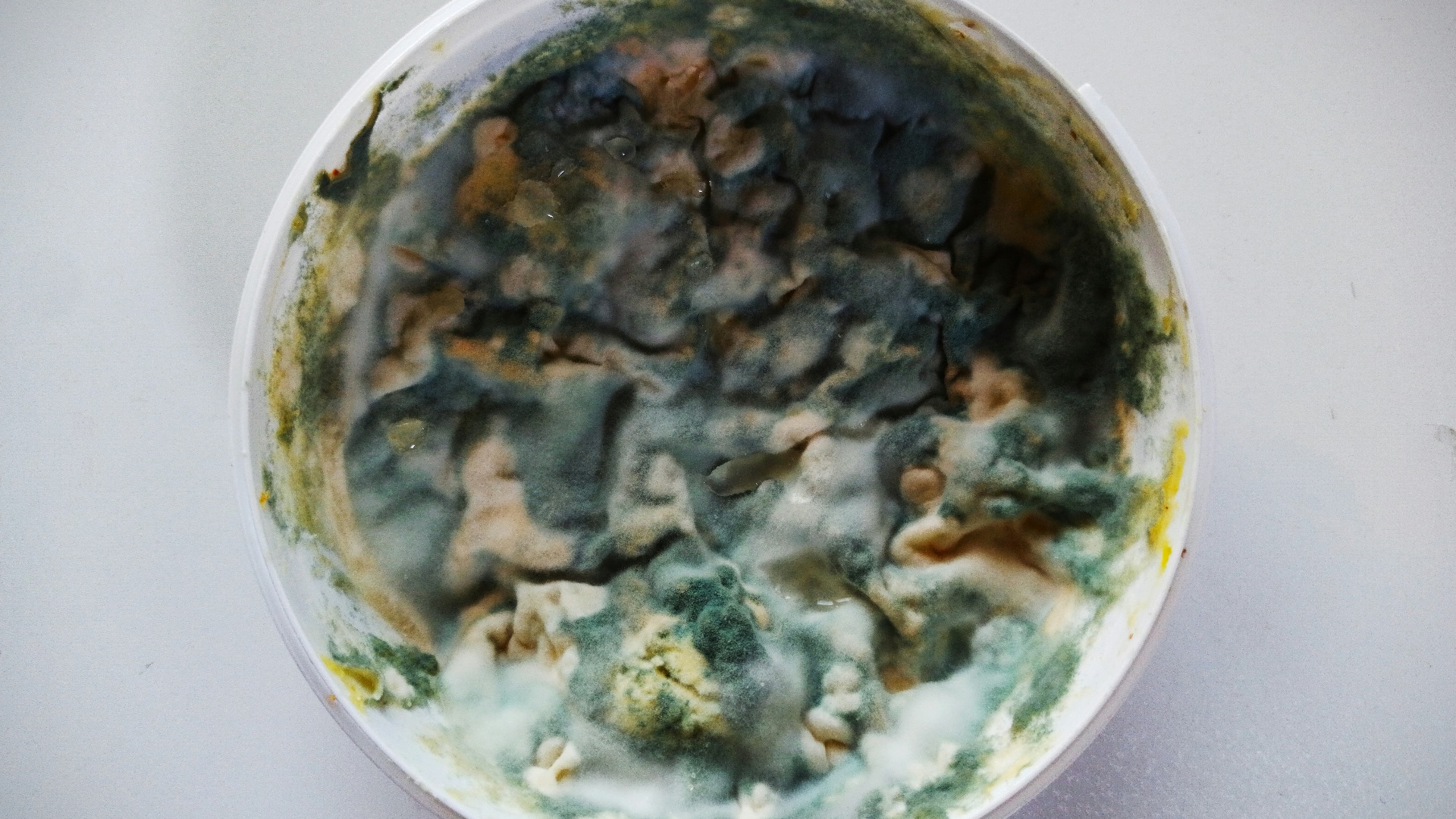
Rather than cutting around the visible spots, tossing out foods that show signs of mold is a smart habit that has real protective value for your liver (and really something you should be doing, anyway). Aflatoxins are toxic compounds produced by certain molds that grow on foods like peanuts, corn, and tree nuts, and they're among the most potent natural carcinogens known to science. Regular exposure to aflatoxins, even at low levels, has been strongly linked to liver cancer, particularly in combination with chronic hepatitis B infection.
15. Taking Certain Prescription Medications Long-Term
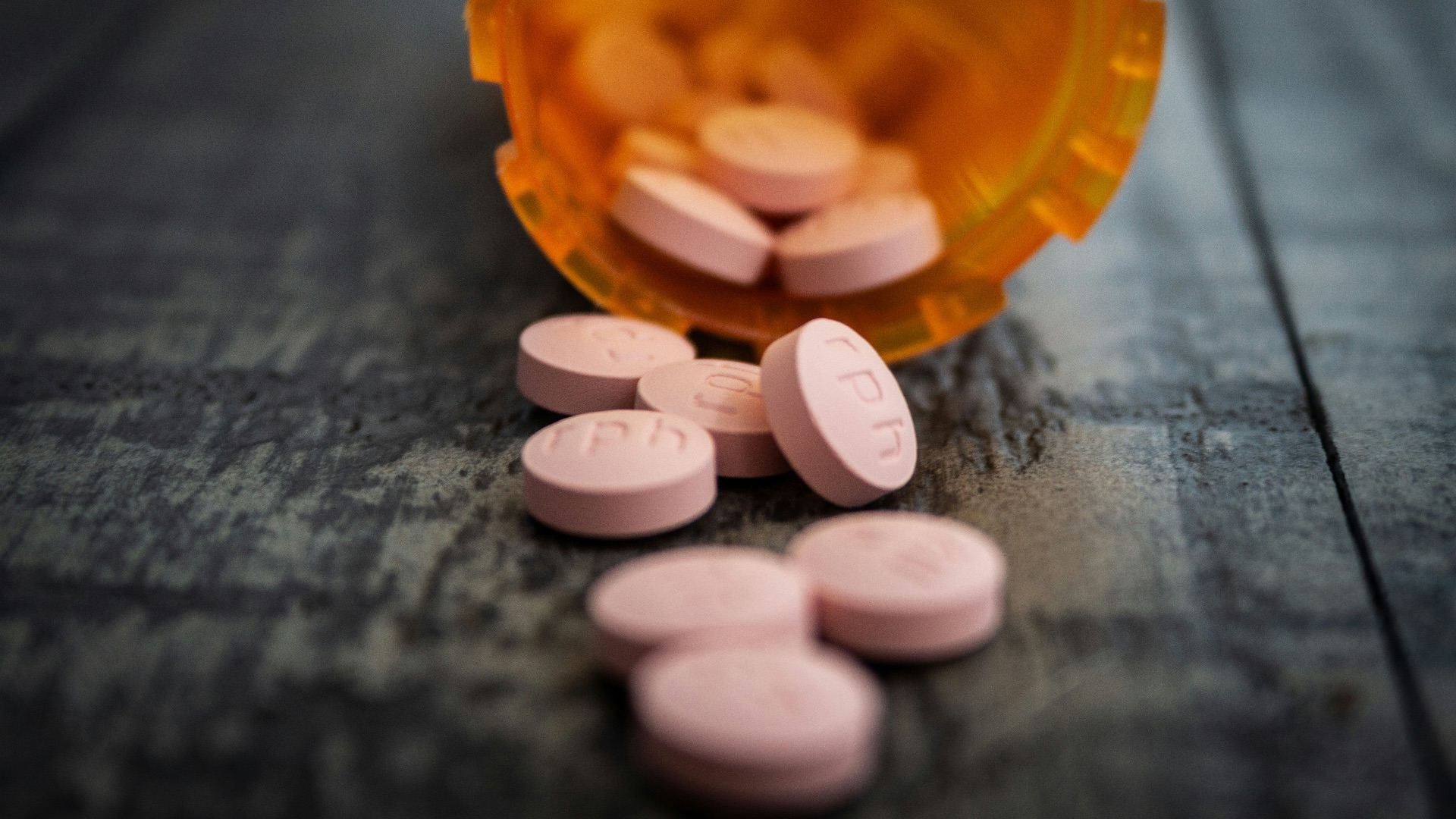
Some commonly prescribed medications, including certain statins, antifungals, antidepressants, and antibiotics, carry a risk of liver toxicity with long-term or high-dose use. This doesn't mean you should stop taking prescribed medications on your own; the benefits almost always outweigh the risks when medications are properly monitored. What it does mean is that regular liver function tests are important if you're on long-term medication, so any issues can be caught and addressed early.

16. Carrying Excess Abdominal Weight
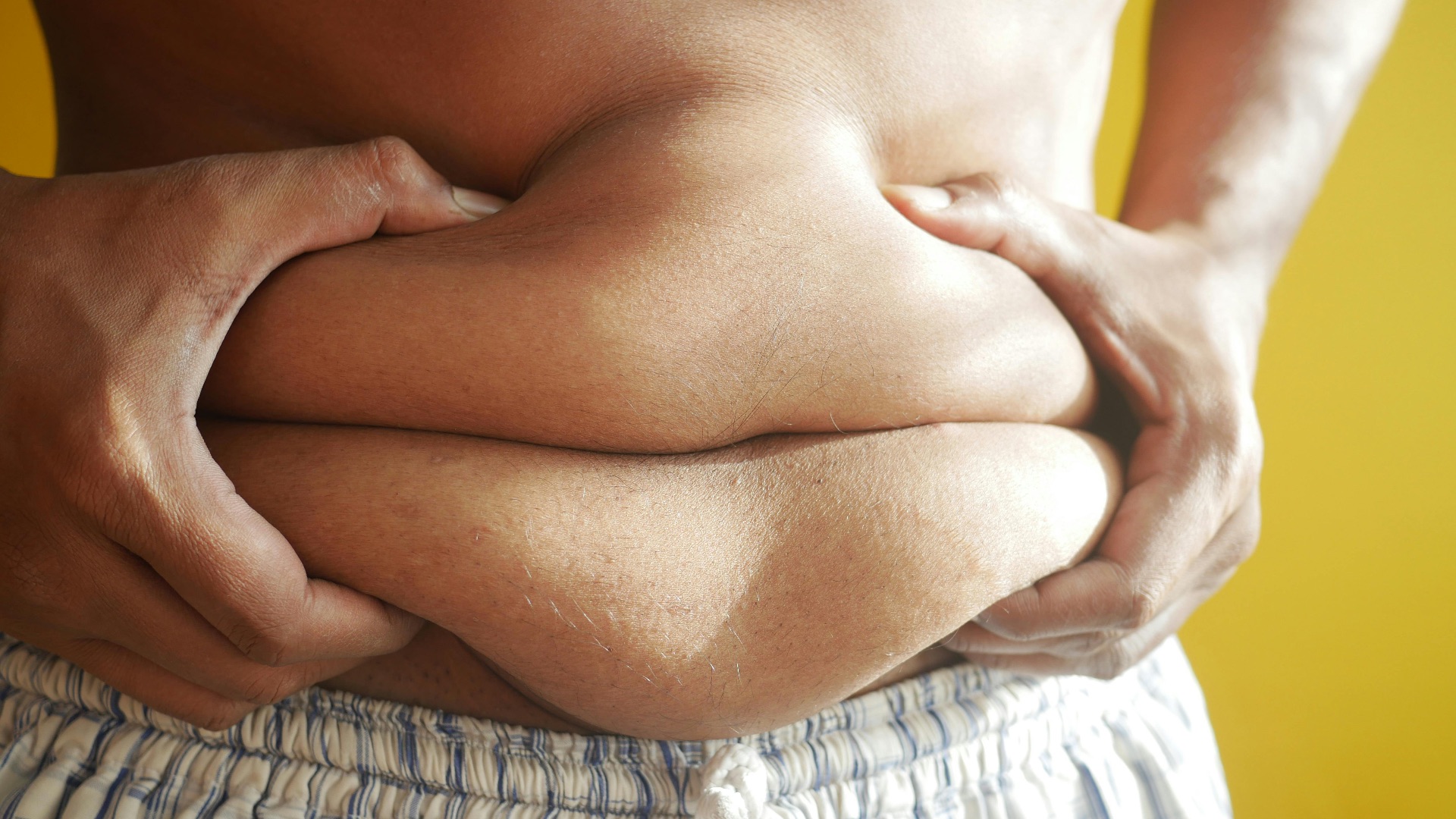
Visceral fat, the type of fat that accumulates around the abdominal organs rather than just under the skin, is closely associated with liver fat accumulation and inflammation. This type of fat is metabolically active and releases substances that can directly promote liver inflammation and contribute to the development of NAFLD. Even modest weight loss in the abdominal area has been shown to improve liver health markers significantly, making waist circumference one of the more meaningful numbers to keep an eye on.
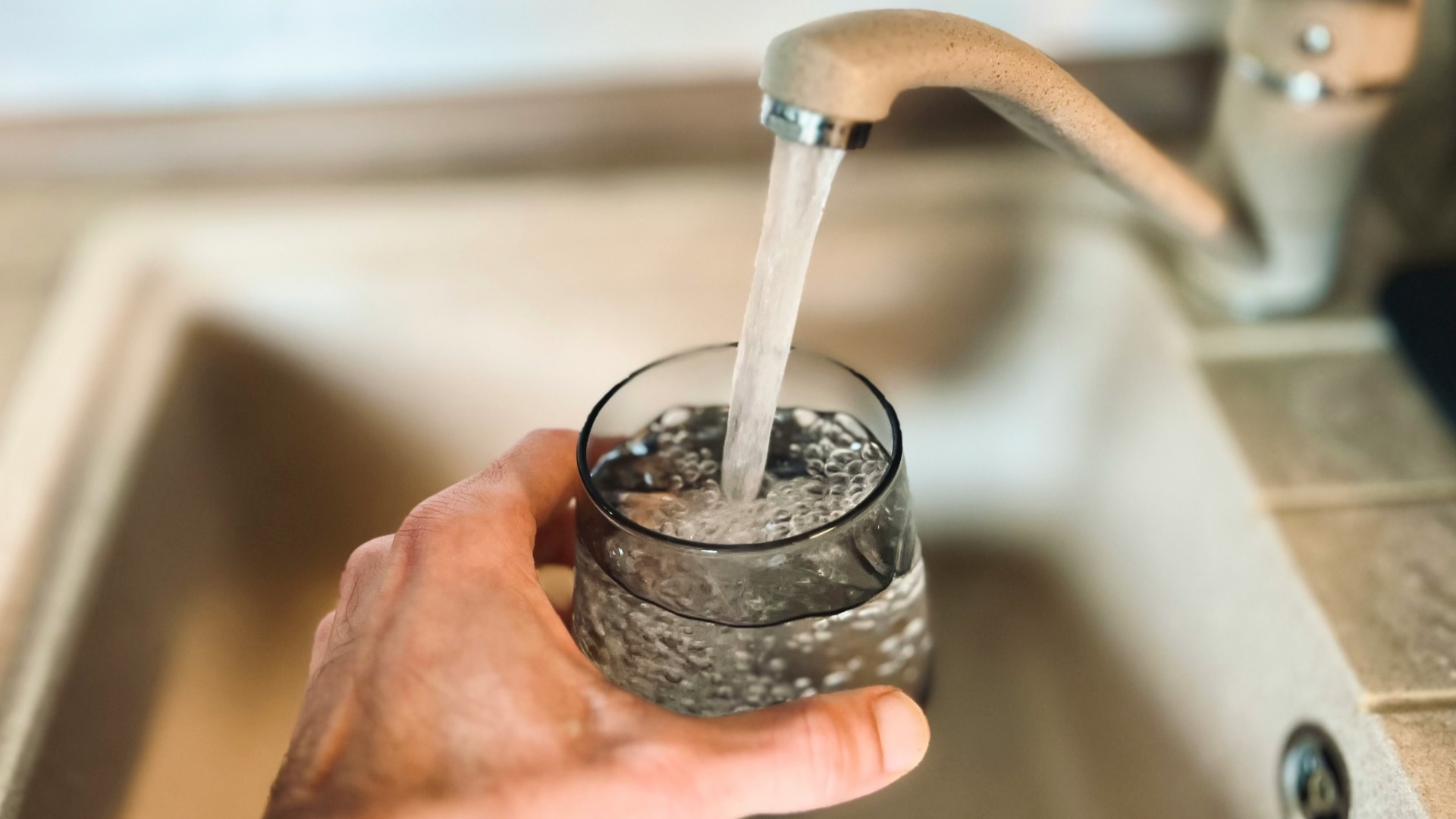
17. Drinking Unfiltered or Contaminated Water
Waterborne pathogens, including hepatitis A, certain bacteria, and chemical contaminants, can reach the liver through the digestive system and trigger inflammation or infection. Hepatitis A in particular is a viral liver infection spread through contaminated food and water, and while it's often self-limiting, severe cases can cause acute liver failure. When traveling to areas with less reliable water quality, sticking to bottled or properly filtered water is a straightforward way to lower your risk.
18. Ignoring High Cholesterol
High LDL cholesterol and elevated triglycerides aren't just risk factors for heart disease, but they're also closely linked to fatty liver disease, since the liver is central to cholesterol production and clearance. When lipid levels stay elevated for extended periods, fat tends to accumulate in the liver more readily, which can progress to inflammation and fibrosis if left unaddressed. Getting routine blood work done and working with your doctor to manage cholesterol through diet, exercise, or medication protects both your cardiovascular system and your liver at the same time.
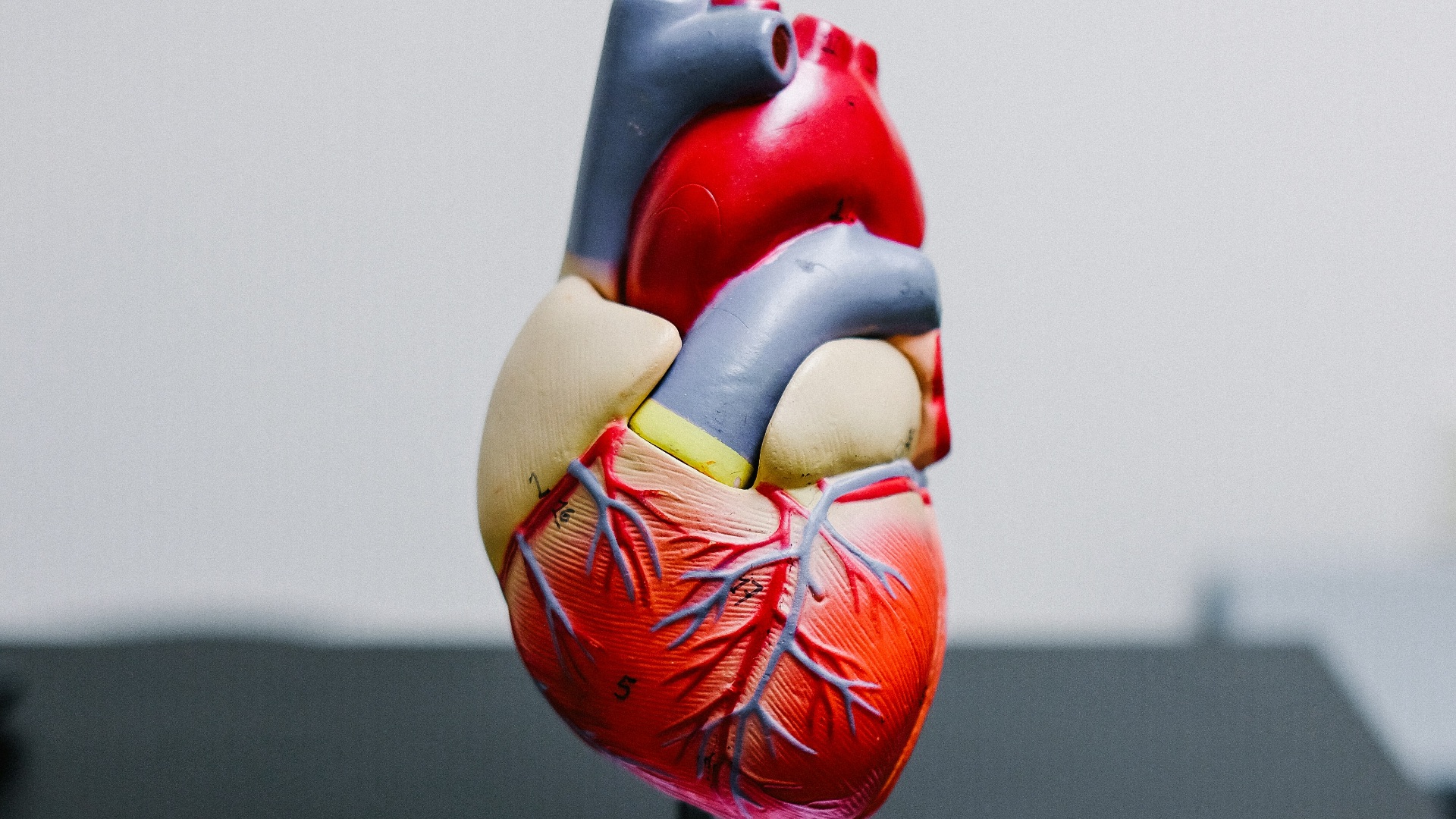
19. Skipping Vaccinations
Both hepatitis A and hepatitis B are vaccine-preventable diseases, yet a significant portion of adults haven't been fully vaccinated against one or both. Hepatitis B in particular can become a chronic infection that silently damages the liver for years before symptoms appear, and it's a major driver of liver cirrhosis and liver cancer worldwide. Checking in with your doctor about your vaccination status is one of the simplest and most effective things you can do to protect your liver from long-term viral damage.

20. Chronic Stress Without Management
Prolonged psychological stress triggers a sustained release of cortisol and other stress hormones that, over time, can contribute to systemic inflammation, including inflammation in the liver. Research has also found that chronic stress is associated with increased rates of unhealthy behaviors like alcohol use, poor diet, and disrupted sleep, all of which create additional burden on the liver. Finding consistent ways to manage stress, whether through exercise, therapy, mindfulness, or even just better sleep habits, can make a real difference for liver health in the long run.

KEEP ON READING