Undeserving Of The Hype
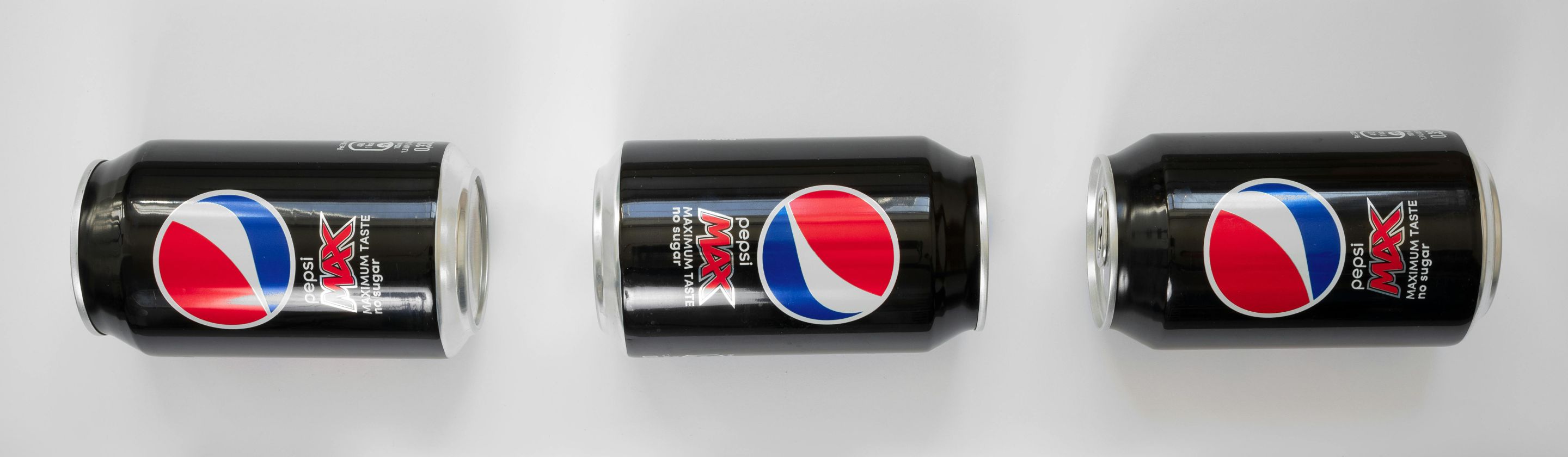
Diet soda is well-loved for having the sweetness and fizziness of regular soda, without the high amount of sugar. For someone trying to cut back on regular cola after years of drive-thru lunches, office vending machines, or late-night TV snacks, that can feel like a fair trade. A can once in a while isn’t something to panic over, and approved sugar substitutes are considered safe in limited amounts for most healthy adults. The bigger issue is what happens when diet soda turns into a daily reflex, the thing you reach for at noon, again at three, and maybe one more time with dinner. These are the reasons that a familiar habit deserves a closer look.
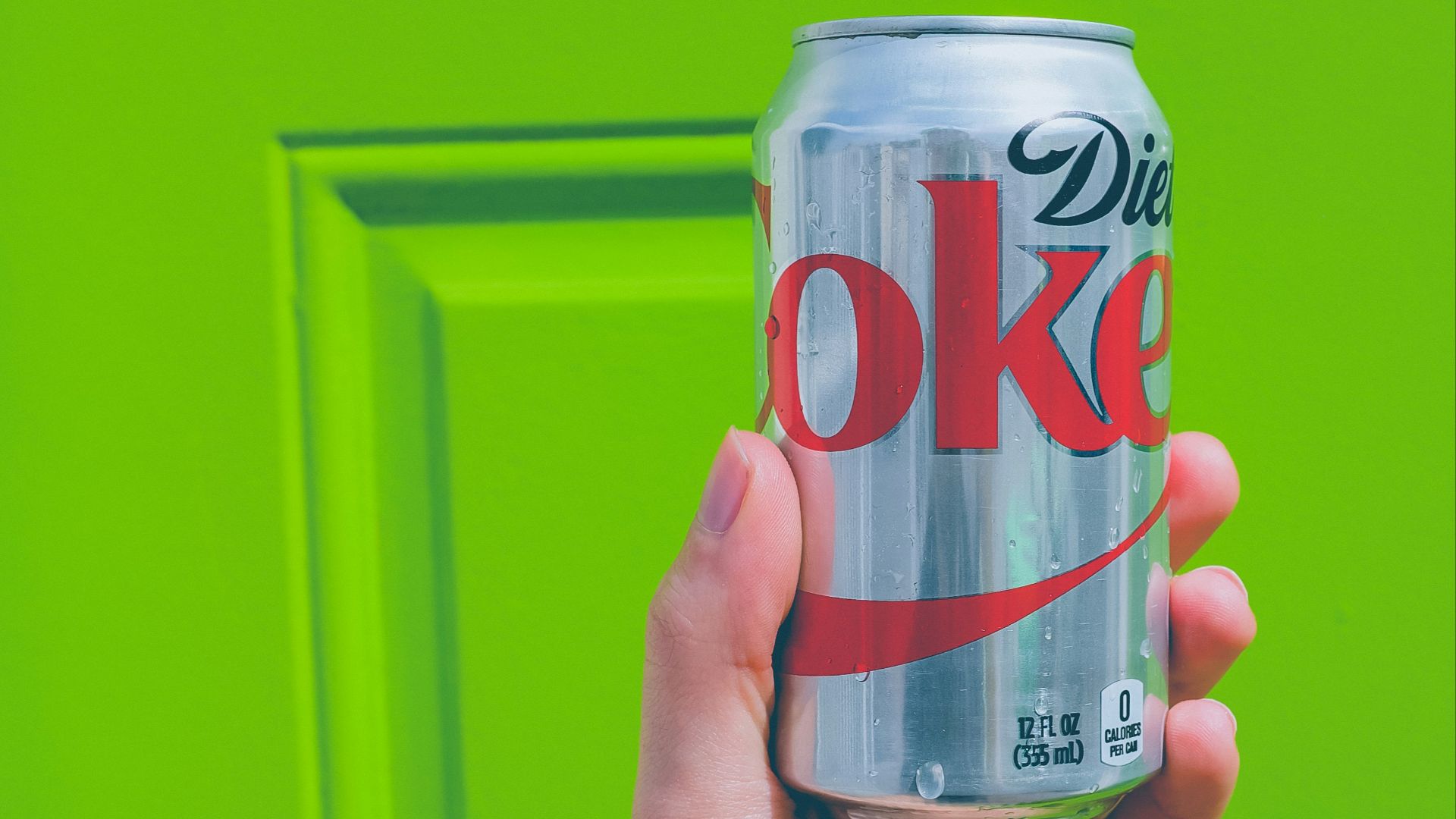
1. It Isn’t a Weight-Loss Shortcut
Diet soda can cut calories when it replaces regular soda, so the appeal makes sense. Long-term research hasn’t shown that sugar substitutes reliably help people lose weight or keep it off, especially when the rest of the day’s eating stays about the same.
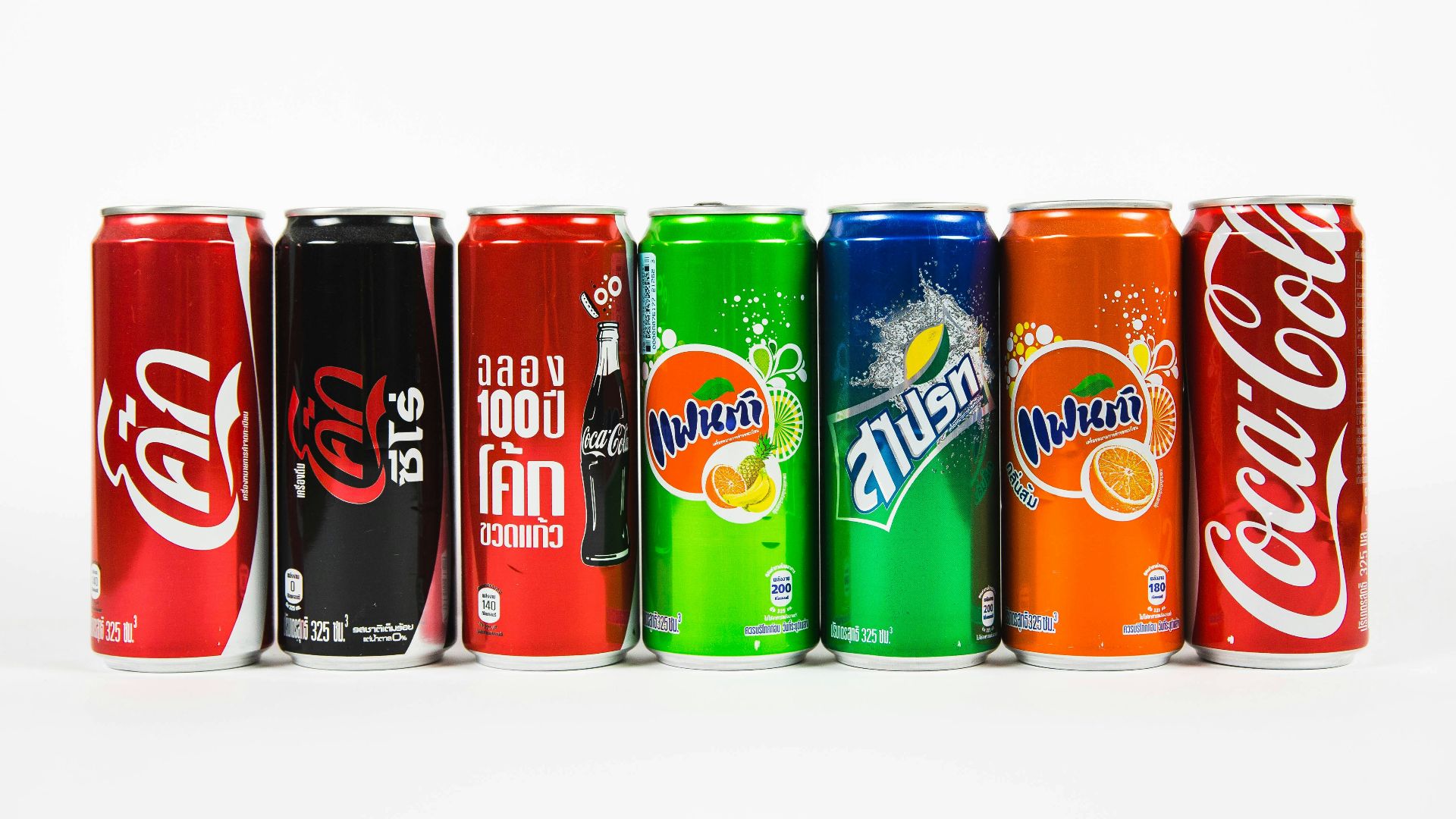
2. It Alters Your Taste Buds
Sweeteners such as aspartame and sucralose can taste much sweeter than table sugar. After a while, foods like oatmeal, plain Greek yogurt, berries, or unsweetened iced tea can start to taste dull, which makes healthier choices feel like more of a chore.
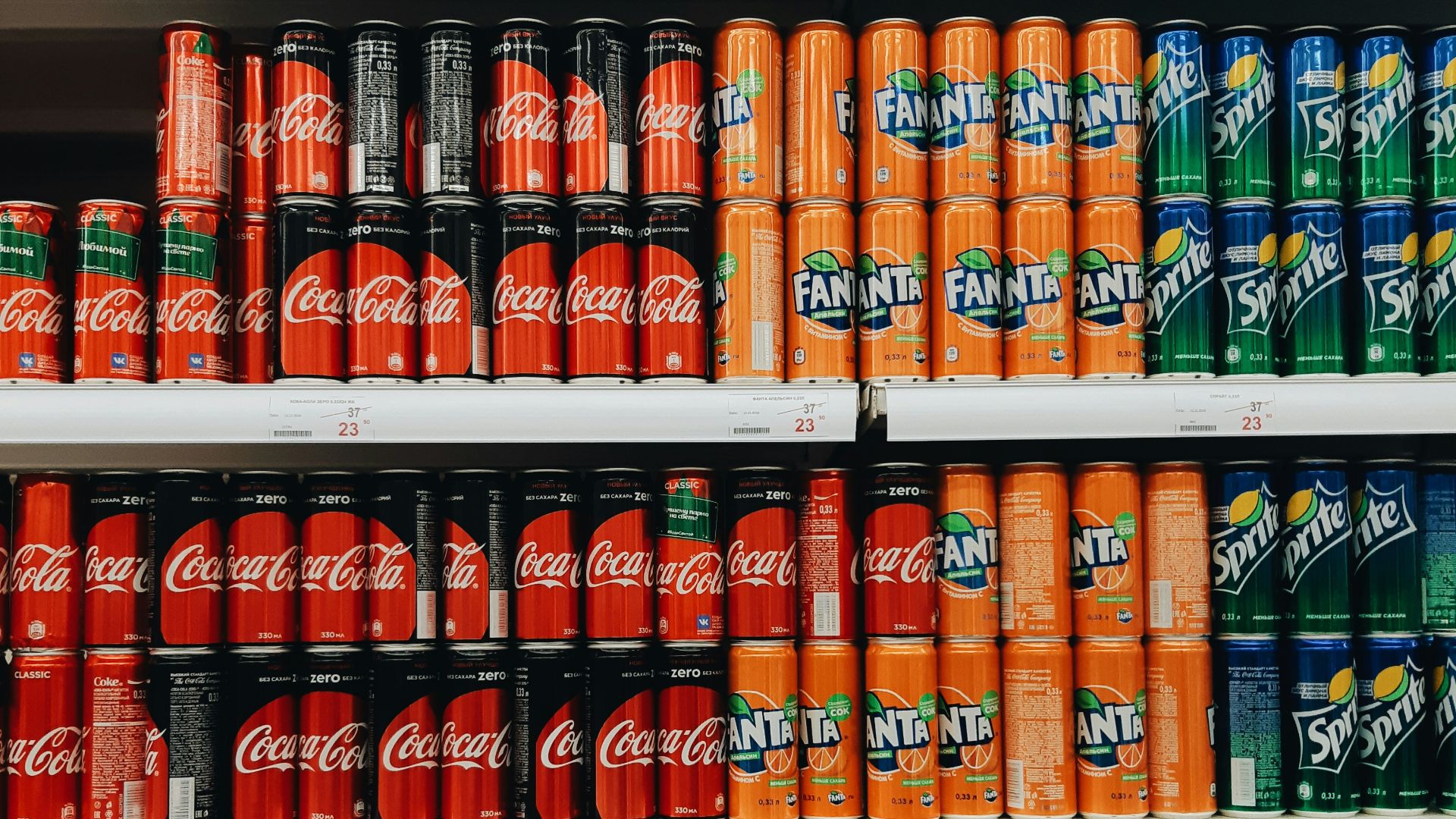
3. It Can Keep You Craving
Diet soda gives you sweetness without sugar, which can help in the short term if you’re trying to leave regular soda alone. For some people, though, that sweet taste keeps desserts, sweet coffee drinks, and gas-station snacks sitting a little too close in the mind.
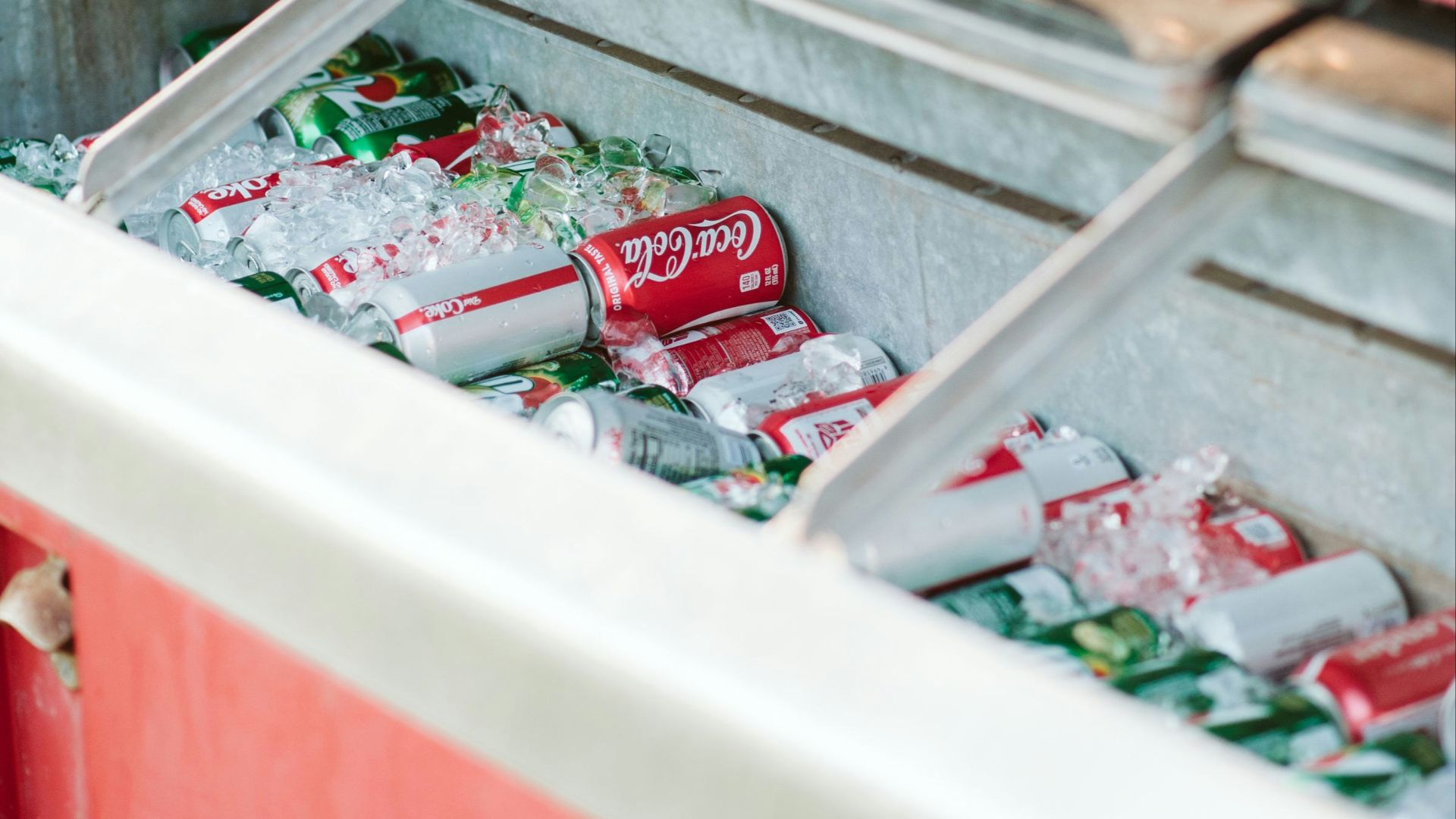
4. It Excuses Other Snacks
The no-calorie label can mess with the way people think about the rest of the meal. A diet cola with a burger may make fries or a cookie feel less like an add-on, even though the drink didn’t cancel out anything else on the tray.
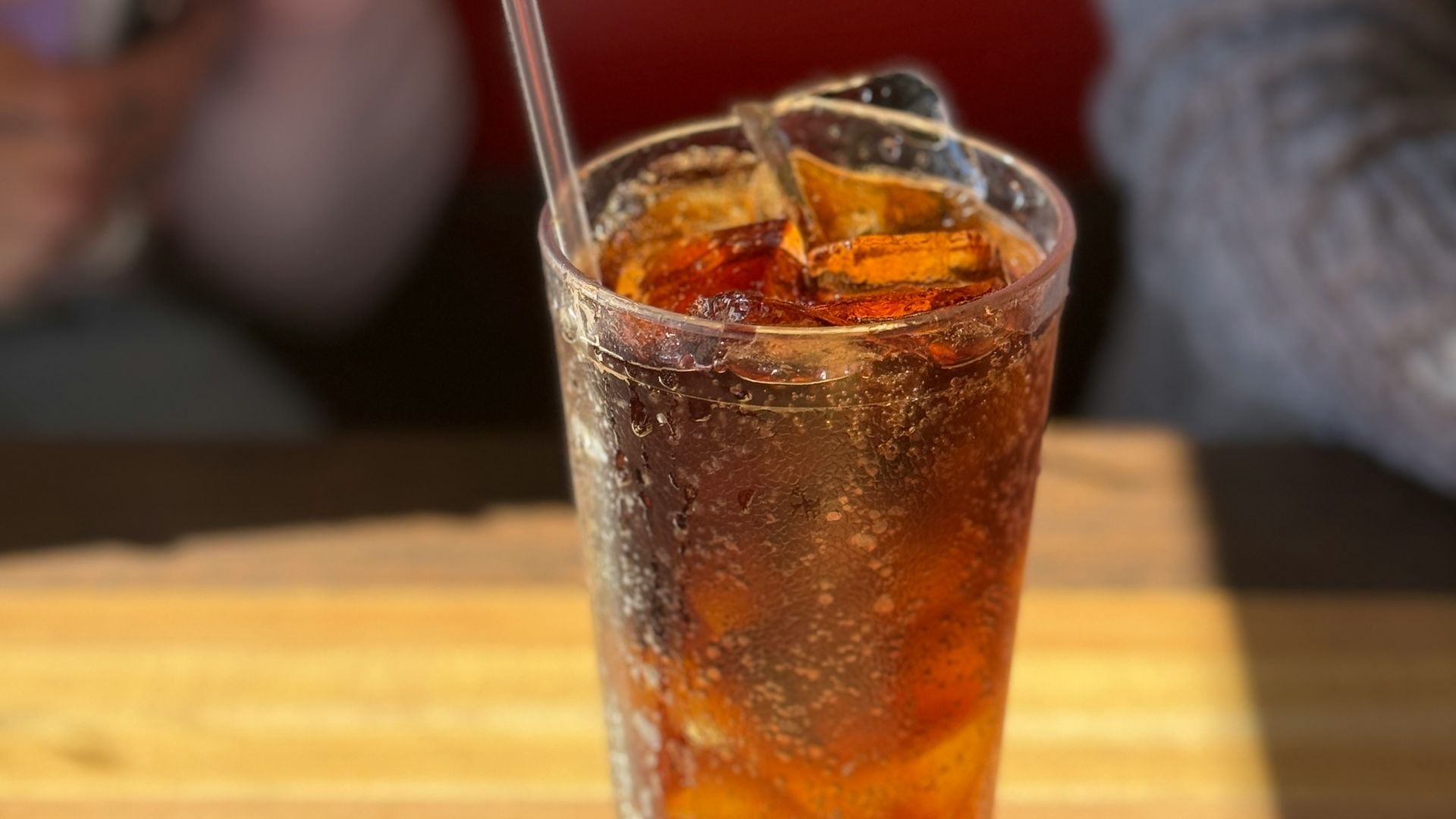
5. It May Affect Appetite Signals
Your body responds to sweet taste before anything else. When sweetness shows up without sugar calories, some people may feel less satisfied later, though the response can vary a lot from person to person.
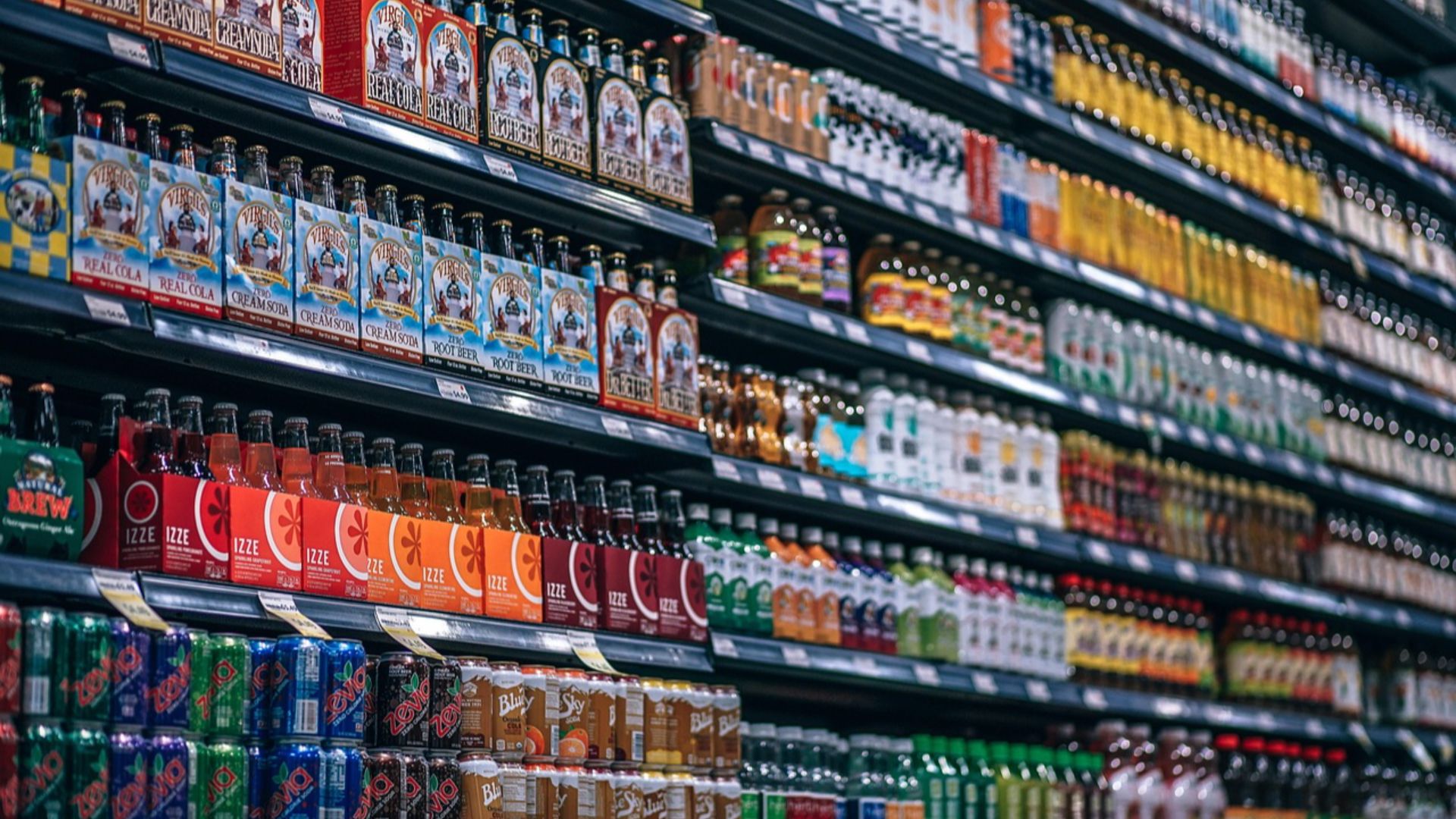
6. It May Change Gut Bacteria
Research suggests some non-sugar sweeteners can affect gut bacteria in certain people. Since your gut is tied to digestion, comfort after meals, and how your body handles parts of food, it’s a lot of responsibility for one little ecosystem.
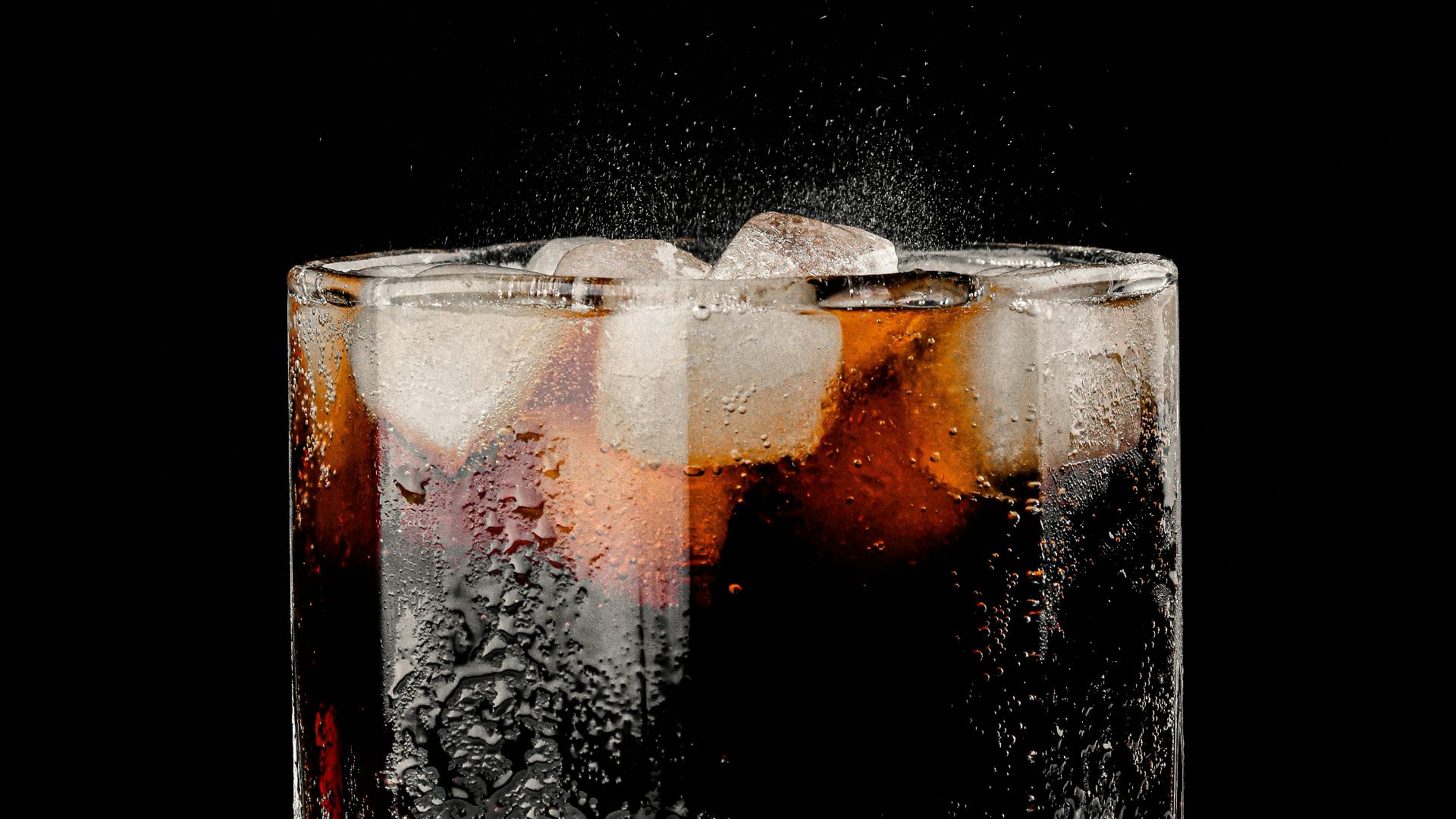
7. It Can Complicate Blood Sugar
Diet soda doesn’t raise blood sugar the same way regular soda can because it doesn’t contain sugar. Still, frequent intake of artificially sweetened drinks has been linked with type 2 diabetes risk in some studies, so it’s safest to view it as one piece of a larger eating pattern.
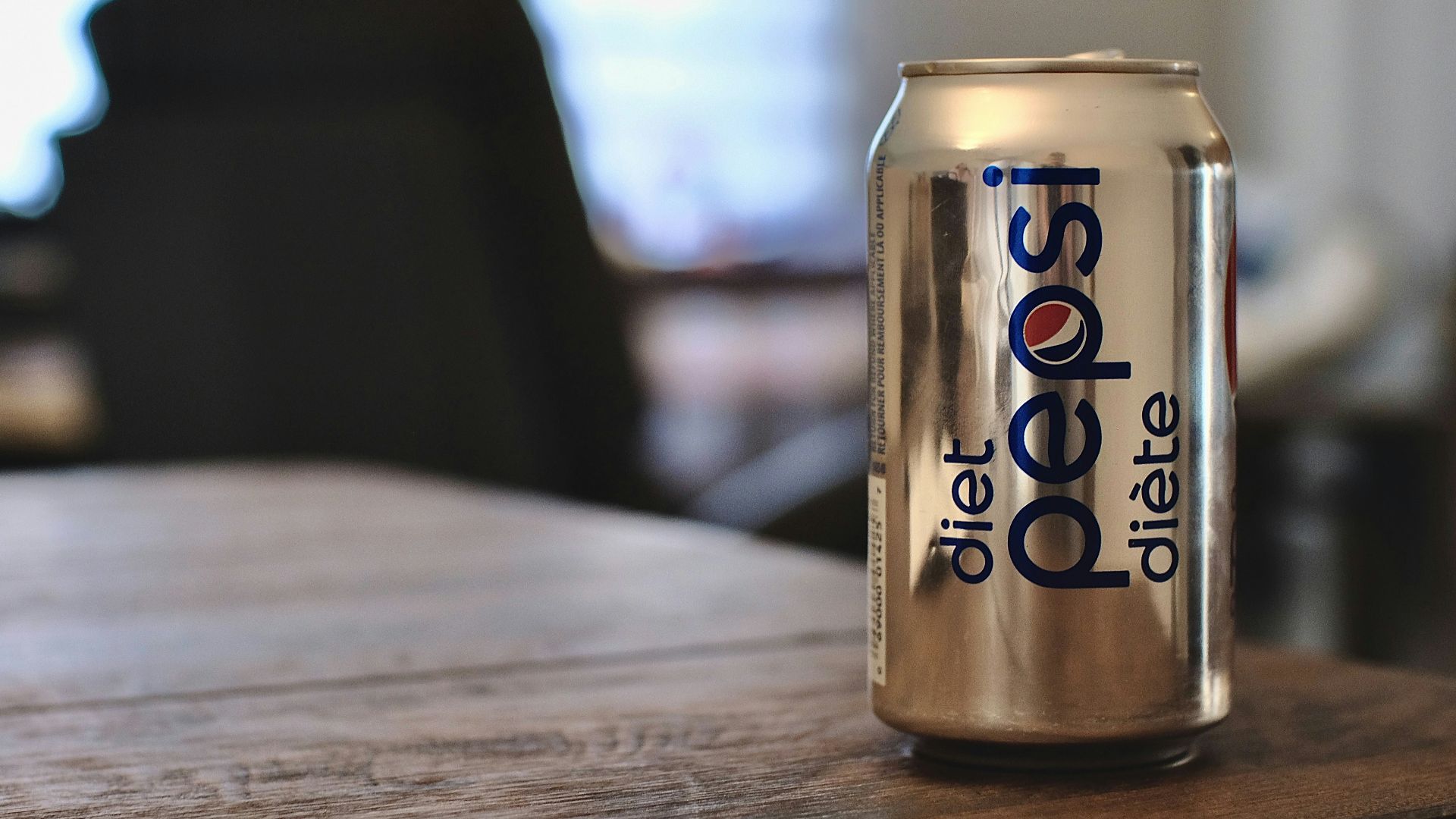
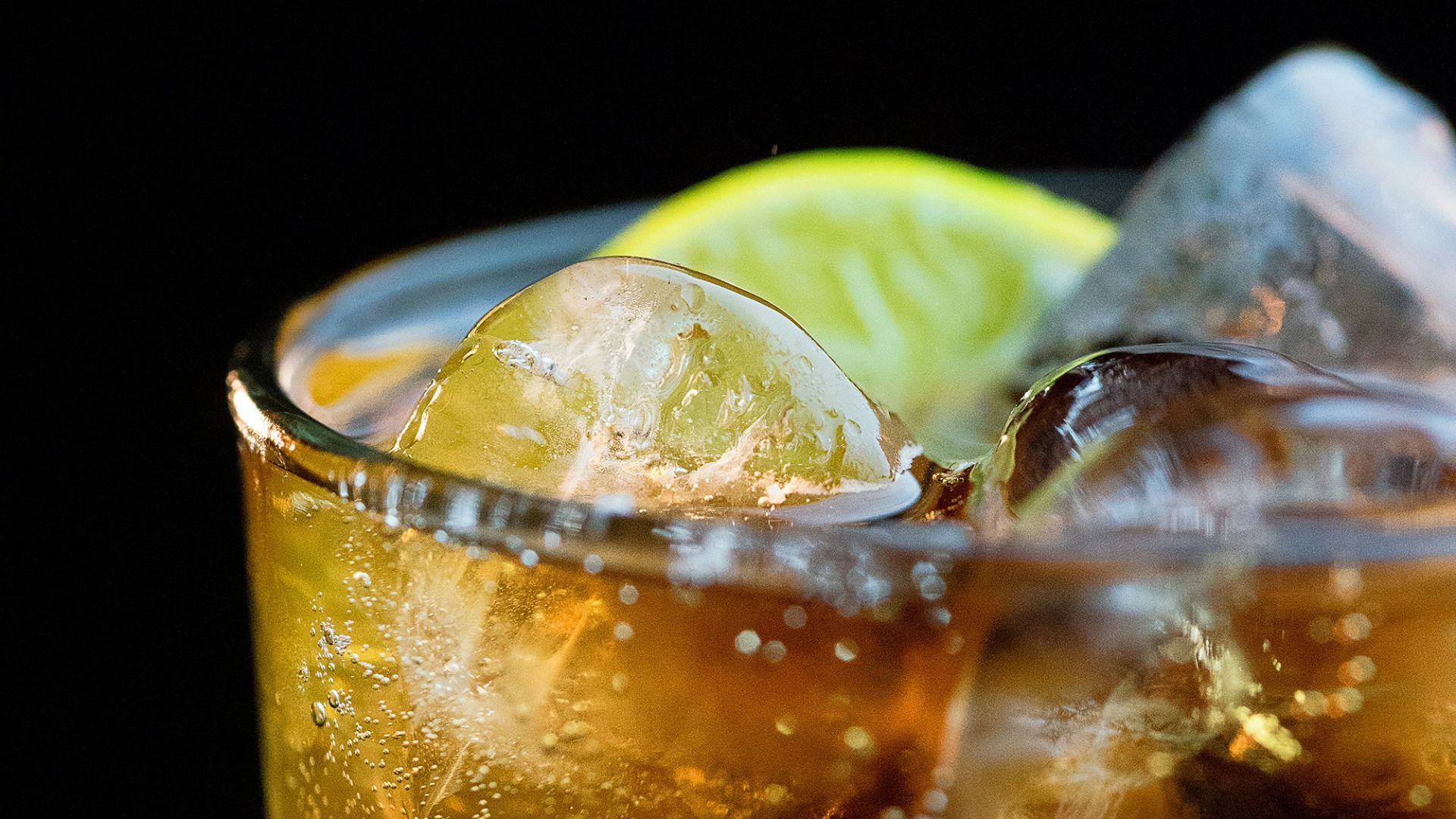 David Foodphototasty on Unsplash
8. It’s Been Linked To Heart-Health Concerns
Some research has found associations between artificial sweeteners and cardiovascular concerns. That doesn’t prove a daily diet soda causes heart disease, but it does make the habit harder to wave away, especially if the rest of the day leans heavily on fast food or low movement.
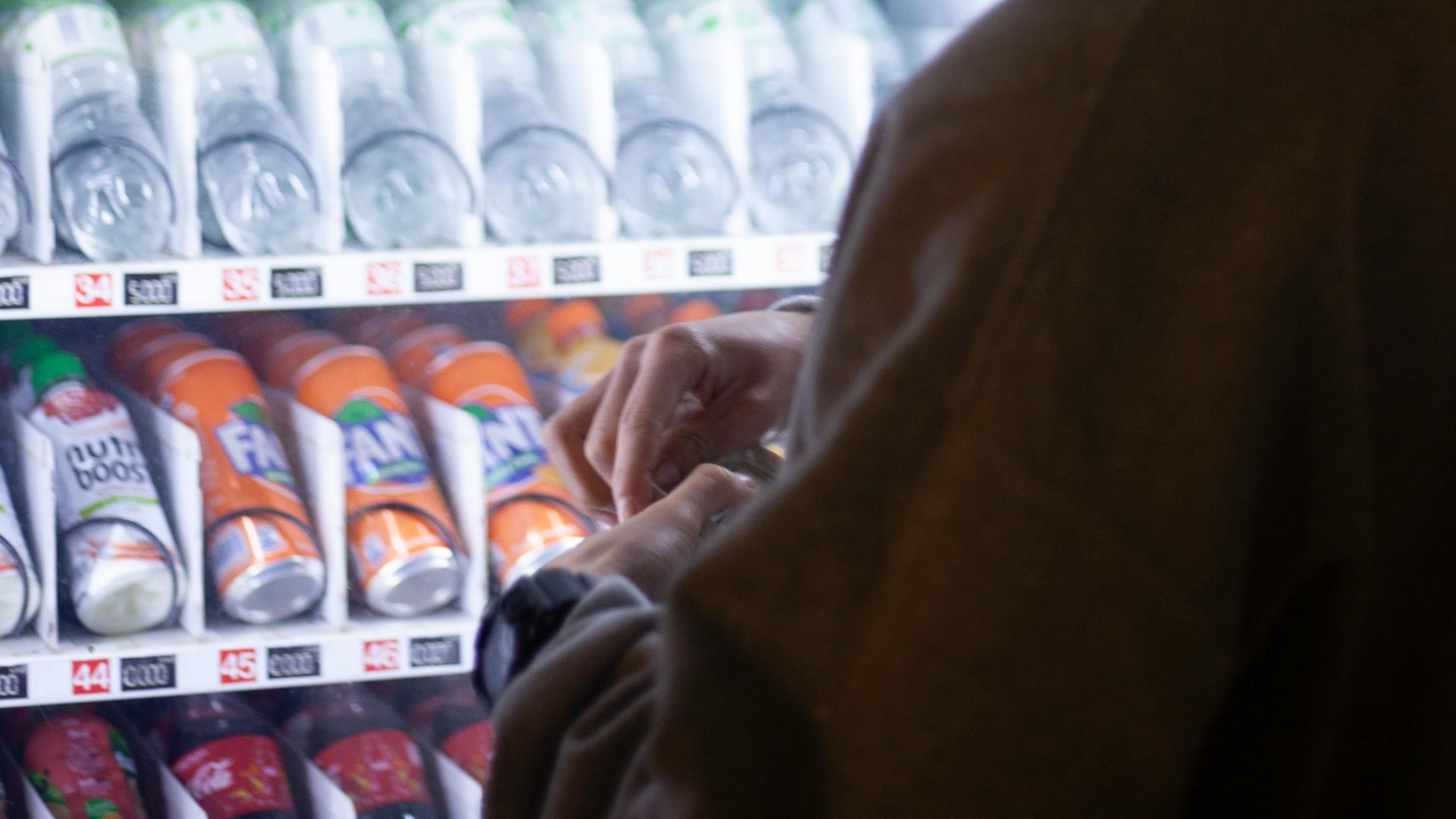
9. It’s Raised Stroke Questions
Artificially sweetened drinks have also been linked with stroke risk in some observational research. Those studies can’t prove cause and effect, since people who drink diet soda often may already have other health risks, but the signal is worth treating with care.
 Inna Kapturevska_Ua on Unsplash
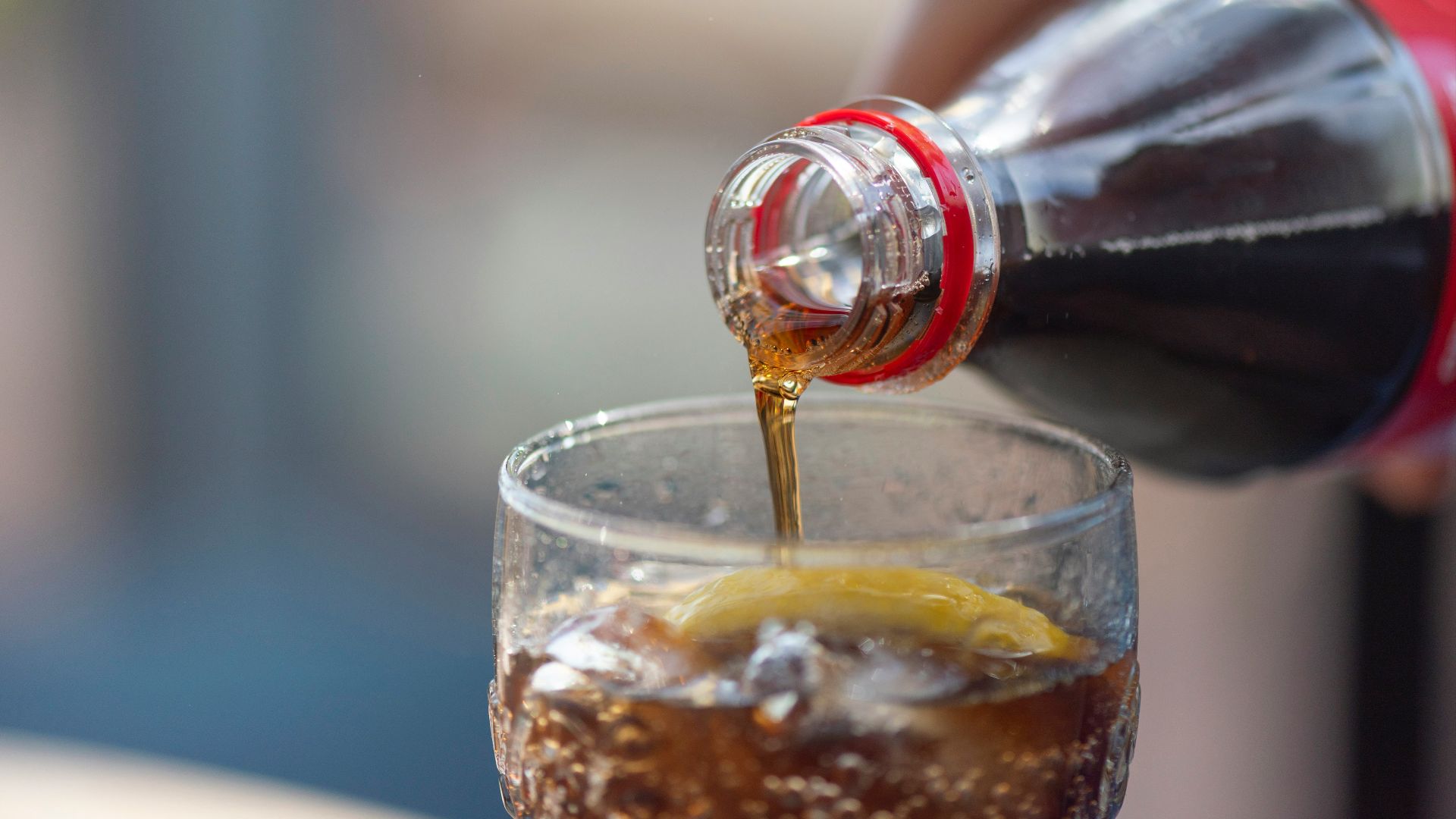
10. It Can Wear Down Tooth Enamel
Diet soda may be sugar-free, but it can still be acidic. Frequent sipping keeps acid in contact with your teeth, and over time, that can contribute to enamel erosion, sensitivity, and other dental issues.
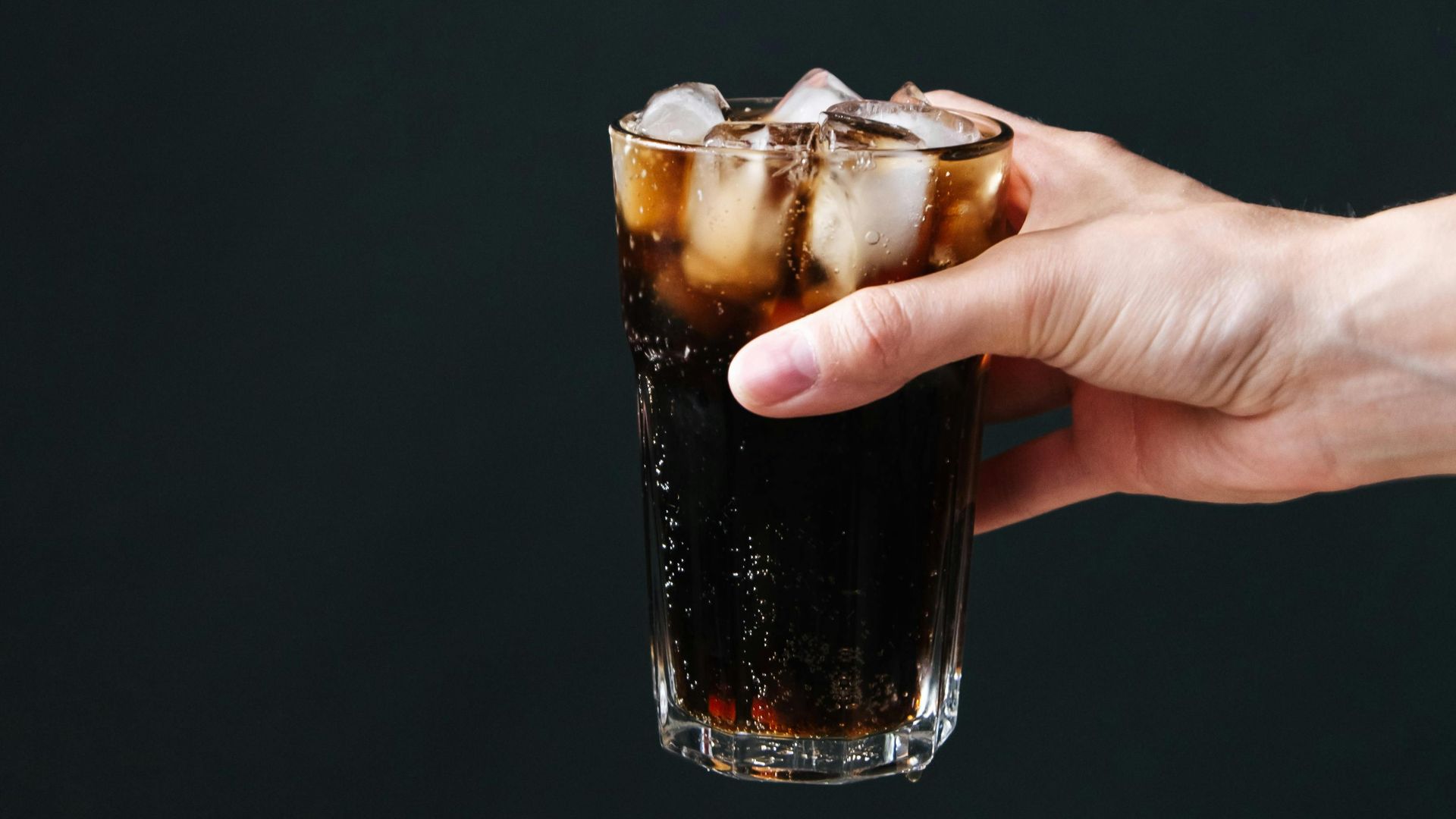
11. It Can Make Reflux Worse
Carbonated drinks can aggravate reflux symptoms for some people, especially with large meals or late-night snacks. If diet soda tends to come with burning, burping, or that sour taste after dinner, the fizz may be part of the problem.
12. It Can Mess With Sleep
Many diet sodas contain caffeine, which can stay active in the body for hours. A late afternoon can feel harmless at your desk, but cause you to have lighter or more restless sleep.
13. It Can Feed the Caffeine Loop
A rough morning can lead to caffeine, then another hit when the afternoon slump arrives. If that second can push too close to evening, sleep can suffer, and the next morning starts the same routine again.
14. It Can Leave People Bloated
Carbonation adds gas to the digestive tract, which can feel uncomfortable if you’re already prone to bloating. Some people also notice that certain sweeteners don’t sit well, especially when soda’s drunk quickly, or sipped on an empty stomach.
15. It Doesn’t Add Much Nutritionally
Diet soda brings flavor, fizz, and sometimes caffeine. It doesn’t bring protein, fiber, calcium, potassium, or anything your body especially needs, which makes it a pretty weak daily staple from a nutrition standpoint.
16. It Replaces Better Drinks
The problem often isn’t only the diet soda itself. When it replaces water, milk, or unsweetened tea over and over, you lose chances to get hydration, calcium, and other useful nutrients from drinks that actually pull some weight.
17. It Doesn’t Support Bone Health
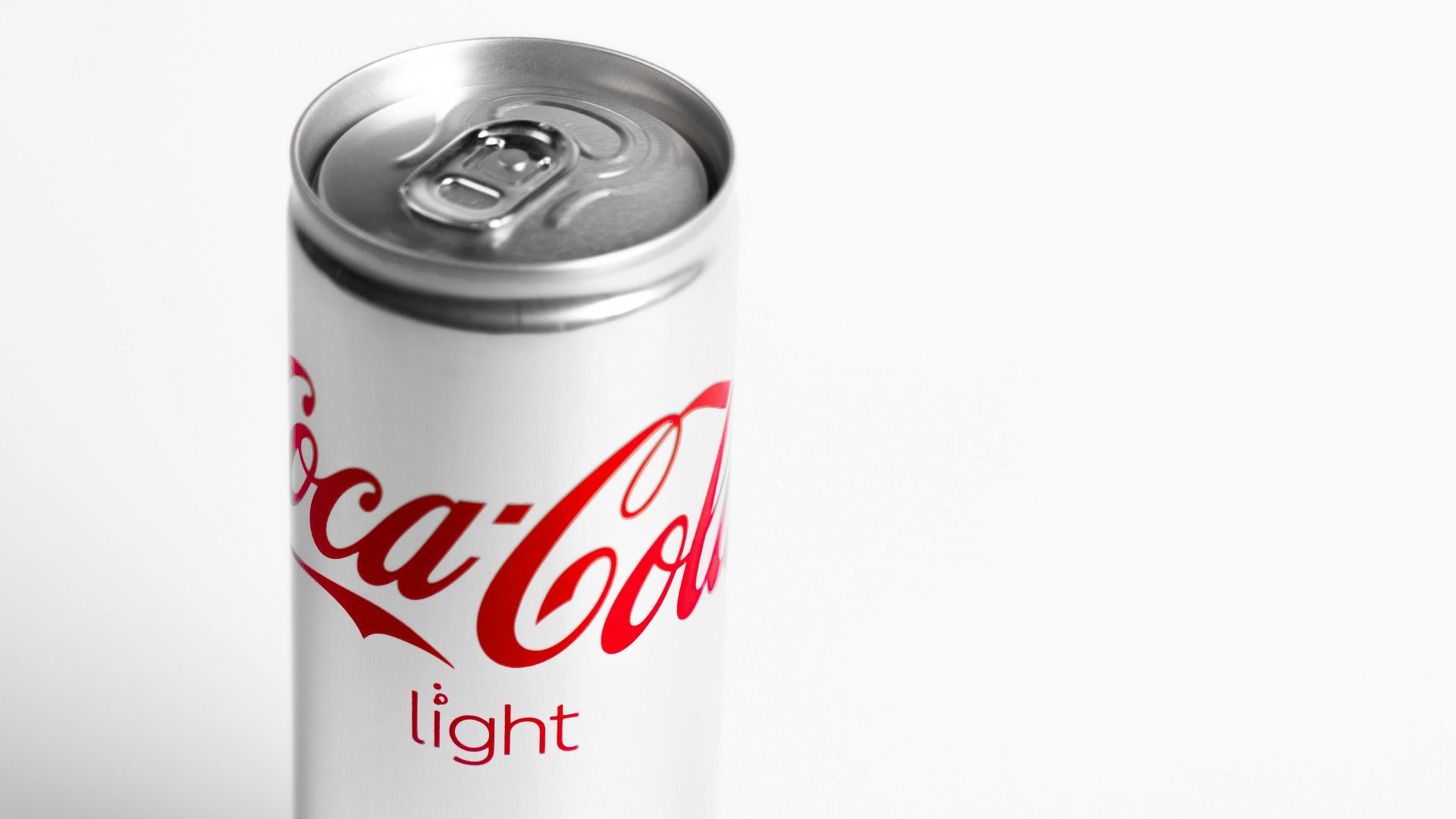
Cola-style diet sodas often contain phosphoric acid, and they don’t provide calcium or vitamin D. If they regularly replace calcium-rich drinks, that pattern doesn’t do much for bones, especially for teens, older adults, or anyone already watching bone density.
18. It Affects Kidneys
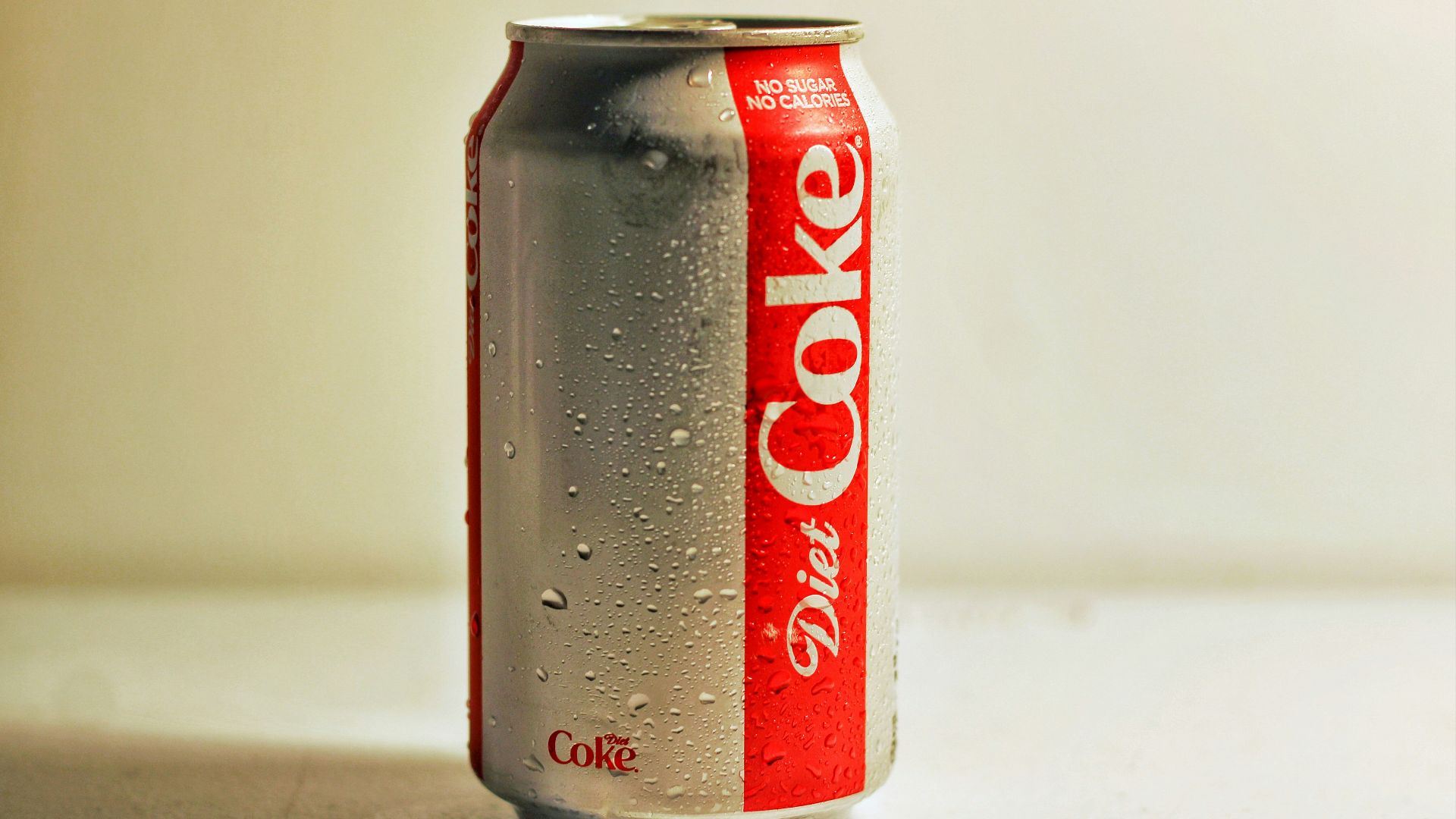
Some studies have raised questions about heavy diet soda intake and kidney health, though the evidence isn’t strong enough to say diet soda causes kidney disease. Anyone with existing kidney concerns should treat daily soda as something to bring up with a clinician, not just another harmless habit.
19. It Becomes Routine
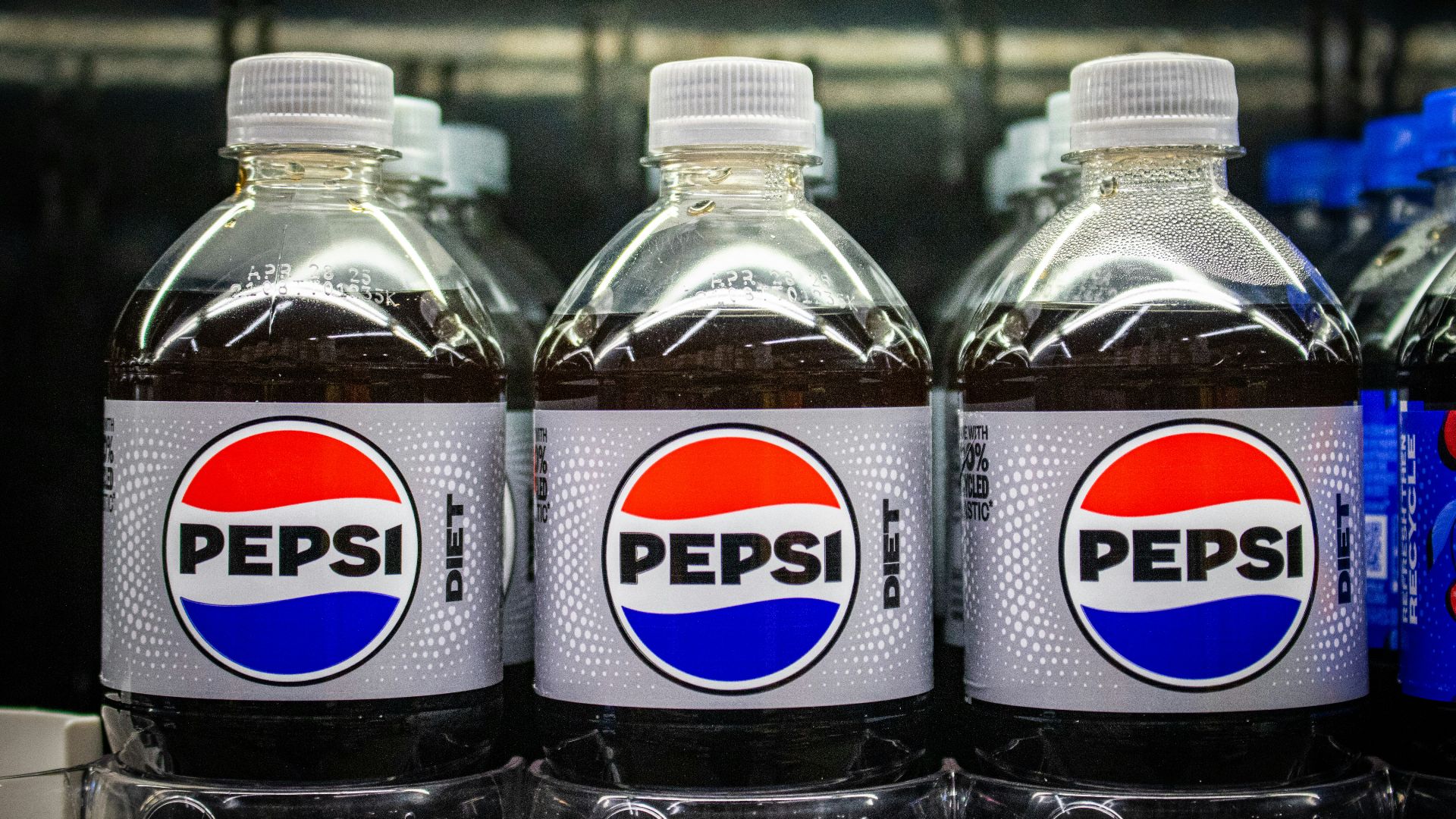
The cold can, the caffeine, the fizz, and the sweet taste can all become part of the day before you even think about it. Once a drink becomes automatic with lunch, errands, work breaks, and takeout, cutting back can feel difficult.
20. It’s Easy To Get Addicted
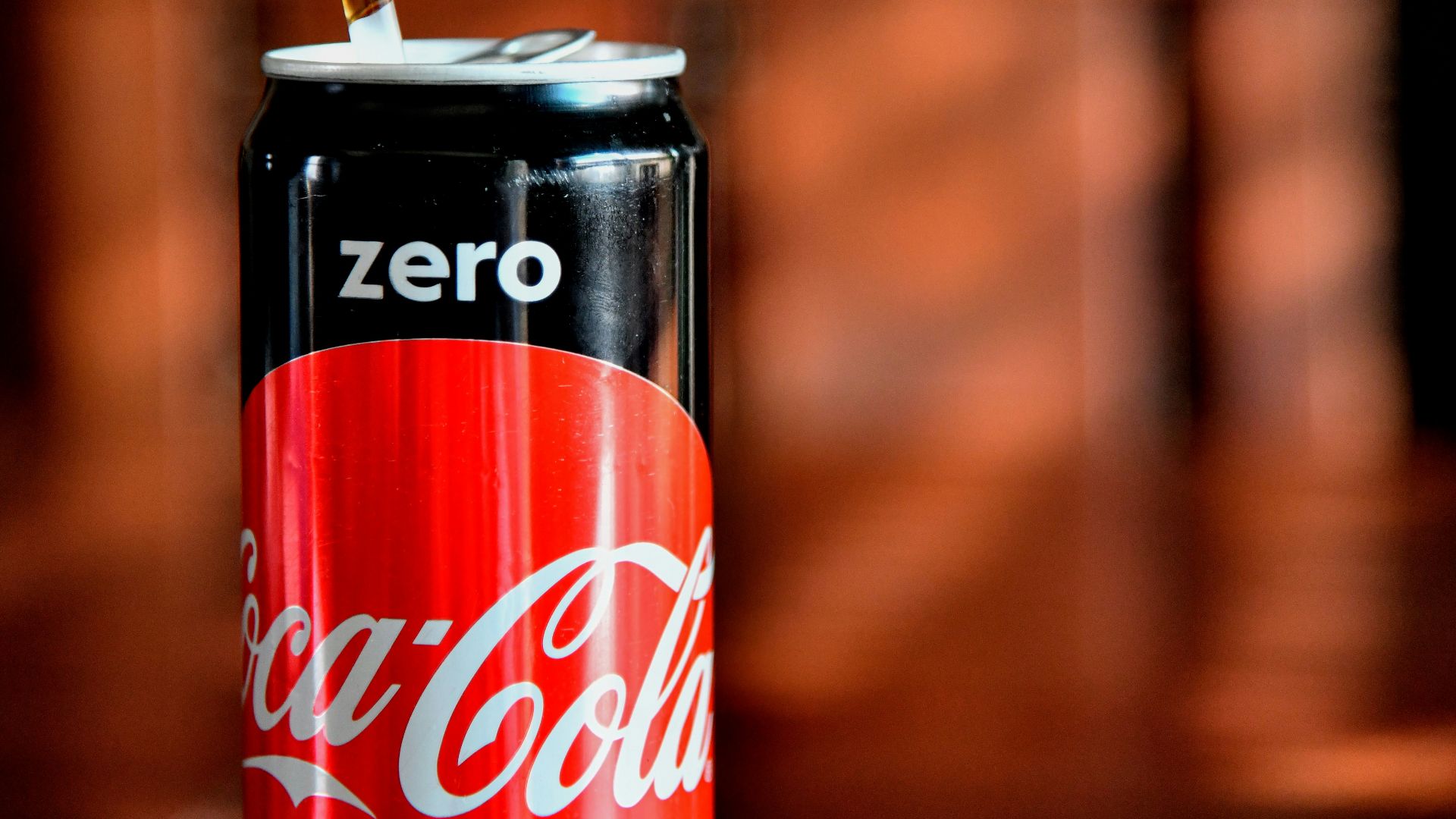
One can with lunch is very different from sipping diet soda from noon until bedtime. The concern isn’t guilt over an occasional drink; it’s that a regular habit can affect cravings, teeth, sleep, digestion, and the overall quality of your diet while giving very little back.
KEEP ON READING