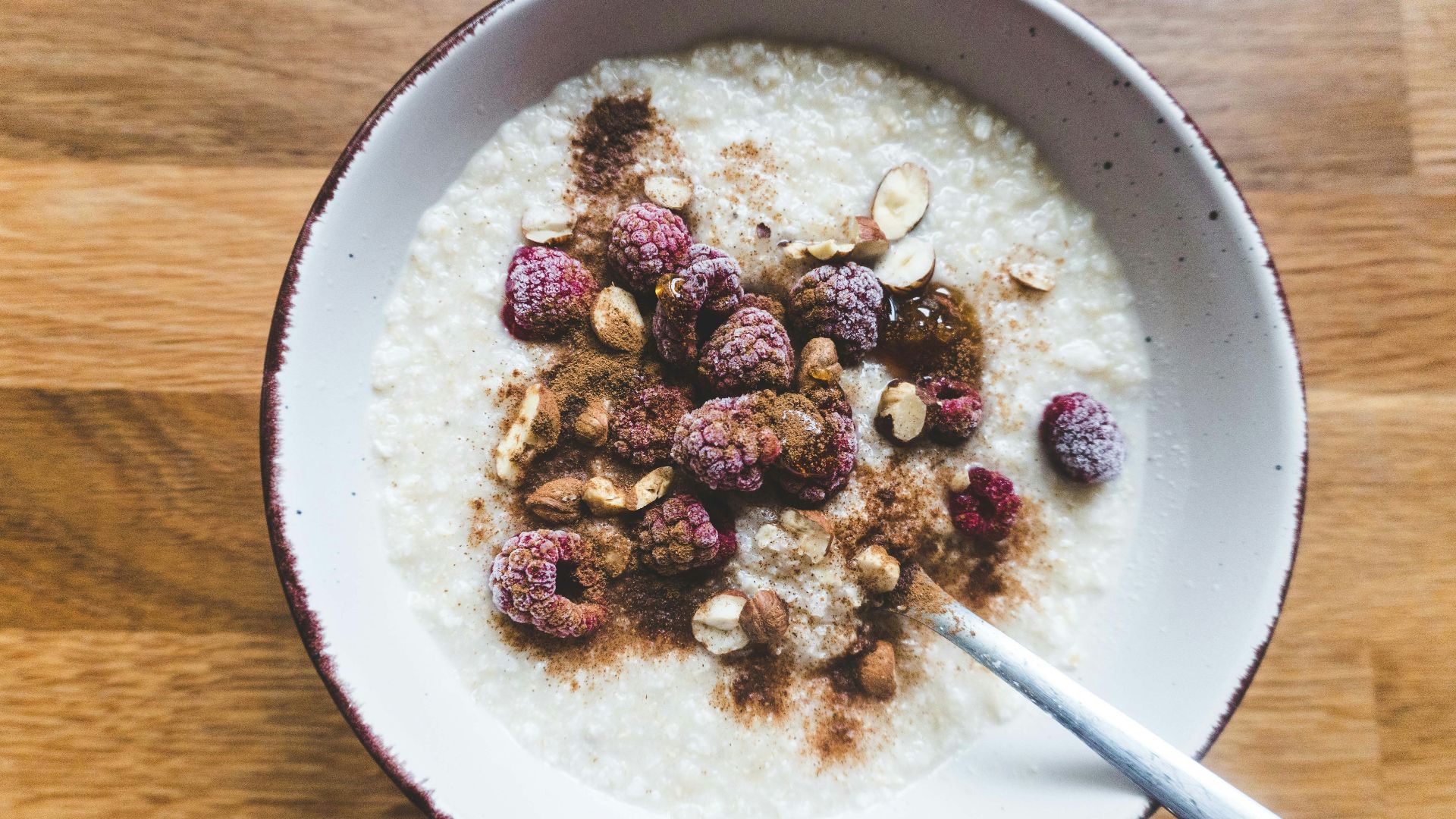
10 Unnecessary Supplements People Commonly Buy & 10 Foods That Cover the Same Needs
A Lot of Supplement Money Goes Toward Things Your Grocery Cart Could Handle
Supplements can absolutely be useful in specific situations, especially for diagnosed deficiencies, pregnancy, restricted diets, or doctor-directed treatment. Still, most healthy adults can cover a lot of common “wellness” goals through ordinary food instead. With that in mind, here are 10 commonly purchased supplements that are often unnecessary and 10 foods that can help cover the same general needs.
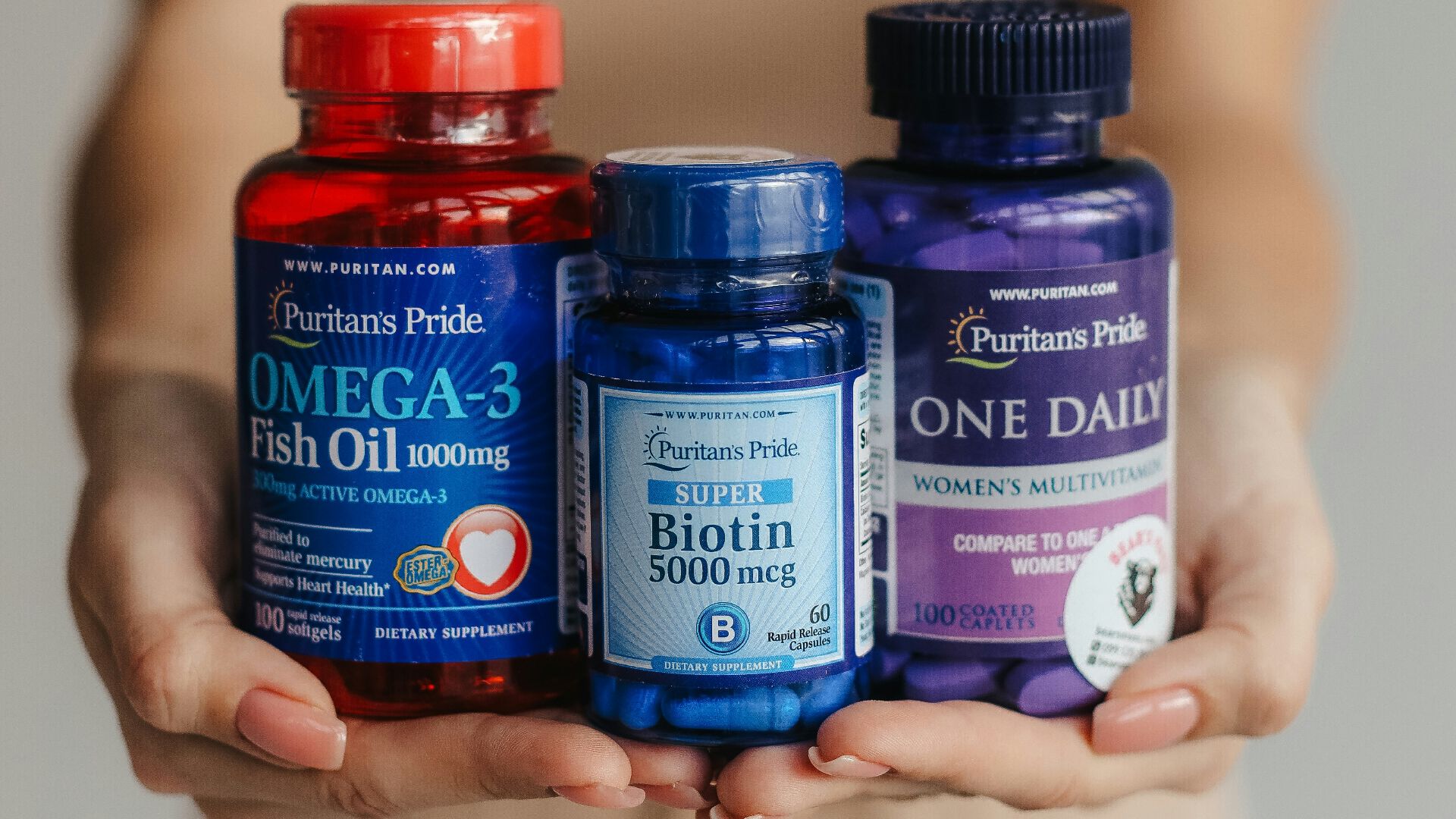
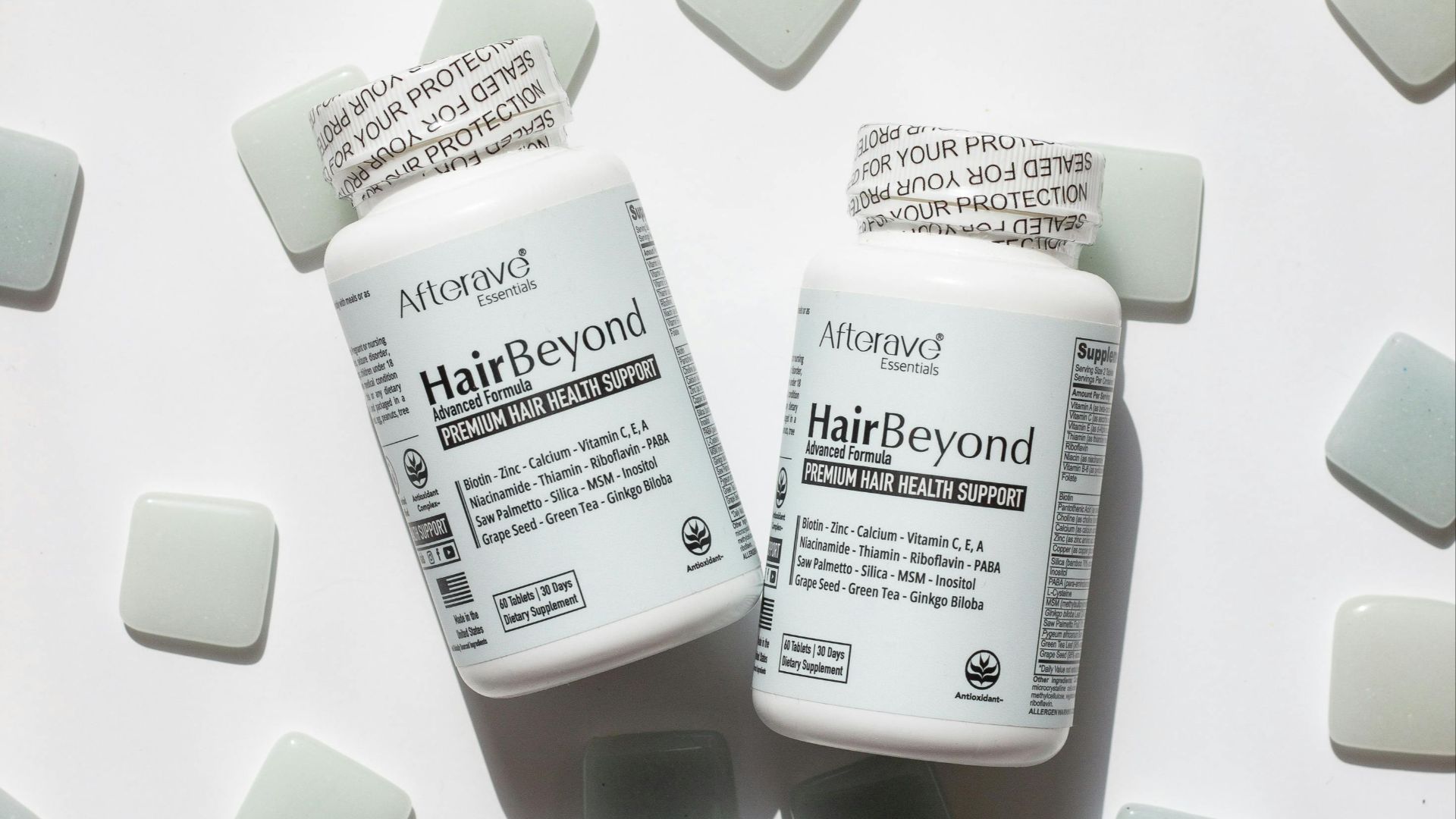
1. Daily Multivitamins for People Who Already Eat Well
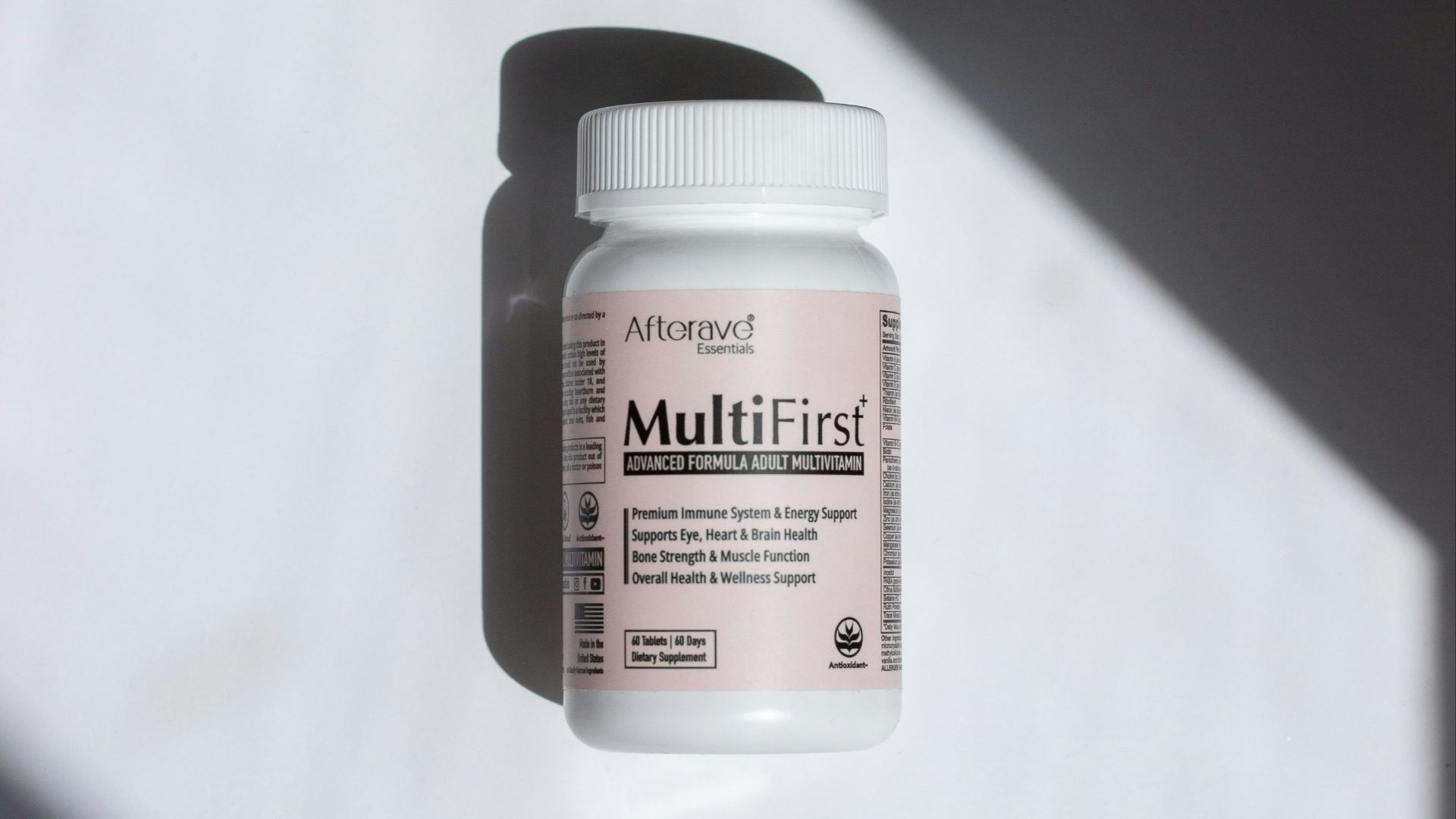
A multivitamin can sound like nutritional insurance, but it's not a replacement for a varied diet. Whole foods bring fiber and other useful compounds along with vitamins and minerals, which is part of why they do more work than a basic tablet. For many generally healthy adults who already eat reasonably well, a multivitamin is often more routine than requirement.
 Afterave Essentials on Unsplash
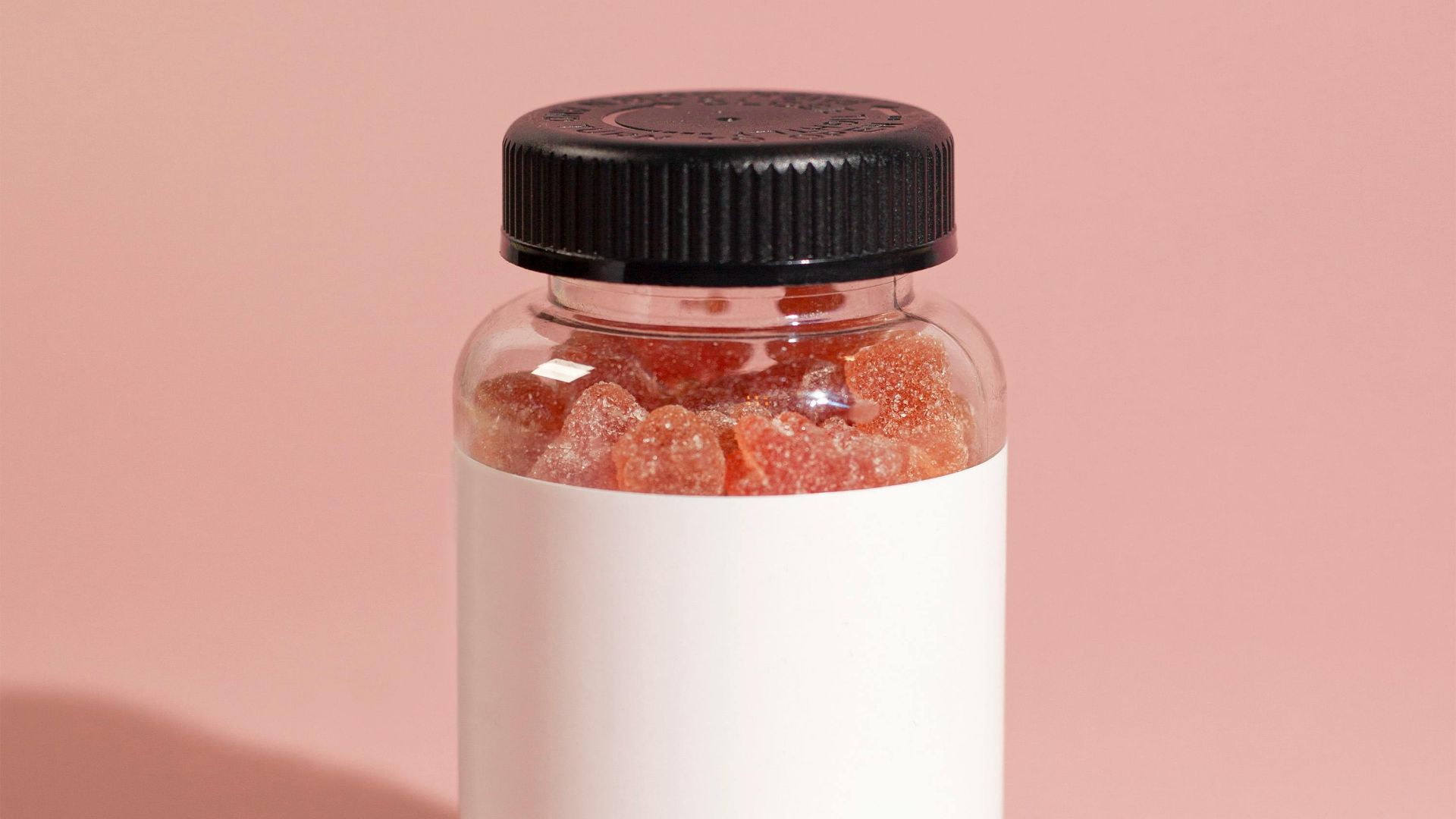
2. Vitamin C Gummies for Everyday “Immunity”
Vitamin C matters, but a lot of people reach for gummies as though they're the main route to getting enough. In reality, fruits and vegetables can cover this easily, especially if citrus, peppers, broccoli, or strawberries already show up in your meals.
 Supplements On Demand on Pexels
3. Biotin for Better Hair and Nails
Biotin supplements are very popular, but true biotin deficiency is uncommon for most people. Many diets already include enough through ordinary foods, so the average beauty-focused bottle purchase is often less essential than the label implies.
4. Probiotic Capsules for Generic Gut Wellness
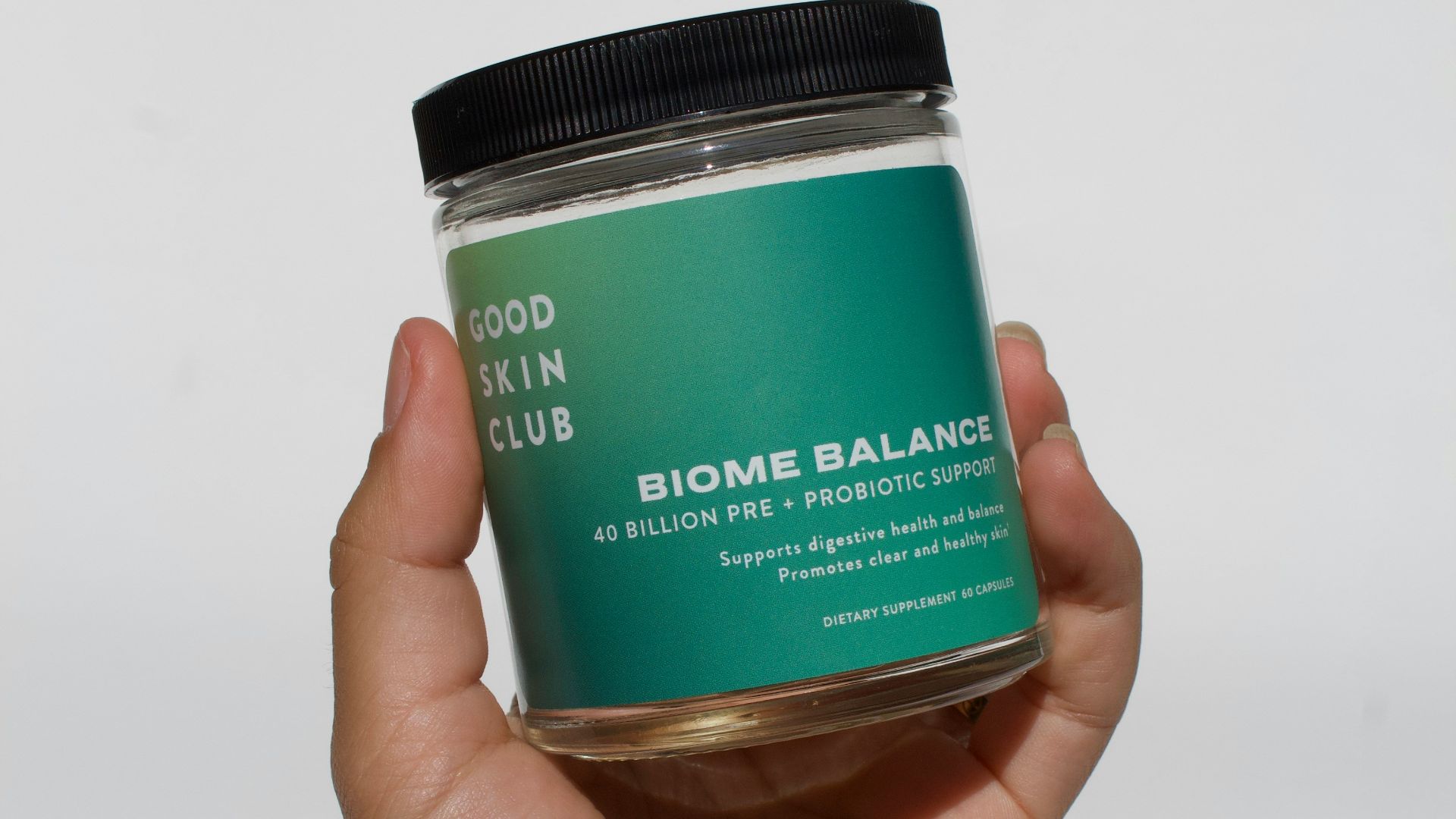
Probiotics are one of those categories where the promise often arrives before the certainty does. The research is still highly specific, and the usefulness can depend on the exact strain, condition, and person involved. So if you're healthy and taking a random capsule just to feel proactive, the payoff may be less impressive than the marketing suggested.
5. Fiber Gummies When the Real Issue Is Diet
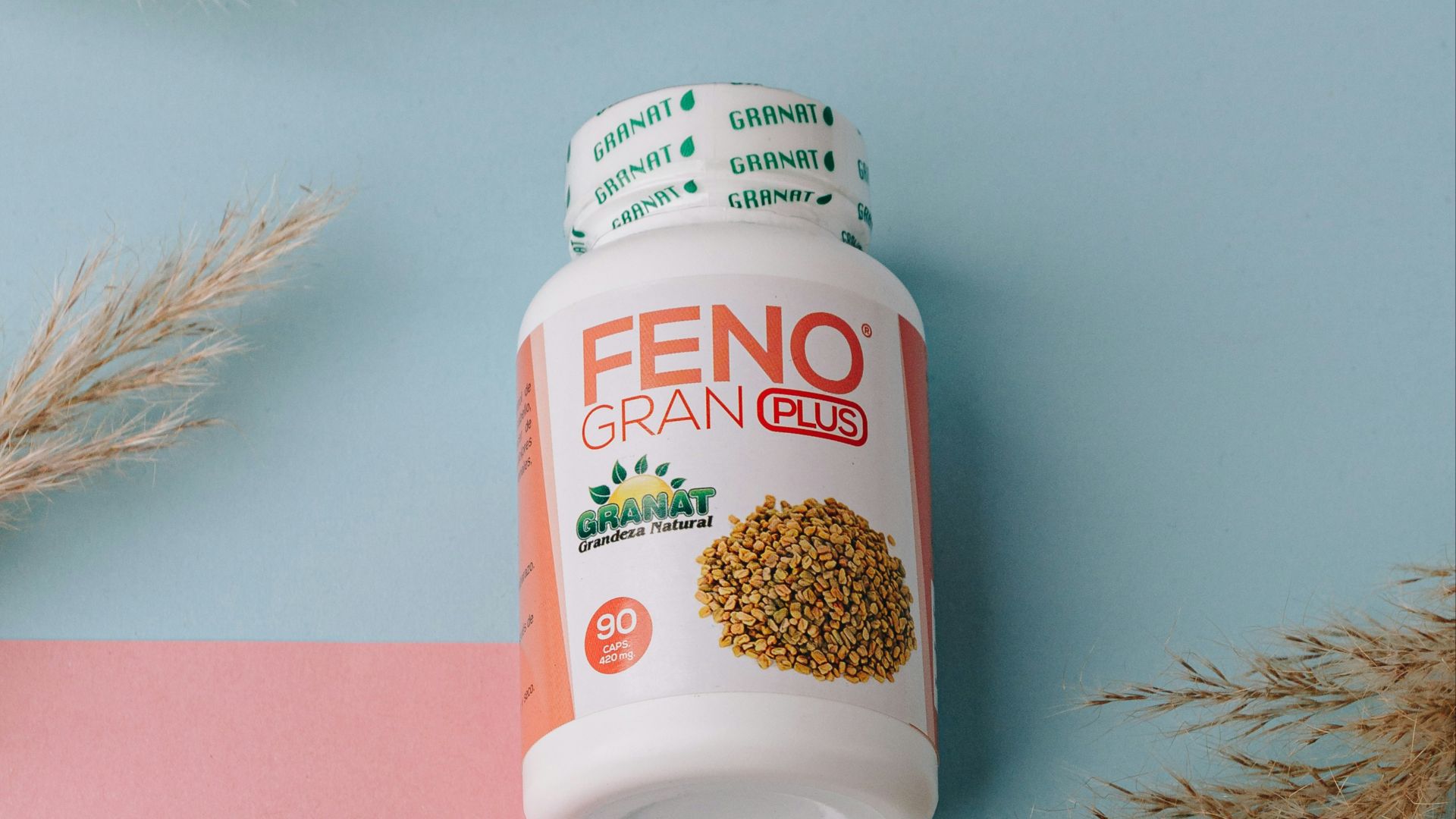
Fiber supplements can absolutely help some people, but plenty of buyers are basically trying to outsource beans, produce, and whole grains to a daily capsule. Adults generally need a lot more fiber than they actually get, and foods like oats, fruit, vegetables, and legumes are usually the better long-term answer.
6. Fish Oil Capsules for People Who Already Eat Fish
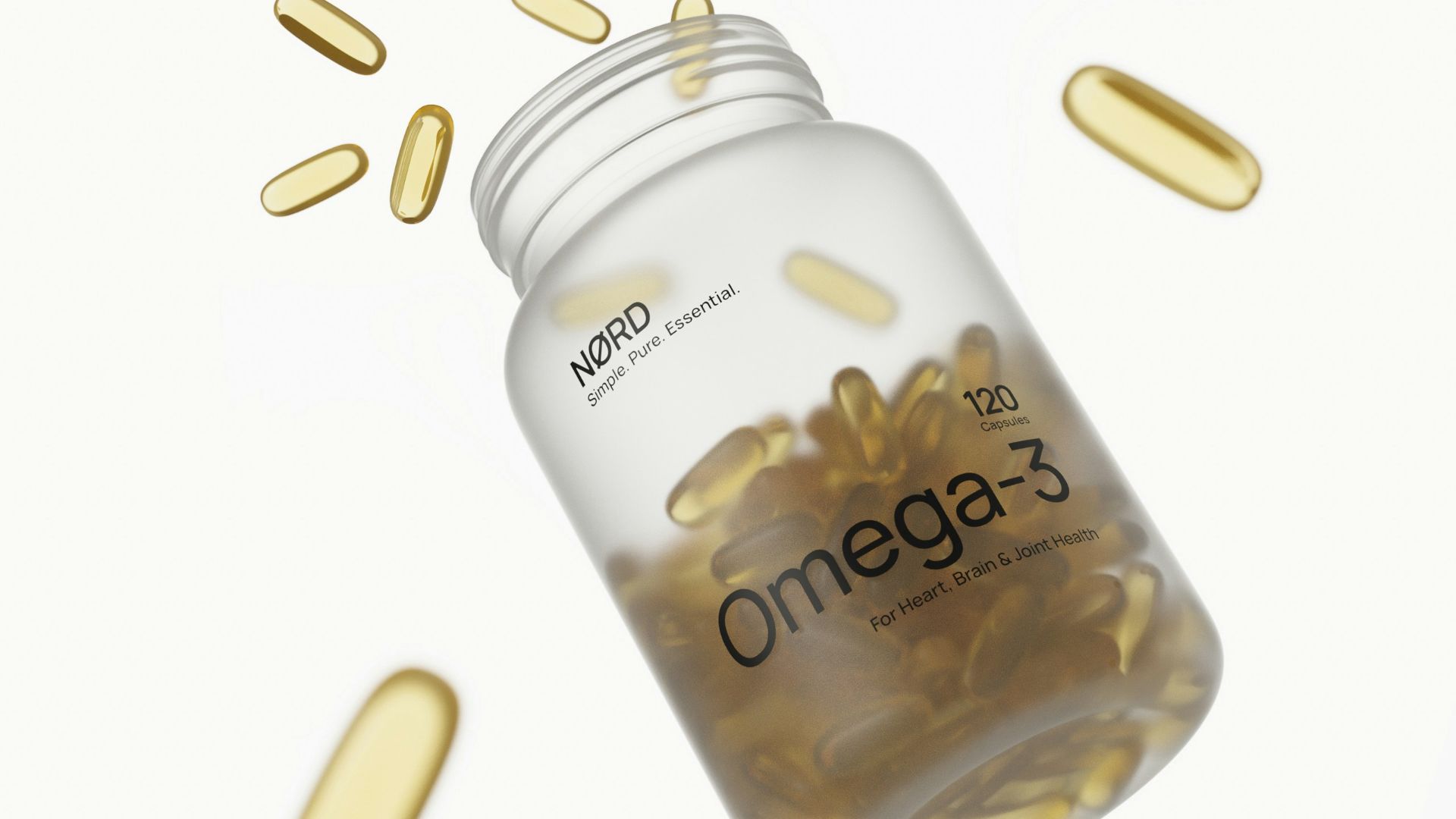
Omega-3 supplements aren't pointless, but they're also not the only way to cover that base. Fish and seafood, along with some plant foods like flaxseed, already provide omega-3 fatty acids. If those foods are part of your routine, a capsule may not be doing as much as you think.
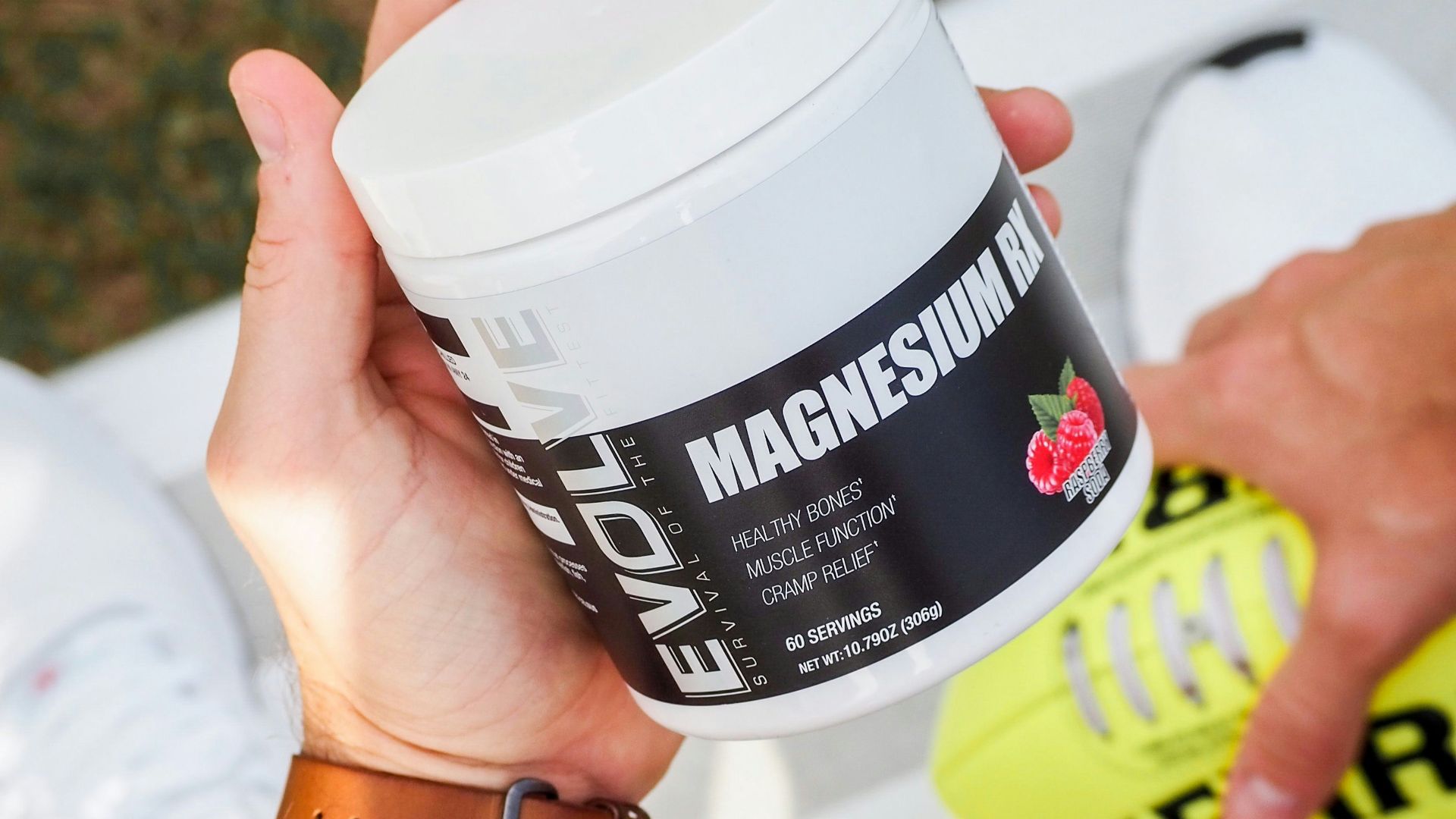
7. Magnesium Pills for Everyday “Tension”
Magnesium is a real nutrient, but a lot of people buy it casually without first noticing how much they already get from food. Nuts, seeds, legumes, whole grains, and leafy greens can all contribute meaningful amounts. If your meals already lean in that direction, your pantry may be doing more than the supplement label gets credit for.
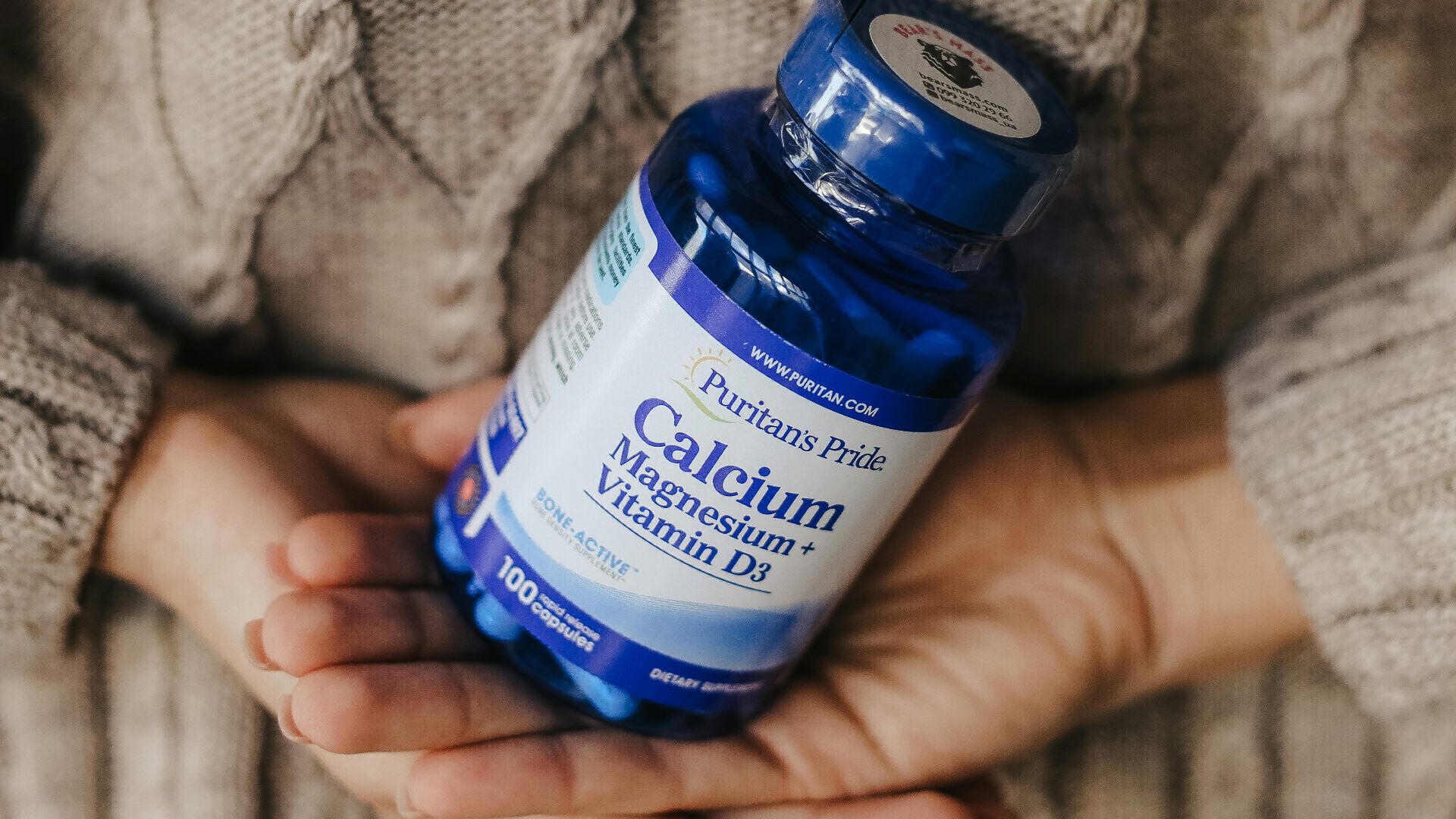
8. Calcium Supplements
Calcium supplements can be useful when intake is low, but they're not automatically necessary if your diet already covers the basics. Dairy foods, fortified soy products, tofu, and even some fish can help meet calcium needs through everyday meals.
9. Greens Powders
Greens powders often sound like a clever shortcut for people who would rather not deal with actual vegetables. The trouble is that powdered blends aren't really the same thing as regularly eating nutrient-dense foods. A scoop can sound efficient, but it is still not doing what a plate of real vegetables does in a broader eating pattern.
 Supplements On Demand on Pexels
10. Elderberry or “Immune” Gummies
This category sells very well because “immune support” sounds responsible and urgent. The problem is that the evidence behind some of these products is much less exciting than the labels make them sound. Elderberry, in particular, hasn't earned the level of everyday confidence it often gets in the supplement aisle.
 Supplements On Demand on Pexels
Now that we've covered the supplements that may be unnecessarily draining your bank account, let's talk about the best food sources to cover the same needs.
1. Beans & Lentils
Beans and lentils do a lot of work for the price, which is part of why they're so useful here. They help with fiber intake and also contribute important minerals, including magnesium. If you're trying to replace a fiber gummy or support steadier everyday nutrition, these are one of the easiest places to start.

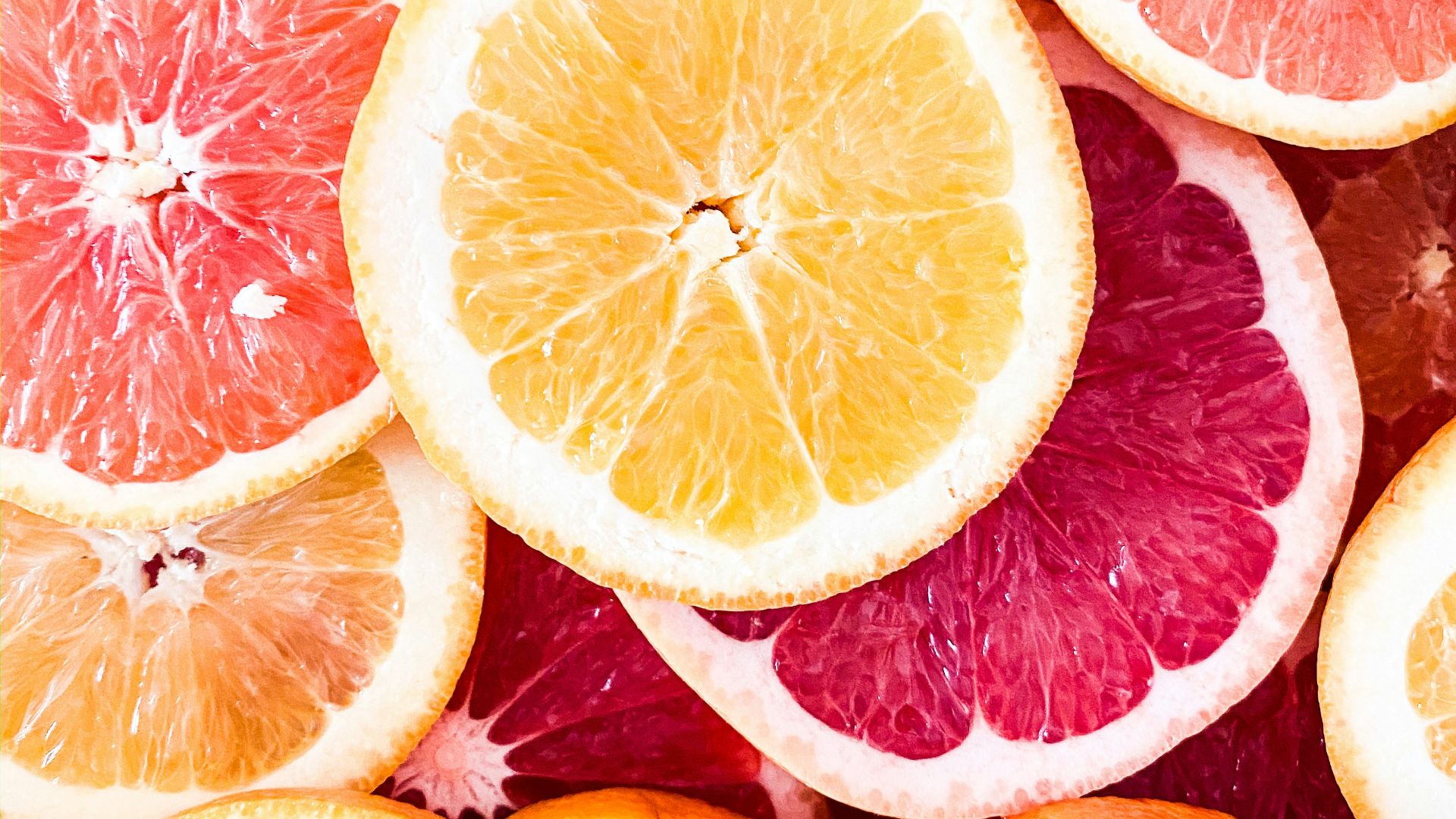
2. Citrus Fruits & Bell Peppers
If the goal is more vitamin C, foods can handle that very nicely. Citrus fruits, red peppers, broccoli, kiwi, and strawberries are all strong sources, which means your produce drawer can do the same job as a gummy. This is one of the clearest food-over-supplement swaps on the list.
3. Eggs
Eggs are a very practical answer to the biotin craze. They naturally contain biotin and also bring protein and other nutrients to the table while they're at it.

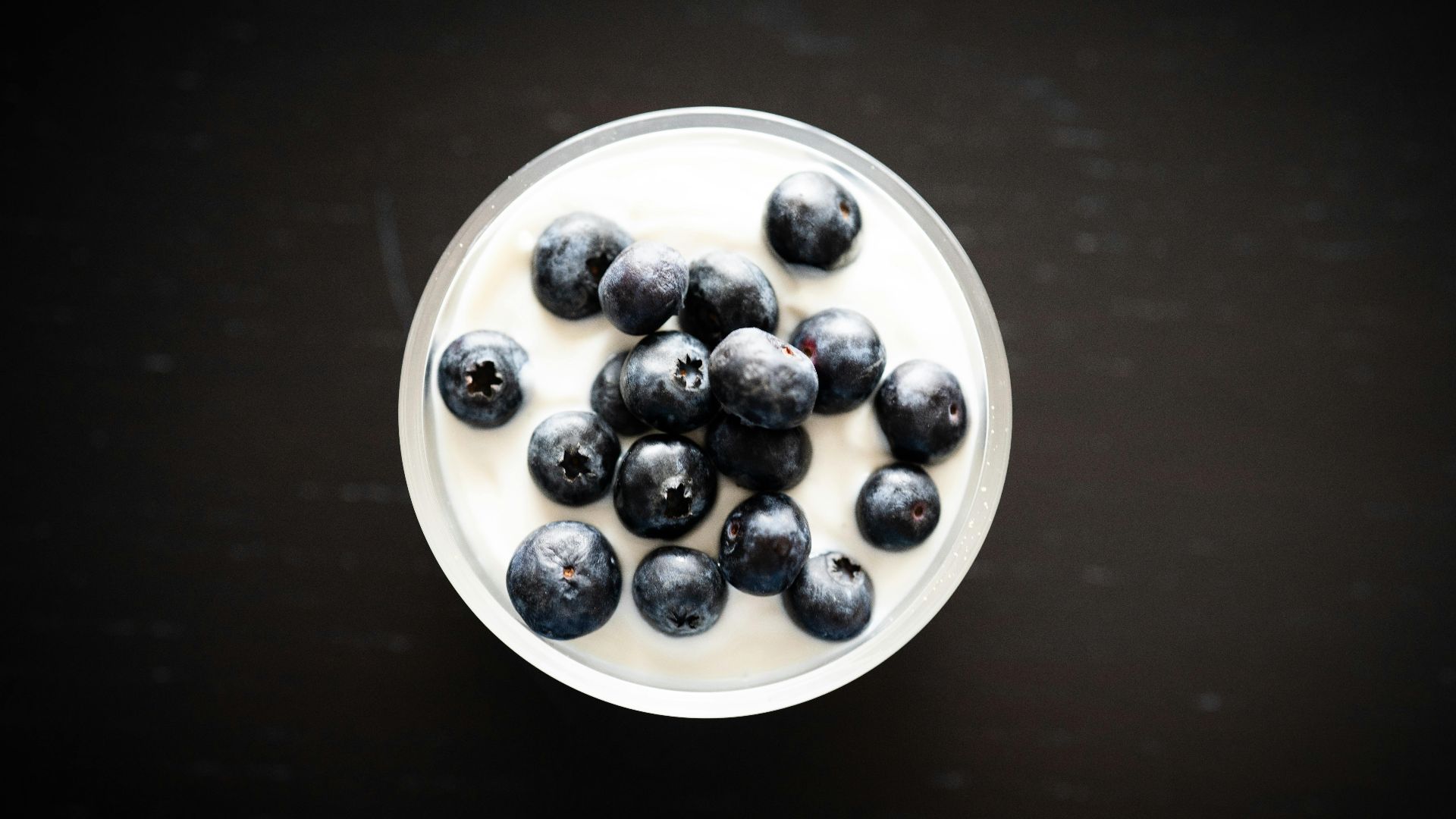
4. Yogurt & Kefir
For people chasing probiotics, food can be a much more straightforward place to begin. Fermented foods like yogurt and kefir can provide the same general category of helpful microbes people go looking for in capsules. That gives you a food option that also brings other nutritional value, instead of relying entirely on a pricey supplement routine that might not be working for what you intended anyway.
5. Salmon & Sardines
If you want omega-3s, actual fish is an obvious and useful option. Salmon and sardines can help cover that need directly, and sardines bring calcium into the pic,ture too. That's a pretty efficient way to support more than one nutritional goal without swallowing anything from a bottle.

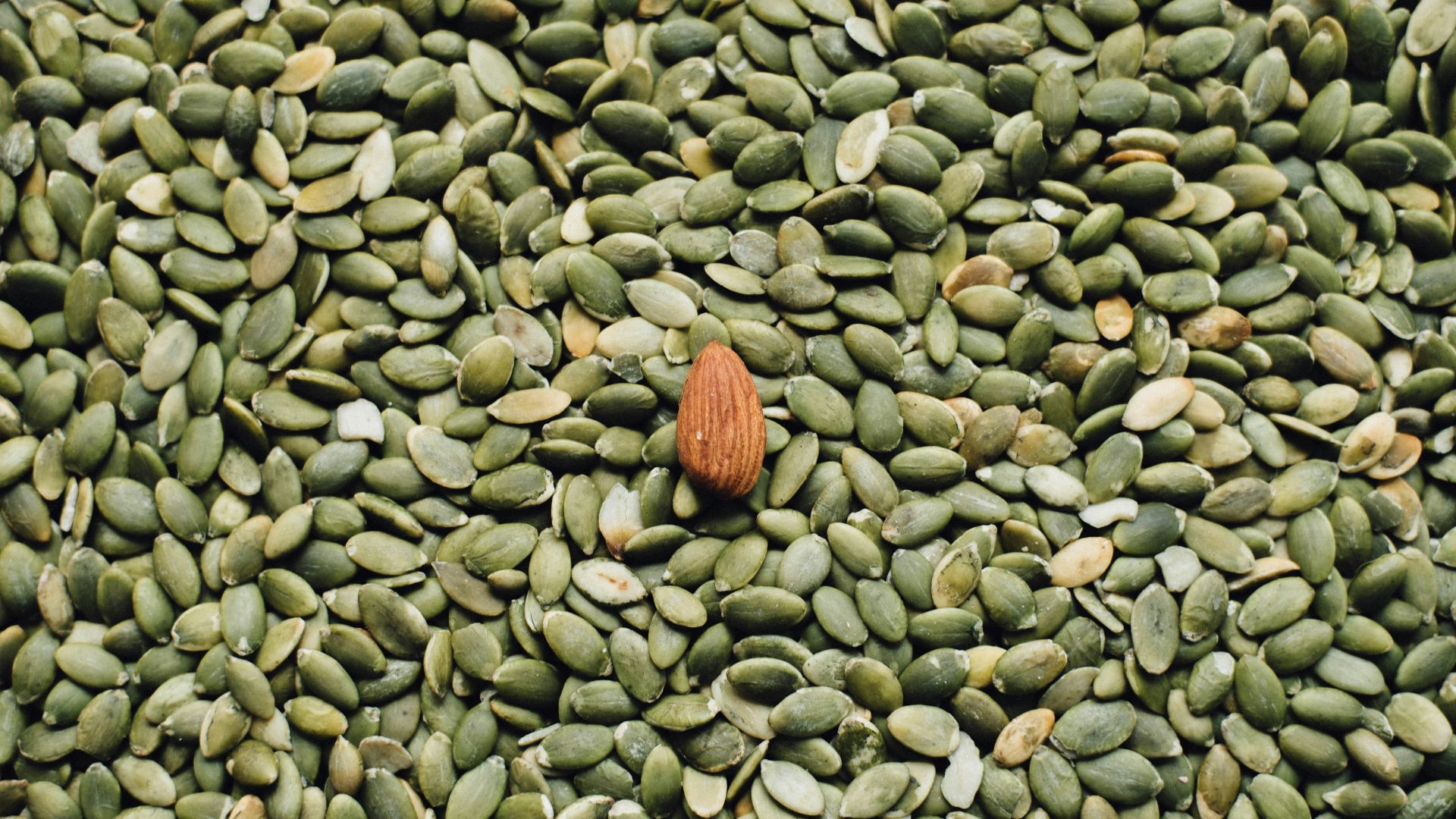
6. Pumpkin Seeds, Nuts, & Spinach
These are the kinds of foods that make casual magnesium pills easier to question. Seeds, nuts, legumes, whole grains, and leafy greens all contribute magnesium in ordinary meals and snacks. So if your eating habits already lean that way, your diet may be helping more than you think.
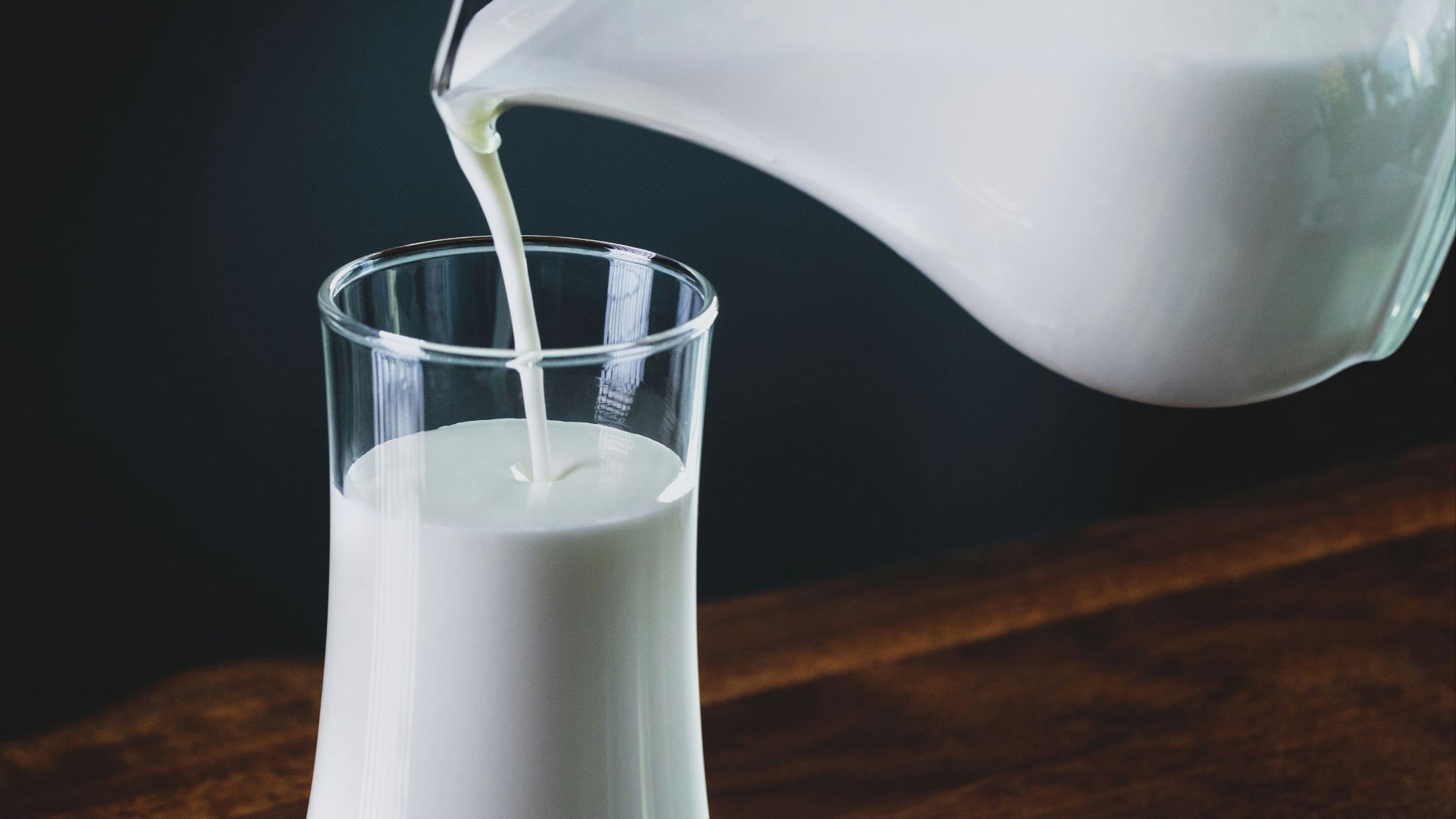
7. Dairy, Fortified Soy, & Calcium-Set Tofu
Calcium doesn't belong only to the supplement aisle. Milk, yogurt, cheese, fortified soy beverages, and tofu made with calcium salts can all help cover calcium needs through ordinary food. That gives you several practical options before you ever get to the chewable tablets.
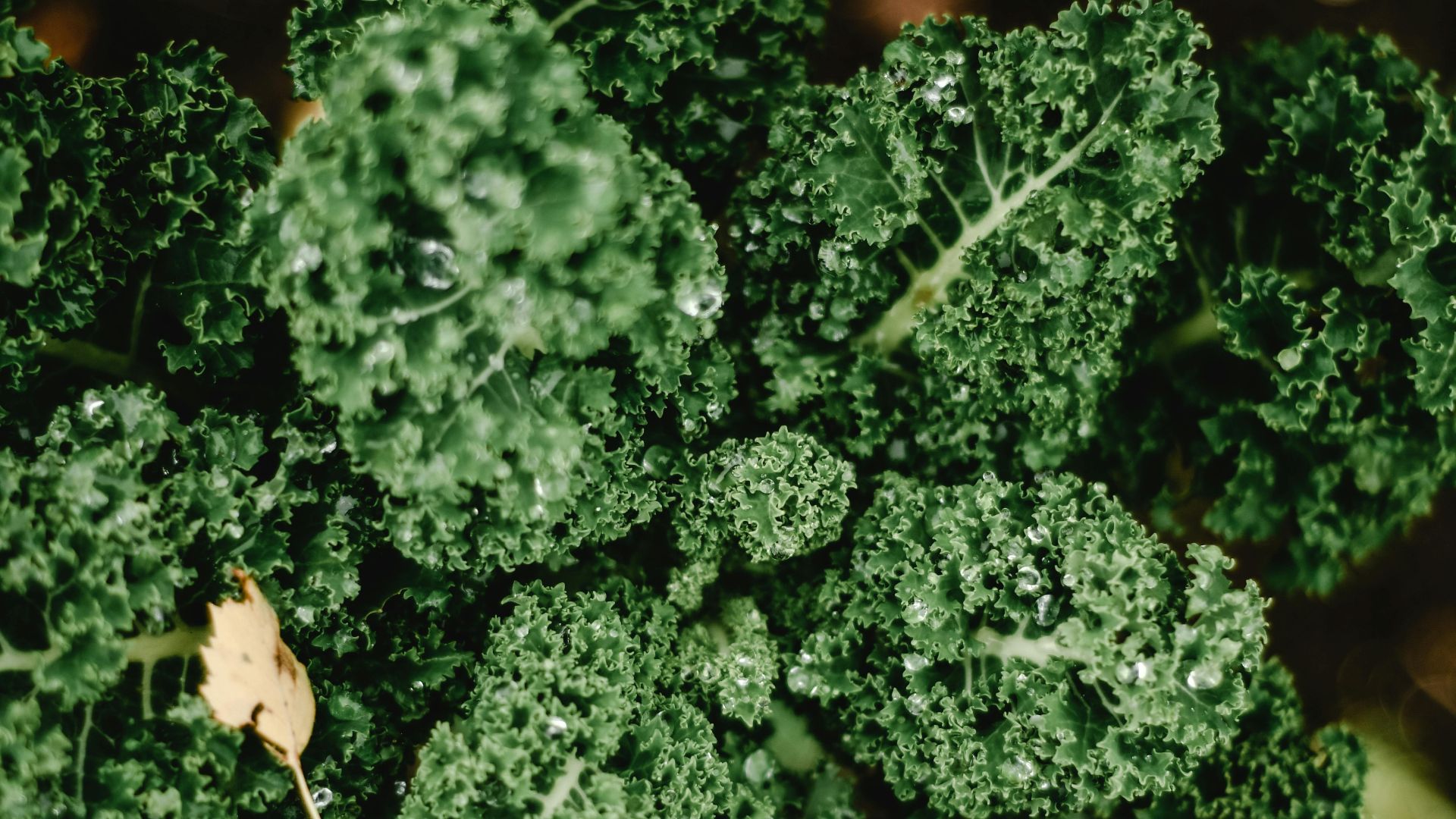
8. Leafy Greens & Other Vegetables
There's no shortcut here. Real vegetables bring a broader mix of nutrients and fit more naturally into an overall eating pattern than powdered stand-ins do. It turns out that eating vegetables remains the most straightforward way to get what vegetables offer.
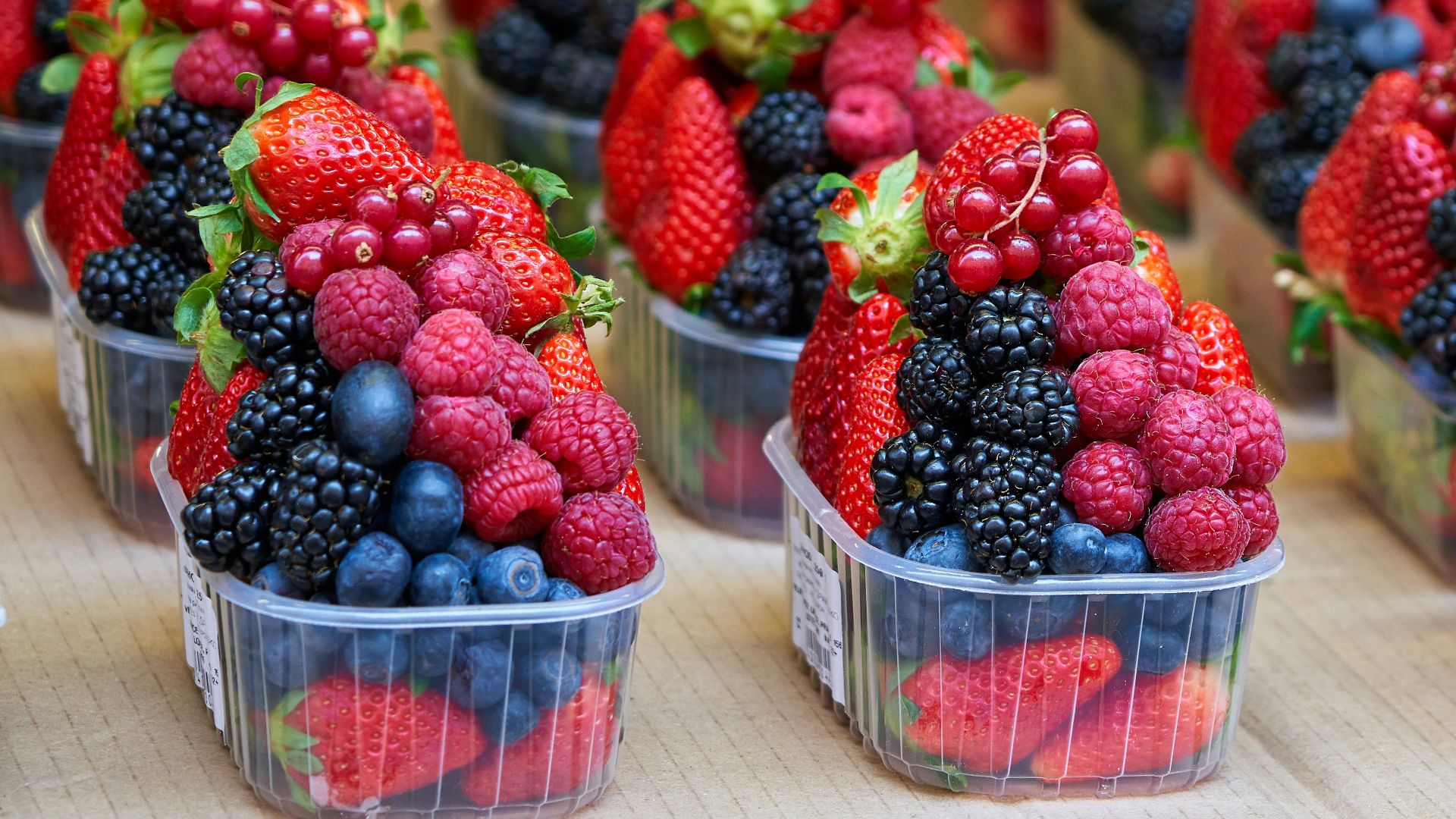
9. Berries & Whole Fruit
If what you really want is a general antioxidant or immune-support vibe, whole fruit is a much more grounded place to begin. Fruit brings vitamins, minerals, fiber, and other helpful compounds in a form that your normal meals already know what to do with. That may not be as marketable as a brightly labeled gummy, but it's usually a lot more sensible.
10. Oats & Whole Grains
Oats and other whole grains can help with fiber intake, and they also contribute magnesium, which makes them useful in more than one way. That means a simple bowl of oatmeal can do the work of a trendy supplement and some.