
Options That Support Sleep Without Overriding Your Rhythm
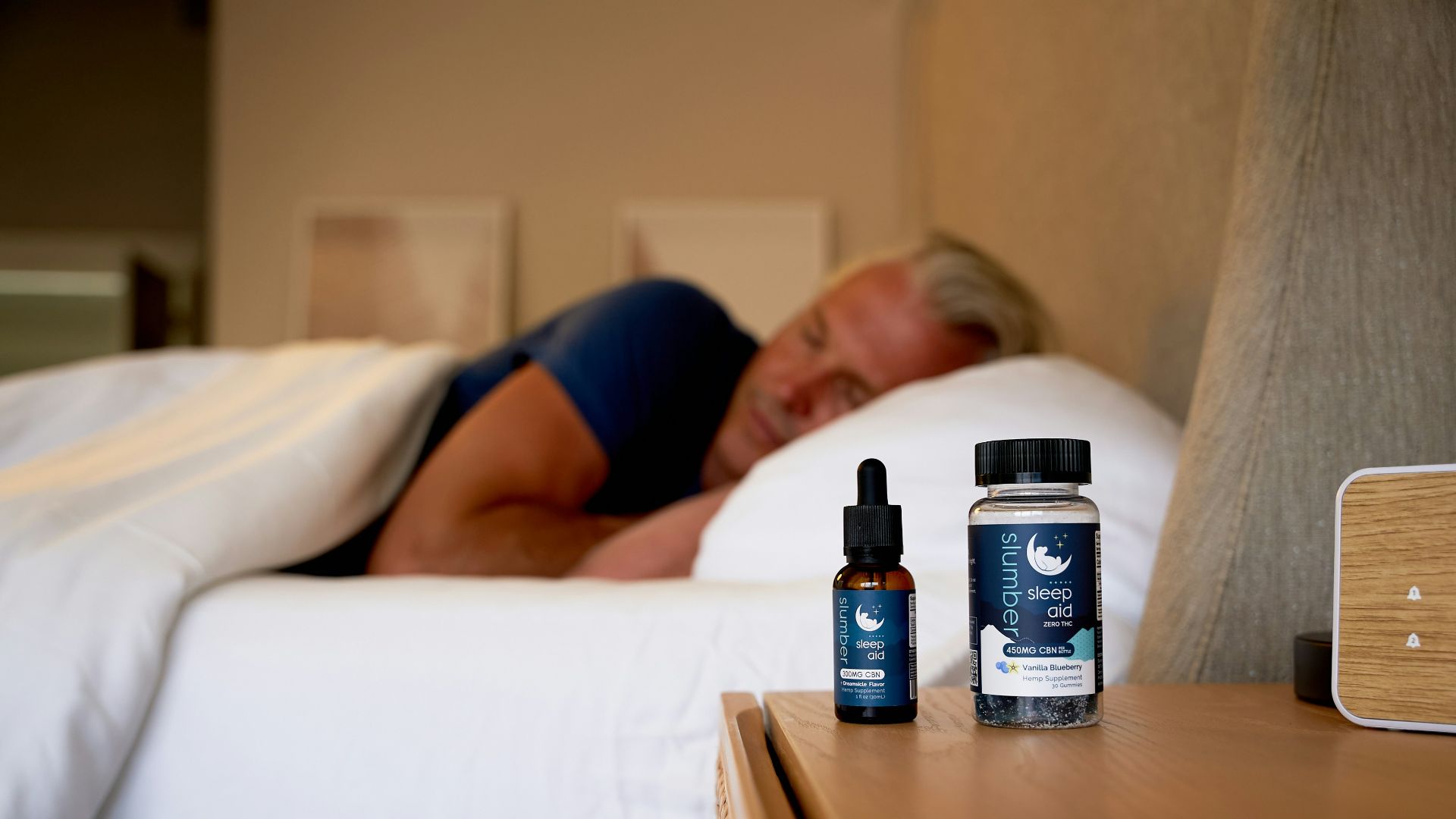
Sleep supplements are often marketed as quick fixes, but most experts agree they work best when they support your body’s natural systems rather than overriding them. Melatonin can be helpful for certain situations like jet lag, but it isn’t always ideal for consistent nightly use, and its effects can vary from person to person. Many alternatives focus on promoting relaxation, reducing stress, or supporting overall sleep quality rather than directly altering your sleep-wake cycle. Understanding these 20 options helps you make more informed choices while keeping expectations realistic.

1. Magnesium Glycinate
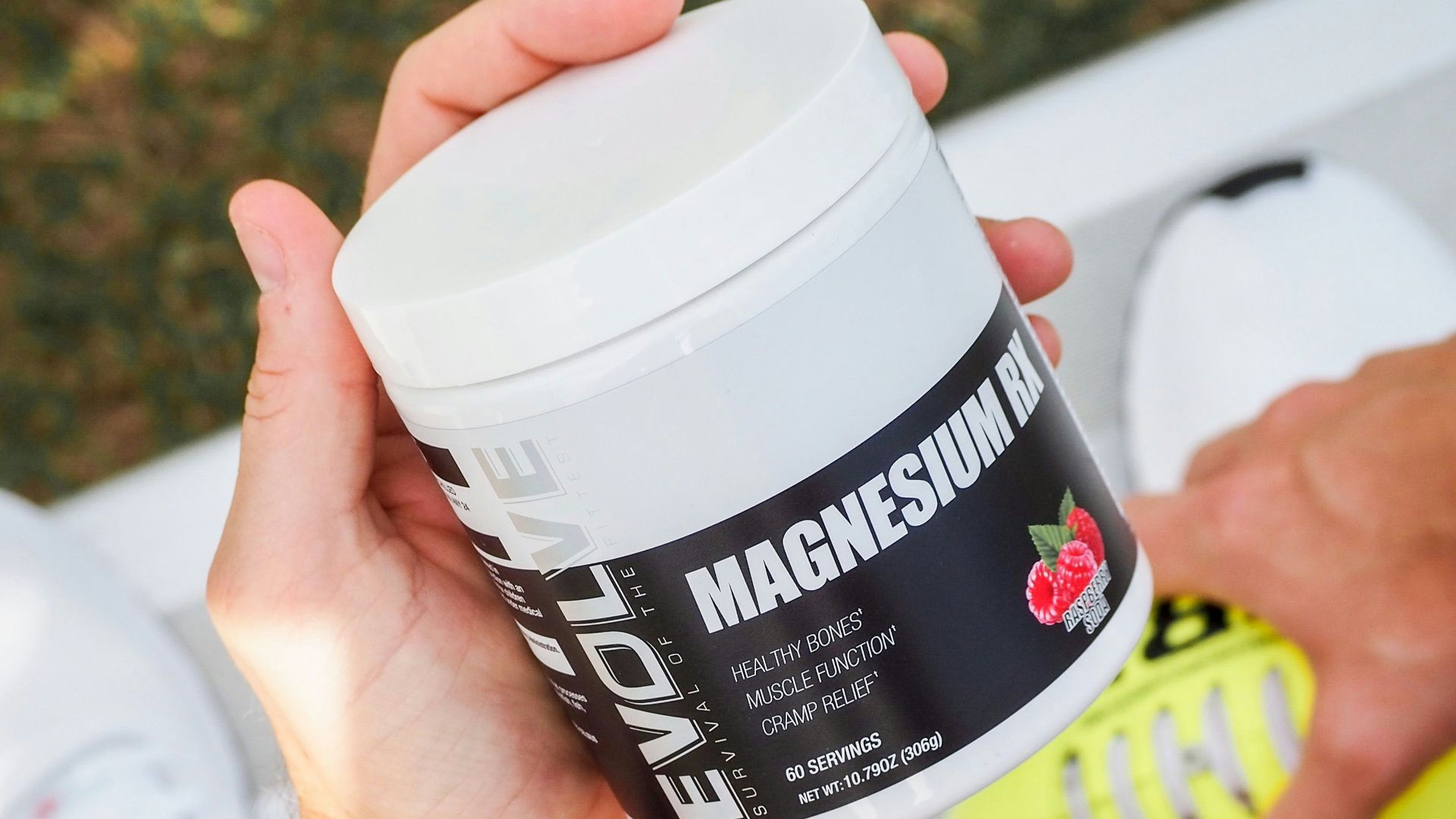
Magnesium plays a role in regulating the nervous system and supporting relaxation. Some research suggests it may improve sleep quality, especially in deficient people. It’s generally well tolerated when taken at appropriate doses.
2. L-Theanine
L-theanine is an amino acid commonly found in tea that promotes a calm mental state. It’s often used to reduce stress and quiet racing thoughts before bed. Some evidence suggests it may improve sleep quality without causing sedation. Its effects tend to be subtle rather than immediate.

3. Glycine
Glycine is a simple amino acid that may support deeper sleep and reduce next-day fatigue. It’s thought to help by slightly lowering core body temperature, which plays a role in sleep onset. Research is still developing but generally promising. It’s considered low risk when used in recommended amounts.

4. Ashwagandha
Ashwagandha is an adaptogenic herb that may help regulate stress and cortisol levels. Some studies suggest it can improve sleep quality, particularly when stress is a contributing factor. Results can vary depending on dosage and individual response. It’s typically used as part of a broader wellness approach.

5. Valerian Root
Valerian has a long history of use as a sleep aid and may influence calming neurotransmitters in the brain. Some people report improved sleep quality, although study results are mixed. It tends to work gradually rather than instantly. Not everyone experiences noticeable effects.

6. Tart Cherry Extract
Tart cherries contain naturally occurring compounds related to sleep regulation. Some evidence suggests they may modestly improve sleep duration and efficiency. The effects are usually mild and build over time. It’s often used as a gentle, food-based option.

7. Passionflower
Passionflower is often used to support relaxation and reduce mild anxiety. Early research indicates it may help improve sleep quality in some individuals.

8. Lemon Balm
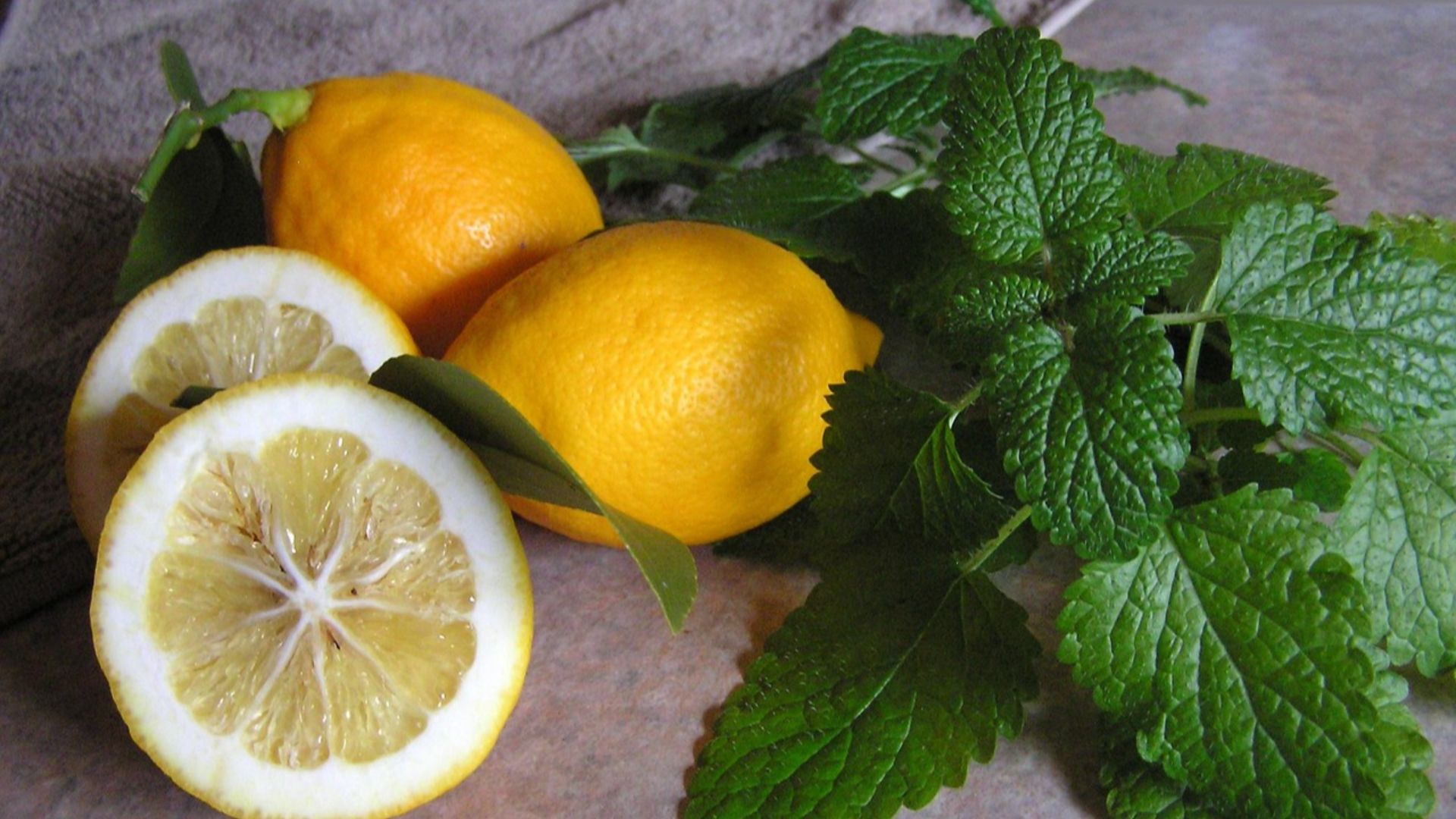
Lemon balm is a calming herb that’s sometimes used for mild sleep disturbances. It may help reduce anxiety and promote a sense of relaxation. Some studies suggest it can improve sleep when combined with other herbs. On its own, the effects are usually moderate.
9. L-Tryptophan
Tryptophan is an amino acid involved in the production of serotonin and melatonin. Supplementing it may support sleep in certain cases, particularly when dietary intake is low. Effects can depend on overall health and nutrition. It’s generally considered safe within recommended ranges.

10. GABA Supplements
GABA is a neurotransmitter that helps calm brain activity. Some supplements aim to increase their availability, although absorption into the brain is still debated. Even so, some people report a mild calming effect. Results can vary widely between individuals.

11. Apigenin
Apigenin is a natural compound found in plants like chamomile. It’s believed to support relaxation by interacting with calming receptors in the brain.

12. Rhodiola Rosea
Rhodiola is an adaptogen often used to manage stress and fatigue. It may indirectly support sleep by improving how the body handles stress. Its impact on sleep is less direct than other options. Some people find it more useful during the daytime.

13. Myo-Inositol
Myo-inositol plays a role in cellular signaling and may influence mood and sleep patterns. Some research suggests it may improve sleep quality in certain populations. Evidence is still emerging and not yet definitive. It’s typically used as part of a broader approach to mental well-being.

14. Phosphatidylserine
This compound supports brain function and may help regulate cortisol levels. Lower cortisol in the evening can support better sleep quality. Its effectiveness often depends on stress levels and the timing of use. Results are generally moderate rather than dramatic.

15. Omega-3 Fatty Acids
Omega-3s are widely known for their role in brain and heart health. Some studies suggest they may influence sleep duration and quality over time. Their effects tend to be gradual rather than immediate.
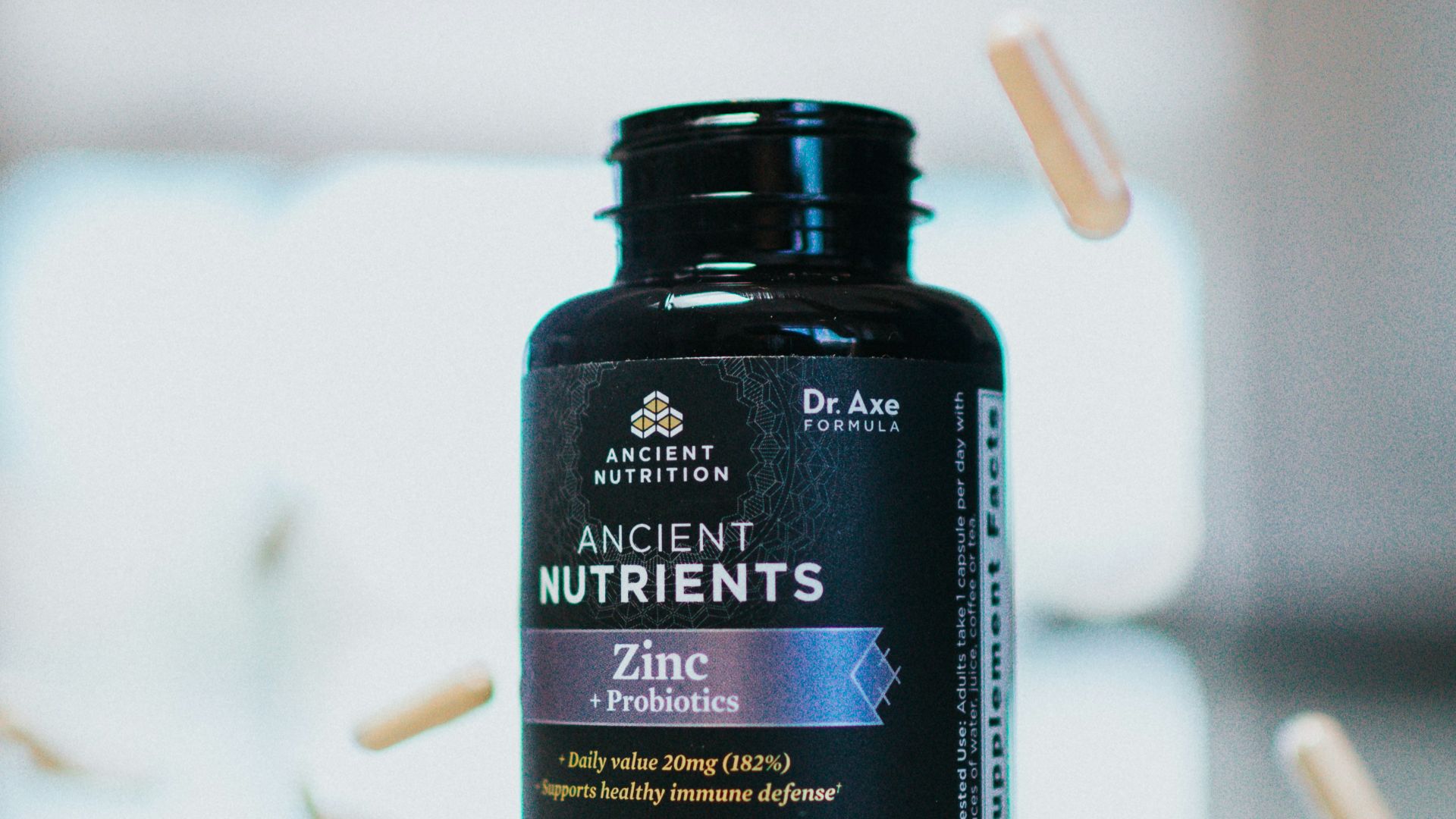
16. Zinc
Zinc is involved in many biological processes, including neurotransmitter function. It may support sleep when combined with other nutrients. Evidence on its standalone effects is limited. Excessive intake should be avoided to prevent side effects.
17. Lavender
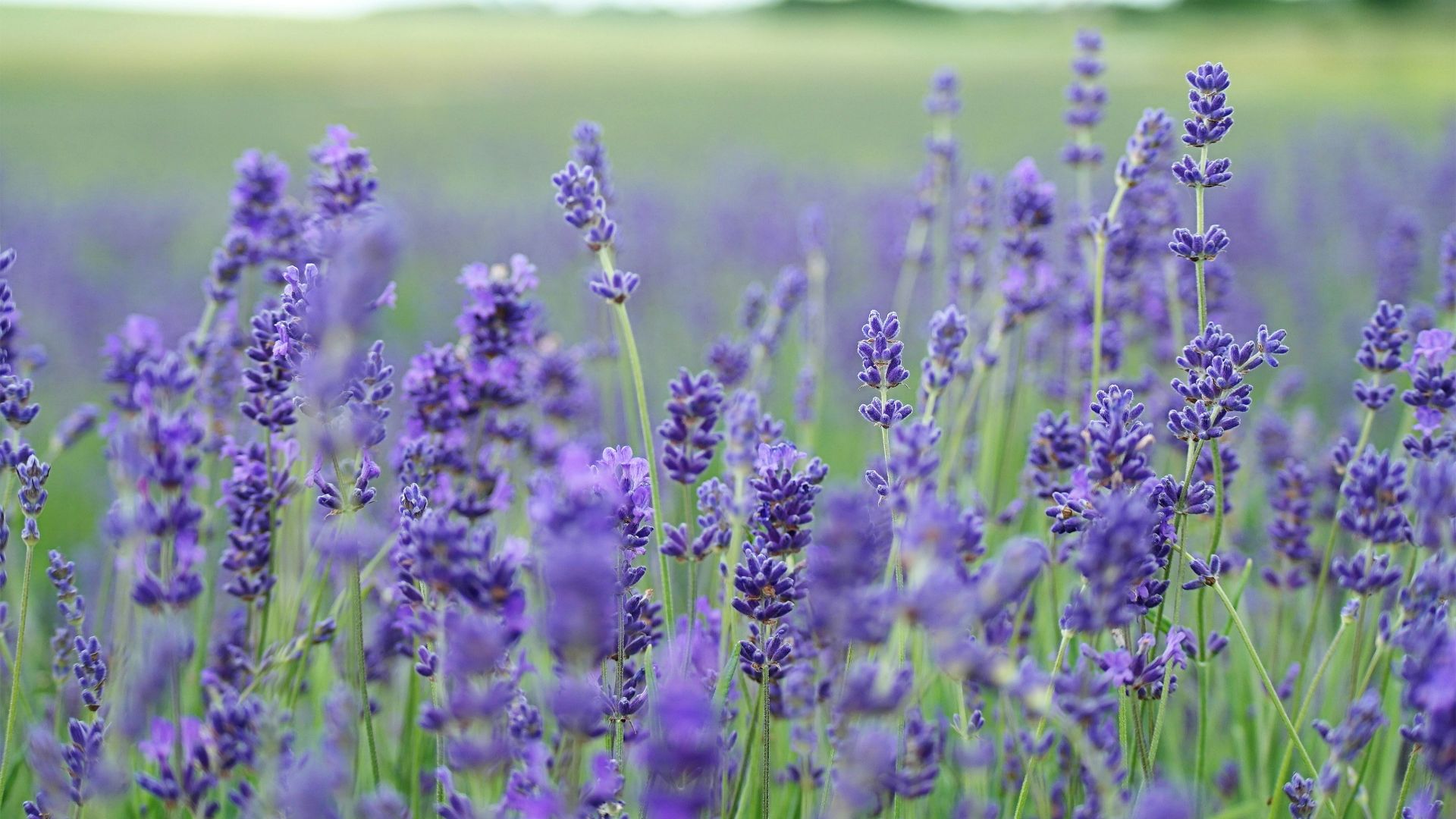
Lavender is commonly used in aromatherapy to promote relaxation. Some studies suggest it may improve sleep quality, particularly in mild cases. It can be used as an oil, supplement, or tea, and its effects are generally calming rather than sedating.
18. Chamomile Extract
Chamomile has long been used as a mild sleep aid. It contains compounds that may promote relaxation and reduce anxiety. Research suggests it can help with mild sleep disturbances. Its effects are typically gentle and not overpowering.

19. Probiotics
Gut health is increasingly linked to sleep through the gut-brain connection. Some research suggests certain probiotic strains may influence sleep and mood. Results vary depending on the strain and the individual.

20. Magnesium L-Threonate
This form of magnesium may have better access to the brain compared to other types. It’s often studied for cognitive support but may also promote relaxation. Research on its direct effects on sleep is still limited. It’s generally used as part of a broader supplement routine.