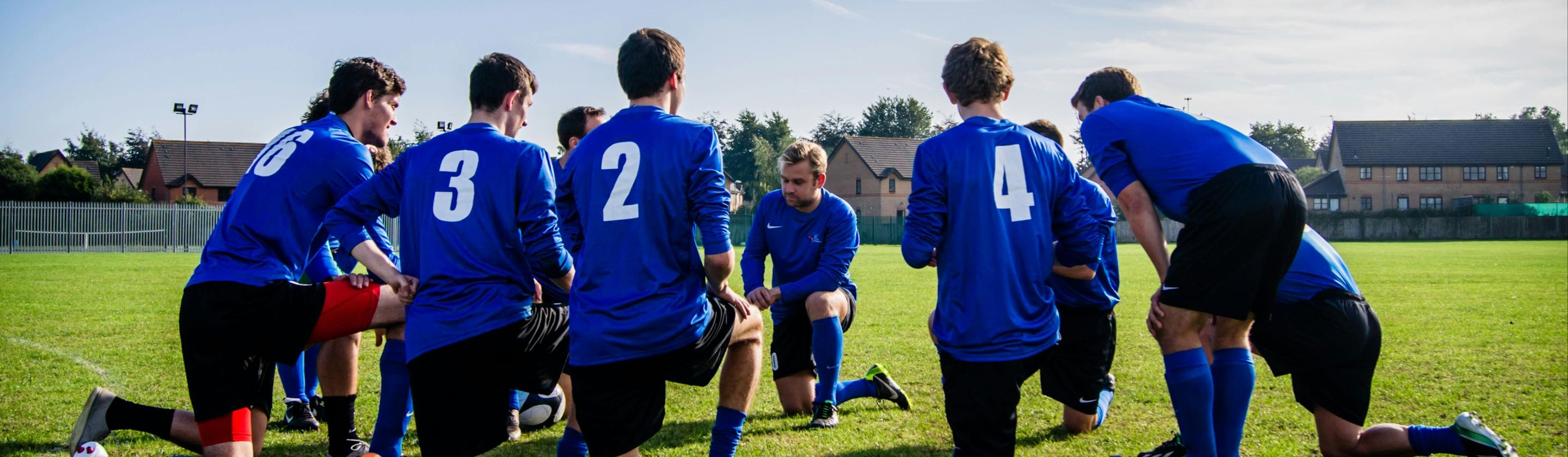
Stay Engaged While Building Skills That Matter
Social hobbies offer more than just a way to pass the time, as they encourage connection while keeping both your mind and coordination active. Activities that involve interaction often challenge your thinking, improve focus, and refine fine motor skills. Whether you enjoy structured groups or casual gatherings, there are plenty of options that combine fun with personal growth. Here are 20 social hobbies that help keep your brain and hands sharp.

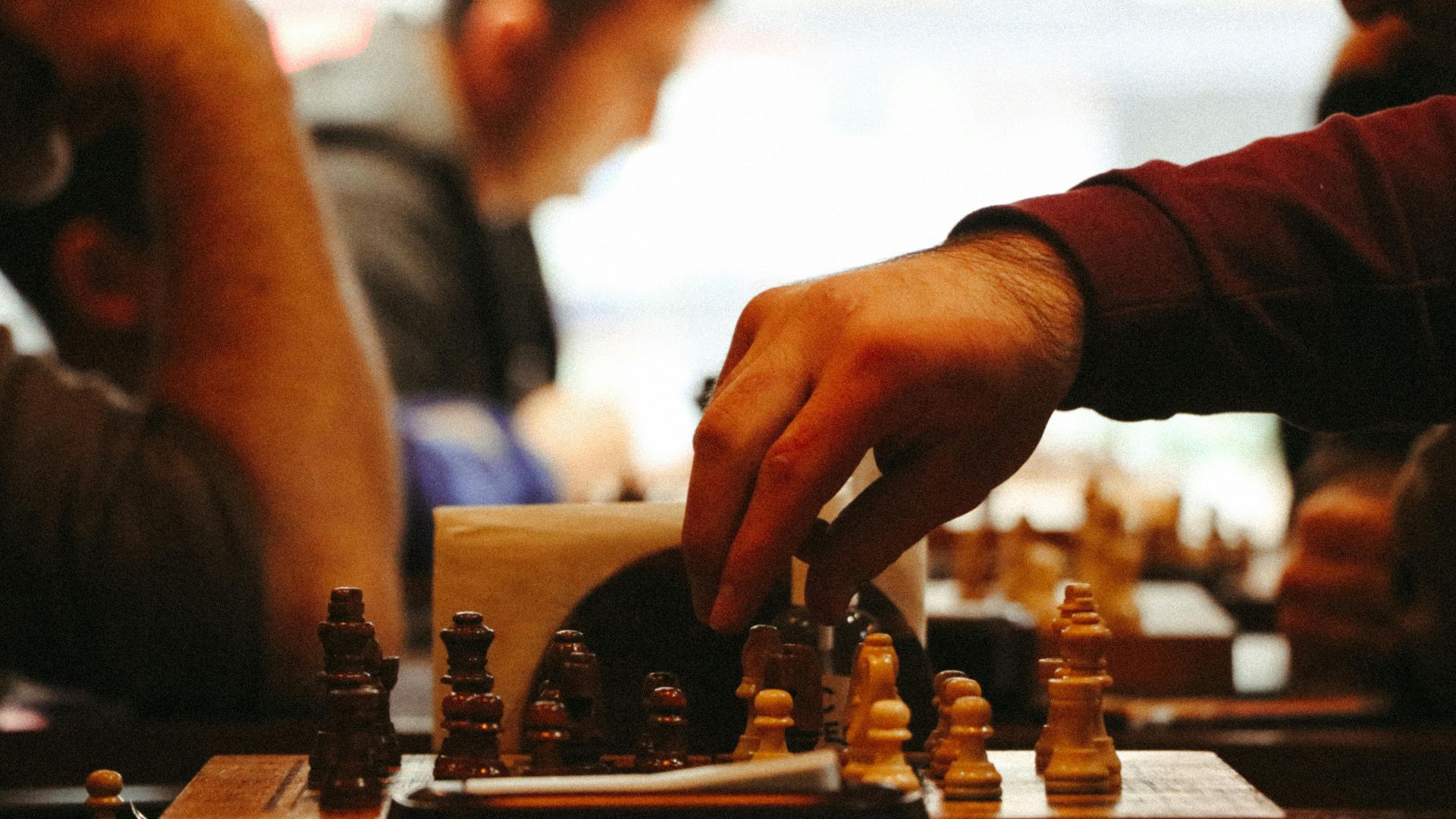
1. Chess Clubs
Joining a chess club gives you regular opportunities to sharpen strategic thinking. Each game challenges your ability to plan and respond to your opponent’s moves. Handling the pieces also reinforces hand coordination and precision. Playing in person adds a social layer that keeps things engaging.
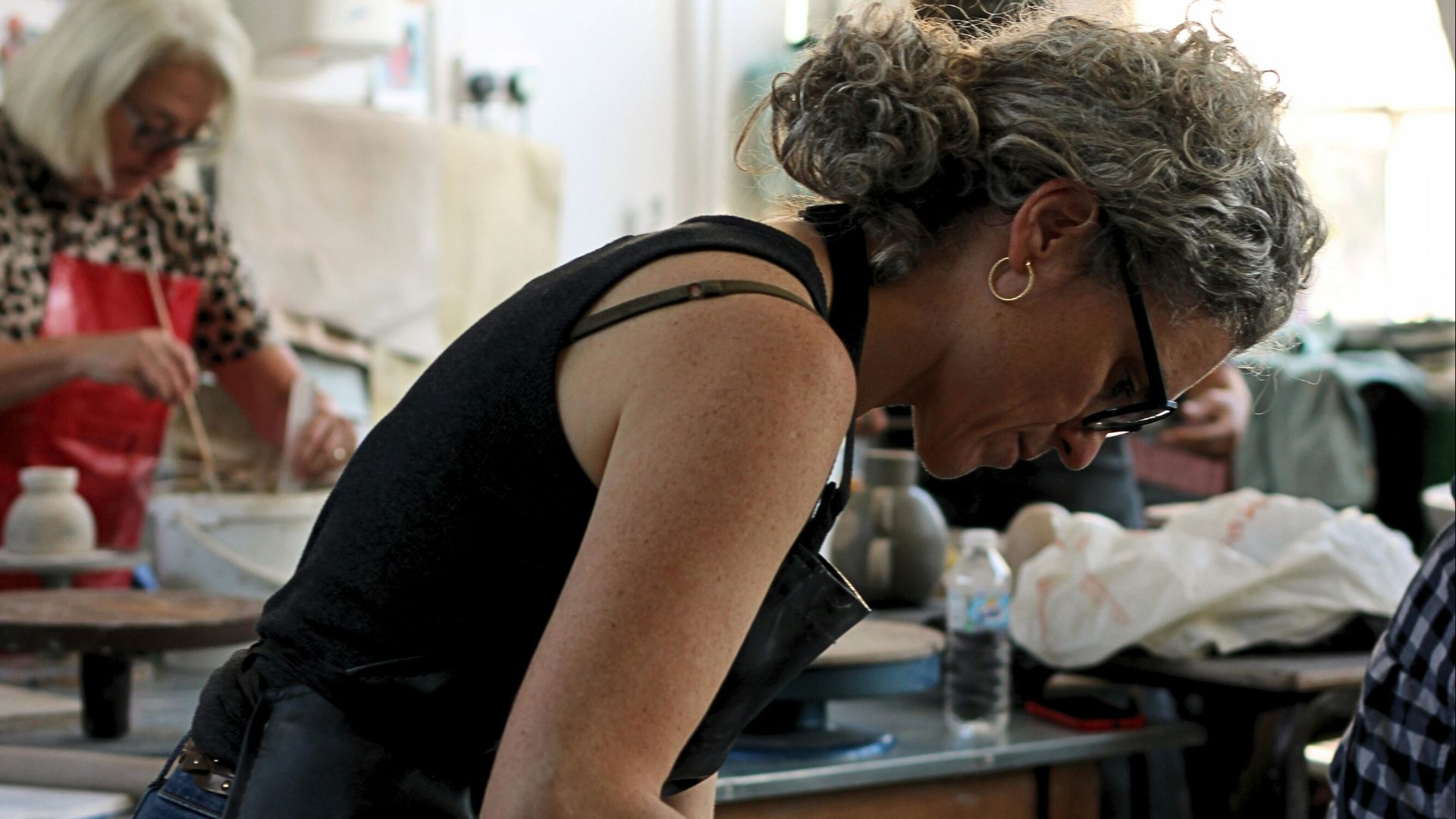
2. Pottery Classes
Pottery requires both creativity and physical control as you shape clay on a wheel or by hand. Working alongside others encourages idea-sharing and feedback. The tactile process strengthens hand muscles and coordination. Over time, you’ll notice improved focus and attention to detail.
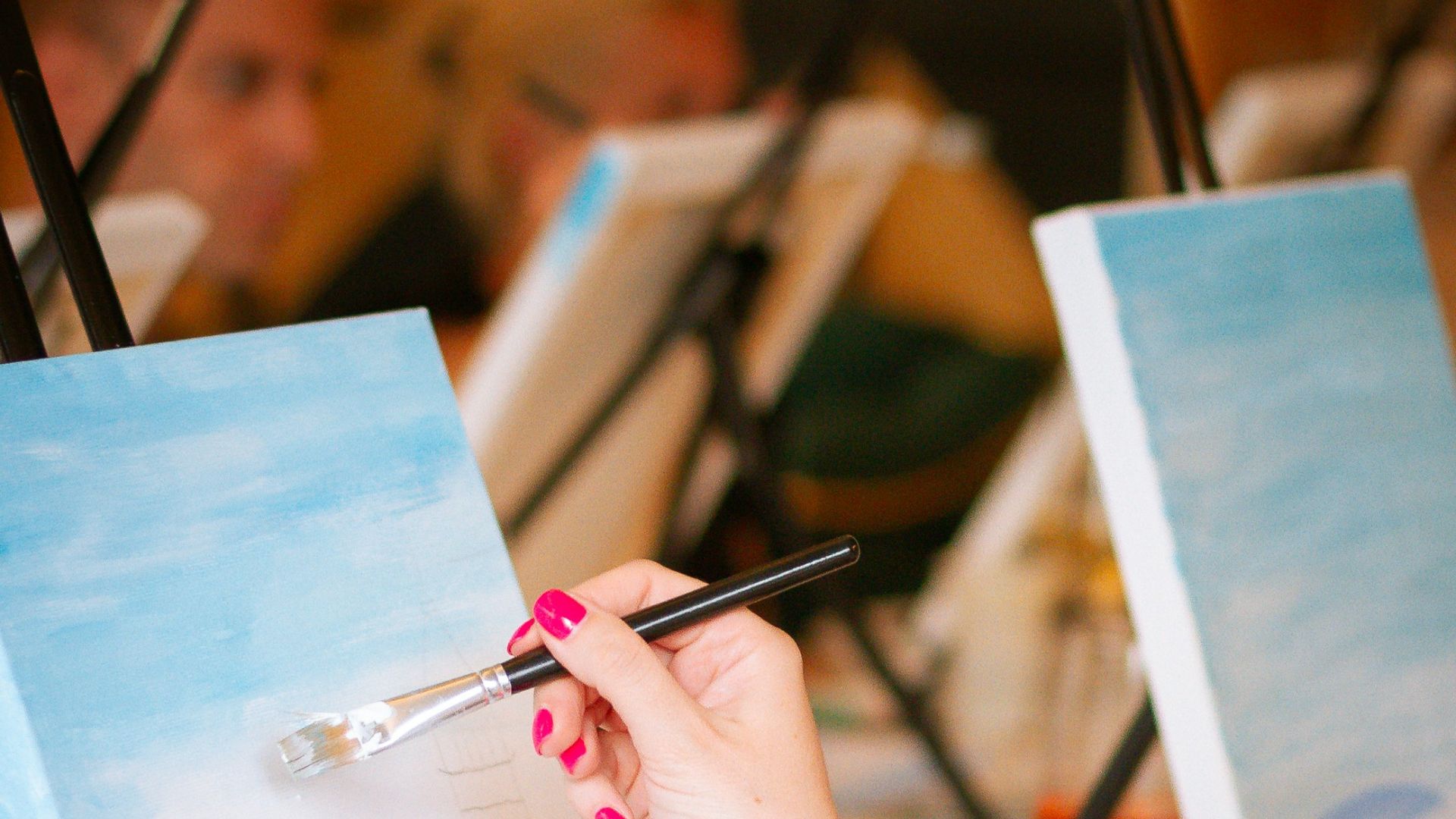
3. Group Painting Sessions
Painting in a group setting allows you to explore artistic techniques while interacting with others. Mixing colors and controlling brushstrokes builds fine motor skills. Conversations during sessions make the experience more relaxed and enjoyable. It’s a balance of creativity and social connection.
4. Dance Classes
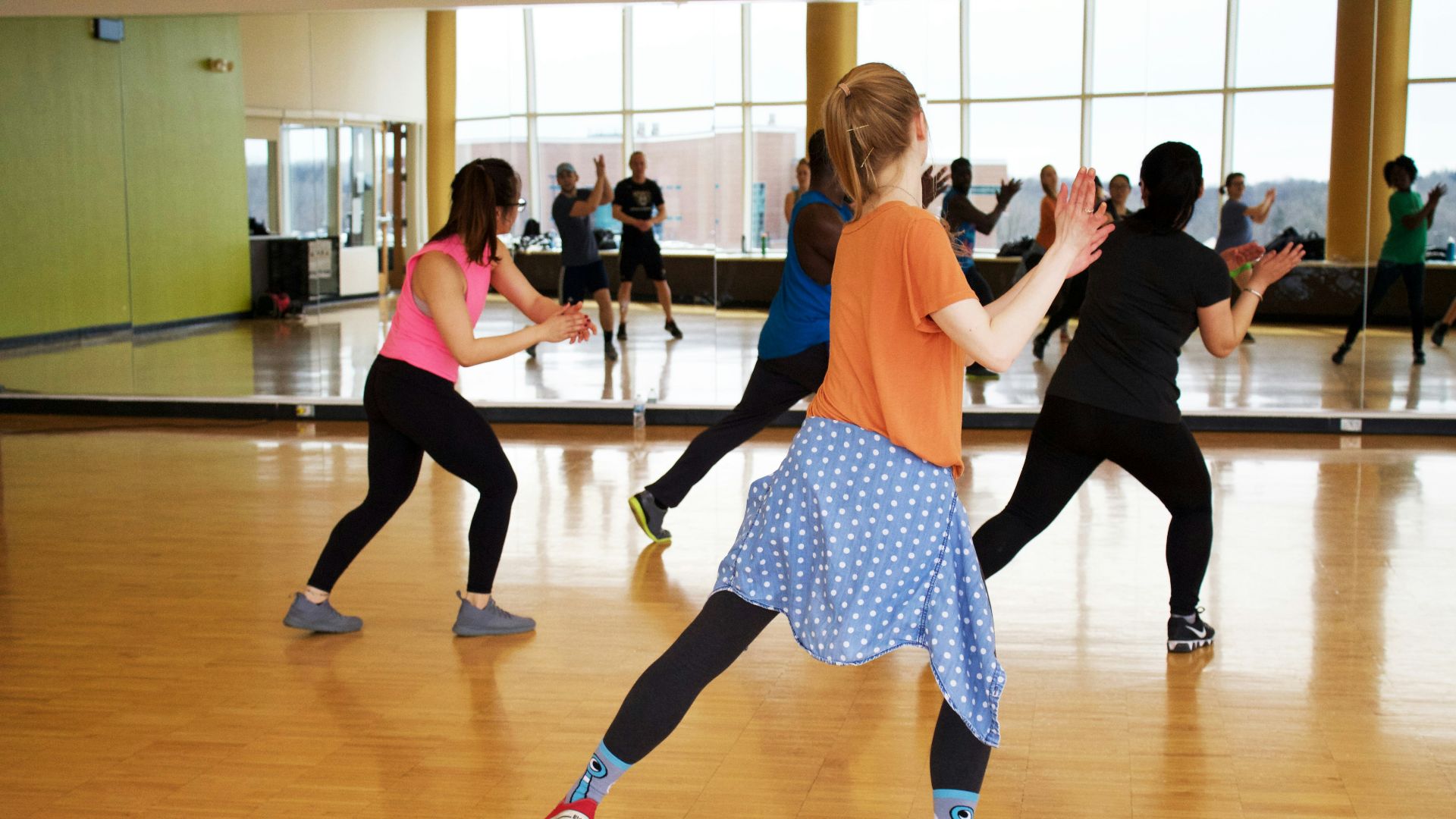
Dance classes combine physical movement with rhythm and coordination. Learning steps requires memory, timing, and body awareness. Practicing with partners or groups keeps you socially engaged. It’s an effective way to stay both mentally and physically active.
5. Cooking Clubs
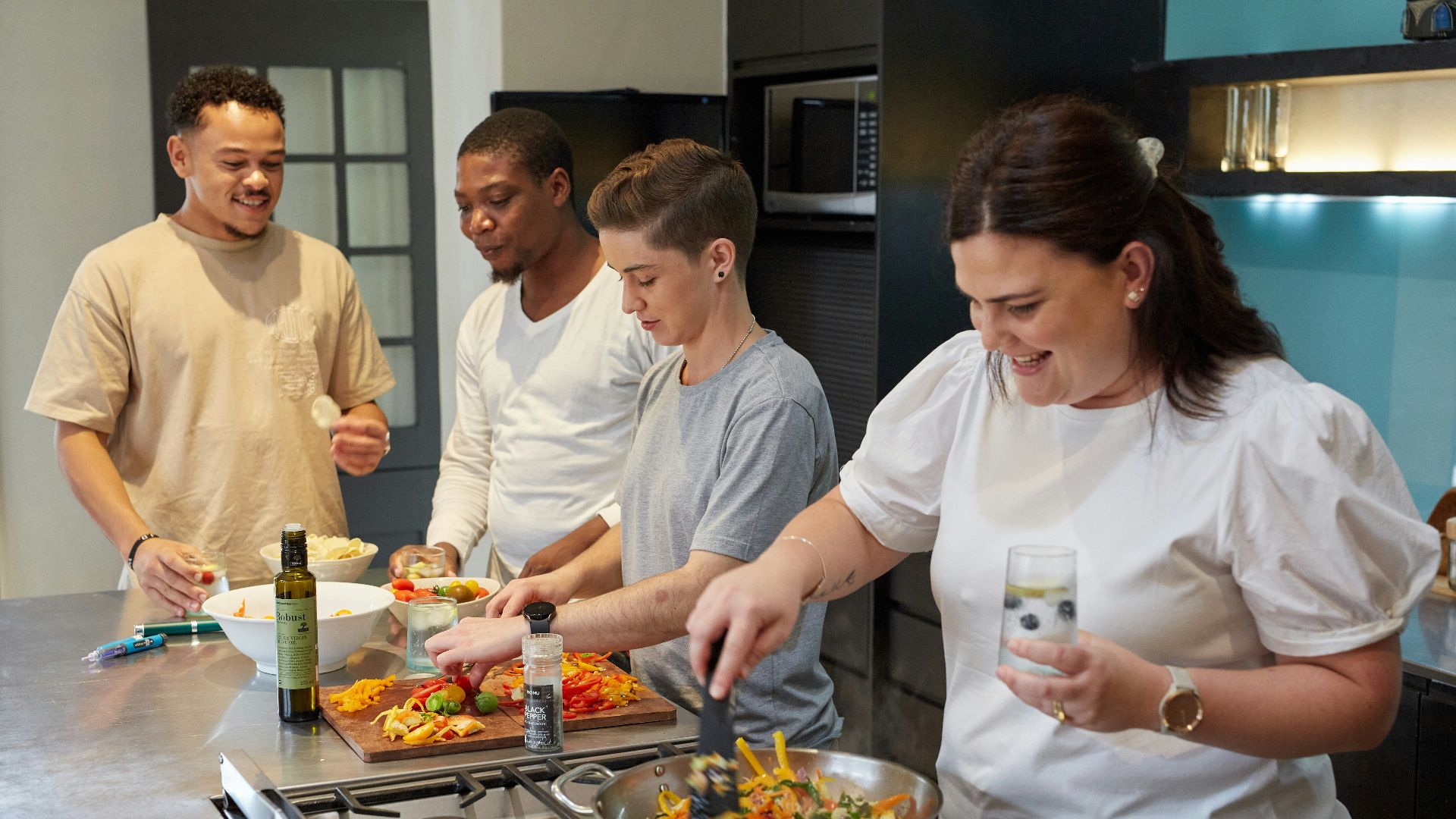
Cooking with others introduces new recipes while improving your kitchen skills. Measuring, chopping, and plating all require hand precision. Sharing meals afterward creates a rewarding social experience. You’ll also pick up useful techniques from fellow participants.
6. Knitting Circles
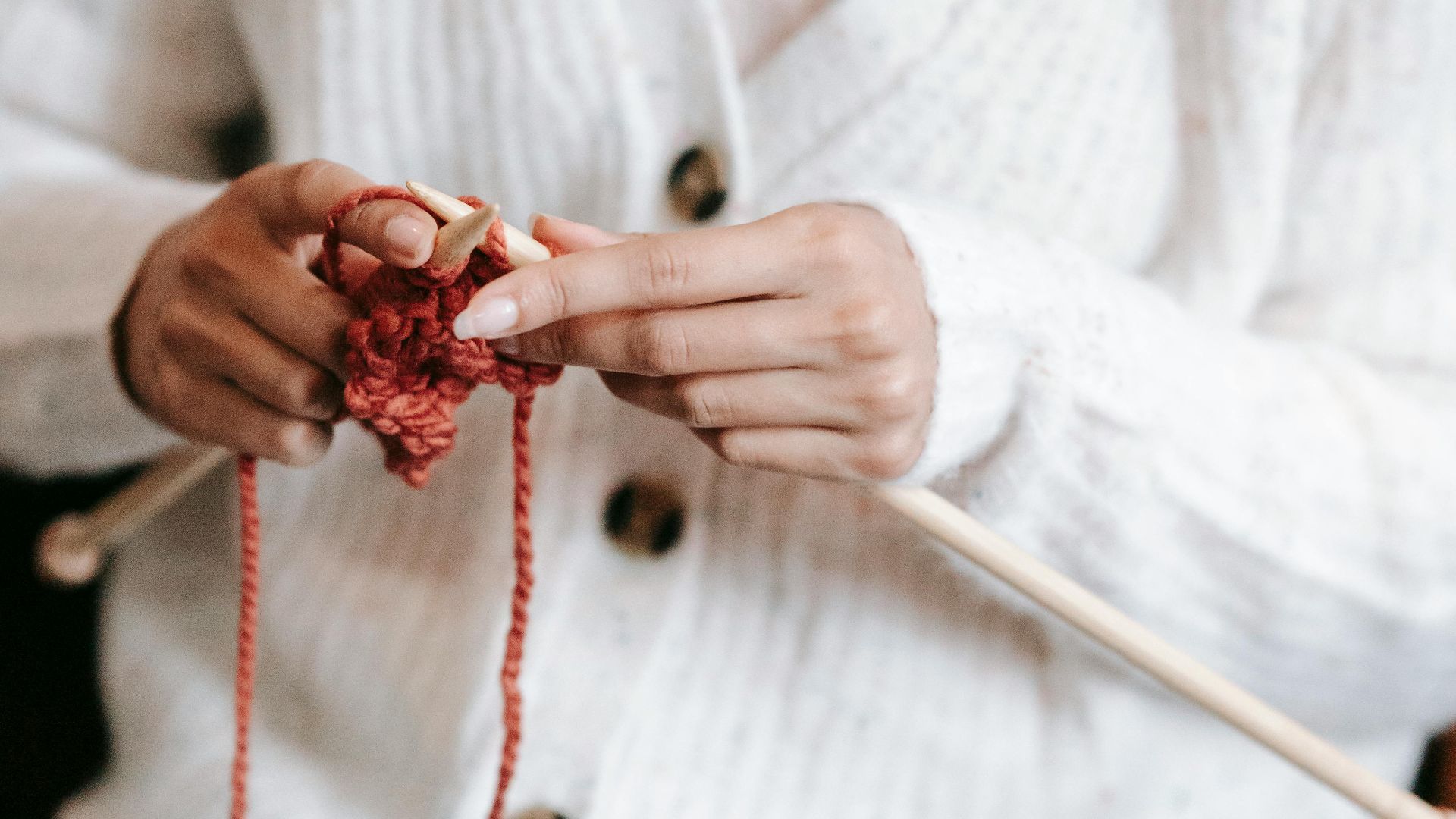
Knitting circles bring people together to work on projects while chatting. The repetitive motions improve hand dexterity and coordination. Following patterns keeps your mind engaged and focused. It’s a calm but productive way to spend time socially.
7. Board Game Nights
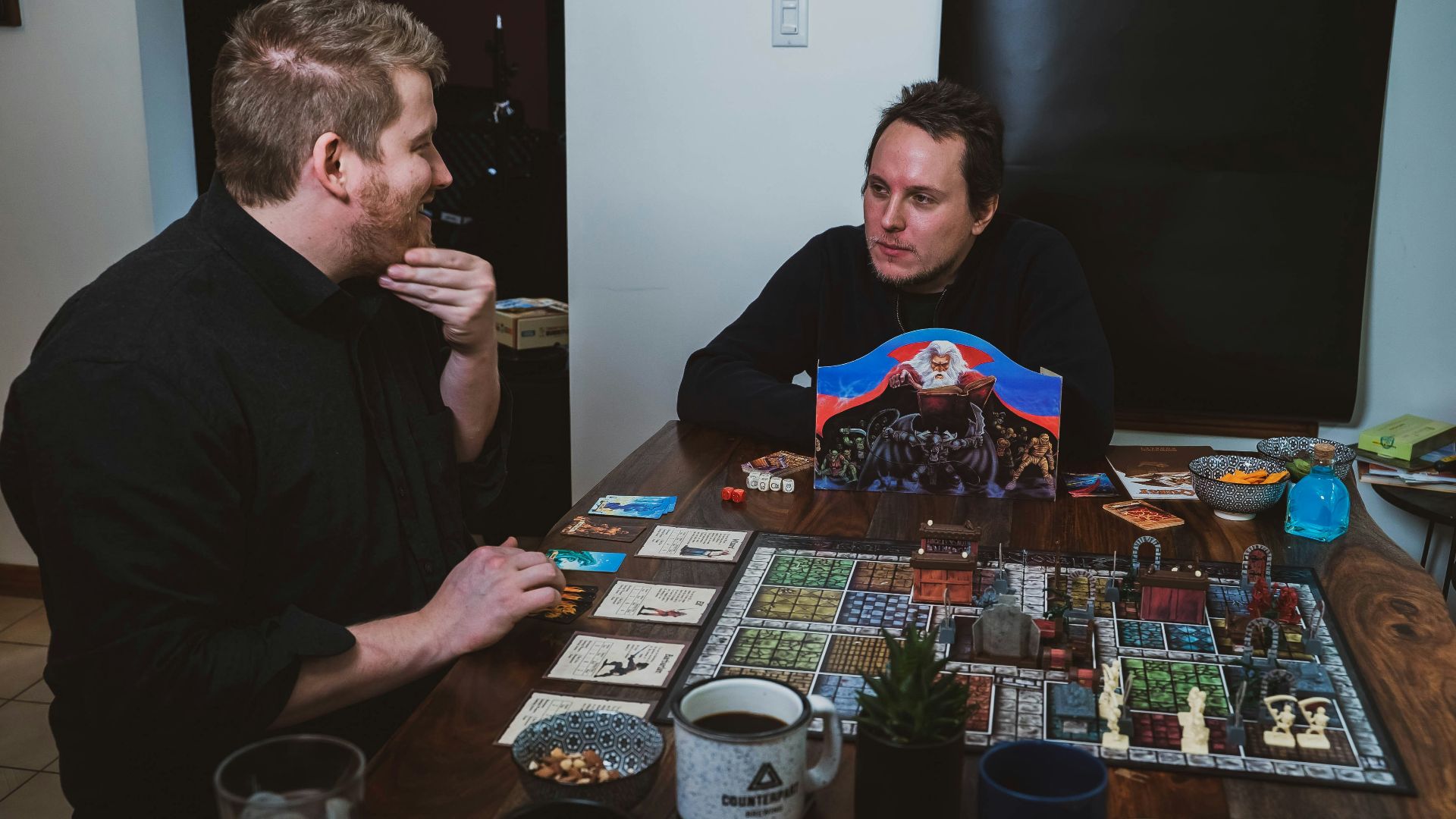
Board games encourage strategic thinking, problem-solving, and quick decision-making. Handling cards, tokens, or pieces keeps your hands involved. Playing with others adds competition and interaction. Each session offers a new challenge depending on the game.
8. Photography Walks
Photography groups often explore local areas while capturing images together. Adjusting camera settings and framing shots improves technical skills. Discussing techniques with others helps you learn faster. It’s both creative and socially engaging.

9. DIY Craft Workshops
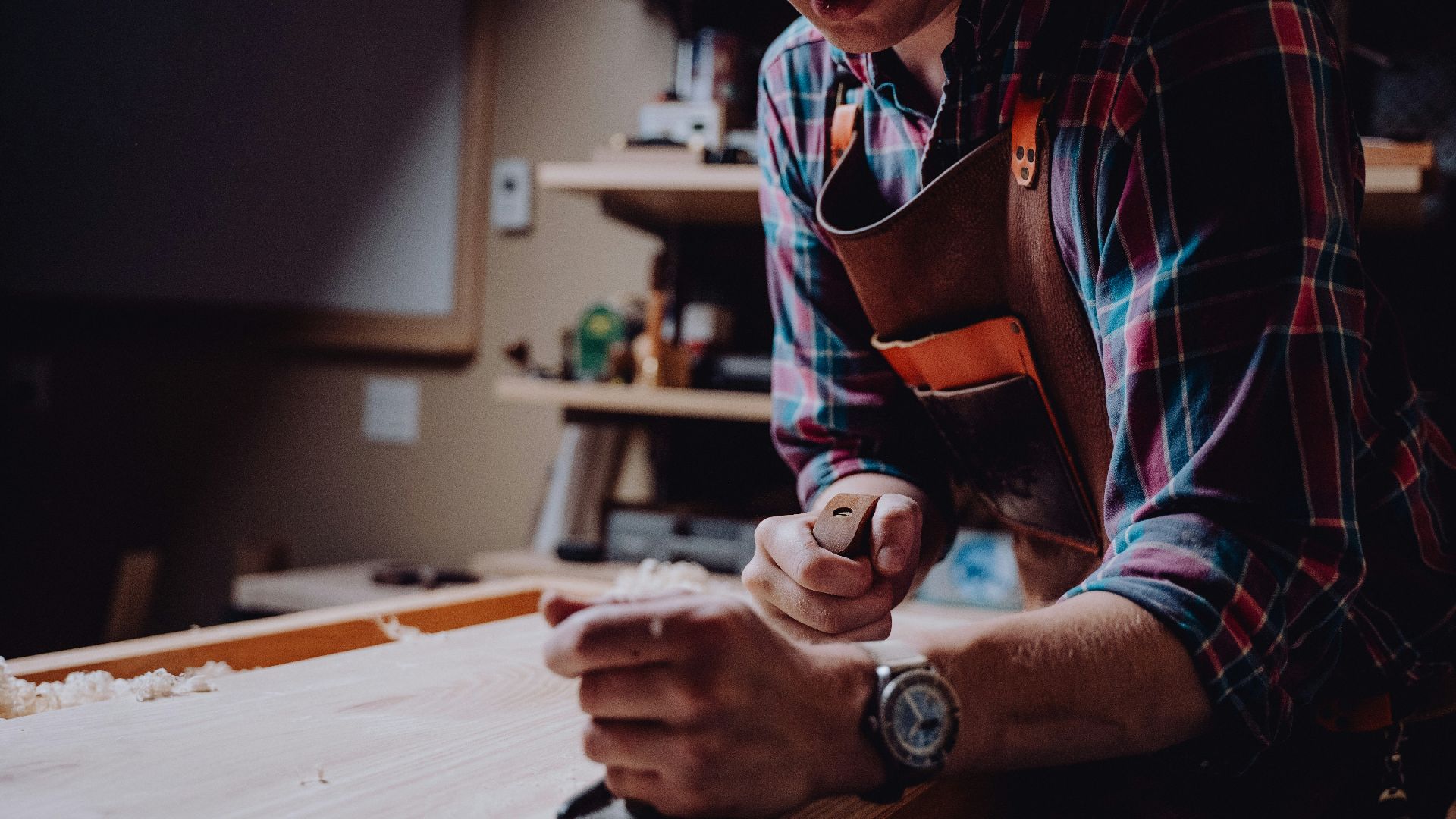
Craft workshops can include activities like woodworking, jewelry-making, or paper crafts. These hobbies require attention to detail and steady hand movements. Working in a group setting allows for shared ideas and support. You’ll leave with both new skills and finished projects.
10. Book Clubs with Journaling
Book clubs that include journaling encourage deeper reflection on what you read. Writing notes or responses strengthens fine motor control and memory. Group discussions challenge your interpretation and understanding. It’s a thoughtful way to stay mentally sharp.
 Centre for Ageing Better on Unsplash
11. Gardening Groups
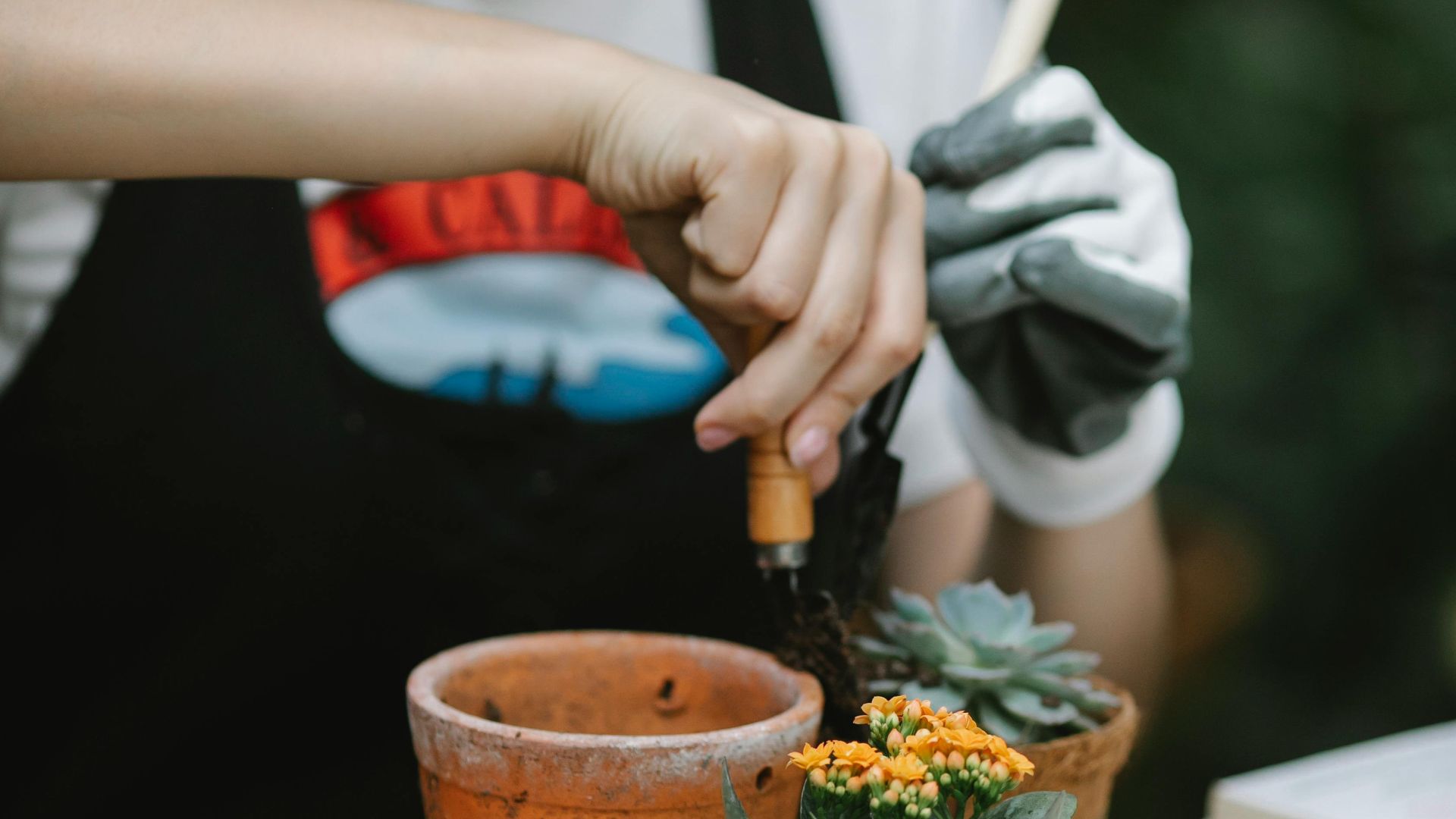
Community gardening involves planting, pruning, and maintaining shared spaces. These tasks require coordination and patience. Working with others boosts collaboration and shared purpose. It’s also a relaxing way to stay active.
12. Calligraphy Classes
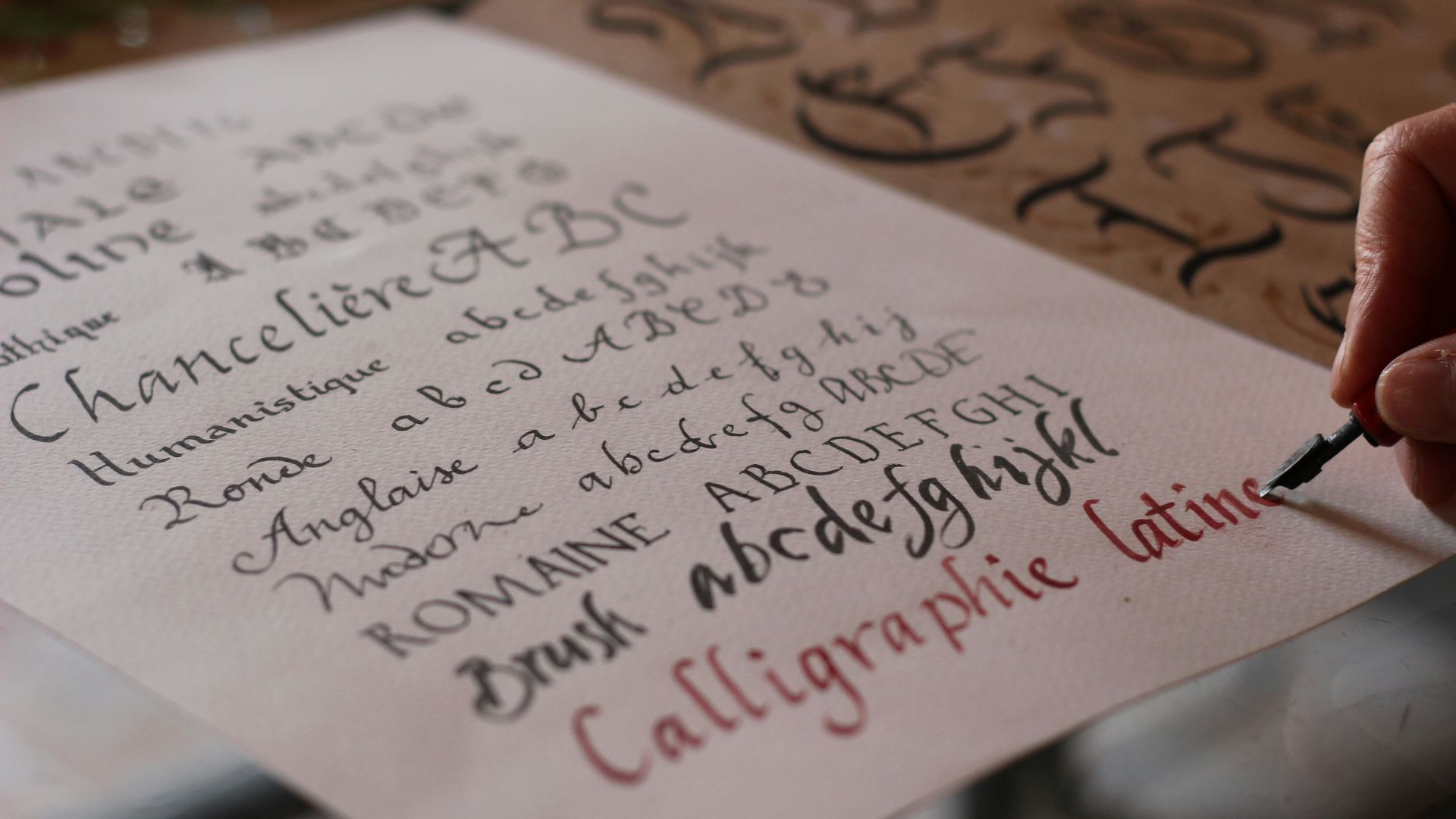
Calligraphy focuses on precise hand movements and attention to detail. Practicing different lettering styles improves control and consistency. Learning in a group allows for feedback and encouragement. Over time, your technique becomes more refined.
13. Music Jam Sessions
Playing music with others challenges timing, listening, and coordination. Whether you’re using a guitar, keyboard, or percussion, your hands stay actively engaged. Group sessions help improve adaptability and teamwork. It’s a dynamic and rewarding hobby.

14. Sewing Workshops
Sewing requires careful hand movements and attention to patterns. Workshops guide while allowing you to work at your own pace. Interacting with others helps you learn new techniques. It’s both practical and mentally stimulating.

15. Language Conversation Groups
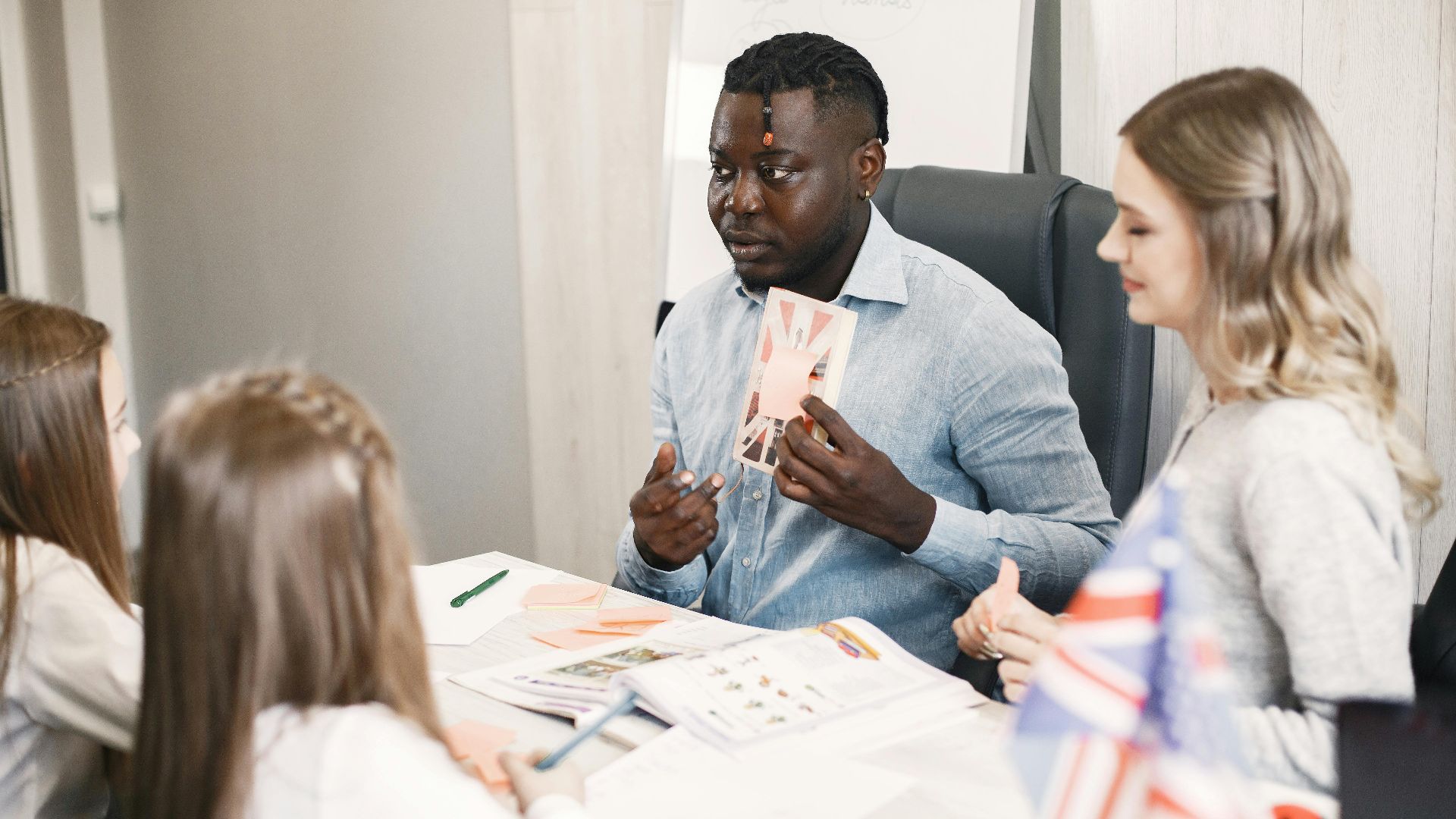
Language groups focus on speaking and listening skills in a social setting. Writing notes or practicing scripts also engages your hands. Conversations require quick thinking and recall. It’s a great way to stay mentally flexible.
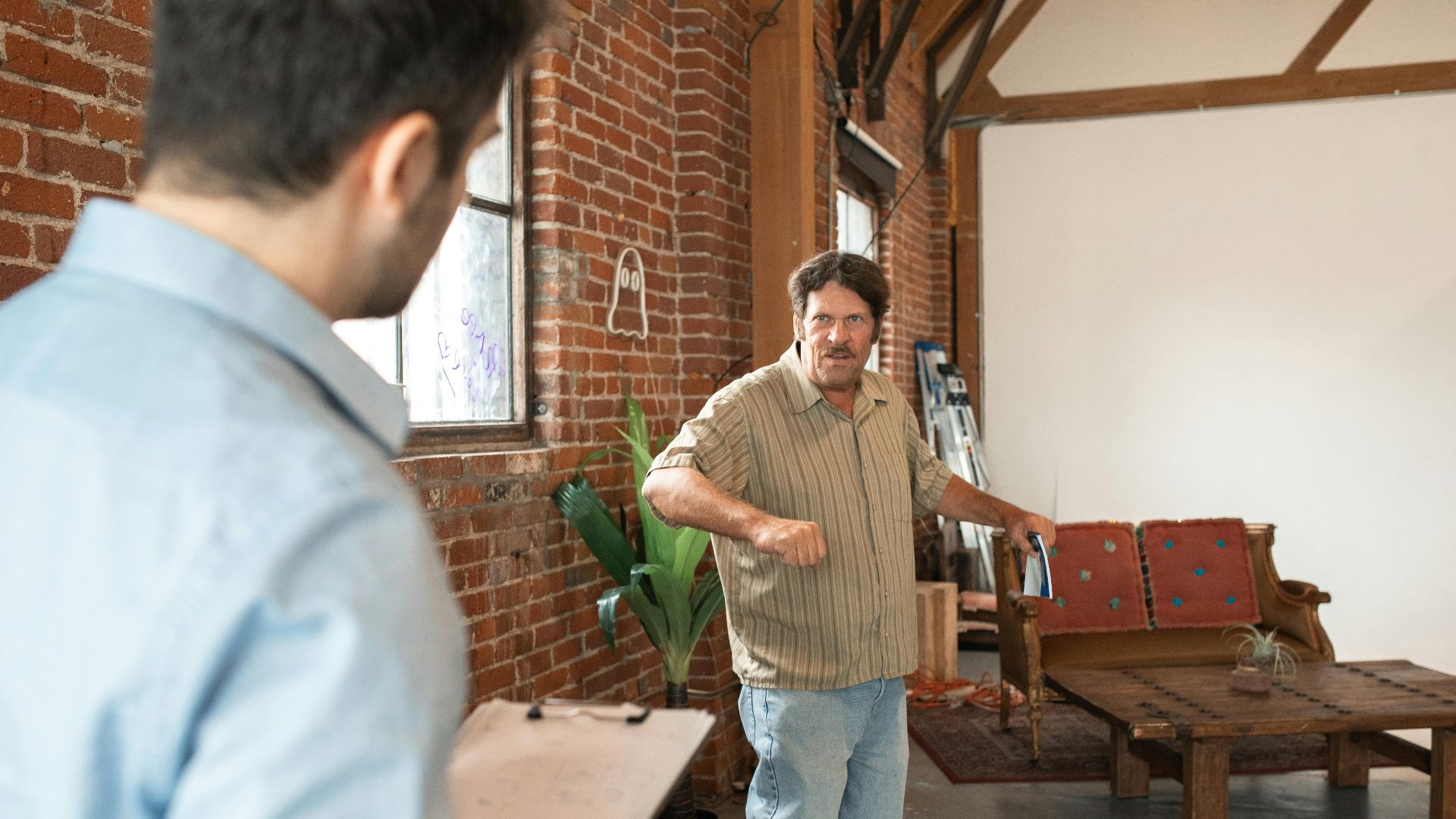
16. Improv Theater
Improv theater encourages quick thinking, creativity, and collaboration. While it’s more performance-based, it often includes physical gestures and movement. Working with others builds confidence and adaptability. Each session is different, which keeps it exciting.
17. Puzzle Meetups
Puzzle groups work together on jigsaw puzzles or logic challenges. Handling pieces improves fine motor skills and coordination. Solving puzzles strengthens problem-solving abilities. The shared effort makes it more enjoyable.

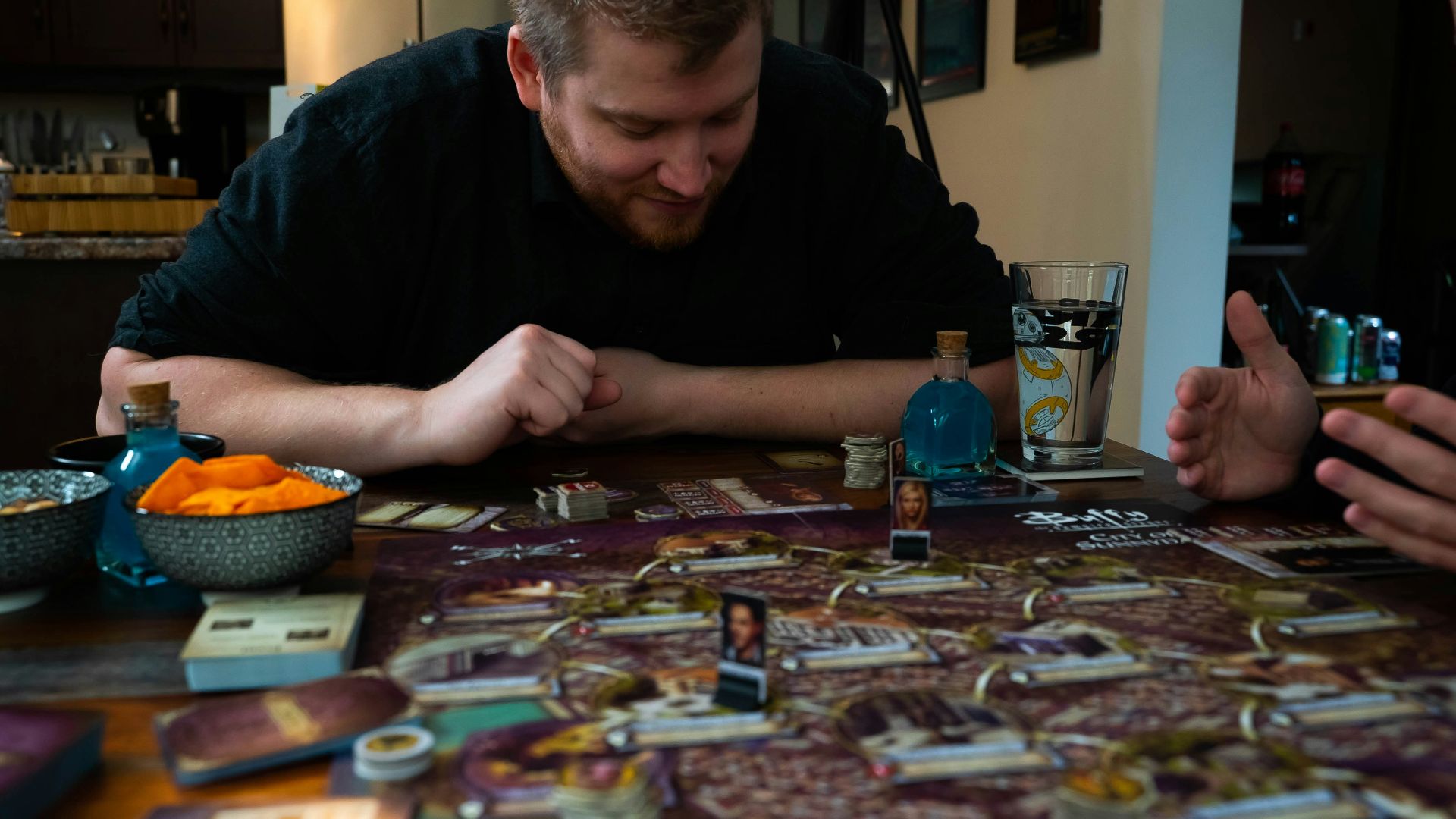
18. Tabletop Role-Playing Games
Games like Dungeons & Dragons involve storytelling, strategy, and collaboration. Players often handle dice, maps, and character sheets. The interactive nature keeps your mind engaged. It’s a social activity that encourages creativity.
19. Origami Clubs
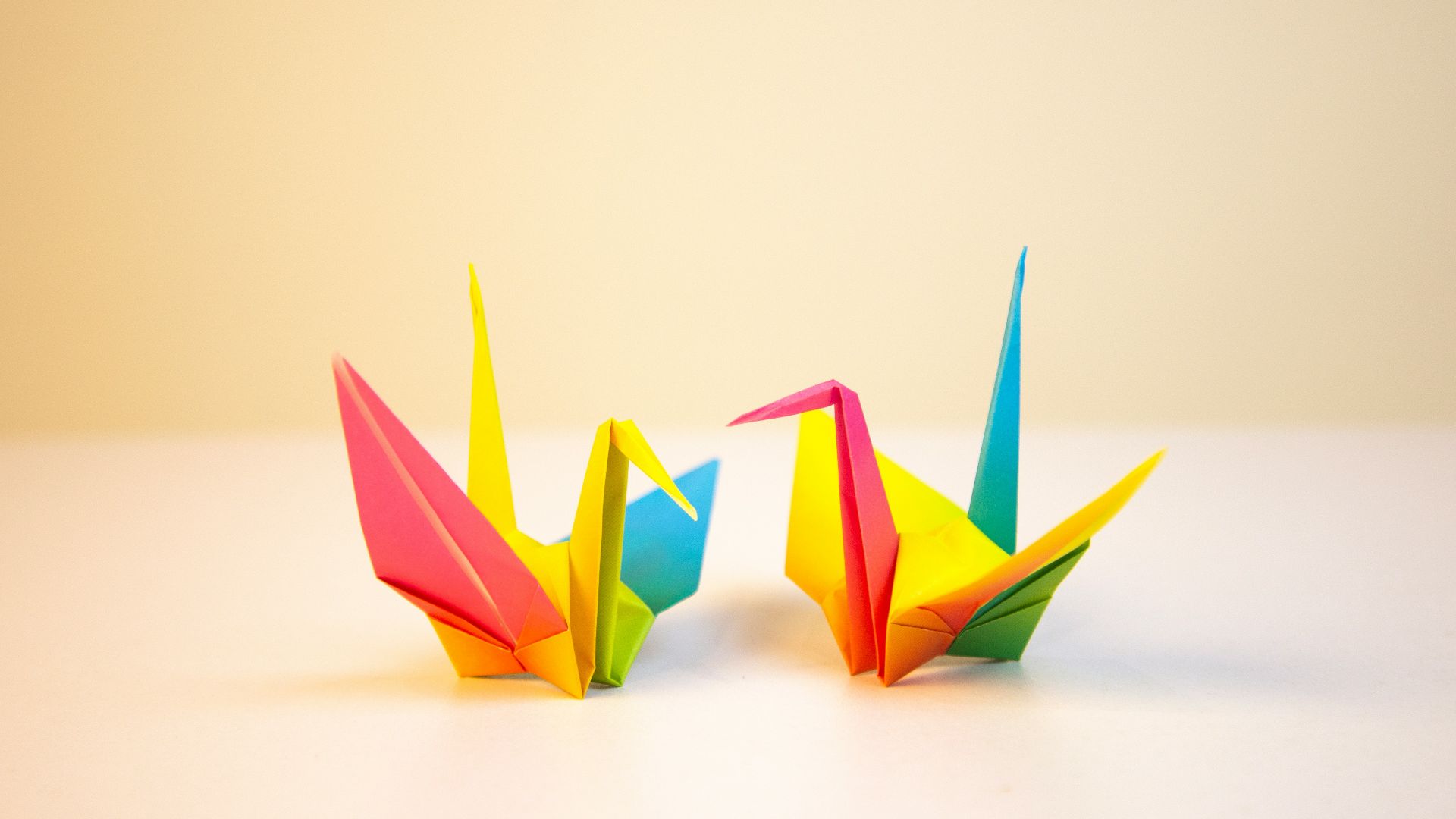
Origami involves folding paper into detailed shapes, which requires precision. Practicing in a group allows you to learn new designs and techniques. The process improves hand control and focus. It’s simple but highly engaging.
 Carolina Garcia Tavizon on Unsplash
20. Volunteer Repair Cafés
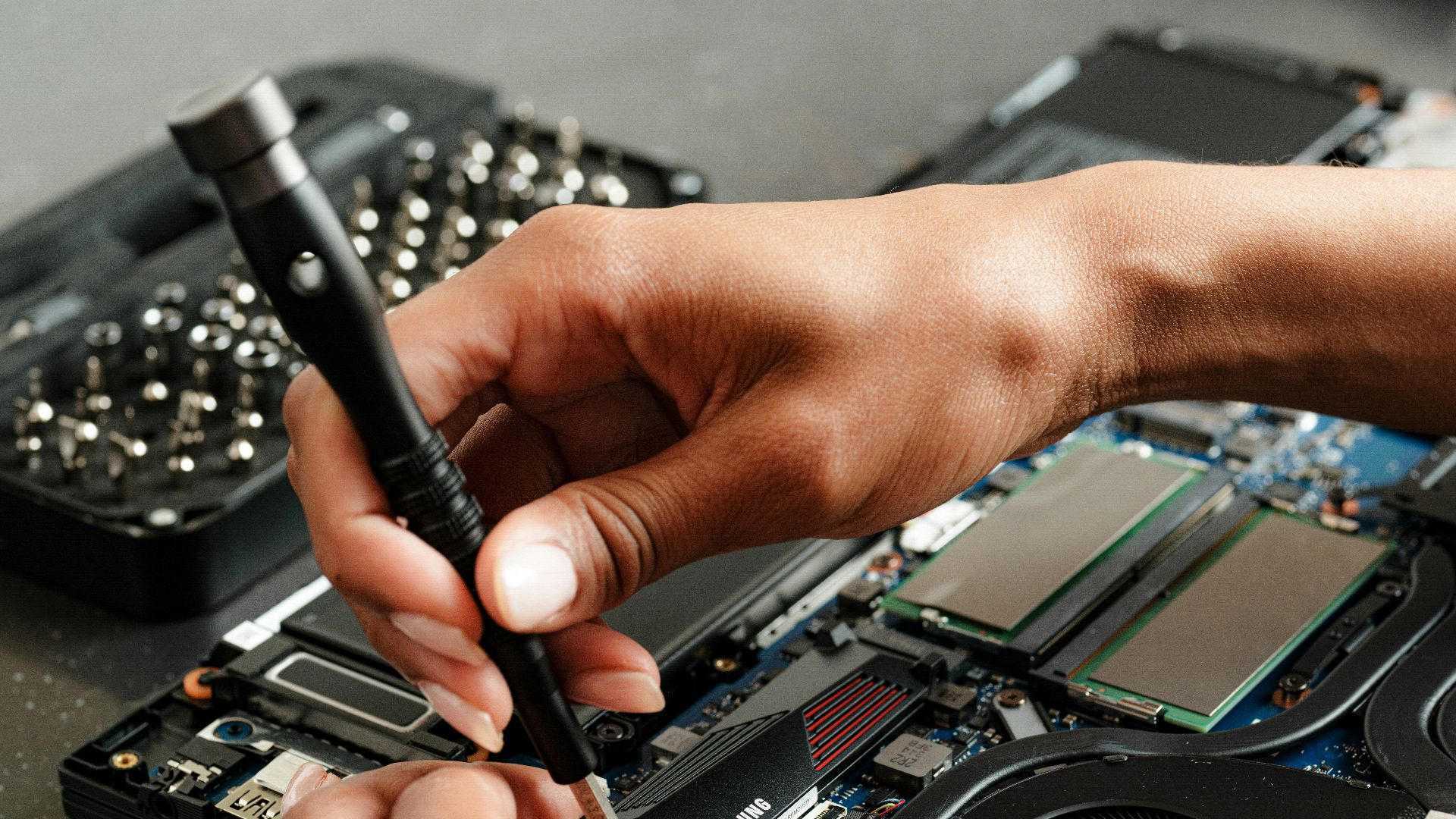
Repair cafés bring people together to fix broken household items. Tasks often involve tools and hands-on problem-solving. You’ll learn practical skills while helping others. The collaborative environment makes it both useful and social.
KEEP ON READING