Why You're Always Sweaty
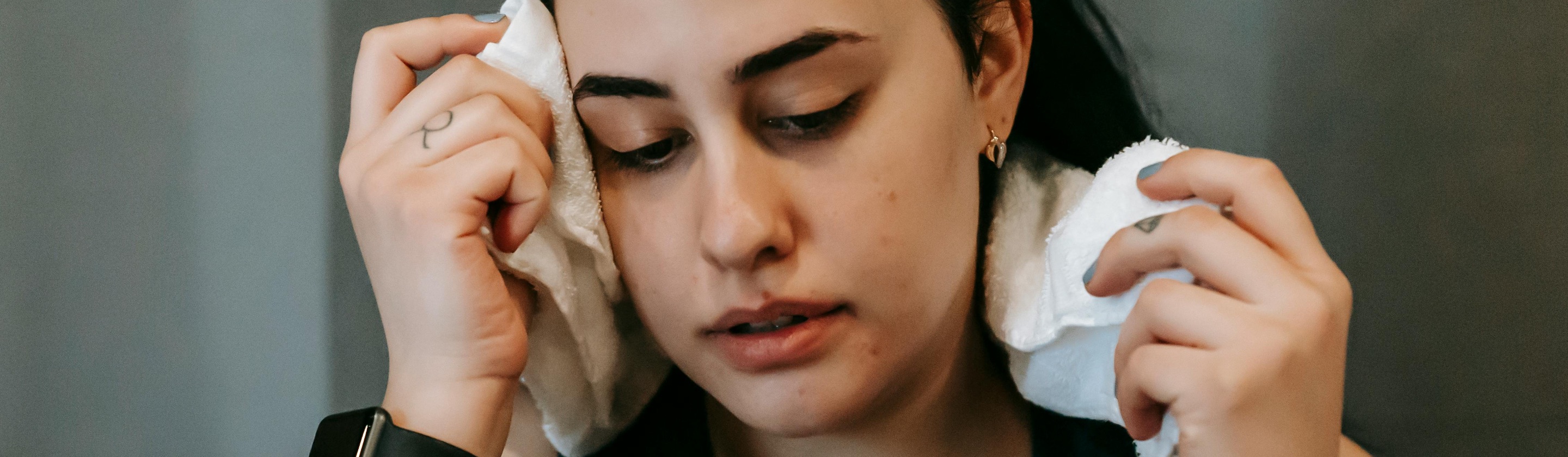
Sweating is one of the body's most essential functions, but when it seems to happen constantly or without much cause, it can quickly become frustrating and even embarrassing. More than just the weather, there are quite a few factors that can push your sweat glands into overdrive, ranging from what you eat and drink to underlying conditions you might not even be aware of. If you're dealing with excessive sweating, it may be due to one of the things on this list.
1. Your Clothing Isn't Breathable
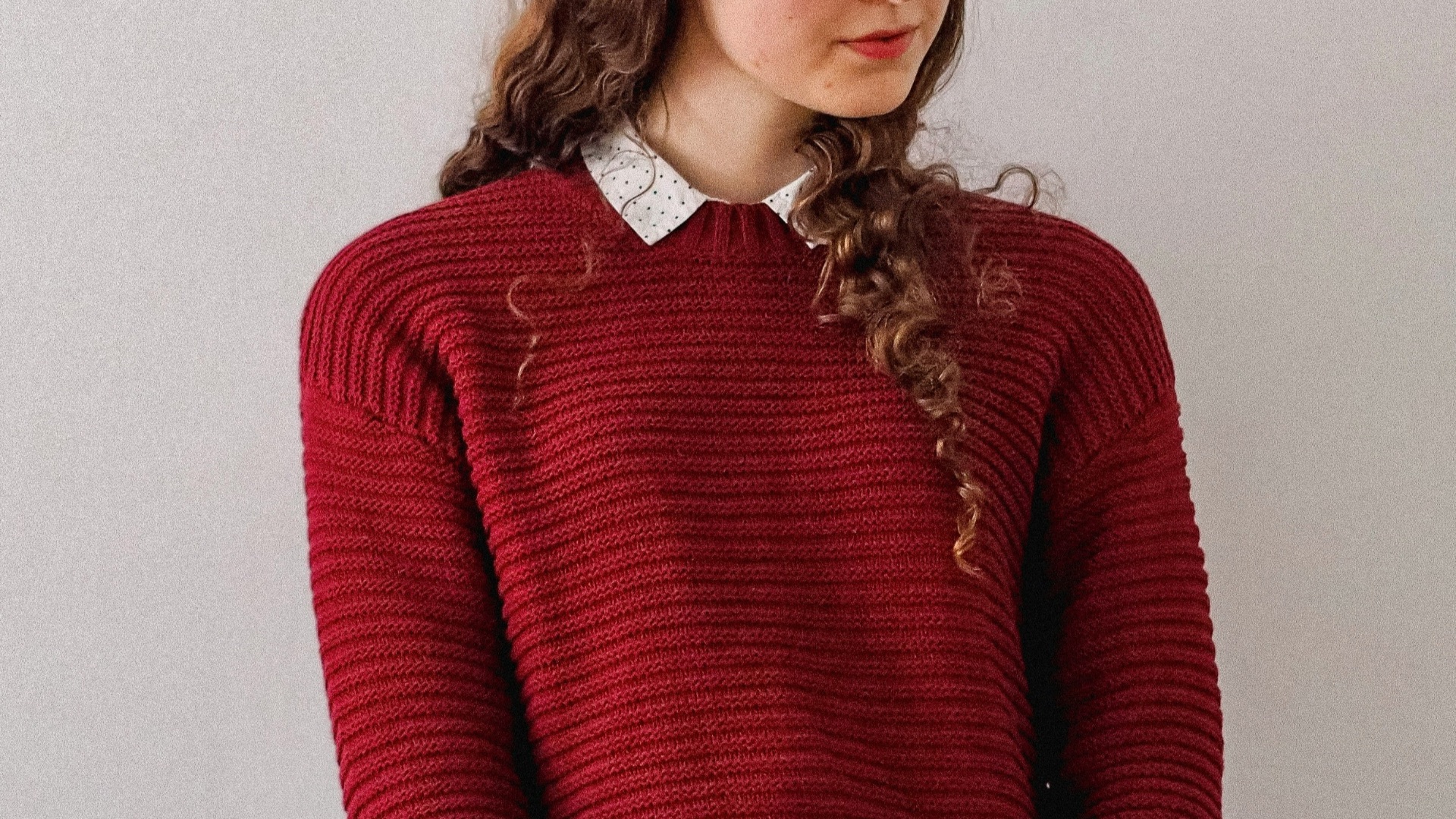
The fabric you wear plays a bigger role in how much you sweat than you might think. Materials like polyester and nylon trap heat close to the body, causing your temperature to rise and your sweat glands to kick into overdrive. If you've noticed you sweat more in certain outfits, the fabric is very likely the culprit.
2. You're Consuming Too Much Caffeine
That morning coffee might be doing more than just waking you up. Caffeine is a stimulant that activates your nervous system and raises your heart rate, both of which can trigger your sweat glands. Cutting back on coffee, energy drinks, and caffeinated teas could make a noticeable difference in how much you perspire throughout the day.
 Christopher Welsch Leveroni on Pexels
3. You're Under Chronic Stress
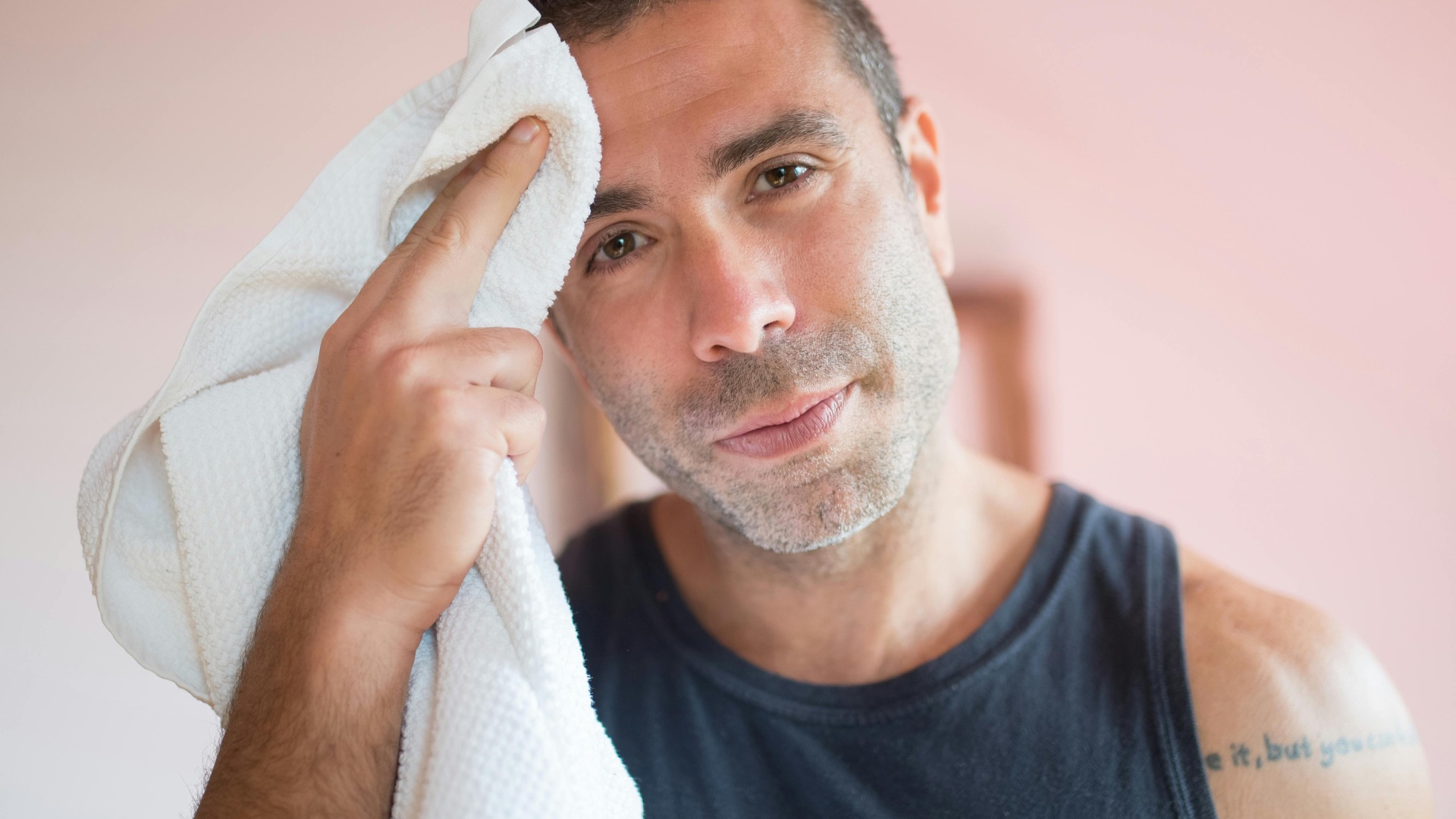
When you're stressed, your body releases adrenaline, and one of the side effects is increased sweating. This type of sweating tends to happen in areas like your palms, underarms, and forehead, even when you're not physically active. If stress is a constant in your daily life, it's worth addressing the root cause rather than just managing the symptoms.

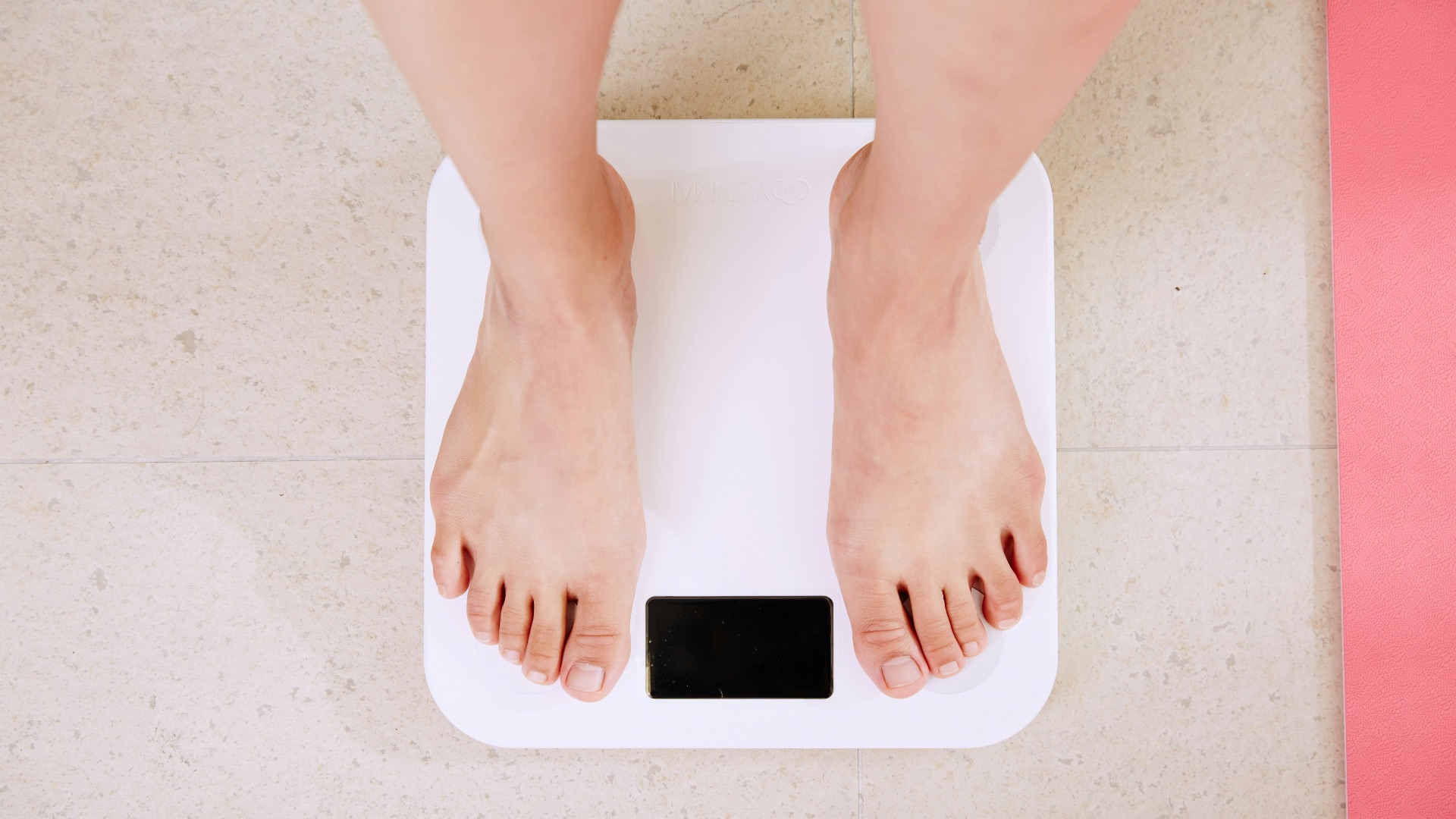
4. Your Weight May Be a Factor
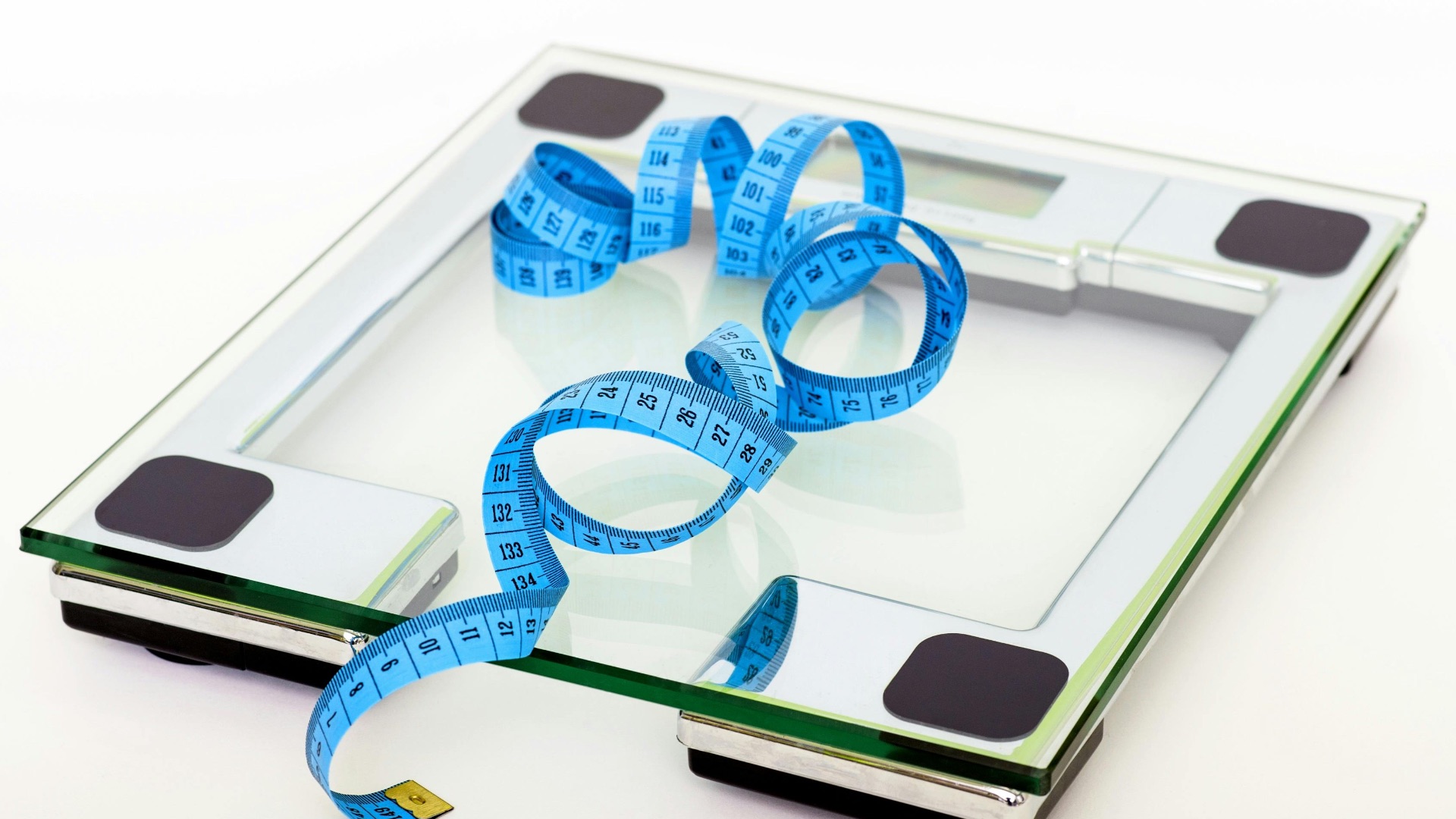
Carrying extra body weight means your body has to work harder to maintain a stable internal temperature. The additional insulation from body fat makes it more difficult for heat to escape, so your sweat glands compensate by producing more sweat. Losing even a moderate amount of weight can noticeably reduce how much you sweat during everyday activities.
5. You're Going Through Hormonal Changes
Hormonal fluctuations are one of the most common reasons people find themselves sweating more than usual. During puberty, pregnancy, or menopause, the body's temperature regulation system can become less predictable, leading to hot flashes and excessive sweating. These episodes are a normal part of hormonal shifts, though they can certainly be uncomfortable to deal with.

6. You Have Hyperhidrosis
Hyperhidrosis is a medical condition characterized by excessive sweating that goes well beyond what the body needs for temperature regulation. It can affect specific areas like the hands, feet, and underarms, or it can be more widespread across the body. If you sweat heavily even when you're at rest and in a cool environment, it's a good idea to speak with a doctor about a potential diagnosis.
7. Your Medications Are to Blame
Certain prescription and over-the-counter medications list excessive sweating as a side effect, and many people don't connect the two. Antidepressants, blood pressure medications, and some pain relievers are among the most common offenders. If you started sweating more around the time you began a new medication, that's definitely worth bringing up with your healthcare provider.

8. You're Eating Spicy Foods
Spicy foods contain a compound called capsaicin, which tricks your nervous system into thinking your body temperature has risen. In response, your body triggers sweating to cool you down, even though your actual temperature hasn't changed. This is why you might notice sweating on your face and scalp shortly after eating anything with a kick of heat.

9. You're Drinking Alcohol
Alcohol causes your blood vessels to dilate and your skin temperature to rise, which signals your sweat glands to get to work. This can happen while you're drinking or even hours afterward as your body continues to process the alcohol out of your system. If you tend to wake up sweaty after a night of drinking, that's your body still working through the after-effects.

10. Your Fitness Level Is Low
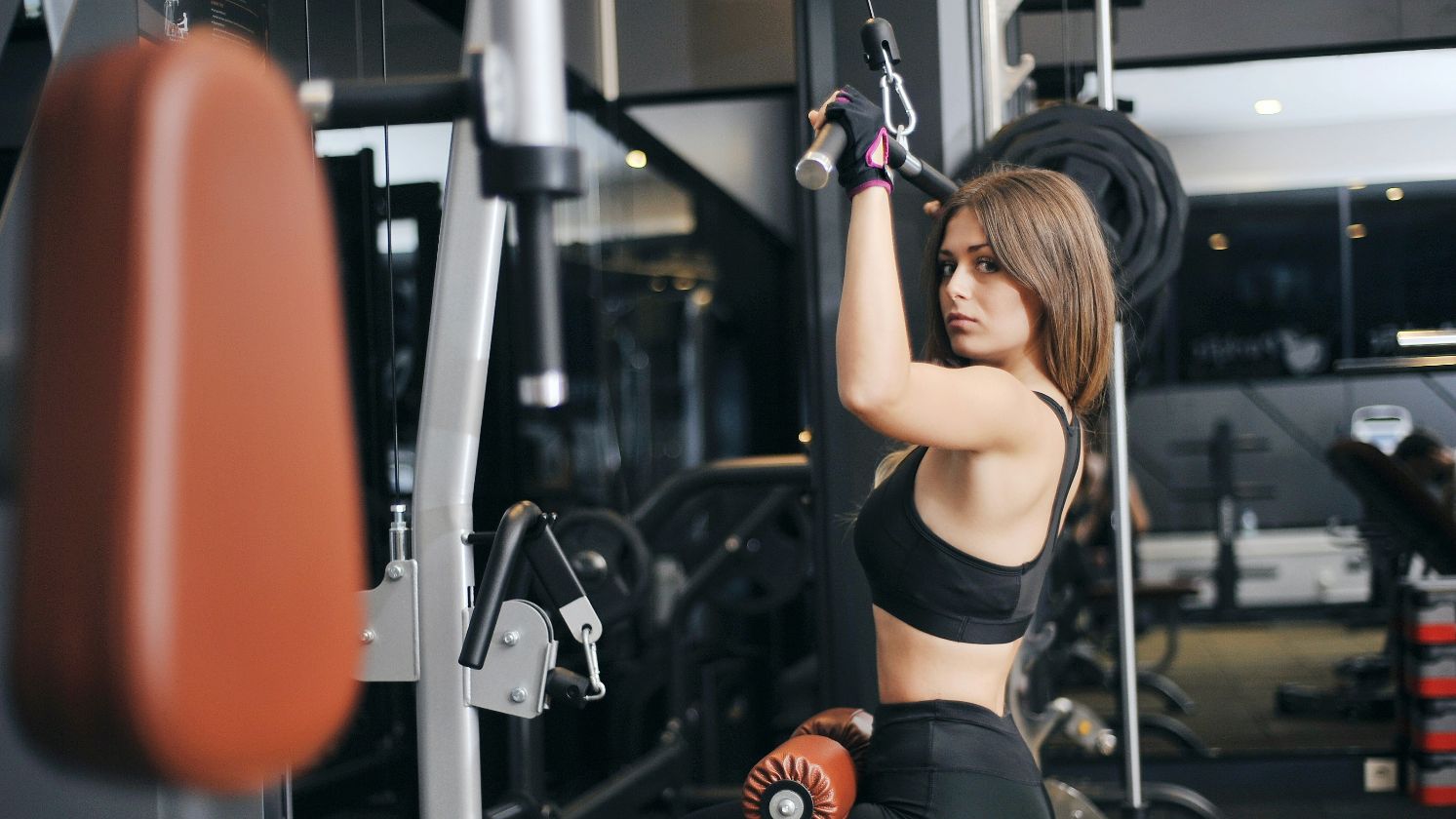
People who are less physically fit tend to sweat sooner and more heavily during exercise because their cardiovascular system has to work harder to keep up. As your fitness improves over time, your body becomes more efficient at cooling itself, which can mean sweating at a more appropriate level relative to the effort you're putting in. In the short term, though, a lower fitness baseline can make even light activity feel like a serious workout.
Now that you know what's behind all that sweating, let's jump into how you can manage it. Whether your sweating is tied to lifestyle habits or something more physiological, the following strategies can help you feel a lot more comfortable in your own skin.

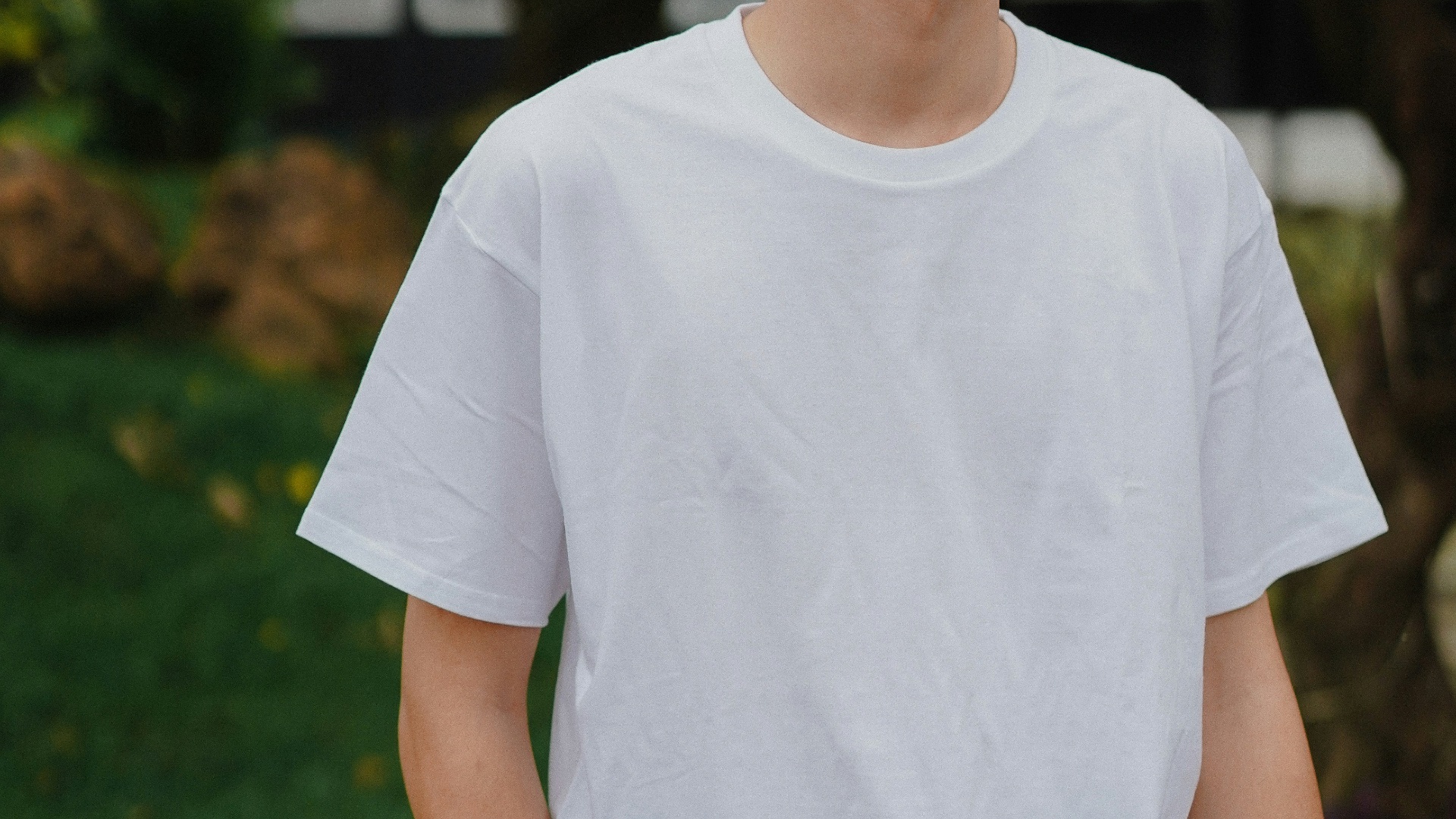
1. Switch to Breathable Fabrics
Opting for natural, breathable materials like cotton, linen, or moisture-wicking athletic fabrics can significantly reduce how much you sweat during the day. These fabrics allow air to circulate around your body and help dissipate heat before it builds up. Making this simple swap in your wardrobe is one of the easiest ways to stay cooler, especially during the warmer months.
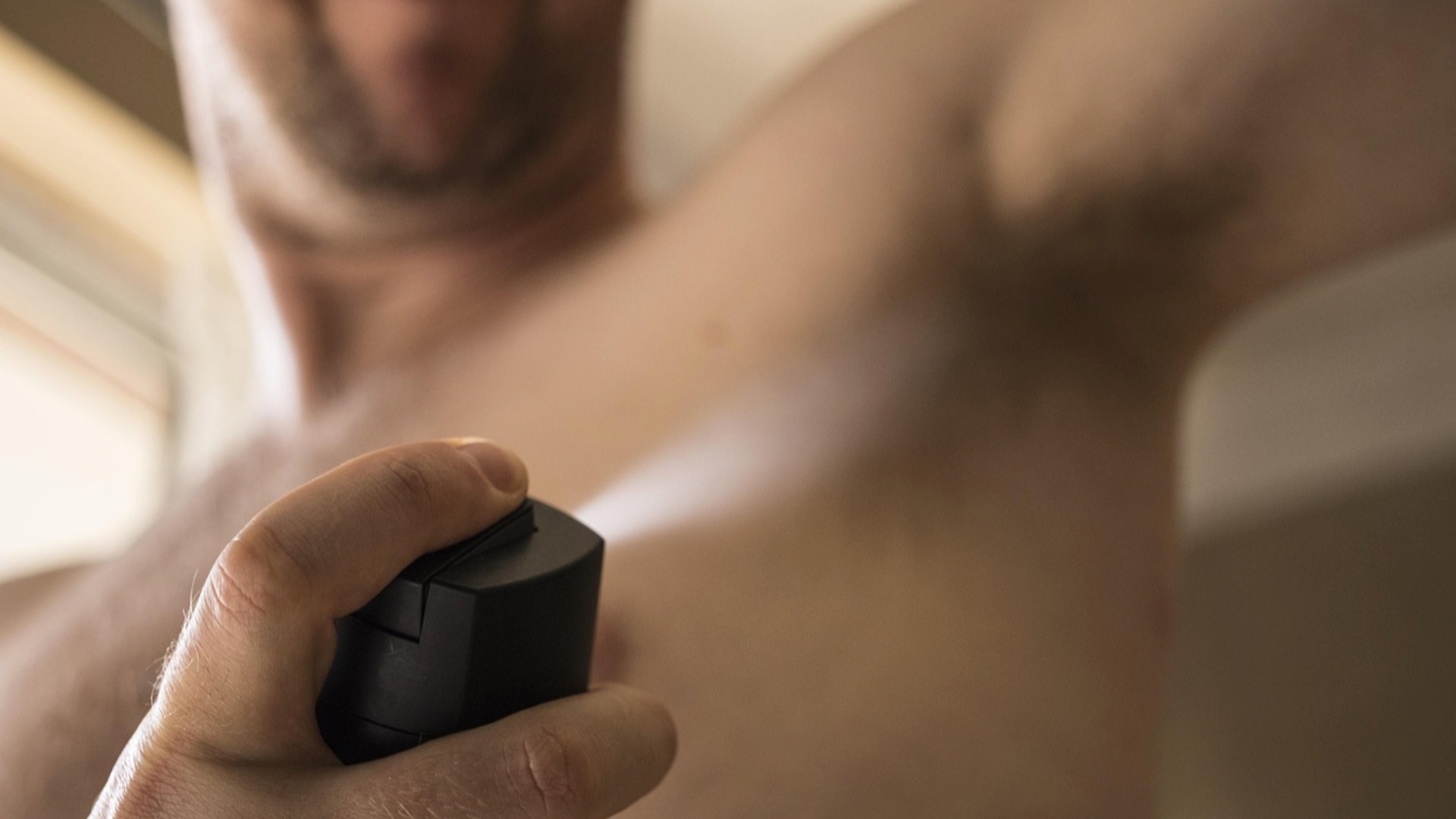
2. Use a Clinical-Strength Antiperspirant
Regular deodorant keeps you smelling fresh, but it doesn't actually stop you from sweating; that's the job of an antiperspirant. Clinical-strength formulas contain higher concentrations of aluminum compounds, which temporarily block sweat ducts and reduce perspiration. For best results, apply it at night to clean, dry skin so it has time to work while your sweat glands are less active.
 Curious_Collectibles on Pixabay
3. Stay Hydrated Throughout the Day
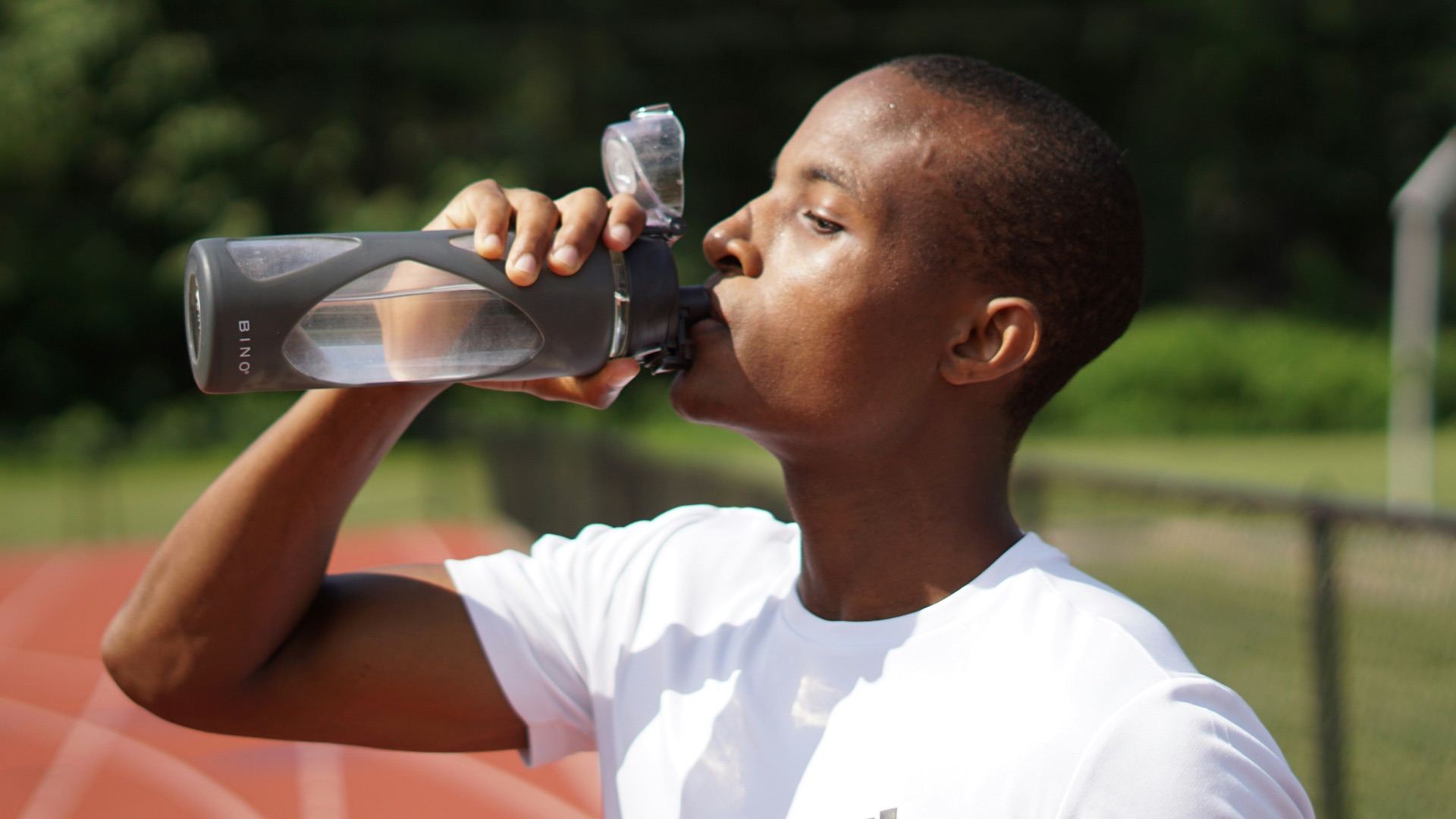
Drinking enough water helps your body regulate its temperature more efficiently, which can reduce the amount of sweating needed to keep you cool. When you're dehydrated, your body has to work harder to maintain a stable internal temperature, often resulting in more sweat overall. Aim to drink water consistently throughout the day rather than in large amounts all at once.
4. Cut Back on Caffeine and Alcohol
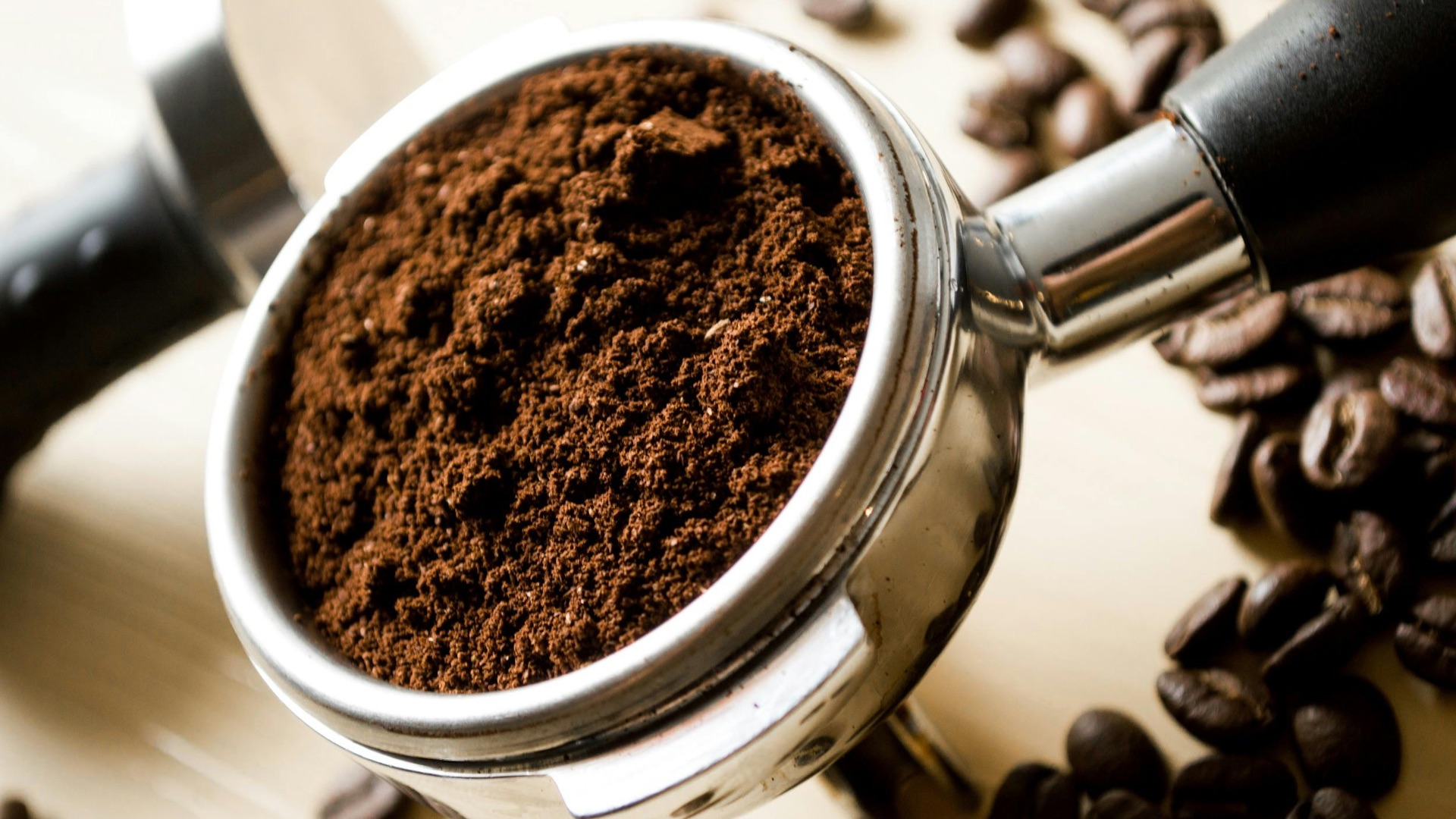
Both caffeine and alcohol are known to stimulate sweat gland activity, so reducing your intake of either one (or both, if possible) can have a meaningful impact. You don't necessarily have to eliminate them from your diet entirely, but being more mindful about how much you consume, and when, may help reduce excess perspiration.
5. Find Ways to Manage Your Stress
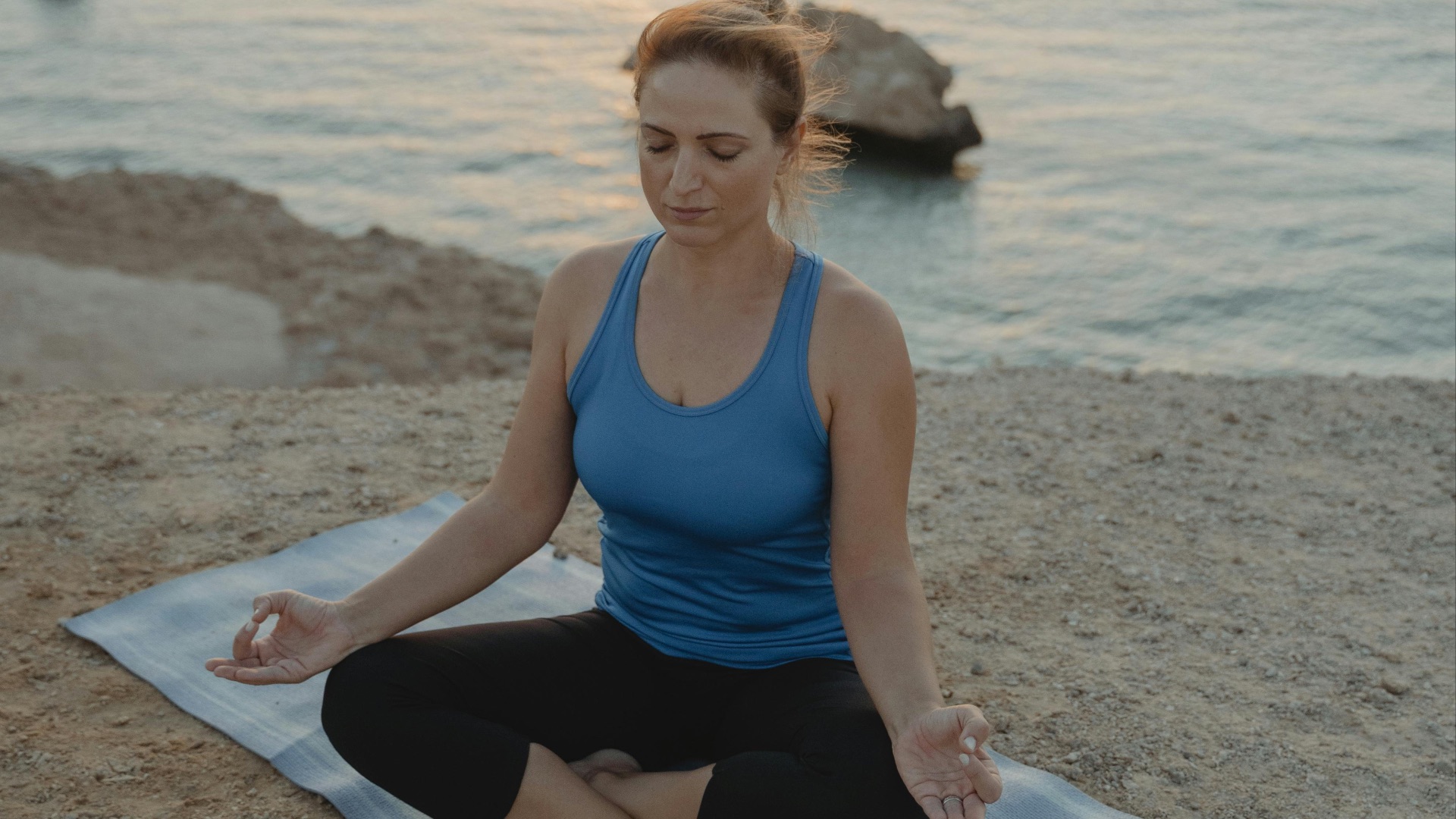
Since stress is a direct trigger for sweating, finding effective ways to manage it can bring real physical relief. Regular exercise, meditation, deep breathing, and adequate sleep are all proven methods for lowering overall stress and anxiety. Even small, consistent efforts to keep stress in check can reduce the frequency and intensity of stress-induced sweating.
6. Wear Loose-Fitting Clothing
Tight clothing restricts airflow and holds heat close to the body, which encourages more sweating than necessary. Loose-fitting styles, on the other hand, give your skin more room to breathe and allow excess body heat to escape more easily throughout the day. This is especially helpful during warmer months or any time you know you'll be in a situation where sweating is likely.

7. Consider Iontophoresis for Persistent Sweating
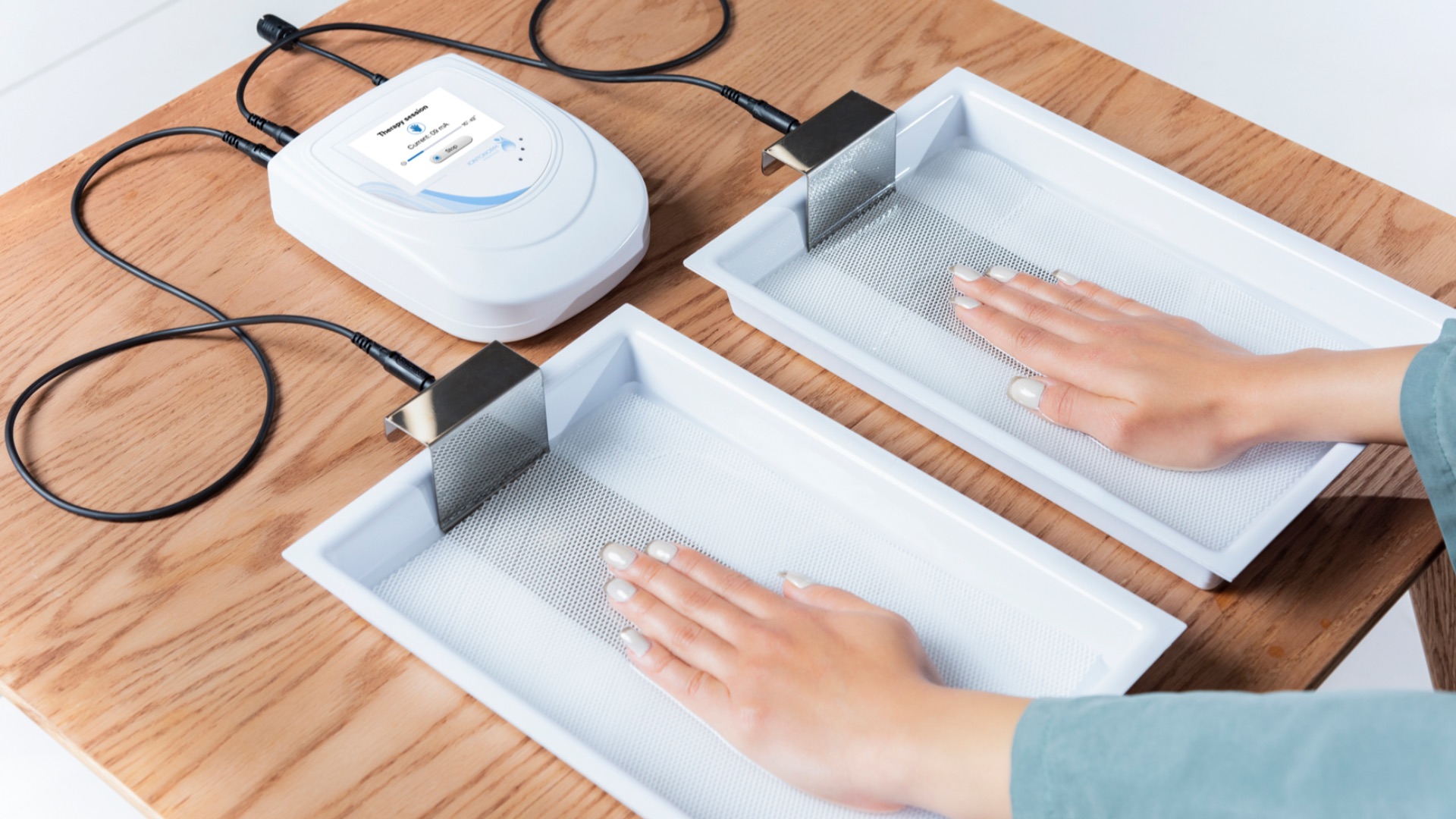
Iontophoresis is a non-invasive treatment that uses a mild electrical current passed through water to temporarily reduce sweat gland activity. It's most commonly used for sweaty hands and feet, and many people see significant improvement after a series of sessions. At-home devices are available, but it's key to consult a dermatologist first to confirm it's the right option for your situation.
8. Be More Mindful of What You Eat
Beyond spicy foods, a diet high in processed ingredients, sodium, and sugar can contribute to increased sweating because your body has to work harder to process and eliminate these substances. Focusing on a balanced diet with plenty of vegetables, lean proteins, and whole grains gives your body fewer reasons to go into overdrive. Even modest dietary adjustments can make a noticeable difference in your overall comfort level throughout the day.

9. Talk to a Doctor About Medical Treatments
If lifestyle changes aren't cutting it, there are medical treatments available that can significantly reduce excessive sweating. A dermatologist or primary care physician can help you determine which approach makes the most sense based on how severe your sweating is and where it tends to occur, so never try to self-diagnose at home.

10. Work Toward a Healthy Weight
Maintaining a healthy weight is one of the most effective long-term strategies for reducing excessive sweating, since less body mass means less heat for your body to manage. Even modest weight loss can lead to a noticeable reduction in how much you sweat during daily activities and exercise. Pairing regular physical activity with a nutritious diet is the most sustainable way to achieve results that go well beyond just sweating less.
KEEP ON READING



20 Ways to Deal With Your Sweet Tooth
20 Low-Impact Exercise Ideas For People Over 50