They See More Than You Think
The funny thing about trainers is that they can size up a whole gym situation in about five seconds. Not in a harsh way, usually. More in the way a bartender can tell who is on a first date, who is about to cry in the bathroom, and who absolutely should not order another espresso martini. Trainers spend so much time watching people move, hesitate, overdo things, and quietly improvise that they get very good at spotting patterns fast. Here are 20 things gym trainers notice immediately.

1. Your Form
This is the first thing, always. A trainer can spot bad squat depth, a shaky hinge, or shoulders doing something strange from halfway across the room. Even when you think you are blending in, your movement is usually telling on you.

2. Whether You Are New
It is not always about looking nervous. Sometimes it is the long pause at the cable machine, the slow walk around the dumbbell rack, or the way you read every label like the gym might turn into a written exam. Trainers know the difference between confidence and someone trying very hard to look like they belong.

3. The Weight You Should Actually Be Using
This one lands fast. Trainers can tell when the dumbbells are way too light and you are cruising, but they can also tell when you grabbed something heavy mostly because other people were nearby. The rep speed gives it away, and so does the face you make on rep three.

4. Whether You Warmed Up
People think a few arm circles erase a full day of sitting. Trainers do not. They can usually tell right away who eased into the workout and who walked in cold, touched their toes once, and decided that counted.
5. Your Energy Level
A trainer notices when somebody is locked in and when somebody is just physically present. It shows up in how you set up, how long you stall between sets, and whether you move with purpose or drift around like you are waiting for the gym to reveal its meaning.

6. If You Are Copying Someone Nearby
This happens all the time, and it is usually pretty subtle. Someone sees a person doing Bulgarian split squats, rope crunches, or a very specific shoulder move, then suddenly decides that was the plan all along. Trainers catch that little pivot immediately.
7. Whether You Are Avoiding Something
Everybody has one. Maybe it is lunges, maybe it is cardio, maybe it is any movement that requires core control and honesty. Trainers notice the detours people take around the exercises they do not want a real relationship with.

8. How Serious You Actually Are
You can tell a trainer you are locked in, but your habits usually answer first. Trainers notice whether you track your sets, reset the bench, stay focused, and finish what you started, or whether half the workout disappears into texting, wandering, and long water breaks with no real thirst behind them.

9. Your Posture
This starts before the first rep. Trainers notice how you stand, how you walk, where your shoulders sit, and whether your neck and lower back look like they have been losing a quiet war all week. A lot shows up before anybody touches a barbell.
10. Whether You Only Train What You Can See
Some people come in like the human body is just chest, arms, abs, and maybe shoulders if there is time. Trainers notice that immediately. The skipped leg work, the neglected back, and the complete lack of posterior chain do not exactly hide themselves.
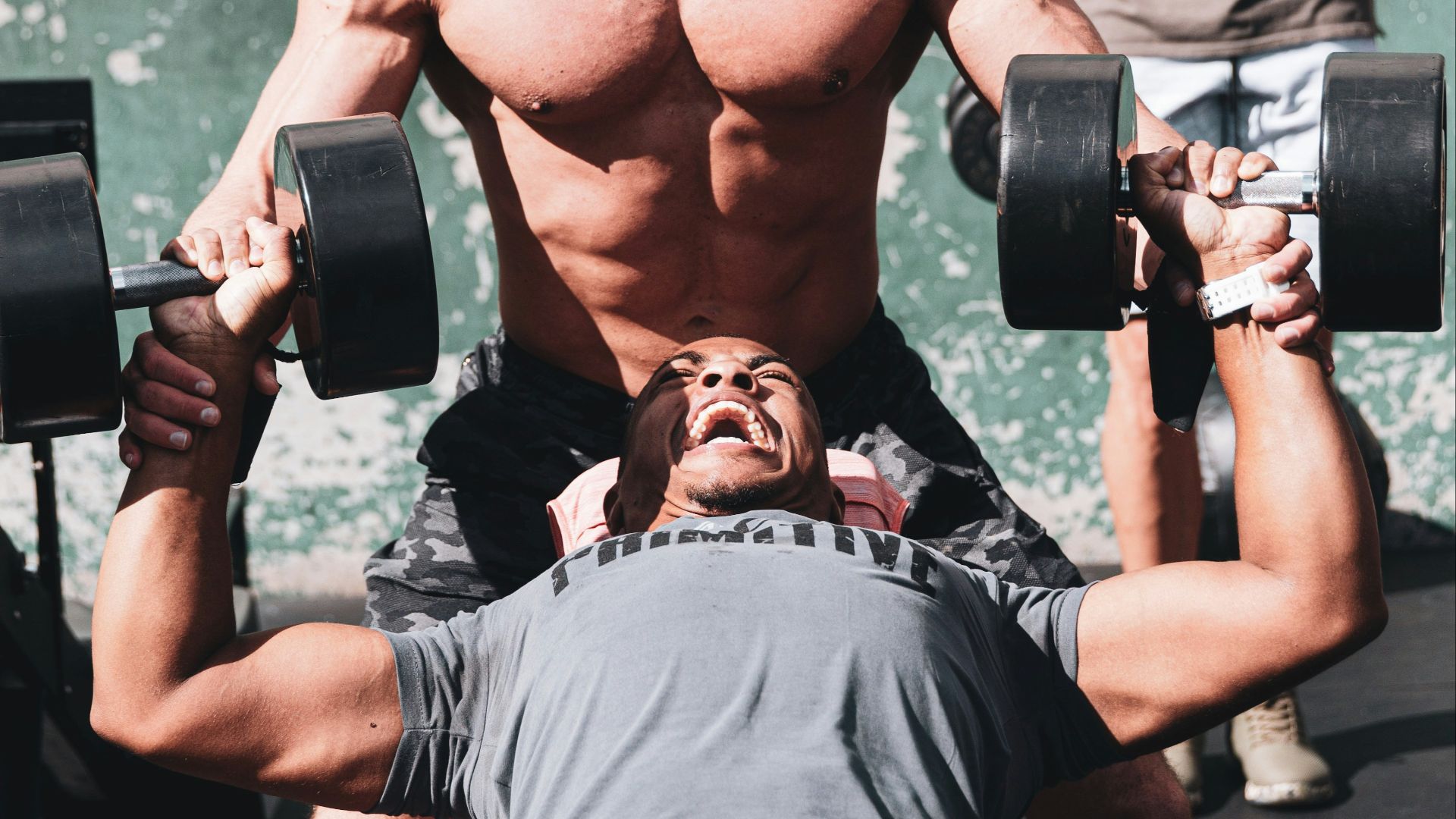 LOGAN WEAVER | @LGNWVR on Unsplash
11. If You Are Performing For The Room
There is a difference between confidence and theater. Trainers can tell when somebody is there to train and when somebody is there to be observed training. The louder setup, the exaggerated drops, the glance around after a set, it all reads pretty clearly.

12. Your Recovery
You do not need to announce that you slept four hours and lived on caffeine. Trainers can often see it anyway. Sloppy coordination, low patience, weird pacing, and that flat, irritated look between sets tend to tell the story before you do.

13. Whether You Know How To Brace
This is one of those things regular gym-goers do not always realize matters so much. Trainers notice right away whether you know how to create tension, hold position, and support your own spine under load, or whether you are basically hoping the rep sorts itself out.
14. The Difference Between Confidence And Ego
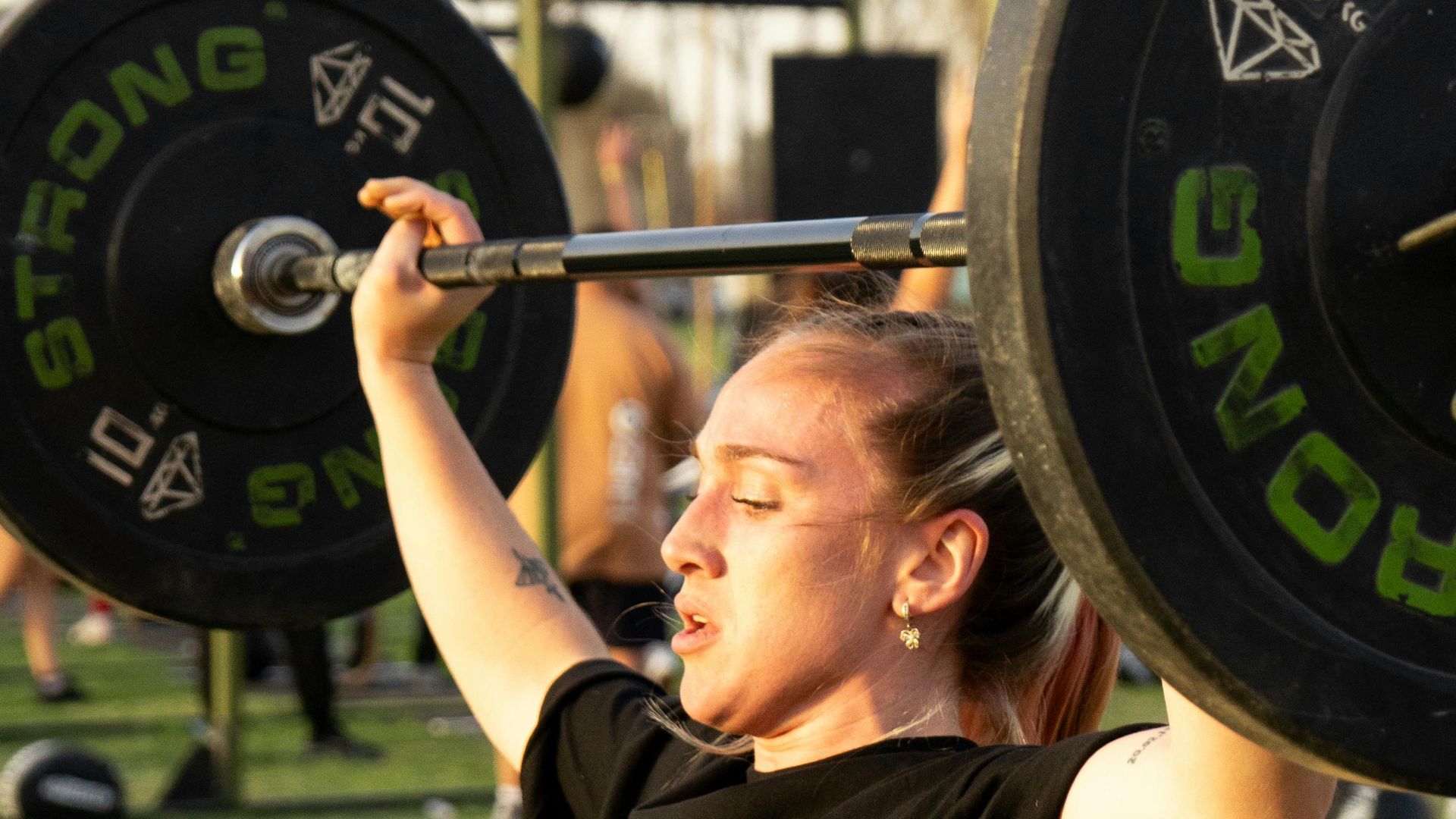
Trainers see this one every day. Confidence looks calm, repeatable, and in control. Ego usually looks like loading too much weight, shortening the range, and acting surprised when the set turns into a negotiation with gravity.

15. If You Are Rushing
Some people move like they are trying to finish the workout before it starts. Trainers notice when reps are careless, rest times are random, and setup gets skipped because somebody wants the satisfaction of being done more than the benefit of doing it well.

16. Whether You Listen To Your Body
This phrase gets abused a lot, but trainers know what it looks like in real life. They can tell when someone adjusts smartly, backs off a painful movement, or changes pace for a good reason, and when someone is just quitting early and dressing it up as wisdom.

17. How You Treat Other People
This has nothing to do with muscles and everything to do with gym presence. Trainers notice who wipes equipment down, who reracks weights, who gives people space, and who behaves like the room is a private set built around their workout.
18. If Your Program Makes Sense
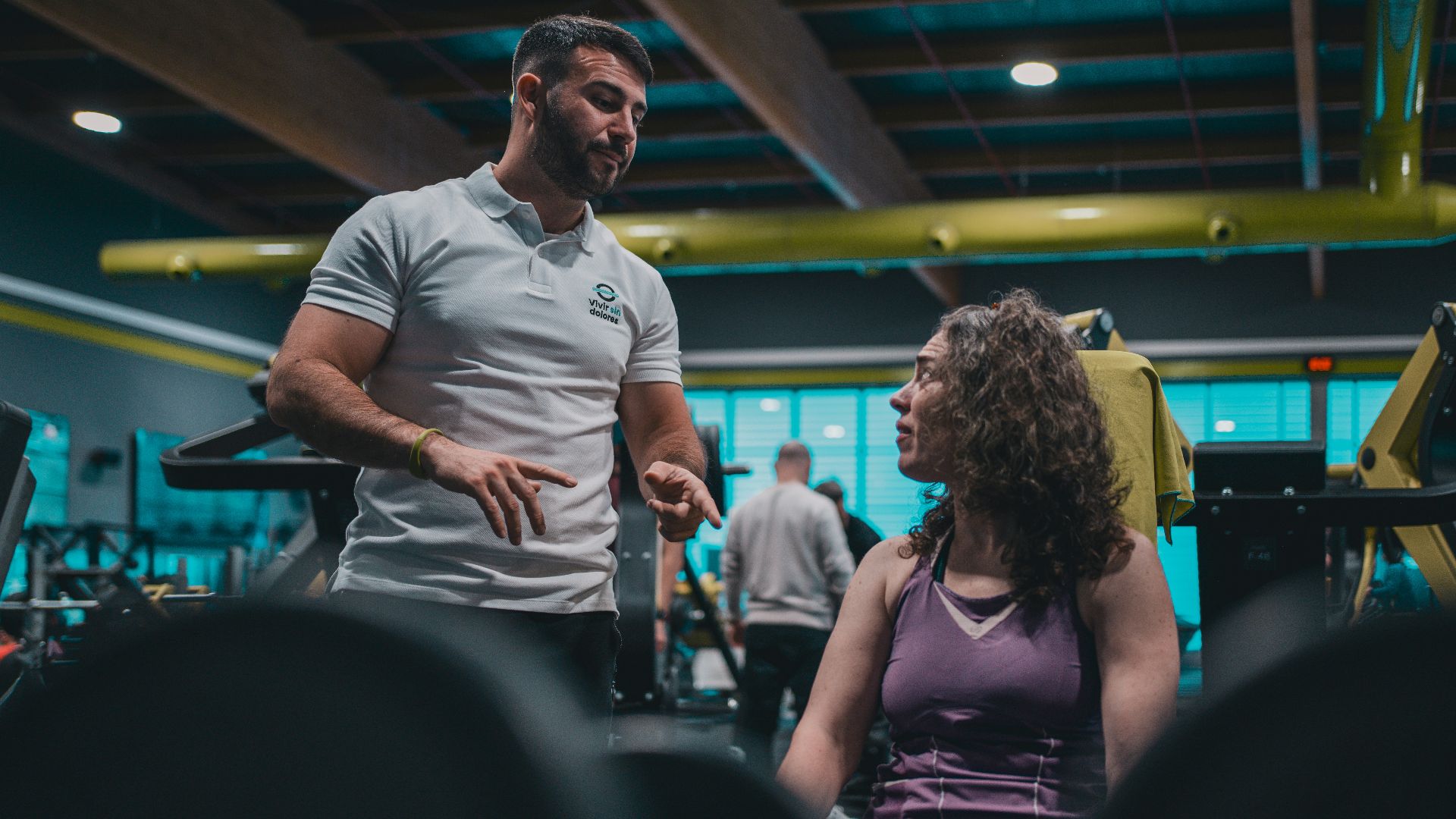
A random collection of exercises has a look to it. Trainers can usually tell when someone is following an actual plan and when they are just bouncing from machine to machine based on mood, mirror access, and whatever clip they saw the night before.
19. Whether You Are Afraid To Ask For Help
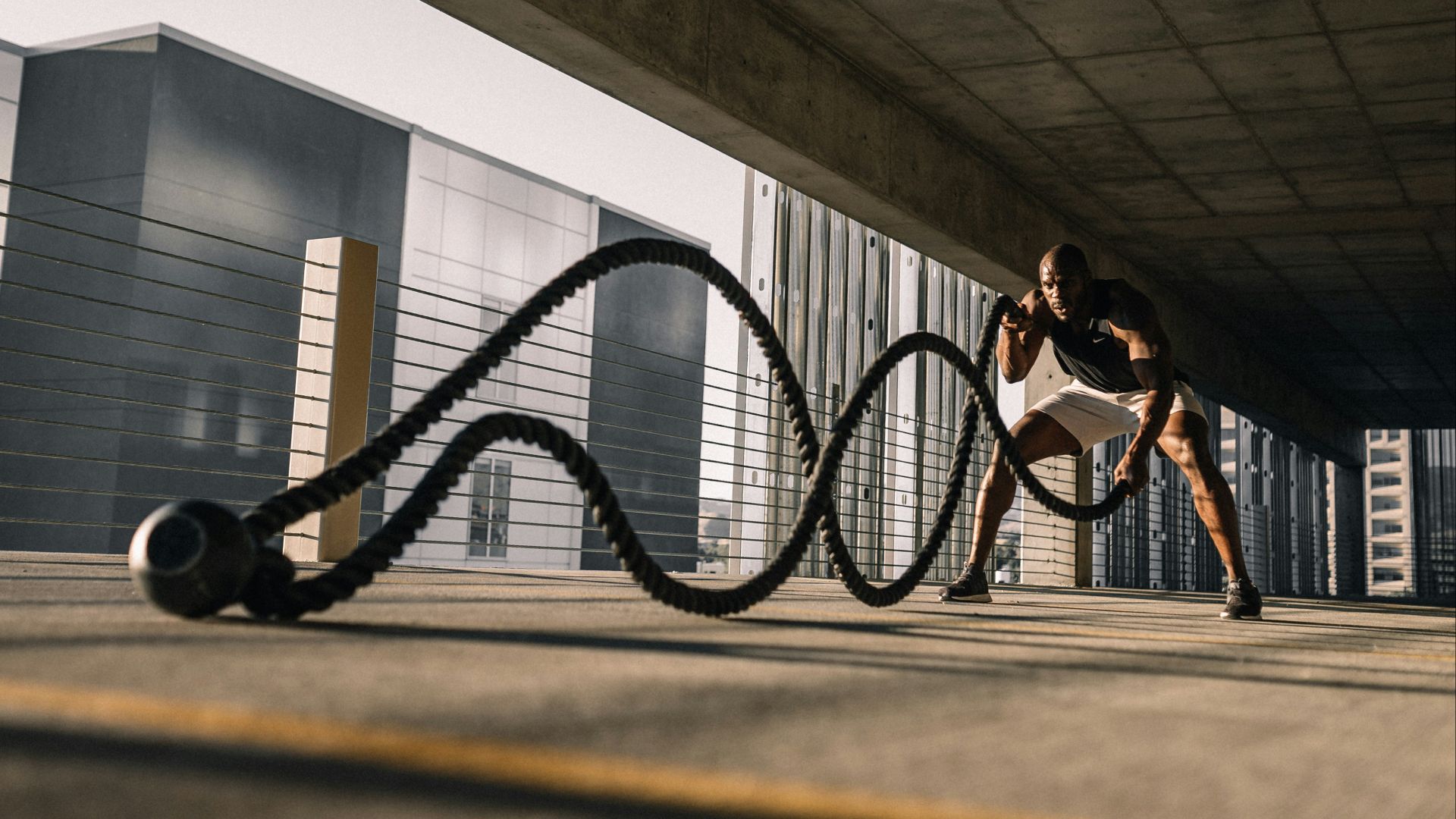
This one is obvious in a quiet way. Trainers notice the people who spend ten confused minutes adjusting a bench or studying a machine from three angles instead of asking one simple question. Pride burns a lot of time in gyms.
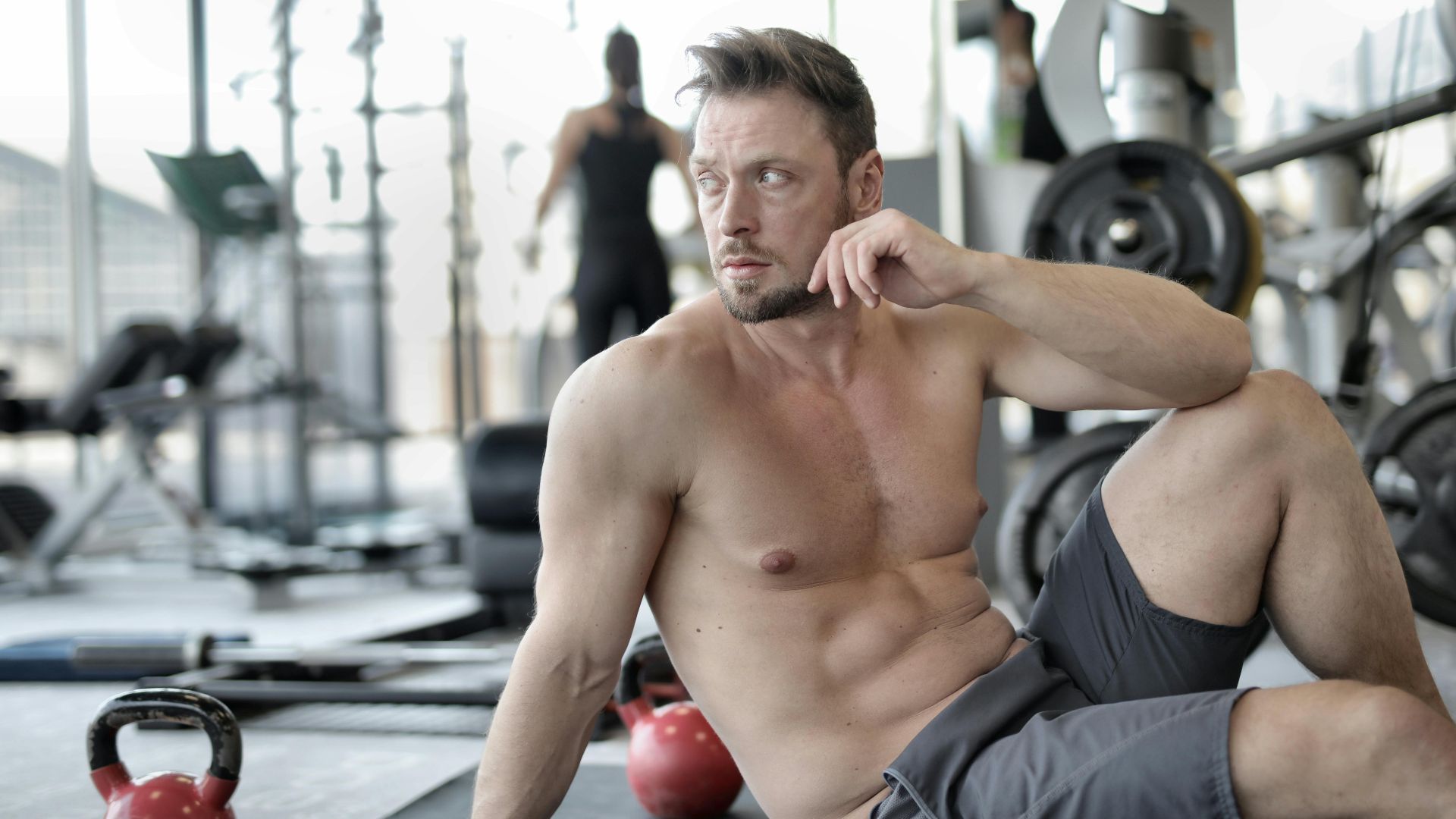
20. Your Habits, Not Your Intentions
This is the big one underneath all the others. Trainers do not really go by what people say they want. They go by what people do, repeatedly, when nobody is clapping, when the workout gets boring, and when the easy option is right there.

KEEP ON READING