
Why Progress Stalls
A lot of people train glutes hard and still feel like nothing is happening. They squat, lunge, hip thrust, and leave the gym with that warm, shaky feeling, but their body looks pretty much the same a few months later. That can get frustrating fast, especially when it seems like everyone online has a simple answer and a shortcut to results. The truth is usually less dramatic and more fixable than that. Here are 10 reasons glute growth stalls, and 10 fixes that actually help.
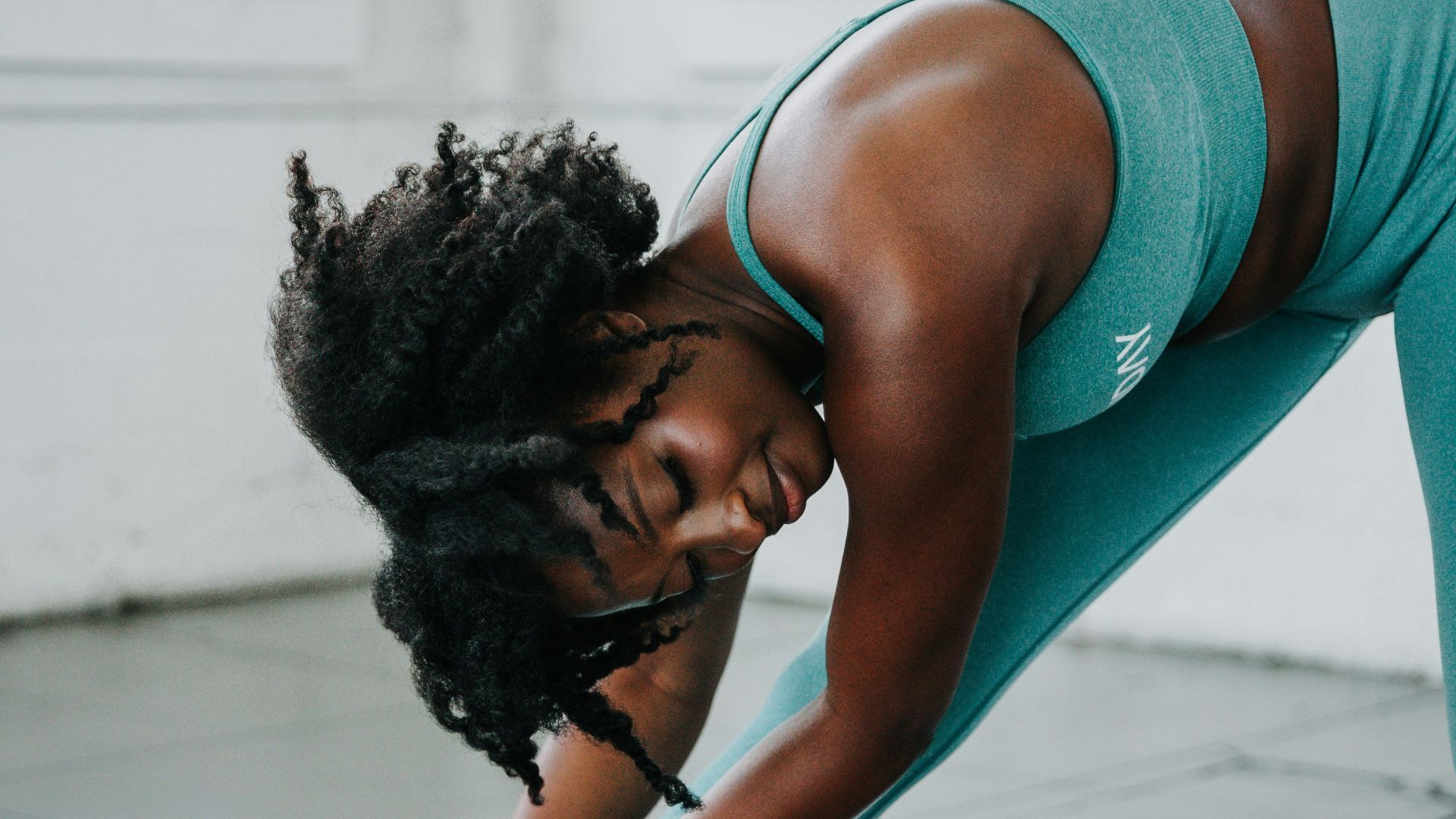
1. You’re Not Training Them Hard Enough
A lot of glute workouts look serious without being especially challenging. Bands are flying, playlists are loud, and there is a lot of squeezing, but the sets stop way before the muscle has to do any real work. If the weight stays comfortable all the time, your glutes do not have much reason to grow.
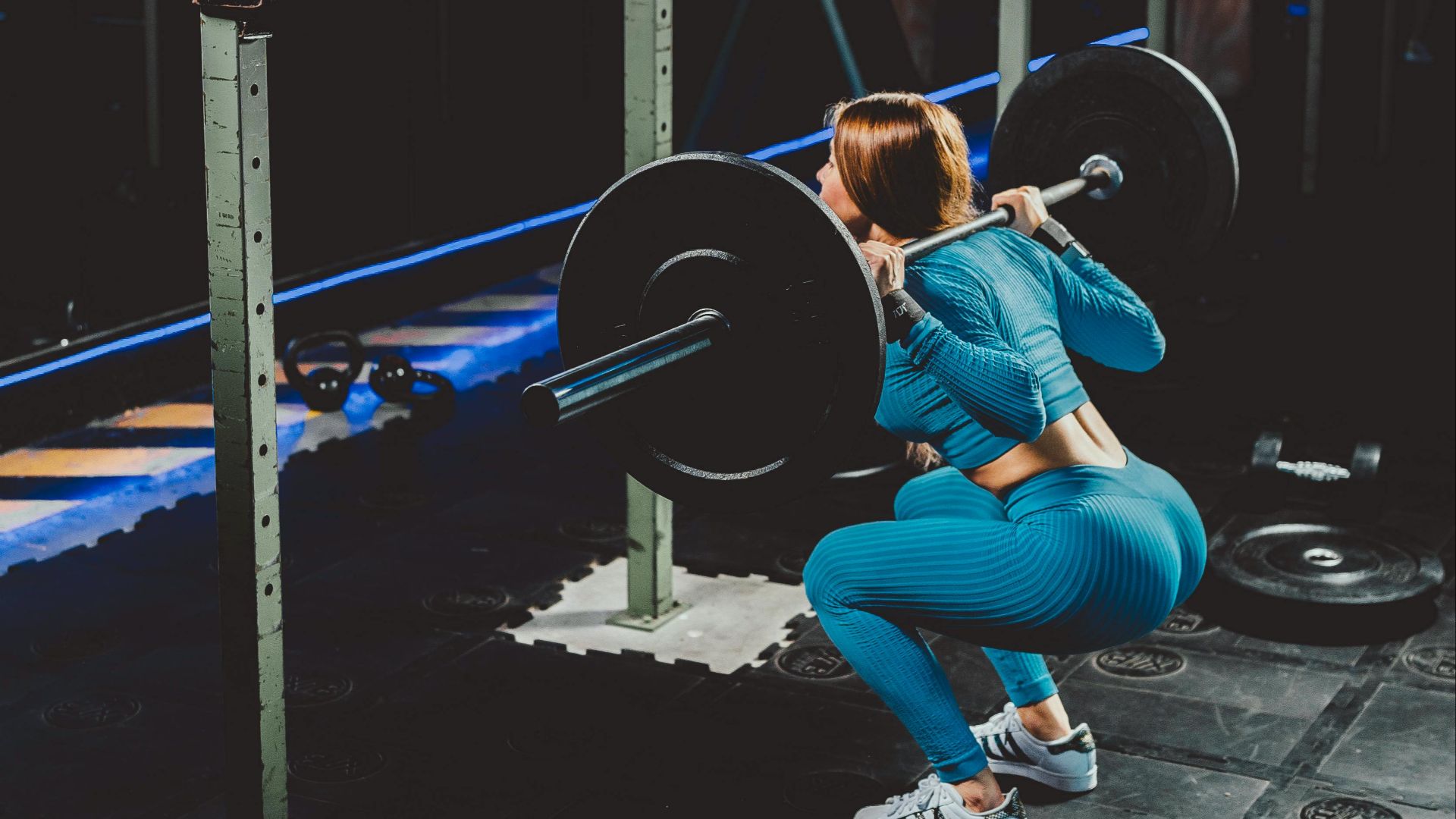
2. You Keep Doing The Same Weight
Using the same dumbbells for months feels productive because it is familiar. It is also one of the easiest ways to get stuck. Muscles adapt fast, and once they do, that old weight stops sending much of a signal.
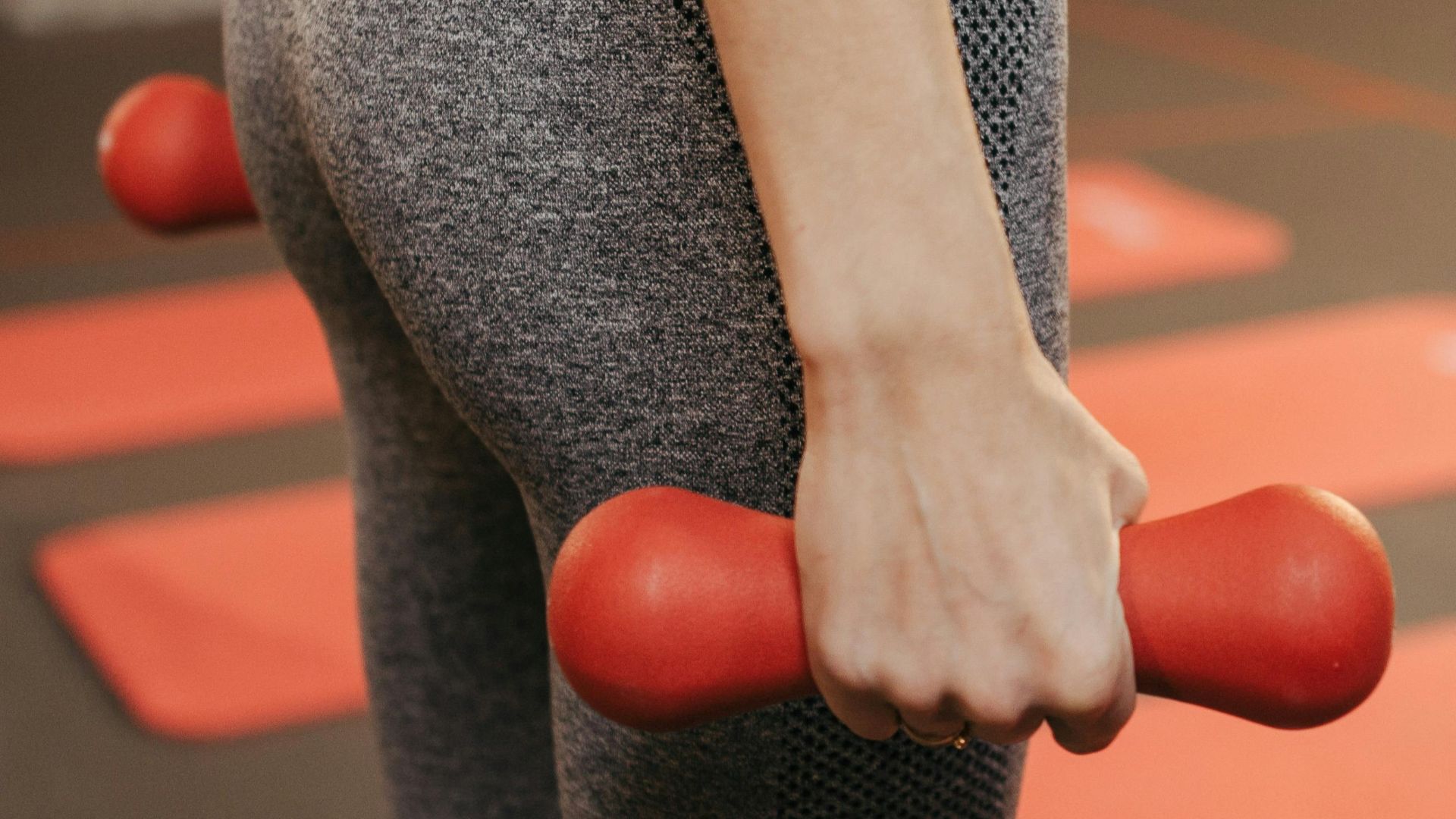
3. Your Form Sends The Work Somewhere Else
This is a big one. A squat can turn into a quad exercise, a deadlift can become all lower back, and a hip thrust can turn into a weird little bounce if your setup is off. When the glutes are not actually doing the job, they do not get the message to grow.
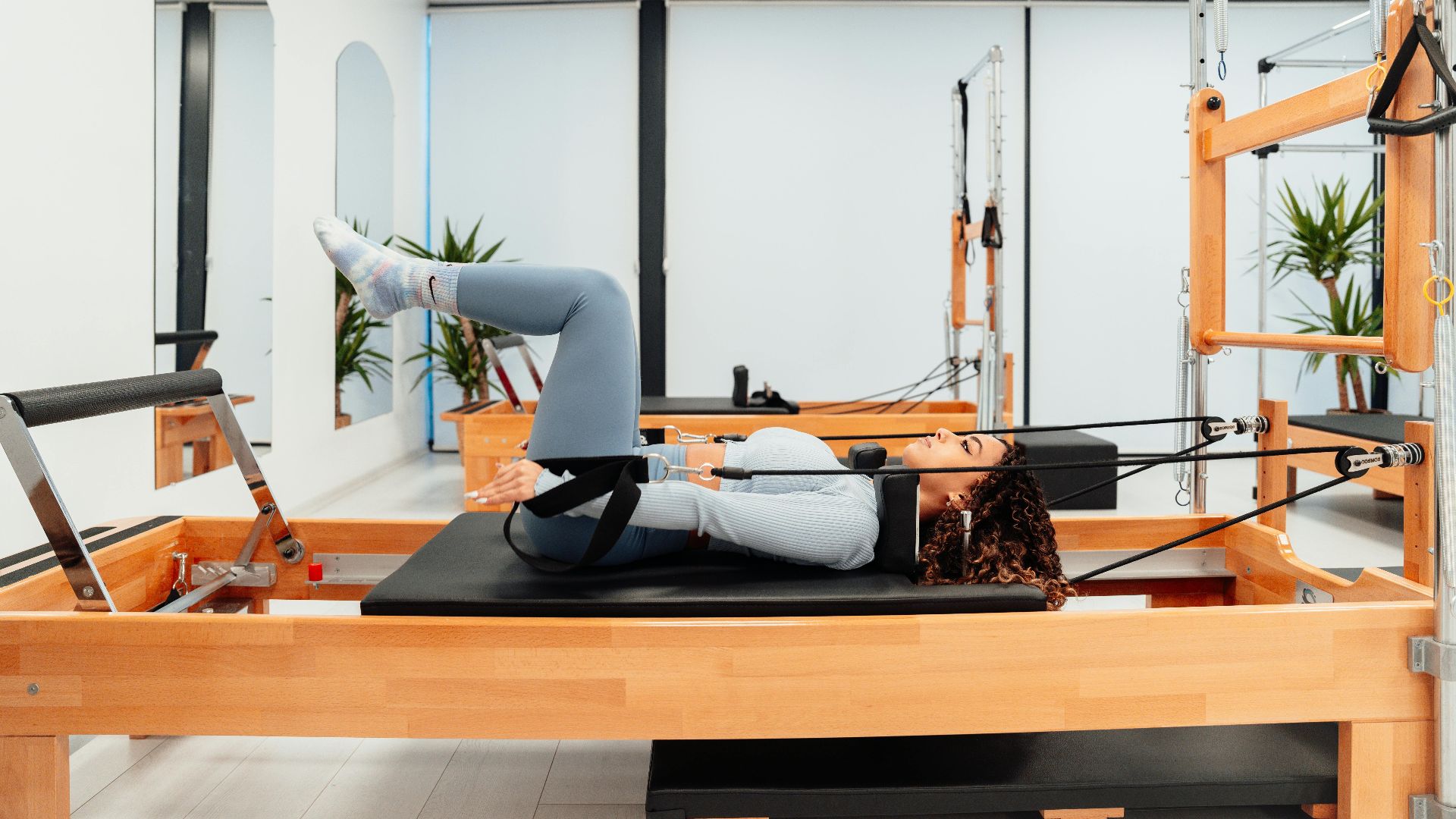
4. You’re Chasing Burn Instead Of Tension
That deep glute burn can feel convincing. It makes a workout seem effective, and to be fair, it can have a place. But the burn is not the same thing as strong mechanical tension, and tension is what usually drives growth.

5. You Don’t Eat Enough
A lot of people want more muscle while eating like they are accidentally skipping meals on purpose. A protein bar and a salad are not always enough to build tissue, especially if training is hard and life is busy. Growth needs fuel, even when that part is annoying.

6. You’re Not Recovering Well
Glutes do not grow during the workout. They grow after it, when sleep is decent, stress is not through the roof, and your body has a chance to recover. If you are running on five hours of sleep and iced coffee, that matters more than most people want to admit.
 Land O'Lakes, Inc. on Unsplash
7. You Only Train Glutes Once In A While
Doing one glute day every week and hoping for dramatic change is a little like watering a plant whenever you remember and then acting surprised when it looks rough. Most people do better with more consistent exposure. Muscle growth usually likes repetition and enough total work across the week.

8. You Avoid The Basic Lifts
Some people build entire workouts around mini bands, kickbacks, and little pulses because they look targeted. The problem is that those moves are often hard to load enough to drive real growth. The basics are not glamorous, but they tend to work for a reason.

9. You’re Too Inconsistent
This does not mean missing one workout. It means training hard for nine days, disappearing for two weeks, then coming back with a heroic attitude and sore glutes for three days. Bodies are not impressed by intensity in random bursts.

10. You Expect Fast Results
Glutes are a stubborn muscle group for a lot of people. They can grow, but they usually do it on a slower timeline than social media suggests. If you are checking for major visual change every ten days, you are probably going to think nothing is working when it actually is.
The good news is that most of these problems have pretty simple fixes once you stop pretending a glute band alone is going to change your life. Here are ten fixes that work.
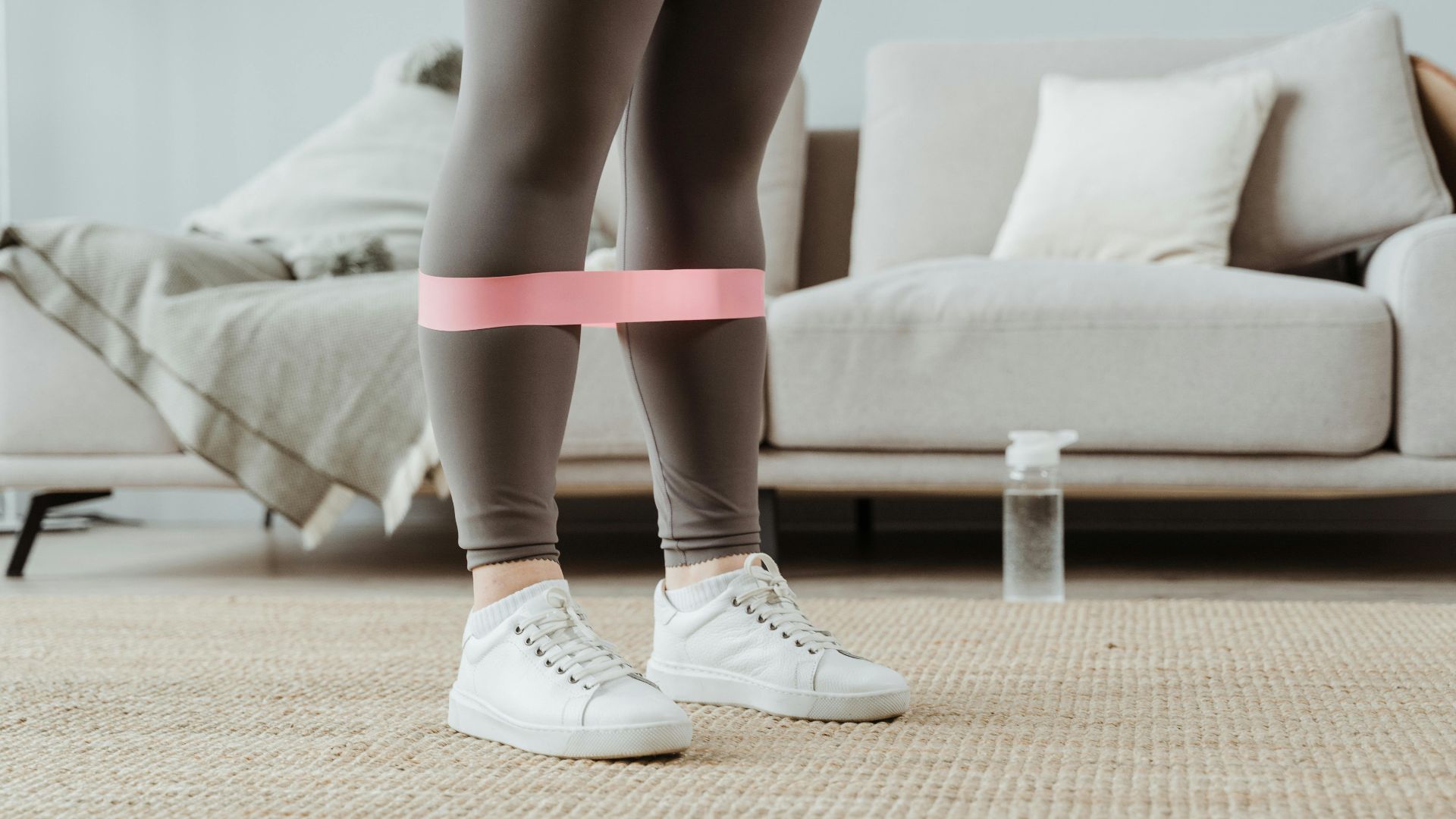
1. Start Using Heavier Loads
At some point, the pink dumbbells need to become actual weight. That does not mean maxing out or turning every set into a near-death experience. It means choosing loads that make the last few reps feel slow, honest, and very real.

2. Progress Something Every Few Weeks
You do not have to add weight every workout, but something should move over time. More reps, more load, cleaner execution, or an extra hard set can all count. The point is to stop asking your body to adapt to the exact same challenge forever.

3. Clean Up Your Technique
A small setup change can completely alter where you feel an exercise. Foot position, shin angle, torso lean, bench height, and range of motion all matter more than people think. Sometimes the breakthrough is not a new program. It is finally doing the old movement properly.

4. Build Around Proven Exercises
Hip thrusts, Romanian deadlifts, split squats, step-ups, and deep squats have earned their reputation. They let you load the glutes in a meaningful way and repeat that effort over time. Accessories are fine, but they should support the meal, not replace it.
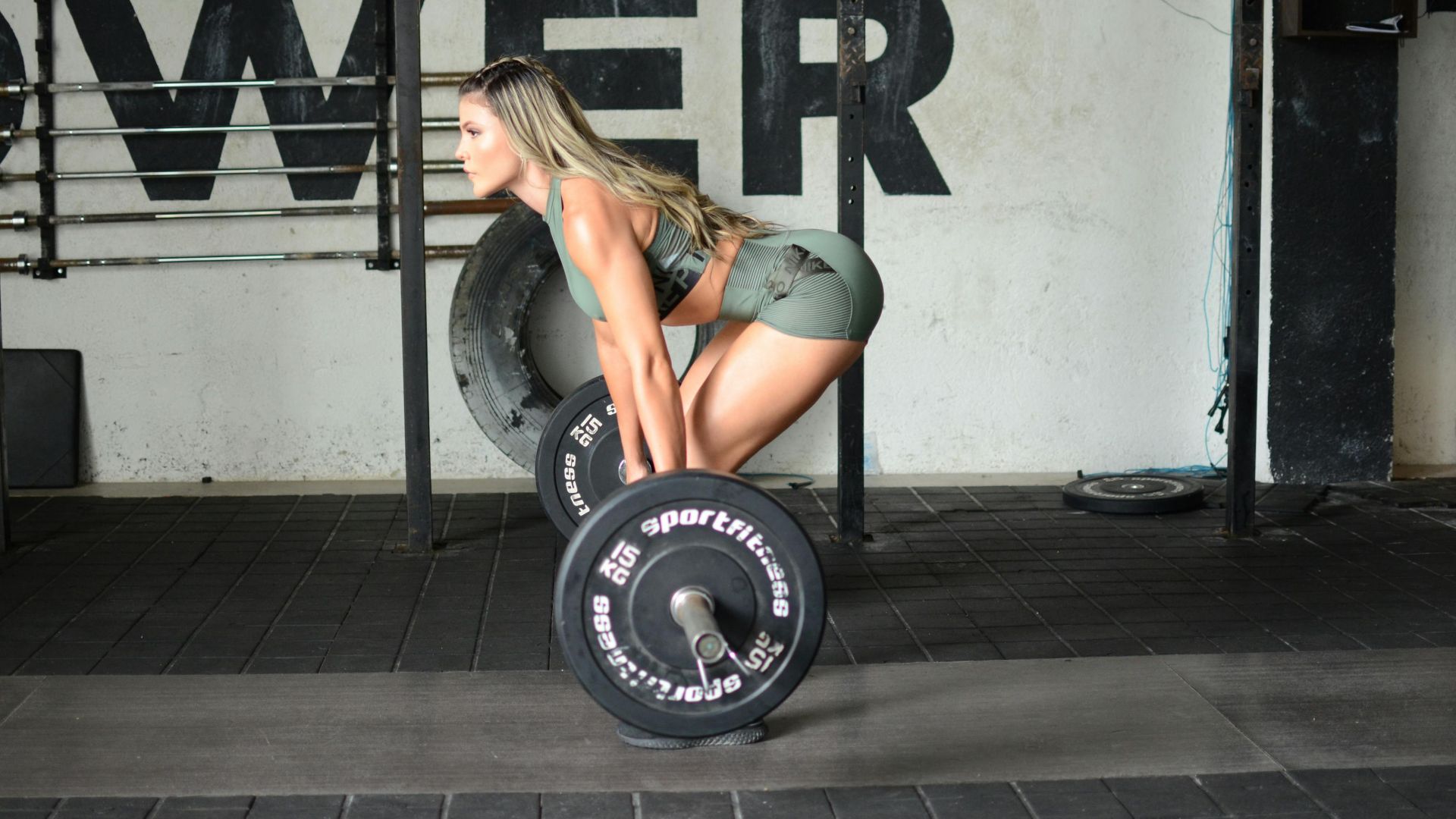
5. Train Glutes More Than Once A Week
For most people, two to three glute-focused sessions works better than one giant workout that wrecks you for days. That gives you more quality reps and more chances to practice good movement. It also makes progress feel less fragile.
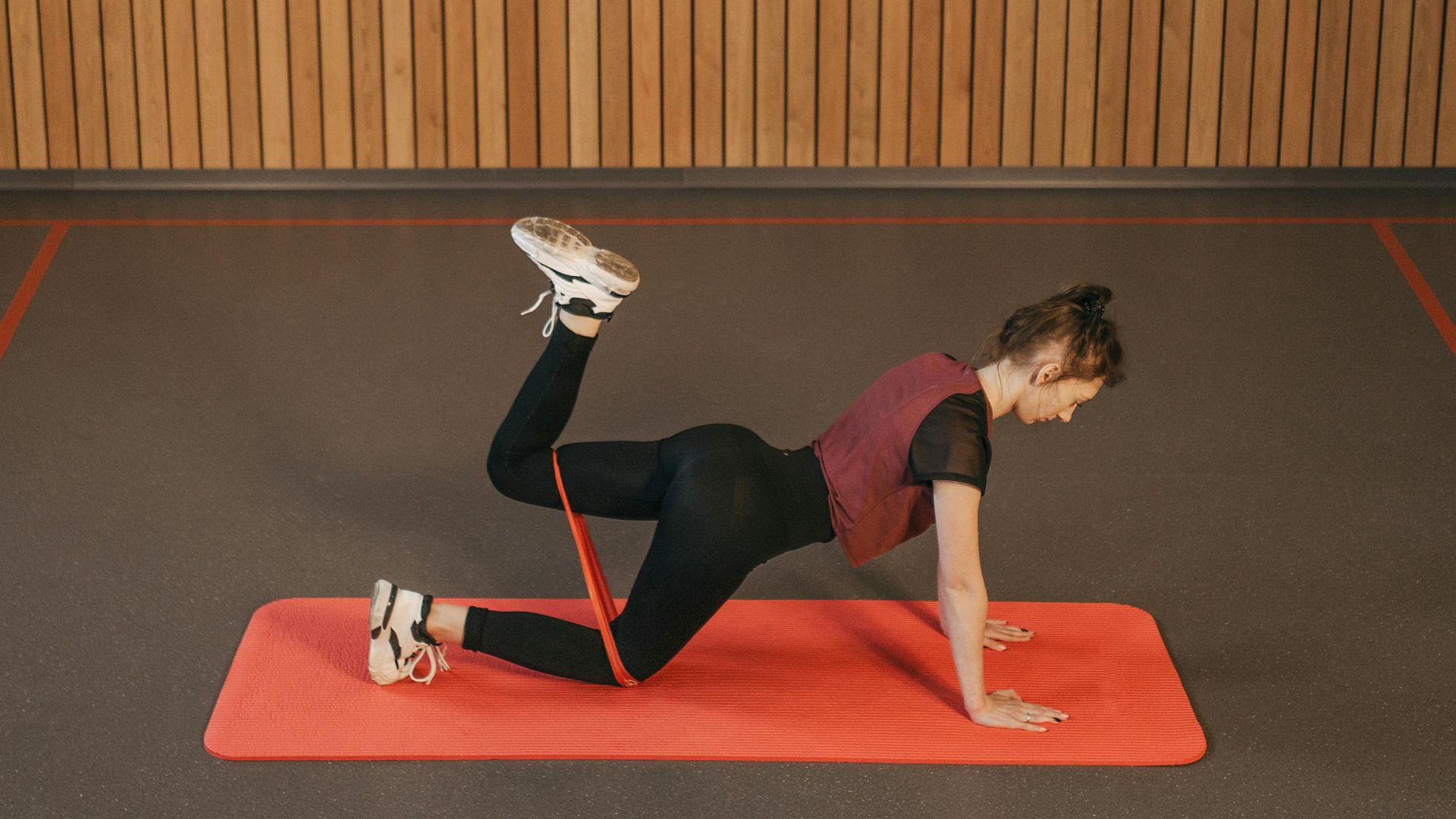
6. Eat Enough Protein And Calories
This is where a lot of ambitious training plans quietly fall apart. If the goal is muscle growth, your body needs enough protein across the day and enough food overall to support it. You do not need to eat like it is a competitive sport, but you do need to stop underfeeding the process.

7. Let Recovery Count As Part Of The Plan
Sleep is not bonus material. It is part of the program, right there next to your sets and reps. Better recovery usually means better training, and better training usually means better growth, which is not very sexy but is extremely useful.

8. Track What You’re Doing
A lot of stalled progress comes from people guessing. They think they are working harder than last month, but they are not totally sure what they lifted last month. Write it down, even if it is just in your notes app between songs and half-finished texts.

9. Stop Changing Exercises Every Week
A lot of people swap movements so often that nothing has time to improve. One week it is barbell hip thrusts, then cable pull-throughs disappear, then split squats get replaced because they felt annoying. Keep the main lifts in long enough to get stronger at them, because novelty is rarely the thing your glutes are missing.

10. Give It Time
This is the fix nobody loves, mostly because it is not exciting. Real glute growth usually comes from months of steady training, decent food, and enough patience to stop treating every mirror check like a final verdict. A lot can change when you give a good plan long enough to actually do its job.

KEEP ON READING



20 Natural Ways You Can Boost Your Immune System
20 Ways To De-stress & Relax After Work

The 10 Most Common Diseases & The 10 Most Rare