

Your Brain Is Working Against You
Our brains are extraordinarily efficient, allowing us to make snap judgments about anything and everything, but that efficiency has a catch. To handle the sheer volume of information we process every day, the mental shortcuts we often rely on can warp our perceptions, cloud our judgments, and lead us to conclusions that don't actually hold up under scrutiny. These cognitive biases happen far more frequently than you might think, and you'll likely recognize all the ones on this list. Don't worry; we'll also let you know how you can combat them so you're making better, clearer decisions in the long run.

1. Confirmation Bias
Confirmation bias is the tendency to seek out, favor, and remember information that aligns with what you already believe, while dismissing any evidence that contradicts it. It's one of the most widespread biases around, affecting everything from political opinions to major business decisions. Without realizing it, you might be building a very convincing case for something that isn't actually as solid as it appears.
2. The Dunning-Kruger Effect
The Dunning-Kruger effect describes a pattern where people with limited knowledge in a subject tend to overestimate their own competence in it. Ironically, the more you actually learn about a topic, the more aware you become of just how much you still don't know. This effect is part of why overconfidence is so common in beginners, and why genuine expertise tends to come with a healthy dose of humility.
3. The Misinformation Effect
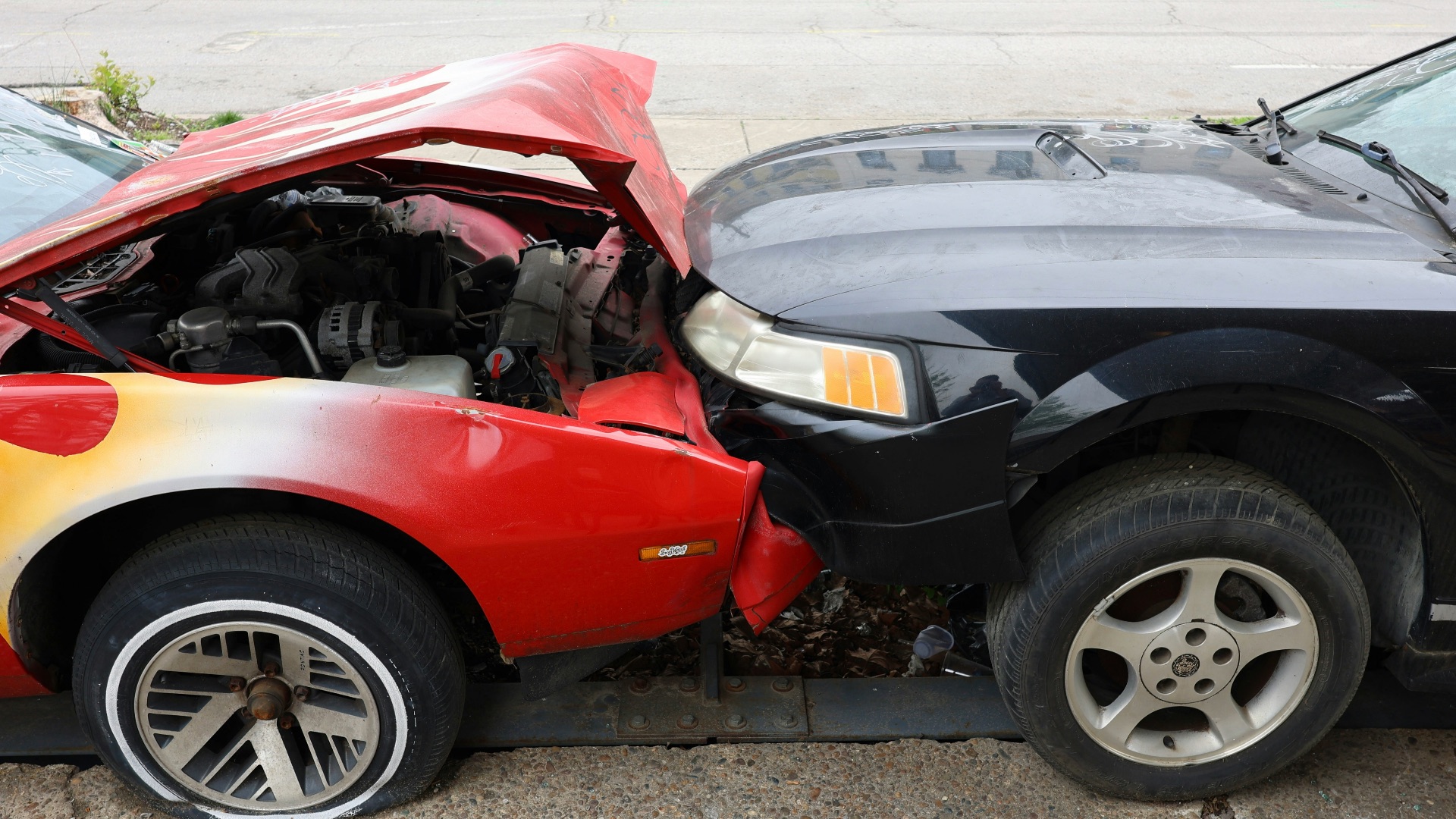
The misinformation effect occurs when exposure to inaccurate information after an event (like a car crash) alters your memory of what actually happened. Even subtle, misleading details introduced after the fact can gradually replace accurate recollections, making your memory feel reliable when it's making up and recalling things that never really occurred. This has significant implications for everything from eyewitness testimony to the way repeated false claims can gradually reshape public understanding over time.
4. The Availability Heuristic
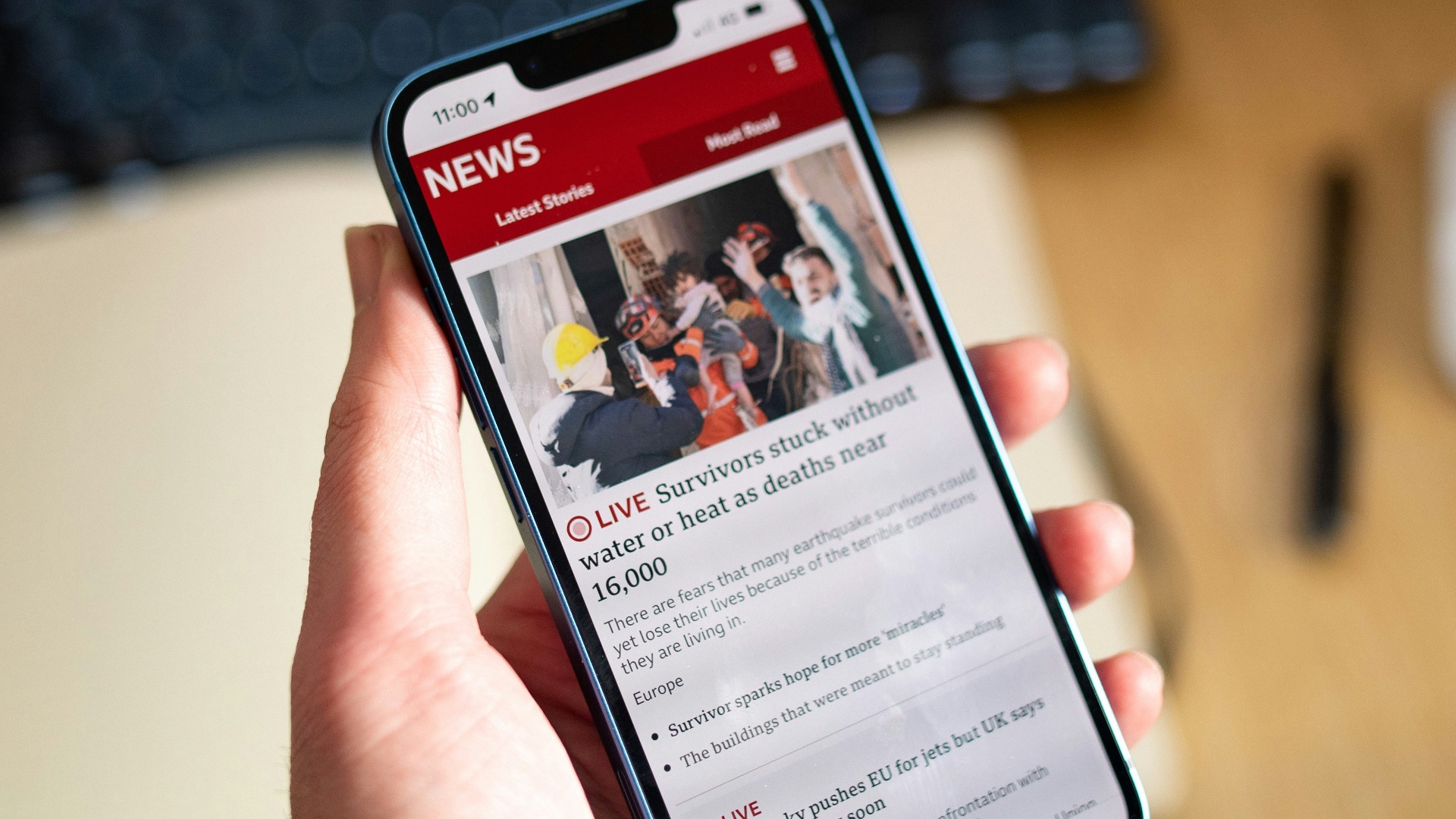
The availability heuristic leads you to judge how likely something is based on how easily a relevant example comes to mind. After watching news coverage of plane crashes, you might start believing that flying is more dangerous than driving, even though the statistics say otherwise. Your brain is essentially using memorability as a stand-in for probability, and the two don't always agree.
5. Optimism Bias
Optimism bias is the belief that you're less likely to experience negative outcomes (think divorce, serious illness, or job loss) than others in similar situations. It's the reason people routinely underestimate how risky a decision really is. While some degree of optimism is healthy, an unchecked version of it can lead to poor planning and some very unwelcome surprises down the road.
 Jacqueline Munguía on Unsplash
6. The Fundamental Attribution Error
The fundamental attribution error is the habit of attributing other people's behavior to their character while attributing your own behavior to your circumstances. If a coworker snaps at you, you might conclude they're just a difficult person; if you snap at someone, you chalk it up to a rough day. It's a double standard that most people apply without ever realizing they're doing it.

7. Negativity Bias
Negativity bias refers to the tendency for negative experiences, feedback, or information to carry more psychological weight than positive ones of equal magnitude. One critical comment can outweigh 10 compliments in your mind, and bad news tends to linger far longer than good news does. This bias has evolutionary roots, but in everyday modern life, it can push your thinking in a more pessimistic direction than the facts actually warrant.

8. The Bandwagon Effect
The bandwagon effect describes the inclination to adopt beliefs, behaviors, or opinions simply because a large number of other people already hold them. Social pressure is a powerful force, and it doesn't always point you in the most well-reasoned direction. You might find yourself supporting a trend, idea, or position not because you've thought it through, but because going along with the crowd feels like the easier option.

9. The Halo Effect
The halo effect is the tendency to let one strong positive impression of a person (whether it's their appearance, confidence, or social status) color your overall assessment of them. If someone comes across as highly charismatic, you're more likely to assume they're also competent, trustworthy, and intelligent, even without any real evidence to back that up; if someone is attractive, you might think they're funnier, smarter, or friendlier. It's a bias that shows up frequently in hiring decisions, performance evaluations, and the snap judgments people make within the first few minutes of meeting someone new.

10. Hindsight Bias
Hindsight bias kicks in after you learn the outcome of an event, causing you to feel as though you knew what would happen all along. It makes past events seem far more predictable than they actually were, and it can give you an inflated sense of your own foresight. The deeper problem is that it makes it much harder to accurately evaluate your decision-making and learn meaningfully from your mistakes.
Now that you have a clearer picture of the biases most likely working against you, let's jump into how you can counter these biases so they don't take control of your thoughts and decisions.

1. Slow Down Before You Decide
One of the simplest and most effective things you can do is resist the urge to reach a conclusion too quickly, since many biases thrive when thinking is fast and reactive. Taking even a brief pause before forming a judgment gives your more deliberate reasoning processes a chance to catch up with your instinctive ones. The decisions that feel most obvious in the moment are often the ones that benefit most from a second look.

2. Keep a Decision Journal
Writing down your reasoning and predictions before you know how things will turn out creates a record that your memory can't revise after the fact. When you revisit past entries, you get an honest look at how your judgment actually holds up over time rather than a version shaped by knowing the outcome. It's one of the most reliable ways to spot recurring patterns in your thinking and start addressing them directly.
 Marcos Paulo Prado on Unsplash
3. Actively Seek Out Information That Challenges You
Making a habit of engaging with sources, perspectives, and arguments that don't already confirm what you believe is one of the strongest defenses against biased thinking. The more regularly you expose yourself to a wider range of ideas, the harder it becomes for any single narrative to go unquestioned.

4. Check Your Emotional State Before Making Judgments
Strong emotions don't just influence how you feel. In fact, they actively shape what details you notice and remember, and what conclusions you're drawn to. If you're stressed, anxious, or frustrated when a decision needs to be made, there's a reasonable chance your thinking is being skewed in ways you're not fully aware of. It's better to wait until you're in a calmer state to exercise judgment.

5. Ask Yourself What Would Change Your Mind
Before committing to a position, it's worth asking what kind of evidence or argument would actually be enough to make you reconsider it. If you can't think of anything that would shift your view, that's a sign your conclusion might be driven more by preference than by reasoning. Keeping this question in regular rotation helps you stay genuinely open to updating your beliefs when the situation calls for it.

6. Look for Hard Data
Anecdotes, personal experiences, and vivid examples are compelling, but they're not always representative of the broader picture. Whenever possible, supplement your instincts with actual statistics or data from credible sources before forming a conclusion. Numbers won't eliminate bias entirely, but they do provide a more stable foundation than memorable individual cases.

7. Use Structured Frameworks for Important Decisions
For high-stakes choices, a structured approach, such as listing the pros and cons or assigning rough probabilities to different outcomes, imposes a degree of discipline that free-form thinking doesn't always have. While these frameworks aren't always foolproof, they force you to consider angles you might otherwise skip over in a more instinctive reasoning process.

8. Surround Yourself with People Who'll Push Back
The people around you have a significant influence on the quality of your thinking, and surrounding yourself with those who are willing to disagree with you is one of the most underrated tools for reducing bias. Constructive challenge from others catches blind spots that are hard to spot on your own, no matter how self-aware you try to be. Seeking out people who think differently from you tends to produce better outcomes than operating in an echo chamber.

9. Separate the Person from the Argument
It's easy to evaluate an idea differently depending on who's presenting it, giving more weight to someone you admire and less to someone you distrust, regardless of the actual content. Training yourself to assess arguments on their own merits, independent of their source, helps strip away a layer of bias that often operates without much conscious awareness. A well-reasoned point is well-reasoned whether it comes from someone you respect or someone you don't.

10. Stay Skeptical
Learning about cognitive biases is valuable, but it doesn't make you immune to them. What does help is building a sustained habit of reflection: regularly revisiting your decisions, staying curious about your own reasoning, and staying open to the idea that your thinking still has room to improve. The goal is to keep getting a little better at catching these biases before they steer you somewhere you didn't intend to go.