
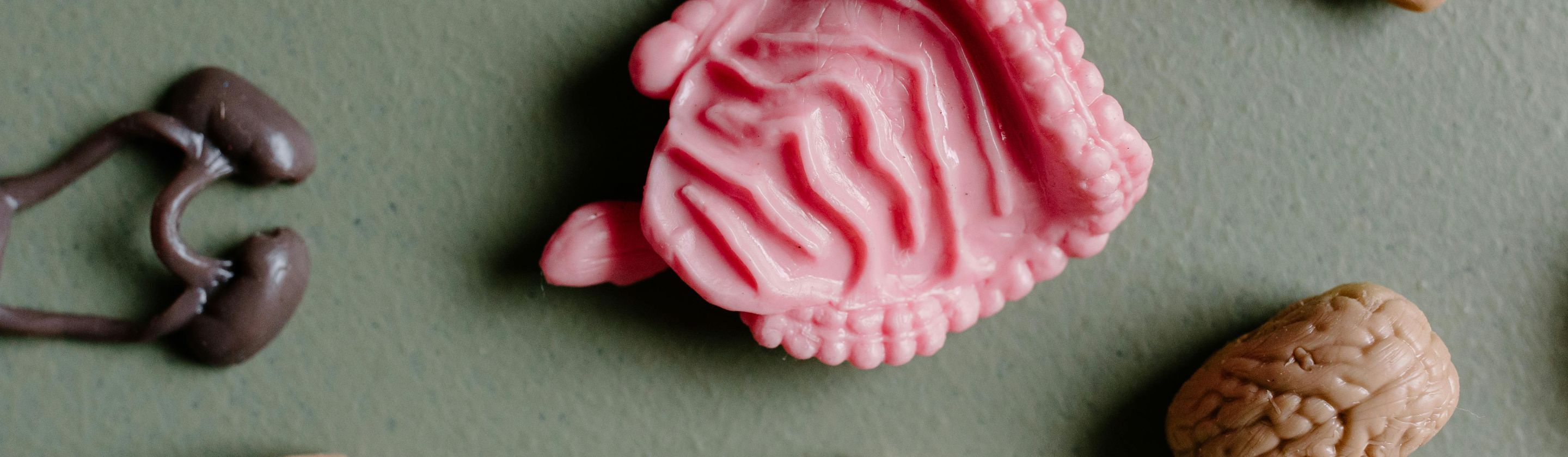
Maybe You Shouldn’t Look Under the Hood
The human body is impressively good at keeping you alive, but for the majority of it, that’s where the knowledge ends. We can’t say we blame you! There’s a lot going on behind the scenes that most don’t care to know about, but we’re here to peel back the curtain and let you know just how much you’re missing out on.

1. Your Skin Is Always Shedding
No, you’re not molting like a snake, but your body is constantly losing tiny skin cells, whether you notice it or not. A lot of the dust in your home also includes bits of dead skin that have flaked off over time—so, there you go!
2. Sweat Itself Doesn't Smell Bad
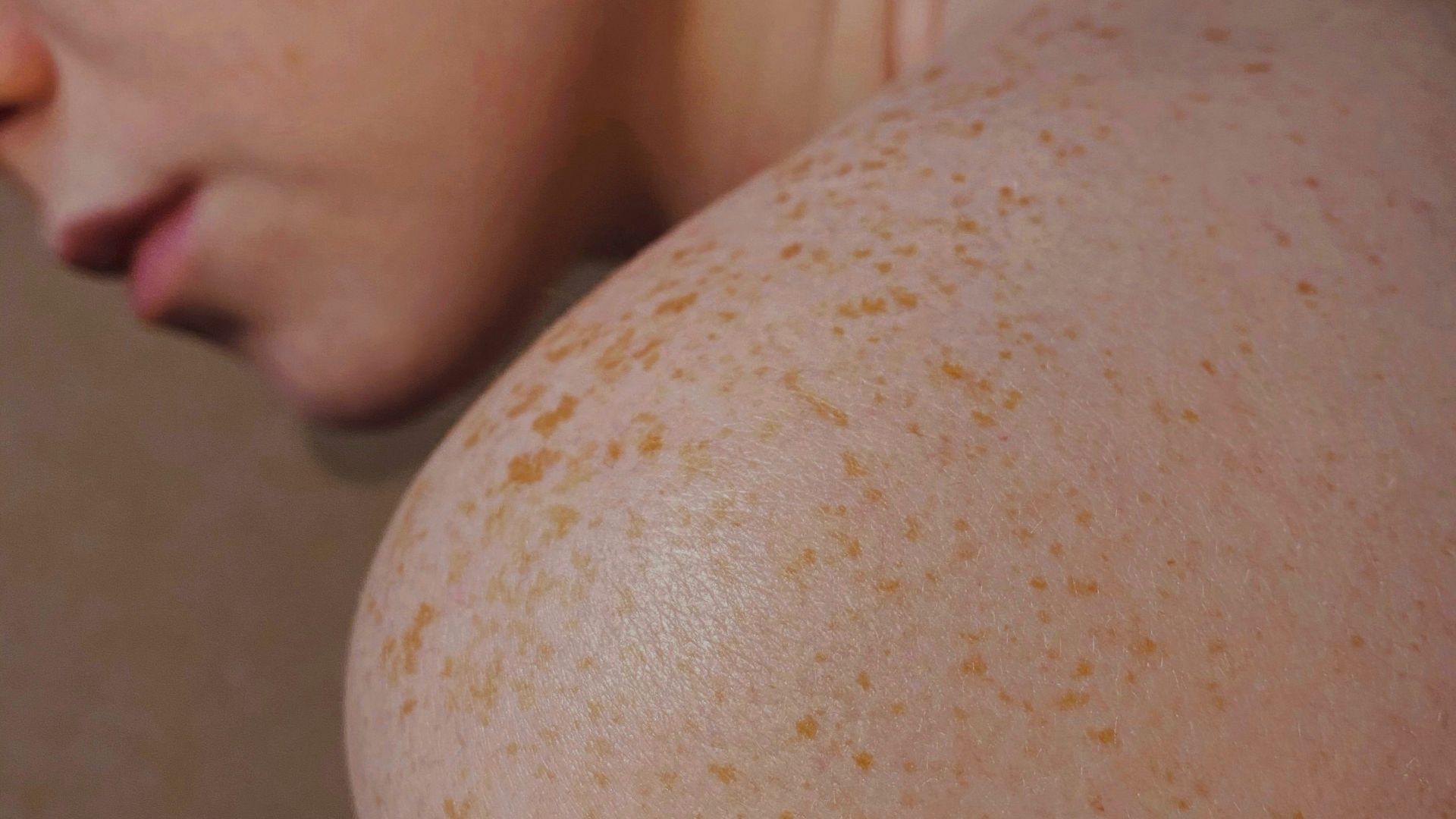
Fresh sweat is usually almost odorless when it leaves your body. So, what’s the smell then? The odor people associate with sweat mostly comes from bacteria breaking it down on your skin. In other words, your body isn't doing the smelly part on purpose.

3. Your Mouth Is Full of Bacteria
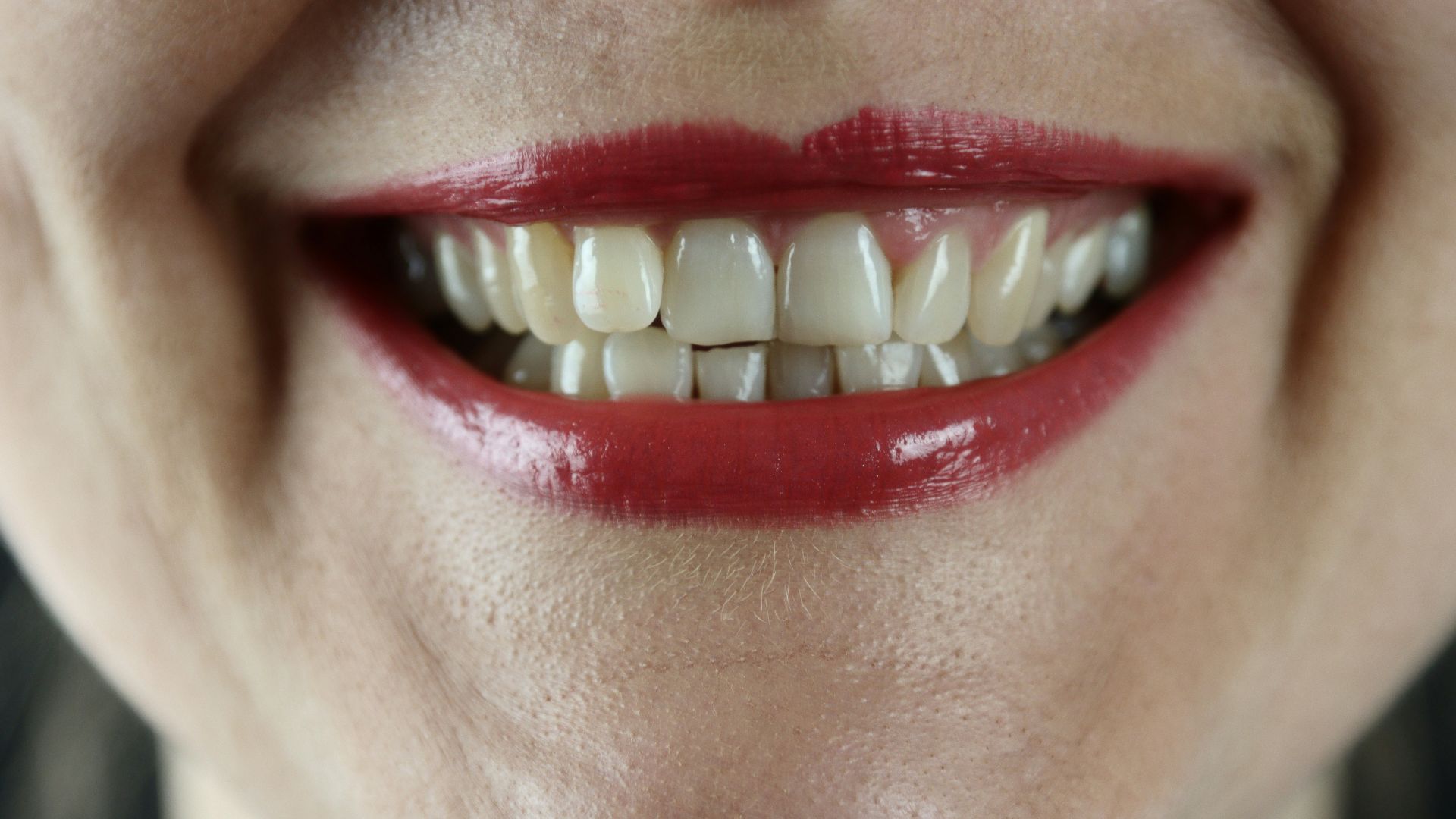
Make sure to break out the mouthwash and the toothbrush! Your mouth naturally contains a huge number of bacteria at any given moment. Most of them are harmless, and some even play a useful role in maintaining balance in your oral environment, but that doesn’t always make the truth easier to swallow.
4. You Swallow Mucus All the Time
Speaking of which, your body produces mucus every day to trap dust, particles, and other unwanted material. As if that wasn’t bad enough, a lot of it ends up being swallowed without you even realizing it. That may not sound great, but it's one of the ways your body keeps your airways protected.

5. Tiny Mites Live in Human Hair Follicles
The good news is you won’t see them. The bad news is that most adults have microscopic mites living around their hair follicles, especially on the face. Luckily, they usually don't cause any problems and are considered a normal part of human skin.

6. Plaque Can Harden If You Leave It Too Long
Oh, we’re not done talking about our mouths yet. The soft film that builds up on teeth doesn't always stay soft; if it isn't removed, it can harden into tartar, which sticks to the teeth and gums. Basically, that means your mouth can turn residue into something more stubborn while you're just going about your day.

7. Your Body Makes a Lot of Saliva
Did you know that the average person produces a surprising amount of saliva over the course of a lifetime? It makes sense when you think about it—saliva helps with chewing, swallowing, and protecting the mouth from drying out.

8. Your Intestines Are Packed With Microbes
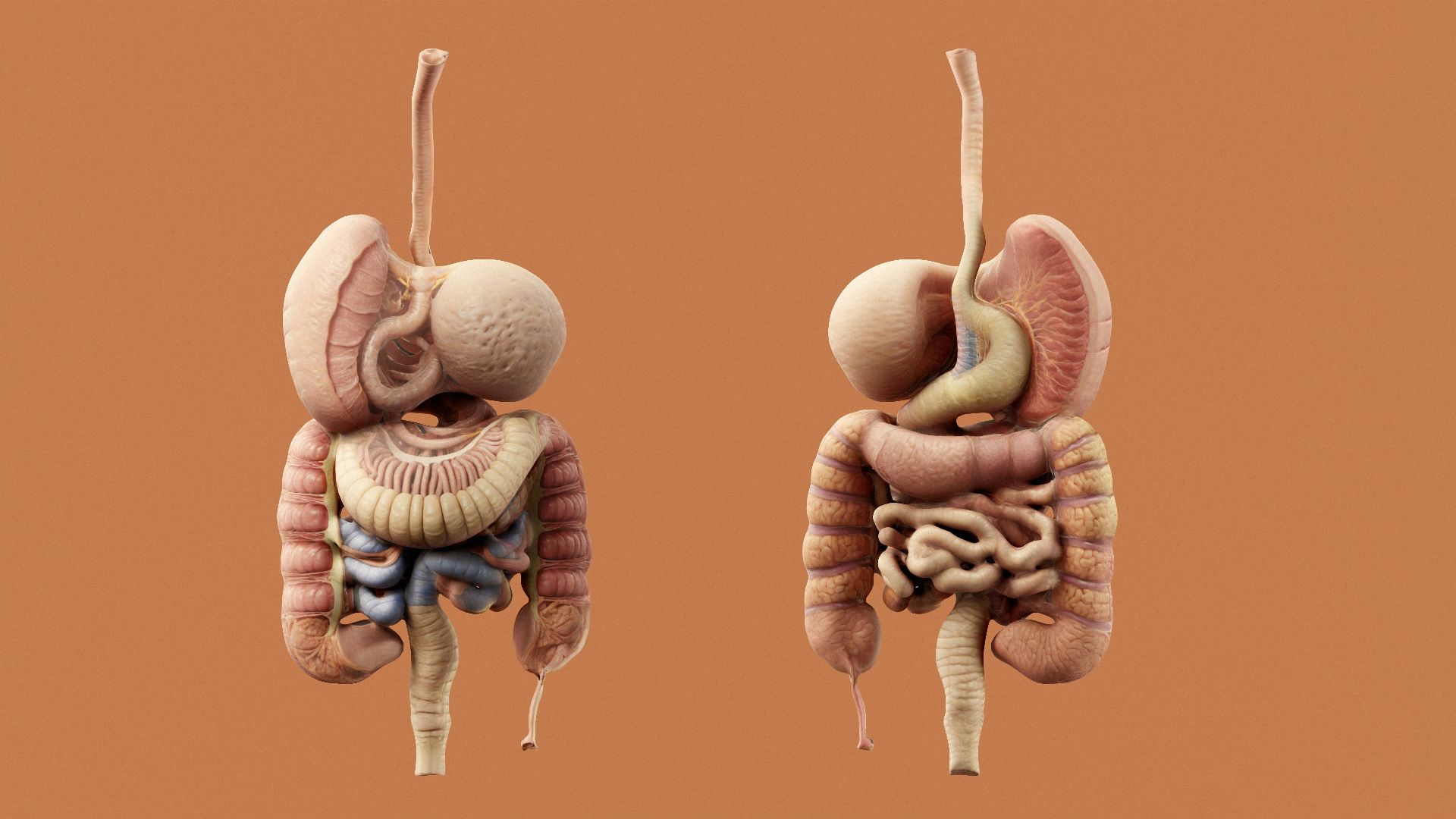
Your digestive system is home to trillions of microorganisms, especially in the intestines. Though they don’t sound appealing at first glance, many of them are helpful and support digestion, immune function, and overall health.
9. Your Tonsils Can Trap Debris
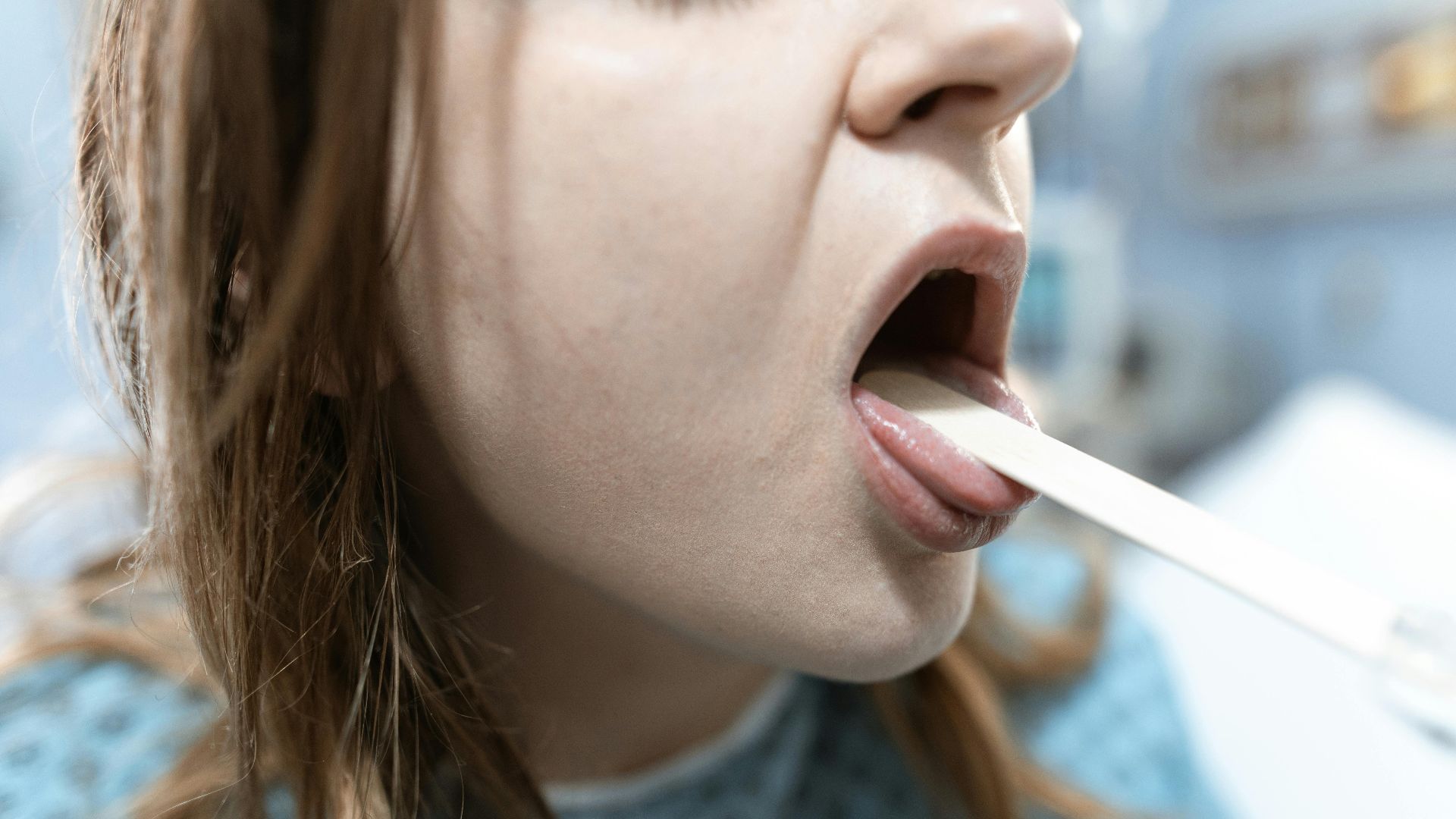
Our tonsils actually serve a purpose? You bet! The folds and crevices in your tonsils can catch tiny bits of food, dead cells, and bacteria. The only issue is that over time, that material can collect and form small, unpleasant-smelling lumps called tonsil stones in some people.
10. Your Stomach Lining Replaces Itself
The stomach uses strong acid to help break down food, and when you’re dealing with a dangerous substance, that means it has to protect itself from the same harsh environment. To manage that, the stomach lining renews itself surprisingly fast.

11. Ears Move Wax on Their Own
Quit using cotton swabs! You truly don’t need them; we know it sounds gross, but the ear canal has a self-cleaning system that helps move wax outward over time. Jaw movements from talking and chewing can help that process along without you noticing.
12. Your Tongue Holds Onto More Than Food
You wouldn’t think it, but the tongue is covered in tiny structures that can trap food particles, dead cells, and bacteria throughout the day. Funnily enough, that's one reason a coated tongue can develop a bad smell even when your teeth look perfectly clean.

13. Your Eyelashes Collect Tiny Debris
We all want thicker eyelashes, but it’s important to remember that those little guys do enough without all the makeup. They protect the eyes by catching dust and small particles before they get in, and though helpful, that also means the lash area can gather oil, skin flakes, and residue throughout the day.
14. Your Small Intestine Is Lined With Fingerlike Projections
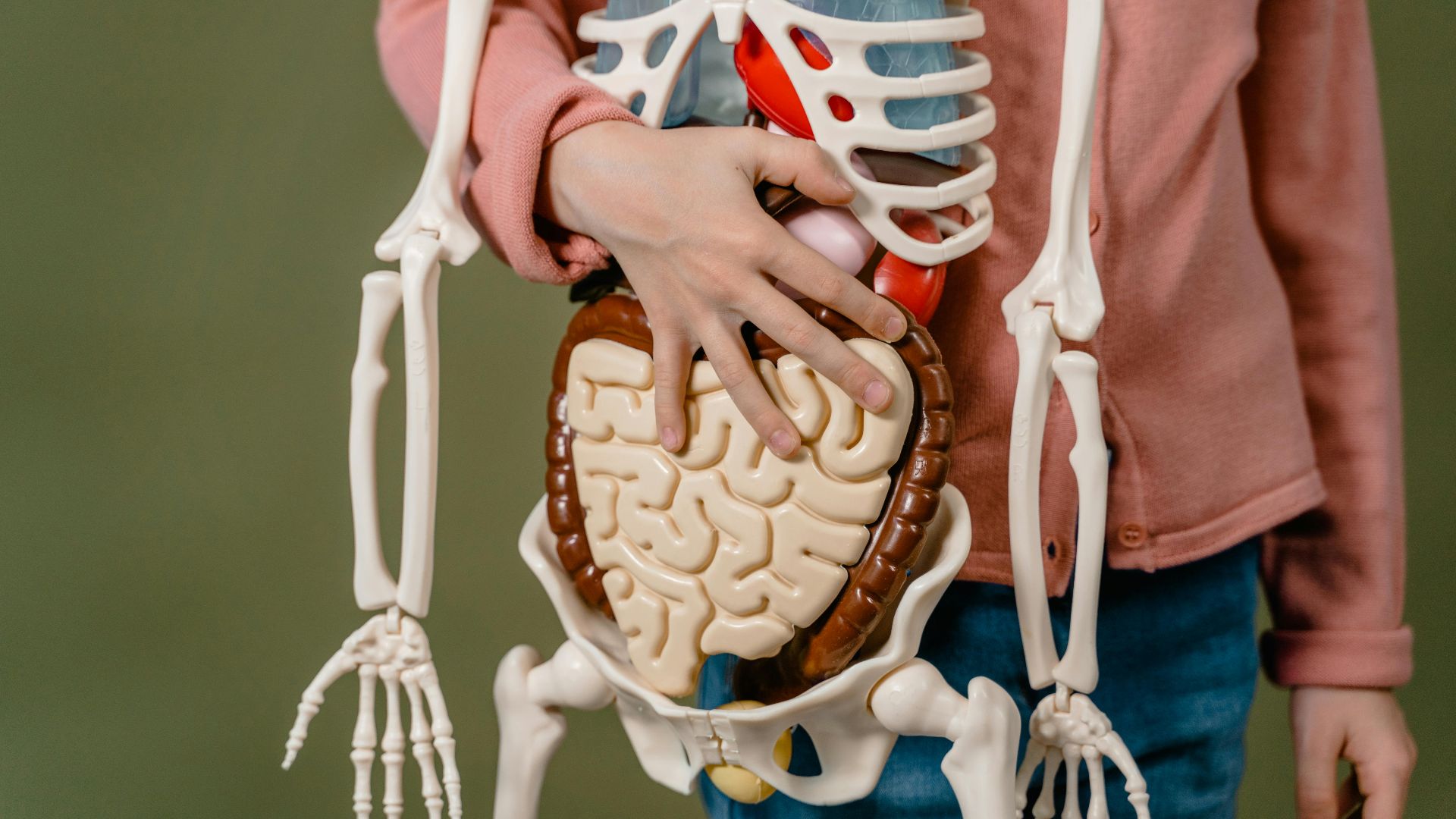
You’ve probably never seen the inside of your small intestine, which is a good thing. However, it isn't actually smooth at all; it's covered in tiny structures that help absorb nutrients. That surface is designed to maximize contact with digested food as it moves through your body.
15. Your Belly Button Has Its Own Bacterial Community
The belly button can be home to a surprising variety of bacteria (so, you may want to stop harvesting the lint). Because it's a tucked-away area with warmth and moisture, it also supports microbial life more easily than people might expect.

16. Your Body Is Always Making Waste
Waste doesn’t just eject in the bathroom. Even while you sleep, your body is working to filter and remove waste products; organs like the kidneys and liver constantly process substances your body no longer needs.
17. Your Teeth Aren't Actually Bones
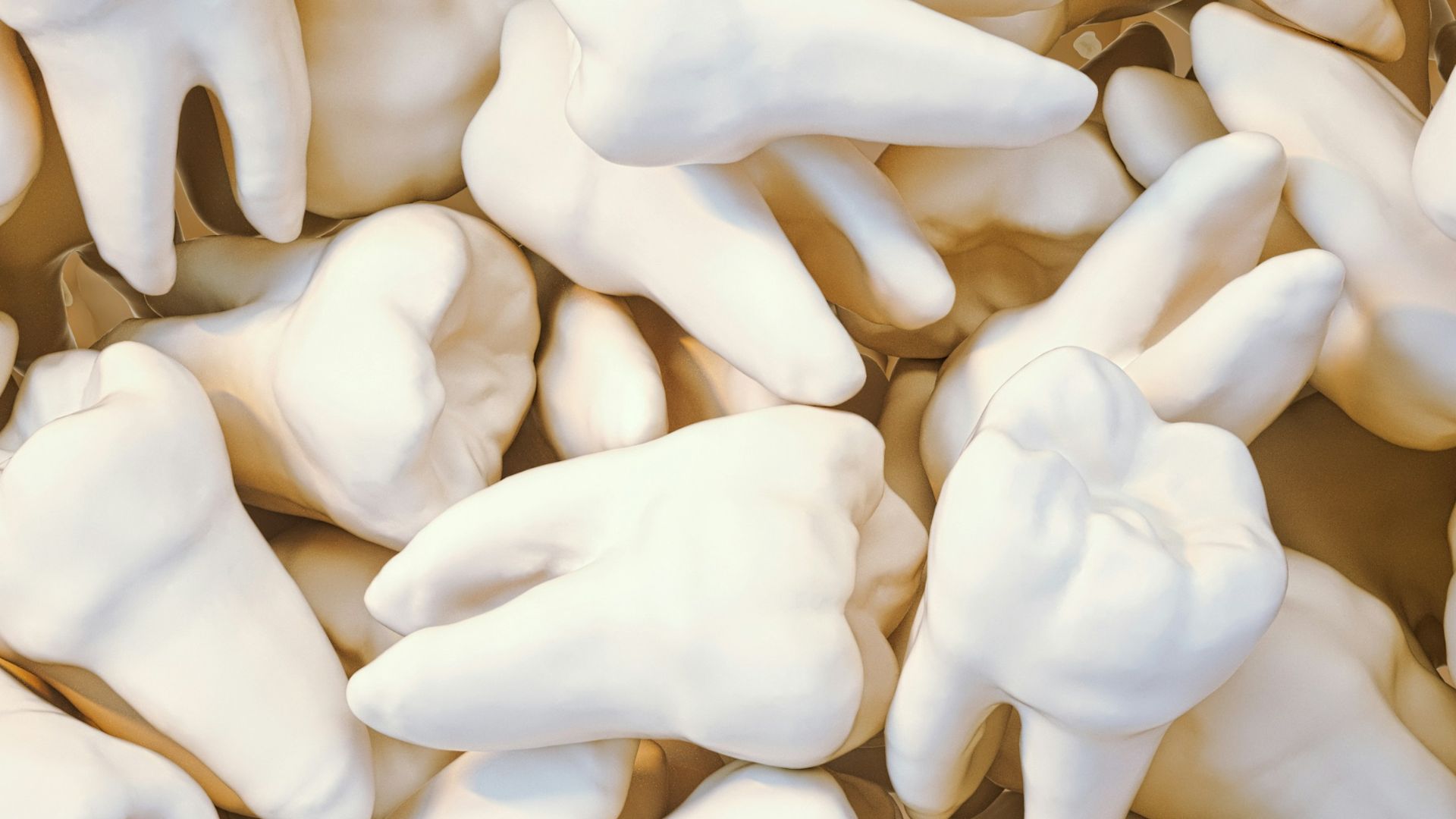
Wait, what? It’s true! Teeth may look and feel like bones, but they actually aren't the same kind of tissue. Unlike bones, they can't heal themselves in the same way once they're seriously damaged—which makes your mouth more high-maintenance than most people realize.
18. Your Nose Helps Power Your Sense of Taste
This one isn't gross in an obvious way, but it is a reminder that eating is tied to the same system handling mucus and trapped particles. A lot of what you experience as taste actually depends on smell working properly, too, which is why when your nose is blocked, food seems bland.
19. Your Body Hosts Tiny Organisms Naturally
Human skin naturally supports microscopic life, including organisms too small to see without magnification. Many of them exist without causing harm and are simply part of the body's normal environment—but there’s a still a whole ecosystem happening.

20. Digestion Is Messier Than It Sounds
Digestion is a complicated process involving acids, enzymes, bacteria, and constant movement through the digestive tract. Remember: food doesn't simply disappear after you swallow it. Your body has to break it down, sort it, absorb what it needs, and discard the rest.