
What Migraine Is That?
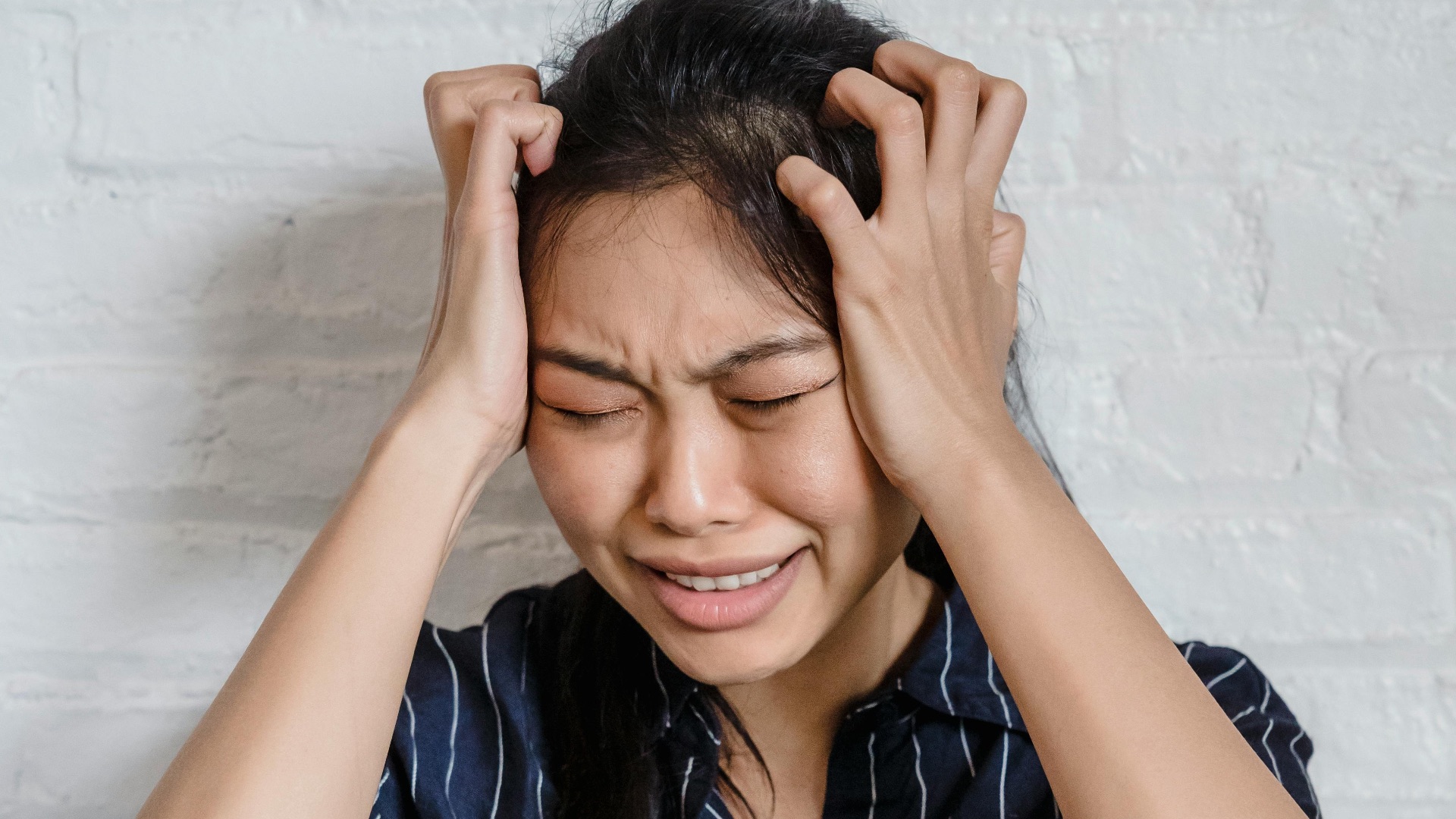
A migraine isn't just a terrible headache. It can bring throbbing pain, nausea, light sensitivity, visual changes, neck tension, and a level of disruption that can make everything feel difficult. But that's not all: they also come in different types, with different symptoms accompanying them. Knowing which ones are the most common may help you better understand what's happening if you ever get that splitting pain in your head, and knowing a few quick relief strategies can make the episode feel a little more manageable.
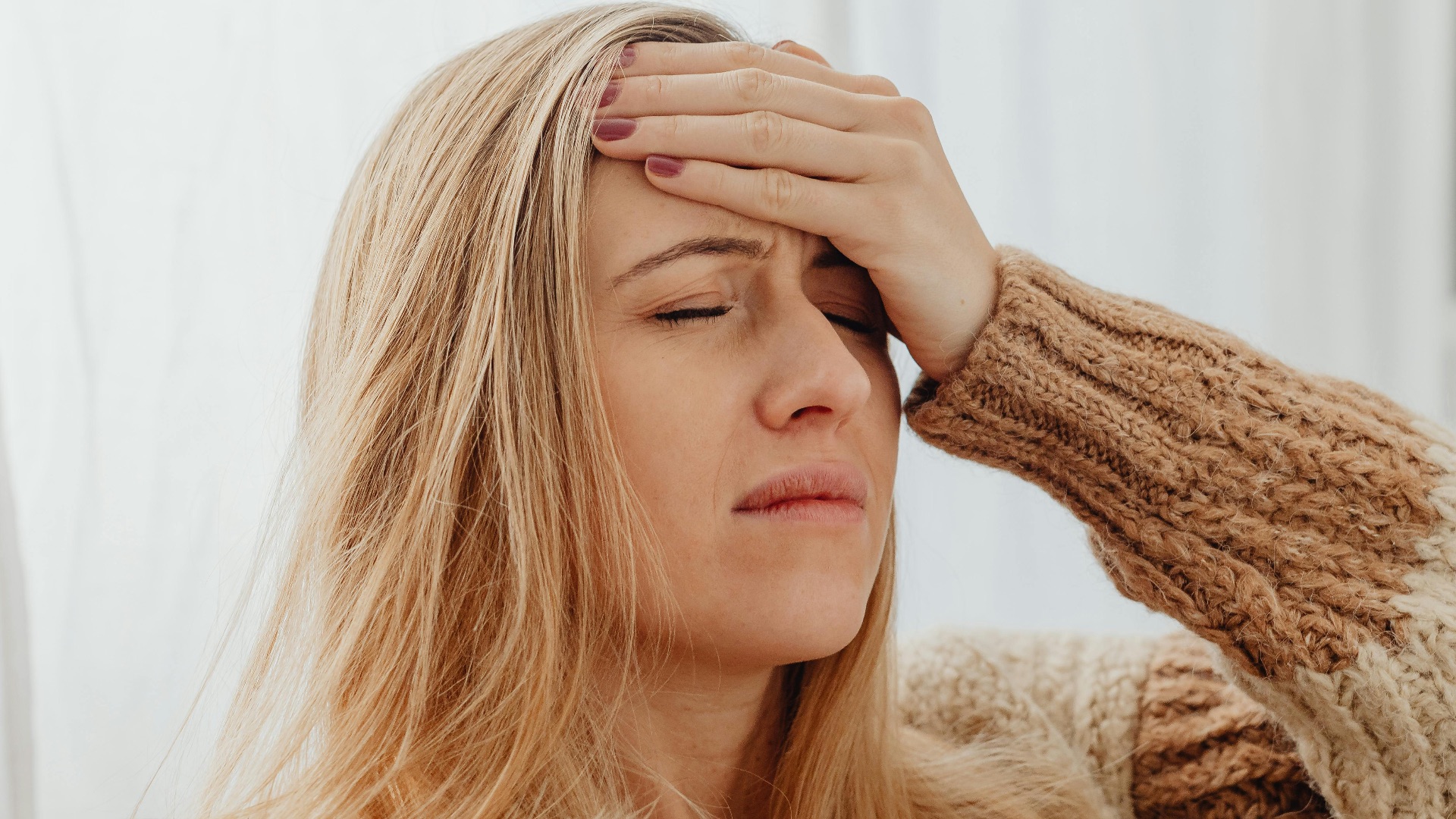
1. Migraine Without Aura
This is the most common type of migraine, and it's often what people mean when they say they get migraines. The pain usually feels moderate to severe, often on one side of the head, and it can come with nausea or strong sensitivity to light and sound. Some people also notice that physical activity makes the pain worse, which is one reason even basic tasks can feel hard during an attack.

2. Migraine with Aura
This type includes neurological symptoms that show up before or during the headache phase. You might see flashing lights, zigzag lines, blind spots, or feel tingling in your face or hand before the pain sets in. For some people, the aura lasts less than an hour, but it can still feel unsettling if you don't know what's causing it.
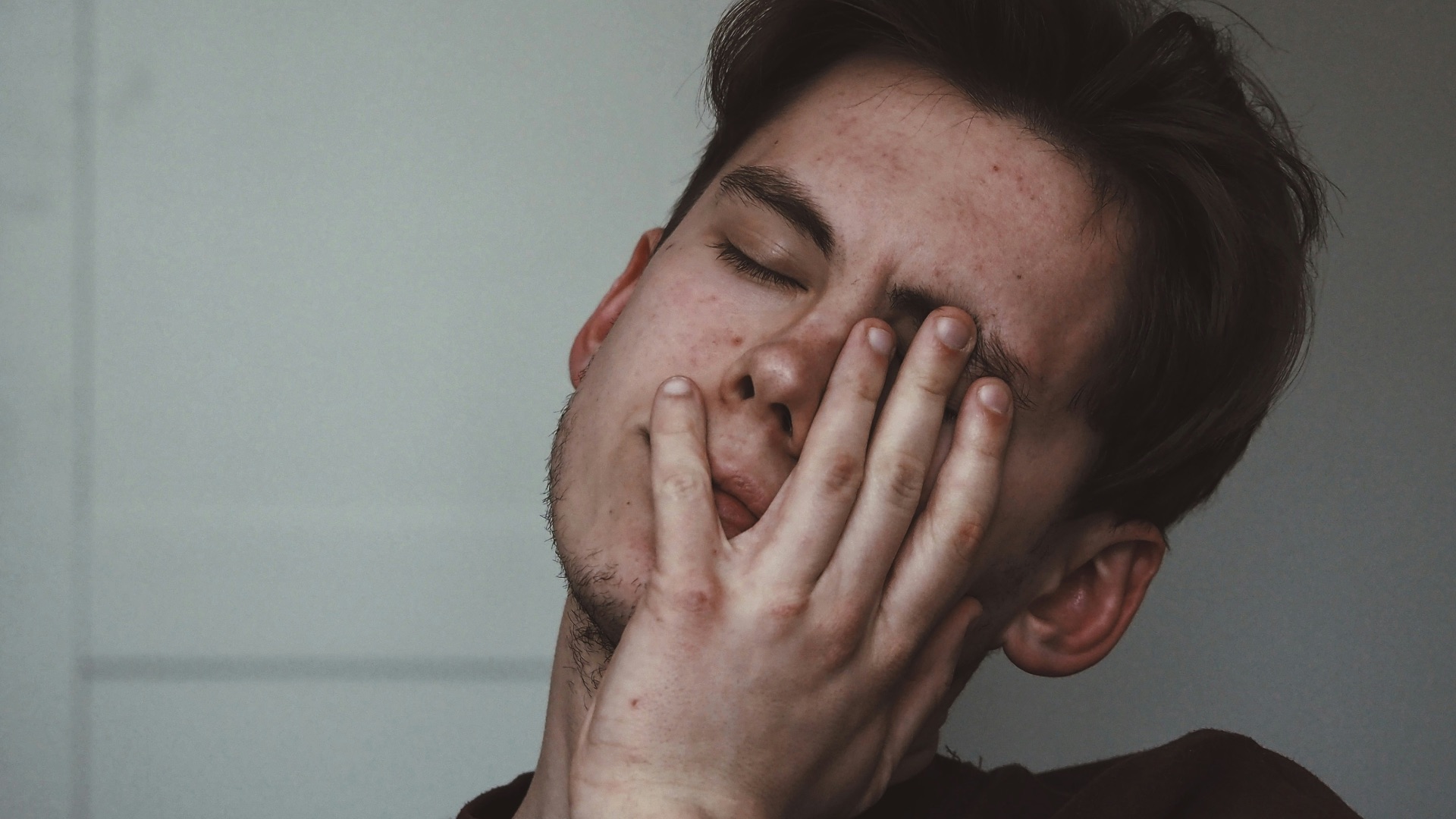
3. Silent Migraine
A silent migraine causes aura symptoms without the classic headache that usually follows. That means you may have visual disturbances, dizziness, or sensory changes, but little to no head pain. Because the headache isn't the main feature, people sometimes mistake it for an eye issue, stress reaction, or something else entirely.

4. Chronic Migraine
Chronic migraine is diagnosed when migraine symptoms happen frequently, often on 15 or more days per month, with migraine features appearing on at least eight of those days, and lasting for at least three months. They're less common than your regular migraine, affecting only around 1-2% of people worldwide, but females are more susceptible to them.
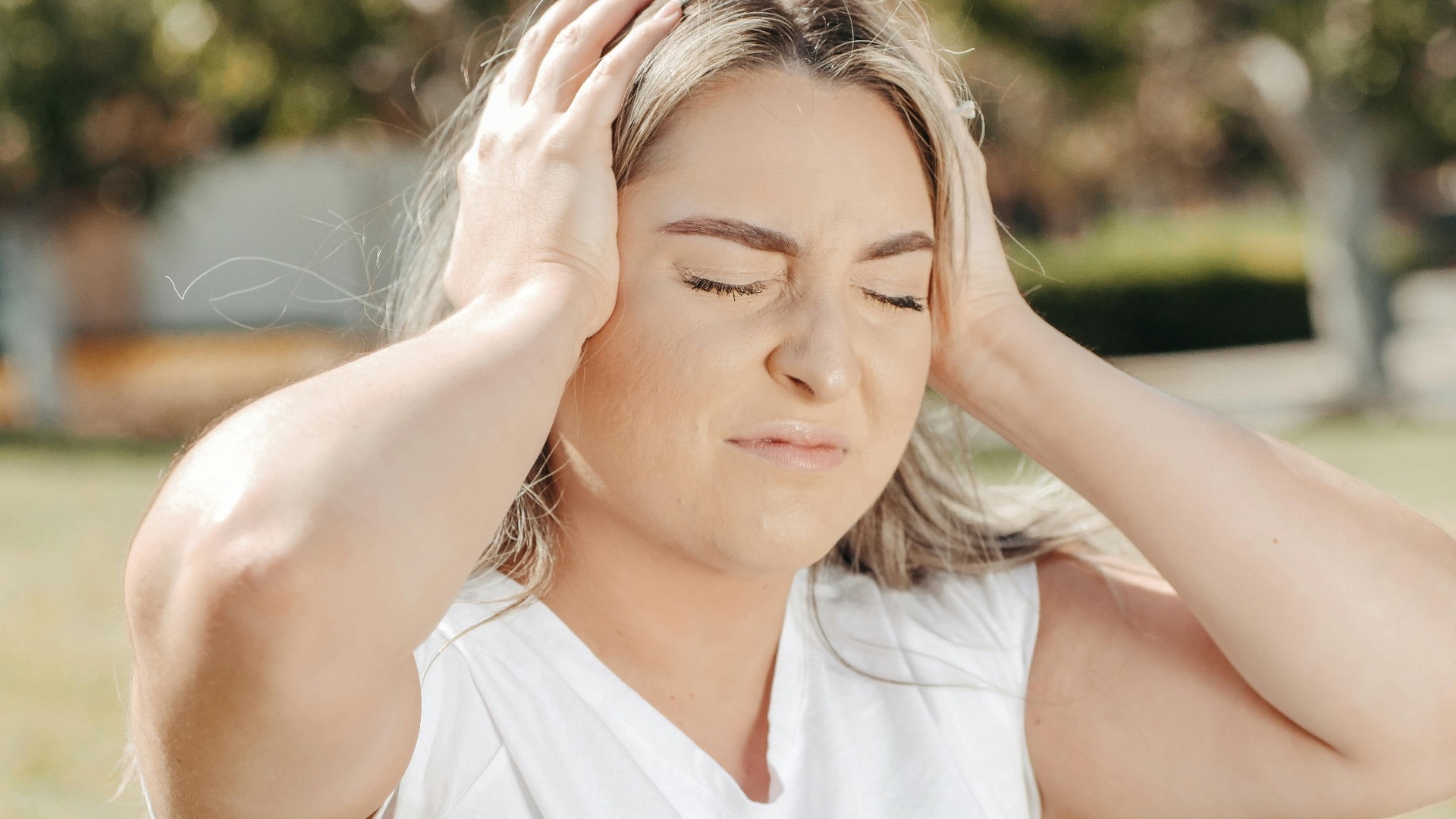
5. Vestibular Migraine
Vestibular migraine is strongly tied to dizziness, balance problems, and a sensation that the room is moving or spinning. Some people get head pain with it, while others mainly notice vertigo, motion sensitivity, and nausea. It can be especially frustrating because it may be triggered by things like travel, screen use, or busy visual environments.

6. Hemiplegic Migraine
This rare form of migraine can cause temporary weakness on one side of the body, which can look alarming and may mimic stroke symptoms. You might also notice numbness, trouble speaking, or visual changes along with the headache. Because the symptoms overlap with more serious neurological conditions, it's important to treat new or severe episodes as a medical issue that needs urgent evaluation.
7. Ocular Migraine
Ocular migraines refer to episodes that involve visual disturbances in one eye or prominent visual symptoms. You may notice flashing lights, shimmering spots, or temporary vision loss that comes on suddenly and then resolves. Since eye-related symptoms can also point to non-migraine causes, it helps to pay attention to whether the pattern is new, recurring, or different from your usual attacks.

8. Menstrual Migraine
This type is linked to hormonal changes, especially the drop in estrogen that happens around a menstrual period. The attacks often show up in a predictable window and can feel more intense or harder to relieve than migraines at other times of the month. For many people, tracking the timing makes a big difference because it helps connect the dots between symptoms and the cycle.

9. Abdominal Migraine
Abdominal migraine is more common in children, though adults can experience it, too. Instead of head pain being the main issue, the person may have stomach pain, nausea, vomiting, and loss of appetite. Episodes can come and go, and because the symptoms center on the gut, this type is sometimes missed at first.

10. Status Migrainosus
This is a severe migraine attack that lasts longer than 72 hours and often doesn't respond well to usual treatment. The pain can be relentless, and dehydration, vomiting, and exhaustion may start to build on top of the migraine itself. When a migraine lasts this long, you may want to seek medical treatment rather than relying on at-home treatments.
Understanding the type of migraine you're dealing with can make the symptoms feel less confusing. From there, the second step is knowing what may bring quick relief when the pain hits, so let's jump into that next.
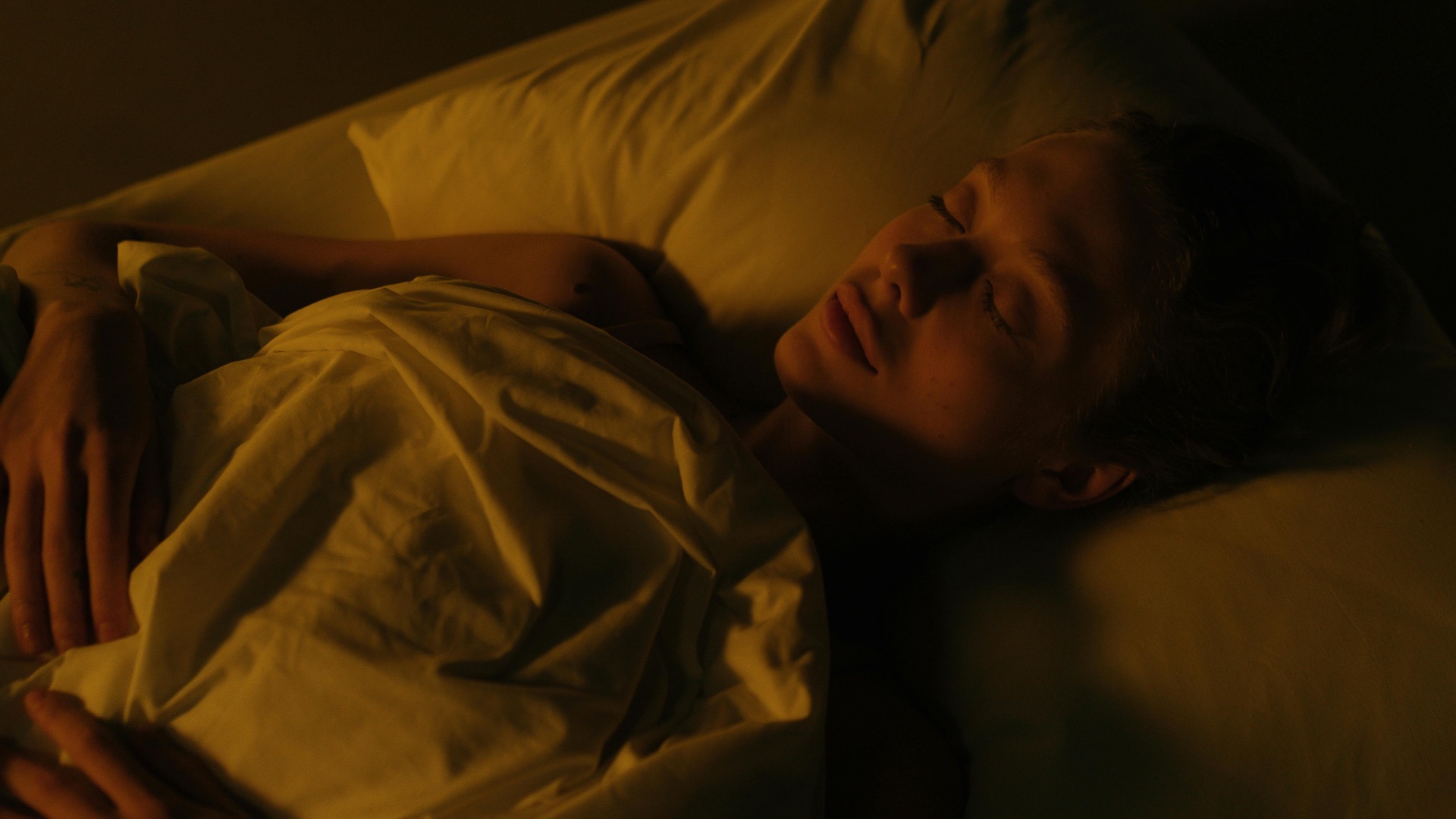
1. Rest in a Dark, Low-Stimulation Room
When a migraine flares up, reducing sensory input can take some pressure off your nervous system. Dimming the lights, lowering noise, and stepping away from screens may ease the intensity, especially if light and sound are making things worse. Even a short period of rest in a calm space can help your body stop reacting to every bit of stimulation around you.
2. Hydrate as Early as You Can
Dehydration can trigger migraines in some people and make an active one feel worse. Sipping water, an electrolyte drink, or even ice chips may help if nausea makes it hard to drink normally. The sooner you start replacing fluids, the better your chances of avoiding the extra fatigue and weakness that dehydration can bring.

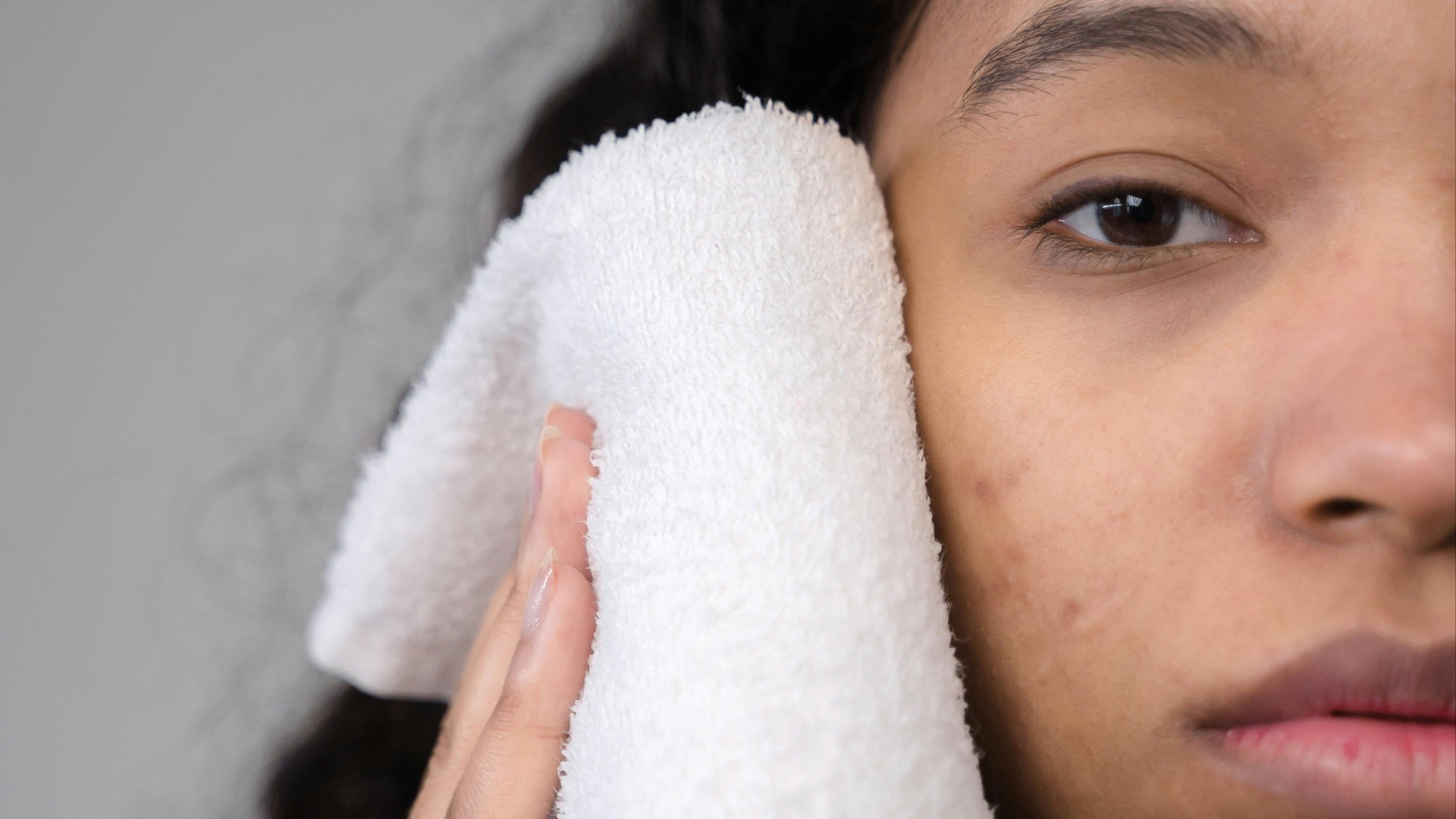
3. Use a Cold Compress
A cold pack placed on the forehead, temples, or back of the neck can be surprisingly helpful during an attack. The cooling sensation may dull pain and provide some relief when your head feels hot, tight, or overstimulated. Wrap the compress in a cloth so it's not so harsh on sensitive skin.
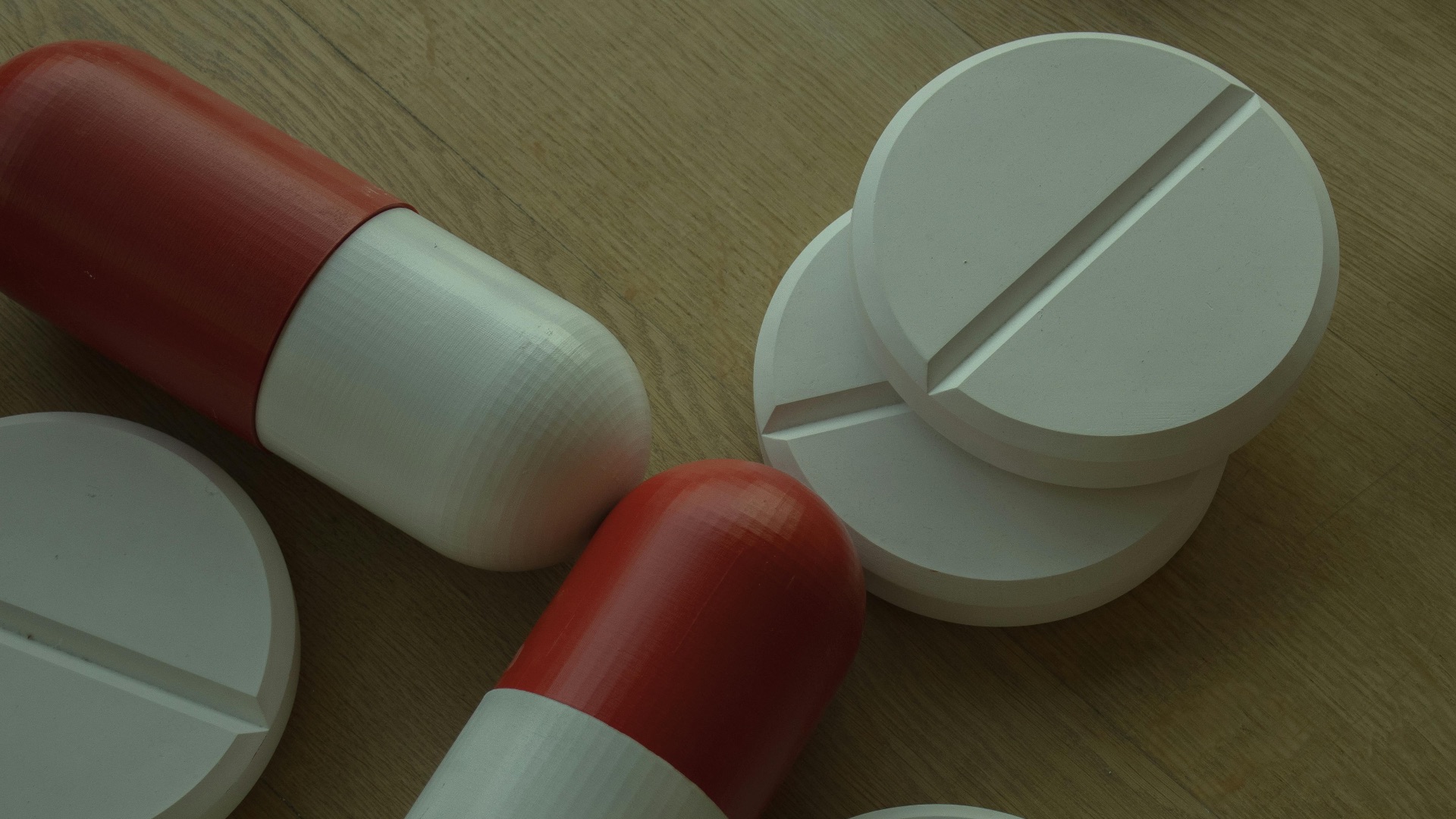
4. Take Over-the-Counter Pain Relief Promptly
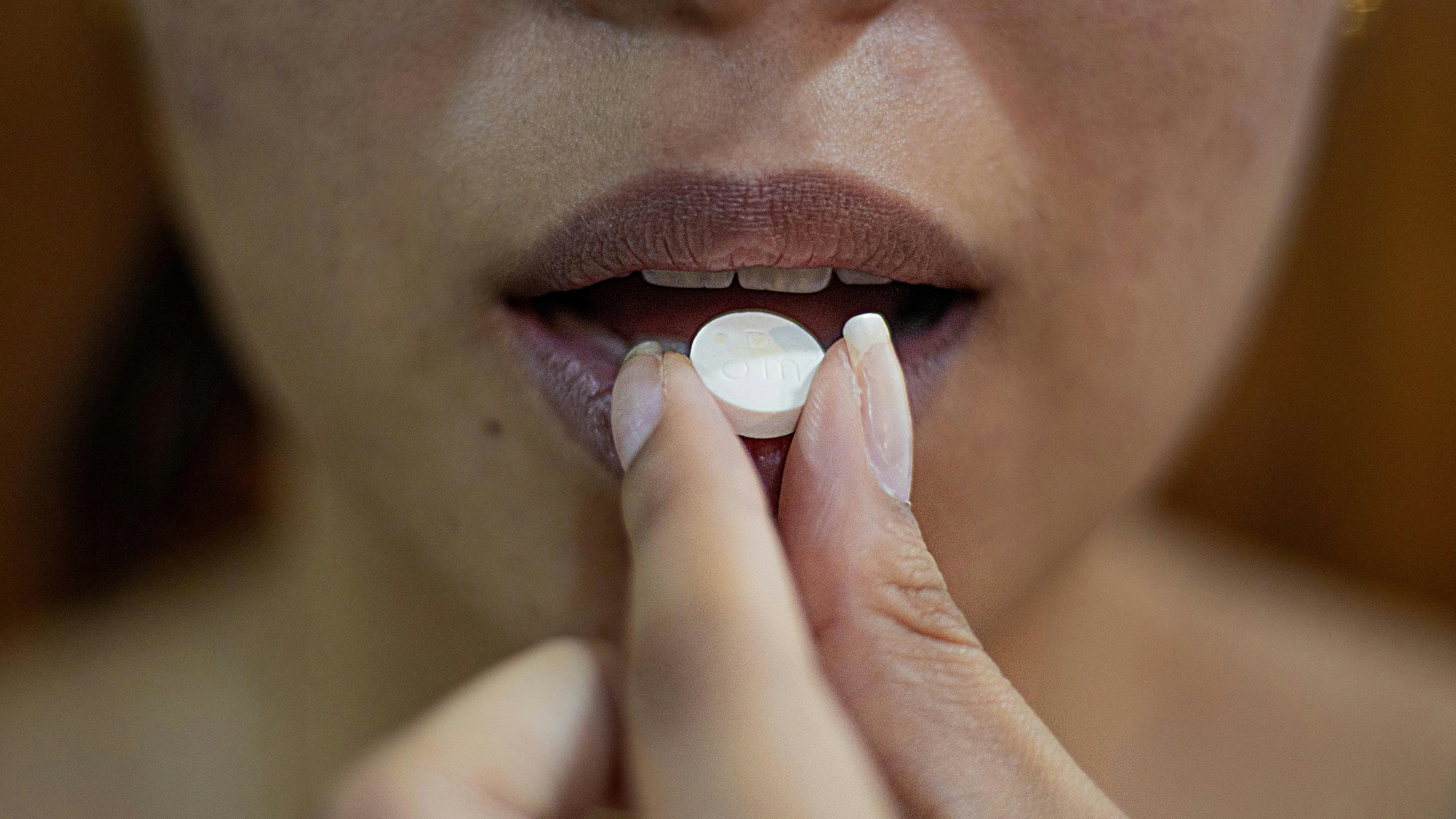
For some people, medications like ibuprofen, acetaminophen, or aspirin can work best when taken early in the attack. Waiting too long may give the migraine time to build, which can make the medicine less effective. It's still important not to overuse pain relievers, because frequent use can lead to rebound headaches over time.
5. Try Prescription Migraine Medication if You Have It
If you've been prescribed migraine-specific medication, such as a triptan, using it according to your doctor's instructions may bring faster relief than general pain medication. These treatments are designed to target migraine pathways more directly, which matters when symptoms are escalating.
6. Drink a Small Amount of Caffeine
A modest amount of caffeine can help some people, especially early in a migraine. This is because it can narrow the blood vessels, which, in turn, decreases the pressure and pain. But it's also important to note that too much caffeine or inconsistent caffeine habits can backfire, so this works best when you don't overdo it.

7. Practice Slow, Steady Breathing
Migraines are physical, but the stress that builds around them can make everything feel worse. Slow breathing can help settle your body, reduce muscle tension, and make it easier to ride out the peak of the attack. Even a few minutes of controlled breathing may help you feel less overwhelmed.

8. Ease Neck and Shoulder Tension
A migraine often comes with tightness in the neck, jaw, and shoulders, even if those areas aren't the main source of pain. Gentle stretching, loosening your posture, or using a heating pad on these areas may reduce some of the strain surrounding the headache, helping to soften any tension you feel.

9. Eat Something Light if You Haven't Eaten
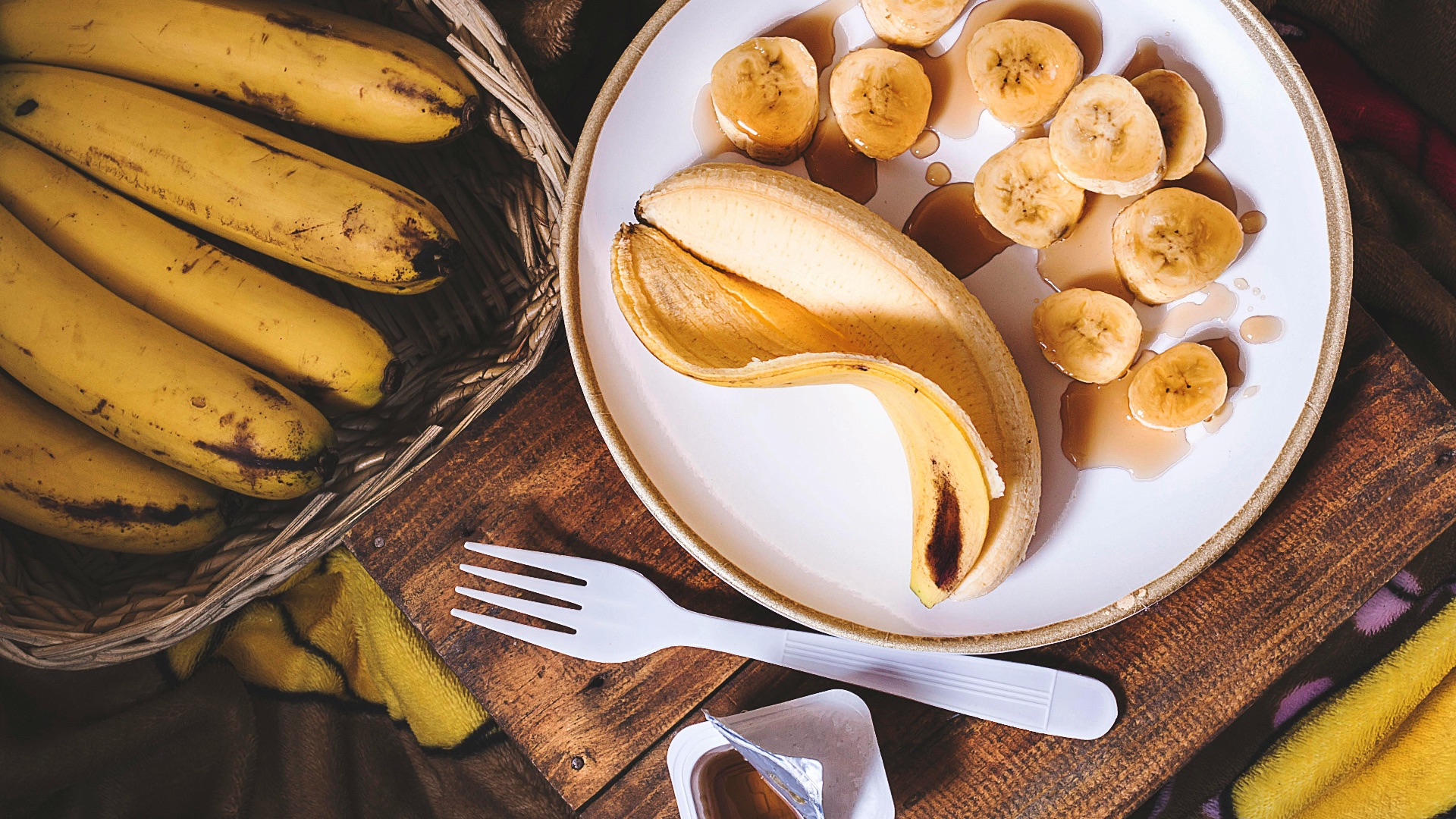
Skipping meals can trigger migraines for some people, and low blood sugar may make symptoms worse once one starts. A small, bland snack such as crackers, toast, rice, or a banana may be easier to tolerate if your stomach feels unsettled. Keeping food simple can help you get a little energy back without making nausea more intense.
10. Know When to Seek Medical Help
Not every migraine should be managed at home. You should get prompt medical care if you have a sudden, explosive headache, new weakness, confusion, chest pain, fainting, fever, or symptoms that are different from your usual pattern. It's also worth seeking help when a migraine lasts for days, keeps you from holding down fluids, or feels severe enough that home remedies aren't touching it.

KEEP ON READING