Eat According To Your Organ Needs
Depending on your bodily and health needs, certain fruits and foods are more important than others. Optimize your diet by focusing on what you need for your goals and letting go of the rest. Taking a proactive approach to your diet is a delicious way to ensure your ticker stays strong and resilient for years to come.
1. The Power of Lycopene in Tomatoes
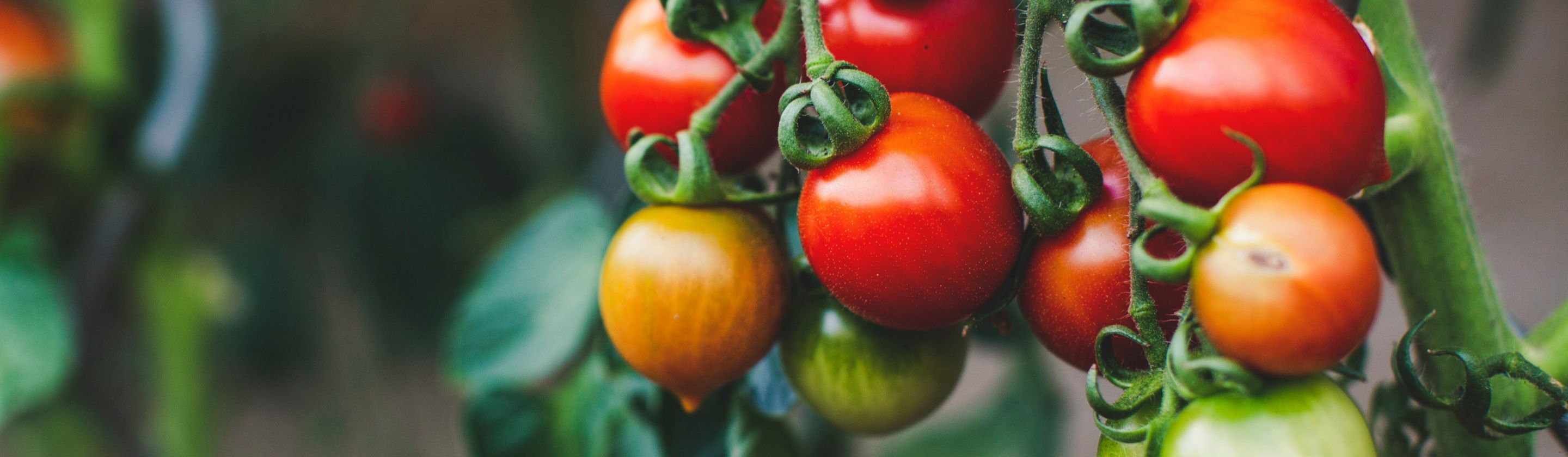
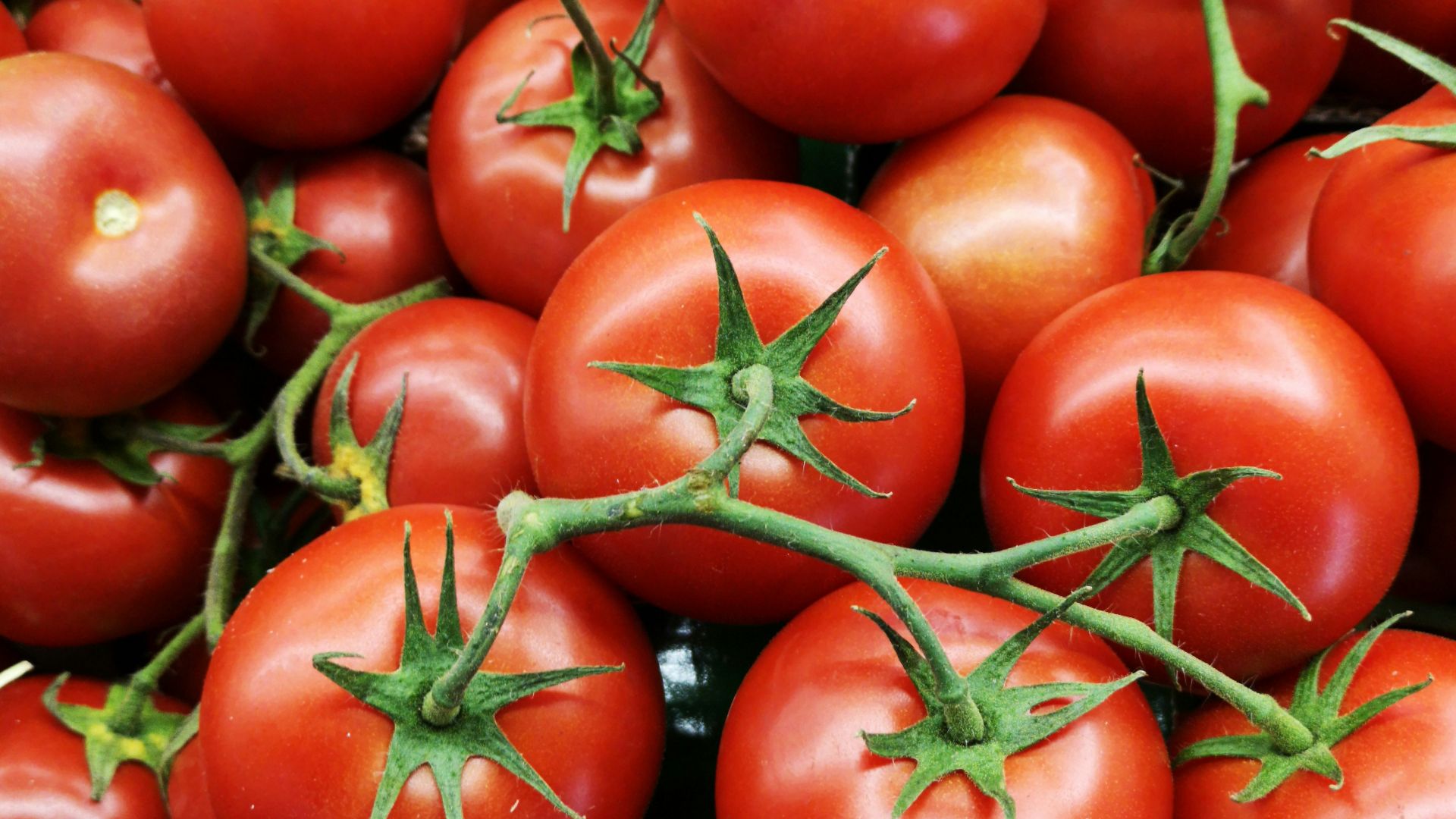
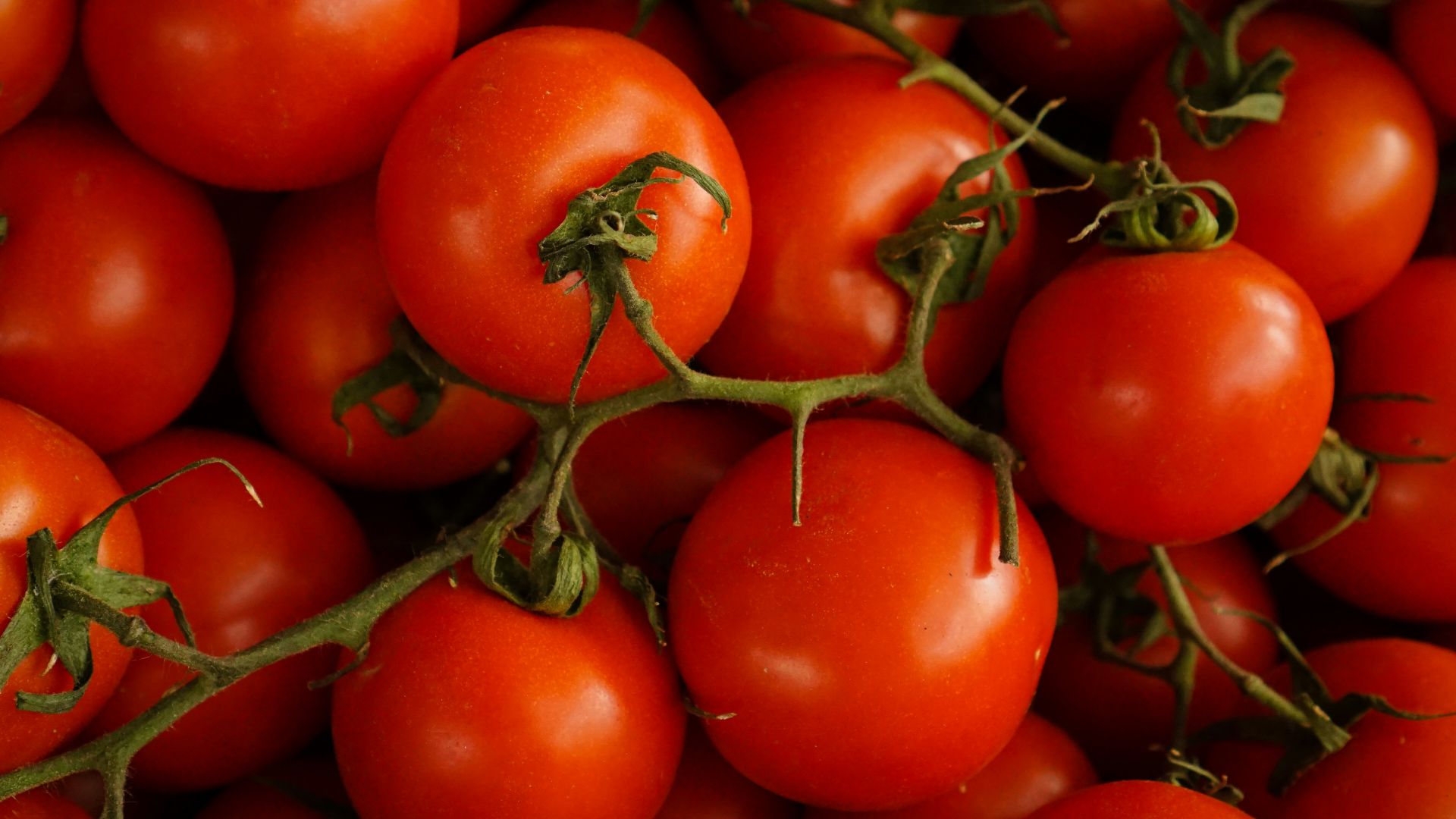
Tomatoes are well known for their high levels of lycopene, an antioxidant that can reduce your risk of heart disease when consumed. Not only that, but cooking tomatoes makes them easier to absorb than eating them raw. If you’re cooking tomato sauce, drizzle in a little olive oil to increase absorption even further.
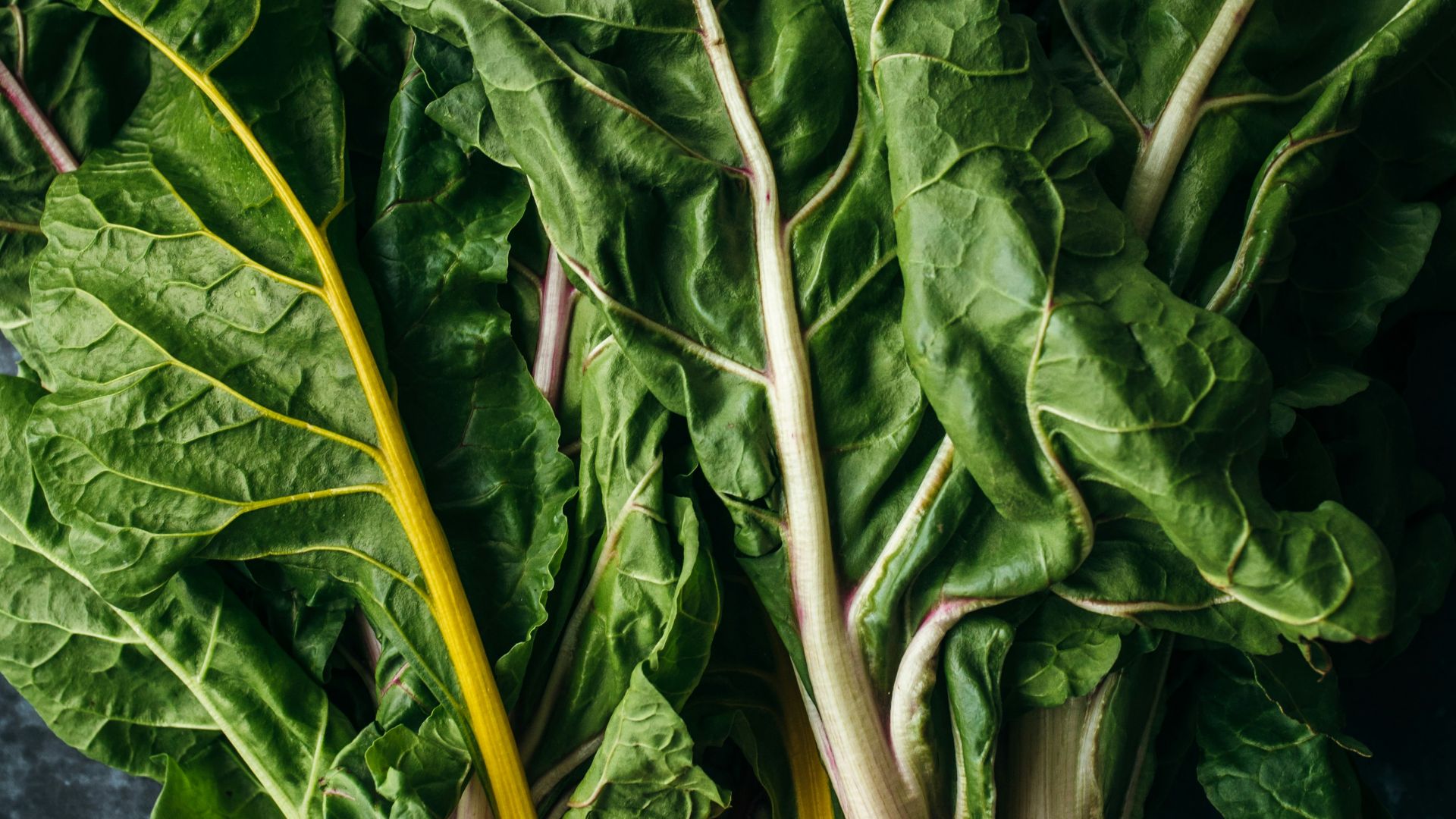
2. Leafy Greens for Arterial Health
These leafy greens are high in vitamin K, which can protect your arteries and help your blood clot. They also contain dietary nitrates that help lower blood pressure and improve the function of your blood vessel lining. Blend them into a green smoothie for easy consumption.
3. Whole Grains for Fiber Support
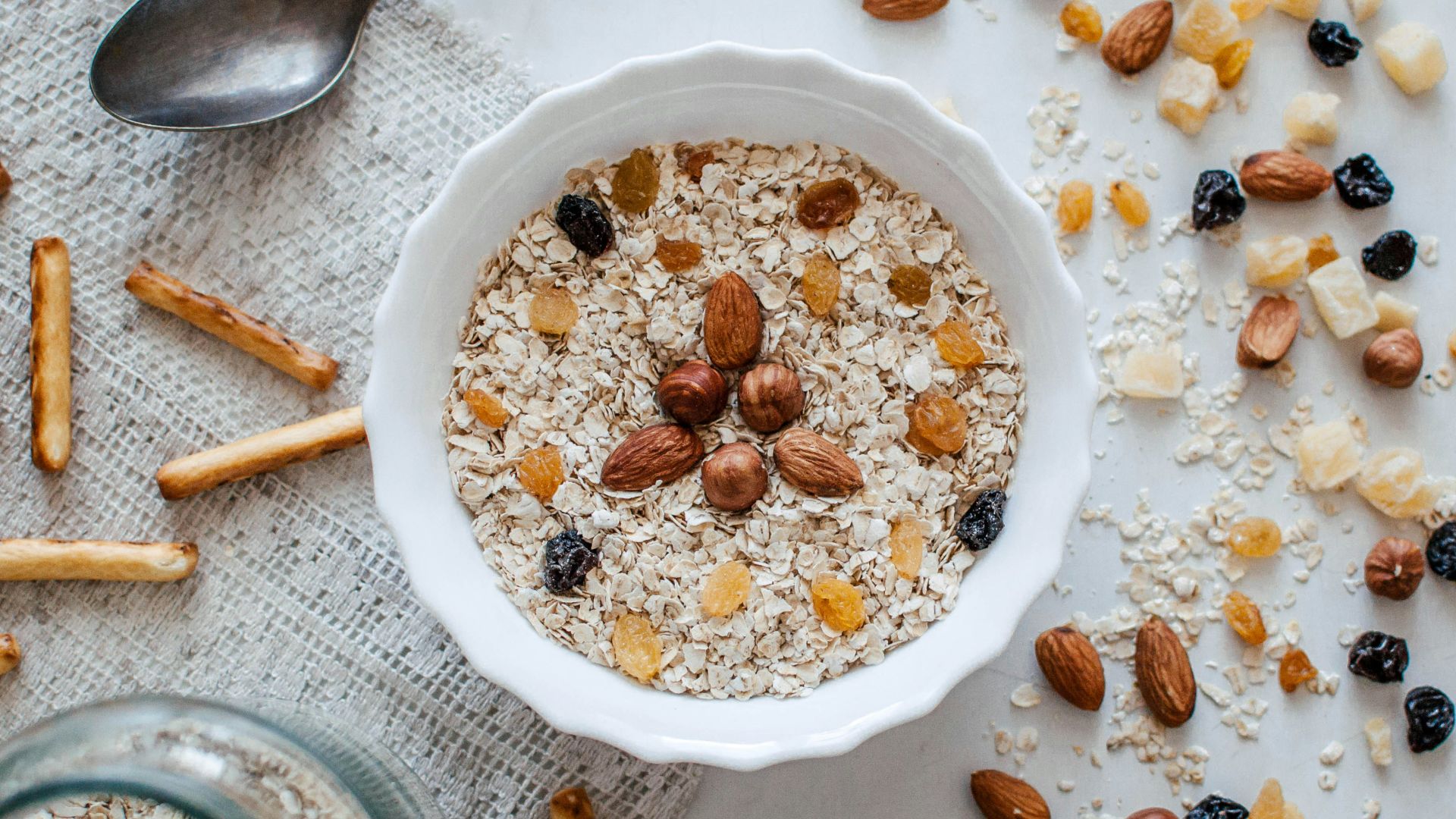
Whole grains, such as oats and quinoa, can help your body rid itself of bad cholesterol with their fiber content. Eating whole grains has also been connected to keeping your heart rhythm regular and providing long-lasting energy throughout the day.
4. Berries and Their Anthocyanins
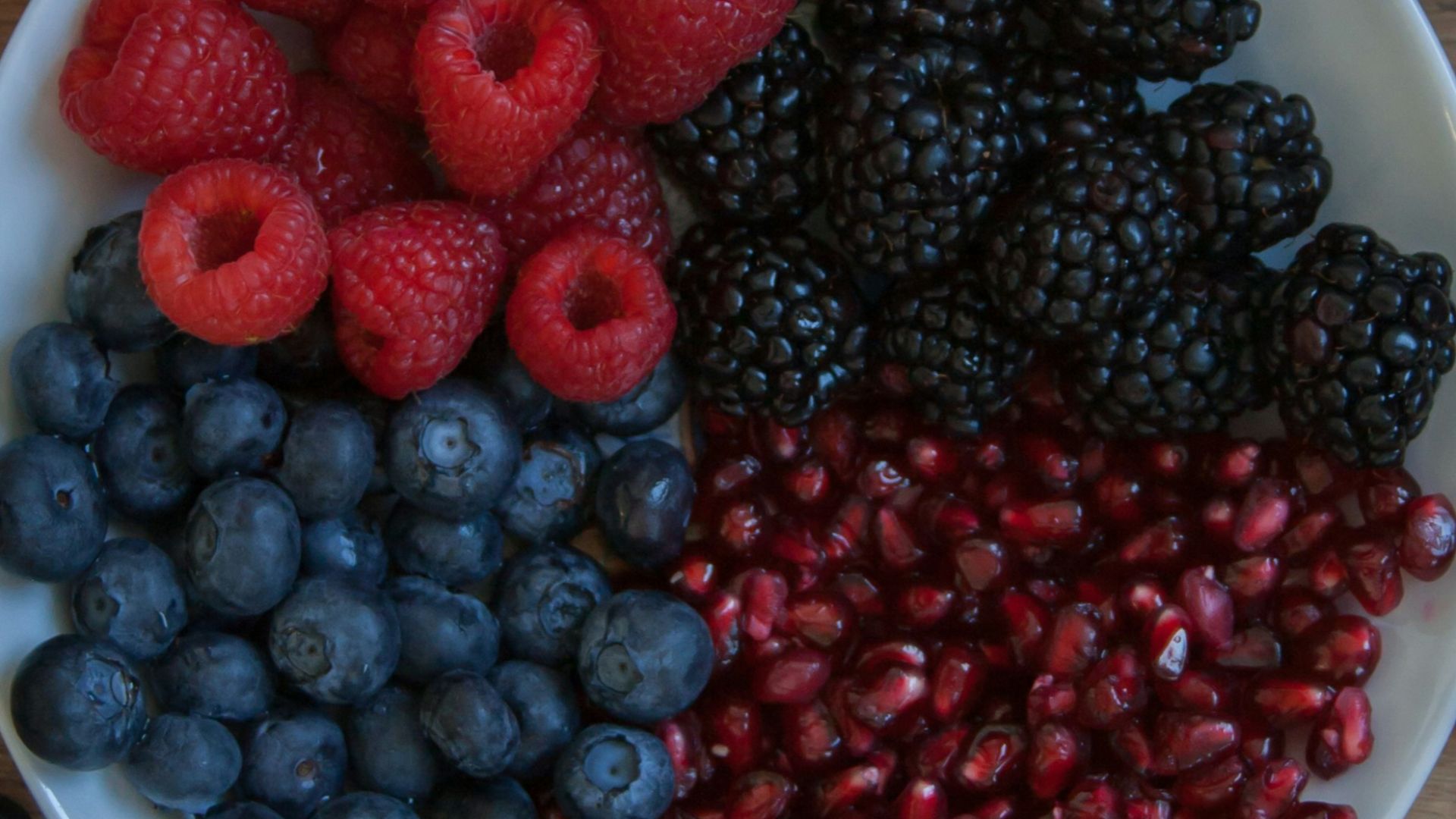
Blueberries, strawberries, and raspberries are full of antioxidants known as anthocyanins. These antioxidants can fight oxidative stress and inflammation that can lead to heart disease. They may even help improve the function of your blood vessels and decrease blood pressure when eaten regularly.
5. Avocados and Monounsaturated Fats
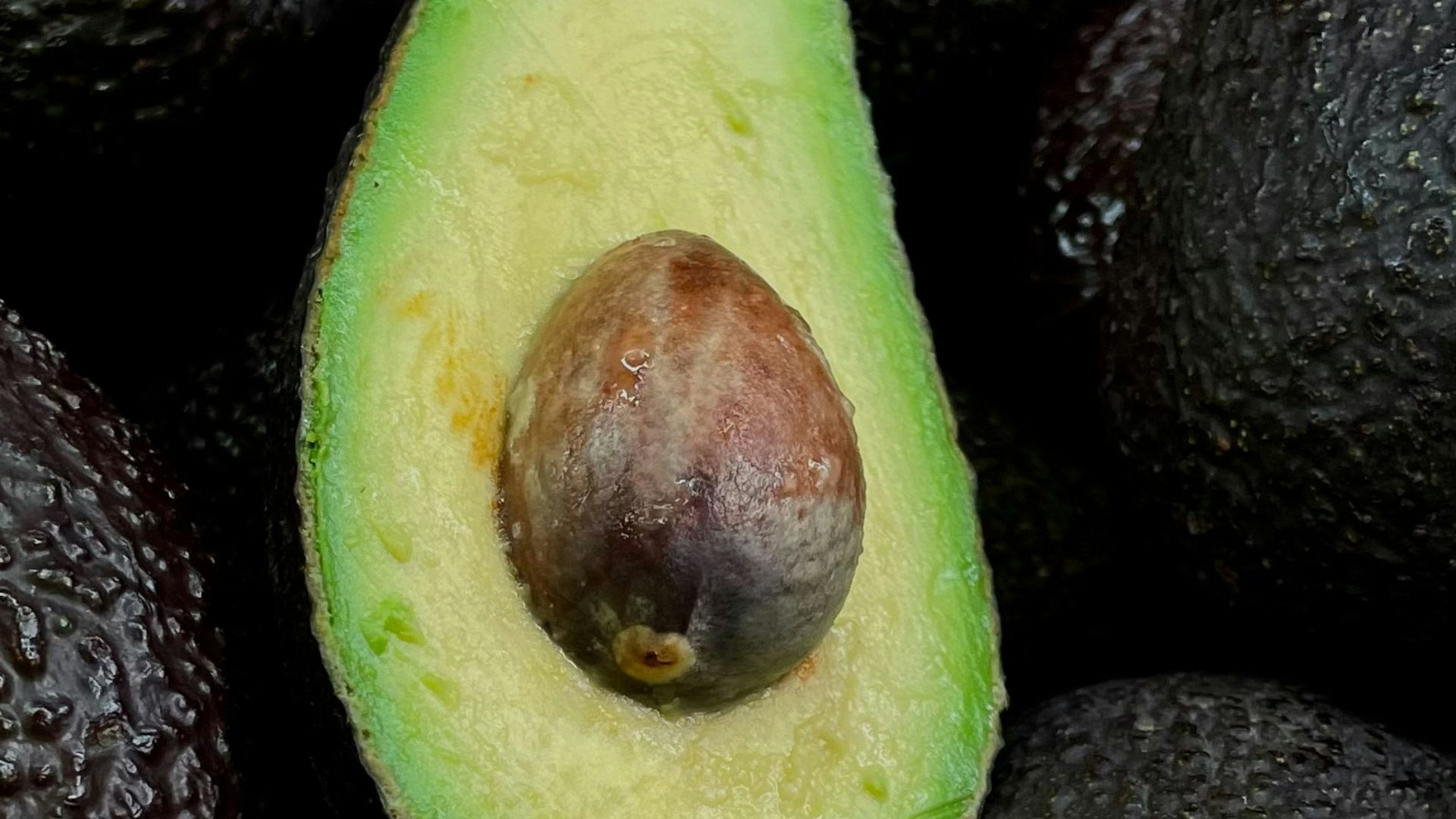
Avocados contain heart-healthy monounsaturated fats. These fats help to lower cholesterol in your body. They are also a great source of potassium, which is vital to your heart health. Mash some on toast or toss avocado slices in your salad.
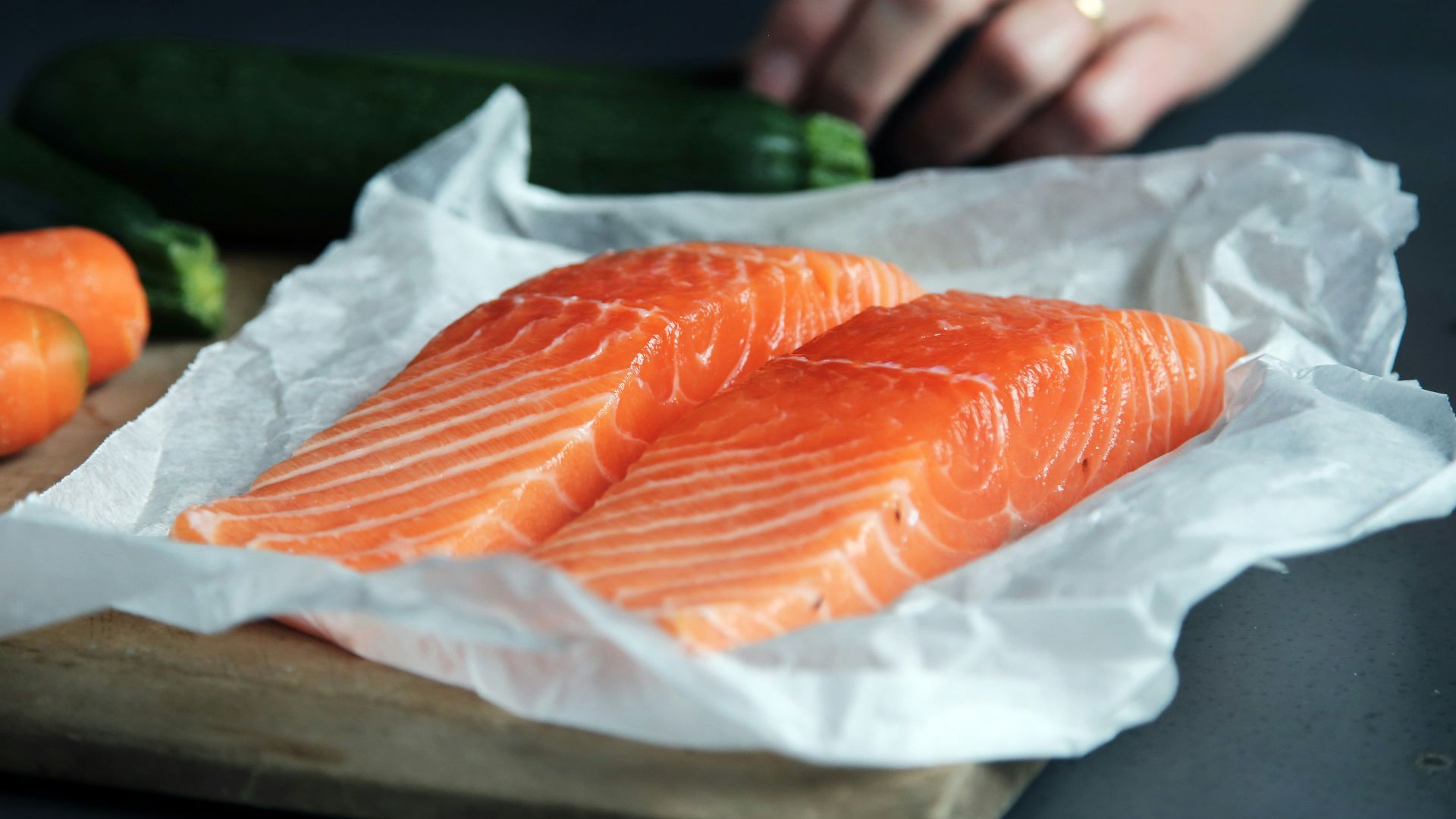
6. Fatty Fish for Omega-3s
Fish like salmon, mackerel, and sardines are high in omega-3 fatty acids. Omega-3s can decrease your risk of having an irregular heartbeat. Not only that, they can decrease triglycerides in your blood and slow down the development of plaque in your arteries.
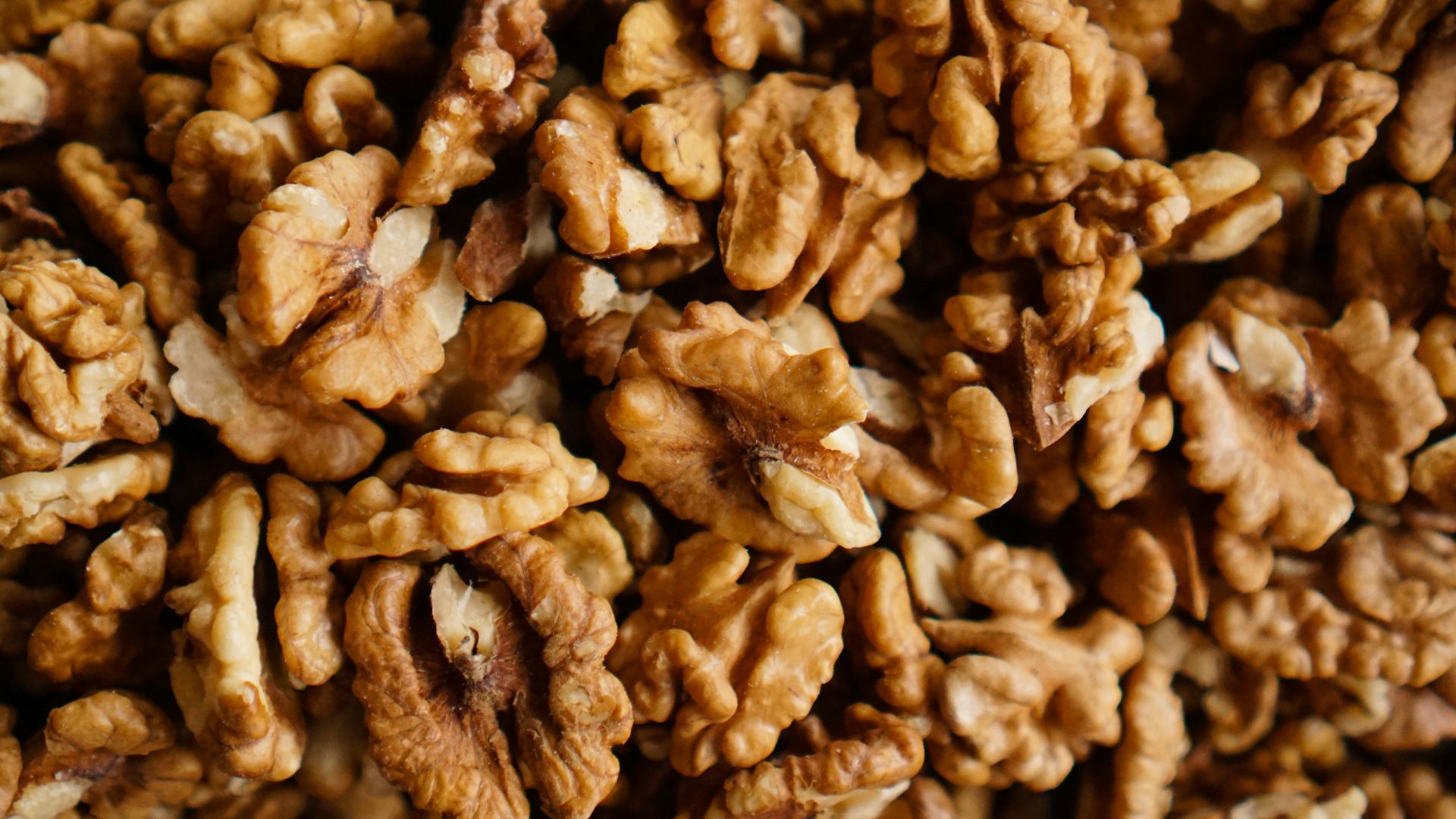
7. Walnuts and Plant-Based Fats
Compared to other nuts, walnuts contain high amounts of alpha-linolenic acid. Alpha-linolenic acid is a plant-based omega-3 fatty acid. Eating just one ounce of walnuts per day can help increase blood vessel flexibility and reduce inflammation in your body.
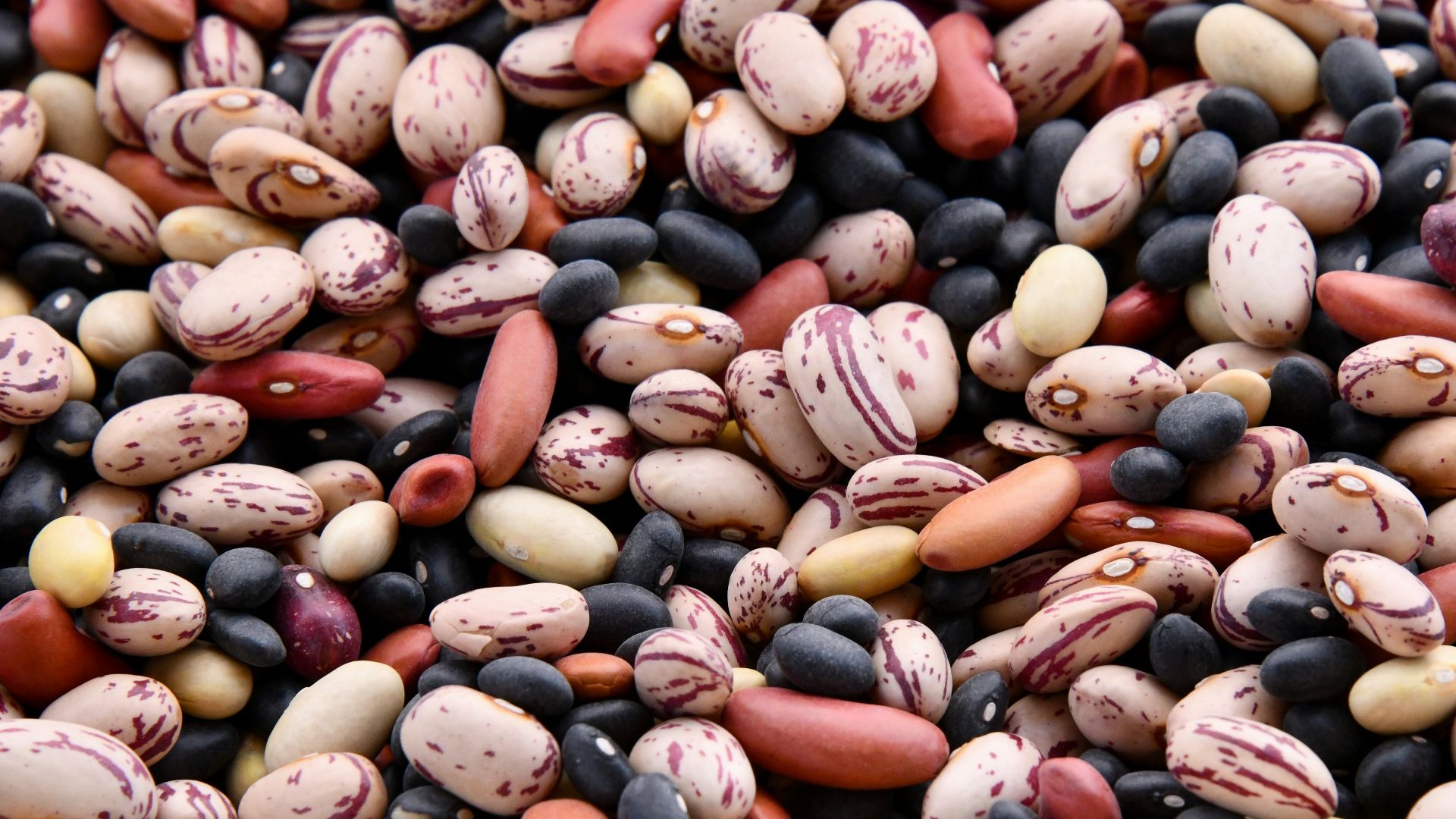
8. Beans and Legumes for Heart Longevity
Beans, lentils, and chickpeas are extremely high in soluble fiber. This type of fiber can attach to cholesterol and help eliminate it from your body. Similar to whole grains, they also provide your body with a plant-based protein that doesn’t contain the saturated fats of animal protein.
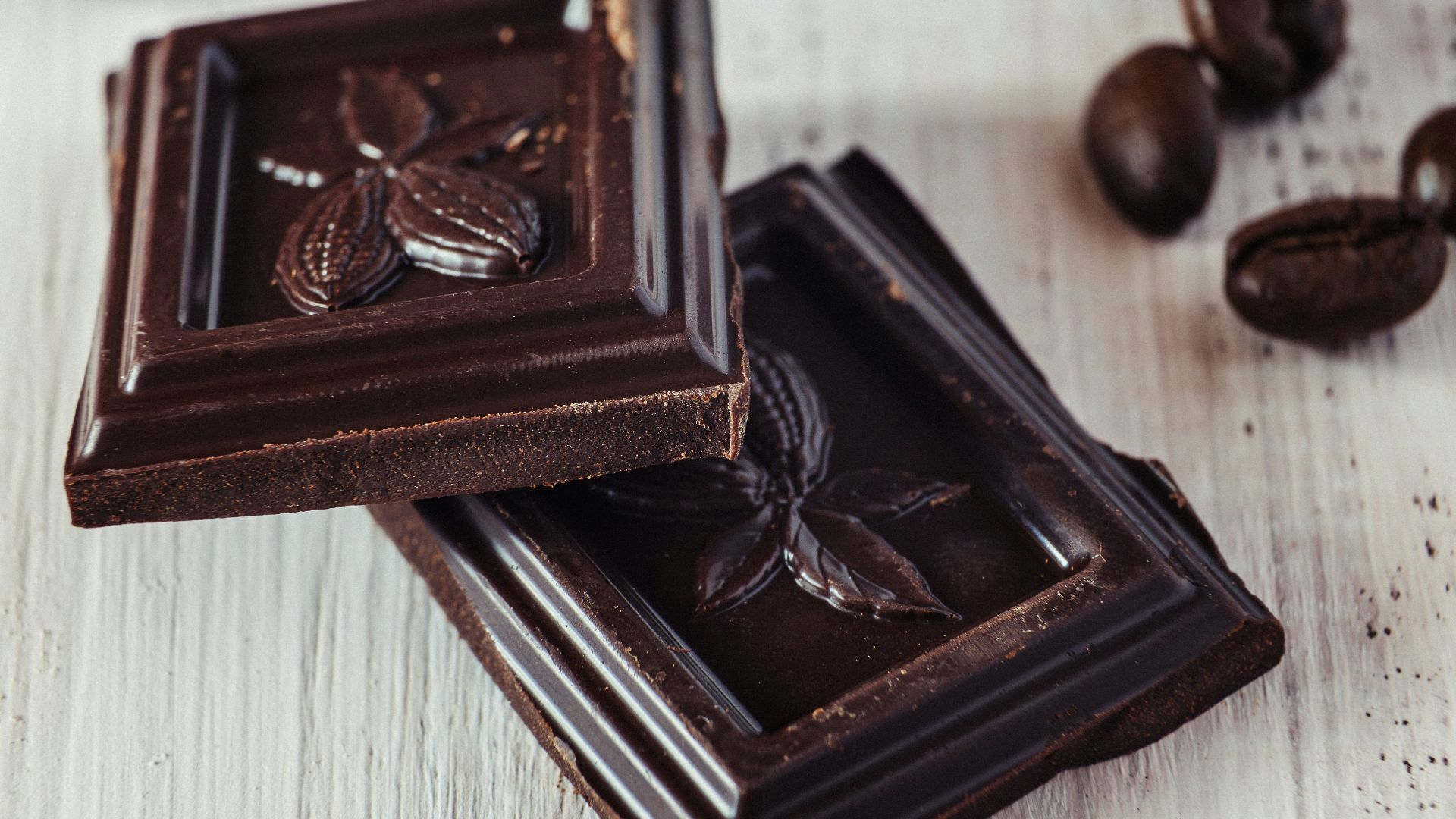
9. Dark Chocolate for Flavonoid Benefits
Good news for chocolate lovers! Dark chocolate that is 70% cocoa or higher can be good for your heart. Flavonoids found in dark chocolate can increase blood flow to your heart and decrease your chances of having a blood clot.
10. Garlic for Blood Pressure Control
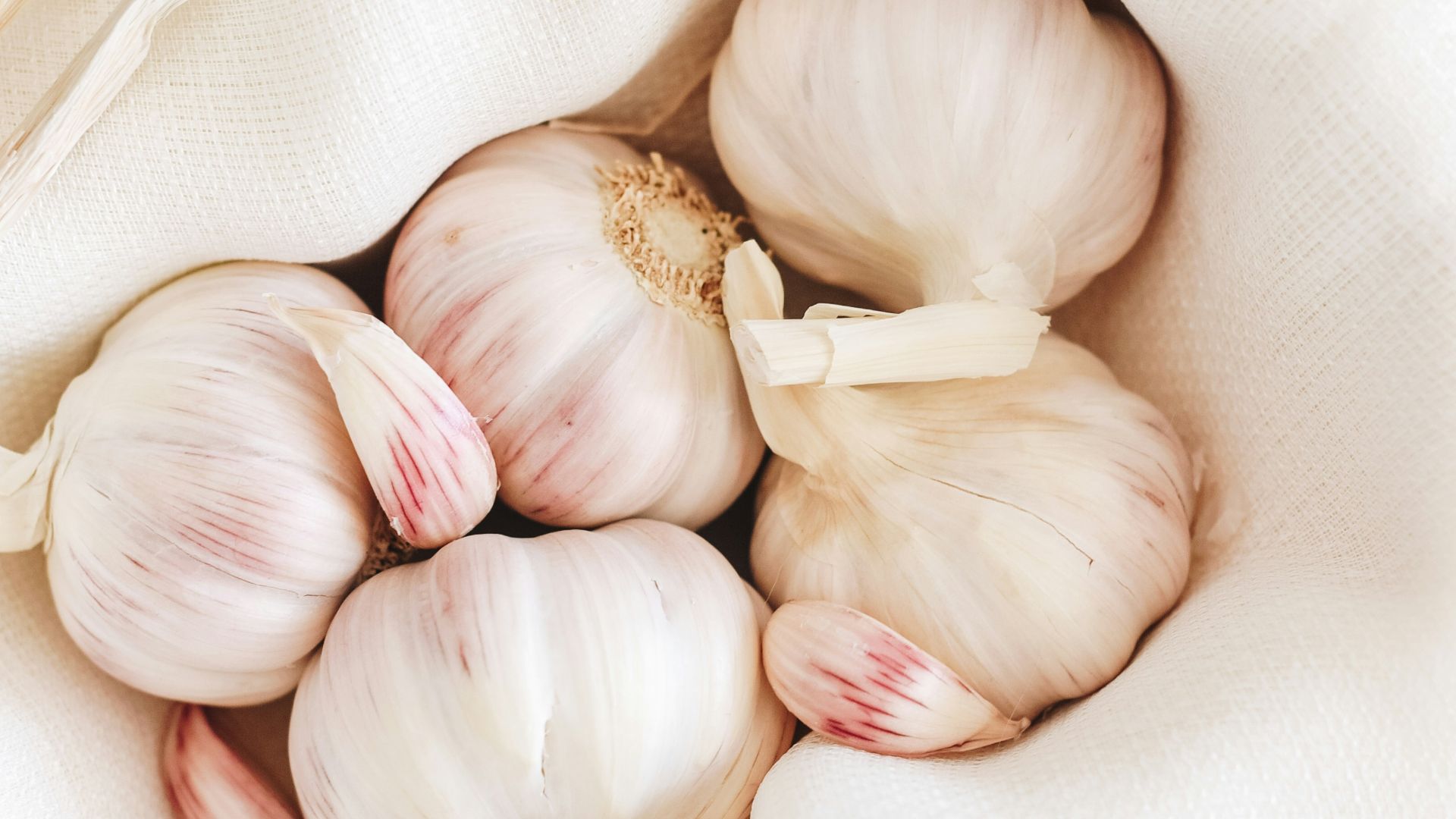
Garlic has been used medicinally for centuries because it contains a compound called allicin. Allicin can help dilate blood vessels and decrease your blood pressure. Minced garlic can help lower your cholesterol levels and blood pressure when added to your diet regularly.
11. Olive Oil as a Primary Fat
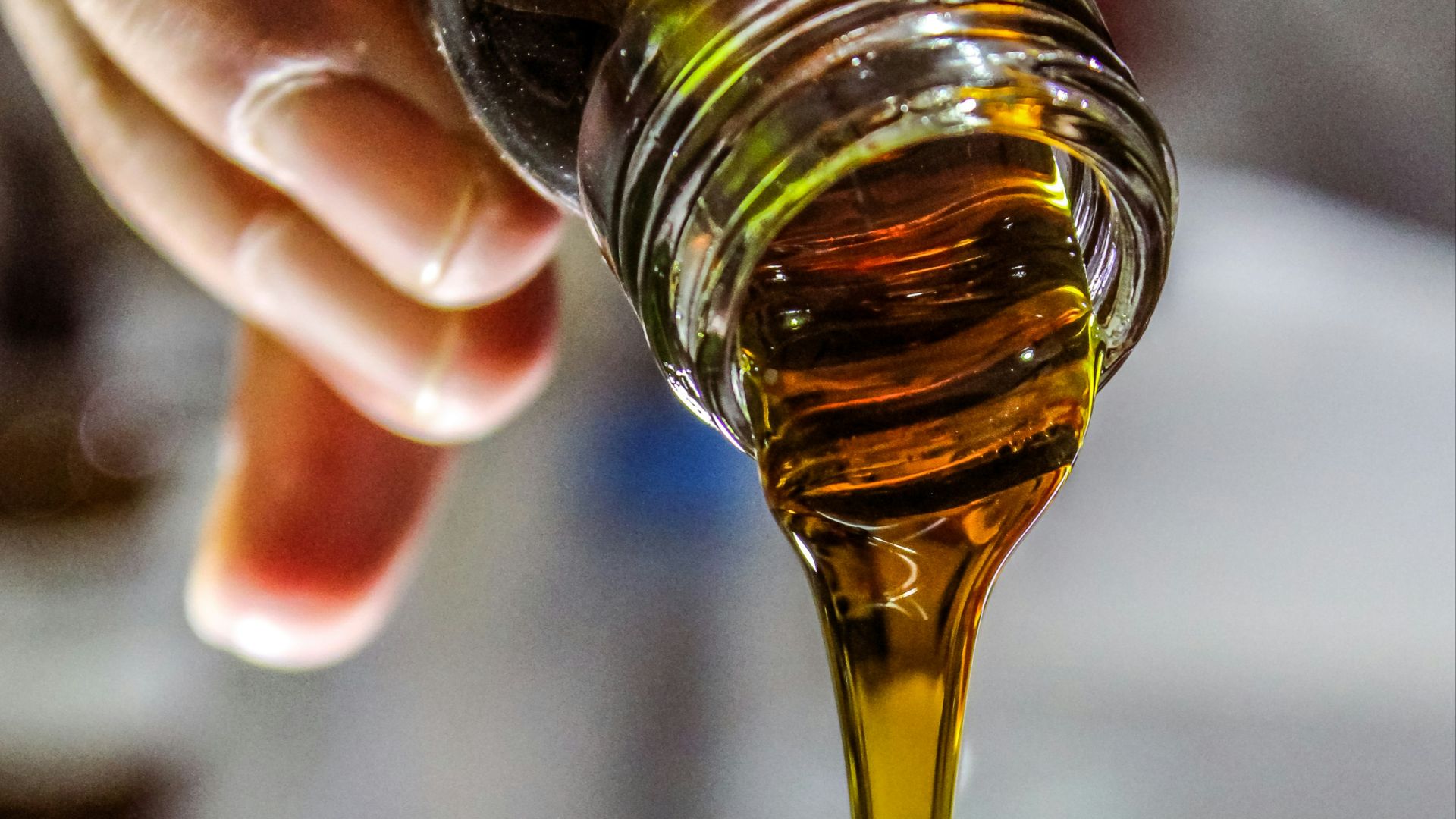
Extra virgin olive oil should be your go-to when cooking because it’s filled with oleic acid and antioxidants. Using olive oil as your primary cooking fat can improve your artery health and help prevent heart disease. Use it as a finishing oil or for light sautéing to get the most benefits from it.
12. Edamame and Soy Protein
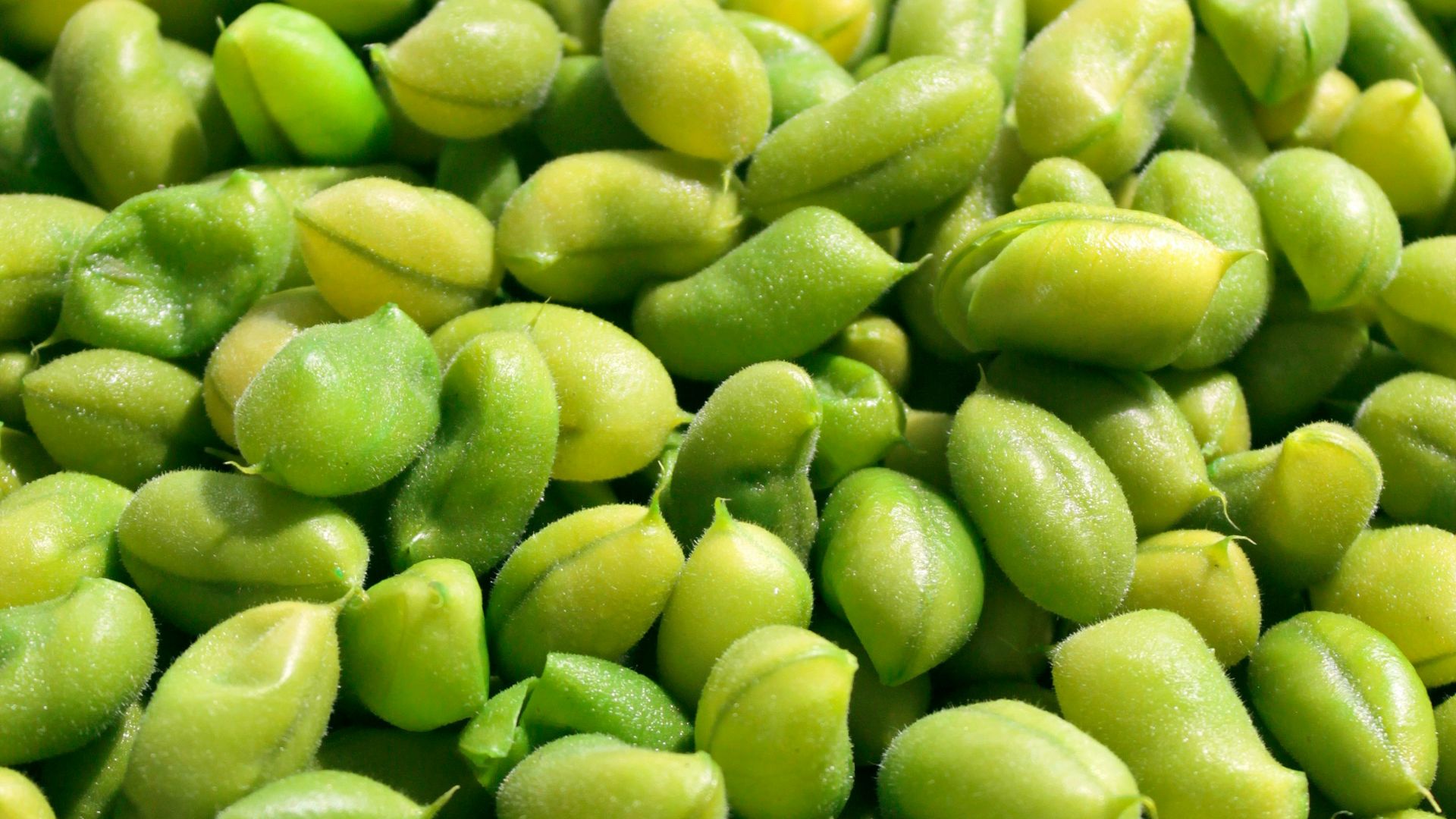
Edamame is high in soy isoflavones, which can help lower cholesterol and improve your overall heart health. Similar to beans and legumes, it also has great fiber content and is a healthier alternative to many appetizers. Keep a bag of edamame in the freezer and boil it whenever you’re hungry for a nutritious snack.
13. Chia Seeds and Heart Stability
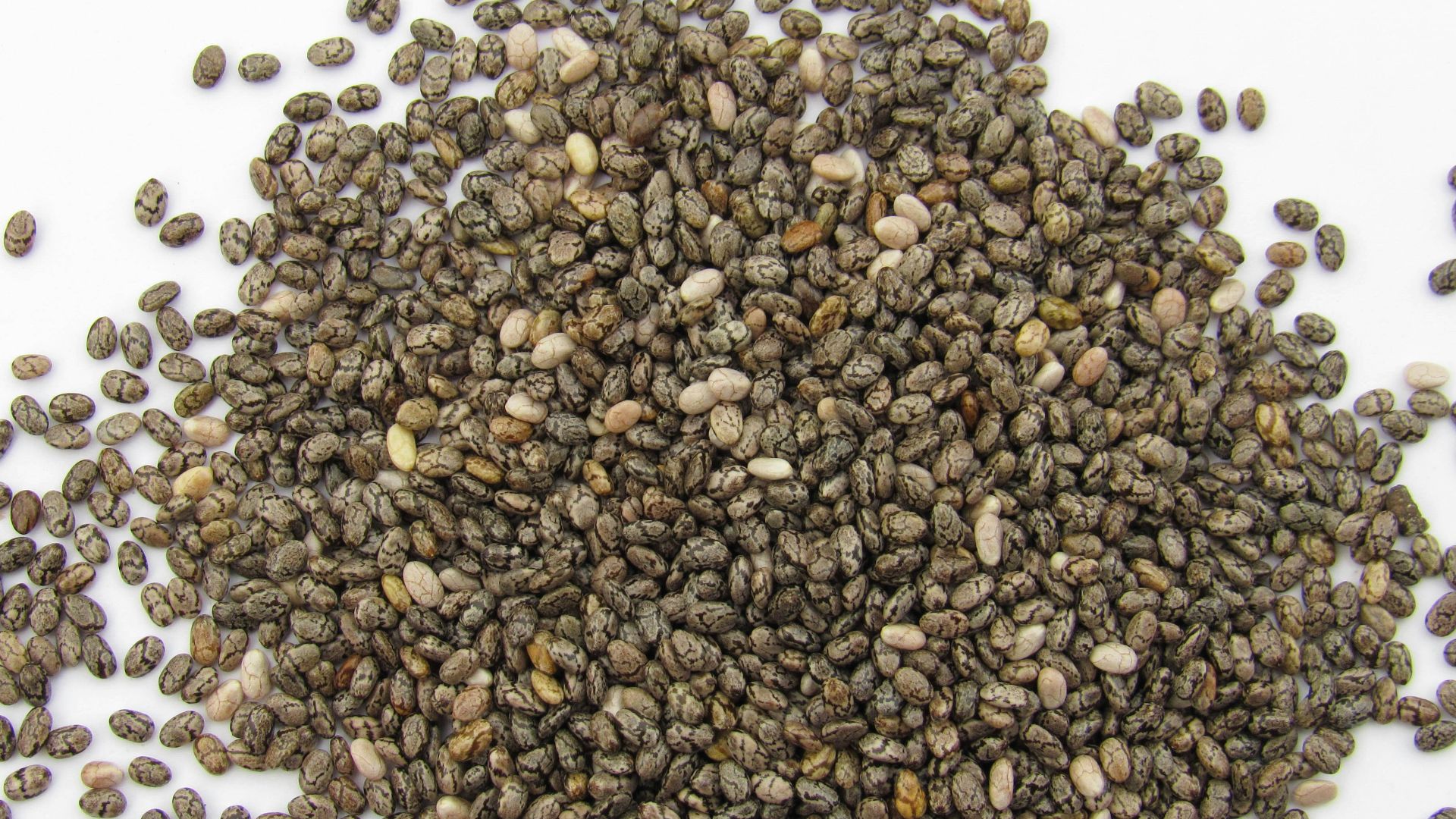
Chia seeds are very high in omega-3s and fiber. When ground up, they can absorb 9–12 times their weight in liquid, forming a gel that can help regulate your blood sugar. Eat them by the spoonful or mix them into your yogurt or oatmeal for a nutritious boost.
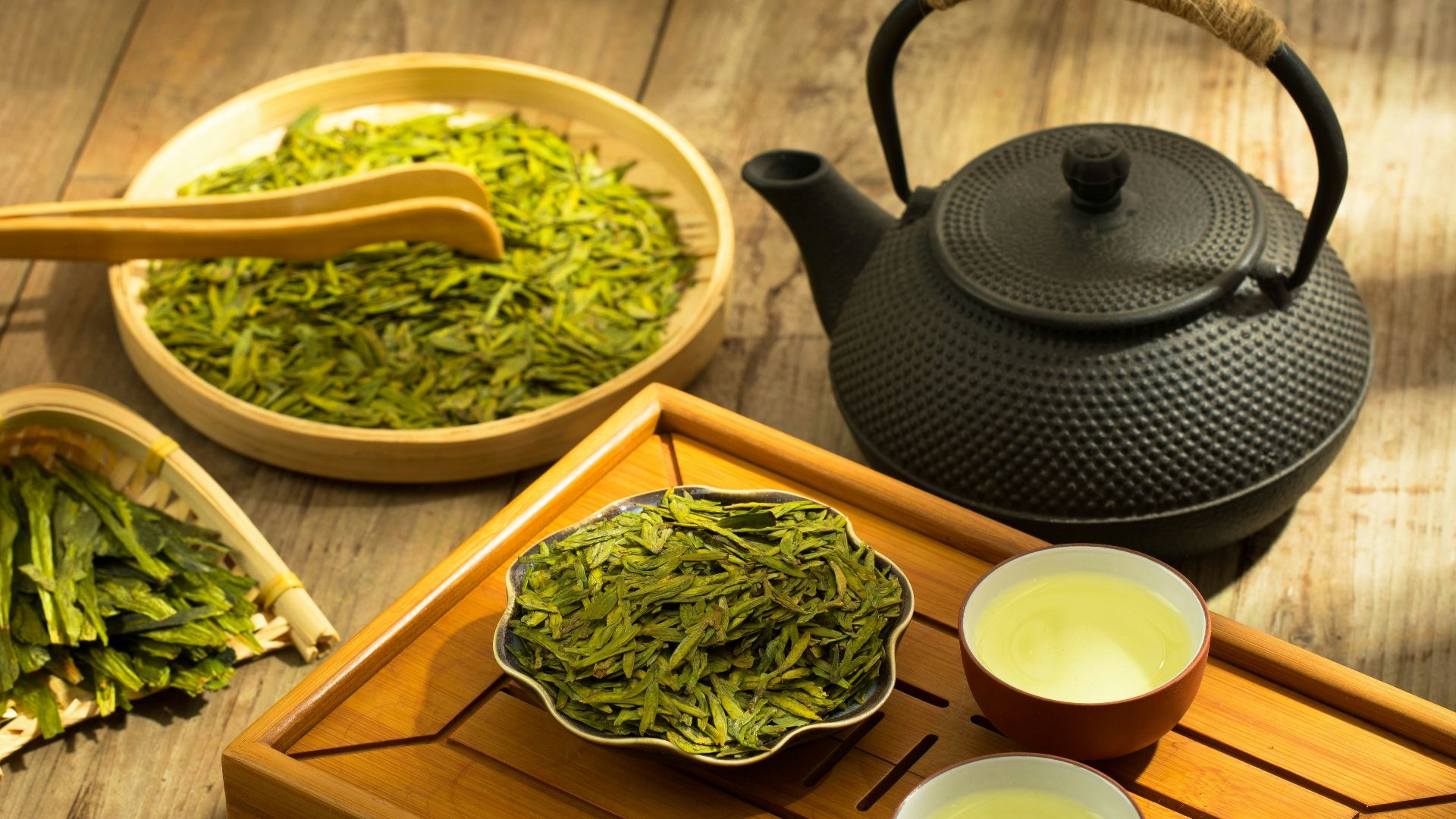
14. Green Tea and Catechins
By drinking green tea, you allow your body to intake antioxidants known as catechins. Catechins can help prevent damage to cells in your heart. They may also help improve your cholesterol levels and blood pressure.
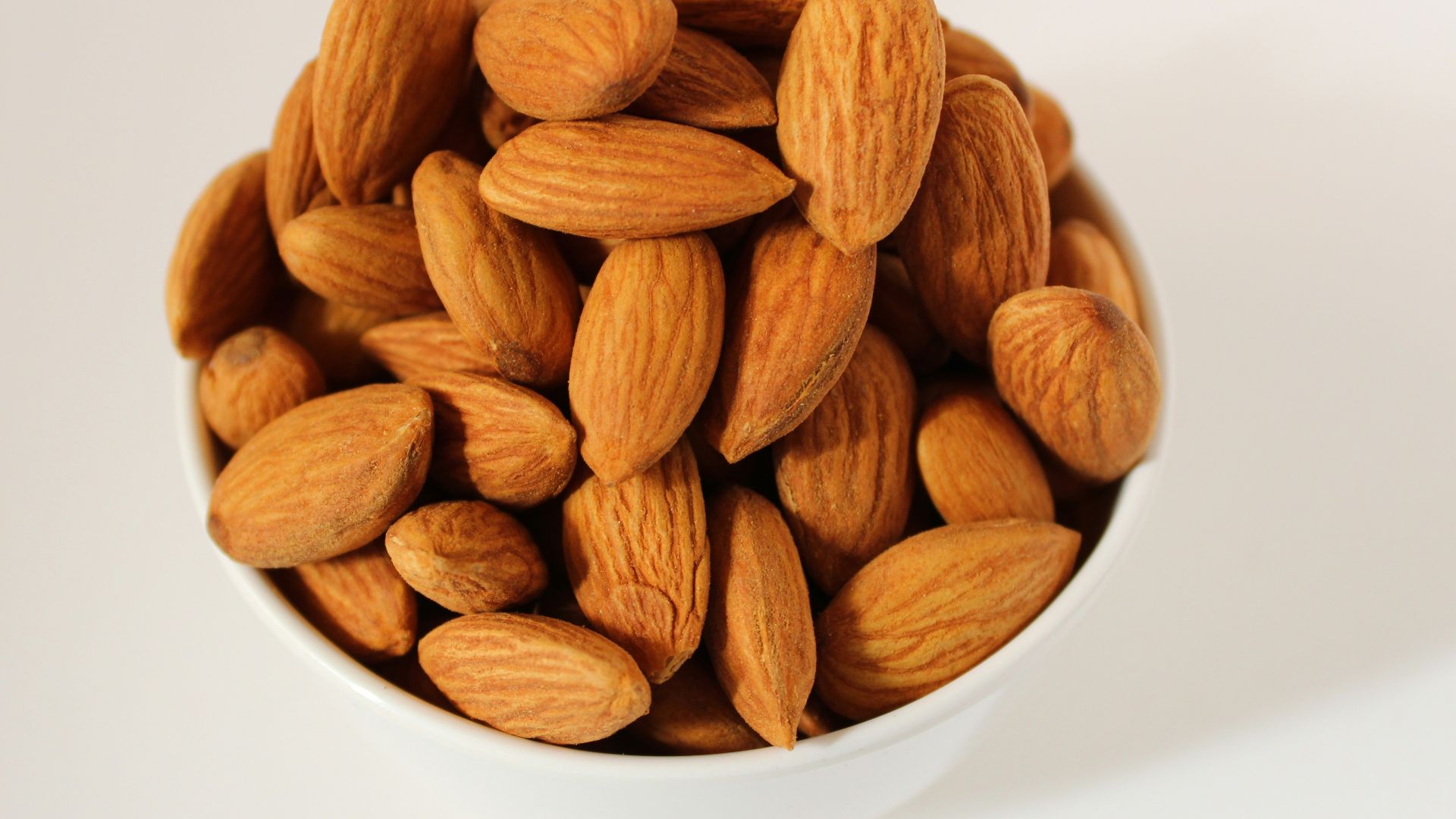
15. Almonds for Vitamin E
Almonds contain monounsaturated fats and vitamin E. These nutrients can help you maintain healthy cholesterol levels. Similar to walnuts, they contain fiber that can keep you feeling full and promote healthy heart weight. Enjoy them plain, make almond flour, or use them as a topping.
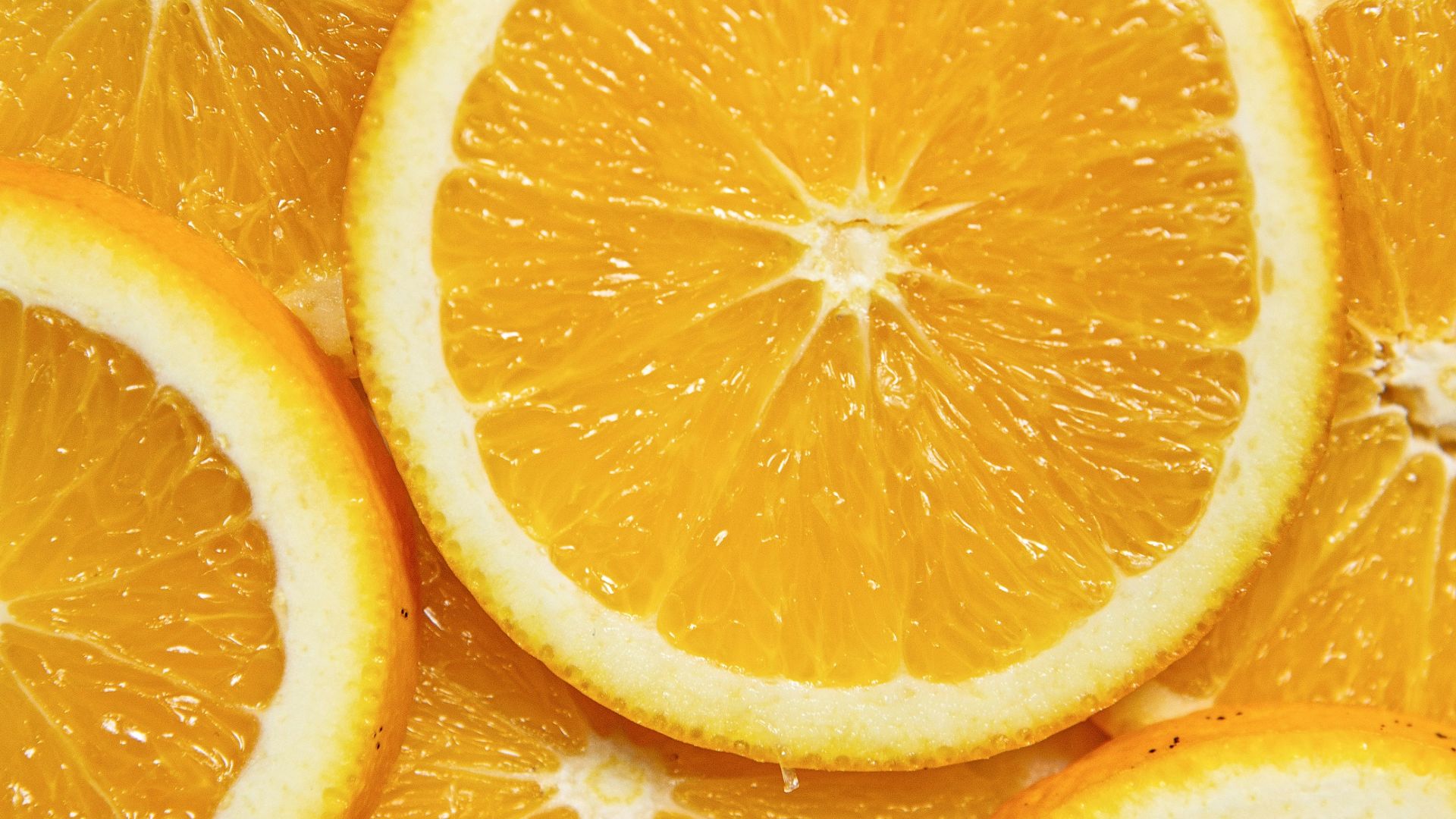
16. Oranges for Pectin and Potassium
Oranges are high in pectin, a type of fiber that can help absorb cholesterol from your meals. Oranges are also a great source of potassium. Potassium can help undo some of the harmful effects of salt on your blood pressure.
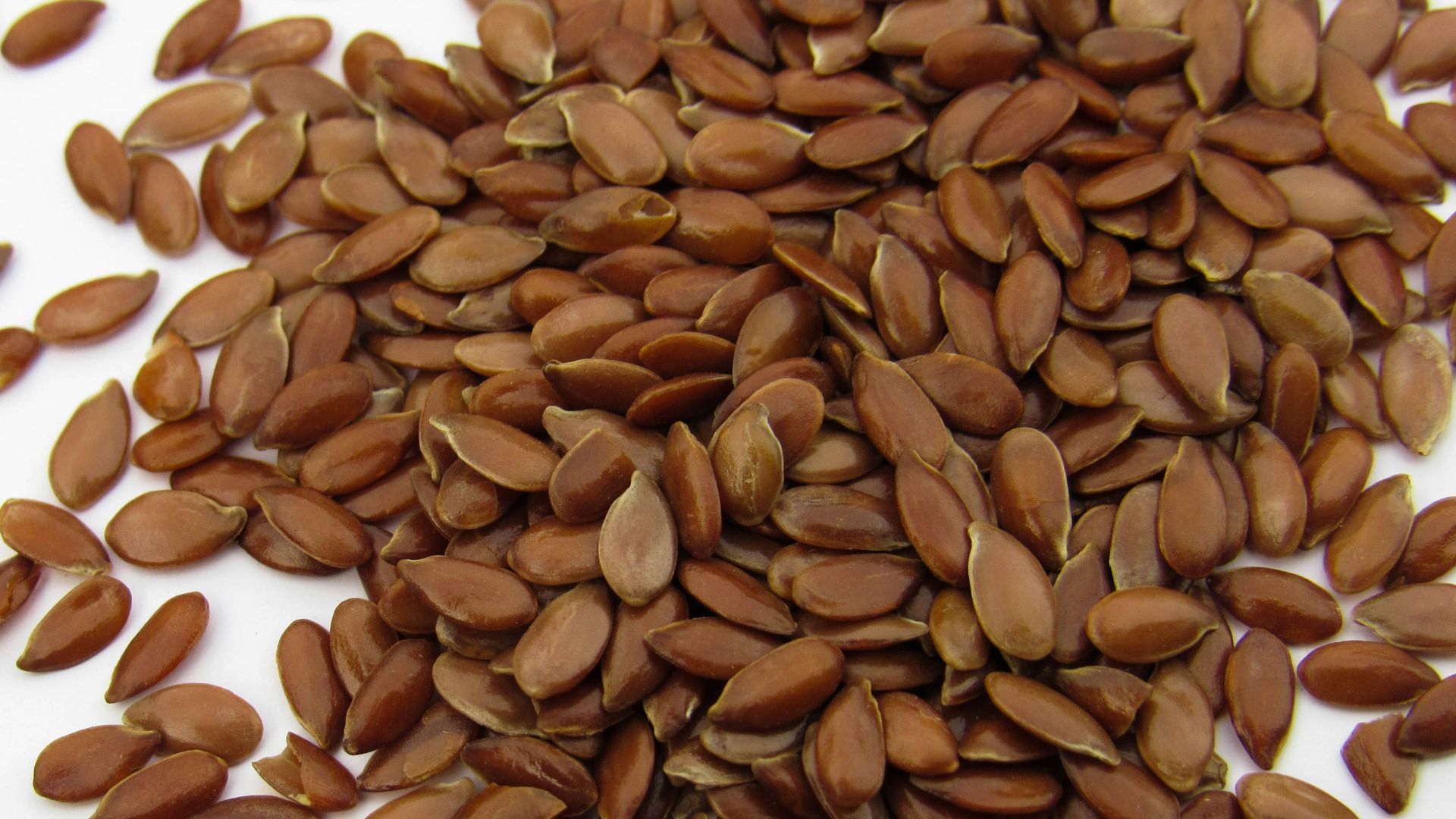
17. Flaxseeds for Alpha-Linolenic Acid
Ground flaxseeds are high in alpha-linolenic acid and lignans. Both of these nutrients can decrease your risk of cardiovascular disease. Make sure to grind your flaxseeds before consuming them so your body can properly absorb the nutrients.
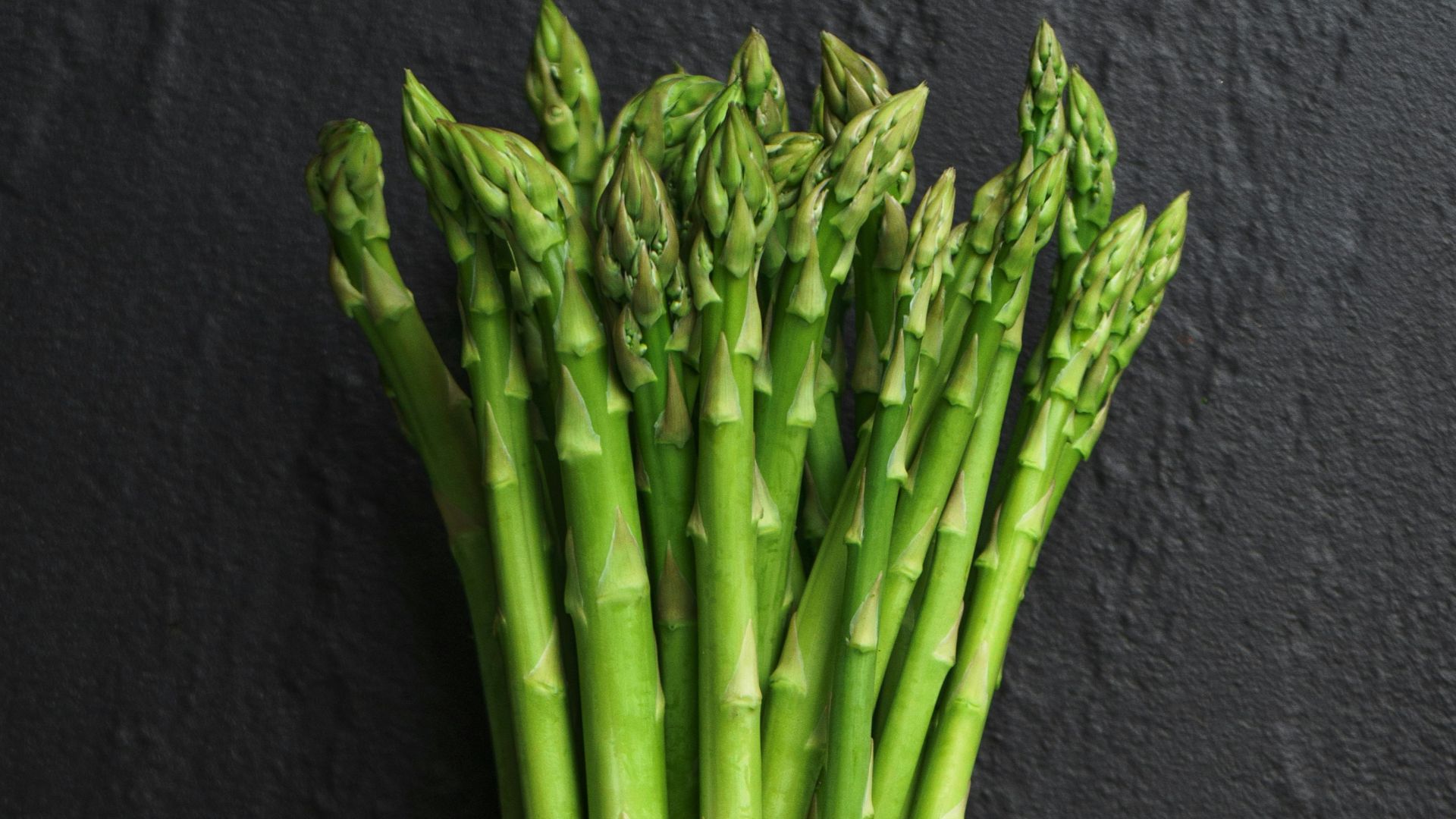
18. Asparagus and Folate
Asparagus is a natural source of folate. Folate can help prevent too much of an amino acid called homocysteine from building up in your body. Too much homocysteine can increase your risk of heart problems and stroke.
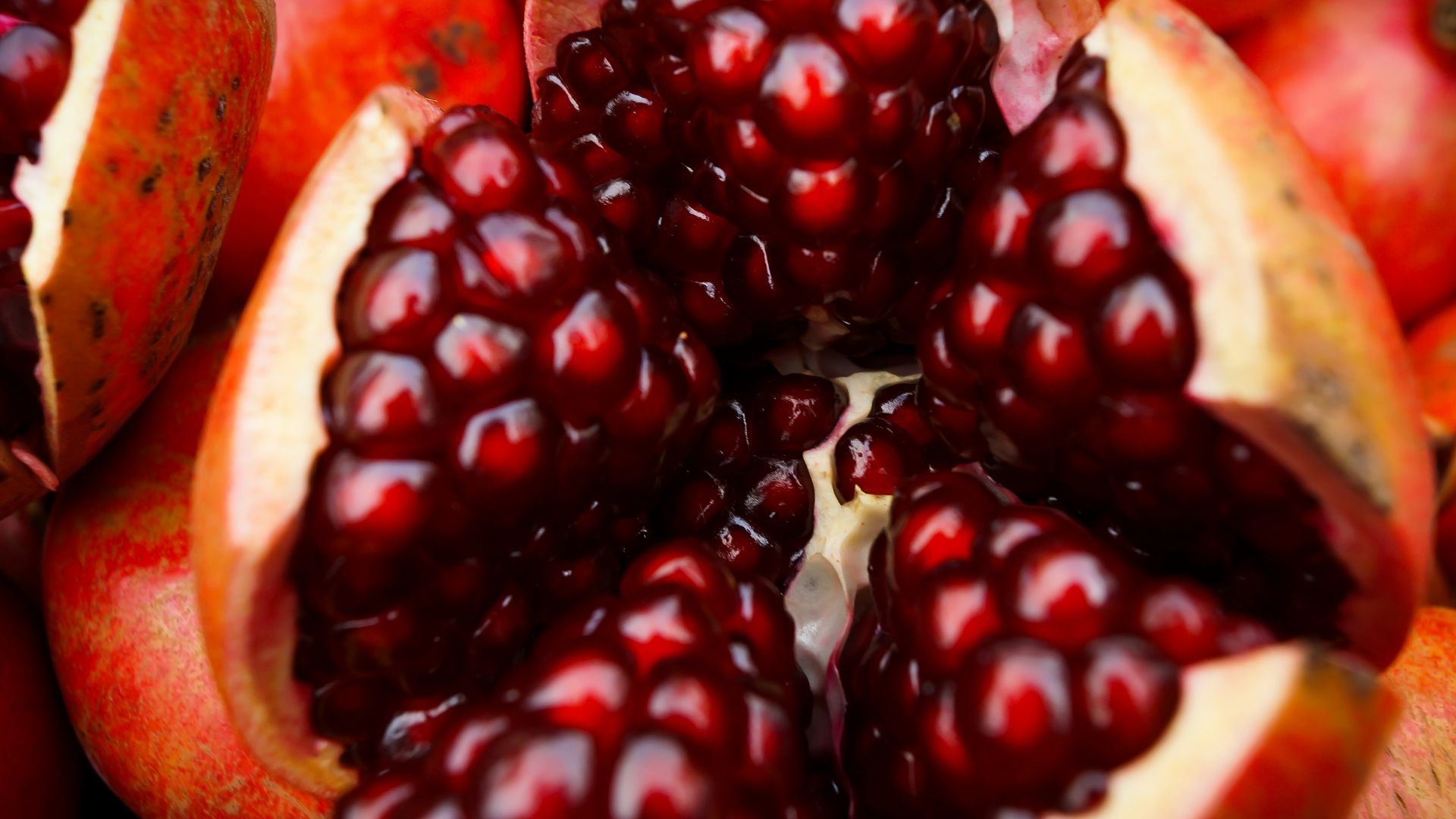
19. Pomegranates and Polyphenols
Pomegranates have been found to help decrease the thickness of plaque in your arteries. Eating the juice or the seeds can improve blood flow to your heart and protect it from damage. Pomegranates make a fun and unique addition to your diet.
20. Pumpkin Seeds for Magnesium
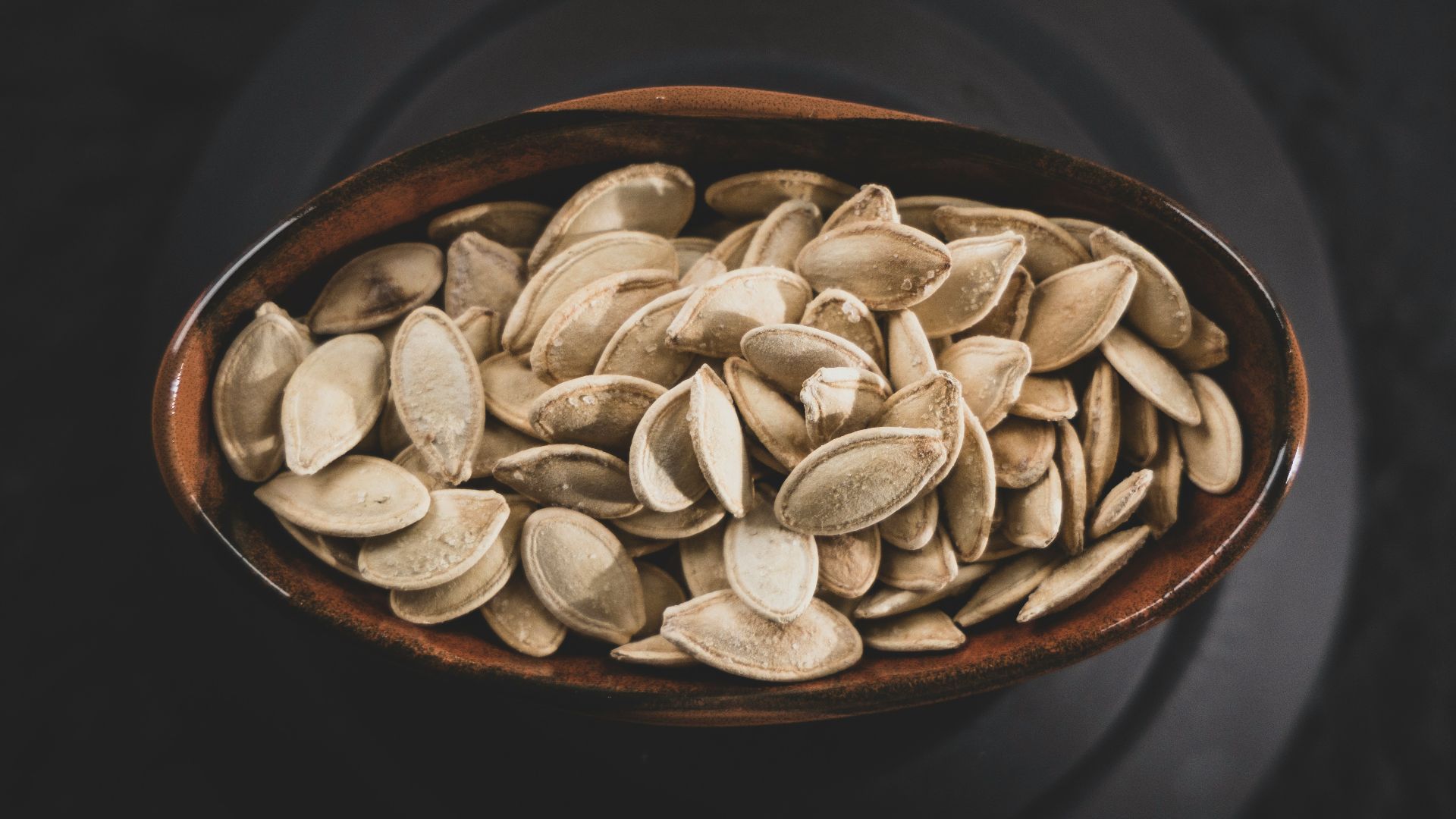
Magnesium helps regulate over 300 biochemical reactions that occur in your body. One of those reactions includes supporting a regular heartbeat. Eat pumpkin seeds as a snack because they’re one of the best natural sources of magnesium.