
What To Go Over Before You Go Under
There’s a lot of fear about going under the knife, no matter who you are. Surgeries are a frightening but necessary process for folks every single day. While it’s important to understand what’ll happen when you go under, it’s even more important to collect the whys, what’s, and hows of the entire process. A good pre-op conversation should leave you feeling confident and prepared for the healing you’ll do afterwards. Here are 20 questions to consider if you ever find yourself in this situation.

1. Why Do I Need This Surgery Now?
Your doctor probably went over this, but it’s good to double-check. For plenty of folks, surgical procedures need to be done with a little bit of haste, but that's not the case for everyone. Talk to the medical professionals to see if you can have a bit of time to prepare the other areas of your life before you go under.

2. Are There Non-Surgical Options I Should Try First?
Sometimes surgery is the next logical step, but not always. Sometimes, the medical team can offer other solutions like medication, physical therapy, or injections before requiring surgery.

3. What Exact Procedure Are You Planning To Perform?
If you’re interested in doing your own research, you can ask for the medical name of the operation. With that information in tow, you can better understand the risks, recovery, and aftermath of the procedure.
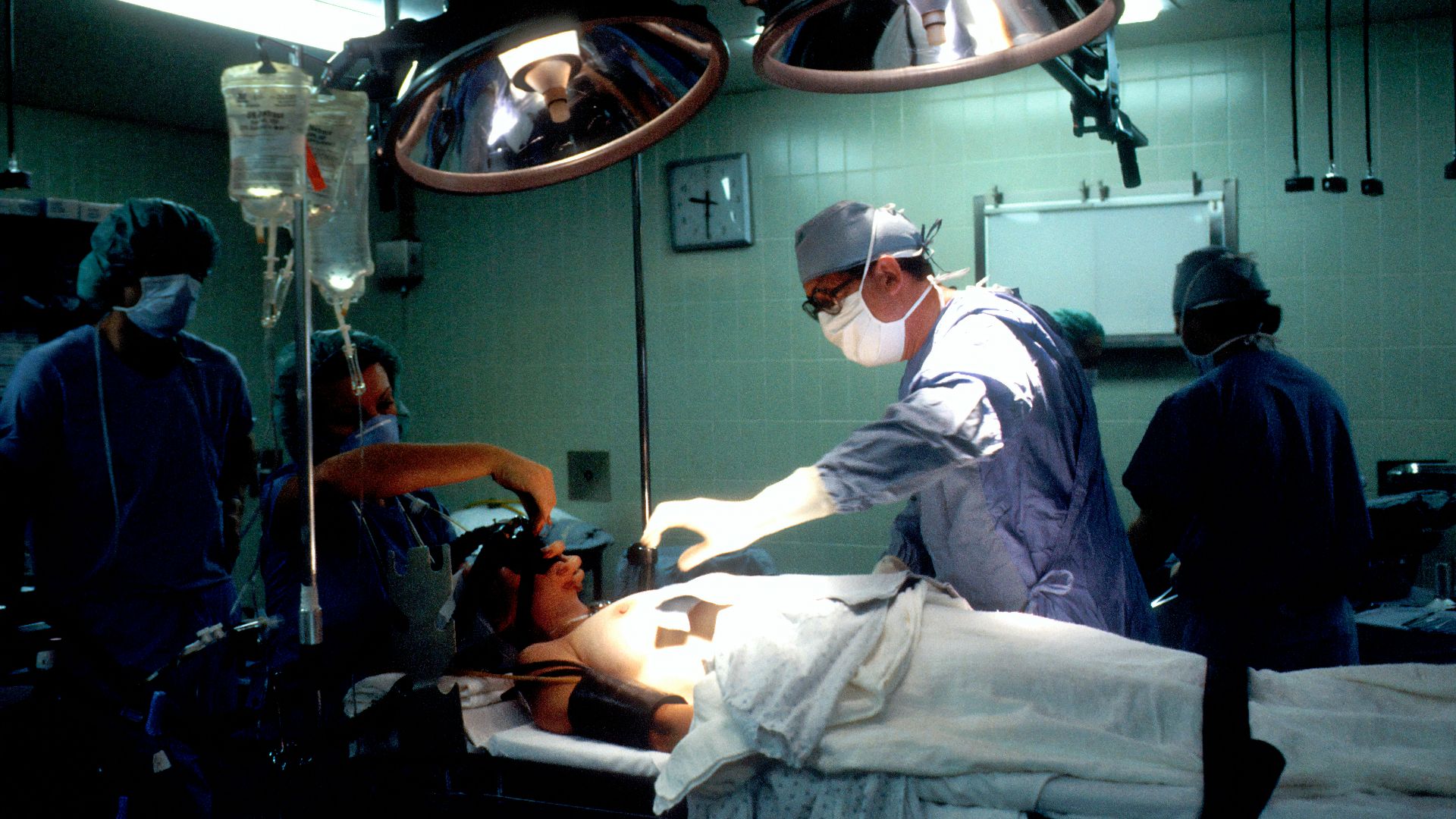 National Cancer Institute on Unsplash
4. What Result Should I Realistically Expect?
You want it straight and to the point. Your doctor needs to outline what your life could look like post-op. In a perfect world, you’re going to hear that whatever pain you’re dealing with will be gone. That said, there also needs to be an understanding of what else could change.

5. How Often Do You Perform This Operation?
Surgeons don’t go to medical school for over eight years to not know how to perform a surgery. Still, it might ease your mind to know they’ve done many similar operations with high success rates. Alternatively, you might hear that it’s a pretty rare operation, which is also something you’ll need to be prepared for.

6. What Are The Most Common Risks And Complications?
Just get a good grasp on what tends to go wrong most often in surgery. This allows you to prepare yourself and your loved ones for what to look out for post-op.

7. How Do My Health History And Medications Change The Risk?
A 62-year-old with diabetes and high blood pressure isn’t walking into surgery with the same risk profile as a healthy 28-year-old, and things like sleep apnea, smoking, steroid use, or blood thinners can definitely change how successful an operation is.

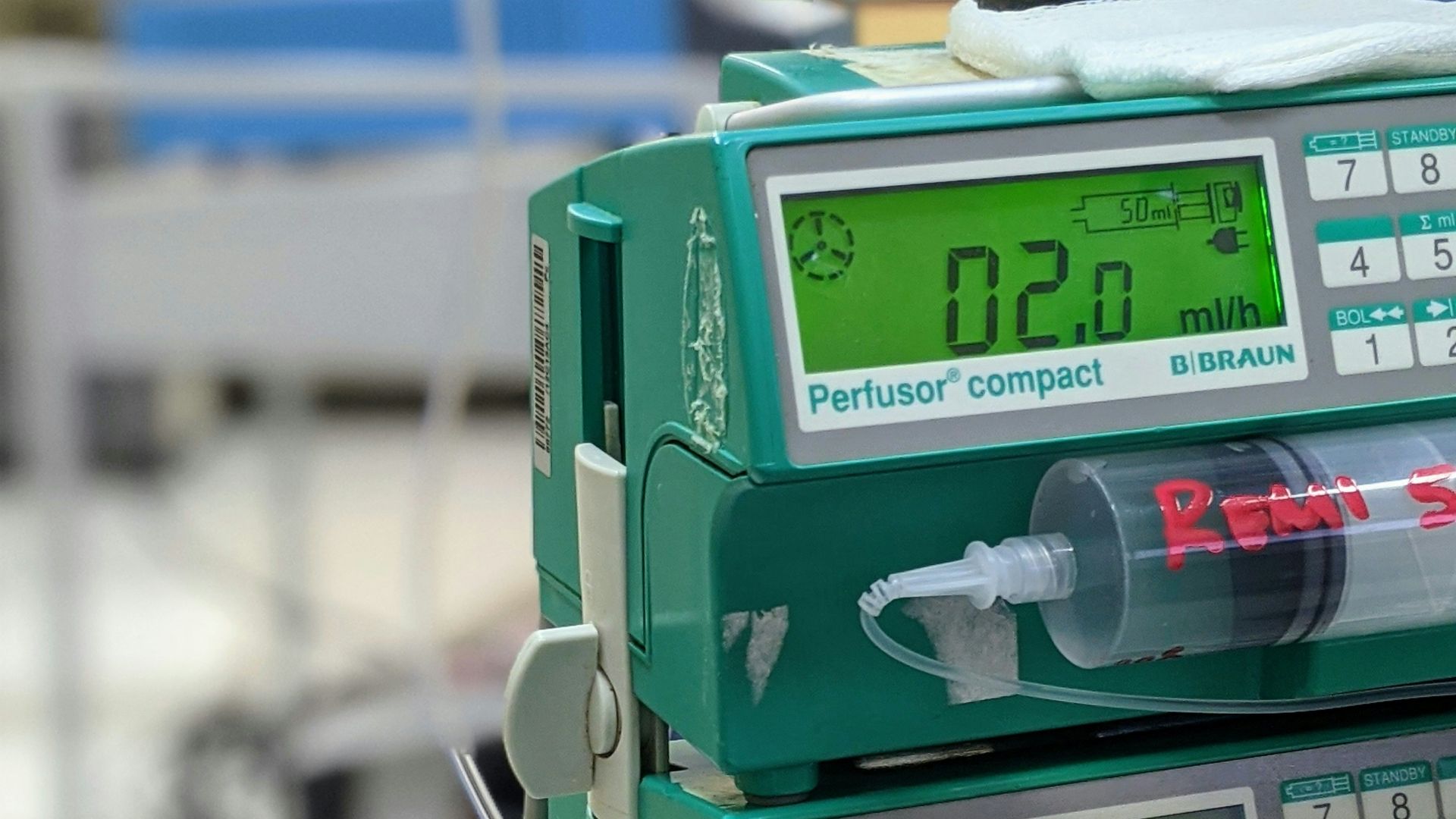
8. What Kind Of Anesthesia Will I Have?
Not every surgery requires full general anesthesia, and it’s worth knowing if and how you’re going under. You should also know who’s in charge of that care during the procedure, and what their monitoring process looks like while you’re on the table.
9. Where Will The Surgery Take Place?
There’s a real difference between a major hospital, an outpatient surgery center, and an office-based setting, even if the appointment reminder makes them all sound the same. Ask where your procedure will happen, why that location makes sense for this surgery, and whether the facility is staffed for the kind of care you may need.
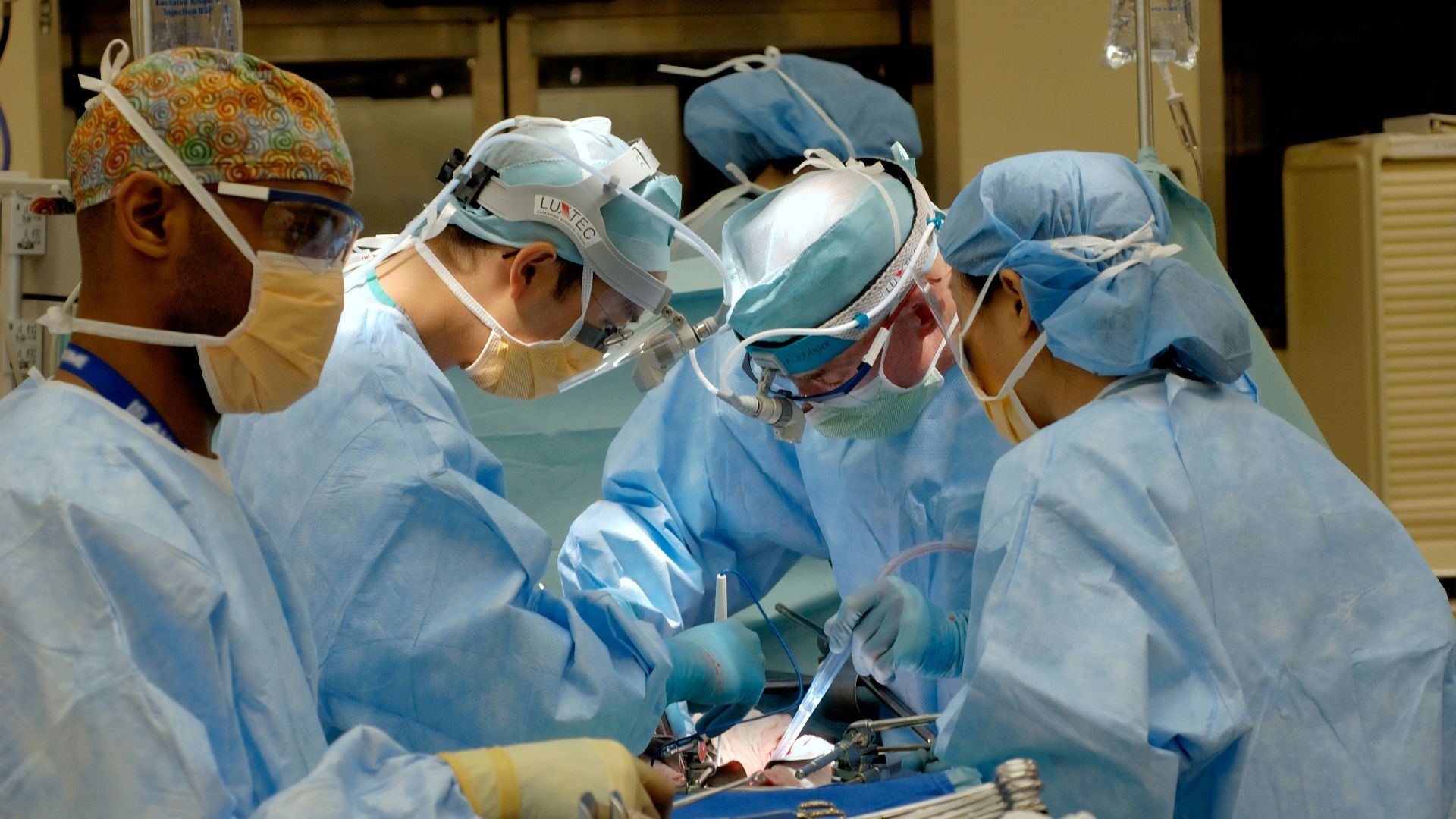 National Cancer Institute on Unsplash
10. What Tests Do I Need Before Surgery?
Depending on the surgery, you may have to do blood work, imaging, or an EKG before you go under. It’s important to get an idea of what other appointments are required of you before the big day.

11. Which Medications Should I Stop?
If you’re regularly taking blood thinners, aspirin, diabetes meds, fish oil, or other medications, you’ll need to get an idea of what you need to stop taking before surgery. This question also includes whether you need to stop these supplements permanently or when you can start taking them again.

12. What Should I Do The Day Before And The Morning Of Surgery?
You want specifics here, down to food, drinks, shower instructions, and morning medications. Pre-op directions are highly specific, so it’s important to get a comprehensive list as soon as possible.

13. What Happens On The Day Of Surgery?
A simple walk-through helps more than people realize. Ask when you need to arrive, what check-in looks like, when you’ll meet the surgical team, and whether your support person can stay with you before the procedure. When you understand the process, you’re less likely to spiral.
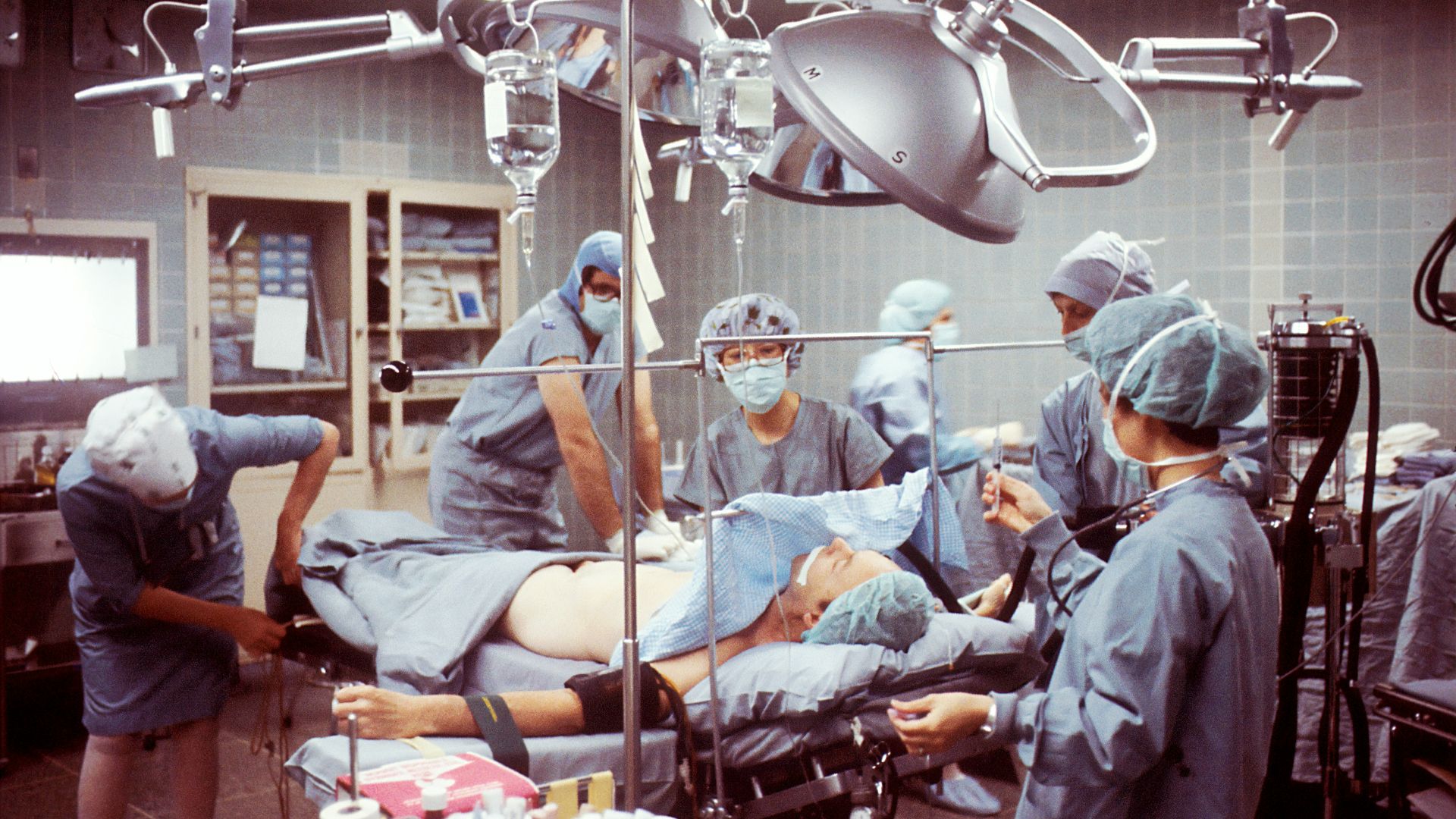 National Cancer Institute on Unsplash
14. Will I Go Home The Same Day?
A lot of surgeries allow you to go home the same day, but certainly not all of them. You’ll want to know what happens after the fact, so you can plan for things like transportation, home support, pet care, and work coverage.
15. What Will Recovery Look Like?
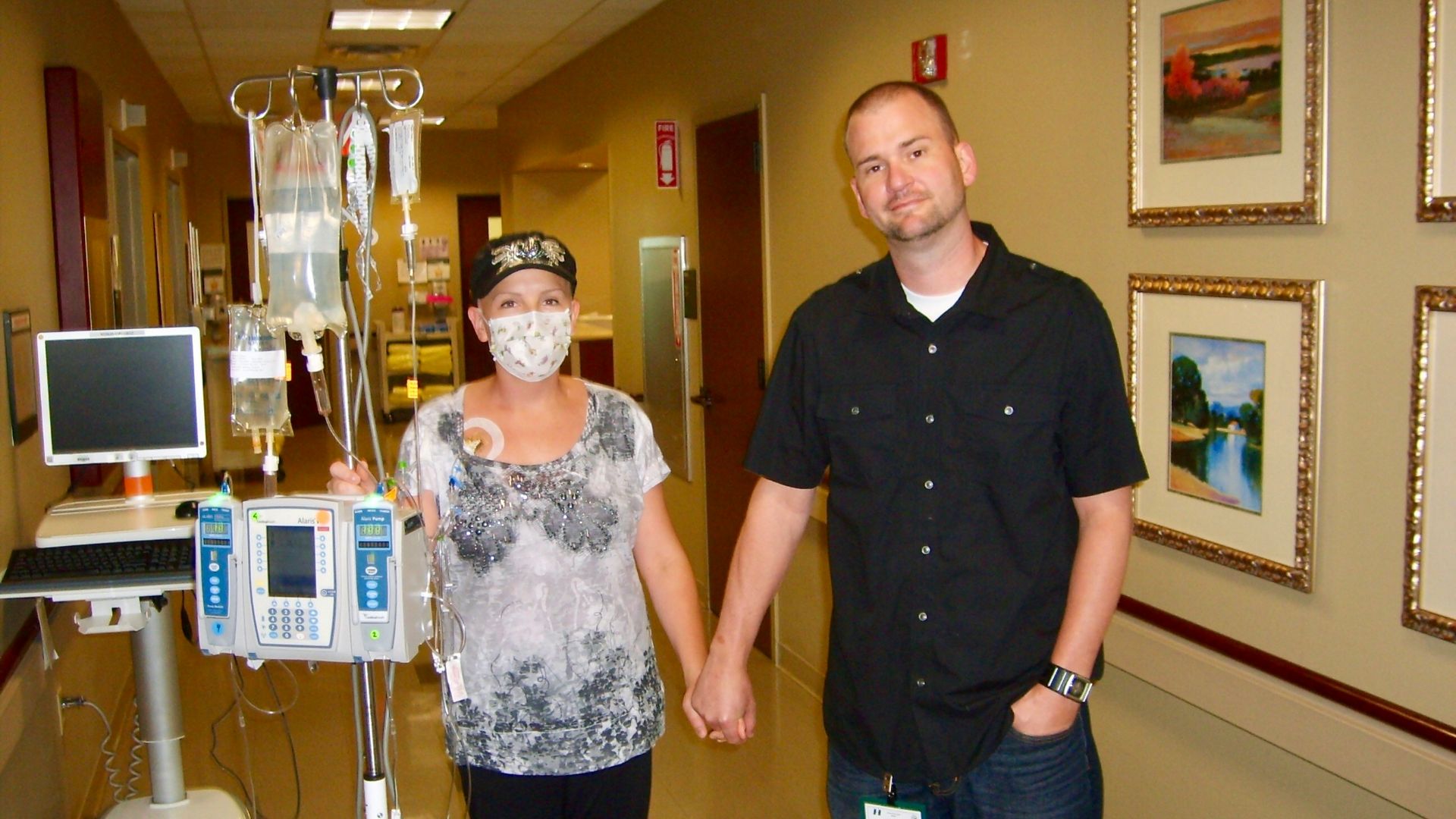
You’ll probably want to know what your first few days post-op look like. How long does the pain and swelling last? When are my follow-up visits? Do I require physical therapy after the fact? These are all good questions to keep in mind.
16. What Help Will I Need At Home?
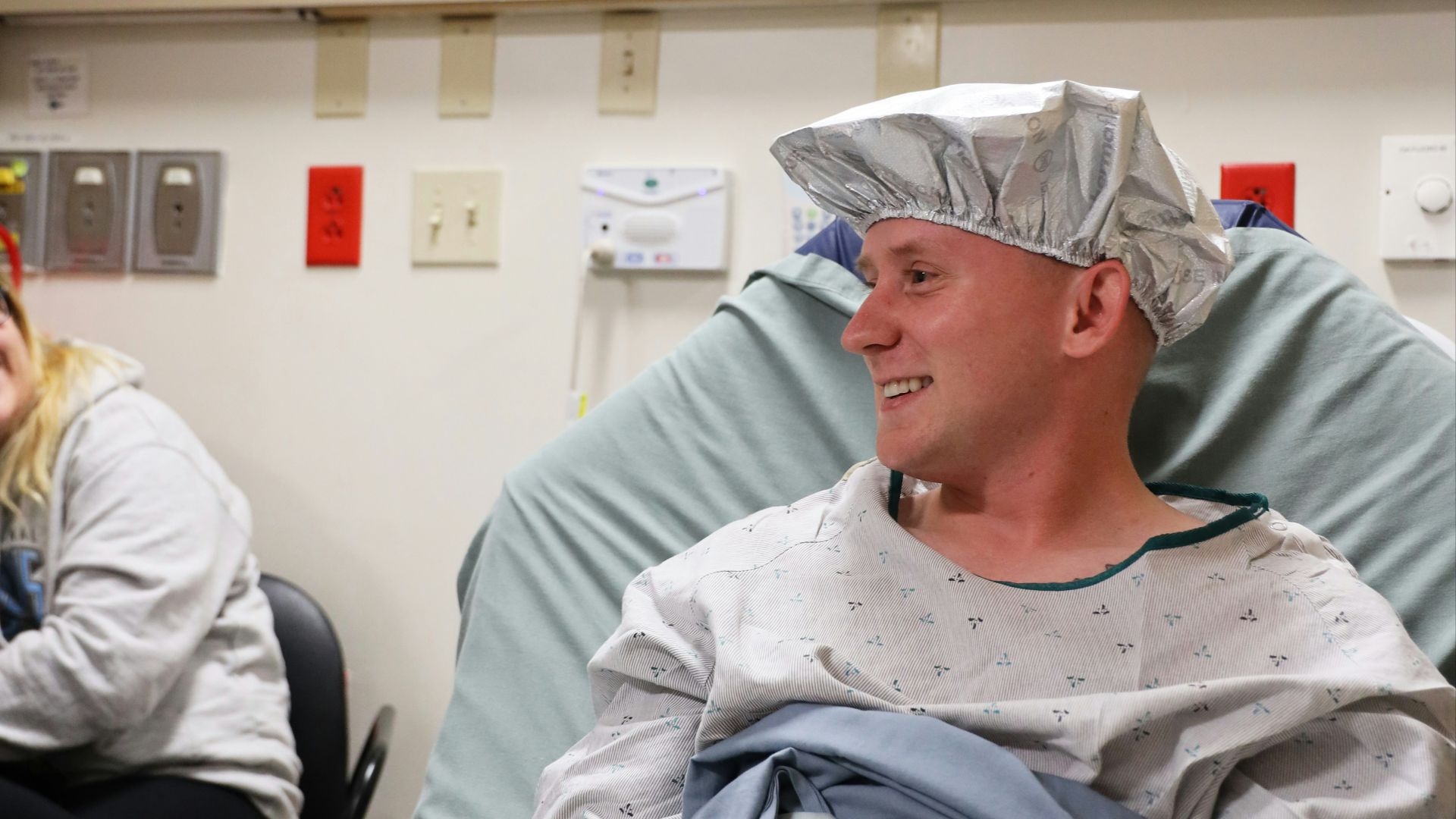
You’ll want to make sure you have help ready the moment you wake up, but that assistance extends into your home as well. You’ll want to prepare family members or roommates for what life may look like post-op, including help with meals, stairs, wound care, bathing, or drains.

17. When Can I Get Back To Normal?
This is the question everyone wants the answer to. It’s important to gauge the milestones of surgery recovery, especially if you live a physically demanding life. We all have bills to pay; the doctors understand that.

18. What Symptoms Require Medical Care?
Before you leave, you should know what’s expected and what crosses the line. A low fever, some soreness, and mild swelling may be normal. Chest pain, shortness of breath, heavy bleeding, worsening redness, or severe pain might mean it's time for a trip to the hospital.
 Martha Dominguez de Gouveia on Unsplash
19. Who Will Handle My Follow-Up Care?
Ask who handles follow-up visits, medication questions, paperwork, and nighttime or weekend concerns, so you’re not stuck bouncing between the surgeon’s office, a nurse line, and your primary care doctor while you’re tired and hurting.

20. What Will This Cost Me?
Surgery bills can be expensive, and they’re not always a one-and-done situation. It’s worth asking what you'll likely owe and what insurance may leave in your lap. If you still feel unsure after that conversation, a second opinion is a normal step, and for many people, it’s the thing that turns a scary, murky decision into one they can live with.

KEEP ON READING


20 Things Your Body Is Secretly Doing Right Now