What Makes A Stay Much Easier
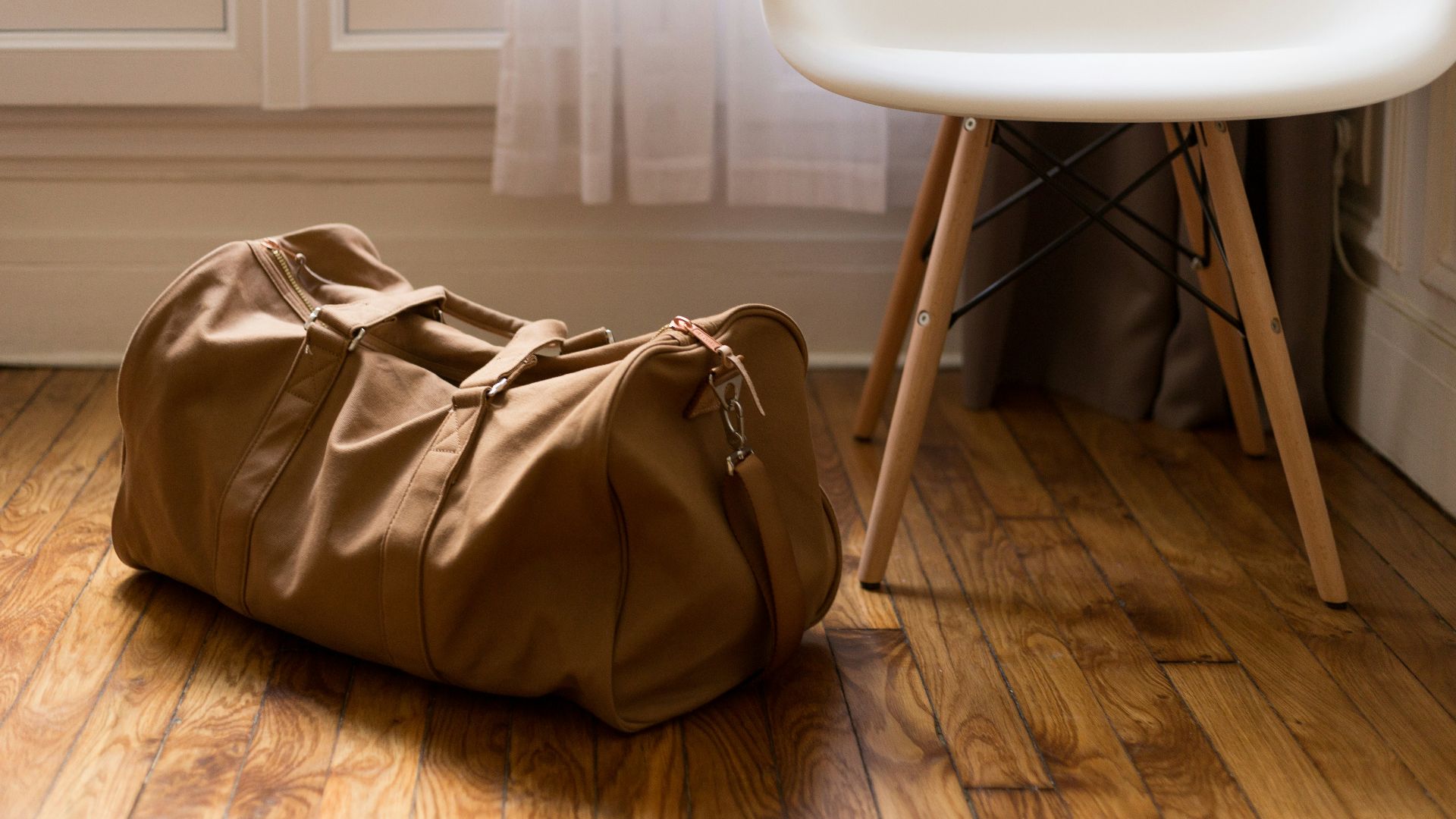
The last thing you’re thinking about when you’re heading to a hospital is the little stuff. Sure, you remember your comfy clothes, maybe your slippers, but what about the rest? Most people remember the obvious things first and only realize later that the items they really missed were the small ones. The ones that made it easier to rest, freshen up, stay connected, and get home without extra stress. Whether you're packing for labor, an induction, a planned C-section, or another overnight stay, even a short visit can feel long when something basic is missing. These are the 20 essentials people most often forget.
1. Long Phone Charger
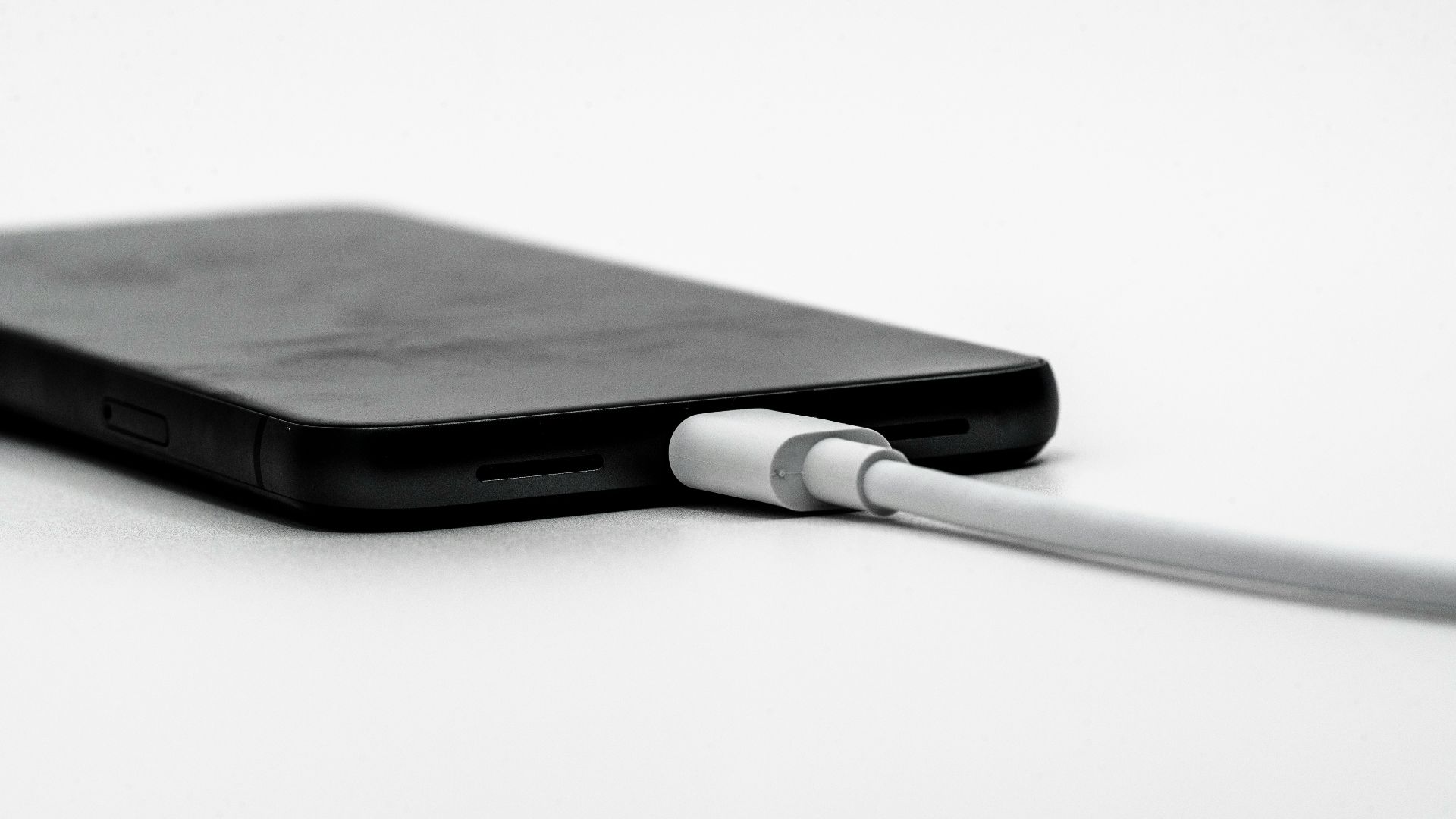
A charger is obvious. A long one is what actually saves you when the outlet is tucked somewhere less than favorable. There's a big difference between your phone staying nearby for calls, updates, and photos versus watching it charge just out of reach.
2. Photo ID, Insurance Card, And Hospital Paperwork
Not glamorous, but this is the stuff that slows everything down if it isn't easy to find. Keep your ID, insurance card, and any pre-registration forms or birth preferences together in one pouch so you can have a smooth and easy check-in.

3. Lip Balm
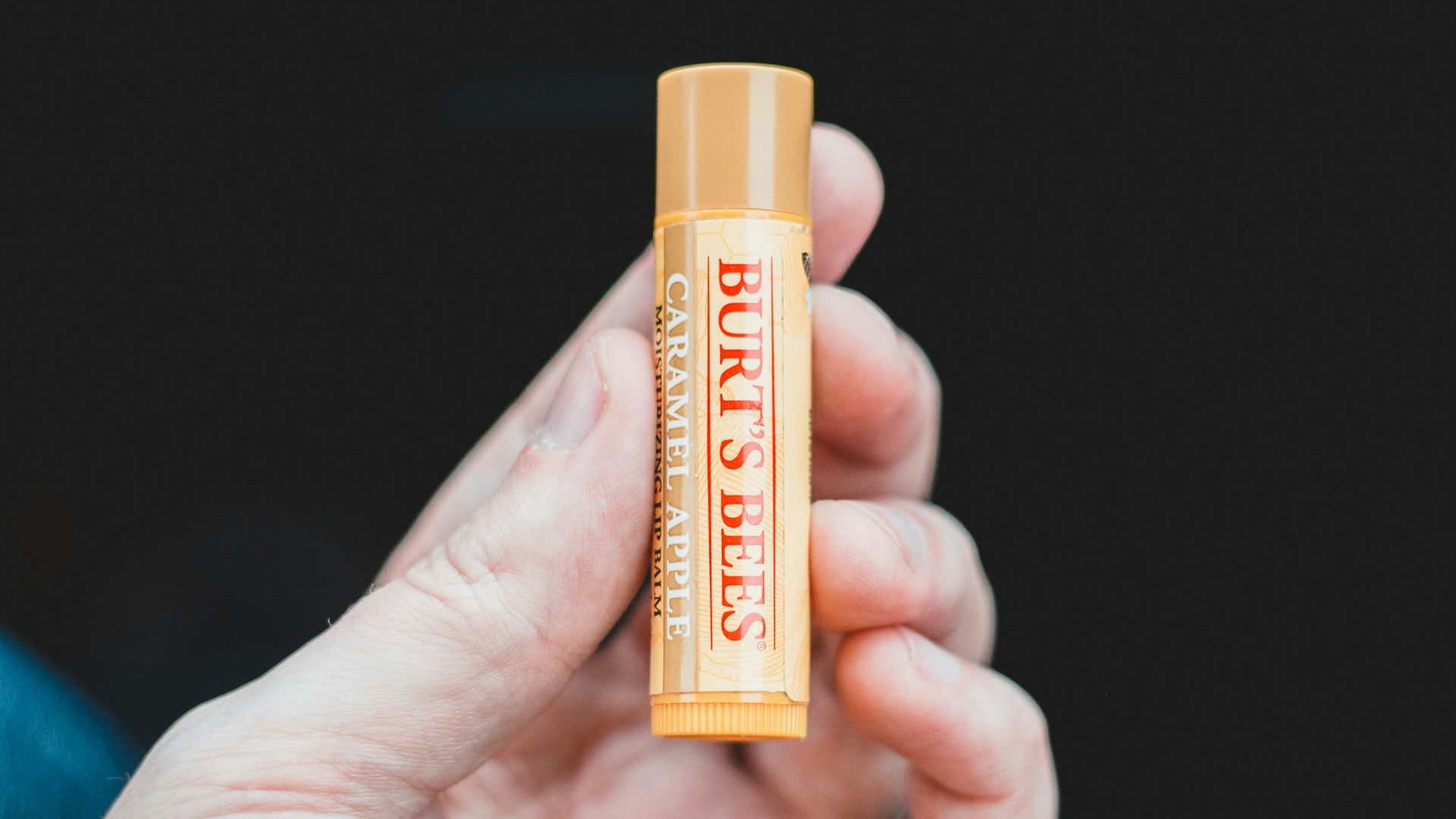
Hospital air tends to be dry, and long hours of breathing, talking, or sitting in a warm room don't help. Lip balm takes up almost no space, and most people end up reaching for it far more than they expected.
4. Non-Slip Socks Or Slippers
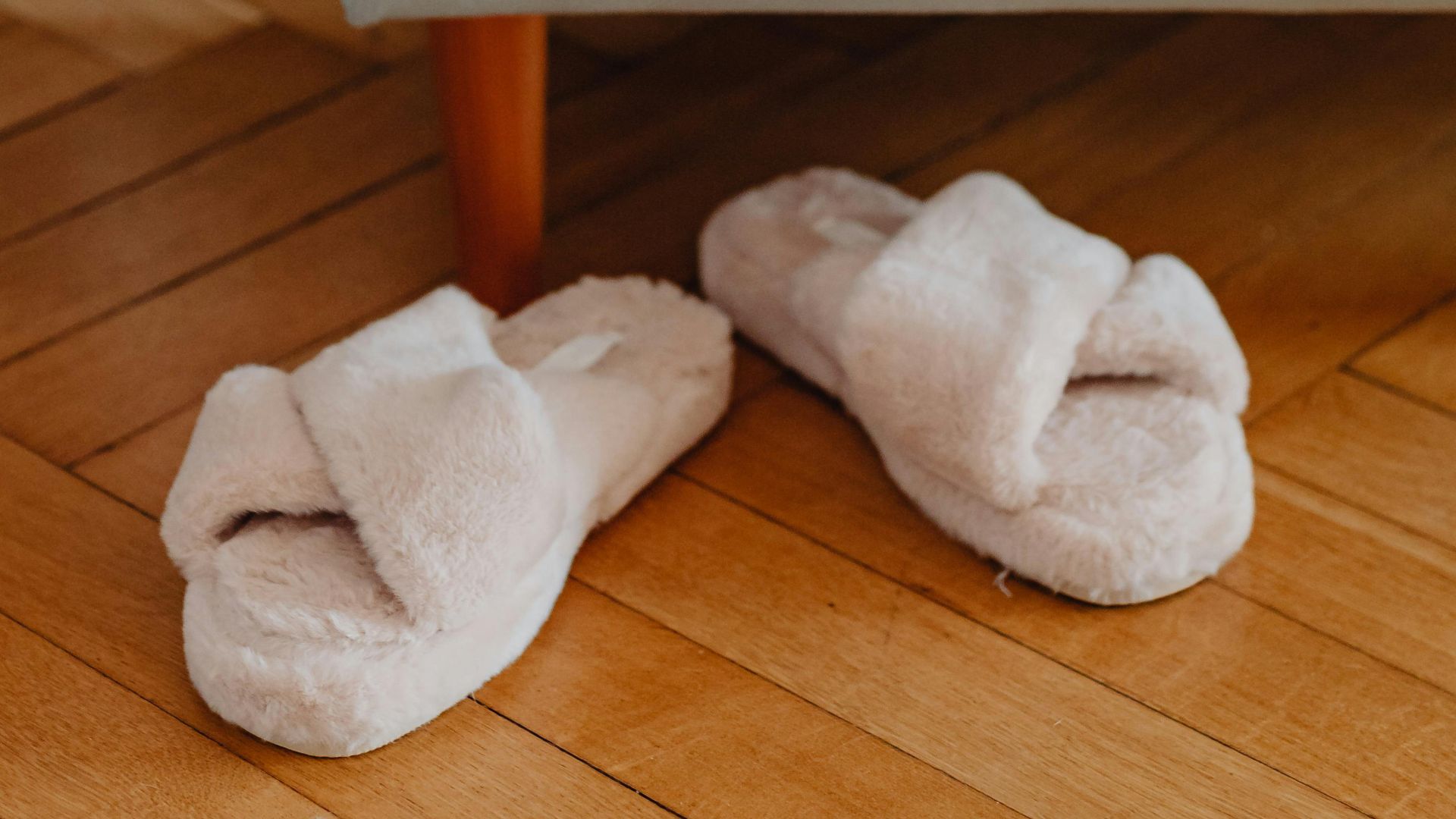
You'll likely be walking the hallway, getting up for the bathroom, or shuffling around your room at odd hours. Slippery floors on a tired body aren't a great combination. Grip socks or easy slip-on slippers make moving around feel safer and a lot more comfortable.
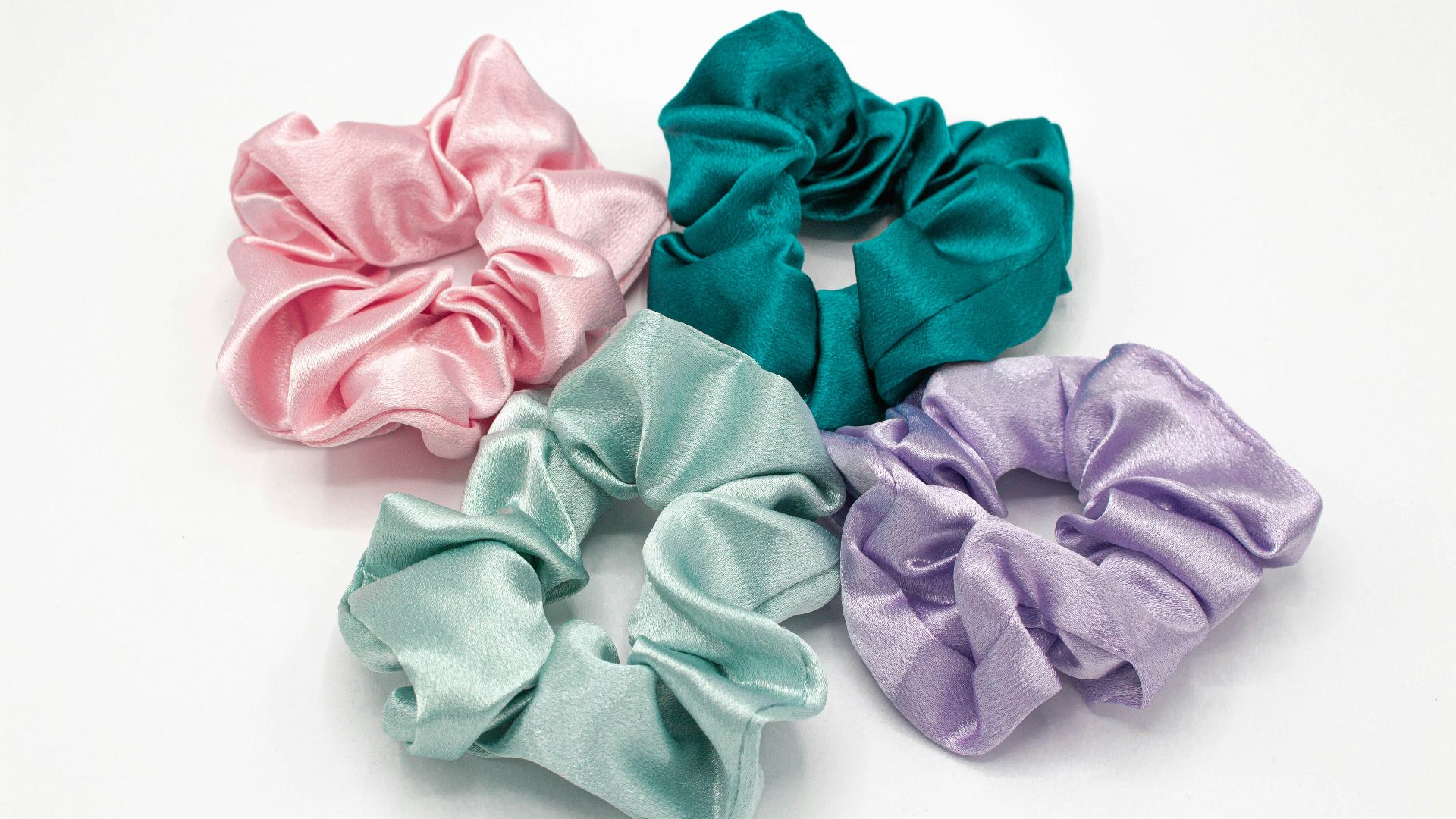
5. Hair Ties Or Clips
It can get a little overwhelming when your hair starts sticking to your neck or falling into your face. A few soft ties or clips are an easy fix, and they take up almost nothing in the bag.
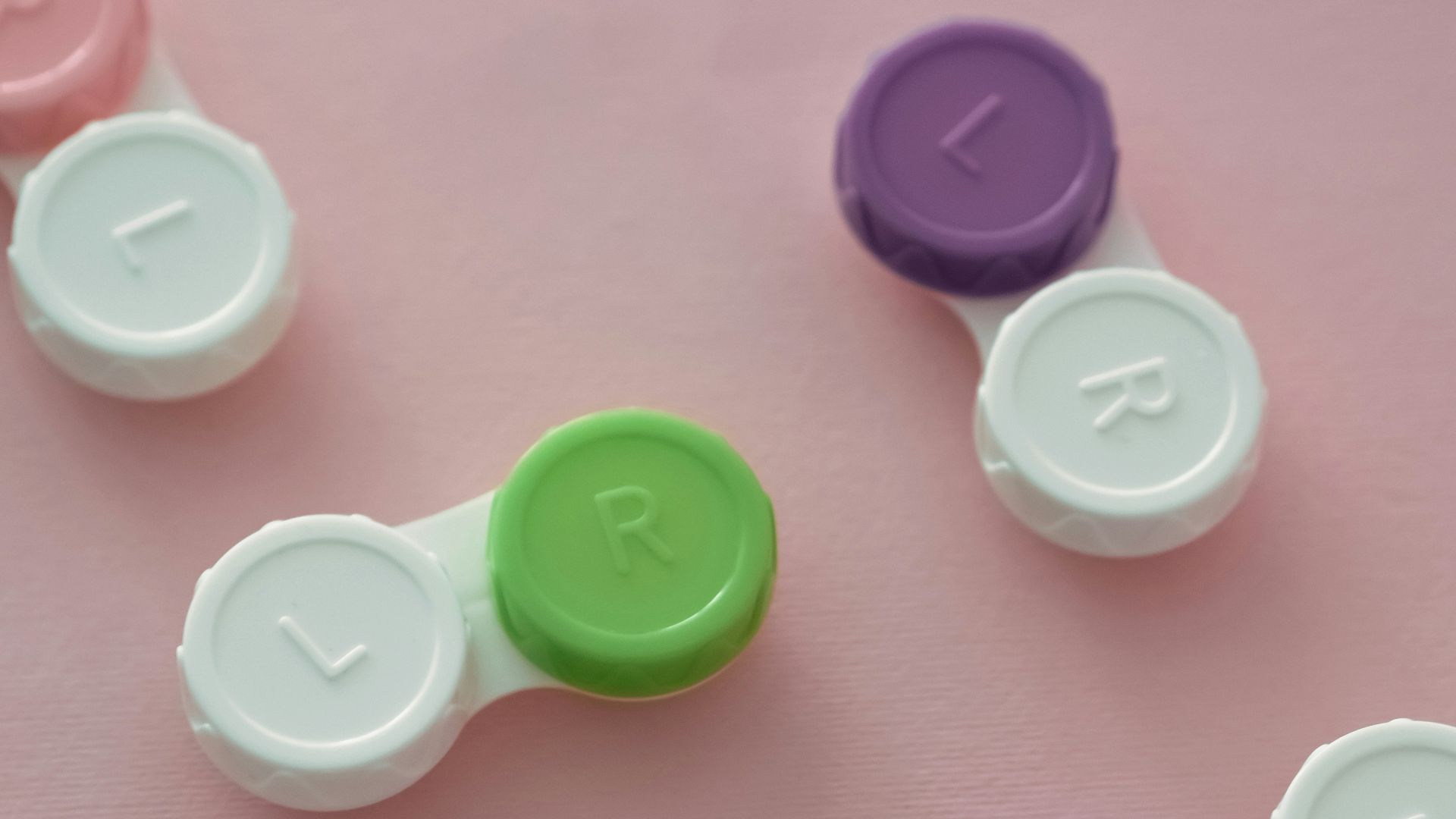
6. Glasses, Contact Supplies, Or Both
If you wear glasses or contacts, pack what you actually need. Reading forms, checking messages, looking at discharge instructions, or caring for a newborn is considerably easier when you can see clearly.
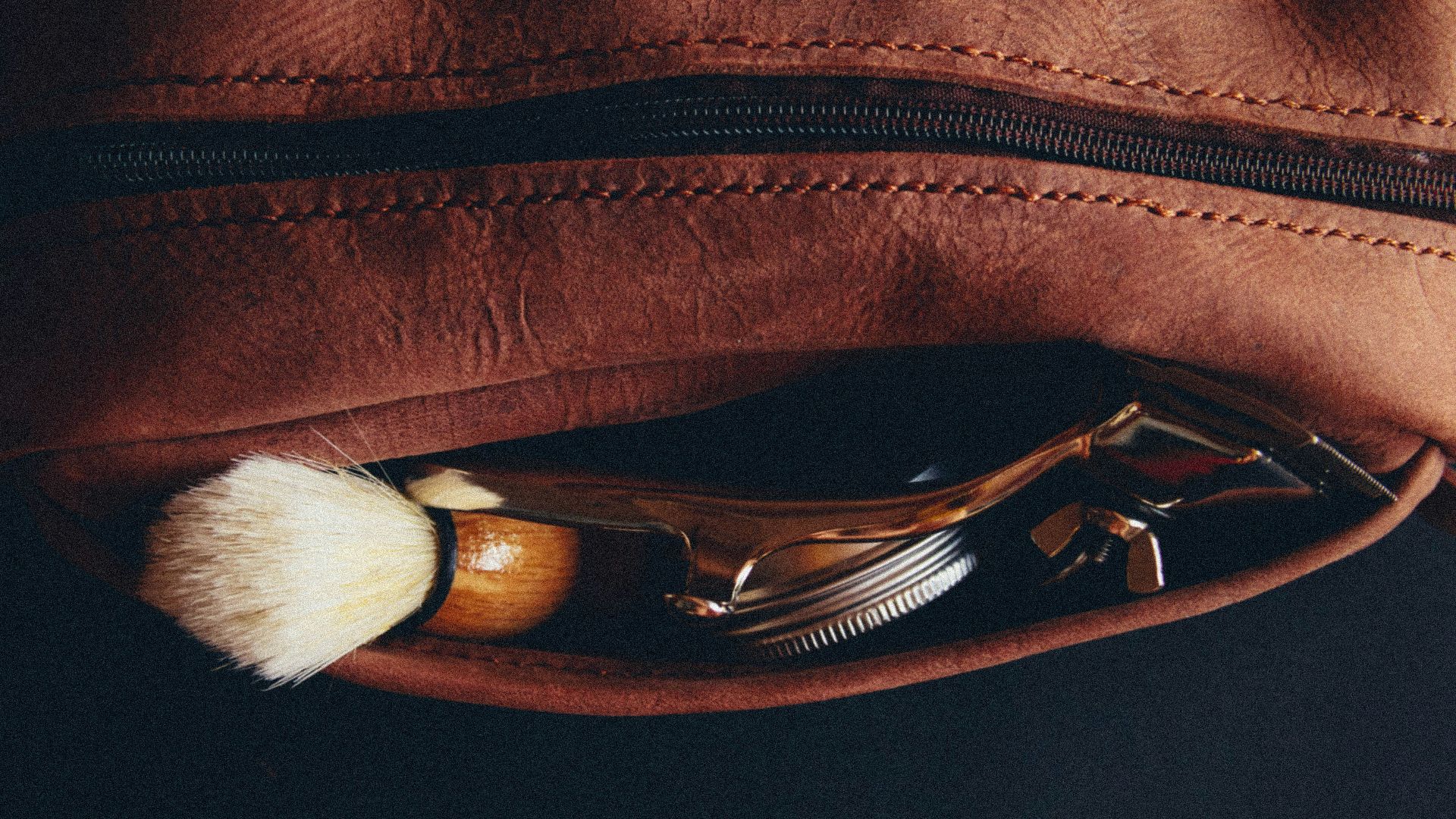
7. A Real Toiletry Bag
Toothbrush, toothpaste, deodorant, face wash, shampoo, body wash, whatever helps you feel awake and like yourself should all live in one easy-to-grab bag. Even when the hospital provides basics, having your own products makes the room feel a little less clinical.
8. Loose, Comfortable Clothes And A Robe
Soft pajamas, a nursing top, and a robe or layer you can throw on quickly go a long way. Hospital gowns are functional, but most people are a lot happier in something a little less exposed.

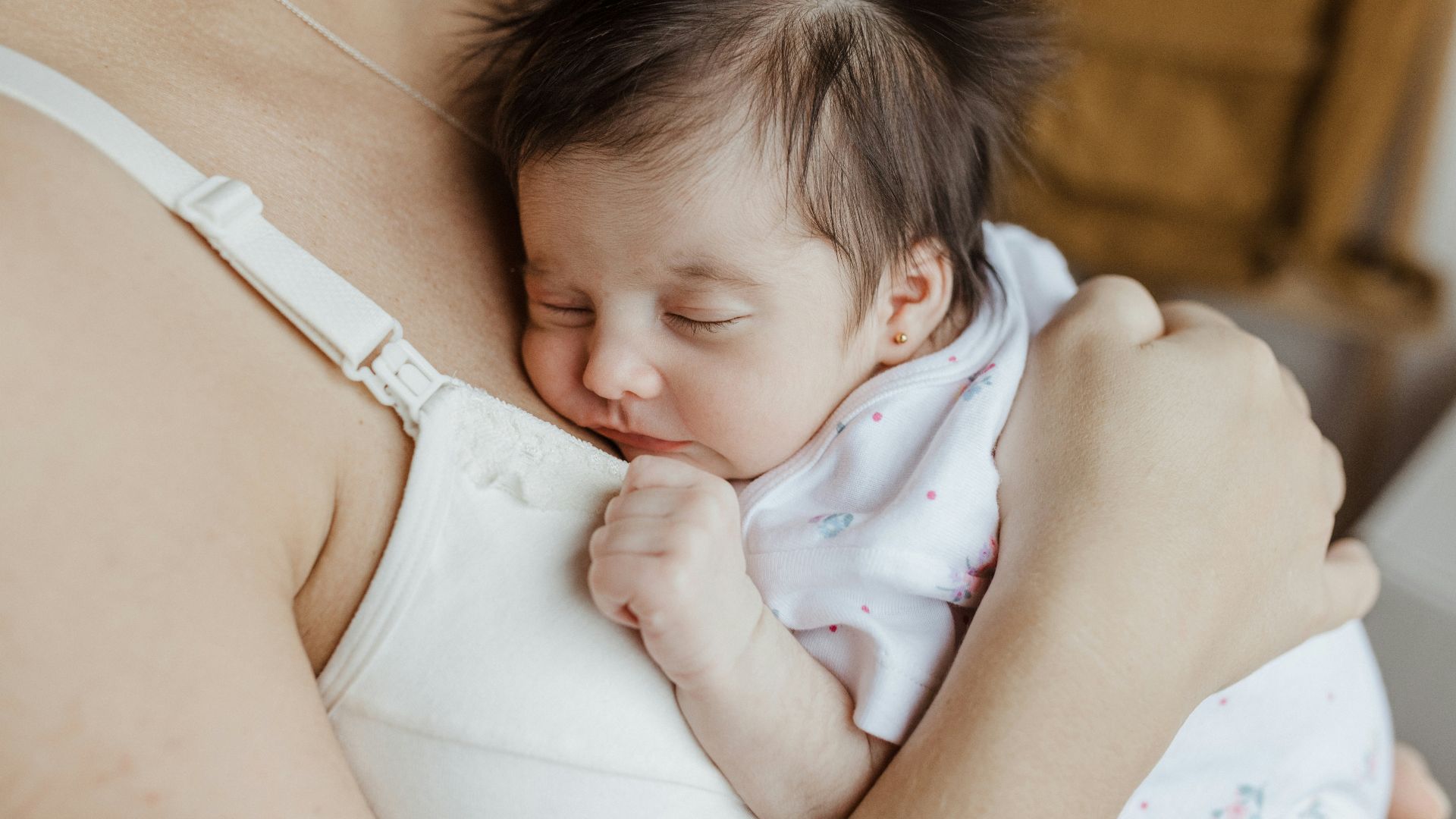
9. Nursing Bra And Breast Pads
If you're planning to breastfeed, or even think you might, having these ready ahead of time is worth it. They add comfort and make early feeding and leaking much easier to manage without improvising at the worst possible moment.
10. Healthy Snacks
Hospital meal timing doesn't always match up with actual hunger, and the vending machine options at 2 a.m. are rarely anyone's first choice. Crackers, nuts, or protein bars are easy to pack and surprisingly useful during long waits or overnight hours.
 Juan José Valencia Antía on Unsplash
11. Water Bottle
Staying hydrated matters, and having your own bottle nearby is just easier than relying on whatever cup ends up on the tray table. One with a straw or an easy lid is especially handy, particularly if you’ve had a physically demanding procedure.

12. Your Own Pillow
Hospital pillows do the job, though that's about all they do. Bringing your own makes it easier to actually rest. A colored pillowcase helps it stay separate from the hospital bedding and not go home with the laundry cart.

13. Eye Mask And Earbuds
Hospitals aren't designed for uninterrupted sleep. A simple eye mask helps with bright rooms and early morning checks, while earbuds or earplugs can take the edge off hallway noise and the general overnight commotion.

14. Music, Podcasts, Or Other Easy Entertainment
There's a fair amount of waiting in a hospital room, and dead time feels longer when you have nothing lined up. A downloaded playlist, podcast, or book can make the room feel less tense and considerably less boring between check-ins.
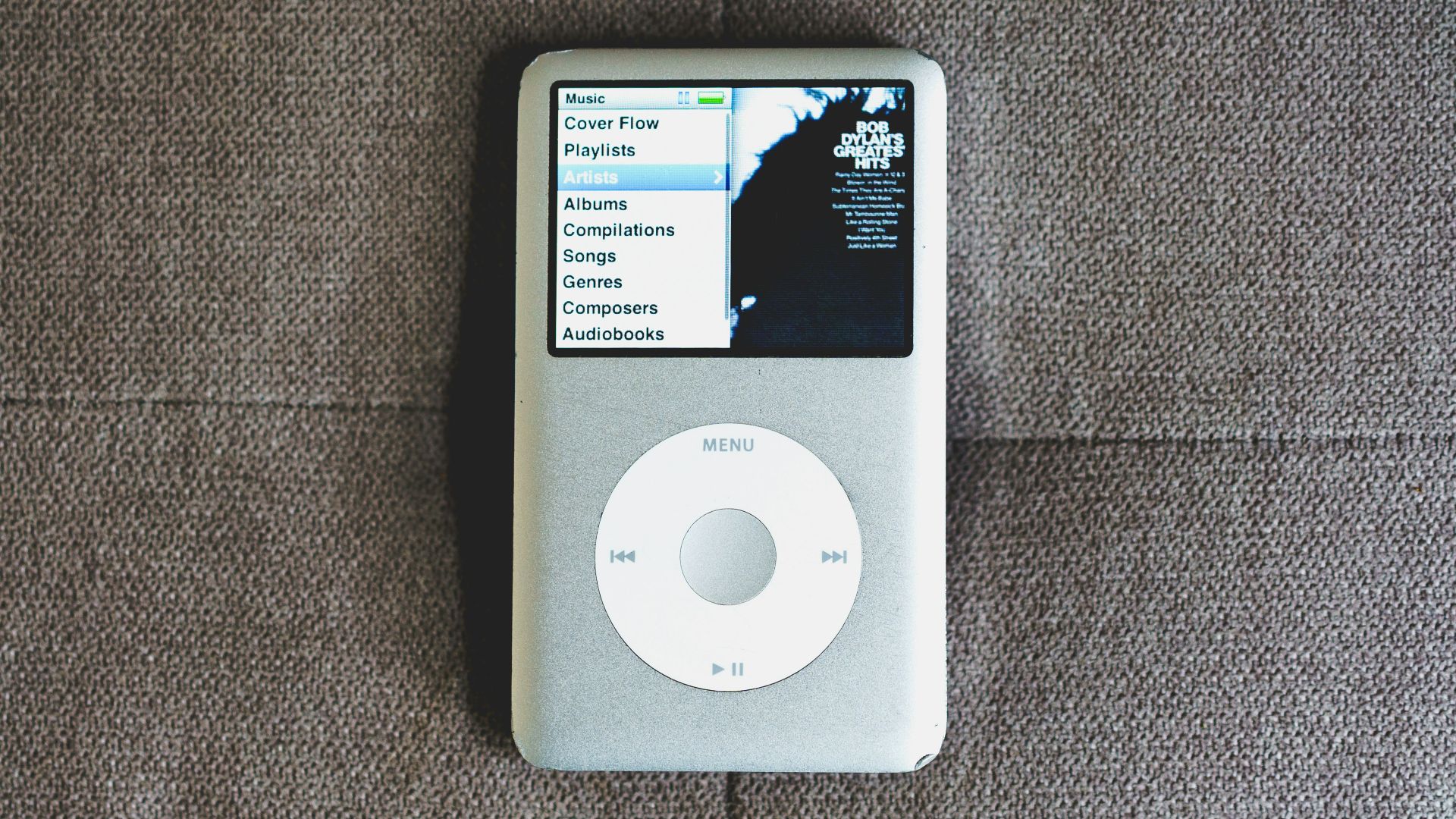
15. Pen And Notepad
Near discharge, especially, you might hear a lot of instructions in a short span of time, and some of them will blur together. A notepad makes it easier to write down questions, medication details, feeding notes, or upcoming appointment reminders.
 Kier in Sight Archives on Unsplash
16. A Current Medication List
This doesn't feel like a bag item, but it can be a huge help. A written list of prescriptions, supplements, dosages, and anything you take regularly gives your care team cleaner information than a handful of bottles tossed in at the last minute.
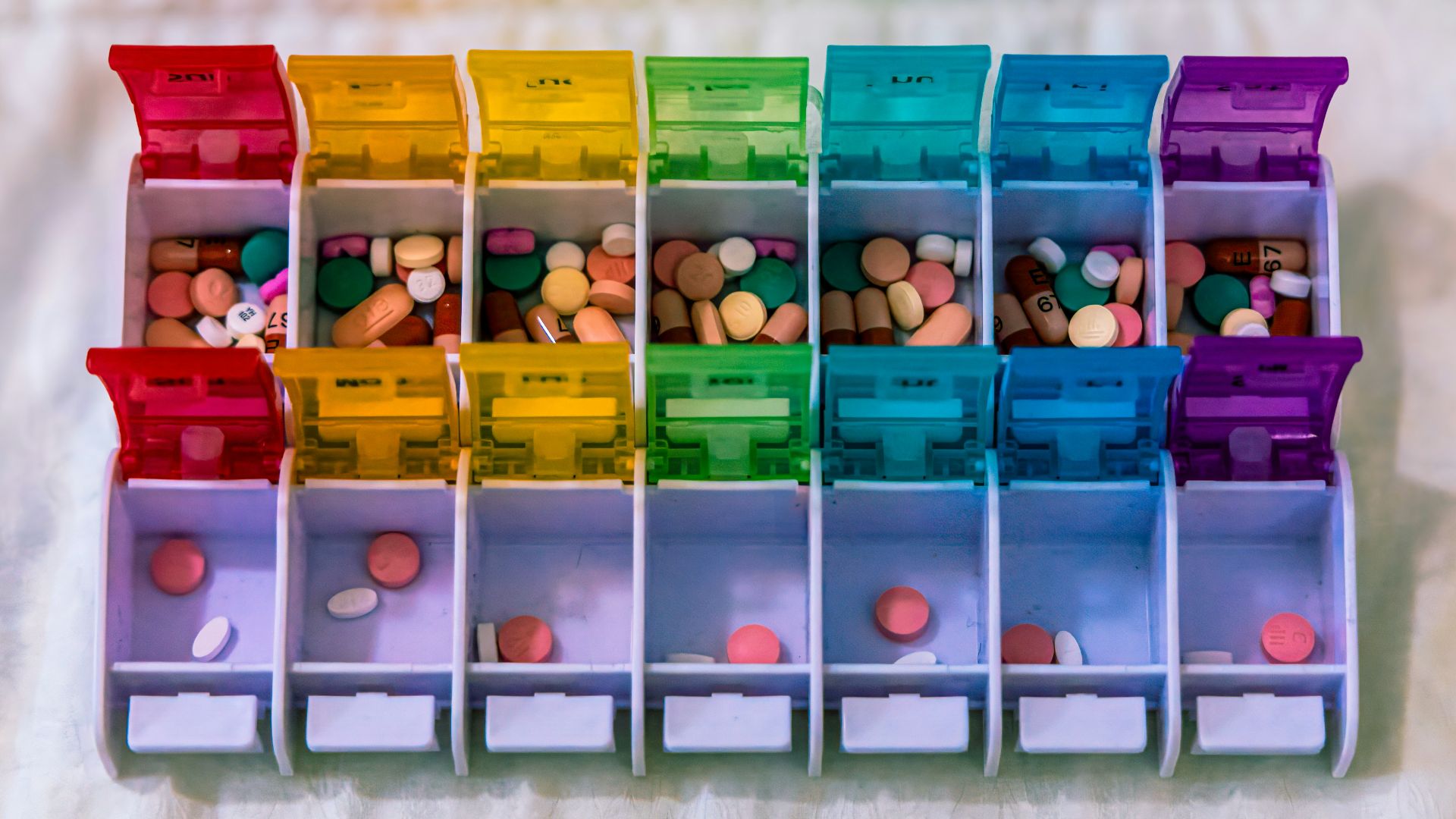
17. Going-Home Clothes For You
Most people think carefully about what to wear during their stay and forget entirely about leaving. Pack something soft, loose, and easy to get on. After a hospital stay, fitted clothes and fussy waistbands are nobody's friend.

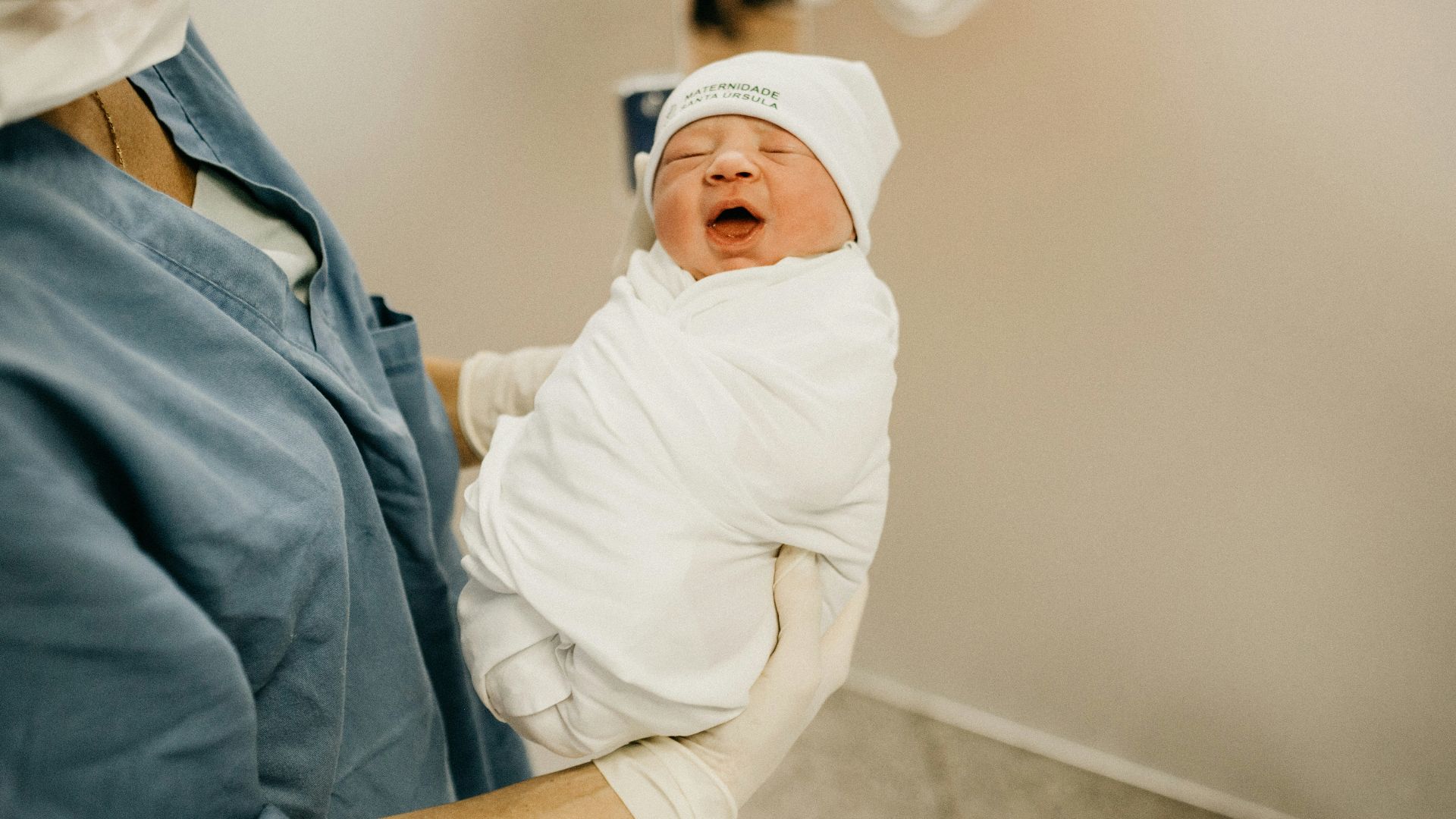
18. Baby's Going-Home Outfit
Many hospitals provide what your baby needs during the stay, but the trip home is on you. Keep it simple, season-appropriate, and easy to put on.
19. Installed Car Seat
This is the practical item that tends to get procrastinated on, right up until it becomes an urgent problem on discharge day. If you're bringing a baby home by car, get the seat installed well ahead of time so the parking lot isn't where you figure it out.
20. A Small Amount Of Cash
Even now, a little cash can still come in handy for parking, vending machines, or other small expenses. You don't need much, and valuables definitely don't belong in a hospital bag, but a few dollars tucked in can save an unnecessary headache.

KEEP ON READING

20 Ways Loneliness Can Affect Your Health After 50

20 Hospital Bag Essentials People Always Forget
20 Ways Your Phone May Be Affecting Your Body