
10 Parts of Your Body You Shouldn't Shave & 10 Other Shaving Rules You Should Be Following
10 Parts of Your Body You Shouldn't Shave & 10 Other Shaving Rules You Should Be Following
Where a Razor Shouldn't Go
Shaving is one of those routines most people have been doing since their teens, which makes it easy to assume you've already got it all figured out. But there's actually a lot more to a good shave than just running a razor over your skin and calling it a day. From the areas you should put the razor down for entirely to the habits that'll save your skin from irritation and ingrown hairs, here's everything you need to know to shave smarter—and you might be doing it wrong.
1. Nostrils
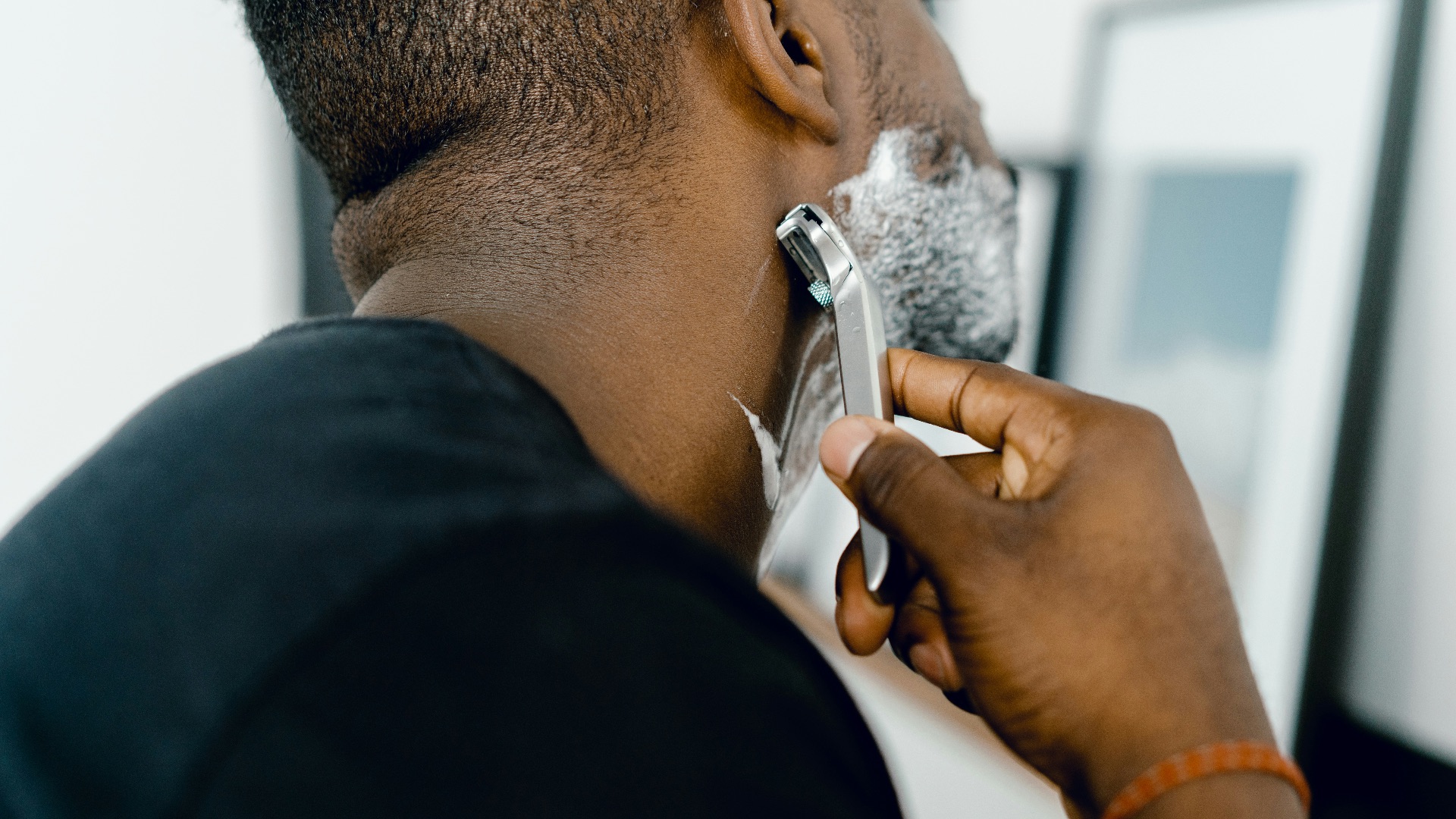
Your nostrils are lined with hair that's there for a reason: it filters out dust, allergens, and airborne particles before they reach your respiratory system. Sticking a razor up your nose is also a recipe for nicks in a very sensitive, bacteria-prone area, which can quickly lead to infection. If you want to tidy up visible nose hairs, opt for a dedicated nose trimmer that trims rather than removes them entirely.

2. Upper Lip
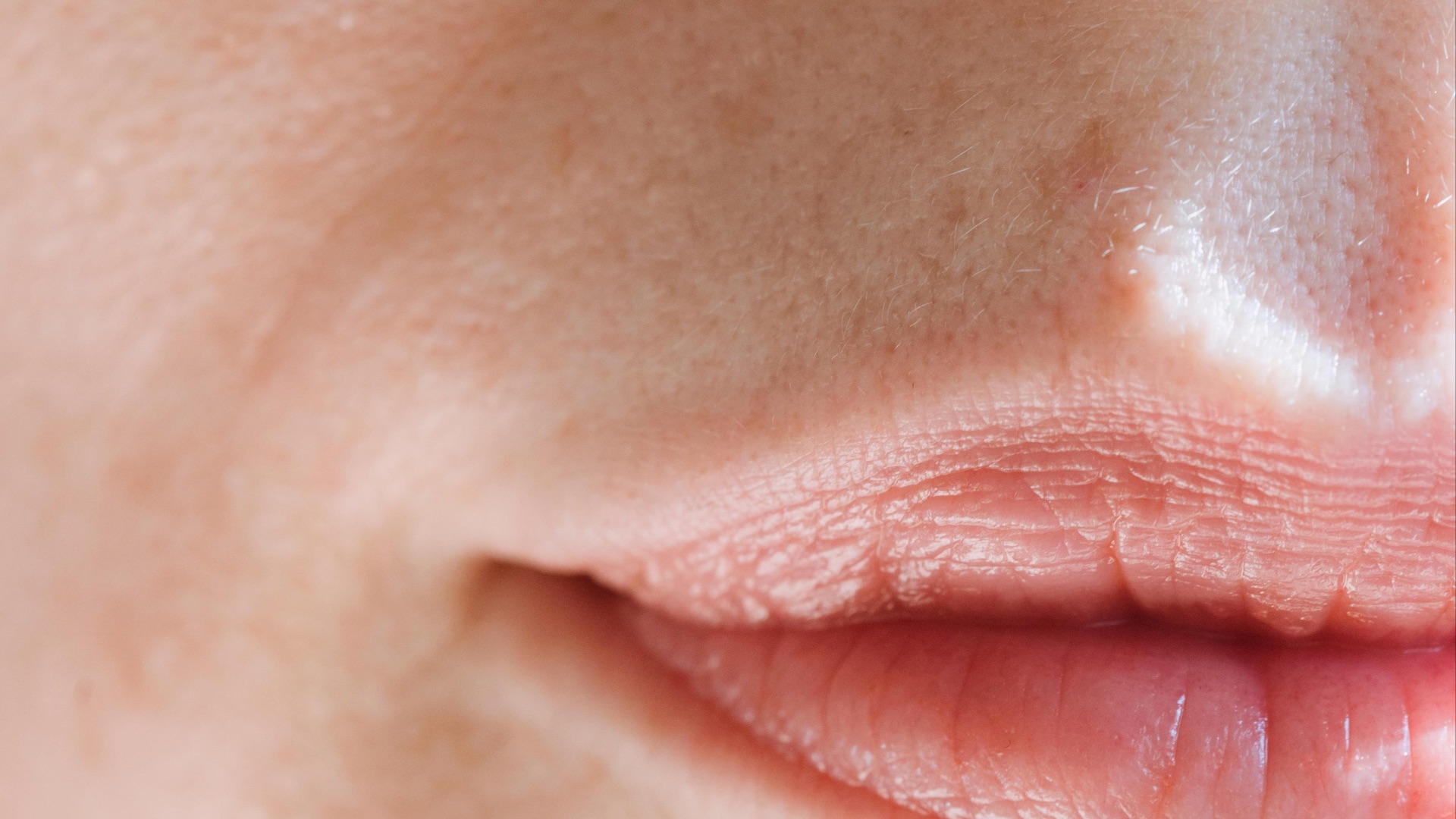
For women and others who aren't looking to grow facial hair, shaving the upper lip is one to avoid. Unlike waxing or threading, shaving cuts the hair bluntly at the surface, which means it grows back with a more noticeable, coarser-looking edge. It also tends to grow back faster, so you'd find yourself shaving every few days just to stay on top of it; threading or facial waxing are far better long-term options for this area.
3. Widow's Peak
Your widow's peak is part of your natural hairline shape, and shaving it will only cause problems once the hair starts to grow back. Regrowth in this area tends to look patchy and uneven, and it can disrupt the overall frame of your face in ways that are tricky to fix. If you're unhappy with your hairline, a consultation with a hairstylist or trichologist will give you far better options than a razor ever could.
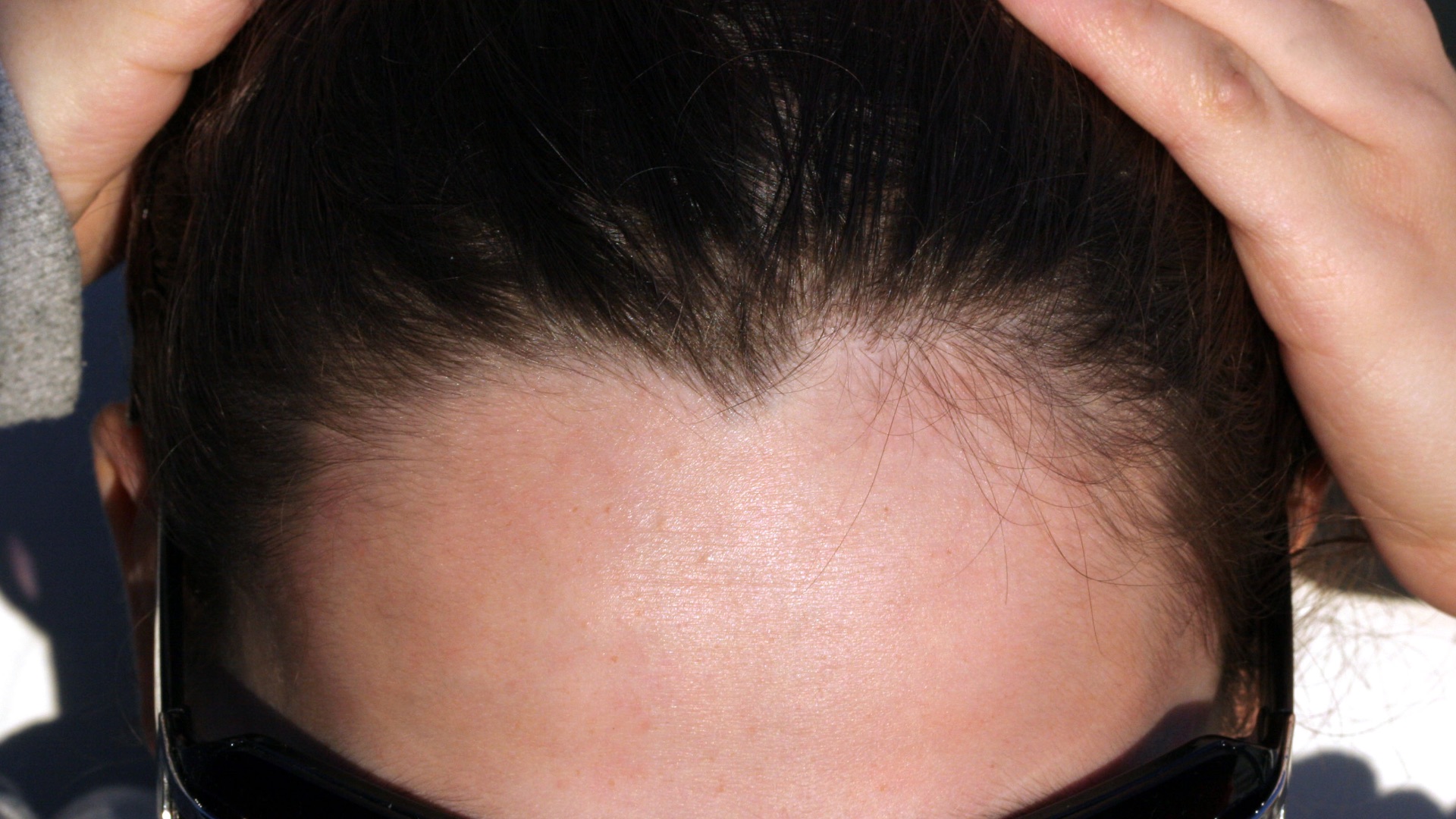 Kuebi = Armin Kübelbeck on Wikimedia
4. Eyebrows
Shaving your eyebrows, even just to shape them, carries a real risk of taking off more than you intended, since razors aren't precise enough for detailed facial work. Your brows also play a major role in how your face is read by others, and growing them back after a shaving mishap is a slow, unpredictable process. Stick to professional threading, waxing, or eyebrow razors specifically designed for facial precision if you want to shape or define them.

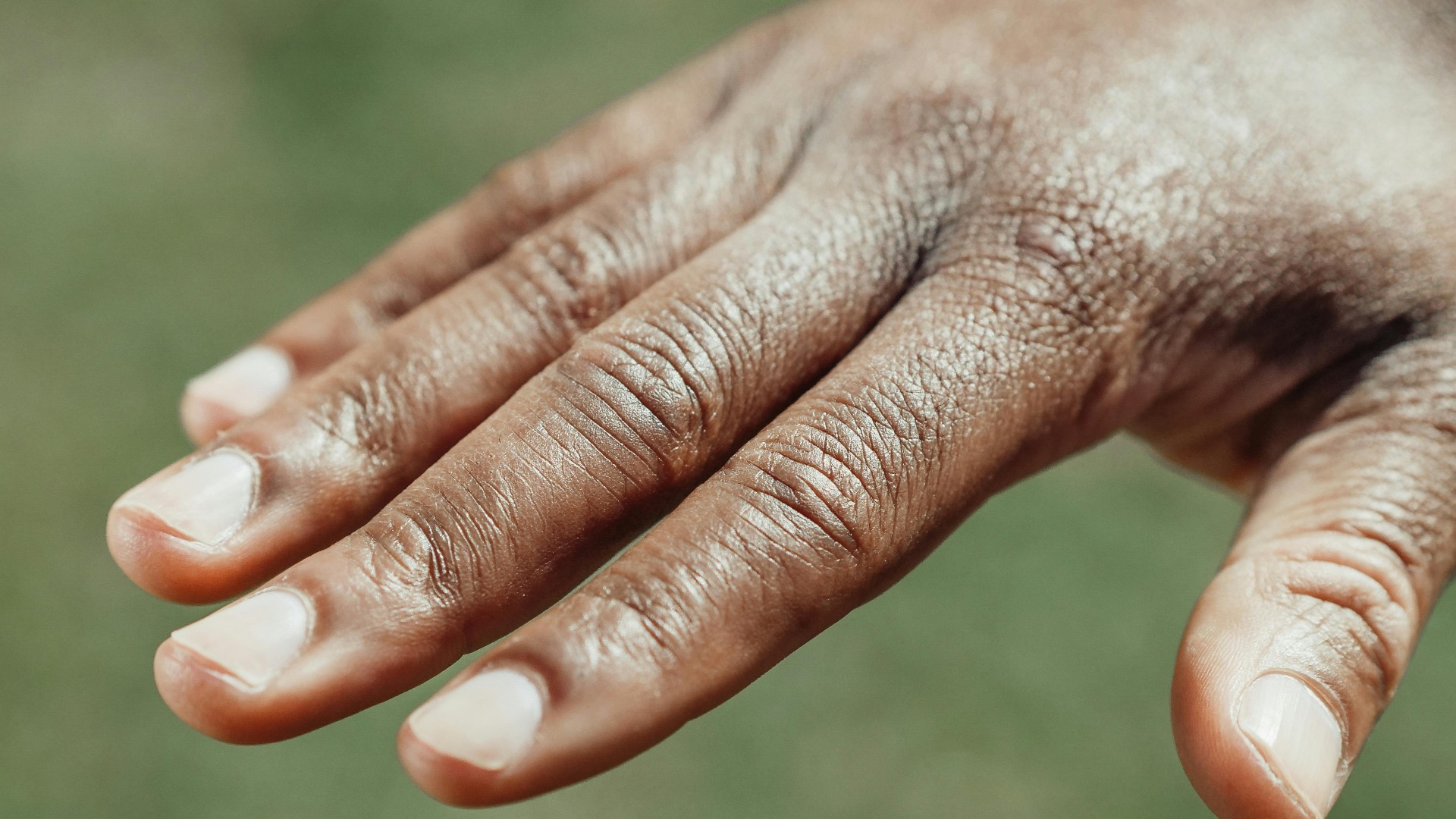
5. Knuckles
The hair on your knuckles, fingers, and toes might feel annoying, but it's one of the trickier areas to shave cleanly, given all the uneven curves and bony surfaces involved. Nicks and cuts are extremely common here, and the skin over your knuckles is thin and prone to irritation. If it really bothers you, laser hair removal or waxing are much more practical solutions for areas with so many contours. But it's probably best to just leave the hair here be.
6. Your Bum
The skin in this area is sensitive, prone to friction, and often hard to see properly, which makes shaving it a combination of difficult and risky. Razor burn and ingrown hairs are especially common here because of how much movement and fabric contact the area experiences throughout the day. Waxing or professional laser treatments are safer alternatives if you want to manage hair in this region.

7. Pubic Area
While many people do shave here, it's worth knowing that pubic hair actually serves a protective function, acting as a barrier against friction and helping reduce the transmission of bacteria. If you do choose to shave, the skin is thin and sensitive, and it's one of the most common sites for painful ingrown hairs and razor burn. Trimming rather than shaving all the way down is a much kinder option for your skin.

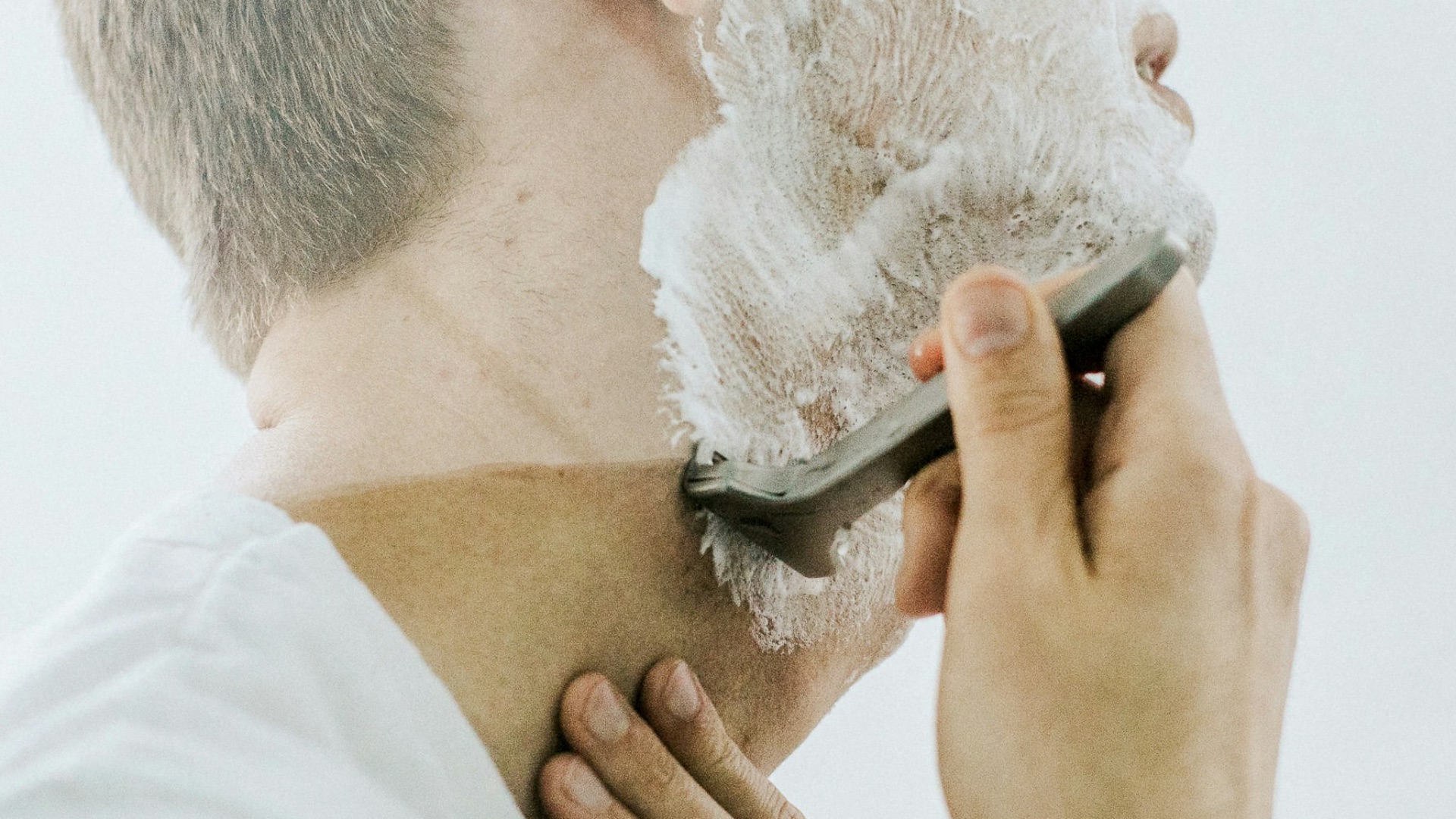
8. Underneath the Chin
The underside of the chin is a notoriously awkward angle to shave, and it's easy to miss patches or apply uneven pressure without realizing it. That, or you might just end up shaving too much off and end up with a weird neckline. The skin here is also prone to sagging slightly with age, which makes it even harder to get a clean, smooth result with a razor. If you're dealing with unwanted hair in this area, threading or an epilator tends to give better, longer-lasting results.
9. Happy Trail
Shaving your happy trail seems straightforward enough, but the hair here tends to grow back quickly and with a noticeably stubbly texture, especially since it's such a visible strip of skin. The regrowth phase can also bring itching and irritation right across the midsection, which isn't exactly comfortable when you're wearing waistbands all day. Waxing is a much more effective option if you want that area to stay smooth for longer.

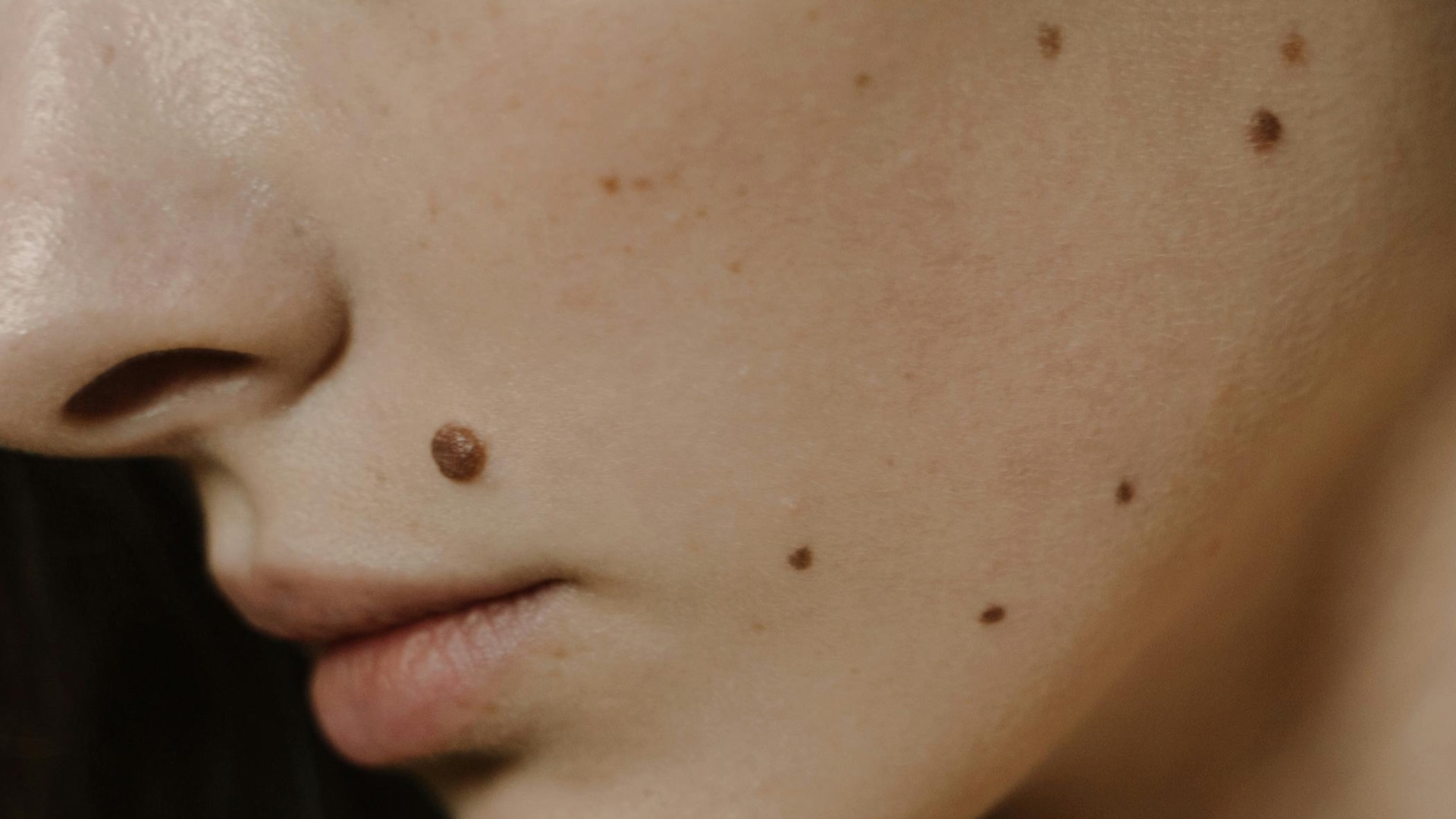
10. Raised Moles
You can technically shave over raised moles, but it's one of those things that's easy to regret almost immediately. A razor can catch on the elevated skin and cause bleeding, irritation, scabbing, or even infection, especially if the mole sits higher than the surrounding skin. It's worth mapping out any raised spots before you shave and either working carefully around them or consulting a dermatologist if the hair growing from them bothers you.
Now that you know which areas are better left to the tweezers, the waxing strip, or a professional, it's time to talk about what actually makes a good shave. These 10 rules will help you get a closer, smoother, and far less irritating result every single time.
1. Always Shave at the End of Your Shower
Shaving at the tail end of your shower gives the warm water and steam time to soften your hair and open up your pores before the blade ever touches your skin. Warm water causes hair to swell slightly, which makes it less likely to curl back into your skin after cutting and cause bumps. It's one of the simplest adjustments you can make to your routine, and the difference in comfort and closeness is noticeable right away.

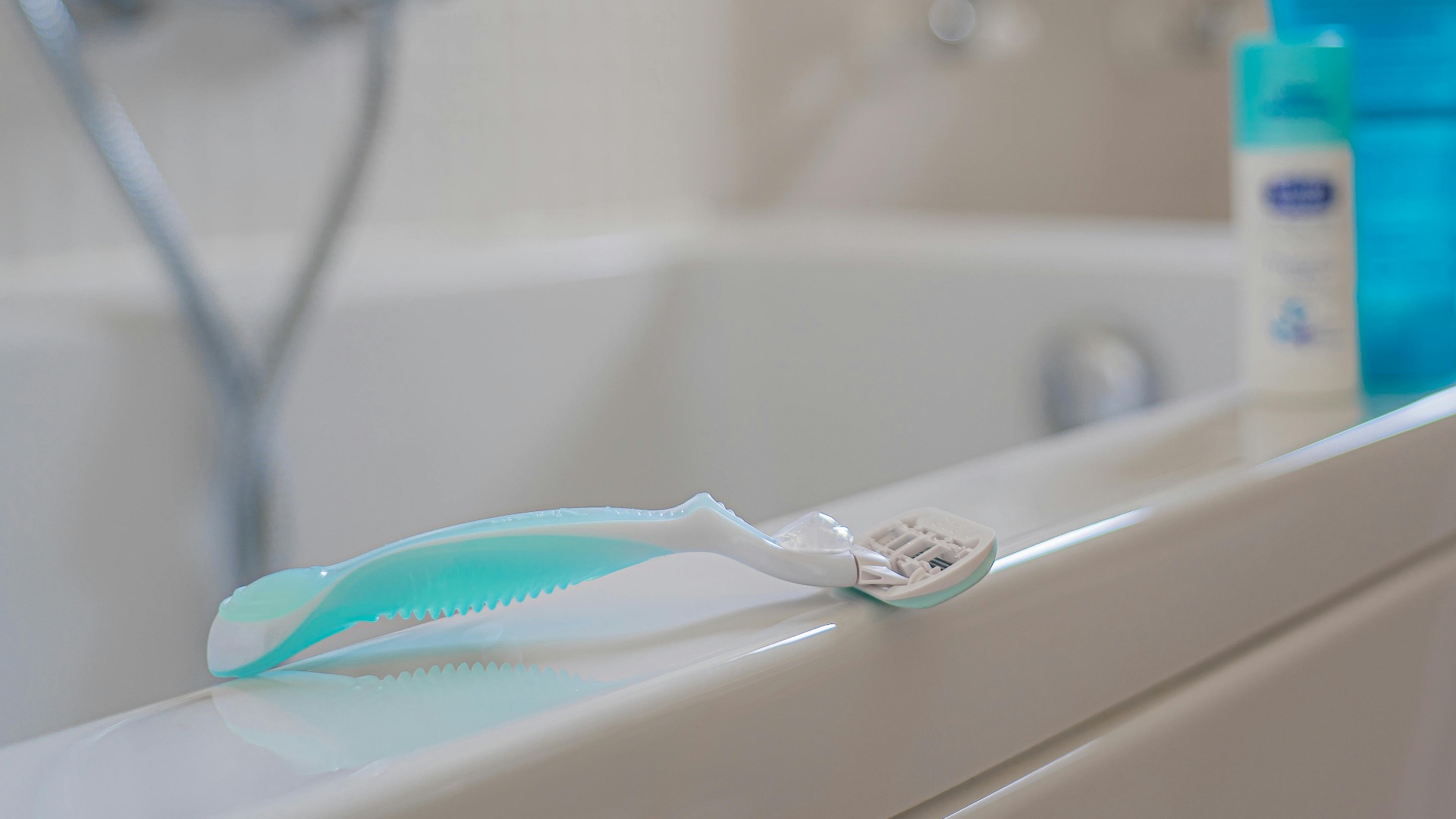
2. Don't Leave Your Razor in the Shower
Storing your razor where you get your shaving done might sound intuitive, and you likely have been doing it for years, but it's actually better to keep your razor out of the bathroom. Leaving your metal blades in a damp, humid environment can accelerate rusting, which can affect not only your shave but may also cause an infection.
3. Never Skip the Shaving Cream
Dry shaving, or shaving with just water, is one of the most common causes of razor burn, and it's entirely avoidable. Shaving gel creates an additional layer of protection that helps prevent moisture loss, reduces nicks and hair pulls, and shows you exactly where you've already shaved so you can avoid going over the same spot twice. Look for a moisturizing formula suited to your skin type, especially if you tend to run sensitive.

4. Shave with the Grain First
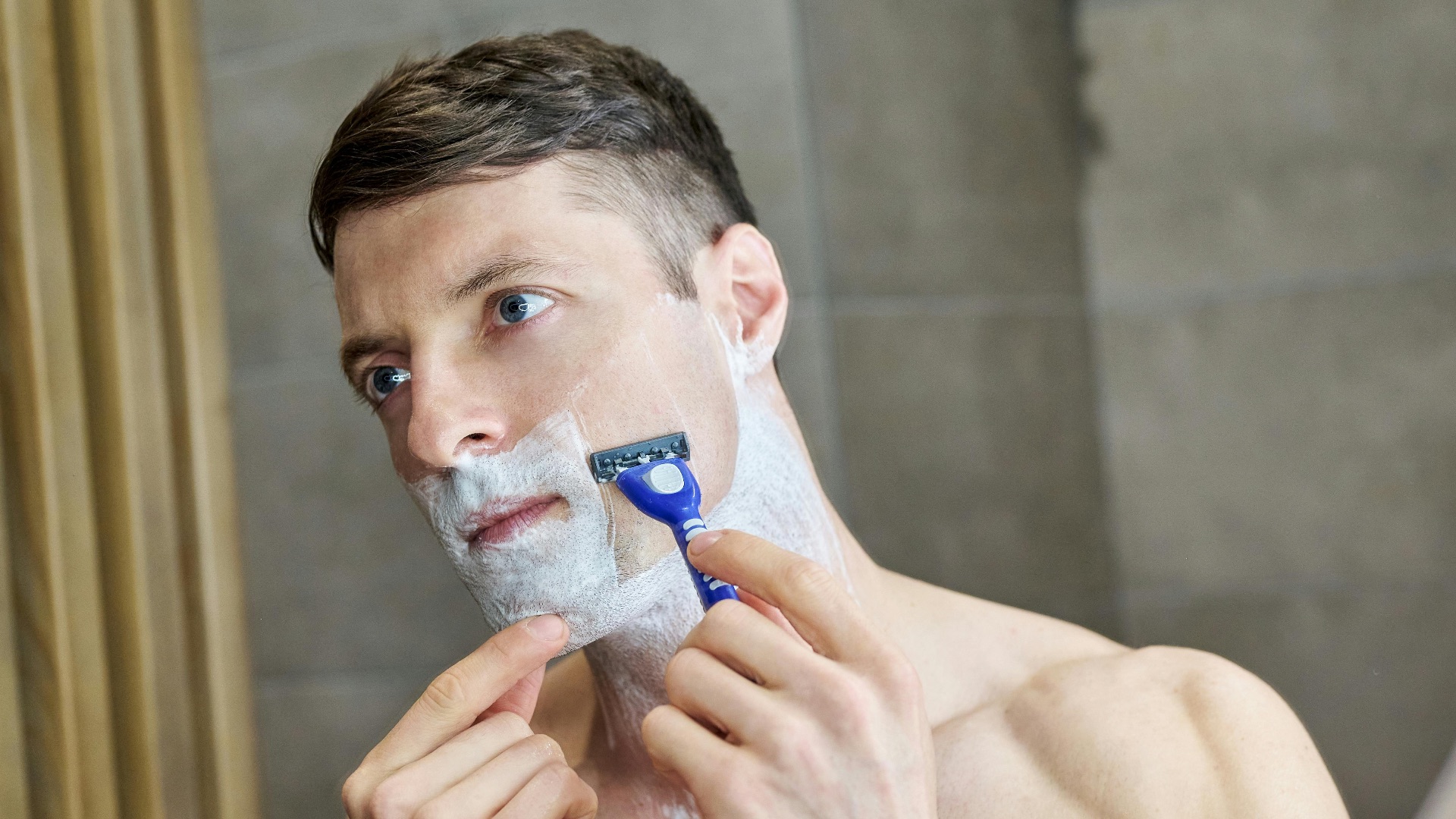
Shaving against the grain causes irritation; figuring out which direction your hair grows and shaving with it is one of the most effective ways to prevent razor bumps. If you want a closer finish, you can do a second pass against the grain once you've already shortened the hair, but starting with the grain significantly reduces the friction your skin is exposed to. Take your time and use light, steady strokes rather than pressing down hard.
5. Replace Your Blade Often
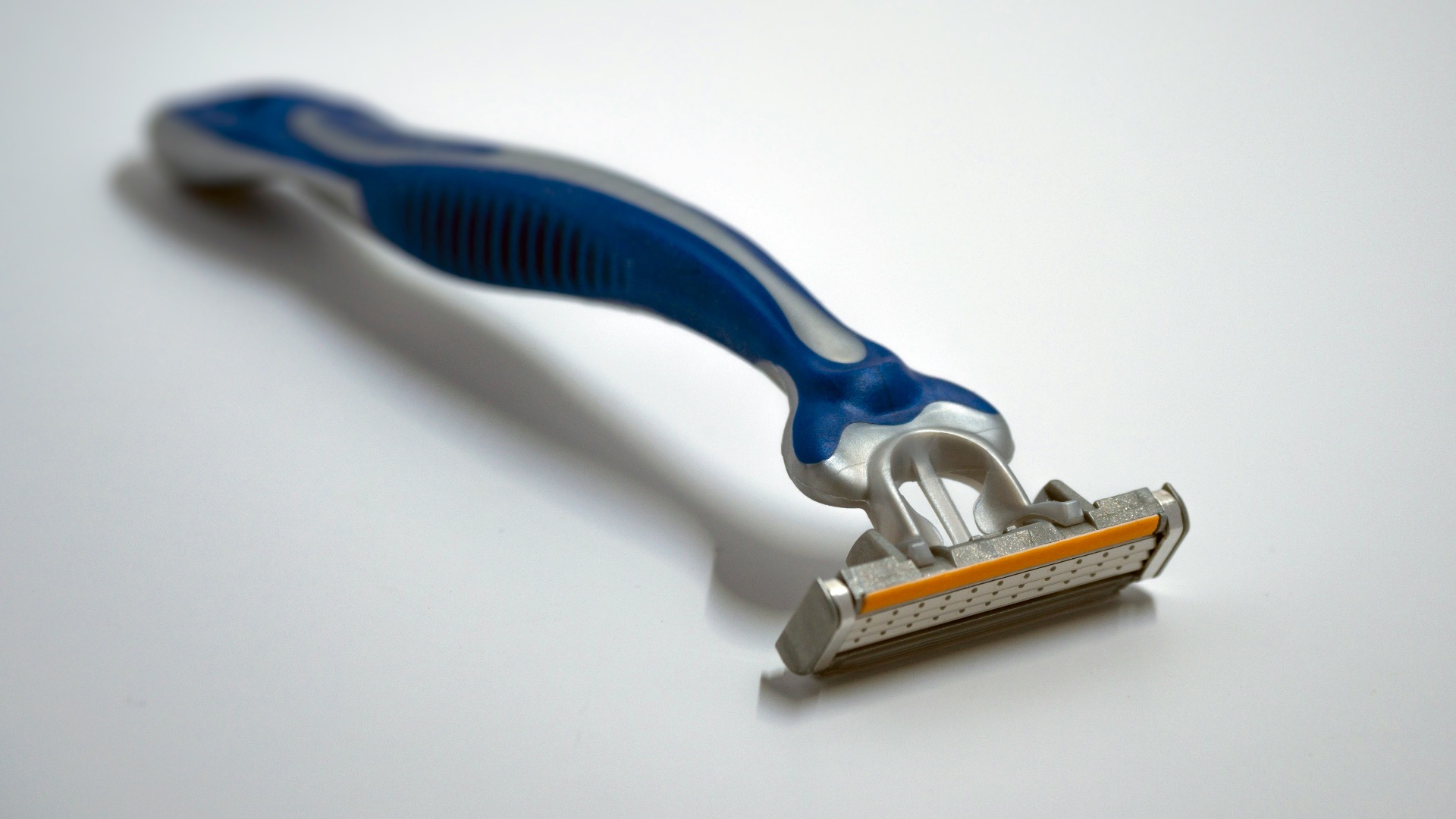
Dull blades cause you to go over the same spots multiple times, which is one of the main triggers for irritation; most people should replace their blades every five to ten shaves. A blade that's past its prime will tug and drag rather than glide, and you'll often be able to feel the difference even before you see the results on your skin. A sharp blade is actually less likely to cause nicks and cuts than a dull one, which is counterintuitive but true.
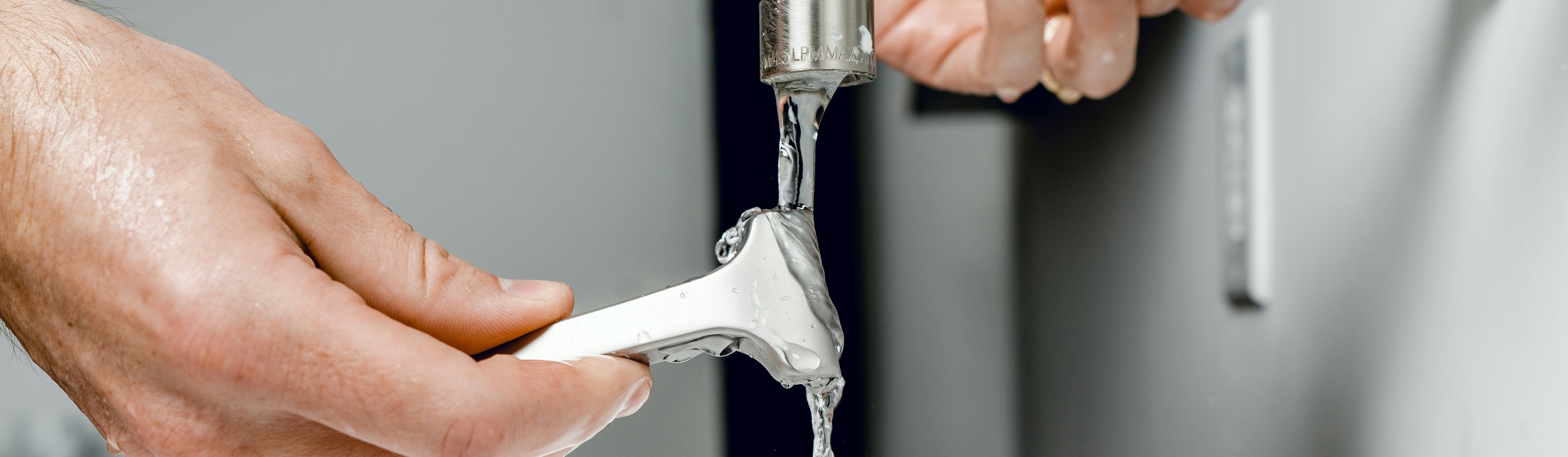
6. Rinse Your Razor After Every Stroke
It sounds like a small thing, but rinsing your razor blade with warm water after each stroke keeps it clear of hair, skin cells, and product buildup that would otherwise reduce the blade's effectiveness mid-shave. Frequent rinsing helps prevent clogging and ensures a more consistent glide across your skin. Once you're done, rinse it thoroughly and store it upright in a dry spot; as we've mentioned, leaving a wet razor lying flat in a humid shower is a fast track to rust and bacteria buildup.
7. Pat Your Skin Dry, Don't Rub
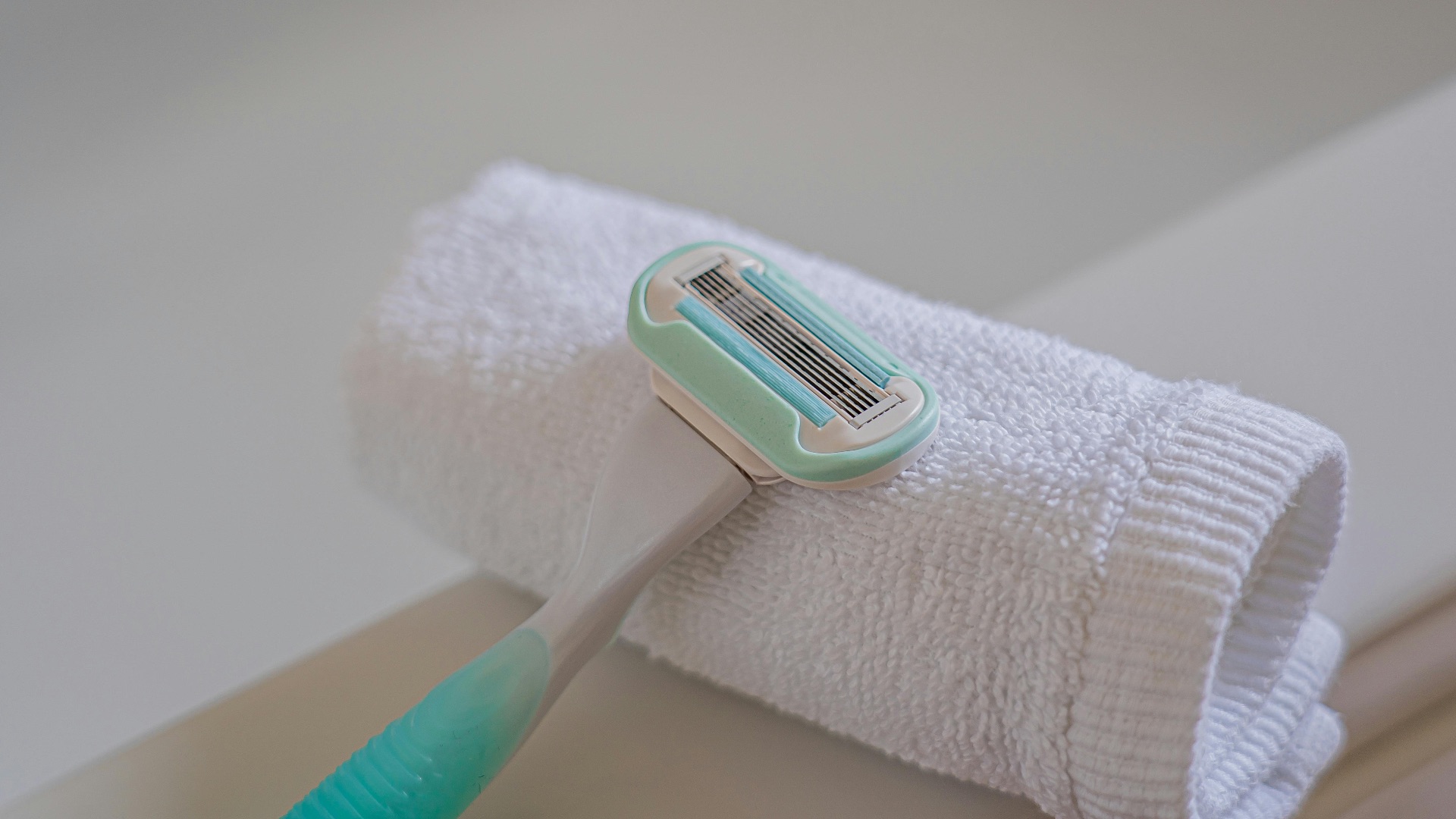
Once you step out of the shower, resist the urge to towel off your freshly shaved skin with the usual brisk rubbing motion. Rubbing generates heat and friction, which leads to irritation on skin that's already been sensitized by the razor. Instead, gently pat the area dry with a clean towel before moving on to any post-shave products.

8. Use a Razor with Fewer Blades
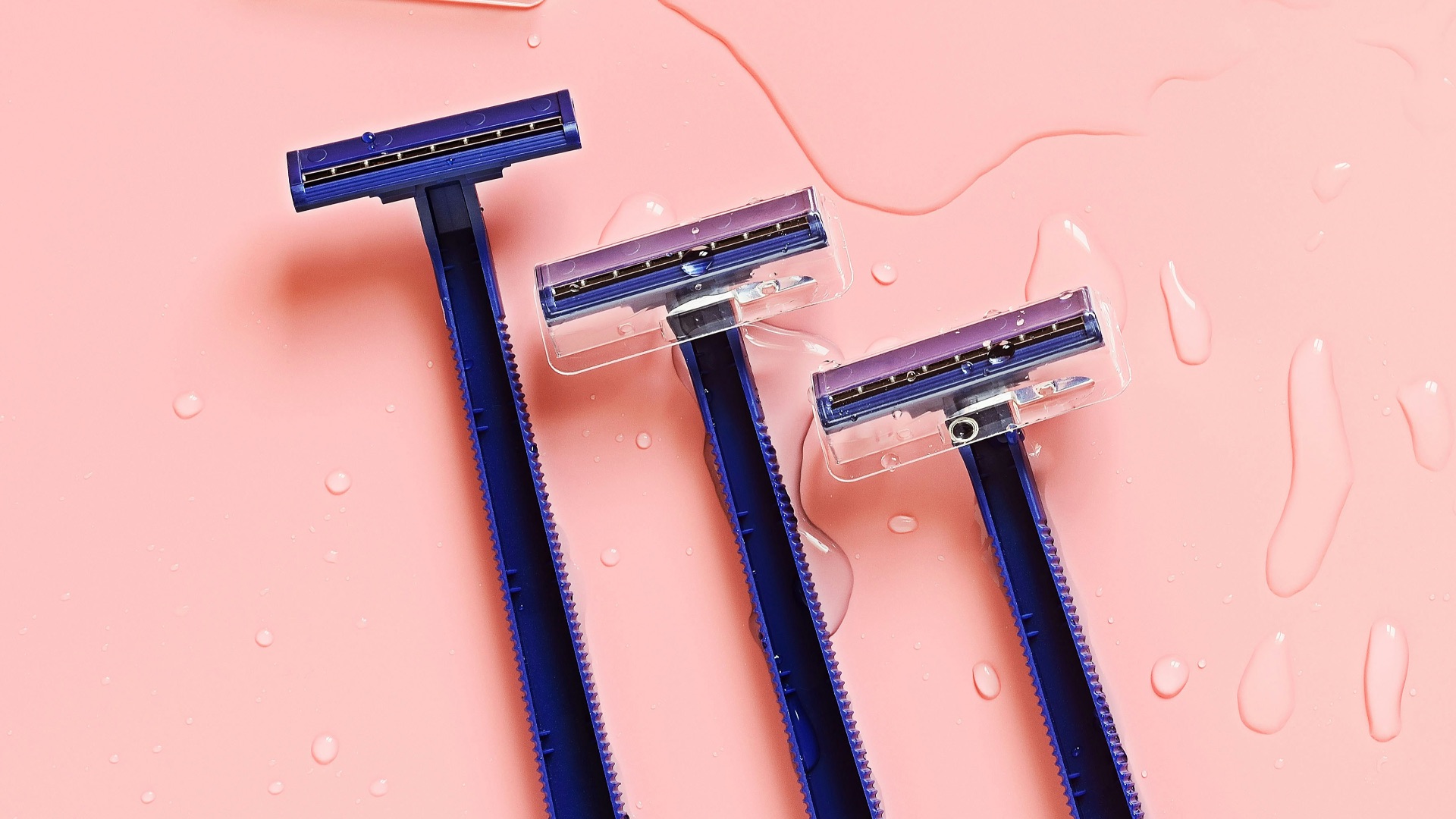
You might think that it should be the opposite, that a razor with more blades gives you a cleaner, more precise shave, but it's actually better to stick to fewer blades; the more there are, the easier it is to accidentally cause trauma or damage to your skin. If possible, stick to single-blade razors.
9. Moisturize Immediately After Shaving
Applying moisturizer after shaving rehydrates your skin and prevents irritation or flakiness. Shaving removes not just hair but also a thin layer of skin cells, so your skin is more vulnerable to dryness right afterward. An alcohol-free moisturizer is your best bet, as it preserves moisture and provides an extra layer of protection against razor burn and bumps.

10. Give Sunscreen a Spot in Your Post-Shave Routine
This one tends to catch people off guard, but it's worth taking seriously: shaving makes your skin more sensitive to the sun, so applying sunscreen after your shaving routine is done is an important step, especially on areas like the face and legs that see regular sun exposure. The freshly shaved skin is more vulnerable to UV damage than it would normally be, so this is one rule that protects you well beyond the bathroom. A broad-spectrum SPF 30 or higher is the standard recommendation from dermatologists.

KEEP ON READING

20 Ways Loneliness Can Affect Your Health After 50

20 Hospital Bag Essentials People Always Forget

20 Ways Your Phone May Be Affecting Your Body